Fine line Solo Leveling motifs read best when planned for real skin, not just an Instagram crop. Trends push ultra-detailed portraits and shadow silhouettes, and those look spectacular fresh but age differently depending on placement and spacing. Pick a spot you can wear without friction, tell your artist how you live in a garment, and the ideas below start with pieces that hold up while still nodding to the manga and manhwa that inspired them.
1. Shadow Soldier Silhouette on Inner Forearm
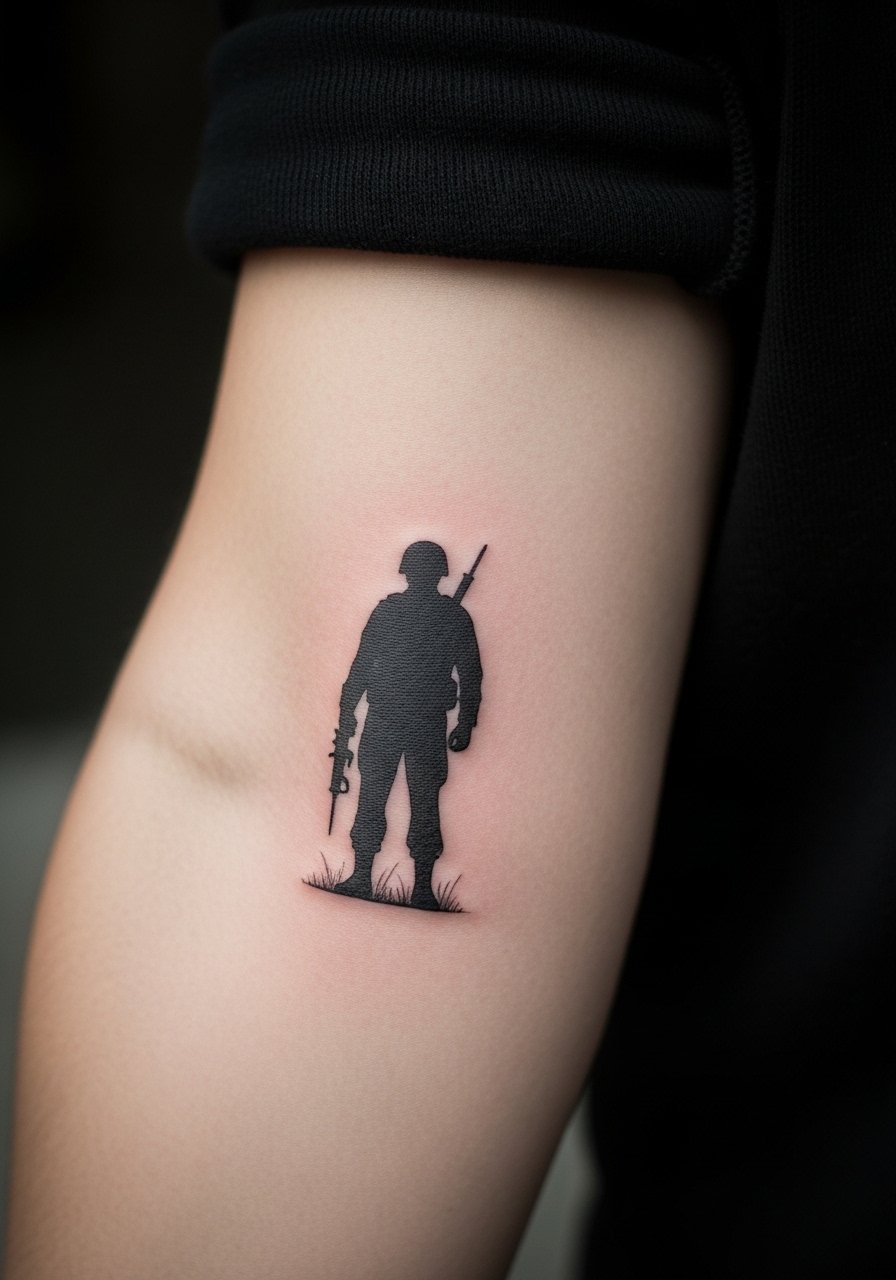
This is a compact, readable homage that works for fans who want Solo Leveling energy without a full character portrait. Fair warning, the inner forearm is sun-exposed and fine line needs spacing to avoid merging at year three. In consultation ask for slightly heavier outer-line anchors and open negative space inside the silhouette so the soldier reads at a glance long term. Sessions run about 60 to 90 minutes and feel like steady needle work, not blitz shading. Common mistake is asking for every detail from a panel, which creates dense areas that soften into blotches. For showing it off, rolled sleeves or a linen shirt with cuffed sleeves puts the forearm on display without crowding the piece.
2. Sung Jinwoo Micro-Realism Upper Arm Patch
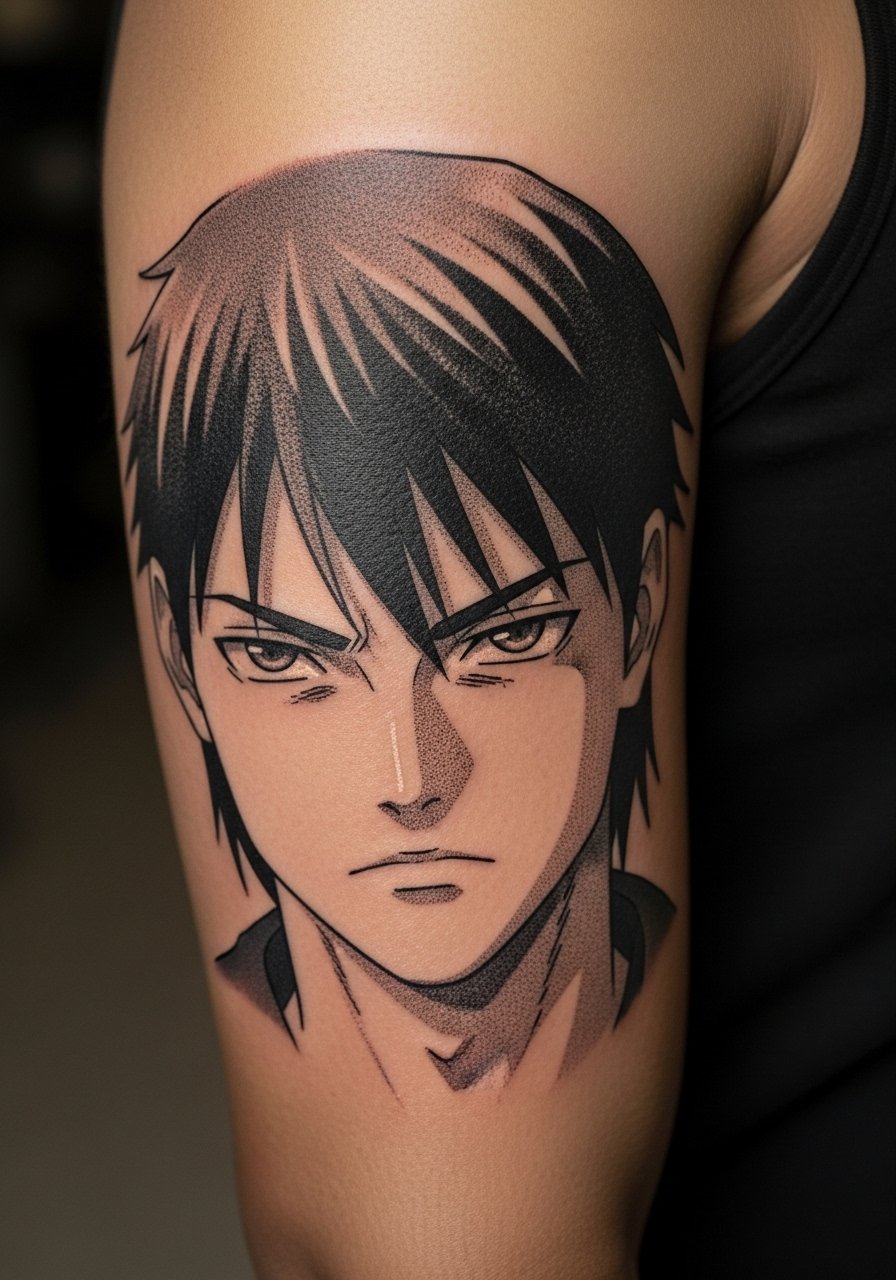
Portrait micro-realism is striking on the upper arm where there is room for tonal work. Expect a two to three hour session and targeted stipple shading instead of heavy color. Artists split on copying official panels. One camp treats faithful recreations as pure fan homage with careful credit. The other camp warns that direct replicas can clash with original artists and recommends custom interpretations. If you choose this route, bring several reference angles and ask for a custom sketch that adapts poses into tattoo-friendly composition. Upper arm flesh holds saturation well, so touch-up timelines are more generous than on the wrist. Pair with a loose button-down shirt you can pull aside during the session.
3. Minimalist Shadow Chain Wrist Band
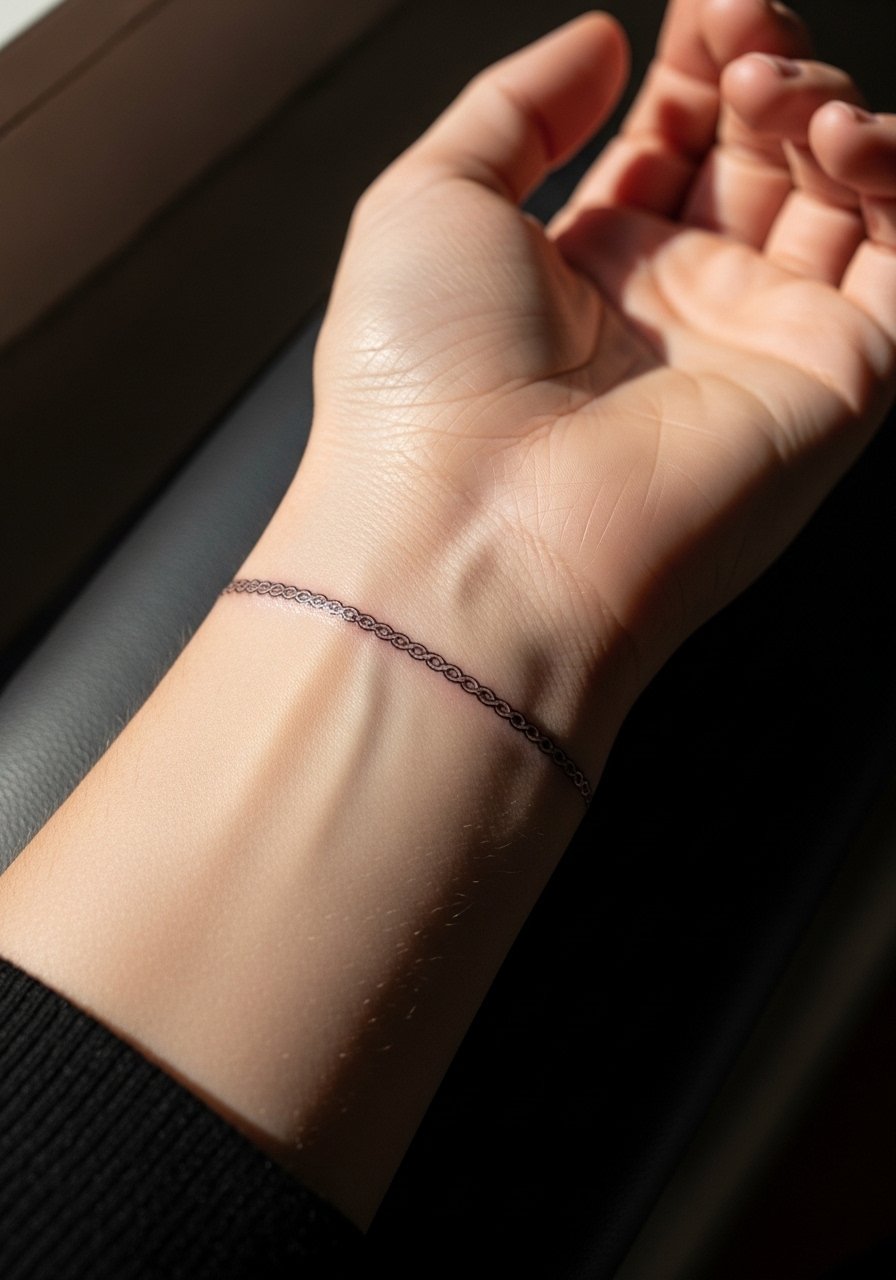
A low-profile chain inspired by the manhwa’s shadow motifs fits the wrist nicely and reads like jewelry. Session time is brief, often under 45 minutes, but the wrist sees friction from watches and typing. Request a tiny gap between repeated links so the band does not blur into a solid line over time. A common error is making the links too small for the wrist skin to hold, which leads to softening at year two. Touch-ups are realistic within 18 to 36 months for fine line wristwork. Style it with a thin chain bracelet to echo the design when you want to layer without competing with the tattoo.
4. Ashborn Sigil Sternum Linework
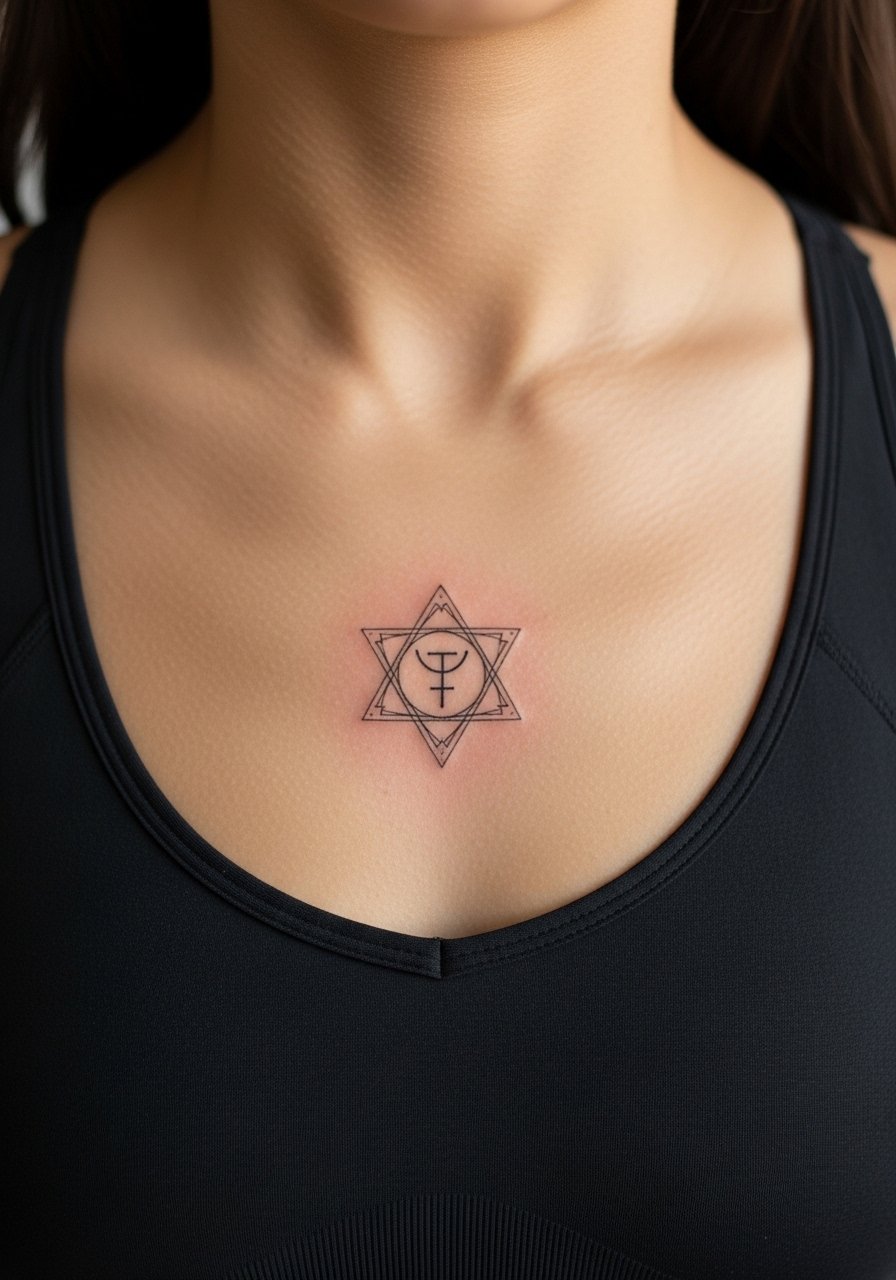
Sternum work reads intimate and dramatic when the linework is spaced correctly. Pain here is higher than the forearm, and sessions are usually in 45 minute increments to manage soreness. Artists argue about fine line on the sternum. One group says the thin skin and movement cause lines to blur rapidly. The other group says precise needle depth and a little negative space make it stable. Ask your artist which camp they fall into. For the appointment, a fitted sports bra makes access easy and keeps modesty intact. Expect touch-ups sooner than arm work because moisture and clothing friction affect healing.
5. Shadow Army Column Along the Spine
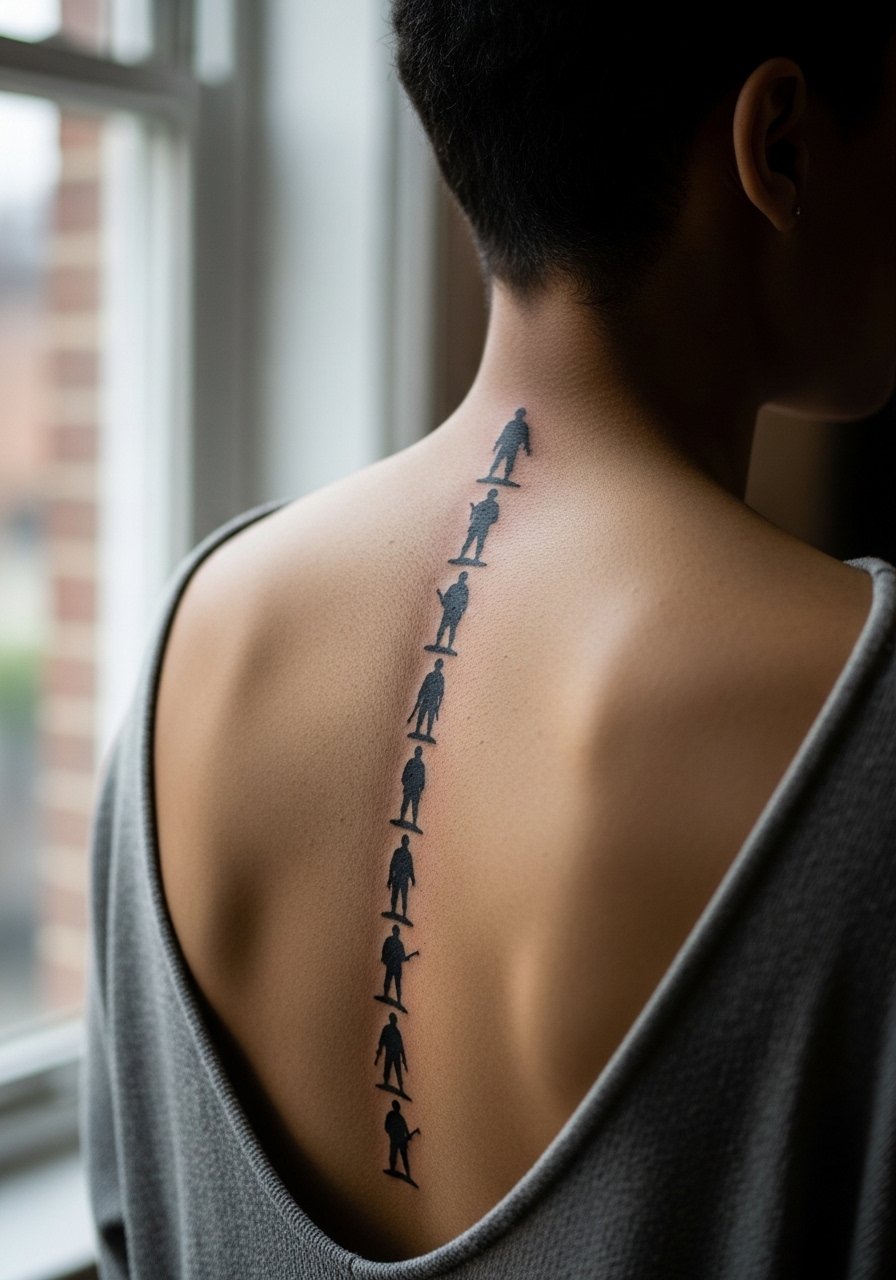
Spine pieces have cinematic impact and age well when rendered as bold silhouettes rather than micro-detail portraits. Pain is significant toward the vertebrae, so expect multiple shorter sessions. The biggest mistake is trying to cram detailed faces into each figure. The simpler the silhouette, the longer it holds saturation and edge clarity. During consultation ask for consistent negative space between soldiers so the column never reads as a single blob. For showing this off choose open-back tops like an open-back midi dress for evenings, or a halter top for casual wear.
6. Cha Hae-In Floral Accent Ankle Tattoo
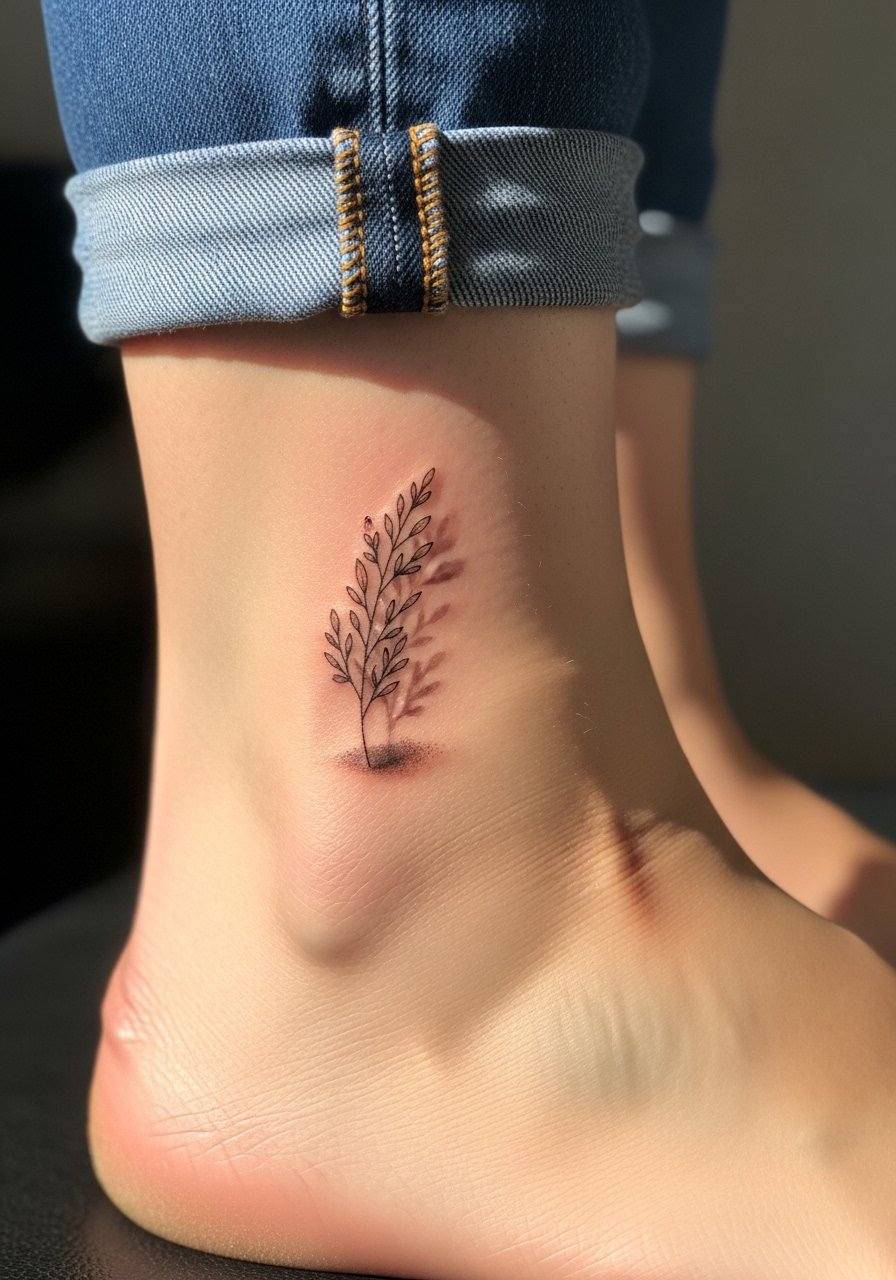
Ankle accents feel delicate and sit well with footwear choices. Sessions are short but the ankle sees a lot of friction from socks and shoes, so spacing is critical. Ask the artist to keep the main elements slightly raised from the ankle bone and avoid stamping tiny dots too close together. Typical mistake is making micro dots that disappear after repeated abrasion. Expect touch-ups at year two if you wear boots often. Pair this tattoo with sandals or rolled denim to let it show, and consider lightweight ankle bracelets after the healing window. For the session wear slip-on shoes so you do not need to wrestle sneakers on and off.
Studio Day Picks
Those first six pieces include exposed forearm, wrist, sternum, ankle, spine, and upper arm work. A few session-day items make the appointment less awkward and the first week of healing simpler.
- Stencil transfer paper kit. Lets you test placement and scale right on skin, which is especially useful for the wrist band and forearm silhouettes above.
- Topical numbing cream. Applied about forty-five minutes before can reduce sensitivity during ribcage or sternum sessions without altering linework.
- Thin protective film roll. Useful for ankle and wrist tattoos that face constant rubbing from socks and watchbands.
- Fragrance-free gentle body wash. Cleans the area during showers without stripping ink or irritating fresh linework.
- Aquaphor healing ointment. A thin layer in the first 48 hours helps keep fine line sections from scabbing excessively, which preserves crisp edges.
7. Blackwork Monarch Crest on Shoulder Blade
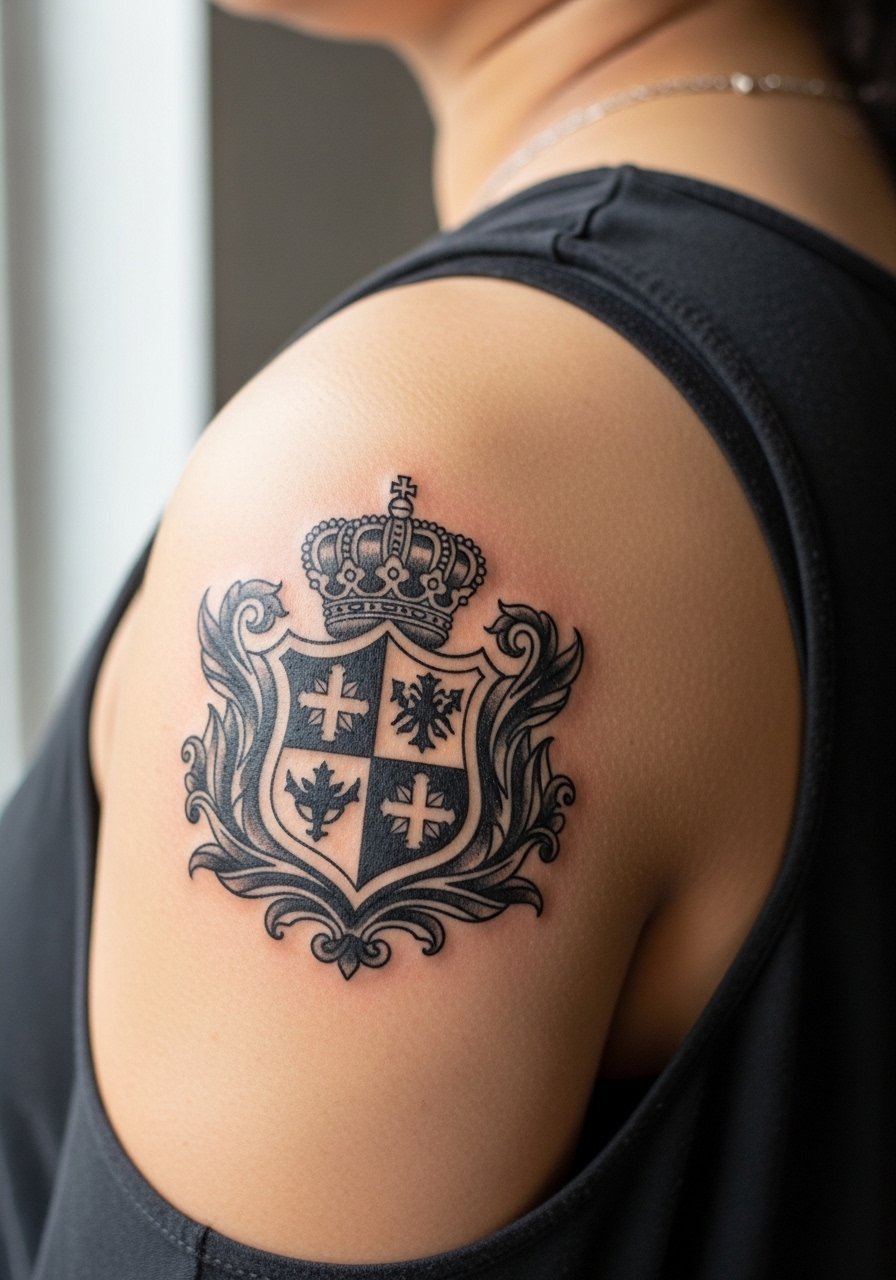
The shoulder blade offers a forgiving canvas and blackwork holds particularly well there. Sessions can be two to three hours for solid fills, and the pain is moderate. A common misstep is over-detailing the interior of a crest. Dense internal shading can look muddy after two years. Ask for clear border lines and large negative zones inside the crest so the silhouette remains crisp. Shoulder blade pieces sit beautifully under a tank or open-back top, so a tank top you can pull aside keeps the area accessible at the appointment and frames the finished piece.
8. Minimal Rune Script Along the Collarbone
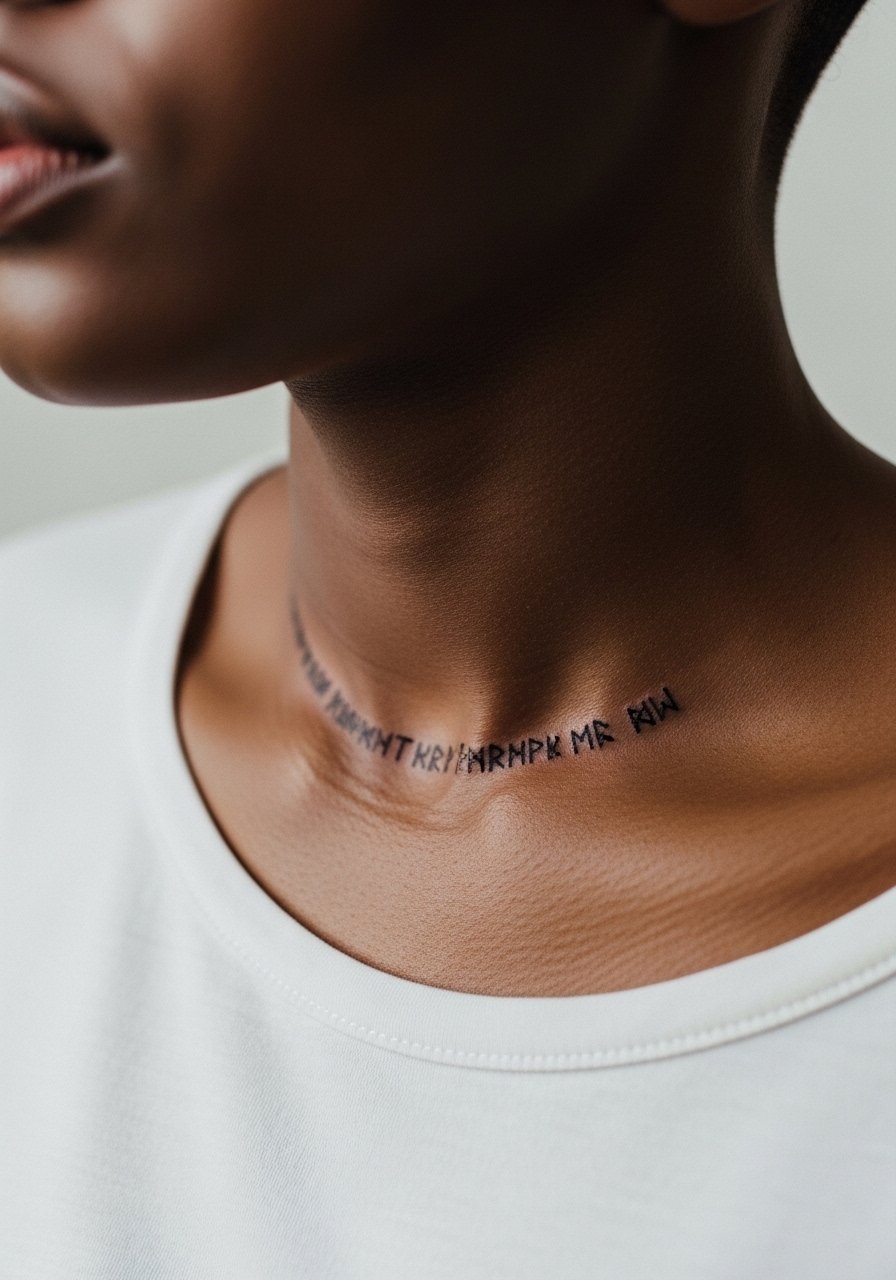
Lettering along the collarbone reads elegant but sits on mobile skin. Keep characters slightly larger than you think so they do not blur into each other as the area moves. Discuss exact spacing and font weight in consultation and provide the precise text you want. Small lettering on the collarbone often needs a touch-up in three to five years depending on sun exposure. Career considerations apply here more than on hidden placements, so think about visibility. Pair with a thin pendant necklace if you want a subtle frame.
9. Shadowy Gauntlet Forearm Sleeve Accent
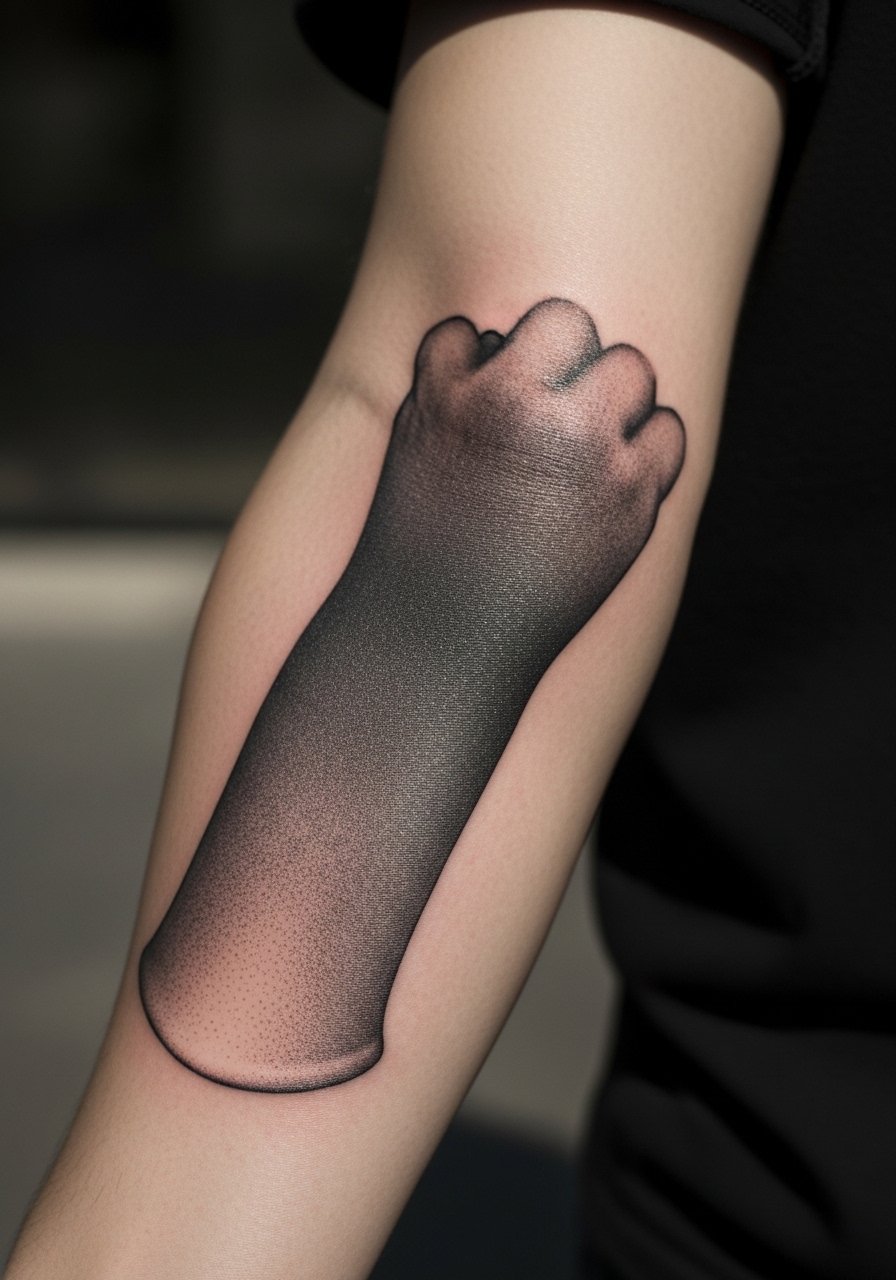
Partial sleeve accents bring a Solo Leveling armor vibe without a full commitment. The forearm tolerates saturation well, but avoid cramming micro details into the clasp areas. For consultation ask for transitional stipple shading where the gauntlet meets skin so lines soften gracefully over time. Sessions vary from two to five hours depending on coverage. The visual impact improves when you plan matching negative space around the elbow to prevent textural merging. Show it off with rolled sleeves or a long-sleeve shirt with adjustable cuffs.
10. Micro-Realism Shadow Dog on Calf
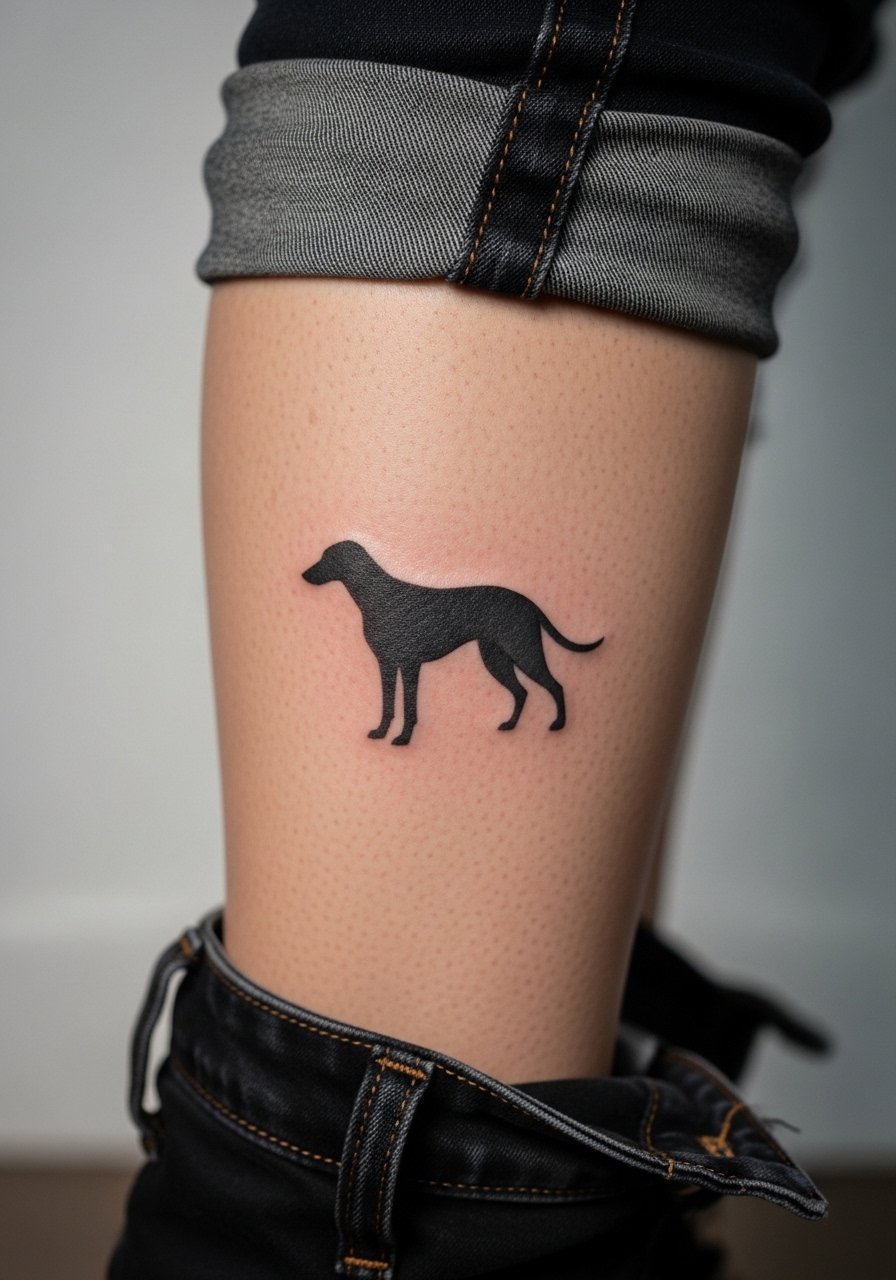
Calf pieces have forgiving flesh and are good for slightly larger micro-realism that still reads from a short distance. Sessions take around ninety minutes for a one-off figure. Common mistake is placing too low near the Achilles where rubbing shortens pigment lifespan. Ask to sit the design higher on the outer calf and request heavier anchoring lines around the outline so the silhouette stays recognizable. Healing is straightforward if you avoid tight boots for the first two weeks. For showing it off choose cropped trousers or mid-calf boots after the healing window.
11. Geometric Shadow Mandala on Outer Thigh
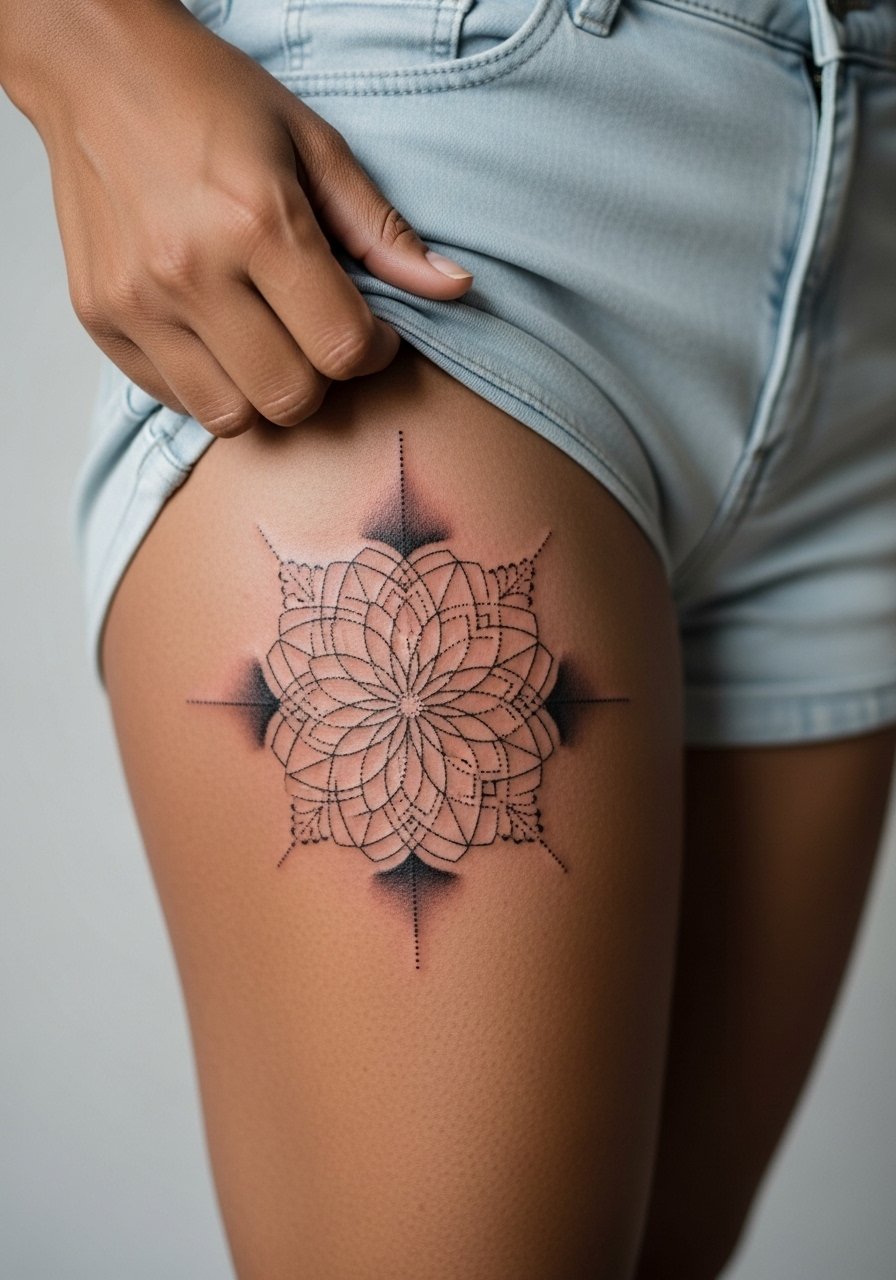
Outer thigh offers privacy and scale, so you can render a mandala with dot work and whip shading that still breathes. Pain is moderate and sessions are comfortable since the tissue is dense. The biggest mistake is over-detailing too small, which makes dense mandalas merge over a few years. Discuss spacing and allow air pockets between elements. For the session wear high-waisted shorts you can shift without full exposure. A patterned skirt or shorts highlight the mandala when you want to show it off and keeps the piece age-friendly.
12. Minimalist Shadow Cursor Finger Dot
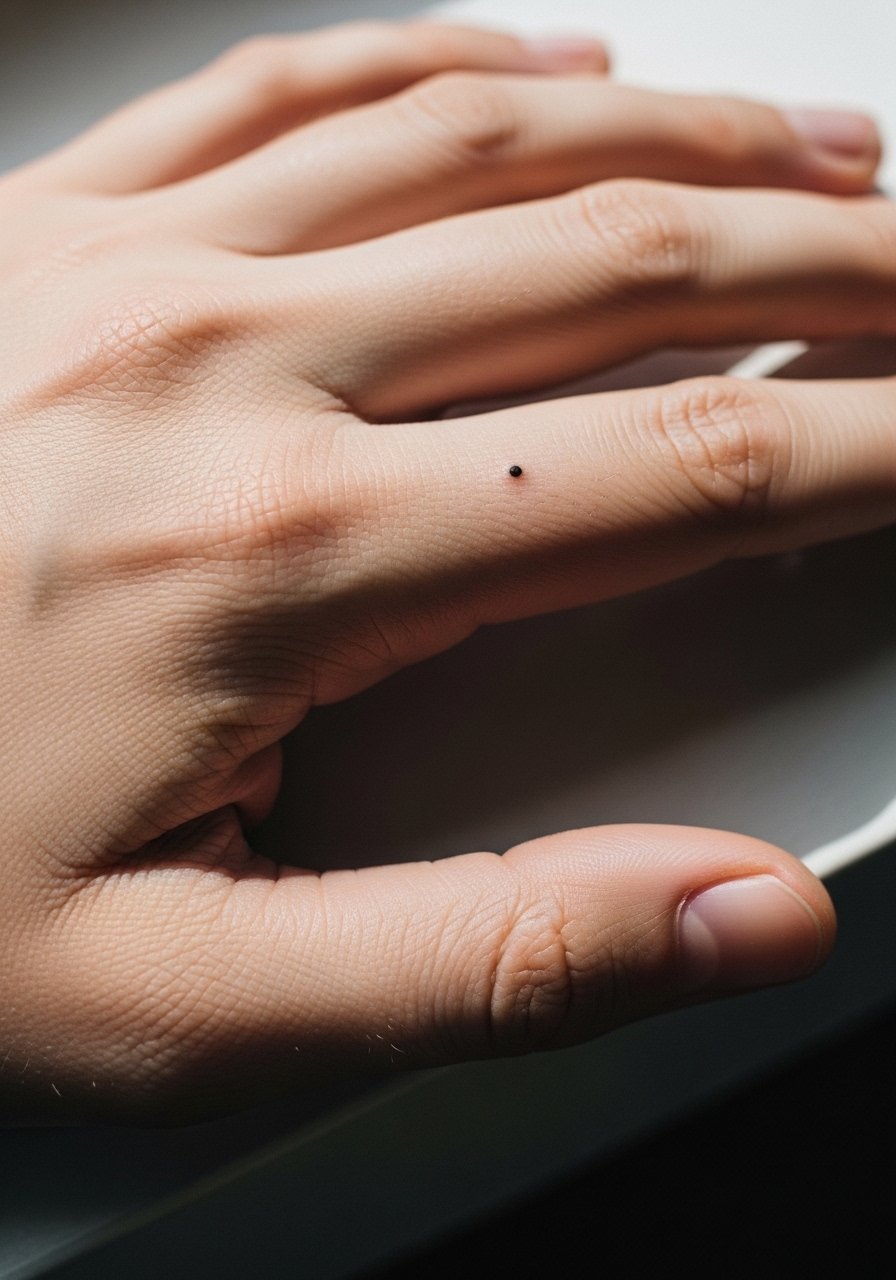
Finger tattoos are undeniably visible but carry high fade risk because of hand washing and skin turnover. A one-dot or small glyph is honest about limitations and still delivers a fandom nod. Tell the artist you accept periodic touch-ups and prefer a slightly bolder initial dot to compensate for fast fade. Sessions are short and pain is sharp but quick. Remember that finger pieces may affect certain workplaces. When you need the look without permanence consider stacking dainty rings or a thin midi ring set while you test how it feels.
13. Shadow Puppet String Near the Elbow
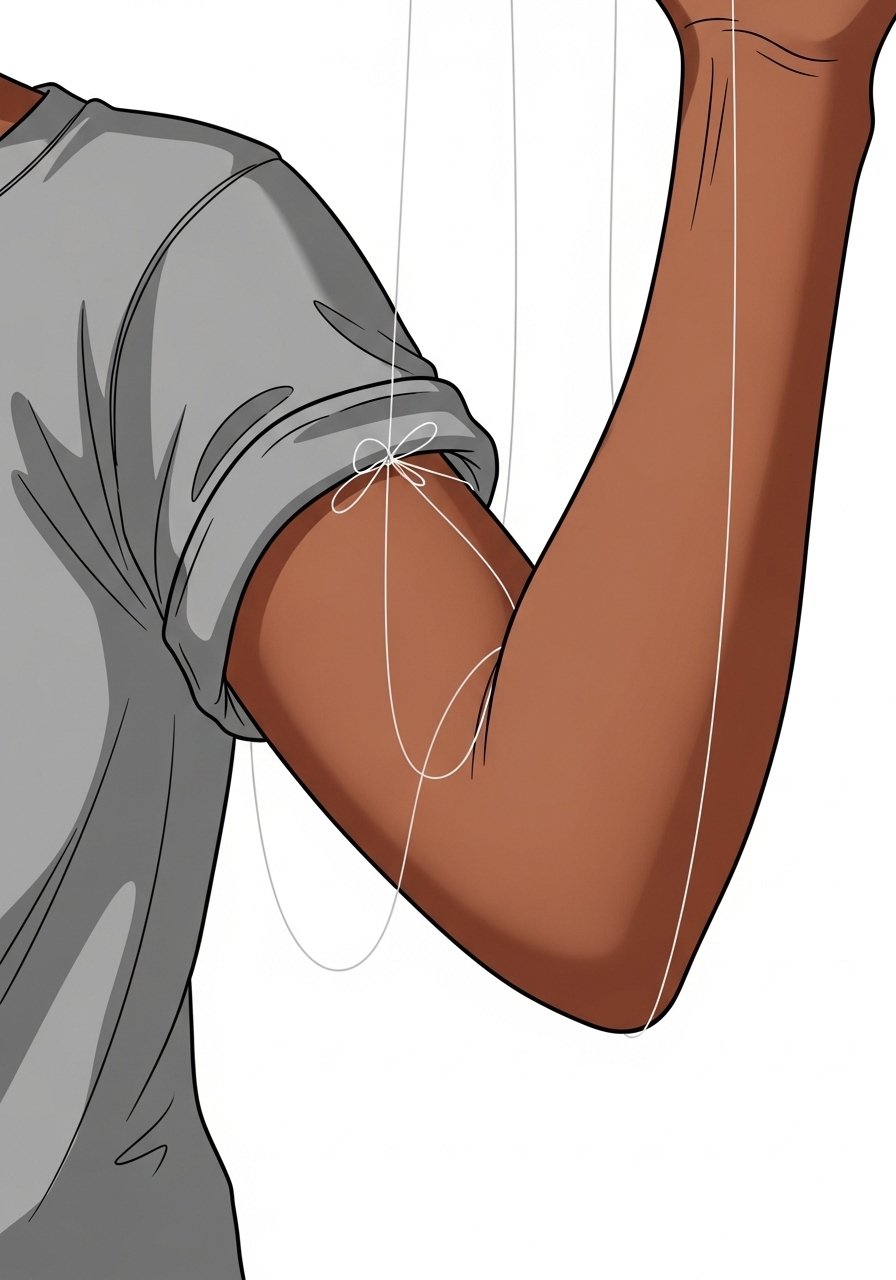
Elbow-area concepts are dramatic but need careful placement because the crease can disrupt linework. For this motif ask for slightly curved strings that follow the arm’s movement rather than rigid straight lines. Sessions require patience and touch-up estimates should be part of the plan. A common error is mapping straight lines over the crease, which breaks when the arm bends and ages unevenly. Style it with short sleeves or rolled cuffs that frame the elbow and keep the strings readable.
14. Watercolor Shadow Splash on Ribcage
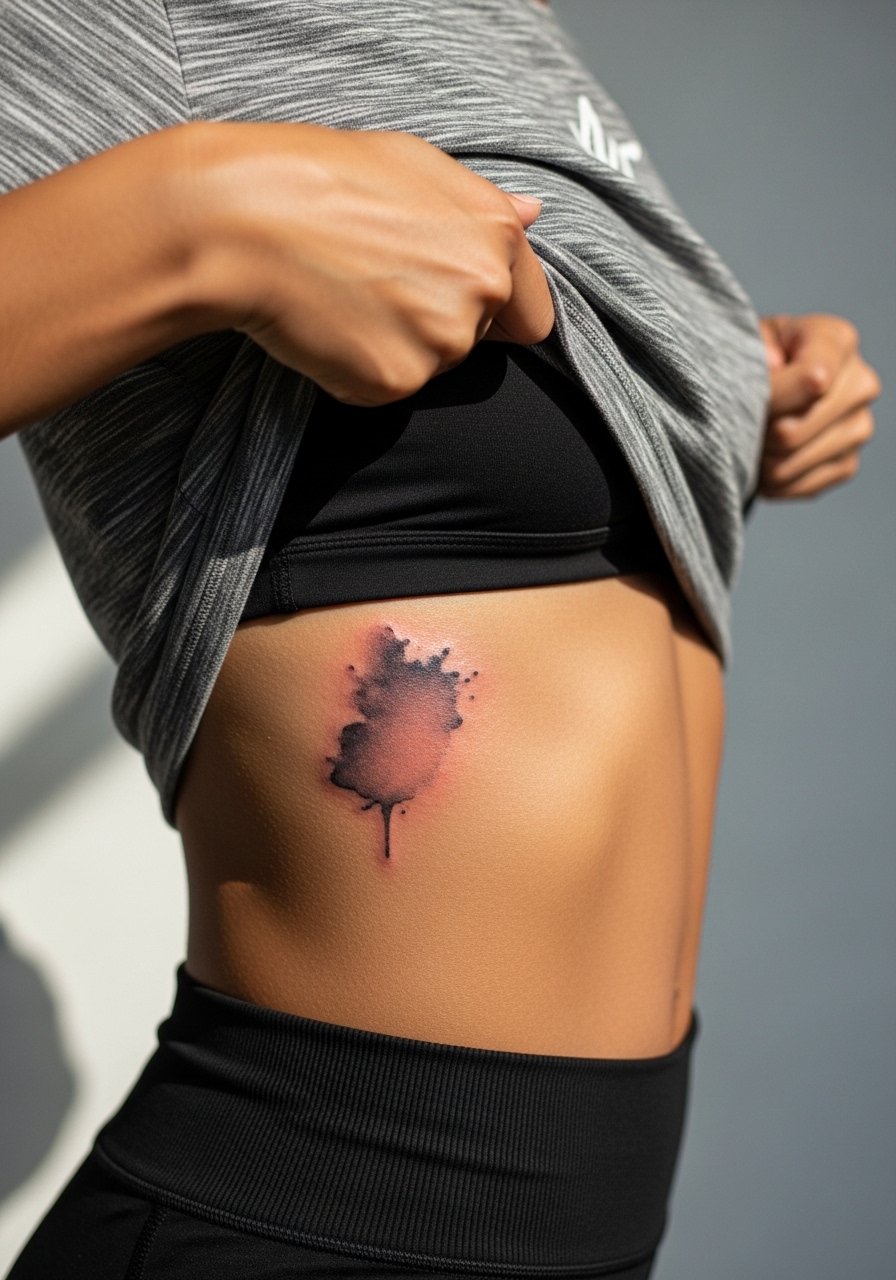
Ribcage watercolor looks fluid and expressive but is one of the trickier placements for longevity. The skin moves a lot and thin washes can fade into uneven patches. Artists are split on doing watercolor here. One camp avoids it because the area loses saturation fast. The other will do it if they adapt the wash into a slightly denser blackwash near edges. If you want this, plan for denser anchors and accept touch-ups at year two to three. Wear a cropped top to the appointment so the artist can work without excess fabric interference.
15. Tiny Korean Script Above the Wrist
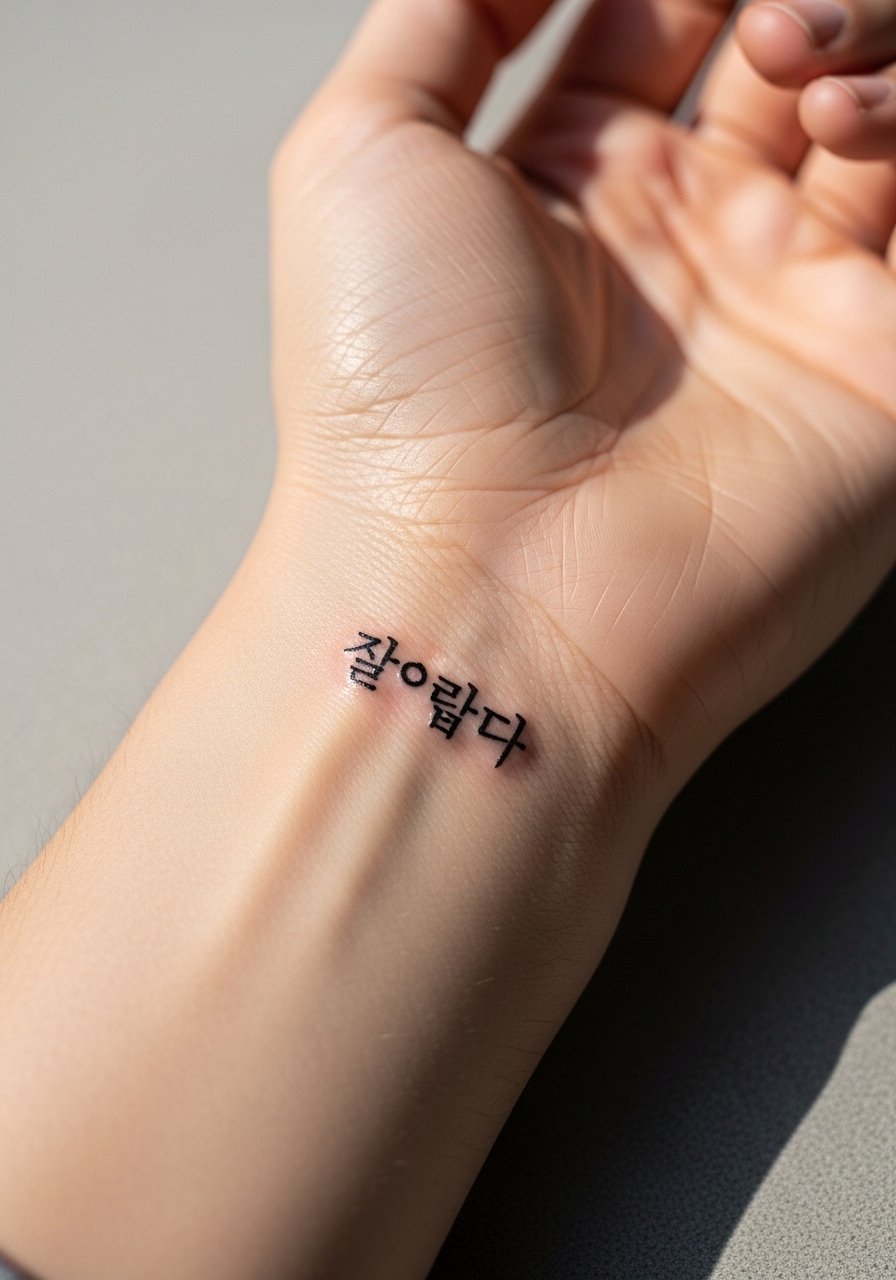
Text in Korean can be a meaningful nod for Solo Leveling fans. Be precise with the characters you want because image generators and artists need exact text. Request slightly heavier stroke weight than you think so the characters do not bleed into one another. The wrist sees sunlight and abrasion, so touch-ups are normal. Bring a printed reference and discuss letter spacing in the consultation. Pair this with a minimalist bracelet or a thin chain pendant necklace to balance visibility.
16. Blackout Shadow Patch Behind the Ear
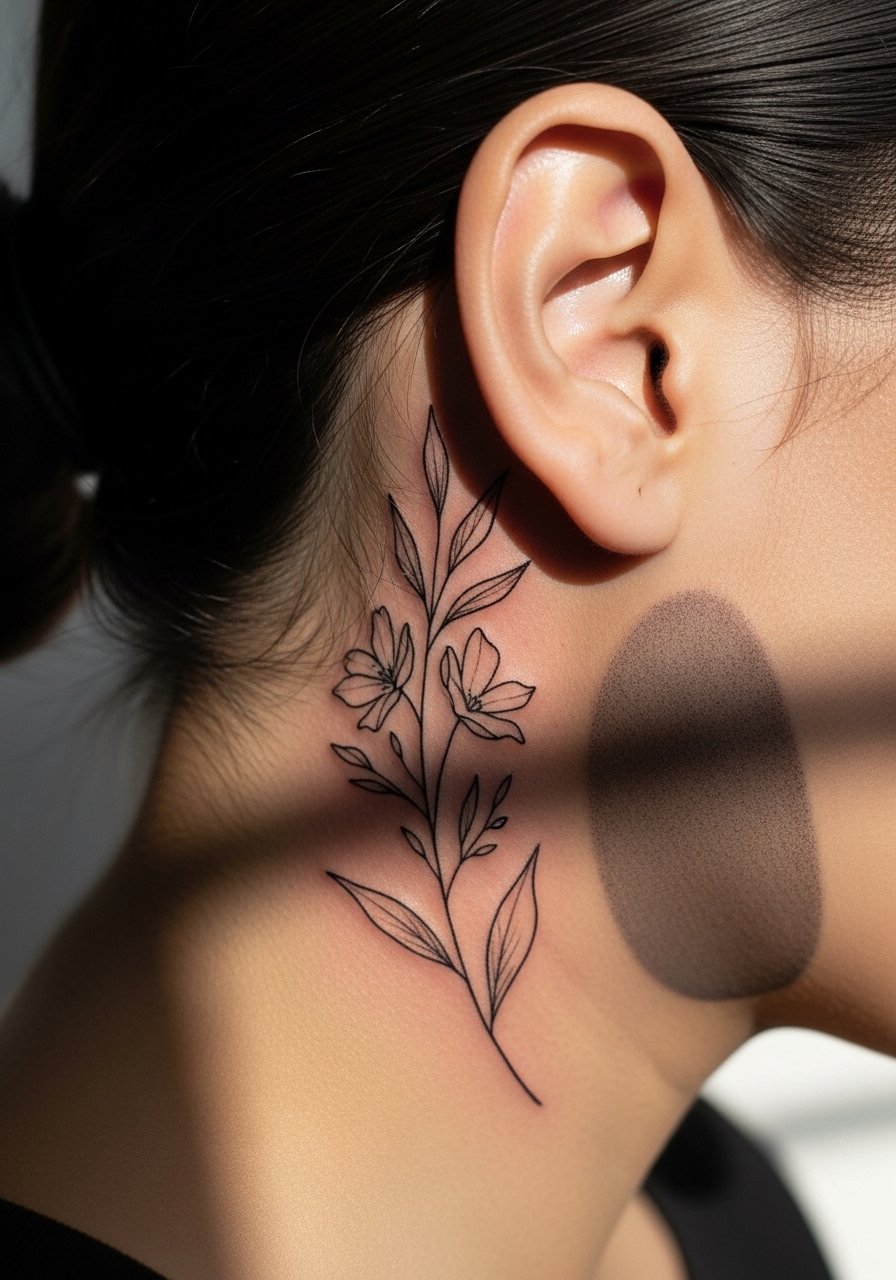
Behind-the-ear pieces are discreet and fashionable, but the skin is thin and the area requires careful needle depth. If you want a darker patch, ask for controlled saturation and accept that dense blackwork can seem softer as hair rubs the area. Sessions are short and sensitivity is moderate. This placement has resume considerations for some fields, so think about long-term visibility. Find an artist through local shop directories or convention portfolios rather than relying on a single social post to ensure they have healed photos of similar placements.
17. Shadow Blade Wrist-Edge Tattoo
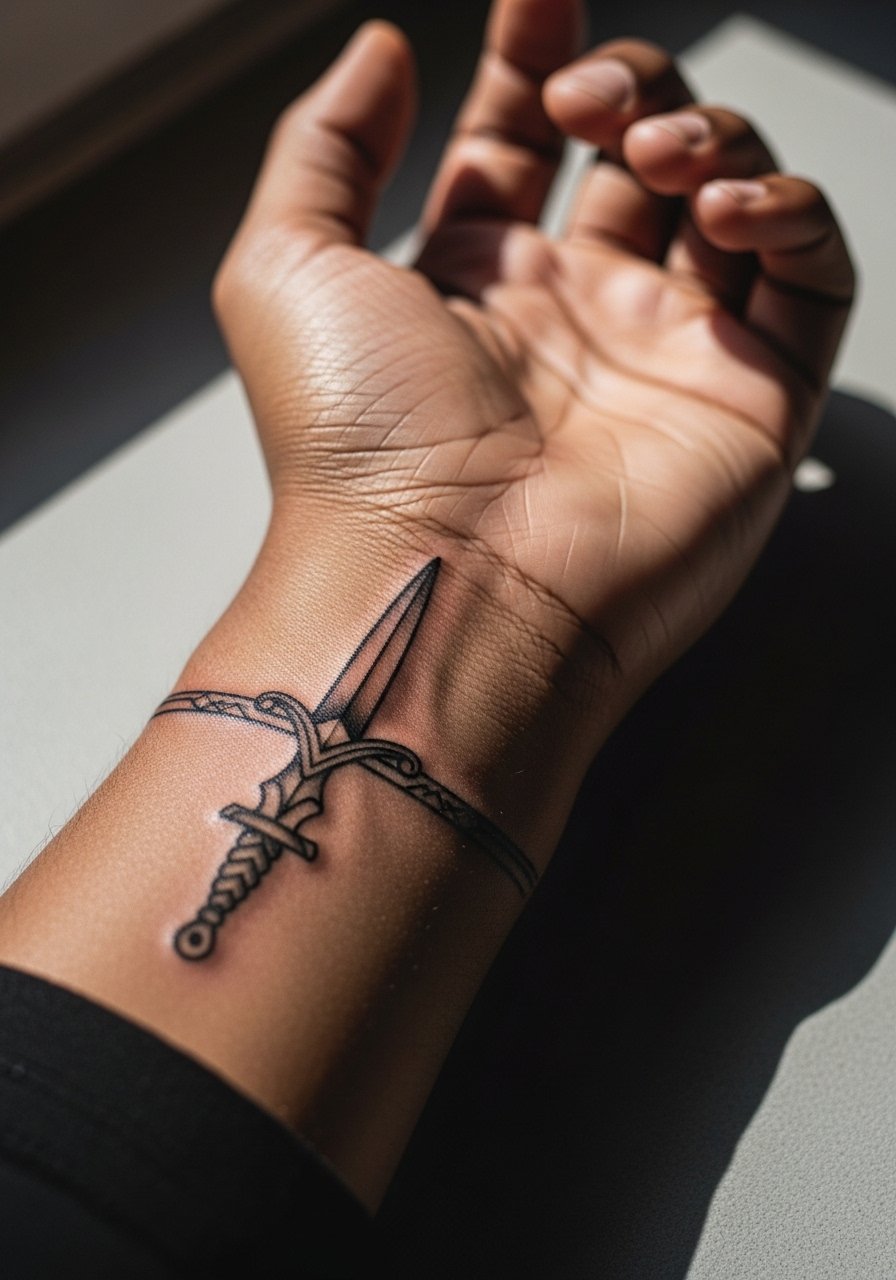
Edge-of-wrist motifs read like jewelry and fit with sleeve moves or bracelets. Ask for clear outer lining so the blade does not blur into a single dark band over time. The wrist endures washing and friction so expect touch-ups earlier than upper-arm pieces. A frequent mistake is placing fills too close to the wrist crease. For showing the piece, minimal bracelets or a classic leather cuff complement the design without crowding the lines.
18. Shadow Raven Mid-Back Accent
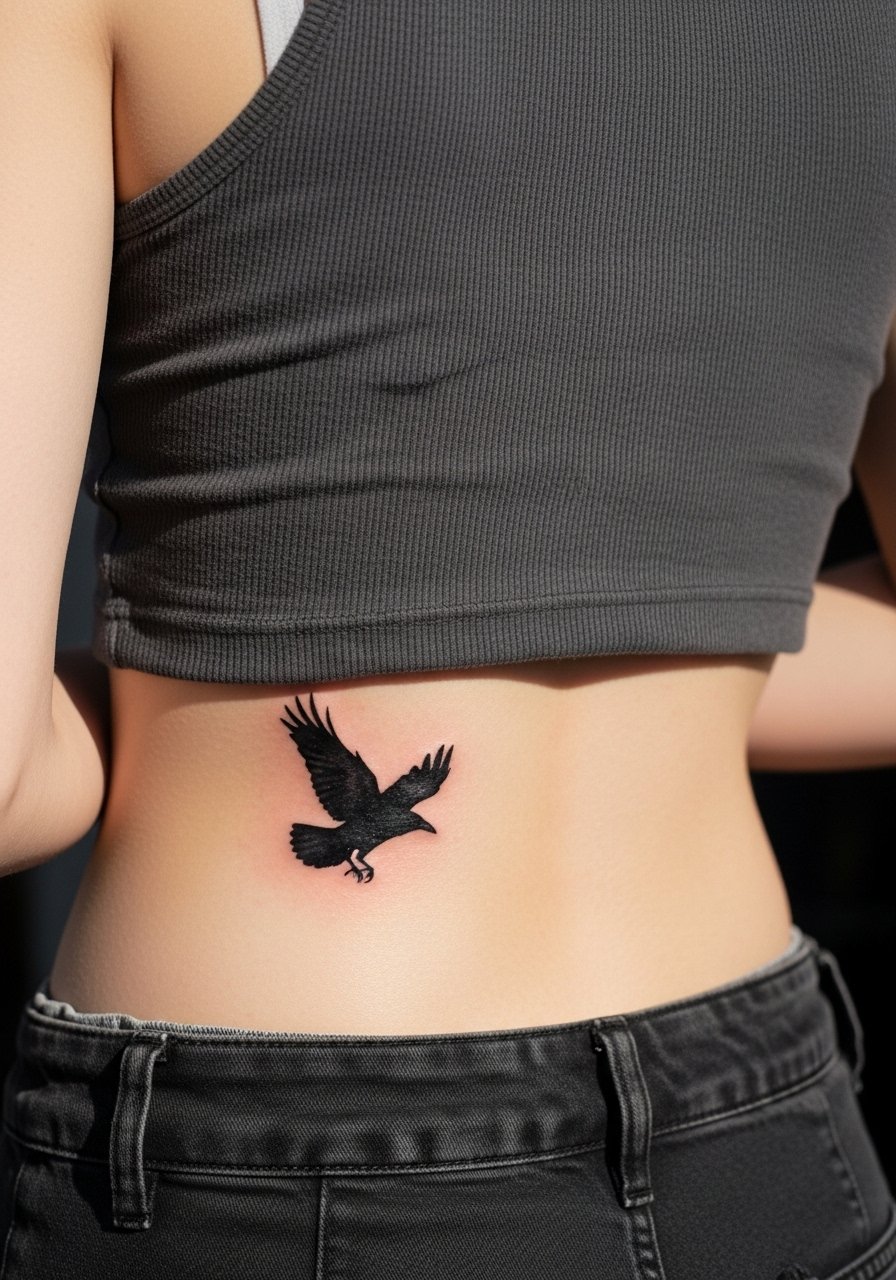
Mid-back accents let you keep a fandom piece private or reveal it for special outfits. Pain is moderate and sessions are flexible in timing. The mid-back is forgiving for saturation and generally ages well if you avoid constant sun. The common error is centering too low where waistbands rub. Ask to sit the raven a little higher for longevity. Open-back tops and dresses make this placement show-stealing but remember to protect it during beach seasons.
19. Shadow Rune Half-Sleeve on Upper Arm
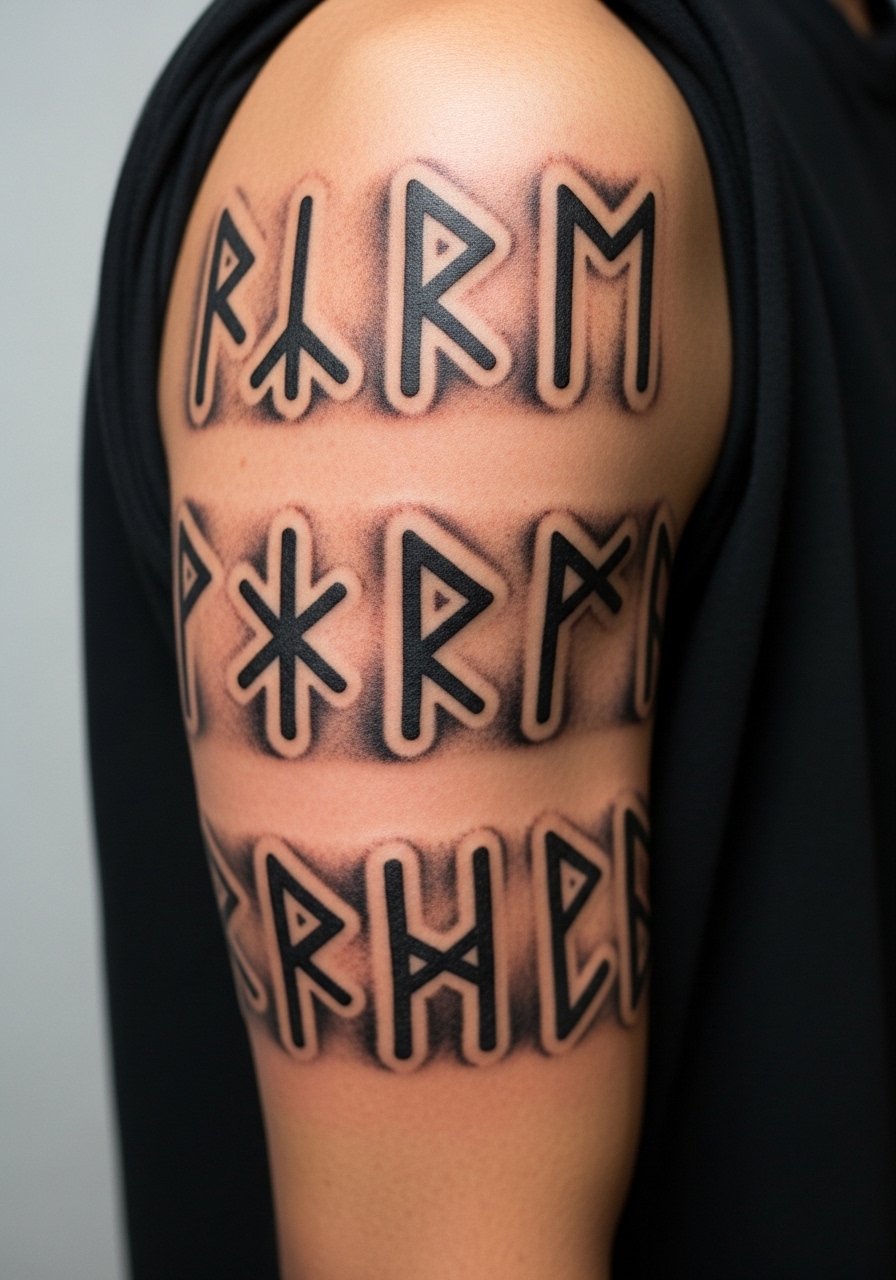
Half-sleeves are commitments but allow a narrative flow from shoulder to elbow. Ask the artist to map negative-space panels between rune clusters so each glyph remains legible at three and five years healed. Sessions can span multiple visits and require consistent aftercare. Avoid packing thin glyphs too tightly because lines will soften into a texture over time. For placement discovery, look at convention portfolios and Reddit threads that focus on healed sleeve work rather than just fresh shots.
20. Small Armored Mask on Outer Bicep
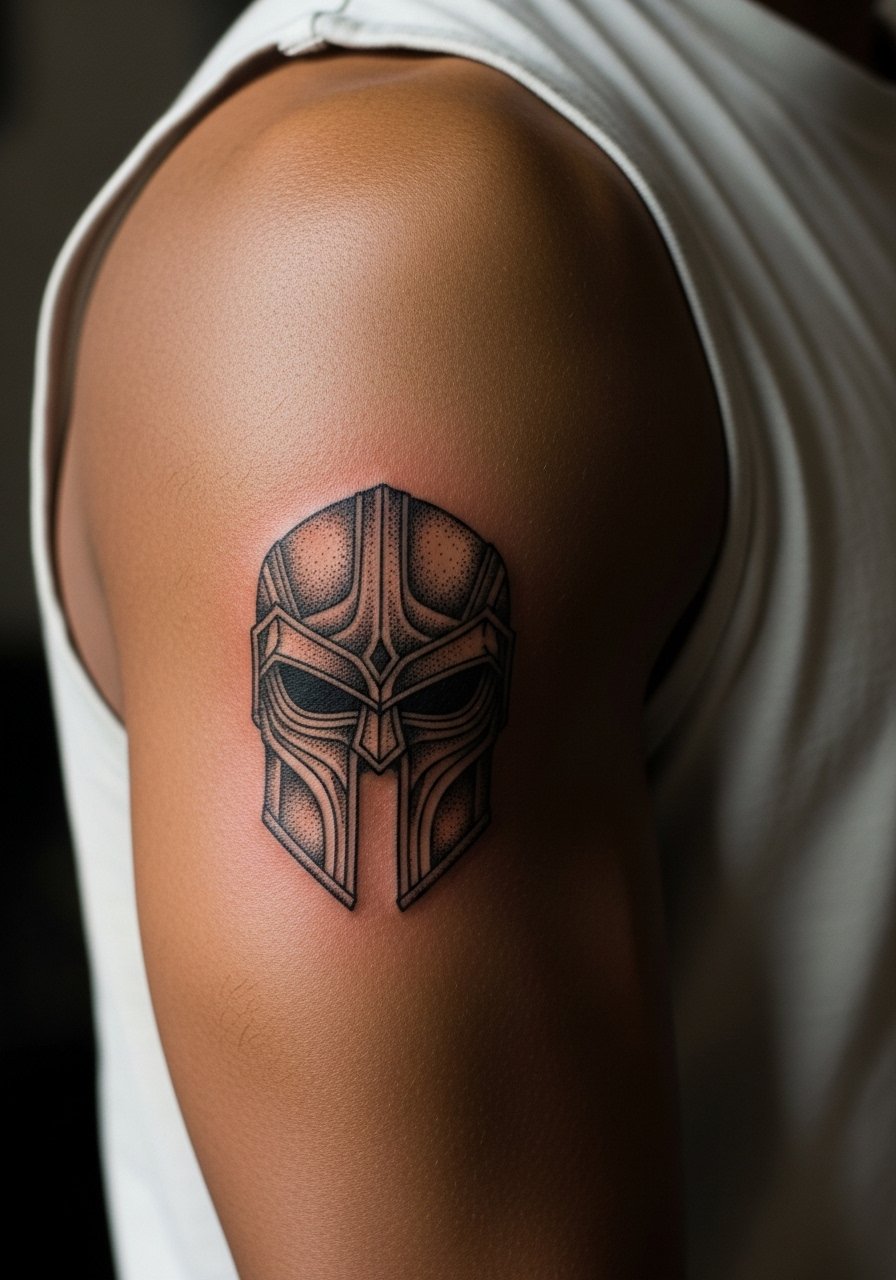
Outer bicep is a forgiving, visible spot that supports a small armored mask motif with texture and stipple shading. Sessions are comfortable and healing is straightforward. Ask for slightly heavier anchor lines around the mask's contours so facial features remain readable as the skin ages. The biggest mistake is over-detailing the mask face inside a small area. Pair with sleeveless tops to show the mask, and consider a lightweight gym-style top to keep access easy on appointment day.
21. Solo Leveling Chest Panel with Shadow Burst
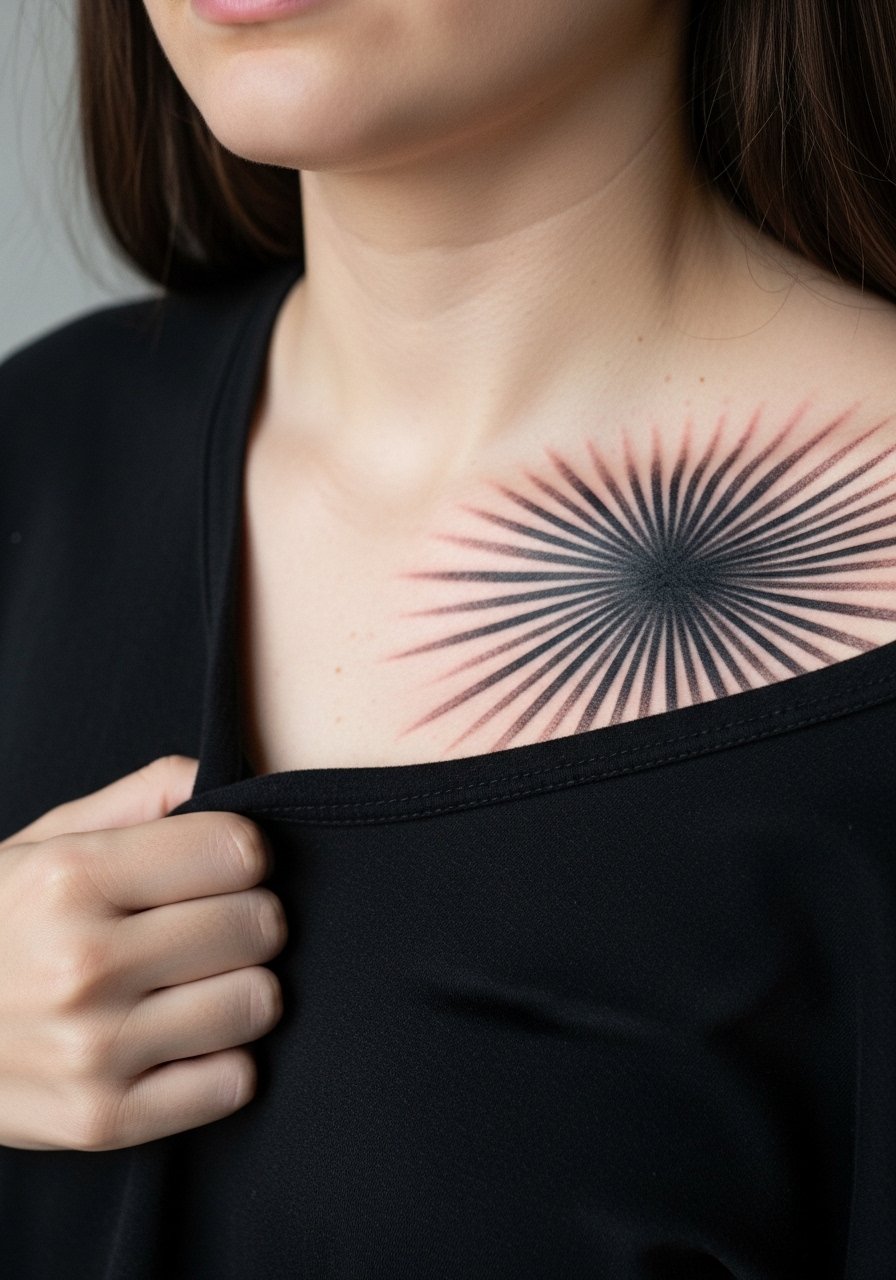
Chest panels read bold and personal. The upper chest tolerates saturation fairly well but is visible and influenced by wardrobe choices. Sessions are medium intensity and can be split into manageable blocks. The common mistake is centering too close to the sternum for heavy detail. For longevity ask for radiating lines that thin out into negative space. Wide-neck shirts make the area easy to work on during the session and pair naturally with necklaces if you want the piece to remain slightly framed.
Frequently Asked Questions
Q: Will fine line Solo Leveling portraits blur faster than bold blackwork in the same spot?
A: In my experience fine line portraits will generally require touch-ups sooner than bold blackwork, especially on high-friction sites like the wrist or fingers. Bold silhouettes and blackwash anchors age into a readable shape. If you love the portrait look, discuss slightly heavier anchor lines and planned touch-ups with your artist so the piece keeps its character after a couple of years.
Q: Is it safe to put character faces on the ribs or sternum if I want longevity?
A: Rib and sternum areas are high-movement and often need denser shading to keep faces legible. One camp of artists prefers avoiding delicate facial detail there. The other will adapt the reference into a simpler, more graphic version that holds. If you pick ribs, plan for longer sessions, slower pacing, and a likely touch-up at year two.
Q: How do I find an artist skilled in both micro-realism and blackwork without naming someone?
A: Use discovery pathways like local shop directories, convention portfolios, ArtStation galleries, and niche Reddit communities that post healed portfolios. Look for healed photos of the exact placement you want rather than only fresh shots. Conversations at conventions and direct clinic previews of healed work give the best sense of an artist’s longevity skills.
Q: What should I wear to an upper-arm or shoulder session to keep the area accessible?
A: Bring a loose button-down shirt or a tank top that you can pull aside without full removal. Comfort and modesty matter for longer sessions. Choose clothing you do not mind sweating in because a longer session can be warm.
Q: Are hand and finger tattoos worth it for Solo Leveling symbols?
A: They are worth it if you accept a realistic maintenance plan. Hands fade faster and often need touch-ups every one to three years. Tiny symbols read well as subtle nods, but be honest with your artist about lifestyle factors like frequent washing or manual work.
Q: Can I use colored ink for shadow motifs without losing the Solo Leveling vibe?
A: You can, but subtlety rules. Muted deep blues or desaturated purples can add dimension without turning a shadow into a bright color patch. Keep saturation balanced and plan for color touch-ups because pigments behave differently than black over time.