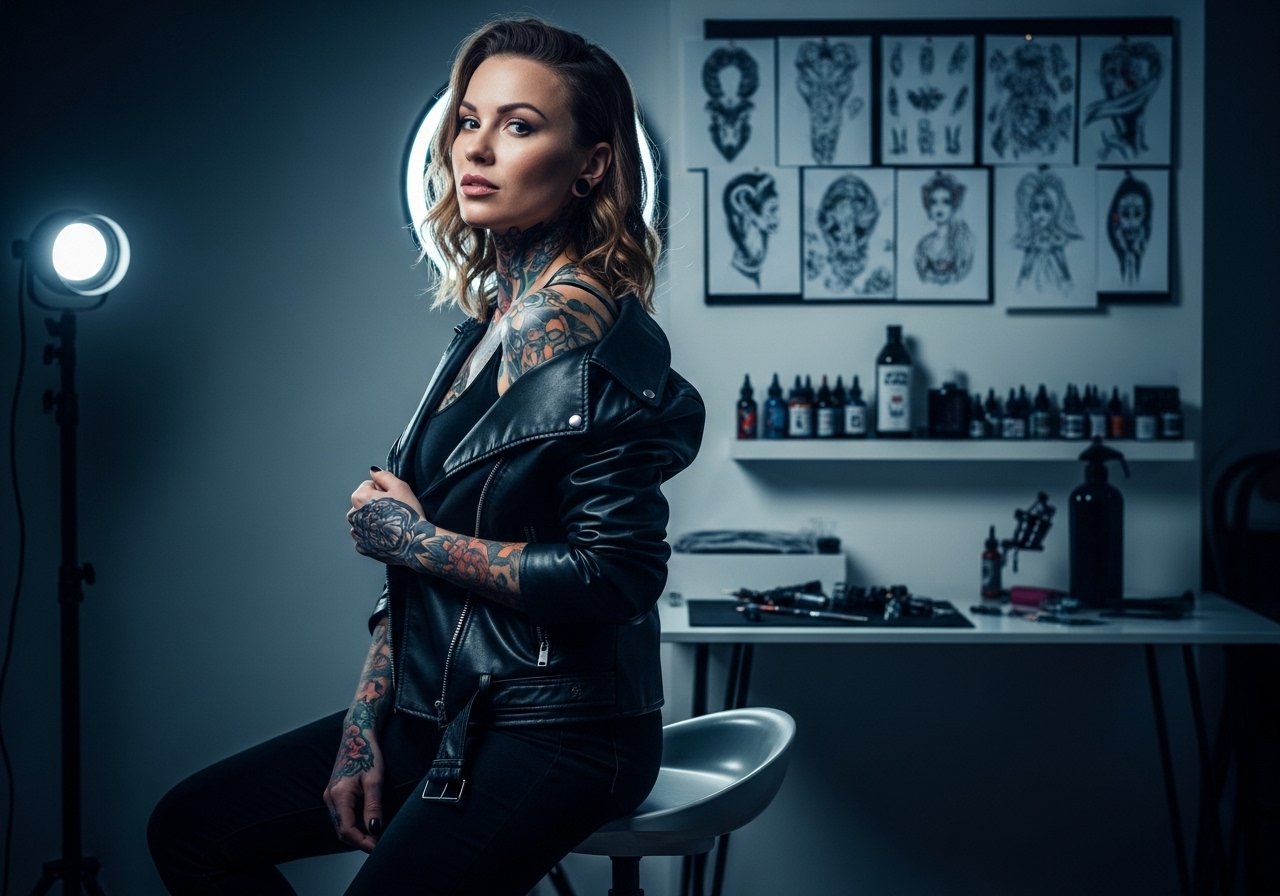
Fine line watercolor henna tattoos look effortless on saved boards, and then you sit in the chair and realize the colors need breathing room or the placement reads larger than on the phone. Trends push saturated washes and tiny script, but longevity comes from spacing, ink depth, and placement choices. Below are 21 designs that balance the watercolor look with henna motifs, plus practical notes to help the piece age well.
1. Phoenix Watercolor Henna on Inner Forearm

This phoenix combines flowing henna vines with watercolor fills to let color sit around the linework instead of inside it. For the consultation, ask the artist to keep the linework bold enough to hold against the soft washes, and show a few references that pair dark linework with loose color. Expect the session to take two to three hours depending on saturation. Fair warning, inner forearm swells more than it looks, so avoid ultra-fine lines that risk blowout here. At six months the washes soften and at two years the darker accents remain while the pale fields may need a touch-up. For showing it off, roll up sleeves and pair with a rolled linen shirt to keep attention on the forearm.
2. Mandala Watercolor Sternum Motif

The sternum is dramatic for a mandala because the chest curve lets the pattern breathe. The biggest mistake is asking for too-dense dot work in a small area. That compresses over time and becomes a shaded blob. Tell your artist you want spacing between mandala rings and stipple shading rather than packed dots. Sessions feel intense here, and pain is higher than on the arm. Expect longer healing and plan clothing accordingly. Artists split on whether very fine mandalas should be done on the sternum. One camp avoids micro detail because the skin shifts. The other camp says with proper depth and spacing it holds up. If you plan to show it off, a bandeau top keeps the area framed without covering the design.
3. Botanical Watercolor Henna Sleeve Accent

A sleeve accent that blends henna vines with watercolor patches works when you build the piece in stages. My suggestion is to start with an anchor motif and add color in later sessions. Tell the artist during consultation you want negative space between branches so the sleeve can age without merging. A common error is trying to cram watercolor saturation into every inch. At six months the contrasts soften and at five years poorly spaced elements can blur into one another. For session wear, a loose button-down shirt you can slide off easily makes a long upper-arm session painless.
4. Tiny Constellation Henna on Fingers

Finger work with watercolor accents is tempting but faces heavy friction. The key is to keep lines slightly bolder than you think and accept that touch-ups are likely within a year. The session itself is quick but every wash and hand motion tests the fresh ink for the first month. Avoid micro script across multiple fingers. Instead use small henna motifs with tiny color dots at the cuticle or knuckle. A thin gold ring or two complements this placement without covering the design. For the session, consider a thin chain bracelet that can be removed easily so the artist has clear access.
5. Watercolor Henna Ankle Band
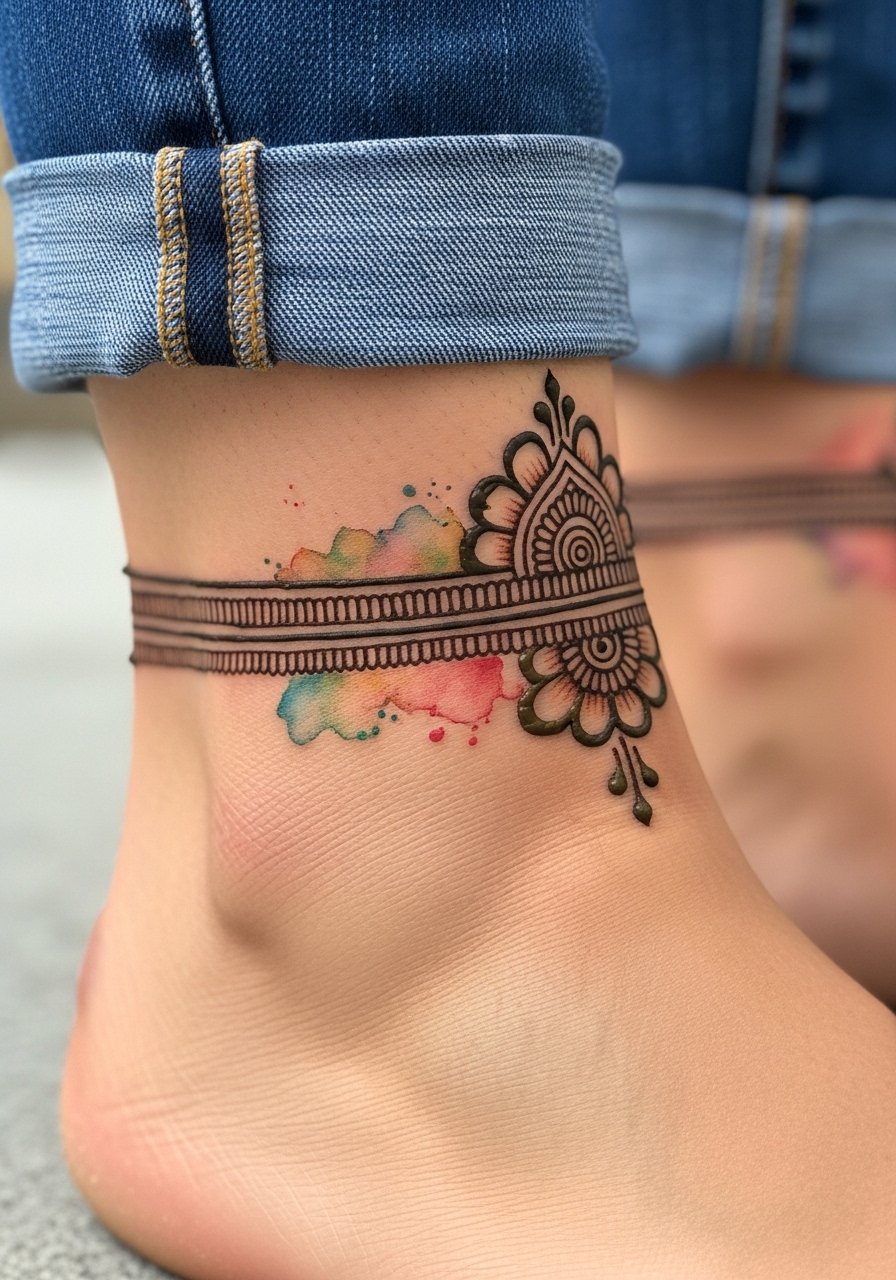
Ankle bands are low-visibility but high-style. Expect a short session and moderate pain. The common mistake is using dense washes that sit where socks rub. Ask for lighter saturation near the underside and more vivid color on the outer edge to preserve contrast. At six months the side that sees more fabric friction will fade faster. If you want to show it off in summer, roll up your pant cuff and pair the tattoo with a strappy sandal to draw attention to the band.
6. Watercolor Henna Collarbone Script

Collarbone script reads delicate but needs contrast to last. Ask the artist for slightly heavier linework and a thin wash below the letters rather than over them. The common mistake is tiny lettering without spacing from bone contours. That causes letters to warp as the skin moves. Session time is moderate and healing can feel tight when you move your shoulders. For styling, an open-back midi dress shows off the collarbone ink without competing with the piece.
Studio Day Picks
The inner forearm, collarbone, and ankle pieces above all benefit from different prep and post-session handling, and a few targeted items make chair day and the first week easier.
-
Stencil transfer paper kit. Lets you preview placement and lineweight on skin for pieces like the collarbone script and forearm phoenix.
-
Topical numbing cream. Useful 30–45 minutes before short but sensitive sessions such as sternum or inner bicep work.
-
Thin protective film roll. Helps keep ankle and finger tattoos clean during the first few days of frequent washing.
-
Fragrance-free body wash. Gentle cleansing around the tattooed skin stays important for delicate watercolor washes.
-
Aquaphor healing ointment. Thin layers in the first 48 hours help maintain moisture for fine line work without suffocating the area.
7. Crescent Moon Watercolor Henna Behind Ear

Behind-ear placements read intimate and surprising. The mistake people make is asking for heavy saturation too close to the hairline. Ask for a single decorative vine with a watercolor blush that does not touch the hairline. Sessions are quick and healing is fairly simple. Because this area is small, show the artist exact spacing you want in your reference images. For public settings the placement hides easily under hair if needed. If you plan to style hair around it, a thin chain pendant necklace frames the jawline without competing.
8. Watercolor Henna Spine Centerpiece

Spine work has a built-in vertical flow that suits henna motifs. The error to avoid is over-detailing tiny dots in the center column. Those dense areas can merge over time. Tell the artist you want a central stem with spaced flourishes and stipple shading outwards. Pain is higher along the spine and sessions often require breaks. For showing it off, open-back tops and halter dresses are natural complements. When booking, ask about the artist's experience with vertical compositions so the rhythm reads from top to bottom.
9. Watercolor Henna Thigh Medallion
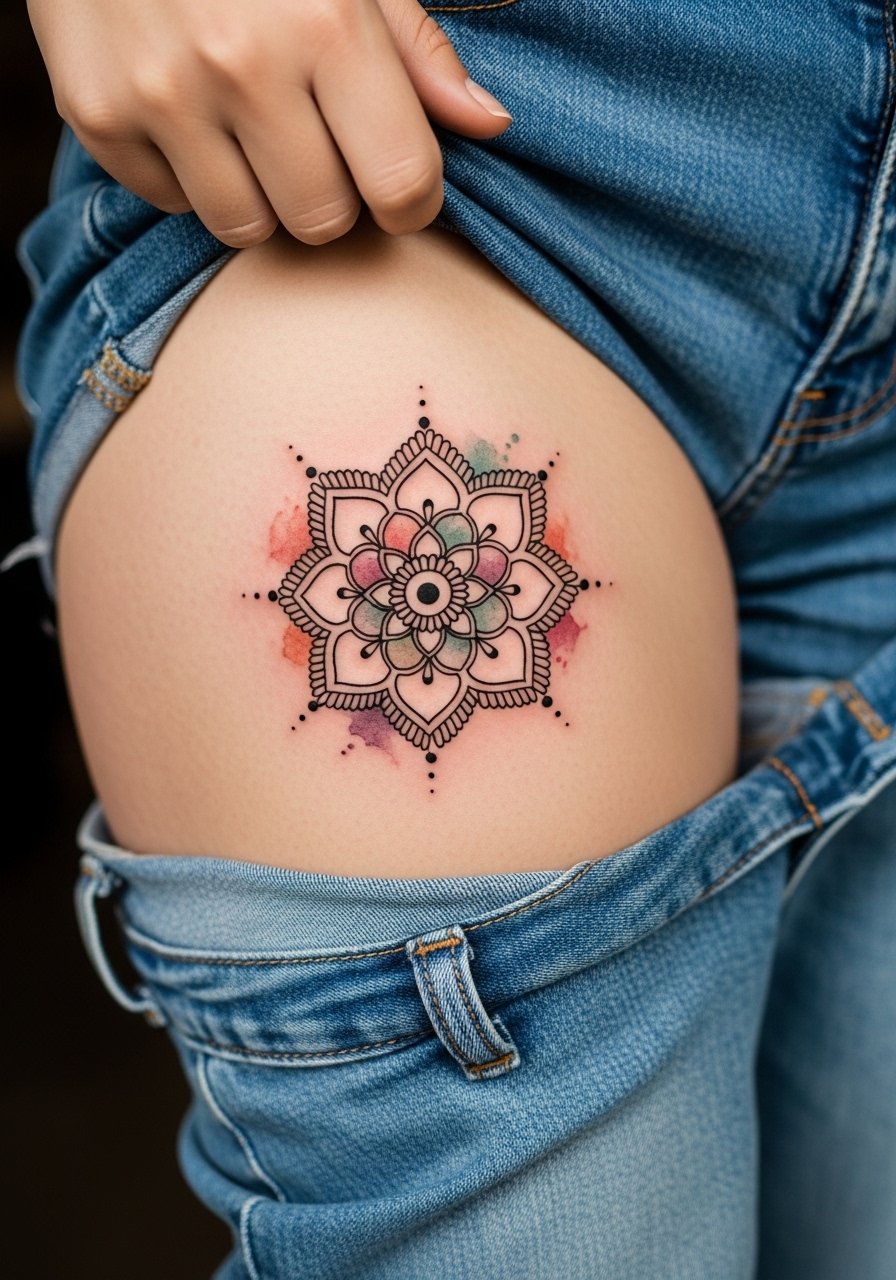
Outer thigh allows generous scale so watercolor fields can sit beside linework rather than on top of it. The common mistake is packing color into the inner edge where fabric rubs. Ask for bolder lines at the outer perimeter and lighter washes closer to the waistband. Sessions are comfortable if you wear loose bottoms. For the session, plan a wrap skirt or loose shorts so the artist has clear access without you feeling exposed.
10. Henna-Style Watercolor Wrist Bracelet

Wrist bracelets require spacing because wrist skin moves constantly. The biggest mistake is tiny, intricate fills that sit over tendons. Request slightly heavier linework and minimal watercolor halos on the outer face of the wrist only. Touch-ups are common here by year two. For showing off the bracelet, stack a minimalist watch or a thin cuff on the opposite wrist so attention stays balanced.
11. Watercolor Henna Calf Illustration
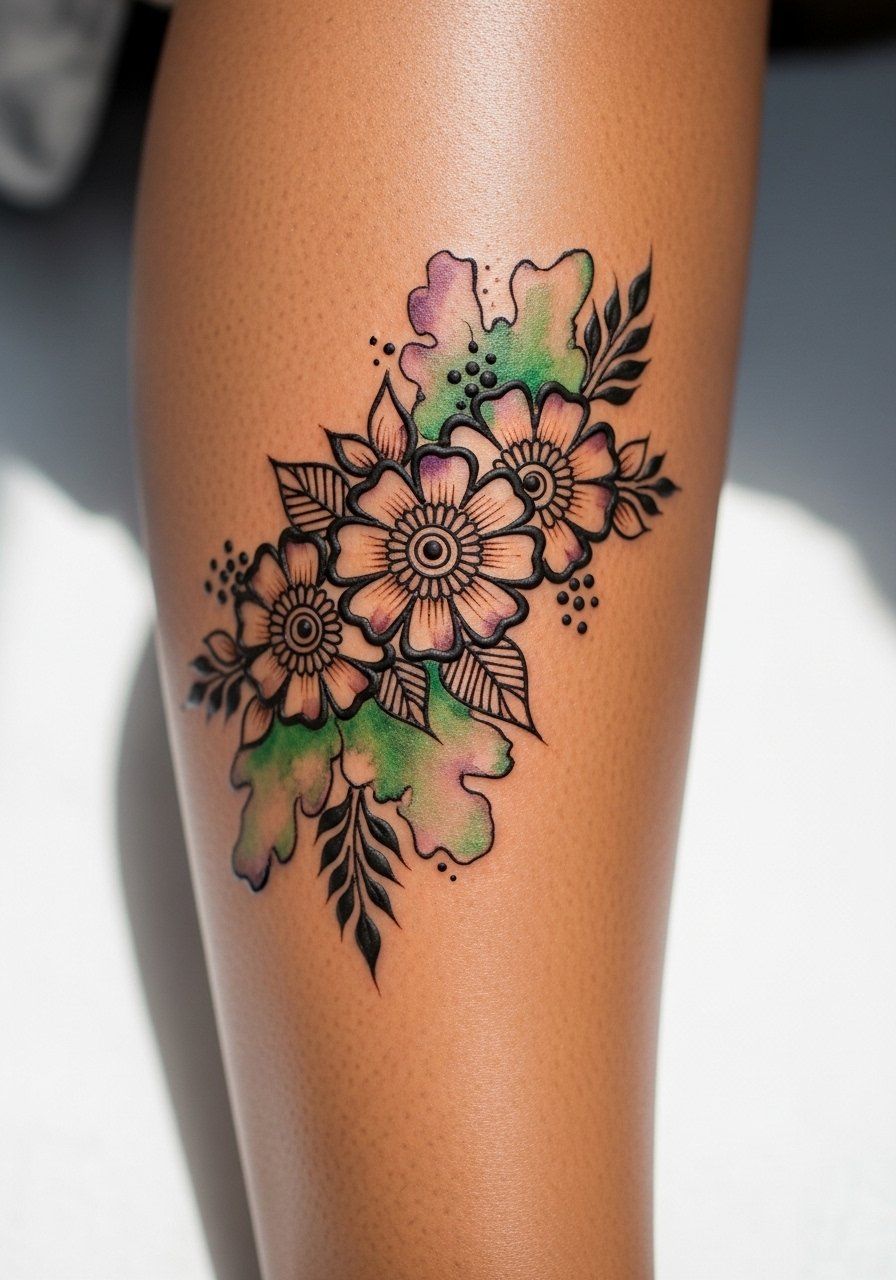
Calf pieces age well because the area sees less sun and friction than other lower-body spots. The mistake is overly tight stipple shading that can flatten into a single tone at two years. Ask for broader strokes and whip shading to keep texture. Sessions can be done standing or lying, so mention any circulation issues. For showing the piece, midi skirts and heeled boots frame the calf without covering the design.
12. Watercolor Henna Ear Lobe Accent

Ear lobe accents are discrete and delicate. The error people make is expecting bold color in a zone that heals with limited pigment retention. Ask for emphasis on contrast in the linework and gentle color sparingly. This session is very short and healing is straightforward. For accessories, small hoop earrings or studs complement the piece without competing.
13. Watercolor Henna Ribcage Vine

Ribcage tattoos are painful and controversial among artists regarding fine line. One camp avoids very fine work because skin movement and breathing cause lines to blur. The other camp says with correct depth and spacing it can hold for years. Tell your artist you want moderate lineweight and separated motifs to reduce risk. Expect longer healing and limited sleeping positions for a week. For the session wear a zip-up hoodie you can lift or unzip without stretching the skin.
14. Watercolor Henna Shoulder Cap Motif

Shoulder caps handle color well because they see less rubbing and more sun. The common error is asking for heavily saturated watercolor without UV protection plans. Ask your artist for richer outlines and plan sunscreen after healing. The session is moderate in pain and often a single sitting. For showing this off, a racerback tank keeps the shoulder visible and frames the cap.
15. Watercolor Henna Nape Script

Nape script reads intimate and modern. Mistakes include placing the text too low into hairline areas where color disperses. Specify exact text and spacing during consultation to avoid surprises. Sessions are quick but keep in mind hair rub can irritate healing skin. For easy styling, a wide-neck shirt that you can pull aside keeps access simple.
16. Watercolor Henna Back-of-Hand Motif
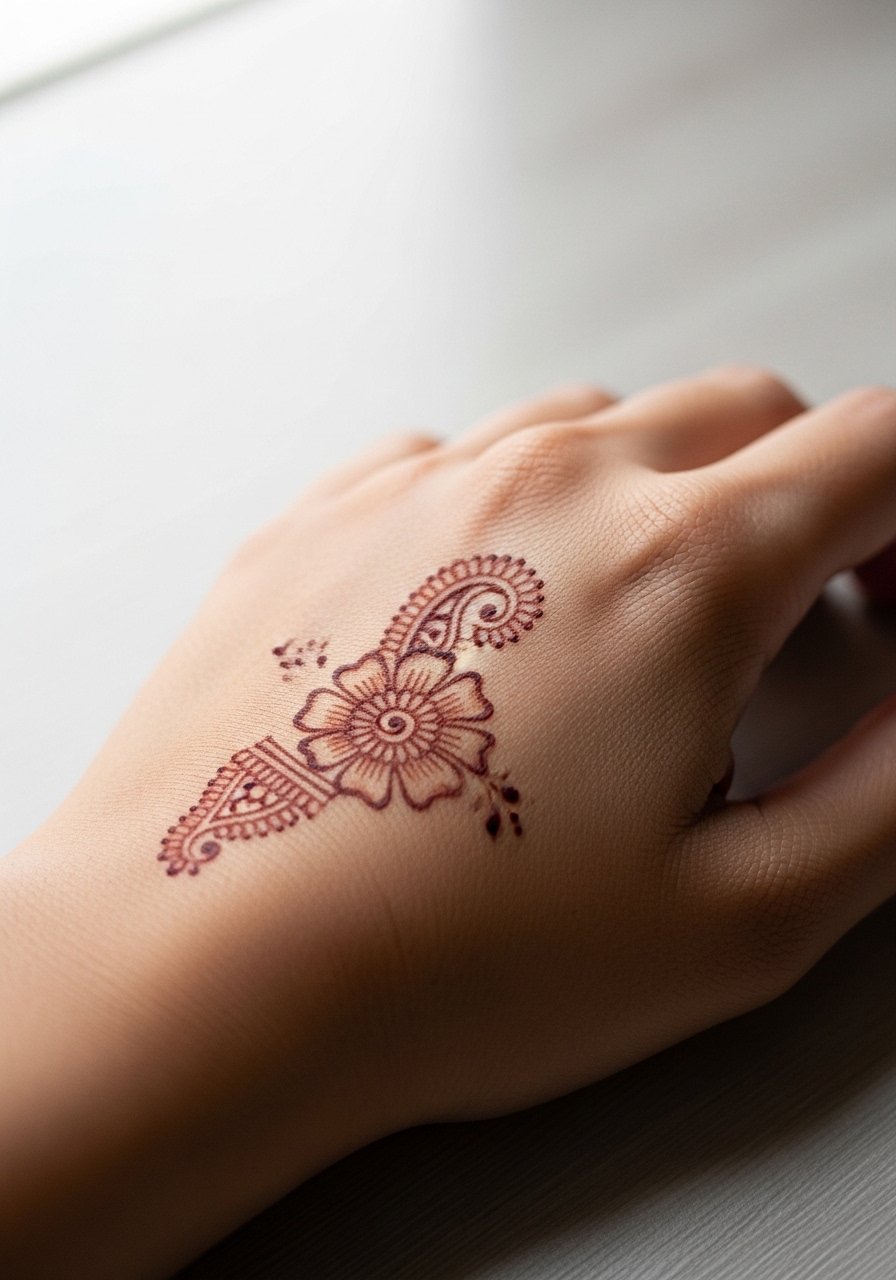
Hand tattoos receive the most wear from daily tasks and often need touch-ups. The common mistake is too-fine filigree that fades fast. Ask for a motif with bold anchors and minimal tints. Healing takes longer here due to washing and movement. If your job requires minimal visible ink, consider placement alternatives before committing. A thin ring on the same hand helps draw attention without covering the design.
17. Watercolor Henna Hip Bloom

Hip tattoos give room for scale, and watercolor integrates beautifully when color sits adjacent to the linework. Mistakes include placing heavy pigmentation where waistbands will rub. Ask for bolder outlines near the waistband and lighter washes inward. Sessions are moderate and often easy to keep private. Wear high-waisted bottoms to your appointment so the artist can expose only the needed strip. A high-waisted jean makes the session simple.
18. Watercolor Henna Upper Thigh Panel

Upper thigh is forgiving for watercolor because sun exposure is lower and fabric friction is limited. The common error is expecting instantaneous symmetry across both thighs without planning staged sessions. If you want a matched pair, schedule both sessions close together to maintain color consistency. For the session, wear loose drawstring shorts so the artist can access the area without tugging. This placement heals relatively quickly.
19. Watercolor Henna Clavicle Anchor

Small clavicle anchors benefit from bold contrast against bone. The mistake is asking for micro shading on the bone edge. That tends to blur. Request clear linework with a color wash beneath the motif instead of over it. Sessions are quick and the pain is sharp but brief. Pair this with a thin chain pendant necklace that sits just above the ink to frame the piece.
20. Watercolor Henna Lower Back Sprig

Lower back pieces age predictably if placed off the waistband line. The main mistake is centering the piece too low where jeans ride. Ask the artist to position the sprig slightly higher and keep color minimal near the bottom edge. Healing is straightforward and sun protection later is important. For session access, a tank top with high-waisted bottoms that you can lower slightly works best.
21. Watercolor Henna Shoulder Blade Cluster

Shoulder blade clusters can be scenic and work well with negative space. A frequent mistake is overworking the interior of petals with heavy stipple. Ask for a mix of stipple and whip shading to keep texture while preserving contrast. Sessions often require repositioning to access the blade, so plan for breaks. Open-back dresses and halter tops showcase this placement beautifully. If you want to coordinate wardrobe, an open-back midi dress complements the piece.
Frequently Asked Questions
Q: Will watercolor-style pigments in henna-inspired tattoos fade faster than solid color?
A: From what I've seen, watercolor washes can fade more quickly because they rely on subtle saturation rather than solid fills. Longevity depends on placement, sun exposure, and how spacious the linework is. Expect colors to soften by year two and plan touch-ups if you want the original intensity.
Q: Are fine henna-style lines on ribs worth the risk?
A: Artists split into two camps. One group avoids very fine lines on ribs because breathing and movement can blur detail. The other group says careful depth and spacing can make fine work last. Ask about the artist's specific experience with rib detail before booking and consider slightly heavier linework if you want more longevity.
Q: How should I dress for a sternum or ribcage watercolor henna session?
A: Wear something that exposes only the area while keeping you comfortable, like a fitted sports bra or a zip-up hoodie you can pull aside. A comfy top makes long sessions easier and keeps the working area clean.
Q: Do hand and finger henna-style tattoos need more frequent touch-ups?
A: Yes, hands and fingers see the most friction and washing. They often need touch-ups within 12–18 months. If you want lower maintenance, consider nearby placements like the wrist or outer hand that receive less constant abrasion.
Q: How do I find artists who specialize in watercolor-plus-henna aesthetics without naming anyone?
A: Browse portfolios on artist directories and search hashtags that combine "watercolor" with "henna" or "botanical." Look for healed photos showing settled linework and color halos rather than saturated bruises. Local conventions and tattoo shop directories also let you filter for styles and read client notes.