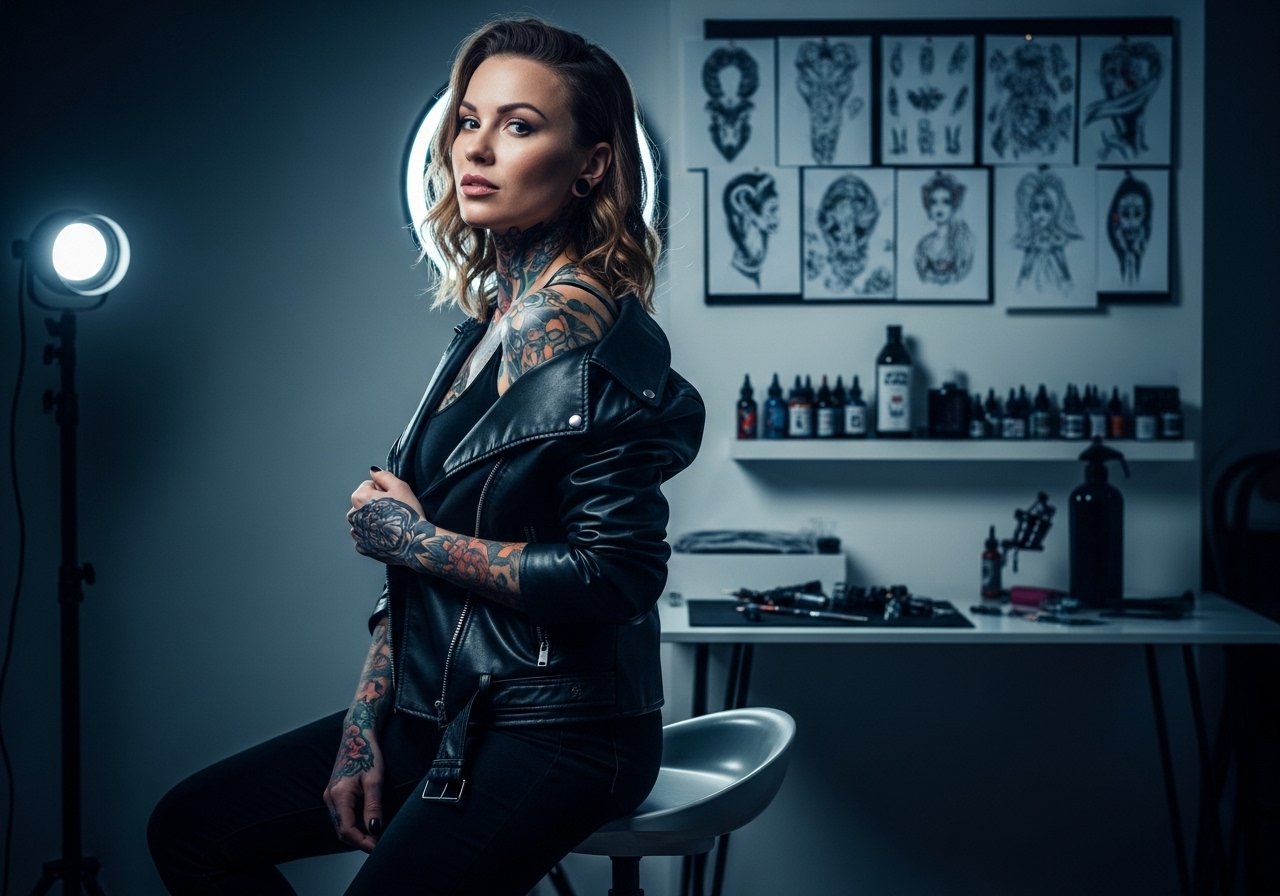
Fine line tattoos dominate feeds right now, and the people who keep theirs looking crisp five years later are not always the ones with the flashiest photos. Placement, spacing, and how jewelry interacts with healed skin matter far more than the initial like count. These 21 pierced-tattoo pairings focus on designs that look striking fresh and still read clean after a few seasons of sun and life, starting with a small wrist piece that plays well with rings and bracelets.
1. Pierced Constellation on Inner Wrist
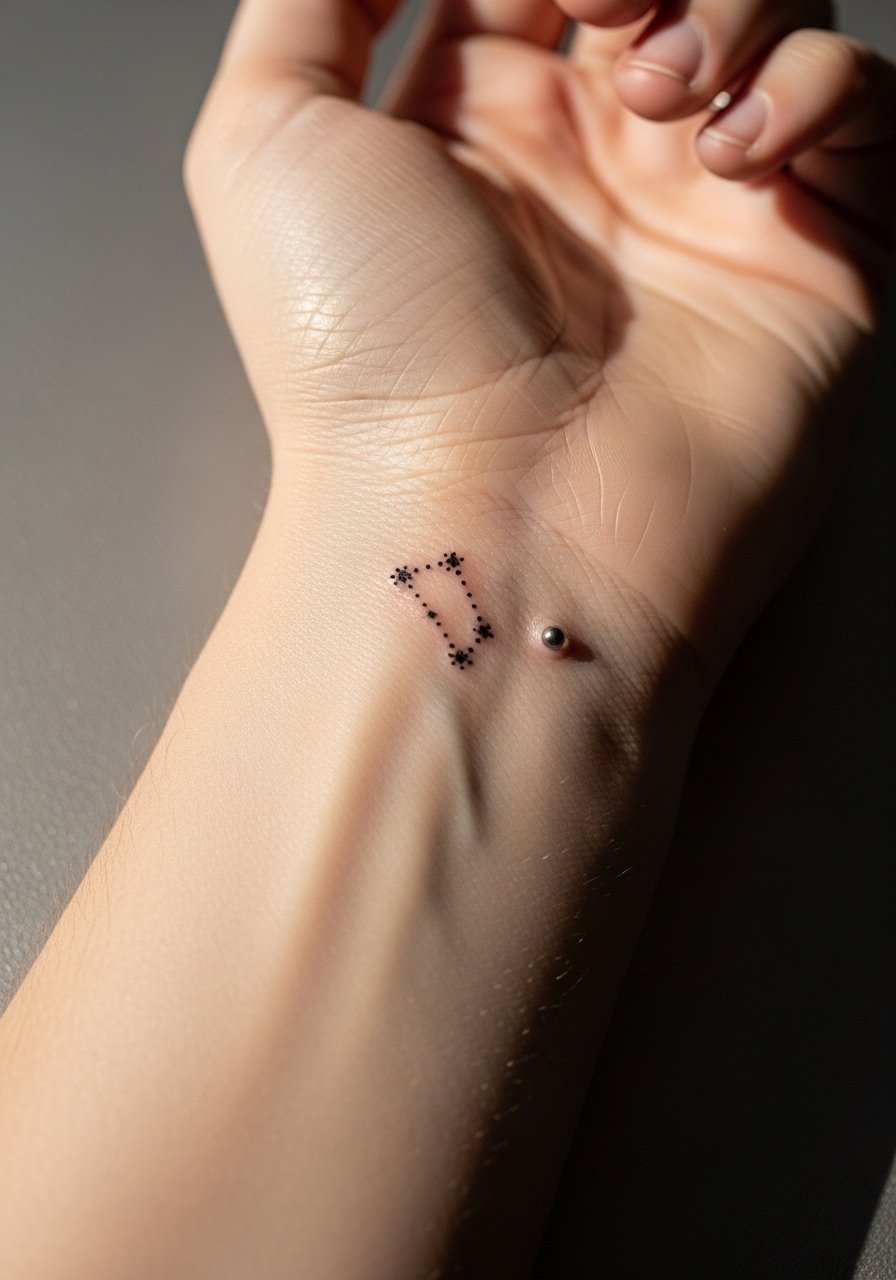
A constellation with a single dermal stud threaded into a dot or small star looks like jewelry drawn on the skin. Ask your artist to space the stars slightly wider than they look on screen so the dots do not merge at year two. The inner wrist is a high-friction zone from watches and bracelets so expect touch-up discussion in your consult. For the session, wear a loose button-down shirt you can roll or pull aside without tugging the fresh ink. A common mistake is squeezing the stars too close to the stud, which crowds the piece and raises blowout risk.
2. Faux-Pearl Shell with Pierced Jewel on Sternum
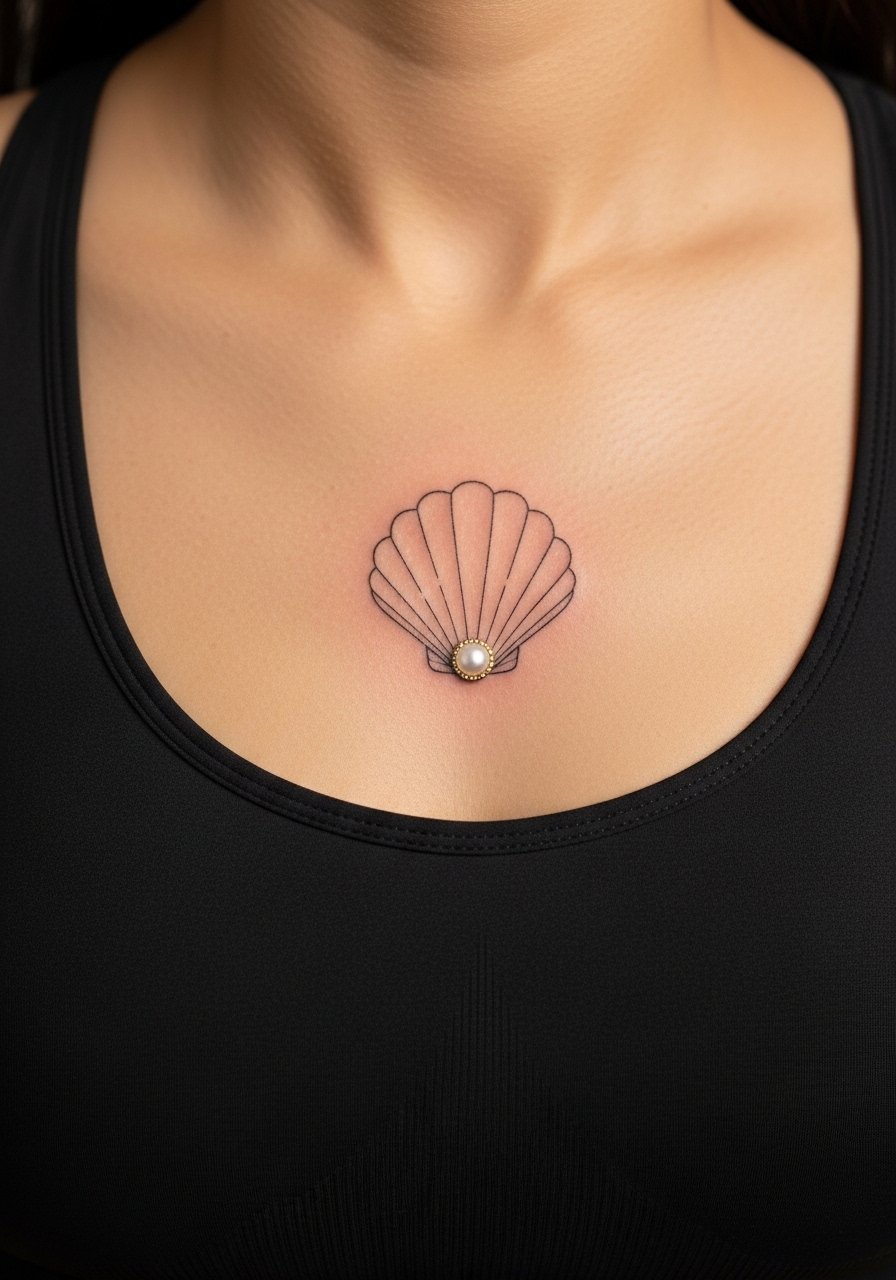
This design places a tiny tattooed shell with a drawn pearl and a real decorative dermal or microdermal stud sitting at the shell's center. Sternum placements require a fitted sports bra or bandeau for the photo because full exposure is not allowed. Expect a session that is higher on intensity but shorter in total time if the piece is compact. One camp says combining jewelry and fresh chest ink raises infection risk. The other camp says a clean studio and staged placement keep it safe. Ask the artist how they sterilize and anchor dermals before booking.
3. Jeweled Flower Over Clavicle
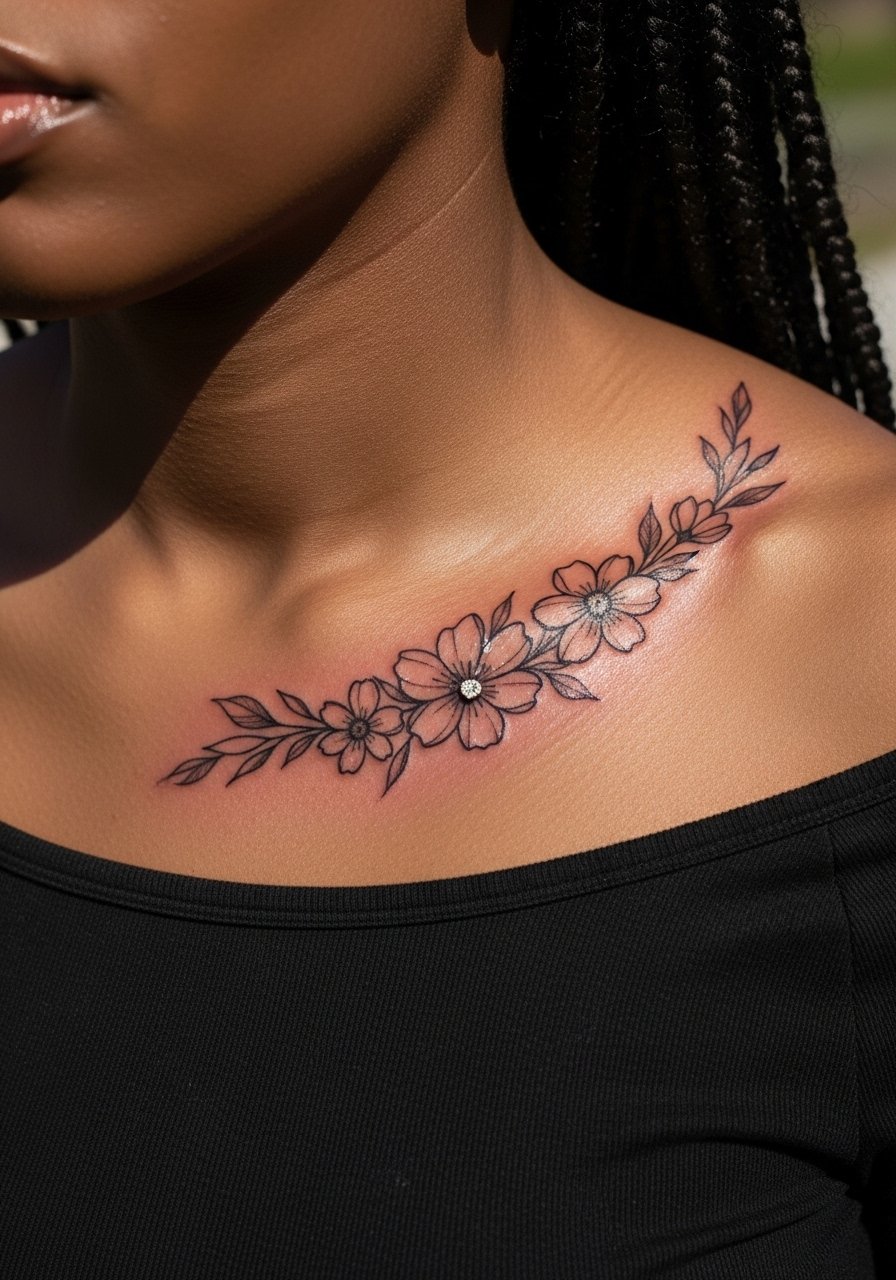
A floral motif that incorporates a small captive bead near the flower center reads like a mixed-media charm. The clavicle is a show-off spot so plan clothing around it. Pairing this with an open-back midi dress or a wide-neck blouse highlights the piece on nights out. During consultation, tell your artist exactly where the jewelry should sit relative to the petals so the shadow falls naturally when you move. Small flowers requested too close to bone can hurt more during the session and risk ink migration from repeated contact.
4. Chain-Link Ear Lobe Tattoo with Small Hoop
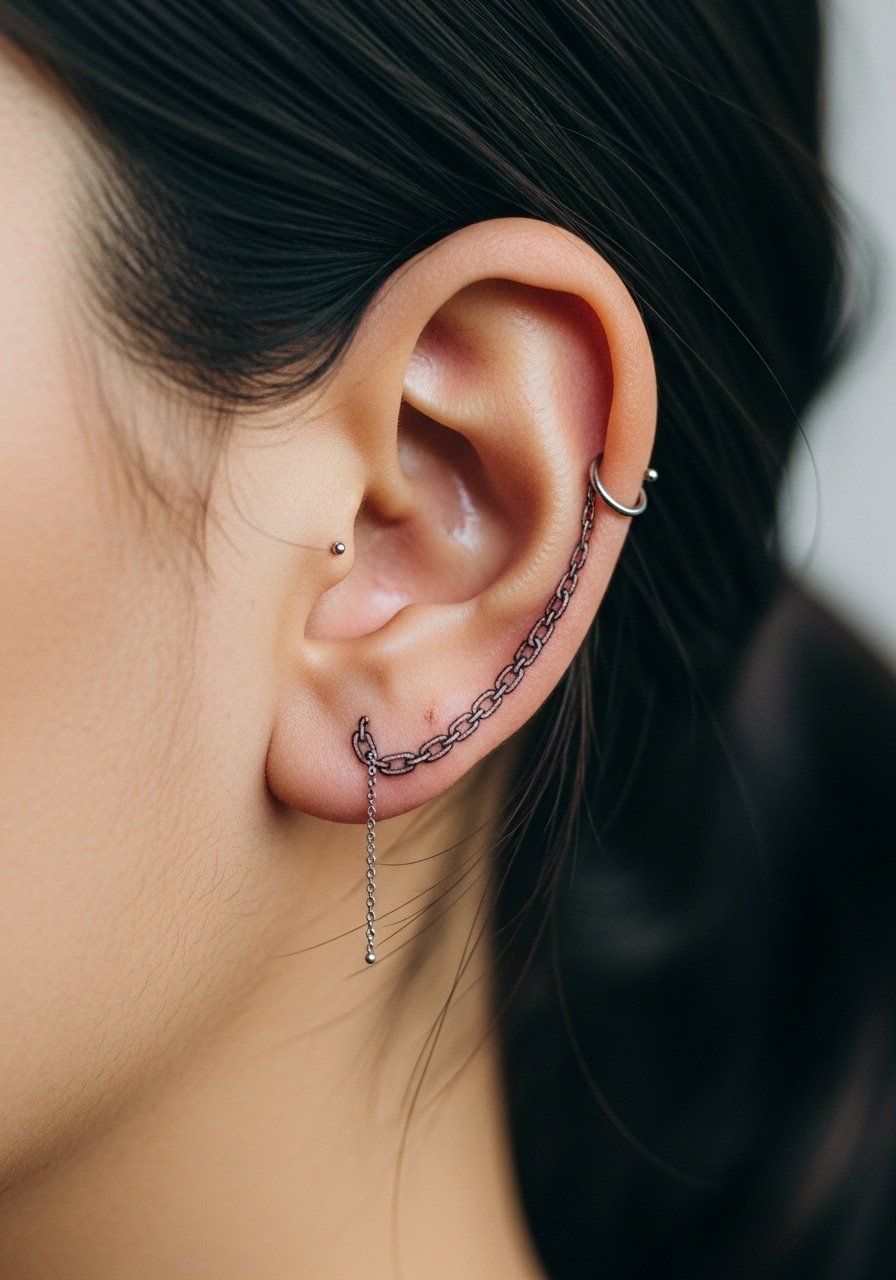
Tattooed chain details that land next to actual hoops create a layered effect that reads both ornamental and modern. Behind-the-ear and surrounding areas require precise framing so the jewelry does not pull on healing skin. A mistake is asking for ultra-fine chain links that the skin cannot hold at small scale. Ask for slightly bolder linework to survive time. For the session, plan to wear hair up so the artist has clear access to the area and so the hoop can be removed or slid aside without tugging anything.
5. Eye with Jeweled Pupil on Upper Arm
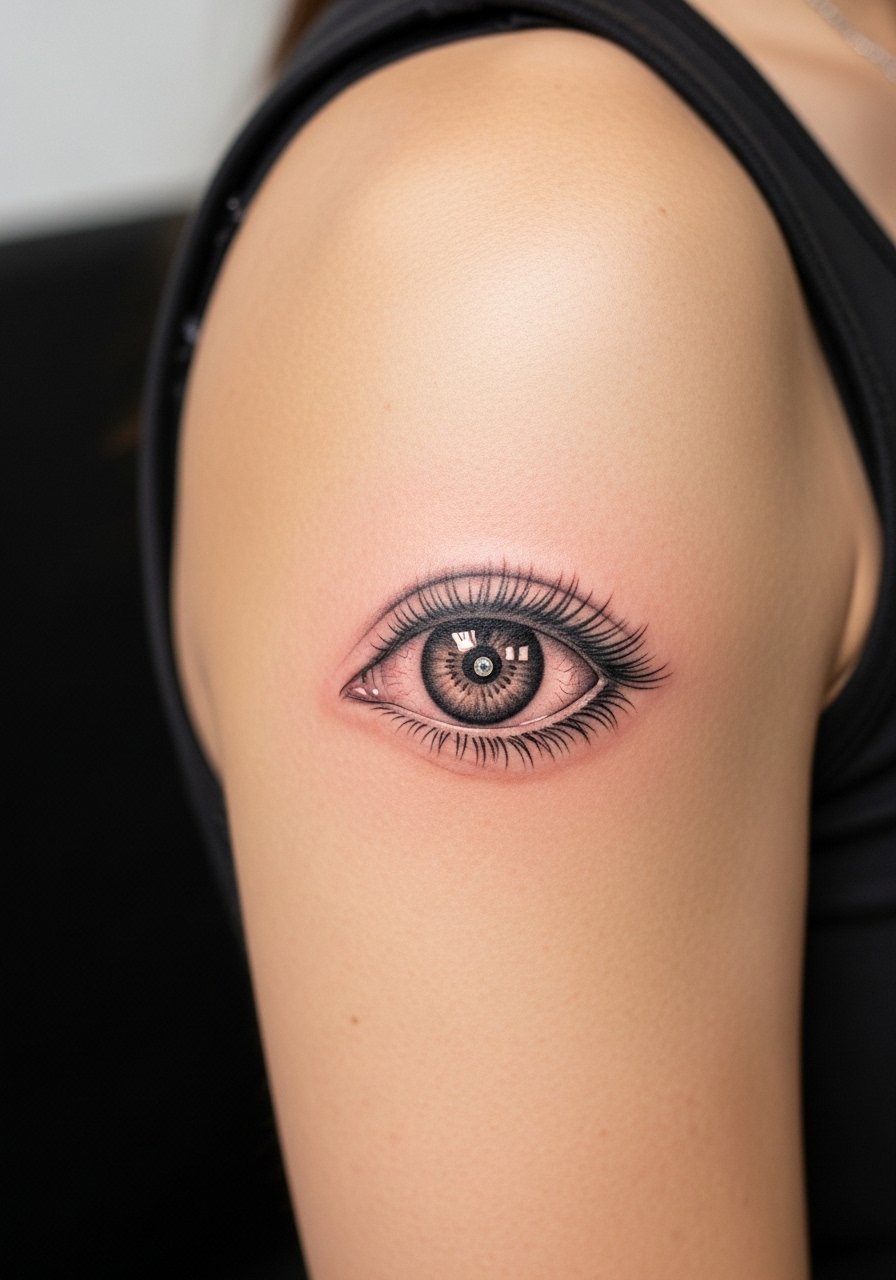
An eye with a small gem at the pupil blends micro-realism with a tactile accent that catches light. Outer arm placements heal predictably but watch for sun exposure. Specify in your consult that the jewel sits on top of healed ink and not threaded through fresh lines. The worst version has the jewel placed over thin, faded ink that disappears after one summer. For session comfort, wear a loose tank top so the artist can work unimpeded.
6. Faux-Pierced Rose on Side Ribcage
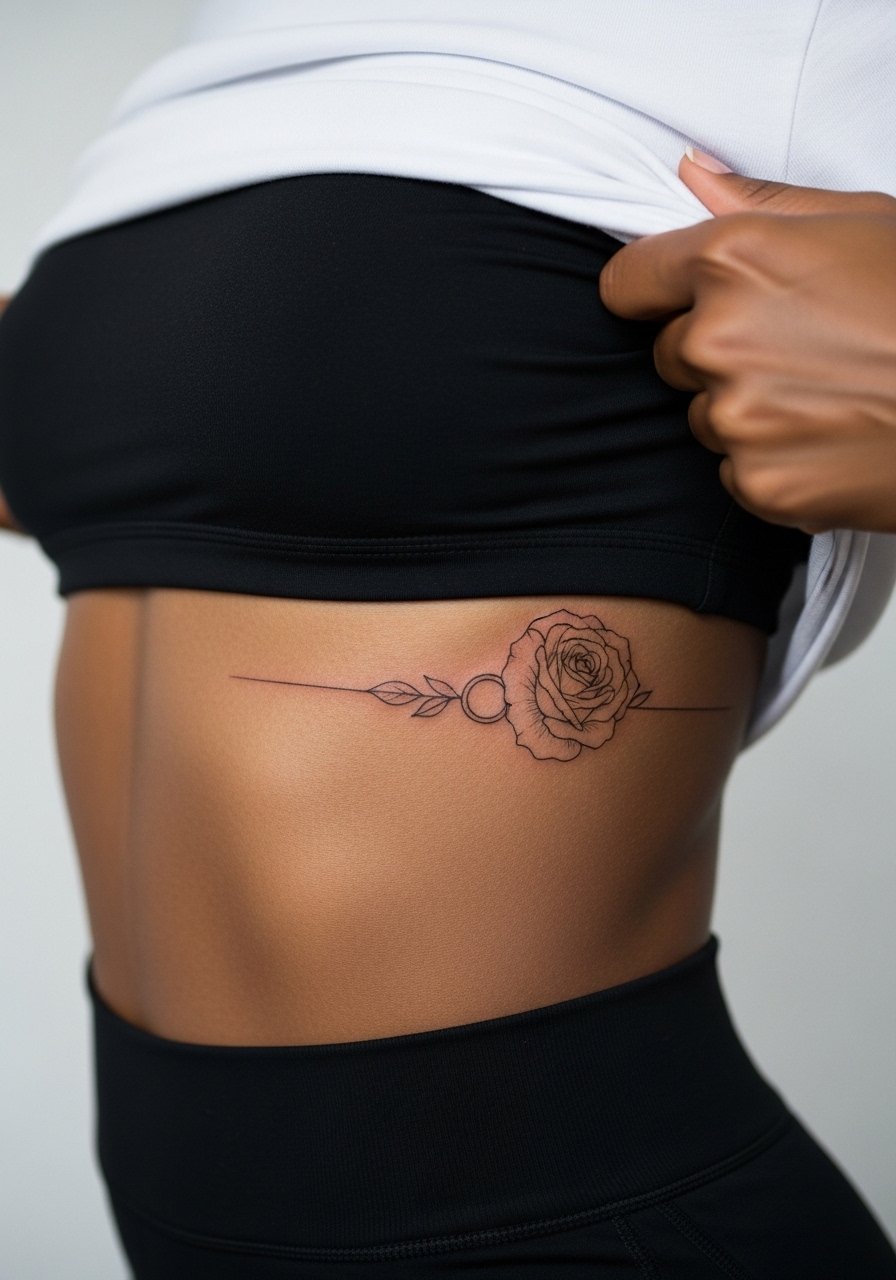
A painted-on or tattooed ring inside a rose gives the illusion of a piercing without the aftercare complexities of actual hardware. Ribs are painful for many people, so plan shorter sessions and multiple sittings if you want more saturation. There is debate among artists about fine line detail on ribs. One camp says the skin there stretches and blurs lines within two years. The other camp argues that with proper spacing and needle depth it holds up fine. Bring this up in your consultation so you know where the artist stands.
Studio Day Picks
These first pieces mix wrist, arm, and chest work, so a few practical items make the session and the first week easier.
- Stencil transfer paper kit. Lets you preview placement on the wrist and clavicle so the tattoo sits where you want relative to jewelry and clothing.
- Topical numbing cream. Applied before a short rib or sternum sit can make the difference between a single manageable session and an aborted appointment.
- Thin protective film roll. Useful for small wrist and finger tattoos where friction from daily washing is an issue in the first week.
- Fragrance-free gentle body wash. Keeps healing clavicle and chest ink clean without stripping delicate linework.
- Aquaphor healing ointment. A thin layer in the first days helps maintain moisture for fine line pieces near jewelry without clogging puncture sites.
7. Pierced Script Under the Collarbone
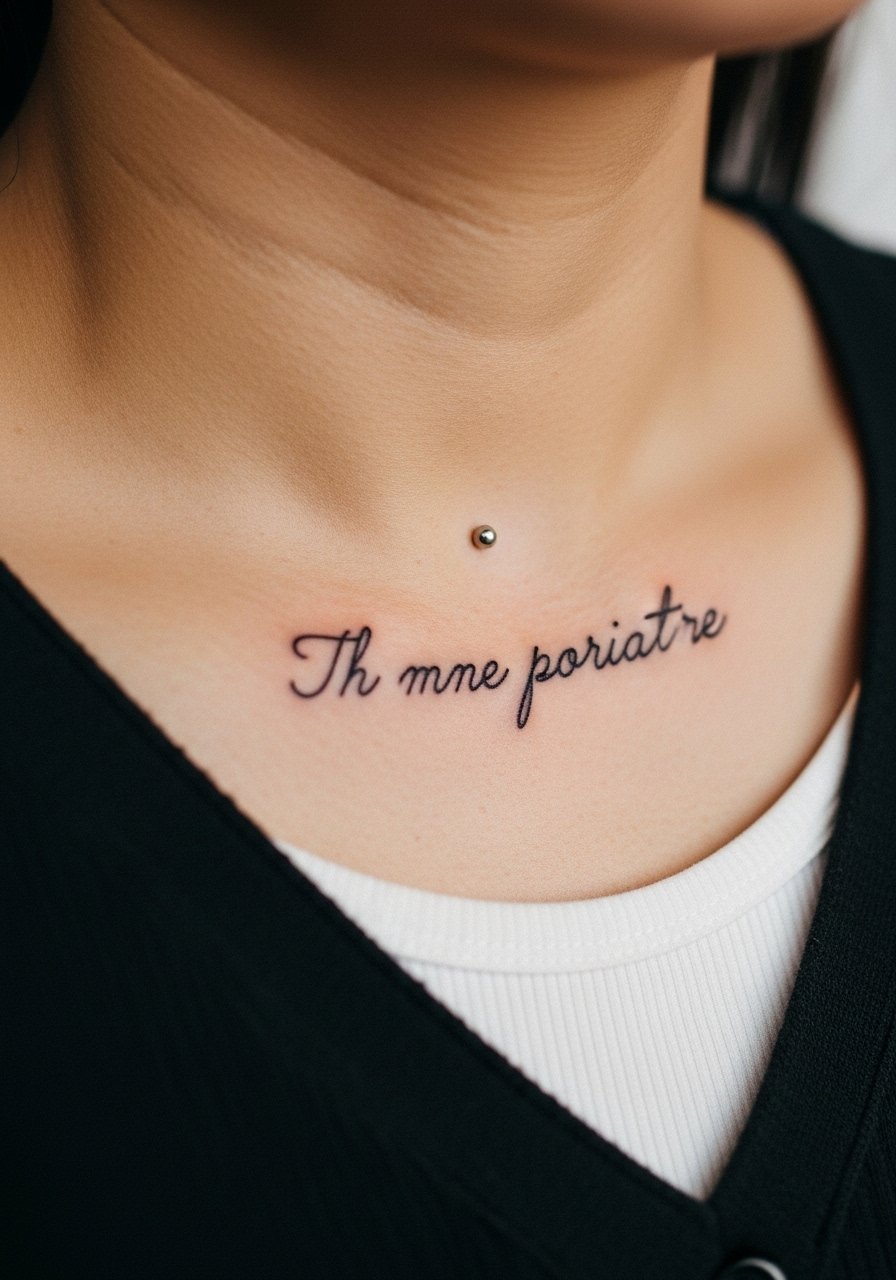
A short line of script that ends or intersects with a small dermal stud reads like punctuation on the body. Under-collarbone skin is thin so ask the artist about needle depth and how they handle lettering near bone. The common error is choosing a font too thin for the placement. In two years faint scripts can lose definition if strokes are hairline thin. For nights out, an open-back blouse or a delicate pendant pulls attention upward without crowding the text.
8. Hand Piercing Illusion with Ring Tattoo

A tattooed ring paired with a piercing or thin real ring creates continuity between ink and jewelry. Hand tattoos carry higher blowout risk and will need touch-ups more frequently because of washing and sun exposure. If you want longevity, ask for slightly thicker linework and avoid filling with saturated color. For session wear, skip tight rings and bring the jewelry you plan to pair so the artist can see how it sits. Hand work can affect visible job interviews, so weigh that in your decision.
9. Ear Cartilage Tattoo with Hoop Accent
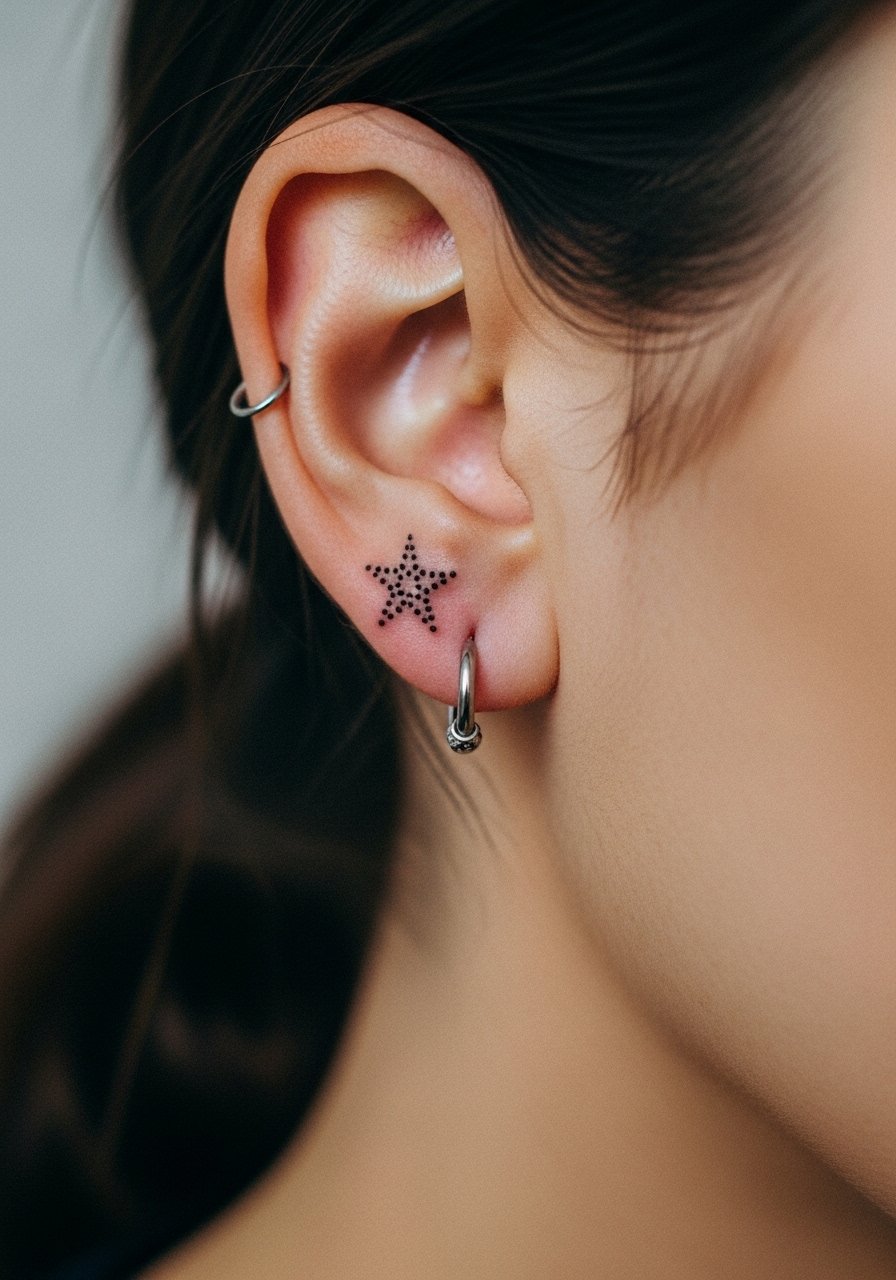
Cartilage tattoos and piercings pair neatly because both read as small ornaments in the same area. Cartilage is thinner and has different pain levels than lobe work, so expect a sharper sensation during the session. Make sure the hoop can be removed or moved during the appointment so it does not contaminate the area. A common mistake is asking for shading too close to the hoop, which can age into a cloudy patch with constant contact. For nighttime styling, small hoops and layered studs let both tattoo and piercing breathe visually.
10. Faux-Skewer Navel Tattoo with Belly Button Stud
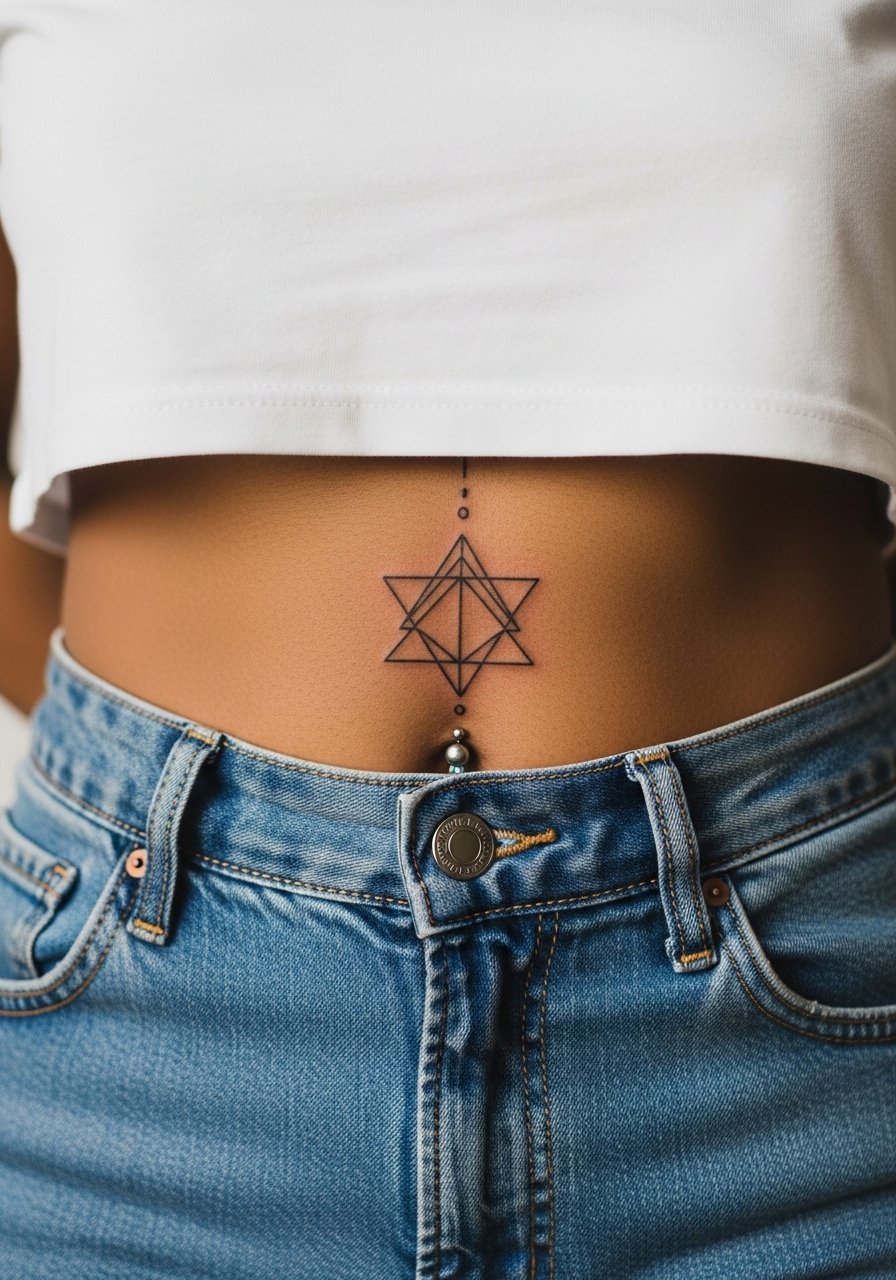
A tattoo that frames an existing belly button piercing elevates the area without adding new hardware. The abdomen heals differently than limbs, with more movement from sitting and bending, so spacing and flow matter. If you want the painted skewer or frame to stay crisp, ask for bolder connector lines rather than micro hairlines. For session comfort, slip into high-waisted bottoms and a cropped tee you can adjust easily. Avoid fresh piercing and fresh tattoo at the exact same time to reduce complication risk.
11. Dermal Accent Over Hip Floral
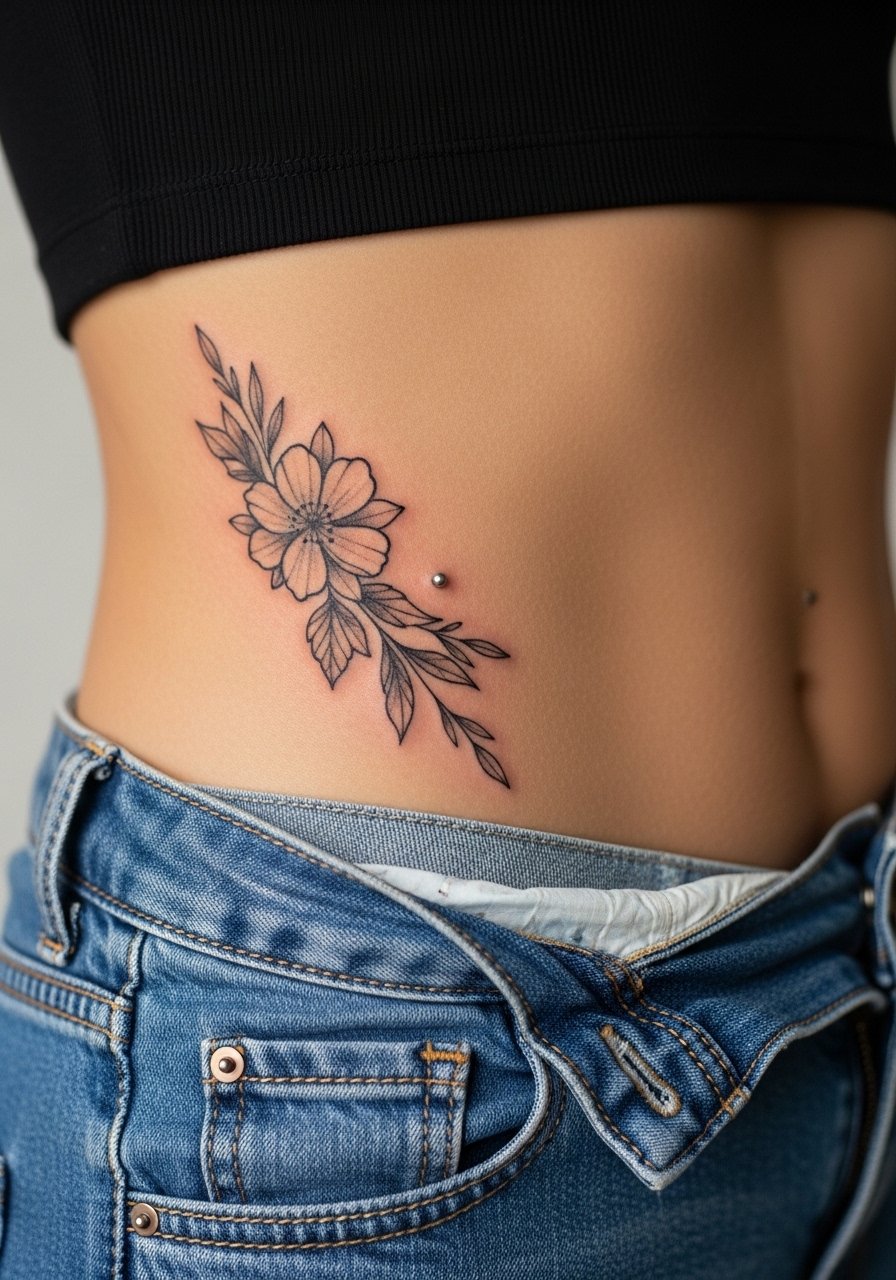
Hip tattoos pair naturally with dermal accents because clothing often frames the area. The hip moves a lot during walking and sitting, so anchors like dermals require careful placement from a piercer experienced with movement zones. A mistake is choosing a dermal that sits under a waistband seam. For showing off, high-waisted jeans or swimwear with a slightly lower cut highlights the piece. For session day, wear bottoms that you can slide down a touch so the artist accesses the zone without full exposure.
12. Ribcage Script with Tiny Hoop Illusion
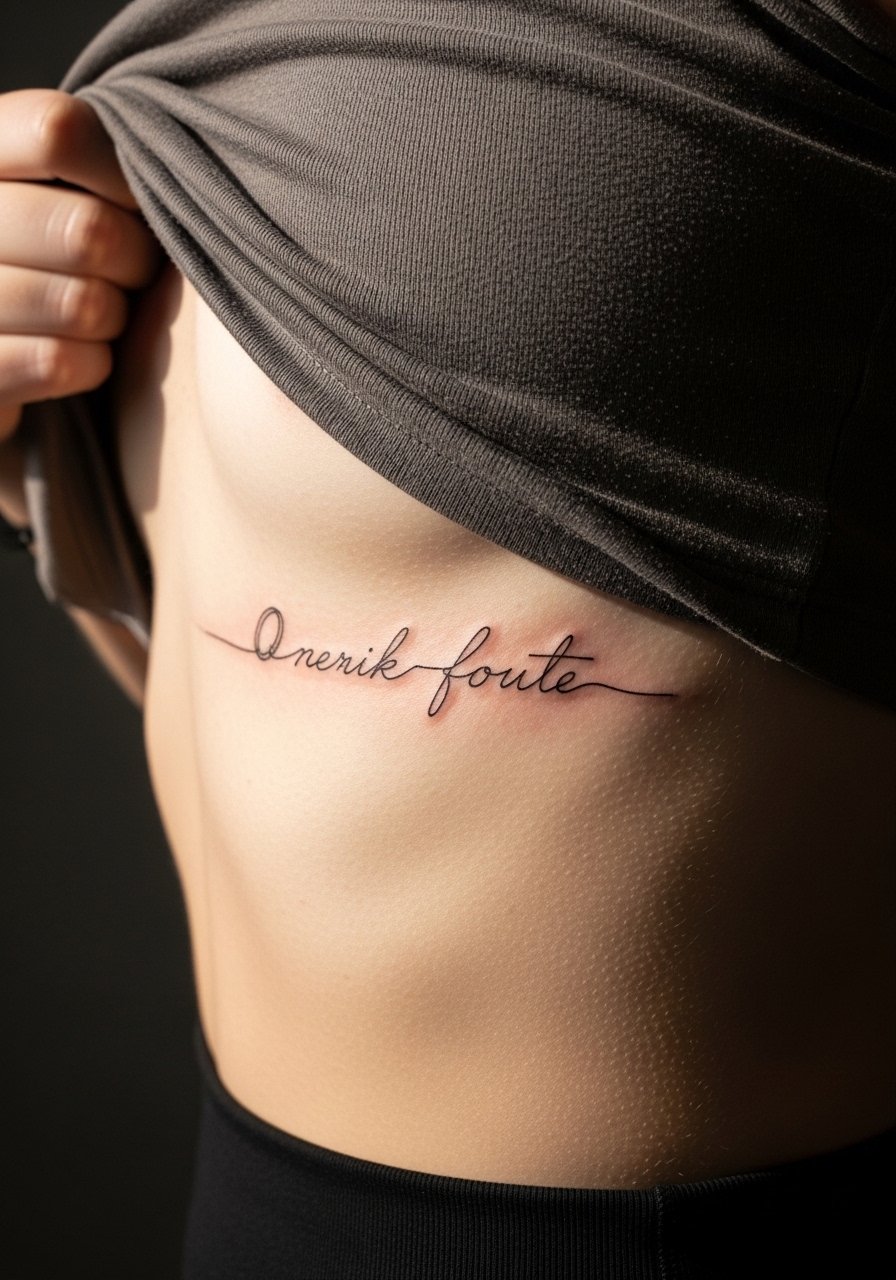
Script along the ribs reads intimate and flows with body contours. The ribs are sensitive, which is why many people split rib text into short sessions. One camp believes fine script on ribs blurs quickly because the skin stretches. The other camp says strategic spacing and slightly thicker strokes keep the text legible longer. Tell your artist you want readable letters at year three, not microcalligraphy that disappears. For post-session comfort, zip-up hoodies and loose tops are easiest to pull aside rather than over your head.
13. Pierced Tattoo Mandala at Nape
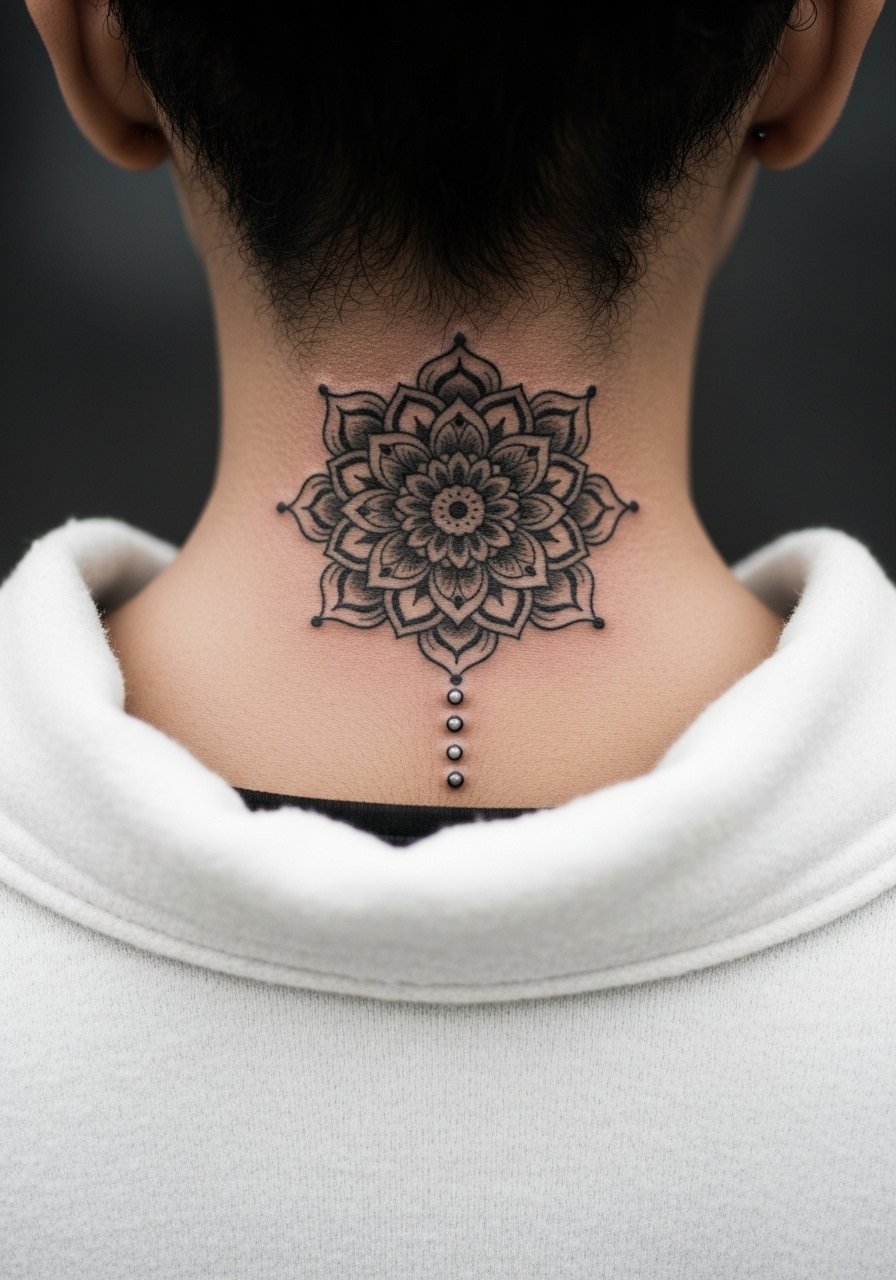
A mandala at the nape paired with a vertical dermal line creates a symmetrical focal point under hair. Neck skin can show change over time, so the mandala should have room between concentric lines to avoid merging. If you plan to keep hair long, consider how the jewelry will peek through when you wear your hair up. For session prep, a wide-neck shirt that stretches down makes access simple. Respect the design's cultural roots and opt for a variation rather than direct replication when the pattern has sacred meaning.
14. Pierced Calf Portrait Accent
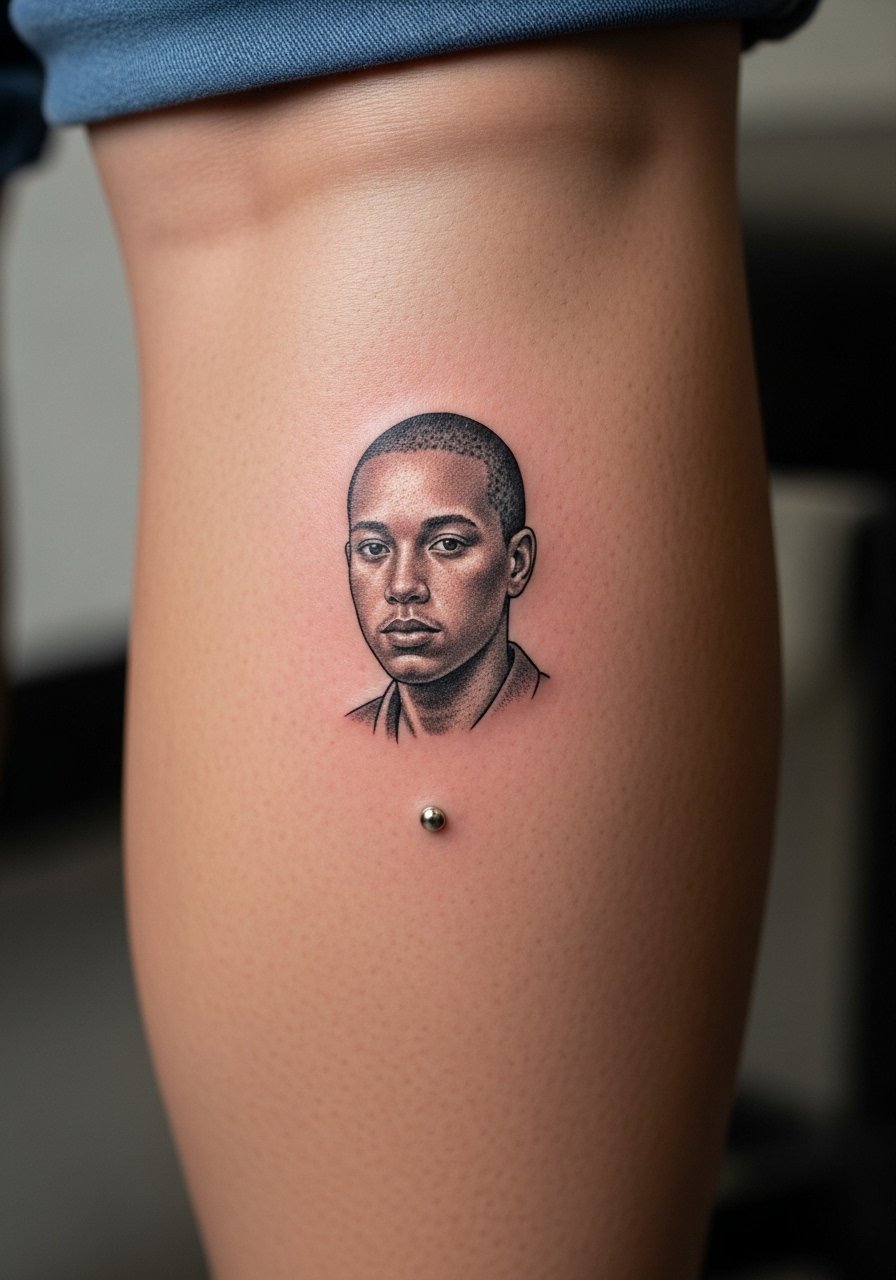
A calf portrait with a tiny accent stud creates a tactile focal point that moves with leg muscles. Calf skin takes ink well, and shading holds if the artist lays saturation properly, but avoid overworking the area in a single pass. Portraits demand accurate scale so tiny facial features do not smudge over time. Wear loose shorts or drawstring pants to the appointment so the artist can work without fabric rubbing the area afterward. For showing it off, heeled boots and cropped trousers hit the sweet spot.
15. Finger Micro-Pearl with Stacked Rings

Finger tattoos are popular with pierced accents because rings and studs live in the same visual plane. Fingers are high maintenance and will need touch-ups sooner than other spots, especially where joints crease. For longevity, avoid ultra-fine lines that the skin on fingers cannot hold. Wear simple gloves on the day you travel to the studio to avoid accidental knocks, and bring the rings you plan to wear so the artist can center the tiny pearl relative to them.
16. Pierced Back-of-Neck Minimal Bar
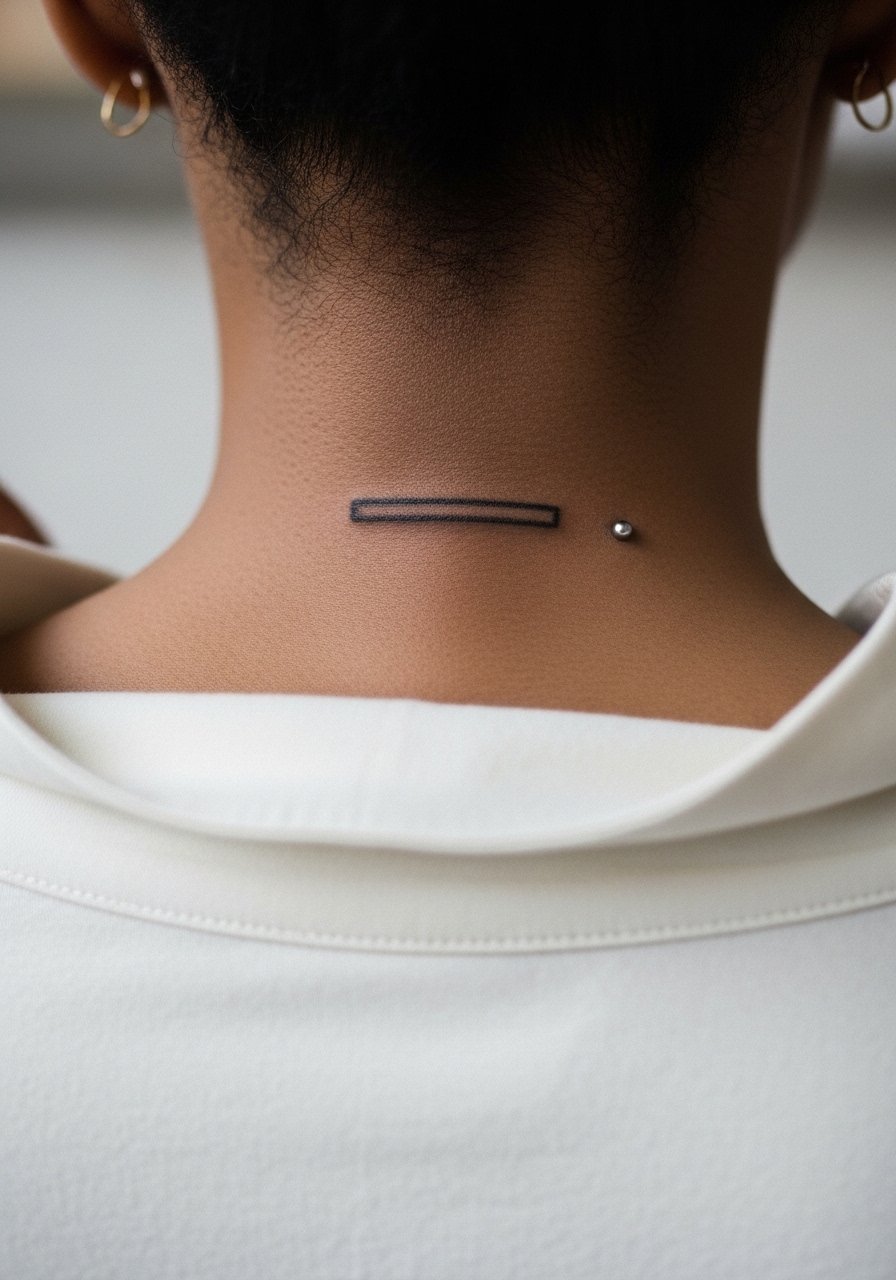
A tiny horizontal bar backed by a small dermal stud gives a subtle, geometric look at the hairline. The back of neck can be sensitive to hair friction so placement slightly below the hairline works best. Ask about how a piercing might catch when you shampoo or brush hair. Plan for clothing that avoids high collars at first so the area can breathe. The combined look reads like a private detail that appears when hair is up.
17. Ankle Pierced Tattoo Constellation
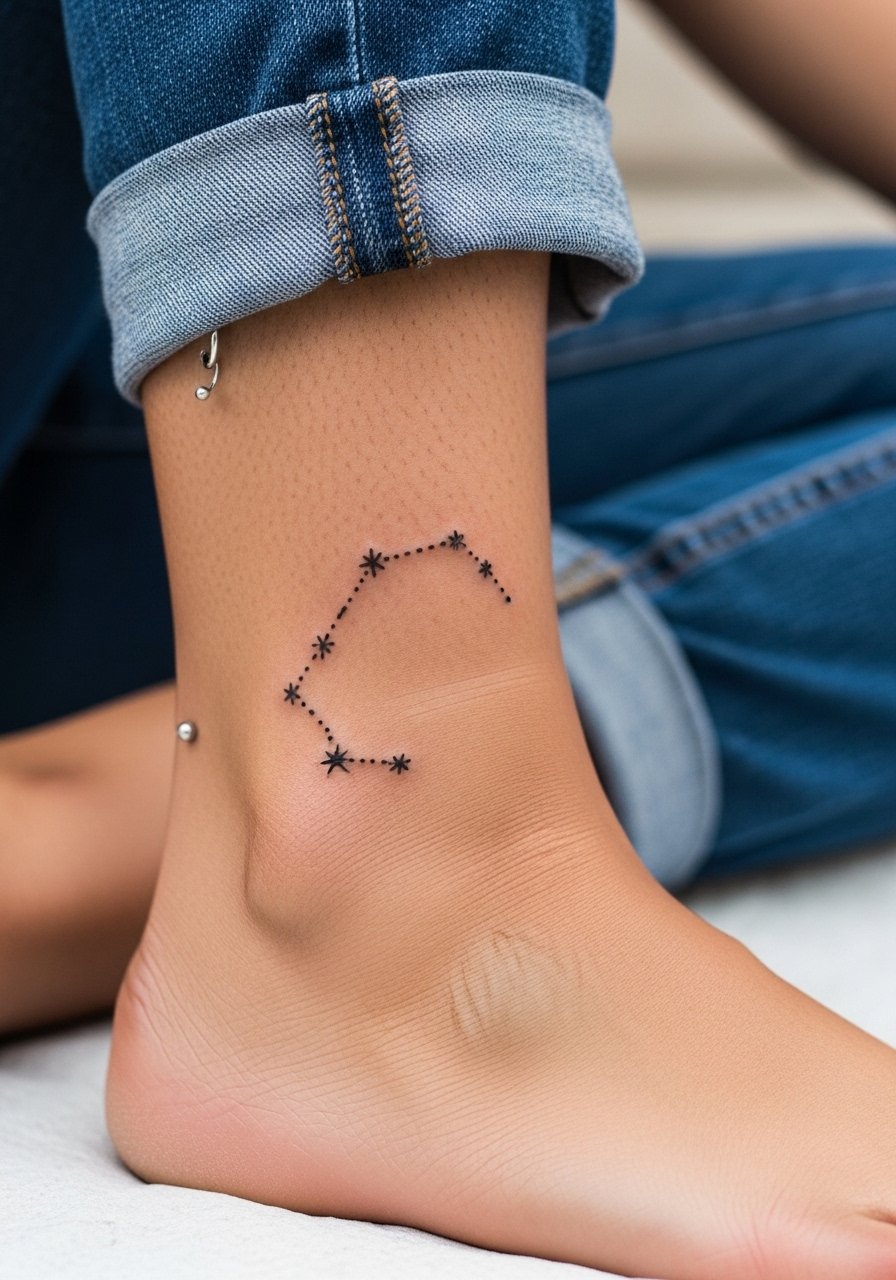
Ankle tattoos with pierced components look deliberate and light. The ankle is subject to friction from footwear and socks, so expect the artist to recommend protective film for the first week. Avoid requesting high-detail dot work too close to where shoes rub. For showing it off, sandals and cropped pants are best, so pack a pair to wear after the session. The ankle is low on the pain scale for many, but sitting positions can make longer sessions uncomfortable.
18. Tongue-Inspired Ink with Labret Accent
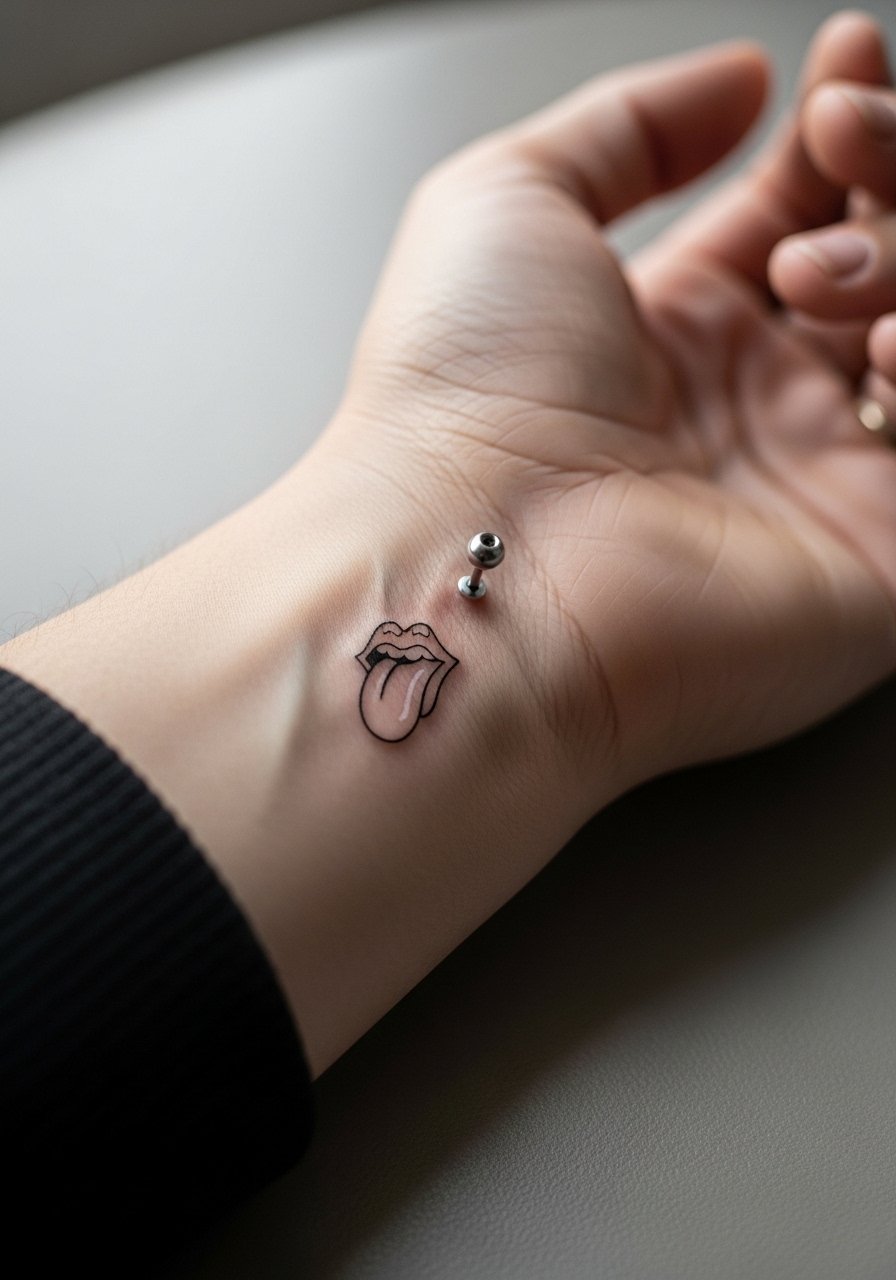
This idea echoes body piercings without invasive mouthwork by placing a tongue-inspired motif near a labret-style stud on the wrist or hand. Wrist placement keeps the concept visible while avoiding oral tissue complications. A frequent mistake is asking for saturated color that fades into a patch due to constant hand movement. Keep the lines slightly bolder and plan for a touch-up at year two. For session day, avoid tight wristbands that press on fresh ink.
19. Pierced Mandorla Over Sternum
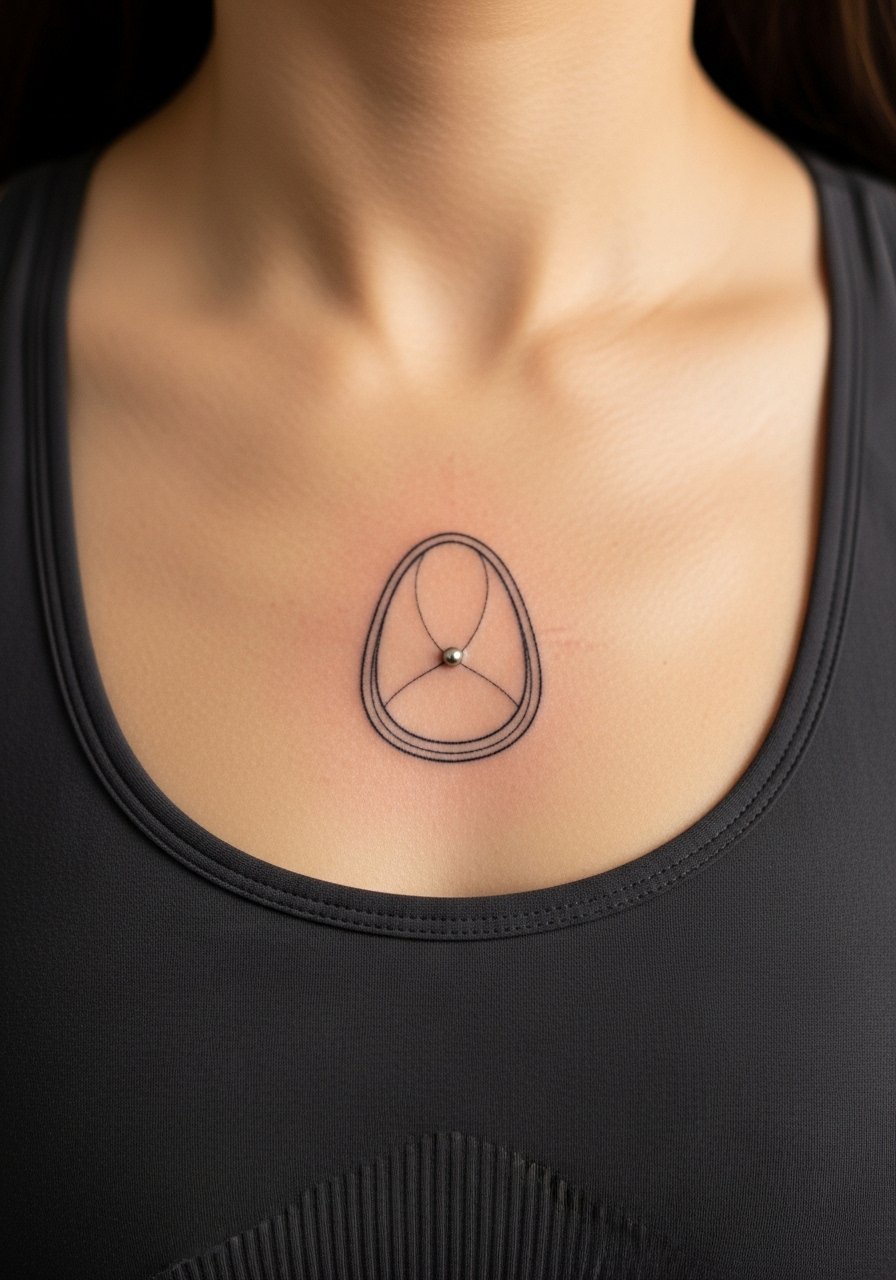
A mandorla, a pointed oval shape, frames a single dermal accent and reads like a central jewel over the chest. Sternum work can be intense for the sitter, so many people break it into shorter passes. Discuss with your artist how the dermal will sit relative to the shape so the point of the mandorla does not press against the jewelry. For modest display, strapless or plunge necklines pair well when you want the tattoo to show. Respect any spiritual connotations by asking about variations instead of direct sacred symbols.
20. Pierced Calavera with Tiny Nose Stud

A compact calavera with a tiny inked nose stud balances playful and classic motifs. Upper arm locations are forgiving, and saturation holds if the artist layers color or black carefully. The common error is cramming too much ornament into a small skull which ages into a muddled shape. Specify you want clear negative space around facial features so the design reads from a distance. Wear a loose tank top for the session to allow easy access.
21. Pierced Scapula Garden Row
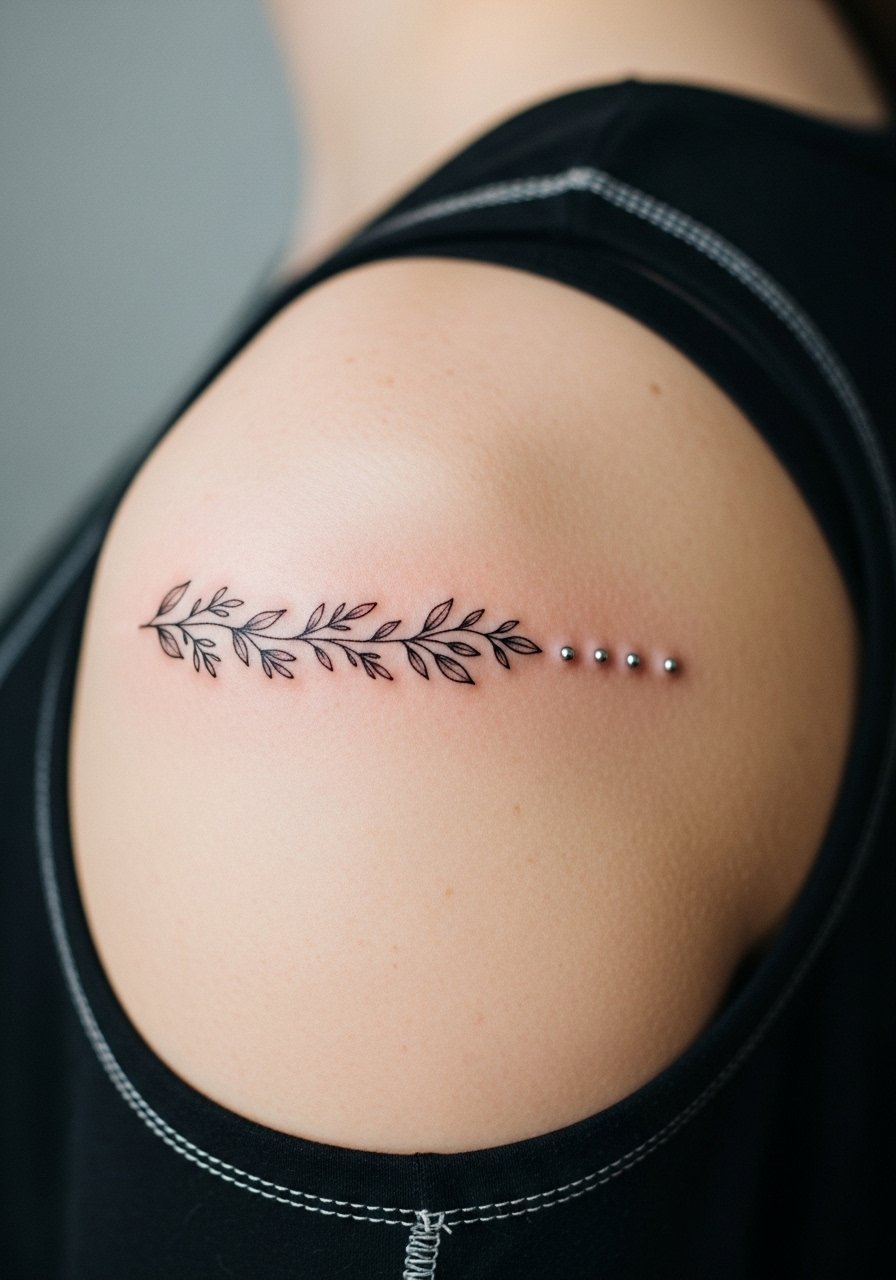
A row of botanical motifs along the shoulder blade accented with dermals reads like a garden string across the back. Scapula placements conceal well under clothing but reveal beautifully with open-back tops. Dermals here need careful placement because of shoulder movement. Plan for spaced sessions so the artist can stage the dermals after the tattoo settles. For showing it off, an open-back dress or a halter top keeps the line visible without overexposure.
Frequently Asked Questions
Q: Do pierced tattoos cause more infection risk than tattoos alone?
A: There is a split view in tattoo communities. One camp worries added hardware raises contamination chances during early healing. The other camp says if a clean, experienced piercer installs jewelry after the tattoo fully heals, and if the studio follows strict sterile protocol, the risk is not inherently higher. Ask for a clear timeline from the artist for when jewelry can be safely added and confirm their sterilization practices.
Q: How do I choose between a real dermal and a painted-on jewel for delicate placements like the sternum or hip?
A: Think about movement and clothing. Painted-on jewels avoid the mechanical stress a dermal bears during daily life, and they remove the long-term maintenance of hardware. Dermals offer a real tactile accent but they need careful anchoring and sometimes replacement. Discuss your lifestyle with the artist and plan for staged appointments if you want both tattoo and piercing.
Q: Will fine line work near a piercing blur faster than bolder lines?
A: Fine line close to constant contact areas tends to soften faster, particularly on hands and fingers. For pieces that sit next to jewelry, many artists recommend slightly bolder linework or more spacing so the design retains definition over time. Expect touch-ups in year two to three for delicate placements.
Q: What should I wear to a session that combines chest or sternum work with piercings?
A: Pick clothing that exposes only the tattoo zone and that you can remove without pulling over your head. A fitted sports bra or a wide-neck shirt that pulls down works best. If you plan to show off the healed piece, an open-back blouse or a low-cut top highlights chest and clavicle work without overexposure.
Q: Can I get jewelry placed the same day as the tattoo?
A: Most artists and piercers recommend staging. Tattoo skin needs time to form a stable barrier. Adding hardware immediately raises the chance of migration or irritation. Expect recommendations to wait weeks or months depending on placement and how the tattoo heals.
Q: How often do pierced-tattoo combos need touch-ups compared with regular tattoos?
A: Locations with constant friction or movement, like fingers, wrists, and ankles, typically need touch-ups sooner. When jewelry rubs on fresh ink or sits directly on the pigment, touch-ups may be required in year one to two more often than for a forearm piece. Plan for maintenance and discuss realistic timelines in your consult.
Q: Where can I find artists who do pierced tattoos and coordinated dermals without naming specific shops?
A: Use local piercer networks and dedicated tattoo directories, search event rosters from regional tattoo conventions, and check community hashtags on social platforms to find portfolios that show healed pierced-tattoo work. Look for portfolios that include clear healed photos and ask the artist about collaboration with piercers if they do not perform both services themselves.