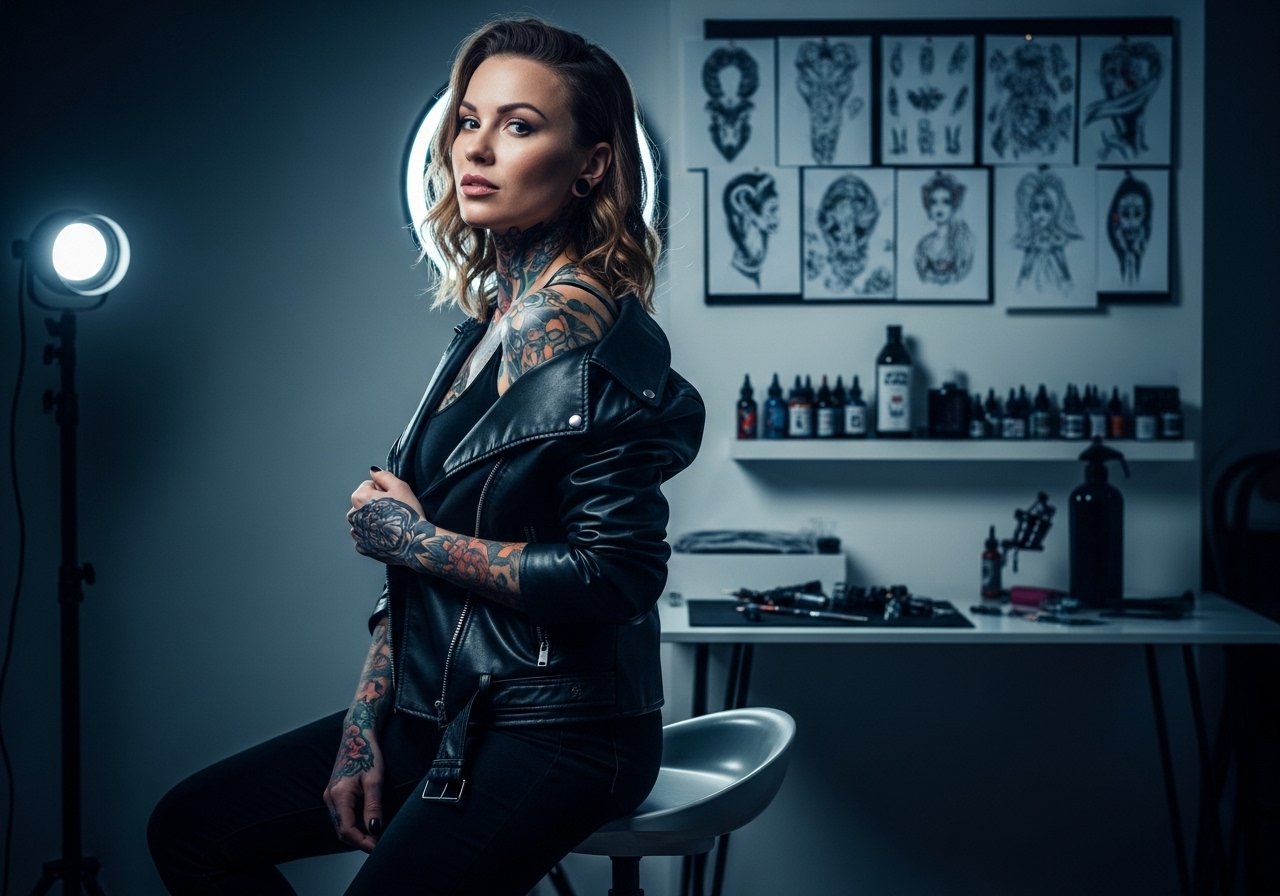
Fine line trends look incredible on feeds, but the tattoos that still read clean at year five are usually the ones planned with ageing and placement in mind. Pick a name design that fits the body area, test size with a stencil, and consider non-text options when letters will blur. Below are 21 different name ideas that balance readability, personal meaning, and wardrobe choices so you leave the chair knowing how it will look months and years from now.
1. Cursive Script Along the Inner Forearm
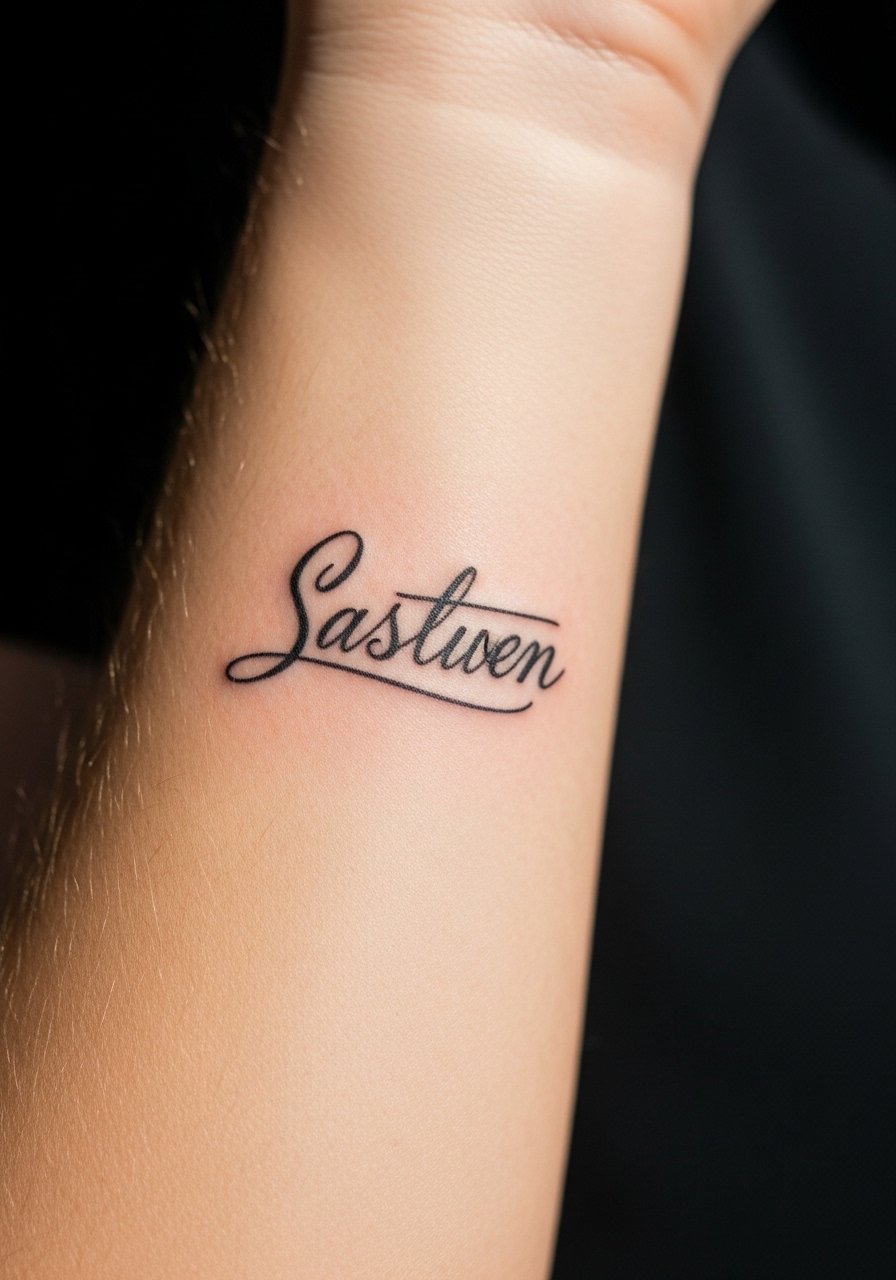
I recommend this when readability and daily visibility matter. I've seen cursive on the forearm last best when the letters are held at about 1 inch tall and the script has intentional spacing. Common mistakes are asking for ultra-thin strokes that fade into a gray thread by year two. Tell your artist you want slightly heavier linework in the downstrokes and to test a stencil at full size first. For the session wear, roll up a short sleeve linen shirt so the artist gets clear access and you leave looking pulled together.
2. Block Lettering with Geometric Backing on the Upper Arm
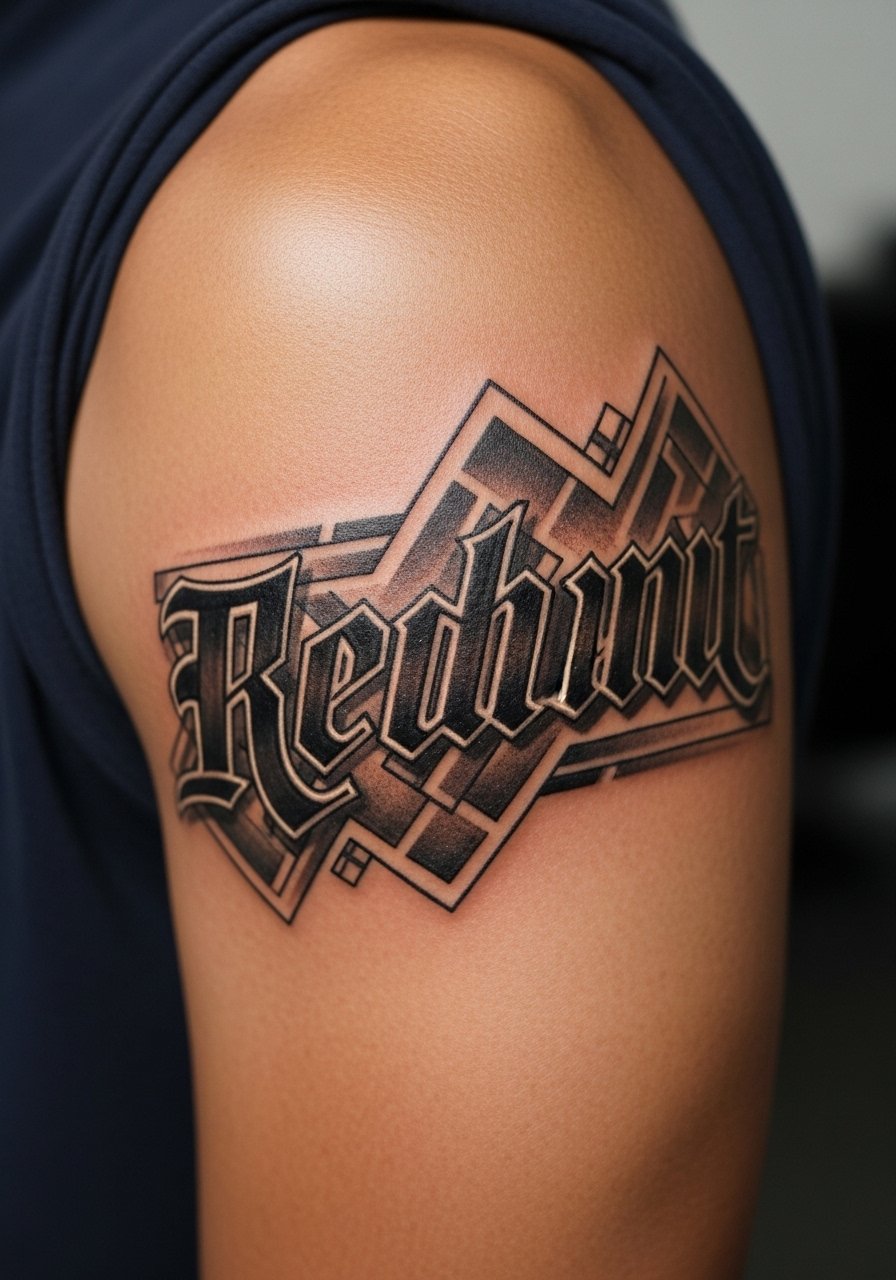
This one reads well from a distance and holds up because of strong linework and saturation. Fair warning: the outer upper arm bruises less and handles saturation well, so expect one to two sessions depending on size. The biggest mistake is shrinking the letters to fit a sleeve segment. Ask for two-line mockups at full scale so the geometric fills do not crowd the letters. Pair this with a rolled sleeve button down when you want to show it off and a loose tee for the session.
3. Name Entwined with a Single Stem Flower at the Collarbone
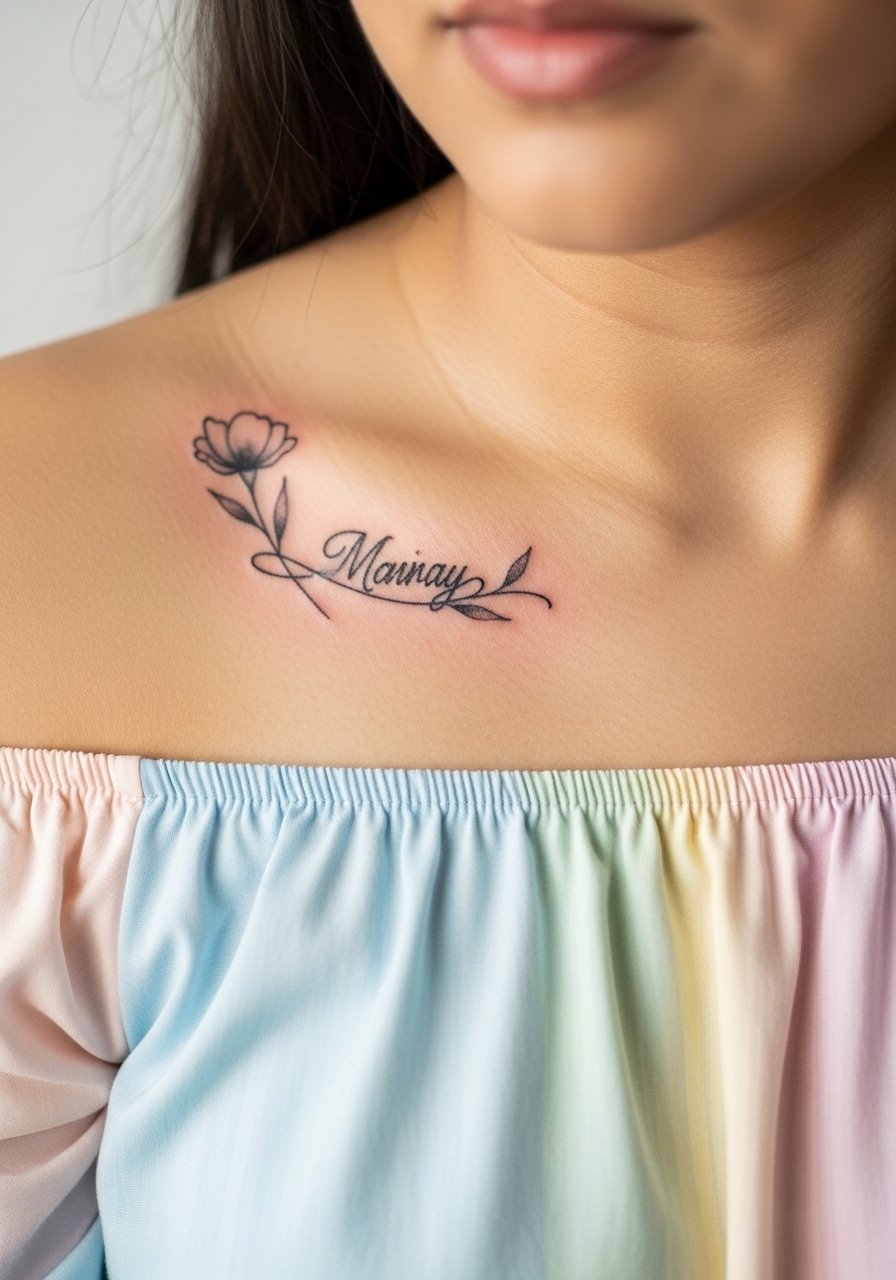
The collarbone is a high-visibility spot that flatters floral integration. Most people ask for tiny script that the skin then blurs into a smudge. I prefer slightly bolder strokes in the letters with thinner petal shading so both elements age differently. For the appointment, wear an off shoulder blouse or strapless top so the artist can work without straps rubbing. Expect the session to feel like a steady buzz with occasional sharp spots over the bone.
4. Family Names Framed in a Heart or Tree on the Chest
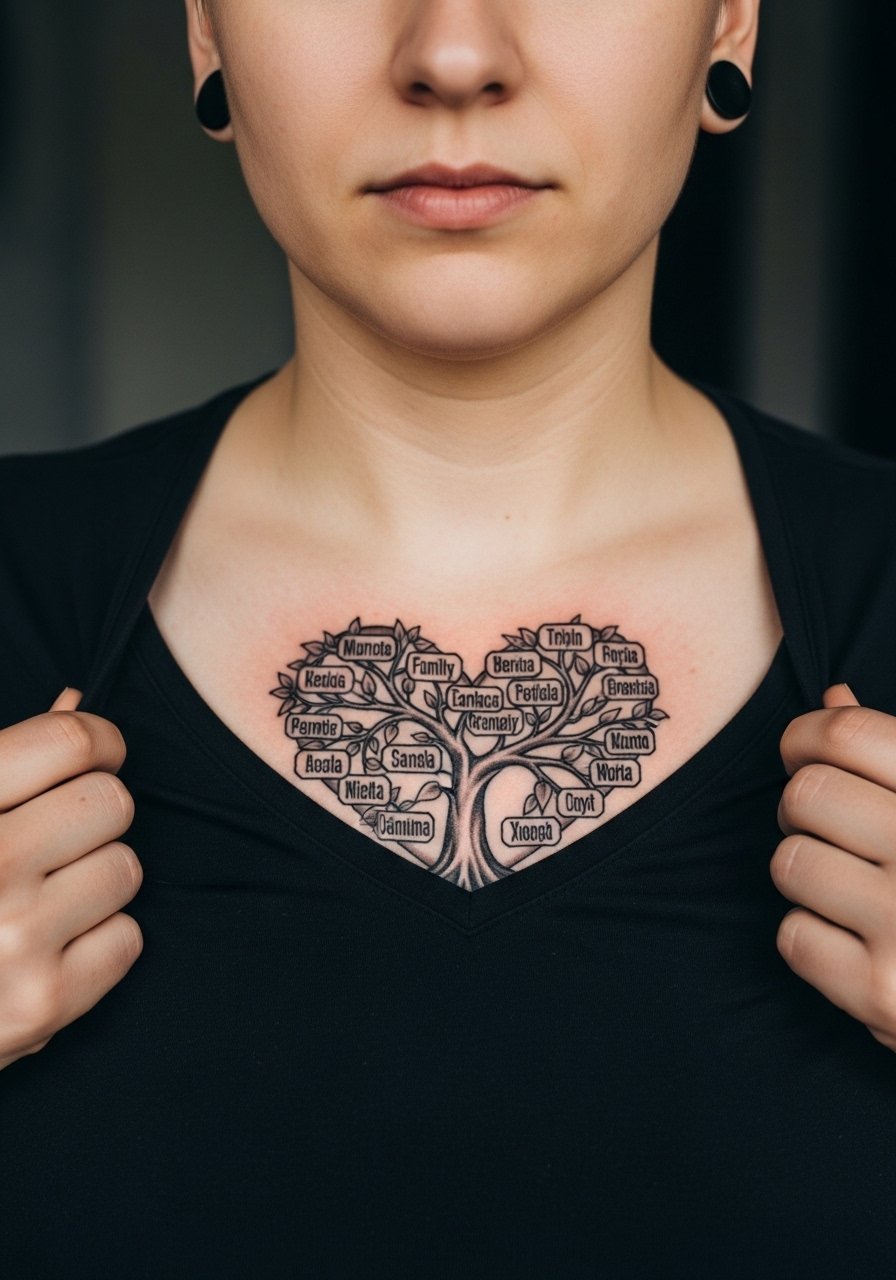
This design is for people who want multiple names in a single composition. The pitfall is packing too many names into a small heart which makes each name unreadable after healing. When you consult your artist, prioritize spacing and a gentle hierarchy so primary names sit larger. Chest skin allows for more detail and two sessions if color is involved. For showing it off, a v neck black tee frames the top of the design without competing.
5. Morse Code Name on the Inner Wrist
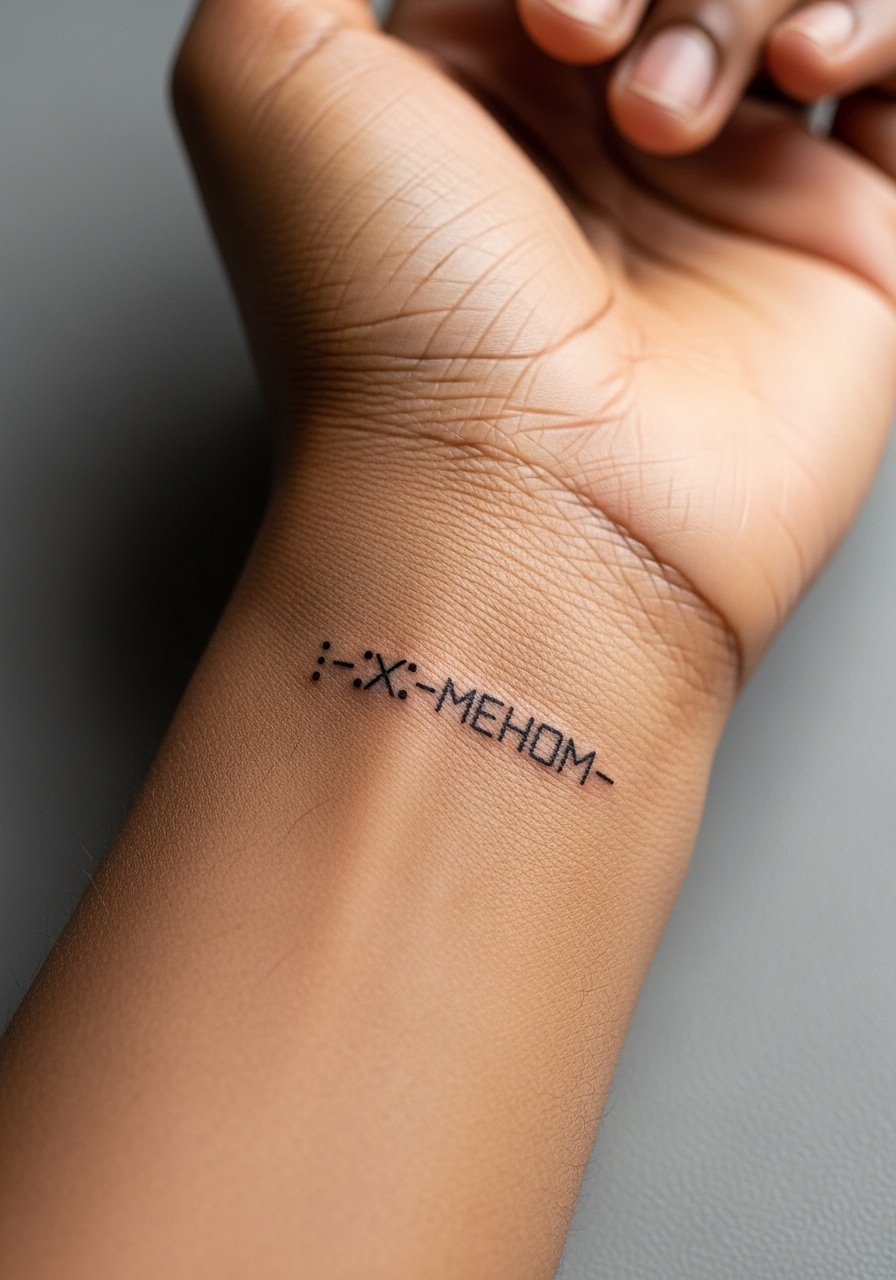
Morse code is quietly private and great when you want a name without obvious text. Expect a single quick session. The common error is making the dots too close together. Ask your artist to map out the exact spacing and to mark the sequence on skin before inking. For the session wear choose a sleeveless tank top so nothing rubs the wrist during application. This placement is exposed to frequent washing so plan on a touch-up sooner than forearm pieces.
6. Binary Code Band Around the Forearm
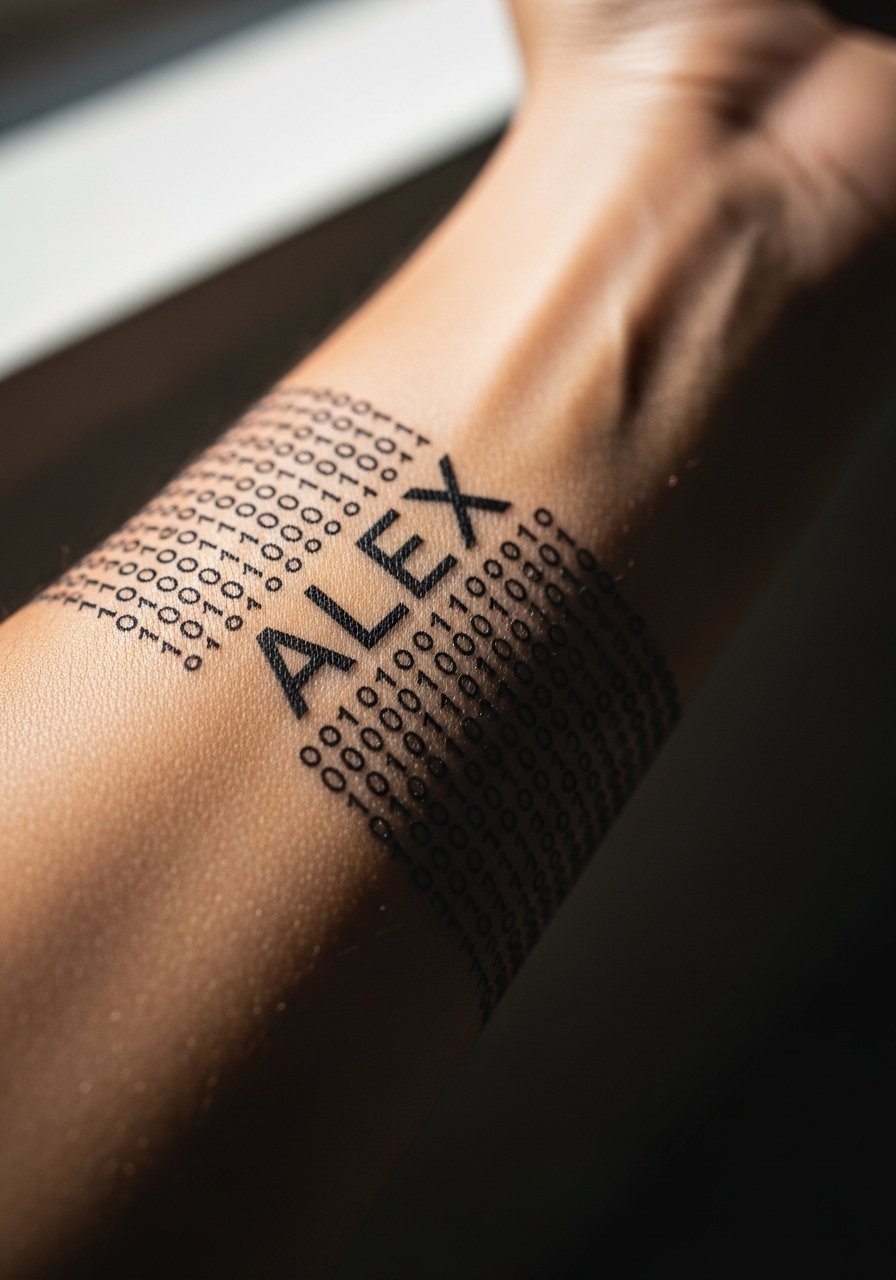
When someone wants a tech-savvy nod that reads like a bracelet, binary bands work well. A common mistake is using dots that are too small which merge into a shaded line after a couple of years. Ask for slightly larger dots and room between rows so the pattern breathes. For showing it off, roll the sleeve of a short sleeve linen shirt to keep attention on the band. The session feels quick but needs steady machine speed for consistent dots.
Studio Day Picks
The wrist and forearm pieces above heal differently from chest and collarbone work, so a short list of items smooths the session and the first week.
-
Stencil transfer paper kit. Lets you preview the exact line placement on skin for scripts and code bands before the needle meets skin.
-
Topical numbing cream. Applied per the product instructions about 45 minutes before the session it takes the edge off sensitive wrist and inner forearm areas.
-
Thin protective film roll. A thin wrap helps protect finger and wrist tattoos from constant washing and friction during the first days.
-
Fragrance free gentle body wash. Good for rinsing healed areas without irritating delicate linework, especially for collarbone or chest pieces.
-
Aquaphor healing ointment. A thin layer in the first 48 hours helps retain moisture for fine line tattoos without clogging the needle channels.
7. Tiny Nickname Icon on the Upper Arm
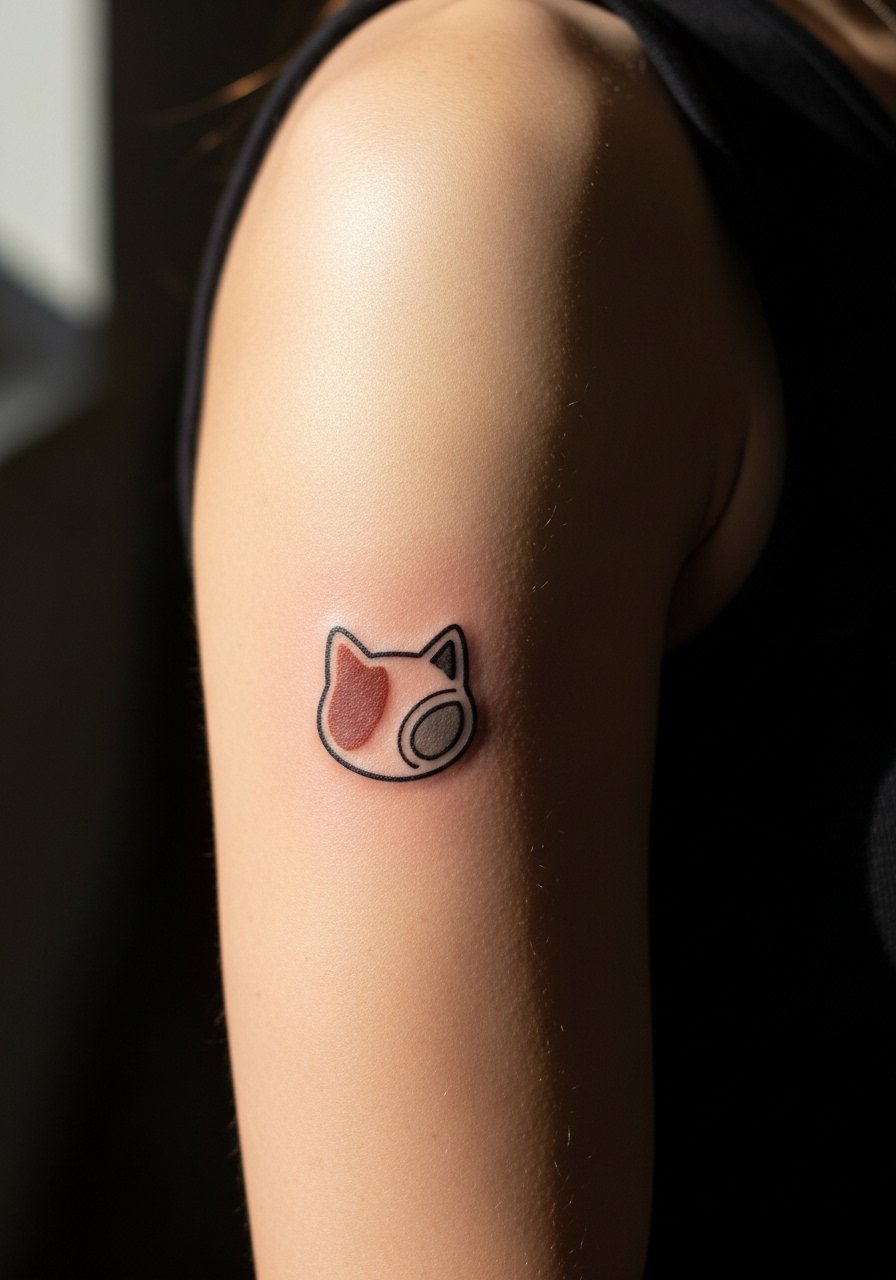
Icons that stand in for names are useful when a full word will not fit into a sleeve or when you want a private symbol. The mistake is making the icon too tiny for the amount of detail requested. Ask your artist for a simplified version that holds up at 2 inches or larger. Upper arm tissue takes color well and the touch-up timeline is usually longer than wrist work. For showing it off, a rolled sleeve button down or short-sleeve tee frames the upper arm.
8. Blacklight Reactive Name on the Side Neck

UV ink divides opinion. One camp loves the secrecy and party-time reveal. The other camp worries about long-term visibility and unpredictable fading. Name both camps when you bring this up with your artist and ask to see healed UV samples on similar skin tones. This placement needs a careful session since neck skin is thin. For show-off moments, a black leather choker can frame the area under UV light.
9. Script with Tiny Stars or Hearts Along the Spine
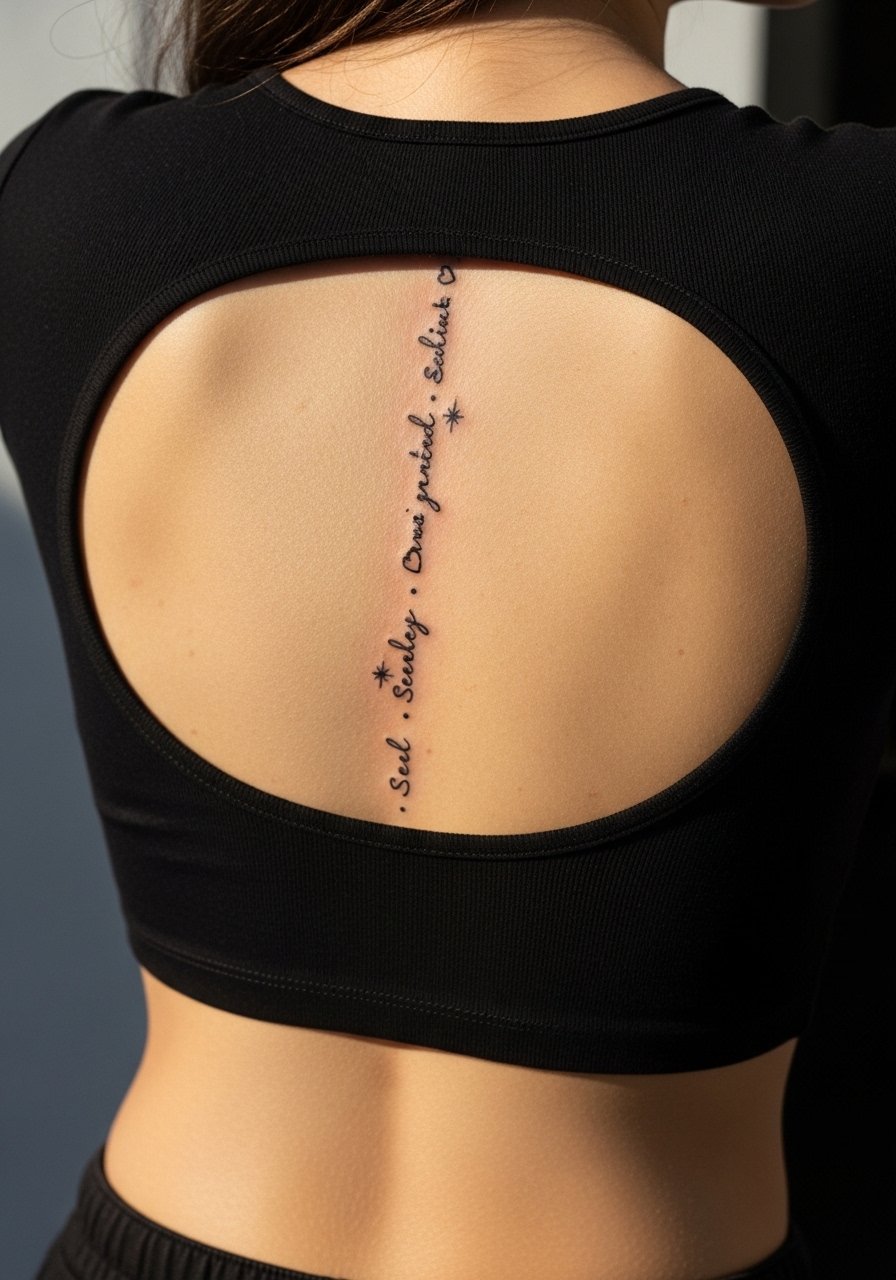
Spine pieces look dramatic when the script follows vertebrae spacing. Most people ask for letters too small which leads to blurring. I recommend slightly larger letters with airy icon accents so the design keeps shape at 2 to 5 years. Expect higher sensitivity during the session. For summer wear, a backless crop top shows the piece without the risk of straps rubbing in the healing window.
10. Bold Blackwork Name Outline on the Outer Forearm
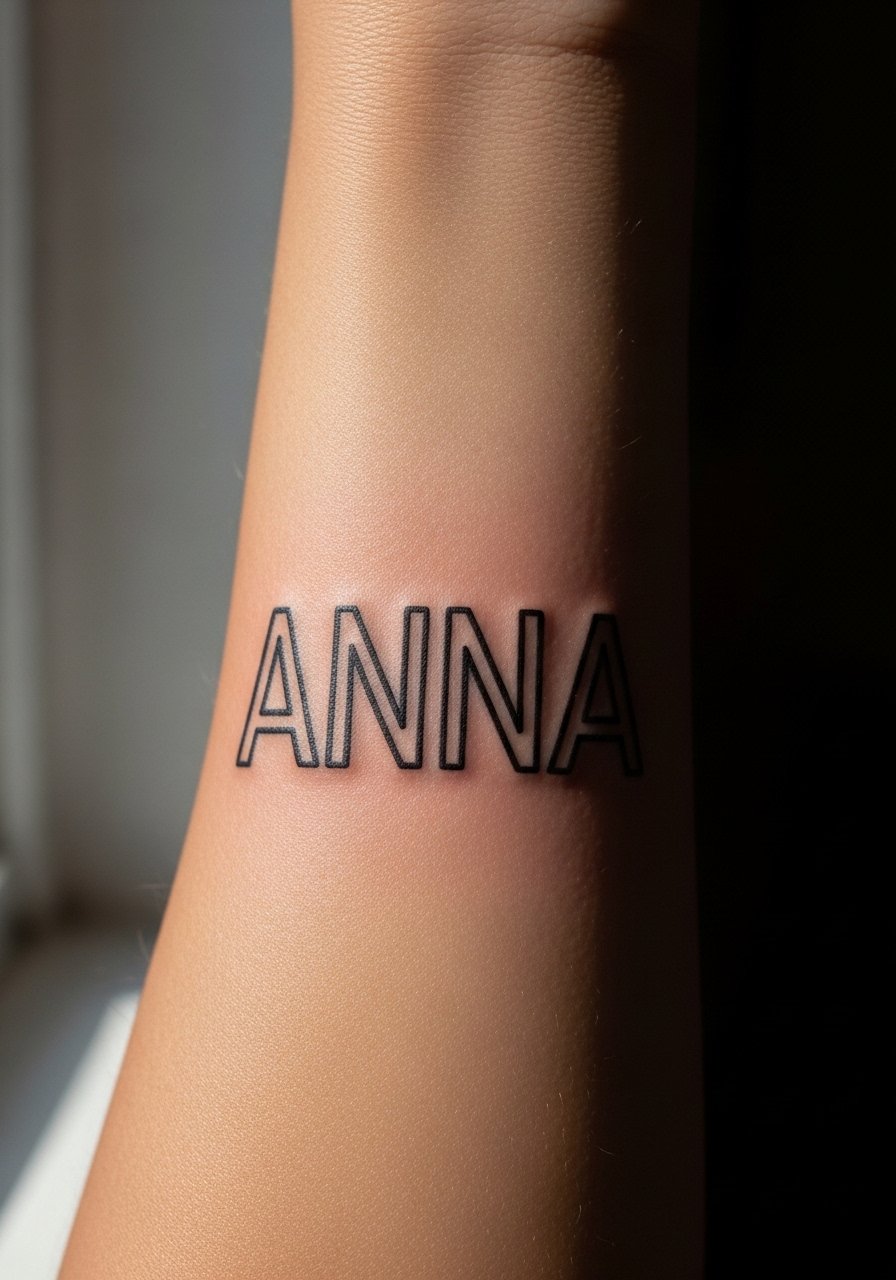
There is something about heavy outline names that ages well because the saturation stays readable. The common mistake is using heavy outlines with ultra-thin internal script. Ask for consistent line weight and single-session saturation. Forearm placement is forgiving but does see sun. For showing the piece, try a rolled sleeve button down in solid colors. Expect a one to two hour session depending on size.
11. Feather That Morphs into a Name on the Collarbone
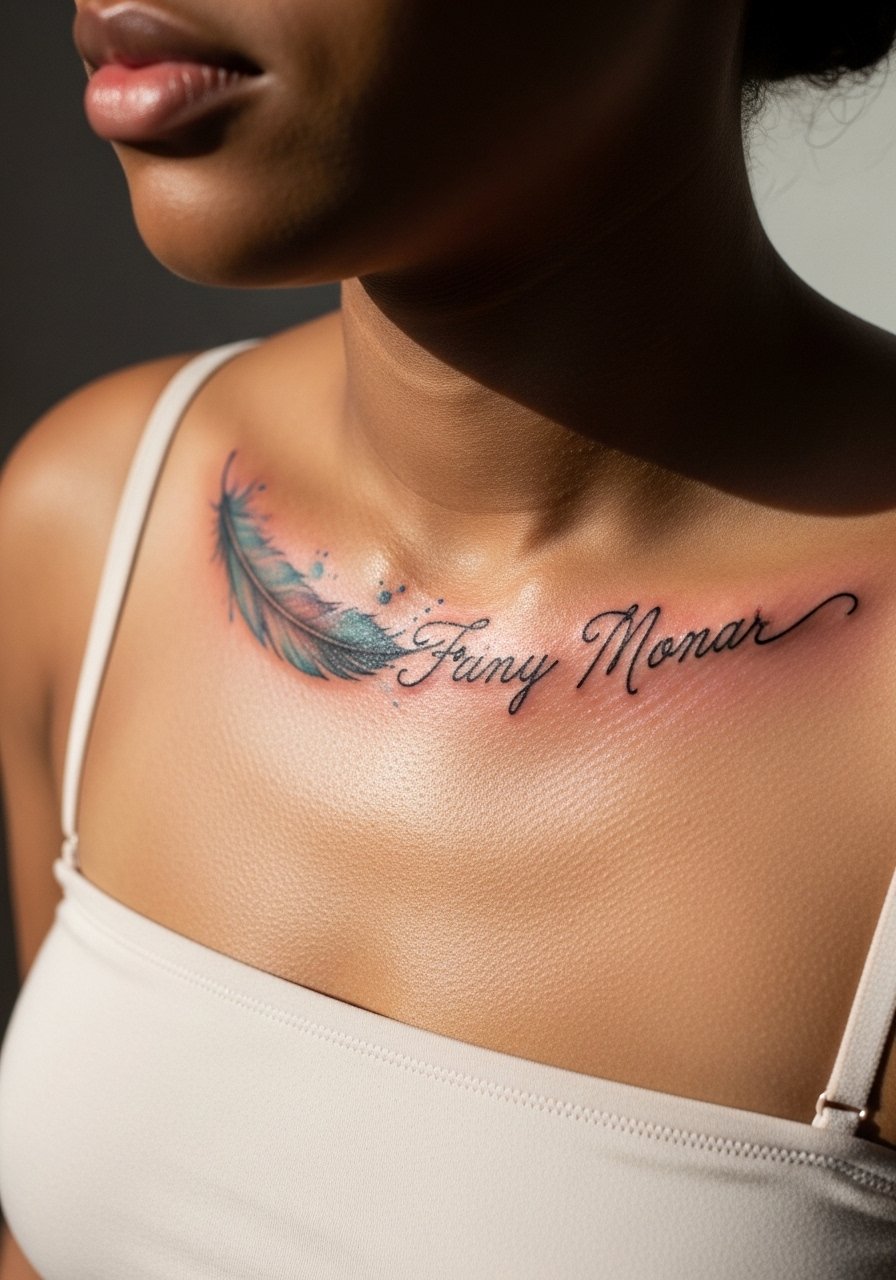
A feather that turns into lettering reads poetic without forcing a literal font. The failure mode is too much watercolor that overwhelms the letters. Ask for crisp anchors where the script meets the feather quill. Collarbone work can be painful near the bone but heals beautifully when positioned slightly off the ridge. For evening wear pair it with a dainty necklace chain that sits just above the script.
12. Heartbeat Line Weaving Through a Name on the Wrist
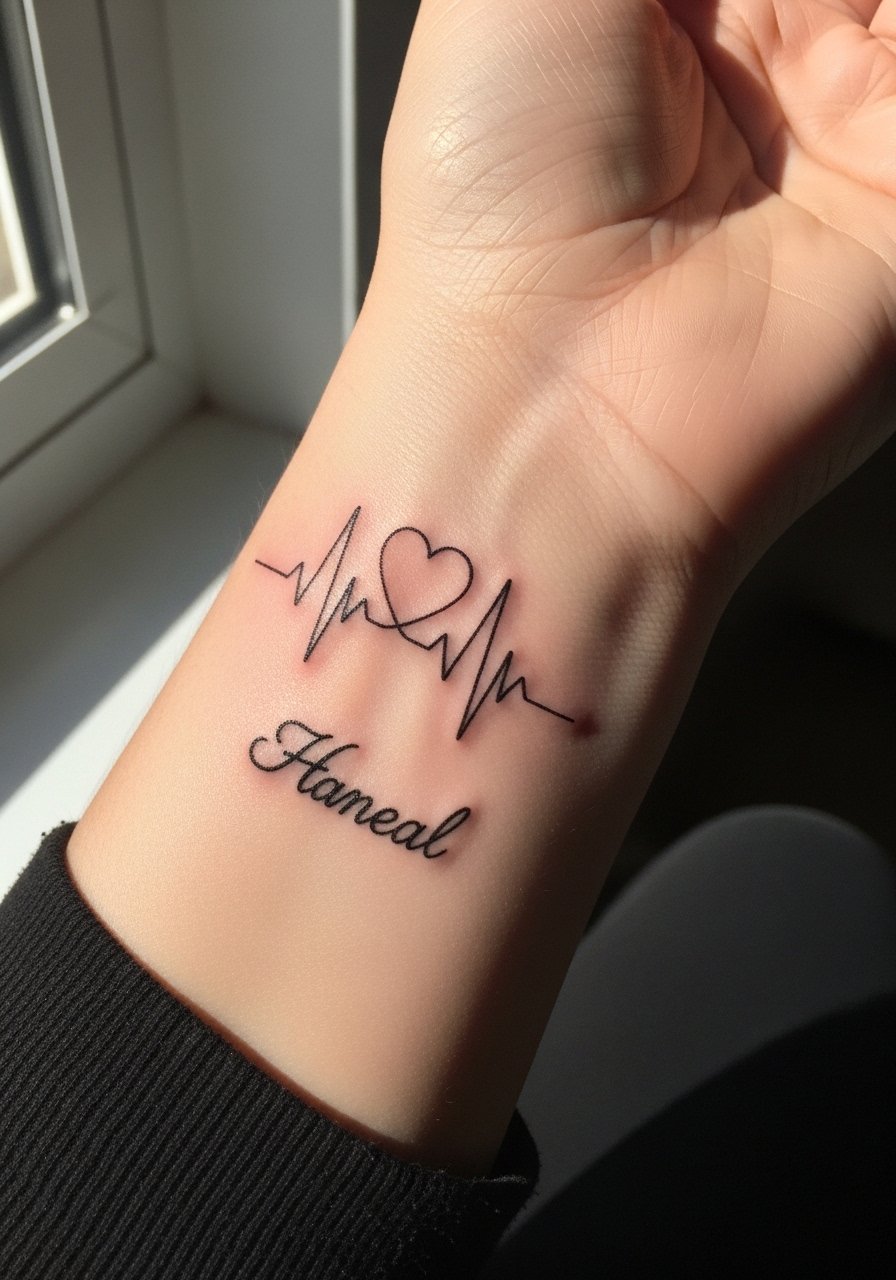
The heartbeat motif gives motion to a static name and suits the wrist. People often request extremely fine spikes that the skin then softens into a single gray line. Ask the artist to space peaks slightly and to keep the lineweight consistent. The wrist is a high-touch area so expect shorter intervals before touch-up. For the session wear bring a sleeveless tank top so the area is free and nothing presses the wrist.
13. Micro Script on a Finger

Finger names are intimate but they age fast because the skin is thin and often exfoliated. Most mistakes are size related. If you must have a finger name, make the letters bolder and accept the likely need for a touch-up within one to three years. The session is quick but can sting more than outer arm work. Hand and finger areas are visible in professional settings so consider career implications before committing.
14. Name Hidden Inside a Wreath Ankle Tattoo
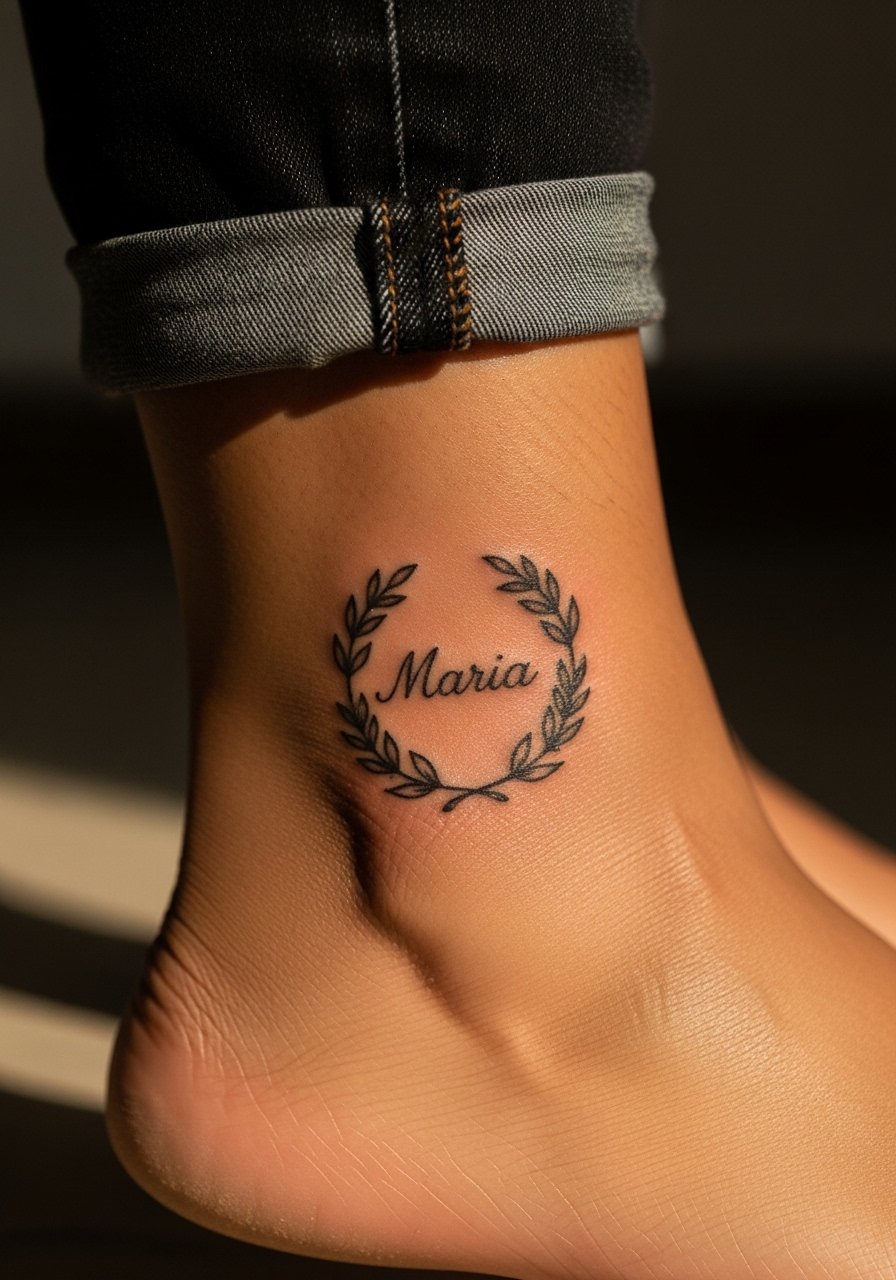
Ankle wreaths are a way to tuck a name into a decorative motif. A common error is overloading the wreath with tiny leaves that blur. Ask for fewer elements and clearer negative space around the letters. Ankle sessions are brief but the area moves a lot during healing. For show-off looks try sandals and rolled jeans. The session will be manageable with surface-level shading and usually one visit.
15. Monogram Lockup as a Small Chest Piece
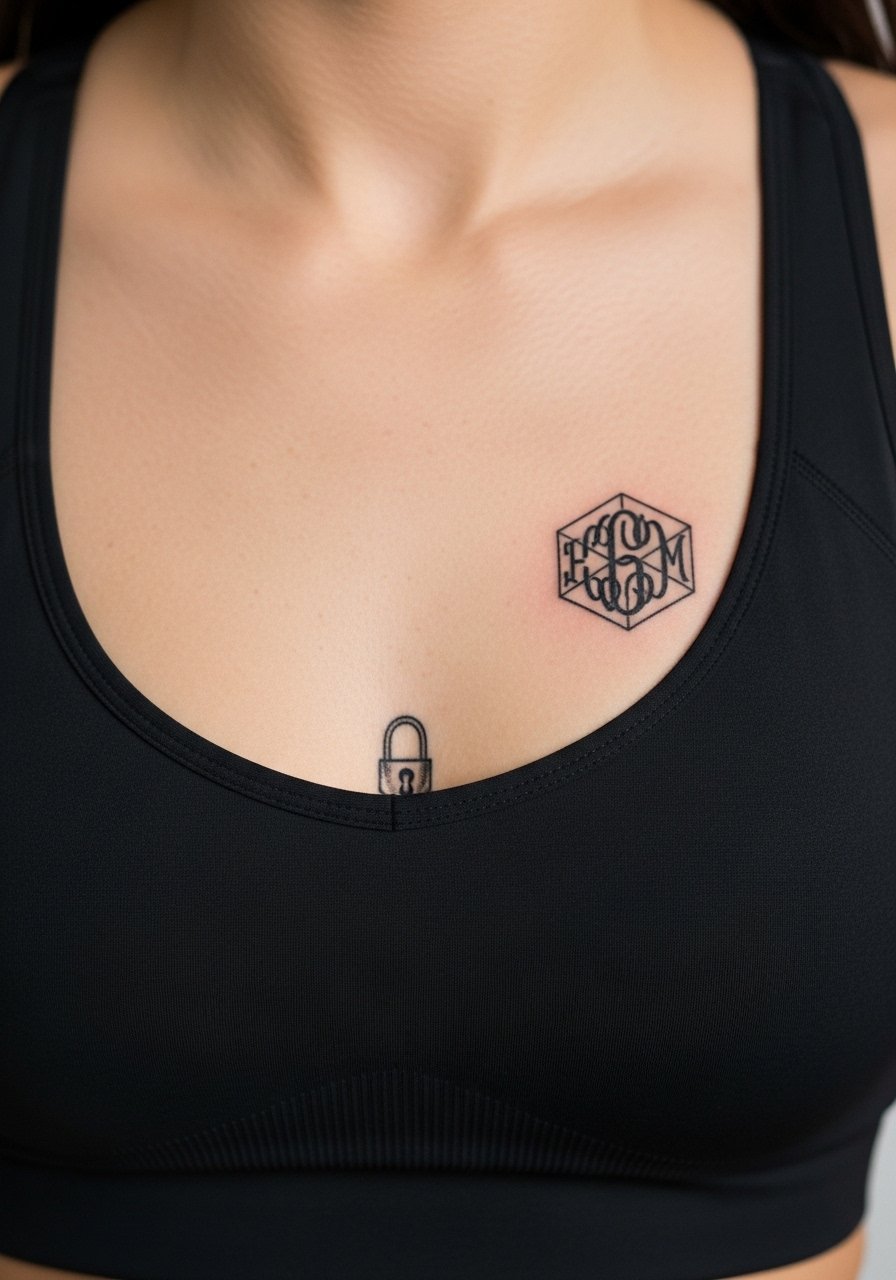
A monogram offers a graphic way to honor someone without full names. The mistake is cramming too many letters into too small a space. Ask for a few scaled options so the negative space reads after healing. Chest skin accepts heavier saturation so the lockup can be crisp. For subtle show-off moments wear a v neck black tee that reveals the top of the piece.
16. Ambigram That Reads Different Names Upside Down on the Ribcage

Ribcage ambigrams are clever but they force density into curved skin. Artists split on fine detail here. One camp says the stretch of the ribs blurs fine work fast. The other camp argues that with proper spacing and depth, ambigrams settle fine. Name both camps and ask your artist for healed examples. This placement is among the more painful but the canvas allows creative twists. Wear a loose crop top for the session so the artist can work uninterrupted.
17. Name as a Tiny Skyline or Landmark on the Upper Thigh
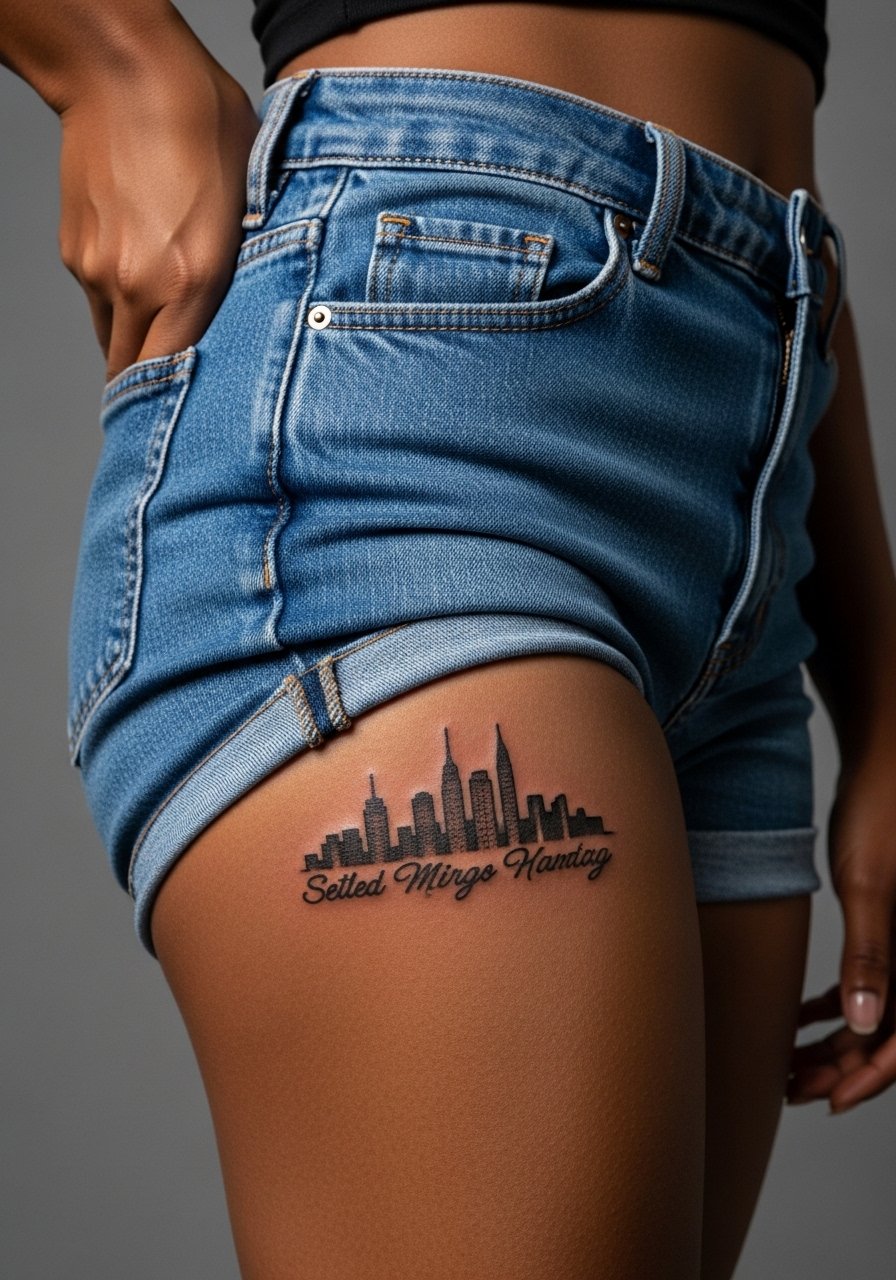
Turning a name into a skyline gives place-based meaning without long text. A frequent mistake is over-detailing small buildings. Simplify shapes and focus on a clear silhouette. Thigh skin heals well and hides easily during the initial weeks. For the appointment wear high-waisted jeans you can lower slightly so the artist has access. Sessions here are comfortable and usually require only one visit.
18. Name Inked into a Tree Ring Back Piece
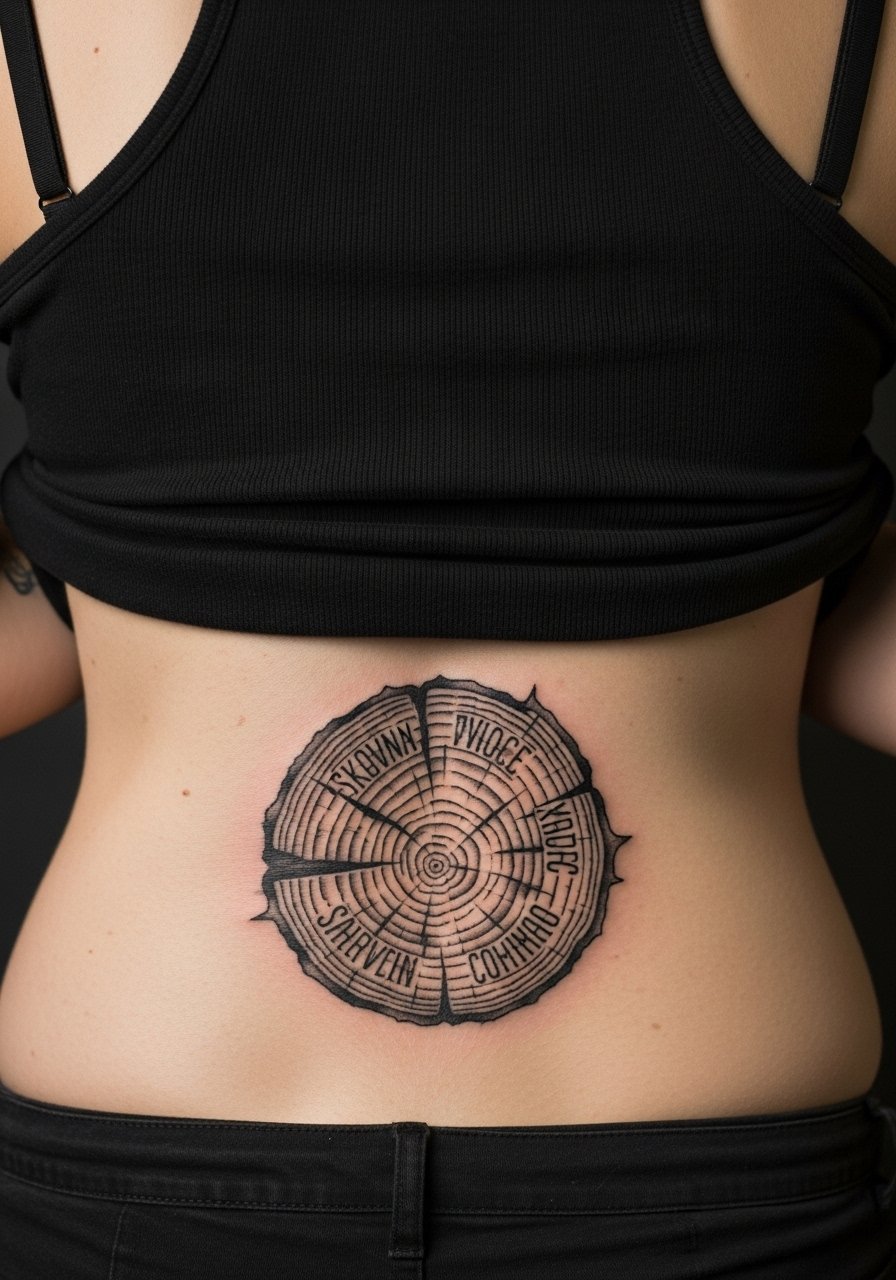
Integrating names into organic rings gives a generational feel without literal dates. People err by trying to fit too many names into narrow rings. Space the names across wider rings and use subtle hierarchy so each stays readable. Lower back skin is forgiving but choose placement that avoids waistband friction during healing. For casual coverage try a tank top you can pull aside at the studio.
19. Coordinates or Date in Roman Numerals on the Sternum

Dates or coordinates keep a name tied to a place or moment without spelling it out. The sternum needs clean spacing because the bone shows through. Avoid tiny type that disappears. Ask for bold numerals with breathing room. The session can be sensitive due to bone proximity. For session comfort wear a fitted sports bra or bandeau to expose just the area needed.
20. Chain Bracelet Name Around the Wrist
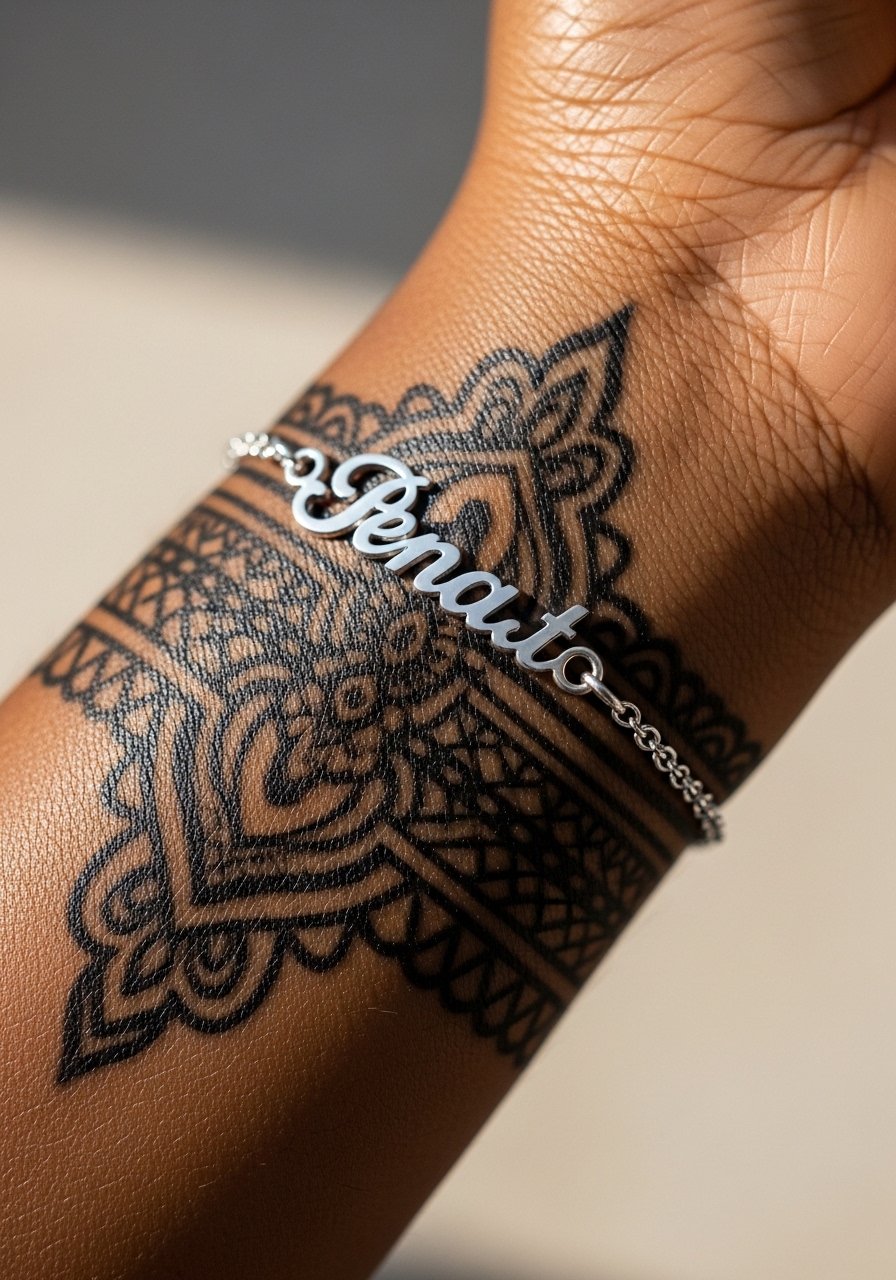
This design reads like a bracelet and is perfect for people who want a subtle daily reminder. The failure mode is making the chain too intricate for the scale. Simplify links and keep the script slightly offset so letters are not trapped by metalwork. Wrist tattoos are high friction so plan for touch-ups. Pair with a thin silver bangle stack when you want to layer actual jewelry without hiding the ink.
21. Name Hidden in Dot Work Mandala on the Ankle
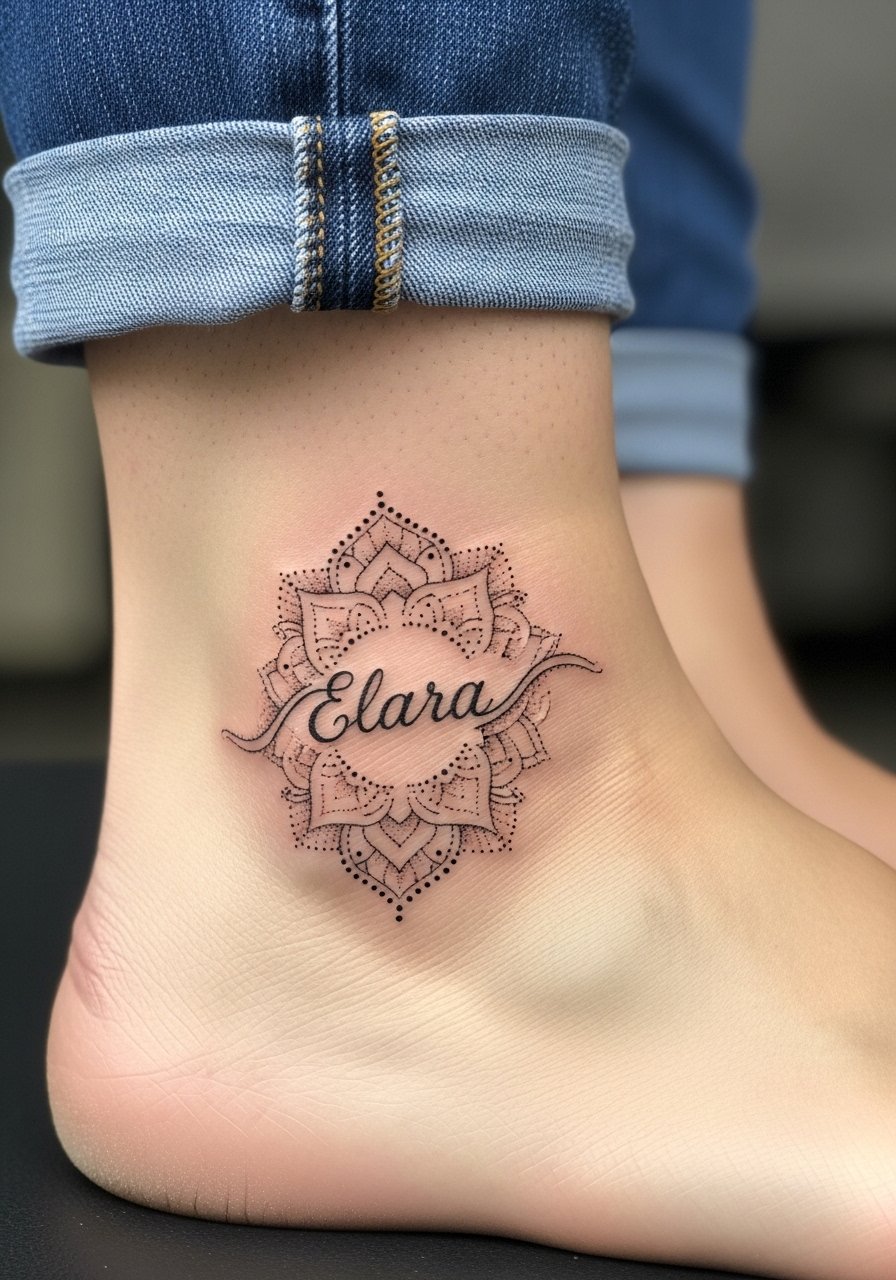
Embedding a name into a mandala is a clever way to keep a tribute private while giving it decorative structure. Common mistakes are overcomplicating the dot work so the letters read as noise. Ask the artist to mark the name placement in stencil so negative space is preserved. Ankle sessions are short but the area takes impact in shoes, so wear sandals or roll your jeans for the appointment.
Frequently Asked Questions
Q: Will cursive script on the forearm blur faster than block lettering on the chest?
A: It depends on size and spacing. Cursive with ultra-fine strokes on the forearm will soften faster than well-spaced block letters on the chest. If you want script that lasts, ask for slightly heavier downstrokes and a full-size stencil preview so the artist can show you how spacing affects longevity.
Q: Are hidden code styles like Morse or binary still readable after healing?
A: Yes when the dots and dashes have intentional spacing and the artist makes them slightly larger than visual minimums. Dense or tiny code will merge over time. Expect code on hands and wrists to need touch-ups more often than forearm bands.
Q: Should I worry about UV-reactive ink for a neck piece?
A: Artists split on UV ink. One group values the low-visibility look in regular light. The other group warns that UV pigments can behave unpredictably and fade. Ask to see healed samples on similar skin tones and discuss long-term visibility before committing.
Q: What should I wear to a collarbone session so the artist has access and the area heals cleanly?
A: Wear something you can pull down or off without rubbing the fresh tattoo. An off shoulder blouse or a strapless top makes access simple and keeps straps away during the first week.
Q: How often do finger and ankle name tattoos need touch-ups?
A: Fingers and ankles live under a lot of motion and surface wear. Plan mentally for a possible touch-up within one to three years. Choosing slightly bolder lettering and accepting a maintenance session keeps the design readable over time.
Q: Where can I find artists who specialize in name scripts or micro work?
A: Search style-specific hashtags and location tags online like #scripttattoo or "[city] name tattoo" in directory sites. Tattoo directories and community threads on forums are also good for portfolio browsing. Ask to see healed photos rather than only fresh work so you can judge longevity.