The tattoos that still read clean after years are often the ones that looked less flashy fresh. Bold linework, smart spacing, and designs that flex with your muscle beat tiny, delicate detail every time. If you want a tricep piece that survives gym seasons, travel, and sun, think bigger in line weight, plan for touch-ups, and pick a placement that hides when you need it hidden. First idea follows.
1. Realistic Tiger Head on Outer Tricep
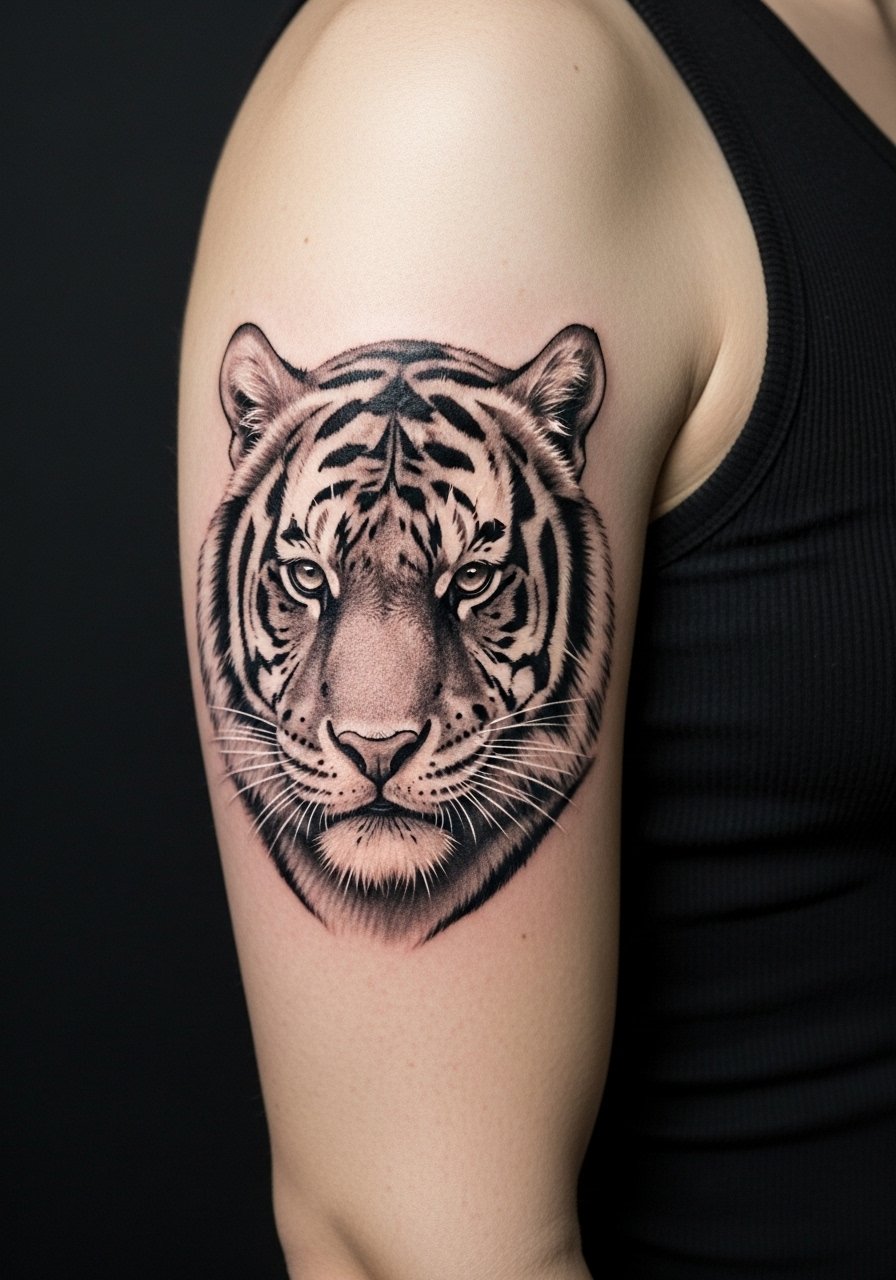
A realistic tiger on the outer tricep plays with the arm's curve so the stripes move when you flex. I suggest asking the artist for slightly increased lineweight around the jaw and eyes so the facial definition keeps reading when the arm pumps. Common mistake is requesting tiny whisker work that vanishes under heavy flex. Expect a medium pain level and two to three sessions for saturation. For showing it off, a fitted fitted black tank top frames the muscle and keeps attention on the face. During the session wear a sleeveless athletic shirt you do not mind staining.
2. Anchor with Rope Wrap on Inner Tricep

This inner tricep anchor hides well under work shirts but pops in gym wear. Tell your artist you want vertical spacing so the rope follows the inner curve and avoids dense knotwork that can merge over time. Inner tricep skin is more tender than the outer arm so expect higher sensitivity and a single but steady session. A common error is asking for too much fine detail in the rope. For after-session access, pull on a loose short sleeve tee you can lift without rubbing the area.
3. Angel Wings Extending to Elbow
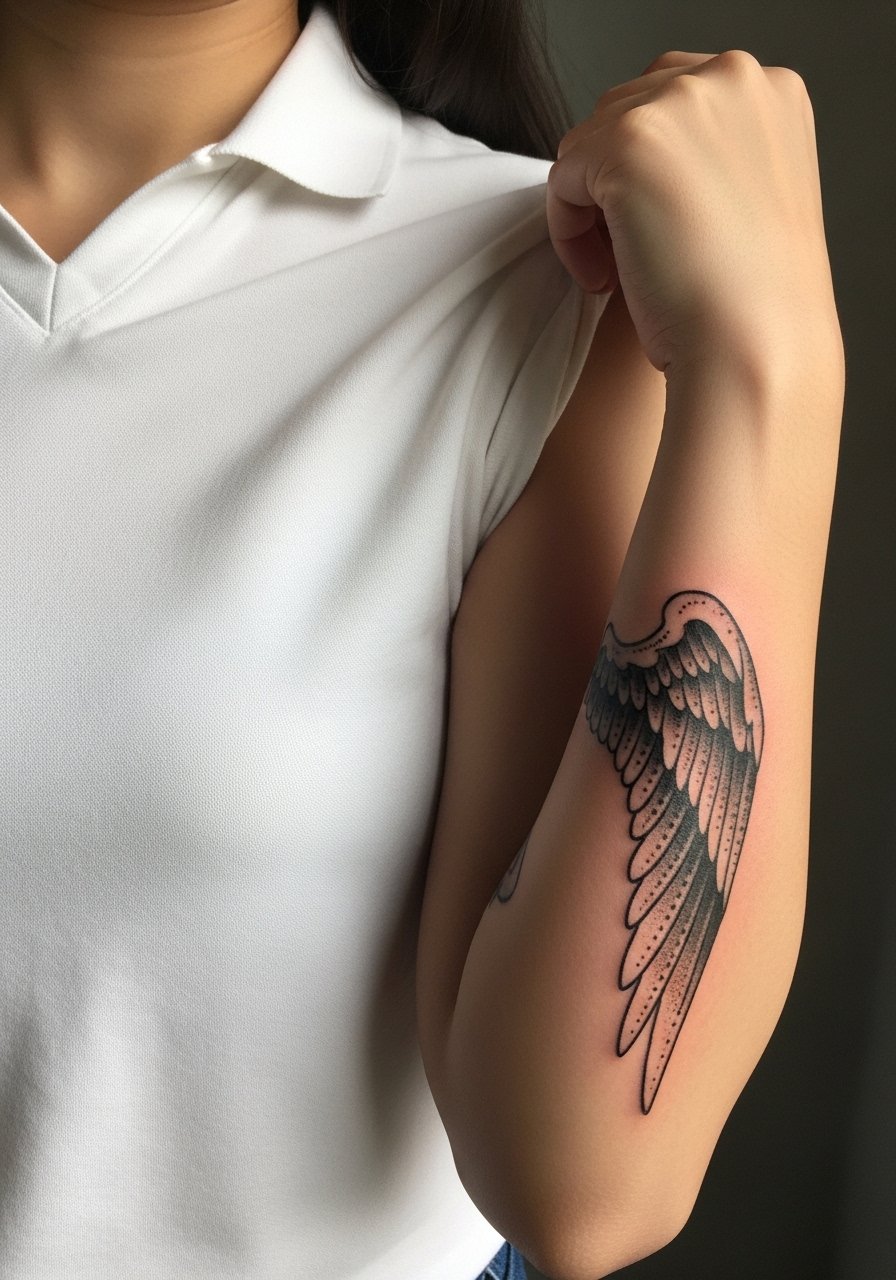
Wings that extend toward the elbow create motion when the arm bends. During consultation ask for dotwork gradients near the elbow so the shading reads from a distance without dense line clusters near the joint. The elbow bend adds friction which can fade edge detail faster. Plan for two to four sessions and expect some soreness when bending the arm during the first week. For show-off wear, a white v neck polo lifts the chest line and frames the wings without competing.
4. Dotwork Skull with Negative Space on Rear Tricep
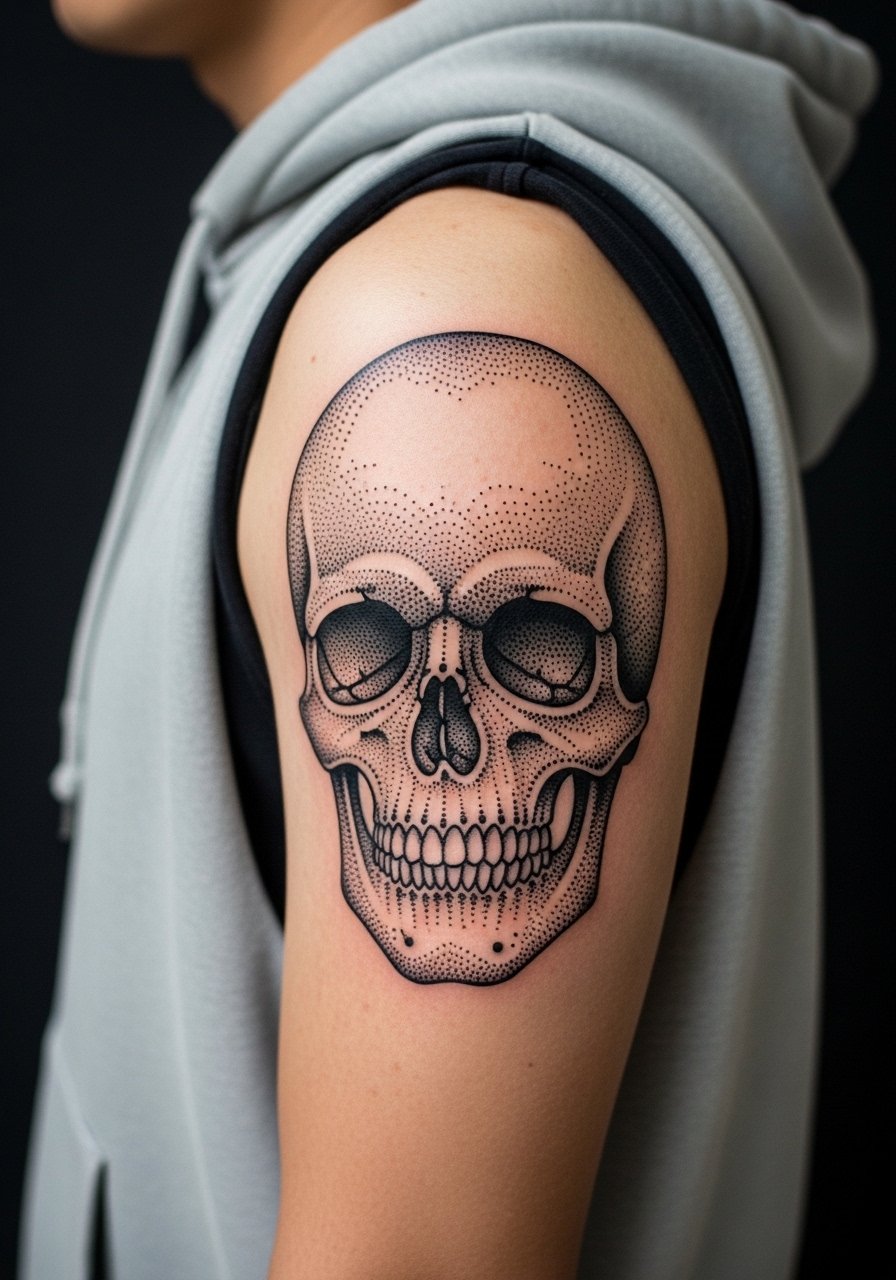
Dotwork thrives on the rear tricep where the muscle bulge adds depth. Tell the artist to leave deliberate negative pockets so the face holds when you flex. A frequent mistake is packing dots too close together on thick arms, which can flatten into a gray block as it heals. Expect three sessions for layered stippling and a longer touch-up window around year two. For evenings, a muscle tank black or an unzipped hoodie shows the rear tricep without exposing the rest of the arm.
5. Tribal Geometric Band on Outer Tricep
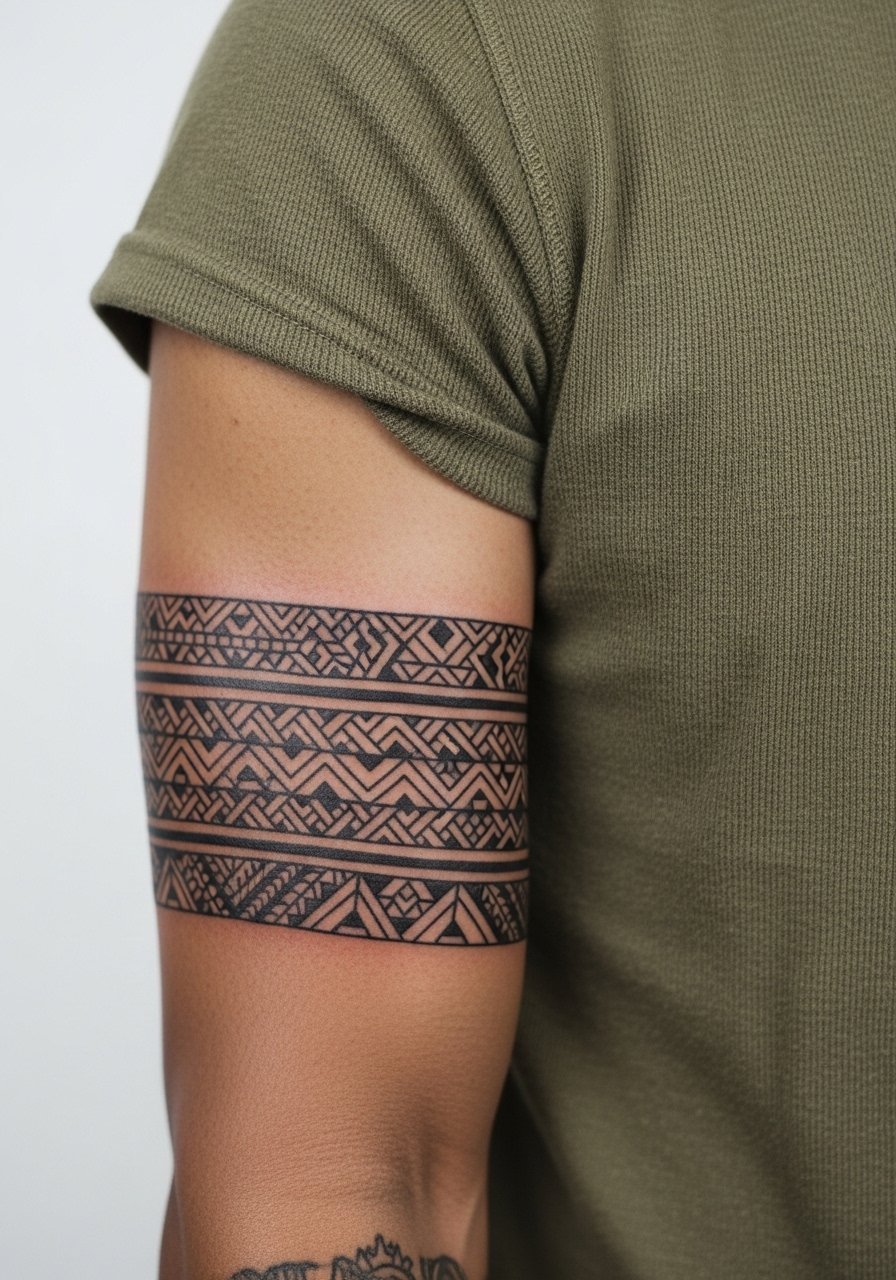
Geometric tribal bands flex well if the lines are bold and follow muscle contours. The biggest mistake is scaling the pattern too narrow. When lines are too fine they merge after hypertrophy. Ask the artist to map the band around your relaxed arm and then preview it with a quick pump so placement is accurate. One to two sessions usually do the job. Pair the band with an olive henley shirt for a rugged look that still frames the wrap.
6. 3D Realistic Lion Mane Wraparound

A 3D lion mane that wraps the arm accentuates the tricep's curve and looks almost alive when you flex. Be explicit about fur direction and contrast so the mane does not flatten across sessions. This is a heavier piece that can take four or more sessions and requires staged shading to retain depth. If you plan to bulk and cut, mention that to the artist so they space elements along muscle lines. For session comfort wear athletic sleeveless shirt you can pull aside without rubbing fresh ink.
Pack Smart
The outer and inner tricep pieces above demand different prep. Small inner arm sessions need easy access and soft clothing, while wraparound realism benefits from planned hydration and downtime.
- Tattoo Goo aftercare balm. A thinner ointment that many people find less clogging on sweaty arms, useful for the inner tricep pieces in ideas above.
- Salvation style tattoo balm. Matte finish options help hands-on artists judge healed saturation without glossy reflection during touch-ups.
- Australian tea tree salve. Non-greasy and good for areas that see friction from clothing, but avoid if you are sensitive to eucalyptus.
- Fragrance free gentle body wash. Cleans the arm without irritating stipple shading during showers the first week.
- Aquaphor healing ointment. Thin layer options for initial days lock in moisture without overly smothering fine line work.
7. Maori-Inspired Moko Band on Upper Tricep
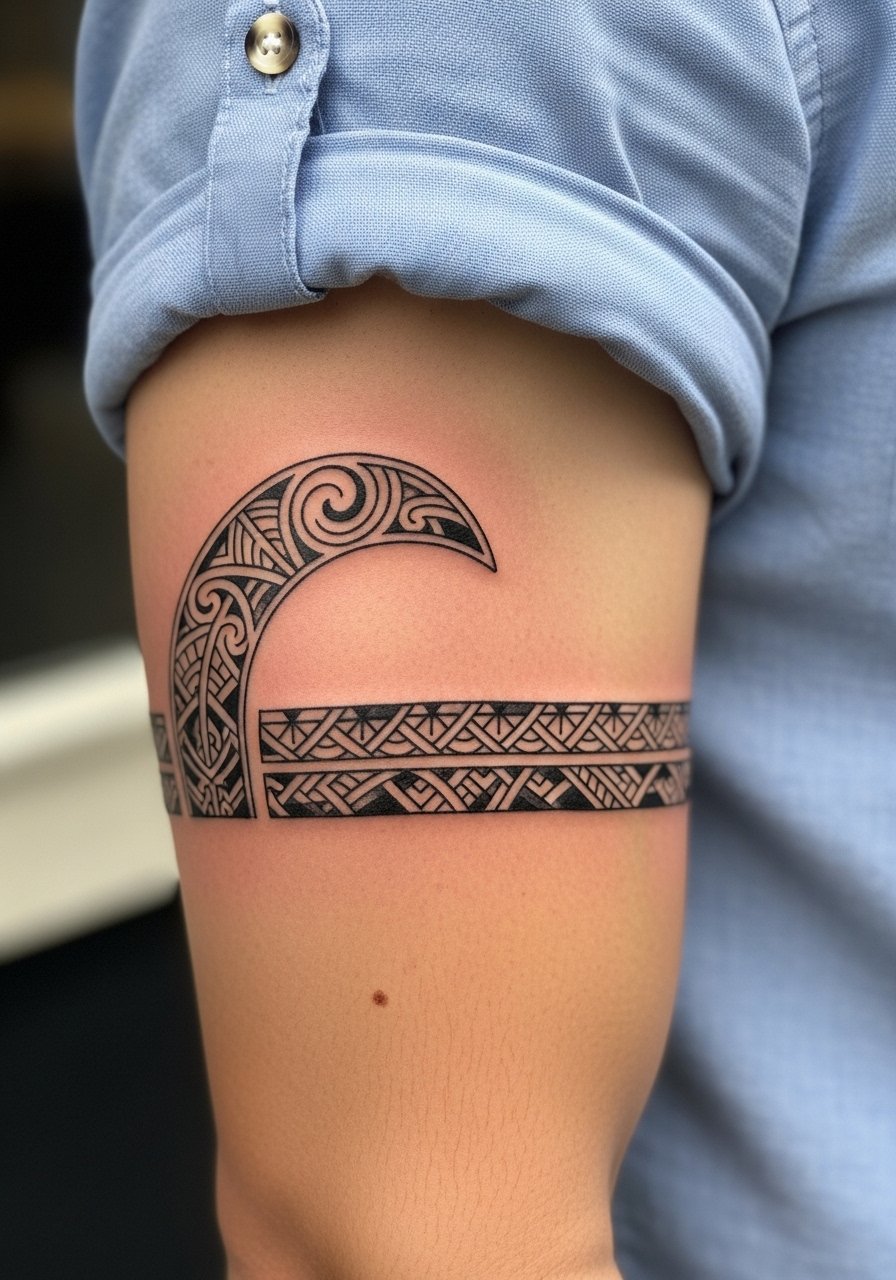
A curved Moko band reads strong on the upper tricep when it follows the shoulder arc. Respect the cultural origin by asking for a personalized motif rather than a direct replica. Muscular arms benefit from slightly thicker cut lines to prevent blowout. Common error is asking for ultra-fine detailing inside the band which ends up muddied after movement. Two sessions is typical for crisp black saturation. A rolled navy button down shirt men frames the band for casual wear without hiding the curvature.
8. Ornamental Mandala with Gray Shading on Inner Arm Tricep
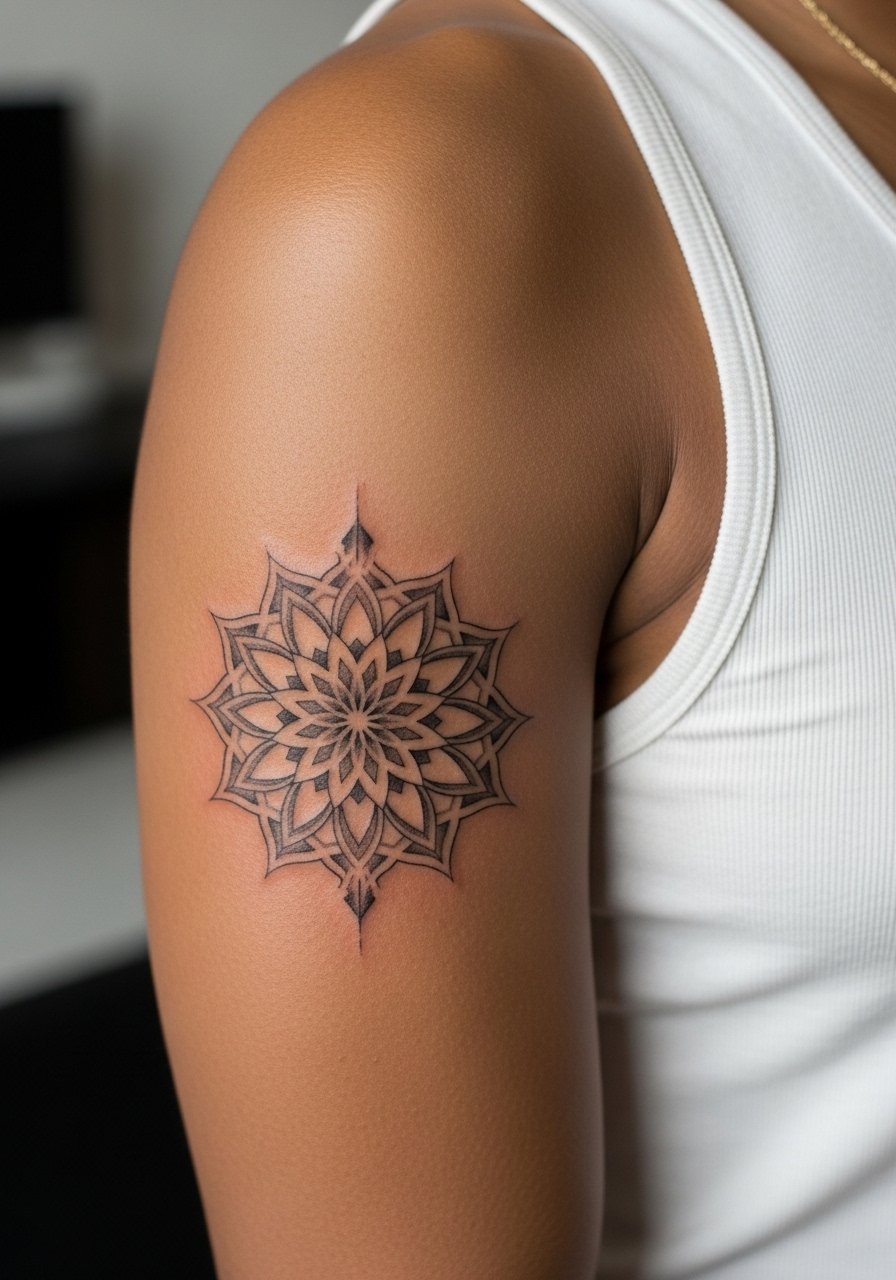
Mandala geometry on the inner tricep is meditative but needs breathing room. The mistake I see is shrinking the mandala to fit a narrow strip. Ask for a preview stencil and request more spacing if the pattern looks crowded. Inner tricep sensitivity is higher so expect careful pacing during the session. For photos, neutral lighting helps the gray shading pop on darker skin. For session comfort wear a tank top session that allows your arm to lift without friction.
9. Minimal Script Curving with Muscle Line
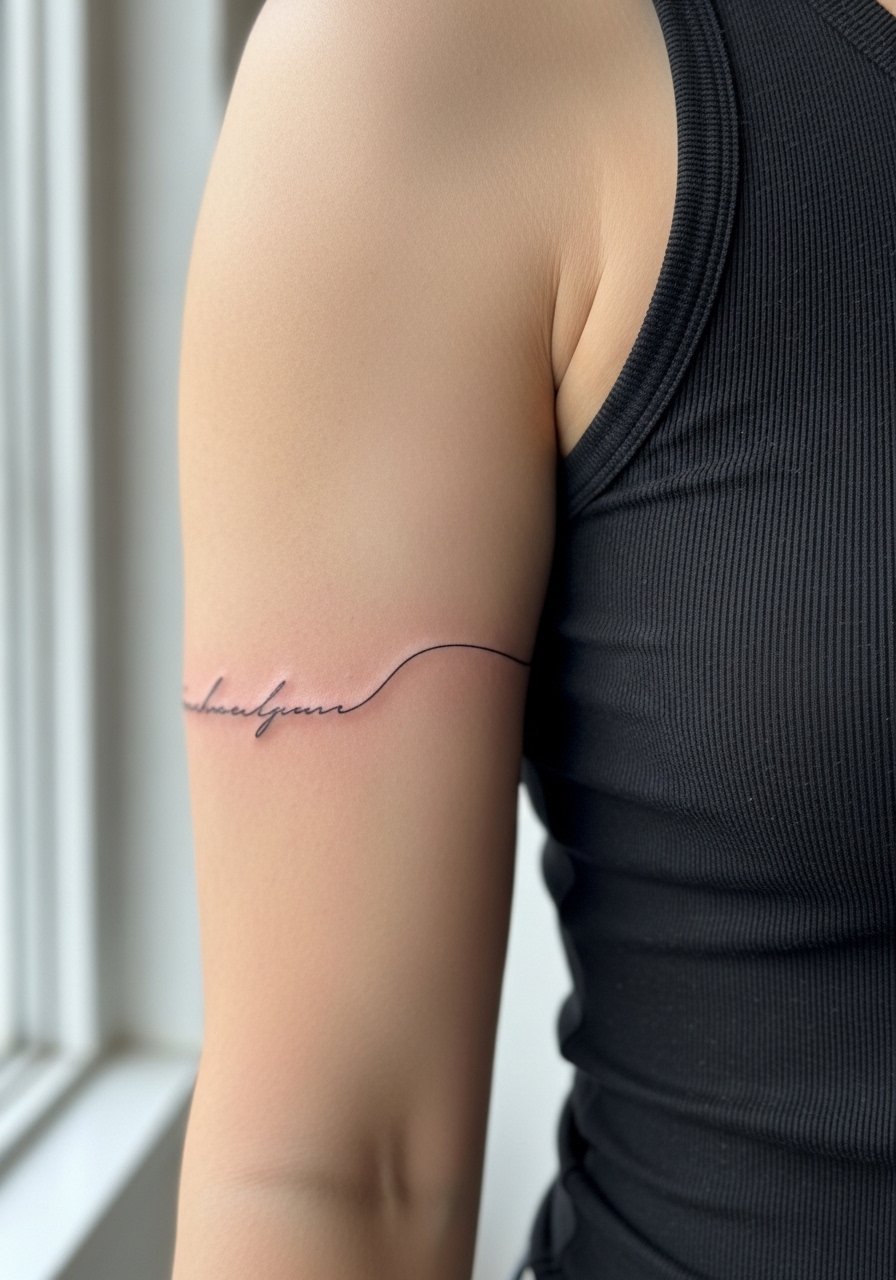
A single-line script that follows the tricep curve can read bold without heavy weight if letter spacing is generous. The common mistake is tight cursive that collapses into a smear when the arm flexes. Tell your artist you want slightly increased kerning and ask them to redraw the curve on skin while you flex once before inking. Expect a short session and minor soreness. For evening wear a simple leather cuff bracelet on the opposite arm gives balance.
10. Small Geometric Cluster Near the Elbow
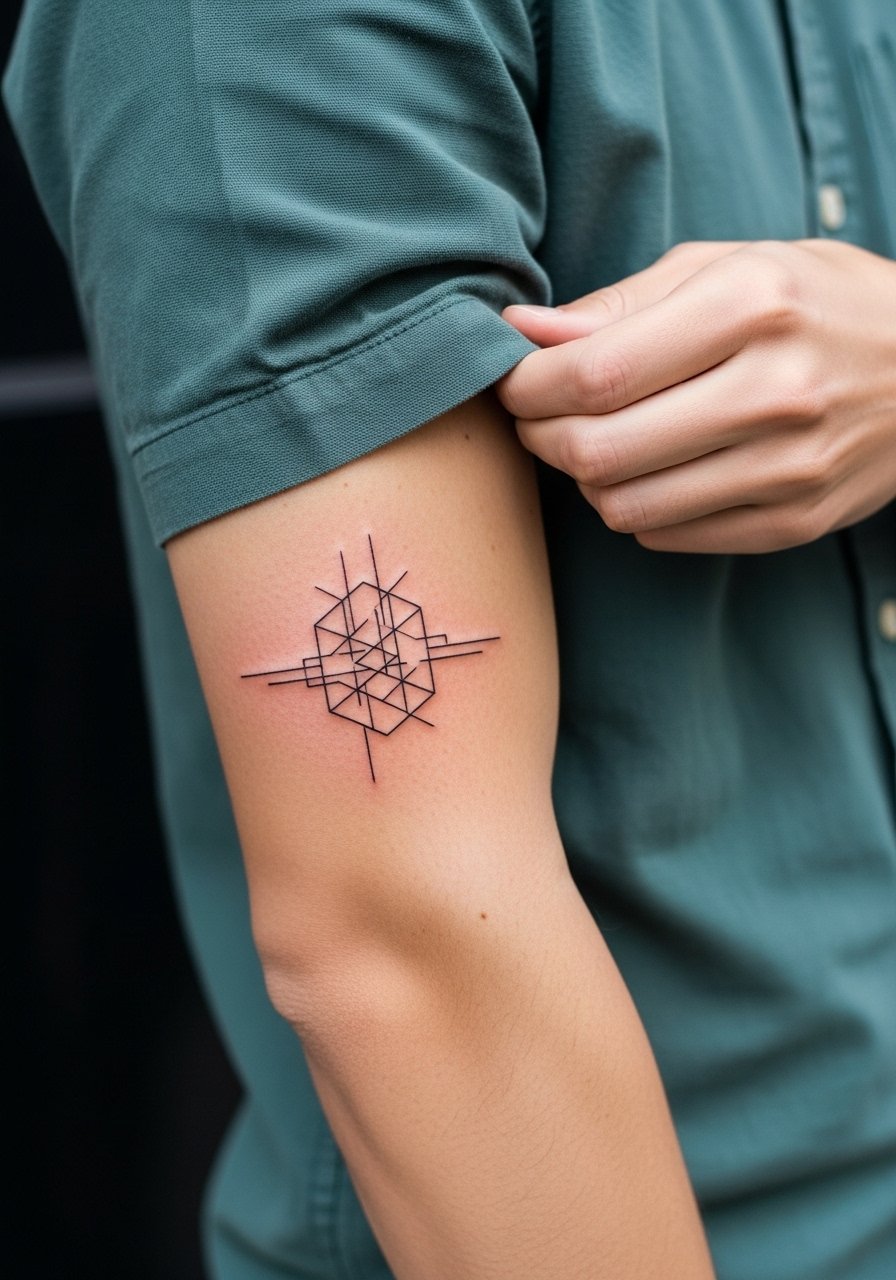
Clusters near the elbow look dynamic but suffer from friction and bending. The biggest issue is placing dense intersecting lines right over the crease. I recommend spacing geometry outward from the joint and using bolder intersections farther from the bend. Session pain spikes when the needle nears the elbow bone so budget a calm, steady appointment. For a subtle finish wear a button up short sleeve that lets you bend without rubbing new ink.
11. Blackwork Panel with Negative Space Stripes

A blackwork panel with negative stripes reads like a tattooed sleeve starter and hides well against muscle. Tell your artist you want crisp edges and a clear plan for negative valleys so the stripes remain distinct through touch-ups. Blowout risk rises if the artist packs too much under skin on very muscular arms. Two sessions often suffice but expect a touch-up at year two. For a grounded look, dark jeans and a sleeveless top keep attention on the arm without overcomplicating the chest area.
12. Small Compass with Map Lines on Rear Tricep
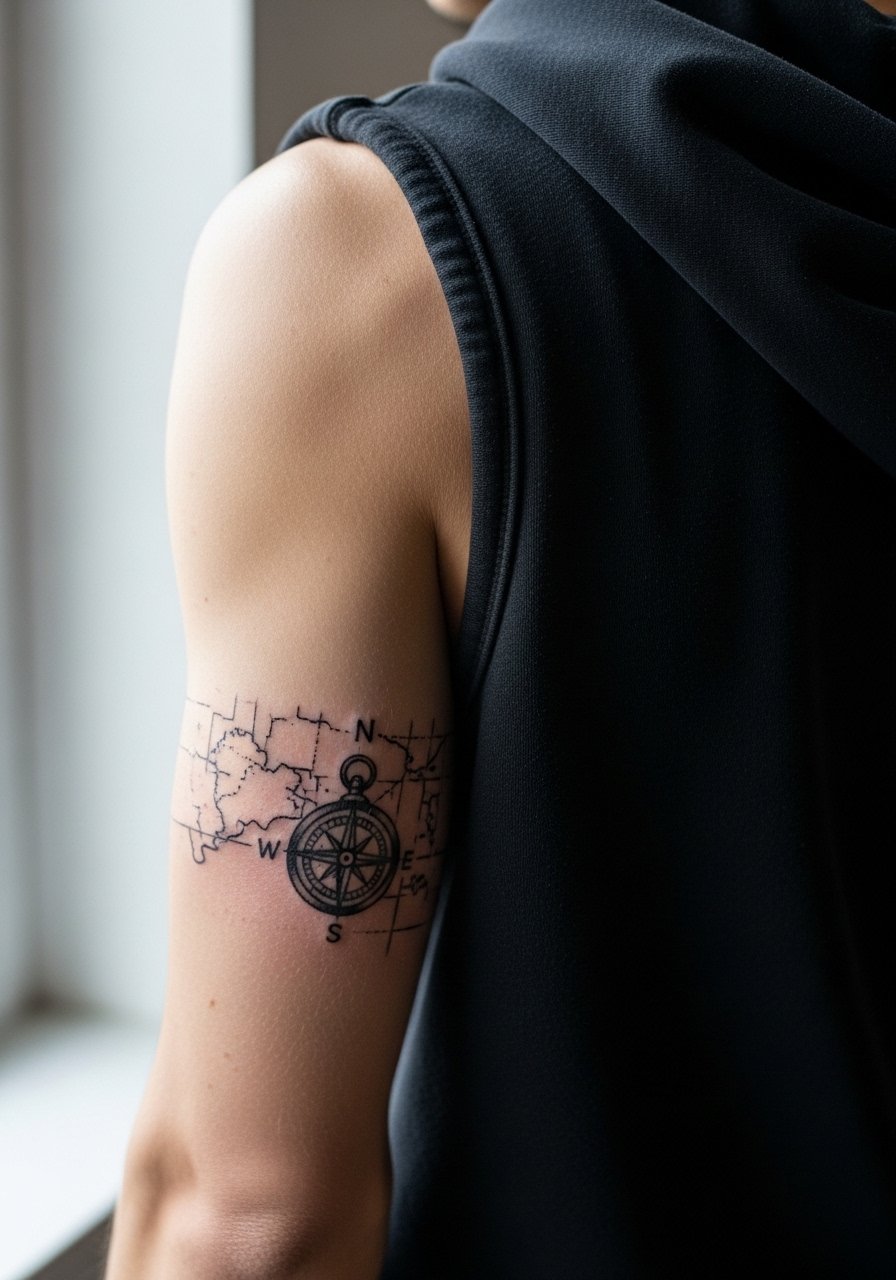
A compact compass on the rear tricep balances symbolism with concealability. The error people make is asking for tiny map script around the compass which blurs quickly. Ask your artist to stylize map marks into larger, readable strokes and to leave breathing room around the compass. Session time is short and pain is moderate. For session wear a sleeveless hoodie you can remove easily and a pair of shorts that do not need frequent readjusting.
13. Wrapped Snake That Follows Muscle Flow

Snakes that wrap with the muscle look alive when the design follows natural fiber direction. Tell the artist you want the head and tail placed on stiffer skin to minimize distortion with weight changes. Fine scales packed too tightly are a mistake on the tricep. Expect two sessions for texture and one for edge clean-up at year two. A fitted black tank top men underscores the wrap on flex days.
14. Scripted Quote That Tucks Under the Arm
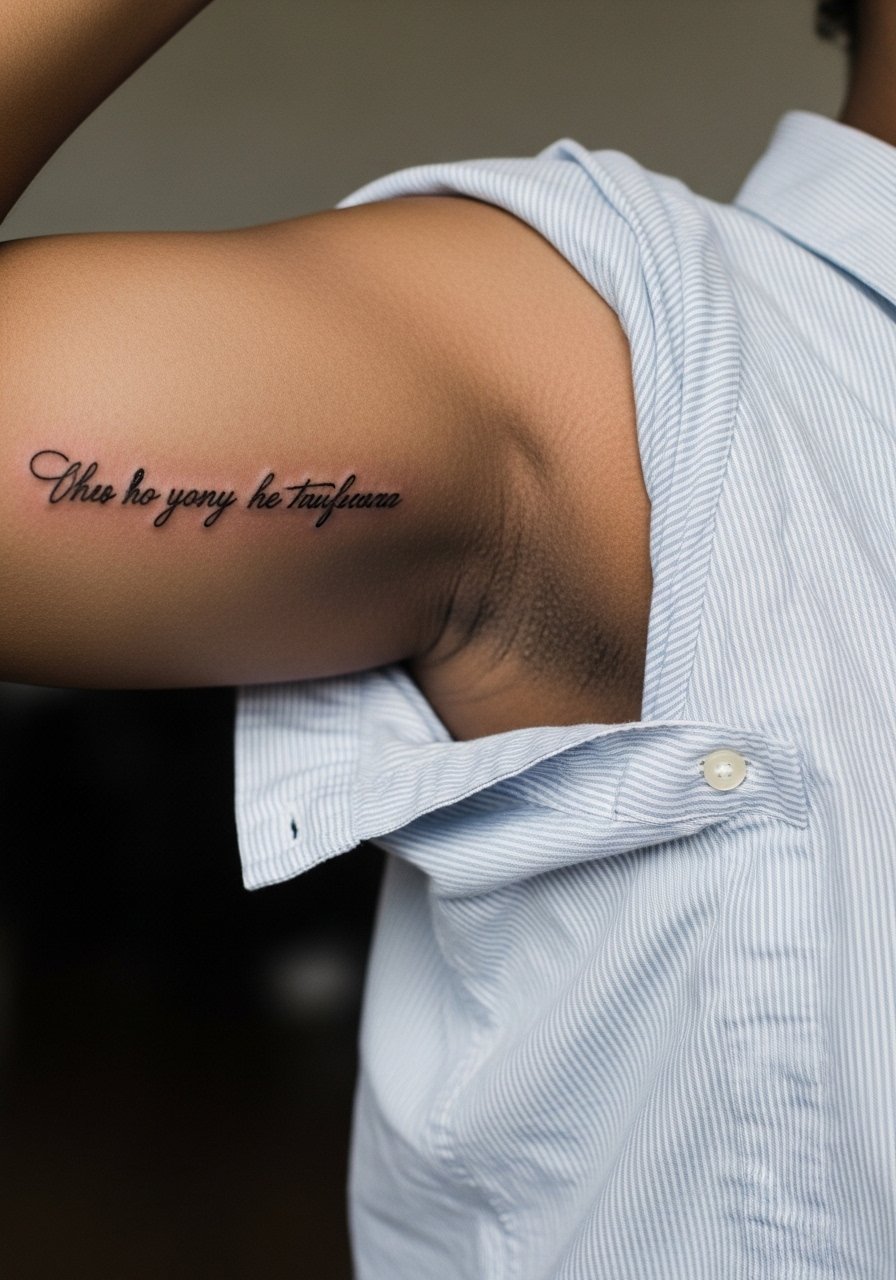
Underside tricep script is private and sits flat when your arm rests. The common mistake is choosing a dense typeface. I advise requesting a slightly bolder weight and wider letter spacing so the piece ages without letters fusing. Inner tricep sensitivity will make the session feel tender. For the appointment wear a loose button down shirt that pulls aside cleanly.
15. Ornate Compass Rose with Dotwork Horizon
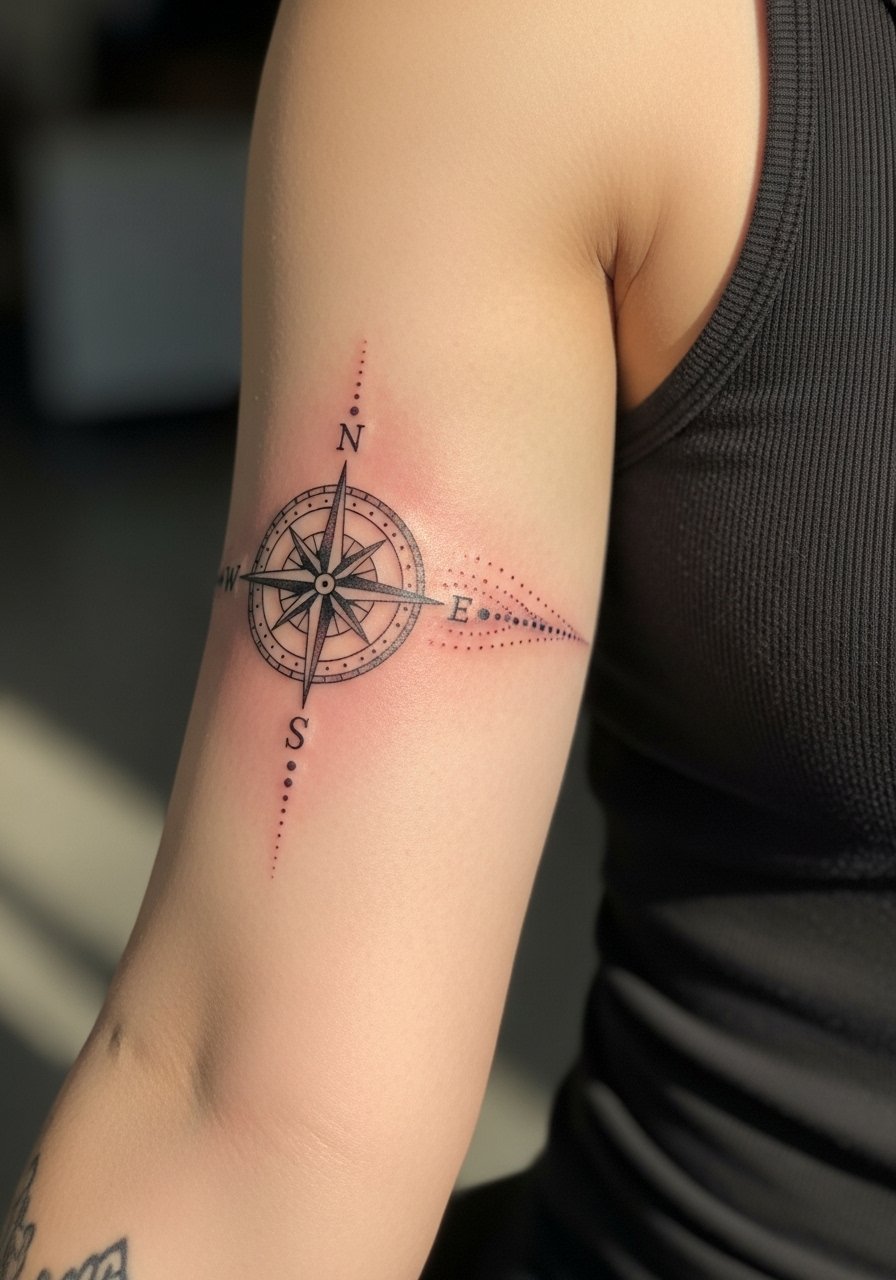
An ornate compass rose looks cinematic on the outer tricep when the dotwork horizon uses negative space to separate details. A mistake is compressing the horizon under the compass which mutes contrast. Ask for layered dotwork and to preview the density from a few feet away. Session time is moderate with some patience needed for stippling. For photos a simple racerback tank keeps shoulders free and the compass visible.
16. Elbow-Wrapping Tribal Arrow Band
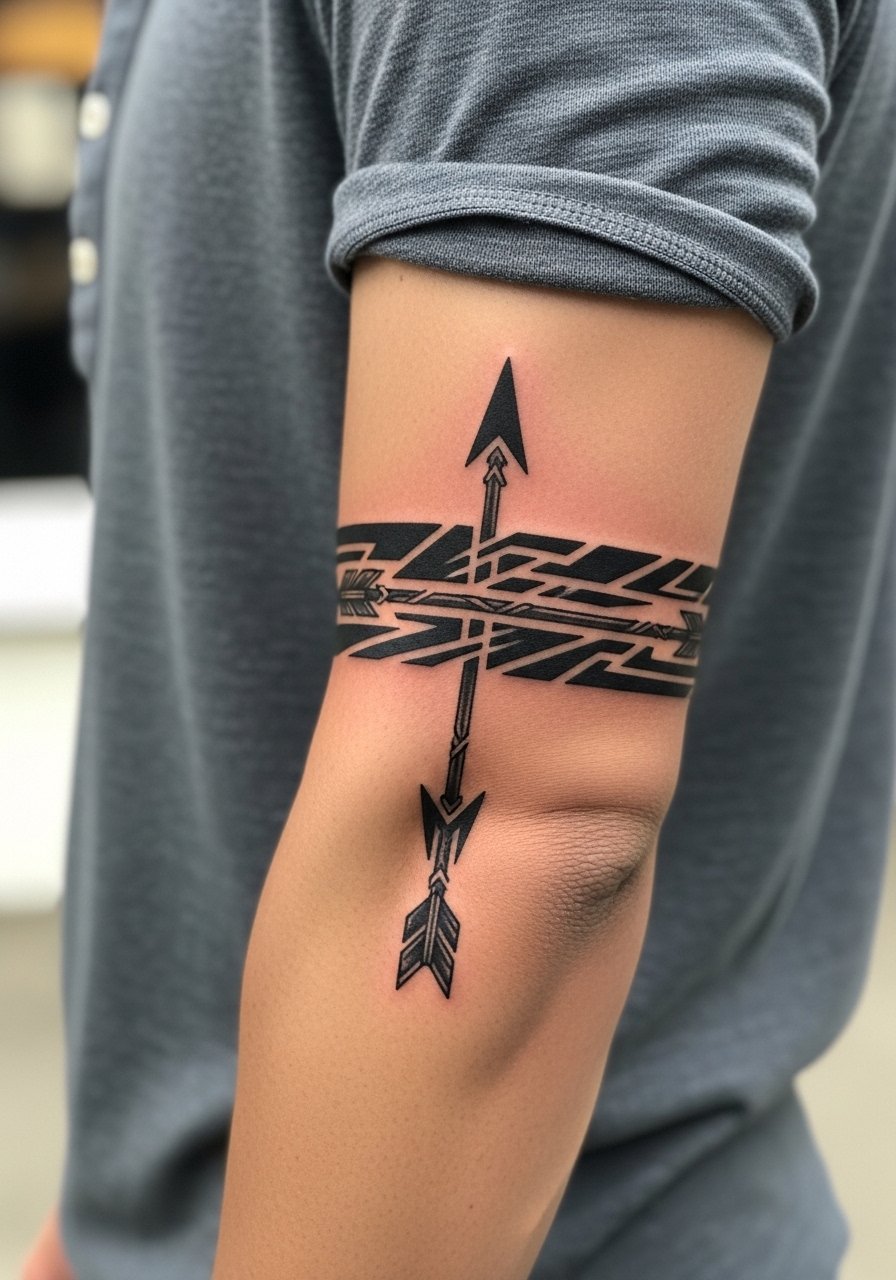
Elbow-wrap designs create motion into a sleeve and start building continuity with shoulder pieces. The trick is not to place too many fine arrowheads directly over the elbow crease. Tell your artist to phase the design outward from the joint and to make outer arrows heavier. Expect a sharper pain when the needle works the joint area. For a styled finish stack a beaded bracelet stack on the opposite wrist to balance visual weight.
17. Blackwork Geometric Sleeve Starter Panel
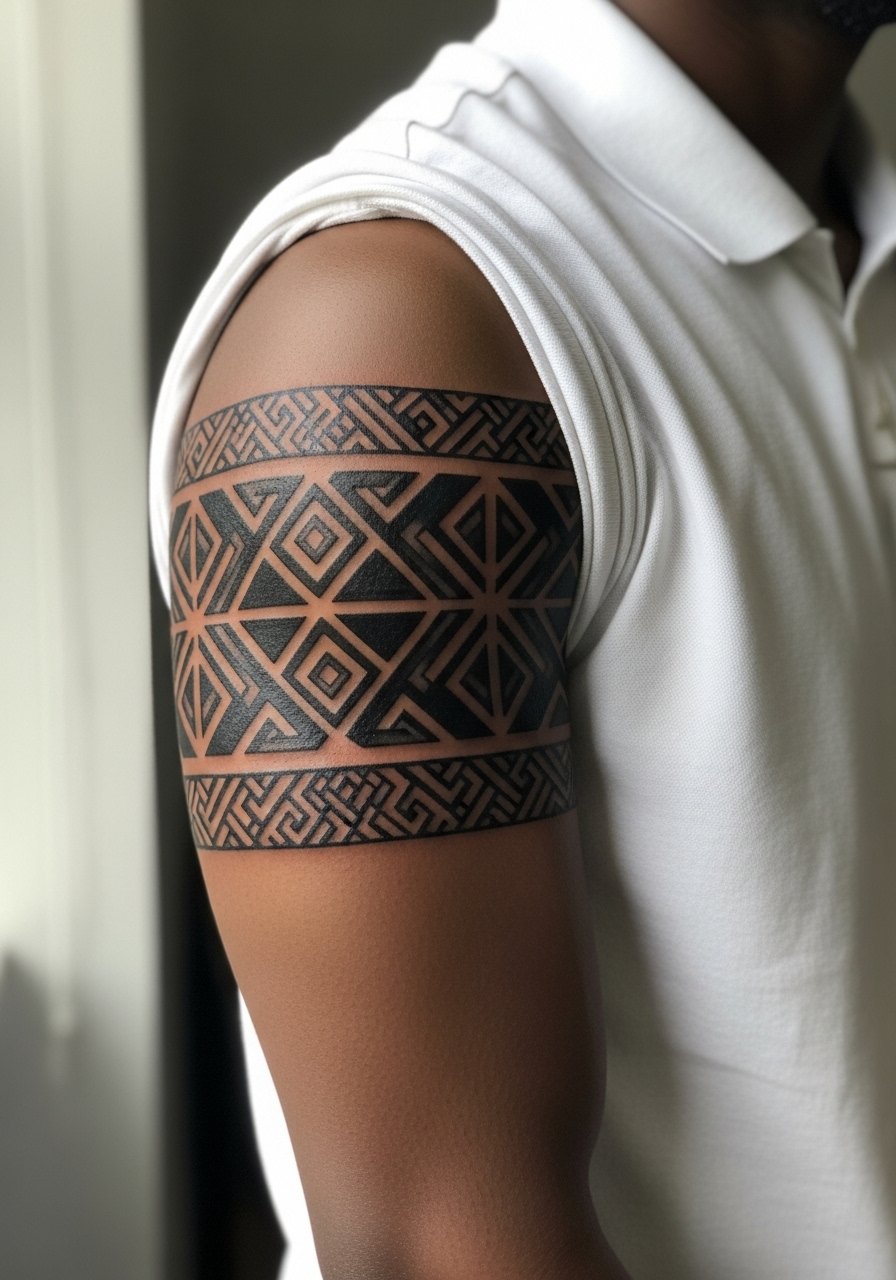
A bold geometric panel makes a reliable sleeve starter because heavy black holds through years of gym cycles. The primary mistake is trying to fit too many tiny elements into the panel which then ages unevenly. Ask for large, confident shapes and leave space for future additions. Three sessions give layered saturation and clean edges. For casual dress, a white v neck polo lifts the look without hiding the panel.
Frequently Asked Questions
Q: Will fine line tricep work blur faster than bold blackwork on muscular arms?
A: Fine line on triceps splits artists into two camps. One group says thin lines blur within a couple of years on active arms. The other group believes precise placement and depth can make fine line hold. From what I have seen, bold blackwork generally ages more predictably on the tricep, and fine line needs spacing and planned touch-ups.
Q: How much should I budget for a realistic tricep piece that wraps to the elbow?
A: Expect a range depending on size and realism level. Small traditional tricep pieces can sit in the 100-300 range while multi-session realistic wraps often fall in the 800 and up range. Get quotes from three studios, and consider guest spots for lower costs when you need realism without airline fares.
Q: What healing method do artists prefer for arm work, Saniderm or dry healing?
A: The community is divided. One camp likes protective film for less mess and faster swelling control. The other prefers dry healing to let scabs form and peel naturally. Both approaches work. Ask the shop what they use and follow their protocol, since consistent care beats switching methods mid-heal.
Q: How can I find a realism specialist for tricep portraits without endless travel?
A: Use hashtag searches like #TricepTattooMen and #RealisticTricep with your city tag and check local convention guest lists. Community forums and booking apps that filter by placement also help. If travel is unavoidable, plan a multi-session trip so you get more done per visit.
Q: Does numbing cream affect tattoo quality on the tricep?
A: Numbing cream has two camps. Many people use it to manage pain, especially on sensitive inner arms. Others argue it masks feedback that helps artists adjust depth. Most shops will let you use a topical if you discuss timing and product choice beforehand. Trust the artist on application windows.
Q: Are tricep tattoos harder to photograph on dark skin and what helps them read?
A: Darker tones can make subtle gray shading less visible in flat light. High-contrast blackwork, deliberate negative space, and matte lighting help a healed tricep piece photograph clearly. Ask your artist about contrast choices if you care about how it looks in photos.
Q: Should I ask for touch-up planning at the consultation for tricep pieces?
A: Yes. Mention your fitness routine and any planned weight changes. A good artist will outline touch-up timing based on linework and placement. Planning touch-ups reduces surprises and keeps heavy-work pieces looking sharp through years of gym seasons.