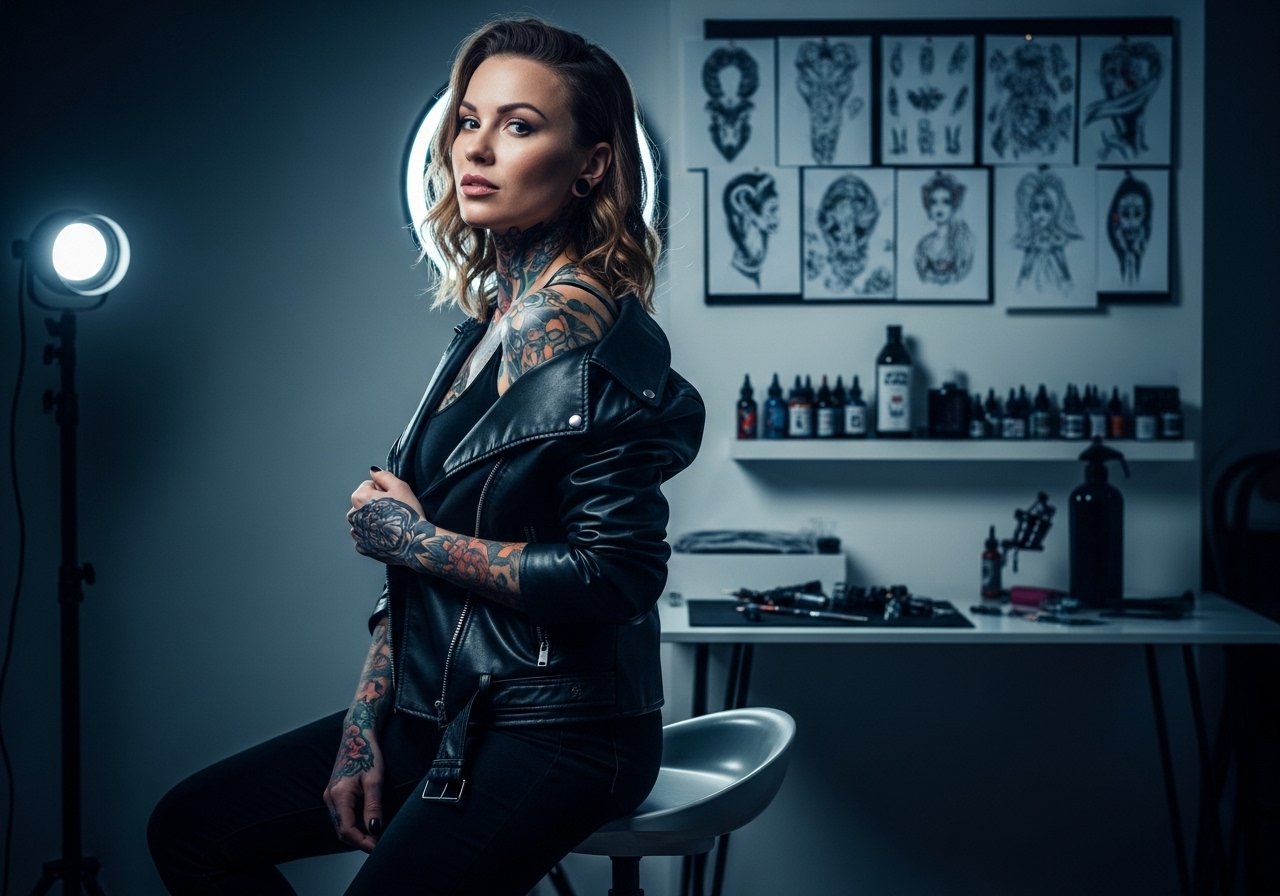
Fine line tattoos look gorgeous on saved boards, but the reality is different on real skin and under salon lights. I've seen portraits that read beautiful at first and then blur, and Astroworld references that make some fans proud and others uneasy. If you care about longevity, context, and wardrobe, these 27 Travis Scott tattoo concepts balance homage, aging, and daily wear so you can pick the right one for your first or next piece.
1. Micro-Realism Travis Scott Portrait on Outer Forearm
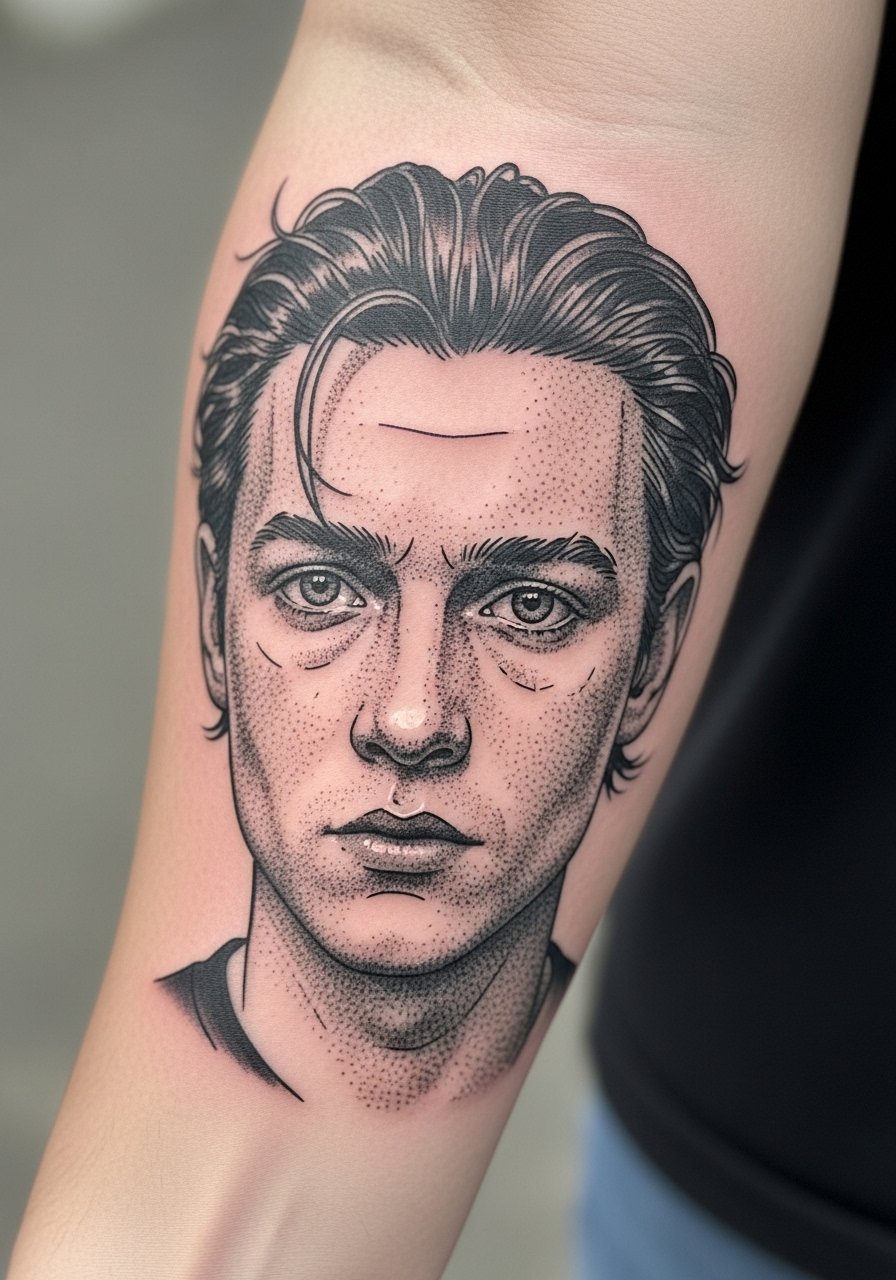
I've seen forearm portraits hold up when the artist uses slightly bolder linework than a typical micro-realism piece. Tell your artist you want 4-6 inches, clear contrast between shadow and midtone, and slightly heavier contour lines so features stay readable at year five. Fair warning, the forearm can show early sun fade if you skip sunscreen, and blowout risk is low here compared with the hand. Session time is usually two to three hours depending on detail, and expect a touch-up around year three. For showing it off, wear a fitted crewneck tee with sleeves rolled to mid-forearm, or keep it covered in the chair with an athletic short sleeve shirt for easy access during the session.
2. Neo-Traditional Astroworld Album Abstraction on Upper Bicep
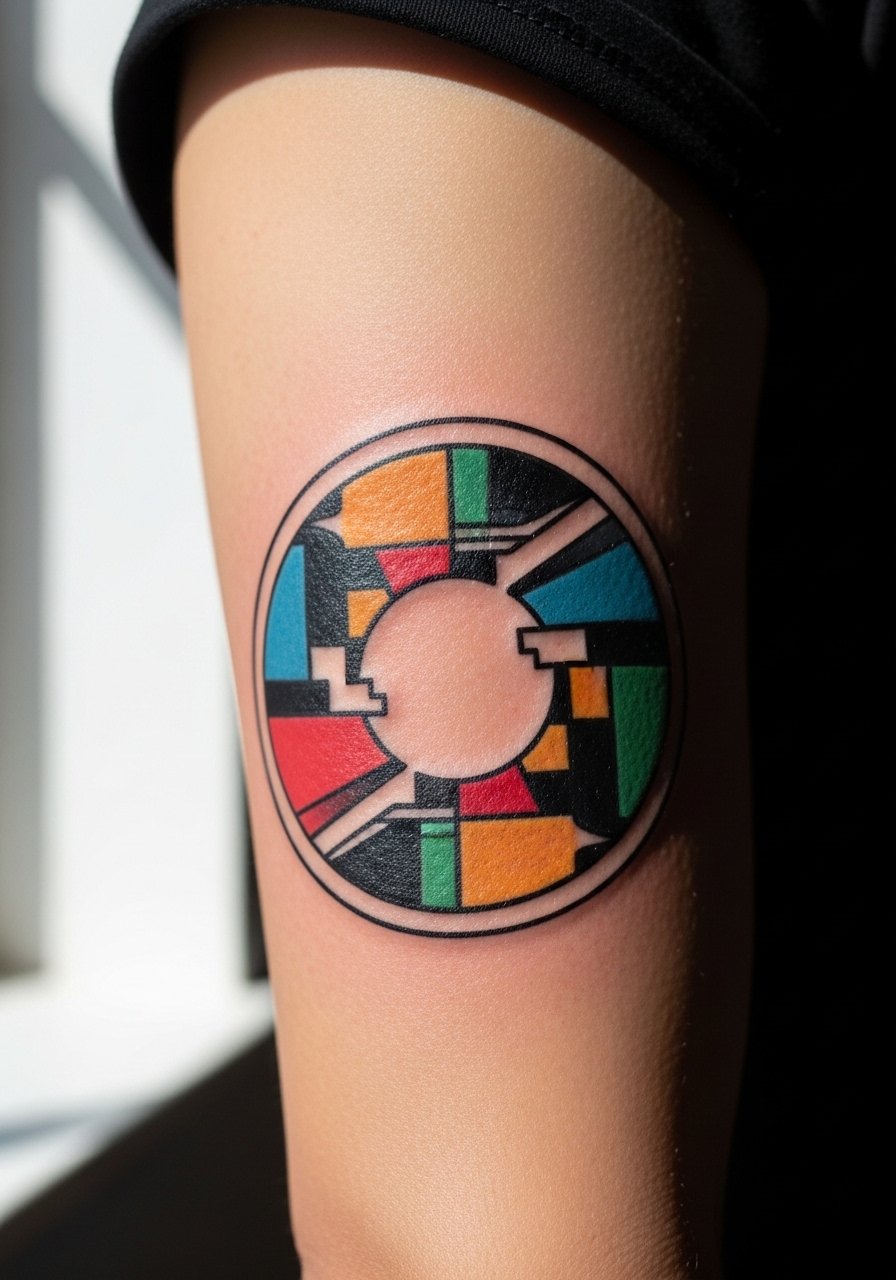
When fans want a nod to Astroworld without a literal cover, a circular neo-traditional abstraction works well. In consultation, say you want bold outlines, simplified symbols from the album, and a color palette that reads from a distance. This one sits well on the upper bicep and takes about two sessions if you want saturated color. There is a debate about these designs and where they land ethically. One camp treats them as tribute and a meaningful fan symbol. The other camp worries about using festival imagery without full context. If you care, bring references and ask your artist how they interpret the symbols so the final piece feels intentional.
3. Minimalist Cactus Silhouette on Inner Wrist
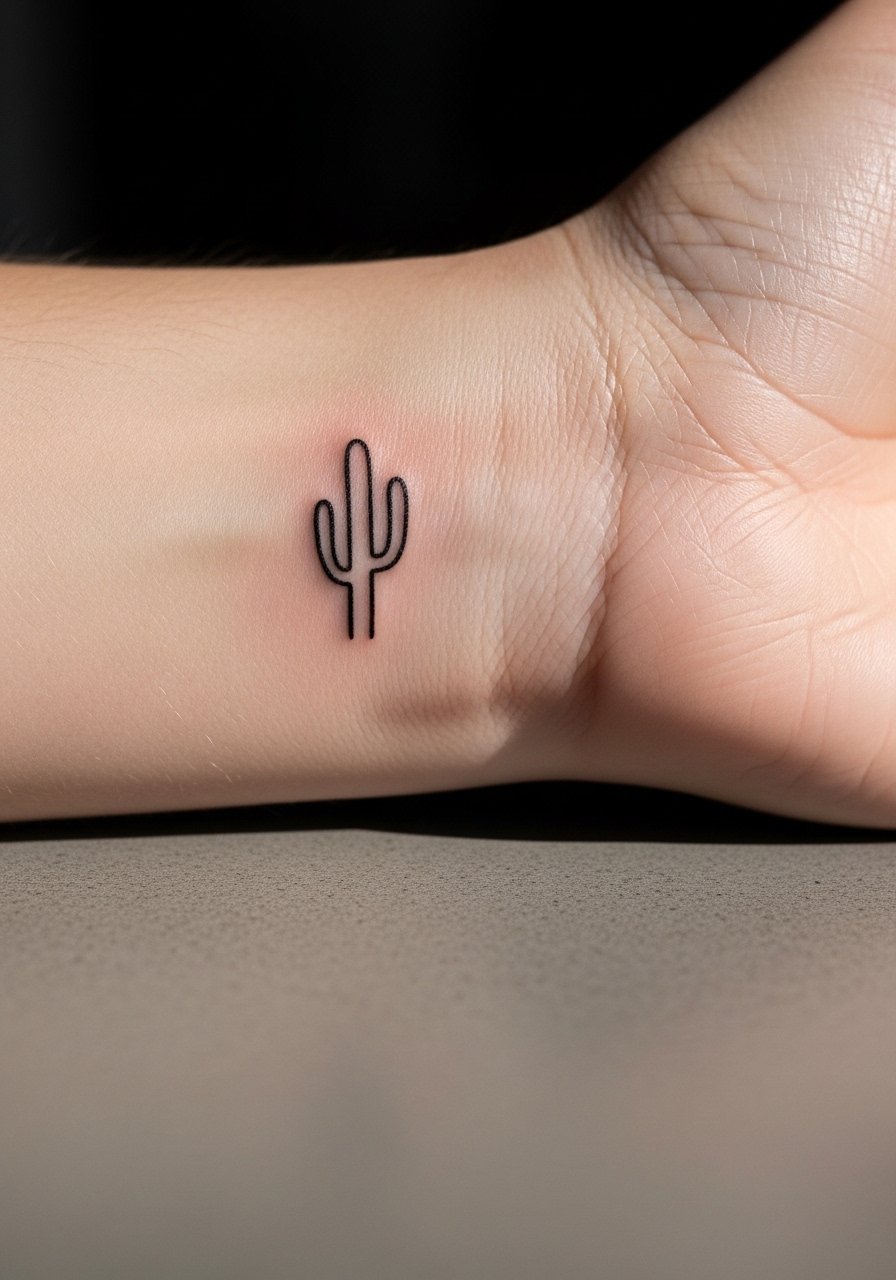
This is the go-to subtle Travis Scott reference for a reason. It reads small and personal, and it ages well when kept to clean linework with modest spacing. Tell the artist you want a 1.5 to 2 inch silhouette with slightly softened line weight so it does not sink into the skin. The wrist can be sensitive but the session is short, usually under 45 minutes. Expect more friction from watches and bracelets the first week, so I recommend pairing it with a thin leather cuff on the opposite wrist while it heals and swapping to a minimalist leather watch or thin cuff after touch-ups for everyday wear.
4. La Flame Flame Logo with Musical Notes on Outer Calf
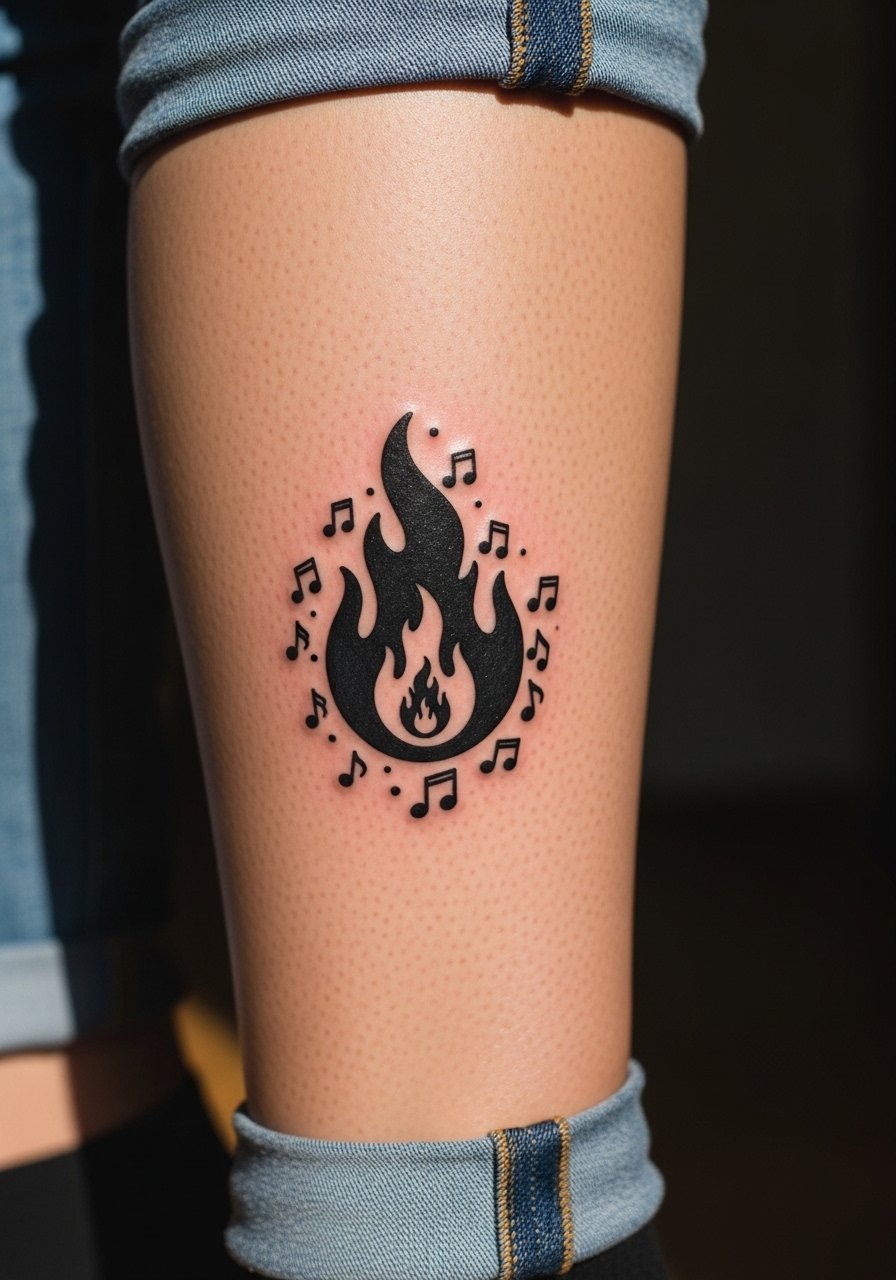
There is something about solid blackwork on the calf that reads bold and ages predictably. Ask the artist for a 3.5 to 4 inch height with dense saturation and clean outer edges to prevent feathering. Calf sessions feel comfortable since you can sit or lie down, and touch-ups are rare if saturation is good. For showing the piece off, cuffed slim joggers or athletic shorts frame the design well. Try pairing it with slim fit joggers or bold black socks when you want the calf to stand out.
5. Fine Line "Sicko Mode" Script Along the Ribcage
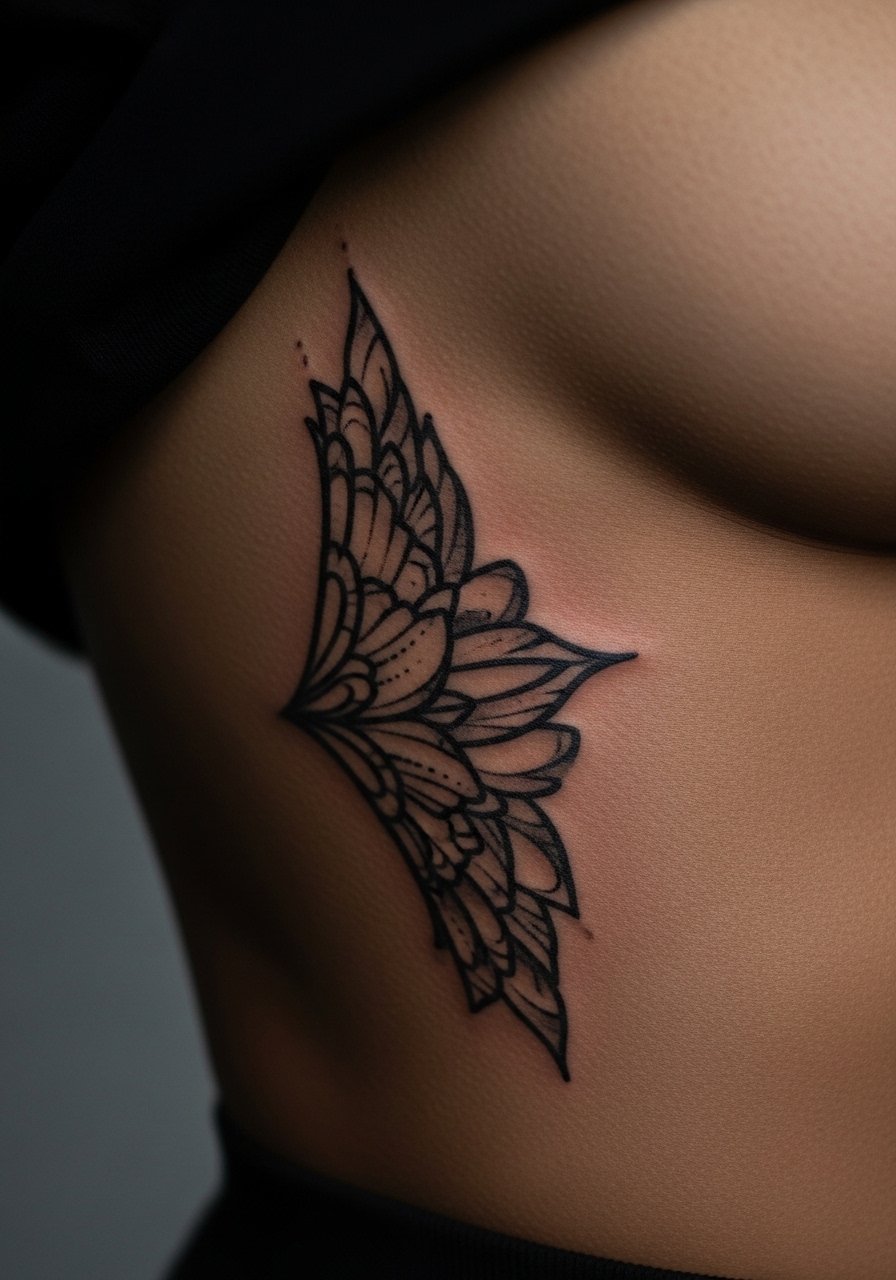
Fair warning, the ribcage rates high on most pain scales and the skin there moves a lot. Fine line script here looks discreet and cinematic when done with slightly heavier ink depth than very delicate script. Ask for curved text that follows the rib line so it reads naturally while sitting or moving. Artists split on fine line ribs. One side says the stretch and motion blur delicate work within two years. The other side argues that proper needle depth and spacing make it hold up. If you choose this placement, plan for a single session and a likely touch-up within two to three years.
6. Illustrative Astroworld Rollercoaster on Outer Thigh
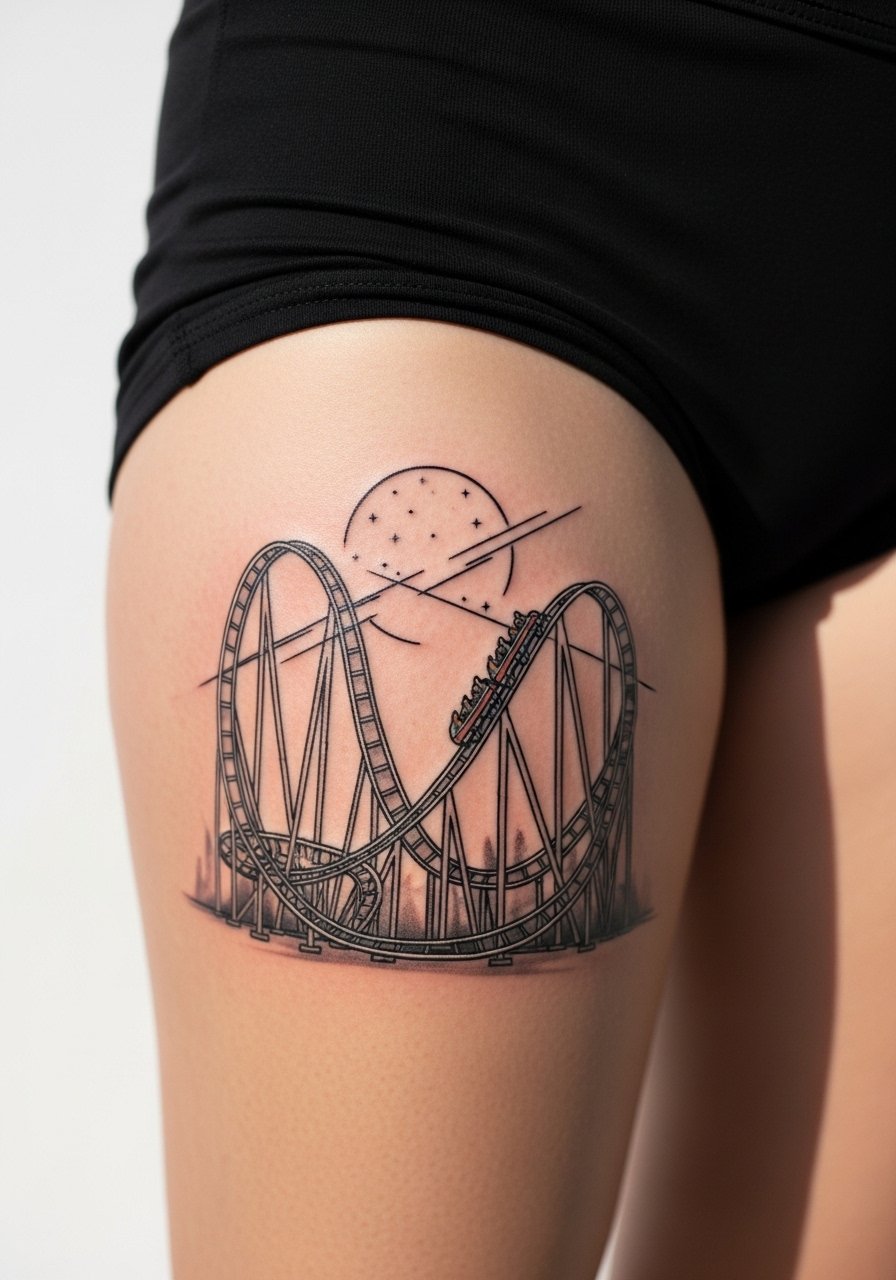
Thigh pieces let you build narrative without constant sun exposure. This rollercoaster design reads well as a 5 to 6 inch panel that curves with the outer thigh, and the session is usually split into two or three sittings for color gradients. For consultation, bring motion-heavy references so the artist can translate the ride into flowing linework. The risk here is too-small loops that merge as the piece settles. Keep spacing generous. For showing off at the beach or pool, tailored swim trunks or athletic shorts do a great job framing outer thigh art, try a pair of tailored swim trunks when you want to flaunt the work.
Studio Day Picks
These first six pieces range from wrist micro work to larger thigh and back concepts, so a few session essentials make the chair day easier and the first week simpler.
-
Stencil transfer paper kit. Lets you preview how a portrait or script will sit on curved forearm and rib areas before the needle touches skin.
-
Topical numbing cream. Applied 30 to 45 minutes before a sensitive rib or inner thigh session reduces the edge without changing linework if you follow your artist's guidance.
-
Thin protective film roll. Helpful for wrist and ankle pieces that face friction from clothing and daily washing in the first few days.
-
Fragrance-free gentle body wash. Use during showers to clean fresh work without stripping delicate ink or irritating fine line pieces.
-
Aquaphor healing ointment. Thin layers for the initial 48 to 72 hours lock in moisture for tight linework and help prevent scabbing that can pull pigment from micro-realism pieces.
7. Portrait with Microphone on the Upper Shoulder
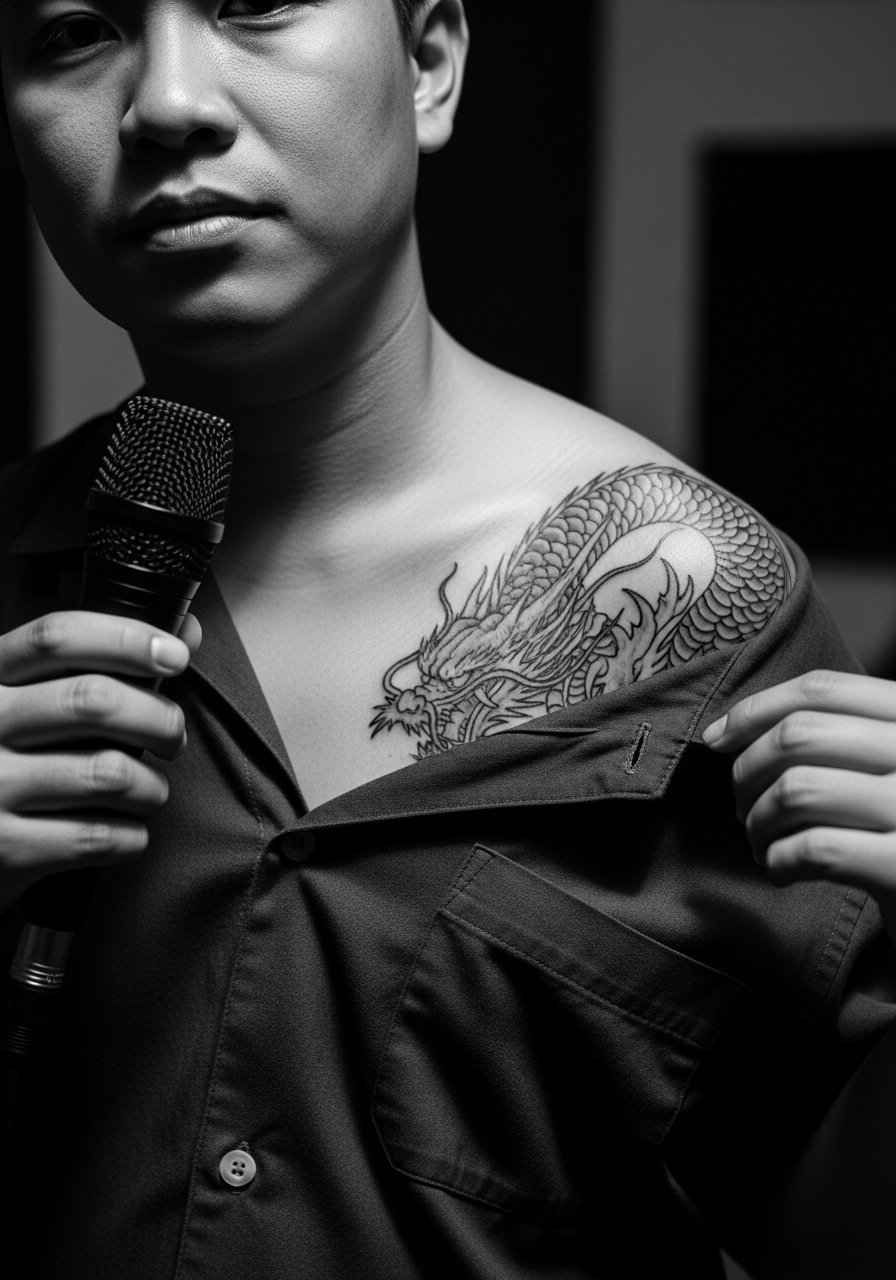
A shoulder portrait pairs likeness with performance symbolism well. The shoulder cap carries bold shapes without the same blowout risk as the hand. Tell the artist you want an oval composition about 4 to 5 inches, microphone integrated into the negative space, and stipple shading for texture. Sessions are comfortable because you can wear a button-front shirt that the artist can move aside. To show it off, off-shoulder tanks or a v-neck black tee work well. Consider an off shoulder tank top for evenings and bring a button front camp shirt for the session itself.
8. Cactus and Storm Clouds Ornament on Ankle Bone

An ankle ornamental blends Texas roots imagery with a moody atmosphere. Keep the design compact, around 2 to 2.5 inches, and ask for slightly bolder outline to stand up to sandals and socks rubbing. The ankle experiences more friction, so expect slower healing and possibly a small touch-up if edges thin. The session is quick but the first week needs careful footwear choices. Consider shoes that limit rubbing during early healing to protect the linework.
9. "Highest in the Room" Collarbone Script
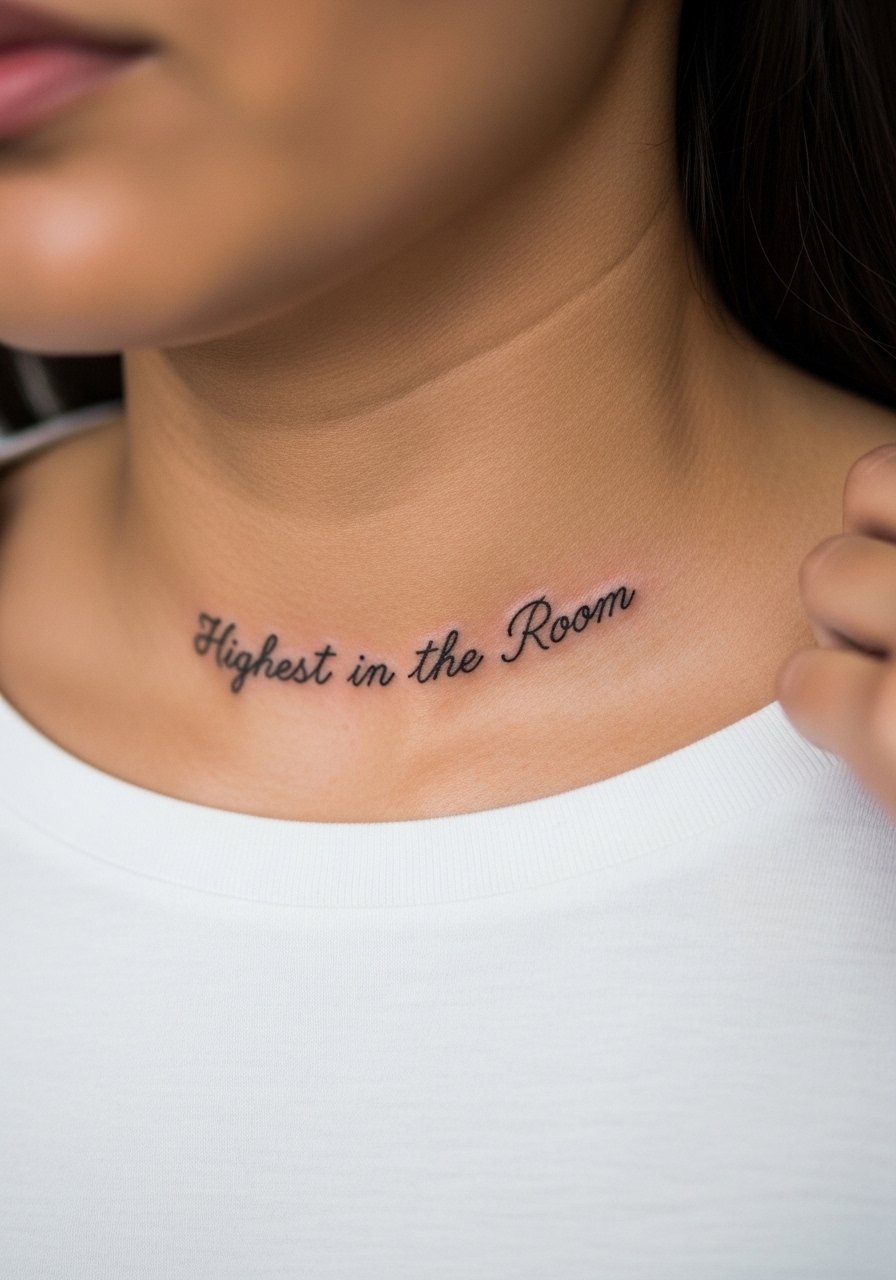
Collarbone curves are great for lyrical lines that read naturally across movement. Request a slightly upright script with an airy baseline so letters do not compress when the skin settles. The area can be sensitive but the session length is short. The common mistake is making the text too small or too close to the bone which causes uneven healing. Plan a touch-up at year two if you live in sunny climates. Pair the piece with a thin chain pendant worn just above the script for a balanced look.
10. Black and Gray Astroworld Ferris Wheel on Upper Back
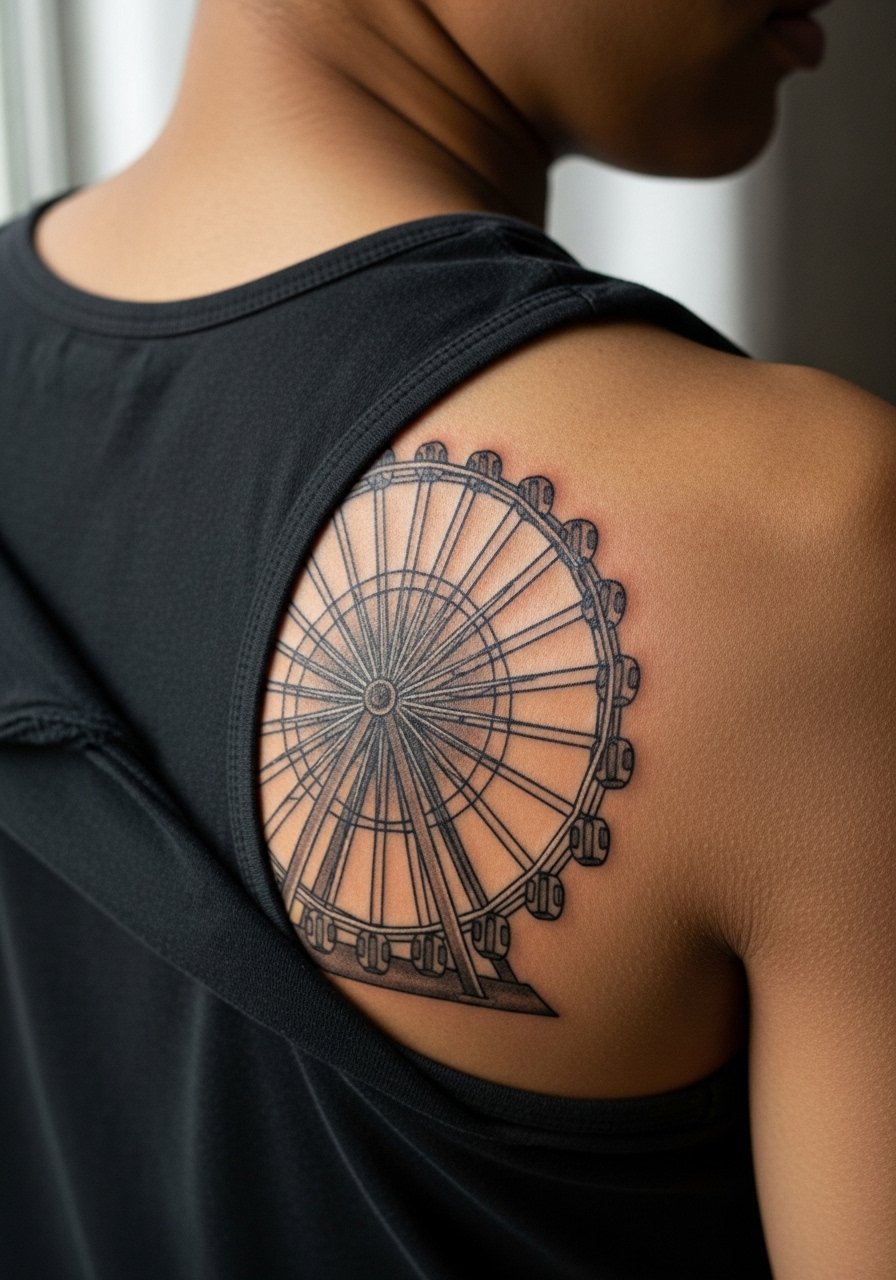
Large upper back pieces let you reference festival motifs in a solemn, contemplative way. For a ferris wheel that reads as subtle tribute, stick to shading and line contrast rather than bright colors. This design usually needs multiple long sessions and careful spacing to avoid merging spokes over time. There is debate about using Astroworld imagery after difficult events. One group sees a large black and gray wheel as a somber nod. The other group worries it might reopen trauma for some. Talk this through and decide whether a symbolic abstraction or a literal scene fits your intentions and the space you want to occupy on your back.
11. Palm-Sized Astroworld Icon on Inner Forearm
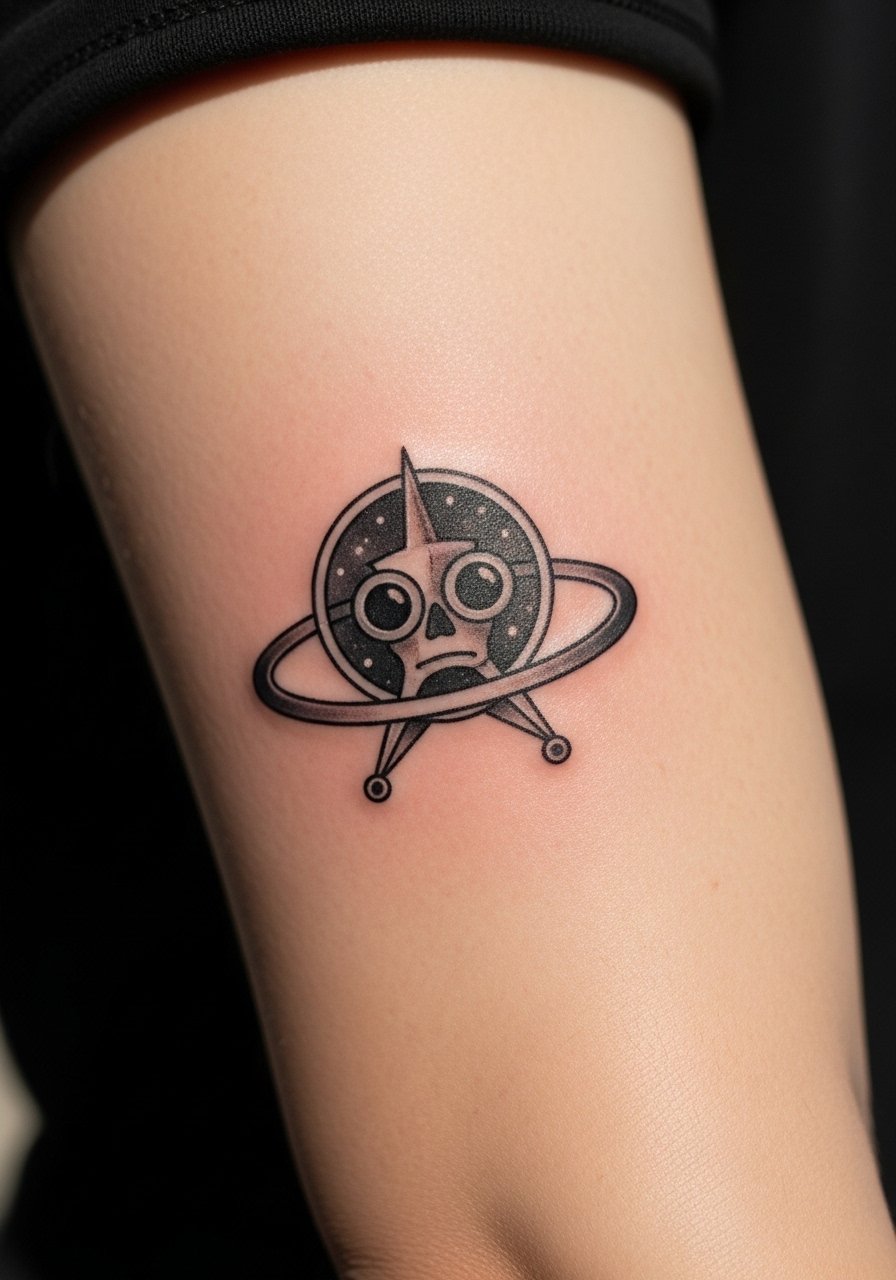
An inner forearm palm-sized icon is a subtle option for those who want reference without a full portrait. Ask for simplified shapes and clear negative space so the small motif reads from a distance. Inner forearm experiences moderate sun exposure but is easy to protect with long sleeves. The session typically runs under an hour and touch-ups depend on how many thin lines you include. A common mistake is over-detailing at small scale which leads to blurring. Keep it bold at the scale you choose.
12. Tiny La Flame Flame on Inner Wrist
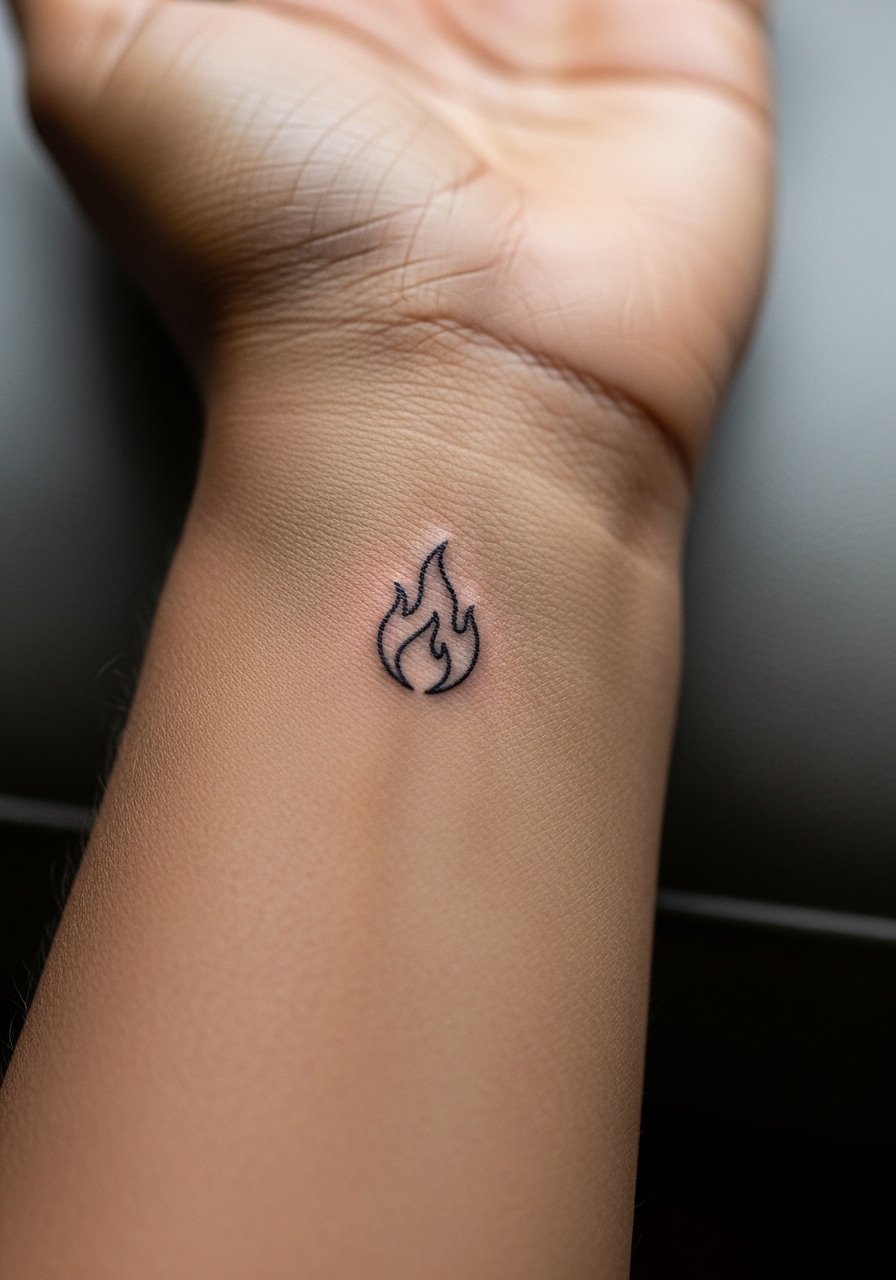
The inner wrist flame is an iconic, low commitment nod that holds up if treated like a symbol rather than a portrait. Request a slightly thicker line than extremely fine script so it stays crisp. Wrist skin moves and rubs against clothing which can lighten thin strokes in the first year. Sessions are short and pain is manageable. Minimalist display pairs well with a thin chain pendant that sits above the flame, and you can keep a thin chain pendant necklace in rotation for an understated look.
13. Album Ticket Stub Illustration on Upper Arm
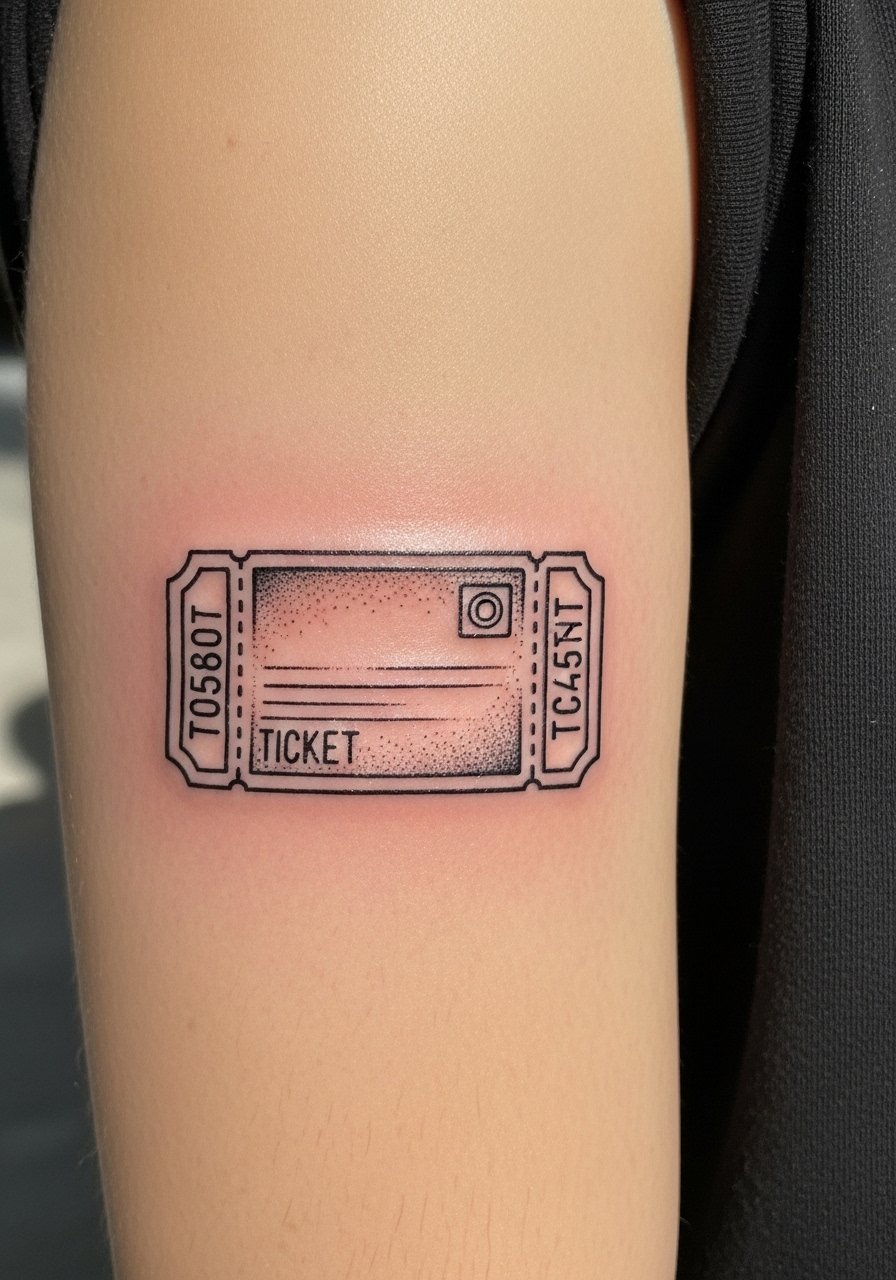
A ticket stub makes a nostalgic, custom flash piece for fans. On the outer upper arm you can go 3 to 4 inches and incorporate a date or venue in clean typography. The outer arm tolerates medium detail and heals predictably. The common error is cramming too much tiny type into a small space. If you want date text, spell it out clearly and consider Roman numerals to avoid illegible micro-lettering. Sessions are short to moderate and touch-ups depend on type clarity.
14. Blackwork Cassette Tape on Calf
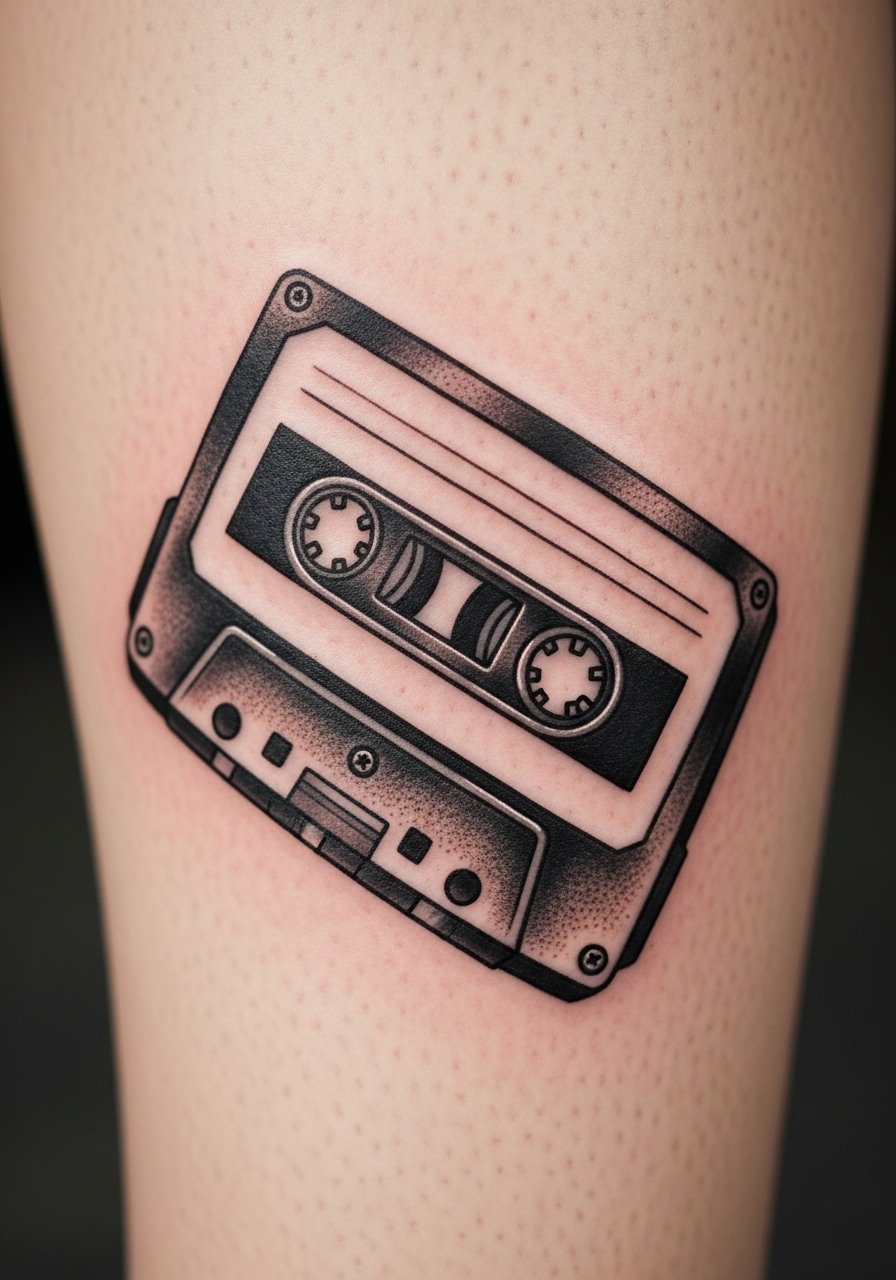
Blackwork reads incredibly well on the calf, and a cassette tape nods to the mixtape aesthetic of music culture. Ask for dense saturation with crisp negative spaces for the reel holes to keep contrast over time. The session is comfortable and may finish in a single sitting. Avoid tiny internal linework that can fill in. Pair with cuffed joggers or shorts to display the silhouette, and consider crew athletic socks when you want the calf to pop against footwear.
15. Tiny Behind-the-Ear Symbol from a Music Video
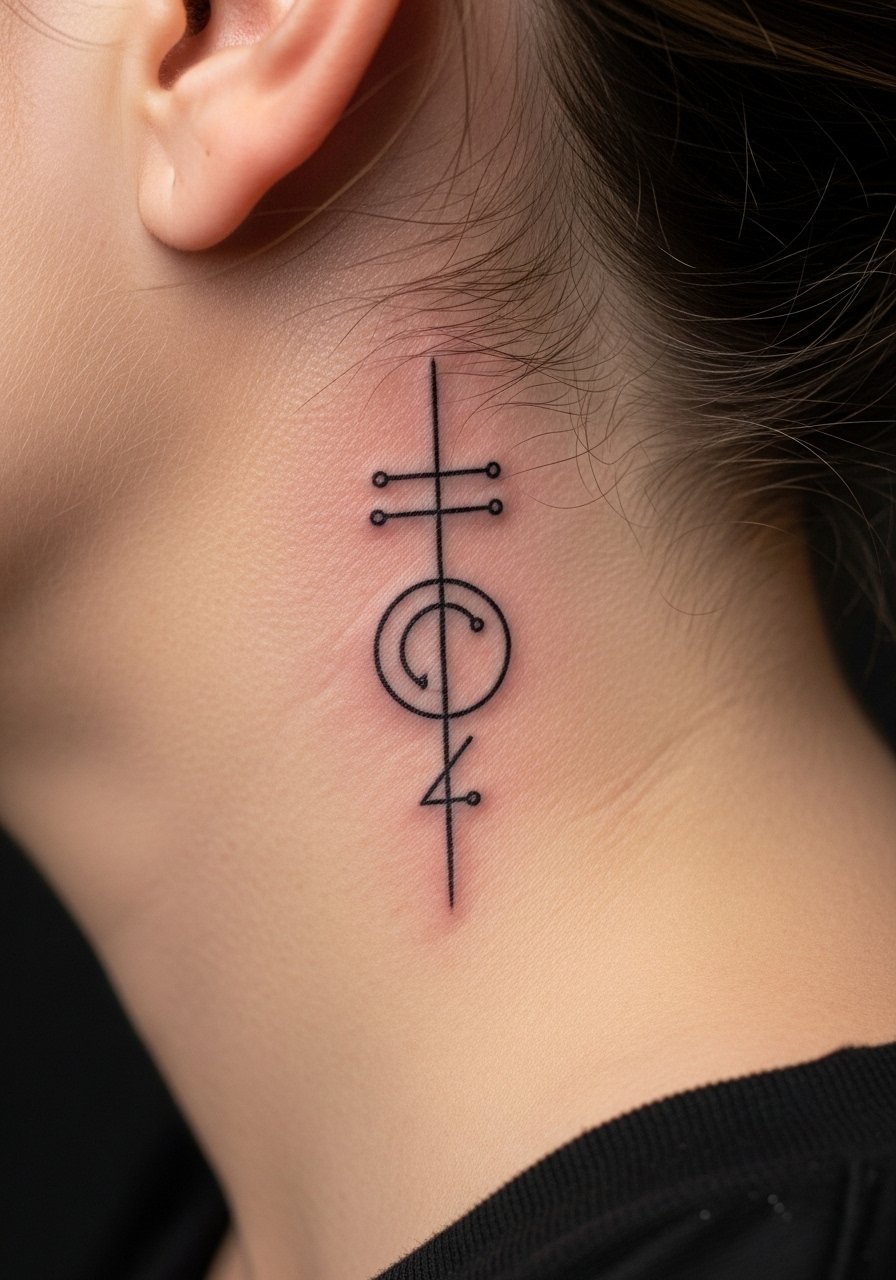
Behind-the-ear motifs are ultra discreet and perfect for a tiny, meaningful symbol pulled from a video or lyric. The area needs precise work and a gentle hand because the skin is thin and heals quickly but can also leave light scarring if overworked. Book a short session and expect to avoid heavy sleeping on that side for a week. This placement also requires a specialist approach so ask the studio about experience with small placement work.
16. Shoulder Blade Concert Poster Panel

A shoulder blade panel is a great narrative space that reads like a tiny poster. It lets you combine text, illustration, and a portrait outline in a compact composition. The shoulder blade moves but not as much as the ribs, so dense detail can hold if spaced properly. Sessions are typically split into an outline sitting and a shading sitting, and touch-ups at year three are common for fine text. Bring clear poster references and tell your artist which element should dominate visually.
17. Cactus Band Around the Ankle
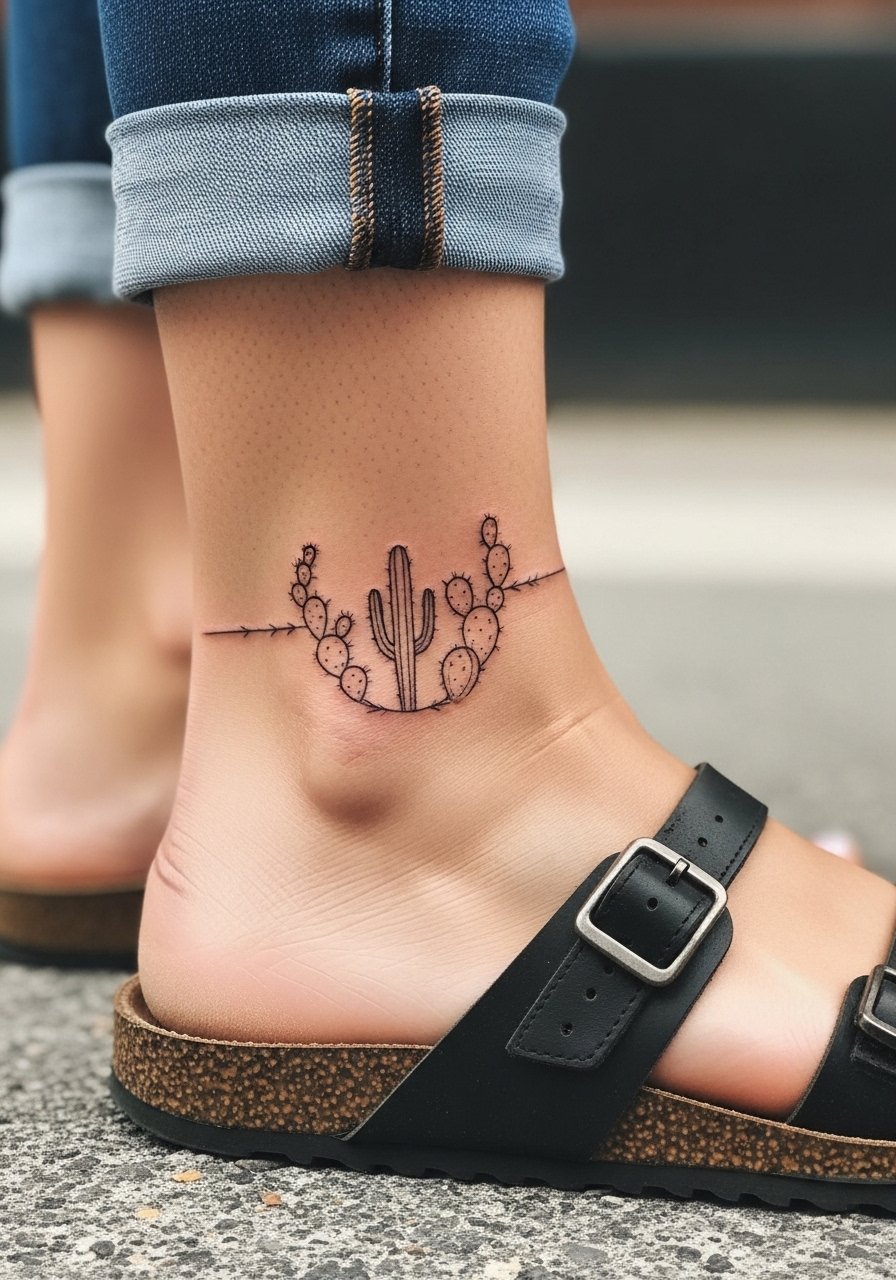
Ankle bands can be playful and subtle. Keep the cactus motifs spaced so each plant reads individually rather than merging. The ankle is a high-friction area, so plan for a slower, sometimes patchy heal. Sessions are short but the piece might need a tidy touch-up once healed. Footwear matters during the first week to avoid rubbing at the tattooed zone.
18. Curved "La Flame" Script on Inner Forearm
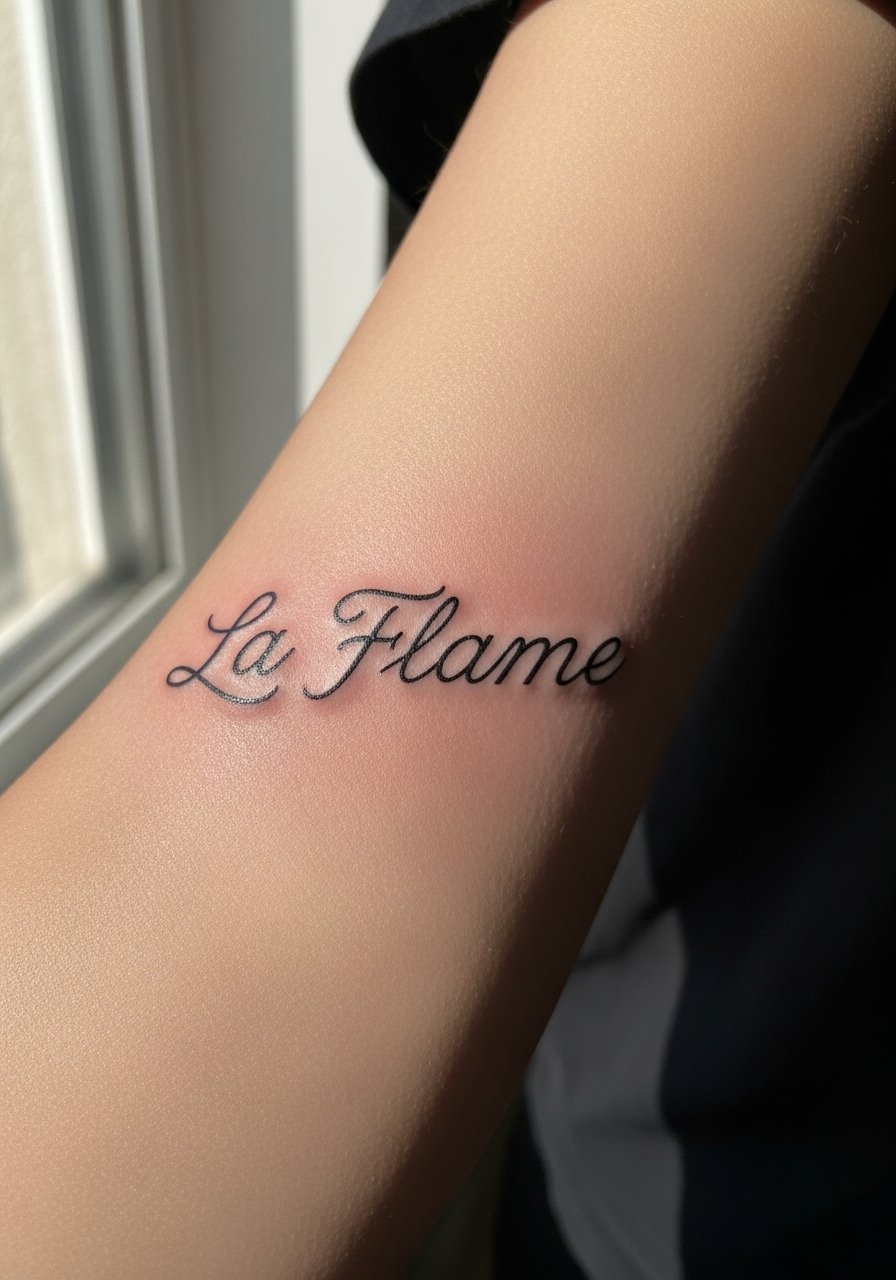
Inner forearm scripts age well when you allow letters room and ask for moderate line weight. Tell the artist to curve the baseline to match the arm's natural shape and to avoid overly tight loops. This placement is visible and easy to protect from sun. Expect a one-session job that may need a minor refresh at year three. Styling pairs well with rolled sleeves of a fitted crewneck tee to showcase the flow of the script.
19. Stipple-Shaded Microphone on the Shoulder Cap
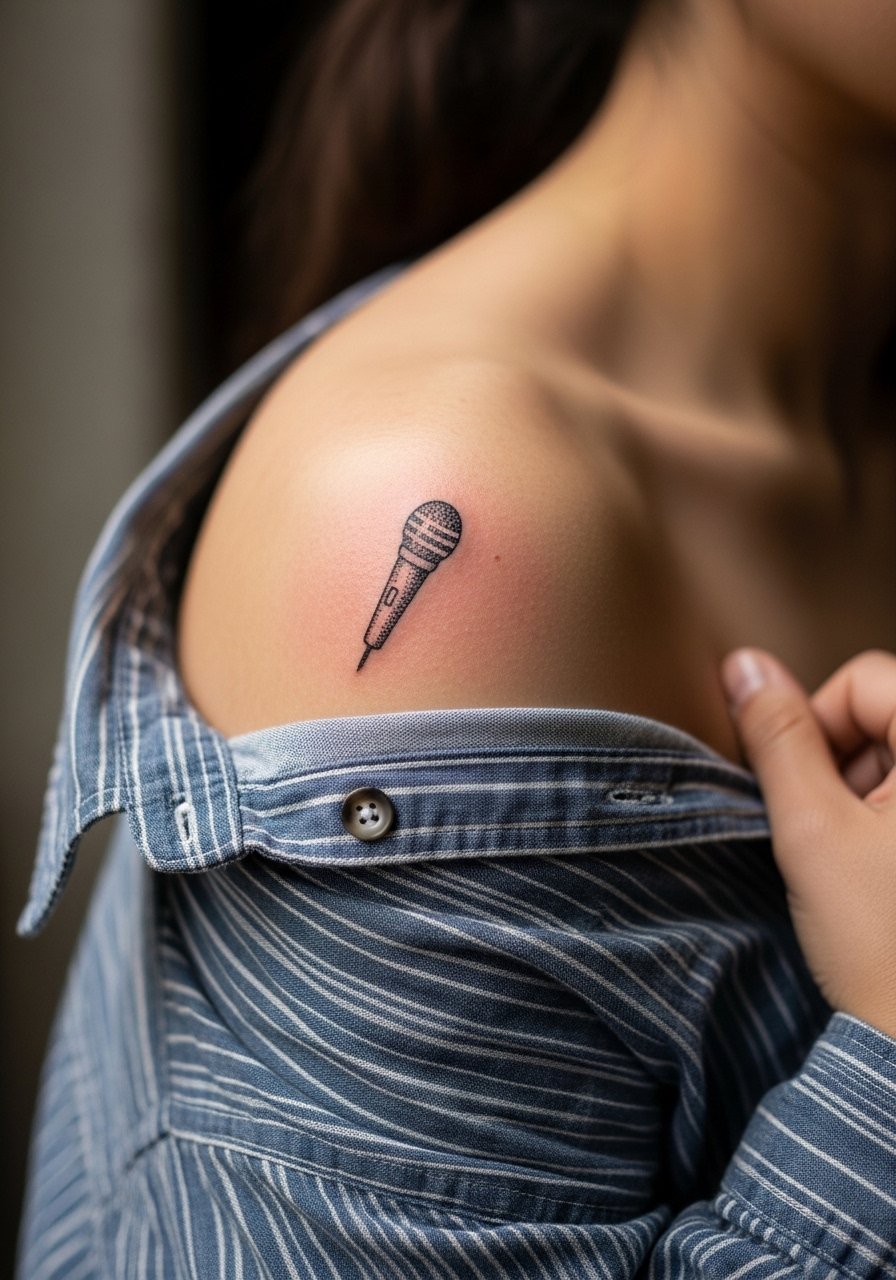
Stipple shading gives micro icons texture without heavy saturation. On the shoulder cap, a 2 to 3 inch microphone with stipple highlights reads modern and ages softly. The most common mistake is asking for stipple detail at too small a scale. Ask for slightly larger dots so the pattern holds at year two. Session time is short and comfort is high. For showing off, wear an off shoulder tank top or a black v-neck tee.
20. Side-Profile Rollercoaster Silhouette on Upper Thigh

A side-profile silhouette emphasizes motion without heavy color. The upper thigh has forgiving skin and hides sun damage. Ask for a 5 to 6 inch layout that follows the thigh curve so the negative space reads as motion. The session can be longer if you add subtle gradients. The main mistake is compressing loops too tightly which can blur. For sessions, wear loose basketball shorts so the artist can easily access the outer thigh.
21. Small Planetary Symbol at the Nape
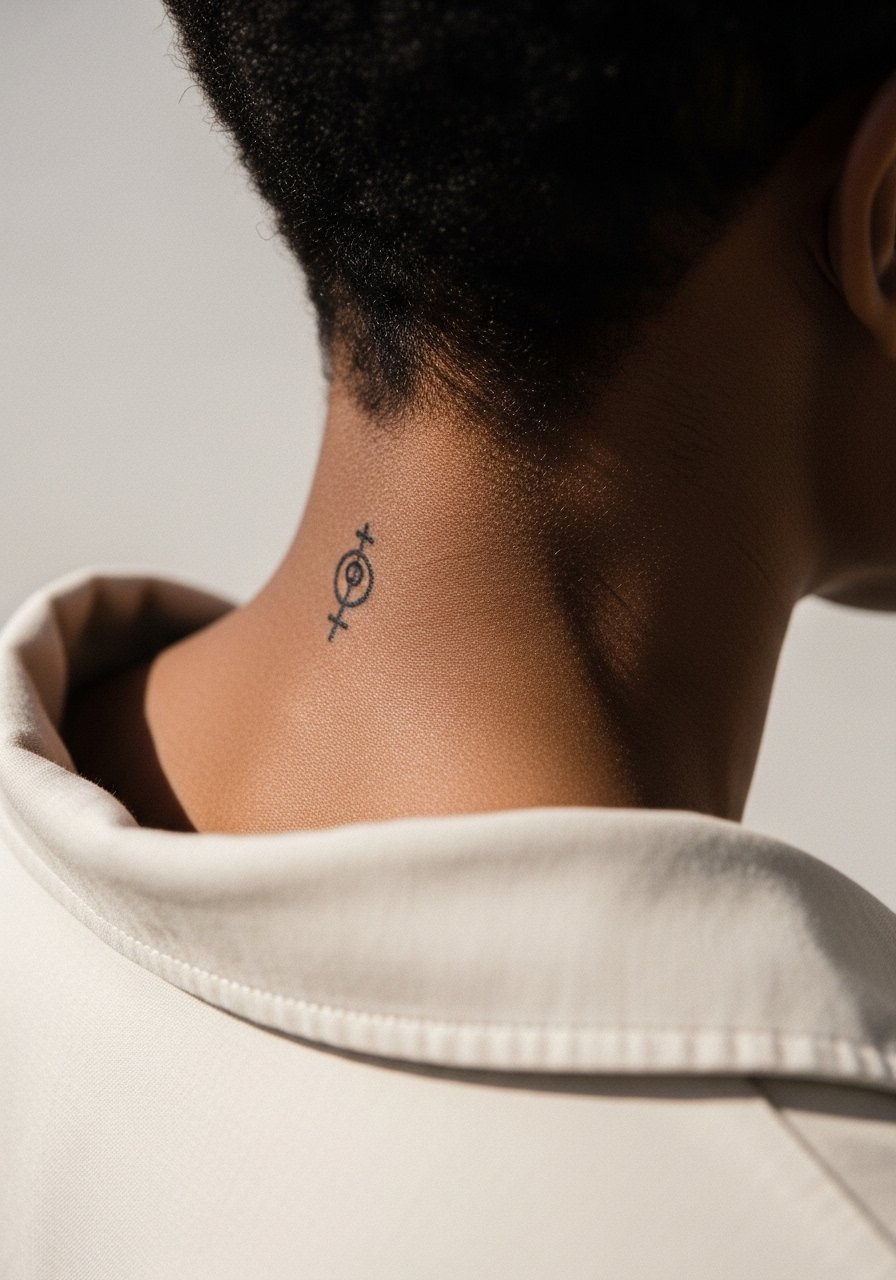
A nape symbol is subtle and personal. The area needs a steady hand and small, confident strikes because the skin is slightly thicker than behind the ear. Sessions are quick and healing is straightforward if you avoid hair products on the area while it seals. This placement is discreet and shows only with certain hairstyles.
22. Classic Portrait on Outer Upper Arm
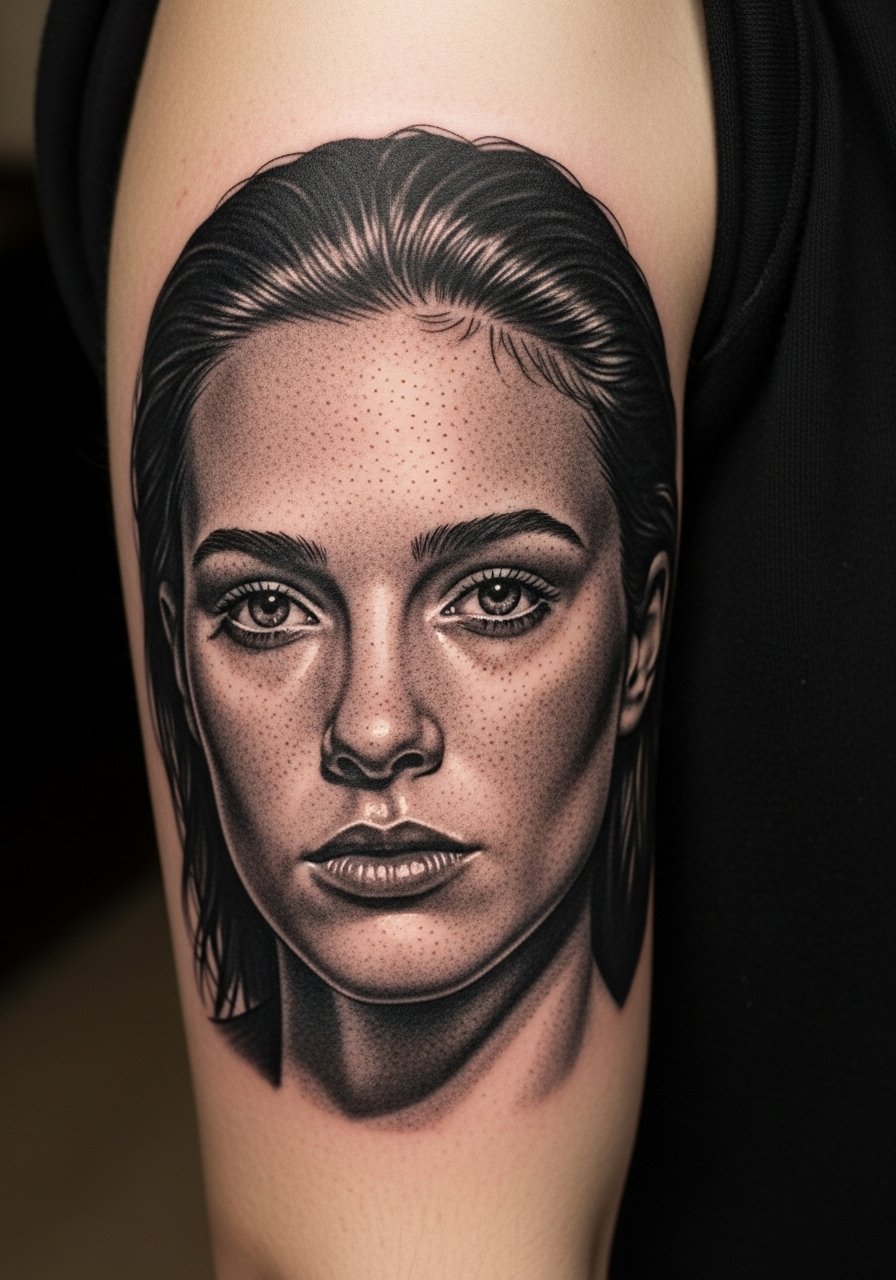
The outer upper arm is forgiving, making it a good spot for medium-scale portraits that want to avoid constant sun exposure. Ask for balanced contrast and a midtone-heavy approach so the face maintains depth. The typical mistake is over-detailing in small facial features; ask for clear planes and let the shading carry texture. Sessions range from two to four hours depending on realism. Touch-ups may be needed at year three for high-detail areas.
23. Chest Sternum "La Flame" Emblem
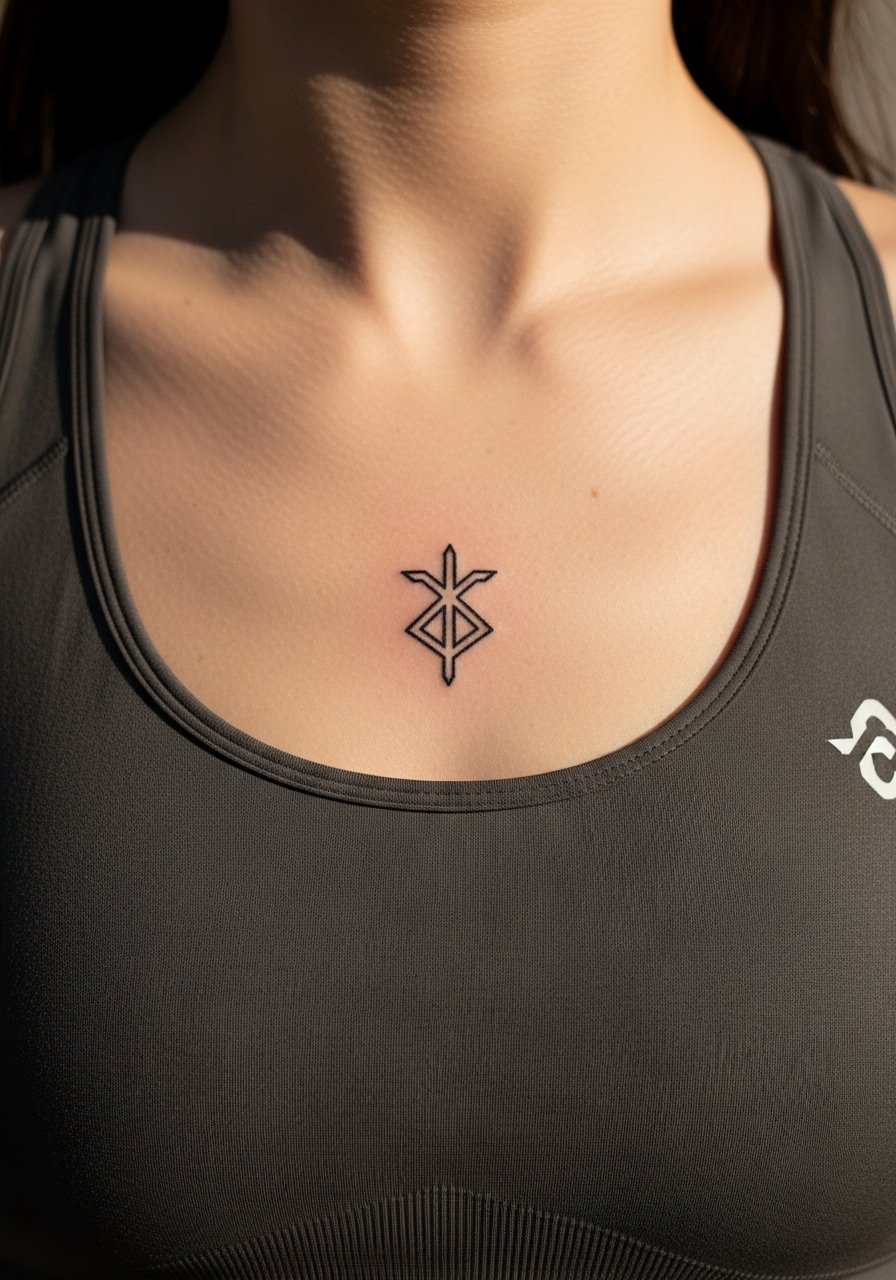
Sternum and upper chest work make a bold statement but can be particularly sensitive. For a central emblem, request simple geometry and avoid too many thin inner lines that can scar. Sessions can be intense for pain and may require breaks. The sternum area sometimes needs more time to heal cleanly because of movement and friction from clothing. For sessions, bring a zip-up or button shirt you can easily open so the artist has access while you stay comfortable.
24. Dot Work Desert Scene on Lower Calf
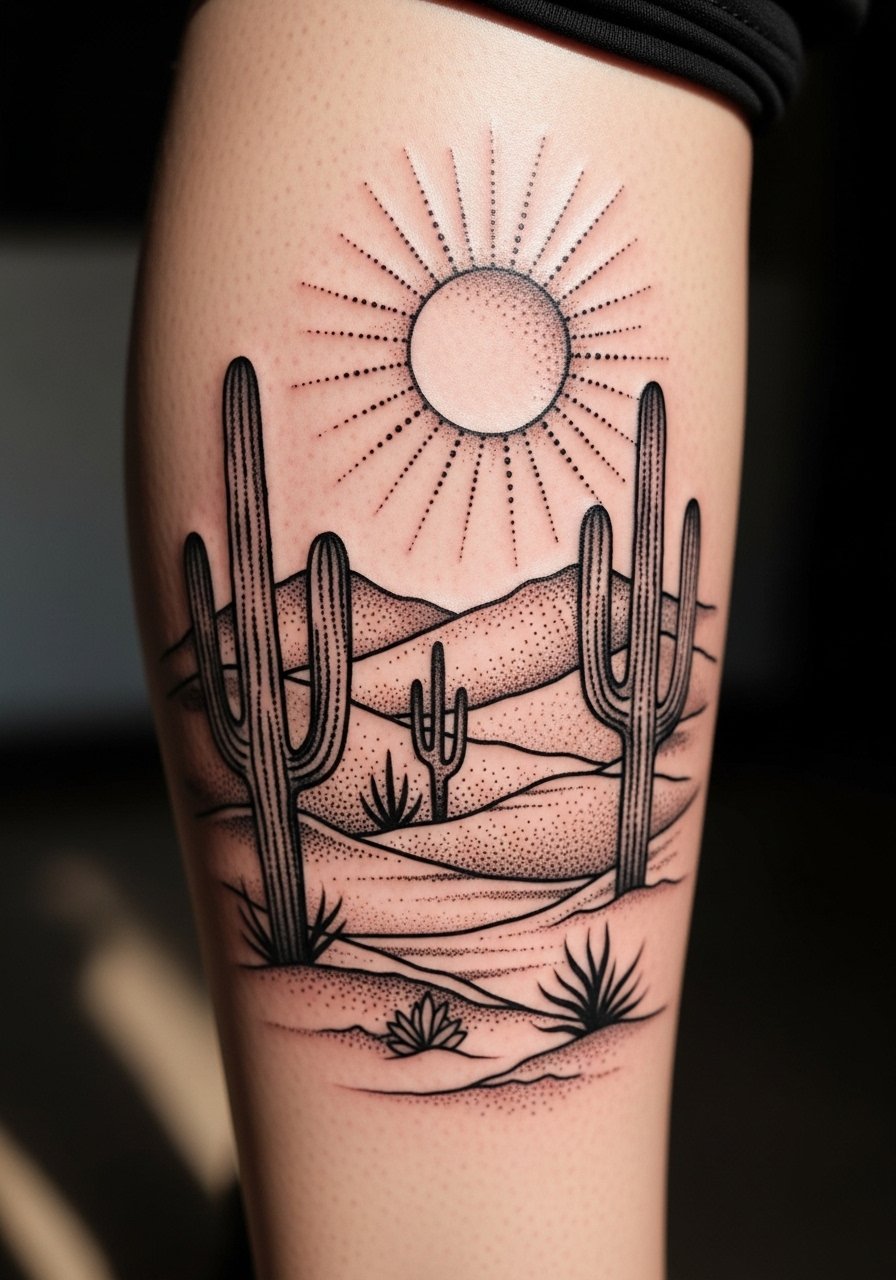
Dot work ages gracefully when dots are spaced and scaled correctly. On the lower calf the scene can be 3 to 5 inches and still feel legible at a distance. Tell the artist you want graduated stipple density for depth and keep the smallest dots larger than a pinprick to prevent early merging. Calf sessions are comfortable and aftercare is straightforward. Pair with cuffed pants or shorts to show the scene off.
25. Fine Line Lyric Script Along Collar Curve
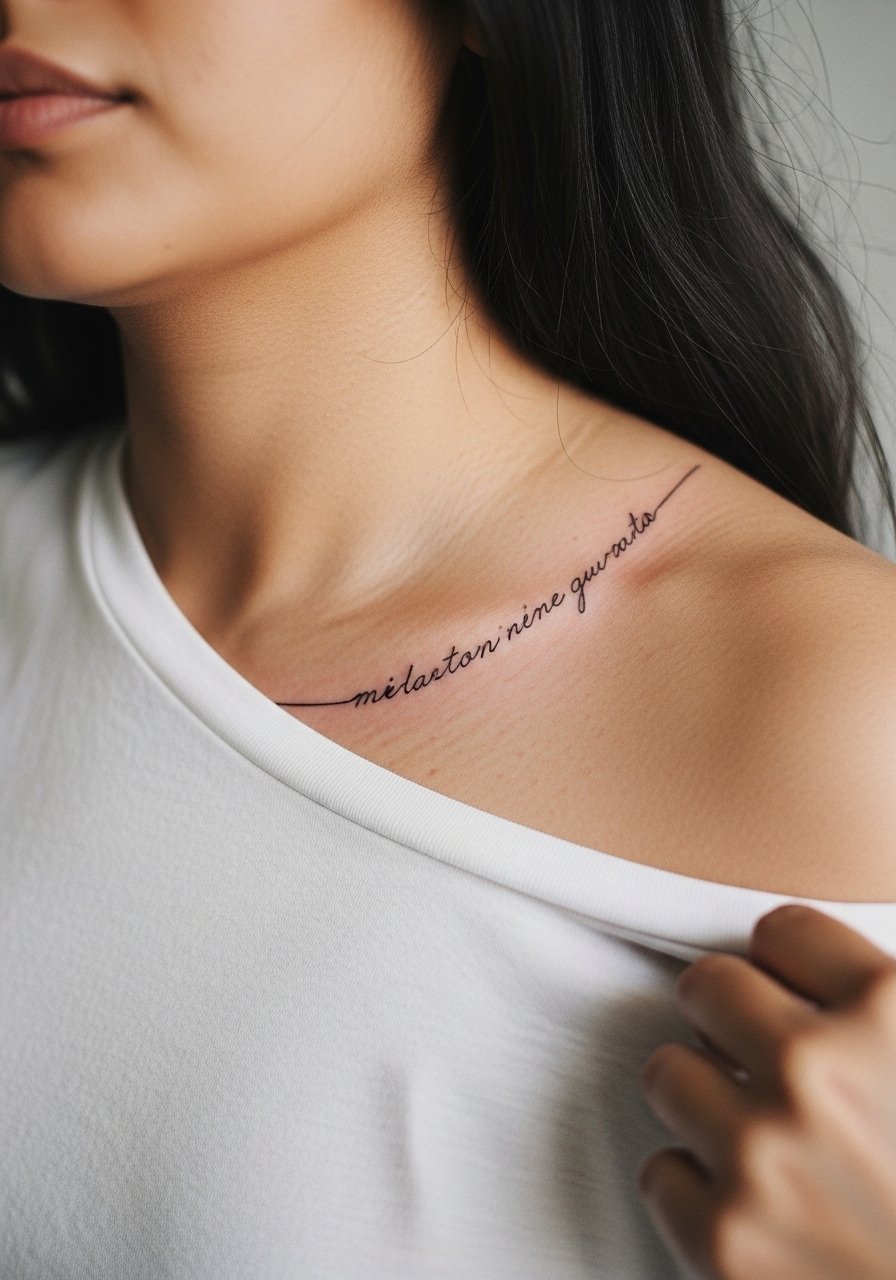
Lyrics along the collar are personal and visible. Have the artist write your exact phrase on skin before inking so you can confirm spacing and curvature. The collarbone moves and sits close to bone, so avoid overly thin letters pressed tight to the bone. Session length is short. Expect a light touch-up if letters thin over time.
26. Morse Code Tour Dates on the Outer Forearm
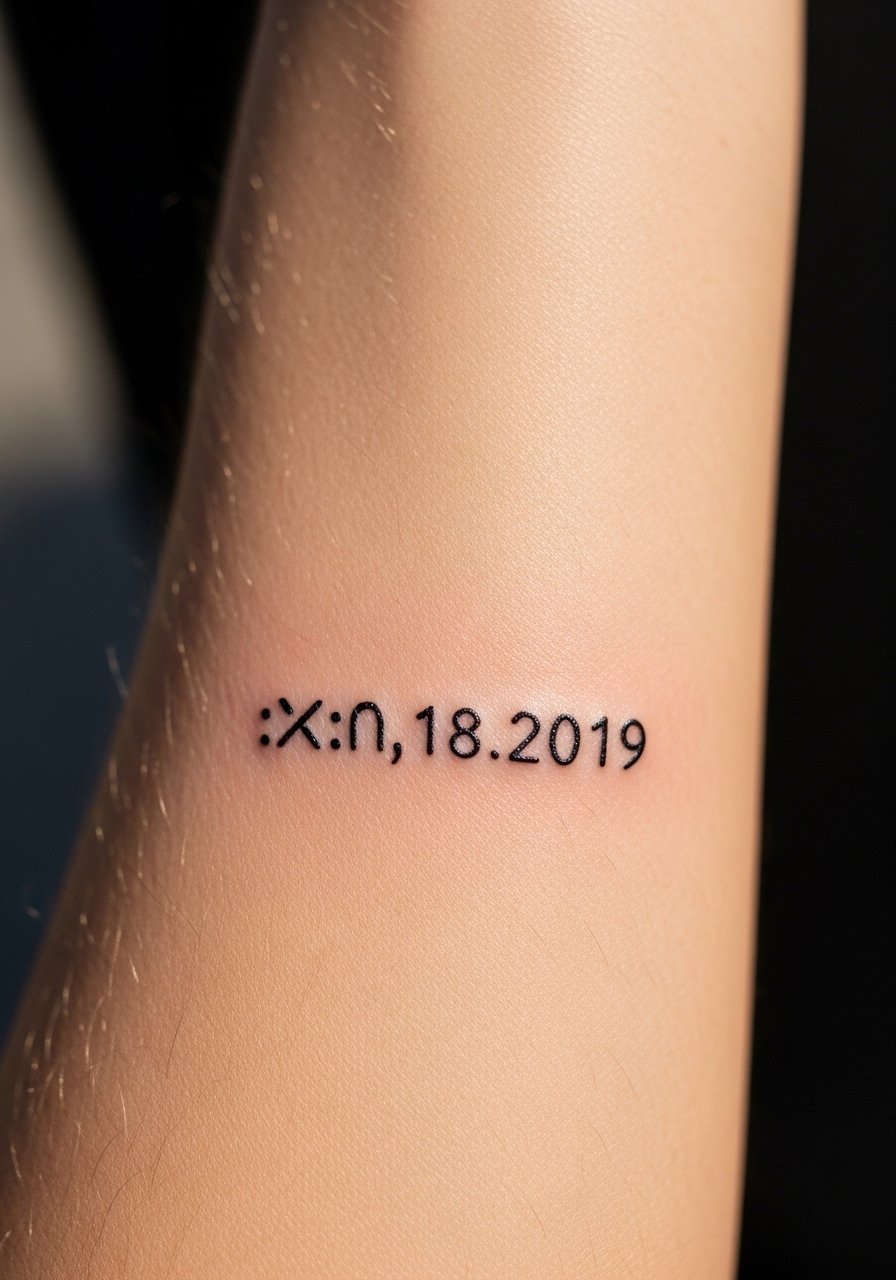
Morse code is discreet and timeless if you keep the elements spaced. The outer forearm suits this because the linear layout follows the arm. Ask for slightly larger dots and dashes than you might think so they do not blur into a line at year three. Session time is brief. For showing it off, rolled sleeves of a fitted crewneck tee work well.
27. Small Ferris Wheel Anklet Tattoo
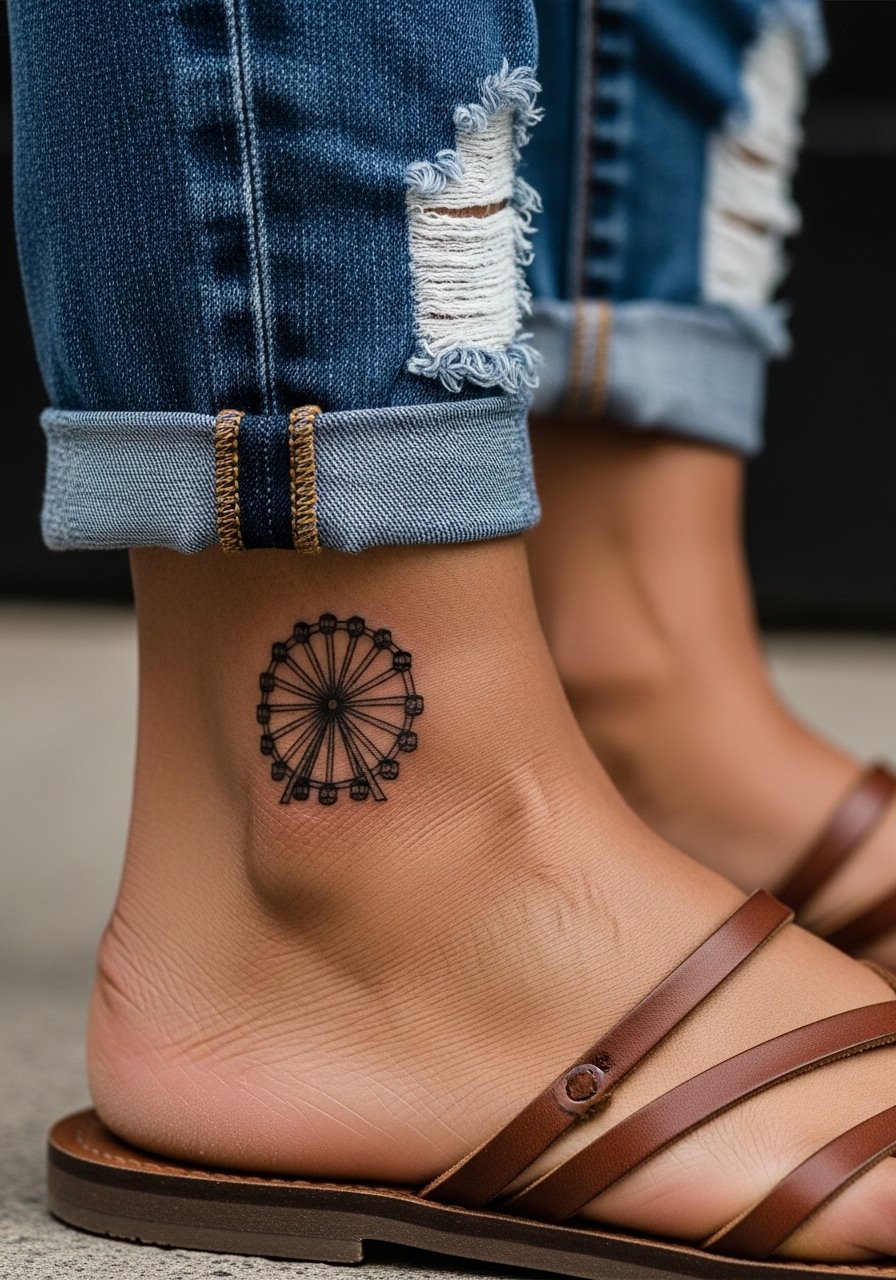
An anklet ferris wheel is a compact way to reference festival imagery without a large scene. Keep the diameter around 1.5 to 2 inches and insist on clear rim lines for legibility. The ankle heals slowly if shoes rub the area, and touch-ups are common because of friction. Pick footwear that limits rubbing during the first two weeks to protect the linework.
Frequently Asked Questions
Q: Will a realistic Travis Scott portrait on my forearm need touch-ups, and how often?
A: Expect a realistic forearm portrait to hold well if the artist uses solid contrast and slightly bolder contour lines. I usually see a minor touch-up at year three for high-detail areas, especially if the piece gets frequent sun. Protecting the area from UV with sunscreen cuts down how often you need refreshes.
Q: Are Astroworld-inspired designs risky because of recent controversies, and how should I approach them?
A: There are two clear views. Some fans treat Astroworld motifs as personal tribute and memorial. Others see literal album or festival imagery as potentially fraught given recent events surrounding the festival. My advice is to decide whether you want an abstract symbol that nods to the music or a literal scene. Bring that intention into your consultation so the design aligns with how you feel about the symbolism.
Q: Do fine line scripts on the ribcage blur faster than on the forearm?
A: Ribcage script faces more movement and stretching than the forearm. Many artists will recommend slightly bolder line weight or more spacing for ribs. If you want delicate script, accept there may be a touch-up sooner than a forearm piece, typically around two to three years.
Q: What should I wear to a thigh rollercoaster session to make the artist's life easier?
A: Wear loose basketball shorts or tailored swim trunks that you can pull down or shift so the outer thigh is exposed without bunching. A athletic basketball shorts style is perfect because you can step out of them slightly for access and stay comfortable during longer sessions.
Q: How do I avoid regret with a celebrity tattoo if that person has public controversies?
A: Consider symbolic or abstract references rather than a large portrait. Small icons like a cactus or a flame logo let you hold personal meaning without committing to a full likeness. Also think about visibility and your career needs before placing something highly recognizable on hands or neck.
Q: How should I choose an artist for micro-realism portrait work?
A: Look for portfolios with healed photos on a range of skin tones and examples of midtone-rich portraits. Ask about their touch-up policy for realism and how many sessions they expect to finish a piece. If they can show healed work at year one or later, that is a strong signal of consistent results.