
Fine line trends flood social boards, but the hand is an unforgiving canvas. Tiny strokes and dense detail often look crisp on a fresh photo and then soften in the first two years. What holds is thoughtful spacing, modest scale, and placement that avoids constant friction. The list below runs through 21 hand-focused designs, what to ask for in consultation, how each choice heals, and a few outfit tips so the work reads the way you want it to after week six.
1. Micro Script Along the Side of the Index Finger
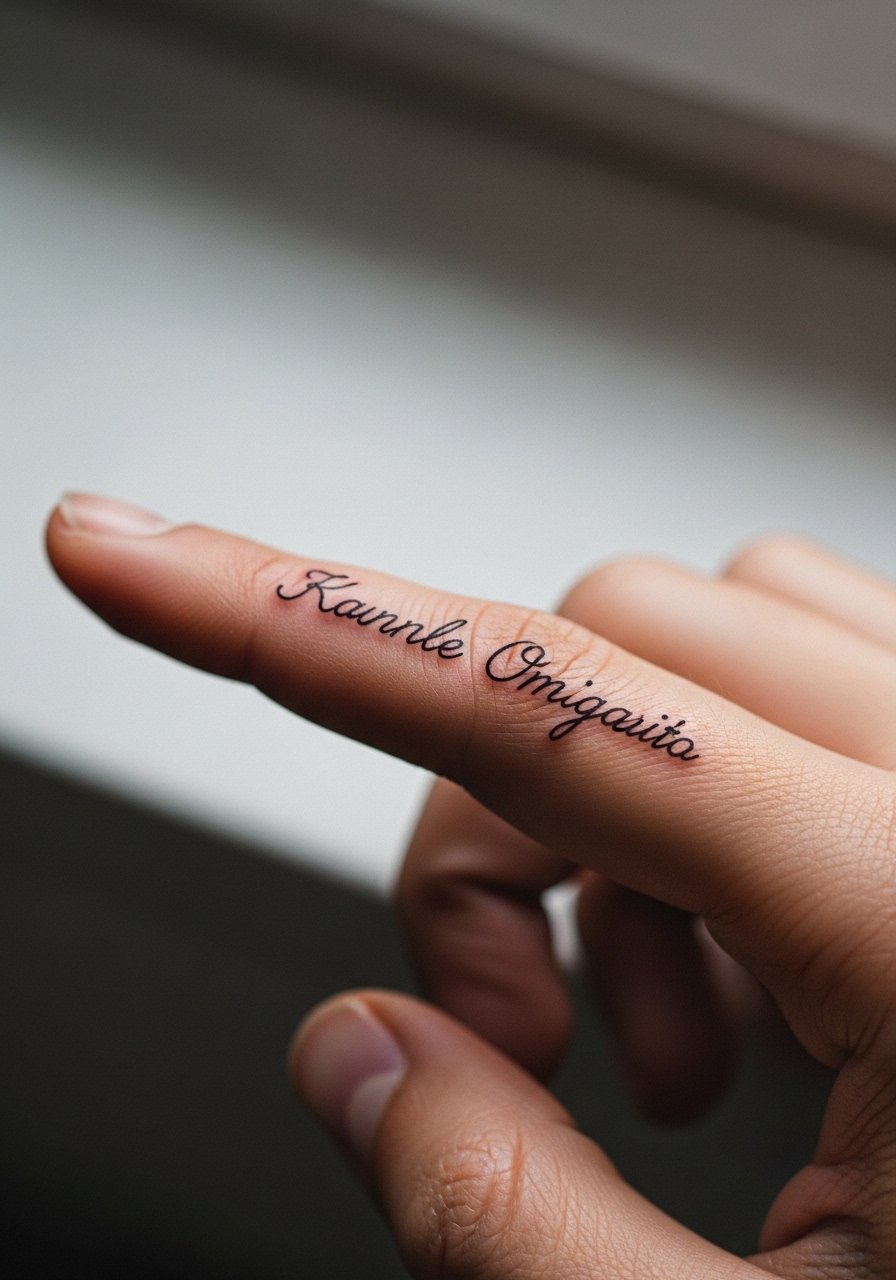
Finger script reads intimate and neat when the letters are spaced for skin movement. I recommend asking your artist for slightly wider letter spacing and single-needle linework that sits a touch deeper than the surface so the letters do not feather. Expect a sharp look at six months and some softening by year two if you use that finger for rings or constant washing. Common mistake is asking for very tiny cursive with high loop density. For the session wear, pick a loose button-down shirt you can roll or pull aside so the hand lays flat without strain. Pain is brief but intense on the side of the finger, and touch-ups at year two are common.
2. Tiny Rose on the Thumb Web
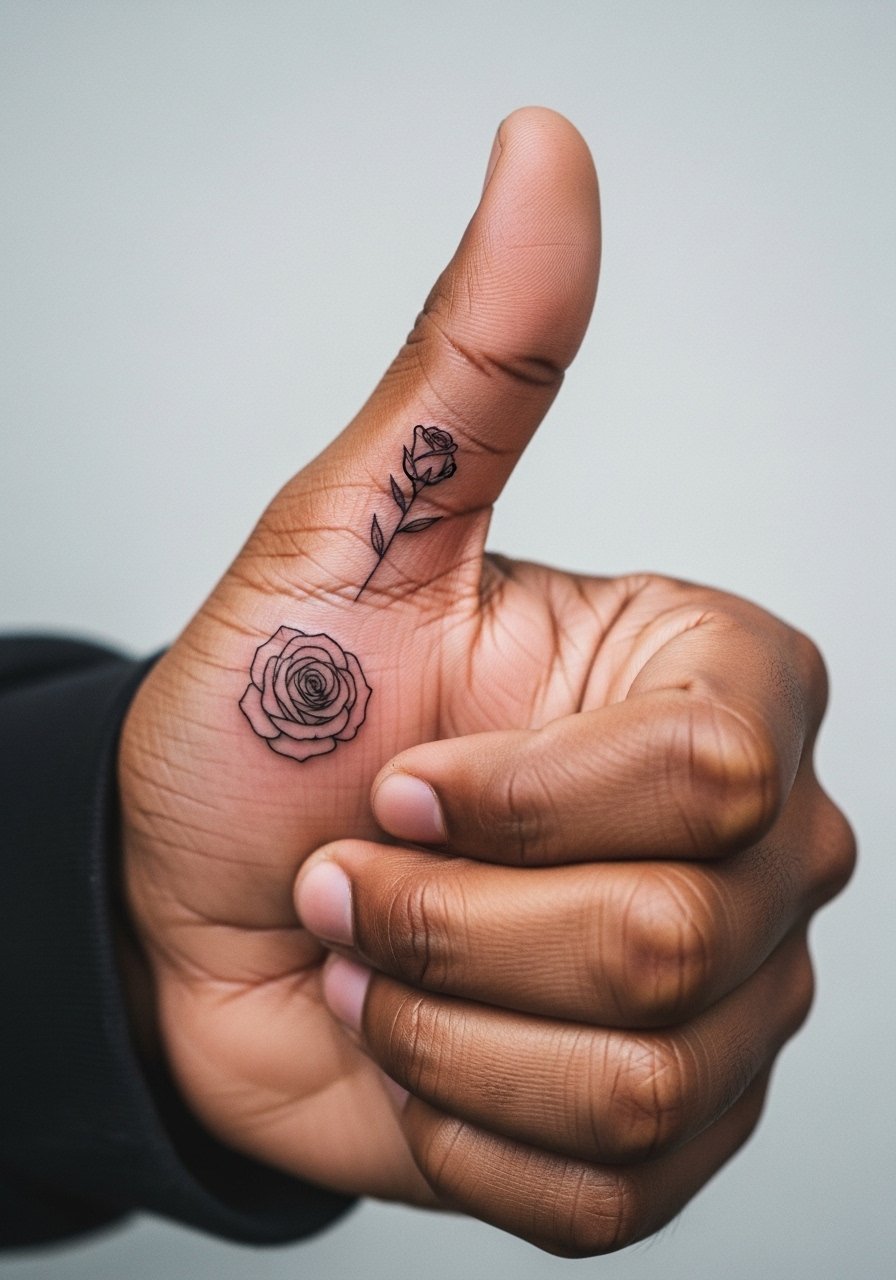
The thumb web is a high-motion zone. A tiny rose with minimal inner petal detail works best. Tell your artist you want bold outline anchors with light stipple shading inside, not dense petals, so the bloom keeps shape as the skin moves. Expect the first six months to show crisp linework, then gradual softening where the web rubs against adjacent skin. One real mistake is asking for heavy saturation in that spot. For session comfort wear a short-sleeve tee that leaves the hand free without pulling. Artists split into two camps on thumb work. One camp says it fades too fast and is only worth it for short-term looks. The other camp argues careful placement and spacing can make it last. Ask where your chosen artist stands.
3. Minimal Knot or Infinity Knot on the Side of the Palm
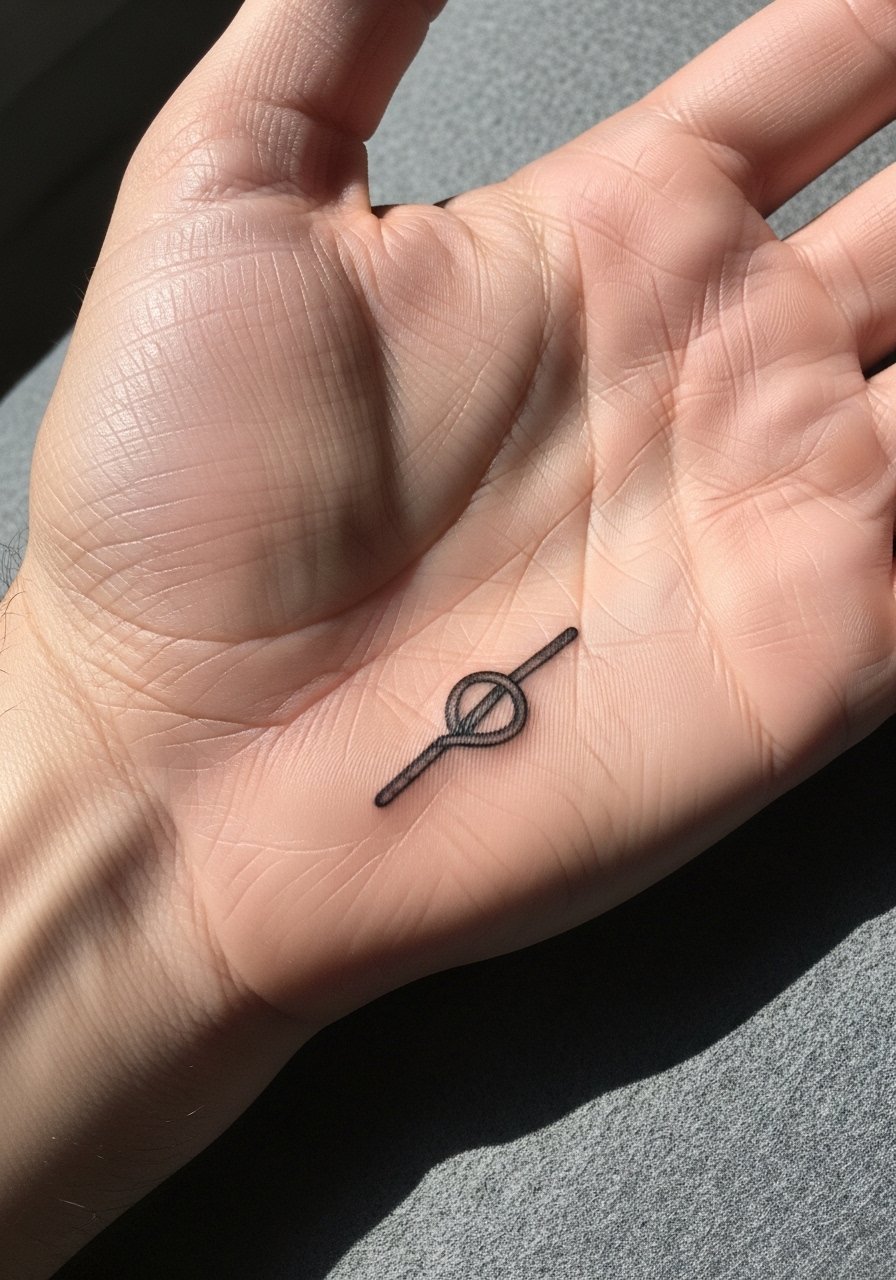
Palm-adjacent designs can look bold while avoiding the interior palm where ink often fades fast. A small knot on the palm edge holds up better than anything placed in the central palm. Mention to your artist you want a slightly thicker line than on a wrist piece and ask about touch-up plans at three to six months. The session feels abrasive because the skin is dense and movement is constant for everyday tasks. A common mistake is placing too many tiny interior details. For showing off this edge placement, low-profile rings or a simple cuff draw eyes without covering the knot. Expect routine touch-ups for long-term clarity.
4. Single Dot Constellation Across Knuckles
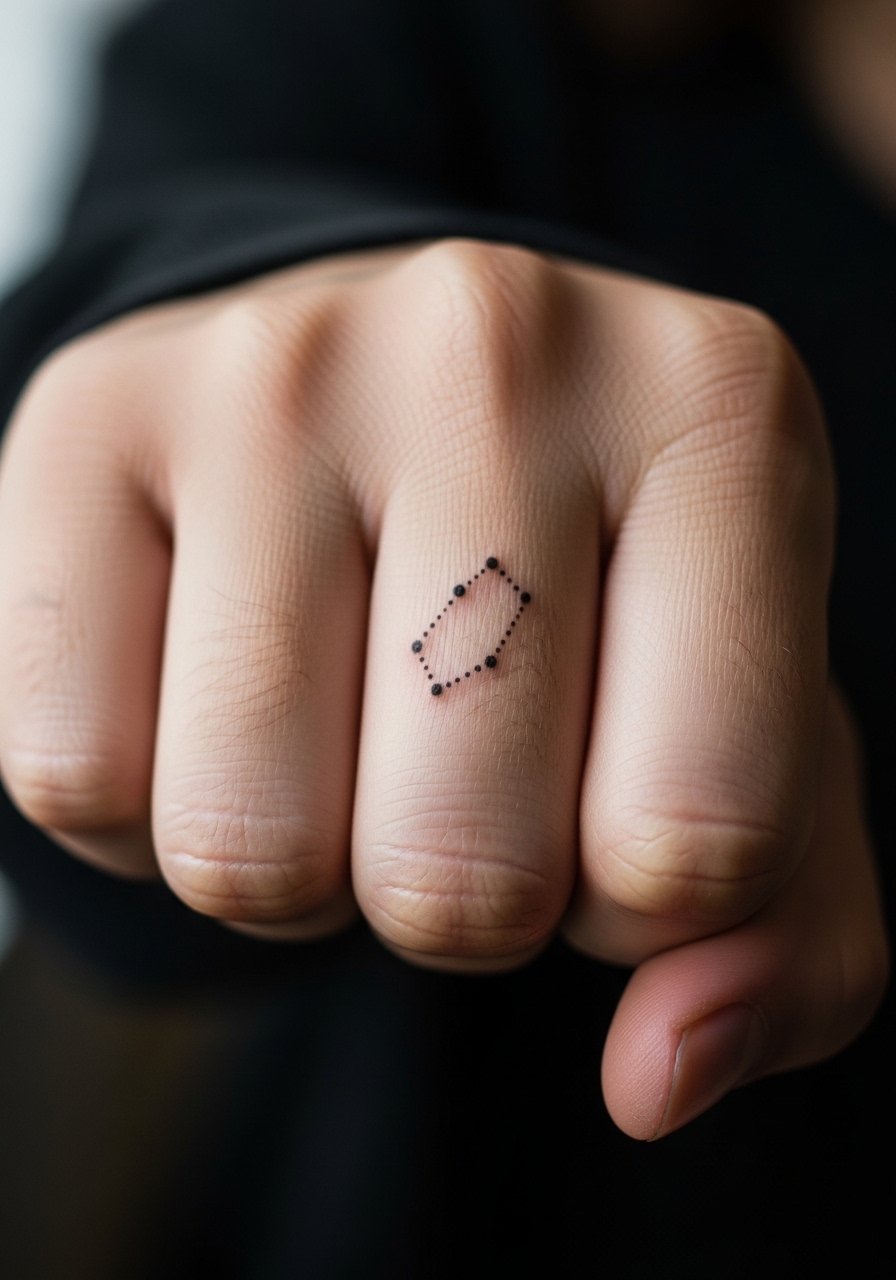
Knuckle dots and tiny constellation patterns read like punctuation. Ask for slightly larger dot size than your reference so the points do not blur into indistinct marks. Knuckles endure frequent washing and contact, so the first year often shows the biggest change. Common mistake is cramming too many dots into a small area. For the session wear choose a loose long-sleeve shirt you can roll so the artist can access the knuckles and you stay warm. Pain is sharp but short. Plan a touch-up around the six to twelve month mark if you want the dots to stay crisp.
5. Micro-Realism Eye on the Back of the Hand
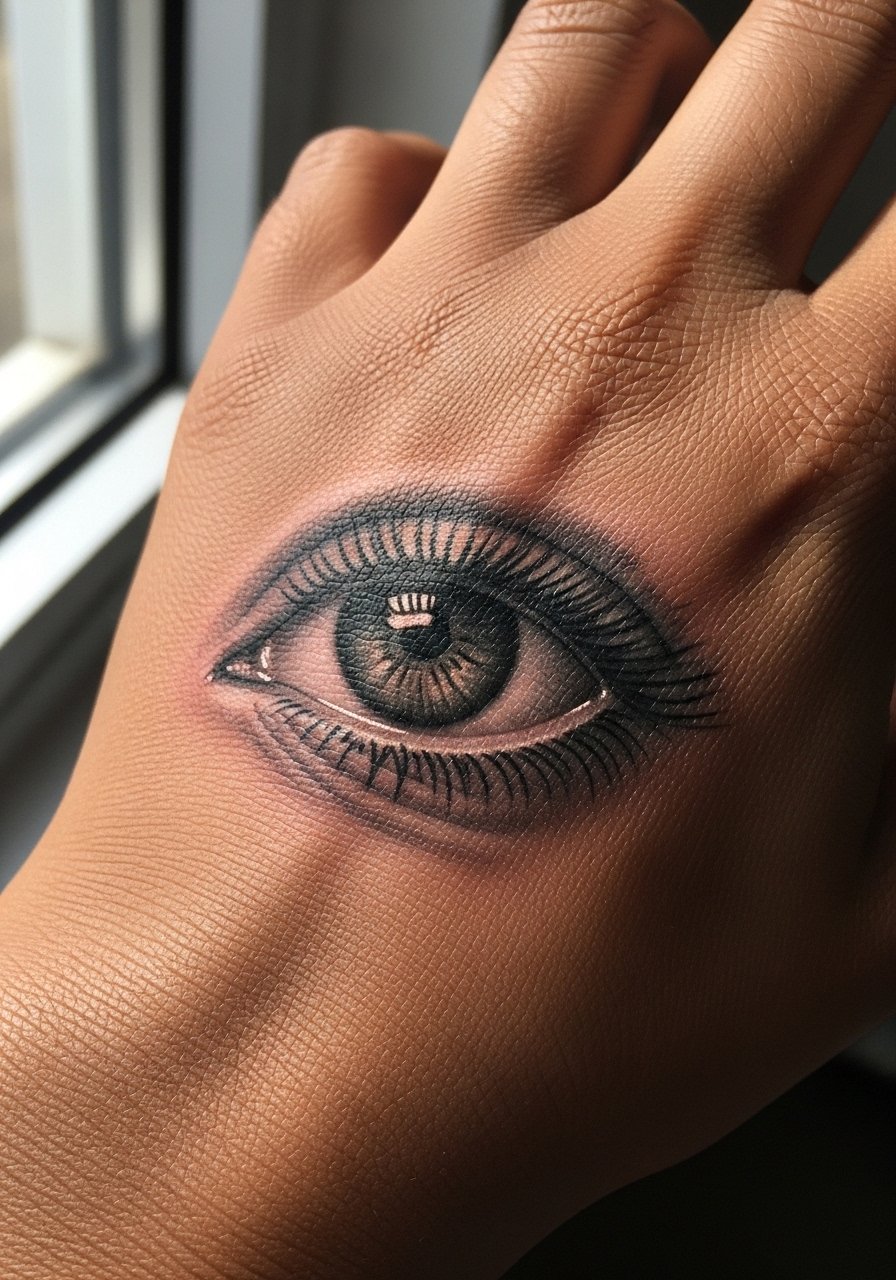
Realistic elements on the back of the hand can make a statement while still being small. Micro-realism needs contrast, so tell your artist you want crisp dark anchors with soft stipple shading rather than heavy fill. The back of the hand sees sun and abrasion, so UV exposure is the main enemy. A real mistake is asking for too many tiny lashes or highlights that disappear fast. Wear a wide-brim hat to reduce sun exposure when showing off fresh work outdoors. Expect yearly reviews and touch-ups if you value crisp detail.
6. Geometric Triangle Stack at the Wrist Base
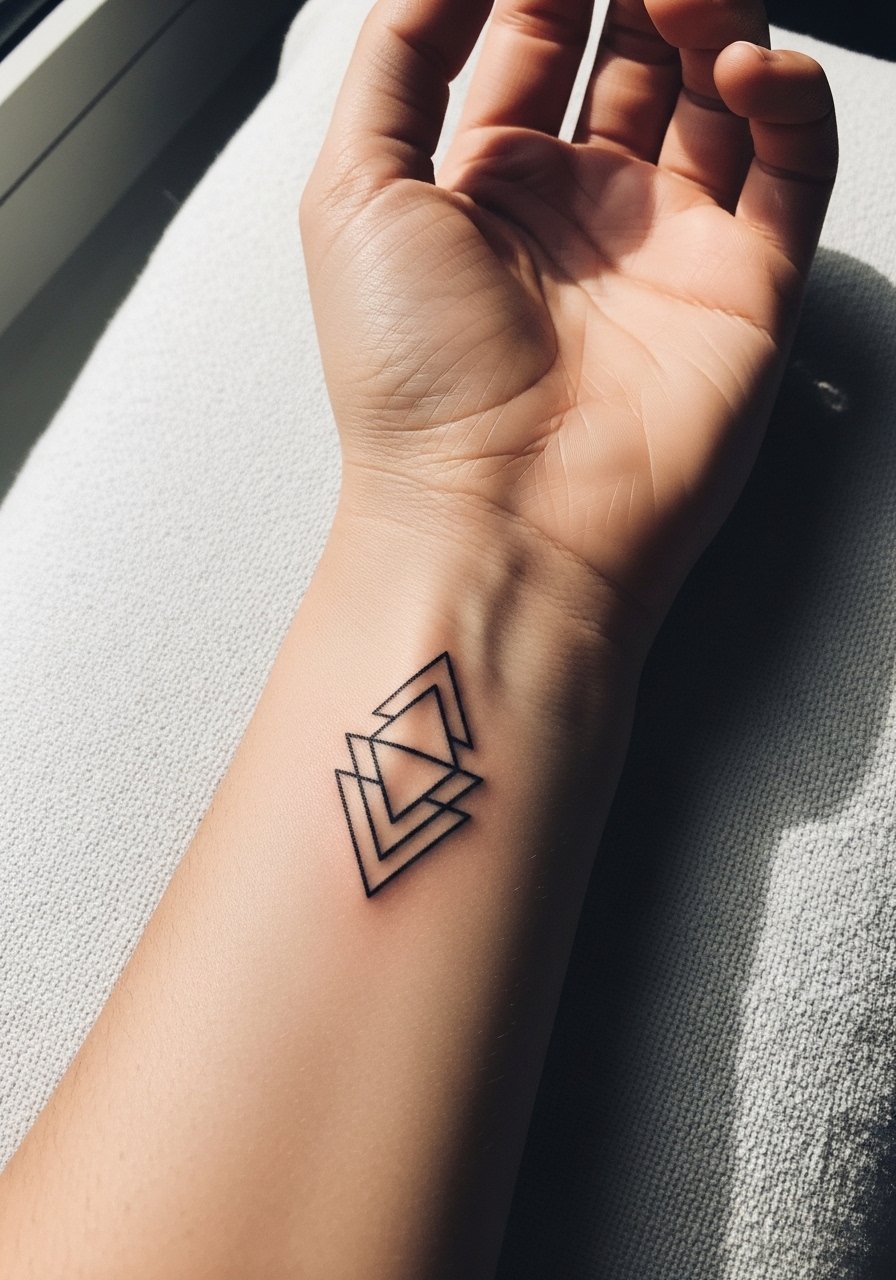
A geometric stack close to the wrist reads modern and edits easily into sleeve work later. Ask for negative space between shapes to prevent dense line convergence. This spot handles slightly larger lines better than fingers. The main mistake is shrinking the geometry too small for skin texture. For session wear, a loose linen sleeve shirt you can push up makes access easy while keeping fabric off the fresh ink. Expect mild fading where bracelets sit and a touch-up at year two for pristine edges.
Pre-Session Essentials
The wrist and finger pieces above heal differently than palm or back-of-hand work, so a few targeted items smooth the appointment and the first week.
-
Stencil transfer paper kit. Lets you preview placement and scale on the smaller hand canvases before the needle touches skin.
-
Topical numbing cream. Applied per directions, it eases sharp spots on knuckles and palm edges without altering the linework.
-
Thin protective film roll. Helps guard finger and wrist pieces from soap and friction during the first few showers.
-
Fragrance-free gentle body wash. Cleanses without stripping moisture from delicate fine line work on the hand.
-
Aquaphor healing ointment. A thin layer locks in moisture for the initial healing window without clogging fine channels.
7. Single Line Leaf Following the Thumb
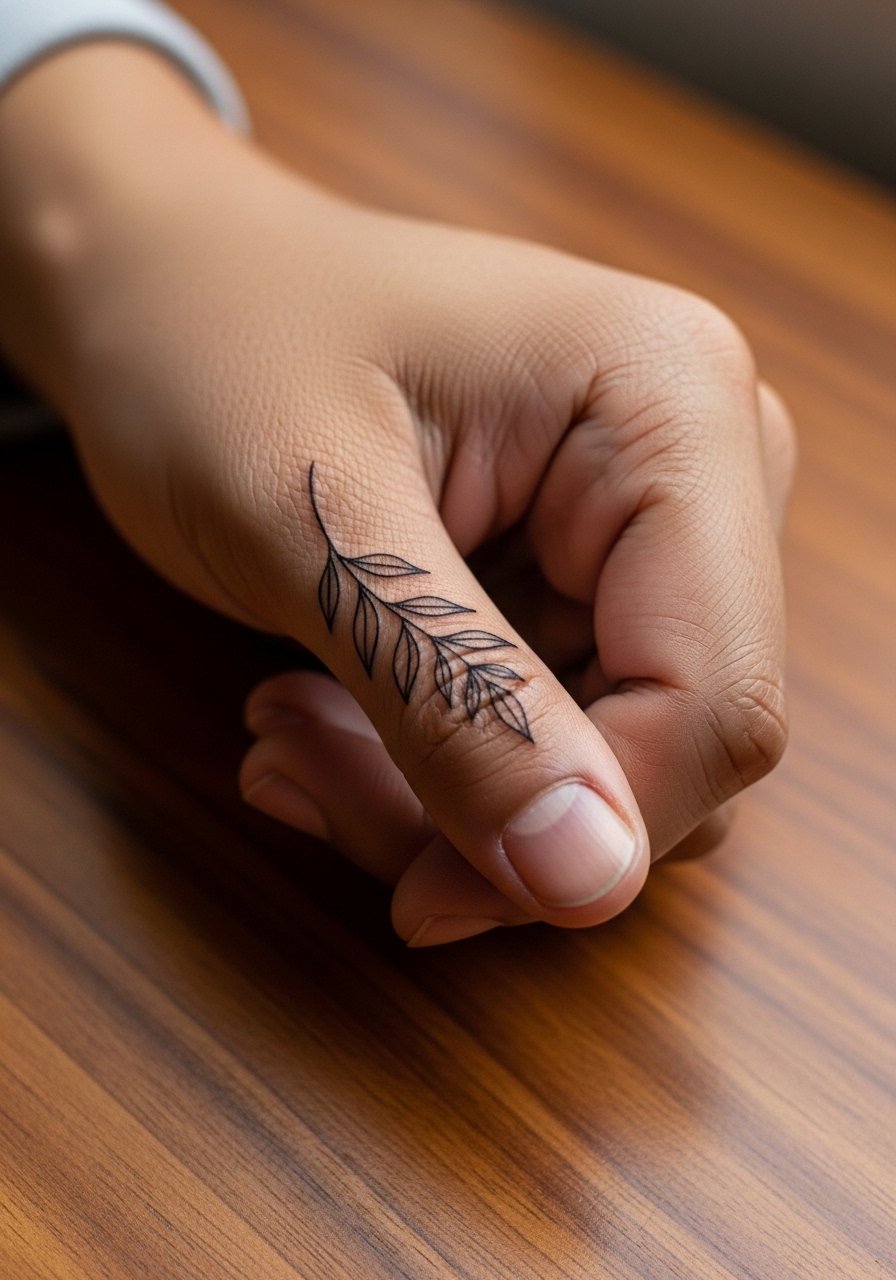
A single-line leaf follows natural hand curves and ages more predictably than packed botanicals. In consultation, ask for flow that follows tendon lines and for moderate line weight so the leaf maintains silhouette as it softens. The mistake is requesting micro veins inside the leaf that vanish after a year. For showing off, pair it with a thin chain bracelet that sits below the design so the eye rests on the leaf not the jewelry. The session feels odd because the thumb area is mobile, but discomfort is manageable and touch-ups are often minimal if spacing was planned.
8. Tiny Anchor on the Side of the Little Finger
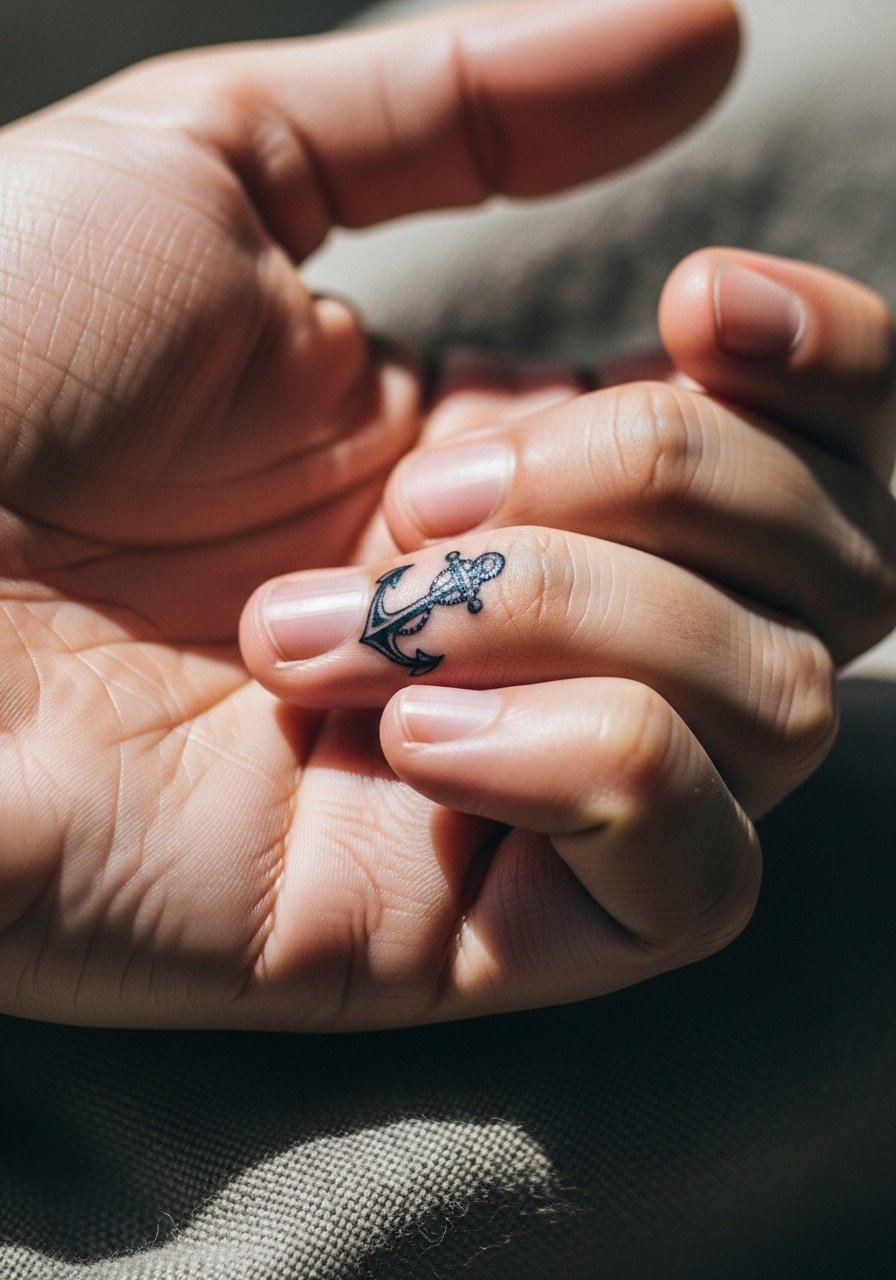
Side-of-finger anchors are classic and translate well at a small scale. Ask your artist for a slightly bolder outline than you think you need to keep the silhouette legible as the skin texture changes. A common mistake is adding tiny internal shading in such a compact shape. For the appointment, wear a soft cotton tee that lets the artist lay the hand flat without wrist strain. Expect the piece to soften first in the inside curves. A touch-up at year one keeps it crisp.
9. Dainty Mandala Quarter on the Back of the Hand
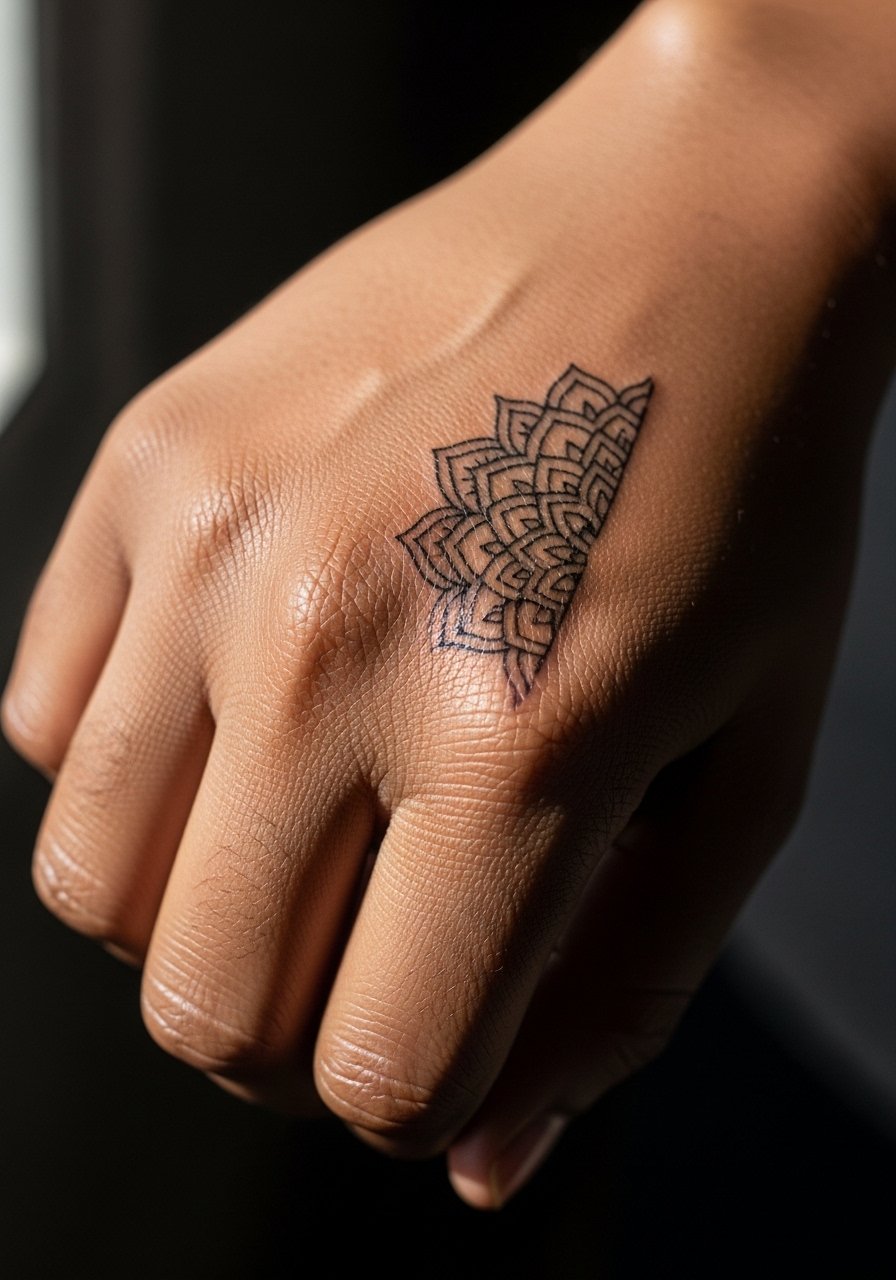
A quarter mandala anchors to the back of the hand without trying to pack a full face into a small area. Tell your artist you want spaced linework and open negative zones so the pattern does not merge. The common error is high density in the center. For showing off, a minimalist ring set on adjacent fingers frames the mandala without covering it. Expect softer detail by year two, especially if the back of the hand gets daily sun.
10. Scripted Date Along the Thumb Side
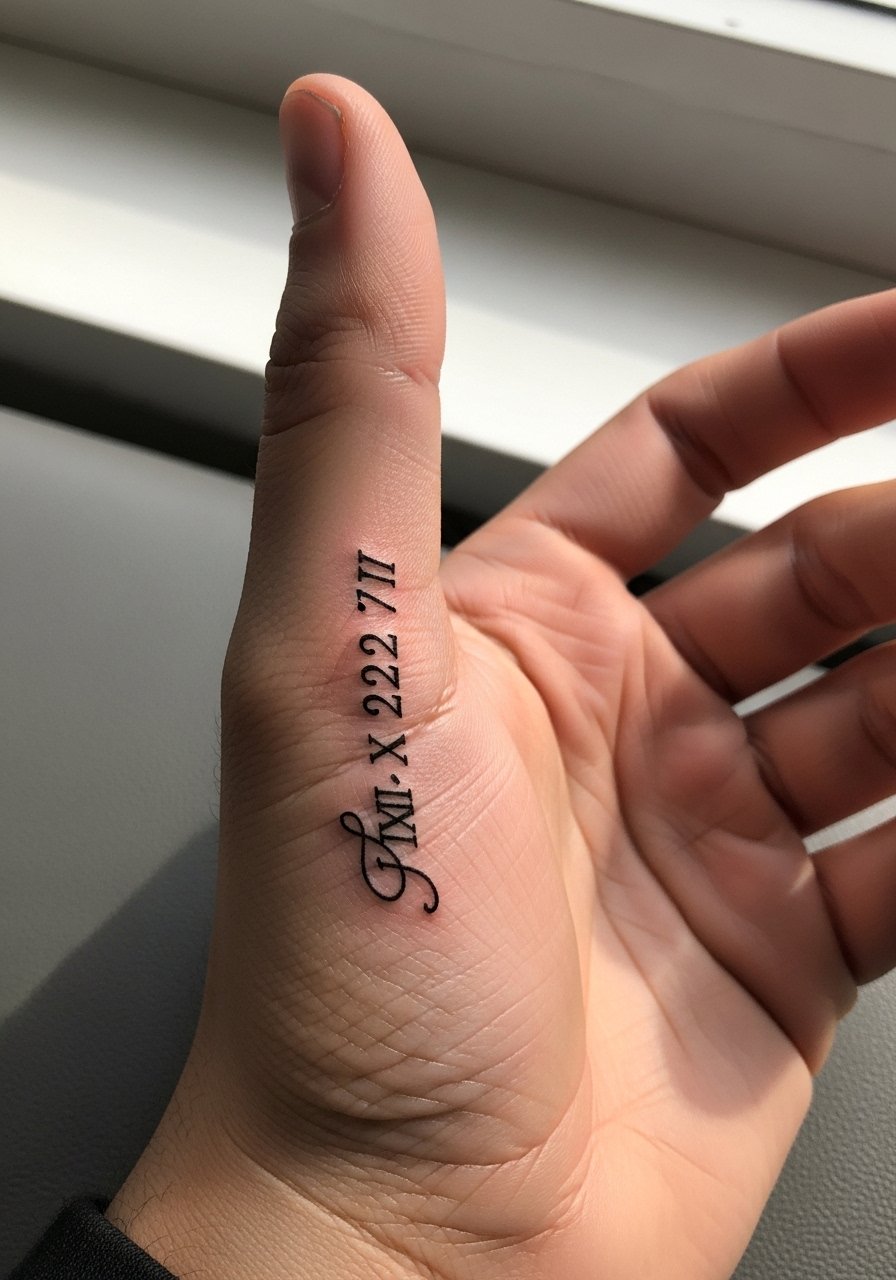
Dates anchor meaning while staying small. For thumb-side script, ask for roman numerals or small caps in a slightly wider type so the numerals do not blur. A mistake is choosing an ultra-thin modern script that vanishes. For session comfort, wear a zip-up hoodie you can move aside so the hand rests naturally. Touch-ups at two years are not unusual for thumb-side text.
11. Small Linework Snake Curling from Wrist to Hand
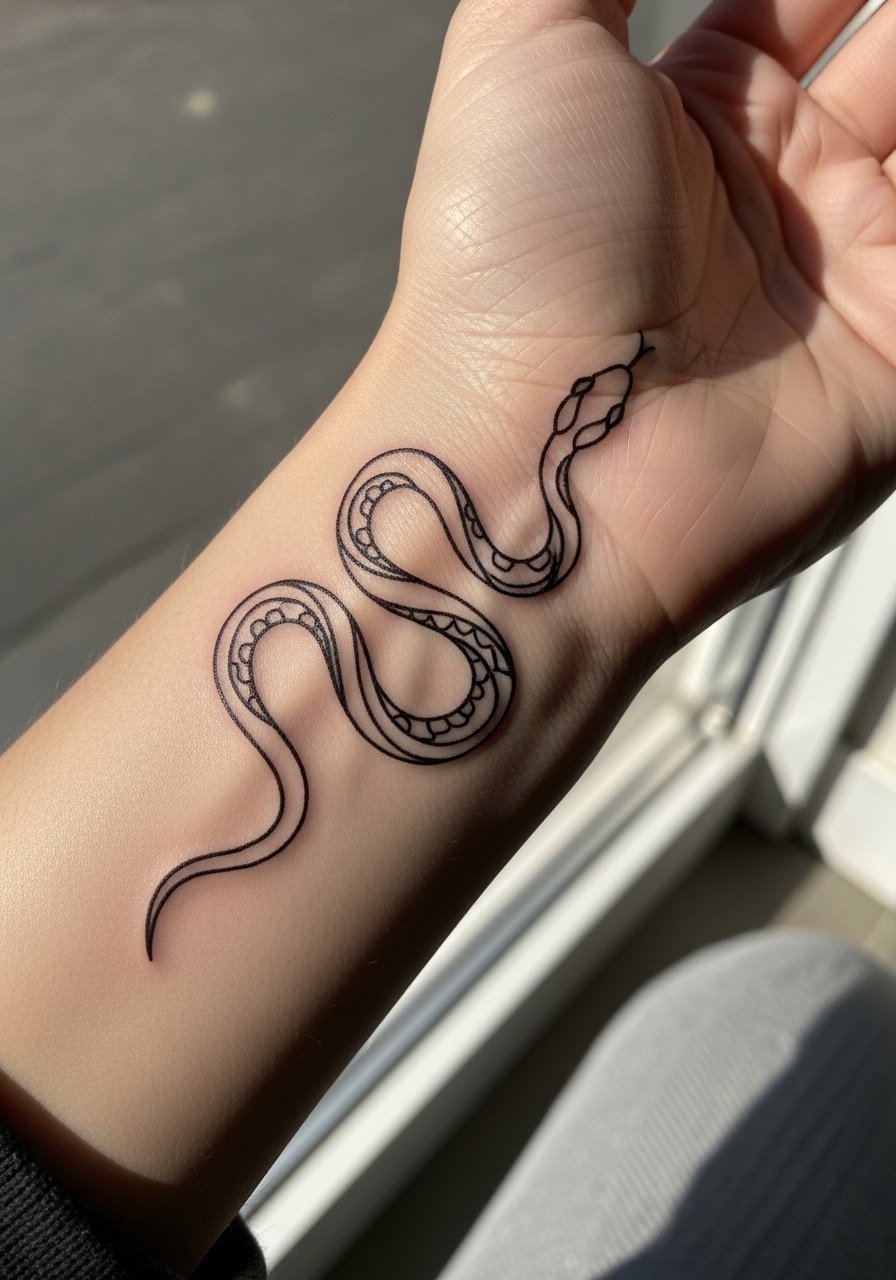
A curling snake plays with movement when it transitions wrist to hand. Ask for moderate spacing between coils, and instruct your artist to avoid micro-scale scales that disappear. The wrong choice is crowding the coils in a tiny area. For show-off pairing, a simple leather bracelet below the wrist highlights the transition without competing. Expect some edge fading where bracelets and sleeves rub, and plan a touch-up if you keep close detail.
12. Tiny Anchor Palm Edge Near Base of Palm

Anchors near the base of the palm can last longer than interior palm pieces but still take more abrasion than wrist work. Ask for compact negative space and a slightly thicker contour line to protect shape. The common mistake is packing in fine internal detail. For the session, choose easy slip-on shoes if needed for comfort so you can focus on staying relaxed without fabric tugging at the hand. Palm-adjacent healing moves quickly but expect a touch-up plan with your artist.
13. Tiny Crescent Moon on the Side of the Hand
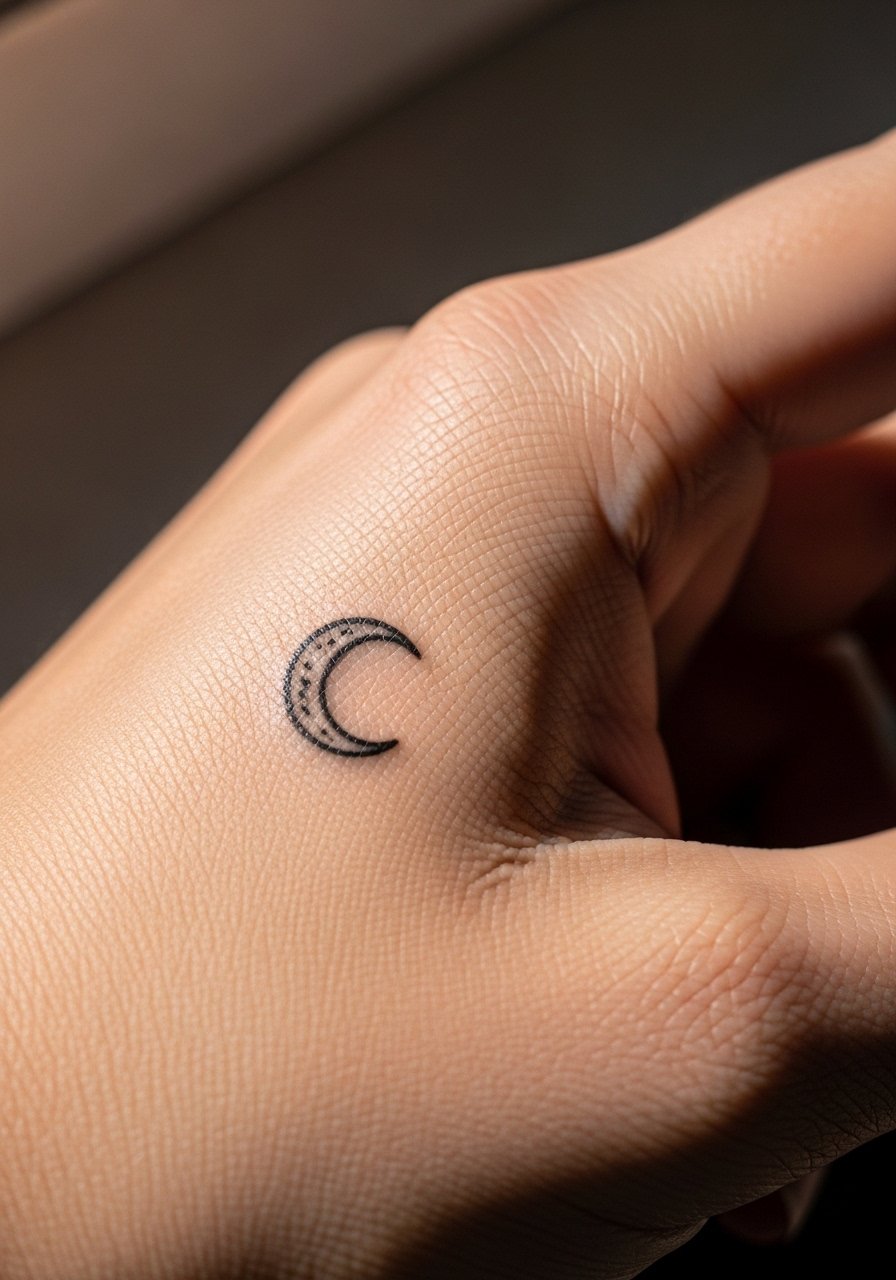
A crescent moon is a timeless small motif that sits well near the pinky or side of the hand. Tell the artist you want a gentle curve and moderate line thickness. A mistake is choosing ultra-fine crescents that disappear with daily use. For showing off, a thin stacking bracelet positioned below the moon draws attention without hiding it. Expect the curve to lose the fine tip before broader sections, and plan a touch-up if you want a defined silhouette long-term.
14. Micro Geometric Arrow Along the Middle Finger
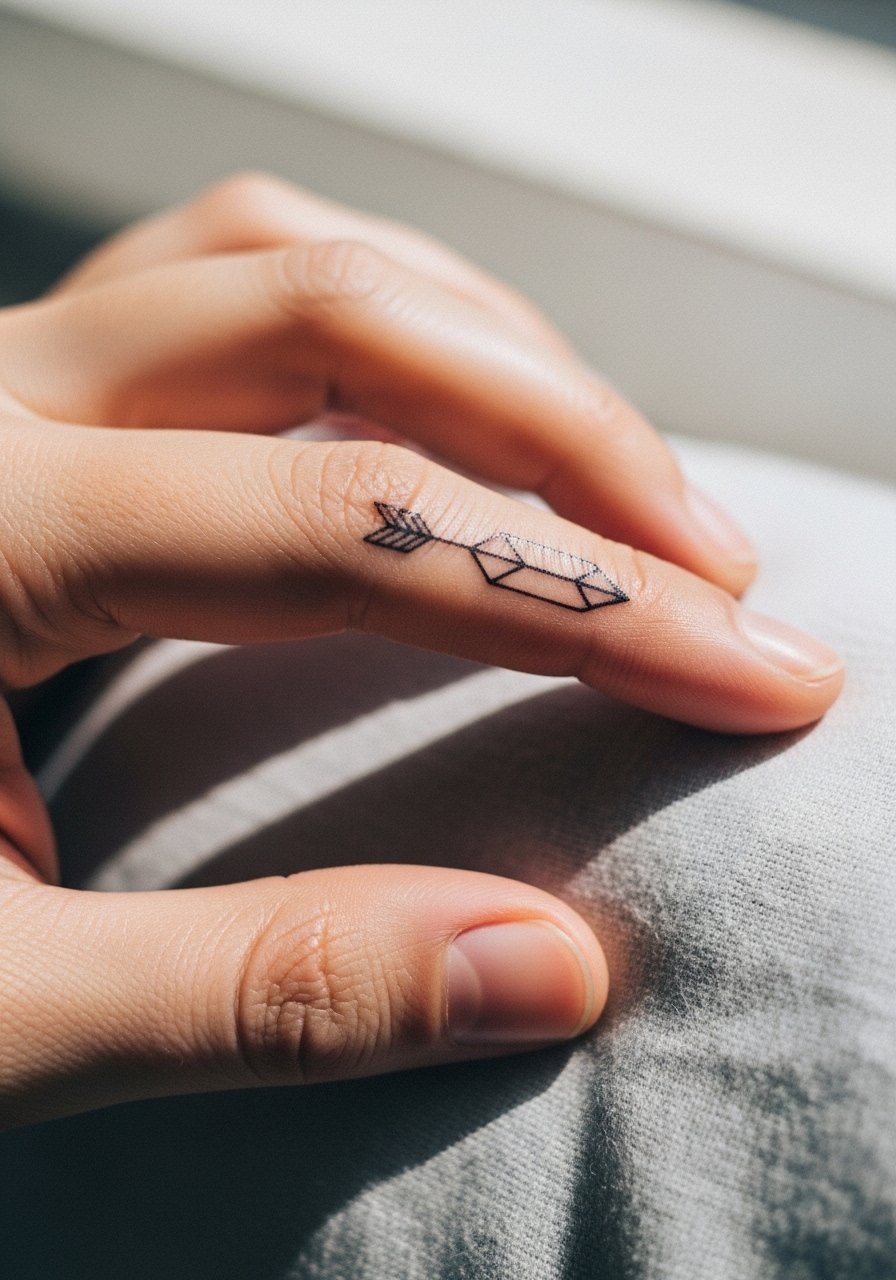
An arrow along a finger reads directional and clean when kept simple. Ask for clean anchors and a faint negative gap between shaft and arrowhead so the two parts do not merge. The common mistake is over-detailing the head. For the appointment, wear a short-sleeve button shirt to keep the arm free and comfortable. Finger top tattoos take daily knocks, so expect fading faster than wrist pieces and a likely touch-up within 12 to 18 months.
15. Tiny Symbol Behind the Thumb Pad
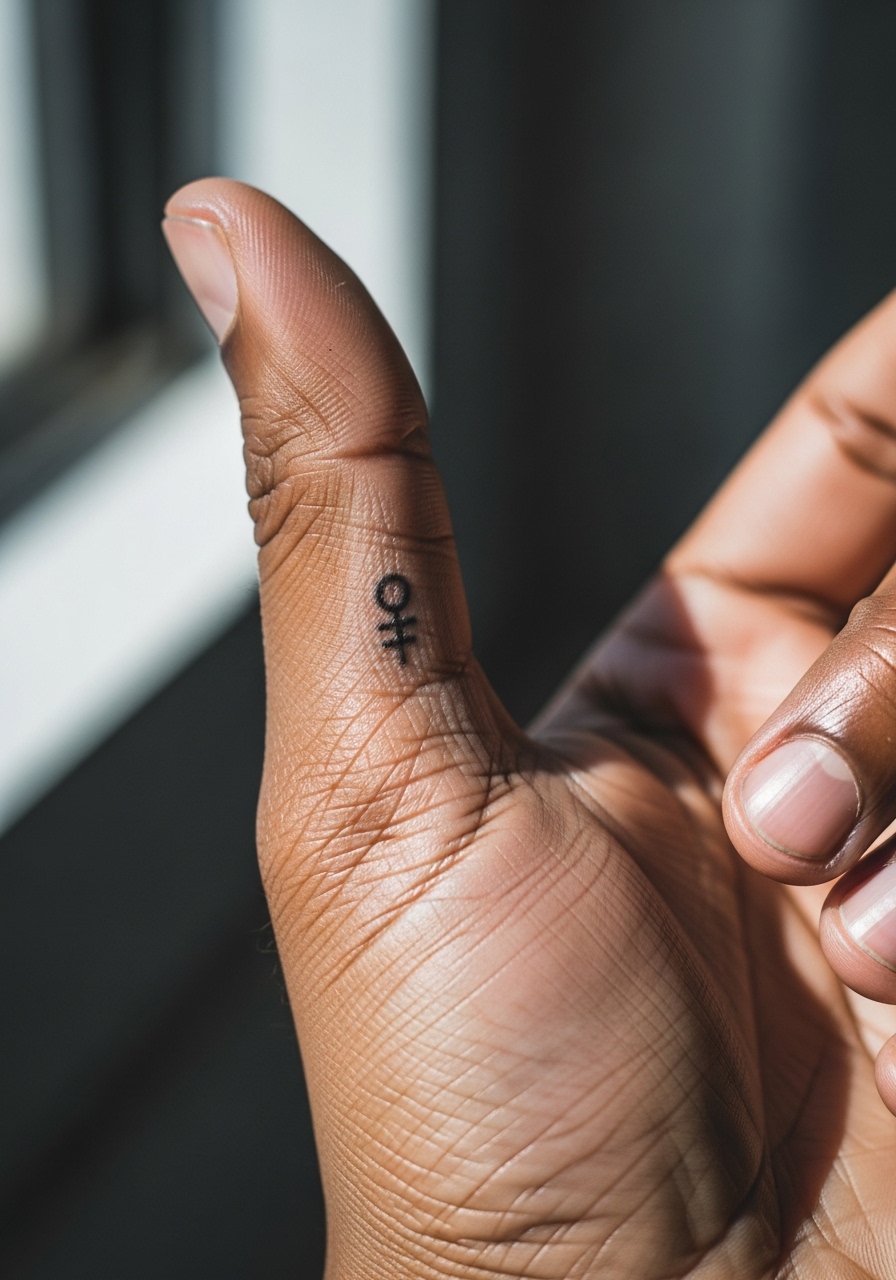
The area behind the thumb pad is discreet and durable compared with palms. Request a compact silhouette and ask the artist for a slightly bolder contour to preserve the icon. People often err by choosing micro details that fill the space. For session prep, wear a roomy sweatshirt you can pull aside so the artist can position your hand comfortably. Expect moderate longevity and a periodic touch-up for crisp edges.
16. Tiny Floral Dot Cluster Near the Wrist Crease

A small floral cluster near the wrist crease is visible but less exposed than the knuckles. Ask for dot work and minimal petals so the cluster reads as texture not fine detail. A common mistake is requesting dense shading that blurs. For showing off, roll a sleeve back and wear a thin bracelet cuff below the cluster so the tattoo sits between jewelry rather than under it. Expect the cluster to disperse slightly over years and plan touch-ups if you want defined dots.
17. Tiny Zodiac Glyph on the Side of the Finger
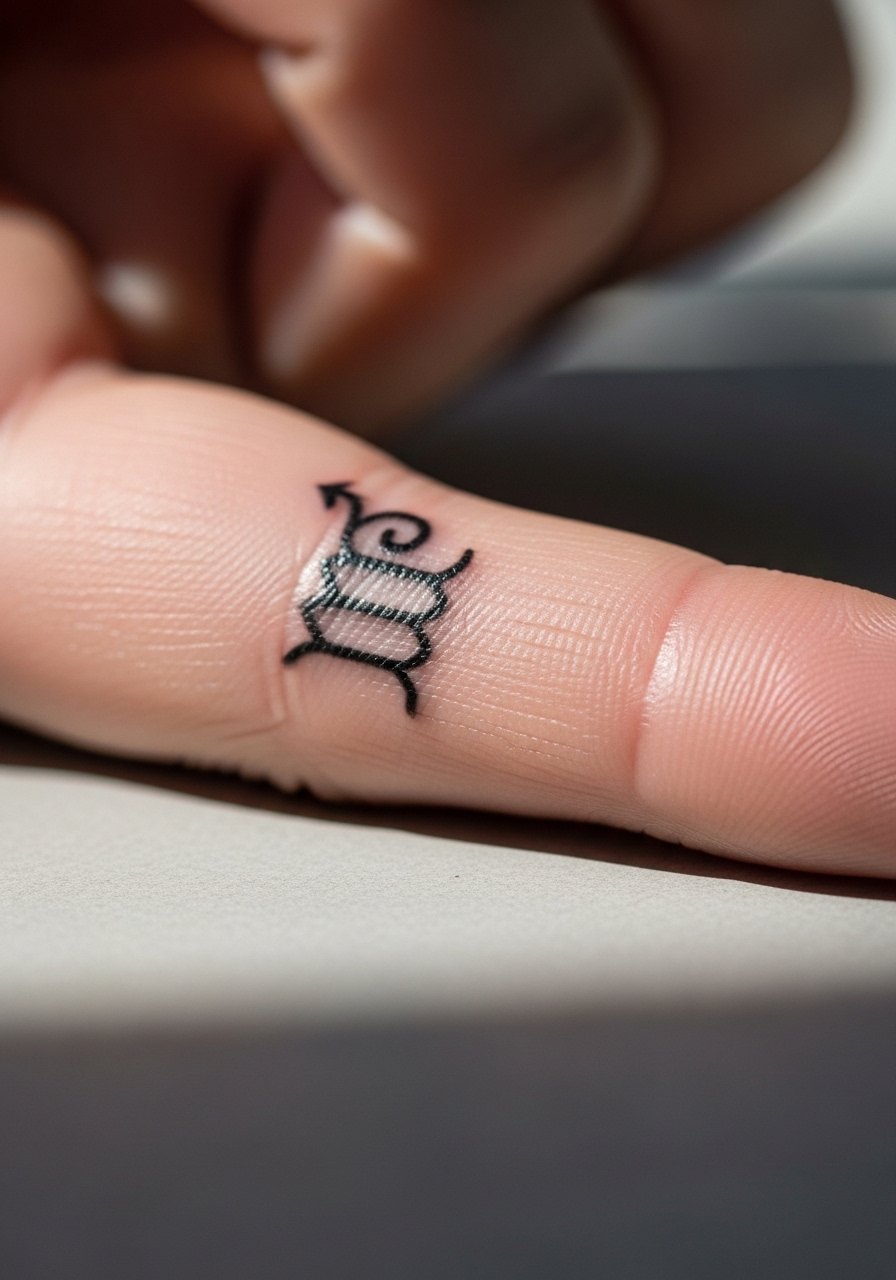
Glyphs work well in tight finger spaces when kept as single strokes. Tell your artist you prefer a slightly thicker stroke than your photo reference to avoid feathering. The error is choosing ornate script-like glyphs that the skin cannot hold. For the session wear, bring a loose button-down shirt so the hand rests flat without tension. Expect touch-ups at the one-year mark if you want clarity.
18. Micro-Fine Anchor on the Back of the Thumb
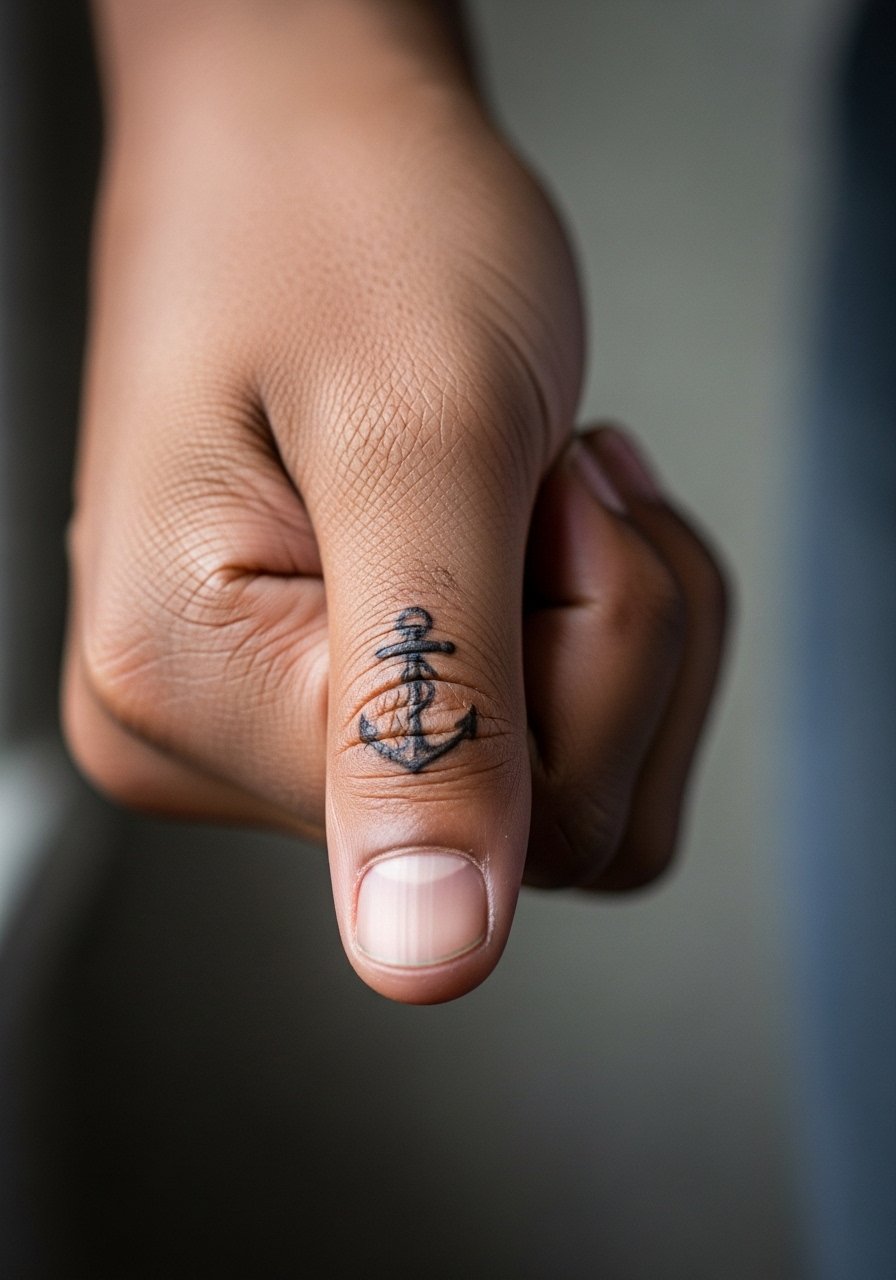
Back-of-thumb anchors stand out without the high abrasion of the palm. Ask the artist for a slightly denser outline and minimal internal shading. A common mistake is expecting microscopic detail in such a small area. For showing off casually, add a thin chain bracelet below the wrist so attention lands on the hand. The minor pain is focused and quick. Plan for a touch-up at the 12 to 18 month mark to refresh edges.
19. Tiny Geometric Bar Between Thumb and Index
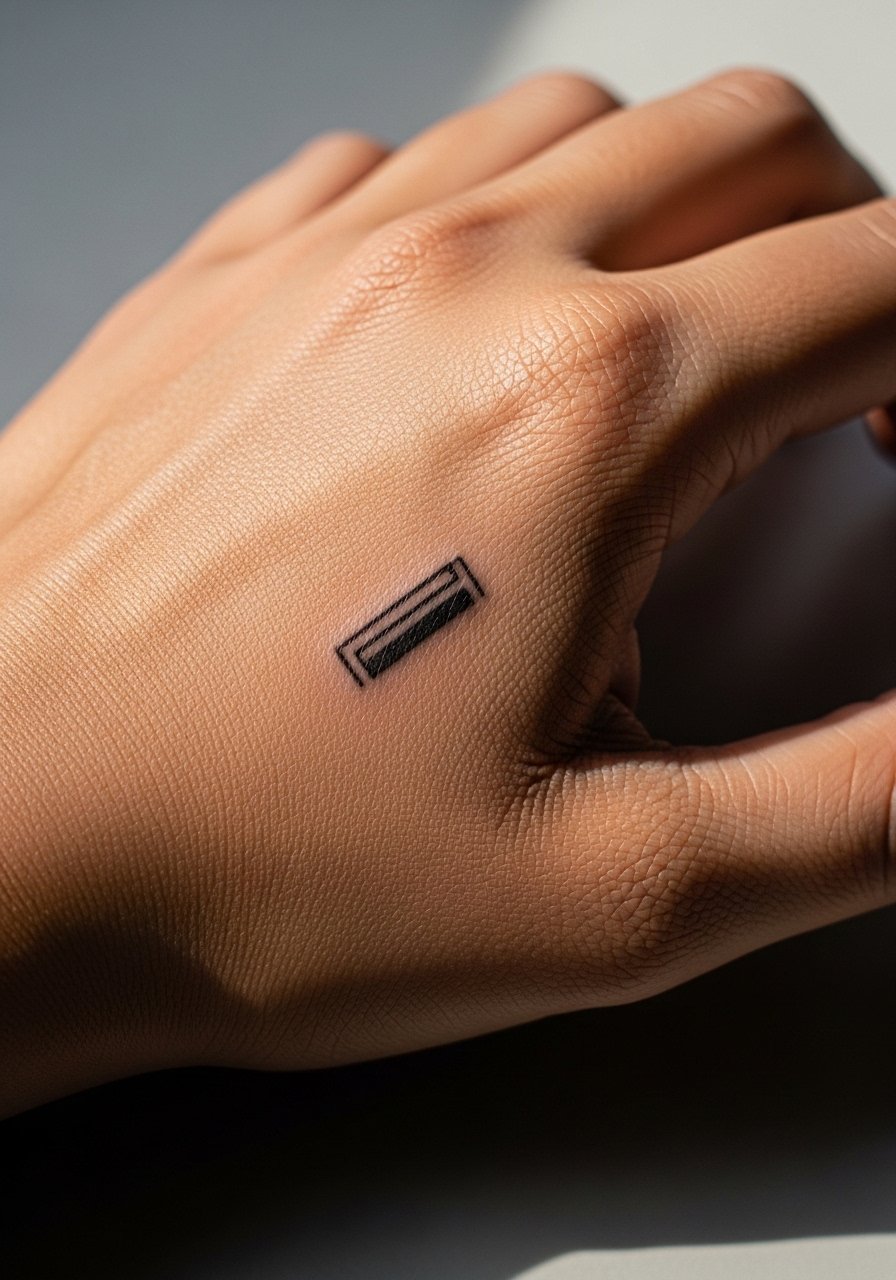
A minimal bar in the thumb-index web is low-profile and modern. Ask for a bit of negative space around the bar so it does not bleed into surrounding texture. The common mistake is choosing extreme thinness. For session ease, wear a short-sleeve tee to keep the area accessible. This zone takes contact, so anticipate light softening and a small touch-up if you want a sharp rectangle over time.
20. Tiny Botanical Sprig Along the Back of the Hand
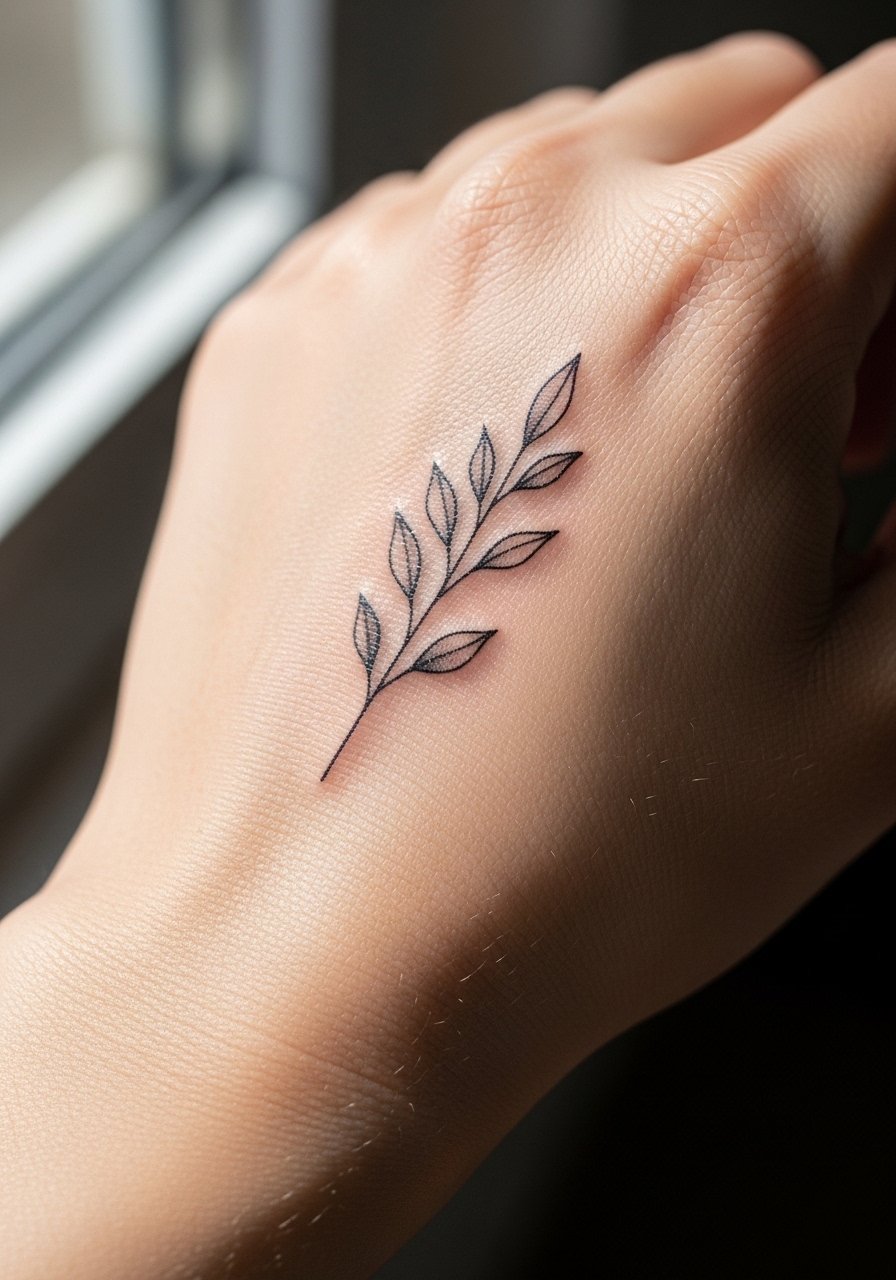
A sprig along the back of the hand can complement rings and bracelets. Request single-needle stems and slight negative gaps between leaves. The real mistake is packing delicate veins into the leaves. For evening looks, a simple open-back dress frames the hand in photographs and keeps focus on the sprig. Plan on light loss of fine leaf tips within two years and a potential touch-up if you want defined edges.
21. Tiny Compass Point Near the Wrist Tendon
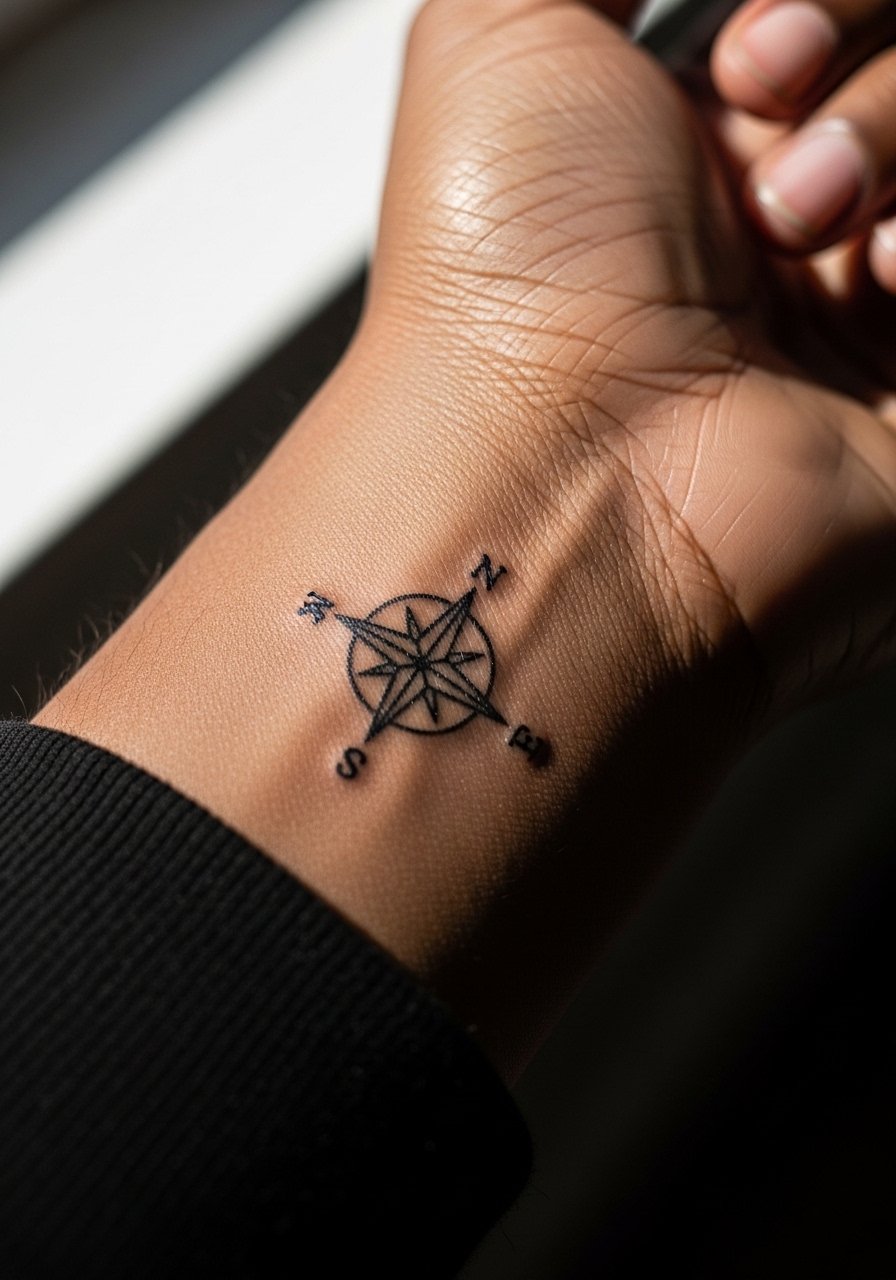
A compass point sits well near tendons and interacts with movement for a subtle dynamic. Ask for clear anchor points and modest line thickness to prevent lines merging as the skin moves. A common mistake is requesting tiny internal markers that wash out. For show-off pairing, wear a minimalist watch that leaves the compass visible and frames the area. Expect minor softening at high-contact edges and plan a touch-up to keep the point crisp if you value exact lines.
Frequently Asked Questions
Q: Will fine line finger tattoos blur faster than other hand placements?
A: Fine line on fingers does soften faster than on the back of the hand because the skin there stretches and meets frequent friction. In my experience, spacing and slightly heavier line weight at the outset slow the blurring, and a touch-up within one to two years keeps the design readable.
Q: Can micro-realism work on the back of the hand without losing detail?
A: Micro-realism can hold on the back of the hand if the piece is small, high-contrast, and has planned negative space. Ask your artist for anchor points of dark saturation and soft stipple instead of tiny highlights that vanish with time. Sun protection and occasional touch-ups help retain detail.
Q: Are palm tattoos worth the longevity issues?
A: Palms fade fastest because of constant use and thicker skin. Some people choose palm work for symbolism and accept frequent fade. Others prefer palm-edge or adjacent placements that keep the look but require fewer touch-ups. Decide based on how often you want maintenance.
Q: How should I prepare clothing-wise for a knuckle or finger session?
A: Wear looser sleeves you can roll and a top that does not tug at the wrist. A loose button-down shirt or soft tee keeps your arm comfortable and gives the artist clear access without fabric snagging the fresh ink.
Q: Do workplace considerations still affect hand tattoos?
A: Yes, hand tattoos remain visible and can affect perception in some professions. One camp argues they are a personal expression that should not influence hiring. The other camp warns that certain conservative workplaces still judge visible ink. Think through your career path before committing to large or central hand pieces.
Q: How often should I plan touch-ups for hand tattoos?
A: Plan a check-in at six to twelve months and then every one to three years depending on placement and how much sun or friction the area sees. Small pieces like finger dots may need touch-ups sooner, while back-of-hand work often lasts longer between refreshes.