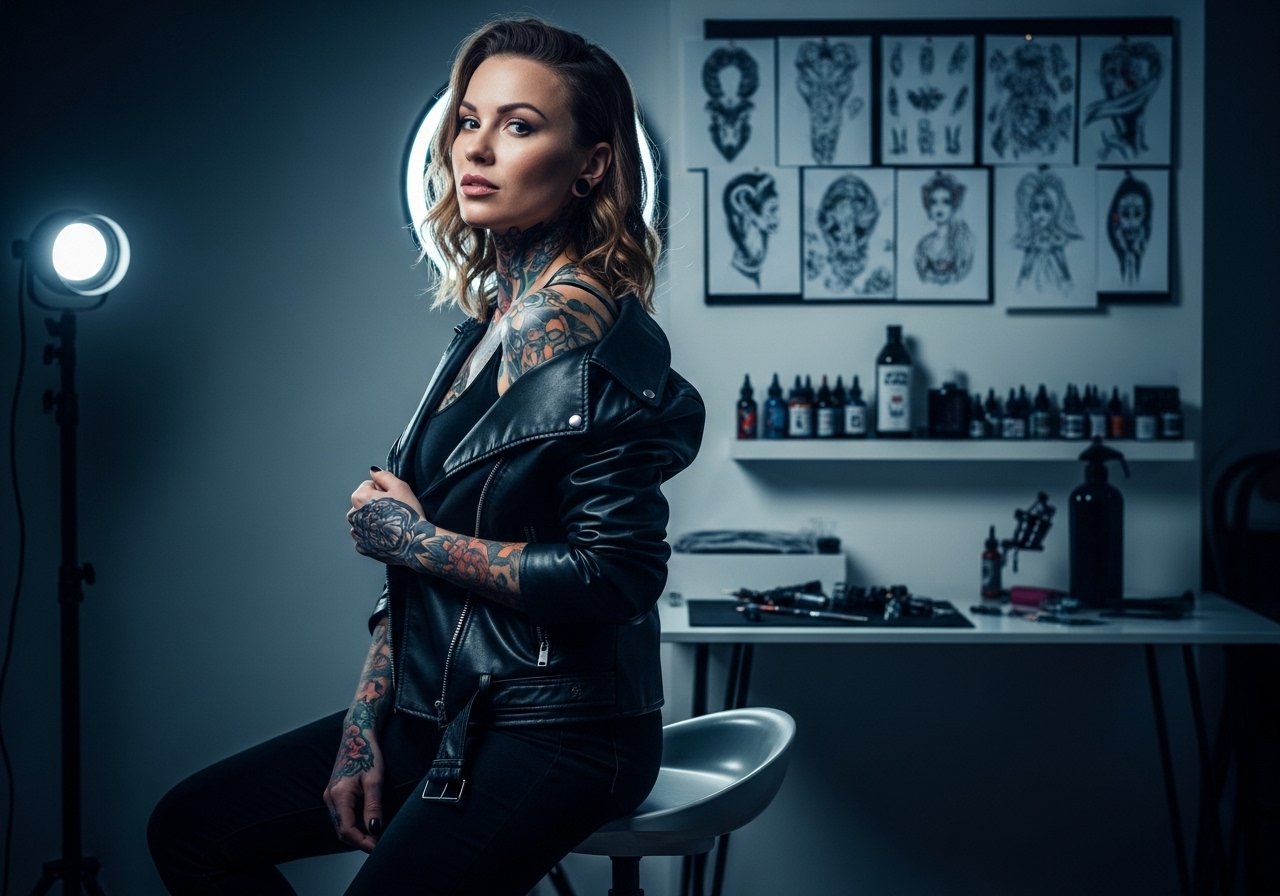
Fine line wrap styles look delicate on the page but behave like any tattoo when skin moves, rubs, and meets sunlight. I keep noticing the same trade-offs in shops: if you want a wrap that reads crisp after two years you pick placement and spacing first, then line weight. Read on for 21 wrap ideas that account for flexion, wardrobe, and realistic healed aging so you get the look that lasts.
1. Fine Line Vine on Outer Forearm

A thin vine that snakes once around the outer forearm is a classic subtle wrap. Pick slightly thicker primary stems so the piece keeps contrast when the thinner tendrils soften at year two. Tell your artist you want a single-needle look but with one to two anchor stems that read from a distance. Common mistakes are packing too many tiny leaves into a short span and placing dense detail where the arm flexes. Pain is low to moderate and a session usually fits under two hours. For the appointment wear a loose button-down shirt you can roll without rubbing the stencil.
2. Minimalist Geometric Band at the Wrist
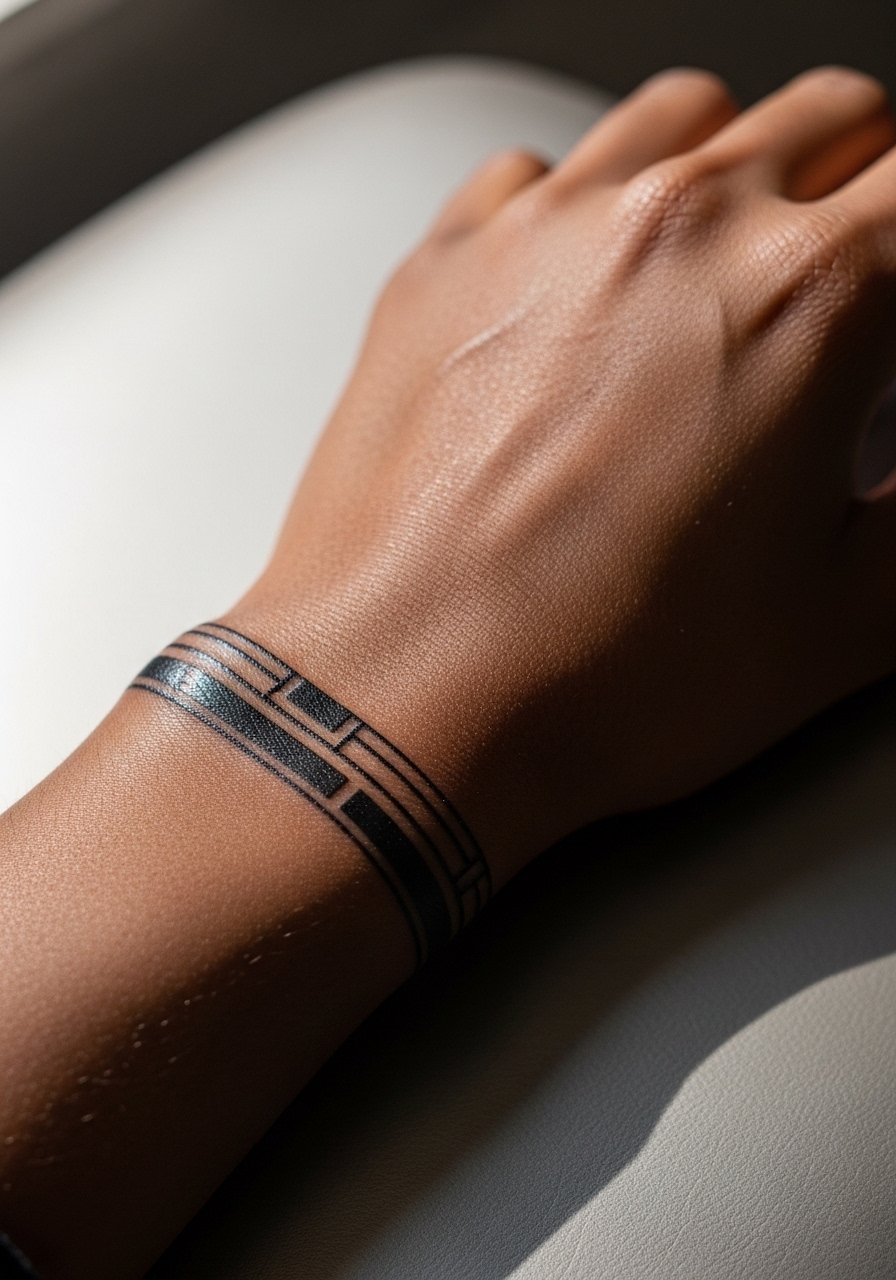
A thin geometric band around the wrist reads like jewelry and is forgiving in photos. The biggest trap is going too tight with complex geometry; lines that are too close will blur into each other as the wrist moves. Ask for slightly more spacing between repeating shapes and a mock stencil so you can see how it sits against your watch or bracelets. Expect a single short session and a touch-up around year two if you have high daily friction. Pair it with a thin leather bracelet on the opposite wrist to echo the tidy lines without crowding the tattoo.
3. Ornamental Floral Tendril on the Ankle
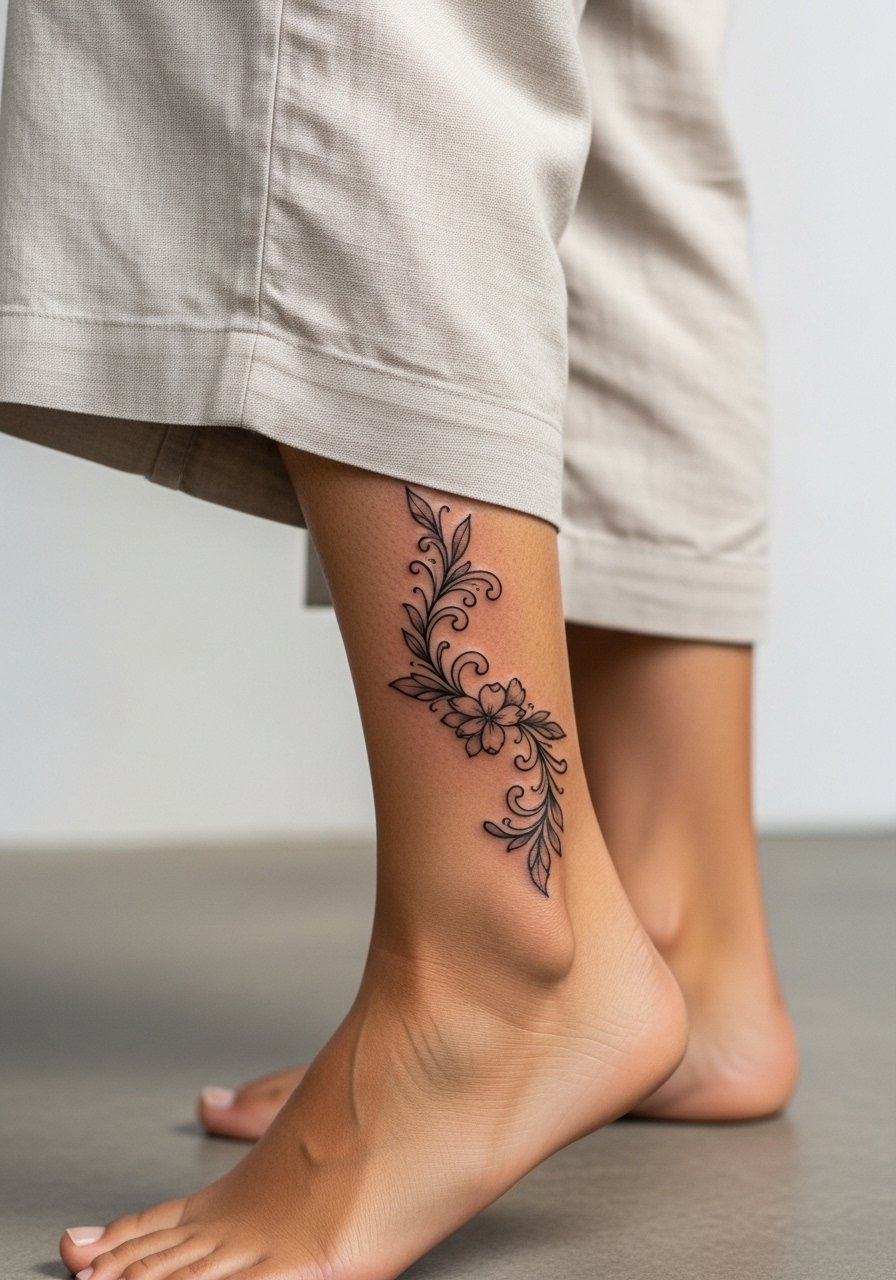
Ankle wraps sit right where socks and shoes cause friction, so planning matters. I suggest a design that lifts away from the exact sock line so seasonal outfits do not hide or rub the most detailed bits. Tell the artist you want subtle shading only on outer petals and to avoid dense filler inside small petals. Healing can be slower because of shoe rubbing and showers. A common mistake is placing heavy color where the ankle bends; that tends to crack and fade. When showing it off, cropped linen pants work well, and for the session wear loose joggers or a skirt you can pull up easily, or try linen cropped pants.
4. Blackwork Wave Pattern Around the Calf
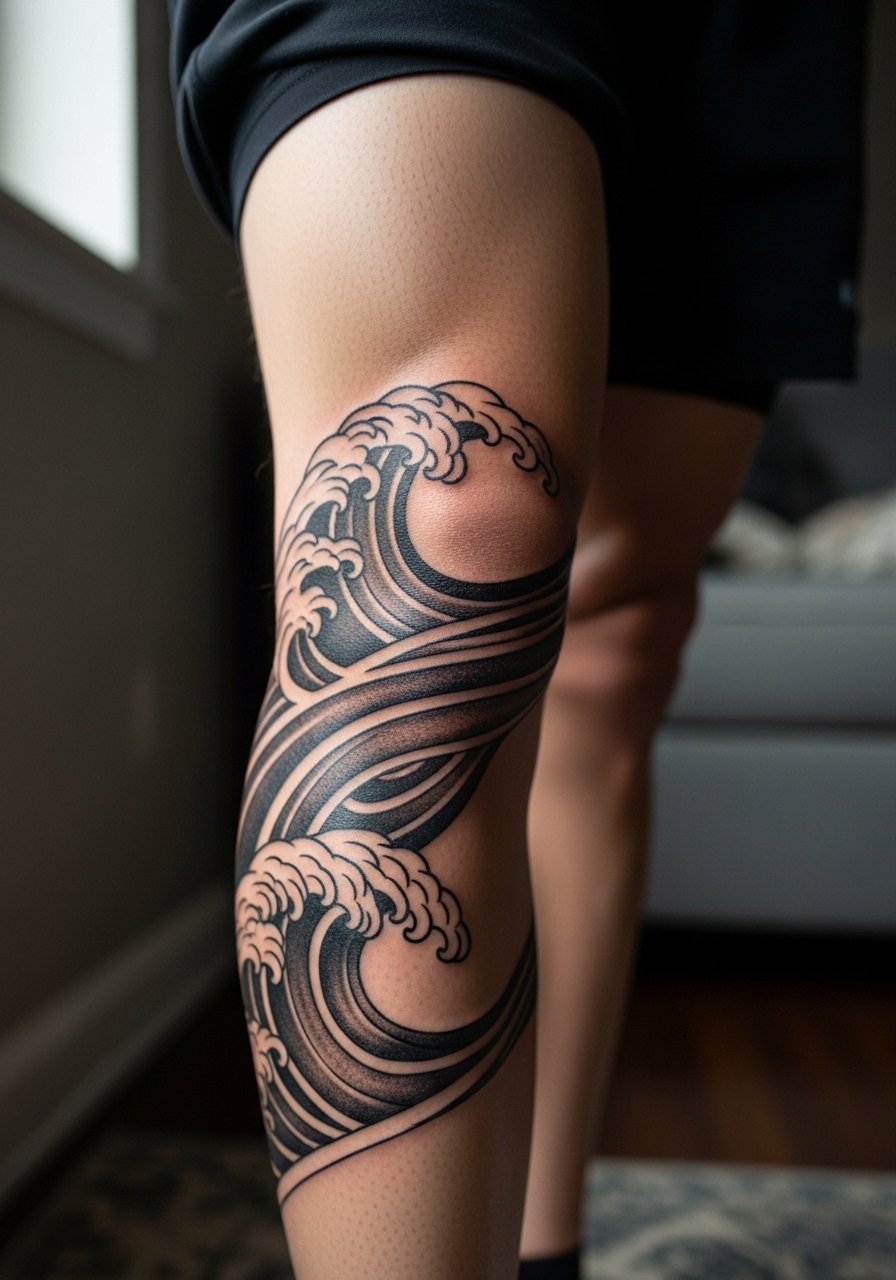
If you want a wrap that ages with boldness, blackwork waves are reliable on the calf because the skin there tolerates saturation well. Have your artist map the pattern to avoid the sock line so the main crest sits above where socks usually hit. Sessions run longer for saturated black and may require two visits for consistent fill. A downside is heat and sweat while healing if you wear trainers constantly. Expect lower blowout risk than fine line on this placement but higher session time. For summer visibility pair the design with rolled jogger pants or slim athletic shorts.
5. Watercolor Leaf Cluster on Upper Arm

Watercolor adds soft depth that follows the roundness of the upper arm, but the trade-off is longevity. Colors that are feathered and low saturation will fade unevenly over five years if placed on sun-exposed arms. To keep a subtle look longer, ask for color accents confined to leaf tips and a thin black outline under the wash. Sessions usually fit into two visits for smooth blending. A common mistake is asking for full saturation across a wrap that is meant to stay low-key. Pair evenings out with off-shoulder cotton tops, or for the session wear a loose button-down shirt you can slide aside.
6. Neo-Traditional Thorn Branch on the Shoulder

Shoulder wraps let you go larger while keeping the piece easy to hide under sleeves. Neo-traditional thorn branches work well here because the rounded surface takes color and shading cleanly. Expect longer sessions and possibly three visits for larger saturation. Artists disagree about numbing for shoulder sessions. One camp says topical numbing helps long sittings, and the other says it can affect ink settling. Ask your artist their preference and whether they will book the session across two days if needed. For the appointment wear a button-front camp shirt so you can expose the shoulder without going topless.
Studio Day Picks
The forearm, wrist, and shoulder pieces above each ask for different prep, so a compact kit tailored to those placements smooths the session and the first week of healing.
-
Tattoo Silk balm. A non-greasy post-session balm that users say sits well on curves like the ankle and forearm without clumping under socks or sleeves.
-
Healfast spray. A lighter option for wrap areas that sweat, helpful for shoulder and calf sessions where breathable protection matters.
-
InkGuard lotion. Recommended by some for fine line wraps on darker skin tones because it absorbs fast without seeming to accelerate fade.
-
Fragrance free gentle body wash. Use during the first week to cleanse without stripping delicate lines on wrist or ankle pieces.
-
Aquaphor healing ointment. A thin layer for the initial days can lock in moisture for fine line forearm work without clogging channels if used sparingly.
7. Micro-Realism Feather on Inner Bicep

Inner bicep pieces photograph well and hide easily, but the skin is softer and more prone to blowout if needles go too deep. Micro-realism feathers need precise shading and small touch-ups sometimes after a year. Tell your artist you want crisp contrast at the quill but soft barbs so the feather blurs gracefully, not into blotchiness. Sessions are short but awkward positioning can make them feel like a stretch. For the session choose a tank top so the arm can lift without fabric tugging.
8. Ignorant Style Script Along the Collarbone

Collarbone wraps are trending because they hide under work blouses yet peek with v-necks. Ignorant style script reads raw and bold, which helps it age where delicate scripts often blur. The main mistake is placing thin script too close to the bone without spacing. Ask for thicker primary strokes and a mock stencil to check placement against necklaces. Pain at the collarbone is higher than forearm but brief. For showing off, pair with a v neck tee in gray that exposes the line just enough.
9. Tiny Constellation Wrap on the Wrist and Hand

Finger and hand wraps face heavy wear from washing and typing. For tiny constellation pieces keep the stars slightly spaced and avoid super-fine connecting lines across joints. Tell your artist you want low-commitment negatives spaces between points so the pattern ages into a delicate suggestion rather than a block. Sessions are short but expect touch-ups within a year if you work with your hands often. Hand tattoos still affect hiring in some industries, so weigh the visibility before booking.
10. Thin Celtic Knot Band Around the Forearm

Interlocking knotwork looks rhythmic wrapped around the forearm but needs breathing room. The most common error is compressing too many crossings into a narrow strip. Ask for a slightly wider band with repeating negative space so the intersections do not blur together as lines settle. Expect a single session for simple bands and a touch-up at year three for crispness. For showing off try a rolled cuff chambray shirt in navy or khaki to frame the band against denim texture.
11. Minimalist Mountain Range Wrapping the Upper Forearm
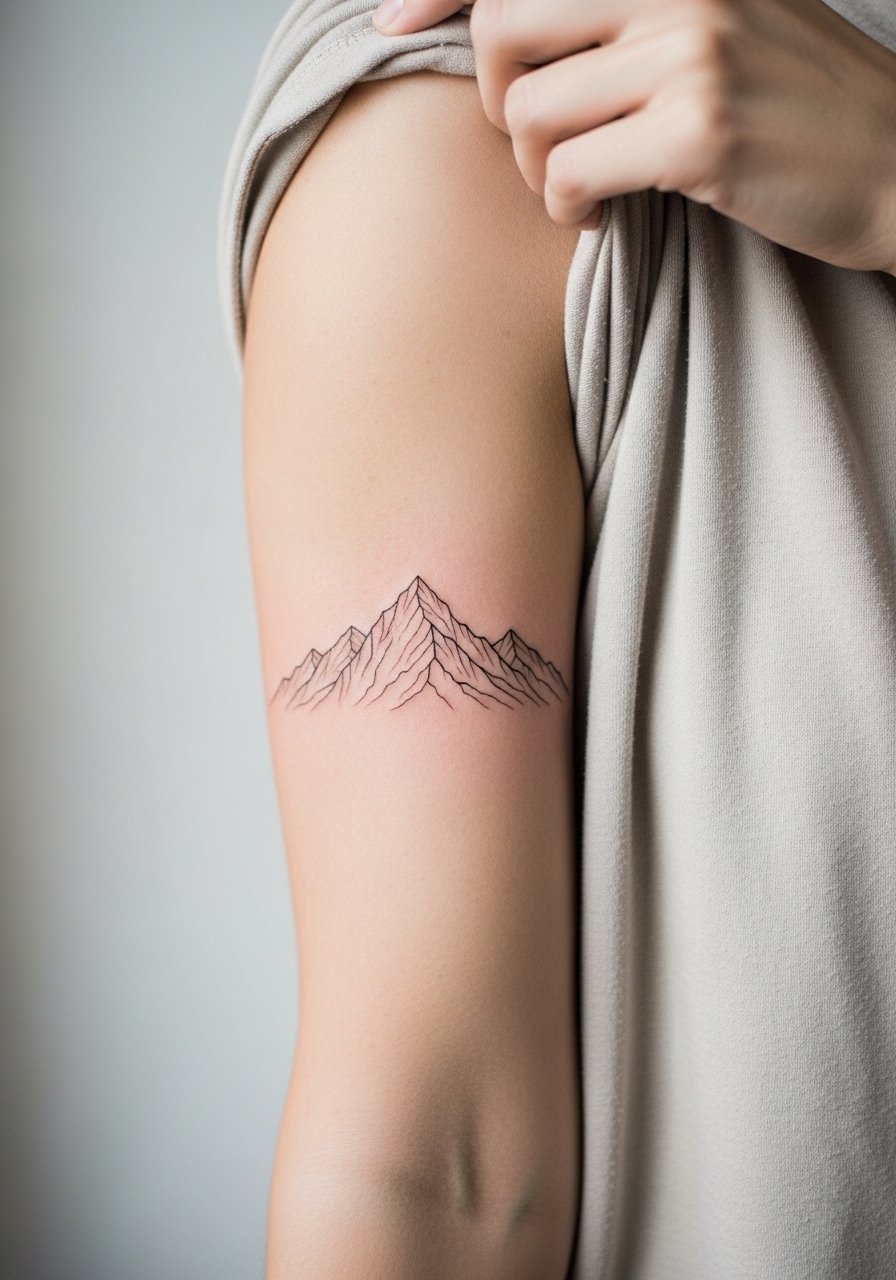
A small mountain chain that curves with the forearm can look striking without heavy ink. The key is to avoid packed stipple shading inside peaks where fine dots merge over time. Tell your artist to use sparse stipple shading and leave white space in valley zones. Flexion risk is lower on the upper forearm than the inner wrist, so fine line can last longer here. Session time is short and pain is low. During the appointment wear a loose long-sleeve you can roll without dragging the stencil.
12. Floral Tendril Encircling the Thigh High on the Leg

Thigh wraps give room for breathing and complex shapes without constant friction. For floral tendrils placed higher on the thigh, watch for body changes like weight fluctuation. The error is placing highly detailed tiny petals where skin may stretch. Ask for mid-sized petals and a composition that moves with the muscle. Sessions are comfortable and often done seated. If you plan swimsuit seasons, size the piece so it is visible with high-cut swimsuits but not bisected by waistbands.
13. Blackwork Wave Around the Thigh That Matches Sock Lines

A bold wave placed with sock lines in mind avoids half-hidden crests when you switch footwear. One detail people miss is not mapping the pattern to common socks or tights. Ask your artist to place the primary crest intentionally above or below typical sock heights. Sessions require solid fill and may take two sittings. These pieces age well when saturation is even. Pair them with rolled joggers or shorts to show off the crest during training sessions.
14. Stipple-Shaded Band Around the Upper Arm
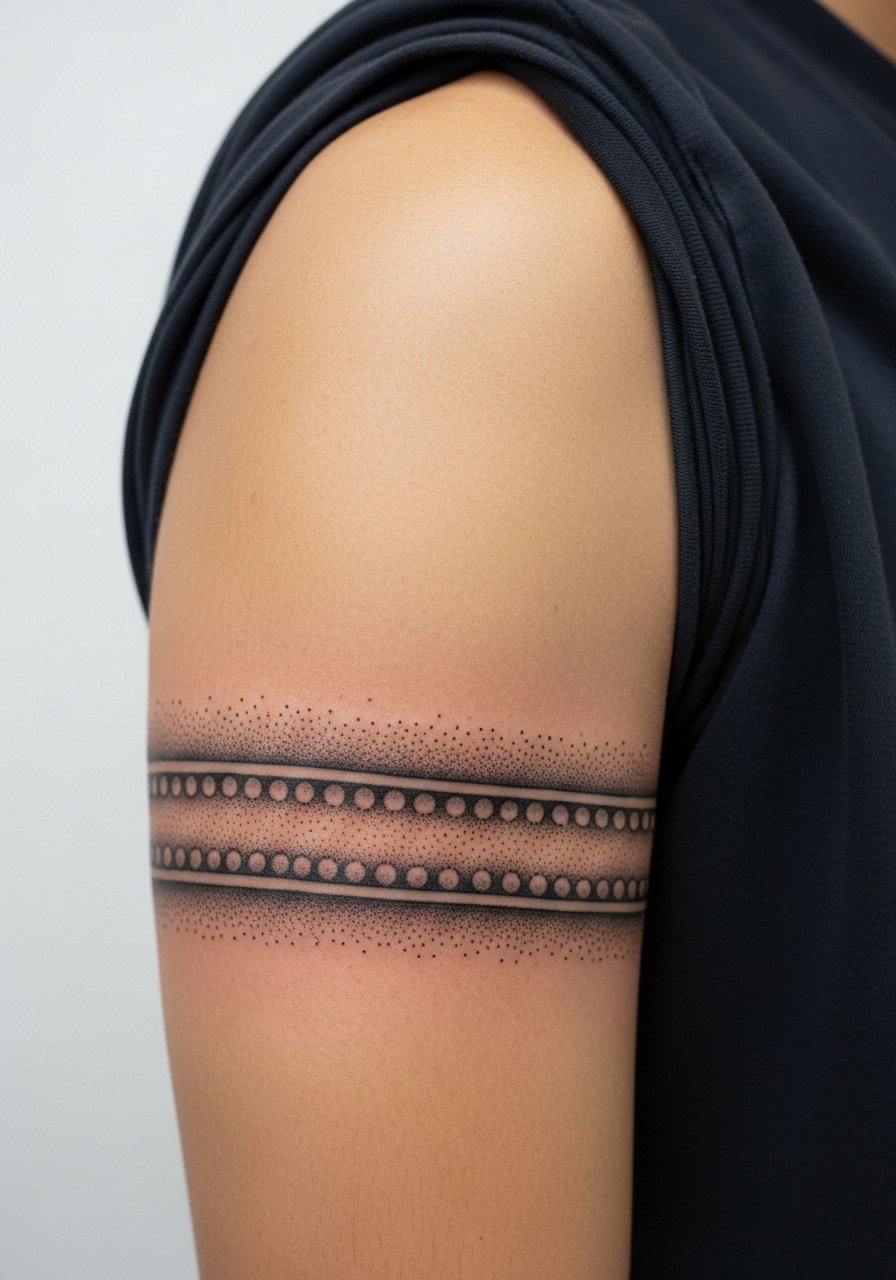
Stipple shading provides texture without heavy color and sits nicely on the pillowed upper arm. The flaw is pushing dots too densely in curved spots. Tell the artist to space dots gradually so the band reads softer at a distance. Pain is low and sessions can often be finished in one visit. Touch-ups are usually minimal. For the session wear a short-sleeve shirt or a loose tank so the artist has clear access.
15. Micro-Realism Floral Circlet at the Ankle

Detailed micro-realism works on the ankle but needs robust anchors. Tiny shaded petals often lose contrast from shoe friction. Ask for slightly bolder main petals and softer surrounding texture. Expect at least one touch-up within 18 months if you wear boots or tight shoes often. The session is short but the area swells easily. For showing the piece off choose wide-leg cropped pants in linen white and sandals.
16. Ignorant Style Chain Script Around the Collarbone
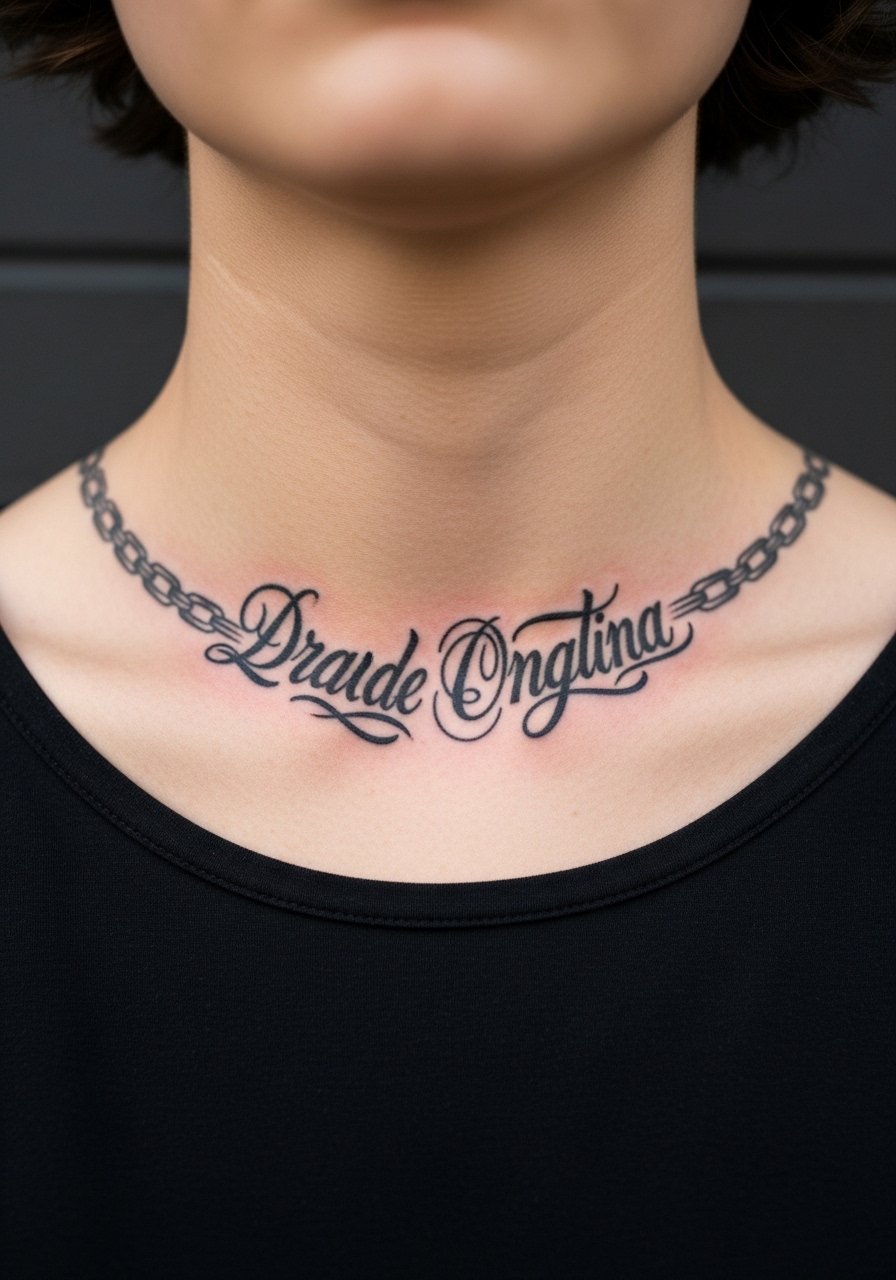
A chain of hand-drawn script can look raw and modern across the collarbone. The main mistake is tiny lettering packed near the sternum where movement blurs lines. Ask for bold strokes and spacing so each phrase breathes. Pain is noticeable over bone but finishes quickly. For the session bring a strapless tank or wear an open button-down so the artist can access the area cleanly. Pair it with a simple pendant to rest above the script.
17. Thin Botanical Wrap Around the Wrist That Layers With Jewelry

Wrist wraps live next to jewelry, so plan composition with accessories in mind. A thin botanical vine benefits from leaving negative space where a watch or bracelet might sit. Tell the artist which wrist you wear your watch on and where you typically stack bracelets. Expect touch-ups at year two if you frequently wash hands or scrub a lot. For style pairings try a thin chain pendant necklace that sits above a wrist script, and a thin leather bracelet on the opposite hand.
18. Sinuous Wave That Wraps the Lower Calf Upward

A wrap that climbs the lower calf toward the back of the leg reads dynamic in motion. The planning detail most people skip is the transition around the Achilles area. Ask for the main wave to avoid the tight curve, or the artist will have to compress detail and risk earlier wear. Sessions are medium length and may need a second pass for solid fill. For workouts pick shorts that do not rub the fresh area. Slim athletic shorts pair cleanly with this look.
19. Fine Line Script Threading the Sternum

Sternum wraps are intimate and higher on the pain scale, but they hide easily under clothing. Fine script here must avoid tiny loops that fill in as the skin stretches. Ask for slightly larger letterforms and request a mock-up to ensure the words sit above or below bra lines. Artists split on Saniderm versus dry healing for chest areas. One camp says protective film speeds recovery while the other prefers dry care to avoid trapped moisture. Discuss preferences with your artist before booking.
20. Geometric Band That Avoids Flexion Zones on the Forearm

Geometric bands need space to breathe near joints. A common error is placing dense geometry over the wrist crease where movement distorts shapes. Request your artist mark flexion zones during the consultation and position the band so key motifs sit on stable skin. Sessions are short and usually single-visit. This placement works well with rolled sleeves or short-sleeve button shirts when you want the design to peek out.
21. Hybrid Fine Line With a UV Accent That Glows Subtly

UV accents add a hidden element that lights up under specific conditions, but they are niche and not as proven long-term. The safe route is to use UV sparingly, as highlights within a fine line vine rather than as full fills. Ask for a discreet test patch if you have darker skin to check visibility. Expect that the UV will require color-specific touch-ups over time. This approach is best for someone who wants a day-to-day subtle look with a playful reveal under black light.
Frequently Asked Questions
Q: Will a fine line wrap on my forearm warp when I flex?
A: Flexion can make tight geometry and tiny repeats look different when you grip; vines and flowing motifs handle movement better. Ask your artist to map the design to your pose so primary lines sit where the skin is more stable. A mock stencil and a test bend while the stencil is on will show you how it behaves.
Q: Do fine line wraps fade faster on darker skin tones?
A: Fine line can fade or appear less visible faster on some darker tones because contrast matters. Consider slightly bolder anchor lines or selective black outlines to maintain legibility. Many artists will suggest a test patch and a realistic touch-up timeline that depends on your ink retention.
Q: How should I dress the day of a collarbone or sternum wrap appointment?
A: For collarbone pieces wear a v neck tee in gray or an open button-down so the artist can access the area without you removing more clothing than needed. For sternum work a fitted sports bra or bandeau that exposes only the tattoo zone makes the session easier.
Q: If an artist cancels a guest spot, where can I find a reliable local slot?
A: Search Booksy for confirmed openings or filter tattoo apps by "wrap" and your city. Reddit communities and local shop Google listings can point to walk-in friendly studios. Have two backup artists or dates when you book so a last-minute cancellation does not derail your timing.
Q: Are there placements to avoid if I want fewer touch-ups?
A: High-friction areas like the ankle, fingers, and hands typically need more touch-ups. If you want less maintenance choose forearm outer or upper arm wraps with moderate line weight and spacing. Expect touch-ups in two to five years depending on sun exposure and daily wear.