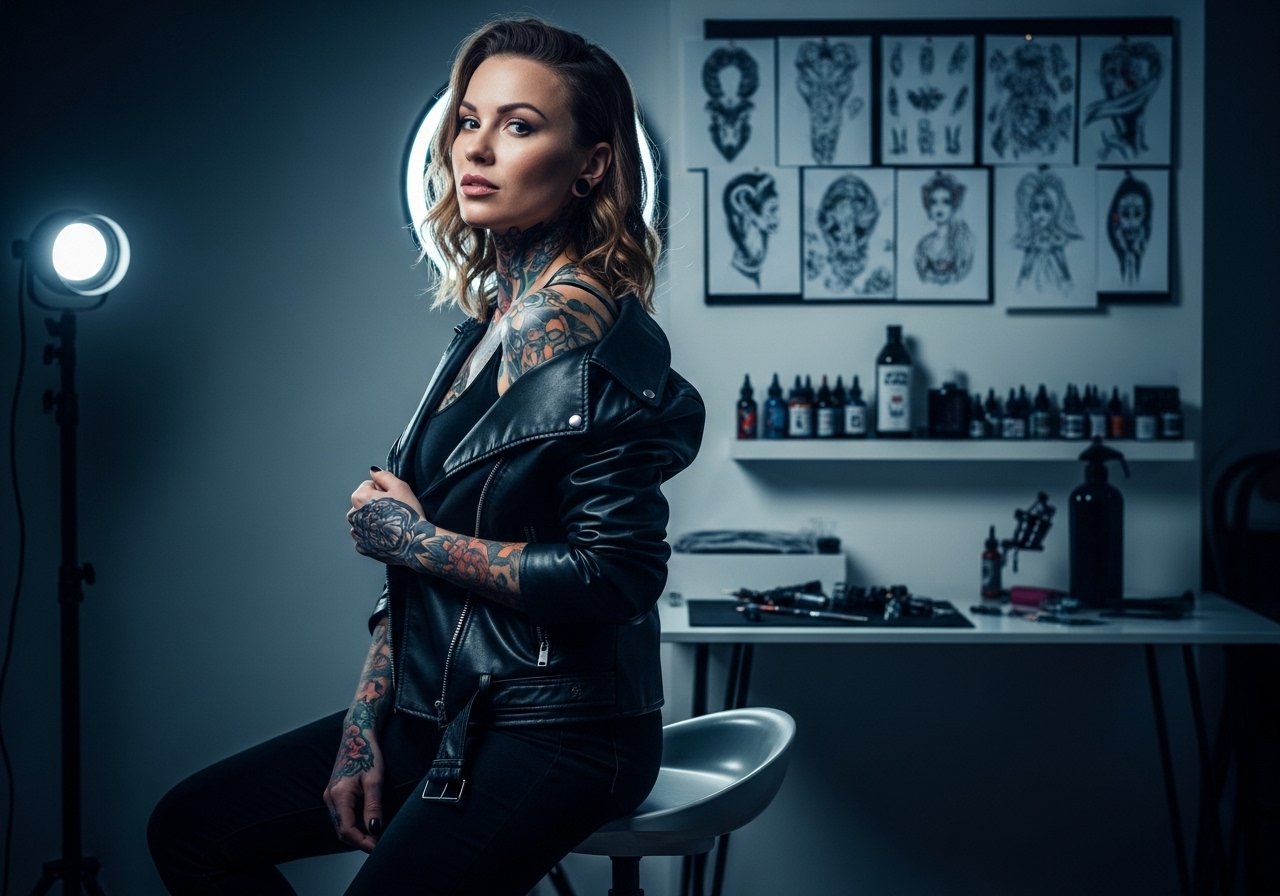
Fine line and simplified Sak Yant motifs are showing up on gym towels and commuter backpacks more than ever, and the quiet ones are the pieces that age best. A small blackwork tiger, a pared-back Wai Kru script, or a dotwork Paed Tidt will read like a personal badge rather than a loud statement. Below are 17 subtle Muay Thai tattoo ideas that balance respect for the source, longevity on active skin, and how to wear each piece day to day.
1. Twin Tiger Outline on Upper Arm
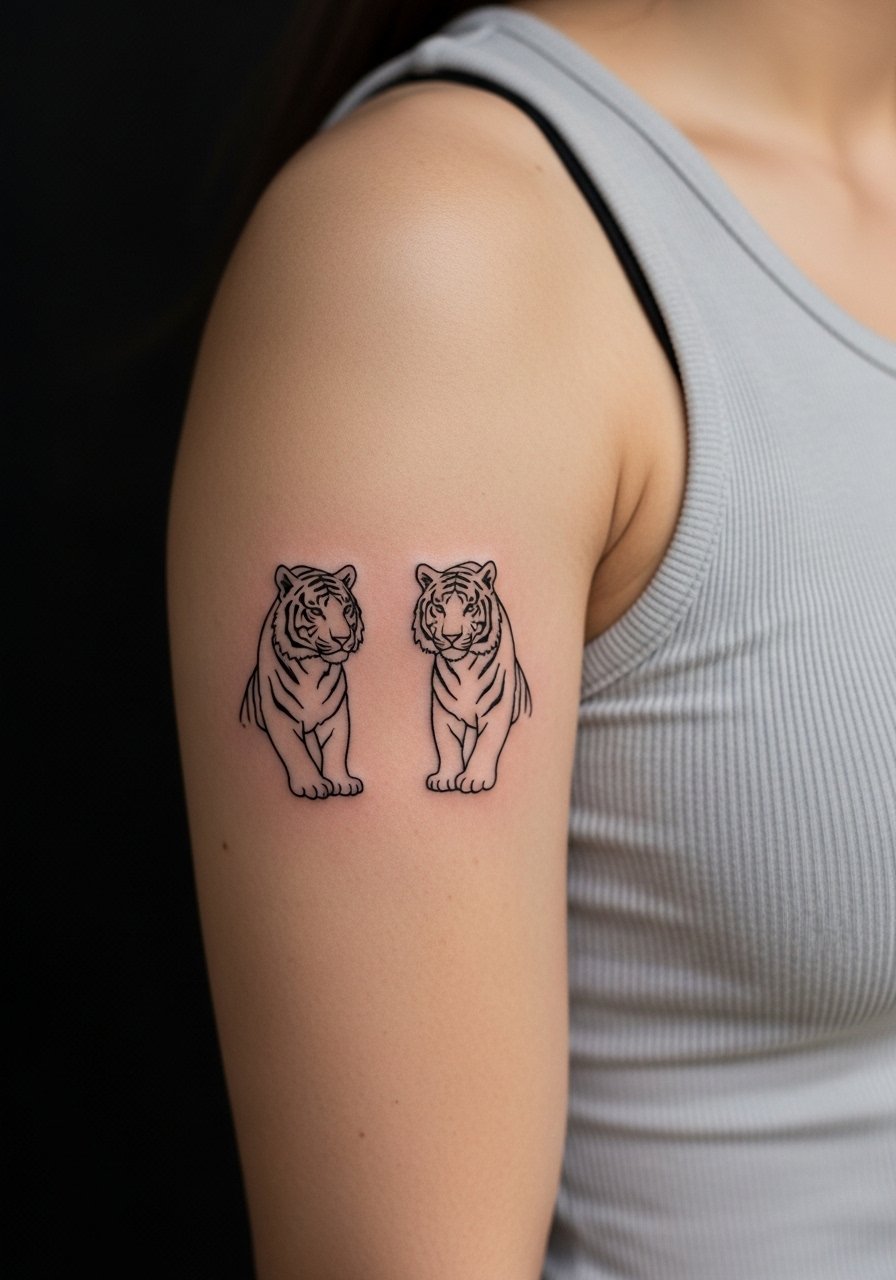
A simplified Suea Koo in thin black lines gives the tiger motif without full Sak Yant density. I recommend a 4-6 inch custom outline on the outer upper arm. Ask your artist for slightly heavier outline weight than a single-needle fine line so the silhouette keeps definition after two years. Common mistakes are asking for extreme detail at a tiny scale and ending up with loss of claws and whiskers as lines blend. Pain is moderate and sessions usually run 45 to 90 minutes. For showing it off, pair with a fitted tank top in dark tones so the arm reads clean against clothing, and wear a loose short-sleeve athletic shirt on session day for comfort.
2. Paed Tidt Minimal on Shoulder Blade

The eight-directions shield translates well into a compact circle of dots and simple spokes. For shoulder blade placement, aim for 5-7 inches so the geometry breathes and the negative space avoids early merging. During consultation, show an image of dot spacing and insist on a clean radial balance rather than dense filigree. Artists split about the need for traditional blessing rituals. One camp says rituals are part of the design's purpose. The other camp says a personal interpretation is valid without ceremony. Name both views to your artist and state your intention. This spot is easy to hide under shirts, and it looks sharp with a racerback tank when you want to show it.
3. Hah Taew Fine Line Along Collarbone
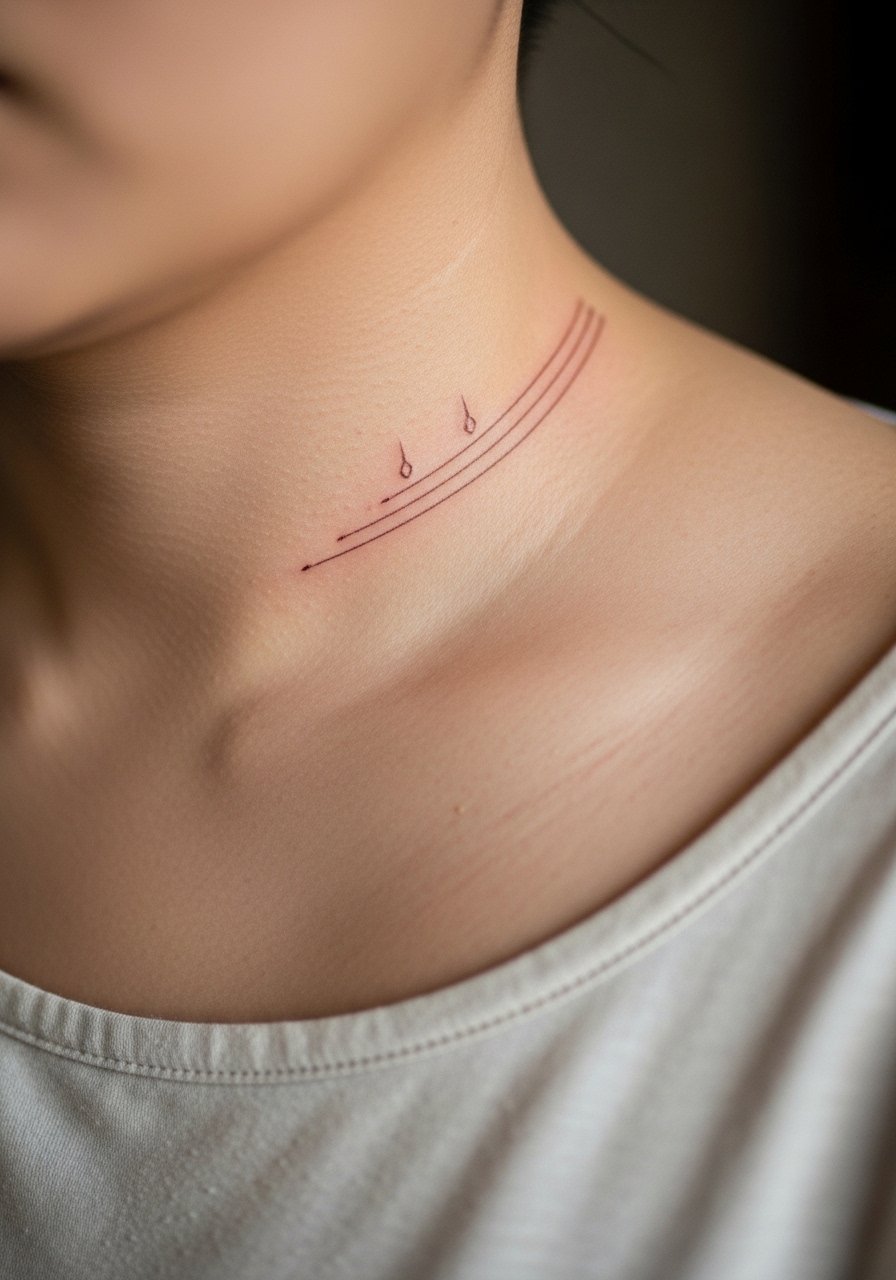
Hah Taew script reads elegantly along the collarbone when kept linear and thin. For longevity, ask for slightly more spacing between characters than an online reference. The big mistake is crowding four or five long syllables into a narrow band. Expect a single 45-minute session and touch-ups maybe by year three depending on sun exposure. For sessions, wear a loose crewneck shirt you can pull aside. For evenings out, a V-neck tee keeps the script visible without competing jewelry. The collarbone skin can soften detail over time, so plan for a touch-up window.
4. Subtle Suea Koo Wrist Outline
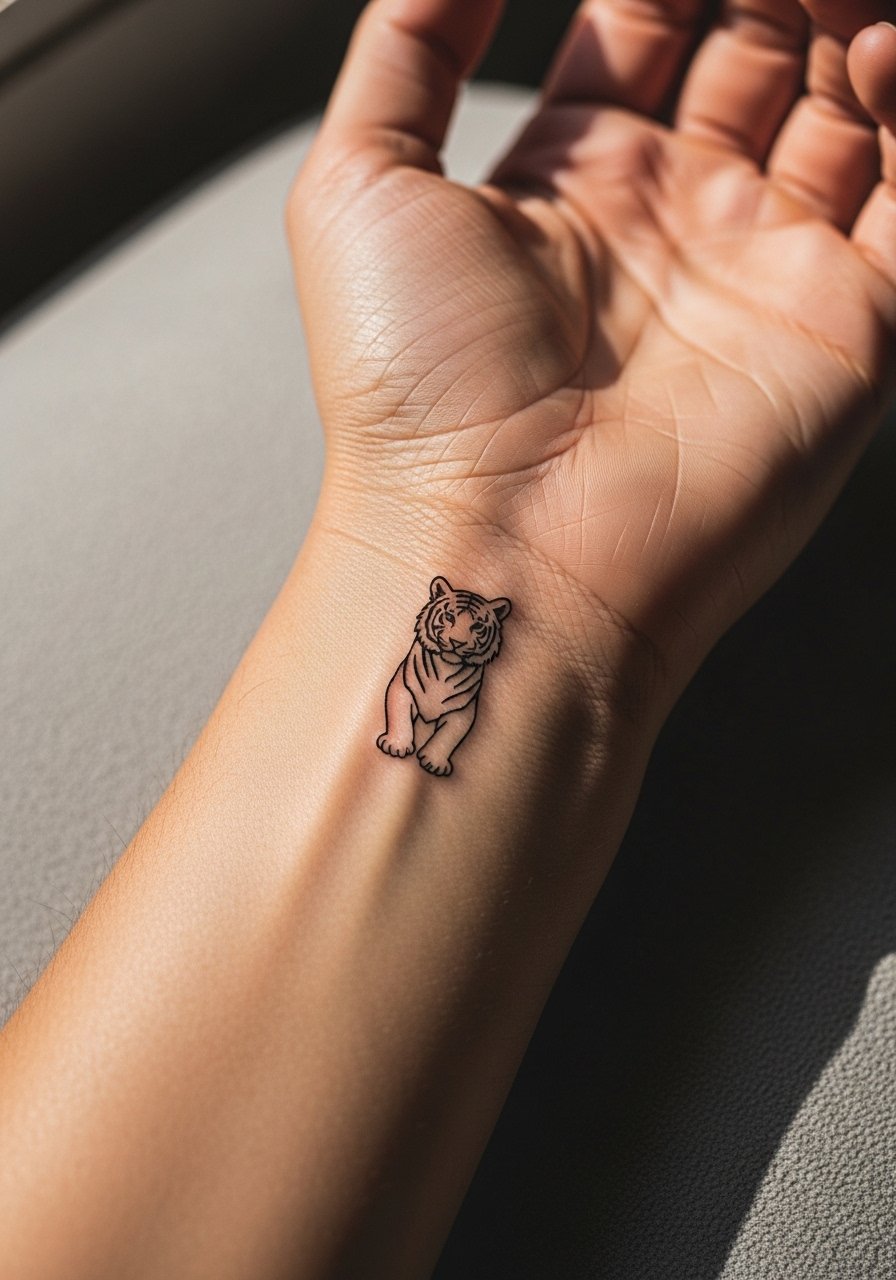
A 2-3 inch stripped-down tiger outline on the inner wrist is a low-key nod for people uneasy about full Sak Yant. The wrist is high-motion and washes frequently, so ask the artist to scale up line weight slightly and avoid micro-detail. A common error is requesting tiny fangs and whiskers that blur into a dot in a year. Session time is short, usually 30 to 45 minutes, but expect a touch-up at year two for crisp contour. Wear a short sleeve tee to the appointment and style with a slim leather watch on the opposite wrist to balance the look.
5. Muay Thai Wai Kru Script on Forearm

Wai Kru script makes a personal statement about training and ritual without full iconography. Place it on the outer forearm in a 4-6 inch band so the characters have room to breathe. Tell your artist you want single-needle flow but with stable depth, not the ultra-surface finish that fades quickly. The forearm is forgiving for fine line, but heavy sun exposure speeds fading, so plan for yearly evaluation. For session wear, bring a sleeveless tank for easy access. Pair the finished piece with a rolled-cuff chambray like a rolled cuff chambray shirt to frame the forearm on casual days.
6. Geometric Paed Tidt Ankle Dotwork
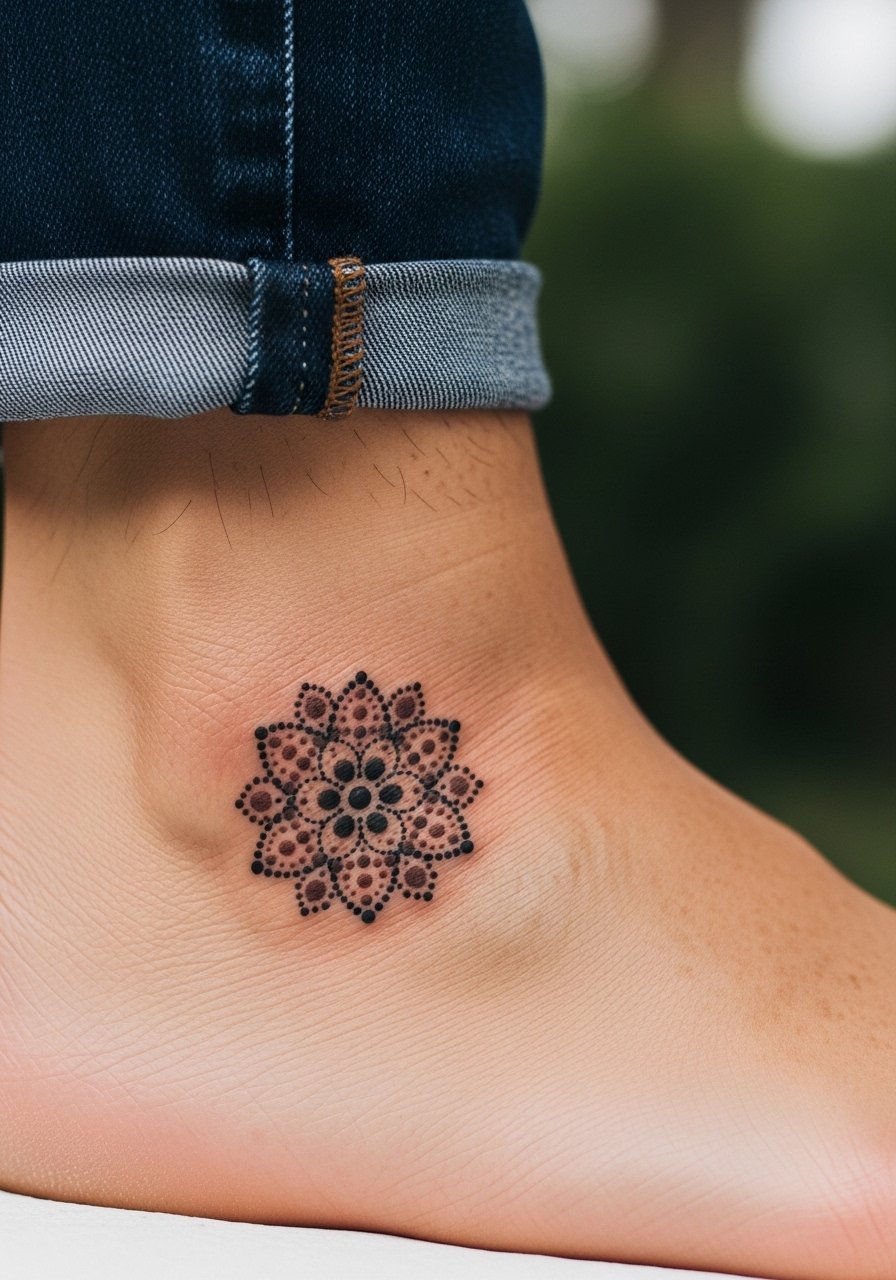
An ankle-sized Paed Tidt in dotwork gives the eight-direction idea without heavy script. Keep the design at 2-3 inches and favor dot spacing over dense lines to avoid blowout in the thin skin near the ankle. The common mistake is compressing too many spokes into a tiny area. Session time is short, usually under an hour, but friction from socks and shoes makes aftercare critical. For showing it off, cuff your jeans and wear simple sandals. For the appointment, wear pants you can roll up easily and consider a pair of cuffed joggers to keep the area accessible during check-ins.
Studio Day Picks
The wrist, forearm, and ankle pieces above all need different session prep than chest or thigh work, so a few small items smooth the appointment and the first week.
-
Stencil transfer paper kit. Lets you preview placement and line weight on skin before the needle, which is helpful for wrist and forearm placements.
-
Topical numbing cream. Applied before the appointment eases the edge on sensitive zones like the ankle and inner arm.
-
Thin protective film roll. Keeps small areas like fingers and wrists cleaner during the first week of friction from washing and clothing.
-
Fragrance-free body wash. A gentle cleanser for showers that avoids irritating delicate fine line work on arms and calves.
-
Aquaphor healing ointment. Thin layers in the first days help keep fine line pieces moisturized while still allowing the ink channels to settle.
7. Hanuman Silhouette on Calf

A silhouette of Hanuman in profile reads as devotion without elaborate shading. Calf placement handles slightly more saturation and looks good 4-6 inches tall. The calf has moderate pain and heals predictably because friction is lower than ankles. Ask for clean negative space within the figure so the pose reads from a distance. The common aging issue is too much stipple inside the silhouette which can soften; ask for a crisp edge. For show-off outfits, cuff joggers or wear athletic shorts and canvas sneakers. Bring athletic shorts neutral to the session so the artist can work without fabric pulling.
8. Gao Yord Micro on Upper Back
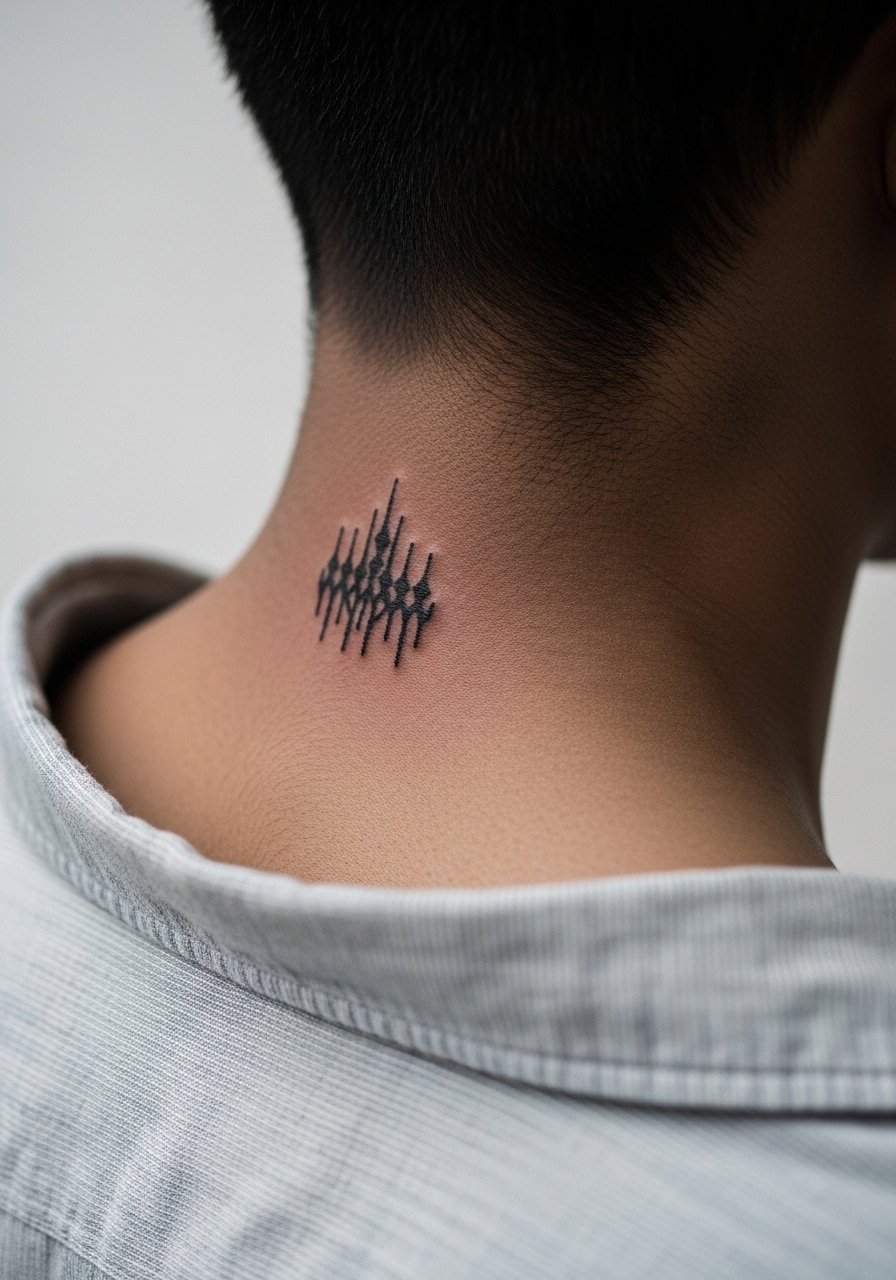
A mini Gao Yord adapts the nine-spires into a compact ornamental motif on the upper back. Keep it 3-5 inches so the peaks remain legible and the script elements do not compress. One camp insists Gao Yord requires a specific ritual for authenticity. The other camp treats it as an ornamental motif people can adapt. Say both positions aloud during consultation so the artist understands whether you want tradition or an aesthetic adaptation. Sessions are typically under an hour and touch-ups depend on UV exposure. For showing it off, a backless or open-collar top works well. Wear a loose button-down shirt you can slide aside during the appointment.
9. Yant Nai Ka Nom Tom Thigh Portrait-Script
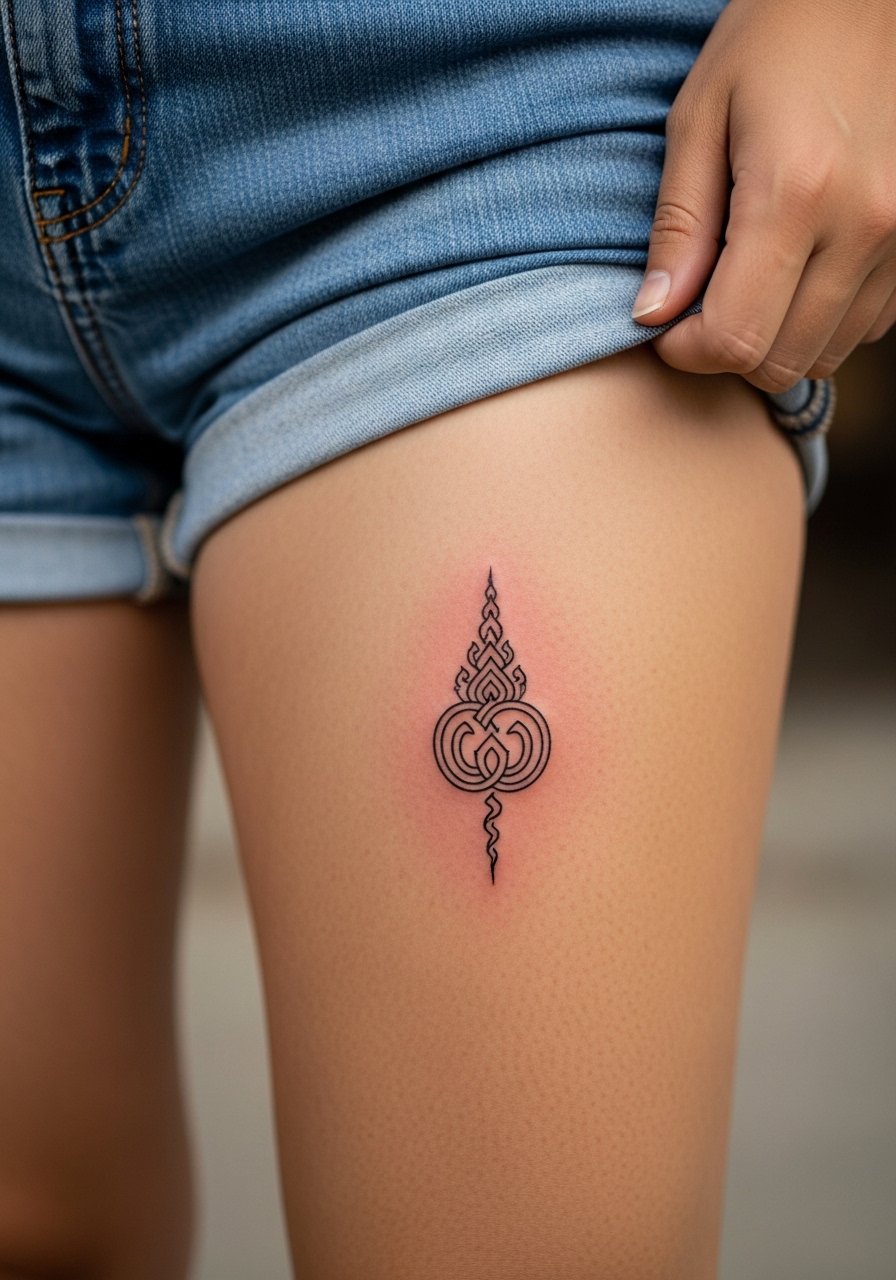
Thigh placement suits slightly larger portrait-script work that honors a fighter's story without headline size. A 6-8 inch placement gives the figure and text room to exist without cramming. The inner thigh is more sensitive and may take longer to numb; the outer thigh is an easier chair day. Common mistakes are asking for tiny facial detail that blurs. Expect two sessions if you want shaded gray tones; a single clean-line portrait can often be done in one. For casual visibility, tailored shorts or high-waisted gym leggings frame the piece. Wear tailored athletic shorts to the session so the artist can access the upper thigh without discomfort.
10. Hanuman Profile Fine Line on Inner Bicep
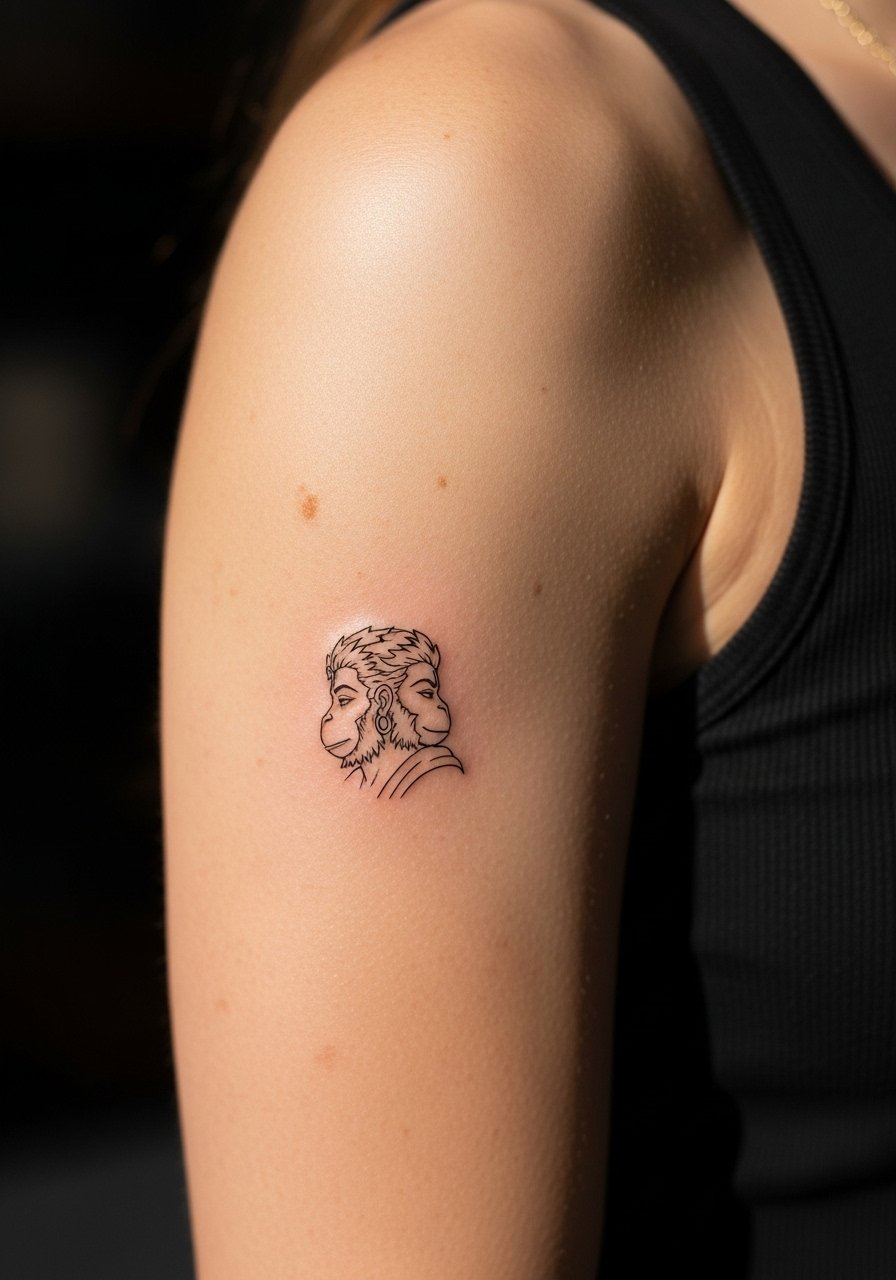
An inner bicep Hanuman reads intimate and reflective. The inner arm sees a lot of movement so single-needle work must be spaced to avoid merging. Tell your artist you want room between features and ask about touch-up windows at year two or three. Pain here is above average and sessions are often broken into shorter sittings if the client wants minimal swelling. A common mistake is packing too much dot shading close to the crease, which exaggerates blowout risk. For the appointment, wear a tank so the artist can access the area easily. Note that inner-bicep work sometimes needs specific aftercare because of friction when the arm rests against the body.
11. Simplified Twin Tigers on Back of Shoulder
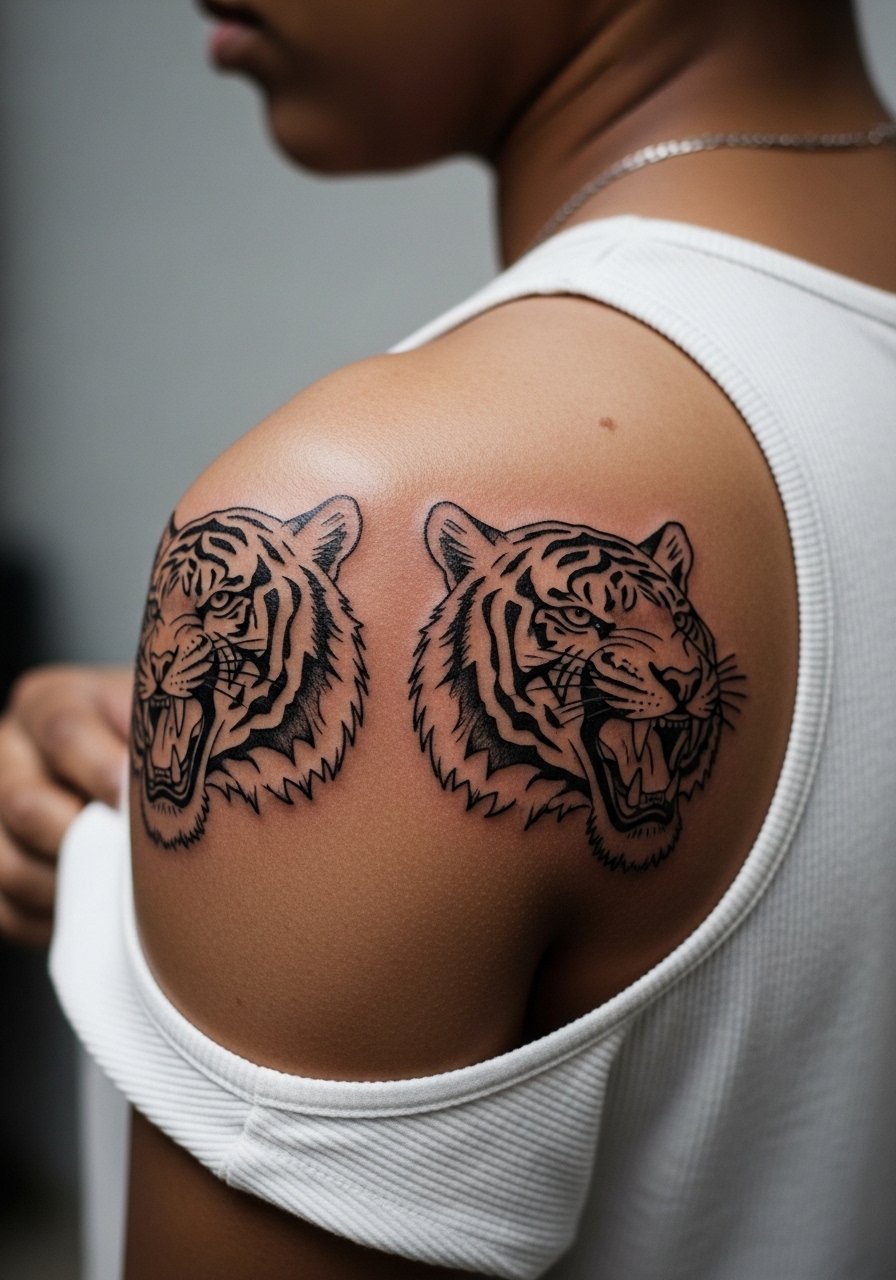
Mirrored tigers on the back shoulder nod to the ring-ready Twin Tigers without full blackwork. Place them 3-5 inches so mirror symmetry reads when you wear sleeveless tops. Ask for mirrored negative space between the heads to retain separation during healing. A typical mistake is making the faces too detailed for this size. The area heals well and the pain is moderate. For styling, wear a backless tank or a racerback to showcase the symmetry. On session day, a loose short-sleeve shirt that slides off the shoulder is easiest for setup.
12. Micro Paed Tidt Finger Accent

A discreet finger adaptation of the eight directions makes for a private symbol you can peek at often. Finger skin heals differently and lines fade faster, so favor dots and micro-geometry rather than tiny script. The big error is trying to fit script into a fingertip area. Sessions are quick but expect touch-ups in 12 to 24 months. The friction from washing and typing accelerates fading. Keep expectations realistic and ask for conservative spacing. Styling-wise, thin ring stacks can complement the piece, but avoid tight rings that rub directly over the ink during the first weeks.
13. Wai Kru Minimal Chest Accent
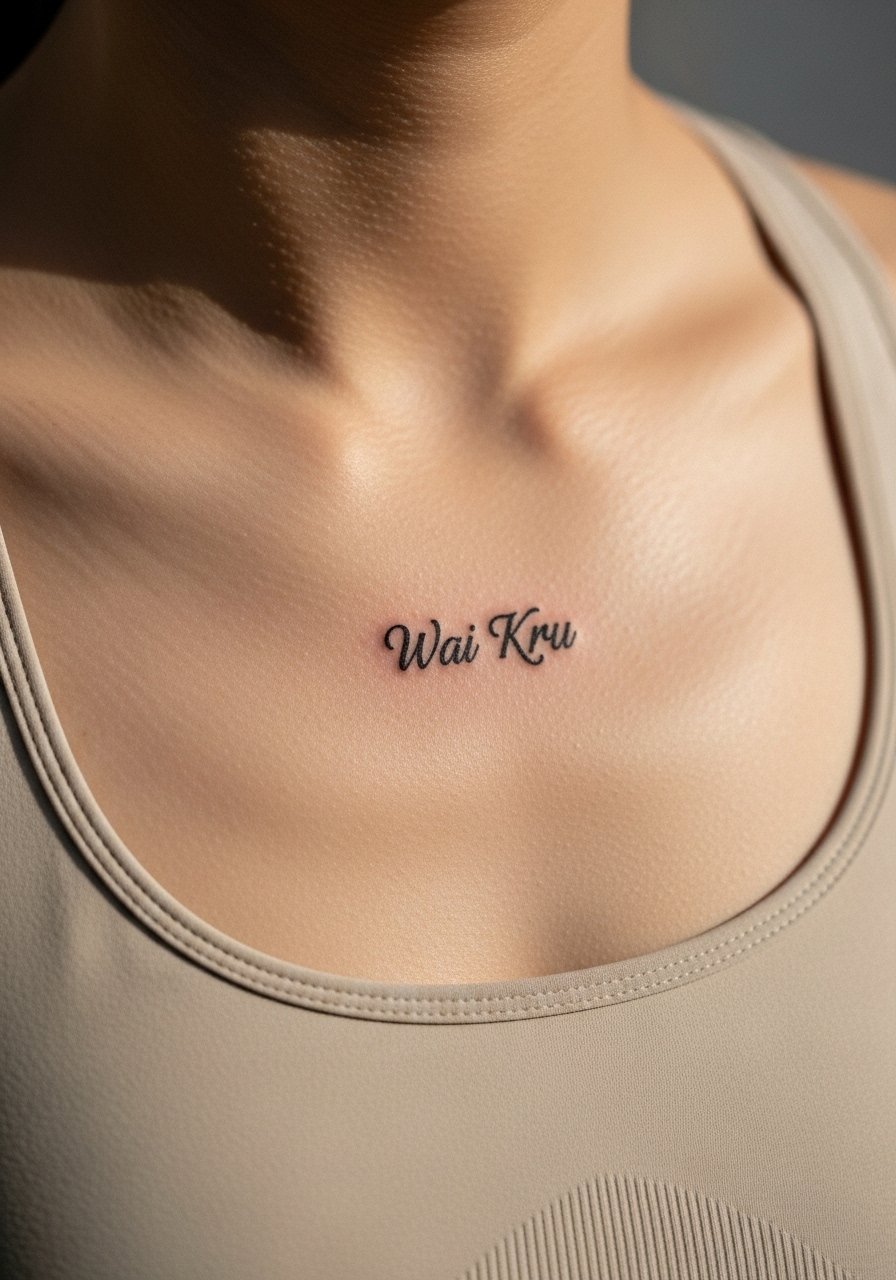
A tiny Wai Kru accent on the upper chest reads personal and low visibility. Use a short phrase of two to four characters to avoid crowding. The chest area moves with breathing so avoid ultra-fine hairline strokes that can blur. The usual mistake is long sentences across the sternum that age poorly. Sessions are brief and the piece benefits from less sun. For showing it, a fitted sports bra or V-neck tee keeps the tattoo visible but tasteful. Wear a delicate chain necklace if you want a layered look that does not overlap the ink.
14. Dot-Work Suea Koo Rib Accent

Ribcage placements read personal and dramatic even at small scales. Fine line work on ribs is controversial. One camp warns the constant stretch blurs lines within two years. The other camp says with correct needle depth and spacing it can settle well. Have that conversation before booking. For a subtle tiger, use dot shading and an outline that allows the skin to flex. Pain is higher and sessions can feel long. Bring breathable, easy-to-remove clothing to the appointment. Avoid dense stipple near the flank where skin moves most.
15. Small Nai Ka Nom Tom Forearm Panel

A compact forearm panel honors the legendary fighter without a full portrait scale. Keep the figure 4-6 inches and let the script be brief. Forearm skin holds detail well but sun exposure will fade script faster than shaded figures. A common mistake is over-detailing the portrait at small sizes. Ask for stable line depth and discuss a touch-up at year two for script clarity. For showing the piece, roll sleeves or pair with a thin silver bracelet. Wear a rolled cuff chambray shirt to frame the forearm during casual outings and to the appointment for easy access.
16. Micro Gao Yord on Nape

A nape placement for Gao Yord reads like a private crest. Keep it under 3 inches and avoid extra script that compresses. The back-of-neck area is exposed to sun and hair oils, so plan sunscreen once healed if you show it off. Sessions are short but sensitive. If your workplace has visible-tattoo policies consider placement carefully. Styling-wise a wide-neck top shows the motif subtly. Ask the artist about spacing since the neck skin can move differently than the upper back.
17. Minimal Muay Thai Glove Symbol on Wrist

A tiny glove outline is a clear signifier for fighters without borrowing ritual-heavy imagery. Keep it 1.5 to 2.5 inches and favor a bold outline over micro-detail to avoid early softening. The wrist wears and is a high-wash area, so expect touch-ups in year one or two. The common mistake is packing finger loops and laces at tiny scale. For appointment comfort, wear a short sleeve tee and for showing the piece wear thin bangles sparingly. A slim leather watch on the opposite wrist balances the minimalism and keeps focus on the small icon.
Frequently Asked Questions
Q: Will fine line Muay Thai script on the collarbone fade faster than on the forearm?
A: Yes. Collarbone skin tends to flex and see more sun when exposed, so script there can soften faster than on the forearm. Choosing slightly wider spacing between characters and planning a touch-up in two to three years keeps the lines legible.
Q: Are Sak Yant designs appropriate if I have not trained in Thailand or received traditional rituals?
A: Artists and enthusiasts split into two camps. One group feels the ritual context is part of the design's purpose. The other group supports personal interpretation without ceremony. Decide which view you align with and tell your artist so they can design an adaptation that matches your intention.
Q: How should I dress for a ribcage or sternum session to make the artist's life easier?
A: Wear a cropped athletic top or a fitted sports bra you can lift slightly without fully undressing. A loose button-down that you can pull to the side also works. These choices protect modesty and give the artist clean access.
Q: For small ankle and wrist Paed Tidt adaptations, what should I expect for touch-ups?
A: High-friction zones like ankles and wrists almost always need touch-ups sooner than larger, sheltered areas. Expect to revisit the shop within 12 to 24 months for line reinforcement on micro geometry.
Q: Can I pair collarbone script with everyday jewelry without harming the healed tattoo?
A: Yes. A thin chain pendant can sit above the script without disruption. Avoid pendants that rest directly on fresh ink during the first two weeks. If you want a quick option, a thin chain pendant necklace sits nicely once healed.