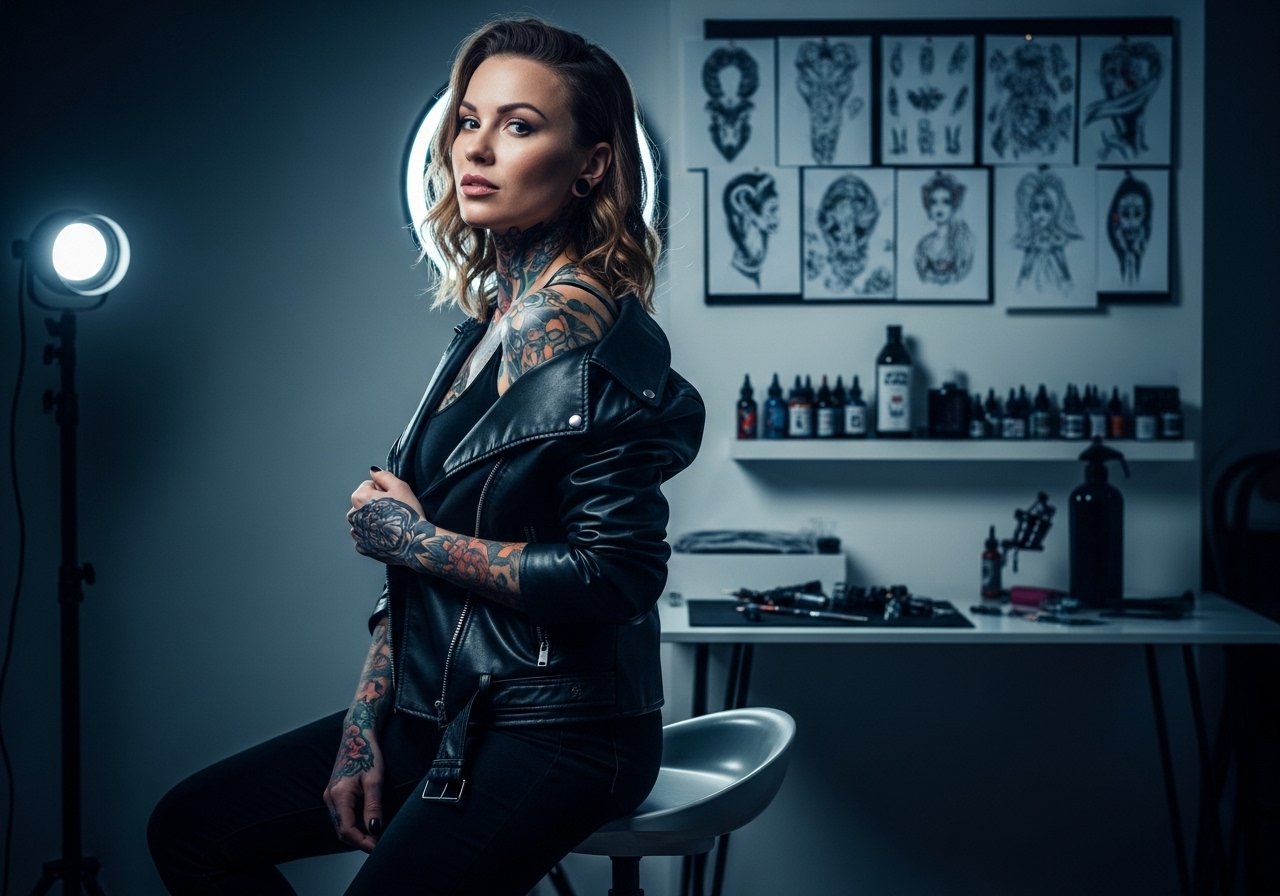
Fine line and sketch-style moons look delicate in photos and then test reality on skin. The pieces that keep their personality over years are the ones that balance airy linework with intentional spacing and the right placement. Below are 17 sketch-style full moon concepts that account for aging, pain, session prep, and wardrobe so you can pick a moon that still reads like yours after the first touch-up.
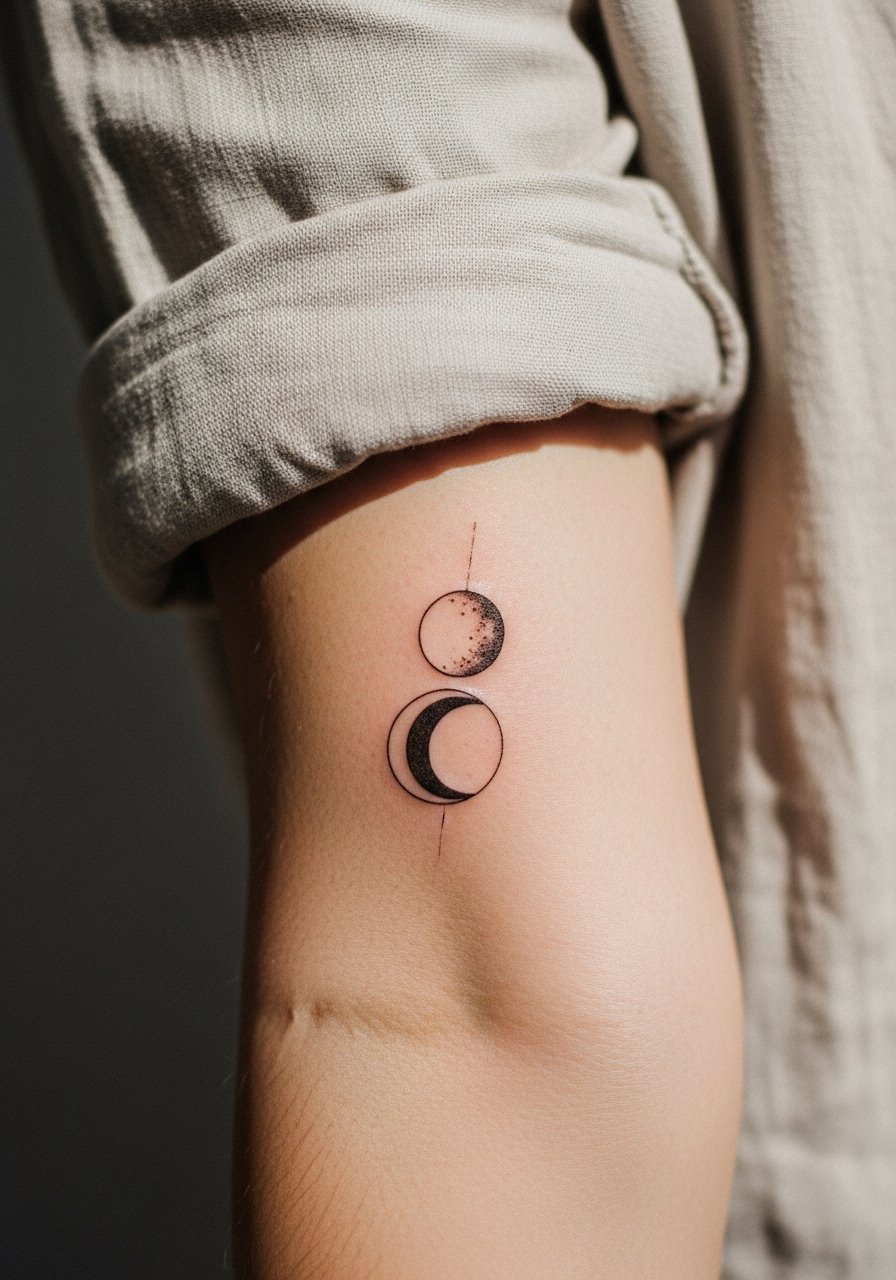
1. Crescent and Full Moon Pair on Inner Forearm
I've seen small moon pairs on inner forearms last well when the spacing is deliberate and the linework is given room. Ask your artist to keep the full moon slightly larger than the crescent and to use light stipple shading for texture rather than dense fill. The inner forearm is low on blowout risk but higher on sun exposure, so plan touch-ups around year three if you are outside a lot. Session time for a compact pair is short and the pain is mild. For showing it off, rolled sleeves work best so try a loose button-down shirt that you can pull up to frame the piece.
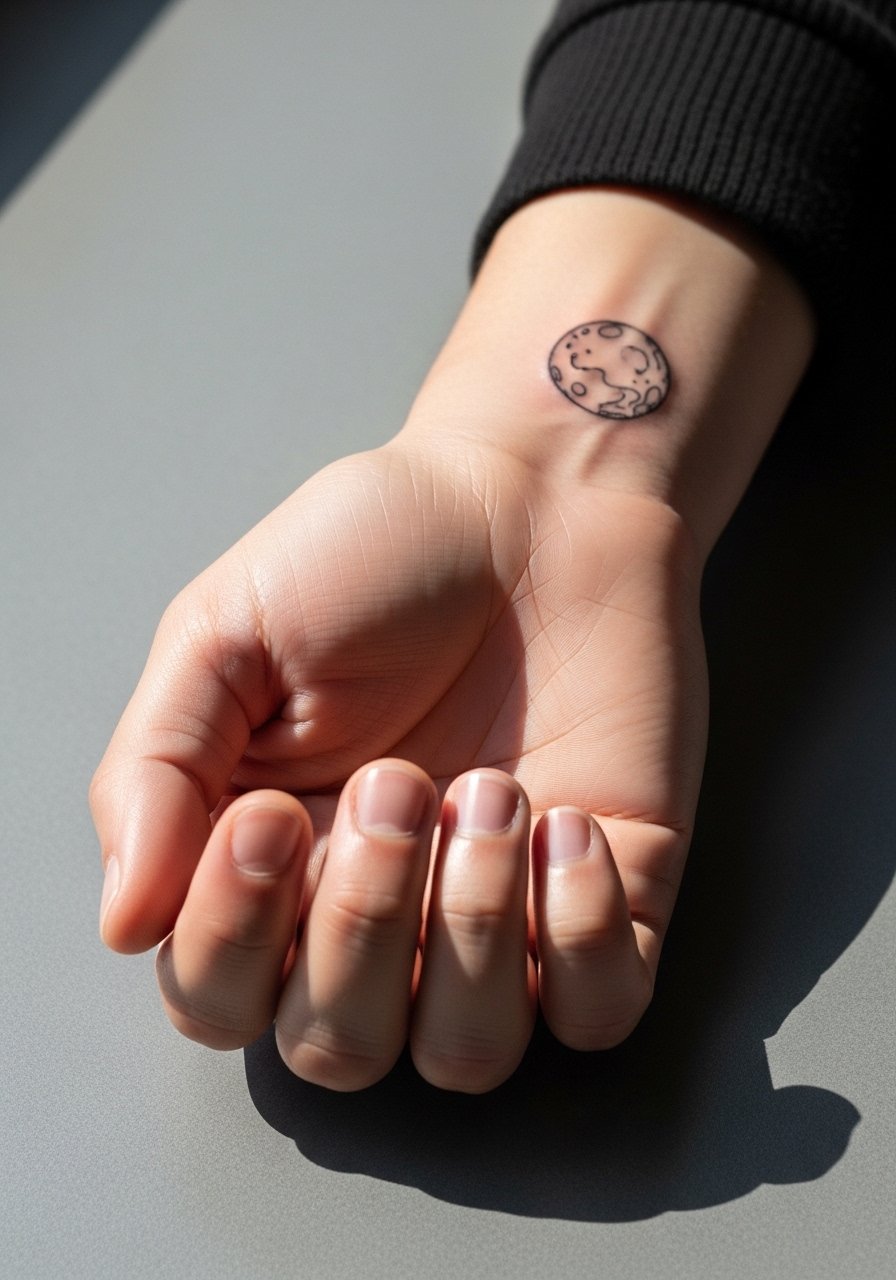
2. Tiny Full Moon on the Wrist with Dot Work Halo
Fair warning, the wrist can read smaller than you think under bright studio lights. A compact full moon with a halo of dot work reads like a wrist bracelet and heals gently if the dots are spaced. During consultation request stipple shading and ask for a thin outline, not hairline work that can blur fast. Expect the session to be quick and the pain to be moderate. Pair this with a thin chain pendant necklace or stack of dainty bracelets to frame the wrist without crowding the linework.
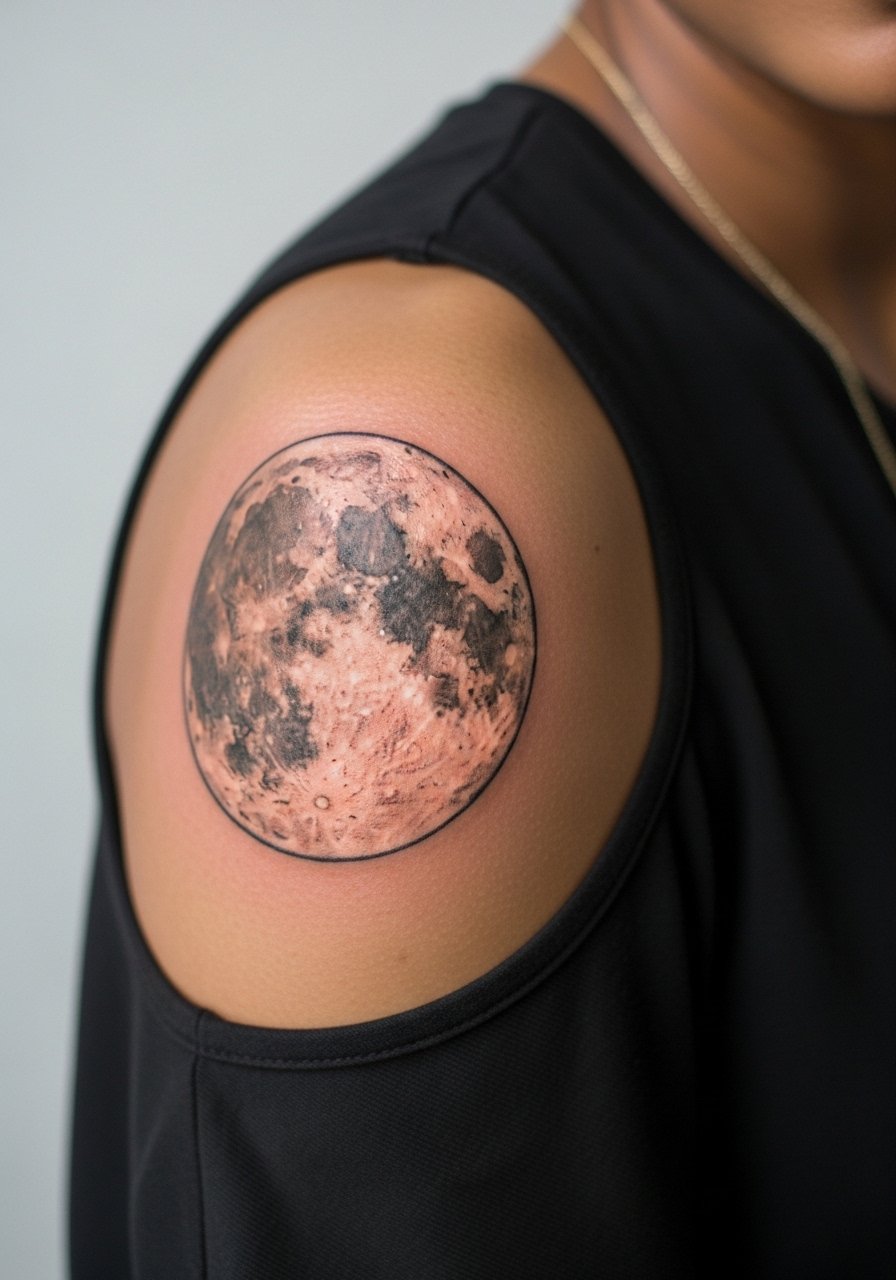
3. Oversized Sketch Full Moon on the Shoulder Cap
Visual impact matters on the shoulder cap because movement and fabric can play with line visibility. I recommend a slightly larger moon with loose sketch strokes and sparse star accents so shading does not merge over time. The shoulder ages well for fine line if the artist uses confident, deliberate depth for each stroke. The session feels like light buzzing and can be done in one longer sitting. For showing it off at events pair this with an open-back midi dress that leaves the shoulder and upper back visible.
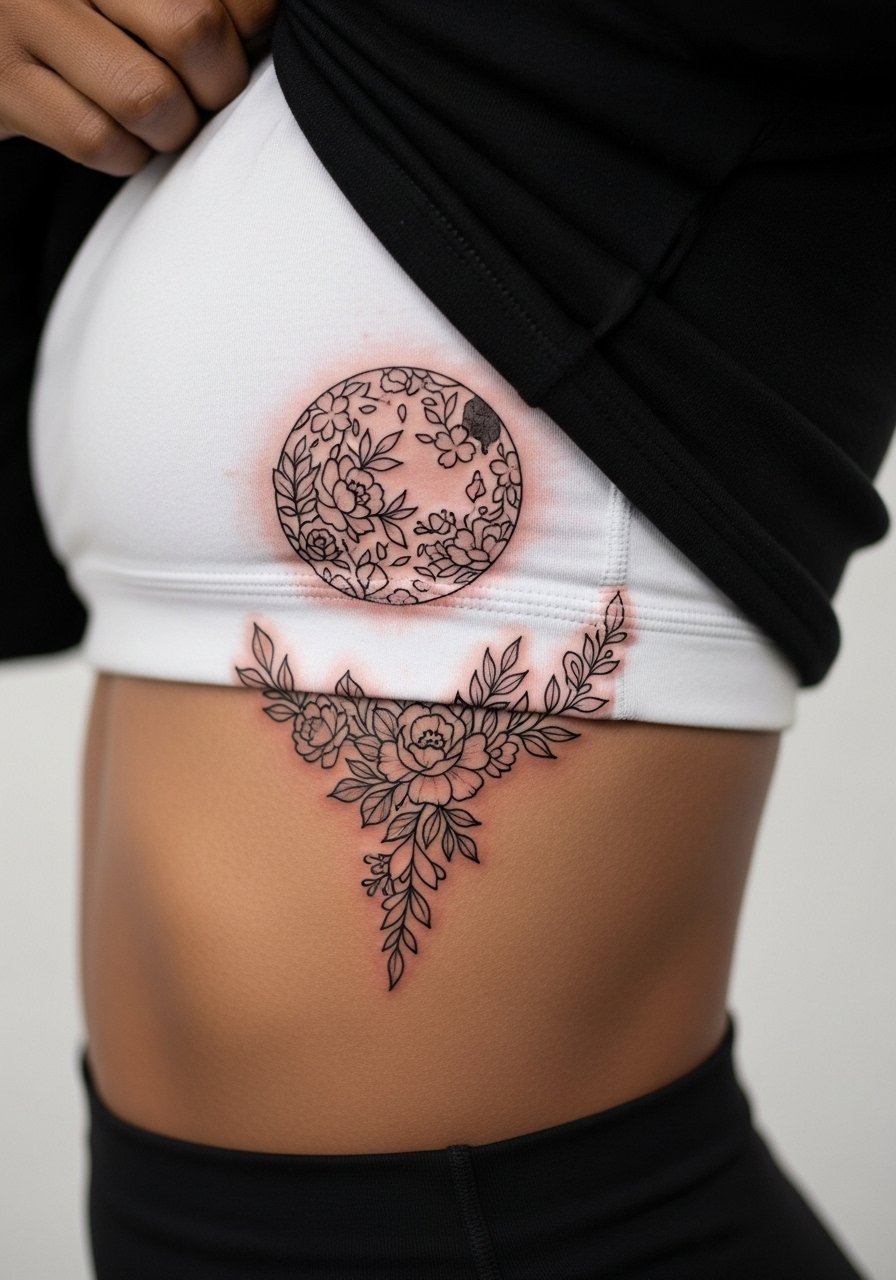
4. Ribcage Sketch Moon with Floral Weave
Artists split on fine line on ribs. One camp argues the skin stretch there blurs lines within two years. The other camp says with careful depth and spacing it settles fine. My practical advice is to size this moon so the lines are not forced into tiny detail and to expect a higher pain rating. For session prep wear a cropped athletic top you can lift slightly so only the rib zone is exposed. This placement is intimate and great for private symbolism. Expect a touch-up window around year two to three depending on how often the area sees friction from waistbands.
5. Collarbone Sketch Moon with Minimal Rays
Most collarbone pieces need deliberate negative space to avoid losing definition as skin moves. I suggest a thin moon outline with a few short sketch rays and very light stipple under the bone to add depth. Pain is moderate because the bone sits close to skin. For wardrobe, a wide-neck shirt pulled slightly aside keeps the line visible while staying modest. Try a wide-neck shirt that works with blazers for evenings out. Expect the area to lighten with sun exposure so sunscreen helps preserve contrast.

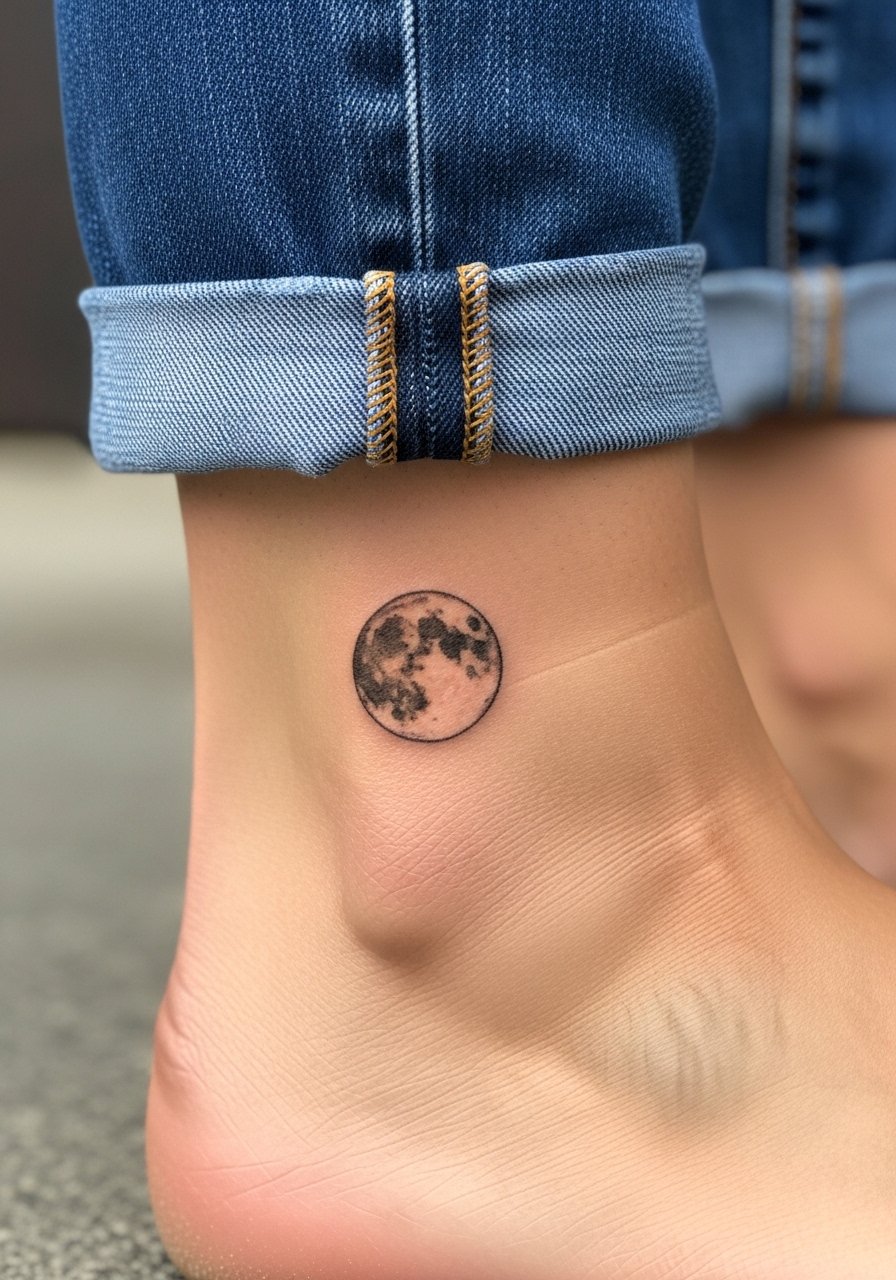
6. Ankle Mini Full Moon with Tiny Star Cluster
The ankle tolerates small, isolated work well but it is a friction zone from shoes and socks. Use a compact, confident outline and keep internal detail very sparse so dots do not merge during healing. Session time is short and pain varies with bone proximity. For the appointment wear jeans rolled up or a pair of sandals that you can slip off to give the artist clear access. Expect the first week to need careful cleaning and to avoid tight footwear.
Pre-Session Essentials
The upper arm and torso pieces above can demand different prep than wrist and ankle work, so a short kit smooths the chair day.
-
Stencil transfer paper kit. Lets you preview how the sketch lines sit on curved skin, especially helpful for shoulder and rib ideas above.
-
Topical numbing cream. Applied per instructions about 45 minutes before can ease rib and sternum sensitivity without obscuring linework.
-
Thin protective film roll. Useful for ankle and finger placements where daily friction is highest during the first days.
-
Fragrance-free body wash. Gentle cleansing helps fine line pieces keep crisp edges while they heal.
-
Aquaphor healing ointment. Thin layers for the initial days preserve moisture for delicate linework without heavy buildup.
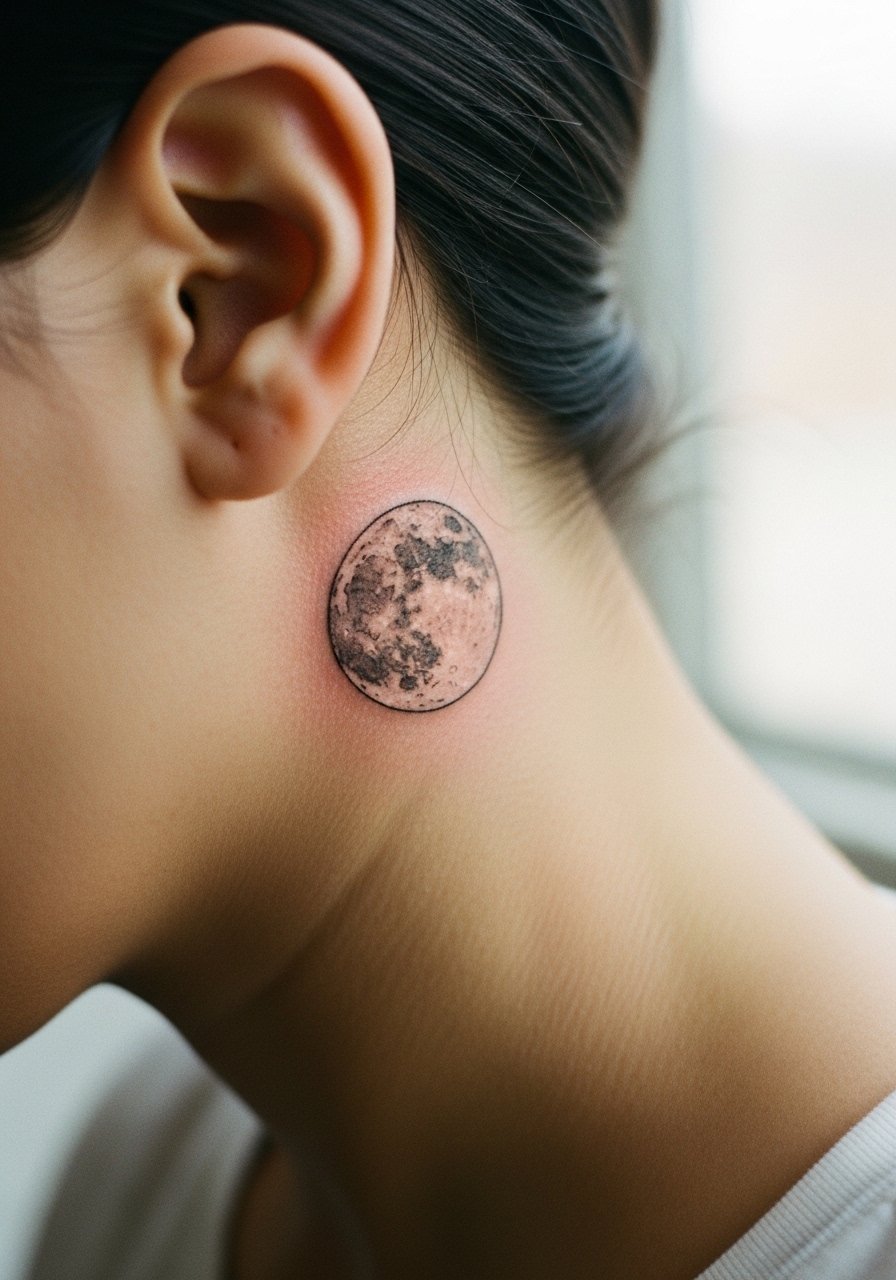
7. Nape Sketch Moon Behind the Ear
When you place a small moon near the hairline you get a subtle peek-a-boo effect that reads delicate when the hair moves. For the nape ask for confident linework and sparse dots, and expect modest pain from the thin skin. Session prep is easy with a wide-neck shirt you can pull aside. For daytime styling, a wide-neck sweater or loose collar keeps the tattoo visible without overexposing the area. The design stays personal and ages slowly if sun exposure is limited.
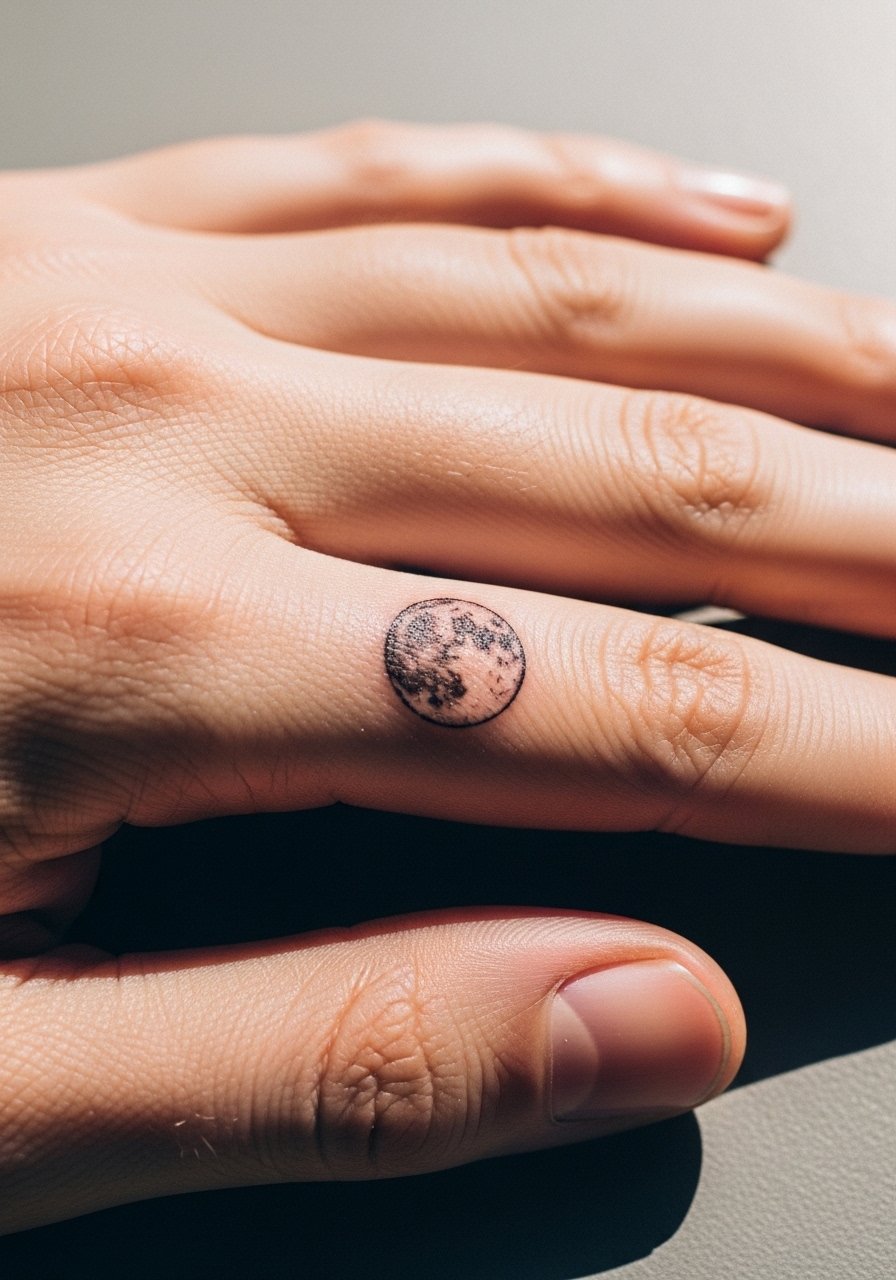
8. Knuckle or Side Finger Moon in Sketch Strokes
Hand and finger tattoos are visible and they fade faster due to washing and work. A tiny sketch moon on the side of a finger or at the knuckle should be bold enough to survive the daily abrasion. Ask your artist for slightly heavier linework than you want fresh so it heals into clean linework. Keep in mind some workplaces still object to visible hand ink. Pair this with a stack of dainty bracelets when you want the moon framed for evenings out. Expect touch-ups sooner than on the forearm.
9. Calf Sketch Moon with Starfield Trail
A vertical calf placement lets the moon sit larger and keep its sketch detail longer because the skin there is thicker. For a dynamic look, ask for a light star trail that uses dot work and whip shading so the texture reads at a distance. The session is moderate in length and pain is low to moderate. For warm-weather showing pair with casual shorts or sandals to let the calf breathe. Healed contrast holds up well unless you wear heavy sun exposure with no protection.

10. Thigh Full Moon with Botanical Frame
The outer thigh is forgiving for size and detail and it can host a larger sketch moon with botanical wrapping. Expect a longer session and moderate pain. For the appointment wear loose shorts that you can shift so only the tattoo zone is exposed. This placement keeps the design private if you prefer, and it tends to age predictably because the skin there is stable. Be mindful of friction from tight clothing during the first two weeks to avoid scabbing disruption.

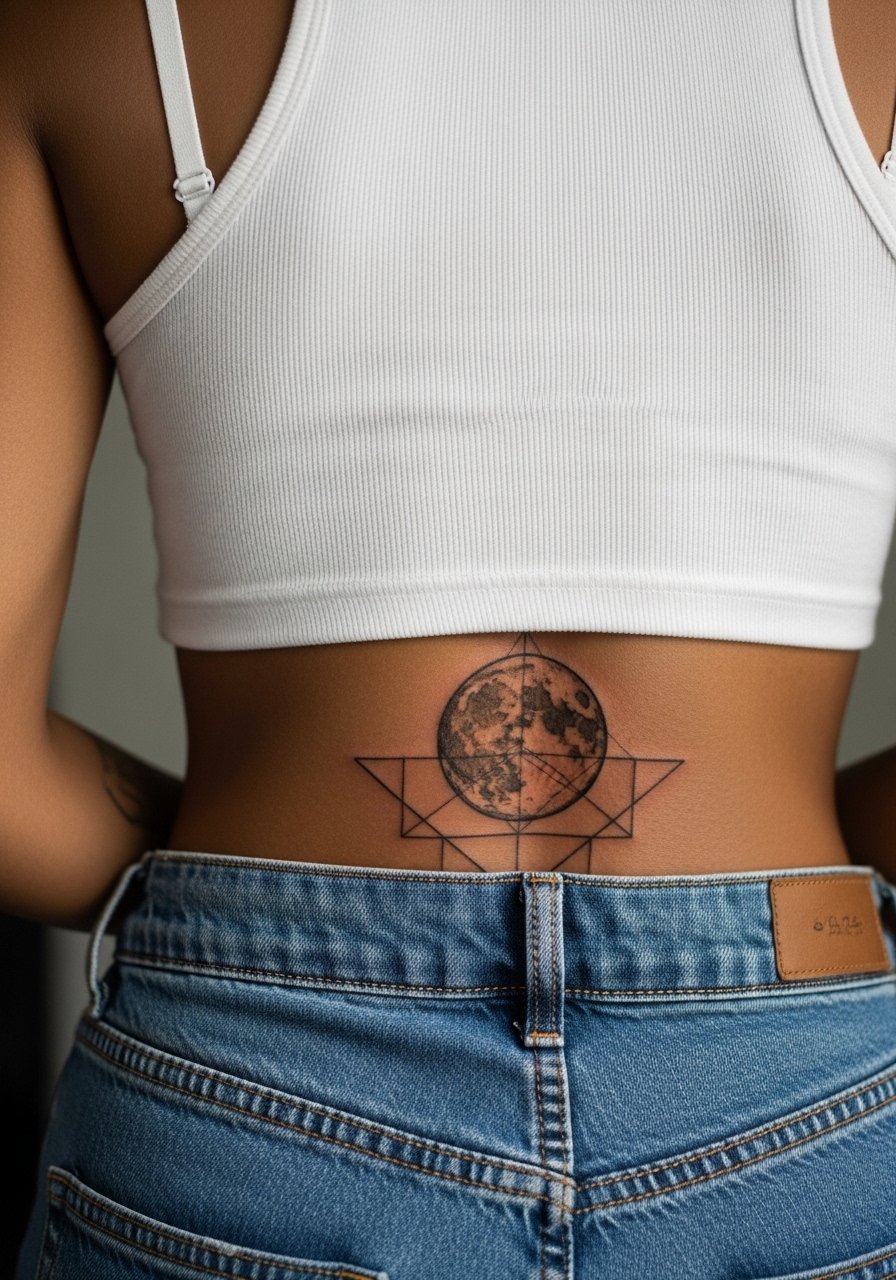
11. Lower Back Geometric Moon with Linework Grid
Lower back pieces allow for a geometric overlay that complements a sketch moon without overpowering it. The key is spacing, so the grid lines do not sit too close to the moon outline. Pain is low to moderate and sessions vary by scale. For showing this off wear a tank top with high-waisted jeans or an open-back dress that frames the lower back. The area tolerates touch-ups well if the grid softens over years from sitting and fabric rub.
12. Sternum Moon with Subtle Shading
Sternum placements are intimate and artists vary on how fine a line they will place there. Expect a higher pain rating and a session that may require breaks. Wear a fitted sports bra or bandeau for the appointment so only the sternum area is visible. Because the area moves with breathing, ask for slightly bolder contouring so the moon keeps its silhouette after healing. Many choose this spot for symbolism rather than daily show-off looks.

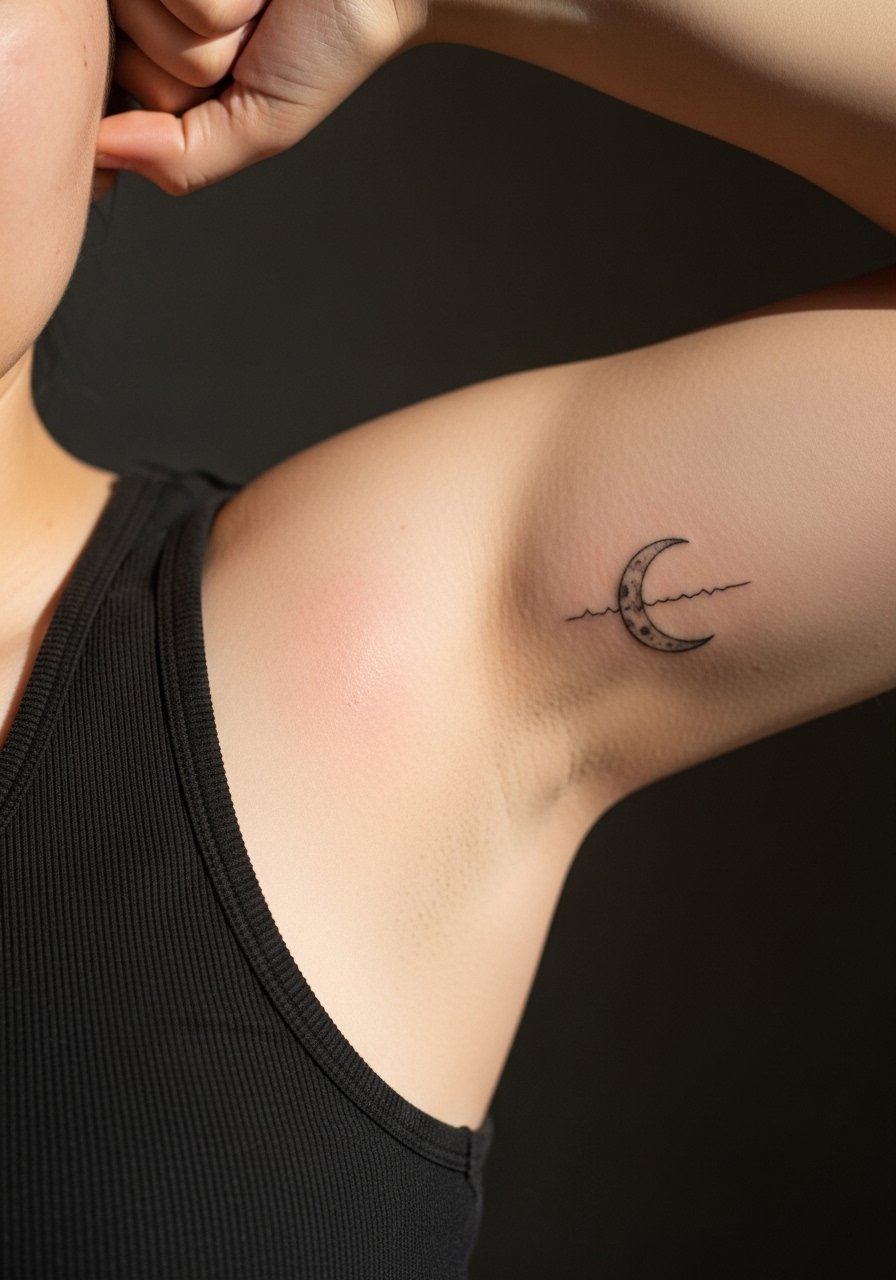
13. Inner Bicep Sketch Moon with Whispered Shading
The inner bicep has thin skin and it can show fading in tight lines sooner than outer-arm work. I recommend a moon with gentle stipple shading and slightly open negative space so the piece does not compact as it heals. The pain can be significant when the arm is raised, so plan session breaks. For aftercare, avoid compressive sleeves that press on the area for the first week. This placement reads private when your arms are down and visible when you raise them.
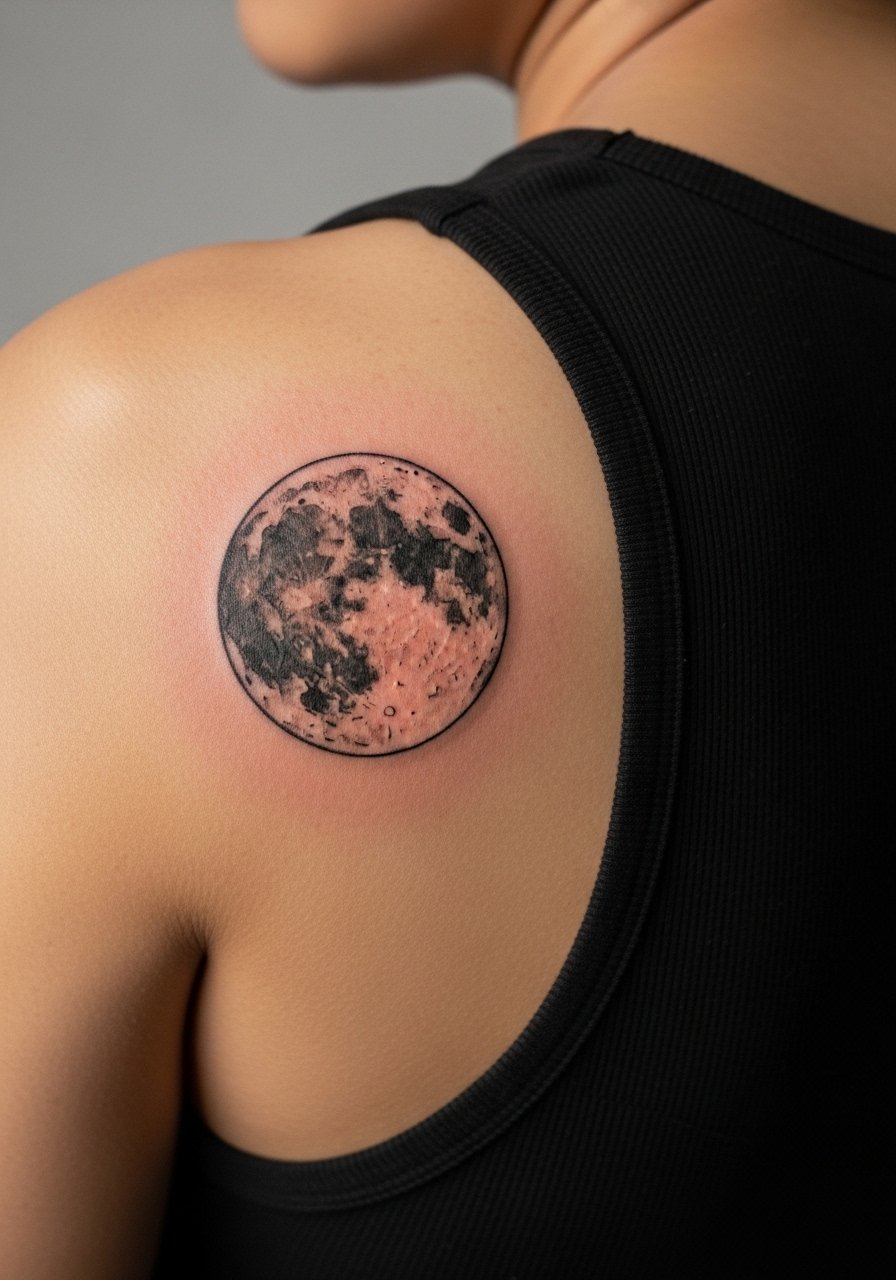
14. Shoulder Blade Single-Moon Sketch
The shoulder blade lets a moon sit with graceful negative space and flow into back pieces later if you want a larger composition. I've seen this area hold fine detail well when spaced and when the artist avoids hairline contouring. Pain is moderate and sessions are comfortable for longer sits. For the studio wear a loose button-down shirt you can slip off or pull aside for access. The shoulder blade tolerates sun exposure poorly, so plan sunscreen for beach months.
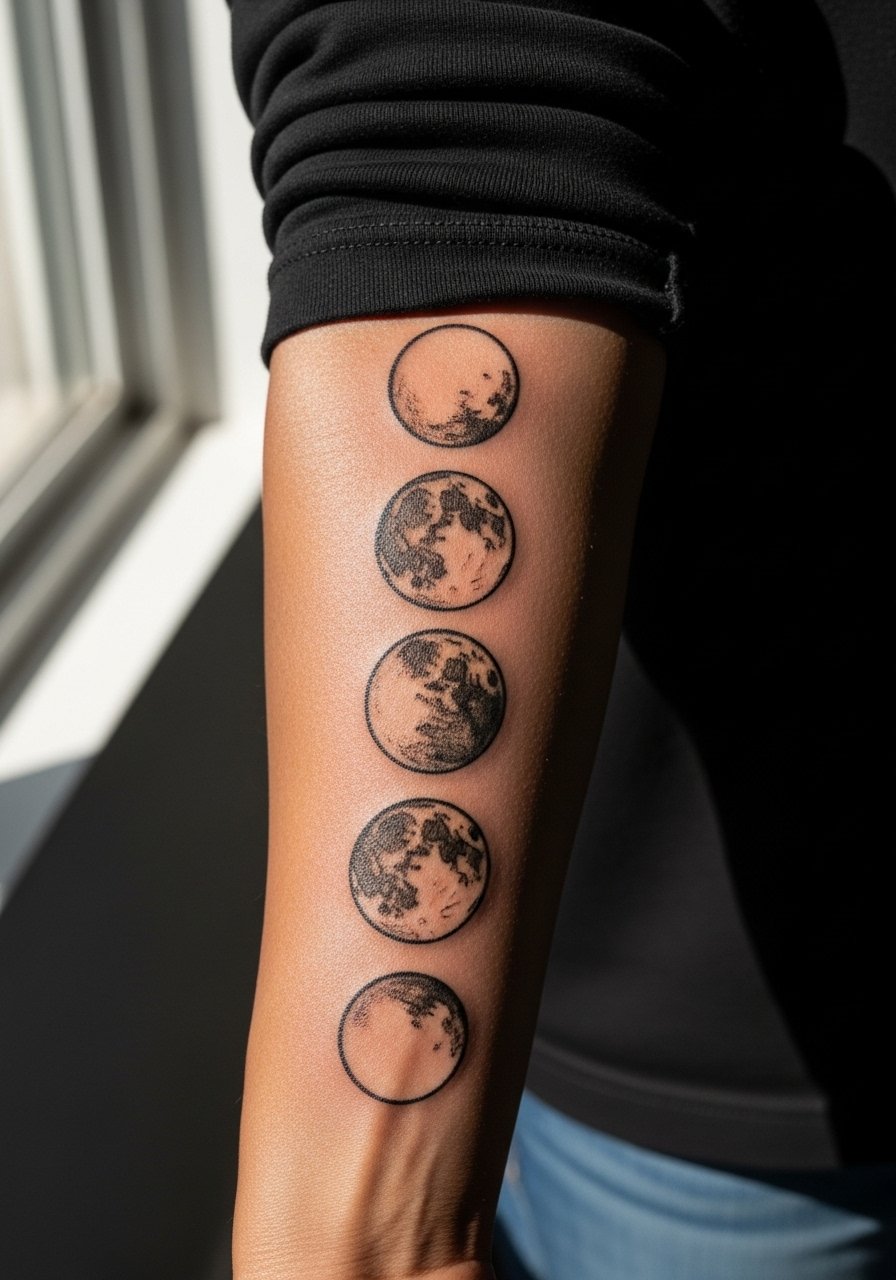
15. Forearm Sleeve of Full Moons in Sequence
A forearm sleeve that strings full moons with different sketch techniques shows range and ages predictably if each element is given its own breathing room. The biggest mistake is compressing too many tiny moons into a narrow band. For consultation bring references that show line weight and spacing and ask for consistent depth across sessions. Expect multiple sessions and annual touch-ups for saturation balance. For casual showing roll sleeves and pair with a simple cuff bracelet that does not sit over the denser parts of the sleeve.
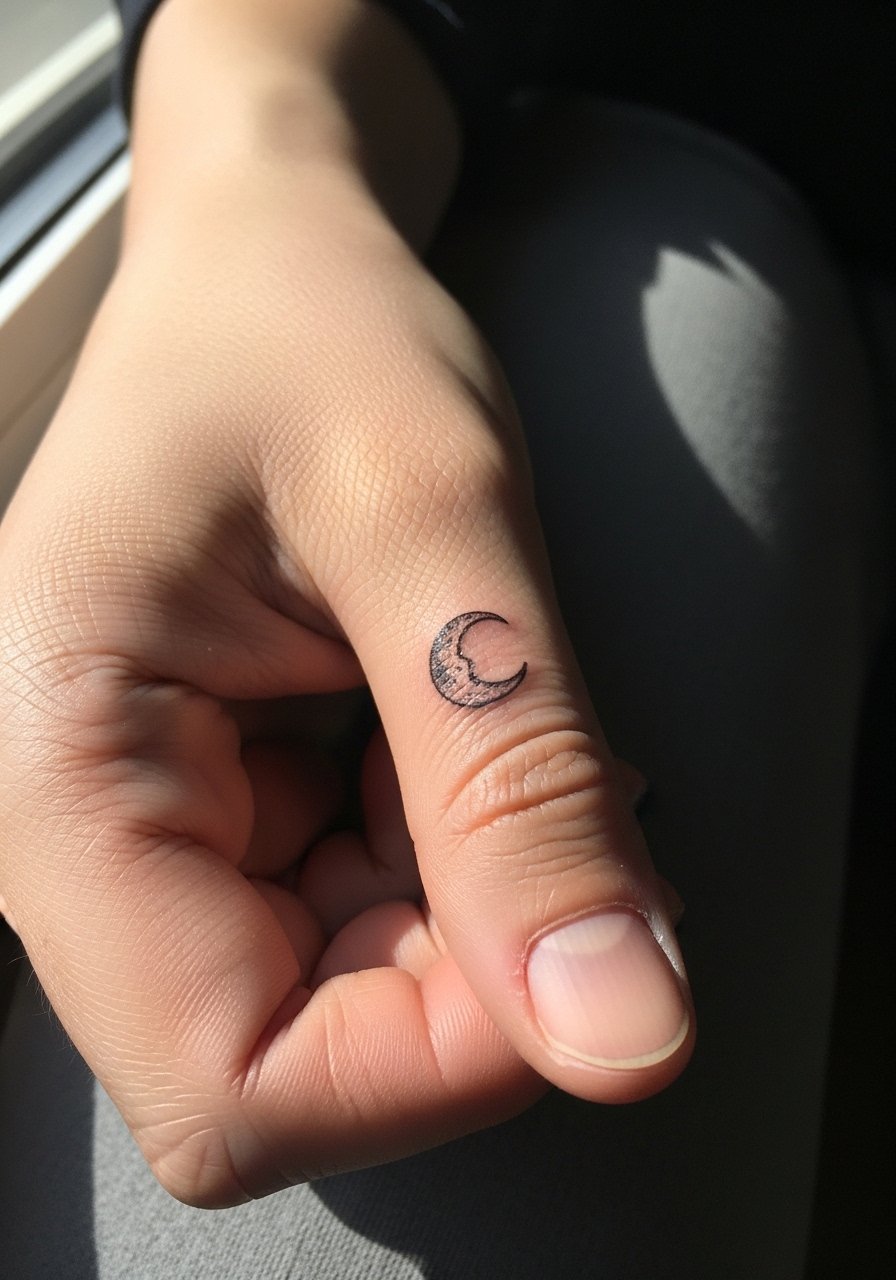
16. Thumb or Knuckle Tiny Moon for Subtle Accent
Finger and thumb placements age differently and they demand bolder strokes than small images elsewhere. One camp of artists avoids knuckles for intricate detail because the wear is high. The other camp will do small symbols with expectation of touch-ups. If you choose a thumb moon, plan for annual refresh and discuss line weight with your artist. For evening framing try a minimalist watch that complements the hand without pressing on the tattoo. Also factor in workplace considerations before booking.
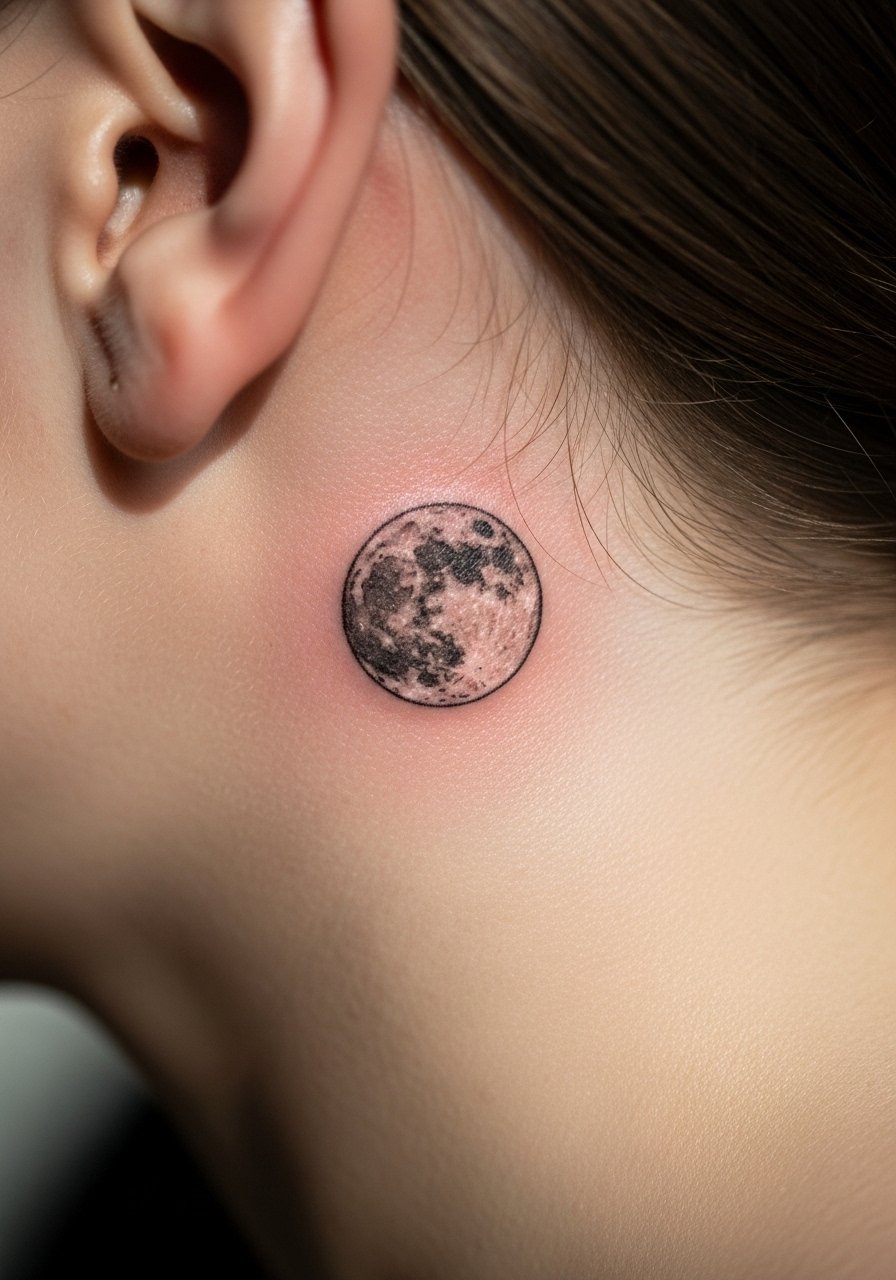
17. Behind-the-Ear Tiny Full Moon Accent
A moon tucked just behind the ear reads as a private accent that peeks out with a pulled-back hairstyle. Ask the artist to keep the design tight and the strokes confident because tiny wandering lines show quickly in that zone. Wear your hair up for the session and use a wide-neck shirt pulled to one side if needed. This placement is discreet and tends to keep its charm as long as you limit sun and heavy products at the hairline.
Frequently Asked Questions
Q: Will fine sketch-style moons blur faster than bolder traditional moons on the forearm?
A: From what I've seen, fine sketch strokes can soften faster than bold traditional work. The forearm is forgiving if lines are given breathing room and the artist uses consistent depth. Expect possible touch-ups around year three for very delicate work.
Q: How do I approach a consultation for a ribcage moon given the controversy over fine line there?
A: Name the two camps and ask your artist where they sit. One group avoids ultra-fine detail because the skin stretches and can blur. The other will place slightly bolder linework and spaced shading to compensate. Bring reference photos that show the exact line weight you want and mention how much movement you expect in daily life.
Q: Are finger and knuckle moons worth it if I want long-term clarity?
A: They can be worth it if you accept earlier touch-ups and slightly heavier linework than you might like fresh. Fingers see the most abrasion and washing. Plan for maintenance and discuss long-term expectations in the consultation.
Q: What should I wear to a sternum or rib session so the artist has clean access?
A: Wear a fitted sports bra or bandeau for sternum work and a cropped athletic top for rib sessions so the artist exposes only the area they need. If you prefer a little more coverage bring a zip-up hoodie you can pull up and slide aside without removing clothing. A versatile option is a racerback tank top that gives easy access while keeping you comfortable.
Q: How do sketch moons hold up on darker skin tones?
A: Sketch work reads beautifully on darker skin when the artist adjusts contrast and line depth. Stipple and dot work can show particularly well. Ask for portfolio examples on similar skin tones and discuss contrast rather than replicating an image meant for light skin.
Q: If I want a design that can expand later into a night-sky piece, which placements are easiest to evolve?
A: Shoulder blade, outer thigh, and calf are the most flexible for future expansion. They give room to add elements without crowding existing linework, and they tend to age predictably, so new pieces integrate without rewriting the old ones.