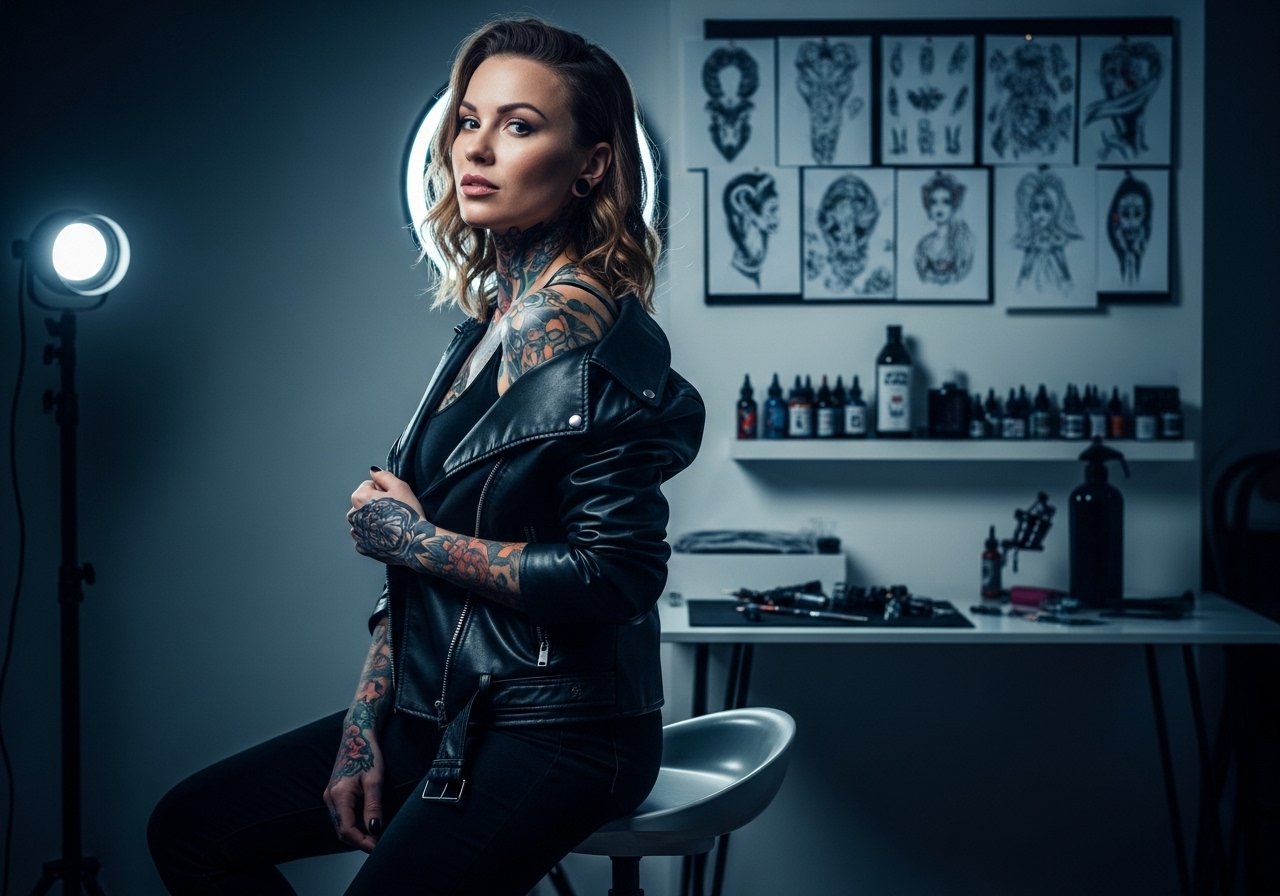
Neo-traditional and blackwork are trending for Tokyo Ghoul pieces, but what lasts on skin is not always what racks up likes. Fine line masks look crisp in studio photos and then soften fast on wrists. Big, saturated neo-trad forearm wraps age into readable texture. If you worry about fading, artists ghosting after deposits, or how ink reads on darker tones, these 17 ideas pair style, placement, and realistic wear so you know what to book for next.
1. Kaneki Centipede Kagune Wrap on Outer Forearm
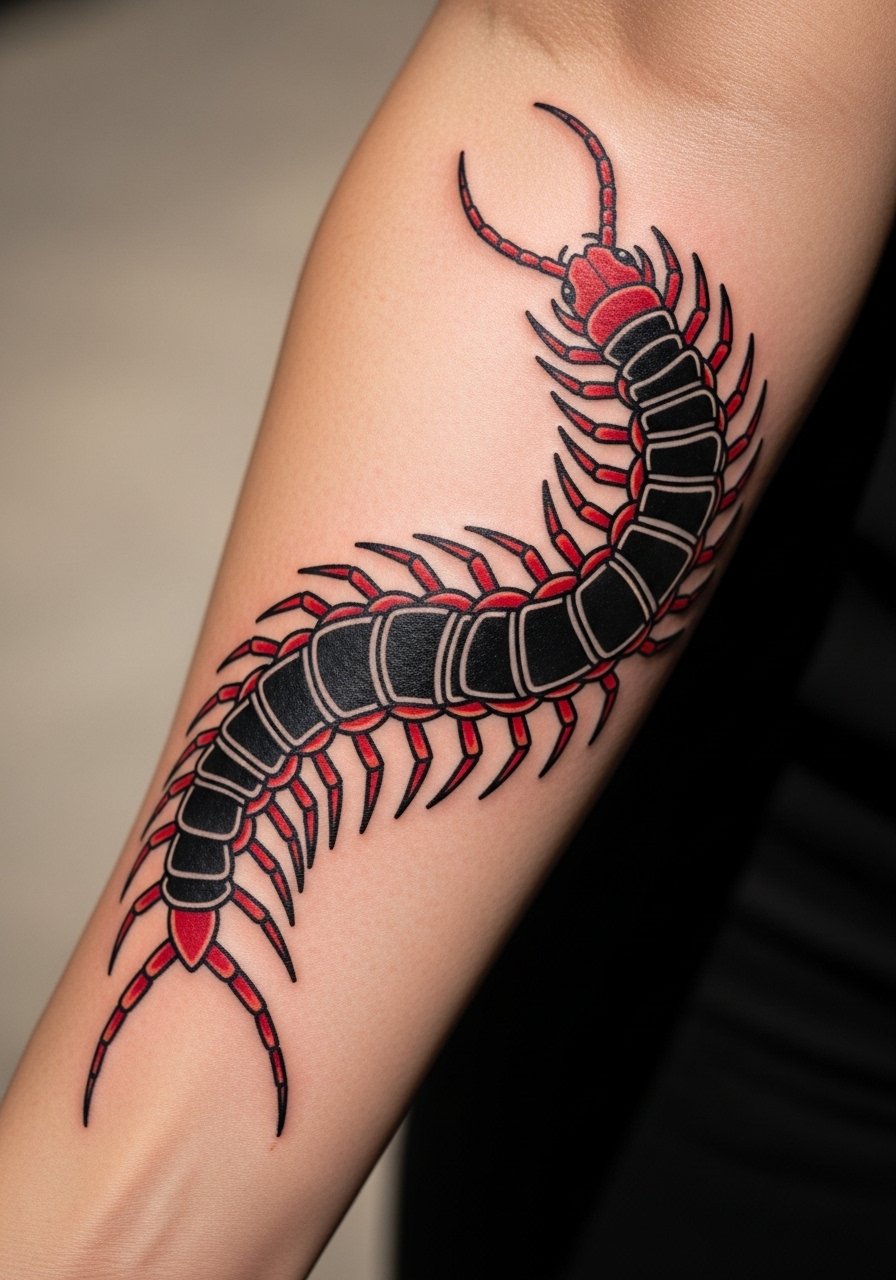
This is a go-to for anyone who wants the transformation theme scaled for an arm. I suggest a 6 to 10 inch wrap that flows with muscle lines so the kagune reads continuous when you move. Tell your artist you want thick outline work and layered saturation, not hairline detail, because thin lines on a wrap tend to blur sooner. Expect two to four sessions and a touch-up window around six to twelve months for the red fills. For showing it off, roll sleeve cuffs or wear a black fitted tee with sleeves pushed up so the wrap reads in motion.
2. One-Eyed Ghoul Minimalist Wrist Outline
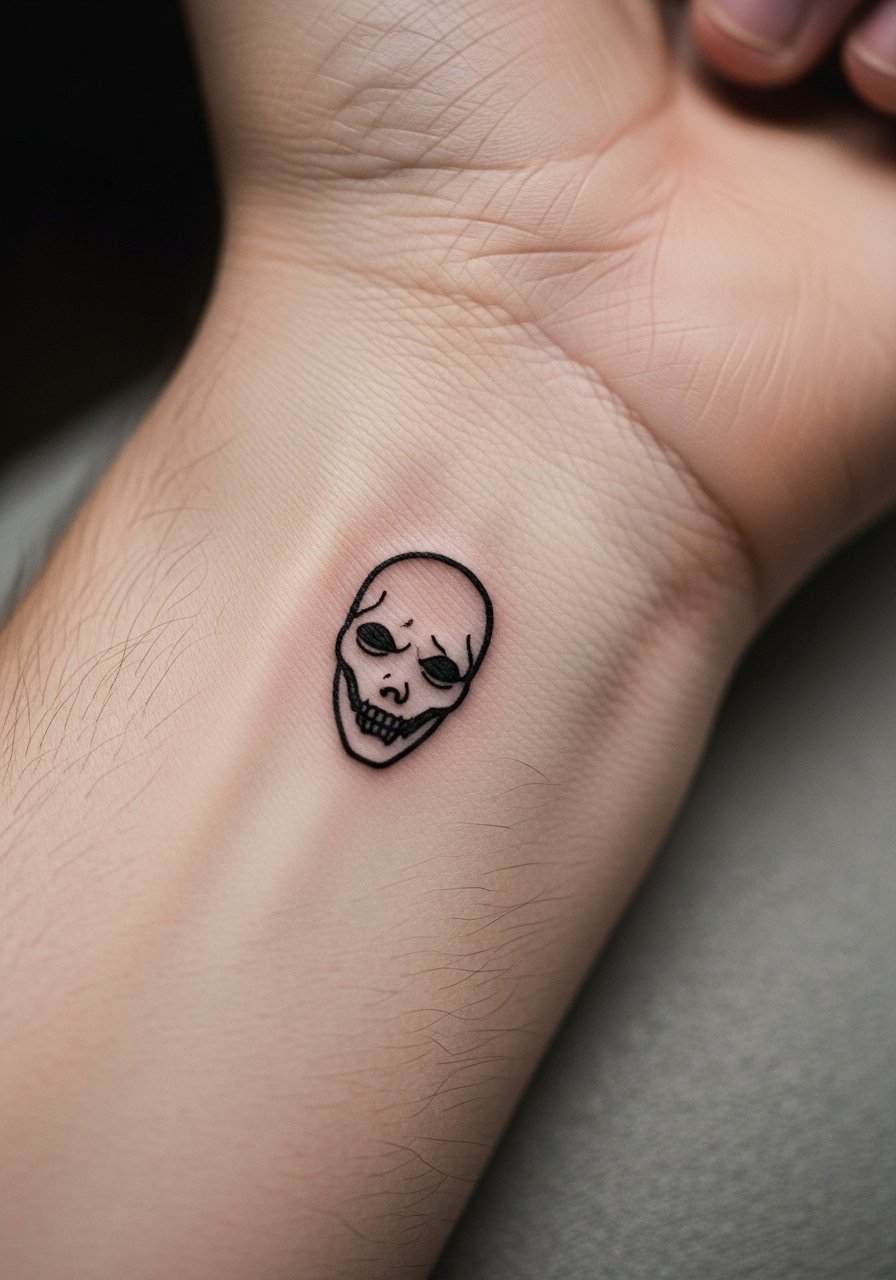
Wrist tattoos demand tradeoffs. The wrist is visible and heals under constant movement and washing, so a 2 to 4 inch minimalist outline is the safest size. Ask for slightly thicker single-line weight than an ultra-fine needle to avoid premature blur. This piece usually finishes in one session but expect a touch-up within a year for most people. For session day, skip bracelets and wear a sleeveless tee so the artist has clear access. Thin jewelry like a thin leather cuff bracelet pairs well when you want to frame the wrist without covering the mask.
3. Touka Rabbit Mask on Collarbone in Fine Line
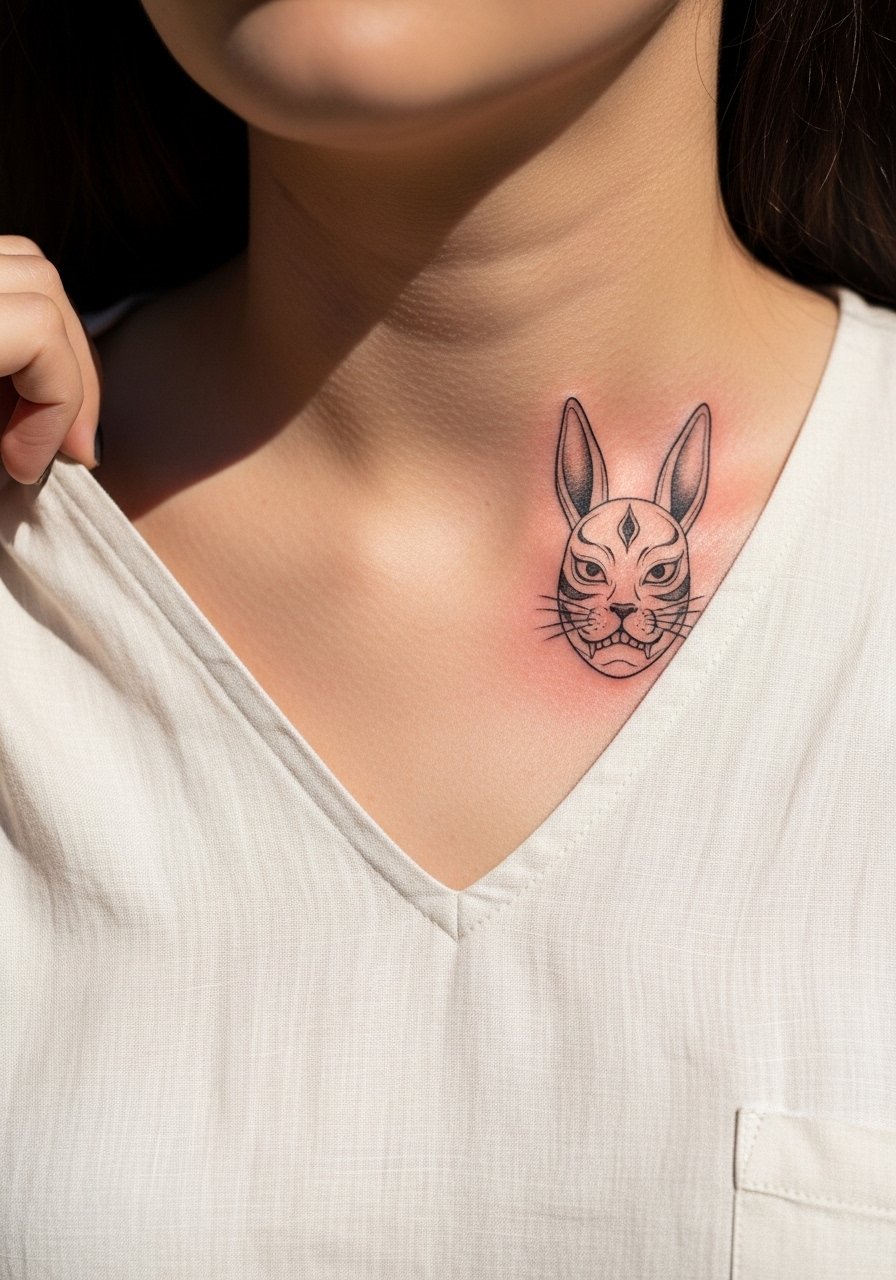
Collarbone gives subtle visibility and suits delicate line work, but placement shifts with clothing and posture. Ask for slightly more spacing between intricate details and for lines to sit at consistent depth so the mask maintains crispness after healing. Fine line here heals nicely if protected from sun and friction, yet some artists argue ribs and collarbone are poor fine-line locations. Name both camps in consults and ask which approach the artist uses. When you want to show it off, a v neck linen tee or a strapless bralette keeps focus on the mask.
4. Juuzou Stitches Blackwork Sleeve on Full Arm

Expect commitment with a sleeve of this scale. Sessions commonly spread across four to six appointments and the sensation is long but steady work, so plan breaks. Blackwork holds up exceptionally well on areas with regular friction and movement because saturation settles into skin. The common mistake is packing too many tiny details that read like noise at five years healed. Tell your artist you want negative-space breathing room between stitch motifs and plan a touch-up at year one for any washed fills. For the chair day, wear a loose button-down shirt you can slide aside easily.
5. Rize Dragon Micro-Realism Shoulder Portrait
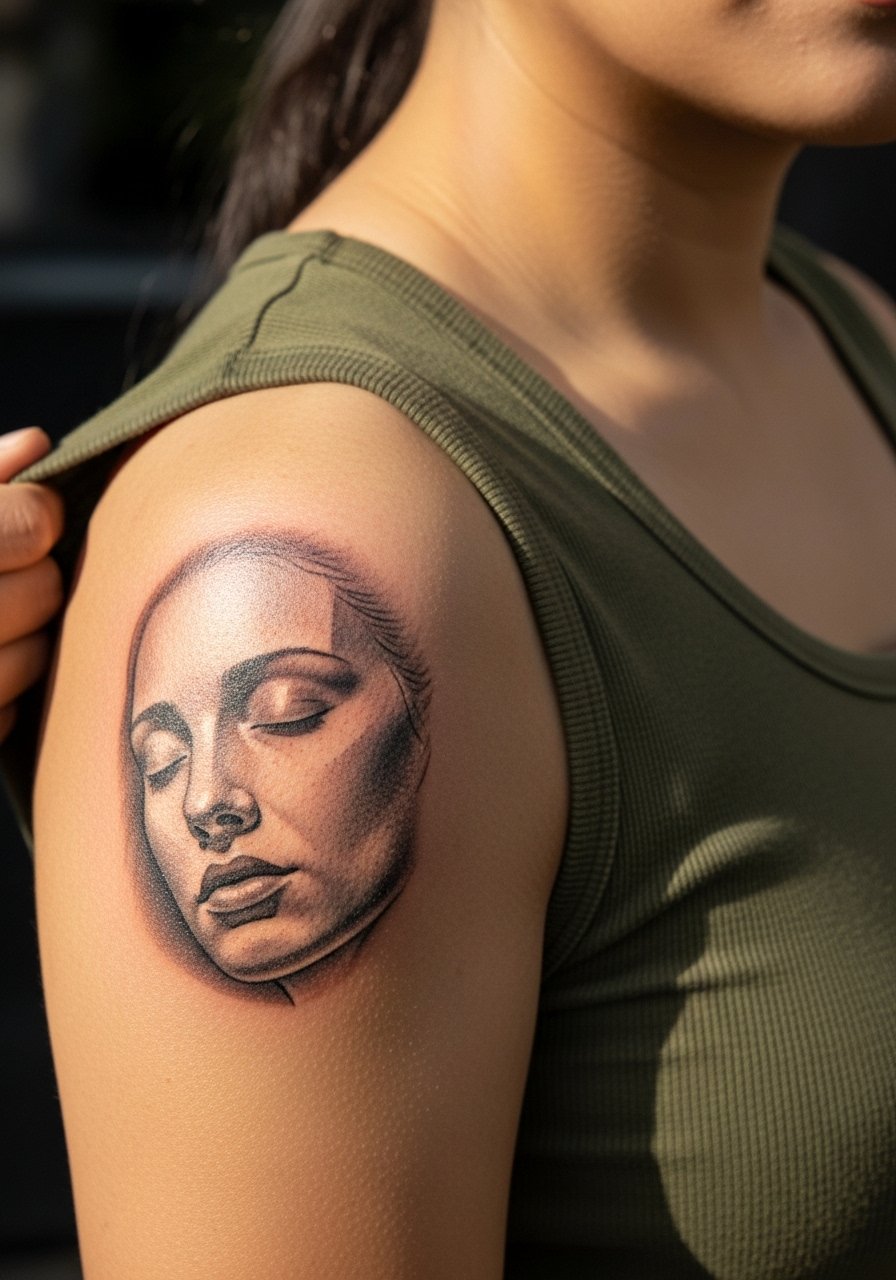
Micro-realism needs a clean canvas and time. A shoulder or upper arm offers flesh that takes tiny needlework well, but expect multiple sessions and careful shading to keep facial features readable after healing. Bring clear reference images that show lighting and expression, and tell the artist the scale you want so small details do not compress. Healed at six months this looks soft and at two years fine detailing can lose pop if saturation was too light. For show-off outfits, an olive tank top with a strap lowered frames the portrait without overexposure.
6. Eto One-Eyed Owl Kakuja Ornamental Upper Back Mandala
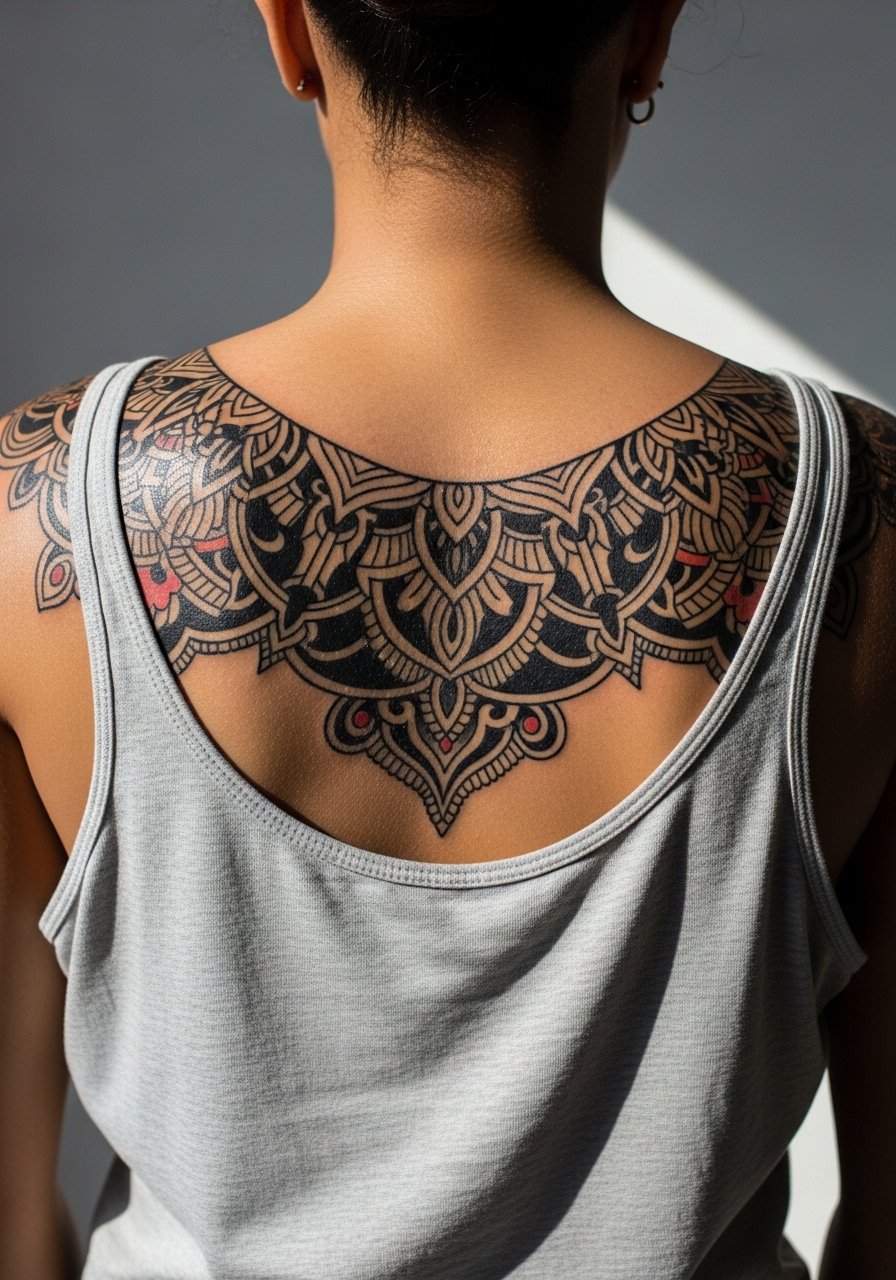
Upper back gives room for intricate ornamental work and the mandala can incorporate color pops without overcrowding. Plan three to five sessions for an 8 to 12 inch composition and ask your artist to map the mandala off the spine so symmetry reads when you move. A common error is compressing too many pattern rings into a small area. At two years healed, well-spaced mandala holds detail. For session wear, choose a loose tank you can pull aside and a hairstyle that keeps the area visible for stenciling.
Pack Smart
The arm and shoulder pieces above benefit from different prep than chest or wrist work, so a few targeted items make the session and the first week easier.
-
Stencil transfer paper kit. Lets you preview line placement on skin, which matters for wraparounds and mandalas covered earlier.
-
Topical numbing cream. Useful for long shoulder or back sessions when wrist and collarbone sensitivity would derail progress.
-
Thin protective film roll. Keeps forearm and wrist pieces cleaner during the first few days of heavy hand use.
-
Fragrance-free body wash. Gentle cleansing matters for fine line collarbone and micro-realism portraits noted above.
-
Aquaphor Healing Ointment. Thin layers for initial moisture control that help delicate linework settle without clogging pores.
7. Hide Sun Mask Watercolor Inner Bicep Splash
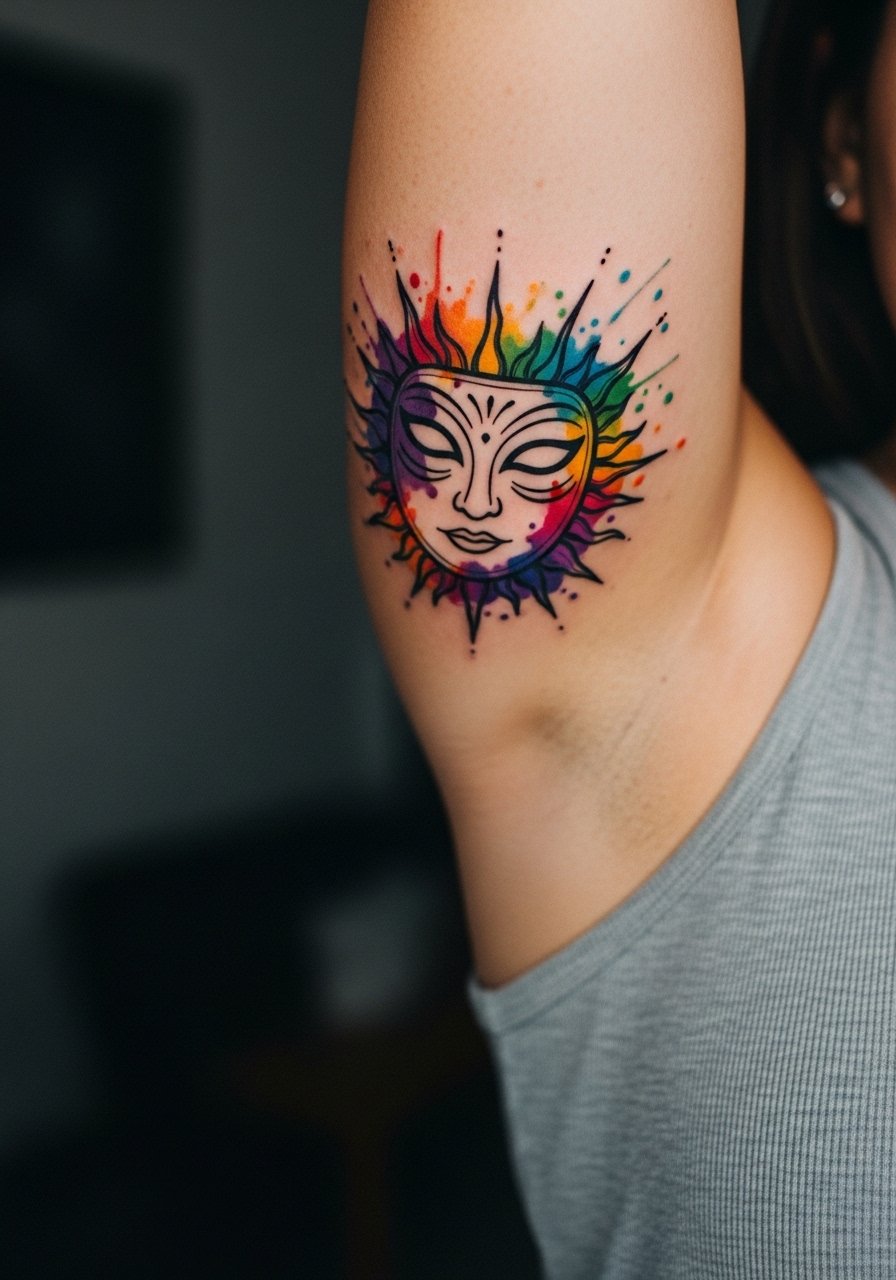
Watercolor brings fluid color but it also asks for placement with fewer friction points. Inner bicep is a forgiving canvas that keeps splashes from rubbing against clothing. Ask for saturated anchors near outlines so the color has structure and does not diffuse into a bruise-like wash. Expect two sessions and a touch-up at six to twelve months if pigments soften. The biggest mistake is asking for pastel washes without contrast. For the session wear, a loose tank top keeps the area accessible and comfortable.
8. Kaneki Half-Ghoul Eye in Ignorant Style on Neck
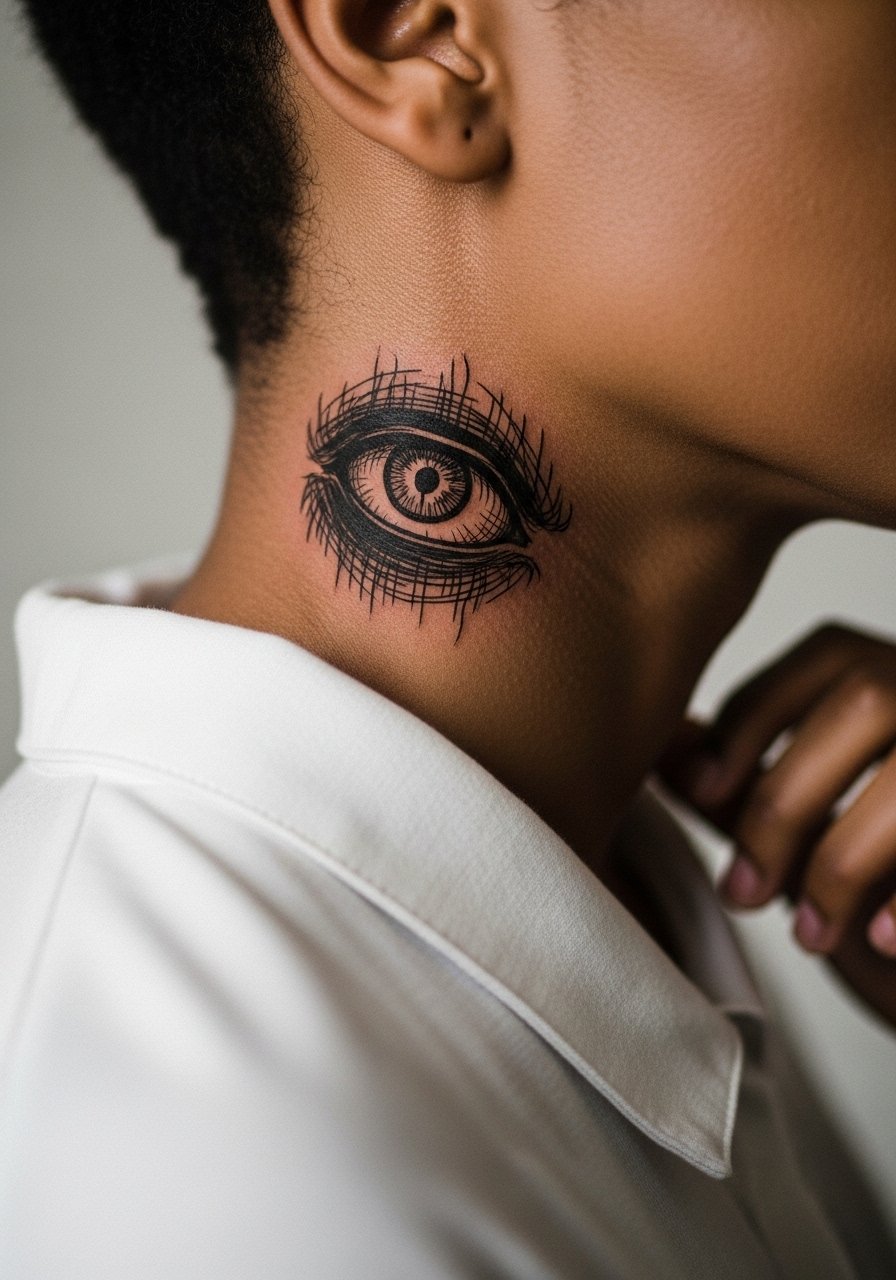
Neck placement is bold and heals under constant movement and sun exposure, so plan carefully. Ignorant style uses loose, sketchy strokes that can tolerate blurring better than fine micro detail. Discuss career and visibility considerations because neck tattoos still affect some workplaces. A common mistake is compressing the eye too small; at three to five inches the sketch lines read and breathe. Pain on the neck tends to be higher than the shoulder but sessions are short. Protect this area from sun after healed to maintain contrast.
9. Uta Pierced Mask on Outer Forearm Neo-Traditional
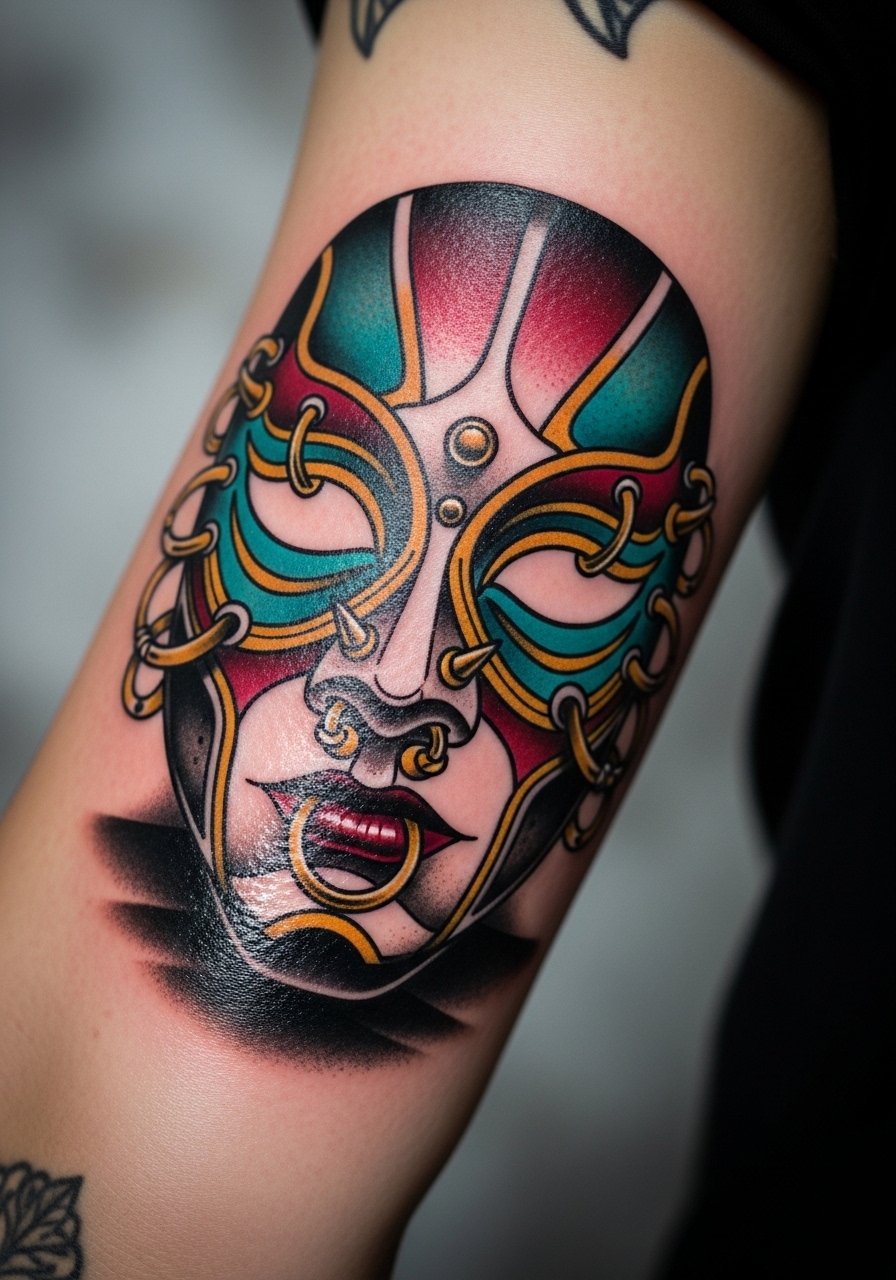
Outer forearm is the perfect showpiece for theatrical masks because it offers a visible, flat surface that takes color well. Ask your artist for heavy black grounding and color layers that read at arm distance. The common aging problem is using thin color layers that fade unevenly. Plan two to three sessions and a touch-up after the first year if reds and blues soften. For casual framing, pair it with a leather jacket slim fit or roll sleeves on a black fitted tee to let the mask dominate.
10. Centipede Spine Column Running Down the Back

Spine pieces read dramatic but they are high on the pain scale, especially over vertebrae. Blackwork saturation suits the vertical flow and avoids detail that will blur with body movement. The typical mistake is over-detailing the segments in a way that merges when healed. Plan four sessions for a 10 to 15 inch piece and expect solid longevity if saturation is deep. If you want this for summer visibility, pick low-friction clothing and a backless tank top for showing days.
11. Kagune Wings Fine Line Upper Back Spread
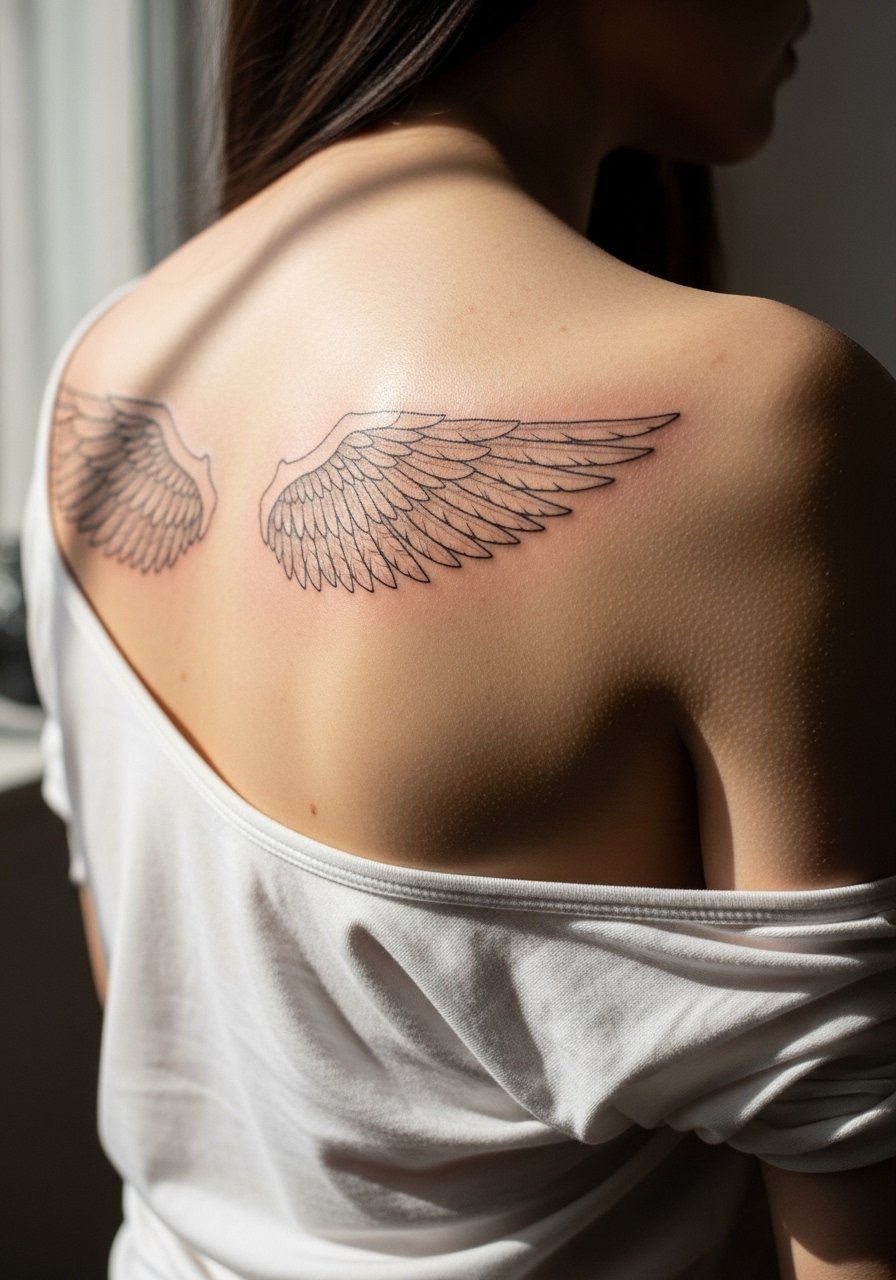
Fine line wings need breathing room to avoid merging. The upper back gives that room but demands careful spacing and needle depth so feather tips do not vanish into shaded blobs. In consultations mention you want distinct primary feathers with negative-space separation, not packed stippling. At six months the wings look airy and at five years some tips may need light touch-ups. For show-off outfits, low-back dresses or a low back dress make the wings a focal point.
12. Ghoul Eye Cluster Micro-Realism on Calf
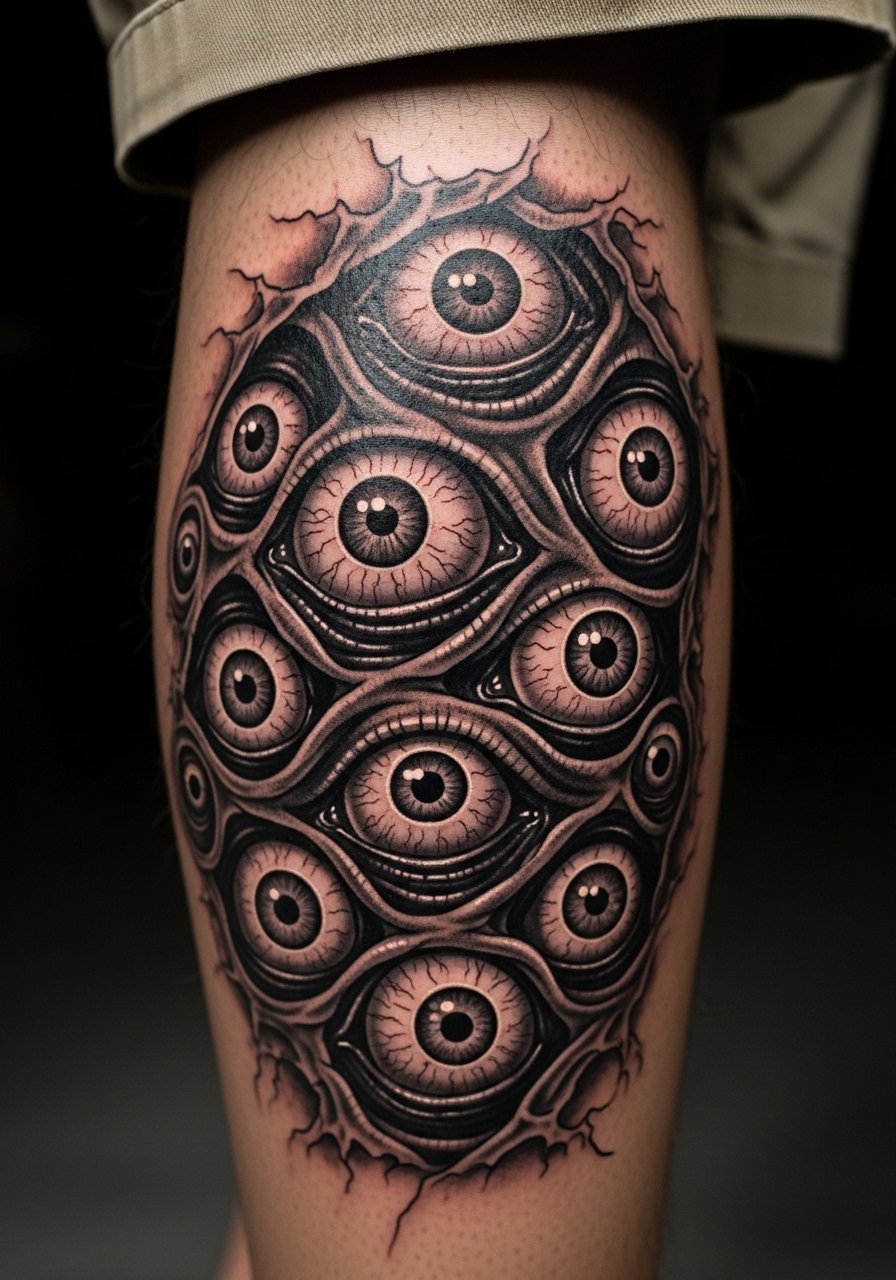
Calf placement suits micro-detail because skin there resists distortion better than inner thigh or ribcage. A 5 inch cluster benefits from careful contrast and layered shading to keep each iris distinct. People often underestimate healing time for calf work because daily movement and socks can irritate fresh ink. Ask for a raised schedule of sessions so the artist can refine contrast in later passes. For show-off days, cuffed cuffed joggers men or shorts frame the cluster without hiding it.
13. Manga-Style Panel Ribs Piece in Fine Line
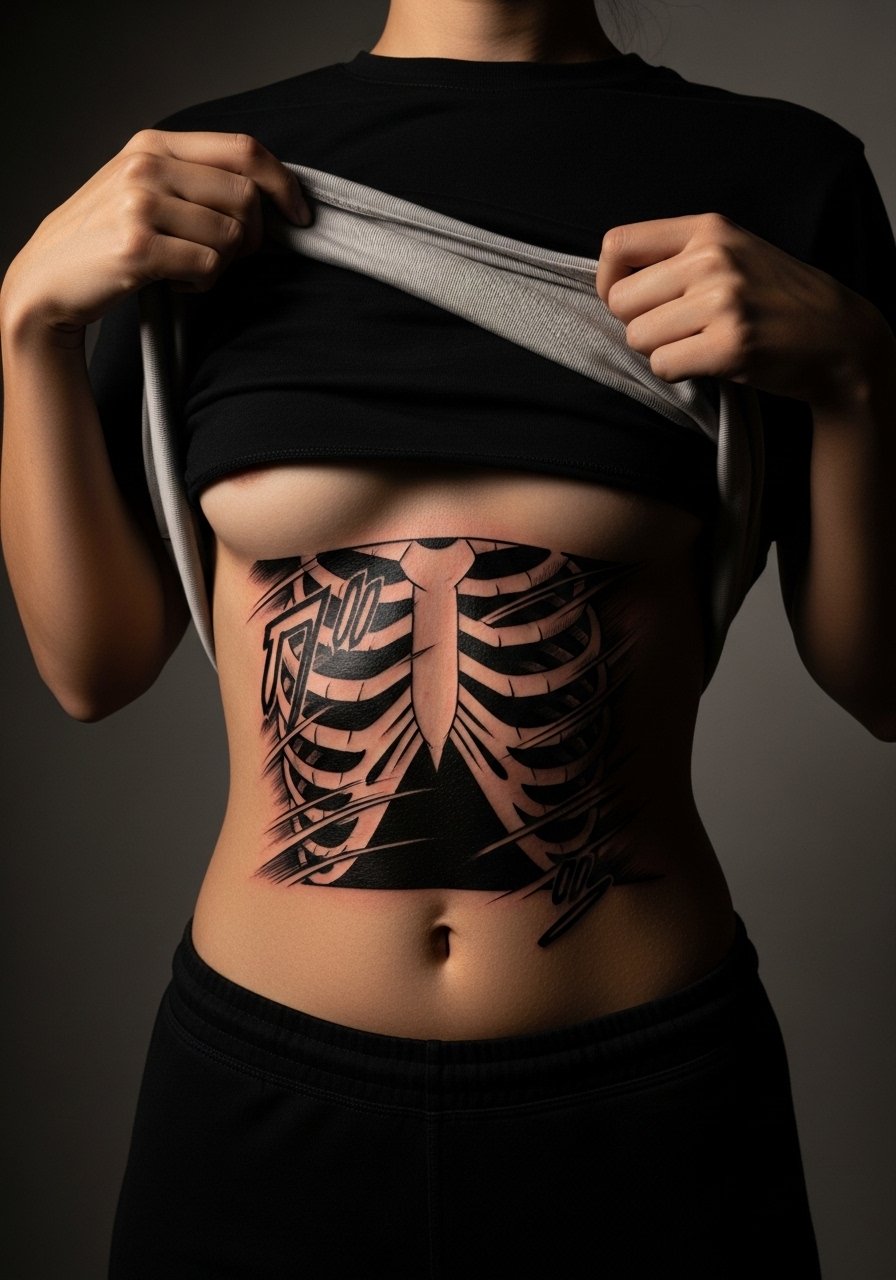
Ribcage is notorious for both pain and movement. Fine line manga panels can read cinematic there, but small dense linework risks merging as the skin stretches. One camp of artists argues ribs are a poor fine-line canvas because of stretch. The other camp says with precise depth and spacing fine line is fine. Name both camps at booking and ask which they practice. Sessions are short and intense. Expect a slow healing window and a possible touch-up at one year if lines soften.
14. Centipede Wrap Around Thigh Ornamental Kakuja
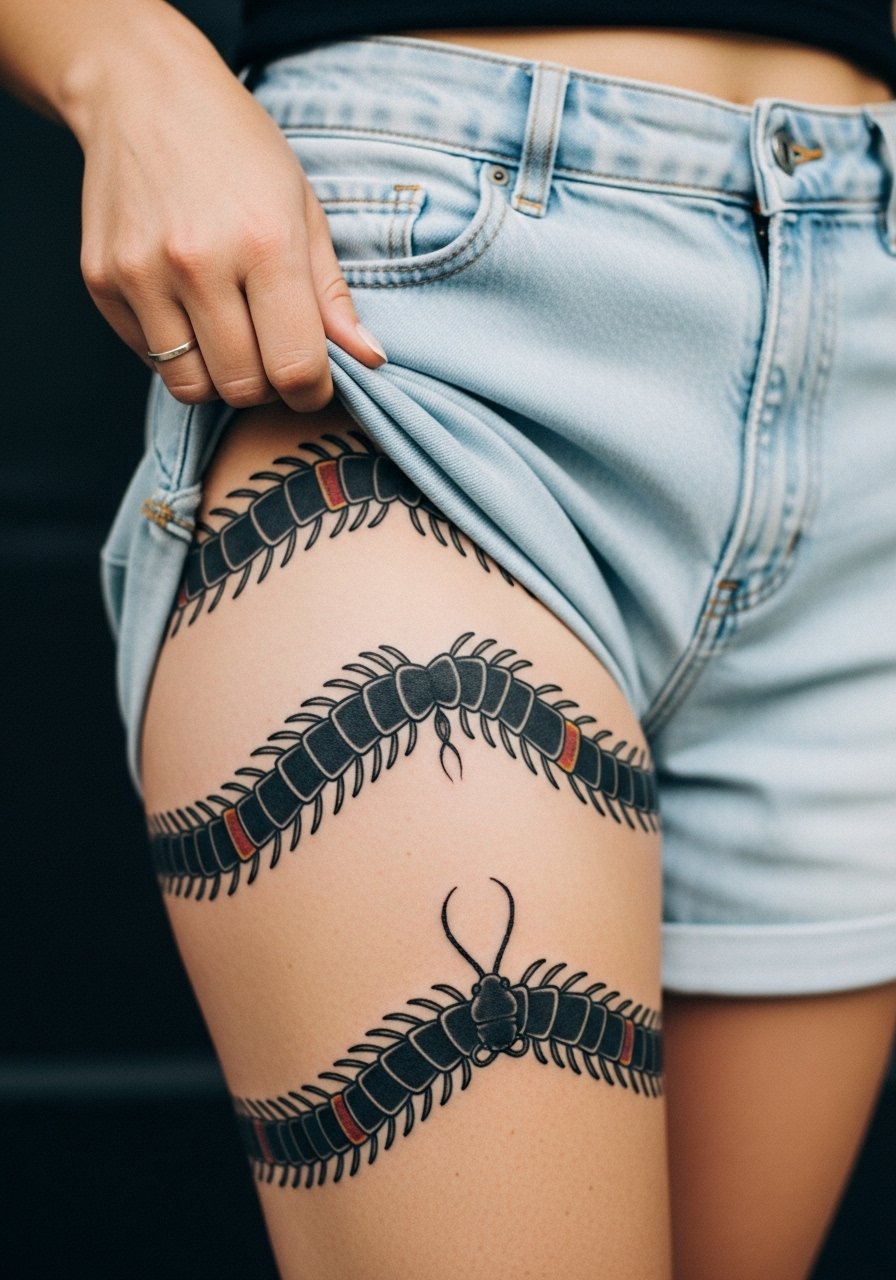
Thigh wrap can be a private statement with bold visual impact. Thighs are stretch-prone so compact, well-spaced motifs age better than overly long wraps. A common mistake is extending a wrap too far toward stretch zones near hips. Ask for modular segments that read as a whole when worn and still look coherent during weight fluctuations. Plan three to five sessions and consider how gym wear will rub the area during healing. High-cut shorts and skirts pair well for show days.
15. Minimalist Ankle One-Eyed Ghoul Symbol
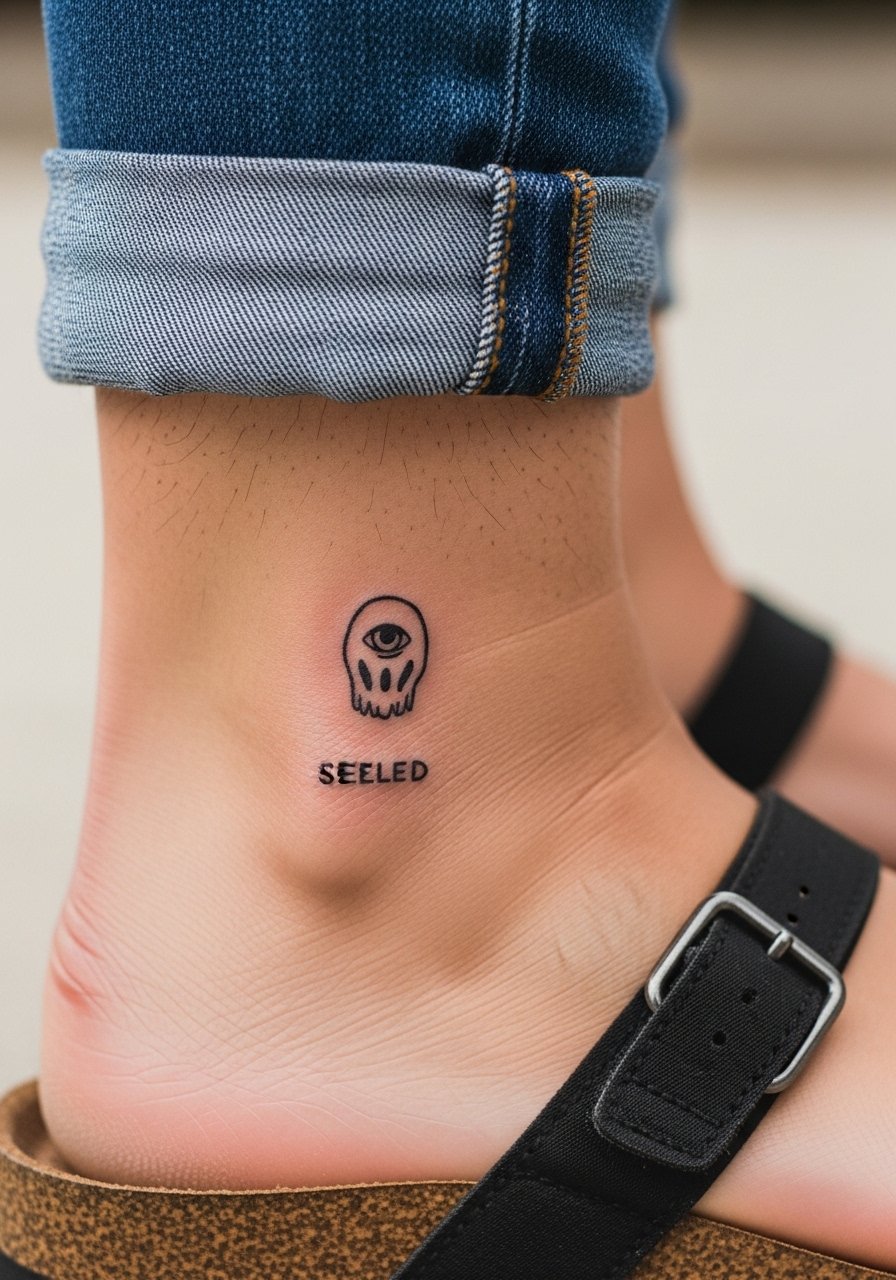
Ankle pieces face friction from shoes and socks, which can strip pigment if not protected. The safe move is a slightly bolder single-line and a clear plan for covering during the first week. People often ask for ultra-tiny work that becomes patchy after walking and shoe wear. Schedule a one-session piece and plan a touch-up at six months if needed. For outfits, cuffed jeans and sandals keep the ankle visible while limiting rubbing when indoors.
16. Tiny One-Eyed Ghoul Finger Accent
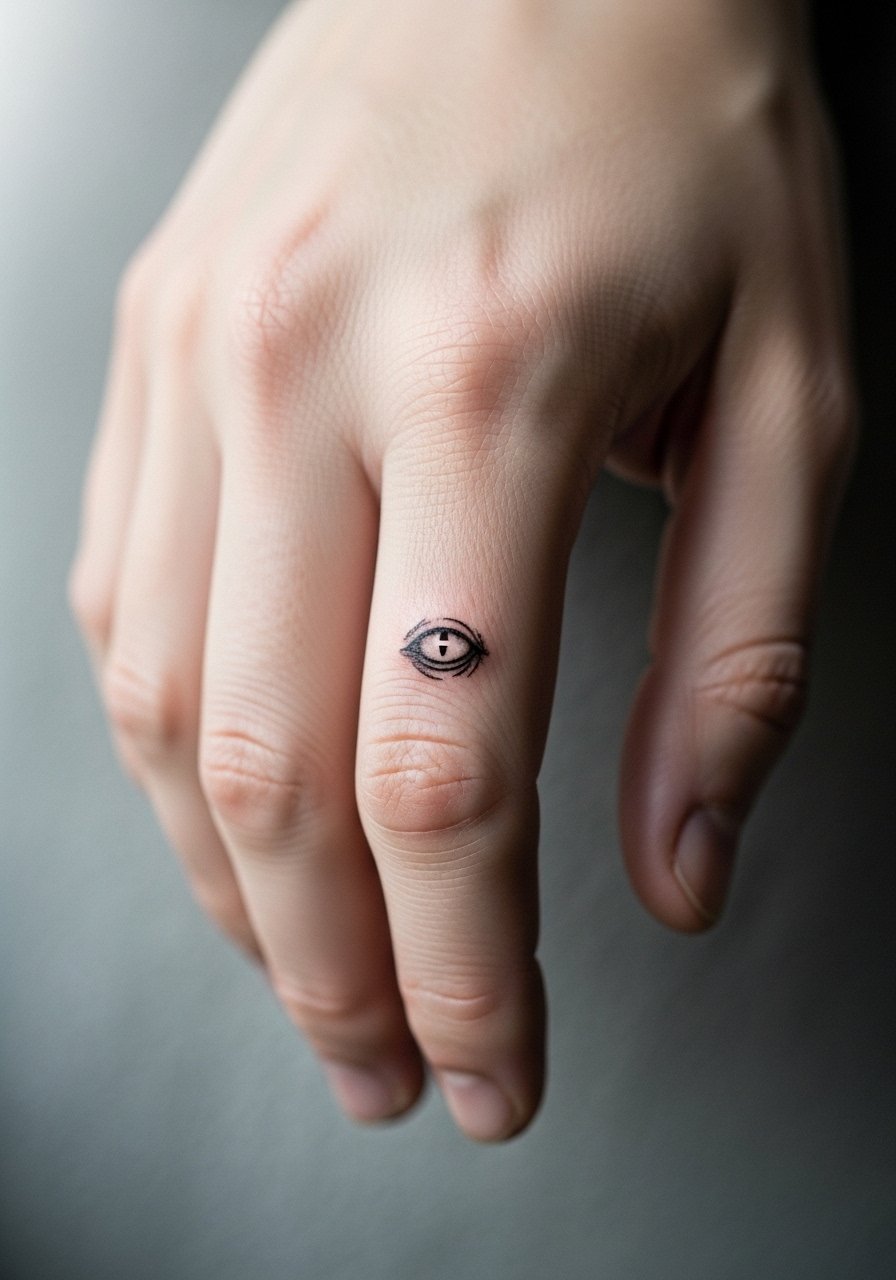
Fingers are high-contact and notoriously fussy. Lines in this zone diffuse faster because skin is thin and frequently scrubbed. If you want a finger accent, pick a slightly thicker outline and accept that touch-ups are common. The session is short but can be painful near joints. A good session plan is a small tattoo now with expectation of a refresh at year one. For accessorizing, keep jewelry minimal so the design stays visible.
17. Backpiece Kagune Wings with Ornamental Frame
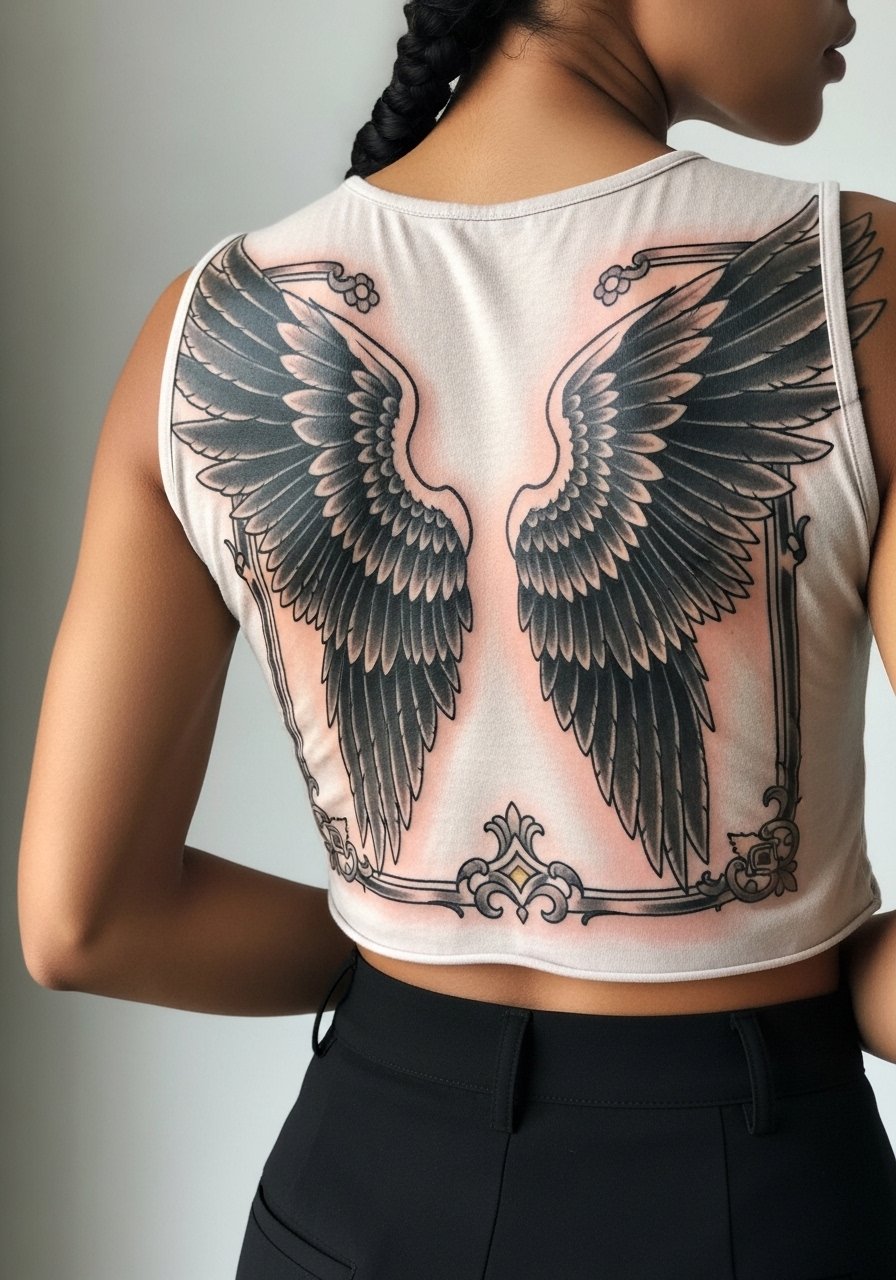
Large backpieces are a long-haul project that reward patience. Expect five or more sessions for a 12 inch plus composition and plan the spread so the ornamental frame reads symmetrically from the spine. The common error is over-inking small filler work early. Save small details for later sessions once the saturation settles. For showing the upper back, a backless tank top or a low-back dress offers clean exposure without risking friction.
Frequently Asked Questions
Q: Will a fine line collarbone rabbit mask blur faster than a neo-traditional forearm piece?
A: In my experience fine line on collarbone needs more careful spacing and sun protection because thin lines can soften with exposure. Neo-traditional forearm work often uses heavier outlines and saturation that age into readable texture. Ask your artist how they adjust depth and spacing for collarbone fine line before booking.
Q: How should I prep for a long Juuzou-style blackwork sleeve session to reduce anxiety?
A: Break the work into multiple sessions, eat a solid meal beforehand, and bring a playlist and hand-held breaks plan. Wear a loose button-down shirt you can slide off one arm for access. If you are nervous about pain consider topical numbing discussed in the product block and talk timing with the shop.
Q: Is Saniderm better than dry healing for detailed Tokyo Ghoul pieces like fine line masks or micro-realism eyes?
A: Artists and collectors split into two camps. One camp says modern protective film speeds healing and reduces scabbing and infection risk. The other camp prefers dry healing, arguing films can trap moisture and increase issues if applied poorly. The right choice depends on your skin type and the artist's protocol, so ask them which method they prefer and why.
Q: What should people with darker skin tones request for ghoul masks so contrast reads in photos?
A: Ask for high-contrast blackwork and slightly thicker outlines so shapes stay crisp in photos. Request healed examples on similar skin tones in the artist portfolio. A subtle shift in contrast and saturation usually makes more difference than adding more color.
Q: How often do small ankle and finger Tokyo Ghoul pieces need touch-ups?
A: Expect that ankle and finger work will likely need at least one touch-up within the first year due to friction and exposure. Planning for a follow-up session at six to twelve months gives you a chance to refresh lines once initial settling completes.