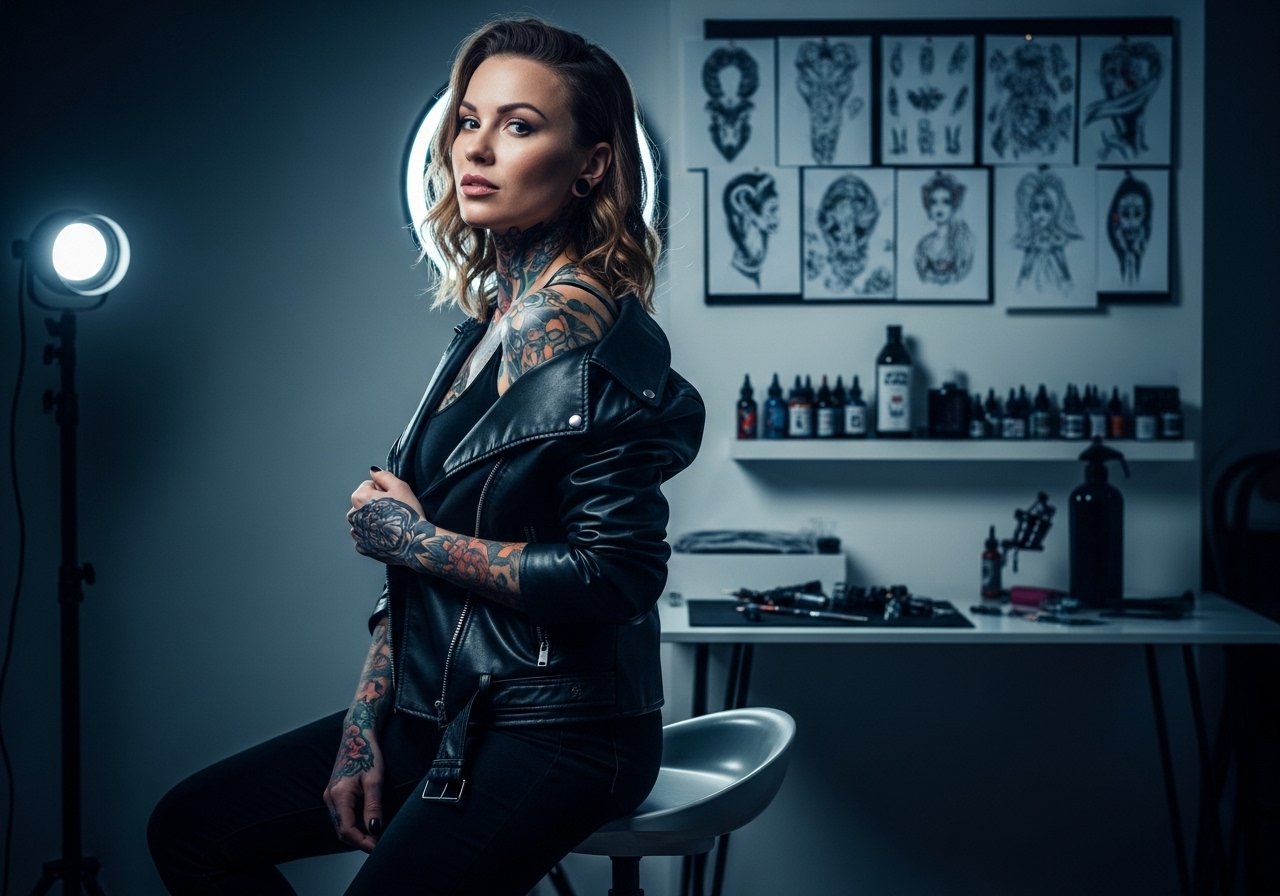
Sitting in the chair with the stencil on is when most people realize placement reads different on the body than it did on the screen. Minimalist tricep pieces are forgiving, but common tripwires are sizing them too small, picking a line weight that won't hold, or forgetting how clothing frames the arm. Read the first idea for a low-risk placement, then use the practical tips to plan the session so the lines still read clean years from now.
1. Lightning Bolt on Lower Tricep
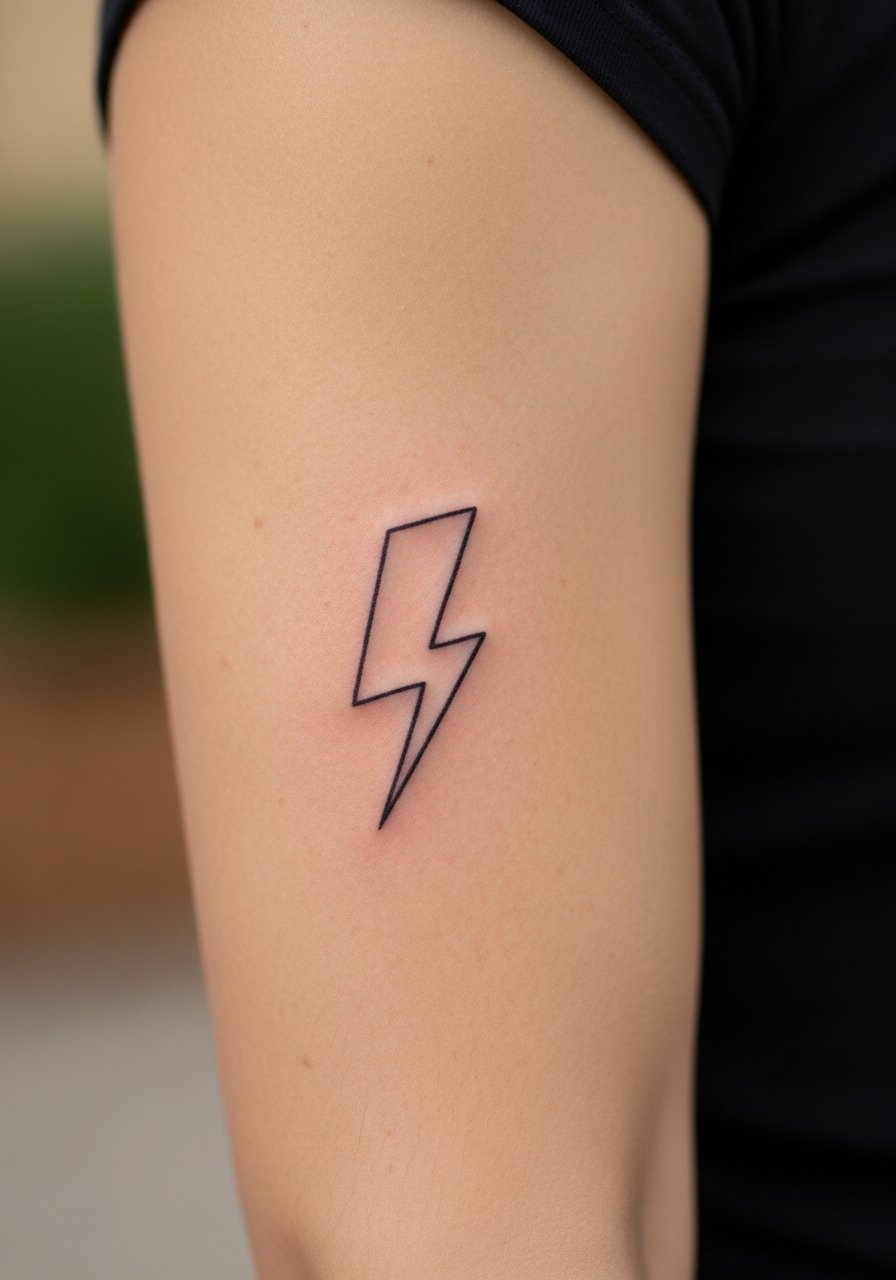
I’ve seen this one a dozen times because it reads bold without taking up space. Pain level is moderate for the lower tricep, session time is usually under an hour, and it’s a good first tricep tattoo for someone who wants an icon that still hides under sleeves. Tell your artist you want a slightly thicker main stroke so it keeps contrast as the piece heals. The common mistake is asking for hyper-fine lines that lose presence after a few years. Expect touch-up talk at year two if you want the bolt as dark as day one. For showing it off, a fitted fitted black tank top keeps the arm silhouette clean and draws the eye to the bolt.
2. Fine Line Nature Scene on Vertical Tricep
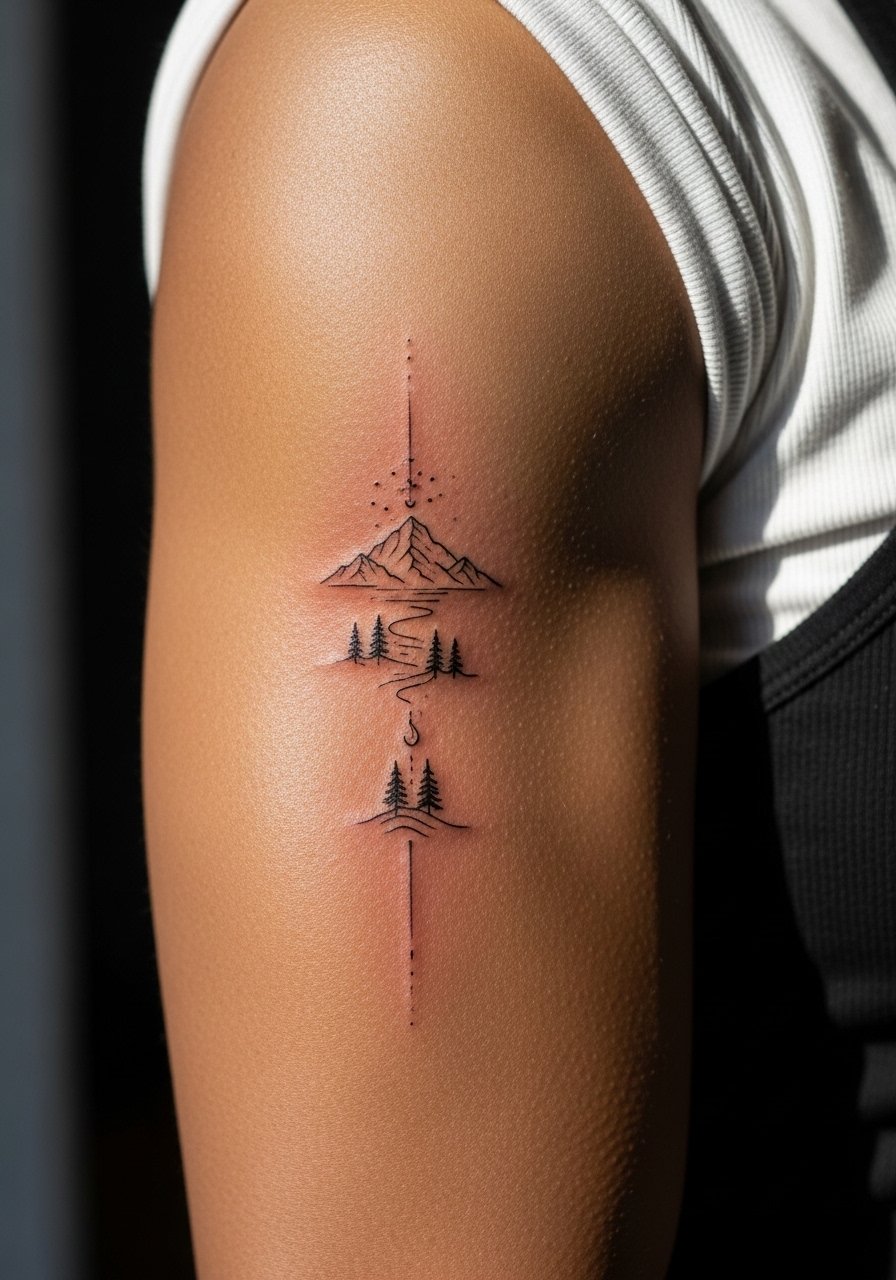
When you want a subtle outdoors vibe that follows the arm, vertical placement is the ticket. Expect a gentle but steady sting on the inner tricep, and plan for a 1 to 2 session setup depending on height. Be explicit in consultation about spacing between branches and trunks. Artists are split into two camps on fine line longevity. One camp says thin single-needle work blurs quickly on any arm. The other camp says with correct depth and breathing room between elements the lines can last well. Ask the artist which approach they use and why. A common mistake is cramming too many tiny details in a narrow column. For the session wear, roll sleeves or rock a sleeveless tank top so the artist has full vertical access without fabric bunching.
3. Signature Initials on Mid Tricep
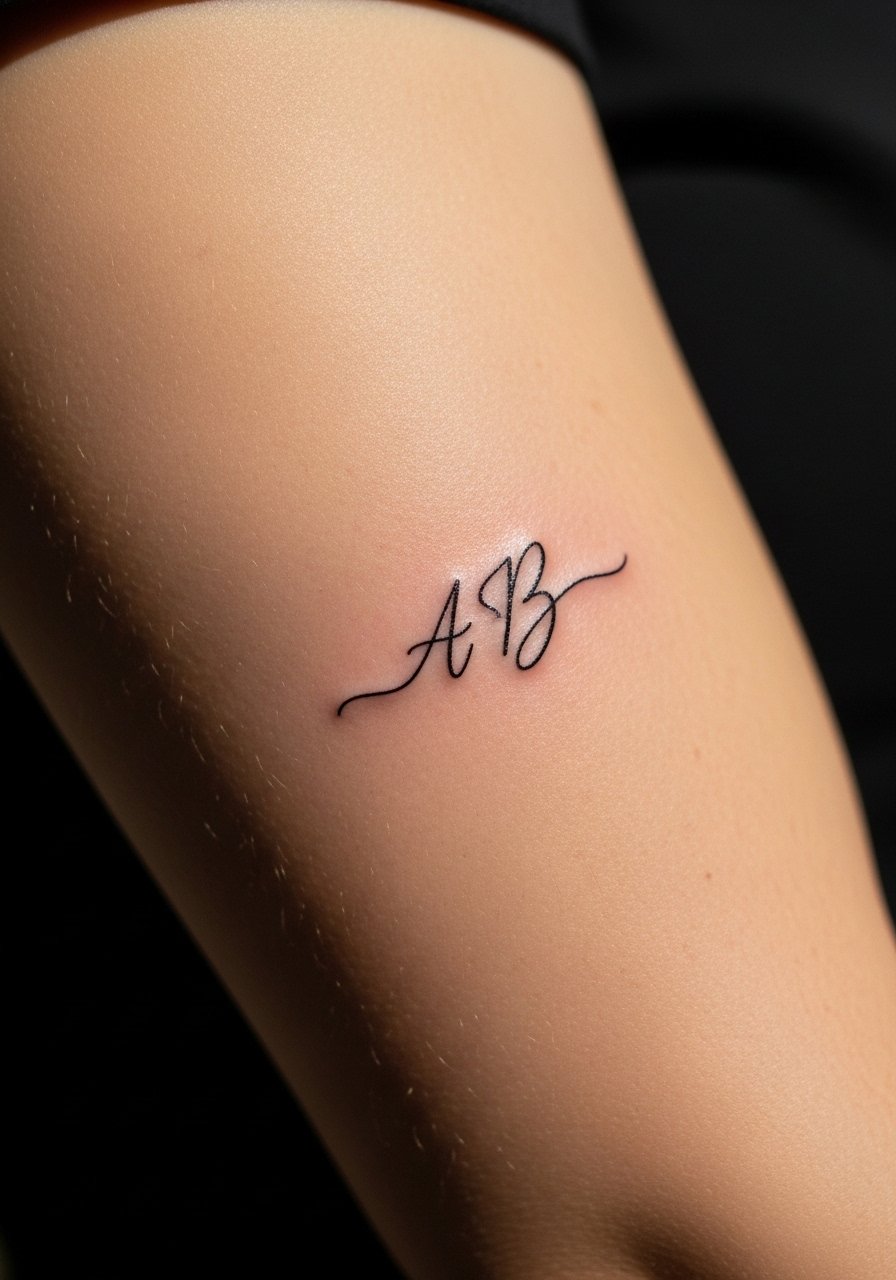
If discreet lettering appeals, the mid tricep keeps the text legible and easy to conceal. Pain here is manageable. Session time is short, usually a single quick sitting. Bring examples showing exact line weight and the letter spacing you want, and ask for the stencil to be placed in sitting position, not stretched, so the letters look right when your arm is relaxed. The common mistake is requesting script that is too delicate for the skin texture there, which can blur into mush. Expect a light touch-up after the first year depending on sun exposure. For everyday wear, this pairs well with a tailored tailored crewneck tee that keeps the mid-arm visible without competing jewelry.
4. Curved Geometric Band on Outer Tricep
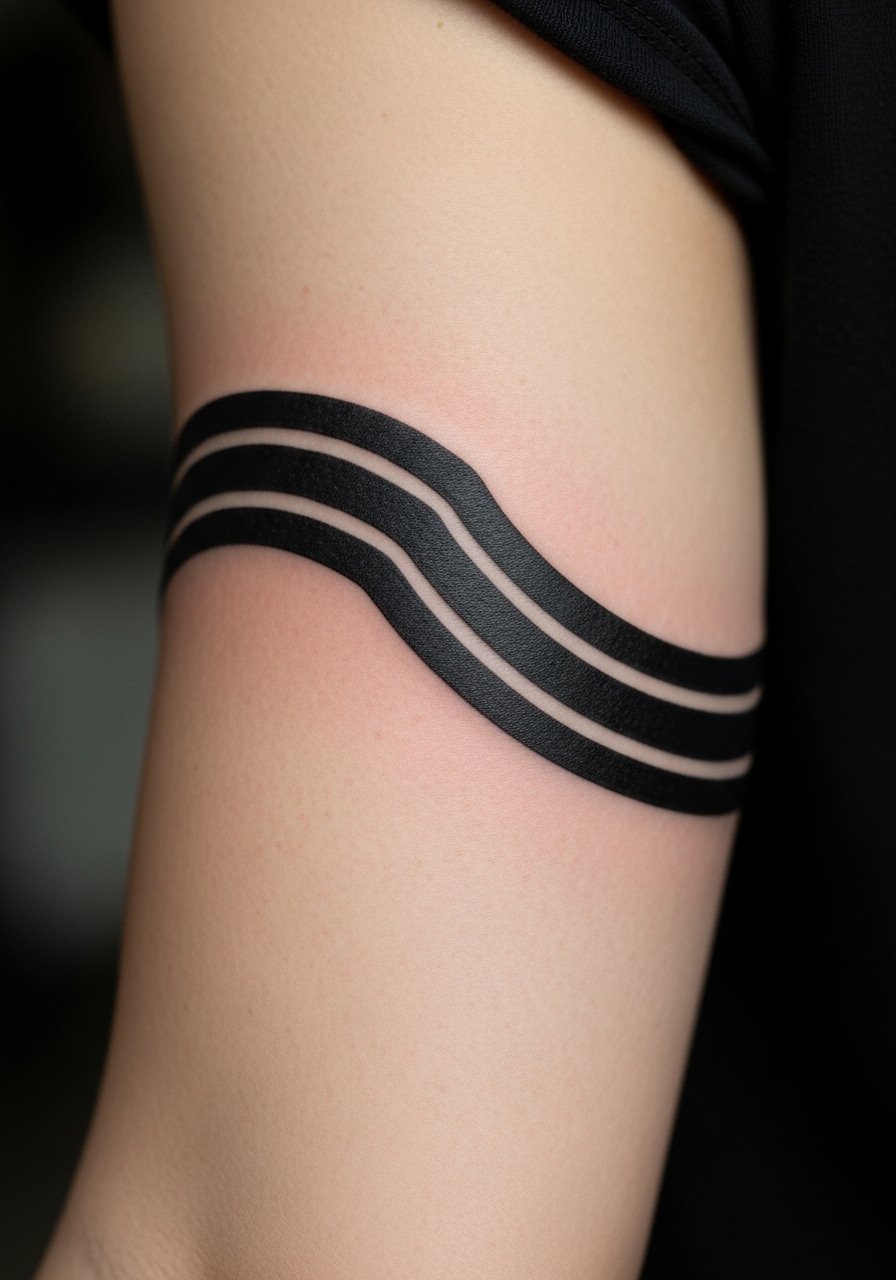
Geometric pieces that follow the tricep curve look modern because they use the arm’s shape. Visual impact is immediate, but the biggest mistake is going too small. The lines need breathing room so the intersections do not merge as the skin ages. Expect a single session if you keep it in the 2 to 4 inch range. This placement has low blowout risk if the artist plans needle depth correctly. Tell your artist you want the design to sit with the muscle flex so it reads symmetrical whether your arm is relaxed or flexed. For a night out, pair the band with a slim slim fit polo shirt and short sleeves to frame the clean geometry.
5. Mandala Centered on Tricep
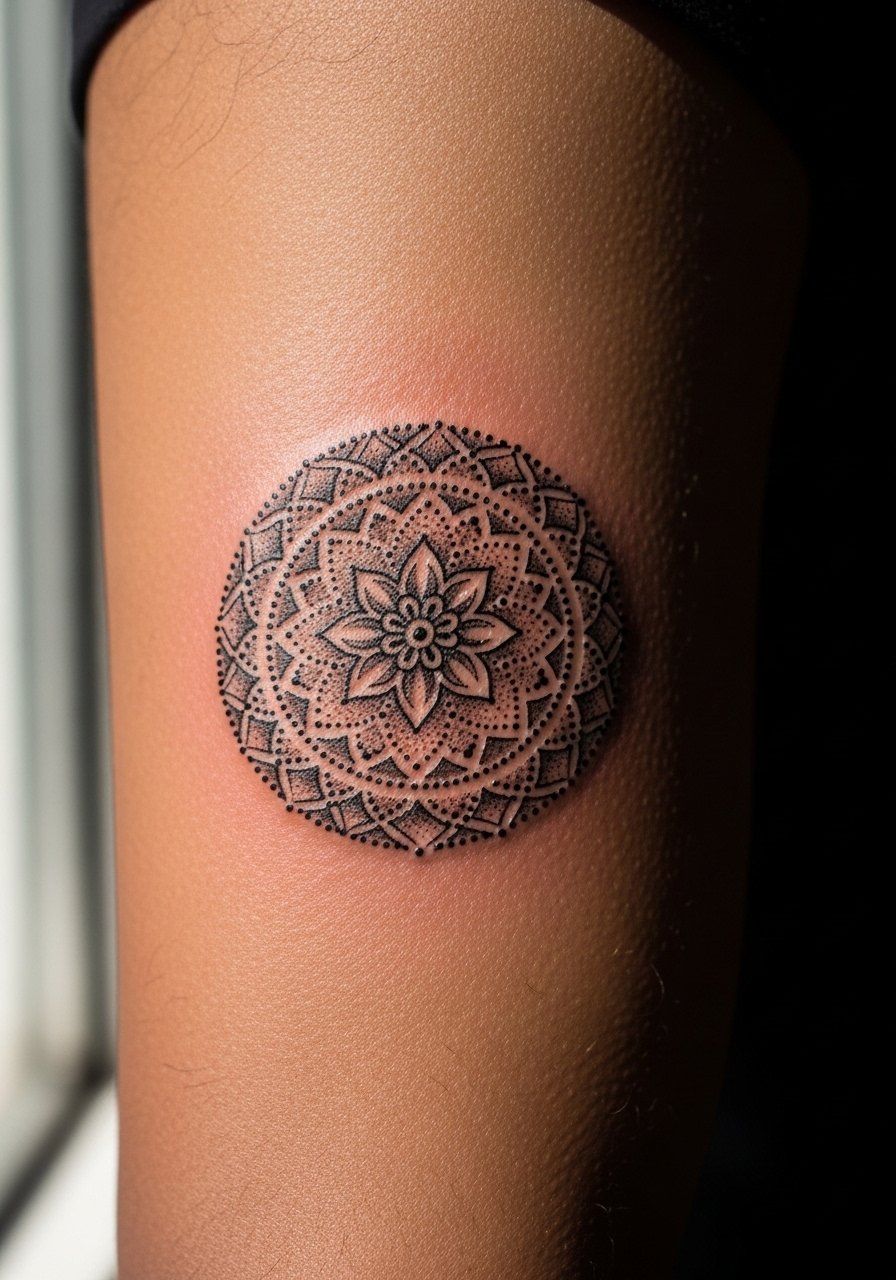
A mandala can hug the round of the tricep and feel intentional when sized correctly. Expect a longer session if the mandala is 3 to 4 inches across, and budget for a second session when stipple shading is involved. There’s an active split among artists here. One side favors dense, tiny repeats for maximum detail. The other says dense packing often leads to fused lines in three to five years. My advice is to pick slightly wider spacing so the pattern reads clearly after healing. A practical mistake is asking for a tiny mandala that was drawn for paper scale rather than skin scale. If the design references cultural patterns, respect the origin and discuss subtle variations instead of direct replicas.
6. Anchor Silhouette on Outer Tricep
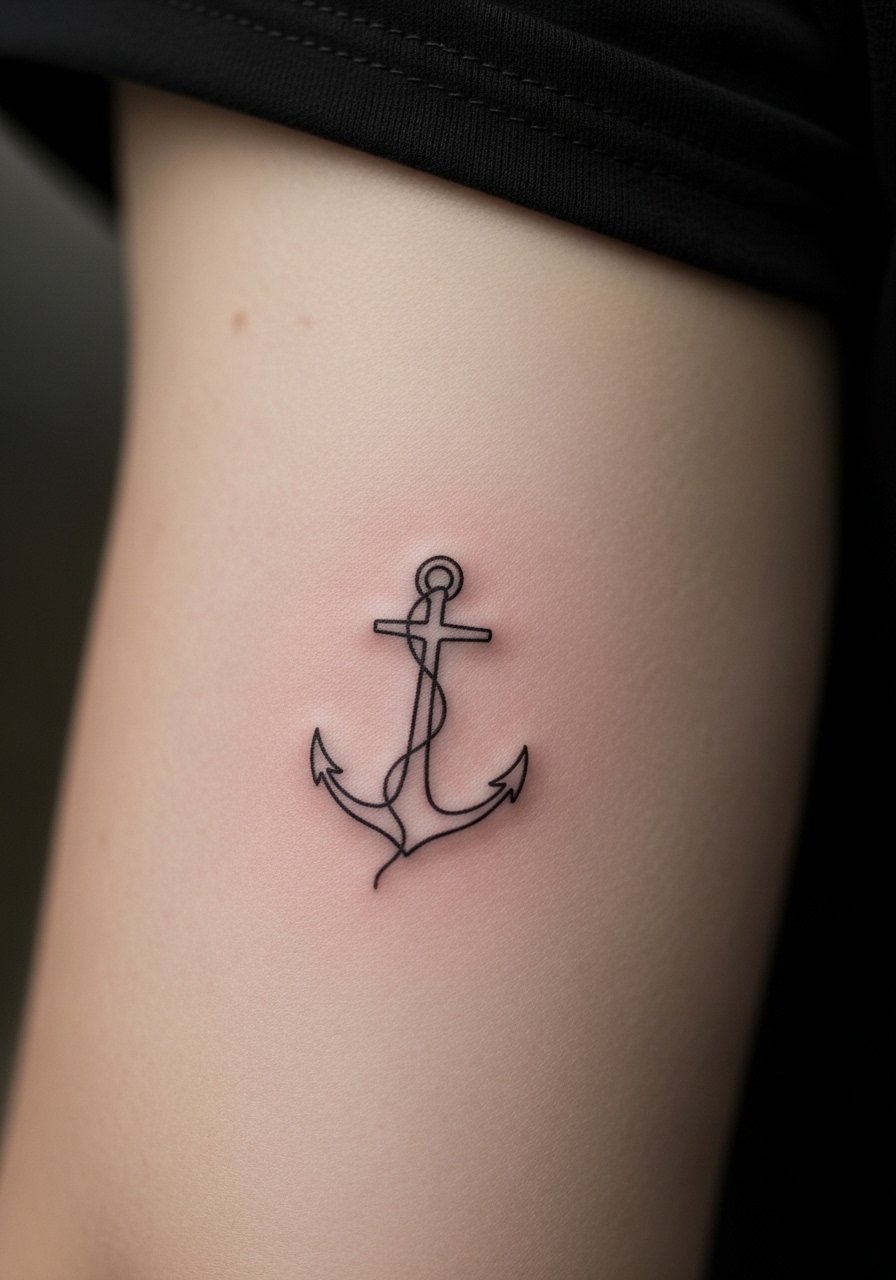
The anchor reads timeless and holds up because it is mostly outline with low detail. Pain is mild on the outer tricep and session time is short. Specify you want clean, single-pass outlines and a slightly rounded bottom so corners do not sharpen and thin out with wear. A common error is asking for too many interior details in a tiny anchor. Expect minimal touch-up needs if you avoid overly thin strokes. For easy showing, pair it with a canvas canvas snapback hat and rolled or short sleeves so the outer arm remains visible without clutter.
Studio Day Picks
The first six ideas include delicate fine line work and small outlines, so a few practical items smooth the session and the first week of healing.
-
Stencil transfer paper kit. Allows a clean preview of placement on the curved tricep so you can check proportions before the needle touches skin.
-
Topical numbing cream. Useful for sensitive inner tricep spots to reduce discomfort during tighter linework sessions.
-
Thin protective film roll. Helps guard small pieces from rubbing against clothing in the first 48 hours, especially outer arm icons.
-
Fragrance-free body wash. Gentle cleansing for shower days keeps fine line and stipple work from irritation while healing.
-
Aquaphor healing ointment. A thin layer in the first days supports moisture balance for delicate linework without clogging.
7. Black and Gray Mini Landscape on Tricep
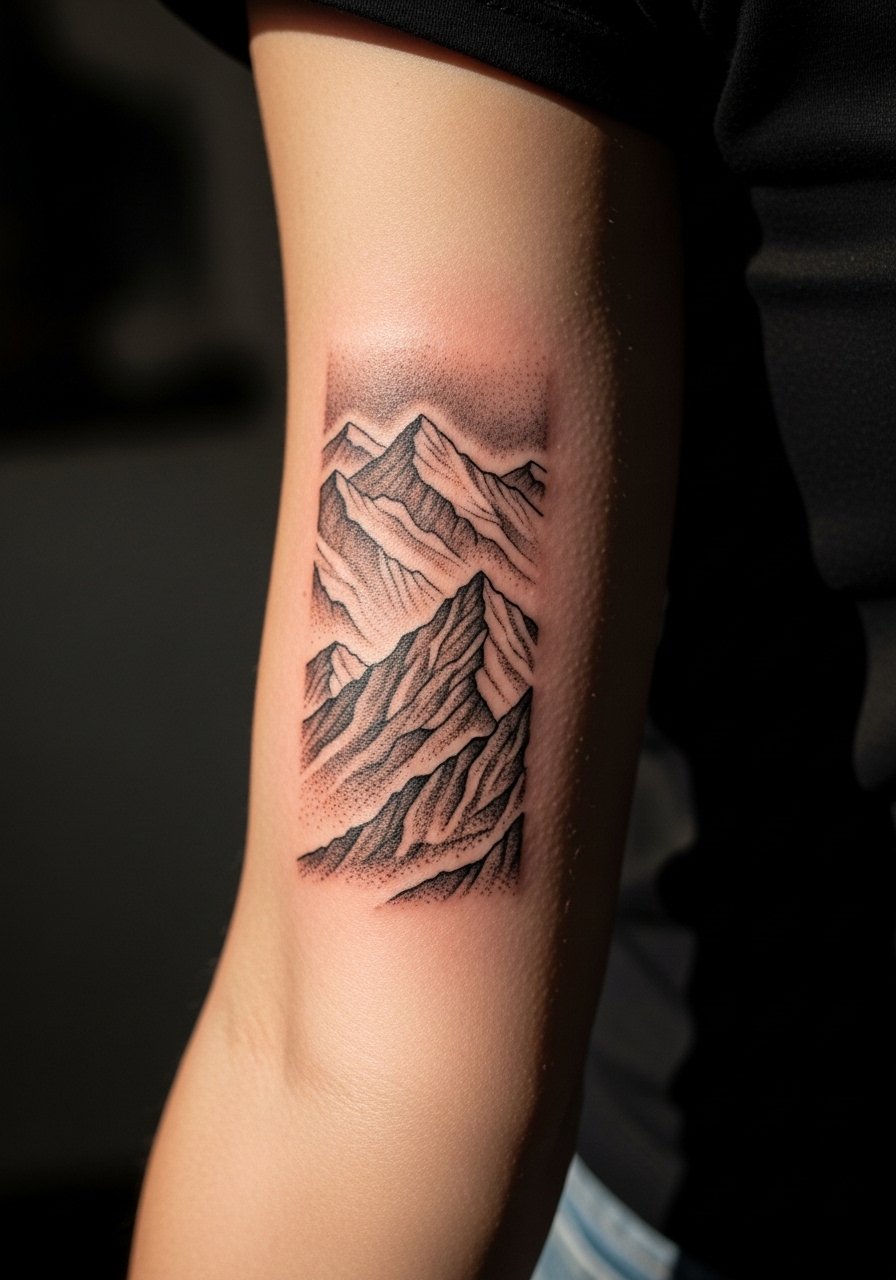
This is the tricep version of a pocket-sized vista. Because it uses shading rather than color, the session can run 1 to 2 sittings depending on how much depth you want. The inner tricep will feel more tender than the outer side during shading passes. Tell your artist whether you want high contrast or a softer gray wash so they can plan needle groupings accordingly. A common mistake is asking for too much tiny tonal work in a very narrow strip. Over time the darker washes will hold better than micro-details. Expect touch-ups around year three if you want to maintain crisp horizon lines. For casual wear, rolled-up sleeves or a short-sleeve cotton tee keeps the landscape visible.
8. Geometric Pineapple on Mid Tricep
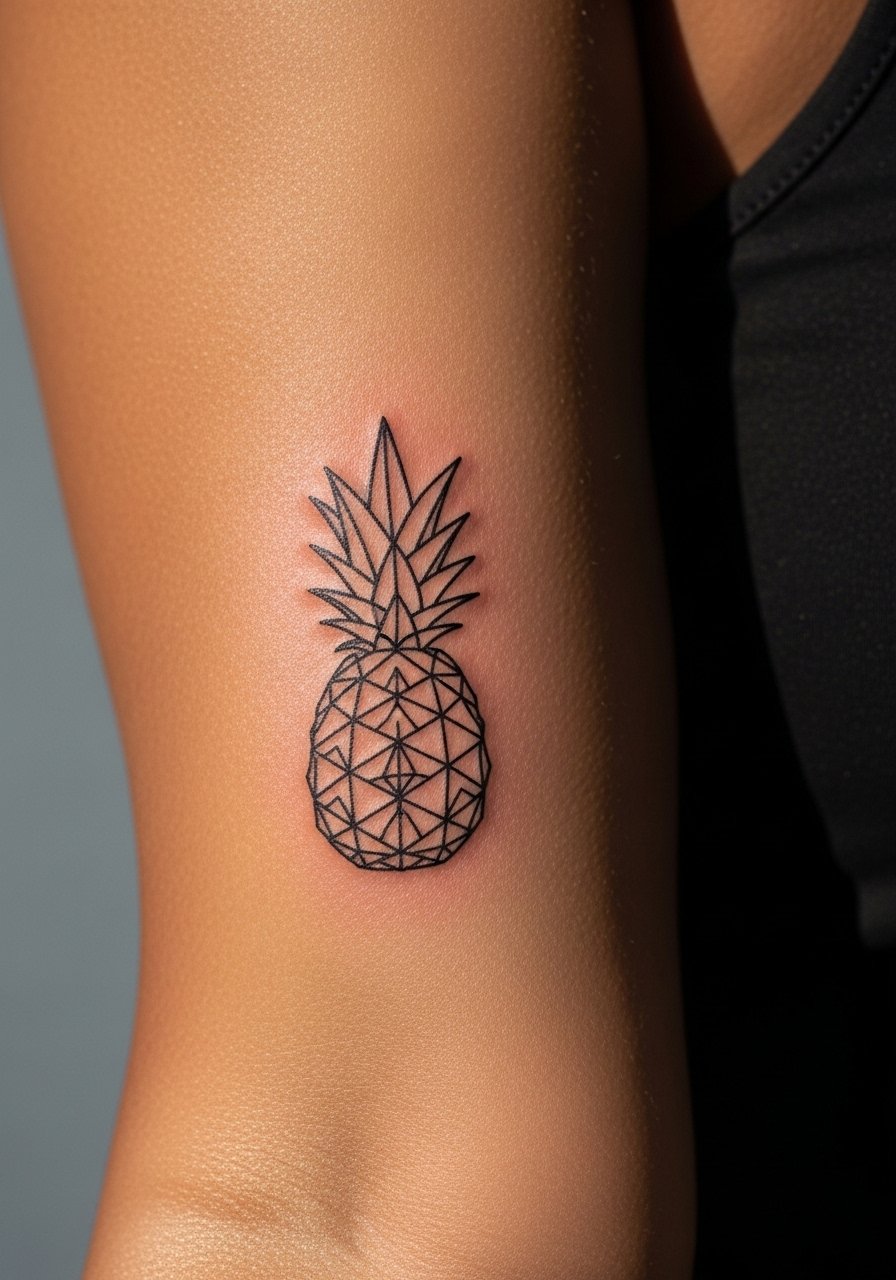
Playful but structured, a geometric pineapple balances symmetry with the arm’s curve. Pain is low at mid-tricep and most of these fit into a single session. The design benefits from a centered composition so the facets align with the muscle curve. The common mistake is leaning toward too many fine facets that later blur together. Make sure spacing between facets is deliberate. A practical consultation tip is to ask the artist to tape a paper mockup and photograph it in relaxed and flexed positions so you can see how the pattern sits with movement. This piece ages well when lines are given room.
9. Half Planet with Stars on Upper Tricep
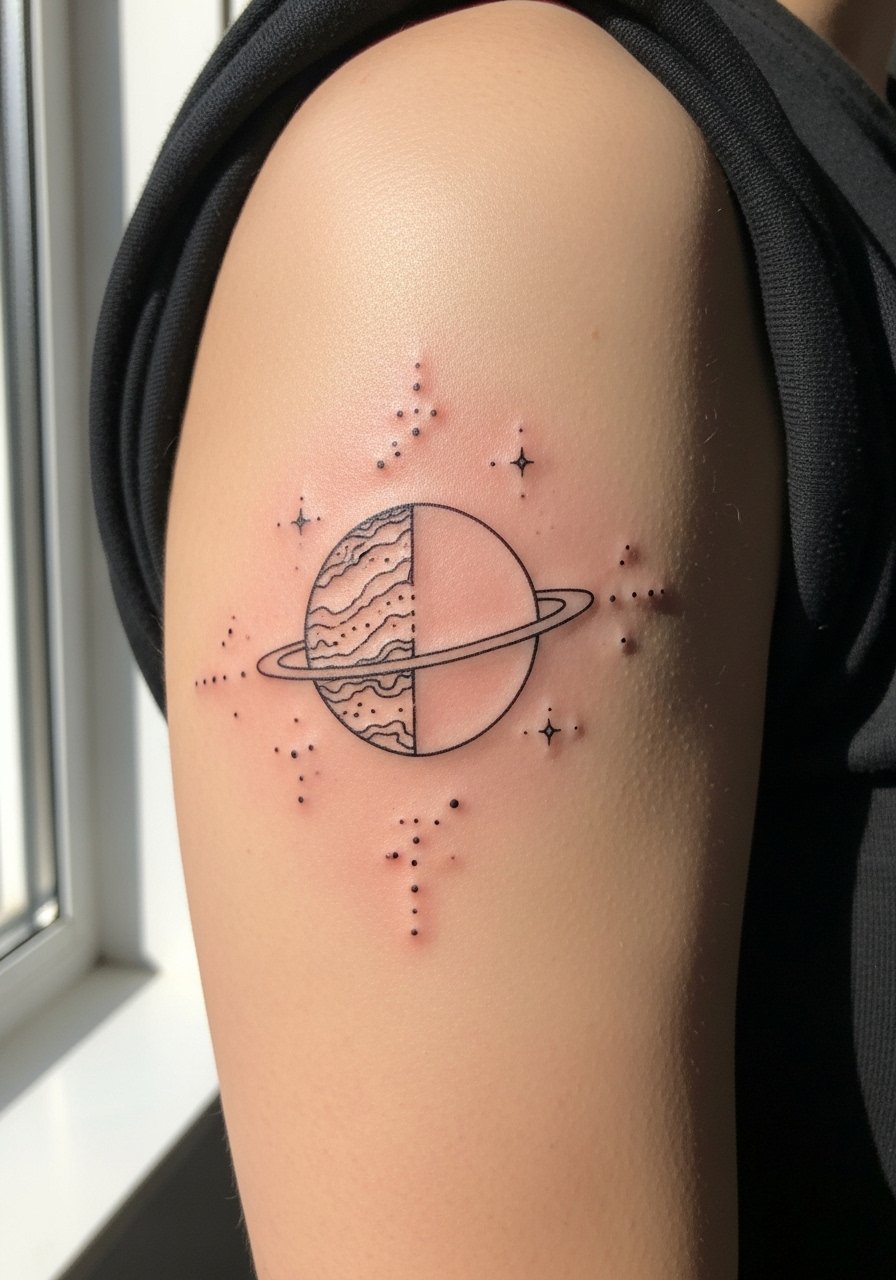
Upper tricep placement lets you scale this from minimalist to slightly more detailed without crowding. Expect a quick session for a 3 to 4 inch motif. The upper tricep tolerates fine dot work better than the inner arm, so small stars can keep their shape longer. A common error is pushing for micro-dots too dense in one spot. To wear it well, try a 3/4 sleeve Henley or a relaxed tee with the sleeve pushed up so the shoulder-tricep junction frames the planet. For session comfort pick a 3/4 sleeve henley you can easily shift for artist access.
10. Metallic Dragonfly on Lower Tricep
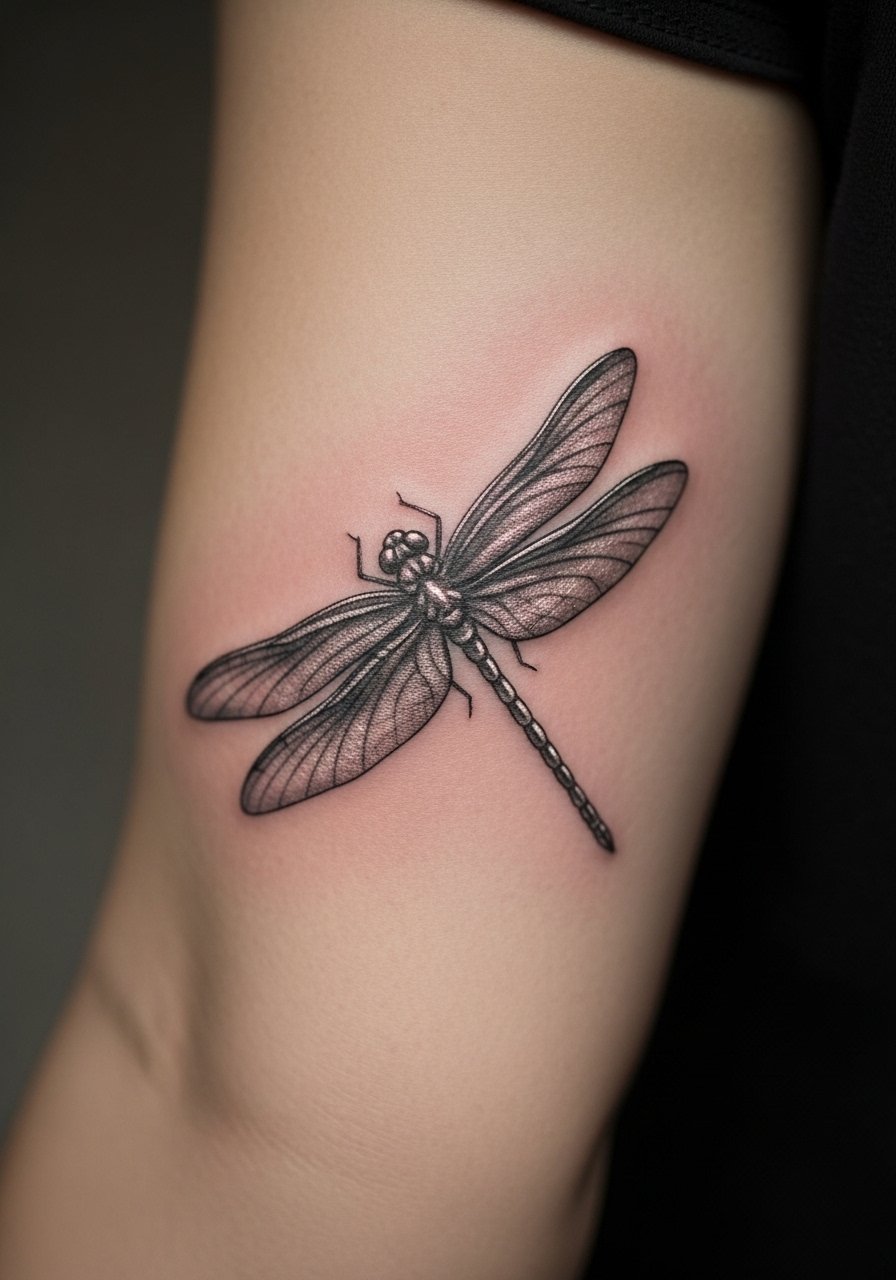
A dragonfly that leans micro-realism uses tonal shifts to read metallic without color pigments. It takes two sessions for layering subtle gray highlights. The lower tricep sits somewhere between tender and straightforward. Tell the artist you want a hint of reflective sheen so they plan highlights and darker edges. A frequent mistake is asking for metallic tones with low contrast inks that vanish as they heal. Expect a touch-up timeline around year two for key highlights. This design benefits from being paired with minimal wrist accessories so the insect remains the focal point.
11. Geometry Arrow Horizontal on Tricep
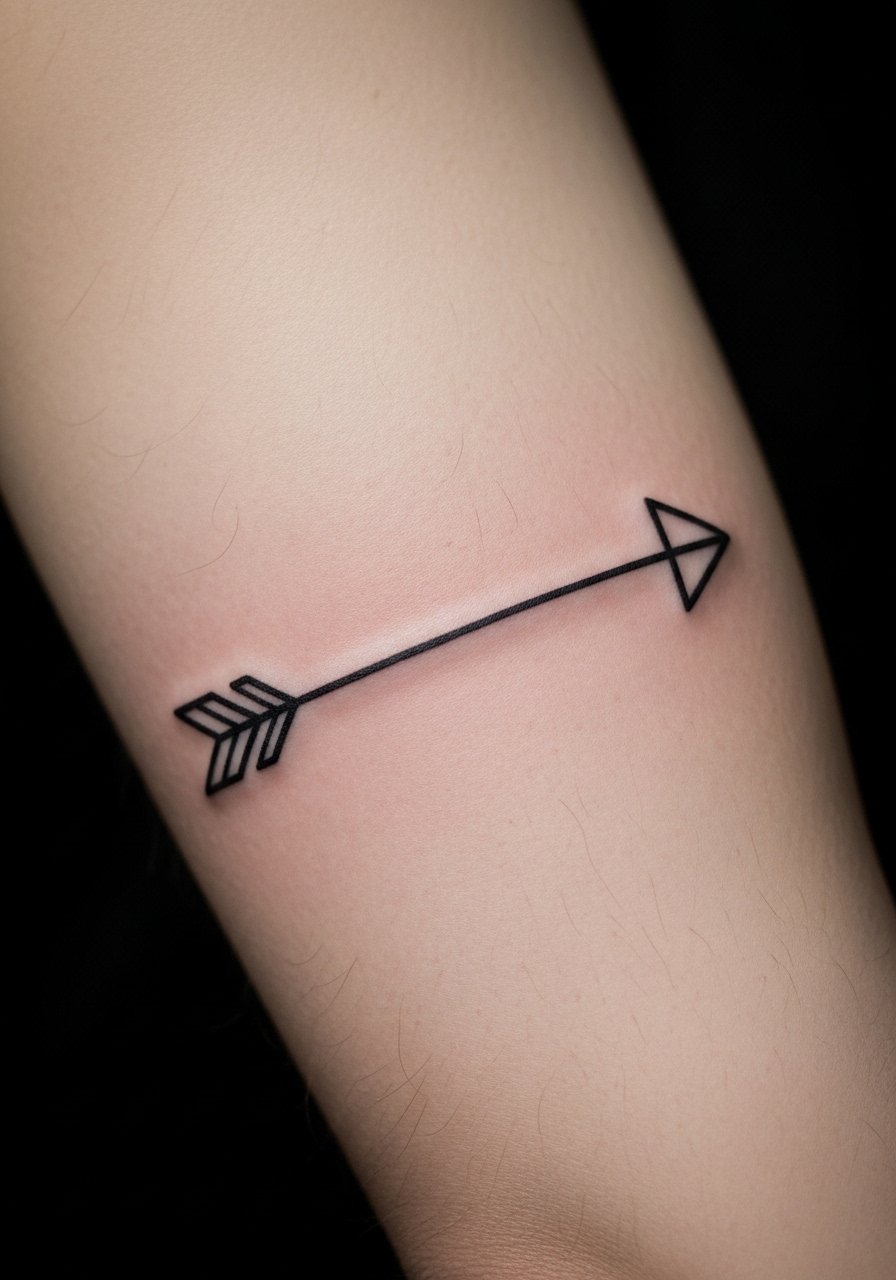
A horizontal arrow works with the arm’s width to suggest direction without dominating the limb. Pain is low and session time is brief. The biggest mistake is making the shaft too thin. Ask your artist for a reinforced core line so the arrow keeps visual weight after healing. Horizontal placement can distort if the arm moves a lot during the session, so keep the arm relaxed and still. For styling, short sleeves or rolled cuffs highlight the arrow and keep wrists free of distraction. A fitted short-sleeve cotton tee frames the arm cleanly and lets the arrow read from a distance.
12. Lotus Flower Vertical on Tricep
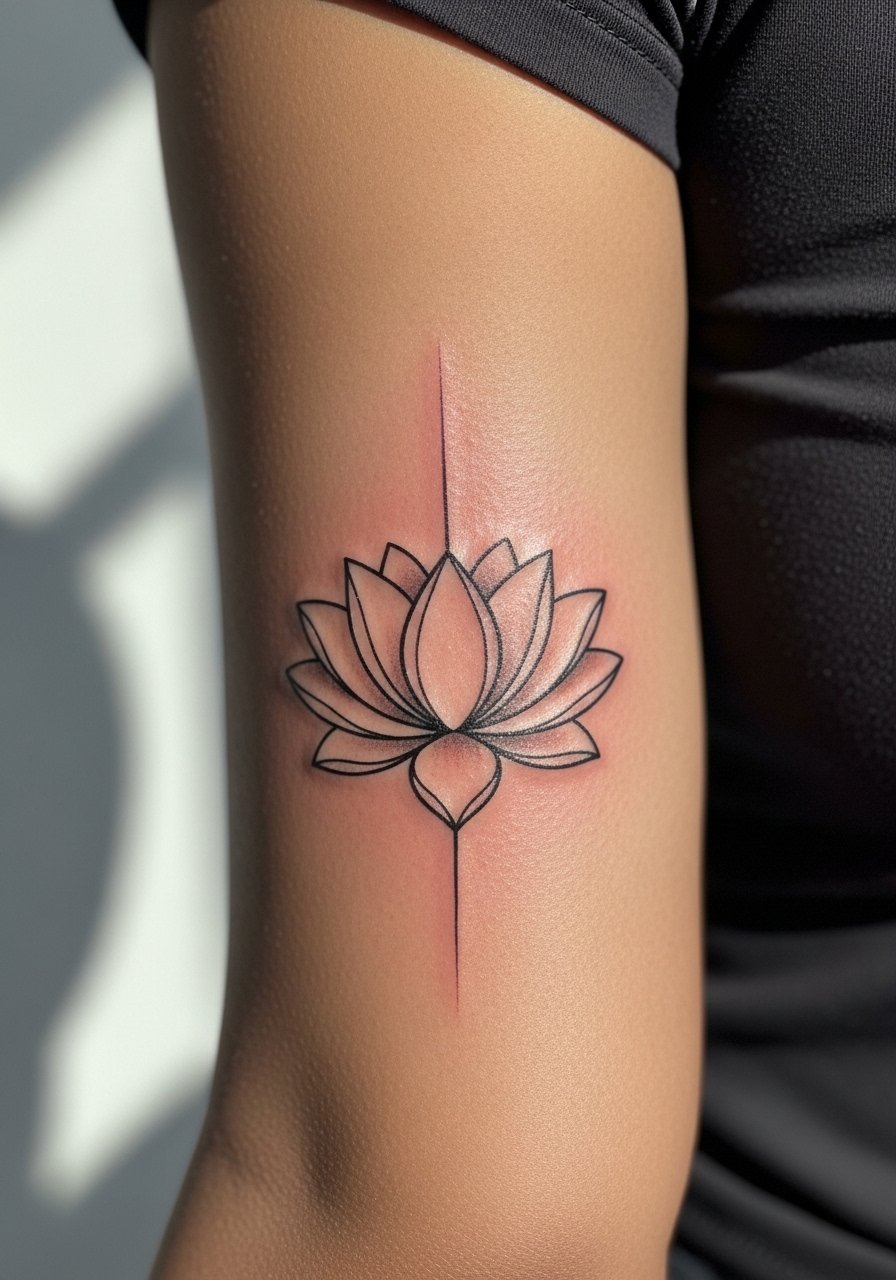
The lotus reads elegant when the petals are spaced properly. Vertical placement helps it follow the tricep line and keeps the composition breathing. Expect one session for a three inch piece. A common error is compressing petals into a tiny block. Tell your artist you want open negative space around the petals to prevent merging as the skin settles. If the lotus references cultural or spiritual symbolism, discuss respectful scaling and simplification. For the session wear, a loose tank or rolled sleeve gives the artist room to work without fabric brushing the area.
13. Minimalist Compass on Tricep
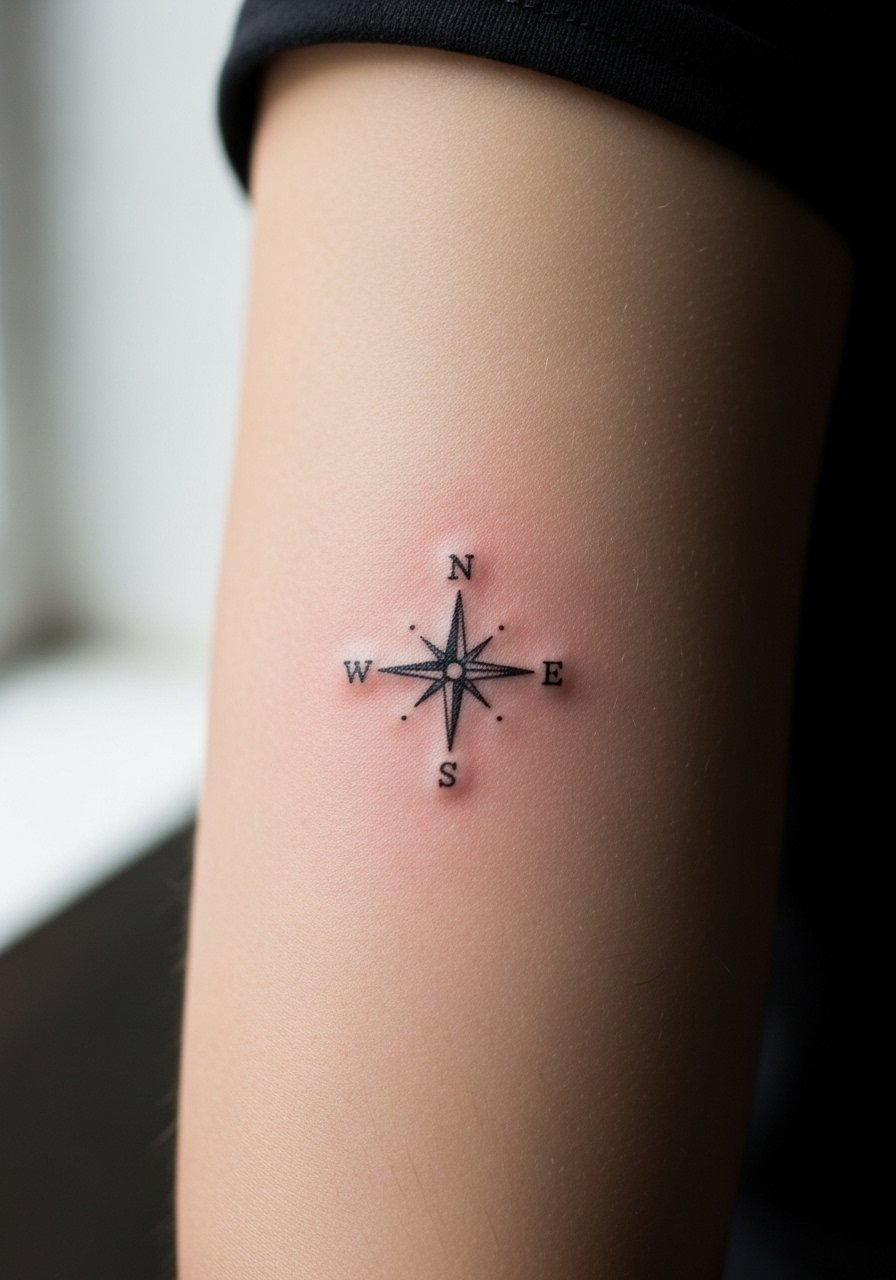
A compass makes for a neat focal point on the tricep that reads symbolic without being ornate. Pain is mild and it fits well into a single appointment. Ask for slightly bolder cardinal points if you want the directions to stay readable over time. The typical mistake is over-detailing the rose in a small diameter. When you want to show it off, pair with a Henley or a short-sleeve shirt that leaves the upper arm visible. A lightweight sleeveless hoodie men can also keep the area accessible for the session and still look casual after healing.
14. Tiny Wave Curve on Lower Tricep
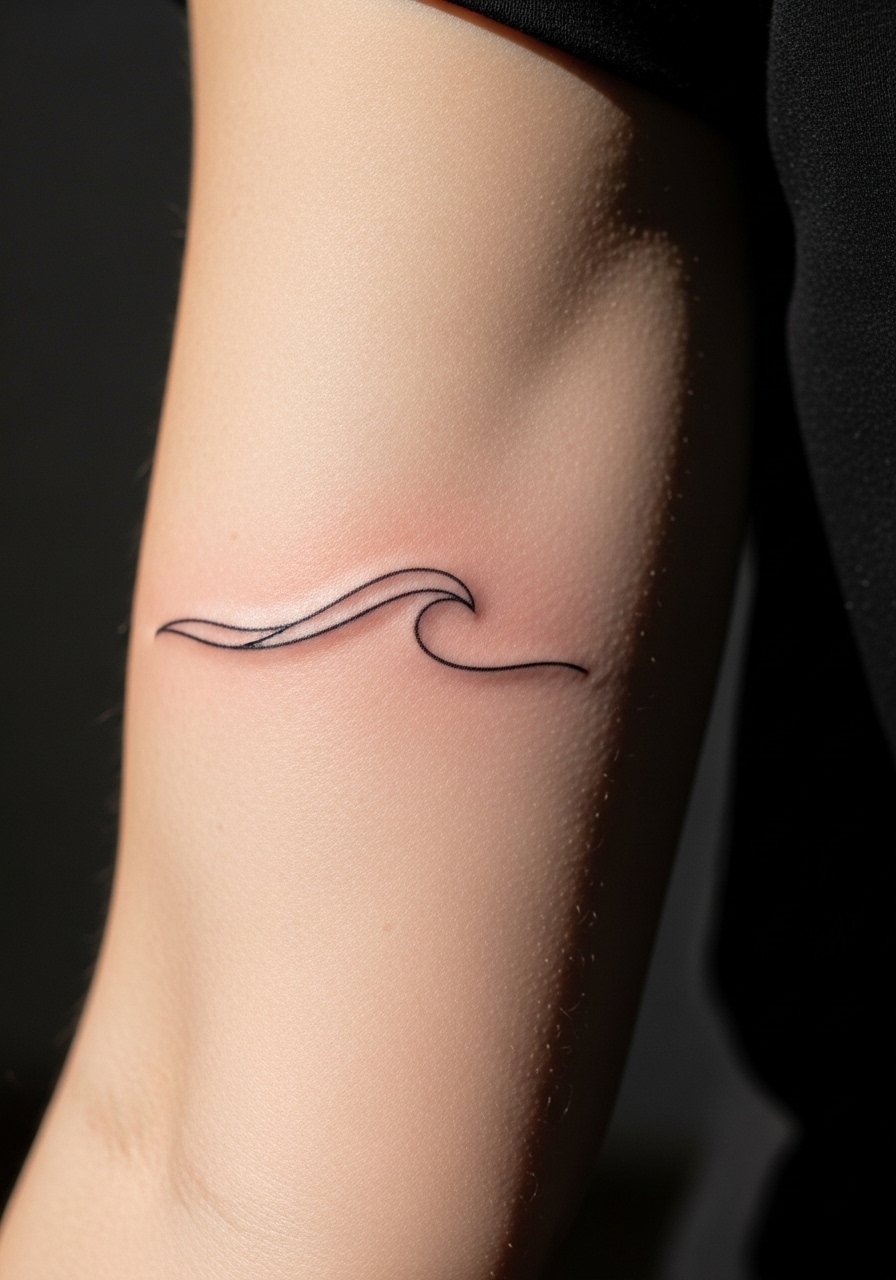
A tiny wave is low commitment and ages predictably if line weight is chosen with longevity in mind. Pain is low and session time is short. The mistake people make is choosing an ultra-thin hairline stroke that loses shape over time. I recommend a slightly thicker single-pass line that preserves the waveform. For the session wear, an athletic short-sleeve shirt you can roll up gives the artist easy access without tugging the fabric. This piece works well as an accent paired with a slim leather bracelet on the opposite wrist for balance.
15. Micro Roman Numeral Script on Mid Tricep
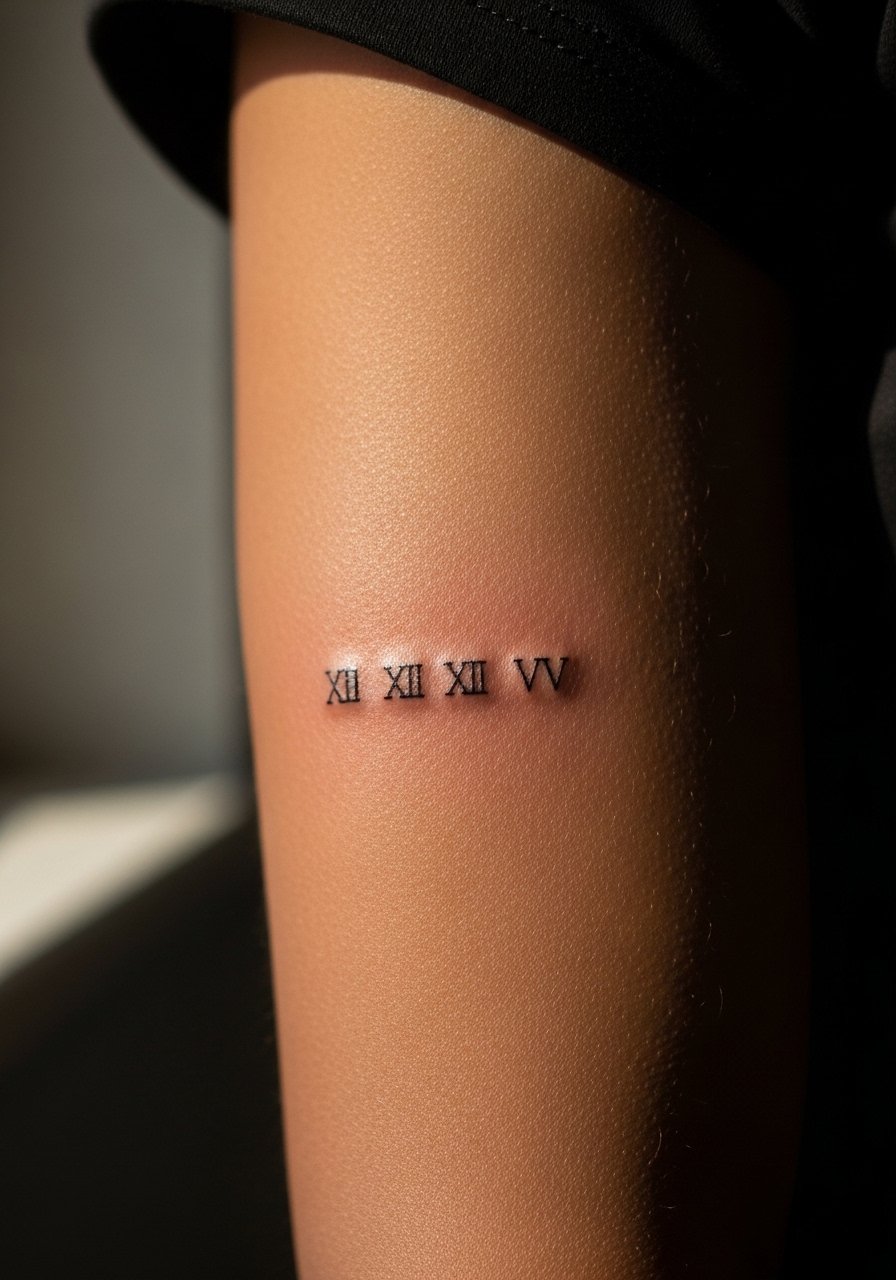
Dates and numbers feel private yet readable on the mid tricep. Session time is short and pain is mild. The main design trap is insisting on micro lettering without testing stencil scale on relaxed skin. Always have the artist place a stencil you can photograph before inking. Small numerals need a hair of extra line weight to remain legible at year three. For everyday balance, a thin chain or a clean crewneck tee pairs well with mid-arm script. Try a thin chain necklace men that sits above the arm line and keeps attention distributed.
16. Parallel Bars Minimalist on Outer Tricep
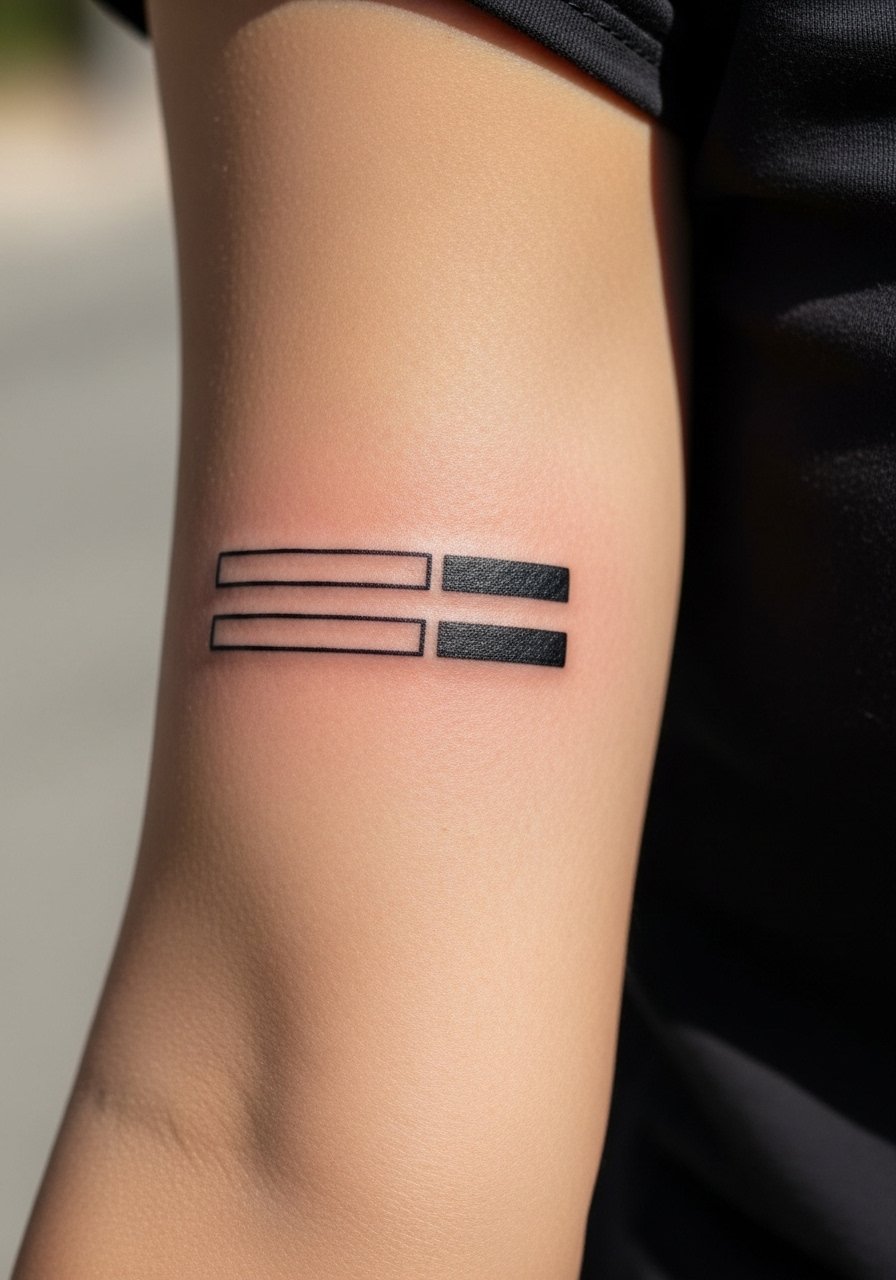
Two bars are a quiet statement and they age well if spaced properly. Expect a straightforward single session. The design is forgiving, but the common mistake is misaligning the bars with muscle flow causing one to look higher when flexed. Ask the artist to check alignment on both relaxed and flexed positions. Blowout risk is low with this outer placement but check that needle depth is consistent across both bars. Wear a loose muscle tank the day of the session so the artist can angle work without fabric interference.
17. Single Dot and Line Tricep Accent
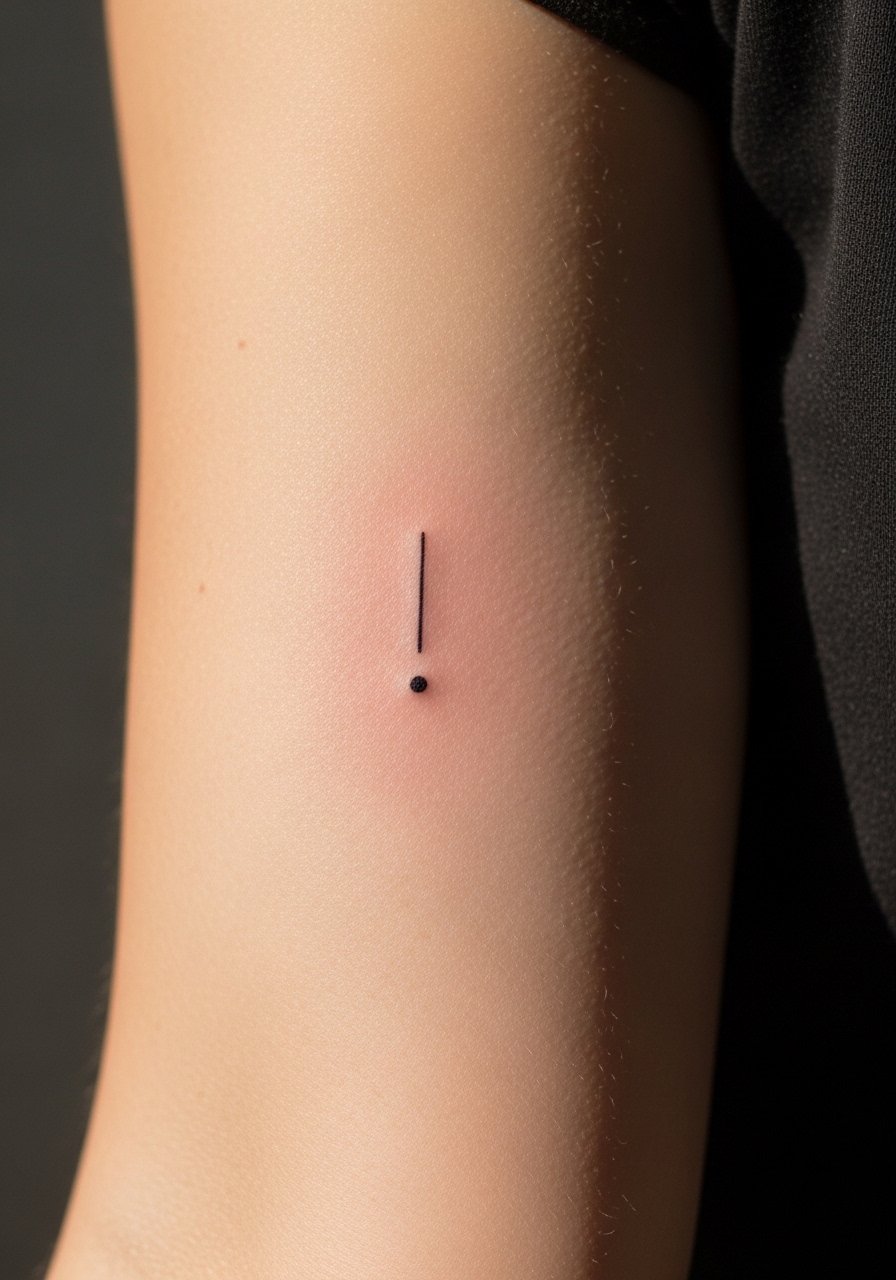
A tiny punctuation mark on the tricep is the ultimate low-commitment option. Pain is minimal and the session is usually under thirty minutes. The trick is choosing dot size and line weight so they stay crisp instead of diffusing. A common mistake is requesting a pinpoint dot with no width. Ask for a dot around 1.5 to 2 mm and a short line with a slightly stronger start. This piece works as a discreet accent and pairs nicely with rolled sleeves or a casual short-sleeve cotton tee for regular visibility.
Frequently Asked Questions
Q: How much does a minimalist tricep tattoo cost?
A: Expect a broad range depending on size, detail, and city. Small single-line pieces often start in the low hundreds while shaded or multi-session mini landscapes can push into the high hundreds. Size, session count, and local shop rates determine the final price, so get a written estimate during consultation.
Q: Will fine line work on the tricep blur faster than bold pieces?
A: Fine line can blur sooner because the needle channel is narrower, but placement and spacing matter more than style alone. Artists who favor fine line will usually space elements wider and adjust depth to protect longevity. Ask for healed test shots or portfolio examples that match your skin tone before you commit.
Q: What should I wear to a tricep session to make the artist’s life easier?
A: Wear something that gives easy access to the specific tricep zone and does not bunch under the arm. For lower tricep pieces try a loose short-sleeve athletic shirt. For vertical tricep work roll sleeves or pick a sleeveless tank top you can move without tugging.
Q: How often will a minimalist tricep tattoo need touch-ups?
A: It depends on line weight, sun exposure, and how the skin ages. Many small clean-line tricep tattoos are fine for 2 to 4 years before a light touch-up is useful. Darker blackwork and well-spaced geometry can often go longer between touch-ups.
Q: Are there placements on the tricep I should avoid if I want long-term clarity?
A: Inner tricep vertical columns can be trickier for ultra-fine details because the skin is softer there and stretches with movement. If you want dense micro-detail pick the outer or upper tricep and add spacing. When in doubt, ask the artist to stencil the design at the exact scale on relaxed skin and photograph it for decision time.