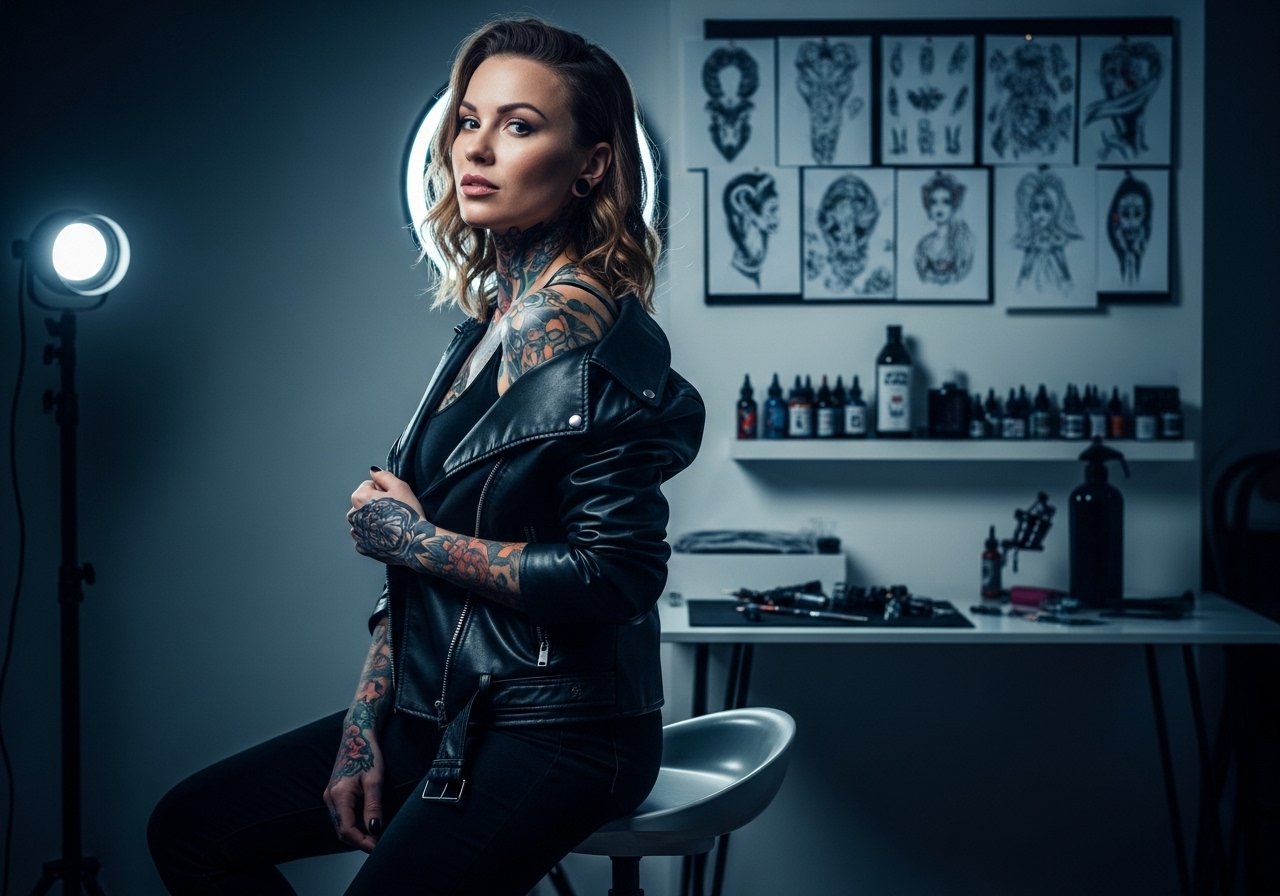
Fine line Chicano motifs look featherlight at first, but what holds after three summers of sun and sweat is not always what trends online. The same skinny sacred heart that wins likes on day one can need a touch-up sooner than a stripped-down Virgin Mary that was spaced and seated properly. Read on for 17 pared-back Chicano ideas, where to place them, what to ask your artist, and how to dress them so they actually live through everyday wear.
1. Minimalist Virgin Mary Outline on the Wrist
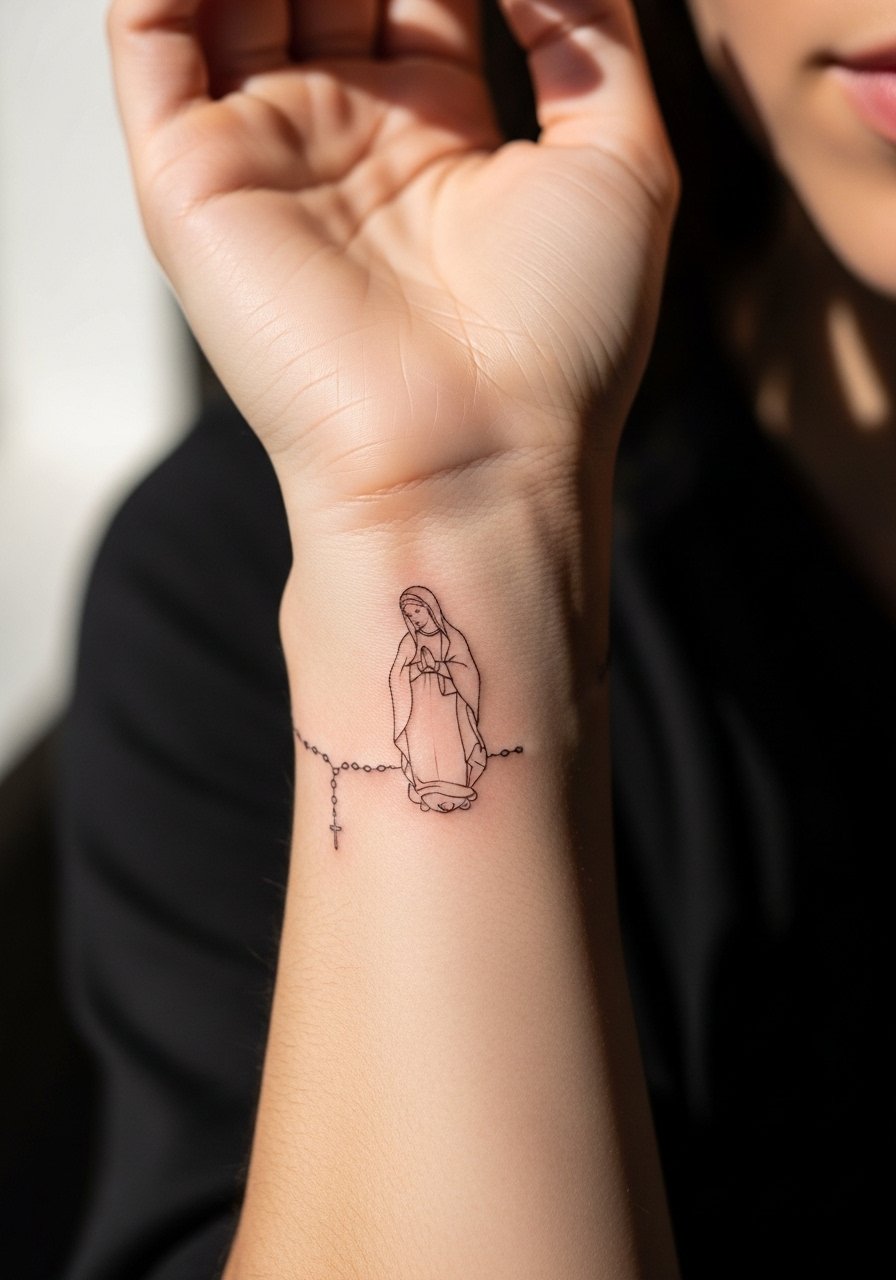
I recommend this when you want a compact faith piece that reads every day without heavy fills. Fair warning, the wrist is one of the higher-friction spots so expect a two-hour session for crisp single-line work and a likely touch-up at year two. Tell your artist you want steady spacing between lines and no heavy shading near the rosary beads, and ask them to show a stencil on the skin before starting. For the session wear pick something easy to roll up, like a sleeveless tank so fabric does not rub the fresh lines. Common mistake is asking for micro-detail too small for the wrist. Healed at six months this reads clean, at two years the rosary beads may need a tiny refill.
2. Simplified Aztec Calendar Sun on the Inner Forearm
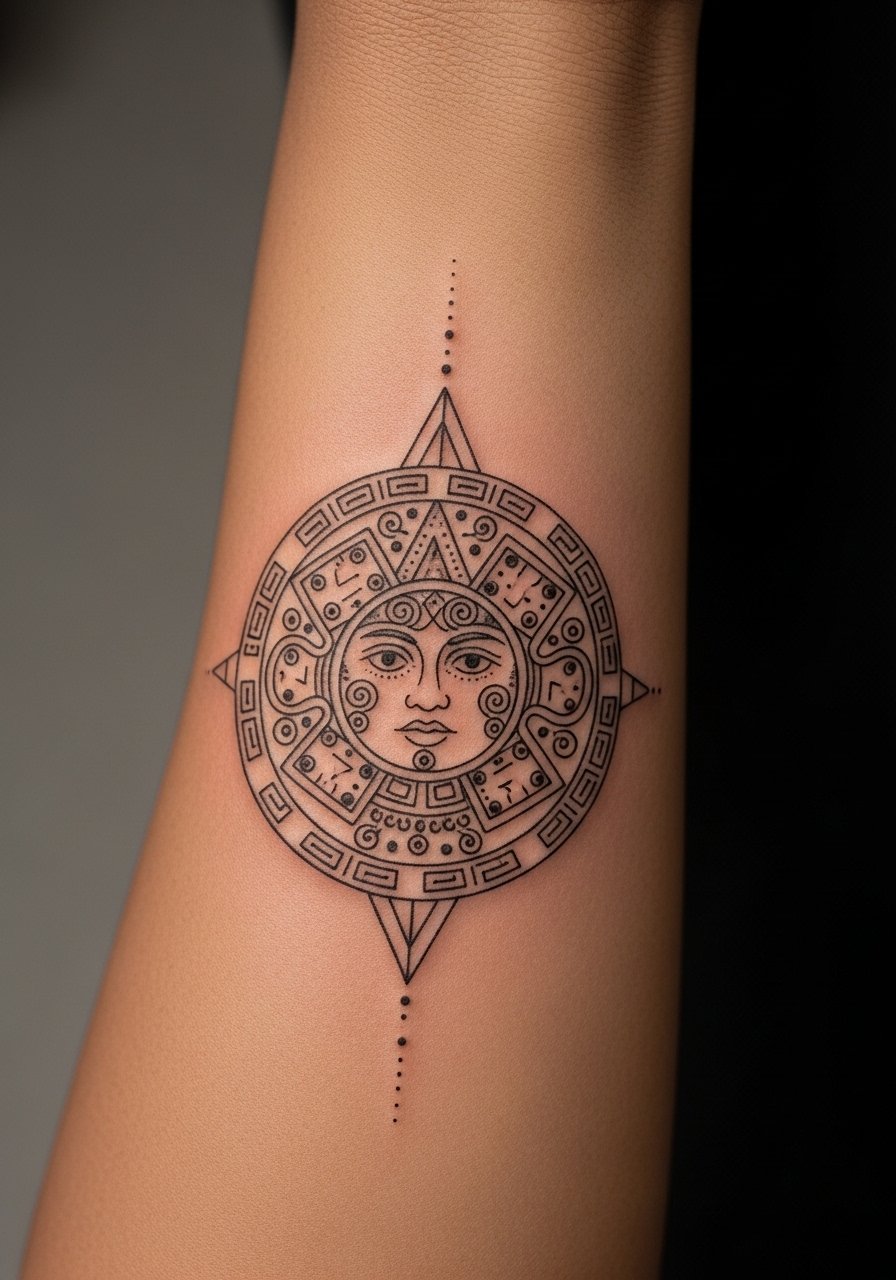
The forearm gives room so the sun motif can breathe. I tell people the inner forearm is the safe bet when they want geometric detail without pack-it-in density. During consultation ask for extra spacing between the rays and request the artist map the piece at actual size on the arm. Many versions that age poorly pack rays too close, which merges into a darker mass by year three. Expect a one- to two-hour session and mild discomfort, especially when the needle crosses the inner forearm tendon. For showing it off roll up a cotton button-down shirt so the clean lines read against solid fabric. Plan a touch-up window at 18–36 months depending on sun exposure.
3. Lowrider Car Silhouette on the Calf
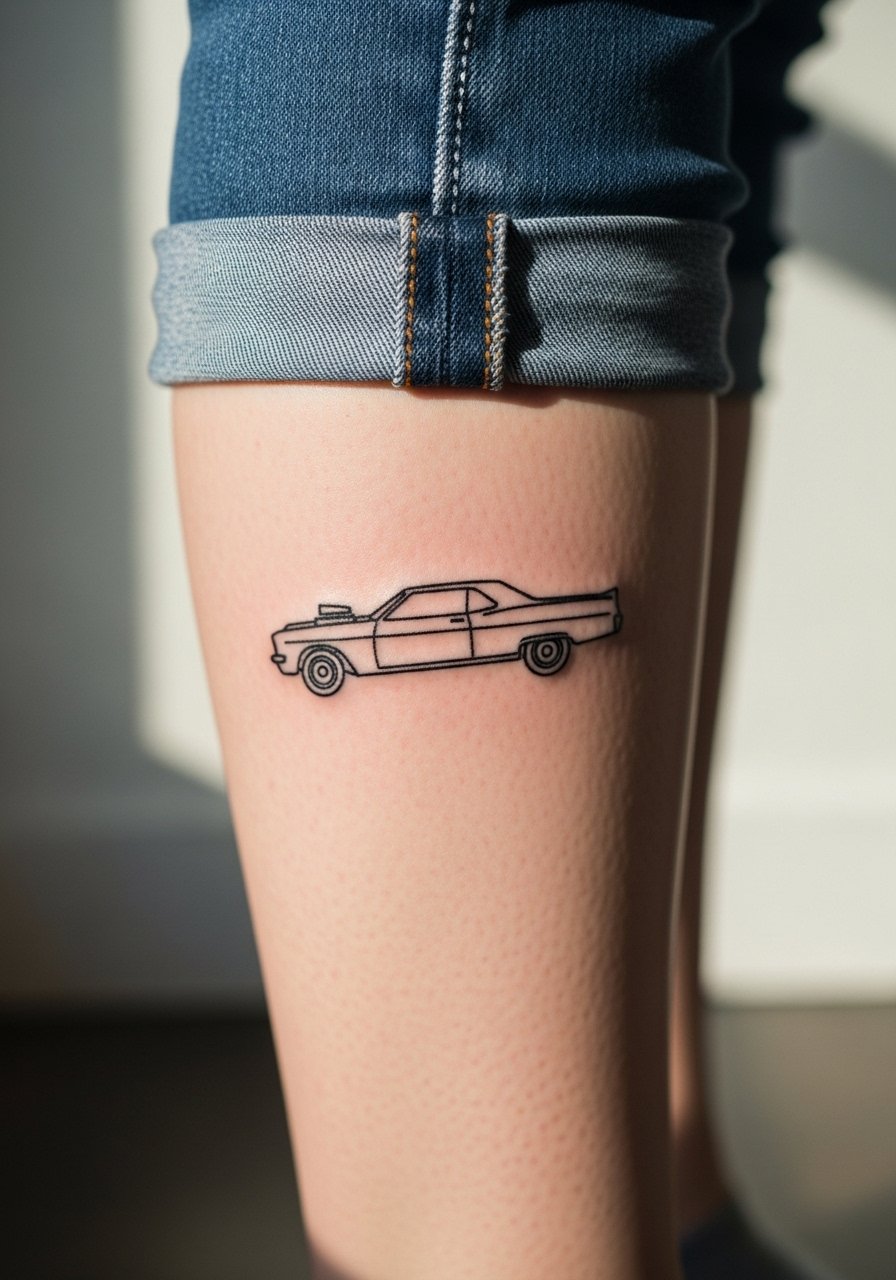
Calf placement lets a lowrider silhouette stay bold without crowding. I've seen this hold particularly well because the flesh there moves less than the ankle. The biggest mistake is asking for too much interior detail in a 2–3 inch silhouette. Tell your artist you want negative space windows rather than micro-shading inside the body. Session time is short, usually under two hours, and pain is moderate. For post-session show-off pair it with rolled-up slim fit joggers or cropped denim so the outline is visible without competing prints. Longevity is solid, but watch the lower edge if you wear high socks a lot.
4. Single-Line Sacred Heart on the Inner Bicep

Fair warning: the inner bicep rates a solid 7 on most pain charts, but the payoff is a private placement that peeks out when you want it to. I prefer this single-line heart over a filled version because heavy saturation on the inner arm can blur faster as the skin flexes. At consult ask for slightly thicker single-needle lines so they hold longer on that soft flesh. Session time is usually under two hours. Common mistake is choosing ultra-thin weight and expecting decade-long crispness. Expect a possible touch-up around year three. For the session wear a loose tank so the artist can access the area without full shoulder exposure.
5. Dotwork Sugar Skull Contour on the Ankle
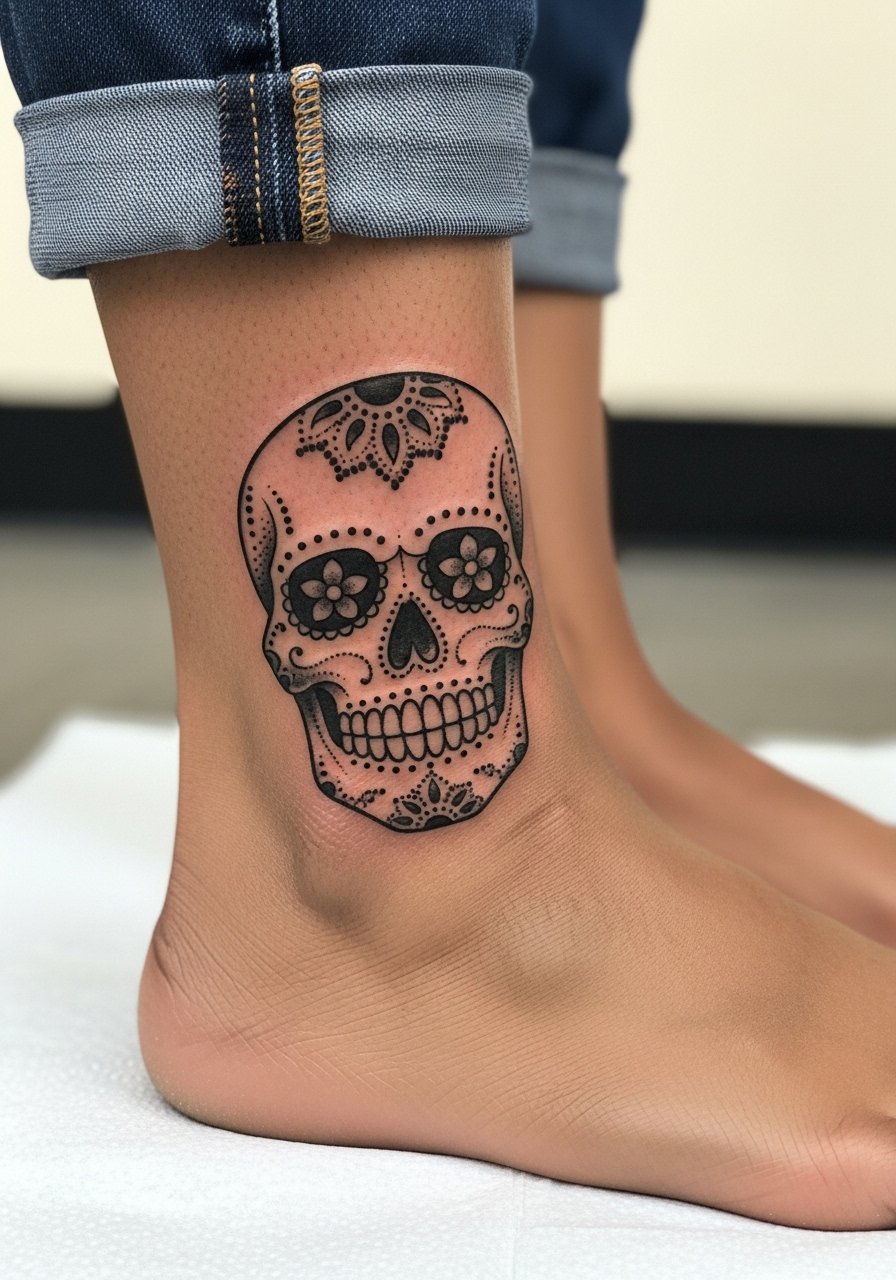
Ankle tattoos face a lot of friction from socks and shoes, so dotwork contours work well because they avoid dense fills that rub. I've seen ankle sugar skulls survive summers better when dots replace solid shading. Tell your artist you want the dot spacing wide enough to avoid dot-merge after a year. The session is short and the pain is sharp but brief. For showing it off try cropped straight-leg jeans or cuffed chinos and summer sandals. Use a cropped straight leg jeans look to keep attention on the ankle without over-cluttering. Expect gentle fading sooner than on the forearm, so plan a touch-up after 18–24 months if needed.
6. Geometric Eagle Warrior Head on the Side Neck
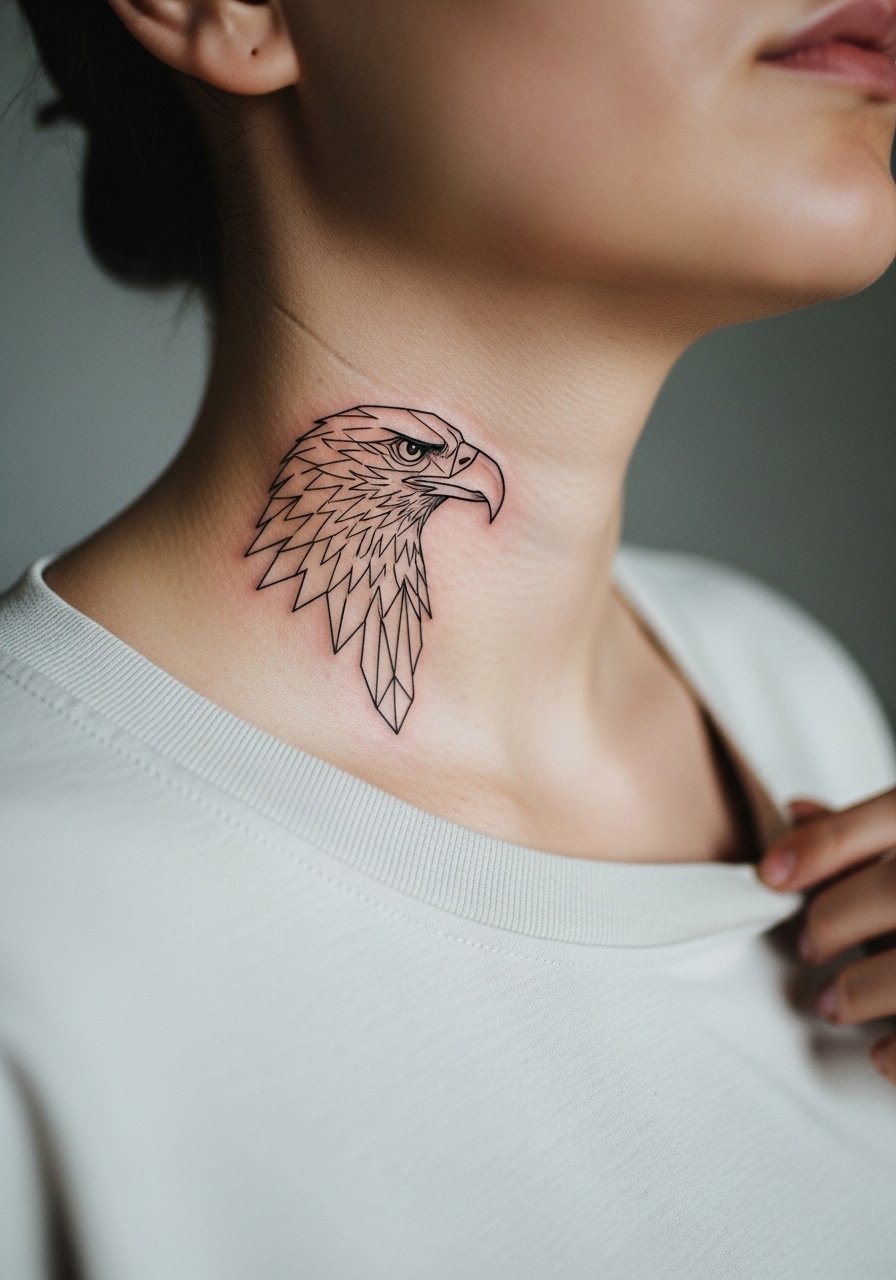
Side neck placements read immediately and sometimes clash with work dress codes, so decide that before booking. The neck is sensitive and will feel sharp during the one- to two-hour session, but an eagle head done with clean geometry ages clearly because the lines are purposeful. A consultation note to the artist: keep outer contours slightly heavier than internal geometry to avoid internal lines merging over time. There is an ongoing debate about fine line on the neck. One camp says fine line blurs quickly because the neck stretches and gets sun every day. The other camp argues proper seating and depth make fine line settle fine. Ask your artist where they stand and see healed photos of neck pieces. For dressing pair the piece with a high-neck black tee if you want partial concealment. Expect touch-ups at two to four years depending on sun.
Studio Day Picks
The wrist, forearm, calf and ankle pieces above each need slightly different prep and healing tools, so these picks smooth out session day and the first week.
-
Stencil transfer paper kit. Lets you preview the linework on skin before committing, especially helpful for the Virgin Mary wrist and Aztec forearm layouts.
-
Topical numbing cream. Applied per instructions 30–45 minutes before the session it can ease the sharp bites on the neck and inner bicep without altering the stencil.
-
Thin protective film roll. Keeps ankle and finger pieces cleaner during the first week of friction from socks and shoes.
-
Fragrance-free gentle body wash. Mild cleansers help forearm and calf work heal without stripping oils that keep linework intact.
-
Aquaphor healing ointment. Thin layers in the first days lock in moisture for fine line pieces without clogging delicate needle channels.
7. Outline Our Lady of Guadalupe on the Ribcage
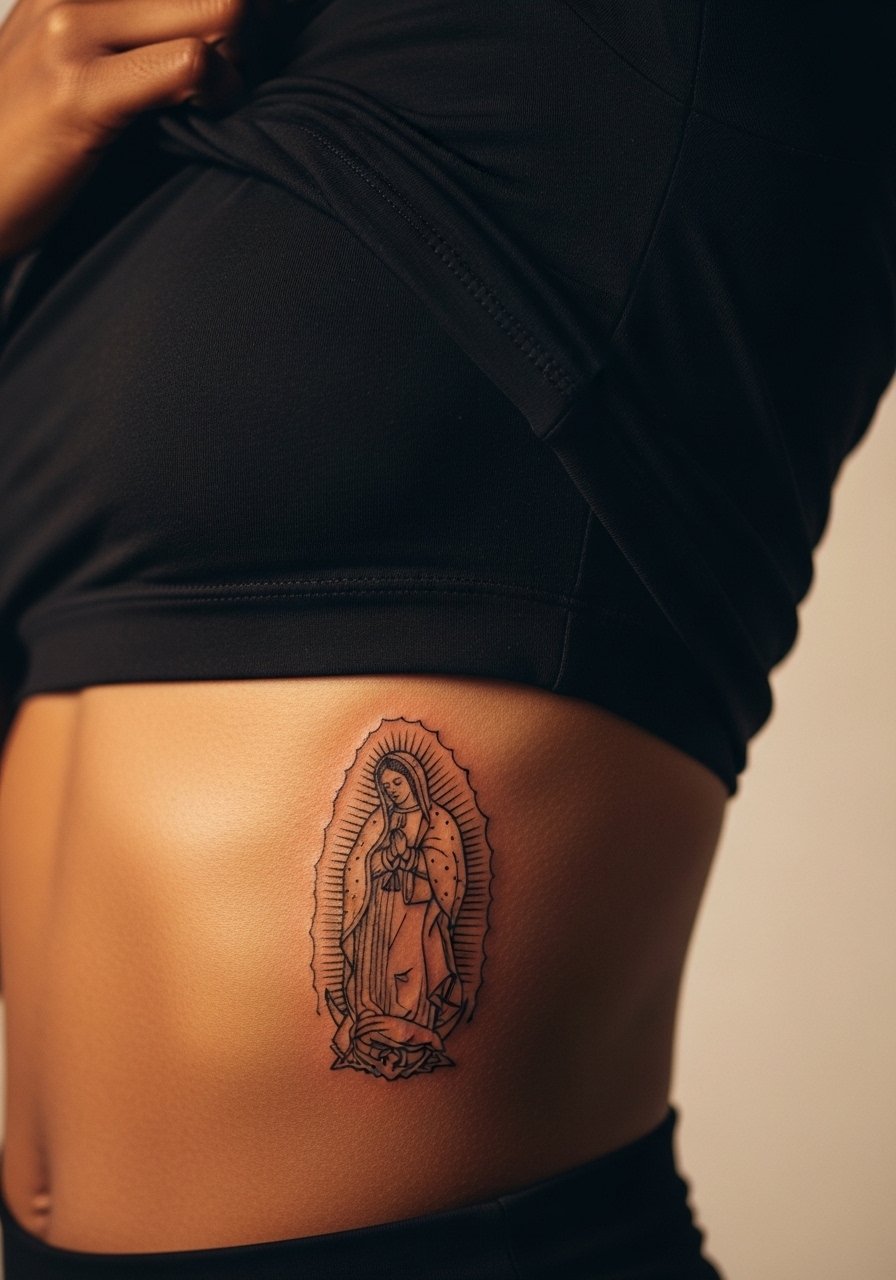
Fair warning: the ribcage is a 7 to 9 on pain estimates and the skin stretches with breathing, so fine line needs spacing and intentional depth. Artists split into two camps on ribs and fine line. One argues the stretch and thinness of the skin blur thin lines within two years. The other says with proper needle depth and spacing fine line can settle beautifully. When you consult, ask to see healed ribcage examples from the artist. A common misstep is asking for ultra-fine curls and expecting them to age like bold outlines. Session time often runs longer because of repositioning and breath breaks. Keep clothing minimal for the session, such as a sports bra, and plan on a touch-up window at two to three years.
8. Clean Bandit Skull with Bandana on the Thigh
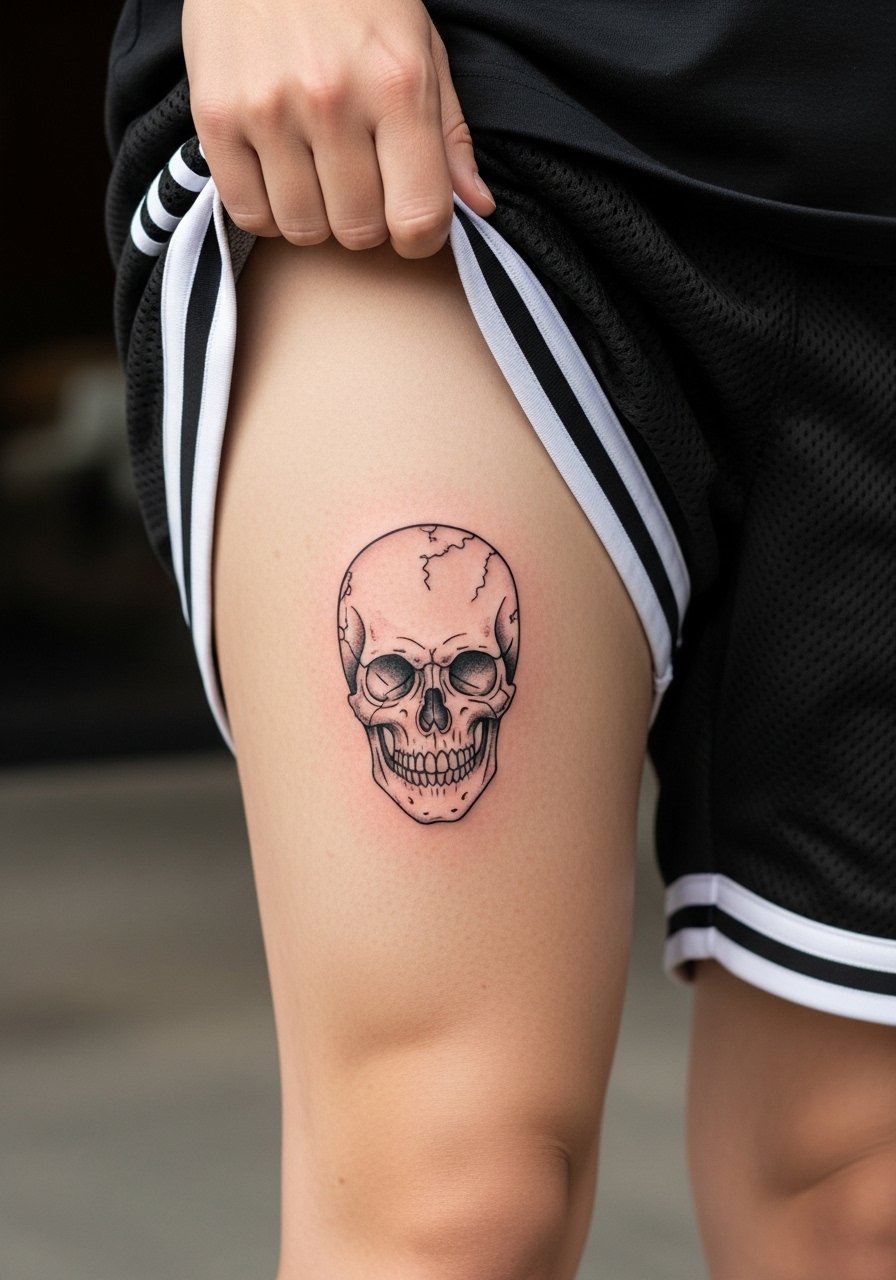
Thigh placements are forgiving with sizing and body changes, which makes them ideal for slightly larger minimalist neo-traditional motifs. Pain is lower compared with ribs or neck and sessions stay comfortable for longer work. During consult mention you want negative space in the bandana rather than dense grayscale. The common mistake is requesting too much interior texture in a small thigh piece. For the session wear loose shorts you can adjust easily without compressing the skin. Thigh pieces usually need less frequent touch-ups than hands or wrists, but check healed photos at six months before deciding on extra fills.
9. Minimal Quetzalcoatl Serpent Coil Along the Spine
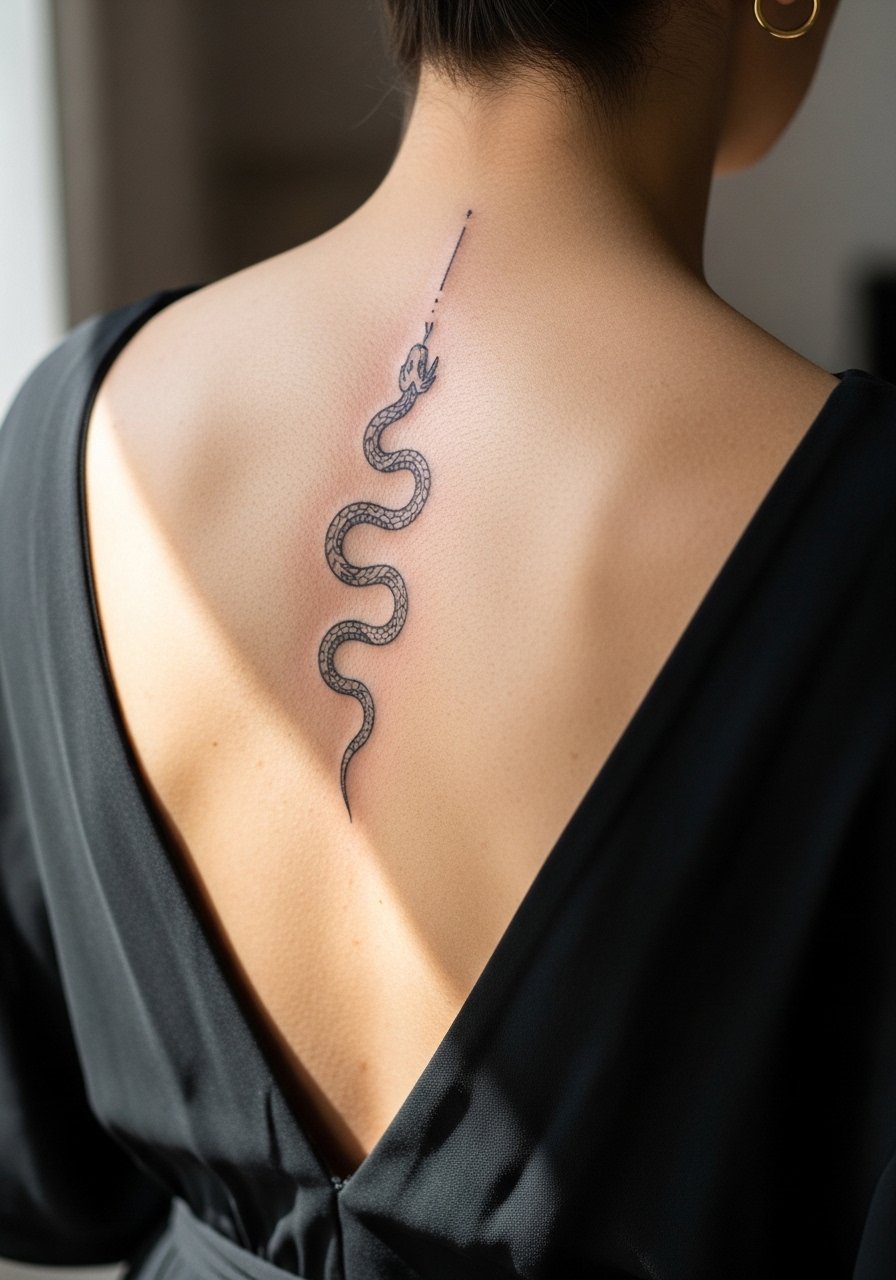
Spine work reads as a deliberate, hidden heritage piece and flows with posture. The spine has a mix of thin and thicker skin areas so spacing is crucial. When you ask for this, specify that the coil should follow natural vertebra spacing and avoid tiny interior scales. Sessions can take 1–2 hours depending on length and the pain varies along the spine. Many people opt to show it with open-back dresses for evenings and cover it for work. For the session wear a button-down that you can take off without twisting so the artist has clean access. Expect a touch-up at two to three years if you get frequent sun on your back.
10. Single-Needle Pachuco Cross on the Wrist
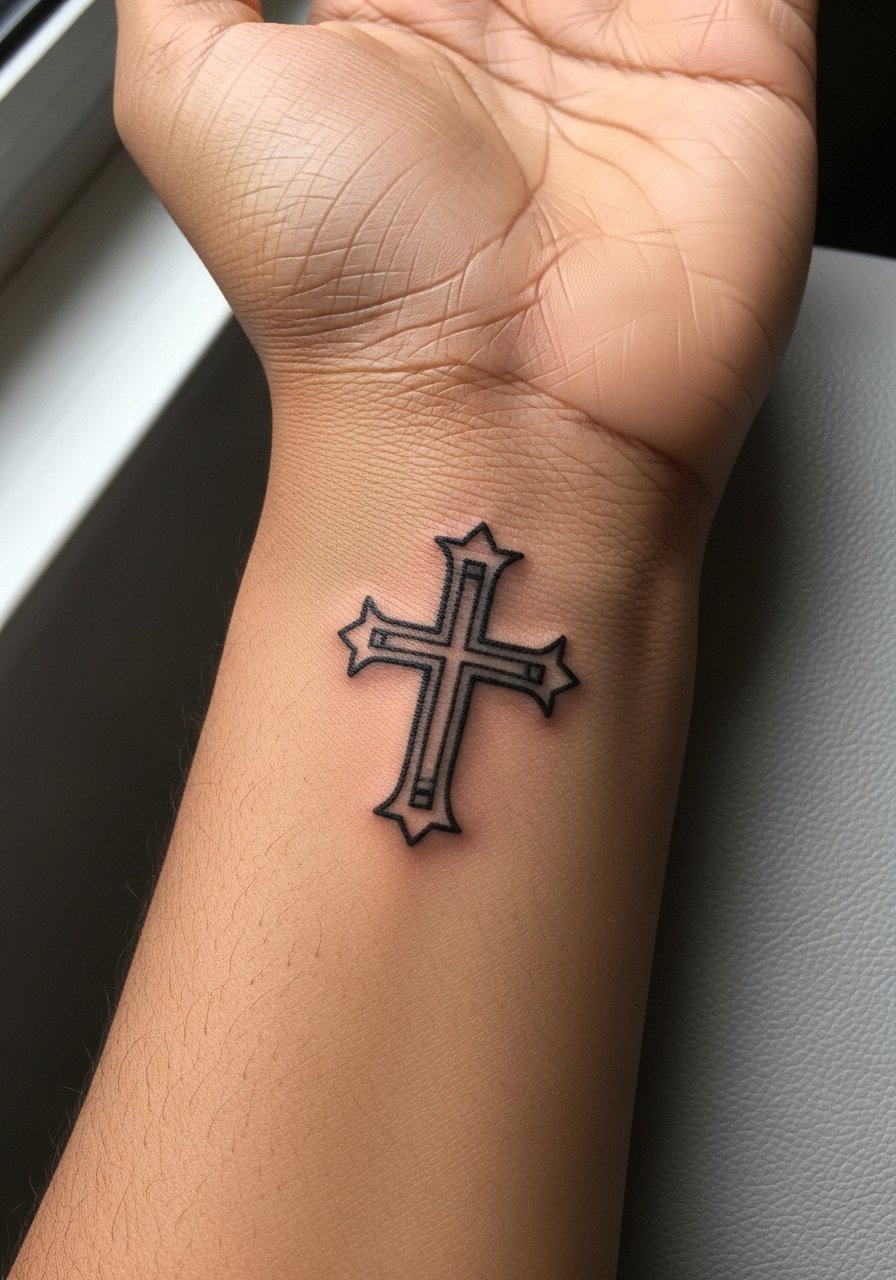
Micro work on the wrist is seductive because it sits where people look the most. If you choose a single-needle cross, ask your artist to seat lines slightly deeper than ultra-surface single-needle so the design does not wash out in 18 months. The biggest mistake is making the cross too small for the bone structure of the wrist. Pain and session time are low, usually under an hour, but friction from bracelets and watches accelerates fading. For showing it off or protecting it during the session, try a thin silver chain bracelet on the opposite wrist so attention stays on the tattoo. Plan for a touch-up at two years if you wear heavy wrist accessories.
11. Simplified Lowrider Banner Script on the Collarbone

Collarbone scripts sit elegantly and photograph well, but the area can be bony and the stencil placement makes a big difference. Bring exact reference lettering and have the artist show the curve of the banner following your clavicle before needle touches skin. A common mistake is forcing a straight line across the curve, which distorts when you move. Session time is short and pain varies with proximity to bone. For showing it off wear an off shoulder knit top that frames the script without competing. Expect slower fading than on hands, though thin script may need a light touch-up at two to four years.
12. Dot Matrix Charro Rose on the Shoulder
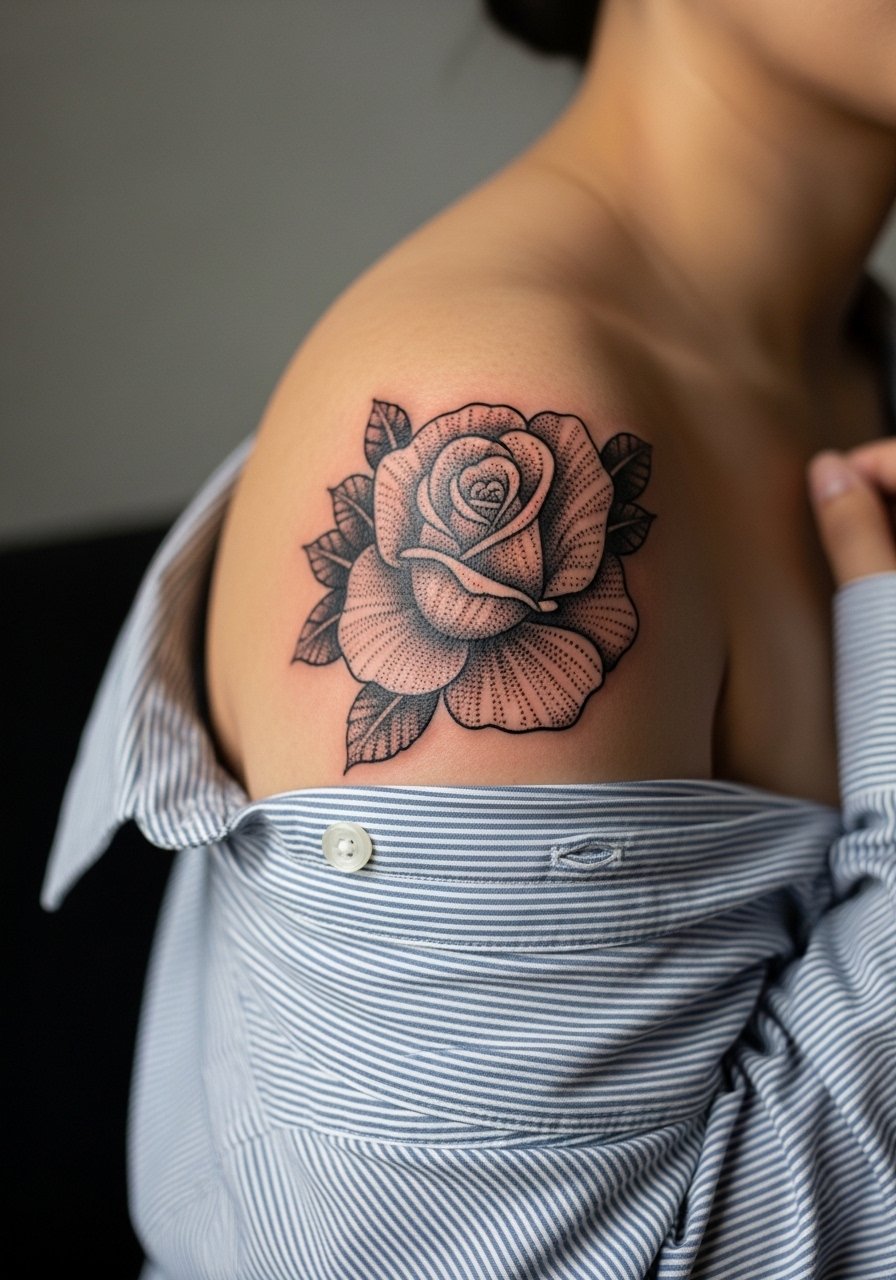
Shoulder pieces tolerate dotwork because the area is lower friction and gets moderate sun. I advise a charro rose with spaced dots rather than dense stippling so the petals keep definition years from now. During consultation ask for reference photos of healed dotwork on shoulders specifically, not gallery images of fresh work. Session time is moderate and discomfort is low. For the session wear a loose button-down you can slide to the side without exposing the chest. This spot usually needs less frequent touch-ups than wrists or fingers.
13. Outline Aztec Pyramid Steps on the Forearm
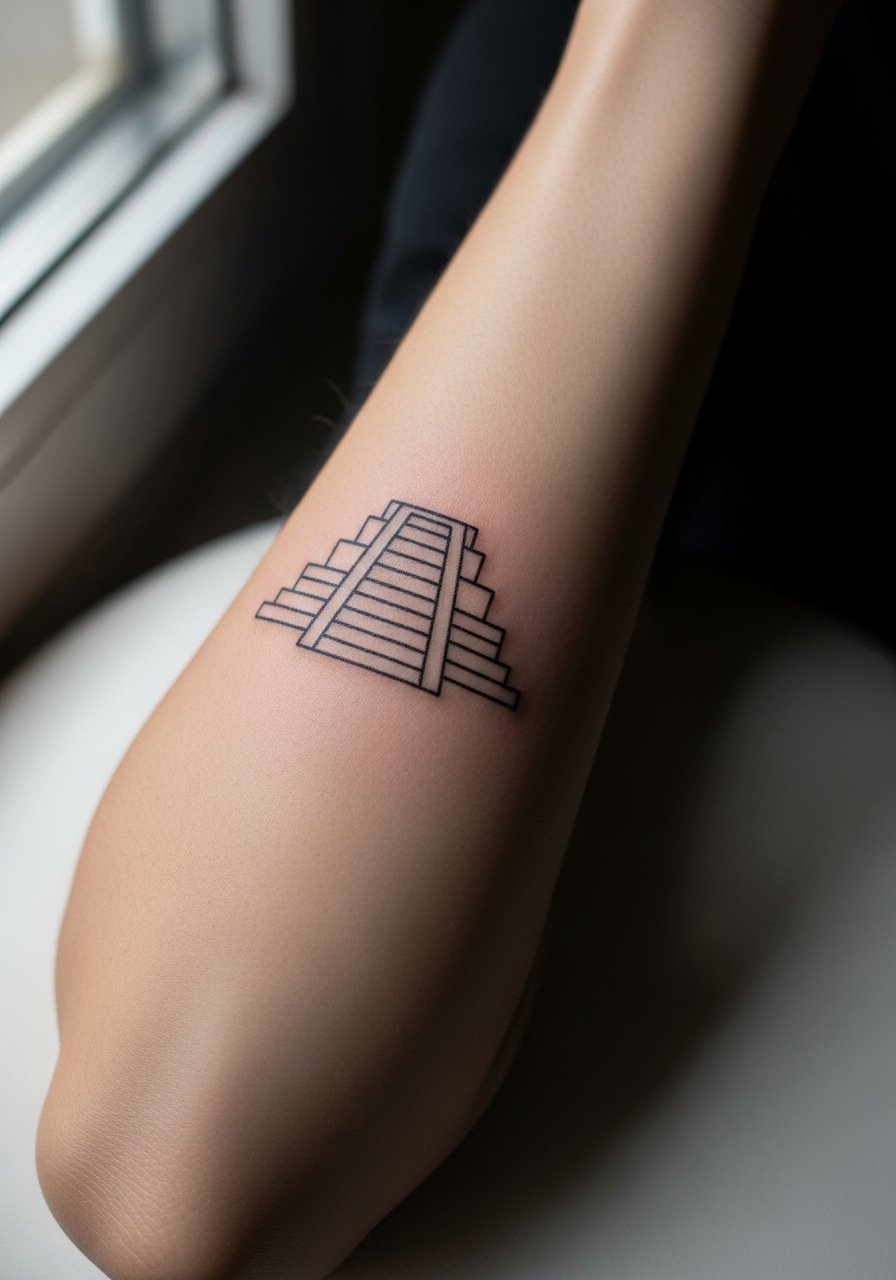
Forearm placement suits stepped geometry because the lines can stack and breathe. The biggest mistake is scaling the steps too tightly so the negative space disappears as the piece heals. I suggest asking the artist to sketch at full size and test the spacing with a skin stencil. Pain is mild and sessions are short. At six months clean linework looks crisp; at two years the edges soften if exposed to sun. For the session wear a loose button-down shirt you can pull aside for full access. Plan for a light touch-up in two to three years if you spend a lot of time outdoors.
14. Knuckle Minimal Chicano Letters
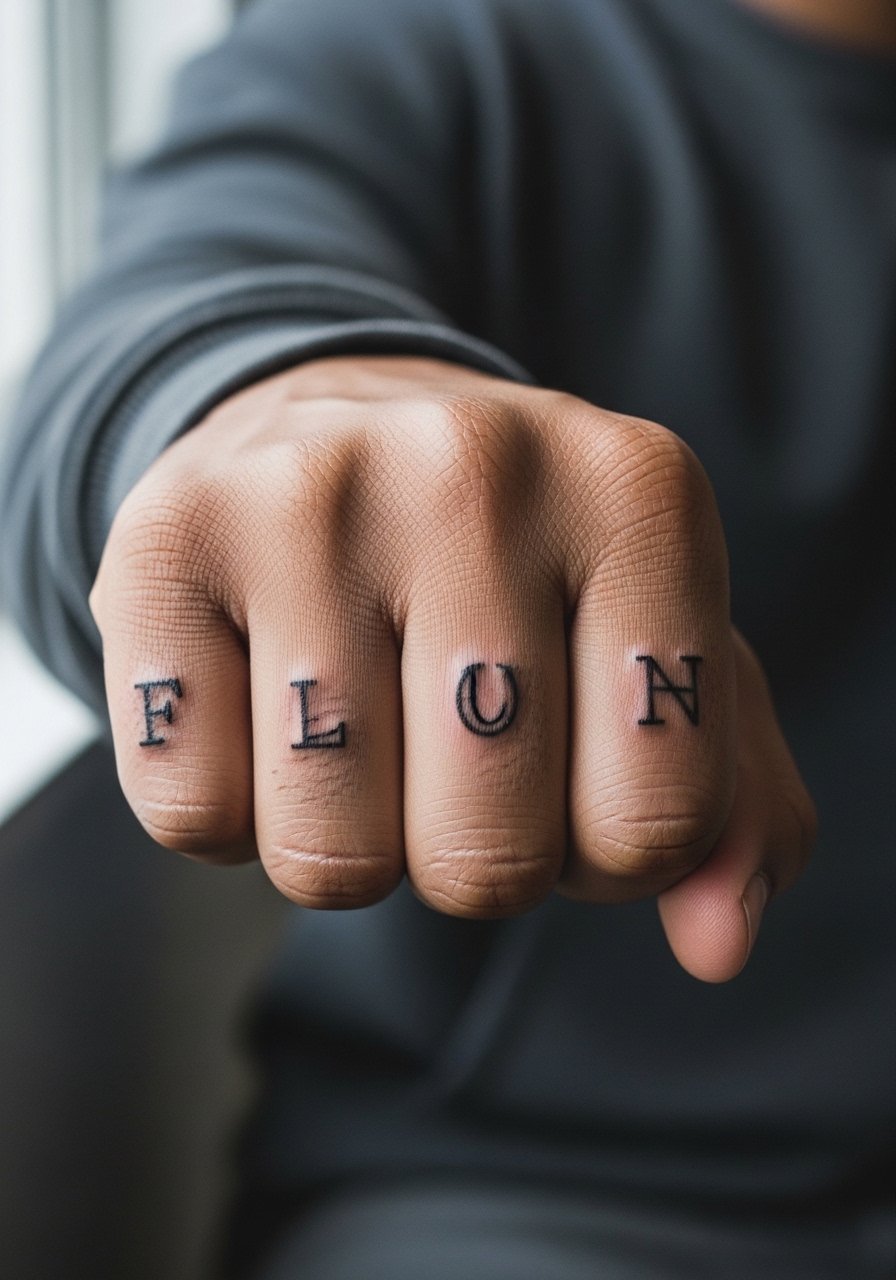
Knuckle work is under-covered and rarely shown healed beyond the one-year mark, so expect questions about longevity. The skin on knuckles is thin and moves constantly, so keep letters large and simple. I tell people knuckle tattoos are a commitment because wear and frequent washing speed fading. Session times are short but visibility means you will see every bit of change. A common mistake is choosing ornate script for that canvas. Also consider professional implications since knuckles are highly visible. Touch-ups are common around the one- to two-year mark.
15. Aztec Sun with Birth Year Script on the Inner Forearm
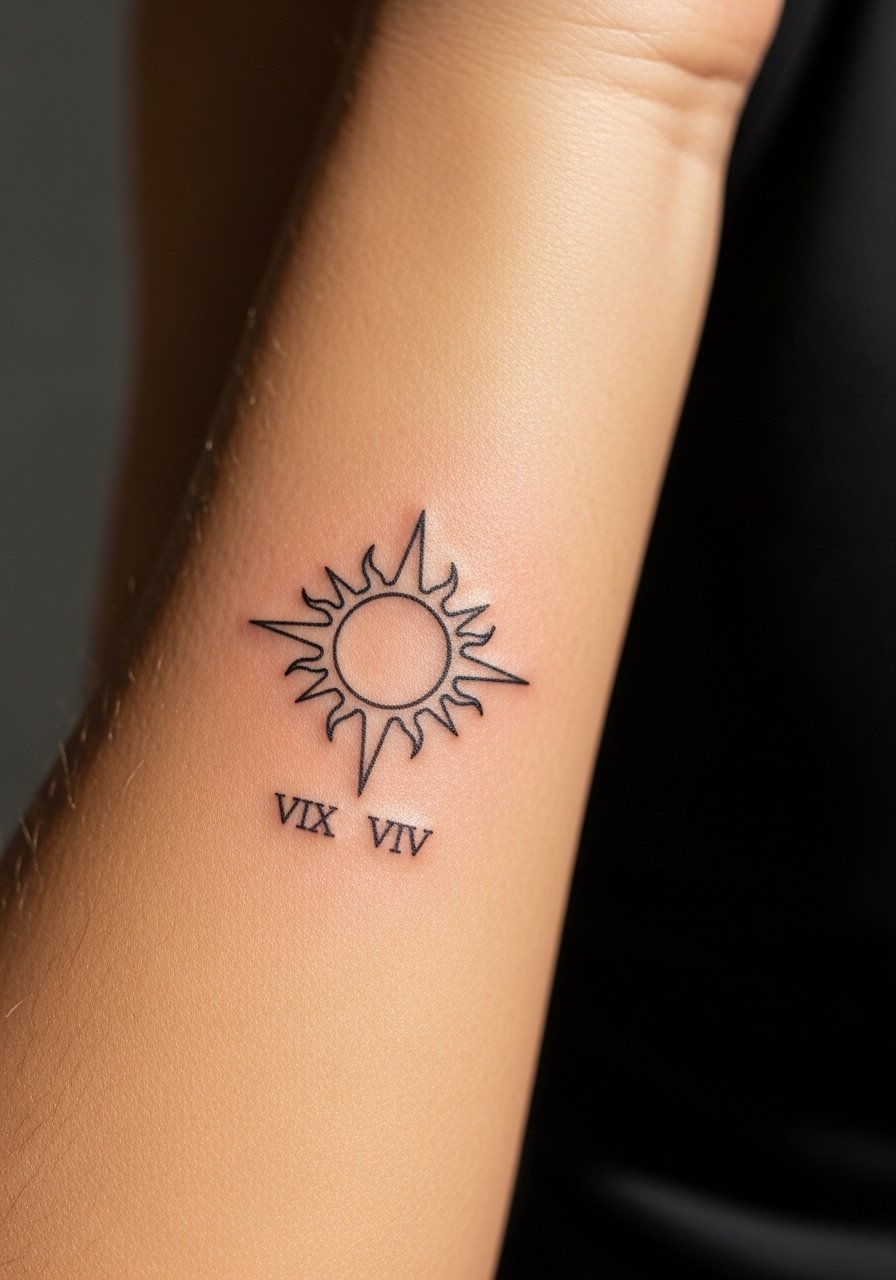
Combining heritage geometry with a small birth year gives a personal anchor without heavy flourish. Ask your artist to place the numerals slightly below the sun so they do not crowd the rays. The inner forearm is forgiving for this pairing and the session is short. A common mistake is compressing the numerals into the sun's border which ages into a muddle. For the session wear a slim fit button-up you can roll to show the inner forearm. Expect the sun to hold longer than the tiny numerals, which may need a light touch-up at year two.
16. Hidden Lowrider Under-Collar Neck Outline
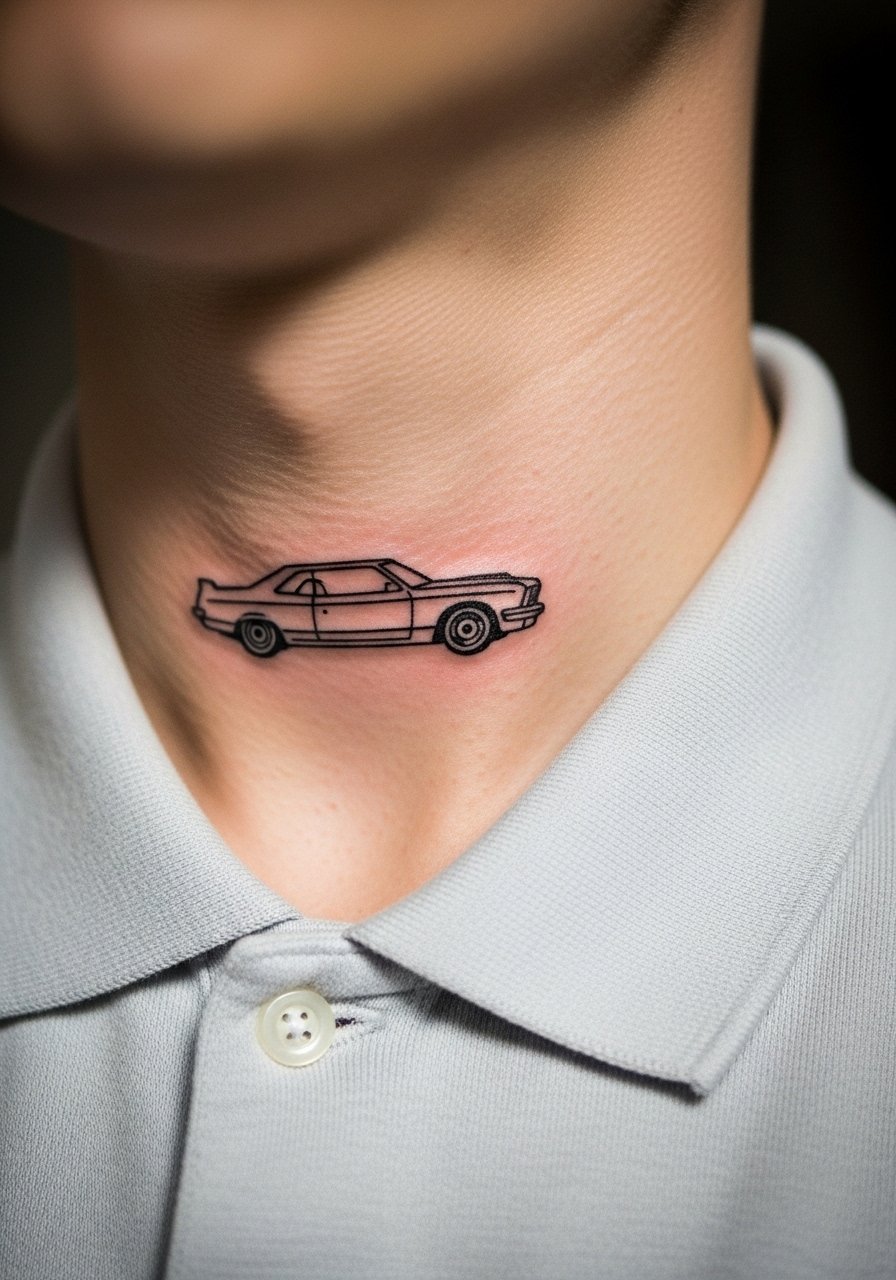
This placement hides the lowrider under collars for work and reveals it when you lift the shirt edge. It is a smart pick for someone who wants a statement that can also be discreet. Have the artist show the exact under-collar drop on your body so the silhouette does not peek out unintentionally. Pain is moderate and session time quick. For the session wear a collared polo or wide-neck shirt to allow access without full neck exposure. Expect touch-ups at two to three years if you frequently wear tight collars that rub the area.
17. Micro Pachuco Cross on the Finger
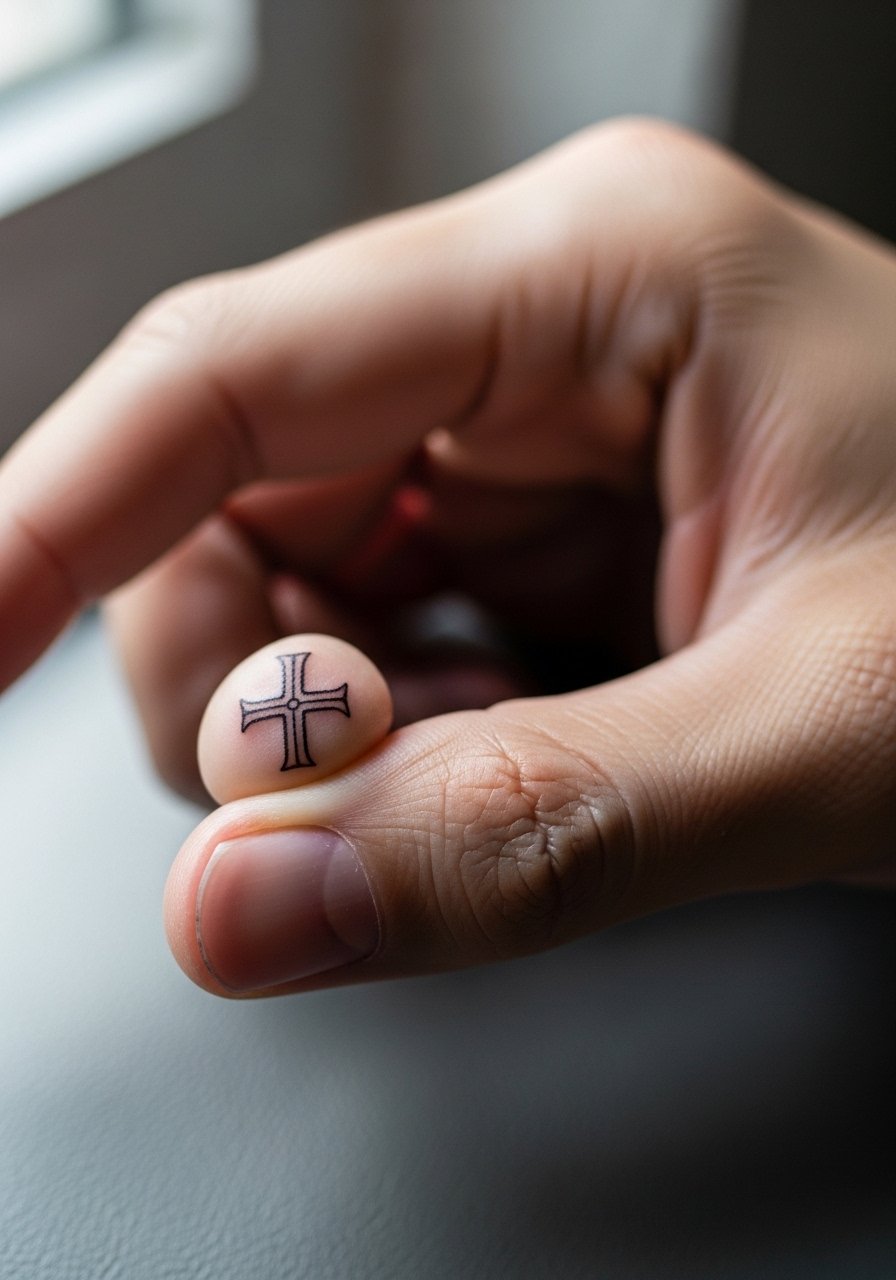
Finger placements are tiny canvases and the skin there is both thin and subjected to constant washing. Micro crosses work if you accept periodic touch-ups. During consult ask for slightly bolder line weight for the short term so it does not disappear within months. Expect the session to be very brief and the pain to be sharp but over quickly. A common mistake is asking for tiny serifs or curls on a finger. Healing photos at six months are the best way to judge whether a thicker redo is necessary.
Frequently Asked Questions
Q: Will fine line Chicano tattoo details blur faster on hands and fingers than on forearms?
A: Yes, in my experience hands and fingers blur faster because of washing and constant use. The forearm has thicker skin and less friction, so geometric lines and small details tend to hold longer there. Expect touch-ups earlier on hands, often within a year or two.
Q: How should I prepare clothing-wise for a ribcage Guadalupe session?
A: Wear a cropped athletic top or a sports bra you can lift slightly so only the ribcage area is exposed. That keeps the rest of your torso covered and gives the artist clean access without you removing too many layers.
Q: Can a minimalist Aztec sun include numbers like a birth year without looking crowded?
A: Yes, if the numerals are placed with clear spacing below the motif and sized to read at arm's length. Tell the artist during consultation you want negative space between the sun and the script so the elements age independently.
Q: What are realistic touch-up timelines for single-needle Chicano crosses versus lowrider silhouettes?
A: Single-needle crosses, especially on wrists or fingers, often need touch-ups around year one to two. Lowrider silhouettes on calves or under-collar neck areas typically hold longer and may only need touch-ups at two to four years depending on sun and friction.
Q: Are there visibility or career concerns for knuckle or neck placements I should know?
A: Yes, knuckles and visible neck tattoos remain highly visible and can affect certain job settings. Think about how often you want the piece seen and discuss discreet placement options like under-collar or inner-arm placements if you need flexibility.