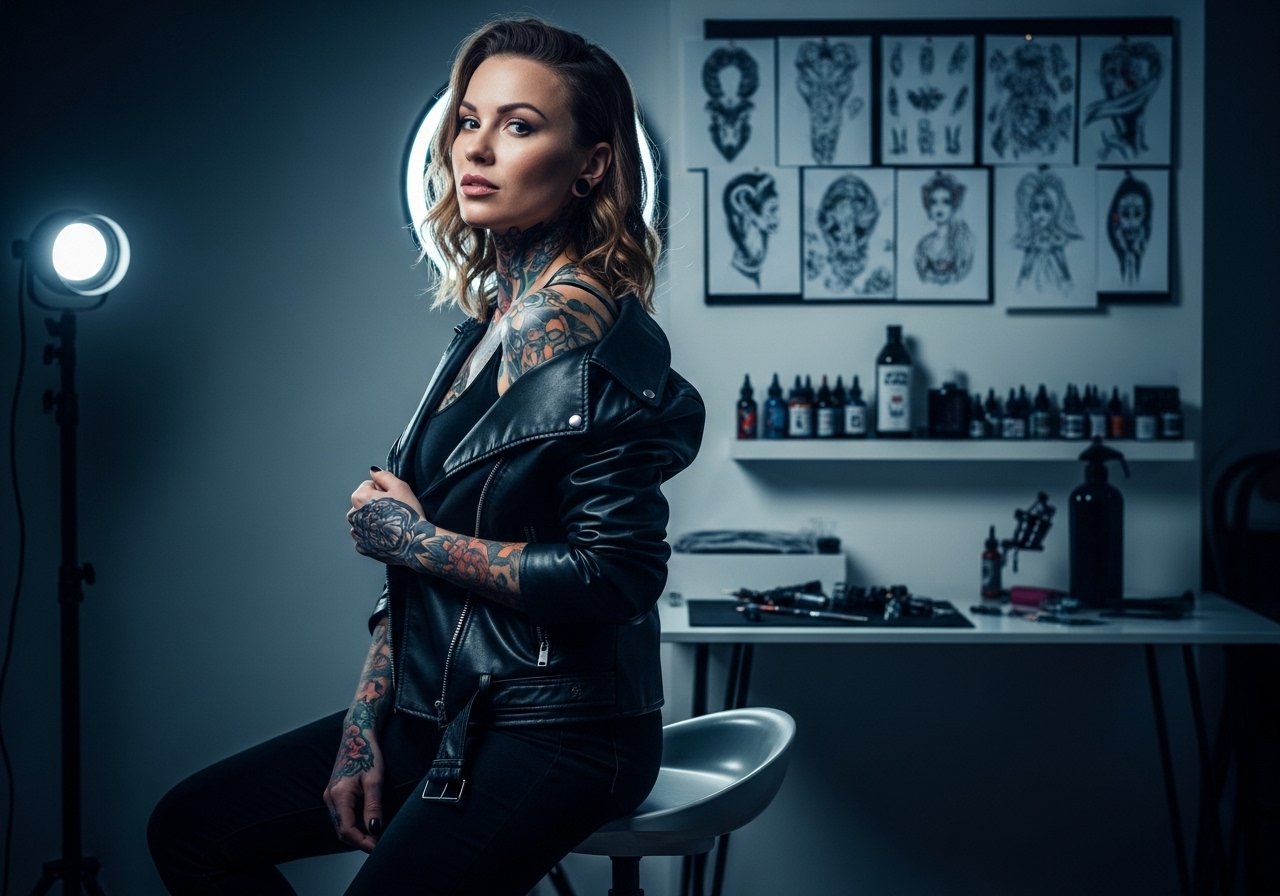
Fine line Fullmetal Alchemist motifs look delicate on photos, but they age based on placement, skin texture, and how tight the lines were tattooed. Expect to plan for longevity, watch for blowout in soft skin zones, and ask about realistic touch-up timelines during consultation. Read these compact, placement-aware ideas next, each one built to hold its shape over time.
1. Tiny Transmutation Circle on Inner Forearm
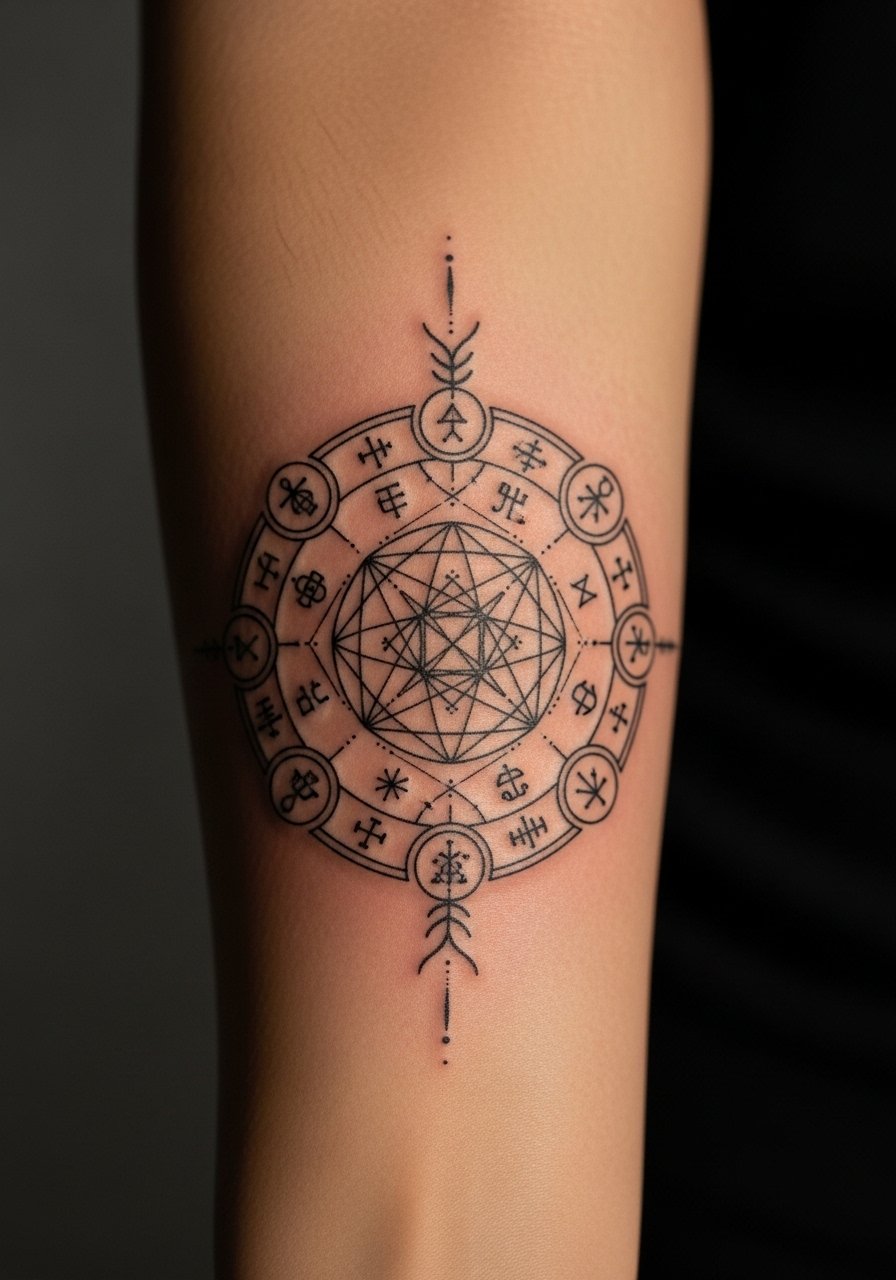
I find inner forearm pieces read crisply for years when the circle is scaled for the anatomy, not the screen. Ask your artist to keep the outer ring slightly thicker and the internal sigils spaced rather than crammed. Common mistakes are copying a tiny photo and expecting the same density on flesh, which leads to merging lines at year two. Pain is moderate and sessions are short, often under an hour for this scale. Expect touch-up talk at year three for anyone with active sun exposure. For showing it off, roll sleeves or wear a loose linen shirt so the tattoo gets framed without competing patterns.
2. Minimal Edward-Style Silhouette Behind the Ear
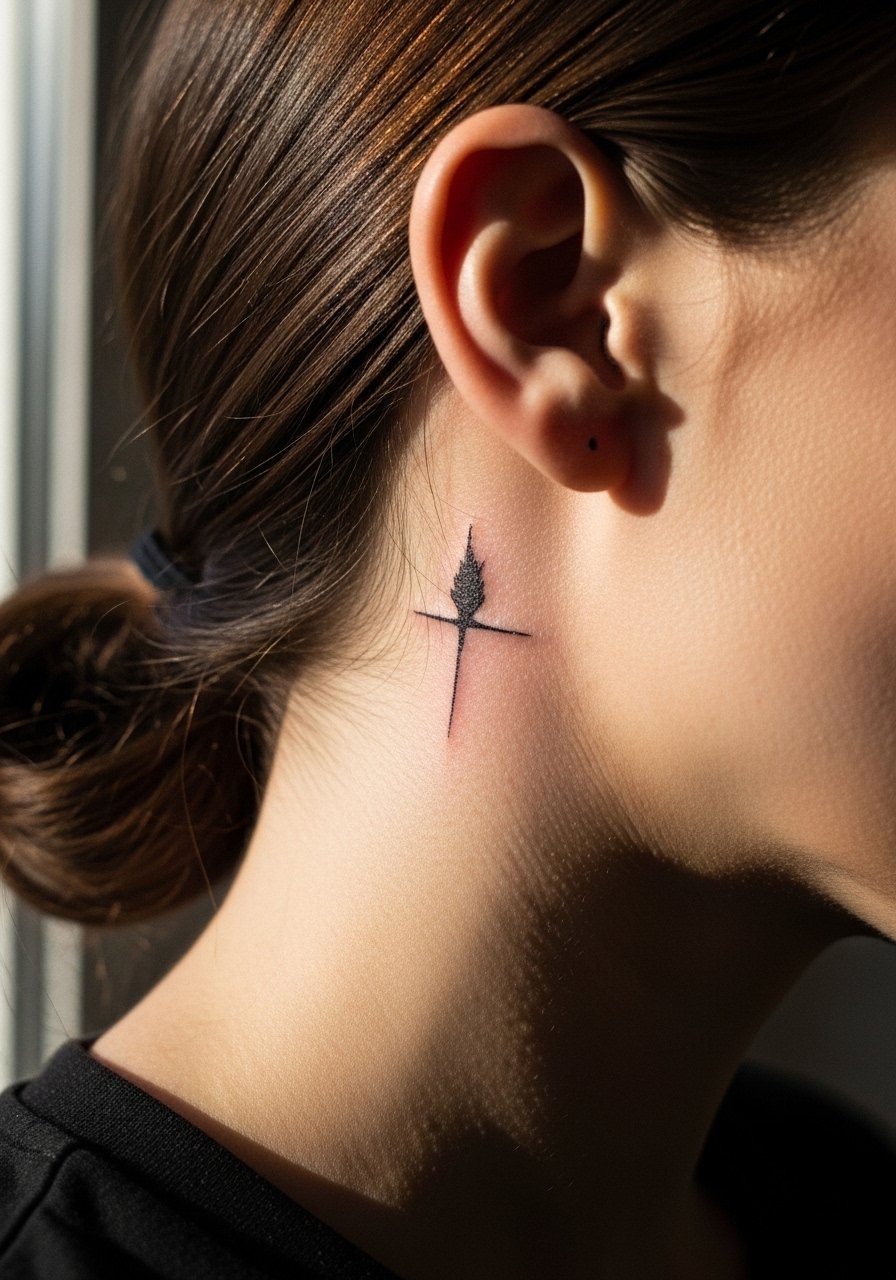
Fair warning: behind-the-ear lines deal with tiny skin shifts and hair friction, so plan for a simpler silhouette rather than intricate detail. The session is quick but sensitive spots sting more than flat forearm areas. In consultation, say you want bold negative space and avoid micro-detail inside the head shape. A common aging issue is ink migrating into the hairline if the lines are too shallow. This placement needs an artist comfortable with near-hairline work, so ask where they place small pieces on the neck. If you prefer concealment, style with a high collar or add a small earring to balance attention.
3. Philosopher's Stone Outline on the Wrist
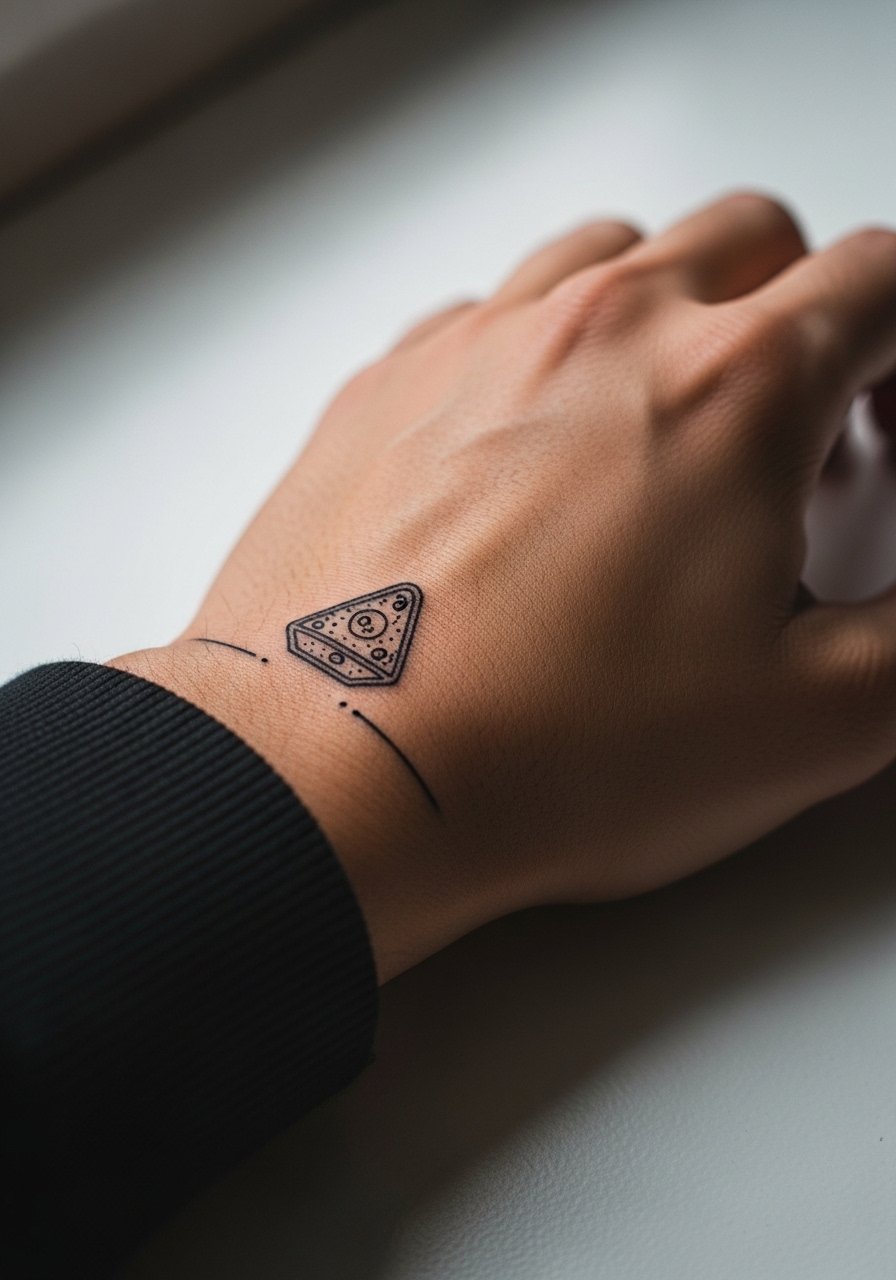
When you sit down for a wrist piece, bring references that show the exact line weight you want, not just the symbol. Wrist skin sees a lot of washing and friction, which means thin inner lines can fade faster than a solid outline. The biggest mistake is asking for ultra-fine detail cramped into a coin-size area. Expect to book a short touch-up around year two, especially if you type a lot or wear watches. For outfits, a minimalist watch strap or thin bracelet keeps the wrist balanced and draws the eye to the symbol without overcrowding.
4. Alchemical Script Along the Collarbone

There is something about a slim script that follows the collarbone that reads elegant and deliberate from across a room. This spot is forgiving for moderate line weight but punishes hairline strokes. Tell your artist the exact font size you want and have them stencil it so you can check curvature with movement. A typical error is letting the letters sit too close to the fabric line, which makes the piece disappear under collars. For evenings out choose an open-back midi dress or a wide-neck top to showcase the script without tugging at the skin during the healing window.
5. Micro Line Flamel Symbol on the Side of a Finger
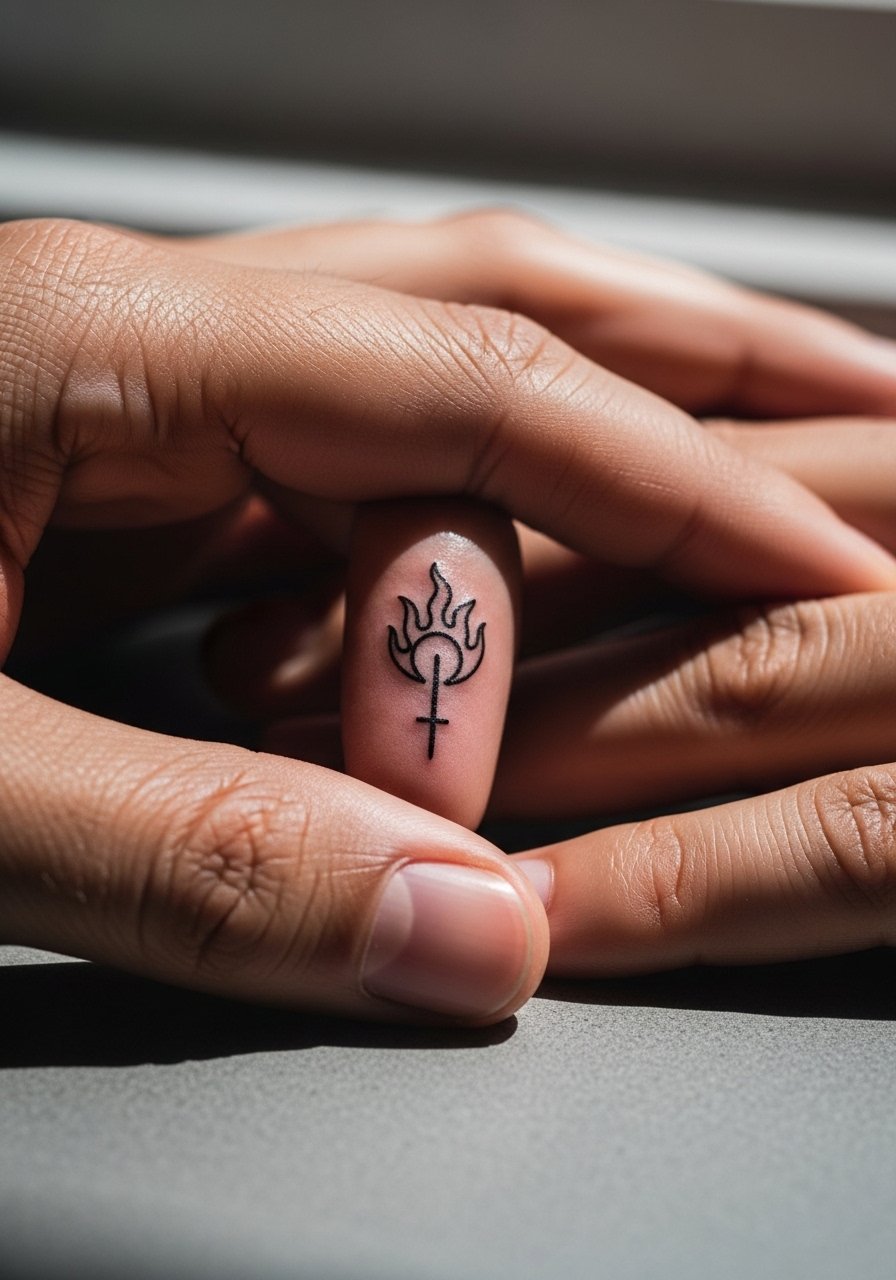
Fingers are a notorious test for small linework because the skin regenerates quickly and sees constant abrasion. The mistake I see most is treating finger work like any other canvas, then wondering why it fades in months. Expect a tougher healing period and a likely touch-up at six to twelve months. During consultation, specify that you want simplified contours and agree on a redo window. For daily wear, thin rings rather than chunky bands help prevent ink loss from pressure and rubbing.
6. Minimal Brotherhood Alchemy Chain Around the Ankle

Most ankle wraps age well when the chain links are spaced and the tattoo isn’t too tight. I recommend modest negative space between links to avoid line merging from pressure points like shoe collars. Pain is mild to moderate due to thin skin near bone, and sessions are usually under an hour. A common issue is asking for a continuous tight chain that later blurs where the shoe rubs. Style this with cropped pants or ankle boots to show the motif. Now, a few practical items for the session and first week.
Studio Day Picks
The ankle, wrist, and finger pieces above face different friction and exposure issues than broader forearm work, so these items make the session smoother and protect delicate linework during the first days.
-
Stencil transfer paper kit. Lets you preview exact placement and line weight on skin before the needle starts, which is crucial for tiny Fullmetal symbols.
-
Topical numbing cream. Applied per instructions before short, sensitive finger or ankle sessions reduces sharp sting without affecting how the ink takes.
-
Thin protective film roll. Keeps wrist and ankle tattoos clean during the first week of showers and shoe friction.
-
Fragrance-free gentle body wash. Cleanses healing skin without stripping oils, helpful for delicate linework that depends on consistent moisture.
-
Aquaphor healing ointment. A thin layer in the initial days helps protect fine line areas from scabbing that pulls ink.
7. Negative Space Philosopher's Stone on the Nape
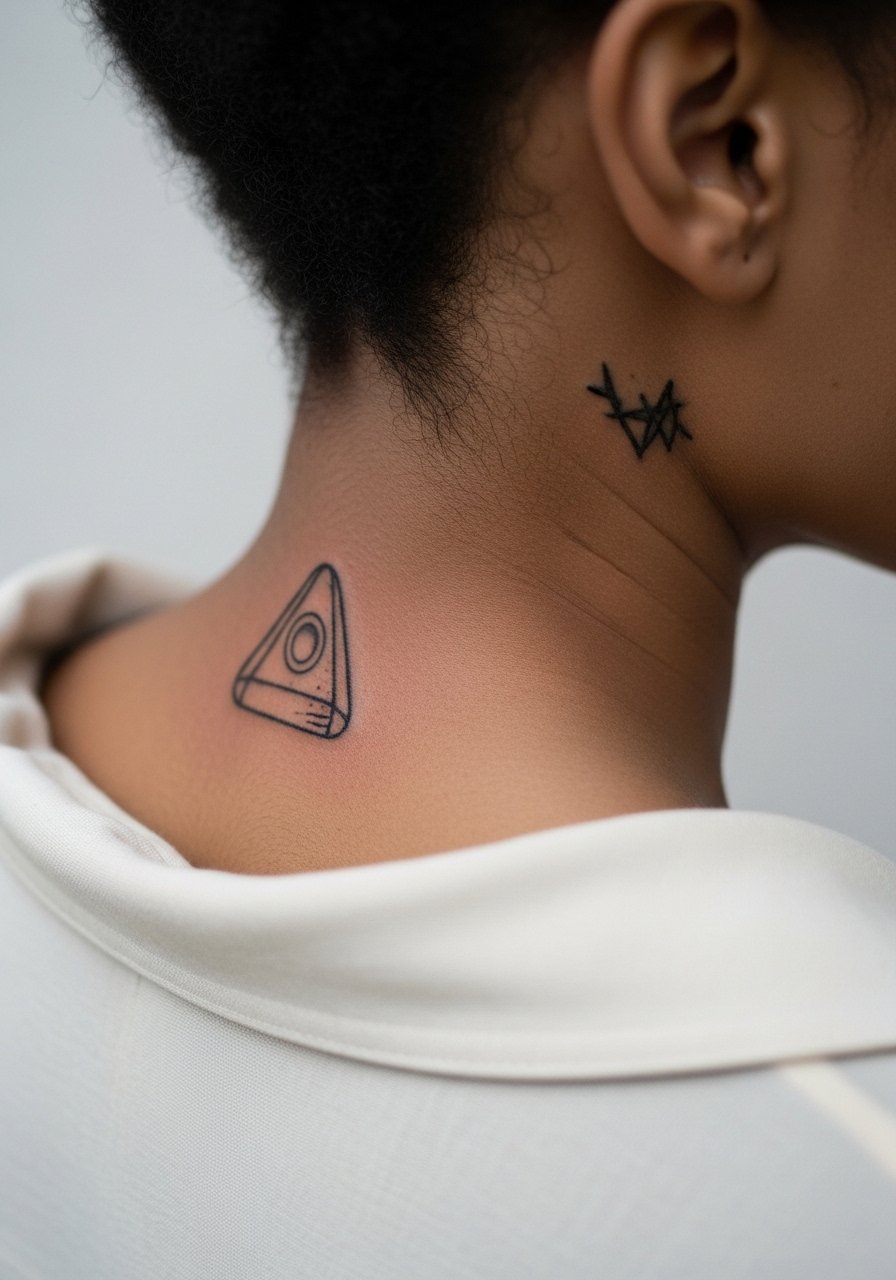
This placement reads like a private emblem that shows with pulled hair or certain collars. For the session wear something with a wide neck or button front so the artist can access the area cleanly. The piece holds longer when the negative space is intentional and not filled with tiny dots. A typical mistake is cramming micro textures into a space that moves a lot with neck turns. Expect mild pain and a short appointment. For outfits, a wide-neck blouse shows the nape without exposure and keeps the area comfortable while healing.
8. Ribcage Alchemical Line Stack
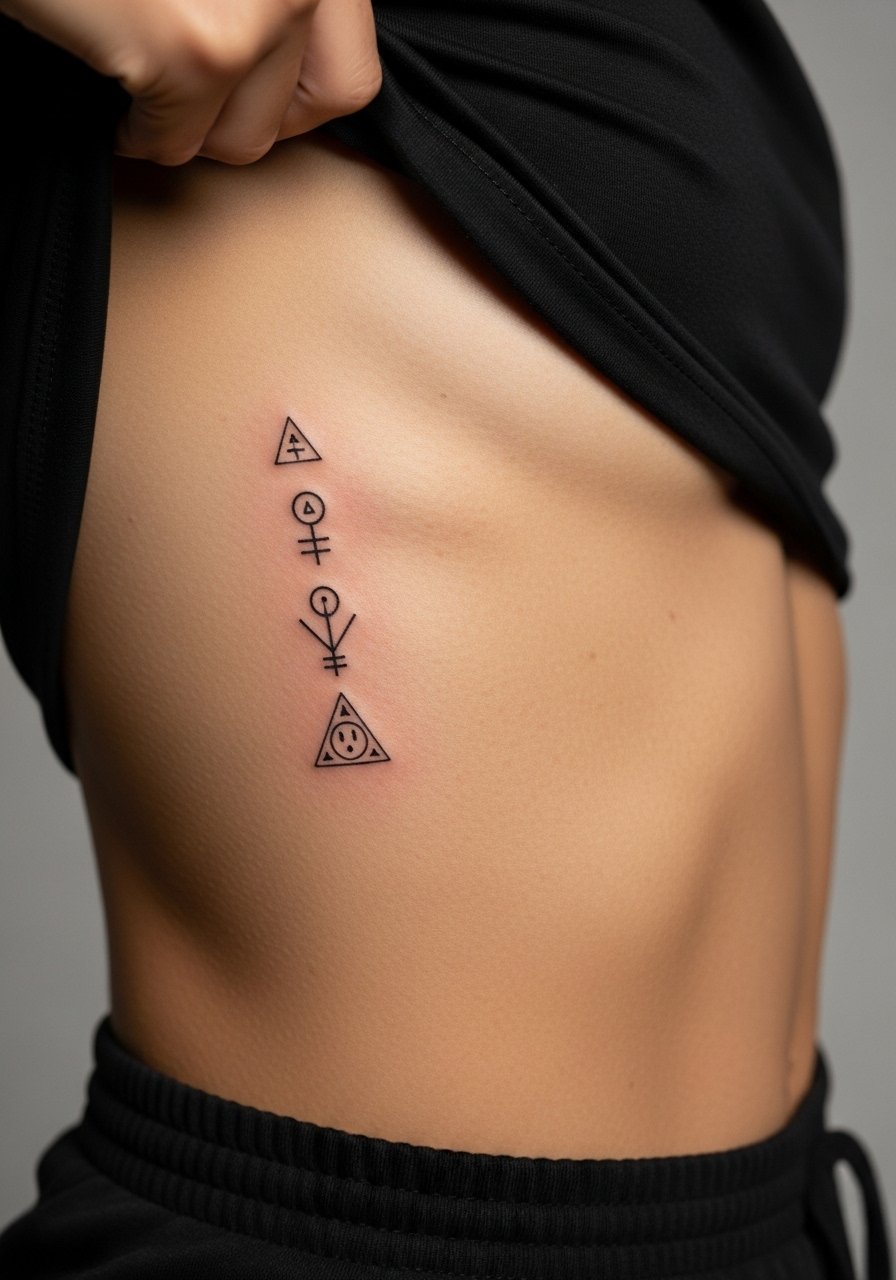
Artists split on fine line ribs into two camps. One camp says the skin there stretches and lines blur within two years. The other camp argues that with proper depth and spacing fine line can settle fine on ribs. I name both sides so you can go into a consultation informed. If you choose this spot, leave extra spacing and plan for a longer sitting. The biggest mistake is copying a screen-sized design and shrinking it to fit a curved torso. Pain is high and expect longer aftercare focus. Wear a loose cropped top to the session so your artist can access the side without you being uncomfortable.
9. Alchemy Glyph Along the Spine

I have seen spine stacks age well when each glyph has breathing room above and below it. The main error is stacking glyphs too close, which creates a visual blur as the skin moves. Sessions can be broken into short passes to manage pain and let you reposition for comfort. Tell your artist you want vertical negative space equal to the tallest glyph so movement does not compress the design. For showing the piece off, an open-back top frames the spine without rubbing during the healing window.
10. Minimal Fullmetal Pocket Watch on the Bicep
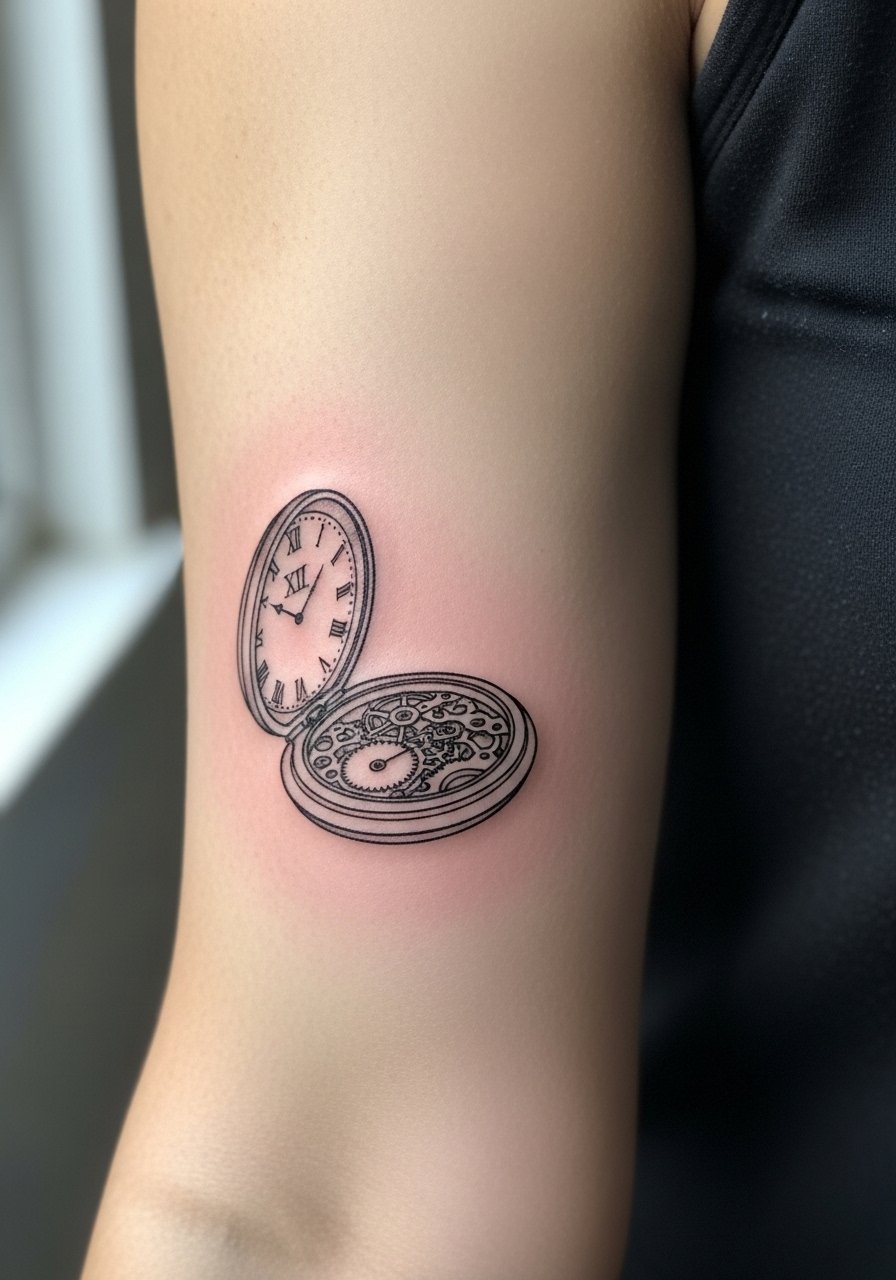
Fair warning: the outer bicep is forgiving but changes shape with muscle growth and tanning, so plan lines that can sit slightly looser. The session feels comfortable and you can usually get this size done in under an hour. Common mistakes include asking for micro-ornamentation that the bicep will not keep crisp if you sunbathe heavily. During consultation, note your activity level so the artist can advise on placement that avoids muscle creases. Pair with rolled sleeves or a sleeveless tee to show the watch without compressing it under tight fabric.
11. Minimal Homunculus Sigil on the Outer Calf
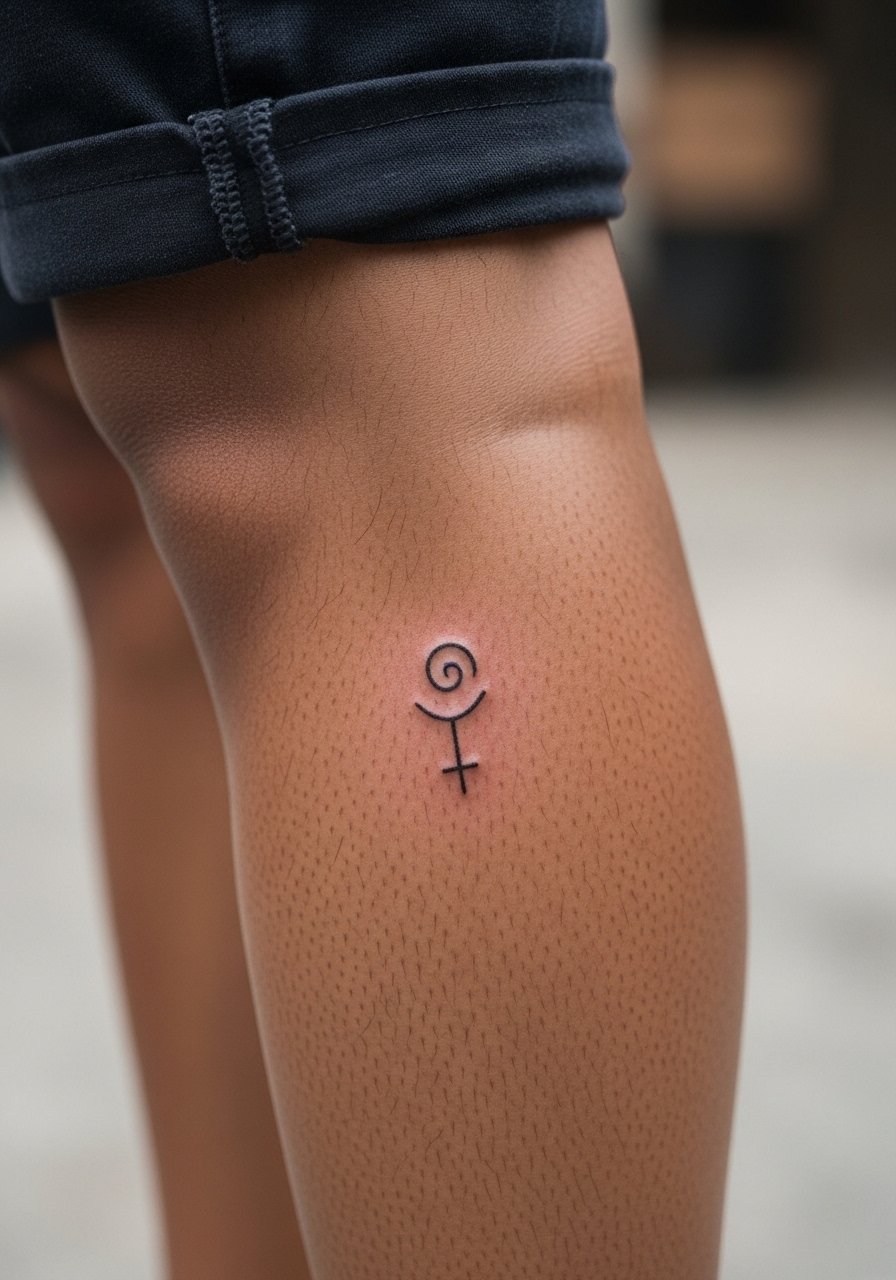
When you discuss calf work, bring up how you plan to show the design in summer and winter. The calf holds linework well because the skin is thicker and less prone to blowout. The mistake I see is forcing too many small elements into a compact vertical space. A two-step session may help if you want a longer chain of sigils. Pain is moderate, and touch-ups are rare if you avoid repeated friction from tight socks. For shoes, low-cut sneakers or sandals keep the calf visible without constant rubbing that can flatten fresh lines.
12. Micro-Alchemy Script Behind the Wrist

There is visual payoff when micro script sits parallel to wrist creases and respects the skin fold. The common mistake is centering text over a crease, which makes letters split as you move. In a consultation tell your artist the exact motion of your wrist when you type or rest your hand so they can place letters in a stable zone. Expect a quick appointment and a likely short touch-up at six to twelve months if you wear watches or bracelets that press on the area. A thin chain bracelet complements the text without smothering it.
13. Minimal Flame Alchemy on the Shoulder Blade

The shoulder blade rewards slightly bolder lines because the surface is broad and moves less than the ribs. The visual impact is strong with a modest fill and clean linework. A frequent error is keeping lines too delicate for that area, which then looks pale against muscle tone. Sessions are comfortable and you can do a few small additions later if you want a short sleeve. For the appointment wear a loose tank top you can shift without full undressing so the artist has clear access.
14. Minimal Engine Gear on the Inner Wrist

I often recommend slightly stronger linework for inner wrist gear motifs because the area gets constant light contact. The mistake is choosing whisper-thin strokes that vanish under frequent hand washing. In the consult say you want visible contour that still reads delicate from a distance. Expect a short appointment and plan for a touch-up if you wear tight watchbands. For show-off outfits, rolled sleeves or a short-sleeve button-down frames the wrist without covering the piece.
15. Minimal Automail Bolt Along the Rib Edge

Fair warning: the rib edge is a high-pain area and the skin there can cause lines to blur if packed too tightly. The visual that lasts is a simplified bolt with deliberate spacing from the cartilage. The common mistake is insisting on dense shading near the bone, which the skin often migrates. Expect a longer session and a careful aftercare regimen. Wear a loose cropped top to the appointment so the artist can access the area without you being uncomfortable.
16. Minimal State Coordinates Under the Collarbone
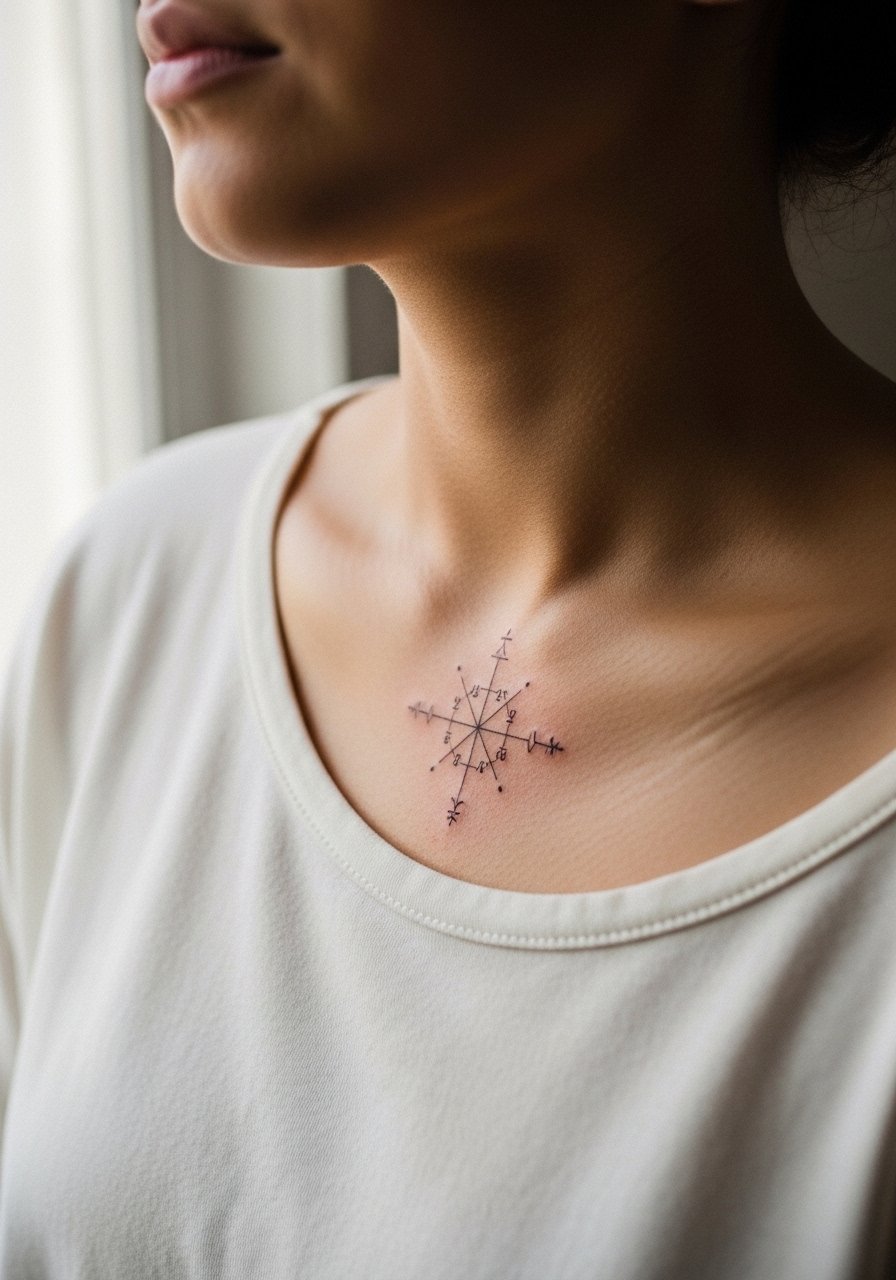
When you pick coordinates, be precise in the consultation about font size and spacing, because tiny numbers blur if squeezed. The pain is mild and the session is short, but the collarbone moves with breathing so leave breathing room around numbers. A mistake I see is choosing ornate fonts that lose legibility over time. For showing this subtle piece, a thin chain pendant necklace sits above the coordinates without crowding the ink.
17. Tiny Gate of Truth Symbol on the Top of the Hand
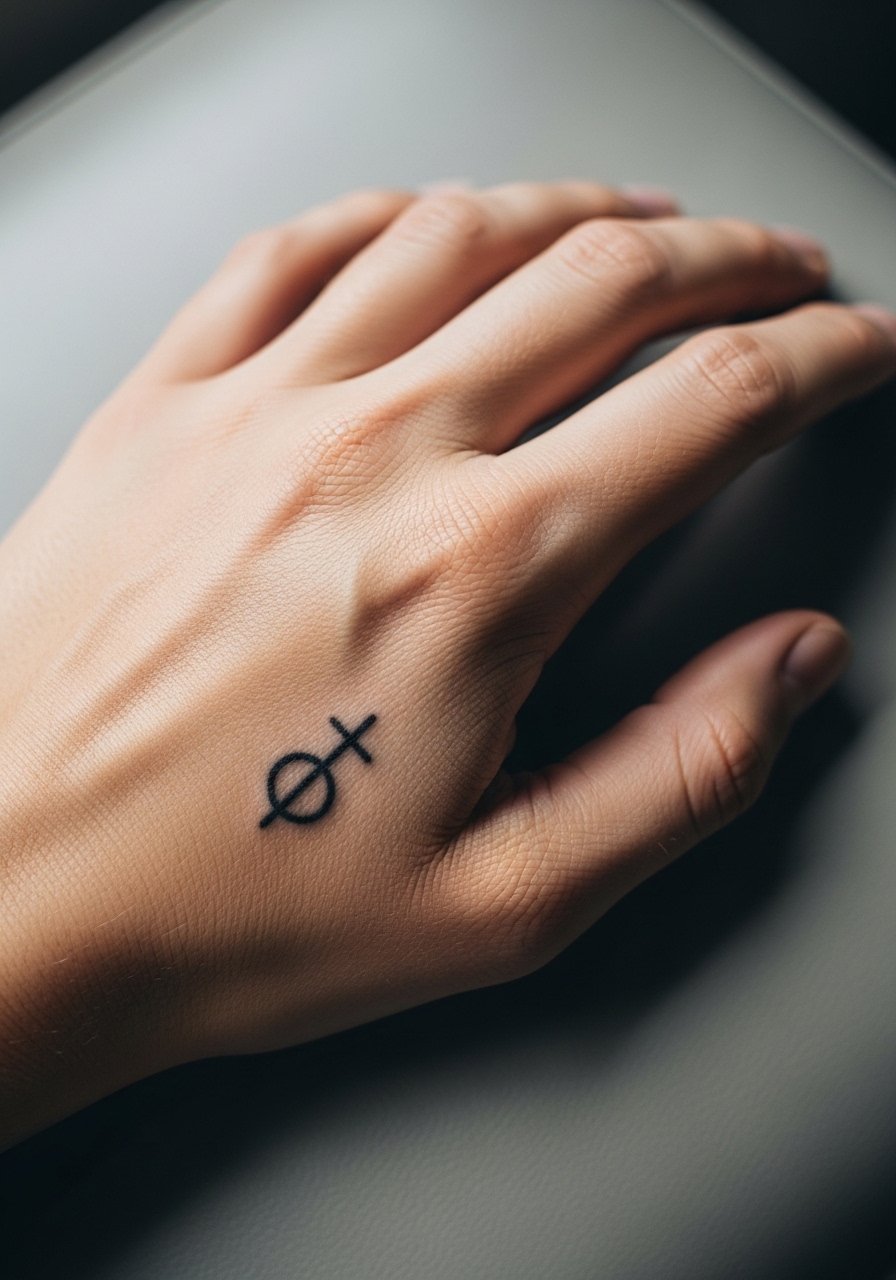
Artists are split on hand pieces in a way similar to ribs. One camp says hands are high-contact zones that fade within a year. The other camp says with bold, shallow strokes and planned placement hands can look intentional for longer. I lay out both views because choosing a hand piece is a commitment you should enter knowing the trade-offs. The frequent mistake is treating hand skin like forearm skin and expecting permanence. Sessions sting more here and touch-ups are common. If you work in environments where hands are visible often, think through career implications before booking.
Frequently Asked Questions
Q: How long before a minimal line Fullmetal symbol needs a touch-up?
A: It depends on placement, lifestyle, and sun exposure. Small lines on fingers and hands often need a touch-up within a year, while forearm or calf pieces can go several years without one. If you spend a lot of time outdoors, expect earlier fading.
Q: Can I get a ribcage alchemy stack if I want very fine detail?
A: You can, but most artists will advise against cramming micro-detail into curved rib skin. One camp warns that ribs stretch and blur fine lines quickly. The safer route is increased spacing and simplified elements, then plan a touch-up window.
Q: What should I wear to a collarbone or sternum session?
A: Wear a wide-neck shirt or a fitted sports bra so the artist can access the area without you undressing completely. For showing off healed collarbone work later, an open-back dress or a wide-neck top frames the ink cleanly.
Q: Do minimalist alchemy tattoos hurt more than traditional small tattoos?
A: Pain varies by placement rather than style. Minimal line work can sting if placed on thin or bony zones, but sessions are usually short. Planning breaks and discussing numbing options with your artist helps manage discomfort.
Q: Are finger and hand tattoos worth it for longevity?
A: They are worth it if you accept likely touch-ups and faster fading. Hands are high-contact and frequently washed, so frequent maintenance is part of the choice. If permanence is a priority, consider a nearby placement like the outer wrist or forearm instead.