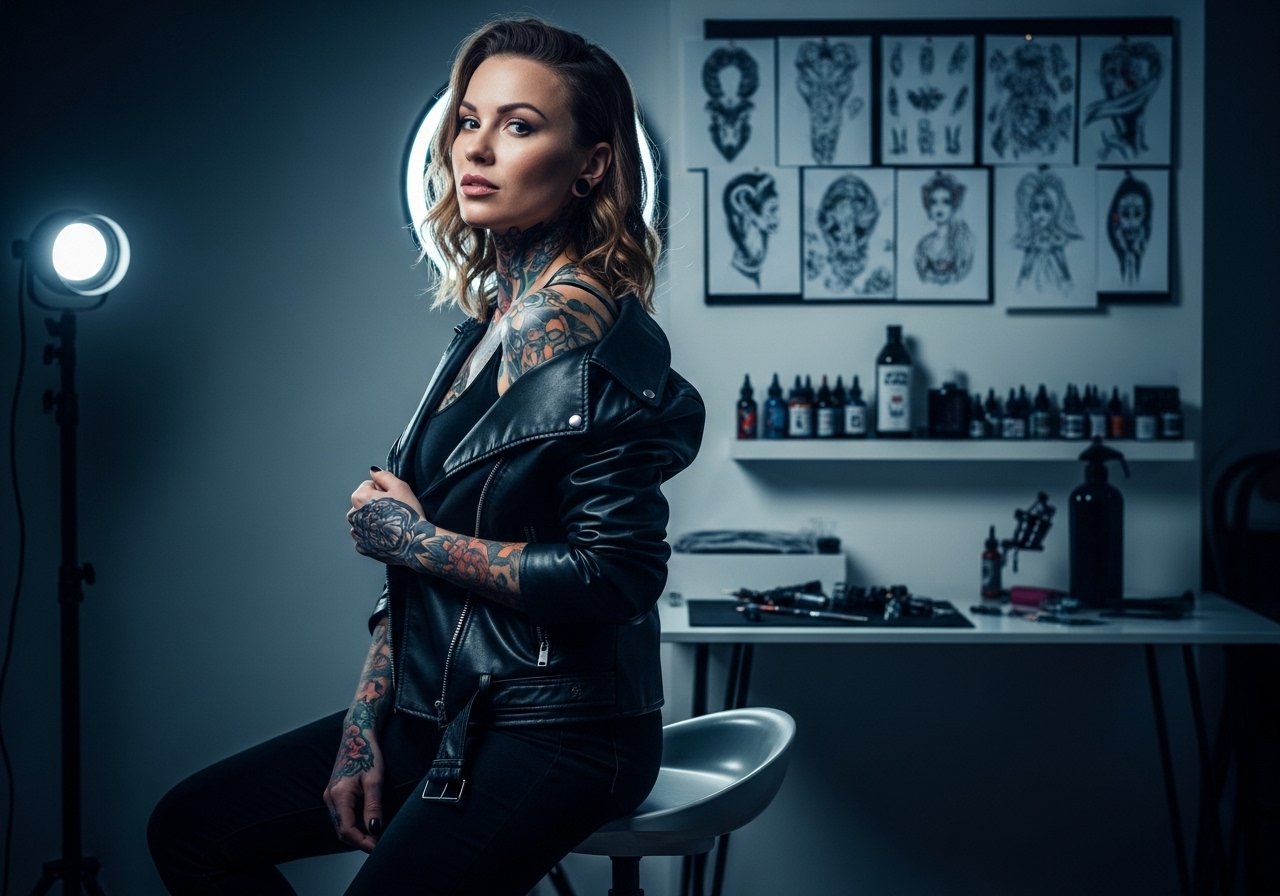
Fine line Asian dragon tattoos are the kind of piece that reads like motion on skin, a single ribbon of linework that winds with the body. They trend because they can be elegant and restrained, but they also demand careful spacing and honest conversation with your artist about how the design will age. Below are 17 minimal line Asian dragon ideas, with placement, aging notes, consultation tips, and styling pairings to help you pick the one that will still read clean after a few summers.
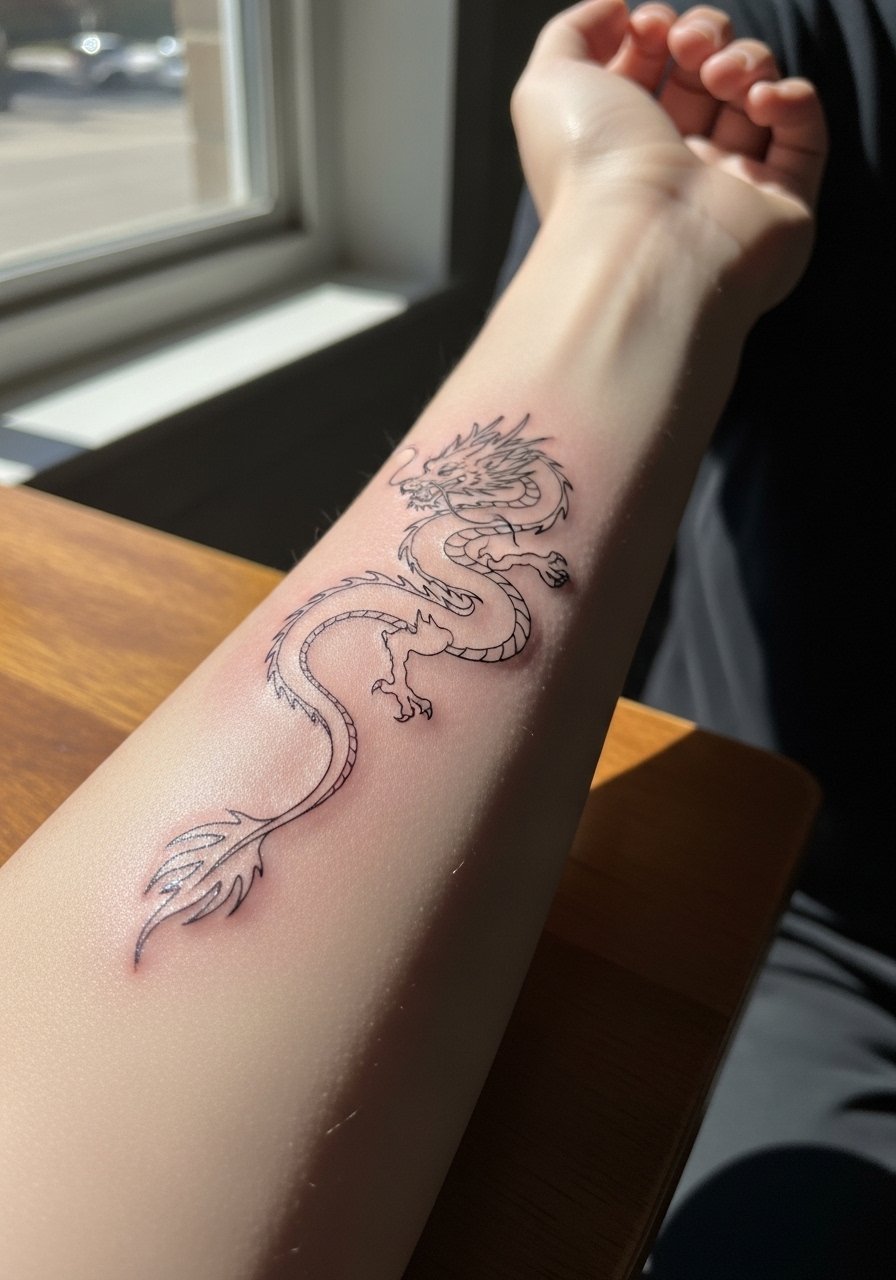
1. Slim Asian Dragon Along Inner Forearm
I've seen this placement hold up well for people who want visibility without a sleeve commitment. Ask for slightly heavier linework where the body curves so the dragon's coils read at arm length. Pain is mild, session time is often under an hour, and the inner forearm is forgiving for touch-ups if needed at year two or three. Common mistakes include requesting ultra-thin lines that merge after sun exposure. For showing it off, roll sleeves to reveal the forearm and pair the design with a loose button-down shirt in neutral tones, which frames the linework without covering it.
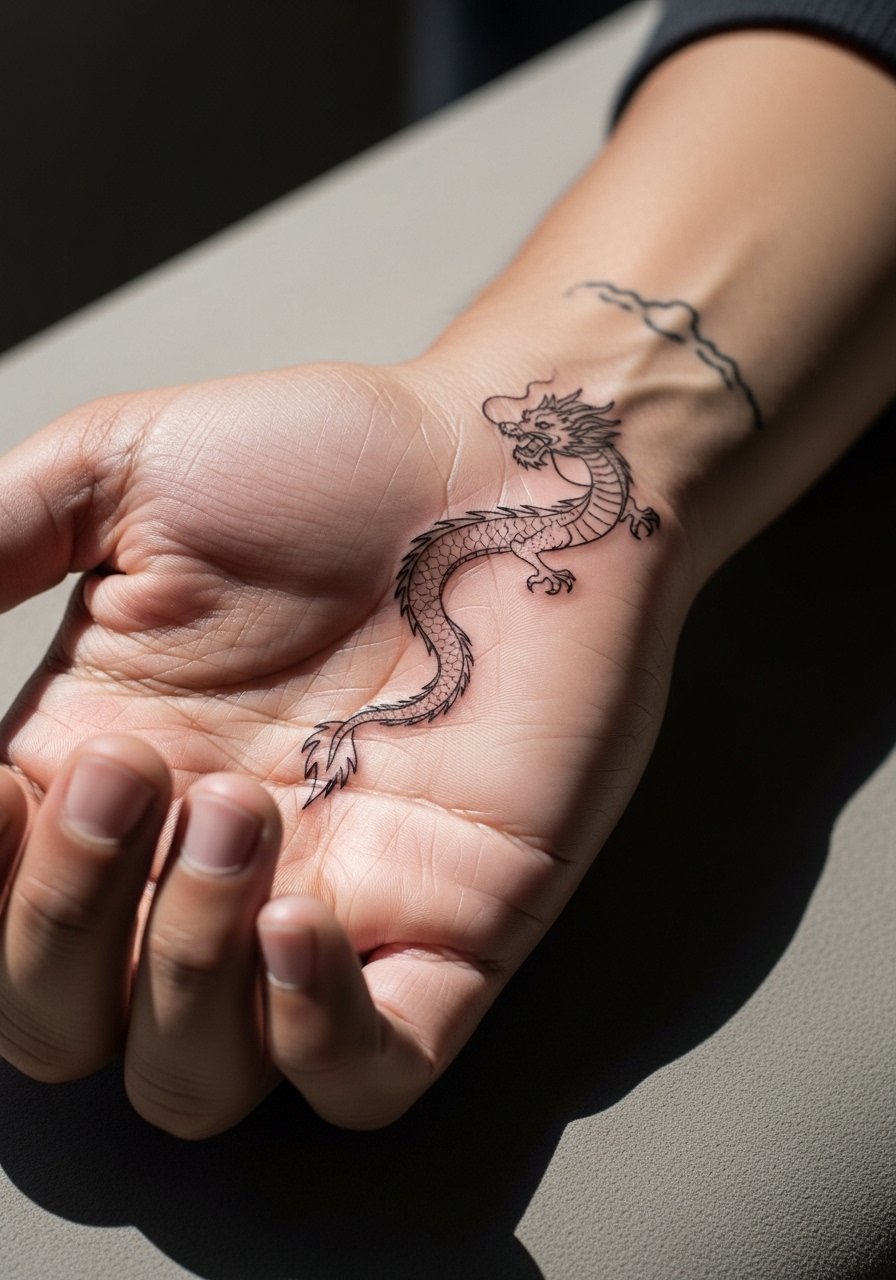
2. Tiny Dragon Curling Around the Wrist
Fair warning: the wrist is a high-movement, high-friction area and it will feel sensitive during the session. The result reads intimate and delicate from close up, but expect touch-ups earlier than on the arm. Tell your artist you want negative space in the coils so the design keeps its shape as lines soften. For session comfort wear a racerback tank or a short-sleeve top you can roll up easily. This spot ages faster if lines are placed too close together, so avoid dense detail.
3. Long Spine Dragon That Runs Down the Back
Most large linear pieces like a spine dragon settle beautifully when spaced correctly. The visual impact comes from scale and negative space along the vertebrae. Sessions are longer and involve breaks, and pain varies along the spine. A common mistake is compressing too much detail into the center where skin moves with bending. For longevity, ask for slightly bolder anchor lines and stipple shading where you want subtle depth. Handing the artist references that show the negative space you want is crucial. Sensitive placement note: lower back shots must be framed with a tank top and high-waisted pants, not bare back.
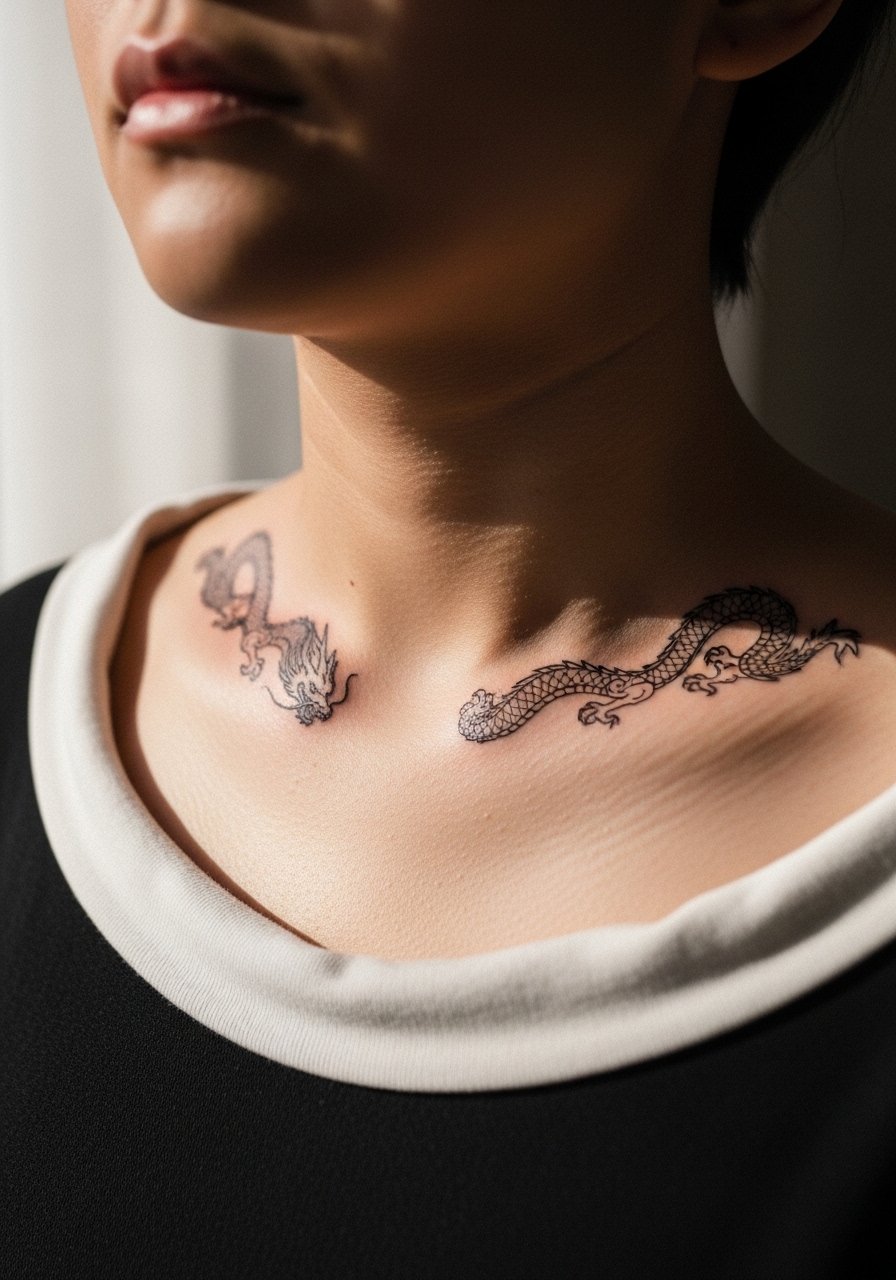
4. Collarbone Dragon That Flicks Toward the Shoulder
There is a crispness to collarbone linework that photographs well. Pain is moderate near bone, and sessions are usually short, which is great if you want something immediate. The main aging issue is sun exposure, so place the dragon where clothing or jewelry can protect it when you know you will be in bright light. For evenings out pair the design with an open-back midi dress or a thin chain pendant necklace that sits above the dragon and draws the eye without crowding the linework.
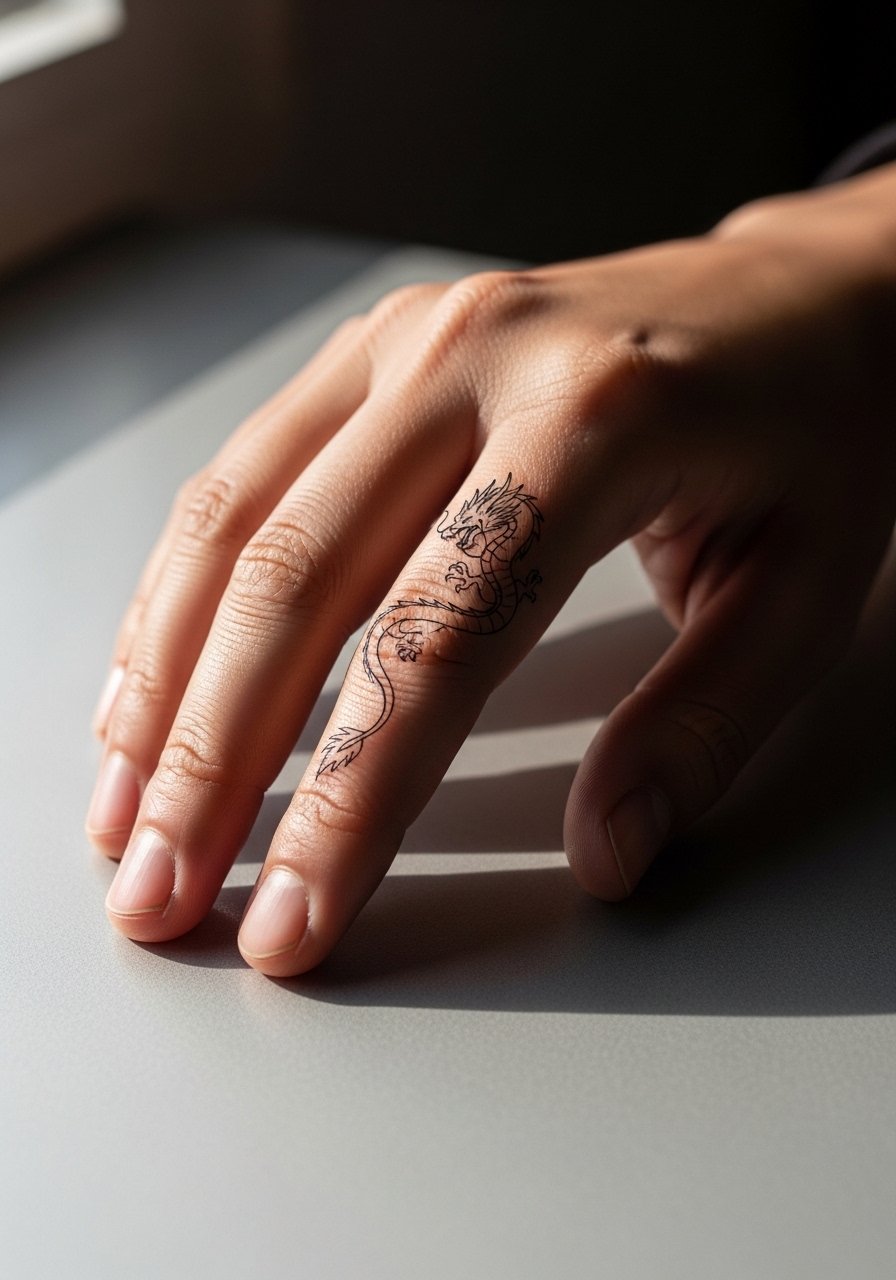
5. Micro Dragon on the Side of a Finger
The biggest mistake with finger placement is expecting the same longevity as an arm piece. Skin on fingers sheds and moves quickly, so lines thin fast. Keep the design very small and accept that touch-ups at year one or two are common. Session time is short but sensitivity is high. For the appointment wear a sleeve you can pull back fully and for showing it off a minimalist watch or stacked dainty bracelets can frame the finger without covering the tattoo. Try a thin band ring that complements the dragon scale motif.
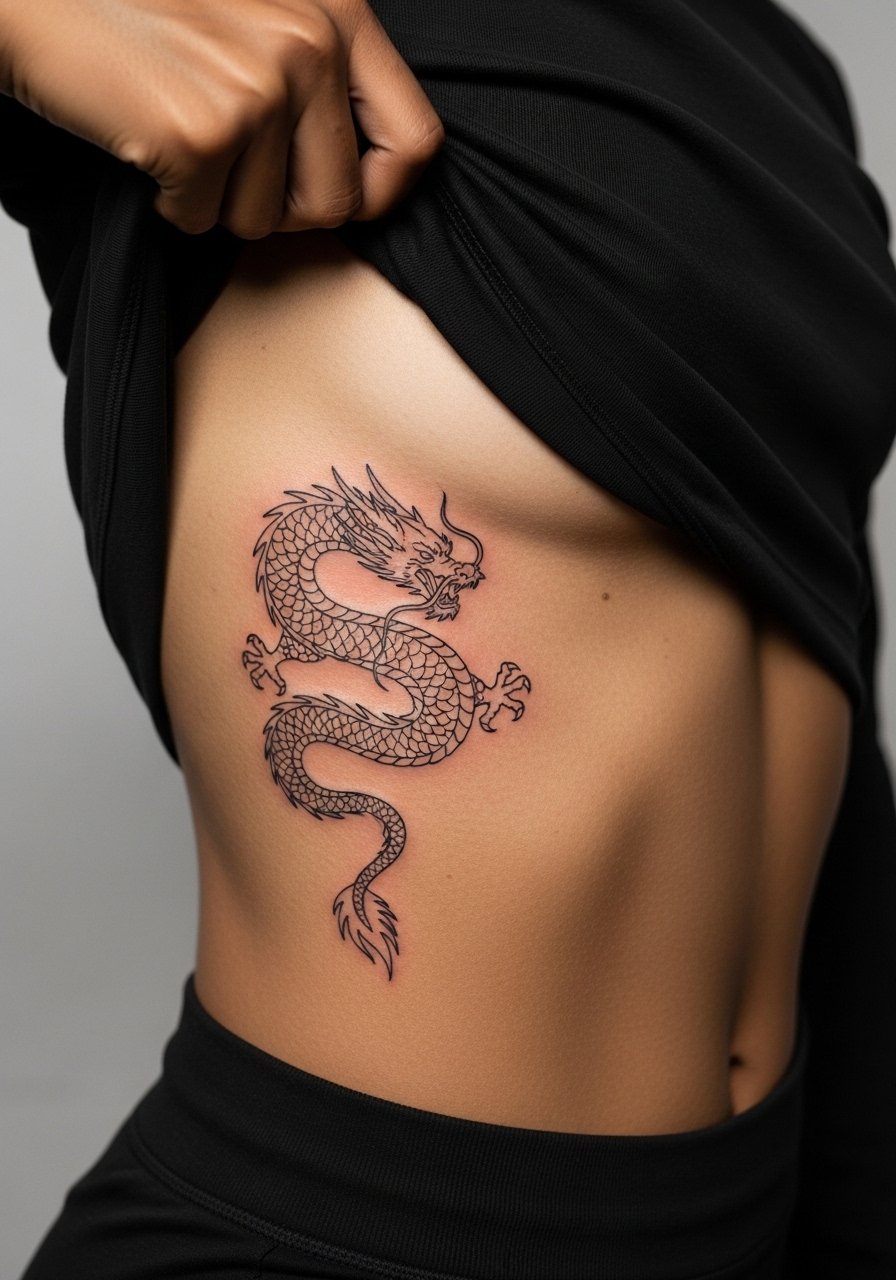
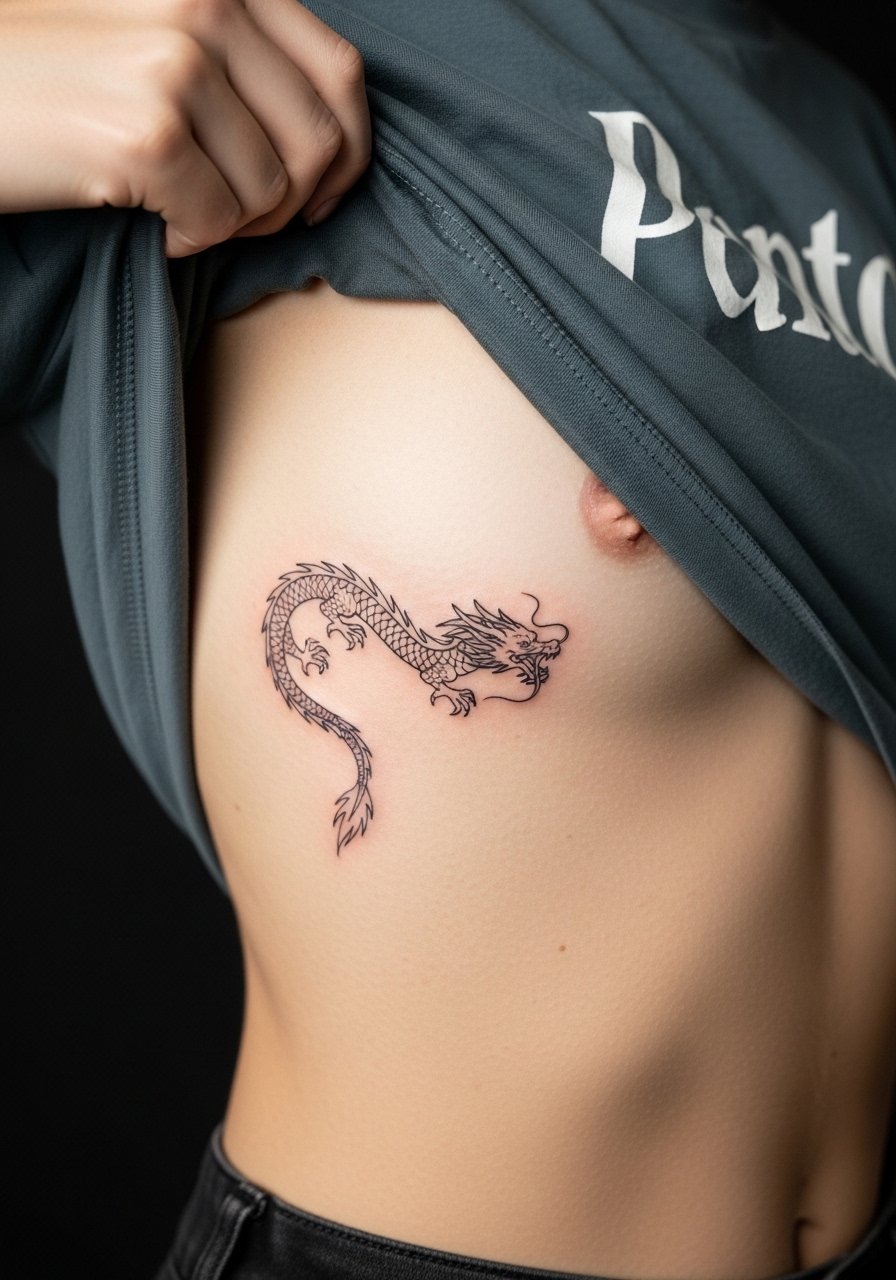
6. Ribcage Dragon, Curving With the Breath
When you sit for a rib tattoo expect a sharper pain and a session that needs breaks. Artists split on fine line on ribs. One camp says the skin stretches and lines blur within two years. The other camp argues that careful depth and spacing make it last. Ask your artist where they stand and request wider spacing across the dragon's coils if they favor longevity. For the session wear a cropped athletic top that you can lift to expose only the rib area. Sensitive placement note: ribcage images should show the top lifted slightly so only the tattoo zone is visible.
Studio Day Picks
Those first six placements include visible arm work and sensitive torso pieces, so a small kit that manages pain, transfer clarity, and early friction protects the linework and the session.
-
Stencil transfer paper kit. Lets you see the exact curve and scale on skin before the needle, which is useful for the forearm and collarbone pieces above.
-
Topical numbing cream. Applied as directed for rib and sternum sessions to make the chair time more manageable without affecting linework.
-
Thin protective film roll. Keeps wrist and finger tattoos cleaner through hand washing and reduces early friction.
-
Fragrance-free body wash. Gentle cleansing matters for delicate fine line pieces on the chest and ribs where irritation can fade lines unevenly.
-
Aquaphor healing ointment. A thin layer during the first few days helps keep fine line channels moist without clogging them, which is helpful for detailed forearm and wrist work.
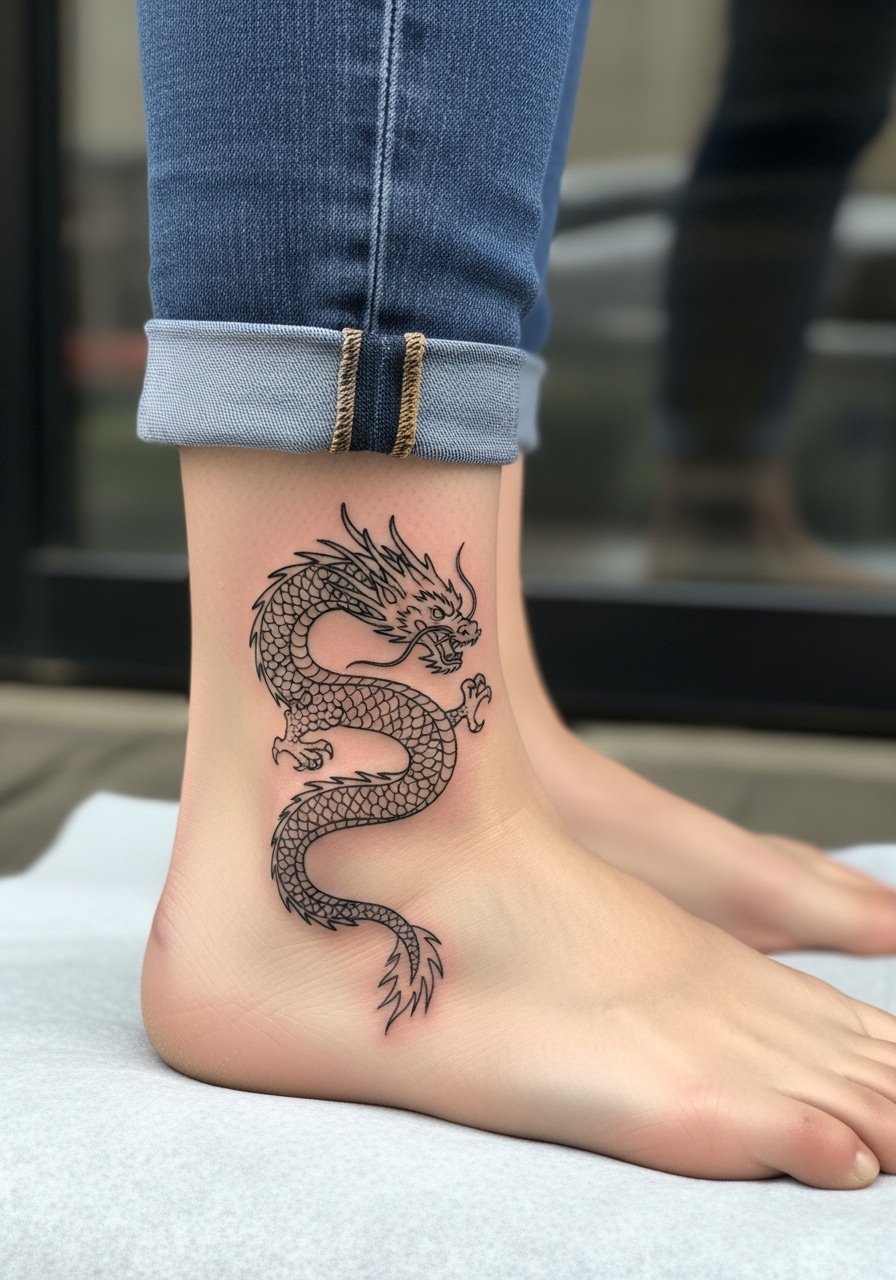
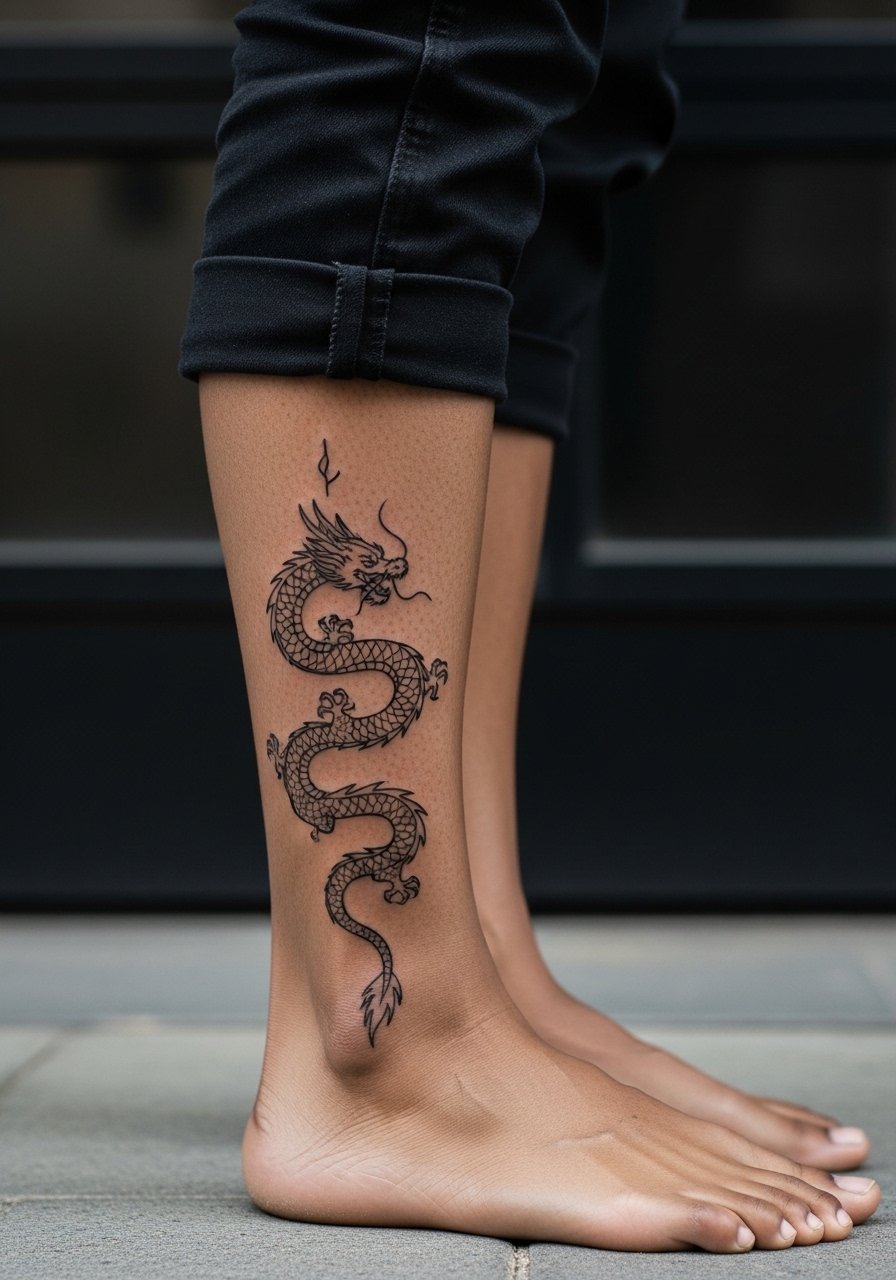
7. Ankle Dragon That Wraps the Achilles
Artists often advise wider strokes around the ankle because the skin there and constant rubbing from shoes cause faster line loss. The controversy around fine line on high-friction spots comes up again here. One group says you should avoid fine detail near footwear because it will blur. The other group says protective footwear and film can extend its life. If you want this spot, ask for bolder anchor lines on the curves and plan shoe choices that reduce friction. For photos roll up jeans or wear sandals so the dragon reads without obstruction.
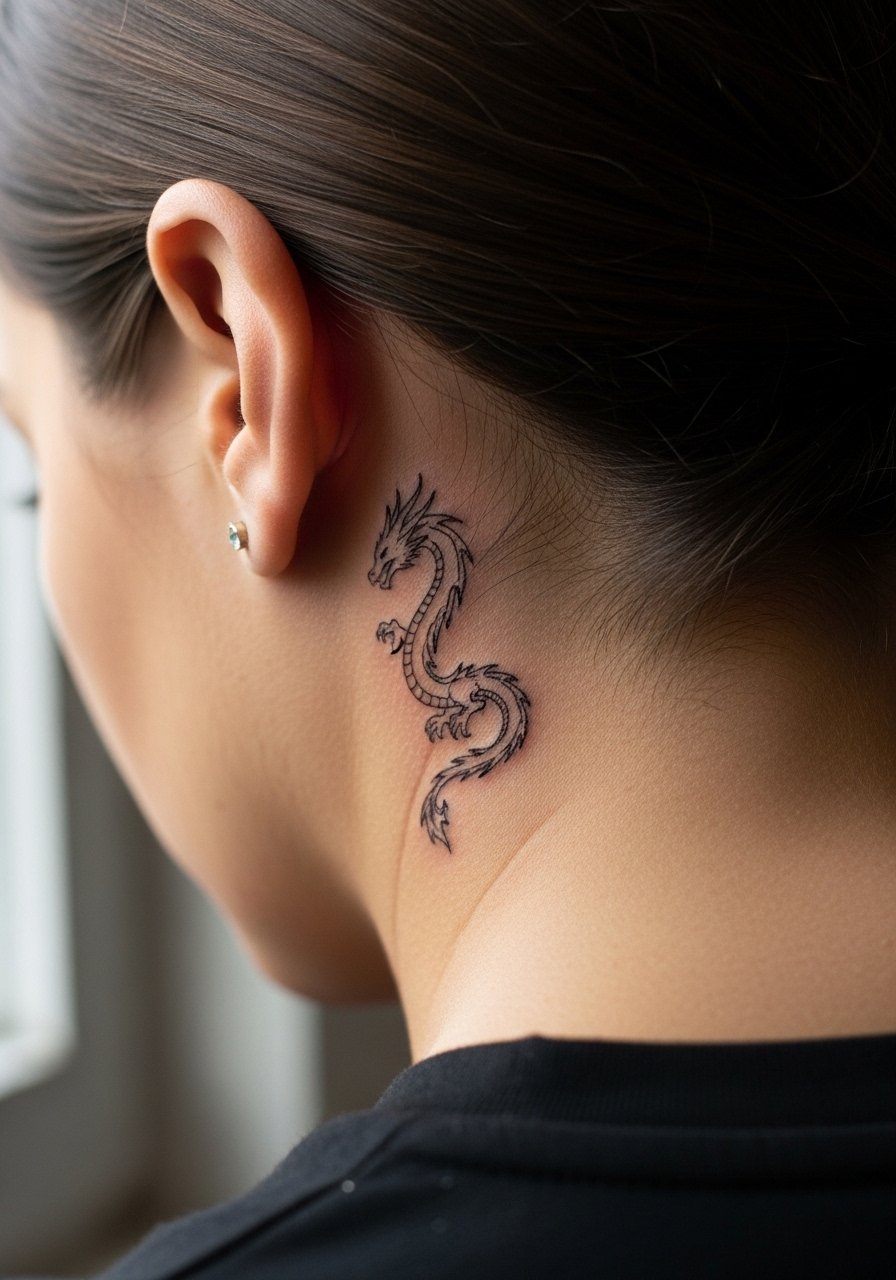
8. Tiny Dragon Behind the Ear, Peeking Below Hairline
For a behind-the-ear tattoo you need tight composition and an artist used to small curved placements. The session is brief but precision matters. The ethical angle is to avoid copying sacred motifs exactly. This dragon is best as a minimal, stylized curve rather than a direct cultural replica. For the appointment frame the area by pulling hair back with a silk scrunchie and plan for hair to cover it on high visibility days. Image prompts and consult notes should specify the dragon sits on the skin behind the ear, below the hairline on the neck.
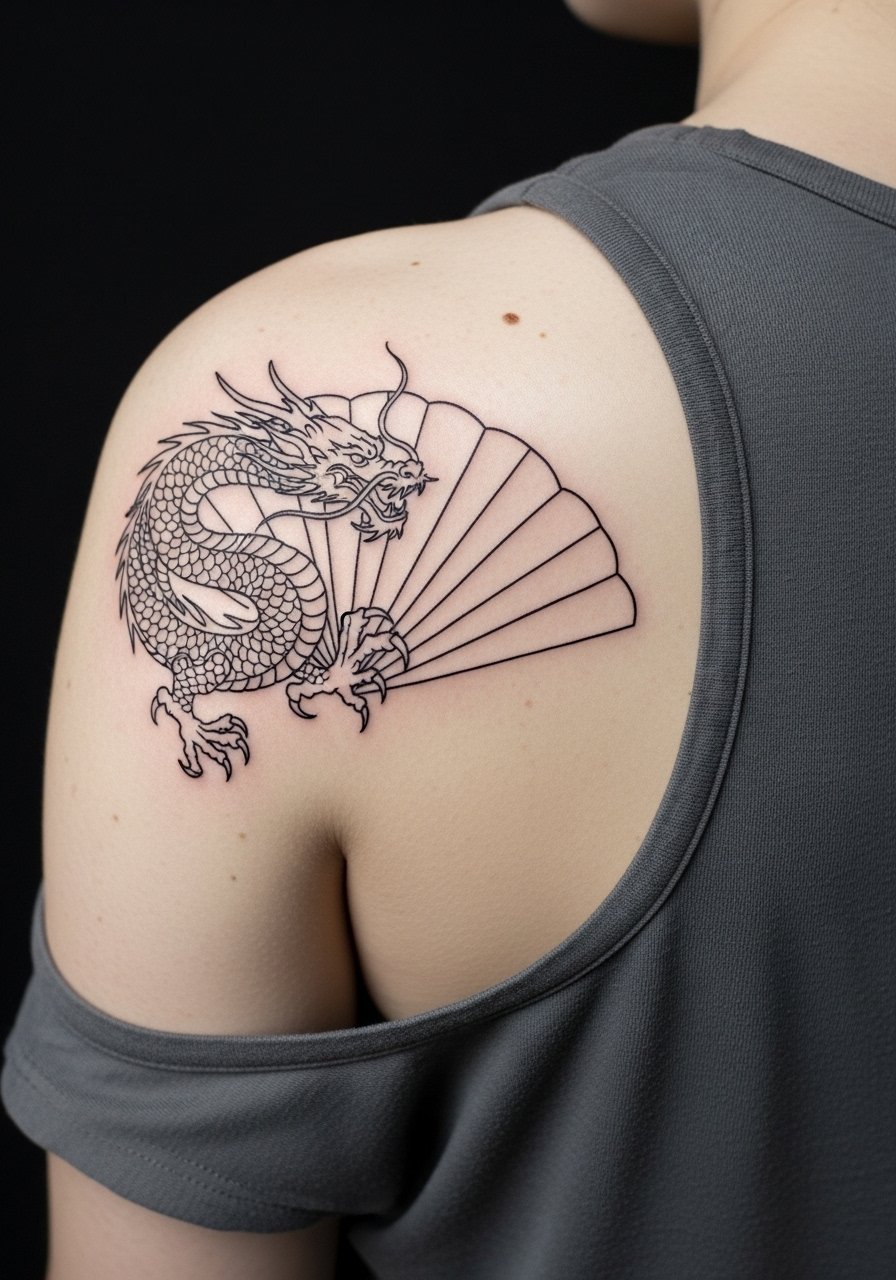
9. Shoulder Blade Dragon That Fans Out Horizontally
I've seen shoulder blade pieces age well if the artist respects spacing and the natural contour. Sessions are moderate in length and you will need to wear a loose button-up or tank top for access. The common mistake is cramming too much coil into a narrow band, which flattens as the body moves. For showing it off, pair the piece with an open-back top that exposes the shoulder blade without risking sun damage. Trust your artist on placement measurements and ask to preview the stencil while standing up.
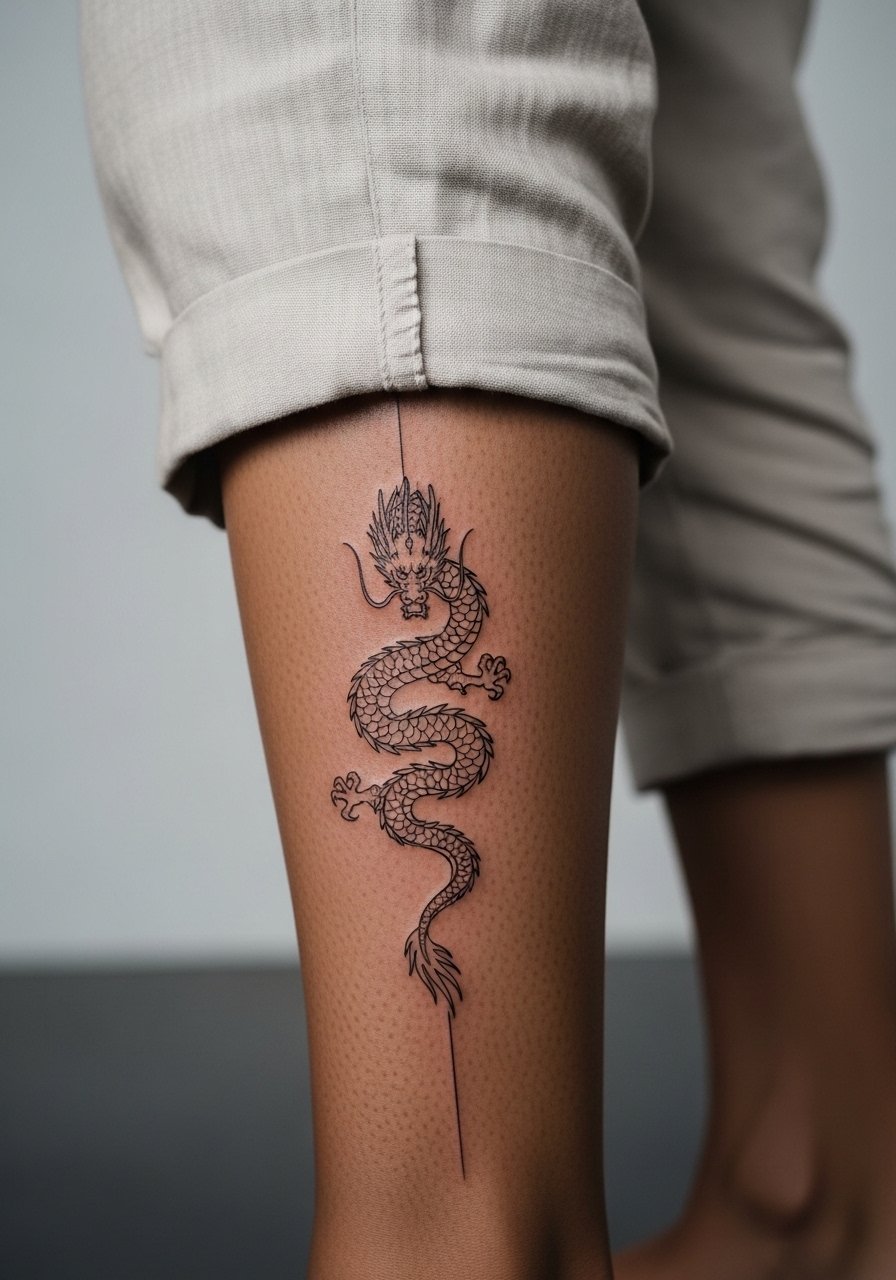
10. Calf Dragon, Vertical and Sculpted
Fair warning: the calf gives a long canvas that works well for a flowing dragon. Expect moderate pain and a session that can range from an hour to two depending on length. Calf tattoos age predictably because the skin there is less exposed to friction than ankle or hand tattoos. A mistake is compressing the dragon into a short area, which kills the motion. For the session wear loose drawstring linen pants so you can roll the leg up comfortably and avoid pressure on the fresh tattoo.
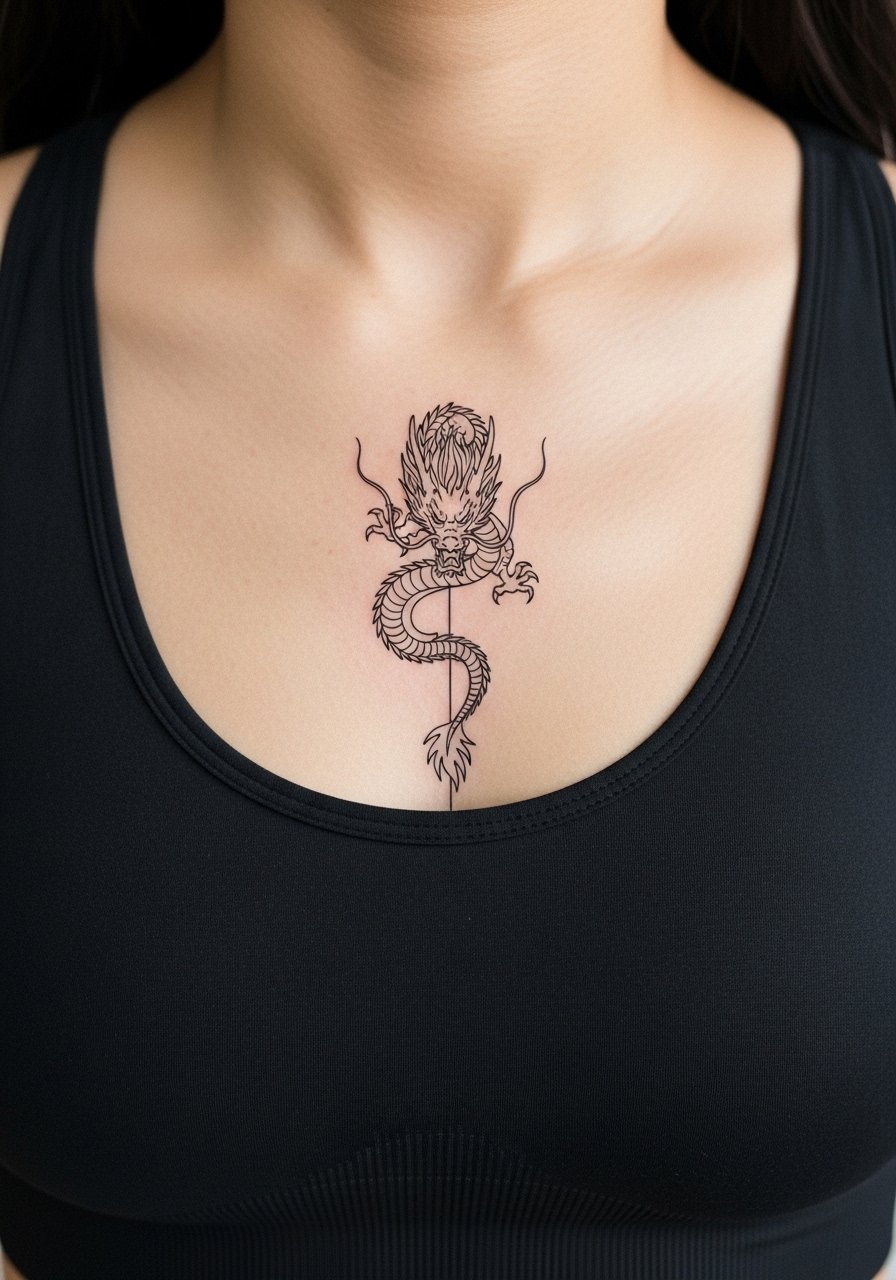
11. Sternum Dragon Centered Under the Bust
Most people underestimate the sternum's sensitivity but like how central compositions look with clothing lines. Aging here depends on how often you get sun and how tight your wardrobe sits against the area. The main mistake is asking for too fine a center line in a high-motion zone. For the session wear a fitted sports bra or bandeau so the artist can access the area while you remain comfortable. Pair the healed piece with low-cut or open-front tops to show the dragon subtly and with intention. Sensitive placement note: sternum images must show a sports bra to frame the area.
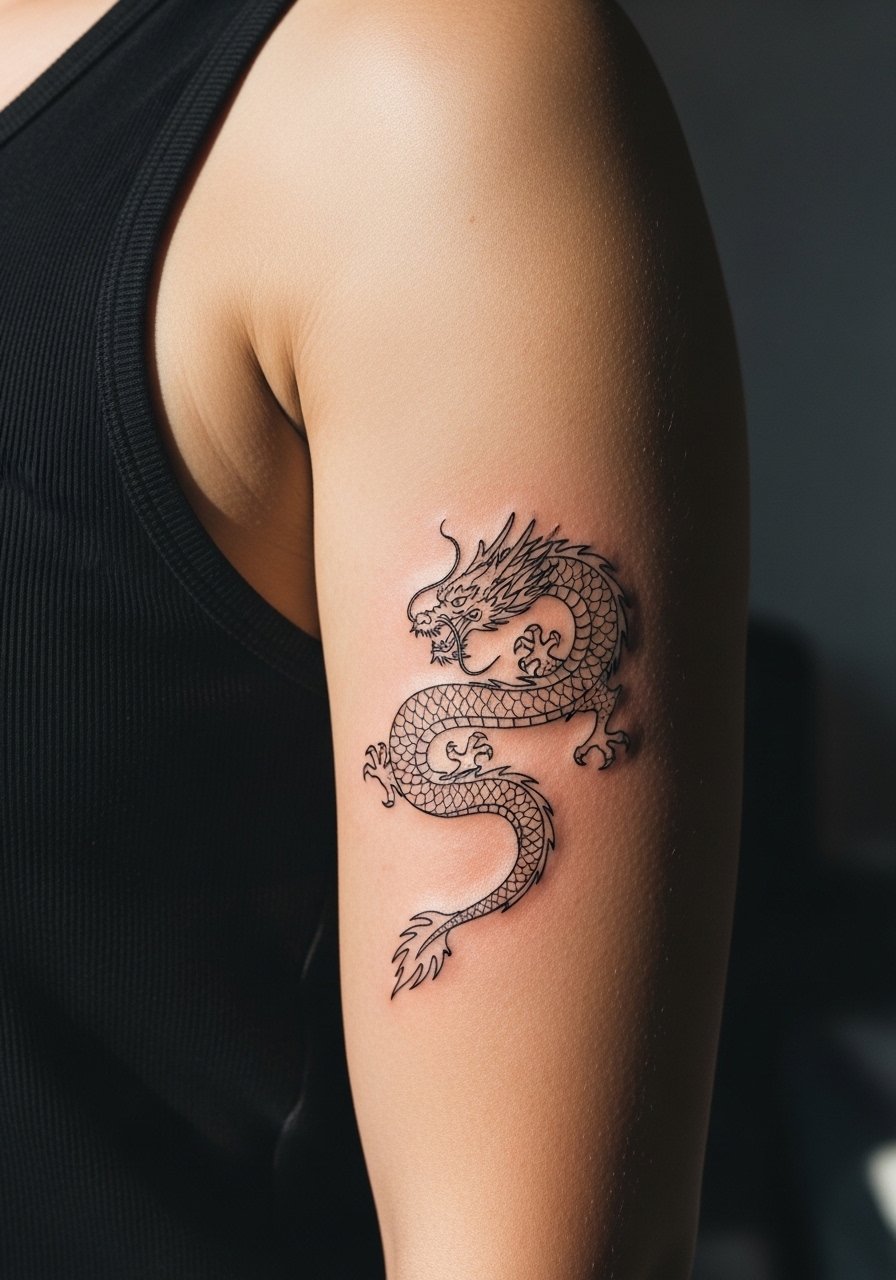
12. Inner Bicep Dragon That Unfurls When You Raise Your Arm
There is something about inner bicep placement that reveals movement. Sessions feel more intimate because the artist works close to soft tissue. The aging timeline can be favorable if lines are placed to account for stretching from muscle growth. The mistake is going too small with detail. For the appointment wear a tank top and ask for breaks so the arm can rest. This area pairs well with rolled sleeves and a loose short-sleeve shirt that frames the inner arm when you want to show the dragon.
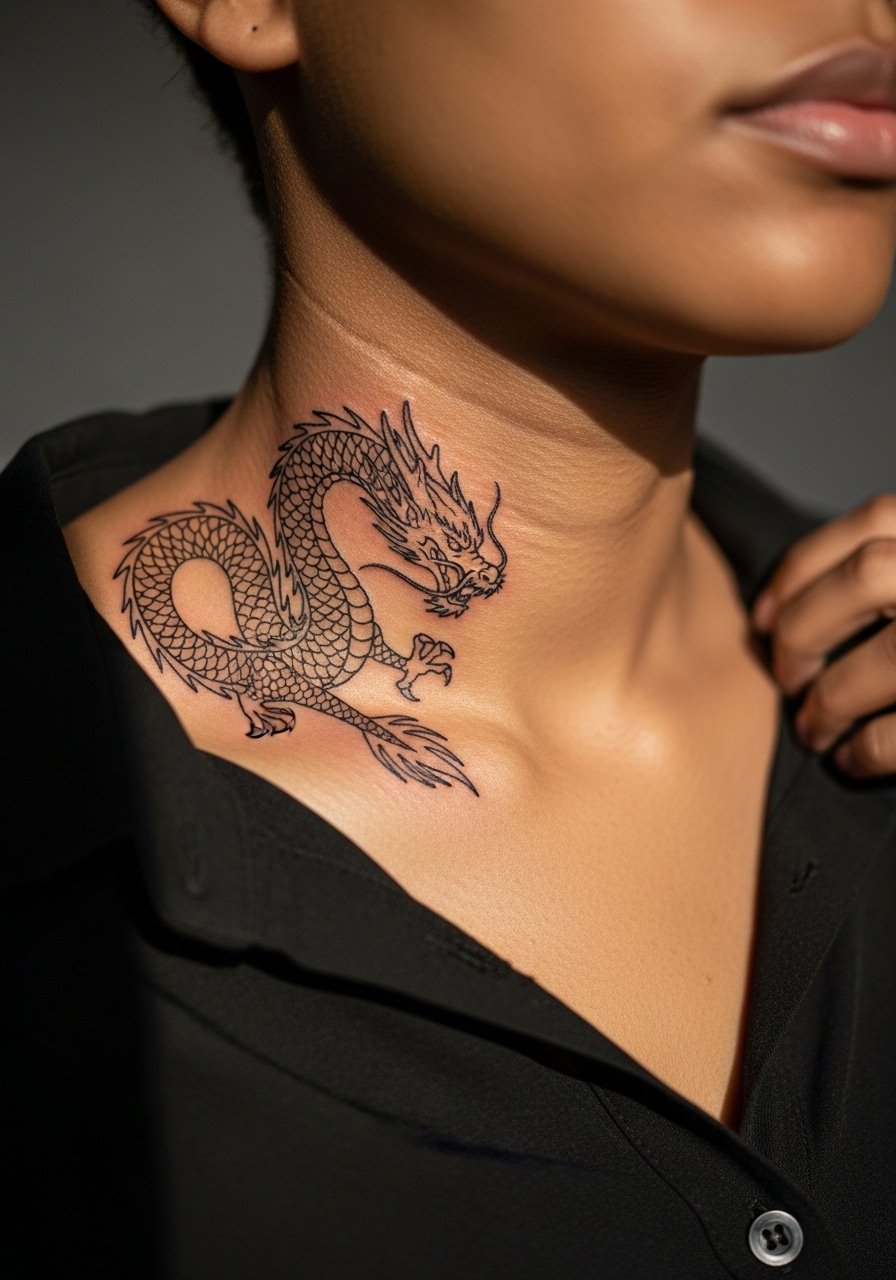
13. Collarbone-to-Shoulder Dragon in a Single Sweep
The mistake here is treating the collarbone as flat. Its angles need the dragon to change thickness so the eye reads motion, not a flat ribbon. Sessions are short but precise, and sun protection matters. During consultation ask the artist how they will adapt line weight over bone. For evenings or photos, the design works with a strapless top or a blazer worn off the shoulder to let the dragon breathe visually.
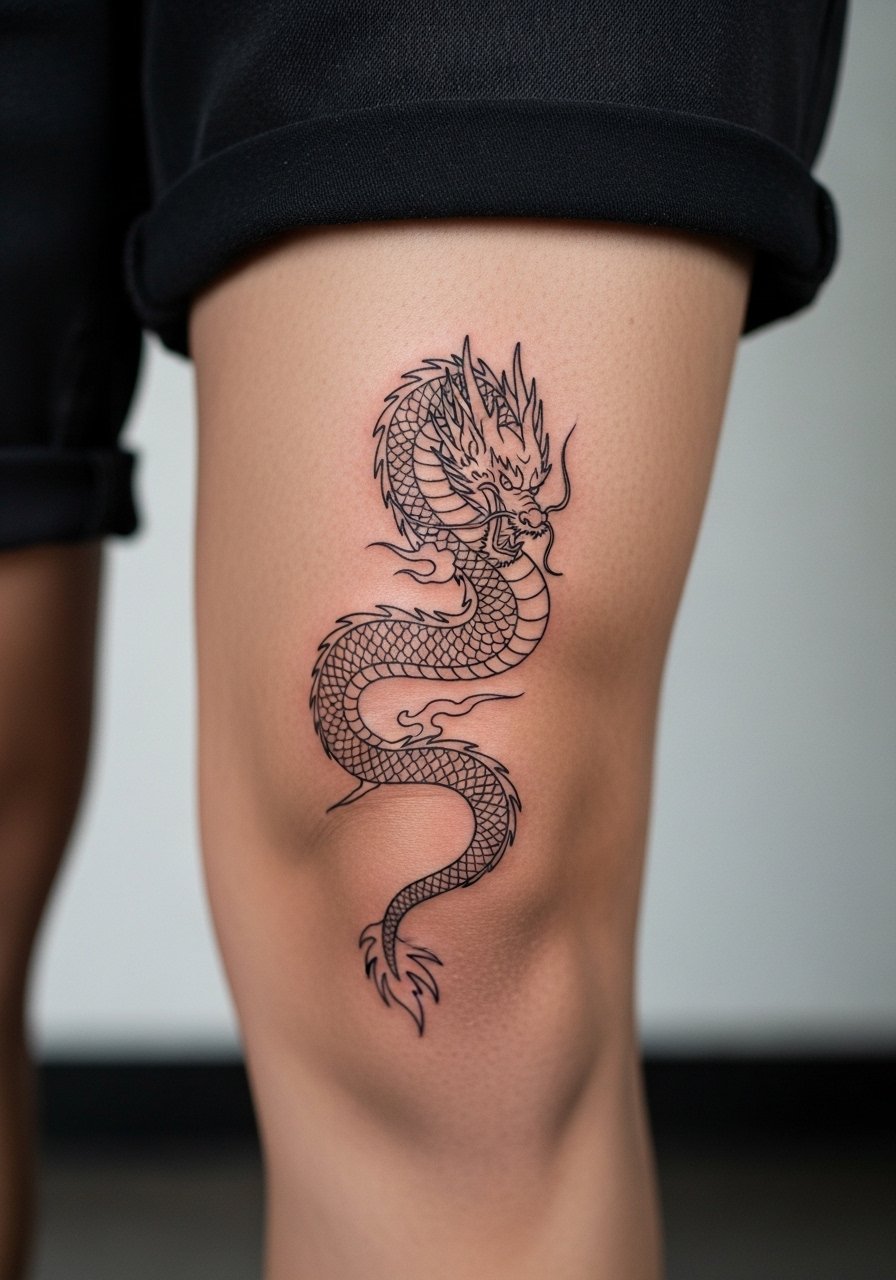
14. Micro Dragon Behind the Knee, Nestled in the Crease
When you sit down with your artist for this one, ask about movement and how the kneecap will affect a small design. The crease under the knee moves constantly, and lines there can blur faster. A common approach is to anchor the main curve higher or lower to avoid the tightest fold. For the session wear shorts you can shift easily and consider post-session compression socks if recommended. Sensitive placement note: inner knee shots should be framed with shorts shifted to show only the area.
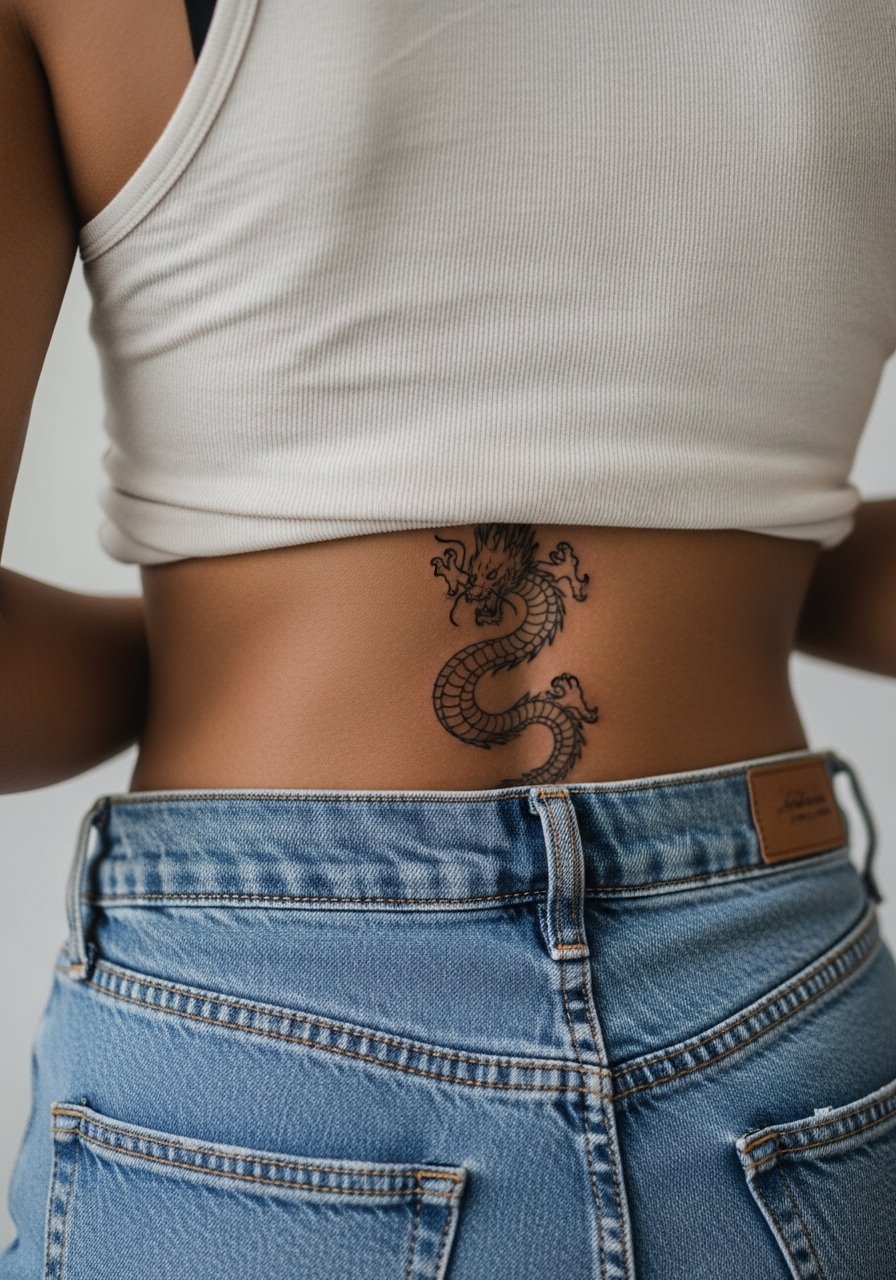
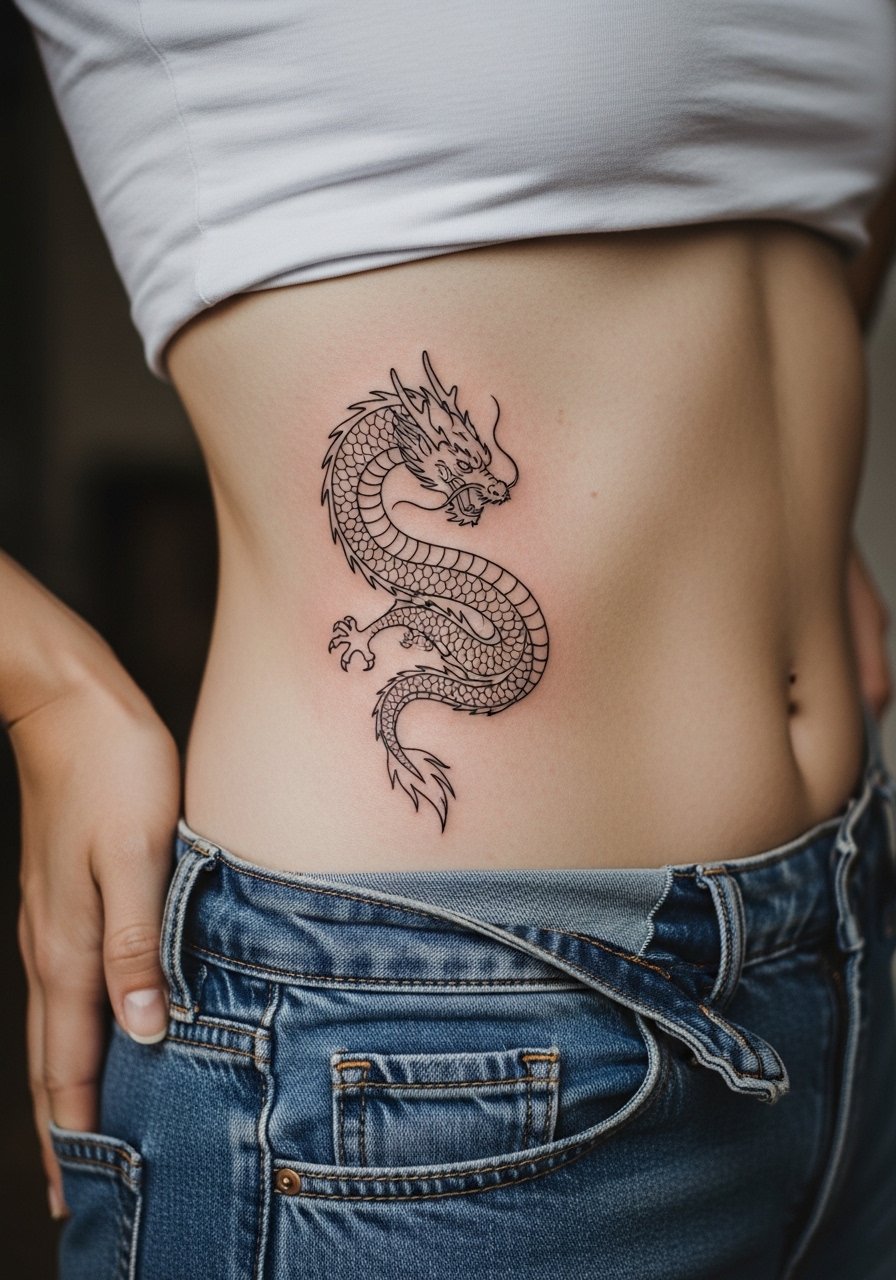
15. Hip Dragon That Peeks From Swimsuit Lines
There is a visual payoff to a hip dragon because it appears and disappears with wardrobe. Sessions are moderate and the area tolerates detail well when spaced. The mistake is letting complex scales crowd the curve. For session comfort wear high-waisted bottoms or a swimsuit so the artist exposes only the tattoo zone. For showing it off choose high-cut shorts or a bandeau bikini bottom that complements the curve of the dragon without covering it. Sensitive placement note: hip images should show denim or swimsuit pulled slightly down to expose only the tattoo area.
16. Calf-and-Ankle Coil for a Continuous Flow
Artists and clients debate whether continuous wraps across high-friction junctions age better as separate linked elements or as one long connected piece. One camp prefers separate nodes to reduce stress on any single area. The other camp designs a seamless coil that reads as one motion. If you choose the wrap, ask for bolder anchors where the ankle meets the calf and plan footwear that reduces rubbing. For showing the flow on warm days, wear strappy sandals or cropped trousers to keep the piece visible without constant friction.
17. Single-Line Abstract Dragon Along the Rib Arch
I've noticed abstract single-line dragons feel more timeless when negative space is part of the composition. The rib arch gives a natural curve that suits a simplified, continuous stroke. Expect a sensitive session and plan for a day with breaks. The common mistake is insisting on ultra-tight coils that merge over time. For the session wear a cropped tee and for after photos choose garments with asymmetrical necklines so the curve of the dragon echoes clothing lines. Sensitive placement note: rib arch images must show a cropped top lifted slightly to reveal only the tattoo area.
Frequently Asked Questions
Q: Will a minimal line Asian dragon blur faster on hands and fingers than on the forearm?
A: Yes, in my experience hands and fingers blur faster because of frequent washing and thinner skin. Forearm linework tends to hold longer. If you want a hand or finger piece, plan on touch-ups and ask your artist to use slightly stronger anchor lines.
Q: How should I talk to an artist about adapting a traditional Asian dragon into a minimal line design without copying sacred imagery?
A: Mention that you want the motif inspired by Asian dragons but not a direct cultural replica. Ask the artist for stylized elements and to avoid sacred iconography. Bring reference images that show the simplification you want and discuss symbolism respectfully during the consult.
Q: Do ribcage and sternum fine line dragons require different aftercare than forearm pieces?
A: The aftercare steps are similar, but rib and sternum areas often need more careful clothing choices to avoid rubbing. Use the product block recommendations above for protective film and gentle cleanses, and wear loose tops during healing.
Q: How long should I expect a fine line dragon on the ankle to stay crisp before a touch-up?
A: It depends on footwear and exposure. From what I have seen, ankle pieces often need attention around year two if you wear tight shoes or spend a lot of time walking in abrasive environments. Protective film in the first week helps.
Q: What should I wear to a session for an inner bicep or shoulder blade dragon?
A: Wear clothing that gives the artist clear access without exposing more skin than necessary. For shoulder blade work use a loose button-down you can pull aside, and for inner bicep bring a tank top. If you want a quick option, a loose button-down shirt works across many placements.