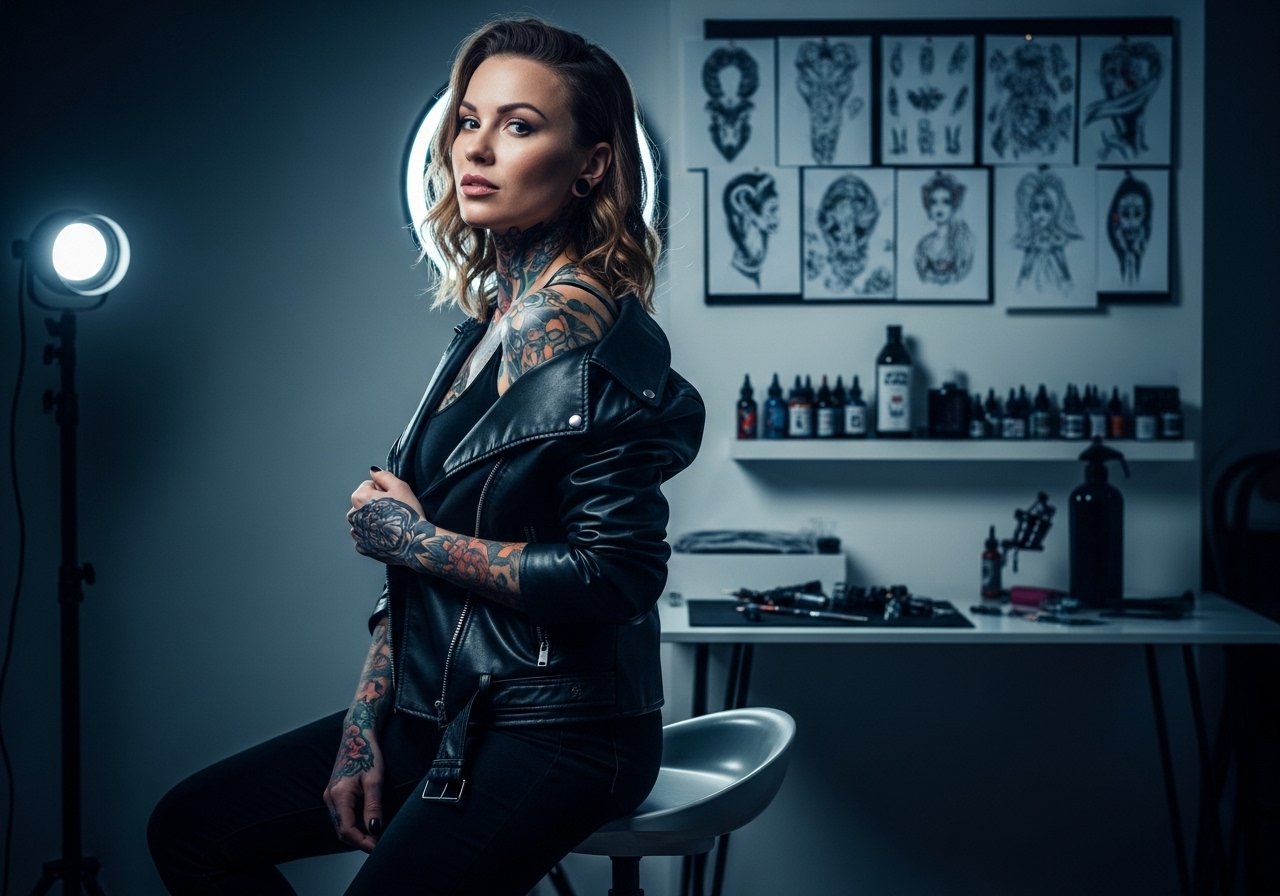
Fine line pieces dominate saved boards, but the inner bicep tells a different story. It hides under shirts, it tests pain tolerance gently, and it ages based on line weight and placement more than on how good it looks fresh. If you want a small mark that reads clear in photos and in five years, start with ideas that favor spacing, bold anchors where needed, and simple growth paths into larger work.
1. Mini Name in Fine Line Script (Inner Bicep)

A single name along the inner bicep reads intimate and private, and it is a classic starter for guys who want something low profile. Tell your artist you want single-needle script but ask for slightly heavier downstrokes so the letters hold on darker skin. A common mistake is asking for extremely tiny cursive that softens into a blur at year two. Expect a 30 to 60 minute session and mild soreness while the arm rests against a chair. For the appointment, wear a loose tank top you can pull aside so the artist has full access without tugging at the fabric.
2. Roman Numeral Heart Above Elbow Crease
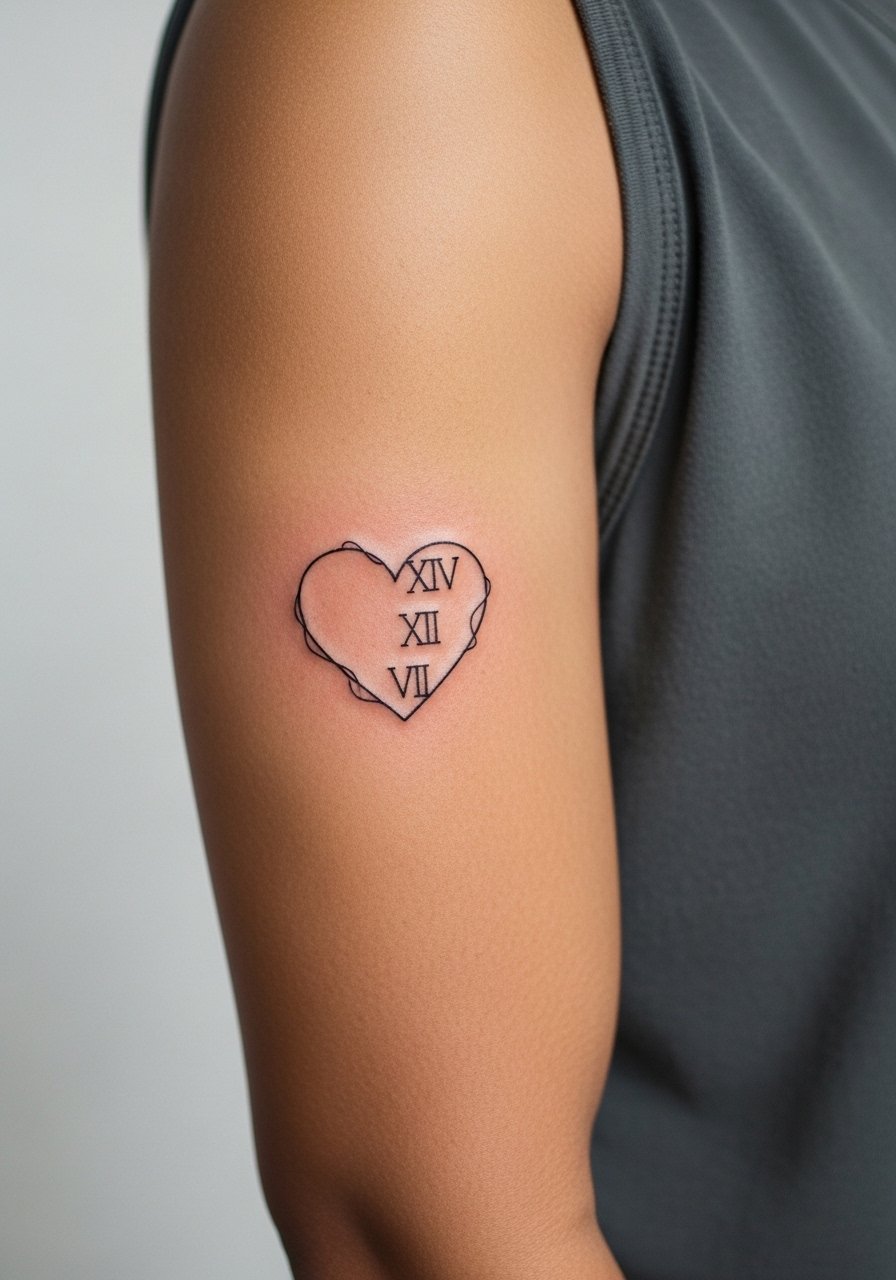
A tiny heart stitched with Roman numerals is private by design and sits where movement is limited, which helps linework stay crisp. In consultation, specify that the numerals must be spaced and that the heart outline should be slightly thicker than the numerals so it reads at a distance. The elbow crease can tug during healing, so expect touch-ups earlier than a forearm piece. For showing it off, roll up a short-sleeve button shirt or try a casual short-sleeve linen shirt that frames the arm without covering the spot.
3. Tiny Anchor or Compass, Fine Line
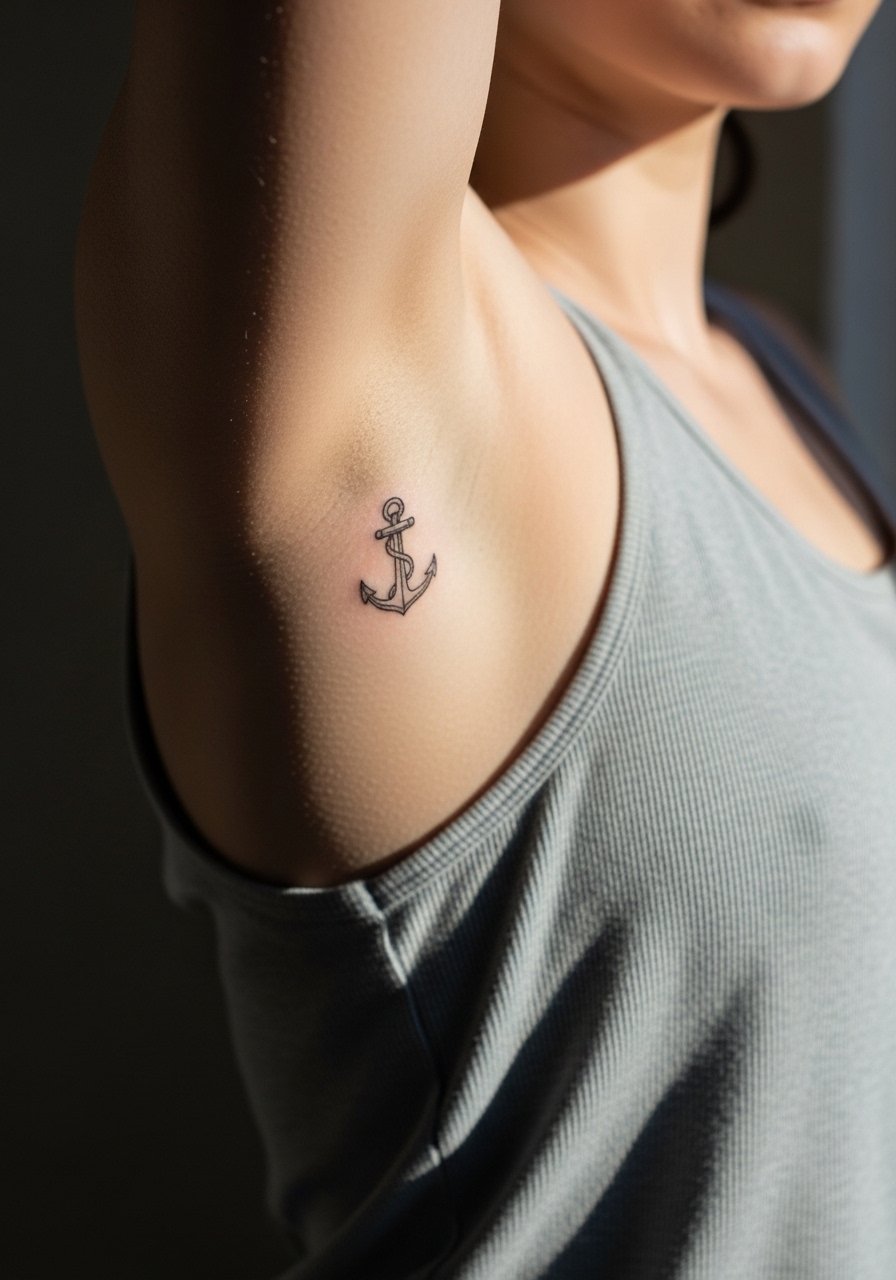
Nautical motifs translate well at small scale when the anchor or compass has clean negative space. Ask for a simplified outline and request a heavier outer line if you want the symbol to last on medium or dark skin. The main mistake is over-detailing the compass face; micro markings merge over time. The session is short and tolerable, with the inner bicep rating lower on pain than ribs. Pair this with rolled sleeves or a short-sleeve henley to reveal the piece without making it the loudest thing in your outfit.
4. Micro Sun or Moon Symbol, Centered
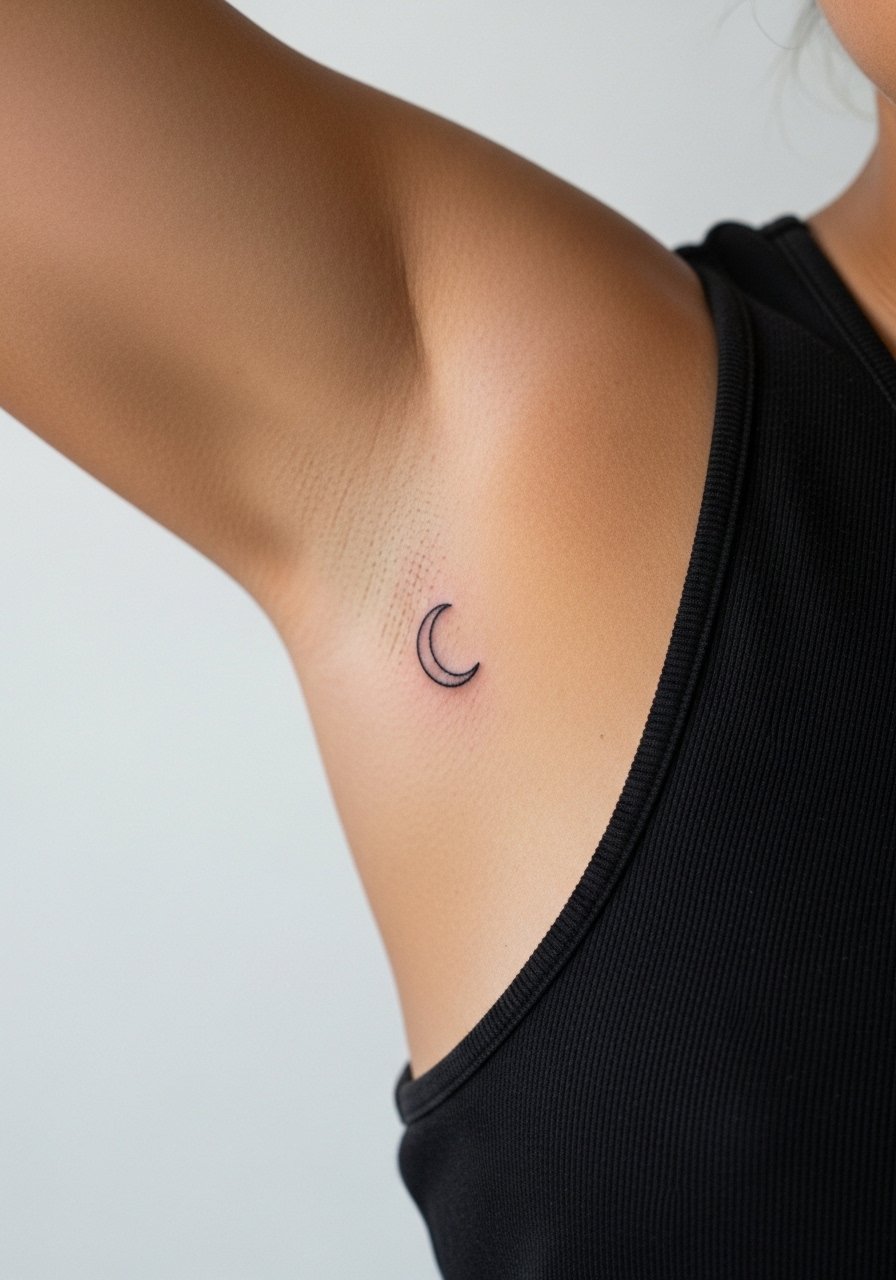
A micro sun or crescent moon gives you a gender-neutral symbol that hides well under shirts. During consult, show the exact moon curve you want and ask for more spacing between rays or dots to prevent merging. Fine line moons look delicate at six months and can lose contrast by year three on high-sweat arms unless slightly darkened at the start. For evenings out, the tattoo pairs with a racerback tank or a casually rolled sleeve to keep attention balanced.
5. Minimalist Animal Head, Micro-Realism Outline

Tiny animal heads carry symbolic weight without demanding a sleeve. Request that the artist design a silhouette with key facial planes rather than tiny fur details. Micro-realism at this size looks sharp at first and then softens, so plan on a touch-up at year two if you want the jawline crisp. A common mistake is adding tiny whisker strokes that fill in. Wear a loose crew tee the day of the session so the arm can be positioned comfortably and without rubbing.
6. Small Cross or Religious Symbol in Blackwork
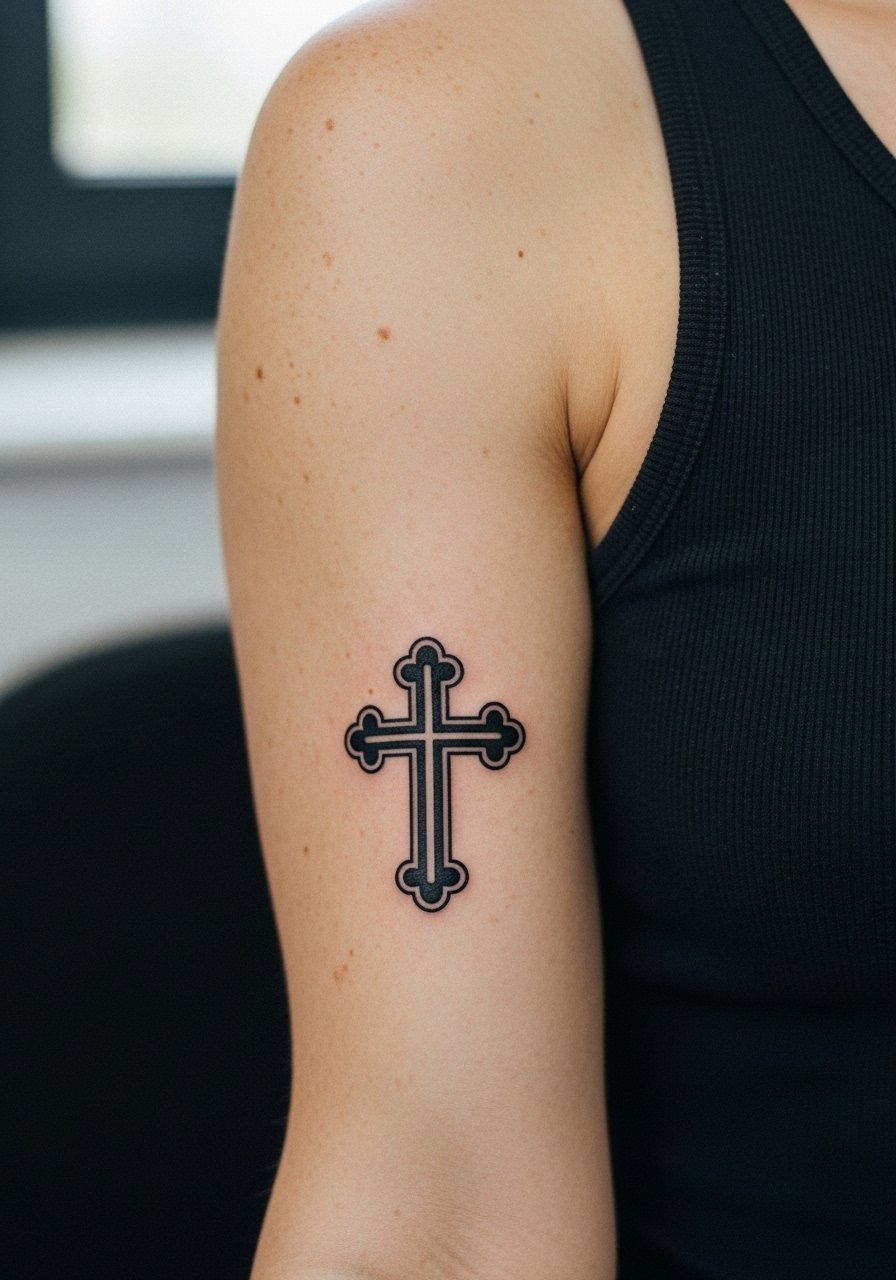
Compact black crosses hold up well across skin tones because saturation matters more than tiny detail. Tell your artist you prefer solid fill and clear negative space around the symbol so it does not bleed into neighboring skin. The inner bicep is forgiving here, but avoid highly ornate filigree. Expect minimal bleeding during the session but some soreness when reaching overhead for the first week. For showing it off, a short-sleeve cotton tee with a slightly rolled sleeve keeps the silhouette visible without attention-seeking.
Studio Day Picks
Those first six inner-bicep ideas share similar prep needs, especially around access and friction zones. A few targeted items smooth the session and the first week of healing.
-
Stencil transfer paper kit. Lets you preview how a small script or symbol will sit on the curved inner arm before the needle hits skin.
-
Topical numbing cream. Applied as directed it can take the edge off inner-bicep sensitivity so you stay still for clean linework.
-
Thin protective film roll. Useful when you need a breathable barrier after a session on a spot that rubs clothing frequently.
-
Fragrance-free gentle body wash. Cleans the area without added irritation, which helps small lines settle more predictably.
-
Aquaphor healing ointment. A thin layer in the first 48 hours keeps linework from drying into heavy scabs on delicate inner-arm placements.
7. Tiny Abstract Line Pattern Along the Curve

Ornamental lines that follow the inner arm curve make great modular seeds for future sleeves. In the consult, ask the artist to space chevrons and dots so each element has breathing room. The error most people make is compressing a repeat motif too tightly, which causes merging at 2 to 3 years. This placement minimizes blowout risk if the lines sit on flatter skin near the mid‑bicep. Pair the finished pattern with rolled sleeves or a linen short-sleeve shirt to let the geometry read cleanly.
8. Mini Skull or Death Motif, Neo‑Traditional

An ignorant-style mini skull works at one to one and a half inches when it keeps broad contours and avoids tiny interior shading. Request bold outlines and limited color to keep contrast over time. Controversy exists about line weight here. One camp says bold outlines are the only reliable approach on darker skin. The other camp believes precise depth and spacing lets finer lines last. State your preference in the booking message so the shop knows whether to prioritize boldness or fine detail.
9. Small Word or One-Word Reminder in Bold Script
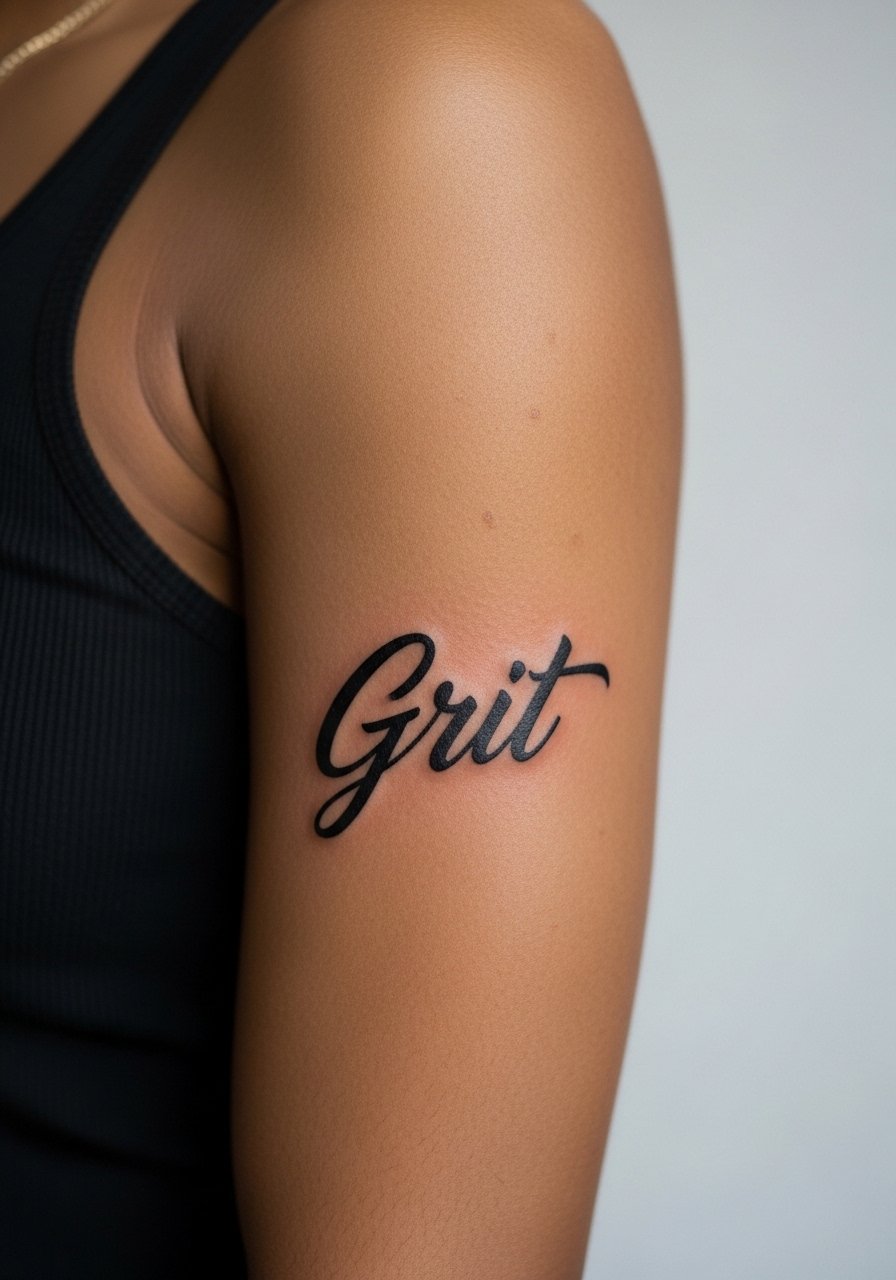
Single-word tattoos work well on the inner bicep as personal anchors. When you book, bring the exact font and tell the artist how small you want the height to be. The typical mistake is choosing a delicate cursive at ultra-small scale. For men, a tighter, heavier script reads more confidently and lasts longer. Expect a gentle squeeze sensation during the session. For a subtle reveal, pair with a minimalist chain necklace that sits higher on the chest so the arm mark stays the focus.
10. Tiny Fire, Wave, or Lightning Bolt Motif
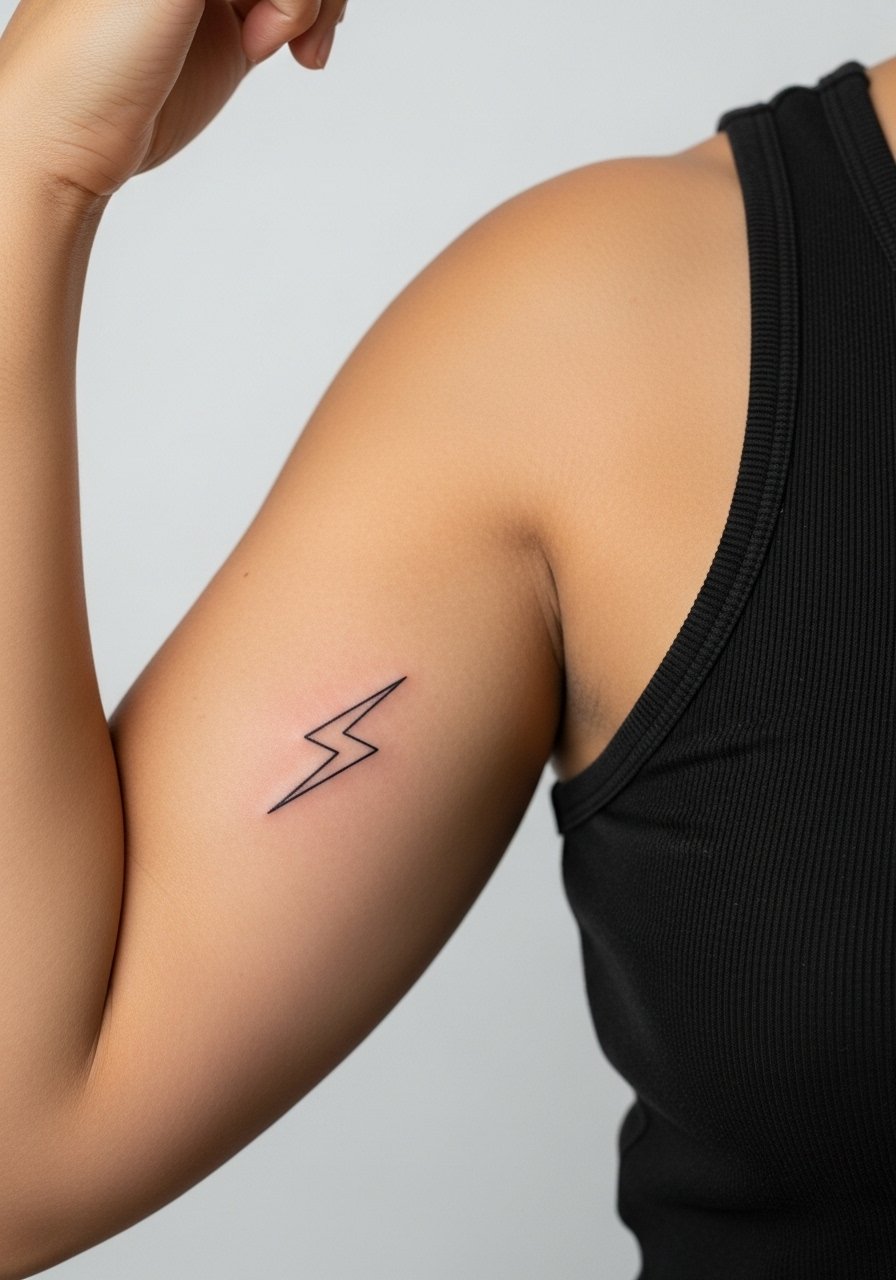
Elemental motifs are compact and age predictably because they avoid fine interiors. Ask for slightly increased line weight on the outer edge and leave open space inside the symbol. The most common error is cramming multiple tiny elements into one spot. At one inch, these icons are easy session bets and typically need a light touch-up only if the area gets frequent sun exposure. A rolled-sleeve tee or a short-sleeve Oxford frames the piece without shouting.
11. Mini Sleeve Starting Point Seed Dot or Shape
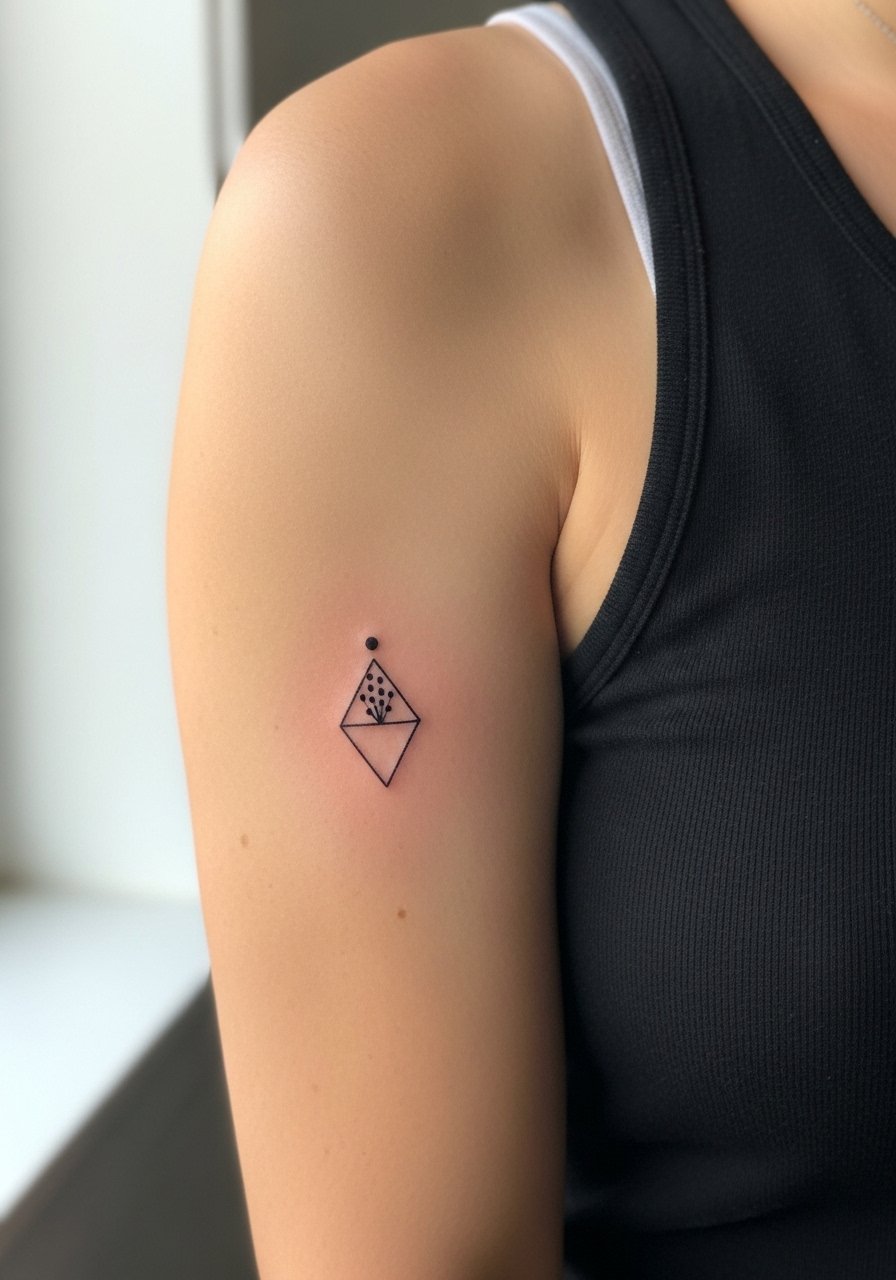
Treat a tiny motif as a design seed if you plan a sleeve later. When you consult, explain the future vision and ask the artist to leave negative space for connectors. A frequent mistake is making the seed too ornate for future blending. The session is brief, and the small anchor helps you test a studio without heavy commitment. For convenience on appointment day, wear a zip-up hoodie that you can remove without pulling over your head.
12. Short Quote Fragment in Curved Cursive
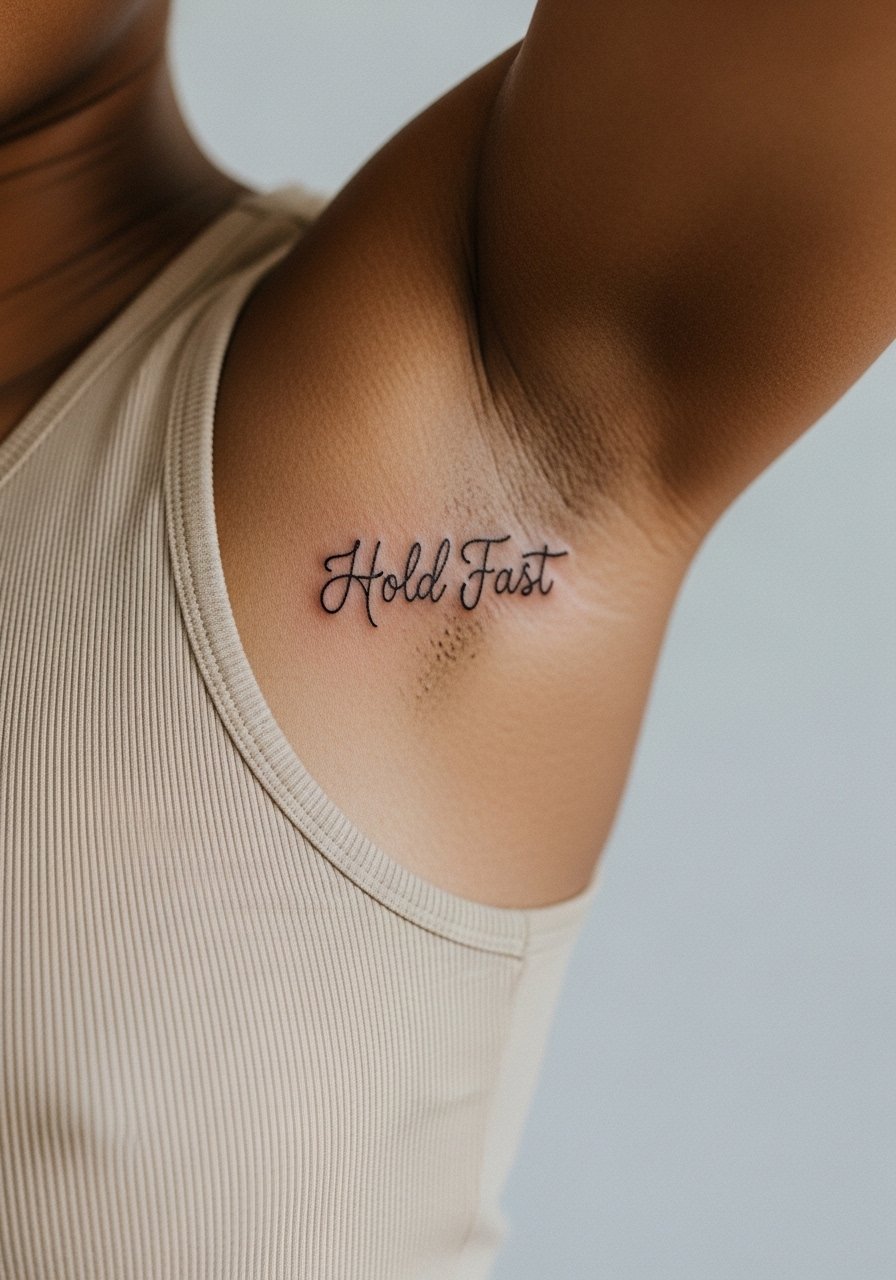
Short fragments work when spaced along the arm curve so each letter breathes. Bring the exact wording and a sample of line weight. The wrong move is shrinking a long script into a tiny arc that becomes illegible. Fine script may require a touch-up earlier than bold type, especially on thicker arms. For a day of appointments, choose a button-down shirt you can pull aside so the artist has clean access and you stay comfortable.
13. Tiny Hand‑Drawn Doodle Piece, Ignorant‑Inspired
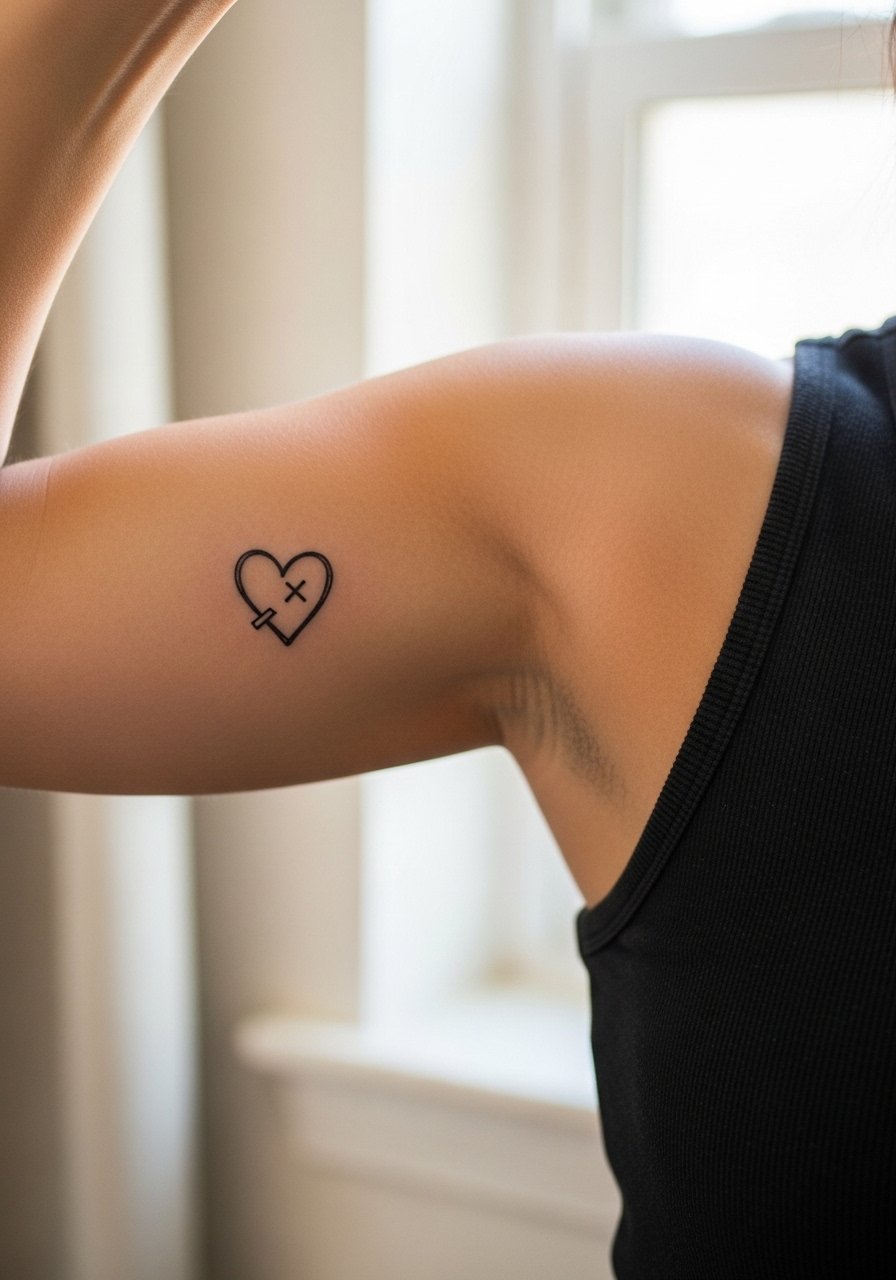
Doodle-style ignorant pieces read honest and anti‑polished, which many guys prefer for a first mark. If you want that raw look, ask the artist to retain imprecision intentionally instead of trying to perfect the line. A mistake is asking for "perfectly imperfect" and getting overworked edges that lose charm. These sessions are short and easy to tolerate. Pair the finished doodle with a casual denim jacket when you want to show it off while keeping a low key vibe.
14. Subtle Initials or Monogram Near Elbow
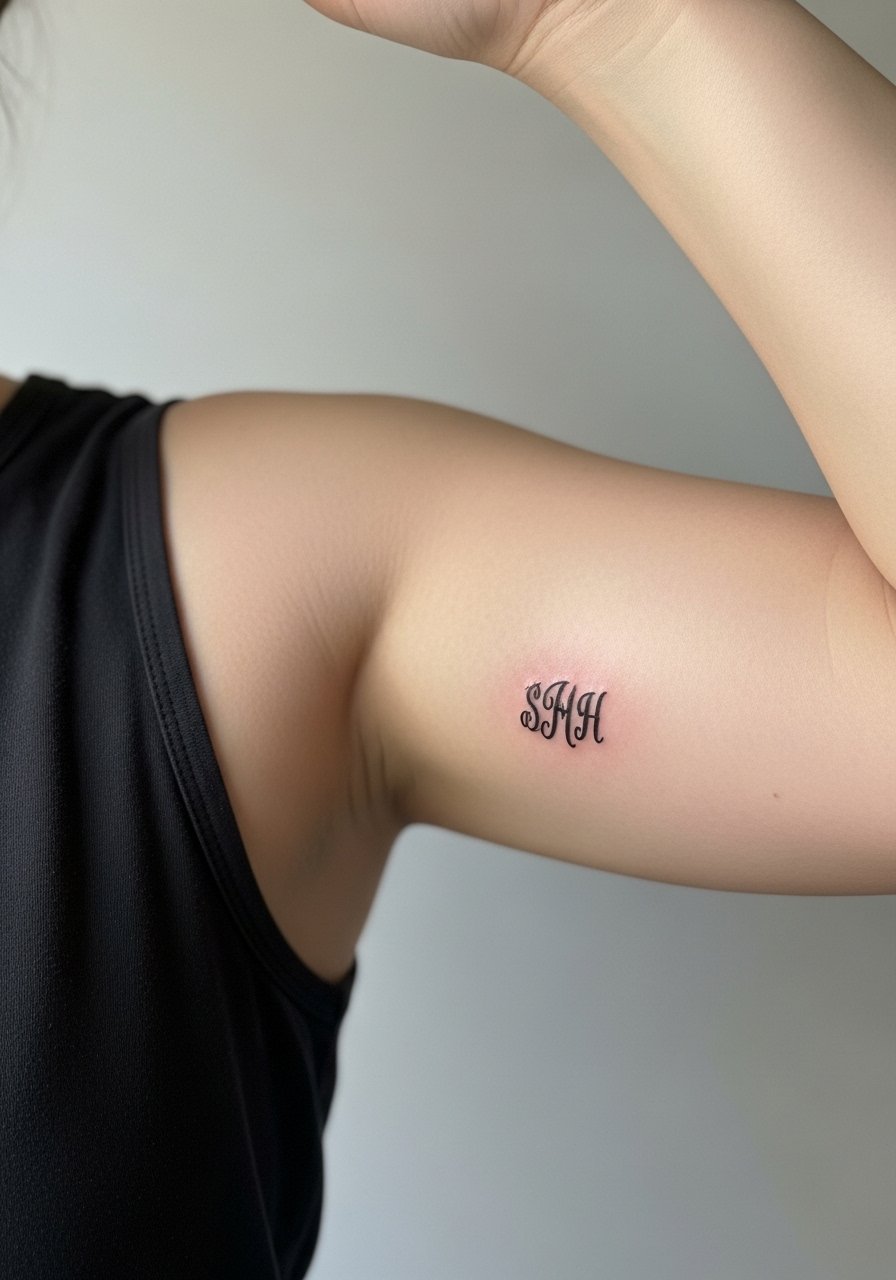
Initials are a discreet way to mark relationships without shouting. Tell the artist whether you want serif or sans and request a slightly bolder main stroke for legibility on darker tones. The leaning error is making letters too close to the crease where movement distorts them. Expect modest soreness when you bend your arm deeply for a day. A slim watch or minimalist leather bracelet can complement the area without crowding the monogram.
15. Micro Constellation or Coordinate Set
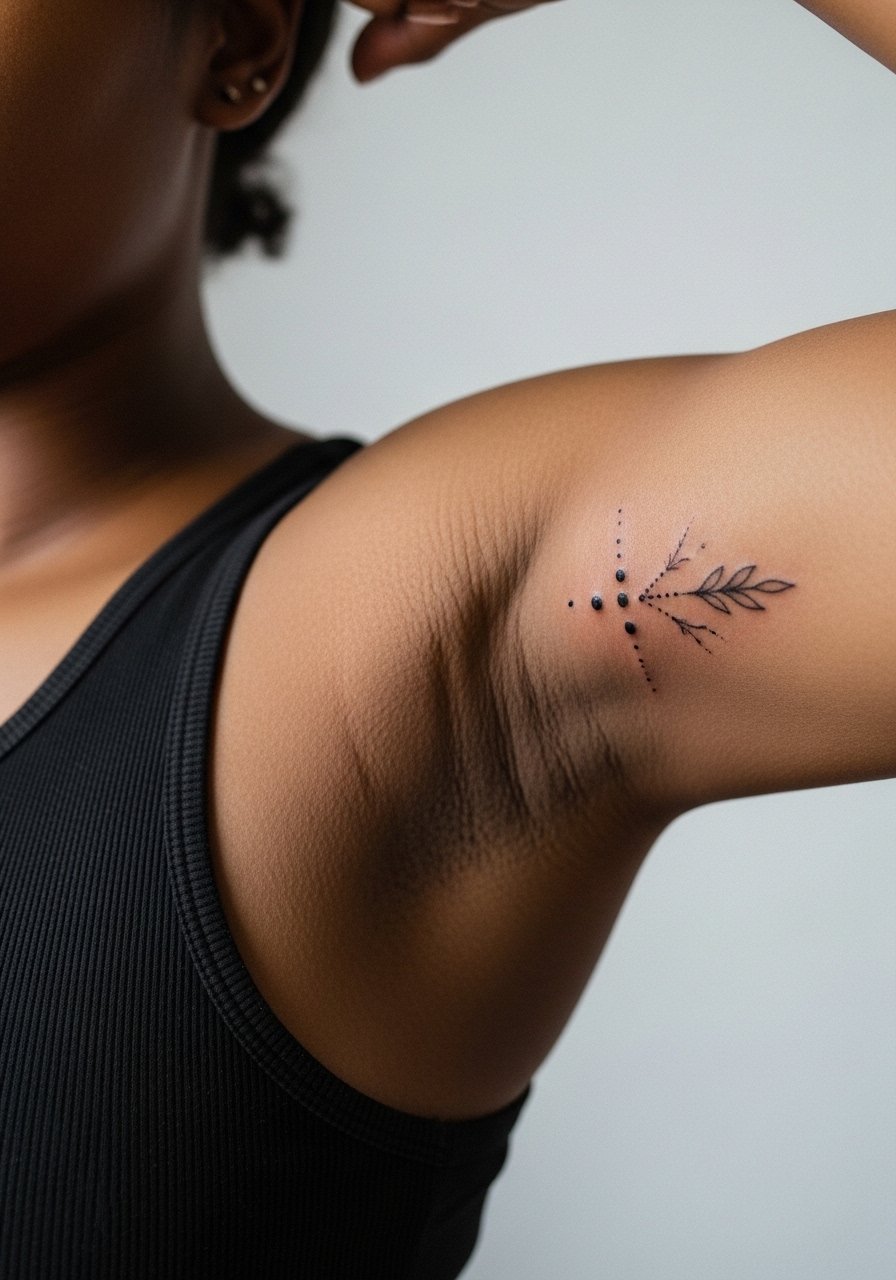
Constellations and coordinates feel secretive and work well on the inner arm where privacy matters. Make sure to provide the exact coordinates or star pattern you want so the placement sits with the arm curve. Tiny dots close together can blur over time, so ask for slightly larger spacing between stars. These pieces are low pain but watch friction from clothing in the first week. For nights out, combine with a short-sleeve blazer to reveal a sliver of the inner arm elegantly.
16. Tiny Geometric Mountain Range

Mountain outlines read masculine without heavy shading, which helps longevity. Tell your artist the peak angles you prefer and ask for consistent line weight across ridgelines. The common misstep is over-detailing slopes with tiny stipple shading that merges. Expect a short session and modest soreness when lifting objects early in healing. Pair this with a rolled-sleeve flannel for a rugged look that keeps attention on the symbol.
17. Tiny Anchor Dotwork Variation

Dot work anchors give texture without heavy lines. Ask the artist to use spaced dots rather than dense stippling so the pattern does not fill in on darker skin. One mistake is asking for high-density dot shading at small scale, which looks muddy as it heals. Dot work sessions can feel slightly more abrasive but are short. For the session, a breathable cotton sleeveless top helps the arm stay uncovered without overheating.
18. Mini Compass With North Accent
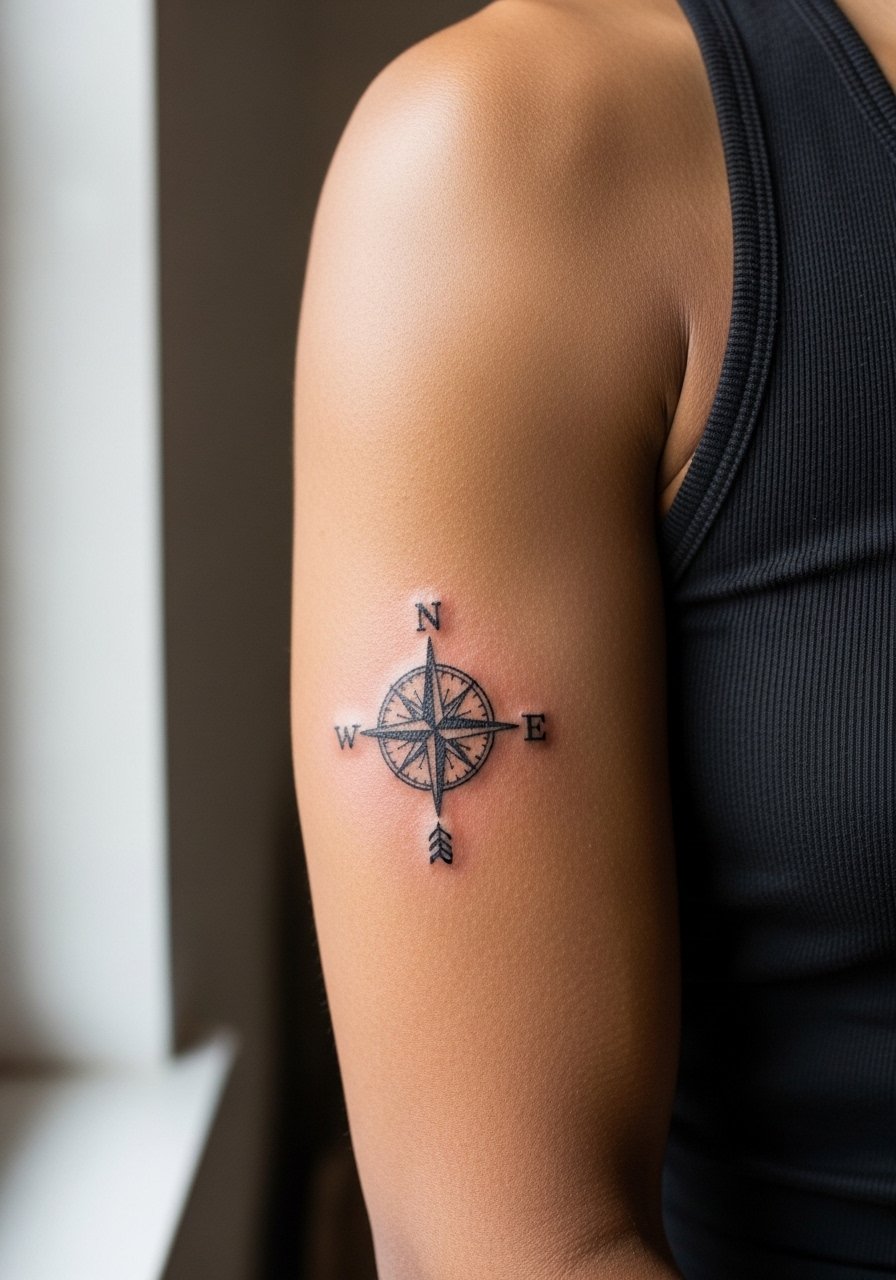
A tiny compass reads purposeful when one arm of the design is emphasized. During the consult, say which axis you want bolded so the piece has a focal point. The risk is packing in cardinal detail that blurs within two years, so keep the face simple. Sessions are straightforward and quick. It looks smart with a rolled sleeve button shirt that allows a glimpse without revealing the entire arm.
19. Micro-Realism Single Petal or Leaf
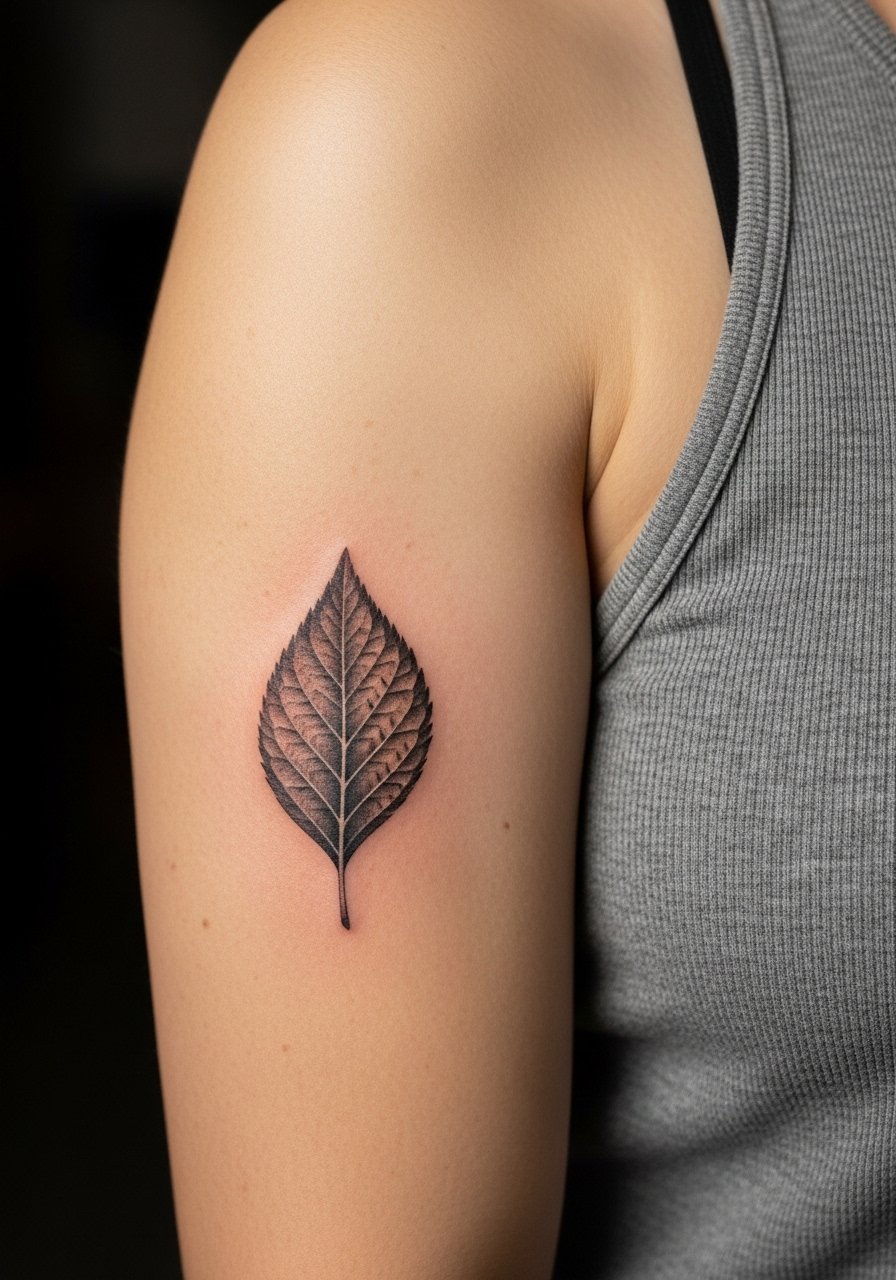
A single petal in micro-realism reads organic and mature when the shading is subtle and the outline is clean. Tell your artist you want the leaf to rely on form rather than tiny veins that will fade. Micro-realism must be balanced between contrast and detail or it softens quickly. The session feels like gentle pinching with occasional solid line passes. Pair with a short sleeve linen shirt to show the curve without beating the piece with heavy patterns.
20. Tiny Arrow Following the Arm Line

A small arrow placed to follow the inner arm looks dynamic and directional. Make sure the shaft has even spacing between barbs so the line does not become a single thicker mark as it ages. The usual error is squeezing too many elements in the arrowhead. Sessions are brief and usually under an hour. For the appointment, wear a loose tank that you can adjust without rubbing the fresh area.
21. Tiny Celtic Knot Outline
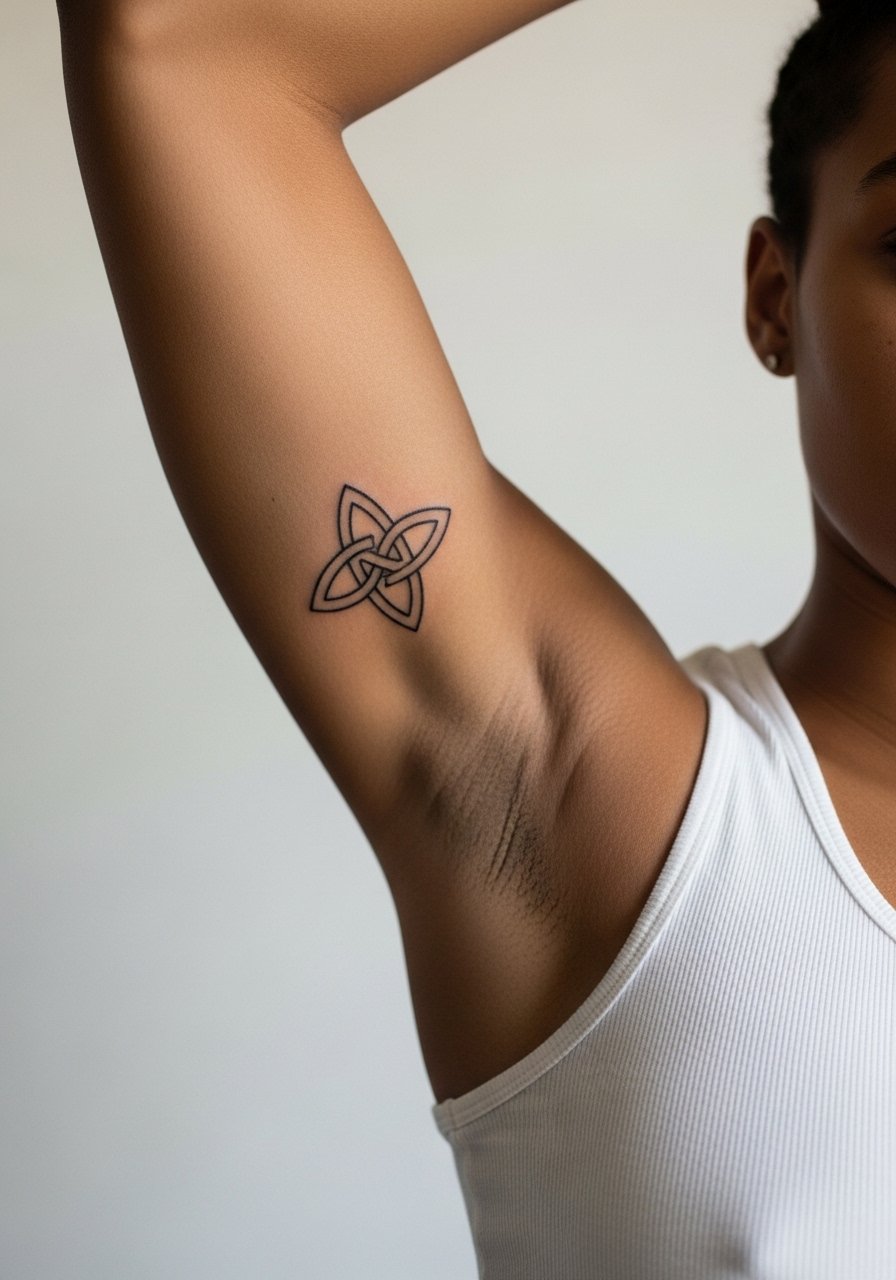
Celtic knots can work at small scale if simplified to a few interwoven lines with clear negative space. Ask for wider paths in the knot so intersections do not merge. A typical mistake is insisting on an overly intricate pattern for a one-inch piece. The session may require careful placement to sit flat on the arm curve. Pair this with a short-sleeve knit tee to show it when you want without revealing more than a sliver.
22. Tiny Matchstick With Flame Accent
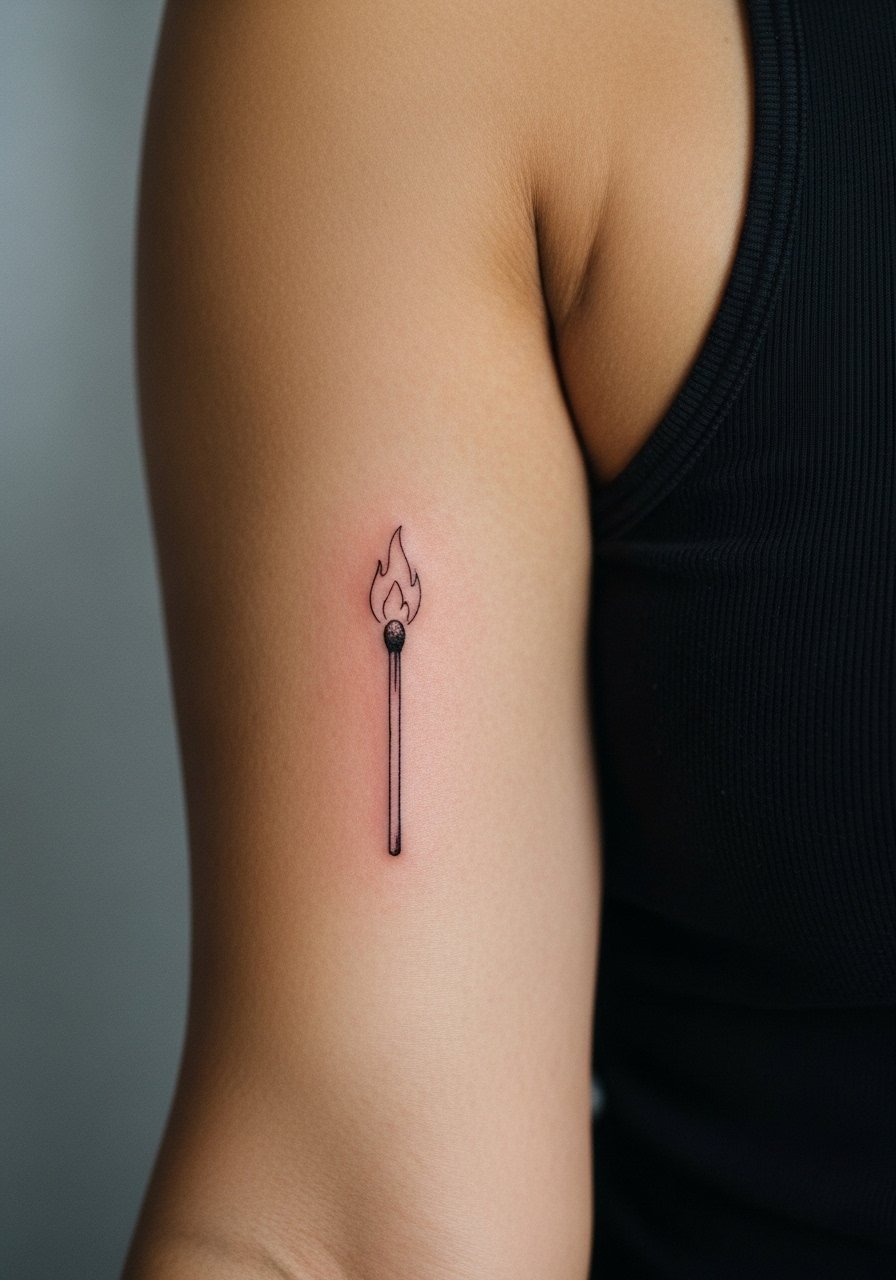
A matchstick motif is a neat way to signal energy or beginnings without large imagery. Ask for a tiny filled flame instead of tiny shading that will feather. People often overcomplicate the handle with grain detail that merges. Sessions are quick and tolerable. For a casual reveal, try a rolled-sleeve tee that keeps the arm visible in a subtle way.
23. Mini Compass Rose With Negative Space
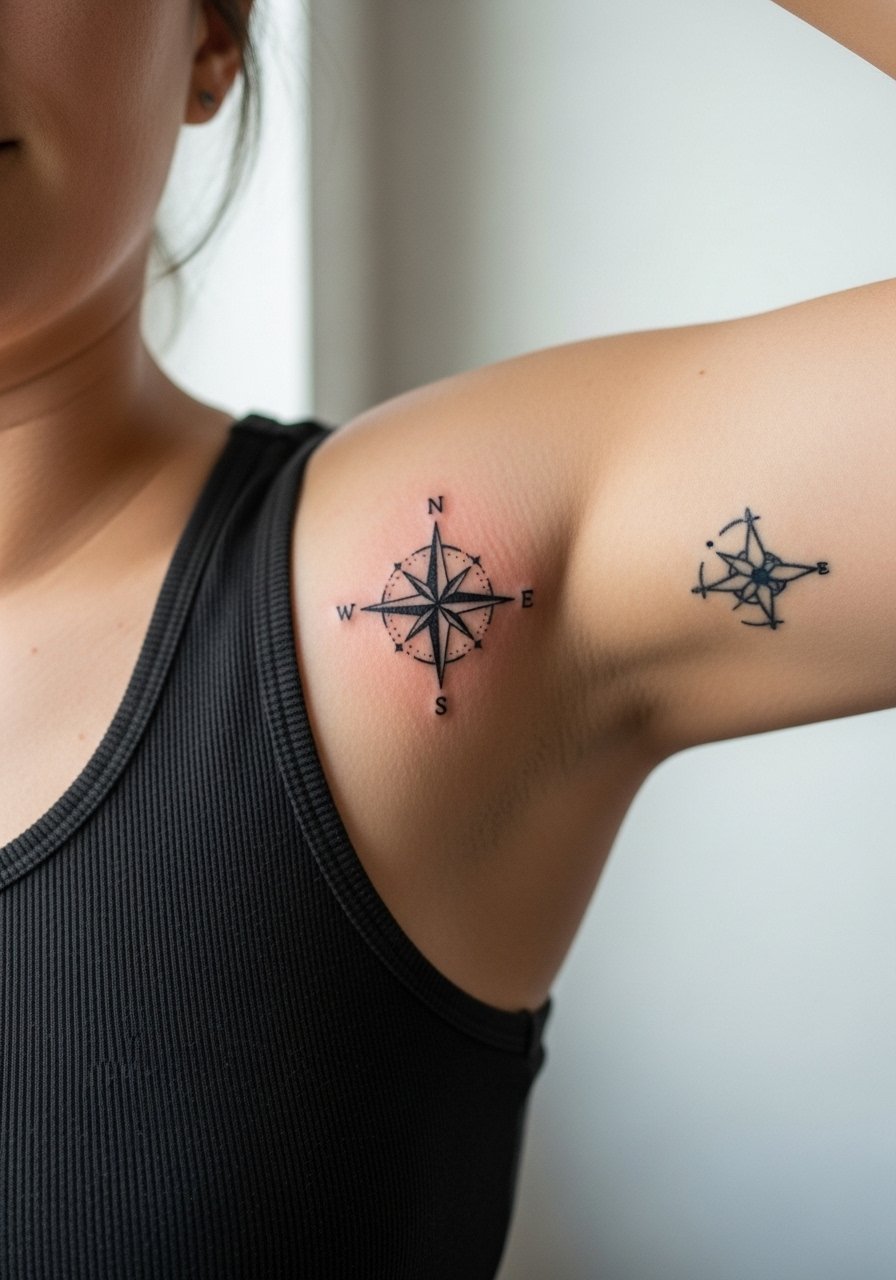
Negative space in small comps keeps the piece readable because skin tone becomes part of the design. During your consult, indicate where you want skin to show through and ask the artist to plan for that from the stencil stage. The mistake is assuming negative space reads the same across all skin tones. Test a quick stencil preview when the artist is done. It pairs nicely with a short-sleeve button shirt for a neat reveal.
24. Tiny Skull With Single Rose Bud
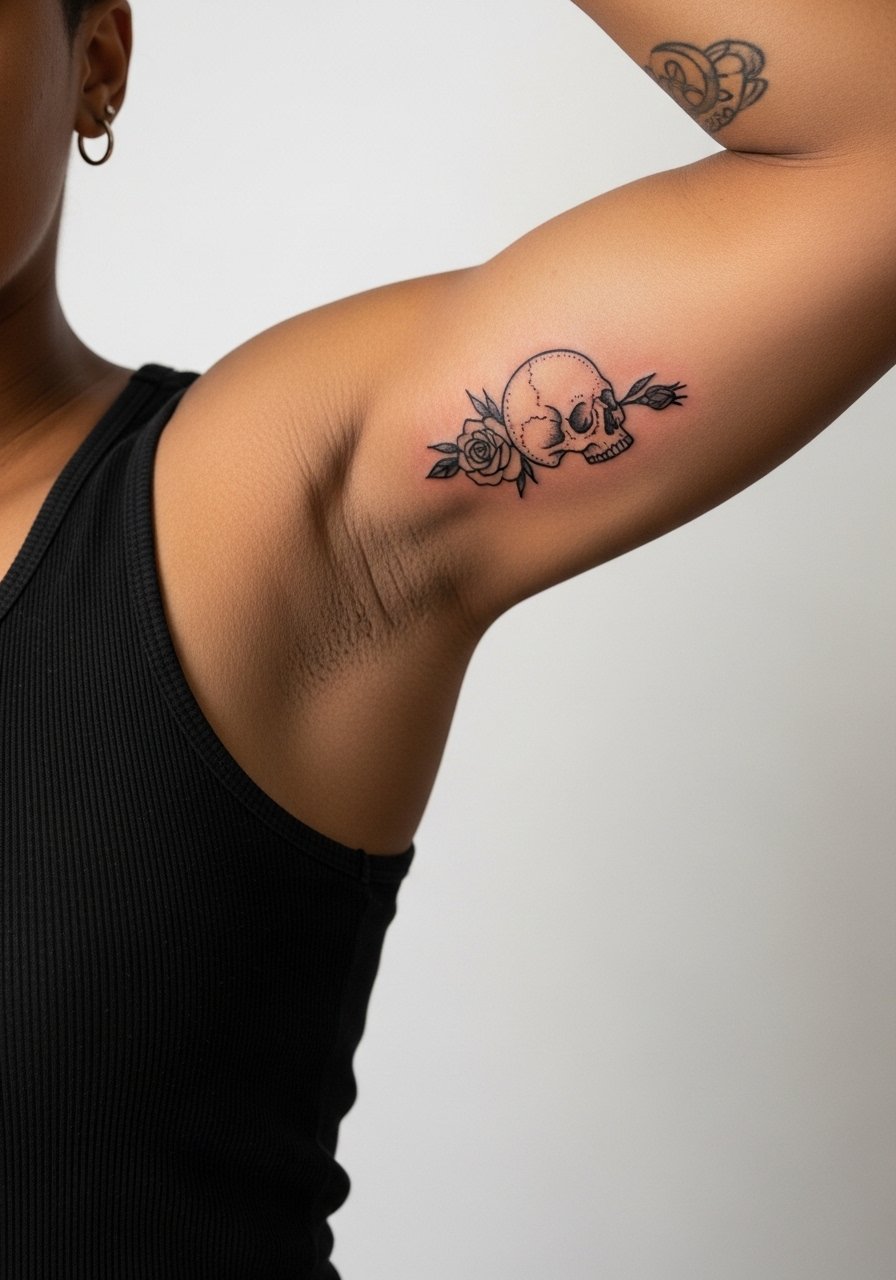
Combining a skull with a single rose bud keeps the motif compact and symbolic without heavy fill. Tell the artist you want the bloom simplified and the skull outlines clear. The common error is adding tiny petal lines that mute with healing. This is a slightly longer micro session but still under two hours. For show-off, consider a short-sleeve cotton shirt that frames the arm.
25. Tiny Botanical Sprig, Single-Needle Shading
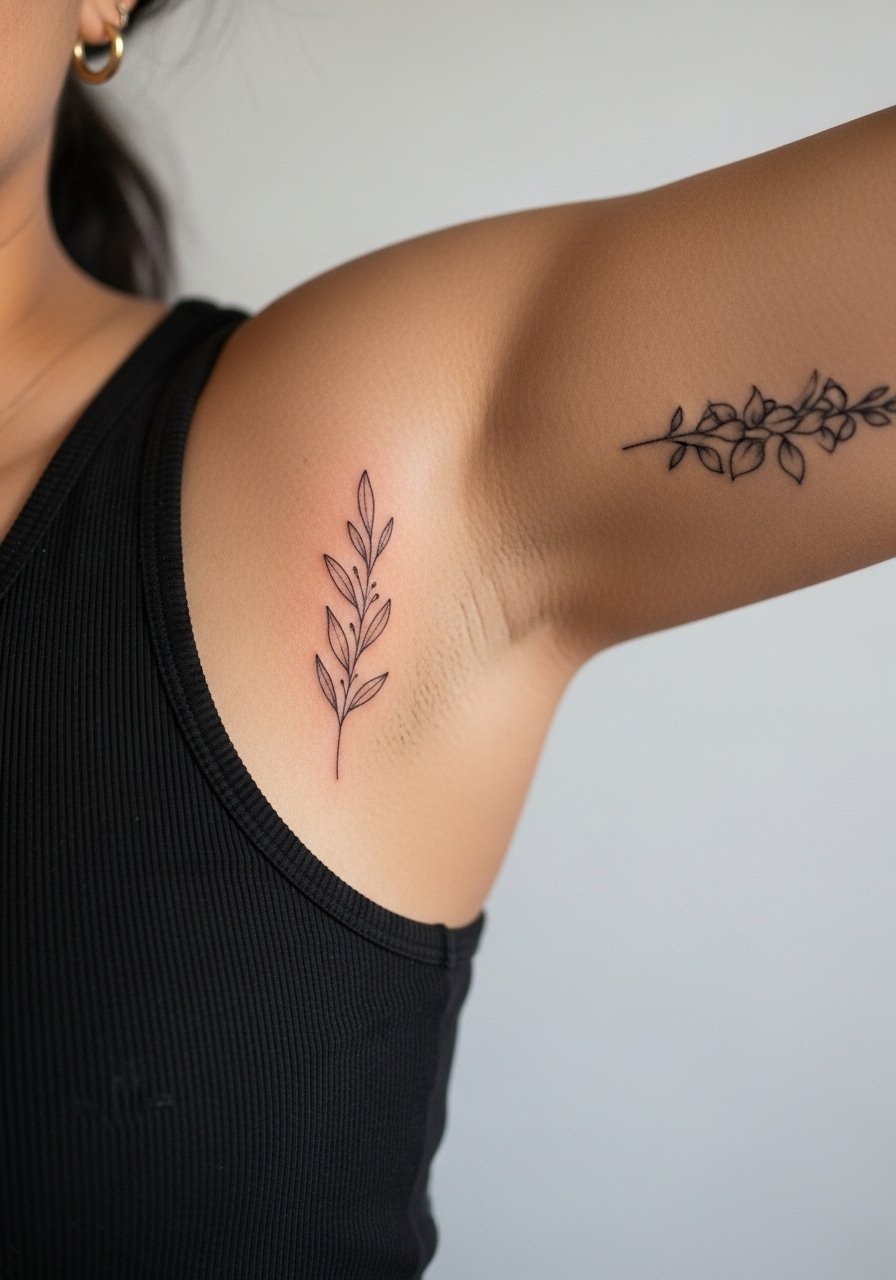
A single sprig gives a quiet, grown-up look when the shading is subtle and the outline is clean. Ask for spacing between leaflets and avoid tiny midvein details that fill in. Fine single-needle shading can fade faster, so expect a touch-up at year two if you want it bright. Sessions feel like steady tapping with occasional smooth shading passes. Pair the sprig with a rolled cuff sleeve to keep the aesthetic casual and refined.
26. Tiny Minimalist Lock or Key Symbol

Locks and keys make compact metaphorical pieces that sit well on the inner arm. When you consult, specify the silhouette you prefer and request broader positive space to avoid future merging. The common mistake is adding filigree that does not hold at small scale. Sessions are quick and comfort is high. A minimalist pendant necklace pairs nicely when the arm is rolled up.
27. Tiny Abstract Wave Curve

A single flowing wave can be an understated personal emblem that ages slowly if left simple. Ask for one confident stroke with clear peaks so the motion reads in photos and in person. The mistake is breaking the curve into multiple tiny strokes that blur. Expect a short session and quick recovery. Pair with a short-sleeve performance tee for casual days when you want a flash of the design without ceremony.
Frequently Asked Questions
Q: Will fine line inner-bicep tattoos look the same on darker skin as on lighter skin?
A: Fine line can read differently depending on melanin and the initial line weight. From what I've seen, slightly bolder outlines or selective saturation help the design stay legible on darker skin. Ask the artist to test a darker black on a small sample area or review healed photos on similar skin tones before booking.
Q: How often do tiny inner-bicep pieces need touch-ups?
A: It depends on line weight and sun exposure, but expect a light touch-up around year two to three for very fine lines. Bold blackwork and simpler silhouettes often stretch that timeline to five years or more. Plan a budget for touch-ups and ask your shop about their touch-up policy at booking.
Q: Should I use numbing cream for an inner-bicep session?
A: Many men find topical numbing reduces discomfort and helps them stay steady. Artists are split on it. One side says numbing increases bleeding and softens lines, the other side says it helps clients sit calm for cleaner work. If you plan to use it, mention it in the consultation so the artist can advise timing and product choice.
Q: How should I dress for an inner-bicep appointment to give the artist access and stay comfortable?
A: Wear something like a loose tank top or a button-down you can pull aside. The key is clothing that does not need to be pulled over your head and that allows the arm to be raised without chafing the fresh tattoo.
Q: Are small inner-bicep tattoos a good test if I plan to bulk or cut later?
A: Yes. Many people treat a mini inner-bicep piece as a body-change test run because the area flexes less than the outer bicep. If you expect major weight changes, avoid extremely tight single-needle lettering and discuss scaling options with the artist so touch-ups or expansions are easier later.