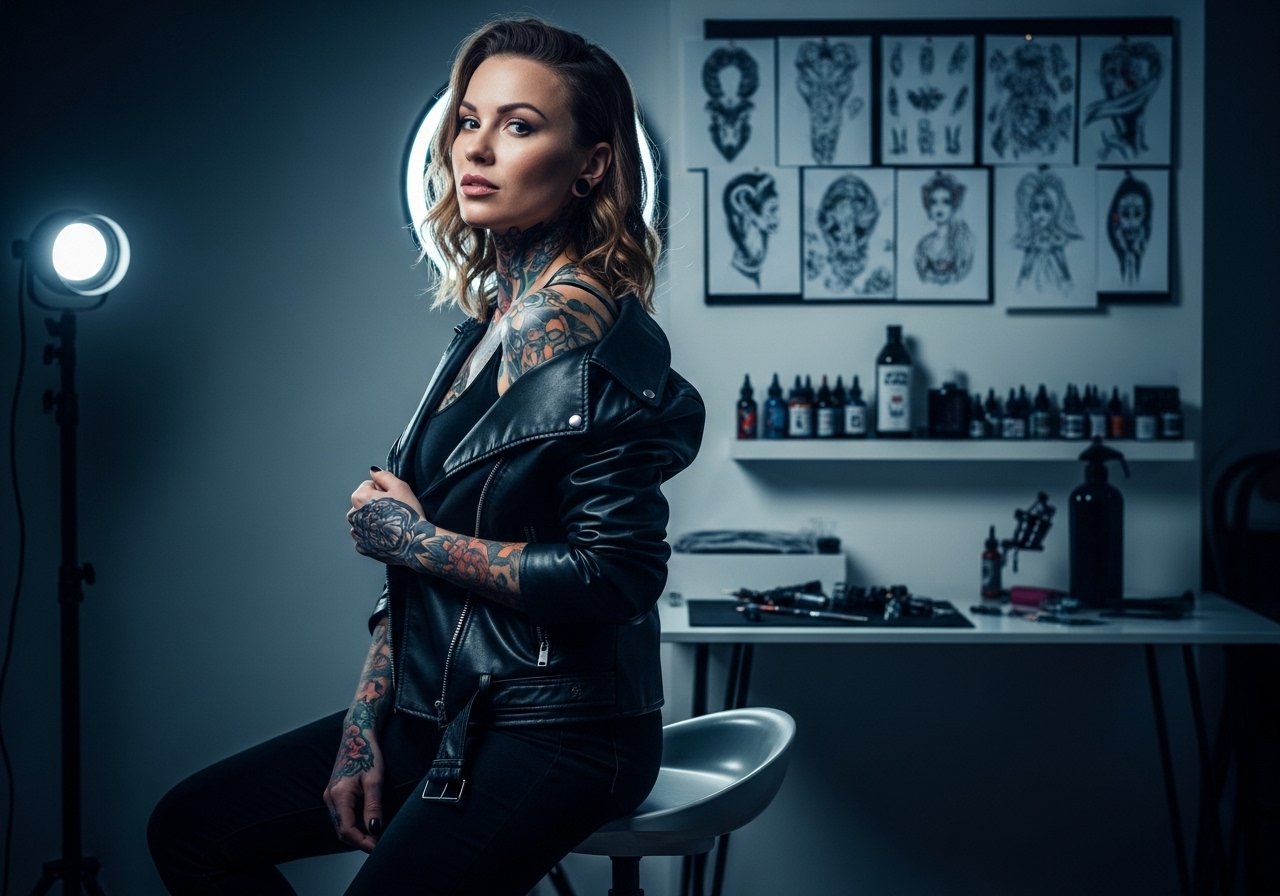
Fine line and saturated color both flood feeds, but neither guarantees how a matching back piece will look five years from now. I write this from time spent in shops and convention halls, watching couples and friends pick either perfect symmetry or deliberately opposite compositions. Below are matching back tattoo ideas that consider movement, aging, session logistics, and wardrobe so you can book with clearer questions and a better end result.
1. Irezumi Dragon Spine Flow for Two
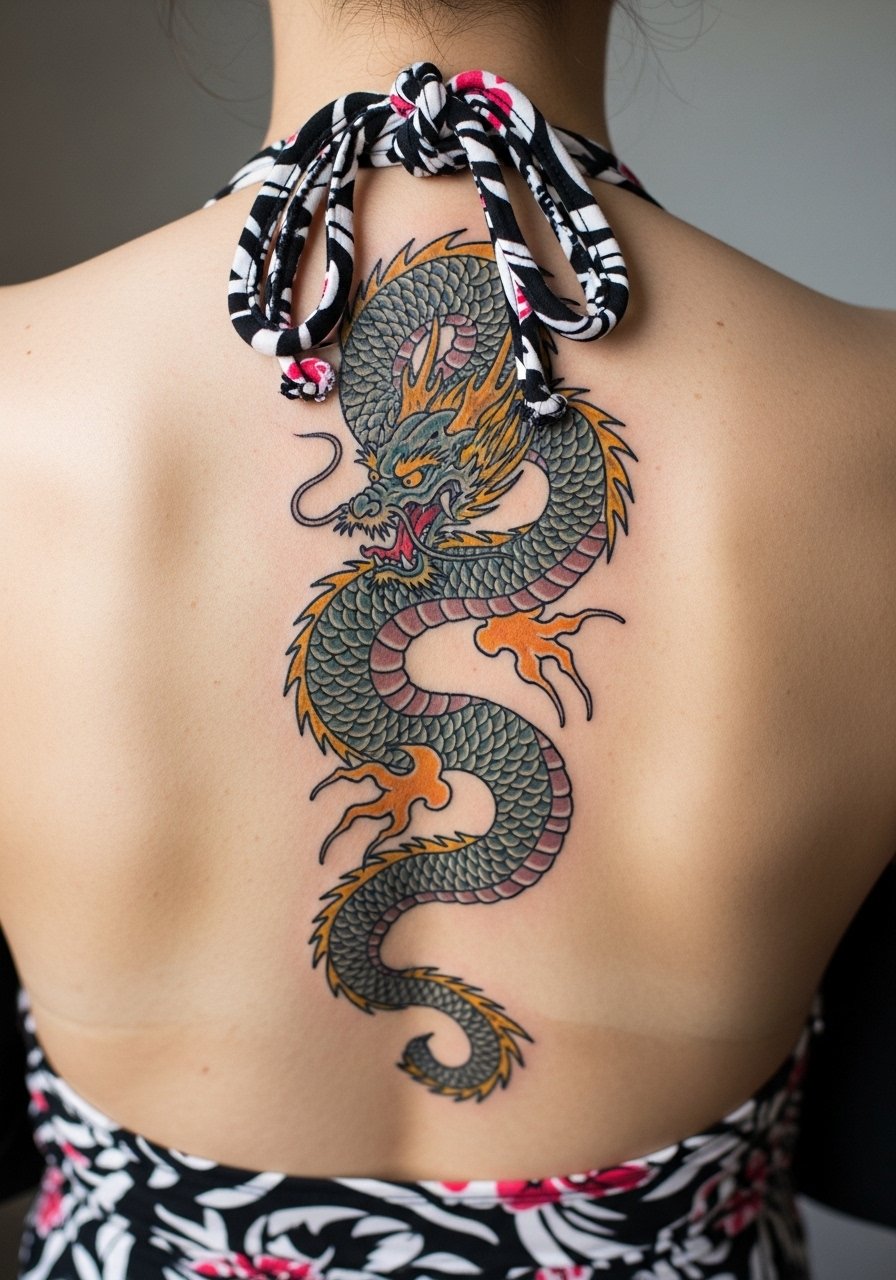
An Irezumi-style dragon along the spine reads like motion when two people stand side by side, the heads curving toward each other. I recommend asking your artist for asymmetry in the scales so the pieces look custom rather than mirrored photocopies. Fair warning, heavy color saturation on the spine needs multiple sessions and realistic touch-up planning. One common mistake is shrinking the design to fit within a single session. The dragon wants vertical room to breathe or the detail will crowd and blur. For the appointment, wear a backless halter top so the artist can access the full spine without fabric tugging. Respect the Irezumi origin by avoiding direct cultural symbols unless you have a personal connection.
2. Mirrored Wing Pairs on the Shoulder Blades
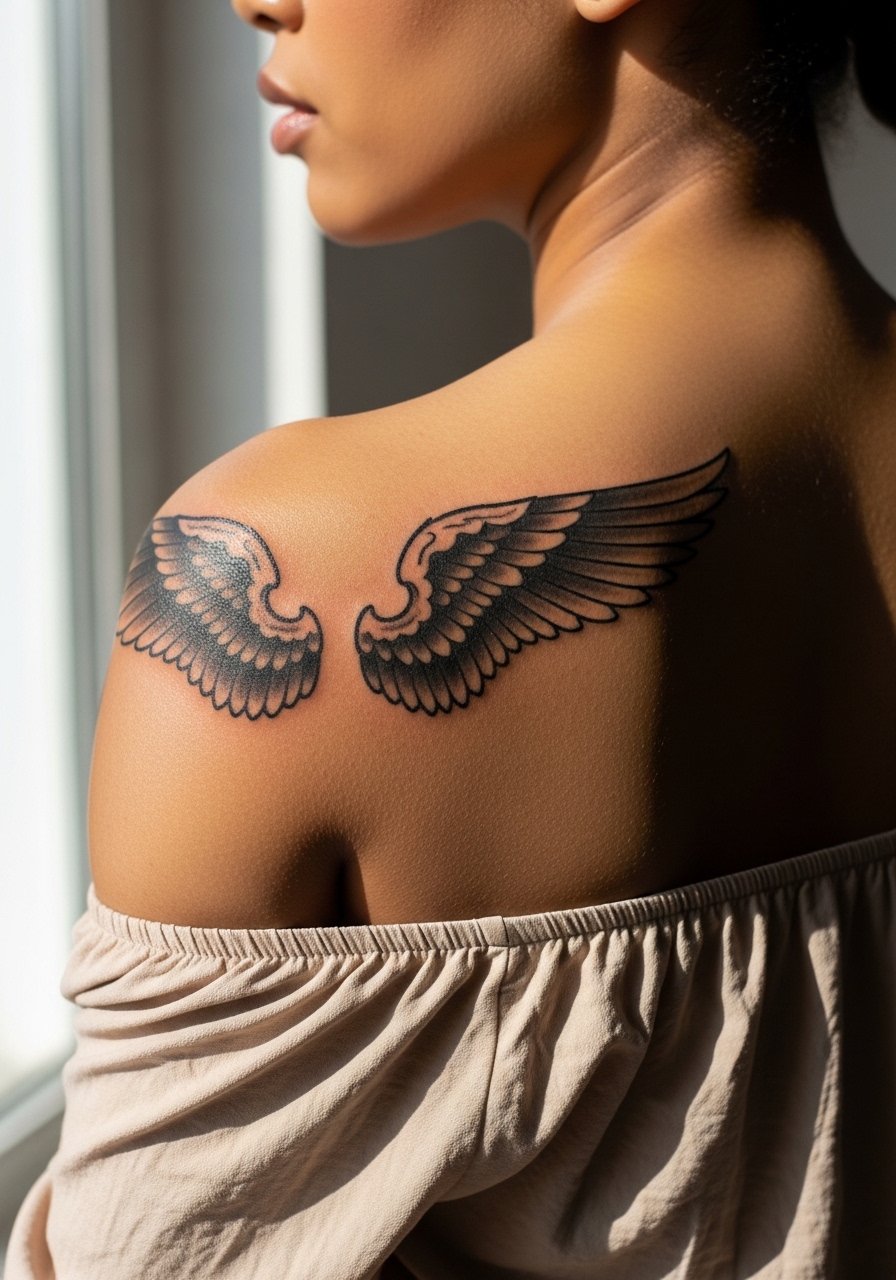
Mirrored wings that sit on each shoulder blade give couples a balanced look without committing to a full back piece. Tell your artist you want the outer tips to align with the scapula rather than the spine to keep motion natural when you lift your arms. Pain is moderate and sessions are short, which is handy for matching appointments. A mistake is asking for identical mirror images down to the feather count. Slight variation keeps each piece personal while still matching. For show-off outfits, pair the design with an off-shoulder blouse so the symmetry reads clearly in photos.
3. Ornamental Spine Mandala Cascade
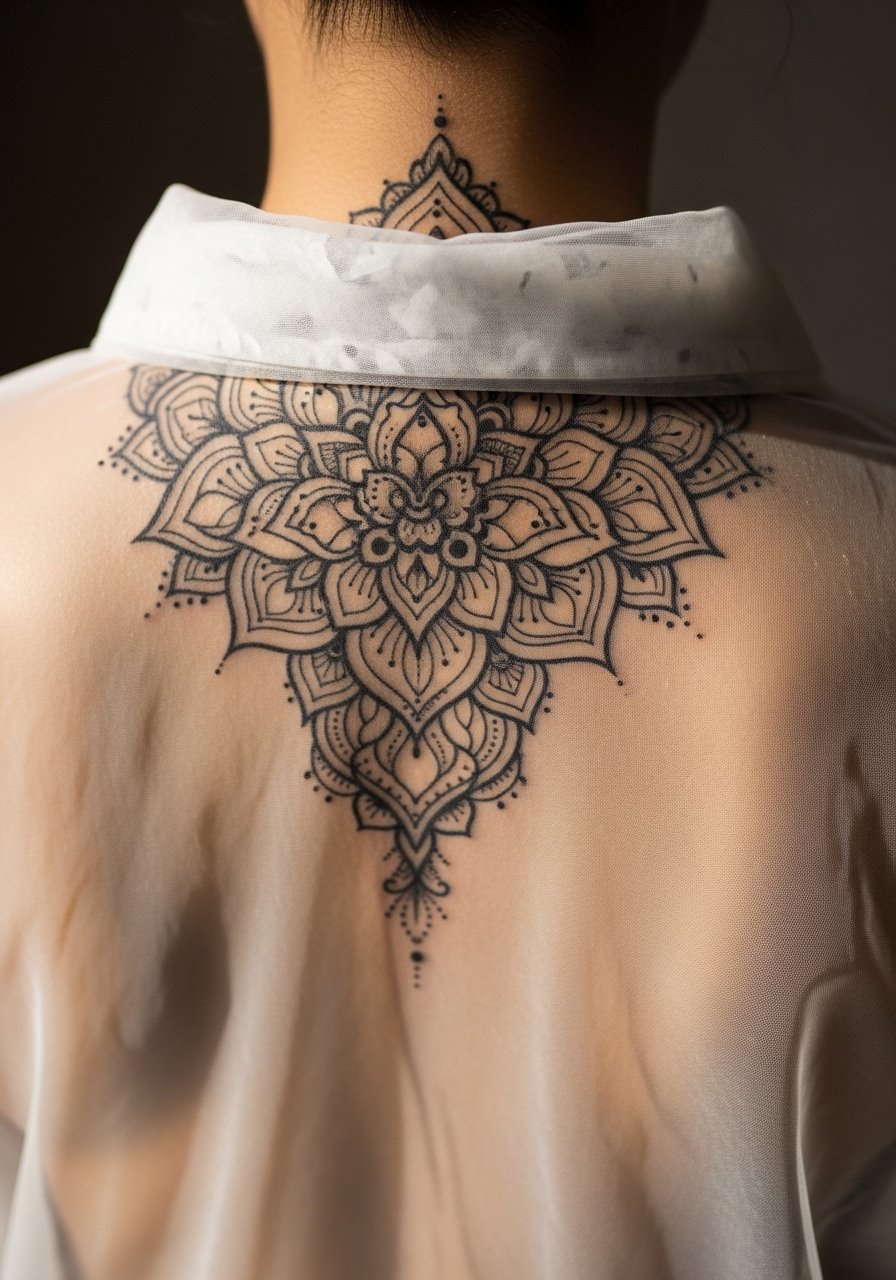
A vertical mandala that descends the spine works as a matching centerpiece for two people who want a shared axis. Ask for wider negative space between dense petals so linework has room to age. Artists debate whether extremely fine mandala dots hold up on the spine. One camp says the vertical tension there preserves crispness with correct needle depth. The other camp warns that close dot work can merge within a few years. In my experience the safer move is slightly broader spacing and stipple shading rather than tight dot clusters. For evenings out try a sheer back blouse that reveals the mandala without overwhelming it.
4. Full Back Realism Scenes Matched as Diptychs
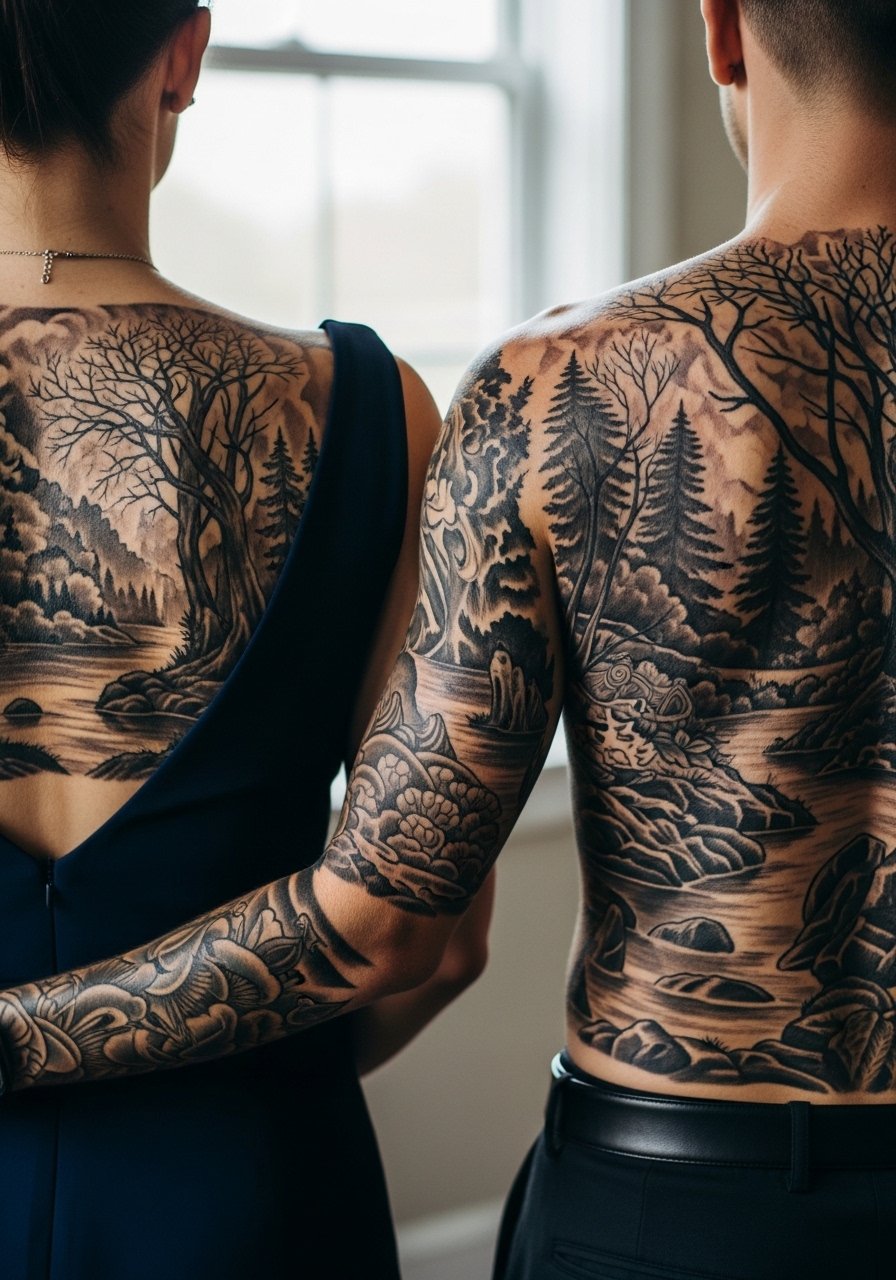
Two matched realism scenes split across each person make a narrative when you stand side by side. Bring multiple reference photos and tell your artist which elements must match across both pieces, such as horizon line or a focal tree. Expect long sessions and multiple appointments. A real mistake is demanding photoreal micro-detail at a scale too small for the back. Realism thrives on scale, so let the artist expand background elements. At six months the contrast will be sharp; by year five expect softer edges and potentially a touch-up to restore deepest shadows. For the session wear a loose button-down shirt you can pull aside so the artist has clean access.
5. Lower Back Tribal Floral Band for Paired Width Accent
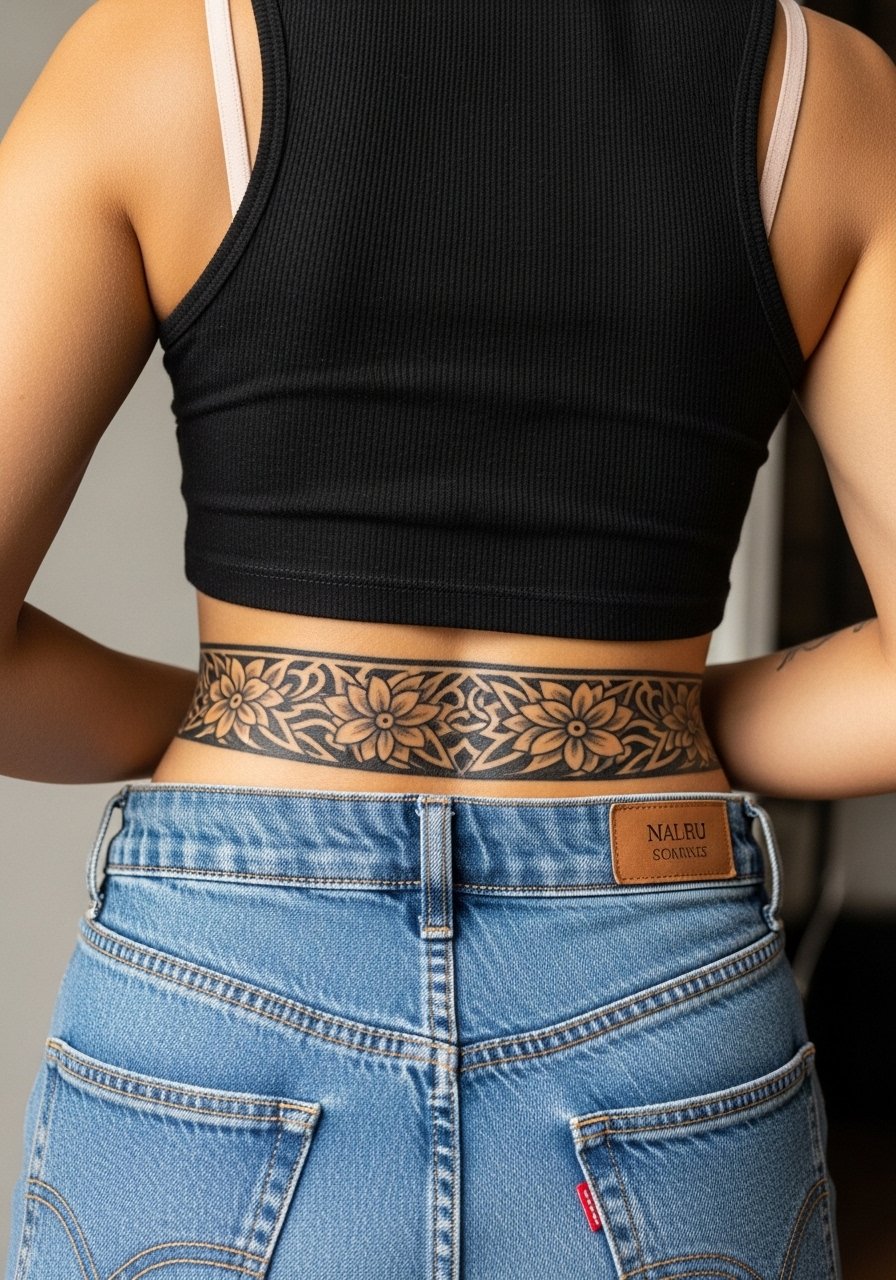
A horizontal band at the lower back is a good matching option if you want symmetry without a full commitment. Ask for slightly tapered ends so the band flatters each waistline instead of cutting into the dimple area. Expect a quick session and minimal sittings, but be mindful of friction from waistbands during healing. The biggest mistake is making the band too thin. Bold line weight holds up far better on the lumbar skin than delicate detail. For outfits, pair with high-waisted jeans and crop tops so the band sits in the frame rather than under clothing.
6. Symmetrical Sun and Moon Over Shoulder Blades
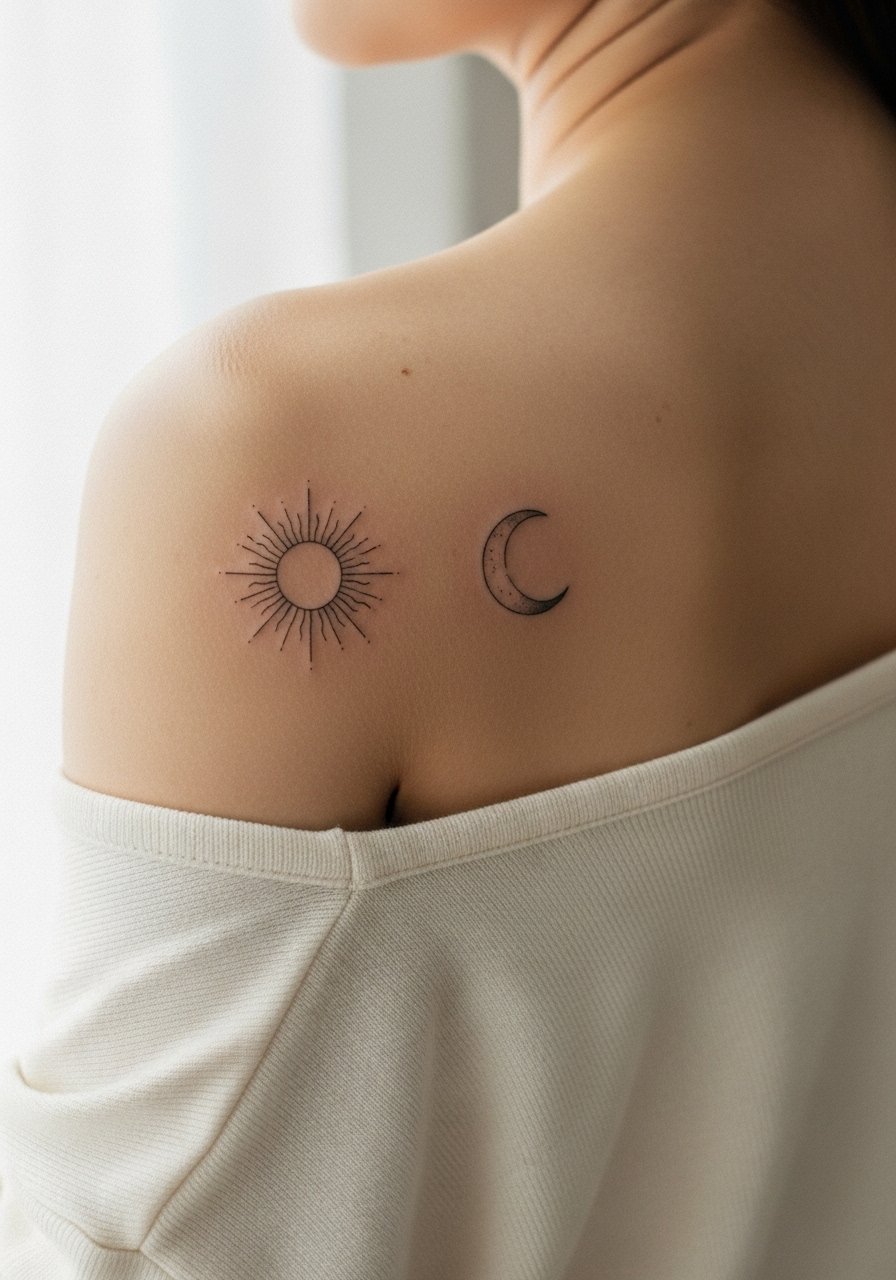
A sun and moon pair reads as intentional duality and is easy to mirror for couples. Tell your artist to keep linework slightly bolder than usual so the fine rays do not puddle with time. Artists split on tiny rays and micro dots. One group says thin rays age poorly on high-motion zones. The other group argues proper depth and spacing make them last. If you want a low-maintenance match, opt for fewer, thicker rays and give the moon gentle stipple shading. For showing it off try an ivory off-shoulder top that keeps the focus on the upper back silhouette.
Studio Day Picks
The pieces above include both spine-centric work and upper-blade pairs, and a few small prep items make those sessions easier.
-
Stencil transfer paper kit. Lets you preview placement on the back so two matching stencils align before the needle touches skin.
-
Topical numbing cream. Useful for sensitive spine sections and lower back bands when both people want shorter, gentler sessions.
-
Thin protective film roll. Helps protect mid-back areas from clothing friction in the first 48 hours, especially with tank tops and low-rise waistbands.
-
Fragrance-free gentle body wash. Keeps healing back pieces clean without stripping pigments where shading is delicate.
-
Aquaphor healing ointment. A thin layer during the initial days can control dryness on both fine line and saturated back work without clogging.
7. Paired Koi Fish Across Upper Back

Paired koi across the upper back create a sense of opposing motion when two people stand together. Request asymmetrical swim paths so each koi reads as its own composition but the pair aligns visually. The common mistake is over-detailing scales at small scale. Koi benefit from bold outlines and layered saturation so colors age into warmth rather than muddiness. Session time tends to be moderate, and touch-ups are typical at year two to refresh color. For casual reveal, throw on a racerback tank so the mirrored movement reads clearly in motion.
8. Ornamental Laddering Across Mid-Back
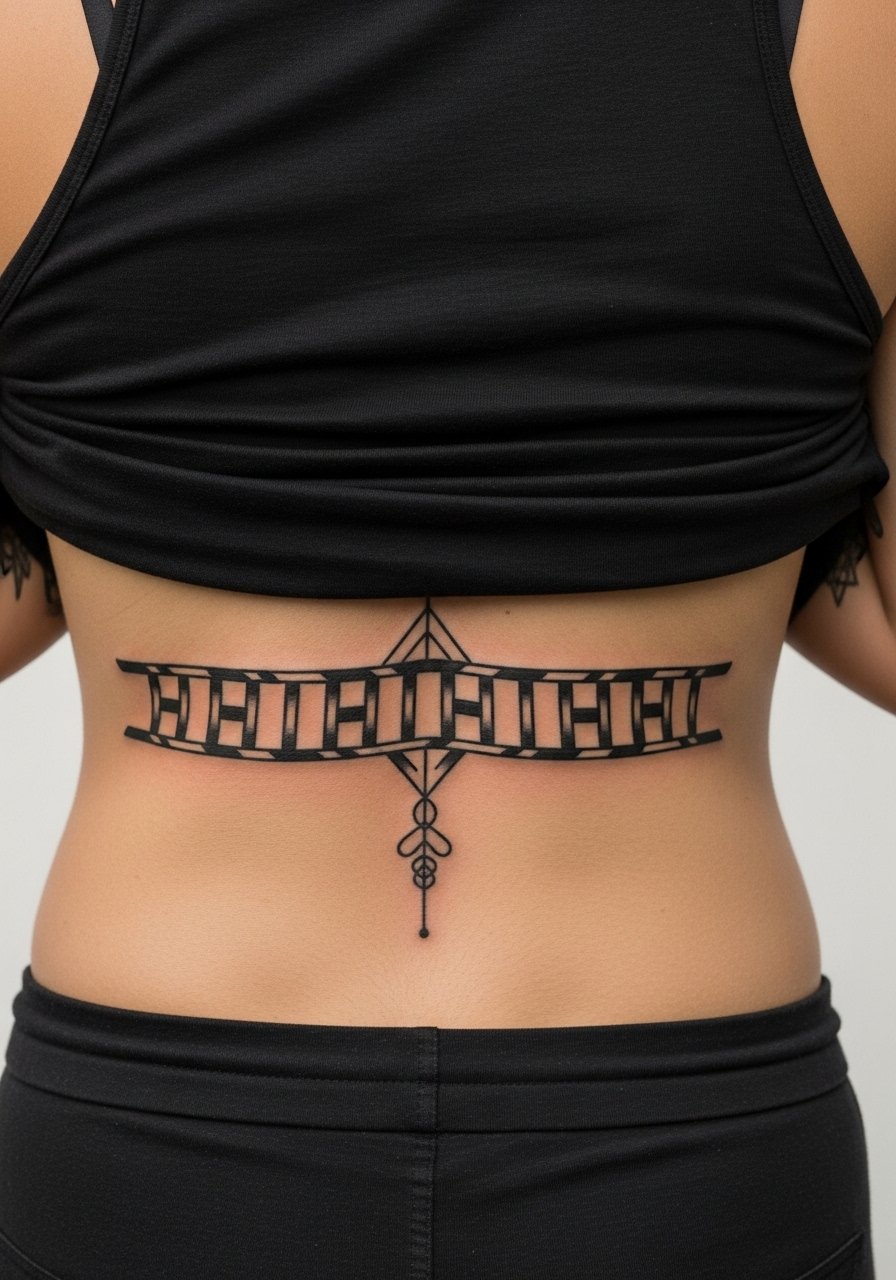
A laddering pattern stitched across the mid-back suits pairs who want a shared graphic motif without heavy symbolism. Tell your artist to plan horizontal anchors that align with natural body landmarks like the lowest rib and top of the pelvis. The aging risk is line creep if the ladder rungs are too close. Better spacing and occasional negative space keep the pattern readable at two and five years. Sessions are short per pass but you may need two sittings for crisp edges. For session comfort wear a loose tank top so the artist can lift fabric without unwinding straps.
9. Biomechanical Flow That Mirrors Muscle Lines
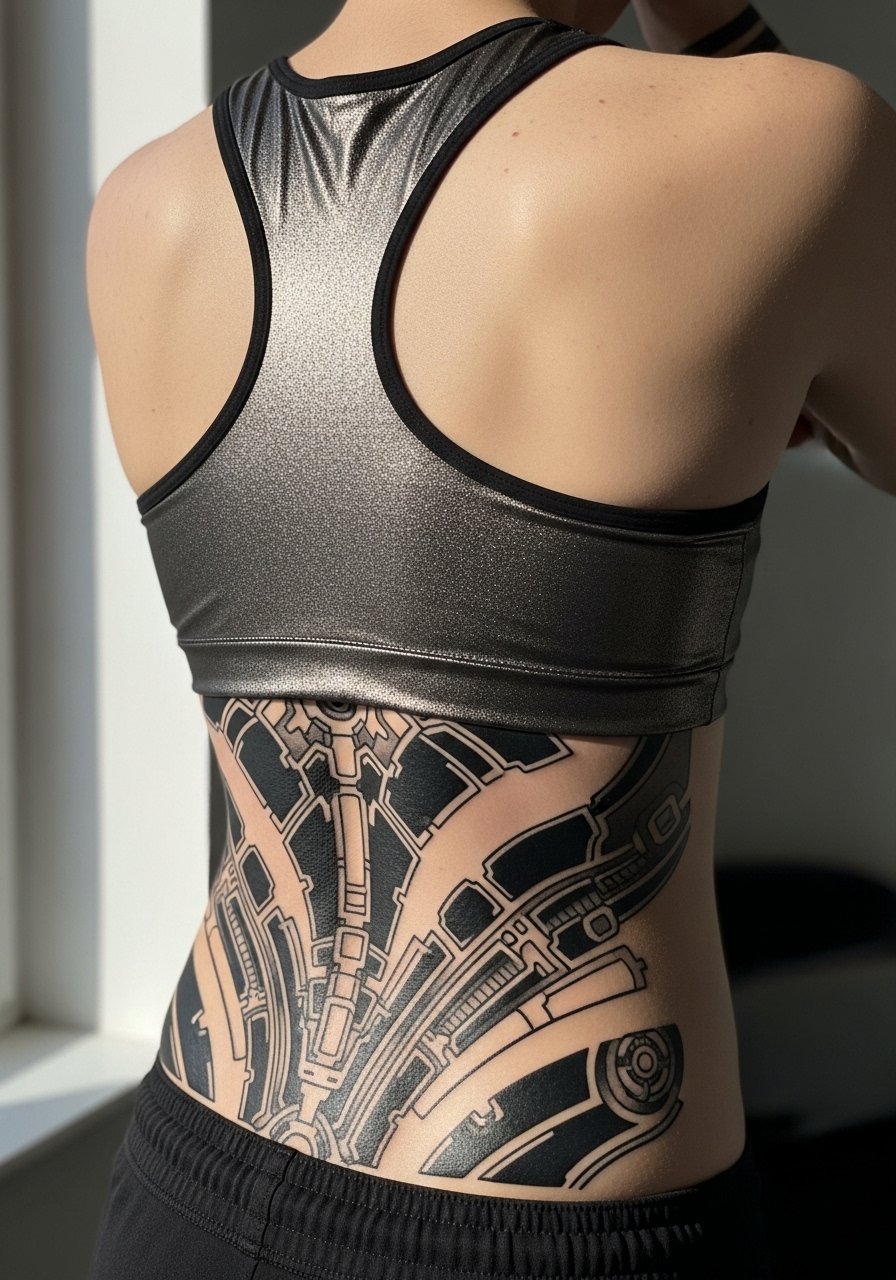
Biomechanical back pieces are dramatic when two matching flows are designed to interlock visually. Ask the artist to map the design to muscle anatomy so breathing and movement animate the piece. A mistake is copying generic stencil elements without customizing to each person's curvature, which breaks the illusion when you stand together. These sessions are long and require recovery planning. Because of heavy blackwork, expect slower touch-up decay but more noticeable contrast changes as skin ages. For showing the integration wear a metallic racerback tank that highlights how the ink follows the musculature.
10. Nature Horizon Split Across Upper Backs
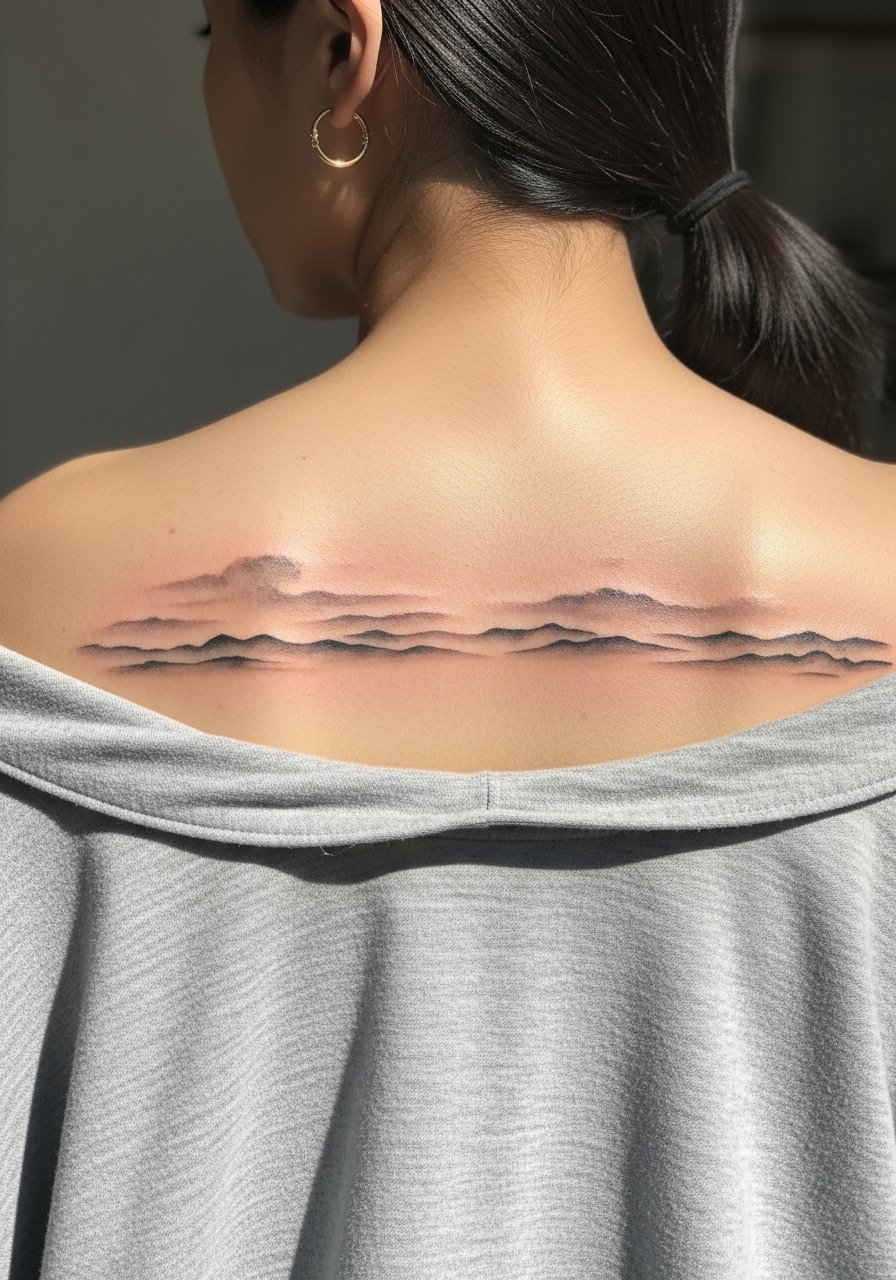
A horizon split is subtle and cinematic. Plan a shared vanishing point so the two halves feel connected. The aging issue with watercolor blends on backs is sun exposure. Keep blending areas with slightly firmer line anchors so the composition reads at a distance after a few years. A common session mistake is over-softening edges that later look like bruising. Bring a reference showing the exact palette you want. For low-key evenings try a backless midi dress that reveals the upper back without distracting from the color work.
11. Ornate Spine Script Pairing
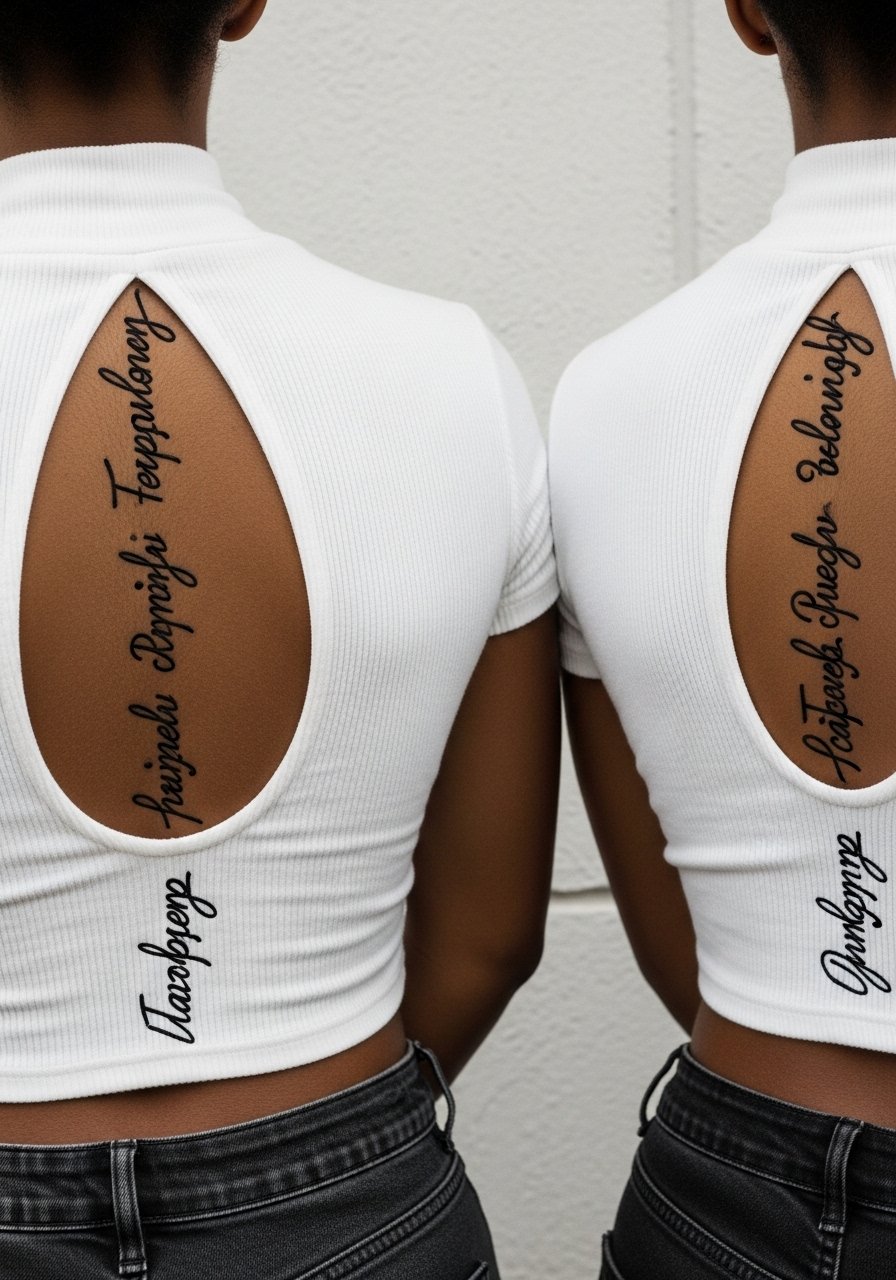
Matching spine scripts work when the phrases form a sentence together or mirror each other conceptually. Specify exact letter size and spacing to avoid blurring. The big mistake is cramming long sentences into a small vertical space. Keep text short, use clean type, and request a stencil preview. Lines on the spine can be more sensitive, and touch-ups at year three are common for thin scripts. For occasion wear, a high-neck crop top or a sheer back-insert blouse lets the script show without exposing too much skin. Respect any cultural or linguistic origins of the wording you choose.
12. Photoreal Animal Pairing on the Lower Back
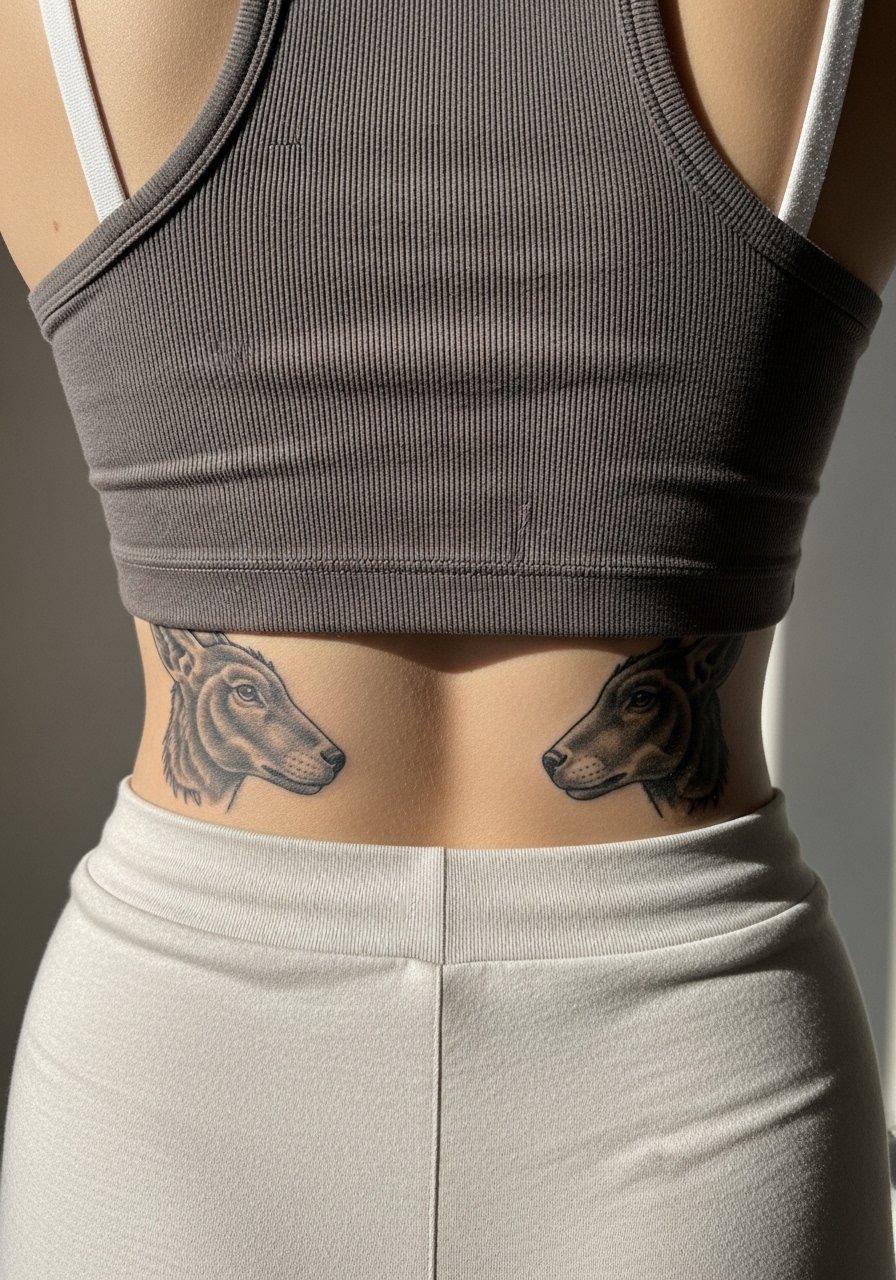
Matching animal portraits placed on the lower back read strong and private. Avoid faces turned directly toward the spine; slight angles keep features natural on curved surfaces. People often try to shrink portrait details to fit the lumbar width, which flattens depth. Photoreal work shines at moderate to large scale so plan for two sessions. Lower back friction from waistbands is a real healing concern, so bring loose bottoms for the first week. Expect a touch-up at year two to maintain soft shadows if you spend time outdoors.
13. Paired Constellation Maps Across Upper Back
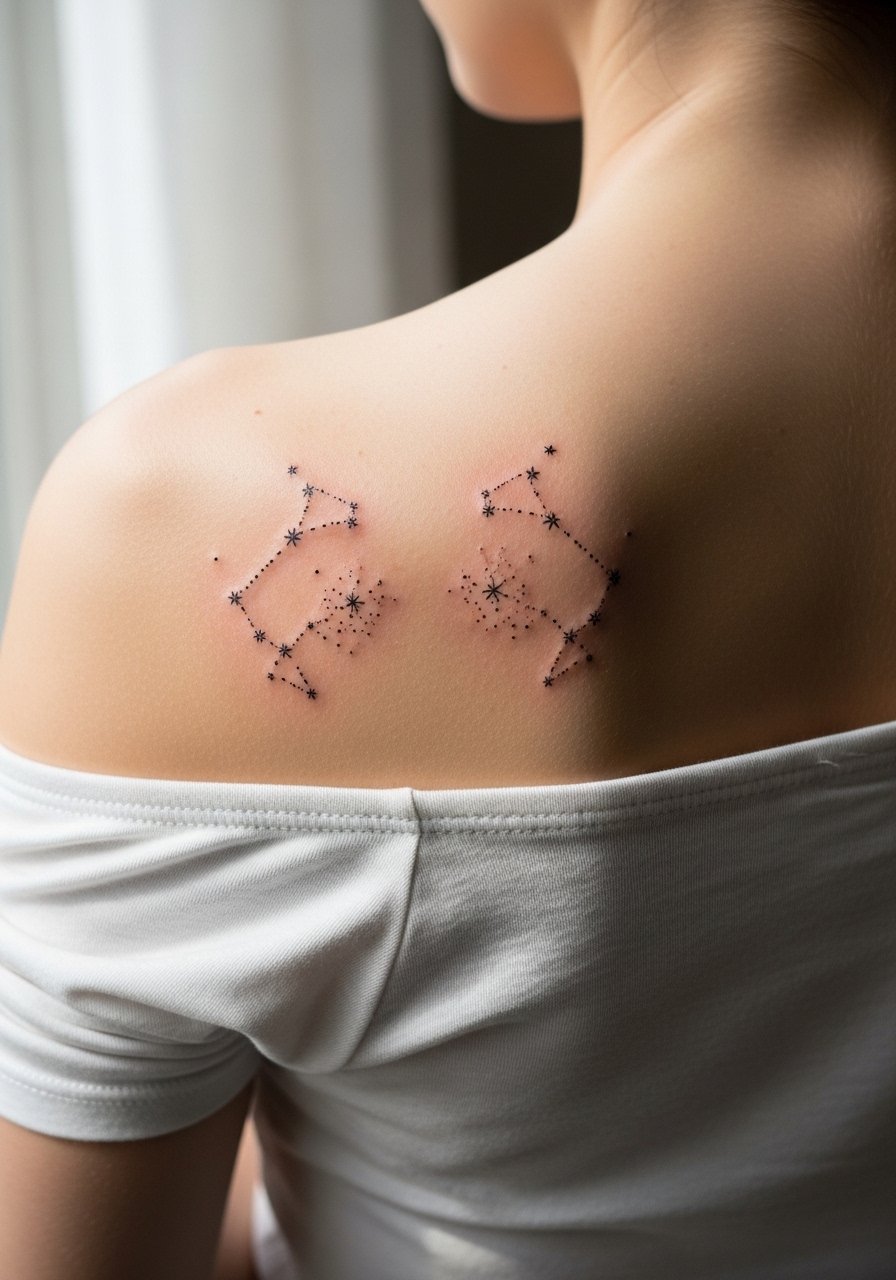
Constellation matches feel personal and map-like without heavy commitment. Ask your artist to space stars more than you think necessary so points do not merge over time. Small dot work on the upper back ages better than dense dot clusters but still benefits from slightly bolder anchors on key stars. A common mistake is requesting literal night-sky density, which looks muddy after a few years. Short sessions make these easy to get done together. For subtle accessorizing wear a thin chain pendant necklace that sits above the design and keeps attention on the constellations.
14. Mirrored Celestial Pairs on Blades
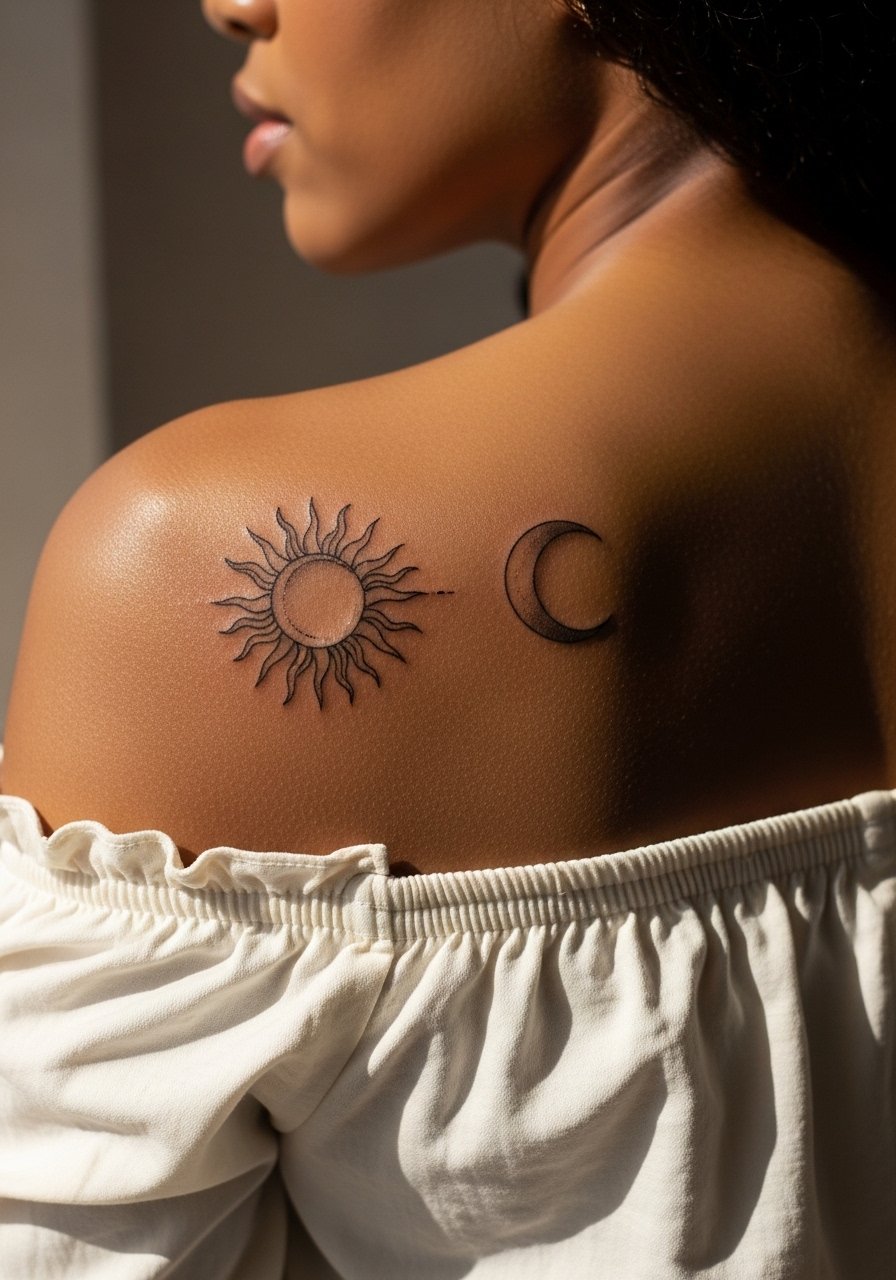
A celestial pair is a more literal matching option that avoids full back commitment. Ask for slightly different textures between the sun and moon so each piece reads as part of a set rather than identical copies. The risk is requesting too many tiny rays or moon craters that age into blob. Go for simplified shapes and subtle stipple for longevity. Sessions are short, so scheduling both people back to back helps with matching saturation. For nights out, an ivory off-shoulder top frames theblade area cleanly.
15. Asymmetrical Irezumi Flows That Match in Motion
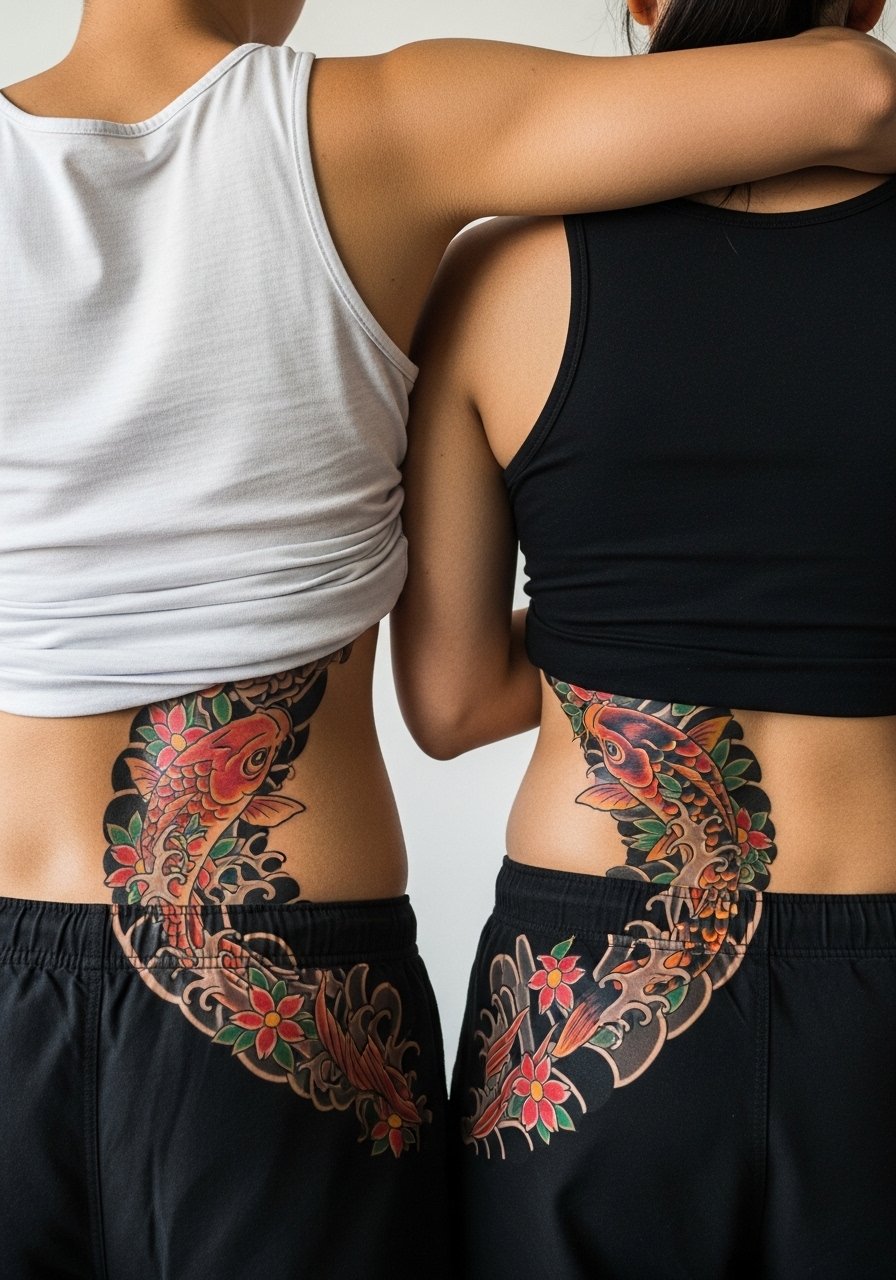
Using the back's muscle movement for asymmetrical Irezumi-style flows makes matching pieces feel alive. Tell your artist you want the flow to follow where the lat and oblique flex, not just the visual center. The mistake is making mirror images instead of complementary partners. Complementary asymmetry reads as a pair and reduces the risk of identical aging patterns. These pieces need staged sessions and recovery planning. For comfort during long sittings, wear a loose tank top that you can shift without stretching the inked area.
16. Bottom-of-Back Horizontal Bands for Matching Width

A band across the very bottom of the back is a modern take on a classic lumbar accent. Keep the band width substantial so it flatters movement and avoids becoming a thin line that fades. Many people underestimate how much a waistband rubs during healing. Choose placement slightly above the waistband and plan for a two-week friction strategy with loose clothing. This is quick work in the chair, and matching is straightforward as long as both people agree on exact vertical placement relative to the pelvis.
17. Split Mosaic That Completes When Paired
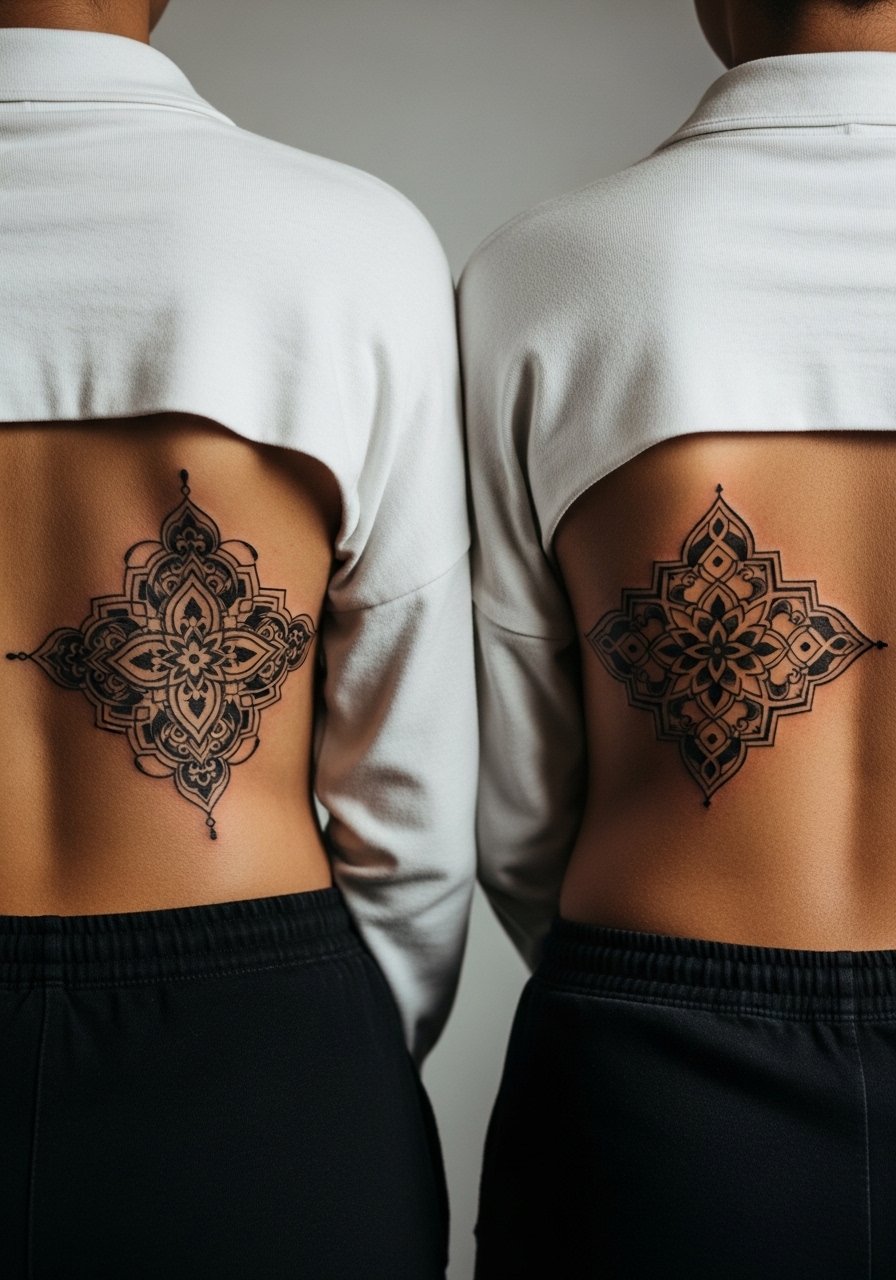
A split mosaic is deliberate and graphic. Make sure both stencils are measured against the same body landmarks so the grout lines match when you stand together. A frequent error is neglecting curvature differences between two bodies; request mockups on each person to confirm alignment. Expect at least two sessions and a touch-up after the pieces settle. For photos wear a wide-neck shirt that frames the mosaic without hiding the join.
Frequently Asked Questions
Q: How do matching spine pieces age compared with shoulder blade tattoos?
A: From what I have seen, spine-centric work often shows softening sooner than shoulder blade tattoos because the skin there experiences more flex. Shoulder blades move with the scapula and tend to protect moderate linework if the artist spaces lines properly. If longevity is a priority, ask for slightly bolder anchors on the spine and plan a touch-up at around year three.
Q: Can two people with different body shapes get matching back tattoos that line up?
A: Yes, but it takes planning. Artists will map tattoos to each body using landmarks like the scapula, iliac crest, and spine so the visual join occurs when you stand together. Expect minor design tweaks so the pieces look intentional rather than forced.
Q: Are fine line mandalas safe to put on the spine for a matching pair?
A: Artists are split on this. One camp cautions that ultra-fine dot work on the spine can merge after a few years. The other camp says proper depth and spacing make it hold up. My recommendation is to increase spacing and use stipple shading so the mandala stays readable longer.
Q: What should we wear to the studio for matching lower-back and mid-back sessions?
A: Wear clothing that gives the artist clean access without exposing more skin than necessary. Examples are a loose tank top or a button-down you can pull aside. Bringing a backup pair of loose pants helps during the first 48 hours of healing.
Q: How do we find an artist who understands matching back pieces without naming anyone directly?
A: Use style hashtags and local location searches to find portfolios, and check Tattoodo and app directories for specialists. Ask to see healed photos of similar placements and discuss session timing for both people so saturation and aging match. Trust your reading of healed work in portfolios more than how fresh tattoos look.