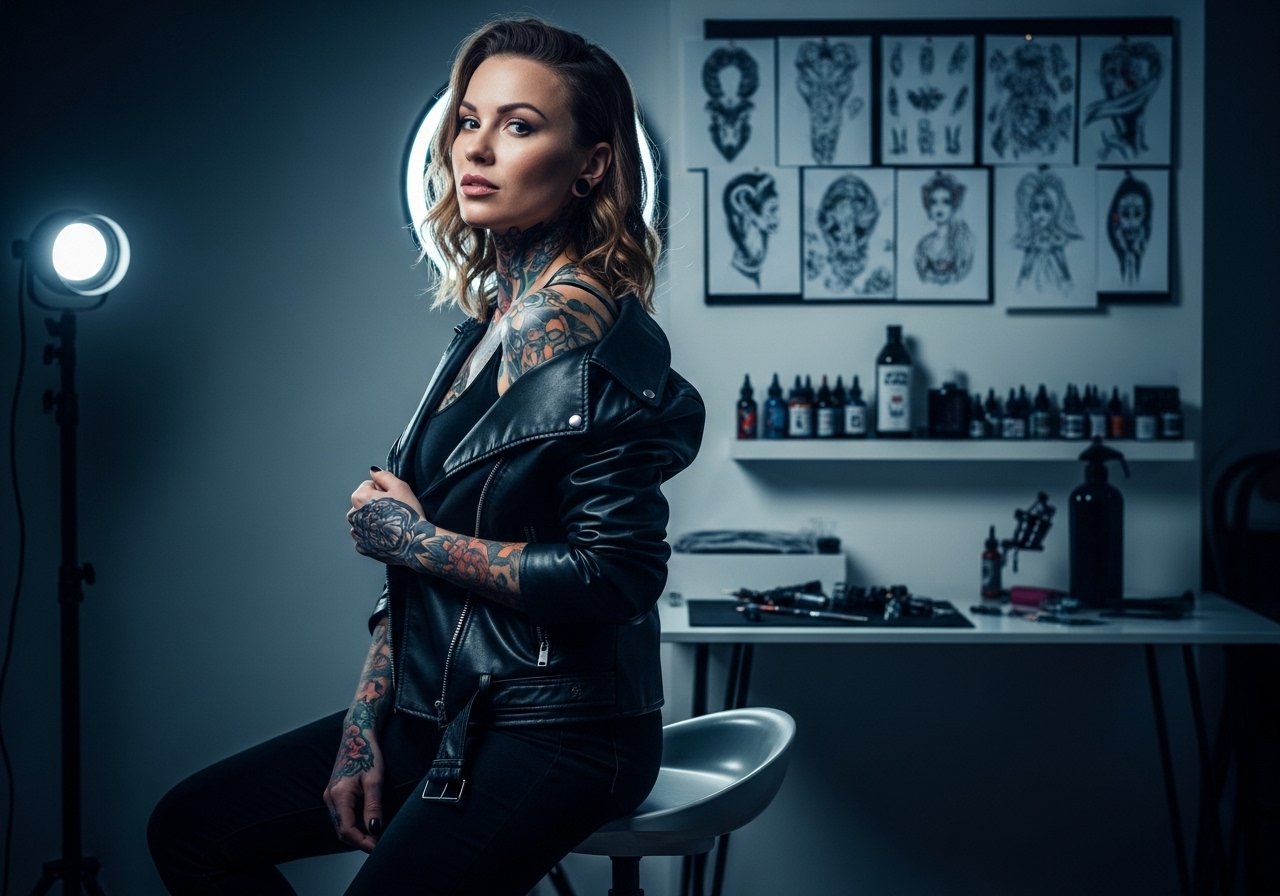
Fine line trends flood feeds, but the tattoos that still look deliberate after five years are often the ones planned with aging in mind. Think coverable placements for strict workplaces, bold linework for darker skin tones, and booking strategies that dodge surprise cancellations. Below are 27 abstract Harley Quinn takes that balance style, longevity, and real-session needs, starting with a neo-traditional twist for upper arms.
1. Caution Tape Jacket Patch on Upper Arm
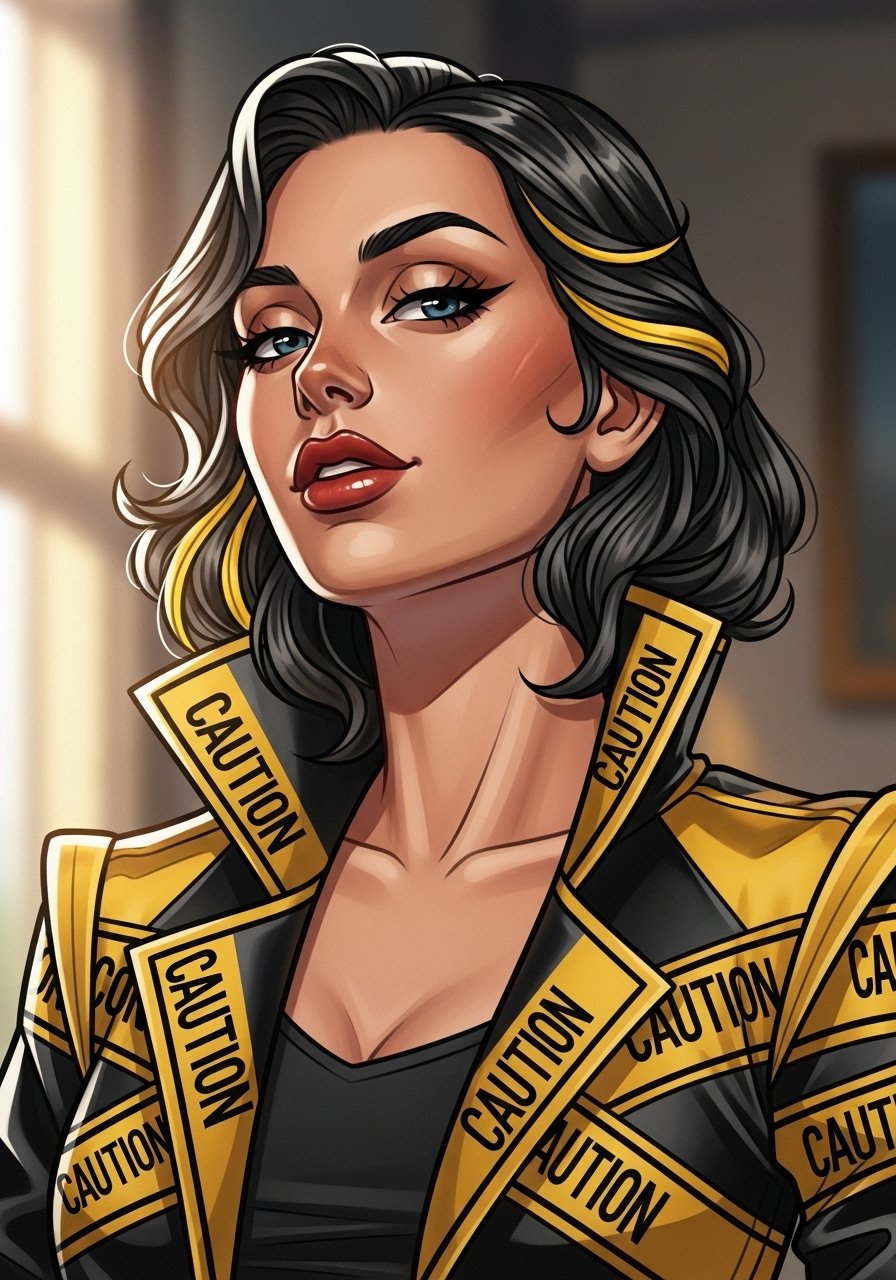
I've seen the caution tape jacket read best as a medium patch on the upper arm because the curve of the shoulder gives the rainbow accents room to breathe. Tell your artist you want solid outlines and slightly wider spacing in the tape motif so the colors do not merge as they age. Expect one to two sessions and moderate pain. A common mistake is packing tiny rainbow bands into a small area, which leads to muddied color by year three. For the session wear, roll up a sleeve and bring a rolled sleeve graphic tee so the artist has easy access without tugging on fabric.
2. Egg Sandwich Forearm Portrait
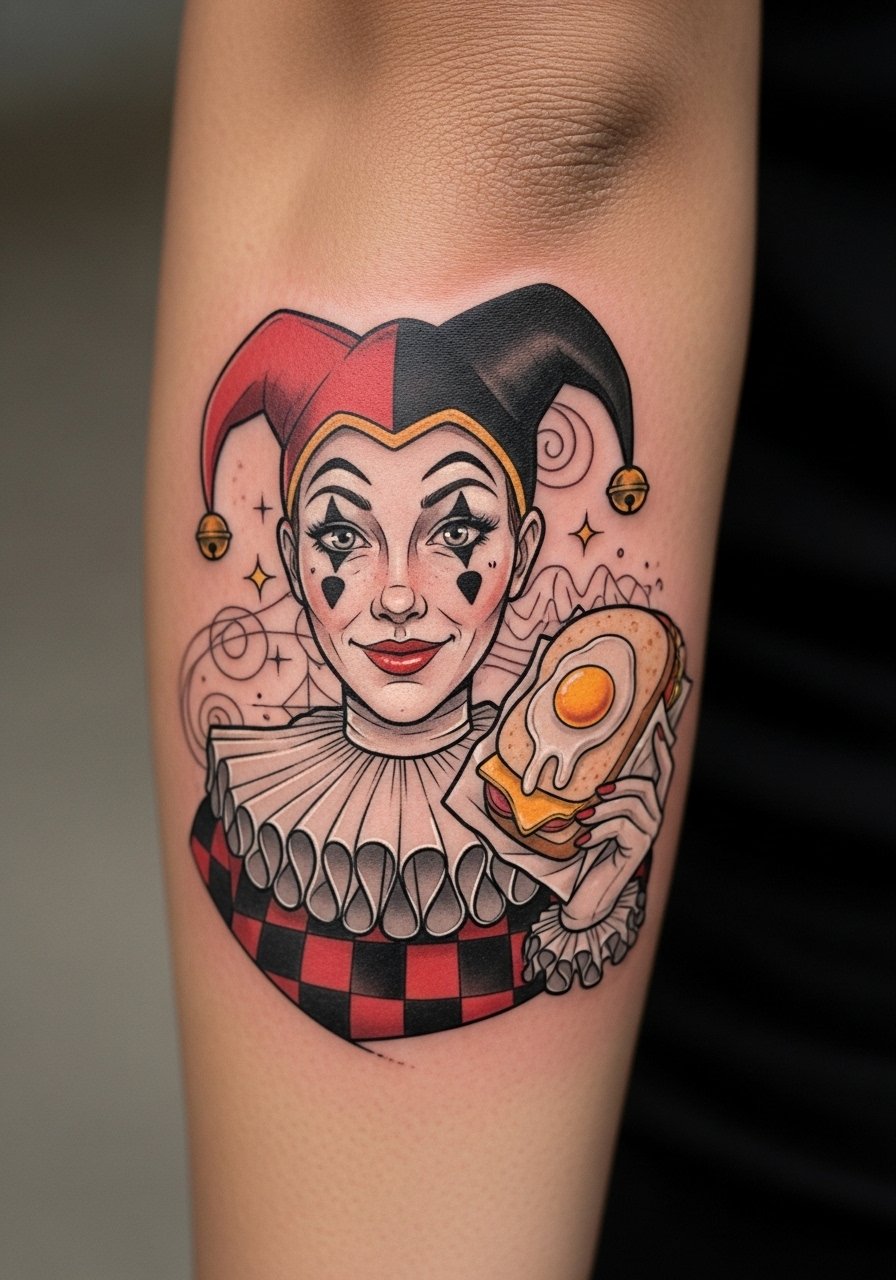
Most people pick this forearm piece because it reads playful at small scale and stays visible without being overwhelming. During consultation, bring clear reference shots that show the expression and diamond accents you want. The inner forearm tolerates color well but gets a lot of sun and friction, so plan for SPF on healed skin. A frequent error is asking for ultra-fine facial detail at micro scale. Ask for simplified features and stronger linework to avoid early blur. For the session wear, a loose short-sleeve top is ideal so the artist can work without fabric interference.
3. Suicide Squad Full-Figure on Thigh
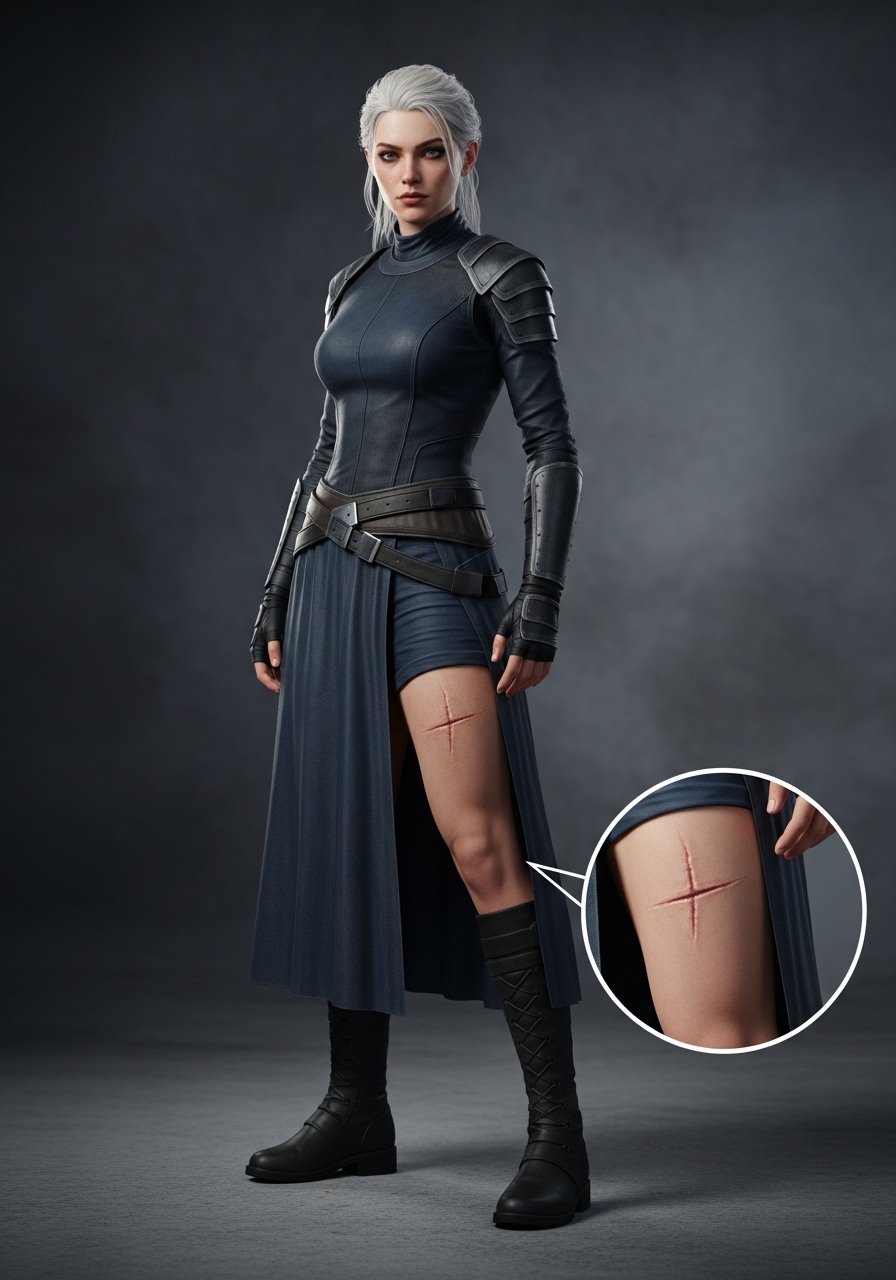
Thigh placements tolerate larger realism work and typically hold saturation well, which is why Margot Robbie-style portraits often go on the thigh. Be explicit in consults about whether you want full realism or a stylized realism so the artist knows how much saturation to pack. Pain is moderate and sessions usually run two sessions. Watch out for stretching if you expect significant body changes. For showing it off, high-waisted denim shorts or high waisted denim shorts highlight the outer thigh without competing with the portrait.
4. Watercolor Collarbone Splash Portrait

Ribcage and collarbone watercolor pieces read ethereal when fresh but need planning for longevity. For collarbone work, ask for heavier anchors in the linework under the watercolor so the portrait keeps its shape as colors soften. Pain is lower than ribs but the thin skin means you feel the needle. The controversy around watercolor longevity applies here. One camp says watercolor looks best when embraced for its short-lived vibrancy. The other camp insists on combining watercolor with defining linework for a balance of look and lifespan. Expect touch-ups in two to five years depending on sun exposure. Pair the healed piece with an off shoulder blouse to show it off.
5. Jester Diamond Wrist Icon
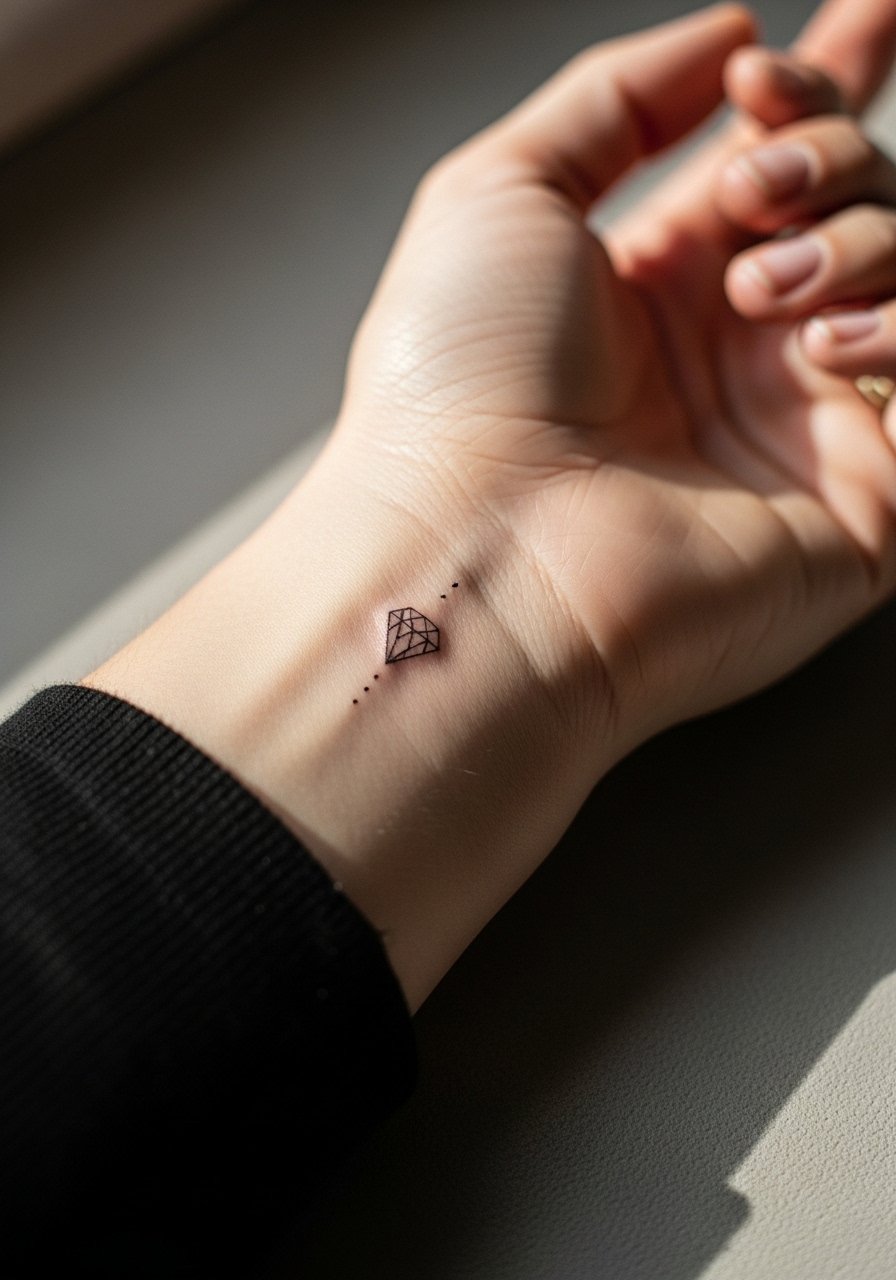
The wrist is prime real estate for a subtle diamond motif but it ages differently than larger areas. Tell your artist you want slightly bolder primary lines and leave negative space between diamonds to slow merging. Pain is low to moderate and sessions are quick. A typical mistake is asking for ultra-thin diamonds that blur by year two. For wearing the piece, balance it with a thin gold chain bracelet on the opposite wrist to avoid stacking on the tattooed side. Expect a touch-up around year two to keep crisp edges.
6. Mini Mallet Icon on Inner Forearm
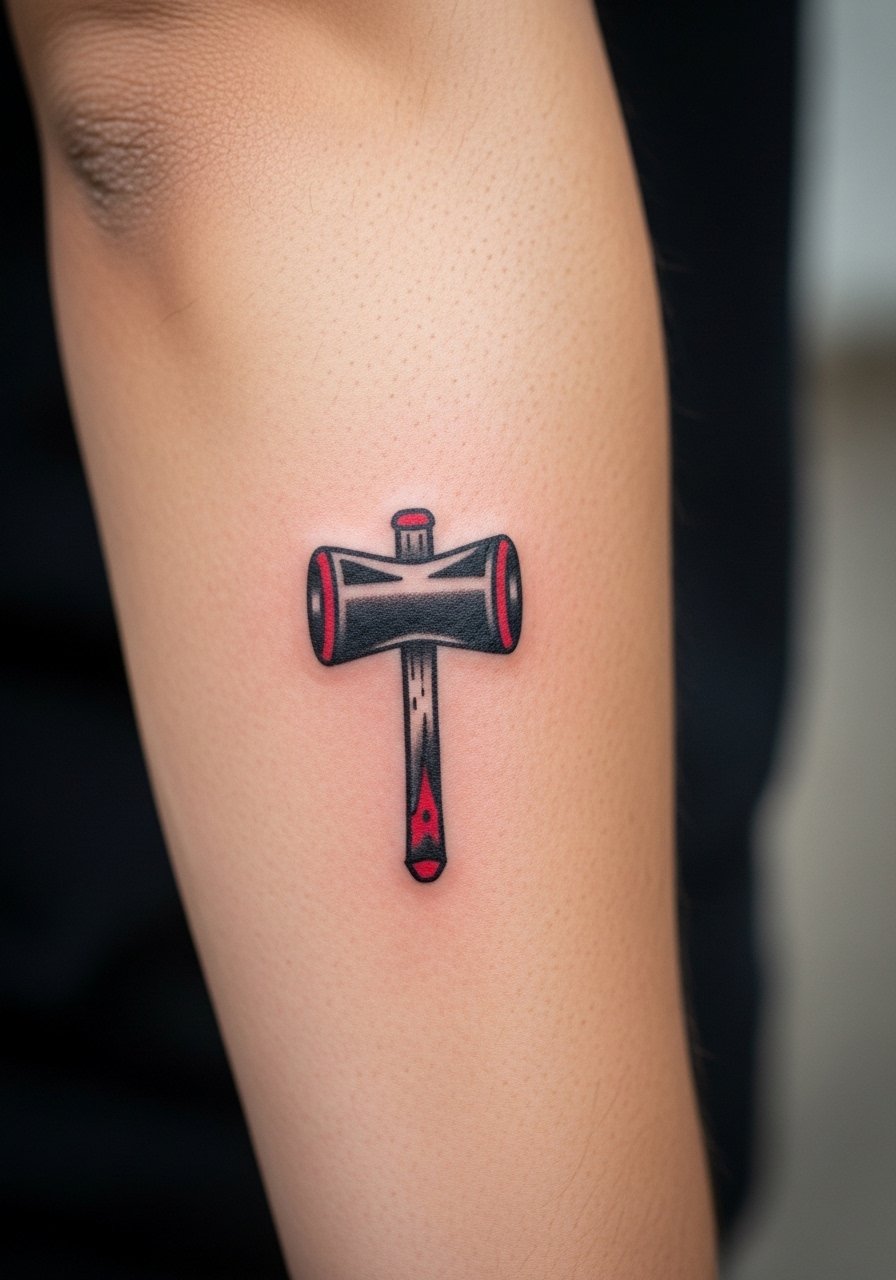
The inner forearm is forgiving for a compact mallet symbol and it makes a reliable first Harley piece for many. In consultation, specify black anchors with a single red accent so the mallet stays readable as the skin ages. Expect low to moderate pain and a single session for micro size. A common misstep is over-detailing the mallet handle in tiny scale, which reads muddy later. Wear a short sleeve muscle tank to your appointment so the artist has arm access without tugging.
Studio Day Picks
Those first six ideas include wrists, forearms, and collarbones, and each area has different prep needs for comfort and healing.
- Stencil transfer paper kit. Lets you preview line placement on skin, helpful for the diamond and portrait layouts above.
- Topical numbing cream. Applied before long thigh or rib sessions to reduce discomfort during multi-hour realism work.
- Thin protective film roll. Useful for the wrist and finger pieces that face constant washing and friction in week one.
- Fragrance-free body wash. Cleanses healing tattoos without irritating the fine line work on collars and forearms.
- Aquaphor healing ointment. Thin application in the first days helps protect delicate line channels on small diamond and mallet icons.
7. Hyena Companion on Calf
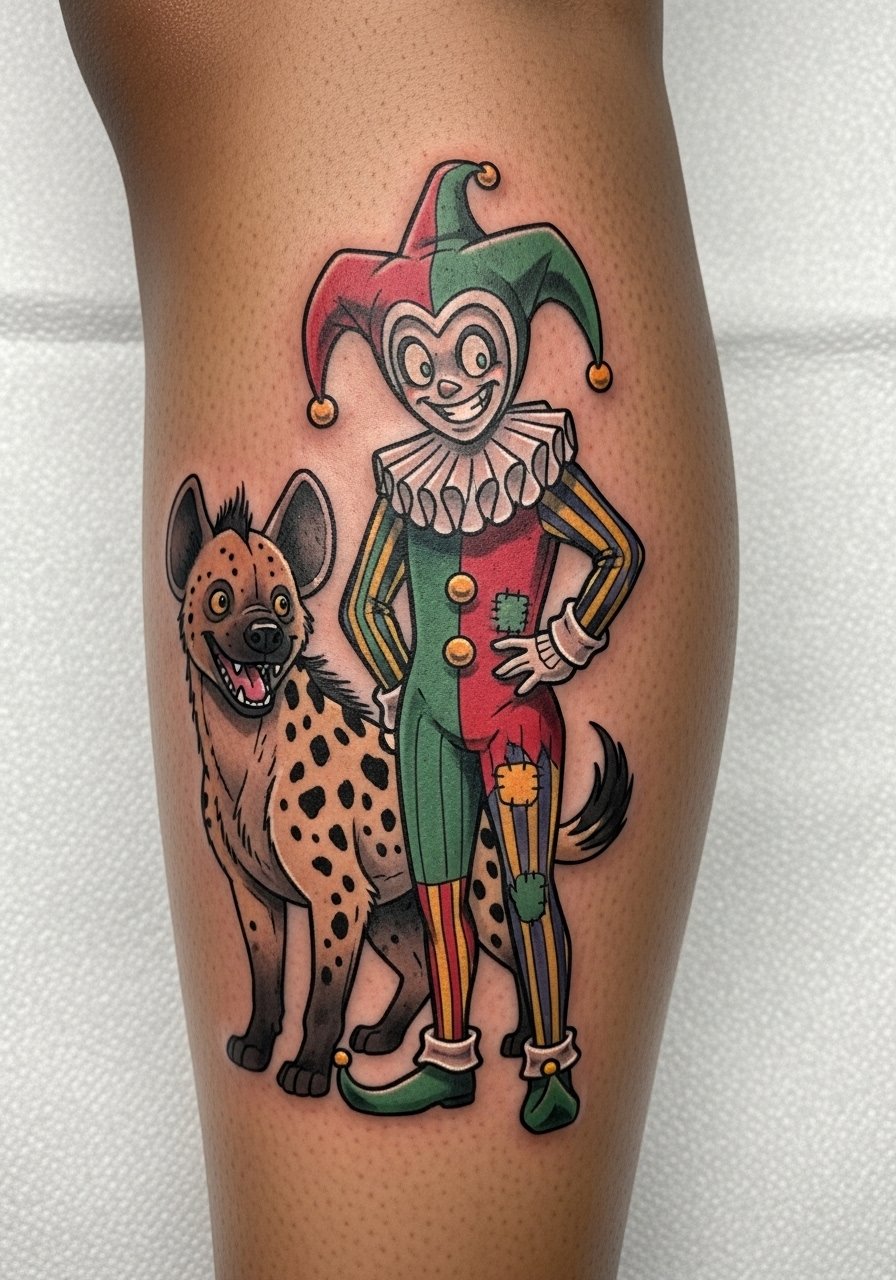
Calf pieces let you build personality into the design, which is perfect for adding a hyena sidekick. Tell your artist you want the hyena to read as part companion and part motif, with medium saturation and bold outlines. Pain is moderate depending on proximity to bone. A common mistake is cramming tiny facial detail into the hyena at small scale. For showing this off, cropped joggers or cropped jogger pants pair with combat boots to complete the vibe. Expect color touch-ups in two to four years if you run outdoors a lot.
8. Comic-Book Shoulder Blade Face
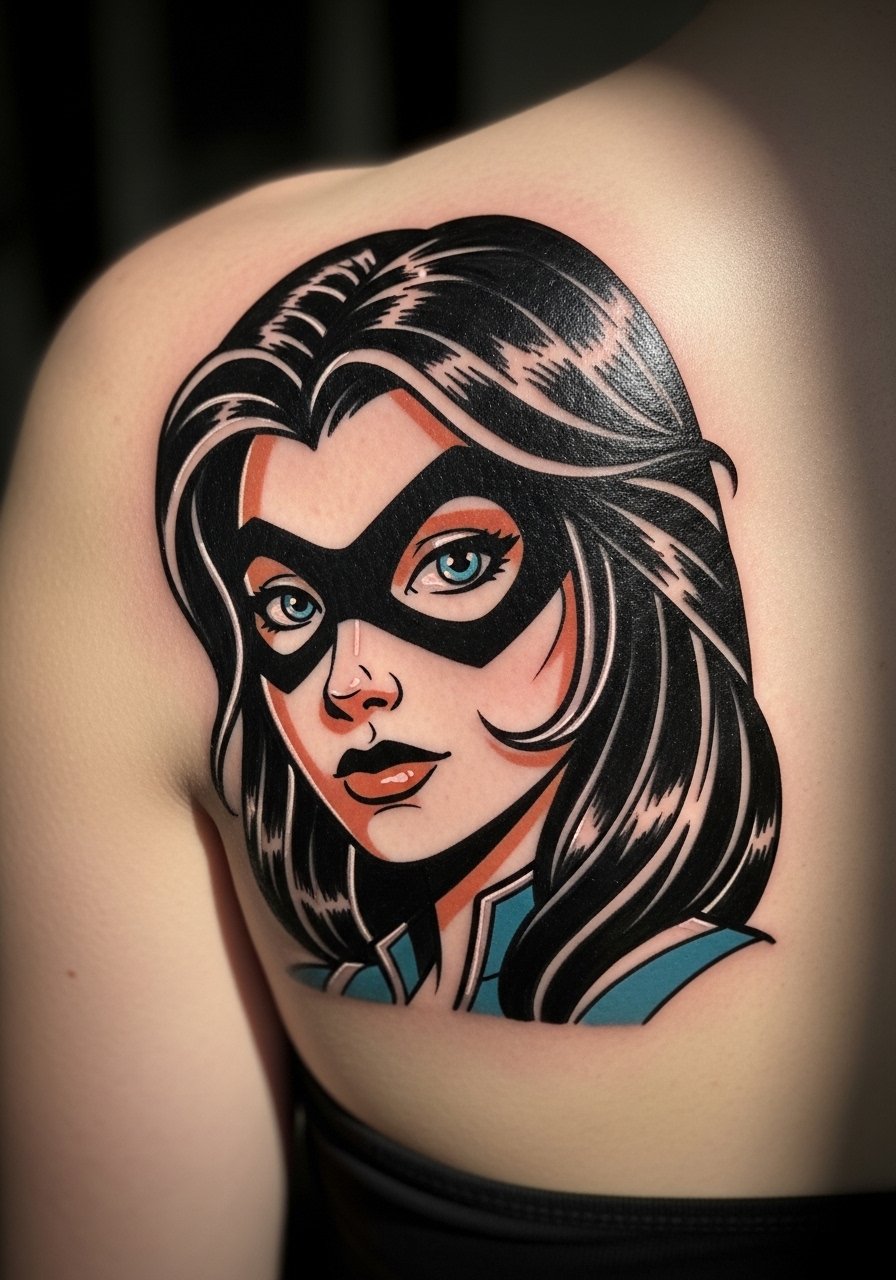
There is a certain punch to comic book stylings when placed on the shoulder blade because the area supports bold outlines. During consultation, show panels that demonstrate the line thickness you want. Shoulder blade work is low to moderate pain and a single session for small pieces. Artists disagree on fine line density here. One camp recommends thicker blackwork for longevity. The other camp keeps lines thin but spaced. If you plan a patchwork back later, specify how this piece should connect. For session wear, a loose button down shirt you can pull aside makes positioning easy.
9. Micro-Realism Upper Arm Portrait
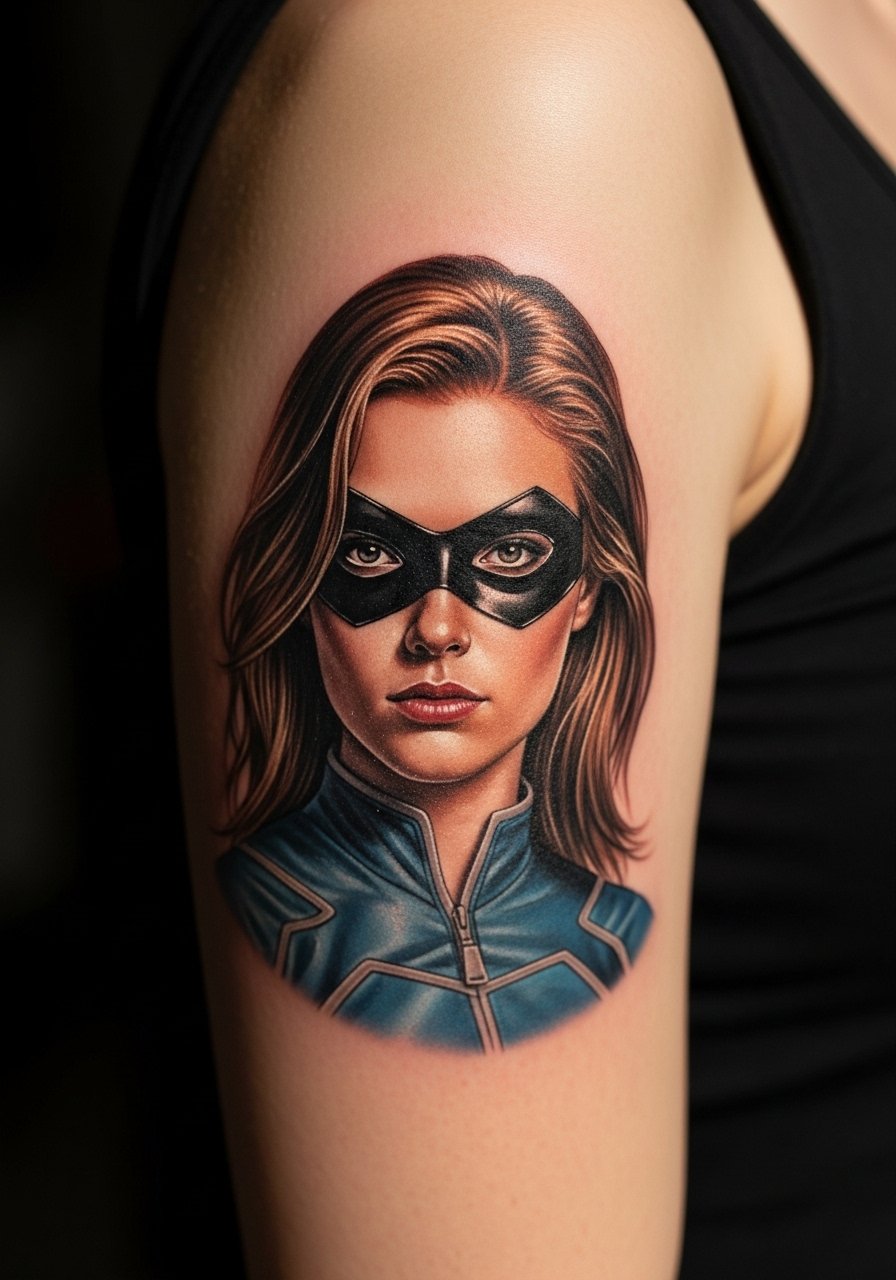
Upper arm realism works well because the rounded surface helps maintain facial proportions. Ask for an artist portfolio showing healed realism on similar skin tones. Pain is moderate and sessions usually run two. A frequent error is using reference photos with heavy filters, which misleads the artist about true tones. If you want a show-off look, pair the healed piece with high-waist shorts or a high waisted denim shorts that let the portrait breathe when seated. Plan for a touch-up within two seasons if you spend a lot of time in sun.
10. Rainbow Caution Tape Sleeve Element
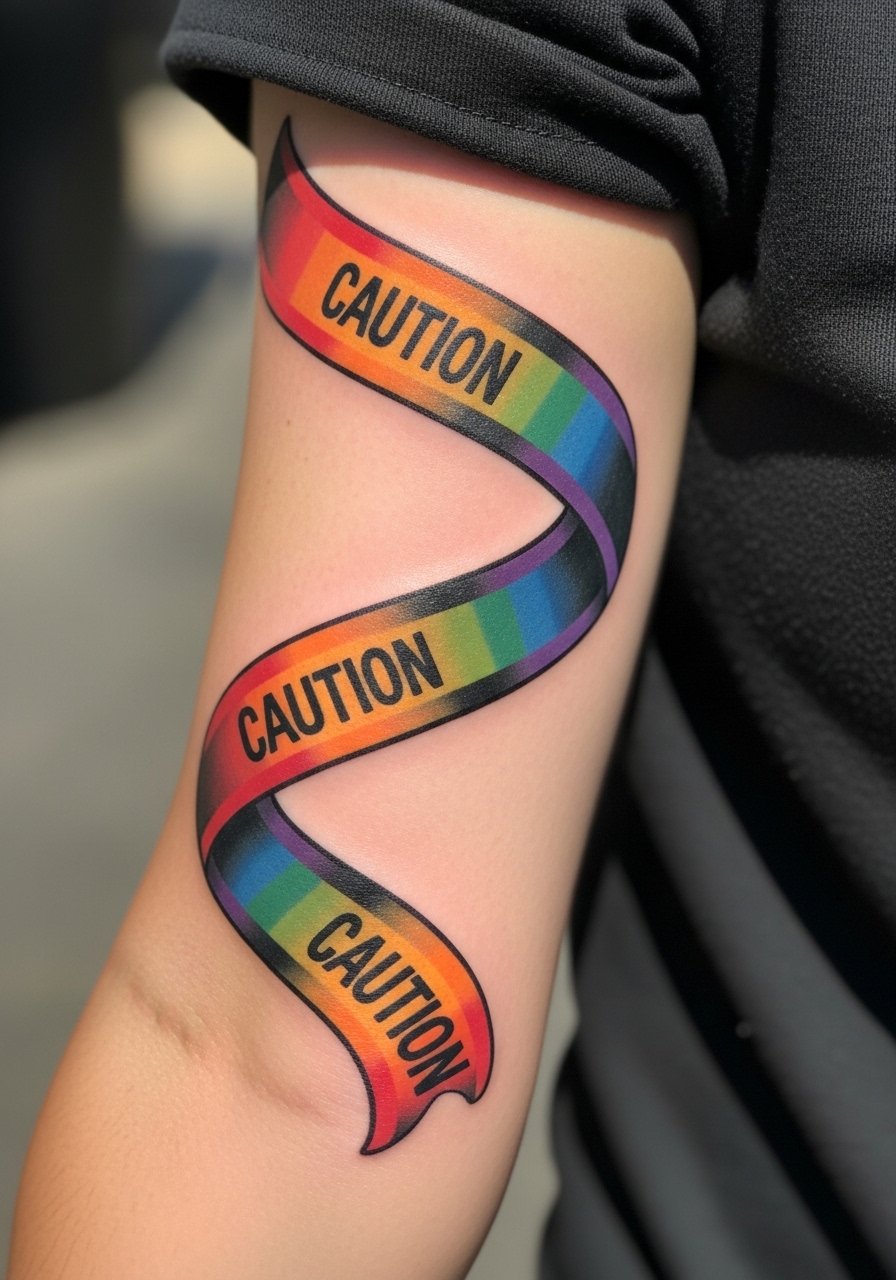
Sleeve elements that include rainbow caution tape work best as staged patchwork so each band has room to age separately. Say you want bold black outlines around each color band during consult to slow bleeding. Full sleeves need several sessions and higher pain tolerance. A common trap is scaling the rainbow too tightly in early sessions to "save space." For showing the sleeve in casual settings, rolled-up sleeves or a rolled sleeve graphic tee keep the pattern visible without heat exposure. Expect multiple touch-ups over years, especially at the edges.
11. Diamond Pattern Jester Hat Outline on Collarbone
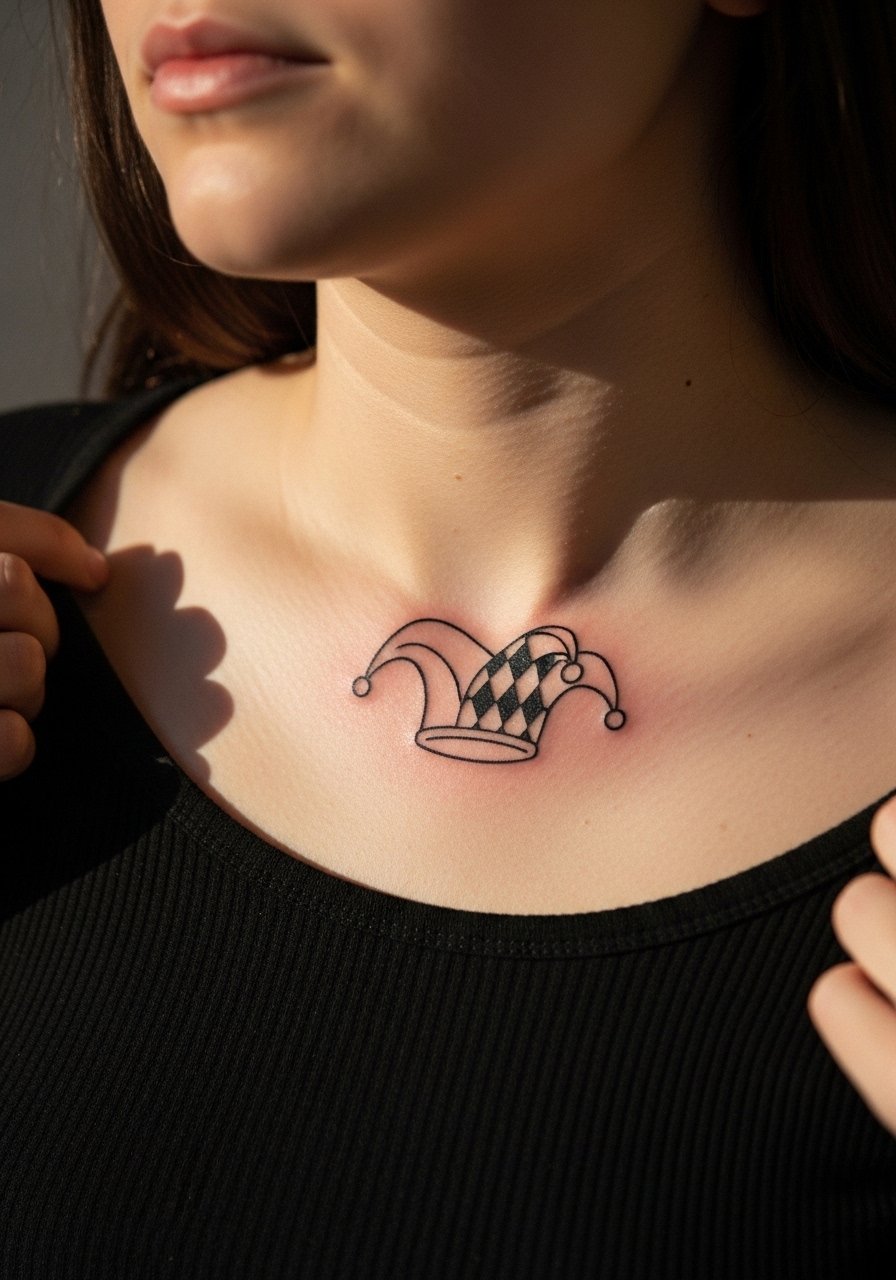
Collarbone outlines can read refined if you ask for slightly heavier linework to resist migration in that thin-skin zone. Mention during consultation you want negative space between diamonds and a steady needle depth. Pain is moderate because of proximity to bone. People often request very small diamond clusters that later blur into a grey patch. For evening looks, pair the healed collarbone piece with a v neck tank top and a choker sitting below the work.
12. Hammer and Hyena Back Duo
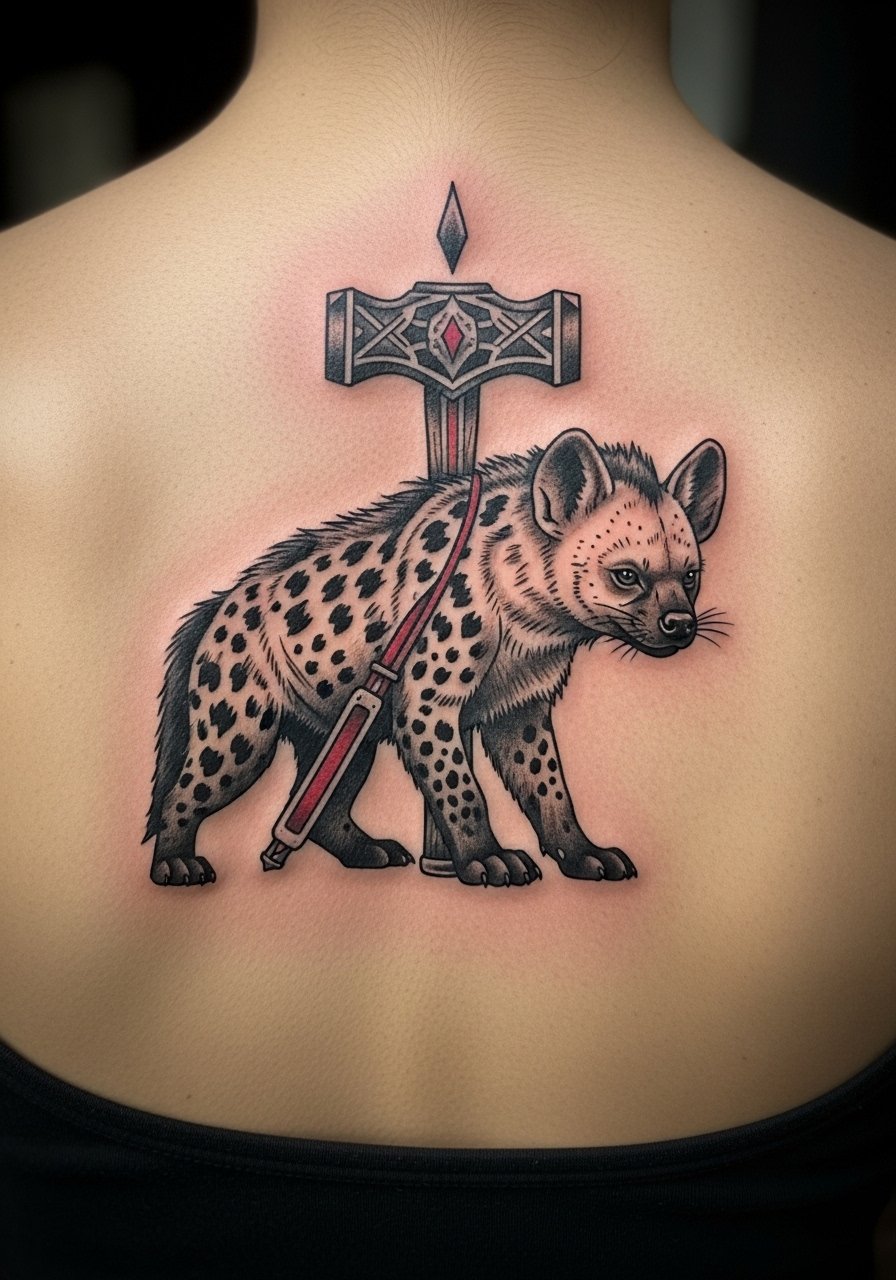
Upper back placements allow larger duo compositions that read from a distance. In consults say whether you prefer blackwork contrast or color-filled accents to harmonize the two elements. Sessions usually split into two sittings and pain is low to moderate. A common mistake is uneven spacing between the two motifs that makes the piece feel disjointed when healed. For show-off outfits, backless crop tops or halters in bold colors frame the composition without crowding it. Plan a touch-up after the first summer to re-saturate blackwork if needed.
13. Playful Watercolor Inner Thigh Portrait
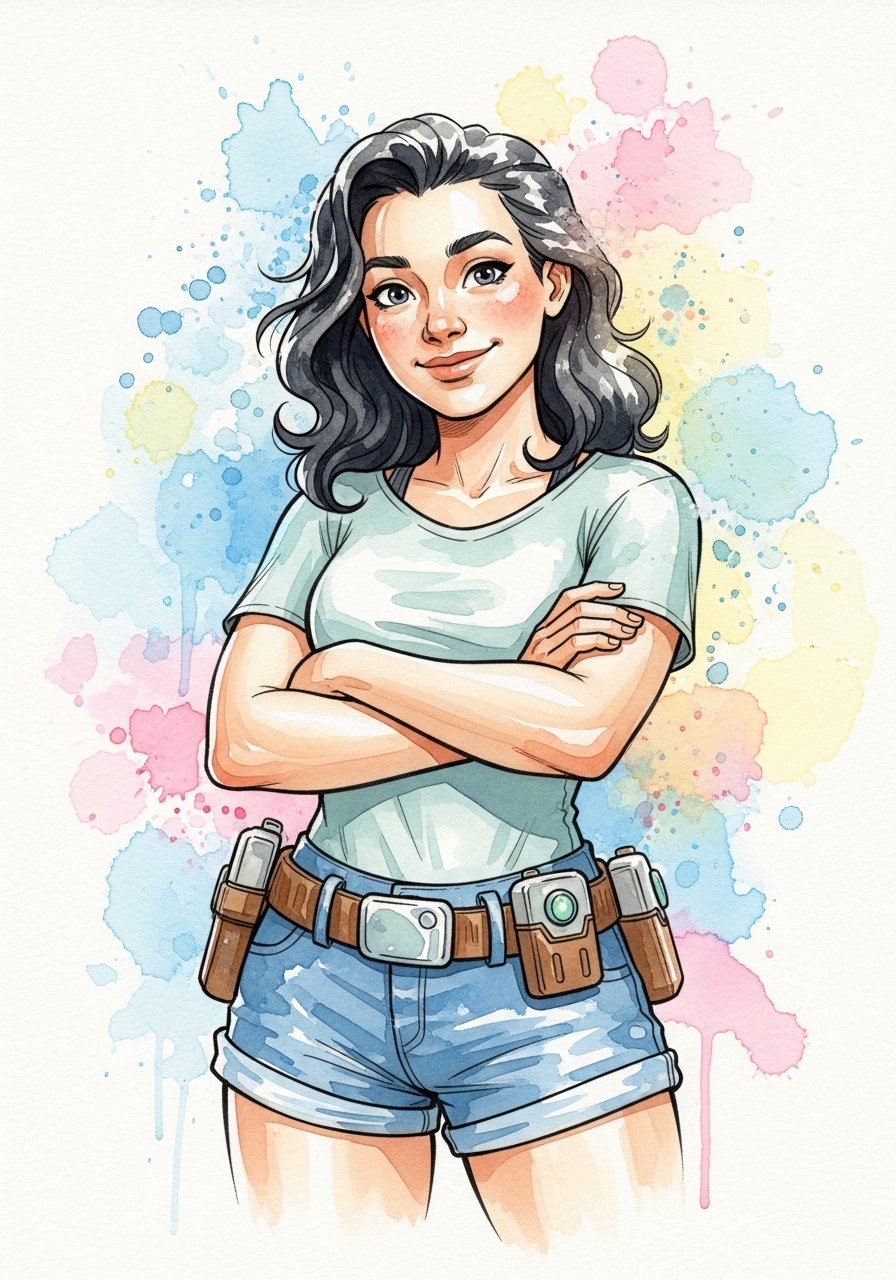
Inner thigh watercolor reads intimate and feminine but the area is sensitive to friction during healing. Be honest with your artist about how close clothing will rub the piece in daily life. Pain ranges from moderate to high. A frequent issue is asking for extensive pastel coverage without anchoring lines, which fades into a bruise-like wash. For session wear, choose shorts you can shift easily and avoid tight seams. Allow two to three weeks before resuming heavy exercise to avoid color migration.
14. Minimal Wrist Mallet with Quote Twist
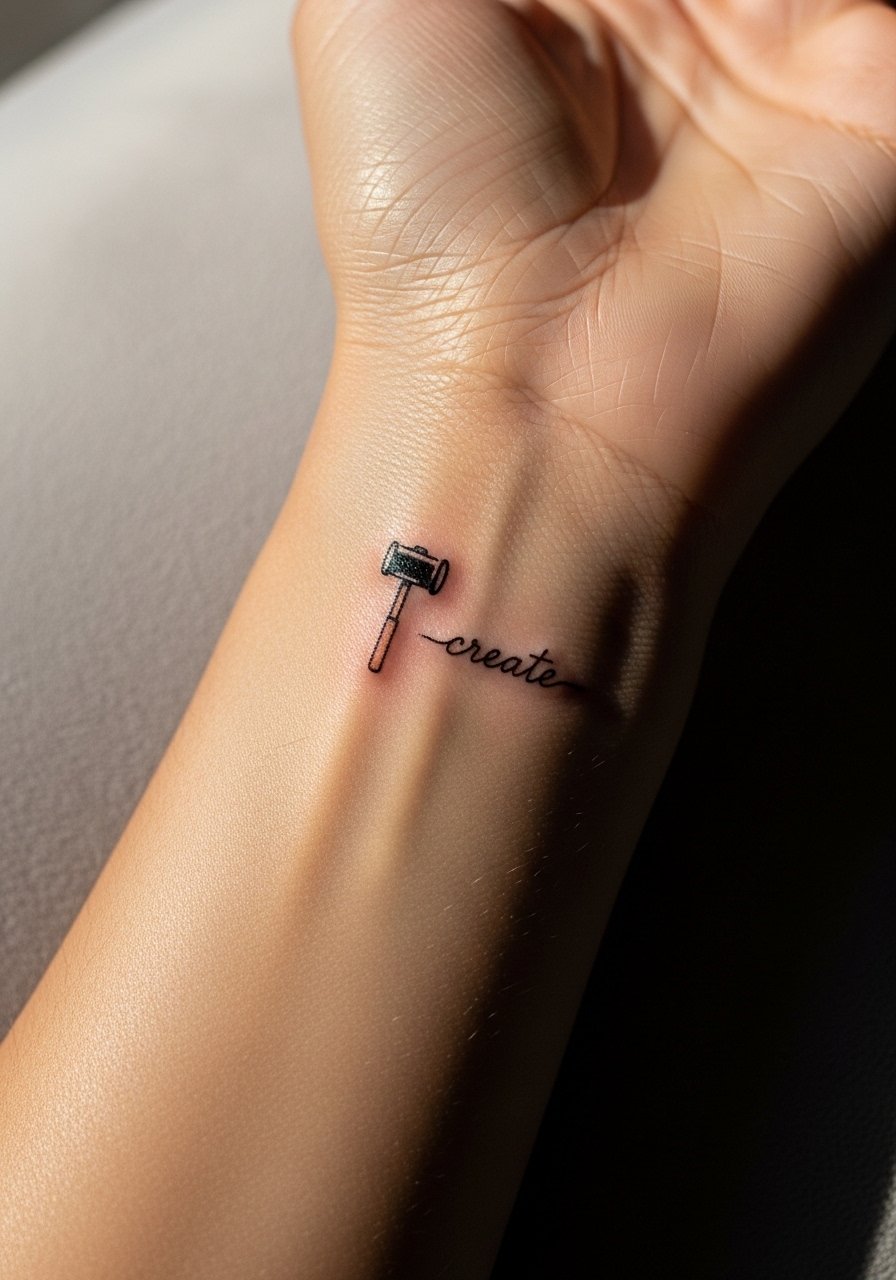
A wrist mallet with a tiny quote is a strong minimal statement when executed with clear spacing. Request simple block script and a bold mallet silhouette so the text and icon do not compete. Pain is low but the wrist faces constant washing, which can soften ink early. Many people choose overly small lettering that blurs; pick slightly larger, readable type. For styling, a thin chain pendant or a simple bracelet on the opposite wrist keeps attention balanced. Wear a thin chain pendant necklace that sits above the script.
15. Patchwork Diamond Sleeve Connector
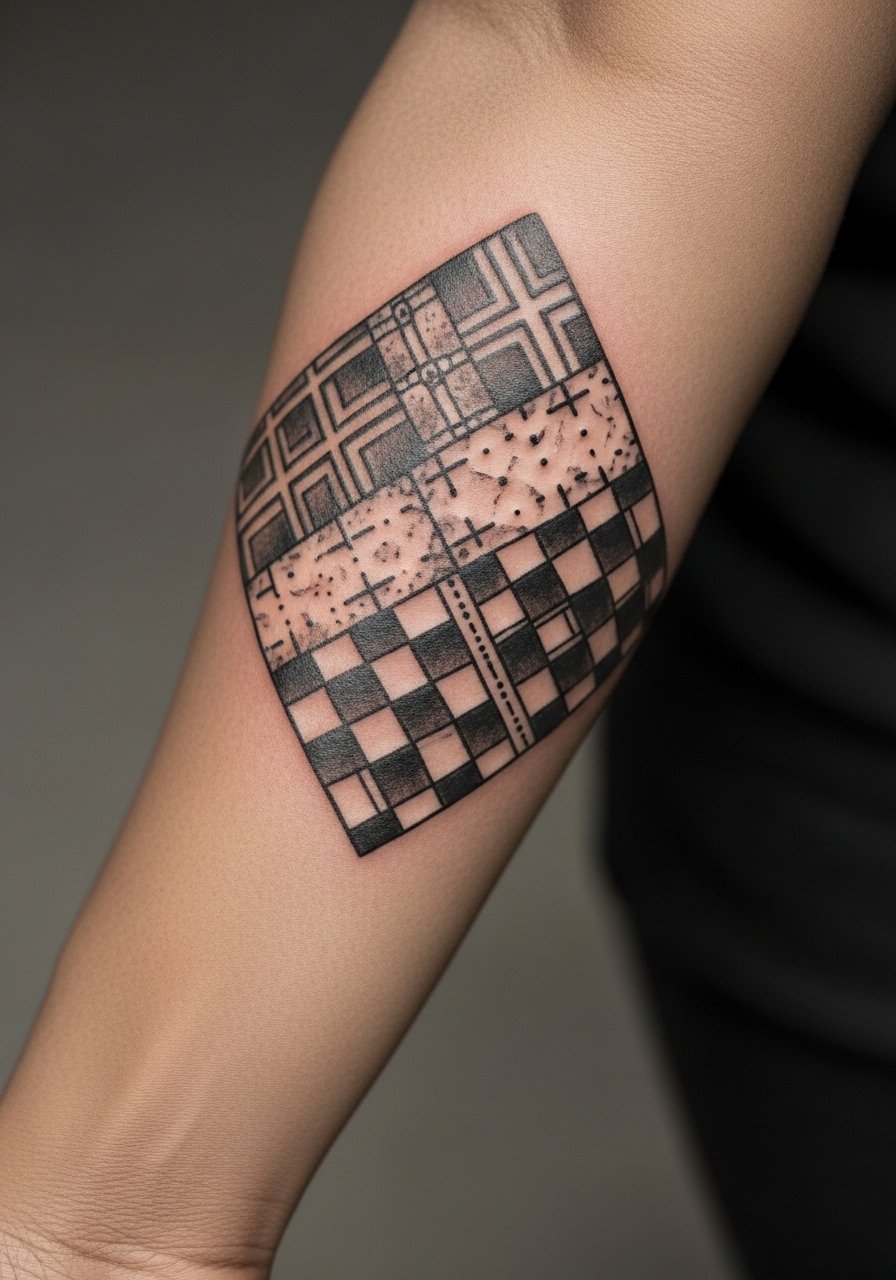
This connector piece works for people building sleeves in stages and avoids the "too dense" problem. During consults explain how existing pieces should link with new geometry so negative space reads intentional. Forearms see a lot of movement and sun. The wrong move is forcing tiny diamonds between larger elements. For session comfort, bring a loose short-sleeve shirt and consider a temporary guest spot if budget is a concern. Expect a touch-up in two to three years to keep edges crisp.
16. Comic Panel Back Piece Fragment
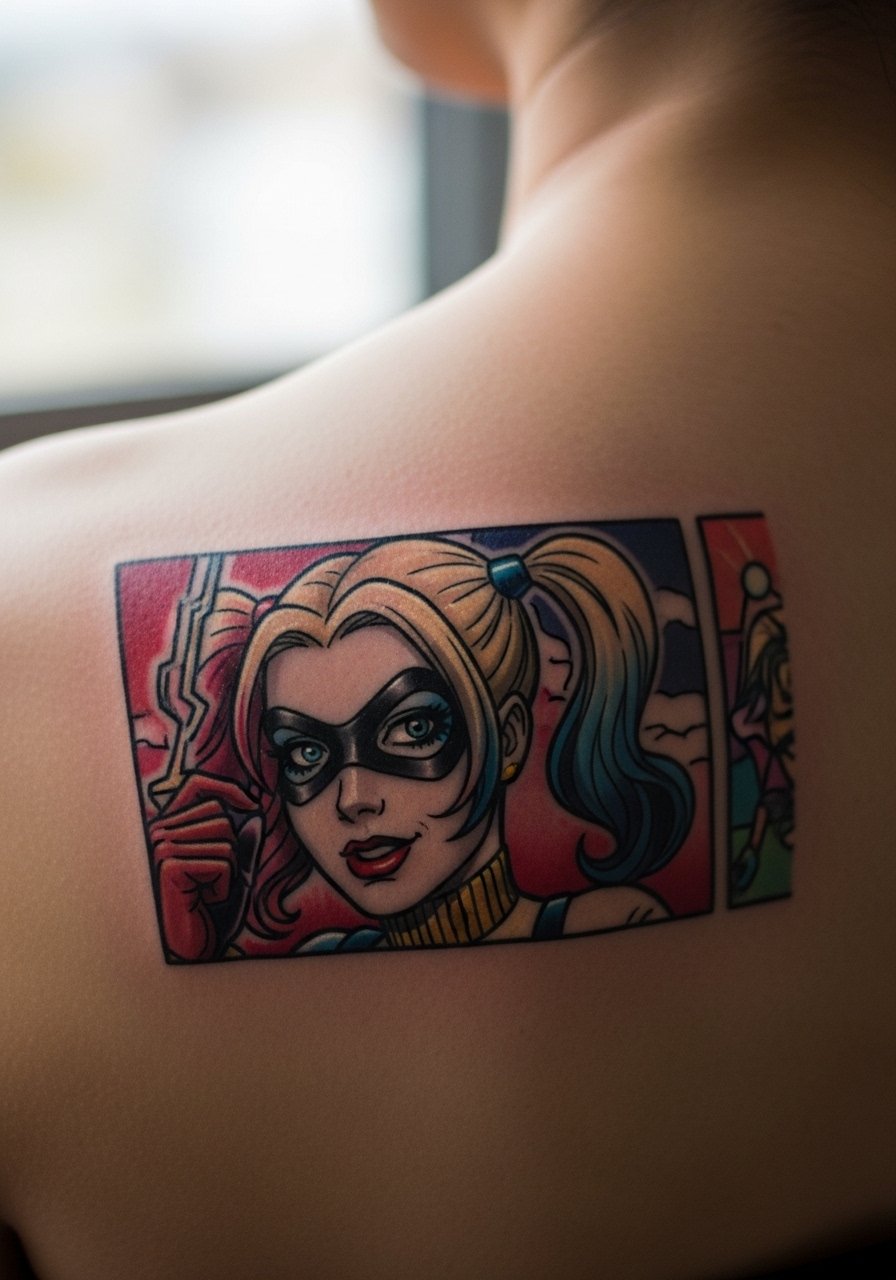
Fragmented comic panels are great for a back piece that grows over time. Tell the artist which era or panel style you want so tone and line weight match future additions. Back pain is low but sessions can be long when building panels. A mistake is mixing incompatible line weights across guest artists. Use discovery pathways such as hashtag searches and guest spot calendars to find artists who do sequential patchwork. For clothing on show days, try a backless crop top to reveal larger panels.
17. Stylized Diamond Collar Gap Accent
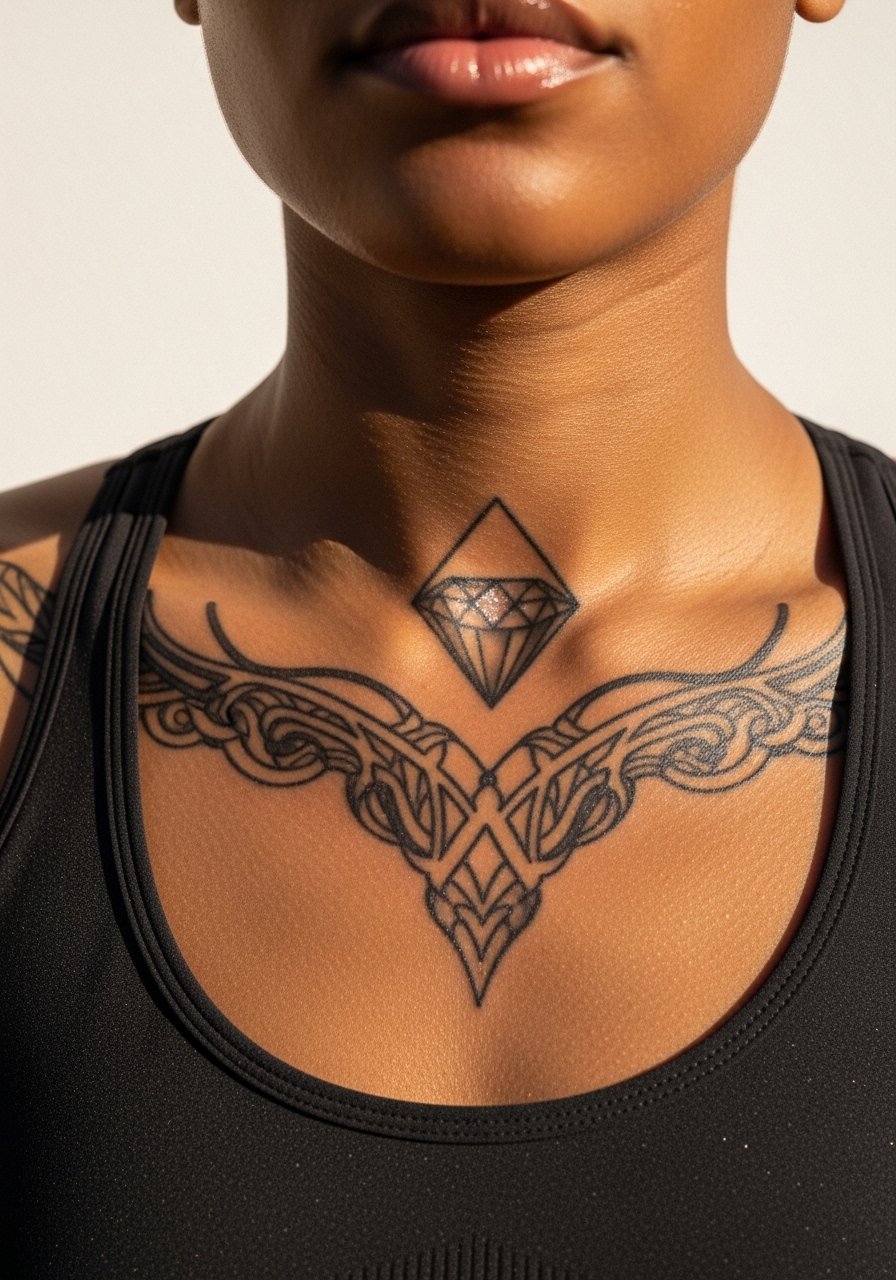
Small collar gap accents can be surprisingly discrete while still identifying a Harley influence. In consults, ask for slightly bolder outer lines and less interior stippling. Collar gap sits on thin skin and is sensitive. The most common error is packing too many internal dots that merge. For session day comfort, wear a fitted sports bra so the artist can access the area without full exposure. Keep sunscreen habits in mind for longevity.
18. Blackwork Hammer on Ribcage
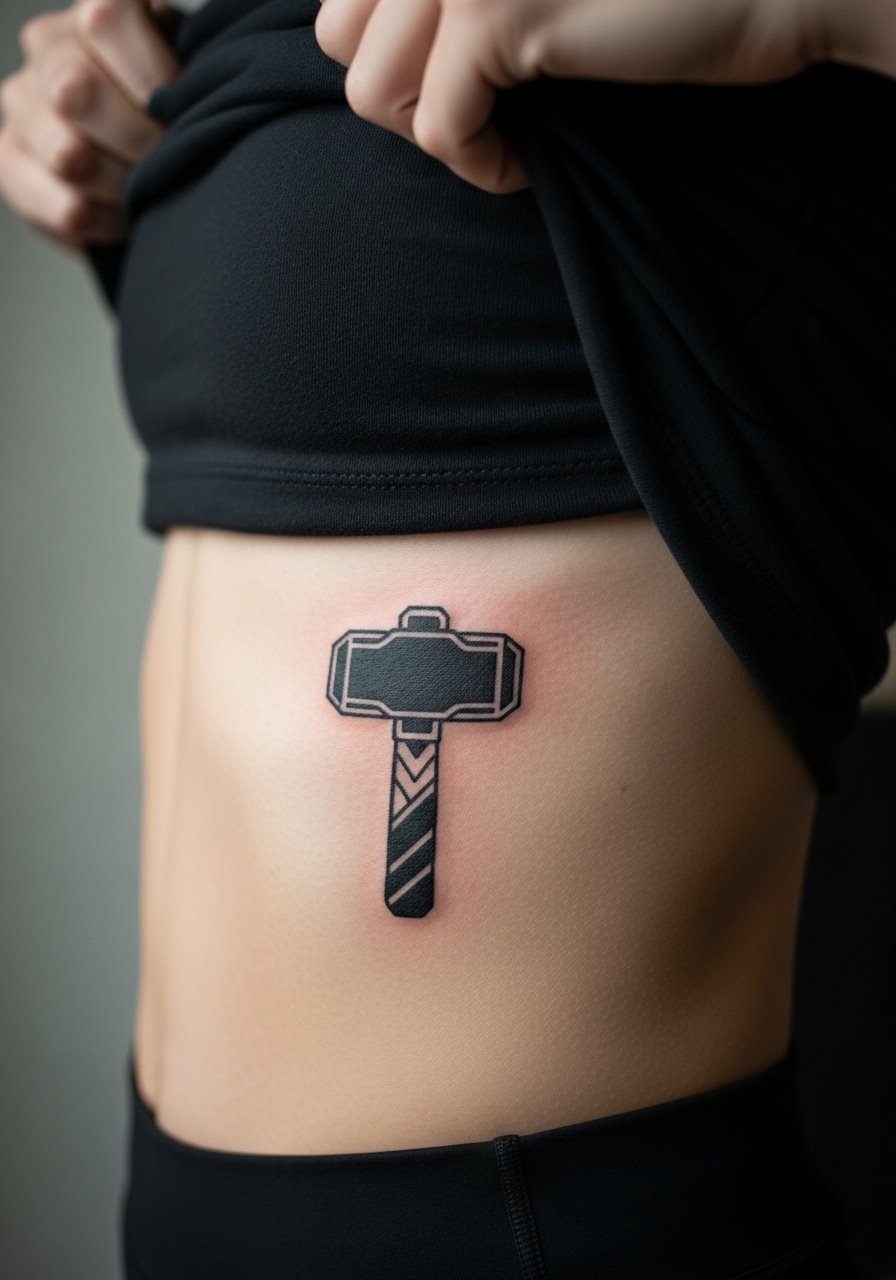
Ribcage takes dense blackwork well but the surface moves a lot as you breathe. Discuss needle depth and packing density with your artist so the hammer reads solid without causing blowout. Pain is high and sessions are short but intense. A common complaint is underestimating rib pain during booking. Because ribs are sensitive, plan for a numbing strategy if you need it. For session wear, a sports bra you can shift makes access straightforward. Expect the black to soften in two to four years and budget for a touch-up if you want the fill restored.
19. Fine Line Jester Hat on Neck Side
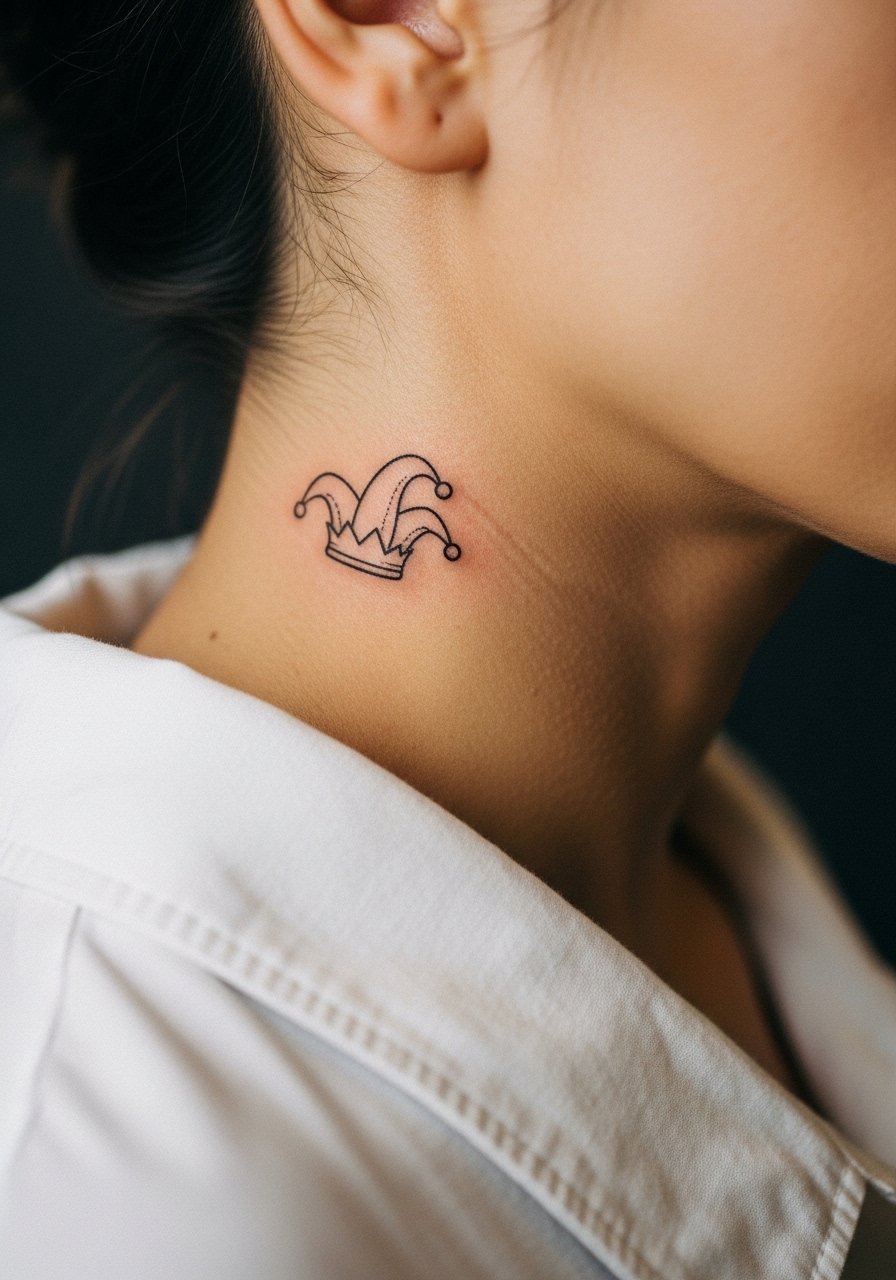
Neck placements are visible and require careful sizing so the hat does not blur. One camp of artists avoids fine line on necks because of movement and lifestyle exposure. Another camp will do it with slightly heavier anchors and spacing. Ask your artist where they stand. Pain is moderate to high. Mistakes include choosing hairline thin lines that disappear. For appearance, a wide-neck top frames the area without exposing more than intended. Keep in mind some workplaces still react to neck tattoos when planning placement.
20. Stylized Hyena Calf Patch with Texture
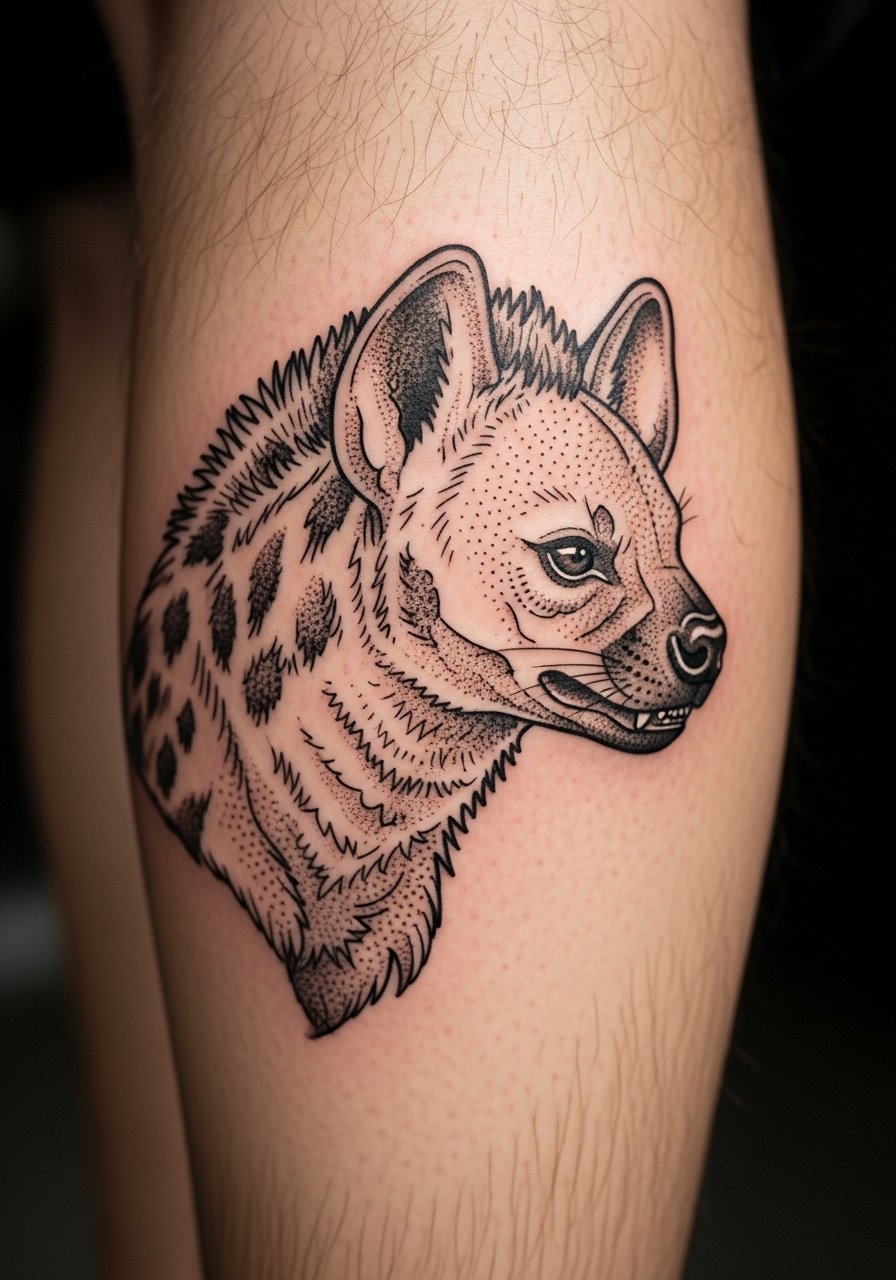
Stipple shading gives hyena fur texture while avoiding heavy color that can shift on darker tones. Specify stipple density in consults so the artist balances texture with leg movement. Calf sessions are moderate in pain. A misstep is using solid blocks of gray where stipple would read more natural. To show this off, roll jeans or wear cropped joggers with rolled cuff jeans so the patch is visible with boots or sneakers.
21. Minimalist Diamond Ring on Finger
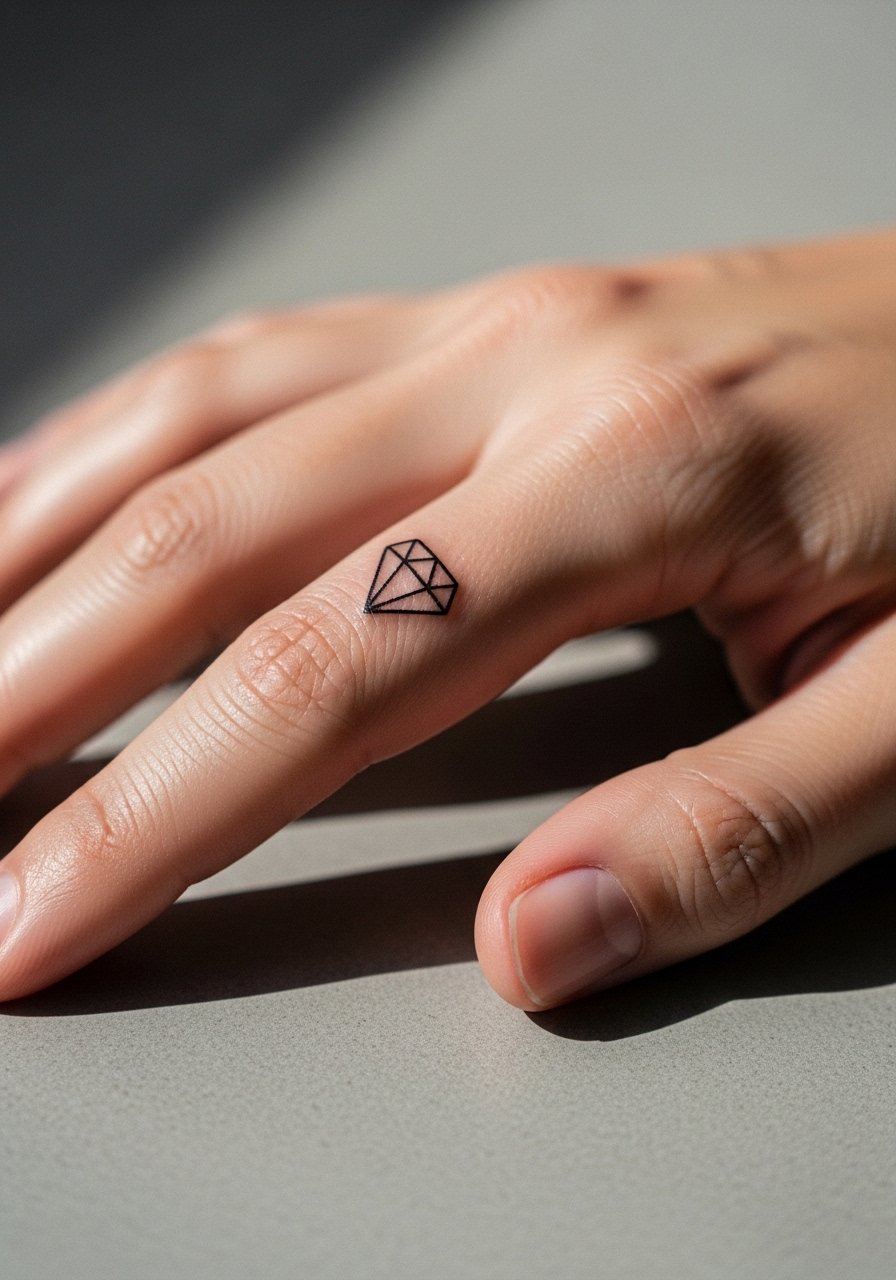
Finger tattoos are high friction and often need touch-ups. Ask for slightly bolder outlines and realistic expectations about fading. Pain is sharp and quick. The frequent error is choosing micro detail that disappears within a year. For session prep, remove rings and wear comfortable sleeves so the artist can position the hand. Consider the career implications of finger work if your role is conservative.
22. Watercolor Playful Expression on Inner Bicep

Inner bicep watercolor pops when anchored by subtle linework. Artists split on whether this area stretches too much. One group warns that skin texture and movement blur delicate washes. The other group practices deeper anchors and reports good stability. Mention your activity level during consult so the artist can plan spacing. Pain varies by person. For session comfort, a breathable tank top keeps the area accessible. Expect color refreshes in two to three years.
23. Comic Speech Bubble Ankle Accent

Ankle accents are playful and easy to hide with socks or shoes. Specify bold outline and negative space for the tiny word so it reads later. Pain is low but the ankle area can sting near bone. A typical mistake is very thin lettering that dissolves into a smudge. For showing off, pair with sandals or rolled jeans. Wear jeans you can roll up during the session so the artist has unhindered access.
24. Blackwork Hammer on Thigh Patch

Thigh blackwork reads strong and ages predictably because the area sees less constant friction. During consult, ask for solid fill swatches so you can preview saturation. Pain is moderate but manageable. The mistake to avoid is tiny black fills that are then expected to behave like thin lines. For session wear, high-waisted bottoms that you can shift make artist access easier. Expect that dense black will need less frequent touch-ups.
25. Collarbone Diamond Chain Detail
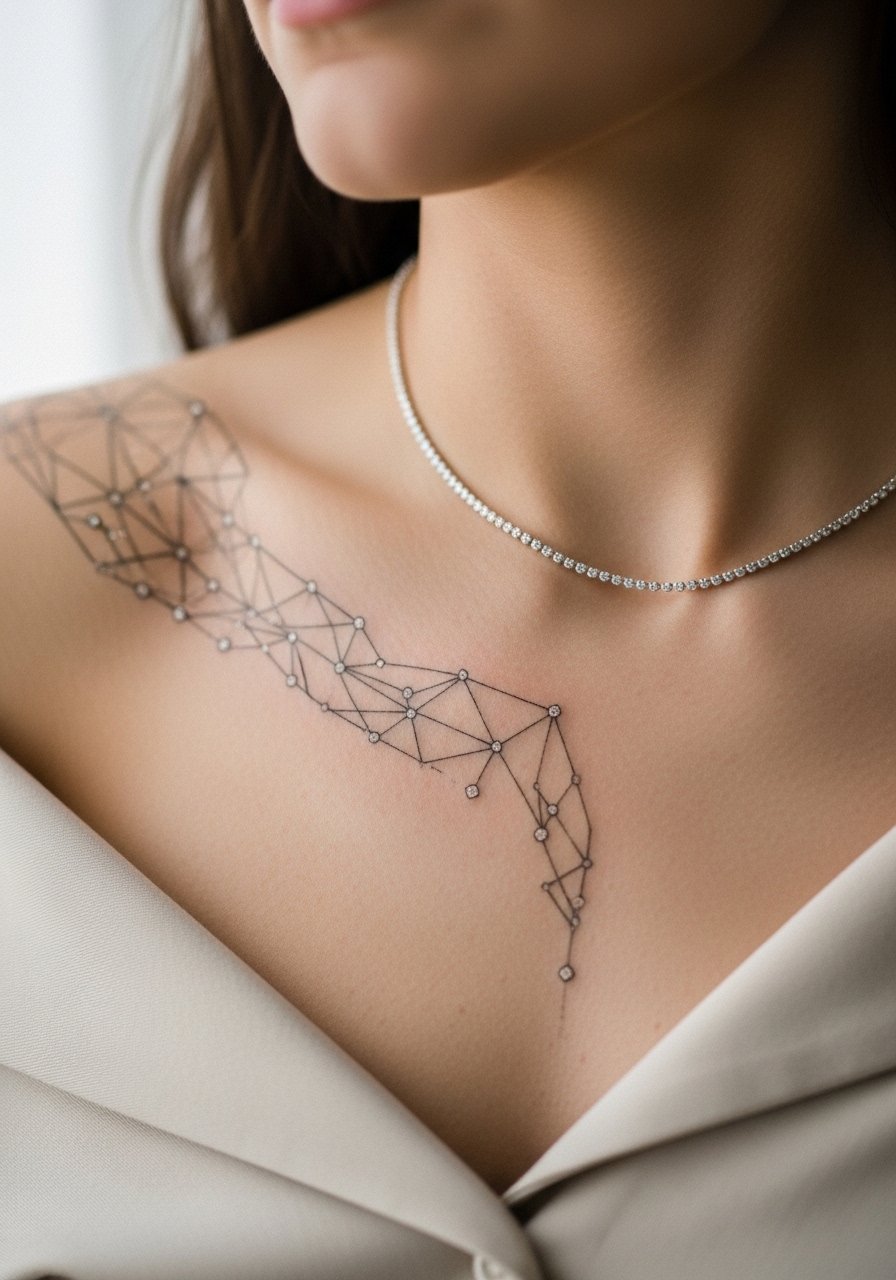
A diamond chain across the collarbone can look deliberate when scaled to anatomy. Tell your artist the exact spacing you want so the pattern flows with the collarbone dip. Pain is moderate. Common errors are uneven spacing and tiny diamonds that lose shape. For outings, a black velvet choker sits below the chain and frames it without crowding. Keep touch-ups in mind if you spend time in salt water or sun.
26. Patchwork Sleeve Hyena and Hammer Combo
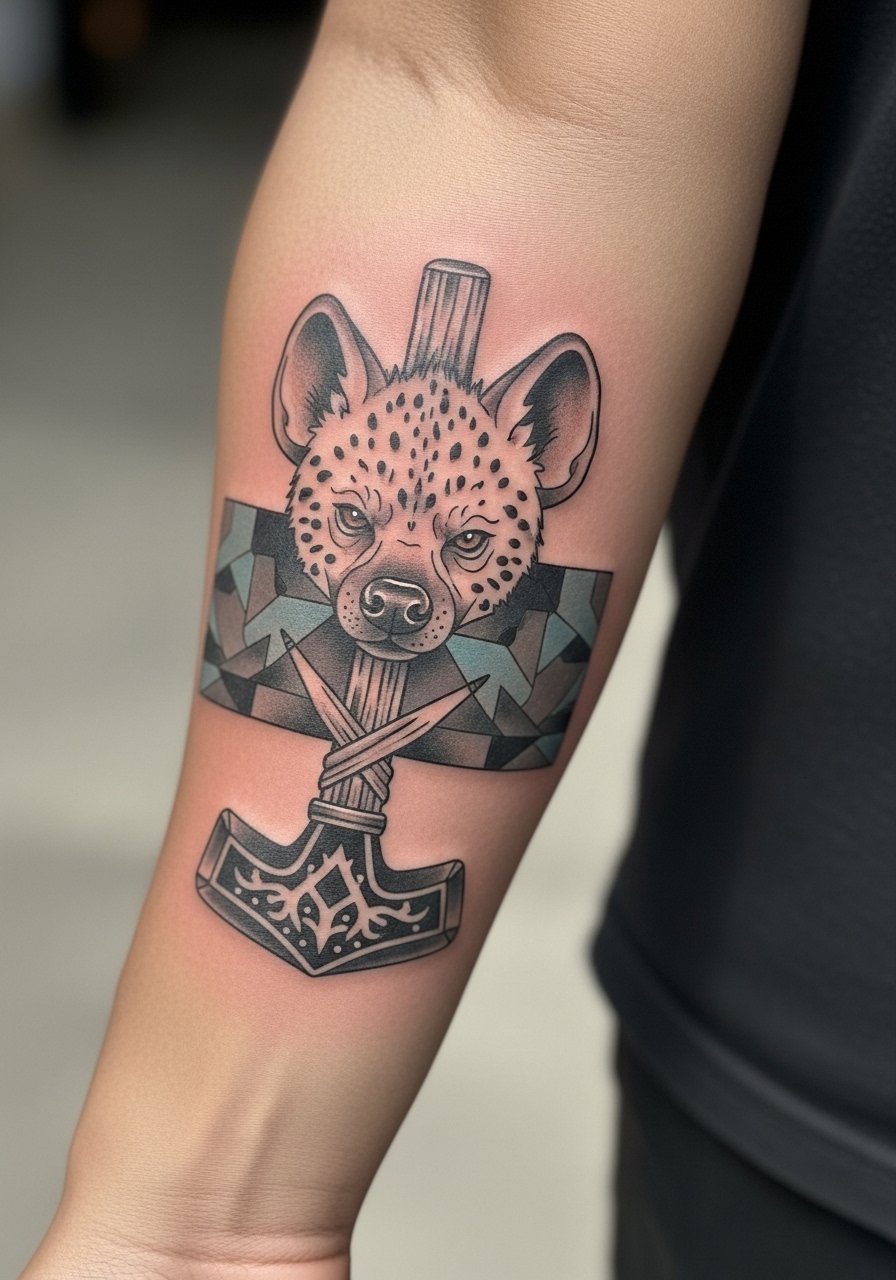
Patchwork sleeves benefit from planning piece transitions so icons do not compete. In the consult, map how the hyena and hammer will interlock with existing flash or future panels. Forearm sleeves are visible and need UV care. The common mistake is starting with mismatched styles from multiple guests that later clash. For show-off days, rolled sleeves and a leather cuff on the opposite arm complete the look. Plan touch-ups across the first two years as you build saturation.
27. Playful Expression Portrait by the Sternum
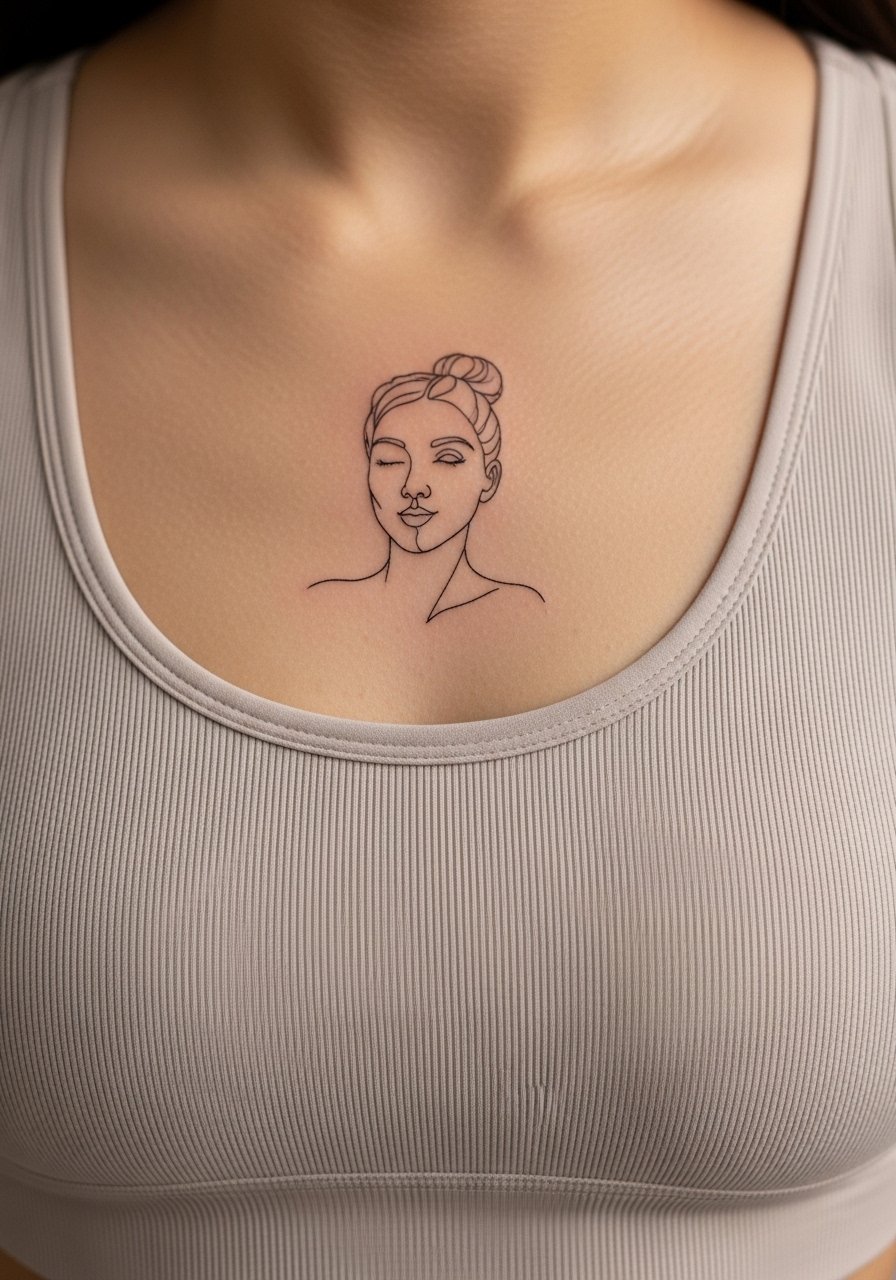
Sternum placements are intimate and demand a specialized hand because the skin there is thin and moves with breathing. Consult about spacing and line depth so the portrait keeps its shape. Pain is high and sessions are usually short but intense. People often underestimate healing friction from bras and tight clothing. For session wear, bring a strapless or fitted sports bra that you can shift without full exposure. Consider scheduling in cooler months to reduce sweat during healing.
Frequently Asked Questions
Q: Will a watercolor collarbone Harley fade faster than a blackwork mallet on the forearm?
A: Yes, watercolor-style pigments generally soften faster than dense blackwork. The collarbone sees more sun and thinner skin, which accelerates fading. Combining watercolor with defining line anchors slows the visual loss, and forearm blackwork usually needs fewer refreshes.
Q: Is fine line diamond work on the wrist worth it for darker skin tones?
A: It can be worth it if you request slightly heavier anchors and spacing so the diamonds do not fill in. I've seen fine line on darker tones hold up when artists use bolder outlines and test on similar skin. Ask to see healed examples before booking.
Q: How should I plan a multi-session sleeve if artists are cancelling guest spots lately?
A: Use booking platforms that enforce cancellation policies and communicate timeframe expectations up front. Follow guest spot calendars and hashtag location tags to spot consistent artists. Having flexible booking windows helps if a session needs rescheduling.
Q: Does Saniderm or dry healing protect color Harleys better during summer?
A: Artists split on that. One camp prefers Saniderm for less mess and shorter open-heal time. The other camp worries film can trap bacteria and prefers dry healing. The safe approach is to ask your artist how they handle summer color sessions and follow their recommended protocol for your situation.
Q: If I work in a conservative office which placements are easiest to hide?
A: Collarbone under wide-neck shirts, ribcage, upper thigh, and upper back are all easy to conceal with standard office wear. For visible areas like wrists or neck, consider blackwork or smaller pieces that you can cover with sleeves or collared tops when needed.