Fine line is trending hard right now, and the same pieces that get all the saves on day one often need a touch-up at year two. If you want a visible phrase that still reads crisp after workouts and sun exposure, placement and line weight matter more than the font. Below are 17 clear ways to wear "give yourself a reason" that balance longevity, style, and how you actually live your life.
1. Fine Line Forearm Banner Script
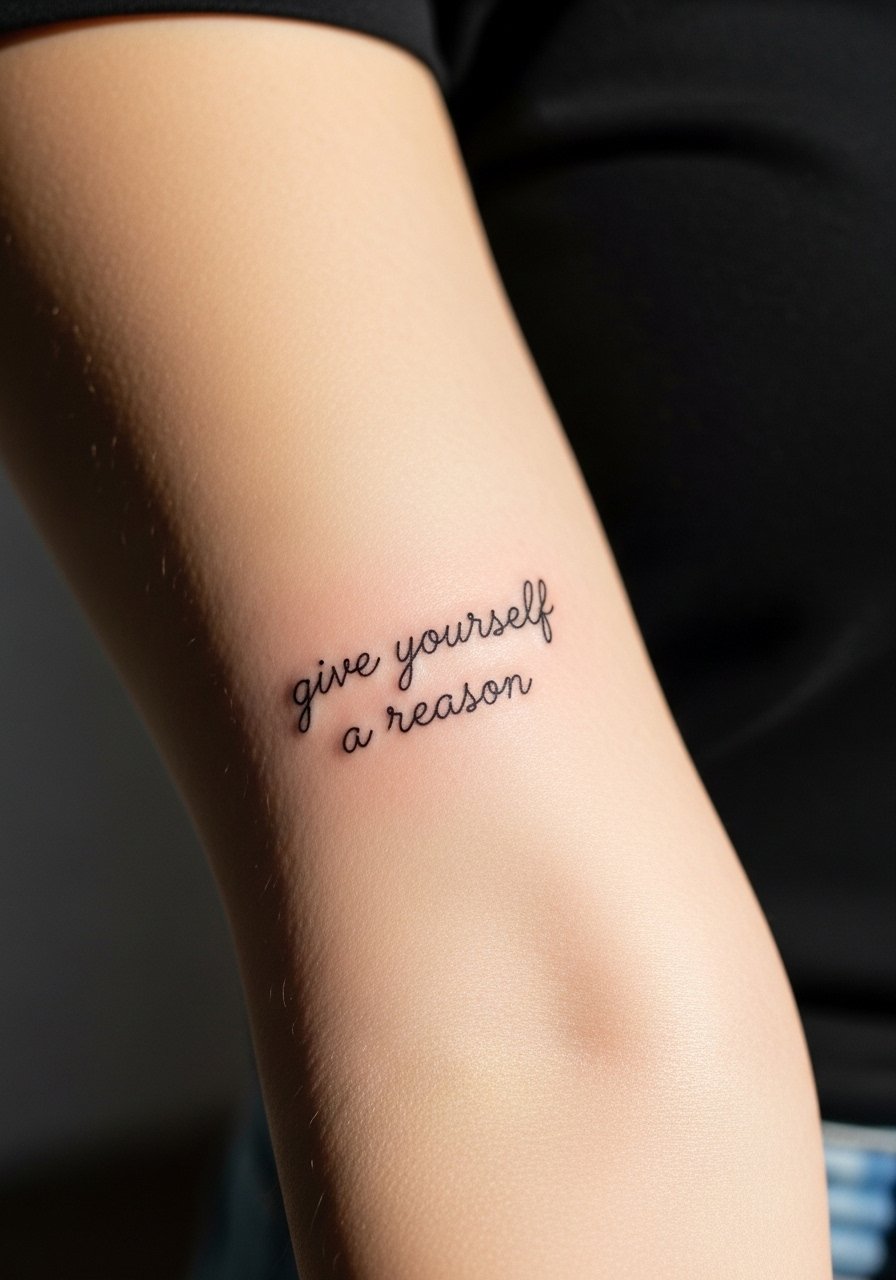
The outer forearm is the classic daily reminder placement, and I recommend a slightly heavier single-needle line than the thinnest micro script most people pin. Ask your artist for a 2-point to 3-point line weight and a small outline around letters so the text keeps contrast after six months of gym sessions. Common mistake is asking for ultra-tiny type and pinching words too close together, which blurs with sweat and friction. Pain is low to medium and a single short session usually does it. For showing it off, roll the cuff on a rolled cuff chambray shirt and keep bracelets to a minimum while it heals.
2. Blooming Watercolor Flower with Integrated Phrase
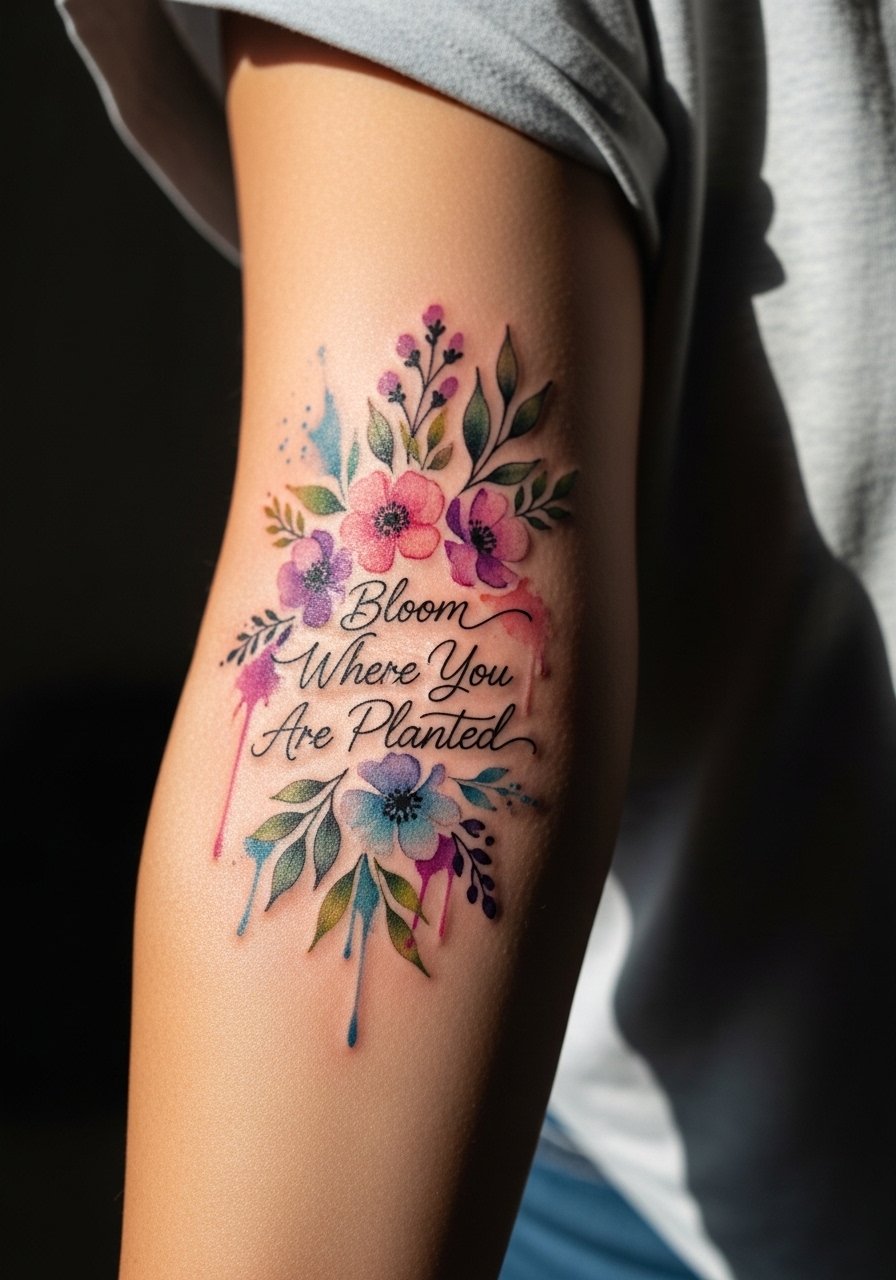
Inner forearm gives a softer, more private look than the outer side. If you want color accents, keep the script in solid black and let the flower washes sit slightly outside the letters to avoid pigment migration into text. Tell your artist to separate pigment fields by a hair of negative space so the watercolor does not eat the script as it settles. This placement heals well in cooler months but can struggle in summer heat, which calls for lighter clothing choices on session day. For the appointment, wear a loose short sleeve button up so your artist has clear access and you stay comfortable.
3. Neo-Traditional Soaring Bird Over Script
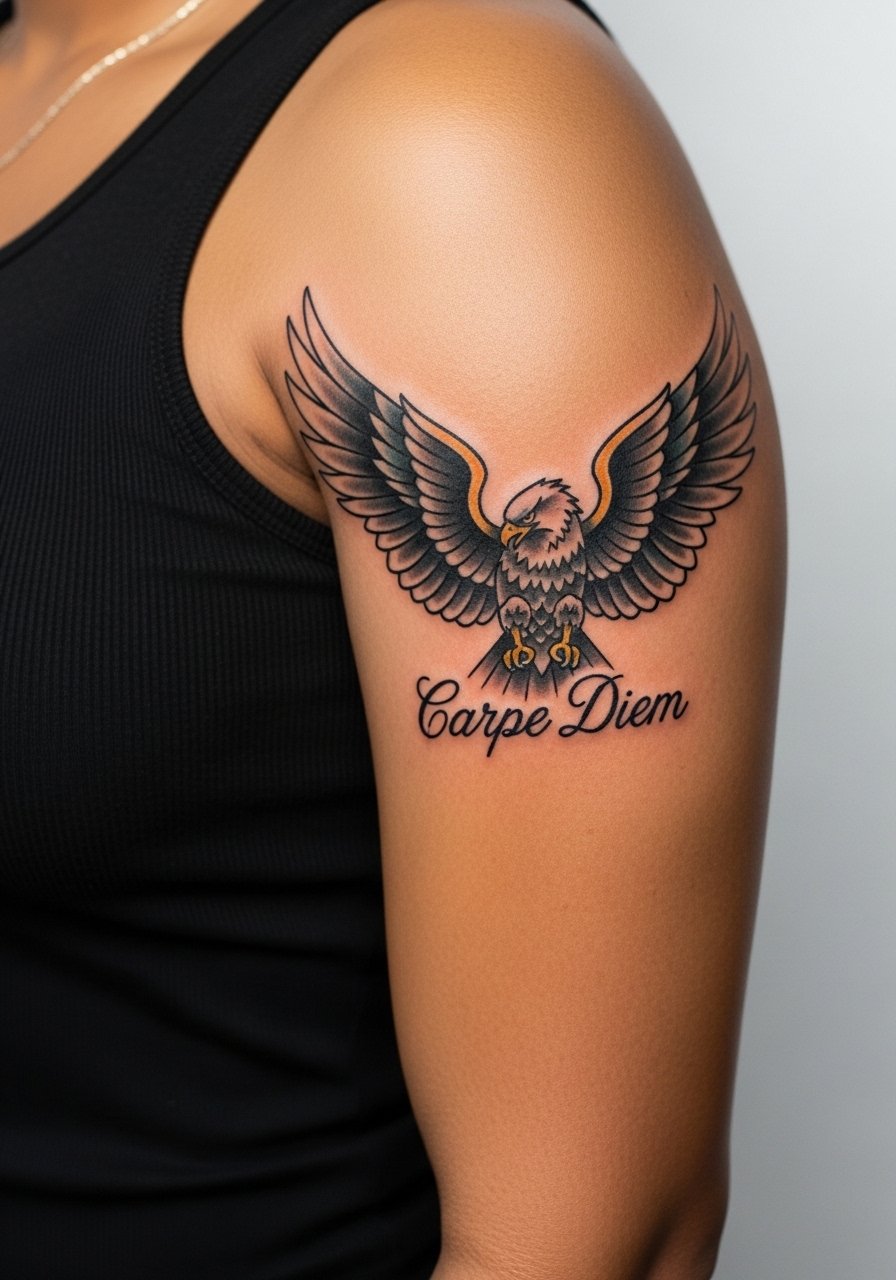
Upper arm pieces handle saturation well and stand up to time thanks to thicker linework and good shading. I recommend placing the bird slightly above the phrase so the composition reads as one motif from across a room. When you consult, show the exact bird pose and ask how the artist will balance saturation and negative space to protect the letters. The session feels moderate on pain and often takes two sittings if color is involved. For wearing it out, a fitted olive tank top frames the piece without clashing with neo-traditional color.
4. Minimalist Geometric Phrase Frame on the Wrist

Wrist pieces are discreet but face constant washing and friction, so keep the design compact and bold enough to survive daily wear. The common failure is tiny geometric patterns packed too tightly. Ask for slightly thicker lines and spacing between frame elements so the negative space breathes as it heals. Expect touch-ups sooner than for larger work. For showing it off pair the wrist tattoo with a thin silver bangle stack on the opposite wrist, and remove jewelry on the tattooed side for the first few days.
5. Blackwork Tree of Life with Embedded Text on the Back
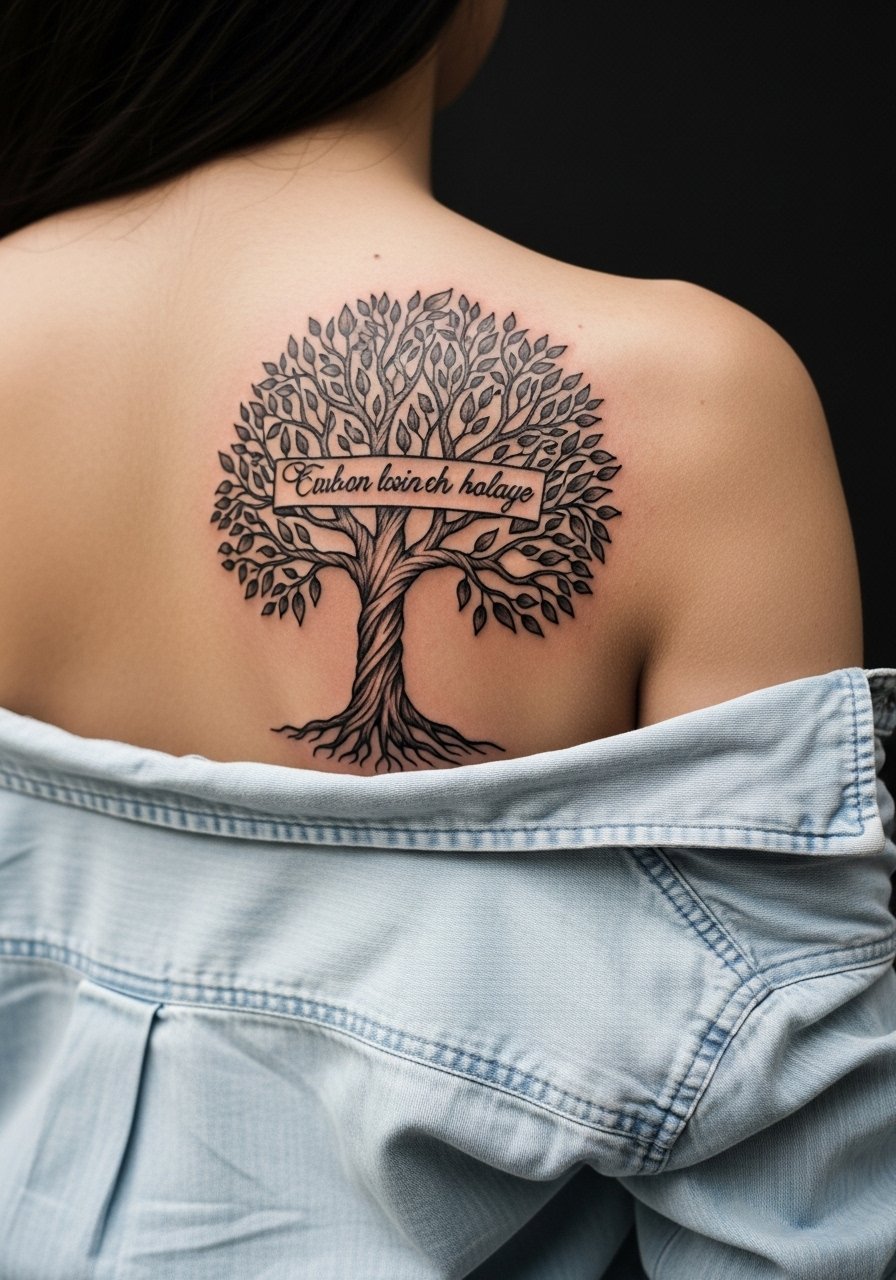
Large blackwork holds up well because saturation resists fading and blends into the skin as it ages. If you plan to embed the phrase, have the artist map the lettering into negative spaces within roots or branches rather than forcing a straight line, which can warp with back movement. A frequent mistake is packing too much small type into a busy tree canopy. This piece usually requires two to three sessions and will age gracefully with minimal touch-up. For session day, a loose button down shirt pulled to the side keeps the area accessible and comfortable.
6. Fine Line Mountain Silhouette under the Phrase on the Calf

Calf placements do well for motivational mantras you want visible at the gym but easy to conceal at work. Fine line mountains anchored under the phrase read like a badge of endurance. Tell your artist you want the silhouette spaced at least half an inch from the text to prevent optical crowding over time. Sessions are low to medium pain and typically finish in one or two sittings. Pair this with cropped khaki joggers or rolled ankle jeans when you want to show it at the gym.
Studio Day Picks
The forearm, wrist, and calf pieces above face different friction and moisture challenges in that first week, so a few focused items smooth the session and the immediate healing window.
- Lush Tattoo Balm. A thinner balm that users prefer over heavier ointments for script work, useful when fine line areas need moisture without a glossy finish.
- Green Sheep Second Skin. A breathable protective film alternative that helps when forearm pieces rub against gym gear during the first days.
- Oz Tattoo Salve. Better suited to dry climates and long travel days when you cannot reapply often but still want non-yellowing performance.
- Frida Balm. Lightweight and non-shiny for healed-looking fine lines that otherwise look glossy from heavy ointments.
- Aquaphor healing ointment. Thin initial barrier that keeps friction zones like the wrist from scabbing excessively during the first 48 hours.
7. Micro-Realism Wordmark with Arrow on the Collarbone
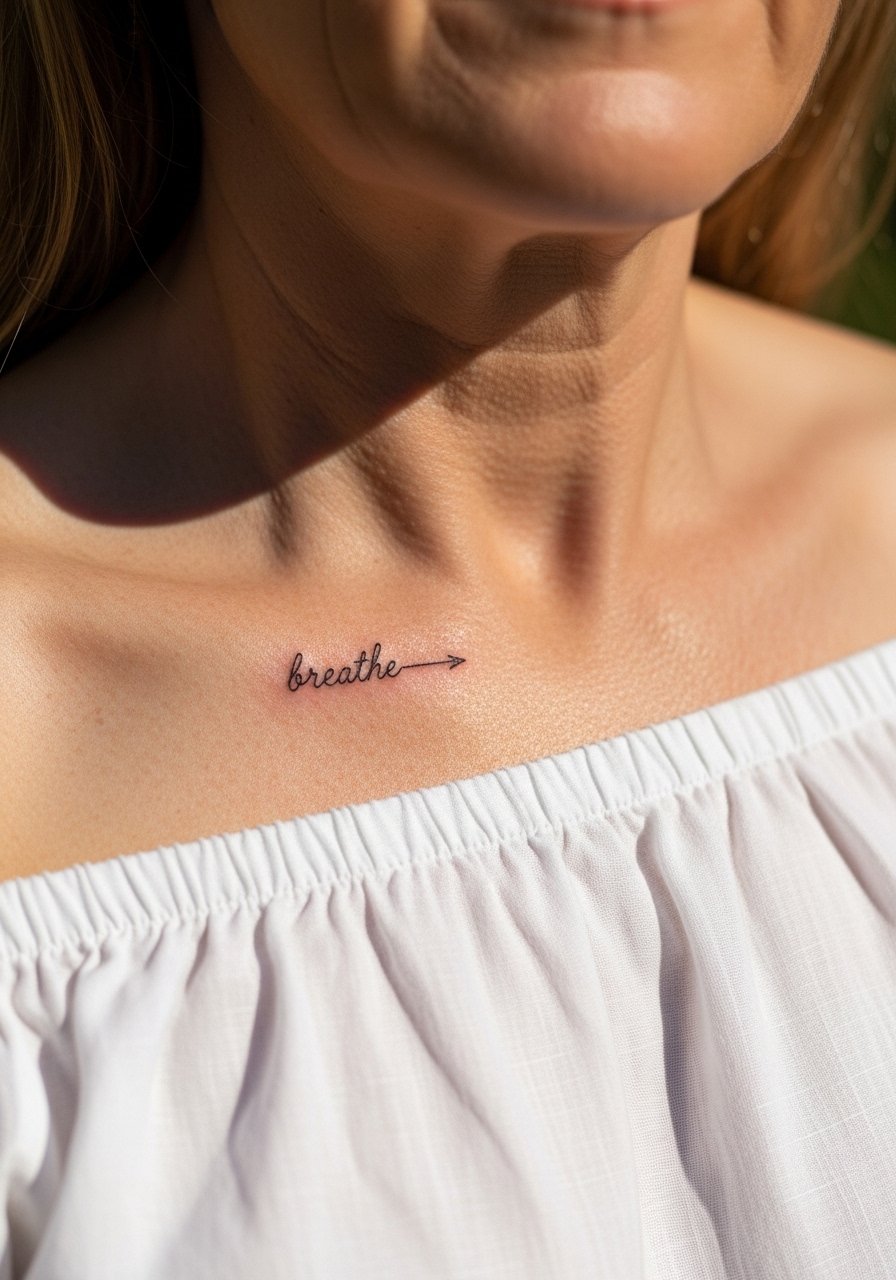
Collarbone writing is a favorite for subtle display, but the skin there is thin so tiny single-needle work can either sing or break up. Ask for a slightly bolder wordmark and a shallow but consistent needle depth to avoid letters falling out during healing. Expect moderate pain and a short single session. For showing it, an off shoulder linen blouse highlights the curve of the script while keeping the area protected from straps. If you plan to get micro-realism here, plan for a touch-up window around the one-year mark.
8. Watercolor Floral Wreath Encircling the Text on the Shoulder

Shoulder pieces handle watercolor nicely when the artist leaves solid black anchors for text. The big risk is letting the washes overlap letters, which blurs color into the phrase. Tell your artist to frame the text with black stems or thin outlines so the color sits beside the words, not over them. Sessions usually finish in one sitting for a small wreath. For showing off, a linen wrap top or a small gold hoop earring keeps the focus on the shoulder without crowding the design.
9. Neo-Traditional Phoenix Rising from the Phrase on the Thigh
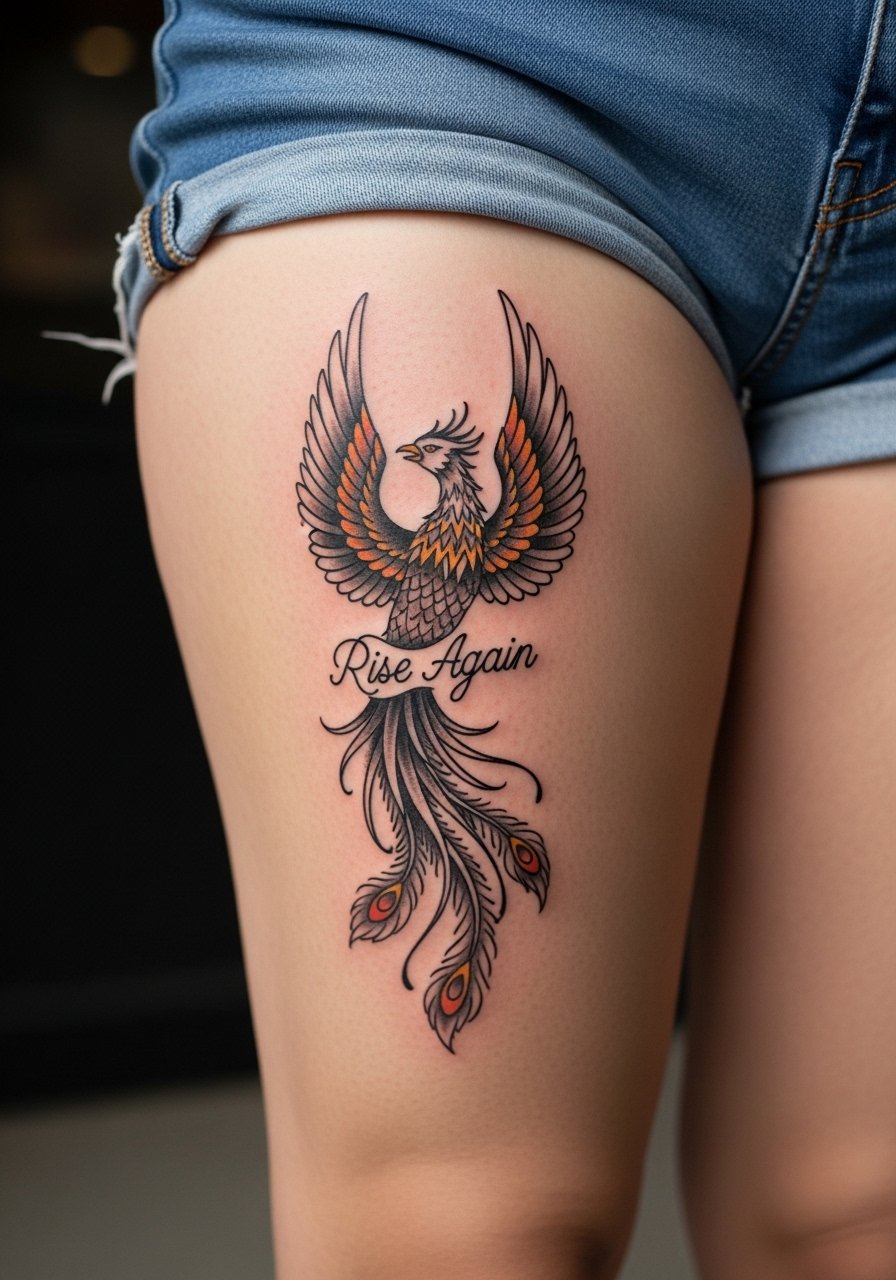
Thigh placements let you go big with color and storytelling while keeping the piece private when needed. A phoenix anchored to a phrase reads as rebirth rather than a standalone quote. The session can be intense depending on size and usually takes multiple sittings. For healing in warm months wear loose shorts or a skirt to avoid fabric rubbing and sweat buildup. Pair with high waisted gym shorts for gym days when you want to show the piece without exposing too much skin. If your goal is a cover-up or sleeve starter, the thigh is an excellent staging ground.
10. Infinity Loop Script on the Ribcage
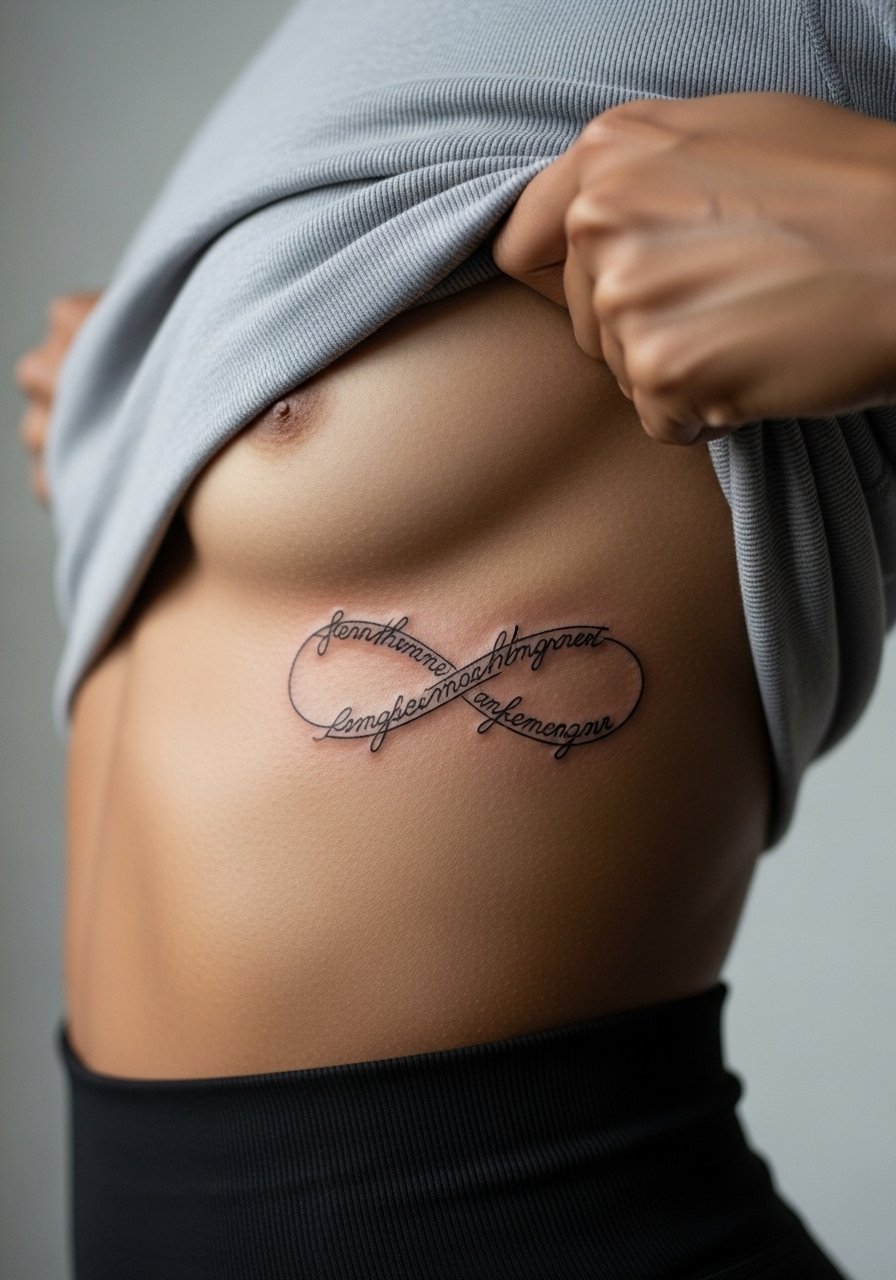
Ribwork reads intimate and breath-synced, but the area is notorious for movement and shifting skin. Artists split on fine line here. One camp says stretch and breath make lines merge early. The other camp says with correct depth and spacing it holds up fine. The right approach is to allow more spacing in the loop and expect some touch-up at year one. Pain is higher on the ribs, so plan the session accordingly and wear a strapless or cropped top for access.
11. High-Contrast Geometric Frame for Darker Skin with White Ink Accents
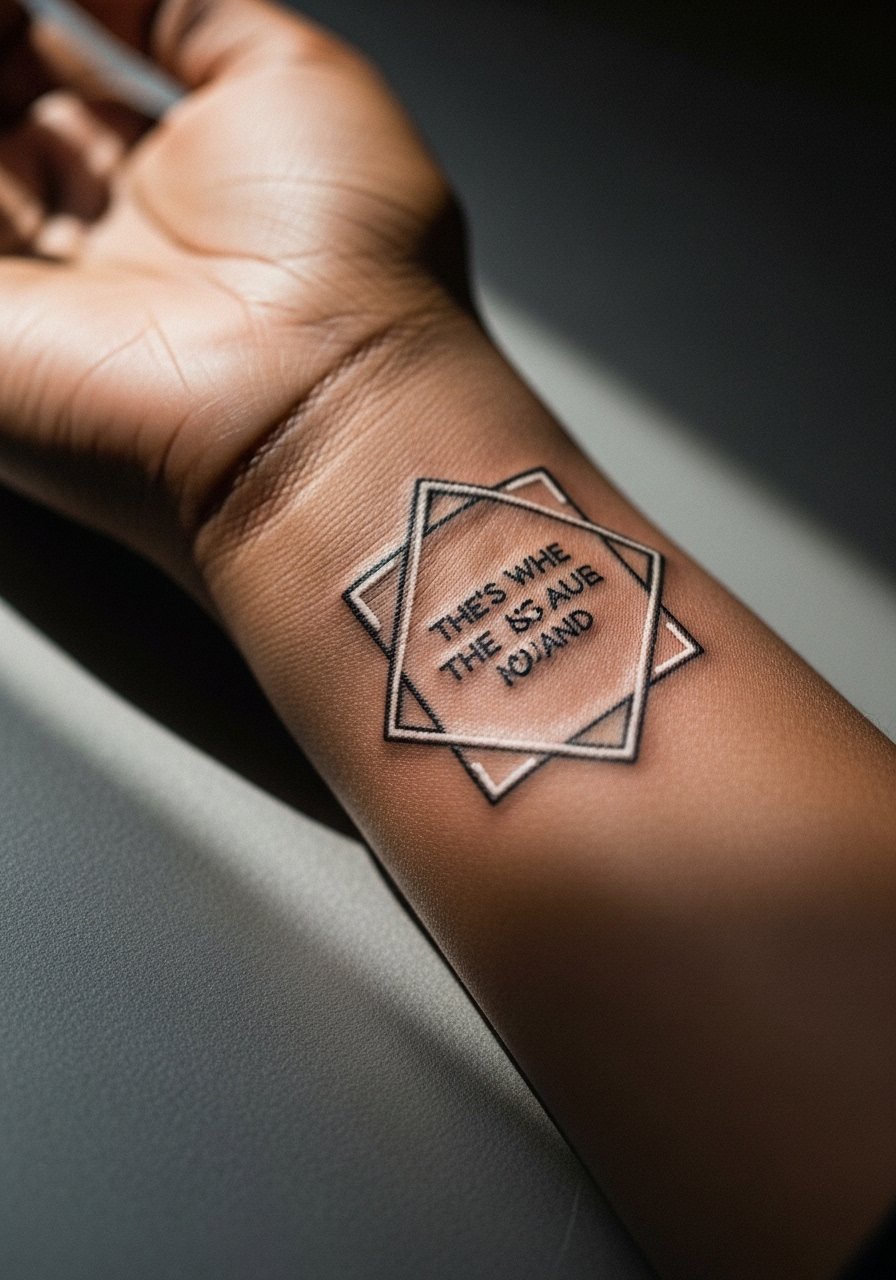
Darker skin sometimes reduces contrast for thin black scripts. One effective hack is a bolder geometric frame with selective white ink accents that outline the phrase for photos and low-light visibility. Ask your artist for a test patch or a mockup showing how black and white will read against your tone. The wrist still faces friction from watches and cuffs, so keep frame lines open and avoid tiny internal detail. If you plan to show this piece, wear a slim leather watch on the opposite wrist and keep the tattooed side bare during initial healing.
12. Patchwork Starter Piece for a "Reason" Sleeve
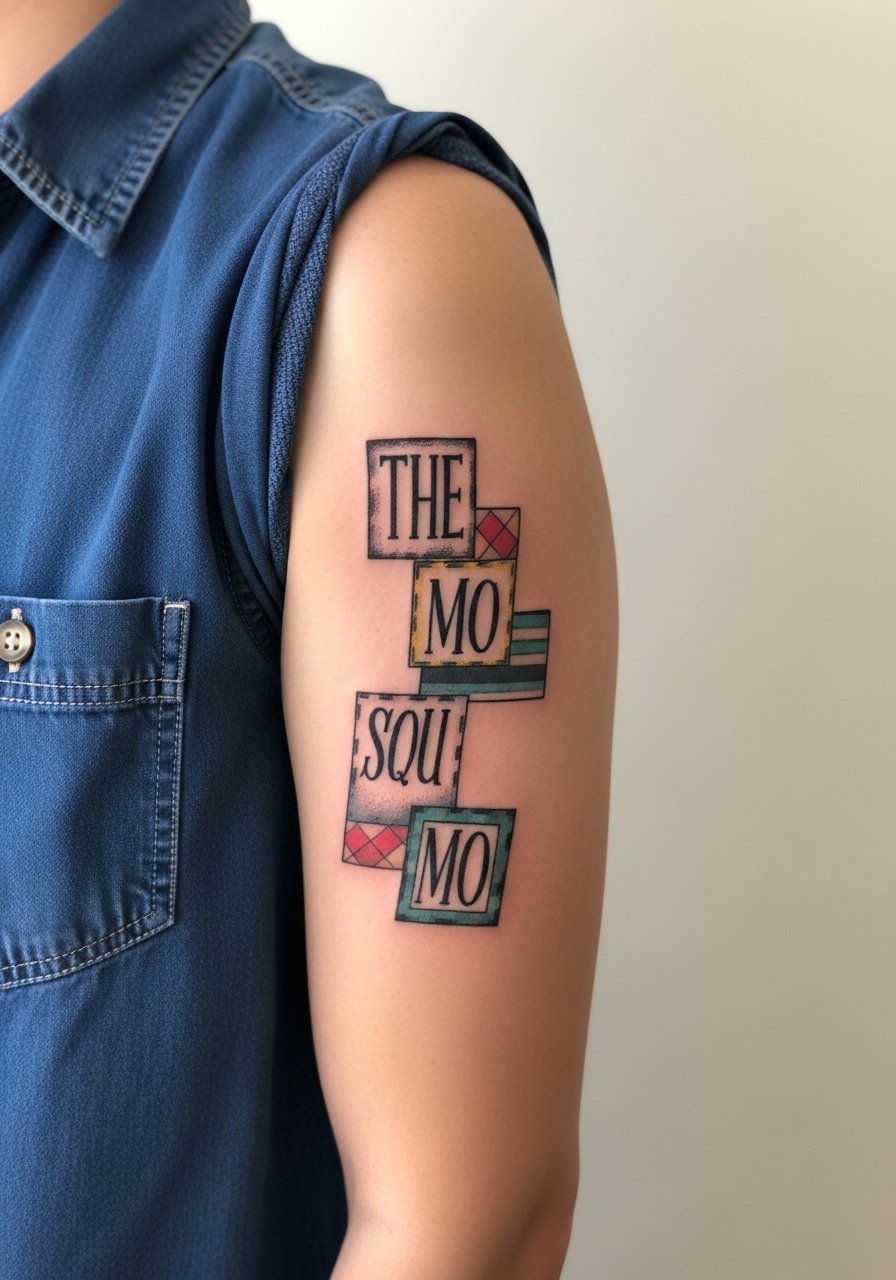
Treat a phrase as the first tile in a future sleeve rather than the final piece. I recommend designing the text with buffer zones and simple motifs that can tie into future images. In consultation, say you want anchor points for a sleeve and ask how the lettering will connect to future shapes. Upper arm gives room to breathe and ages well because saturation can be increased later. For the session wear a sleeveless muscle tee so the artist has full access and your shoulder can move freely during long sittings.
13. Delicate Finger Script for Everyday Nudges
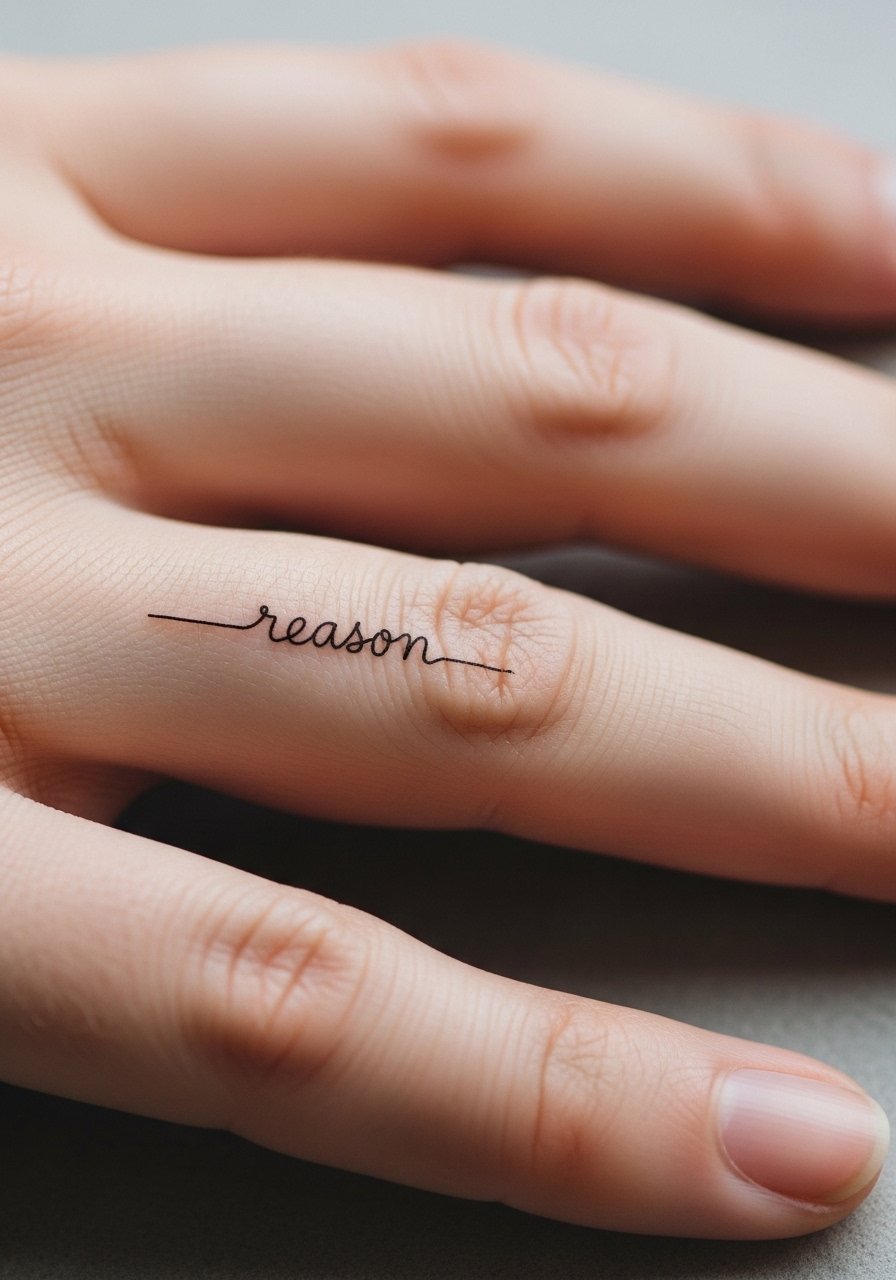
Finger tattoos are high visibility and notoriously fussy. Expect faster fading and potential blowout from the start because skin on fingers regenerates quickly and sees constant friction. Keep the lettering minimal and avoid multiple words across one finger. A common mistake is asking for long phrases on fingers, which rarely last crisp longer than a year without touch-up. Sessions are quick but healing can be patchy. If you want an everyday nudge and can live with upkeep, go micro and accept touch-up timelines.
14. Inner Thigh Evolving Florals for Miscarriage Healing
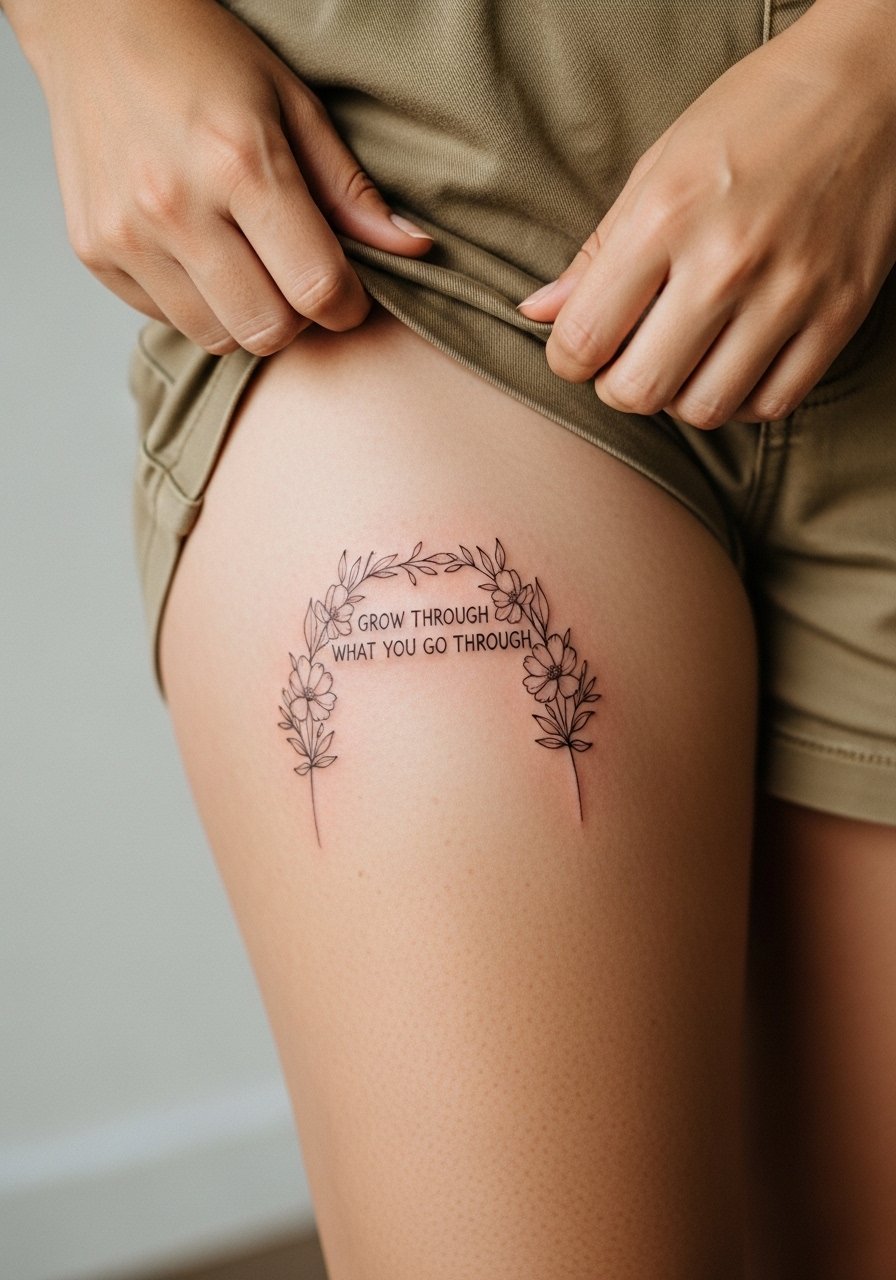
Inner thigh offers privacy for sensitive remembrances and healing symbols. Because this spot stays mostly covered, color and detail are preserved well, but the area can be sensitive during sessions. Ask the artist to space florals so they can evolve over time, allowing later sessions to add petals or initials without crowding the phrase. Wear loose shorts or a skirt on session day to give easy access while avoiding pressure on the fresh ink. Mention any recent skin changes or scarring so the artist can plan needle depth.
15. Sternum-Centered Fine Line Phrase
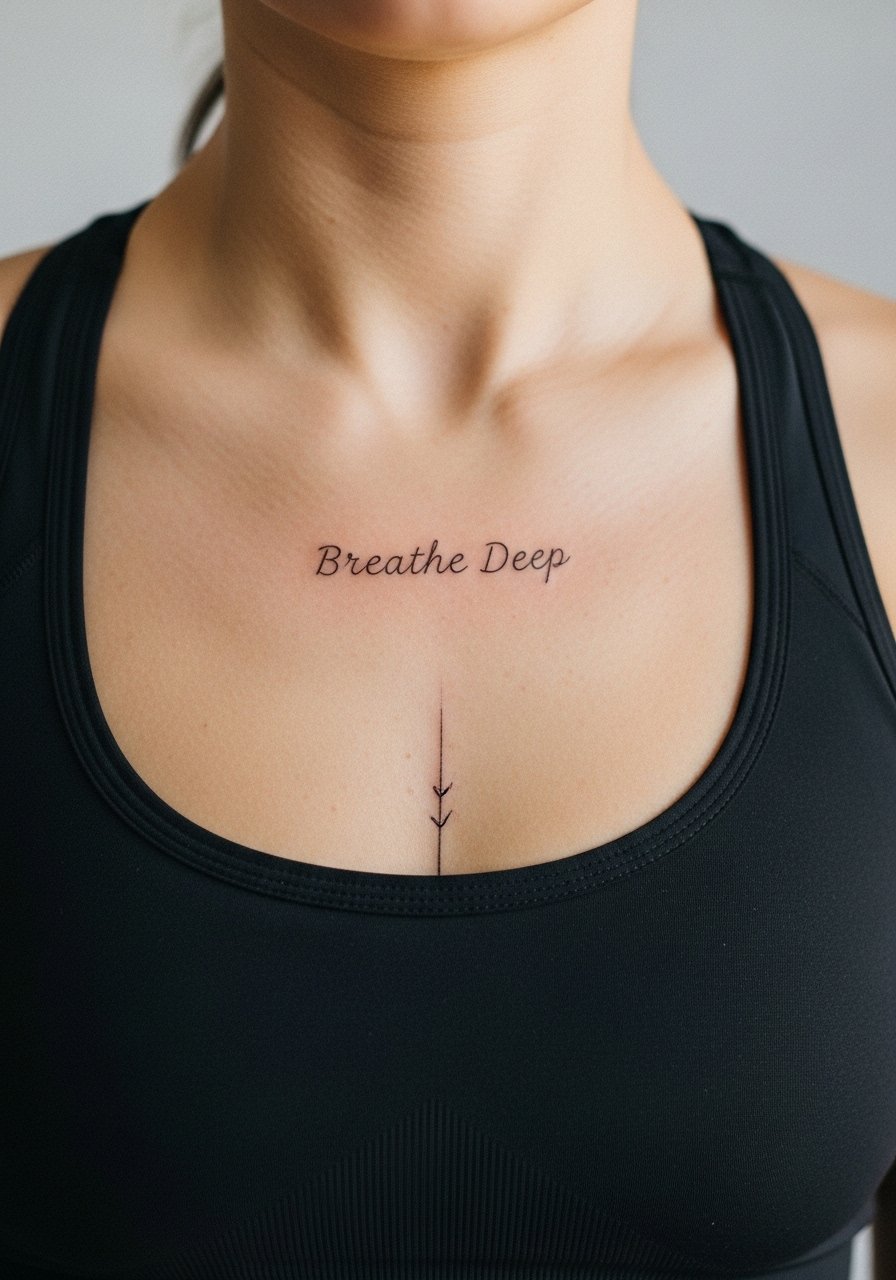
Sternum pieces sit between intimacy and display depending on clothing. The skin here is thin and movement during breathing matters, so keep letters slightly larger than you might on the arm. A common problem is asking for micro script that fragments as the body moves and heals. The session can be moderately painful and a short single sitting often suffices if the design is small. For session wear a fitted sports bra to expose only the tattoo area and avoid straps pressing the fresh ink.
16. Ankle Minimalist Phrase for Low-Visibility Motivation
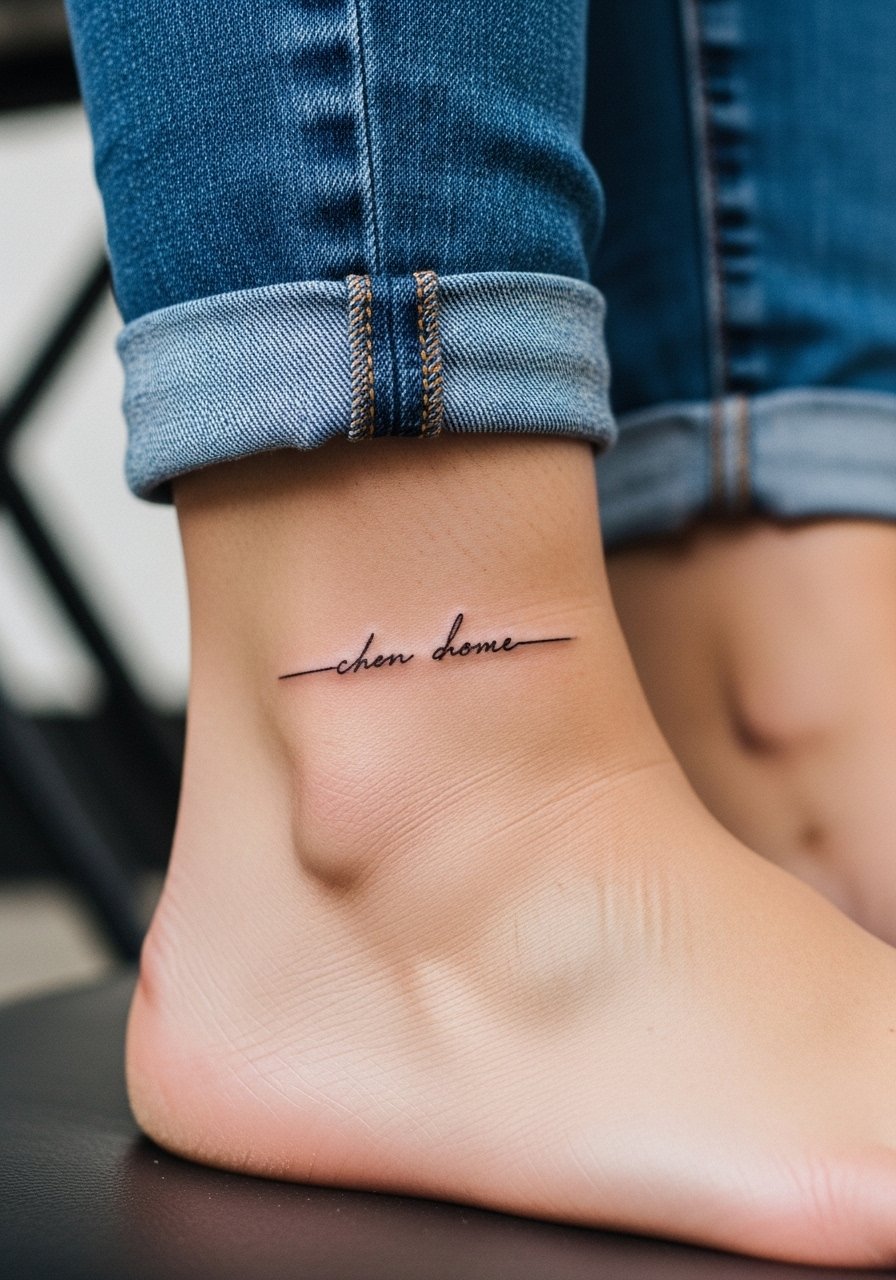
Ankle work is great if you want a phrase that shows in sandals but hides under trousers. The trade-off is constant rubbing from socks and shoes, which accelerates fading. Ask the artist for slightly bolder spacing and a one-week plan to avoid tight socks. Sessions are short and relatively low pain, but expect touch-ups in two to three years for fine scripts. For showing it off try rolled ankle jeans so the line remains visible without full exposure.
17. Tiny Back-of-Neck Script for Subtle Edge

Back-of-neck script sits at the boundary of visible and private. The skin there is thin and hair growth can affect how the letters read in photos, so plan for hair length during healing. The area heals fast but can be prone to rubbing from collars, so wear wide-neck shirts for the first week. If you work in environments sensitive to visible ink, consider placement slightly lower or choose an upper hairline spot that can be covered easily. Pain is low to medium and the piece is quick to execute.
Frequently Asked Questions
Q: How long will a fine line forearm script usually need a touch-up?
A: Expect fine line pieces to need touch-ups sooner than bold work. In practice most fine line script benefits from a touch-up around the one-year mark, especially if you sweat a lot or spend time in direct sun. Ask your artist what their touch-up policy looks like before booking.
Q: Does watercolor text fade faster on darker skin tones?
A: Watercolor tones can appear less vibrant on darker skin, which is why combining black anchor lines with color washes often works better. For visibility consider subtle white ink accents or stronger black outlines so the phrase stays legible in photos.
Q: Should I use protective film or dry healing for wrist pieces?
A: Artists and community members are split on this. One group prefers protective film for a cleaner initial window. The other group favors dry healing to avoid trapped moisture and edge lift. Your choice depends on your day-to-day activity and how much you can keep a covered area clean.
Q: What should I wear to a thigh or upper-arm session to stay comfortable?
A: For thigh work bring loose shorts that can shift without rubbing the area. For upper-arm pieces a sleeveless or button-down shirt that pulls aside works best. Comfort matters during long sits, and clothing choices reduce the chance of accidental pressure on fresh ink.
Q: Can a geometric frame make a phrase look more professional for work settings?
A: Yes, minimalist frames can contain a phrase visually and help it read like a discreet emblem rather than a literal quote. Place the frame on the wrist or collarbone and keep internal details sparse so the piece stays office-friendly.
Q: Are there placements to avoid if I plan to gain or lose a lot of weight?
A: Avoid areas that stretch dramatically like the outer forearm if you expect significant changes. Collarbones and wrists are relatively stable, whereas long bands across soft tissue can warp. Discuss body changes with your artist so they can recommend placement that ages with you.