Fine line tattoos are all over saved boards right now, but the truth is different hands age differently and trends do not always last. On hands the difference between a crisp back-of-hand anchor at year two and a blurred ribbon swallow at year one is often line weight, placement, and realistic touch-up planning. Read these 21 hand-friendly American traditional ideas with what to ask your artist and how to style each look.
1. Girly anchor with heart on back of hand
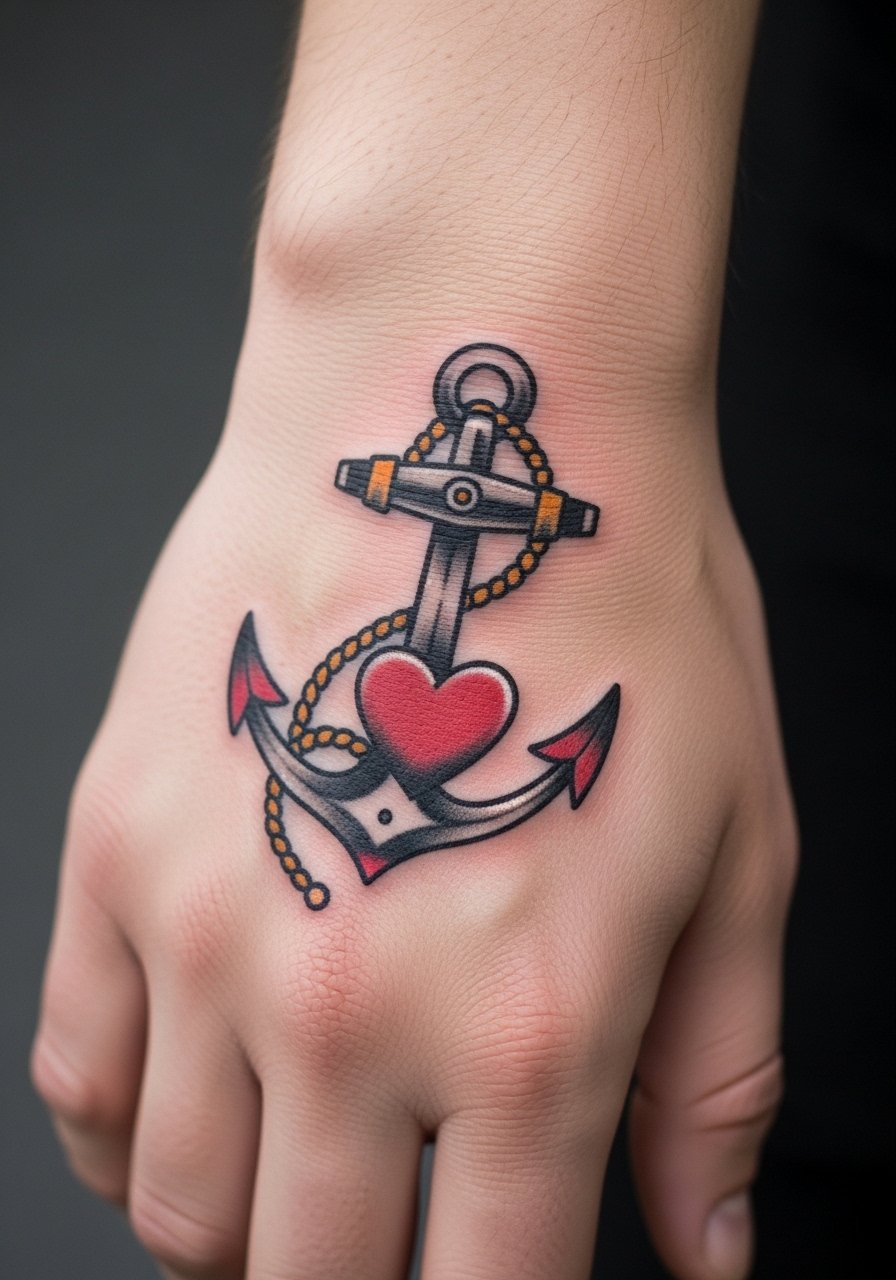
I’ve seen back-of-hand anchors hold color longer than wrist pieces when the outline is thick and the fill is saturated. Ask your artist for a two to three inch composition and for heavier linework around the heart so the red reads at year two. Expect a sharp sting near the knuckles because the bone is close, and plan a single session with a possible touch-up at six to twelve months. A common mistake is asking for tiny, delicate details that blur with washing. For showing it off, wear fingerless leather gloves when you want to flash the back of the hand without covering the whole piece.
2. Dainty rose with banner on inner wrist

When people choose an inner wrist rose they often want romance and readability. Tell the artist you want one and a half inches of positive spacing between petals and a bold banner outline so script stays legible as the piece ages. The inner wrist is more prone to motion fading because of daily flex, so expect touch-ups sooner than on the forearm. The session feels gritty where tendons sit under skin, so a short break midway helps. For outfits that frame the piece, slip into a linen button up shirt you can cuff to show the tattoo without crowding it.
3. Swallow with ribbon on top of hand
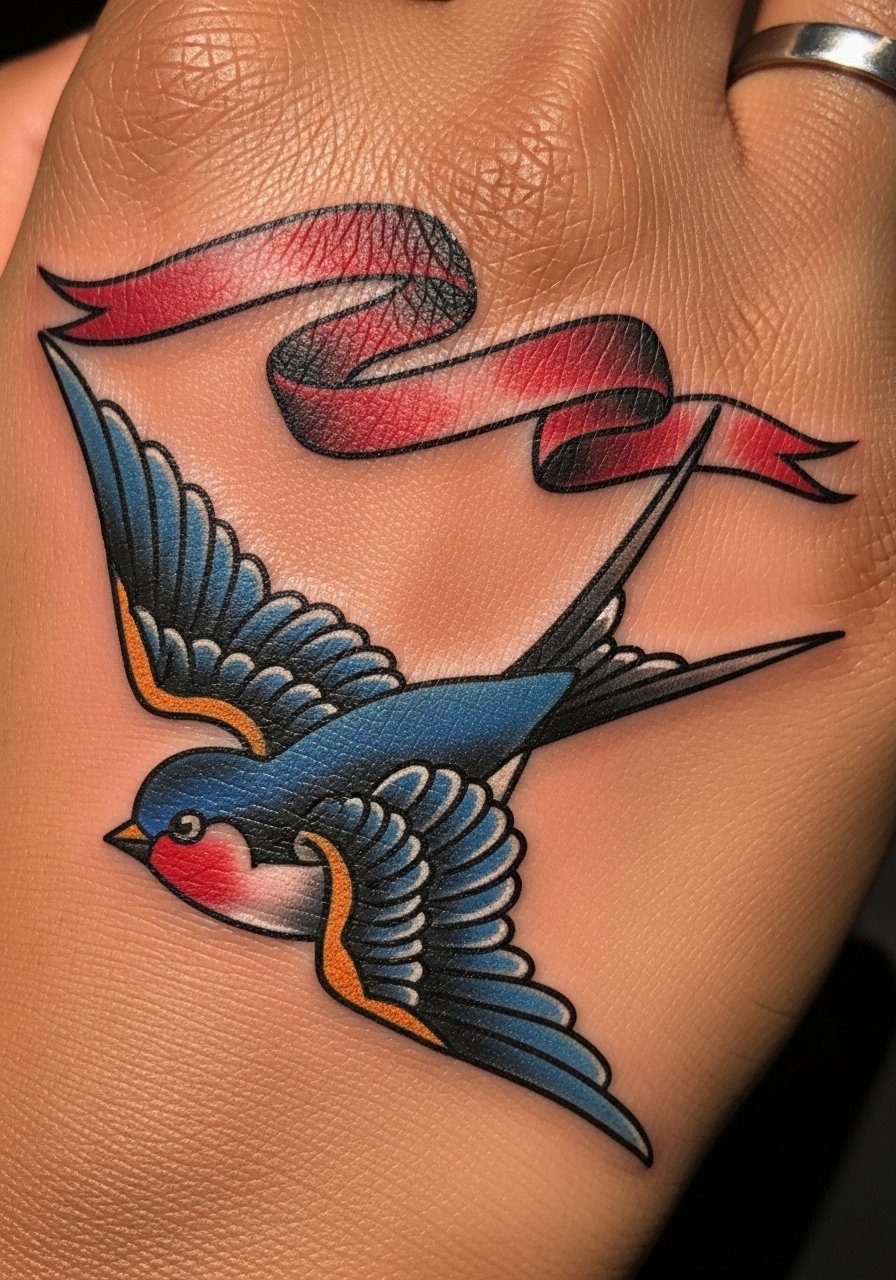
Top-of-hand swallows with ribbons read vintage and playful when the ribbon curves away from knuckles. Ask for wider spacing in the ribbon folds and for saturation in the wings so color holds through frequent washing. The top of the hand moves a lot, so fine ribbon details can soften into a blur by year two if they are too delicate. The session is uncomfortable over metacarpal bones, but it usually fits in a single visit. Pair the finished piece with a chiffon blouse for soft contrast when you want to highlight the bird on sunny days.
4. Cherry blossom pin-up on side of hand
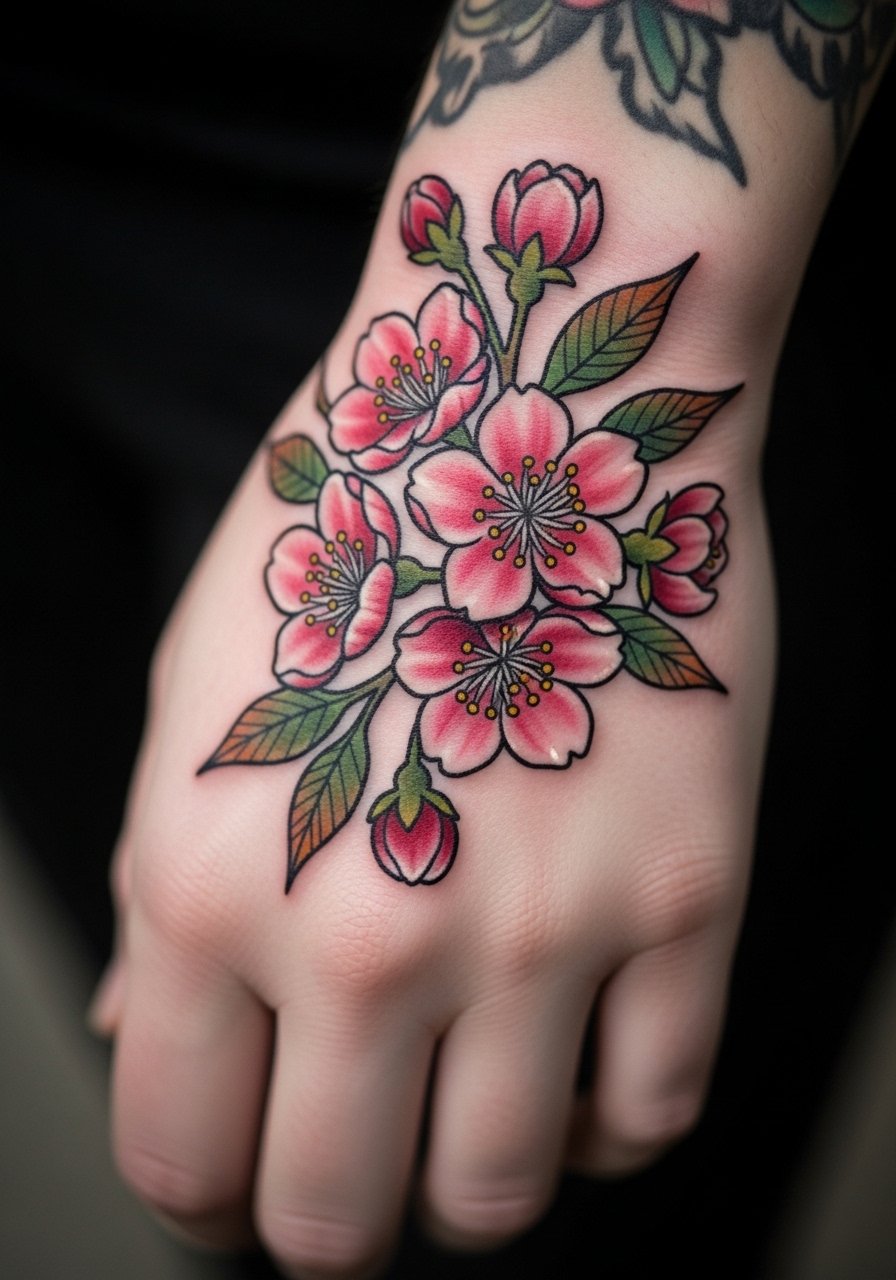
The side of the hand gives pin-up curves room to breathe if you scale the artwork to at least two and a half inches. A common mistake is packing too many small petals into a tiny area. That causes the blossoms to merge after heavy hand use. Tell your artist to prioritize flatter petals and slightly thicker contour lines to avoid early blurring. This placement stretches with weight changes, so expect slight distortion if you plan major body shifts. Healing is fiddly because the side of the hand rubs surfaces a lot, so keep activity low for the first week.
5. Heart with dagger on thumb web

Tiny thumb-web dagger hearts are compact and mean a lot in a small zone. Fair warning the web of the thumb heals under constant flex and soap exposure, so ask for a bold outline and simpler shading to preserve contrast. The pain is sharp and focused because the skin is thin, but sessions are short. People often request tiny, detailed daggers here and then need touch-ups by year one. For quick balance and to show off the area, a delicate thumb ring silver on the opposite hand draws attention without covering the tattoo.
6. Floral dice on knuckle
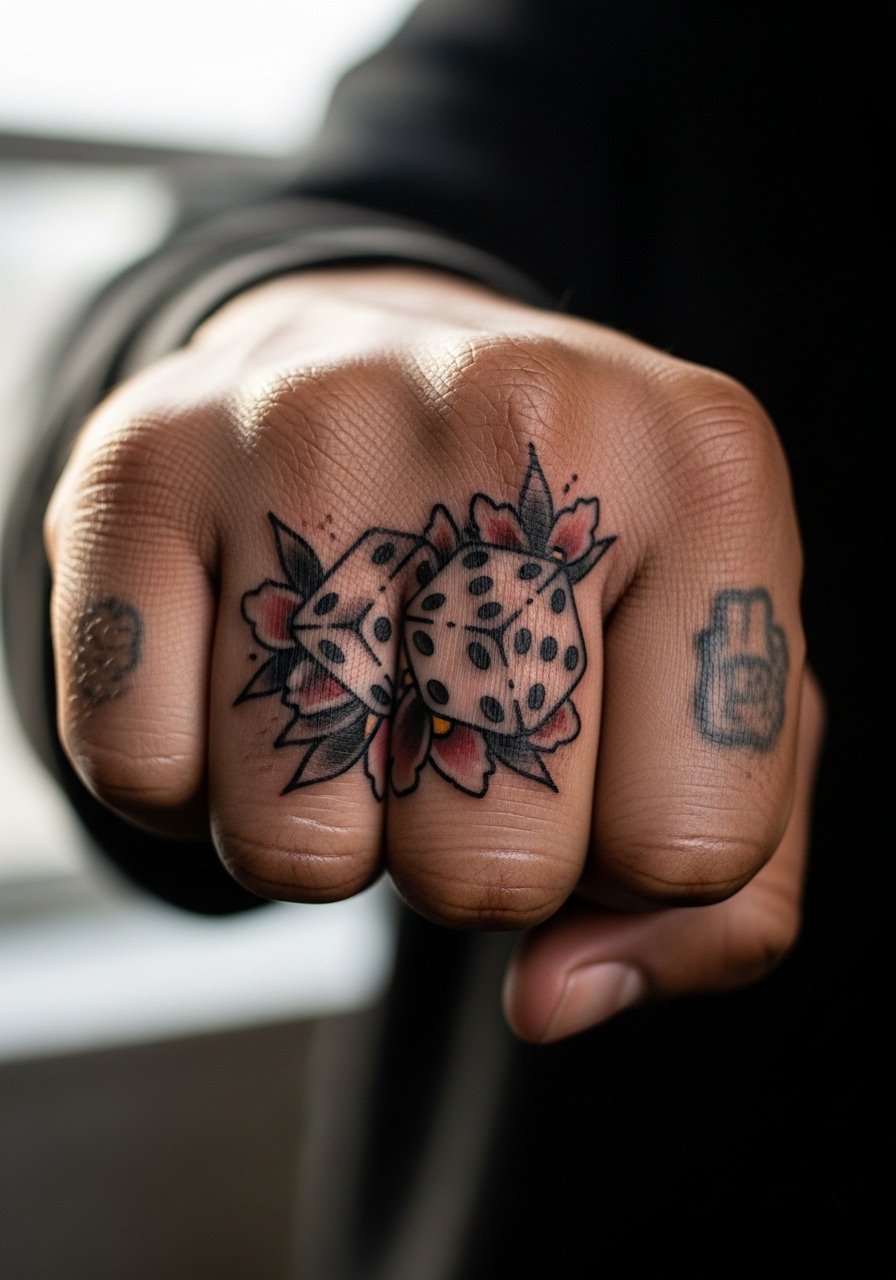
Knuckle tattoos read differently because of constant motion and friction. For the floral dice, ask the artist to place the dice faces where they avoid joint folds and to use stout outlines on the dots and petals. There is a debate in the community about fine line versus thicker traditional contours for knuckles. One camp says fine work looks elegant and ages gracefully, and the other insists thicker linework keeps the design readable long term. My take is bold outlines win for knuckles if you want longevity. Expect a one-session piece with a likely touch-up at year one. Pair the look with a matte black ring set on non-tattooed fingers to create contrast.
Pre-Session Essentials
The thumb web, knuckles, and wrist pieces above each demand different prep. These items smooth the session and the first week for small hand work.
-
Frida Aftercare Spray. A no-touch spray some people prefer for humid climates, useful when hand sweat makes ointments feel sticky during the first week.
-
Ink-Ichiban Balm. A breathable balm that forum users favor for knuckles and winter hands because it avoids the heavy shine of thicker ointments.
-
Manuka Ink Cream. Antibacterial properties help with spots that sit near high-friction zones like the thumb web and palm side.
-
Indie Nerd Tattoo Lotion. A matte-finish lotion praised for palms and fingers where shine attracts attention and transfers.
-
Second Skin tattoo film. A protective film that adheres well to active hands for the first few days, reducing scab friction for designs on the top of the hand.
7. Butterfly with dots on wrist

There is movement in dotted wings that reads delicate when the artist spaces the dots for flow. For a two inch butterfly ask for moderate linework on the wing outline and stipple shading inside so the dots create motion without overcrowding. The wrist flex makes fine inner wing lines prone to softening by year two, so schedule a six to twelve month touch-up check. The session on the wrist feels like sustained vibration over tendons, so expect soreness for a day. For low-effort styling, stacked bracelets can complement the wing without competing for attention and they make the wrist piece feel like jewelry.
8. Strawberry with leaf on palm side
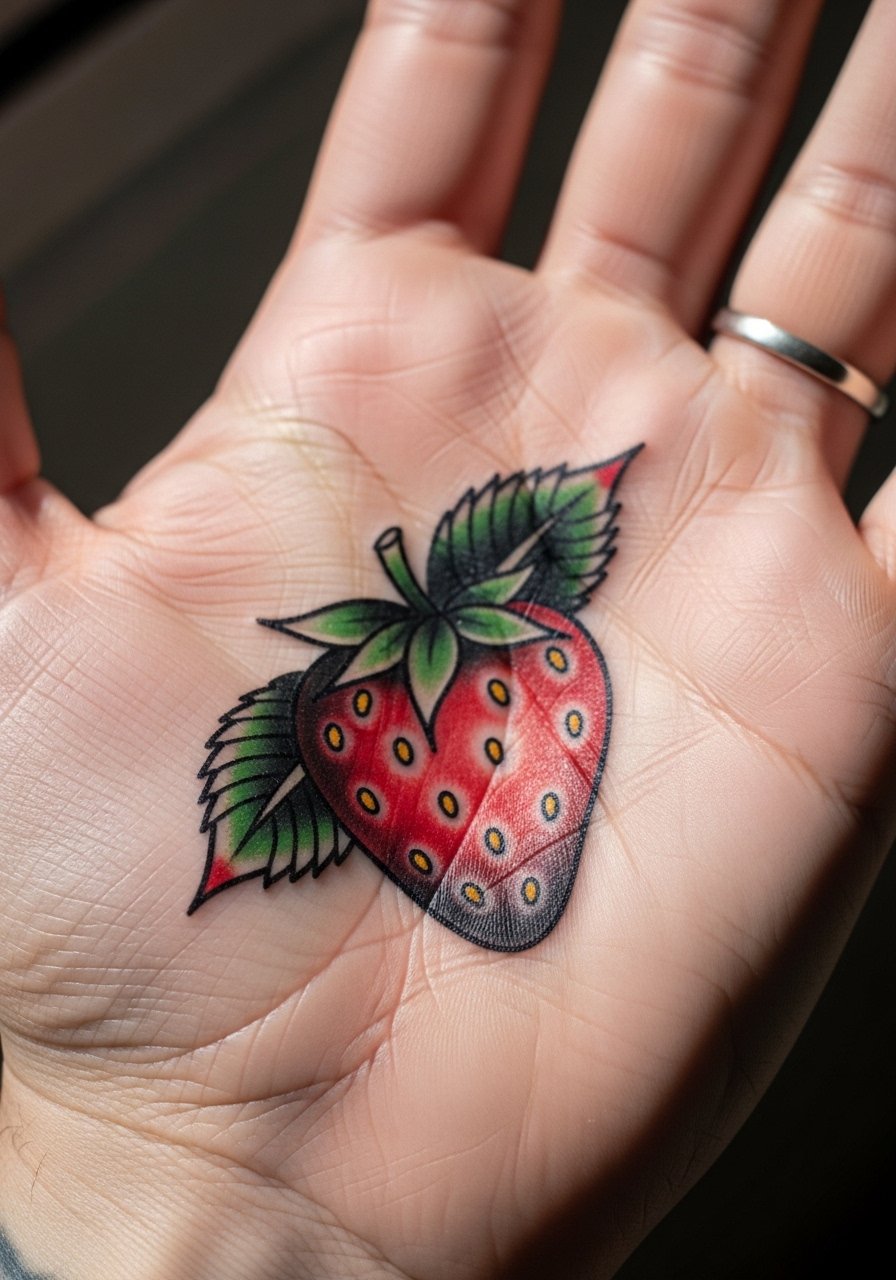
Palm-side tattoos are a secretive option because the palm sheds skin faster and the ink settles differently. A strawberry in that zone looks cute and bold at first but often needs touch-ups due to constant hand use. Ask the artist if they recommend palm placement for your lifestyle and be prepared for higher fade rates. Healing on the palm is unique because you use that surface constantly, so keep the first week low-contact. Some people invert designs so they reveal only when waving, which keeps the motif private and lets the palm art act as a playful reveal.
9. Skull softened with roses on back of hand
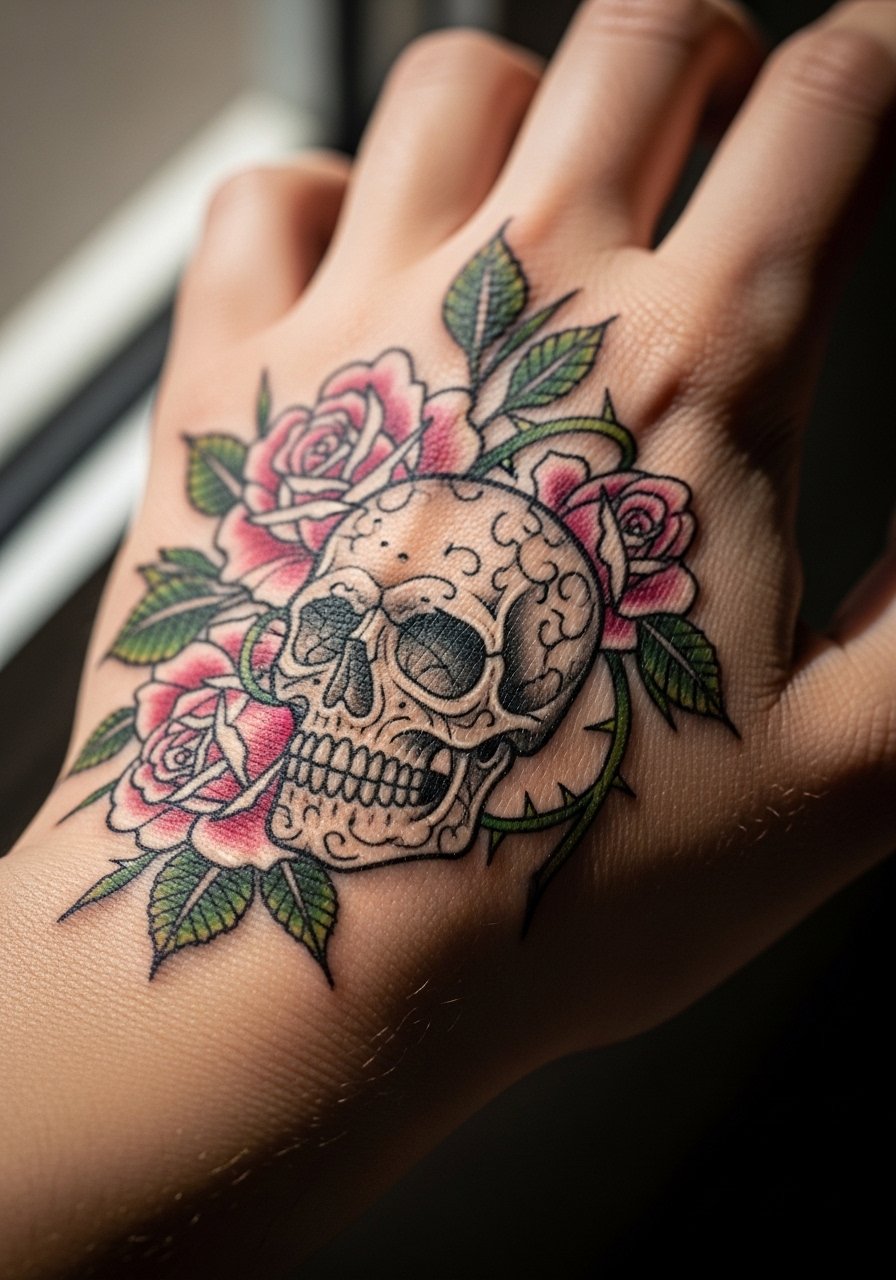
A skull with flowers balances edge and softness when the flowers frame rather than cover the skull. Tell the artist you want the roses slightly offset and the skull lines a touch thicker so the negative space remains clear as the ink settles. Back-of-hand skulls age better than palm or thumb pieces because they avoid constant abrasion. Expect a two-session plan if you want delicate color in the roses. For styling, vintage red nails pull the pinks and reds forward without touching the artwork, so try a shade like vintage red nail polish when you want the roses to pop.
10. Pearl necklace motif on fingers
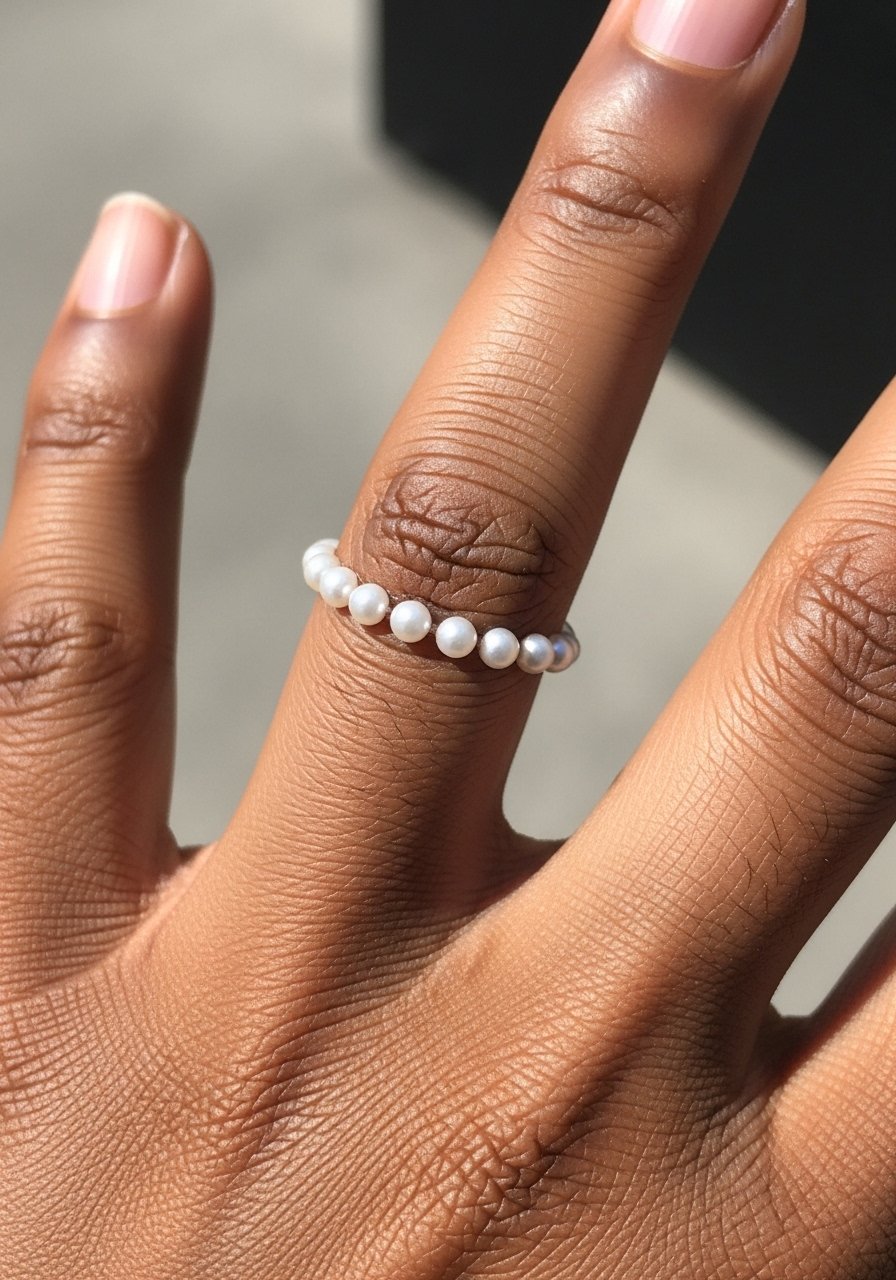
Pearl finger tattoos mimic jewelry when the spacing is clean and each dot sits on a non-flexing part of the finger. Ask for round, evenly sized dots at about one inch total length and for strong black outlines to keep the pearls visible as fingers soften with time. Finger skin moves a lot and those tiny dots can break down quickly, so plan for touch-ups around six to twelve months. People rave that these read like hidden jewelry when you curl your fist. Pair them with a midi ring set gold on adjacent fingers to balance the look without covering the ink.
11. Cat with bow on inner hand
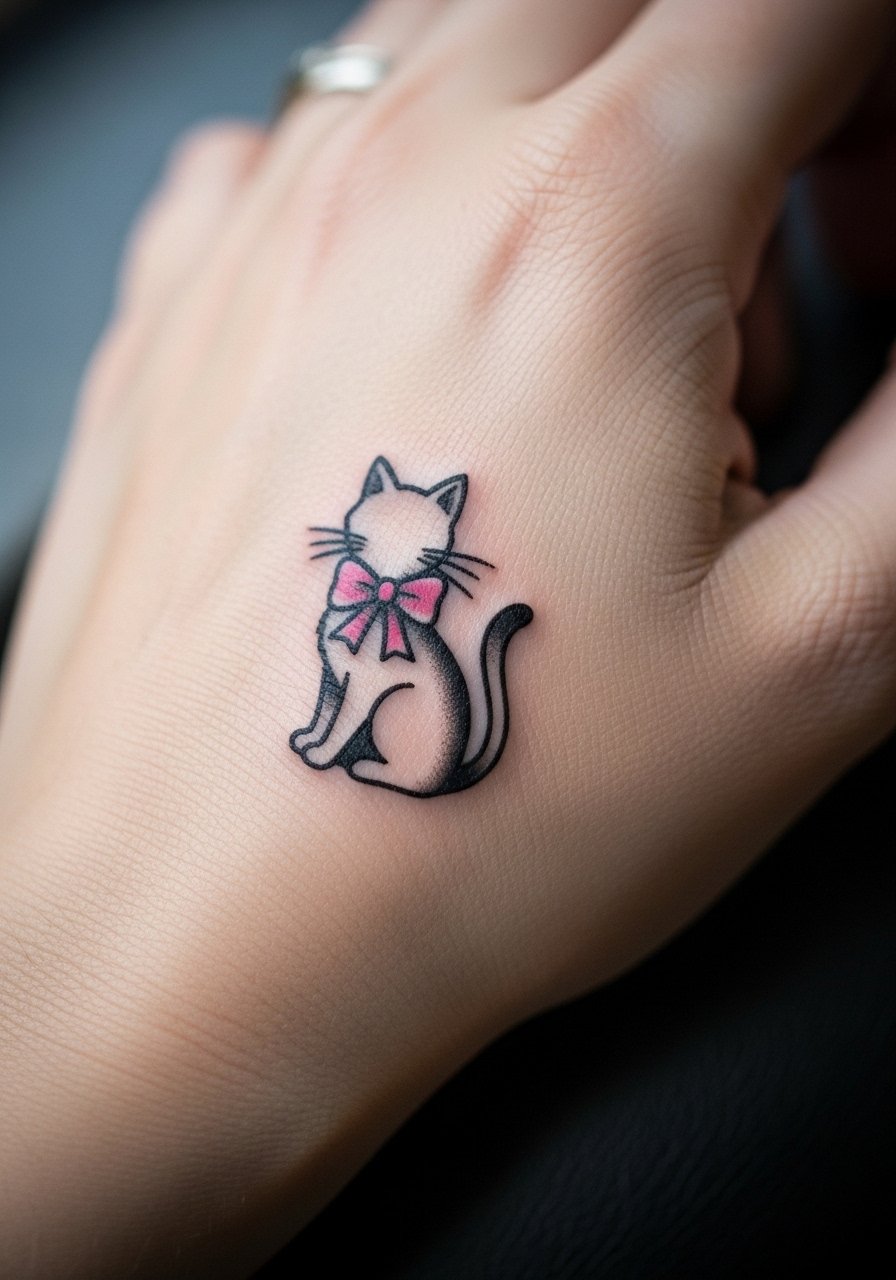
The inner hand hides a playful cat motif naturally, but the skin here is soft and prone to fast fade. When you consult, ask for a simplified silhouette and for the bow to be a single, saturated color with a clean outline. Expect a short but intense session because the inner hand is sensitive and scabs are more likely if you overwork the area. A common mistake is requesting tiny whisker detail. Those lines often merge early. For appointment day keep the hand bare and avoid rings so the artist has unobstructed access.
12. Lips with arrow on wrist
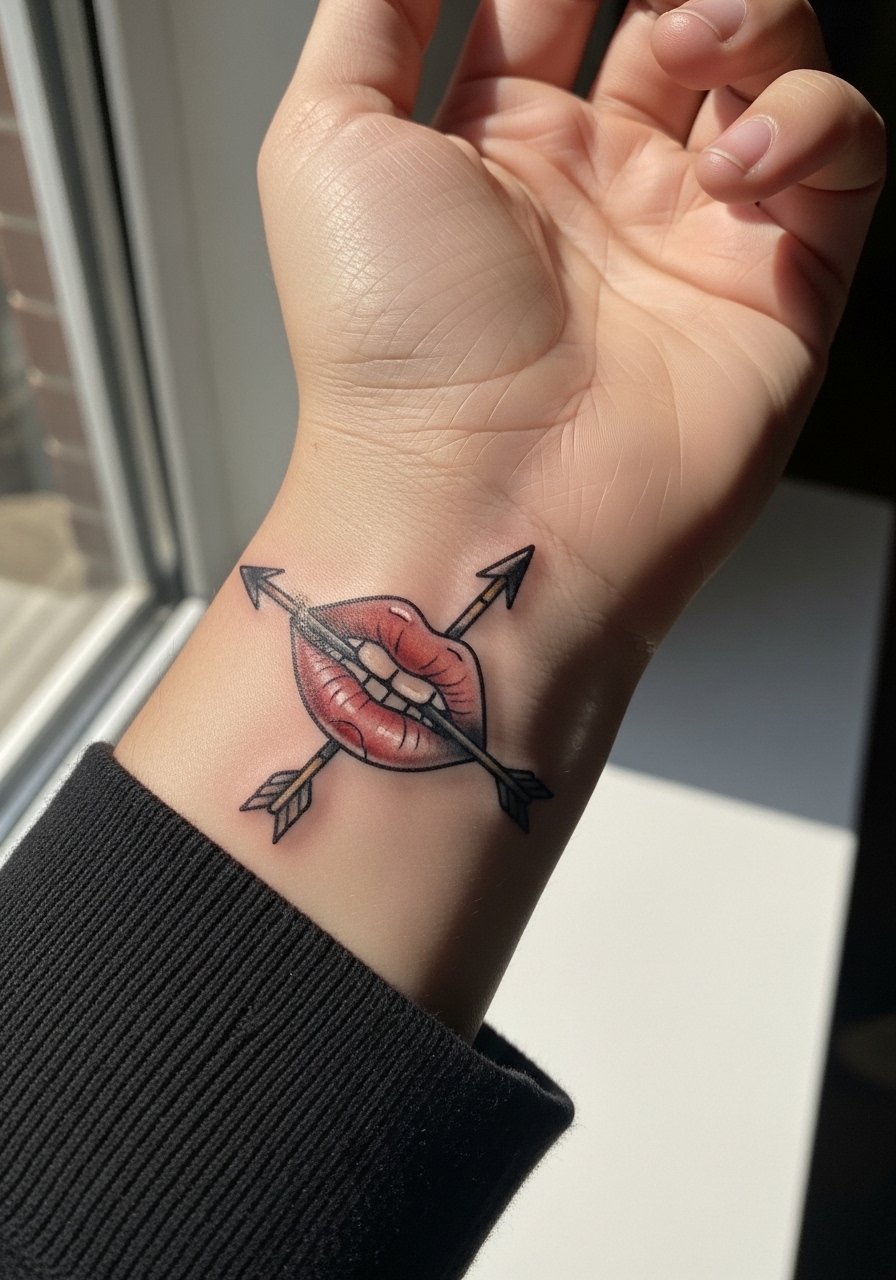
A kiss print and arrow plays with direction and reads best when scaled to at least one and a half inches so the arrow does not bisect too many delicate lines. During the consult say you want a solid red fill and a darker arrow outline to preserve contrast over time. The wrist sees constant motion and washing, so fine arrow feathers can soften by year two without a touch-up. Sessions on the wrist feel like medium vibration over tendons. When dressing to show, a cuffed sleeve or a linen button up shirt keeps attention on the wrist without overwhelming it.
13. Daisy chain wrap on the hand base
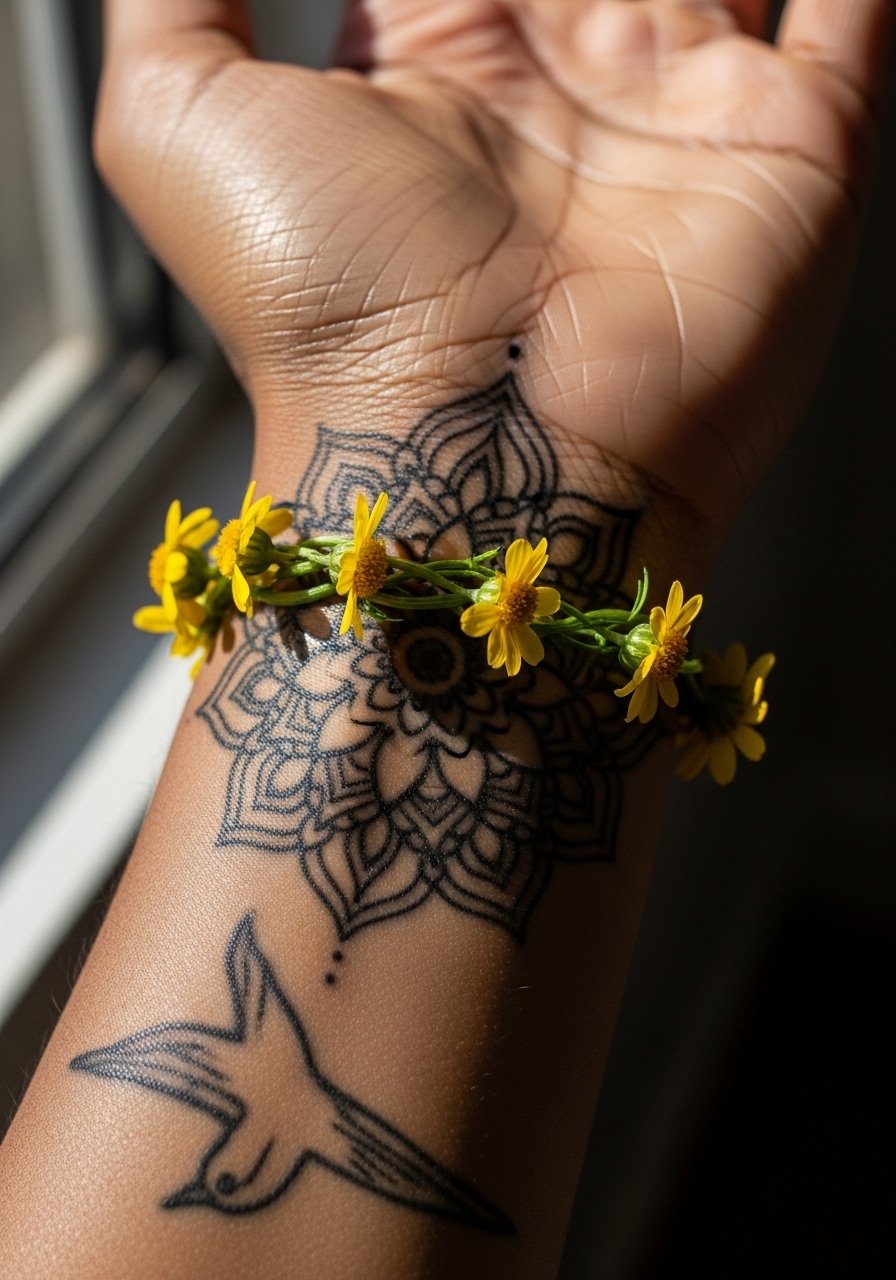
A floral wrap at the base of the hand works like a tattoo bracelet when the daisies are evenly spaced and the stems avoid high-fold areas. Ask for a minimum three inch wrap with negative space between blossoms to prevent the chain from reading as a single band after healing. The hand base moves less than knuckles but more than the forearm, so expect solid color retention if the outlines are confident. A common error is overcrowding the chain with tiny filler leaves. Keep it airy so the pattern survives frequent movement. For evening looks, a sheer mesh long sleeve top will let glimpses of the chain peek through without fully obscuring the art.
14. Secret web symbol between fingers
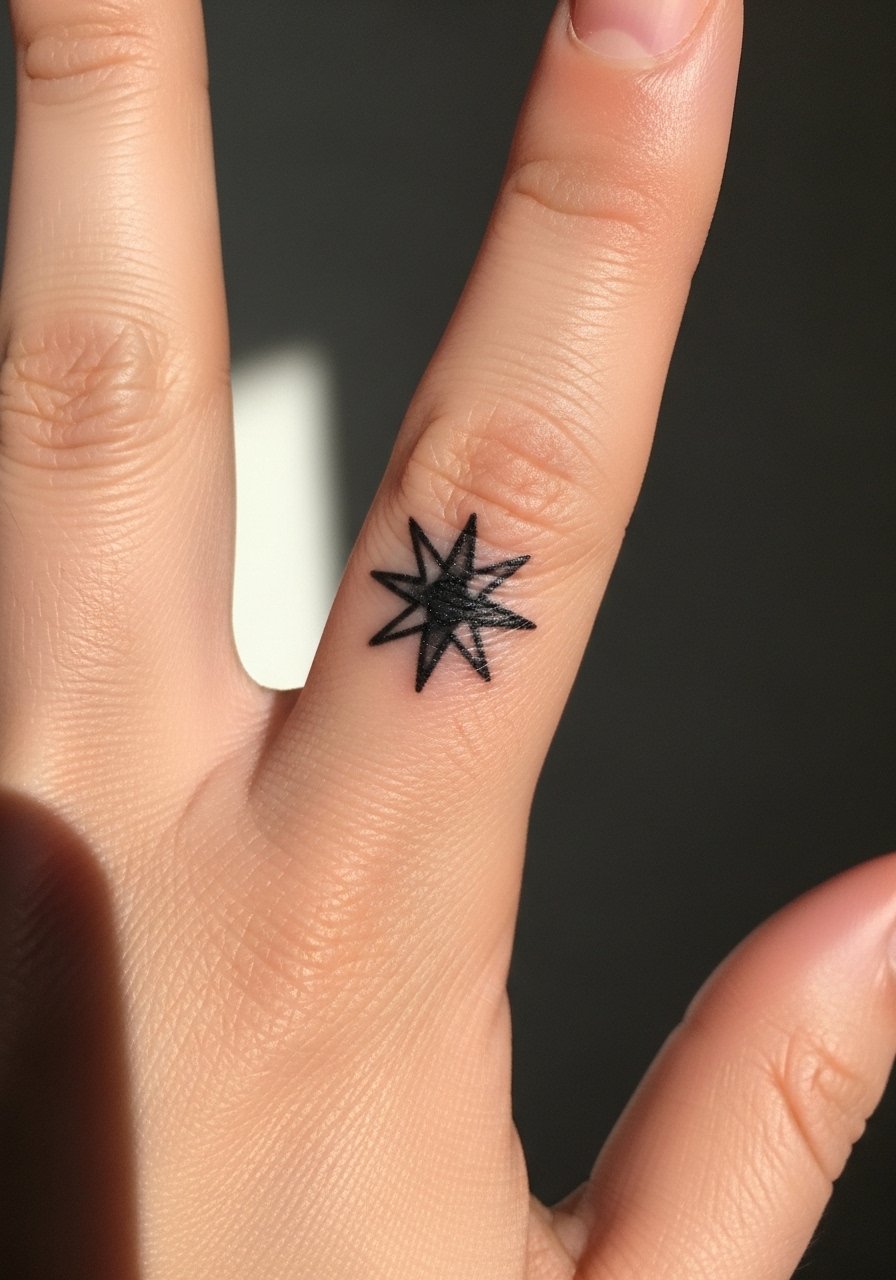
Hand web placements are for people who want a private icon that only shows when the hand is spread. The skin between fingers is thin and very mobile, so ask for a very simple silhouette and thick contour. Most artists will caution that web spots need bold strokes because tiny details disappear fast. A real mistake is wanting intricate shading there. That almost always becomes muddy. Expect faster fade and plan for touch-ups within the first year. These spots are great for a meaningful mini symbol that stays mostly private.
15. Inverted traditional flash for palm visibility

Turning a traditional flash upside down so it faces you when you wave makes palmed designs an intentional reveal. Tell your artist you want the motif oriented toward your palm crease and with stout outlines to counter the palm's heavy wear. The downside is the palm environment sheds and blurs faster than the back of the hand, so invert only simple shapes. The session feels irritating because you must hold your hand open for the artist. Many people keep palmed tats small because larger compositions rarely last without frequent touch-ups.
16. Pearl-accented knuckle mix
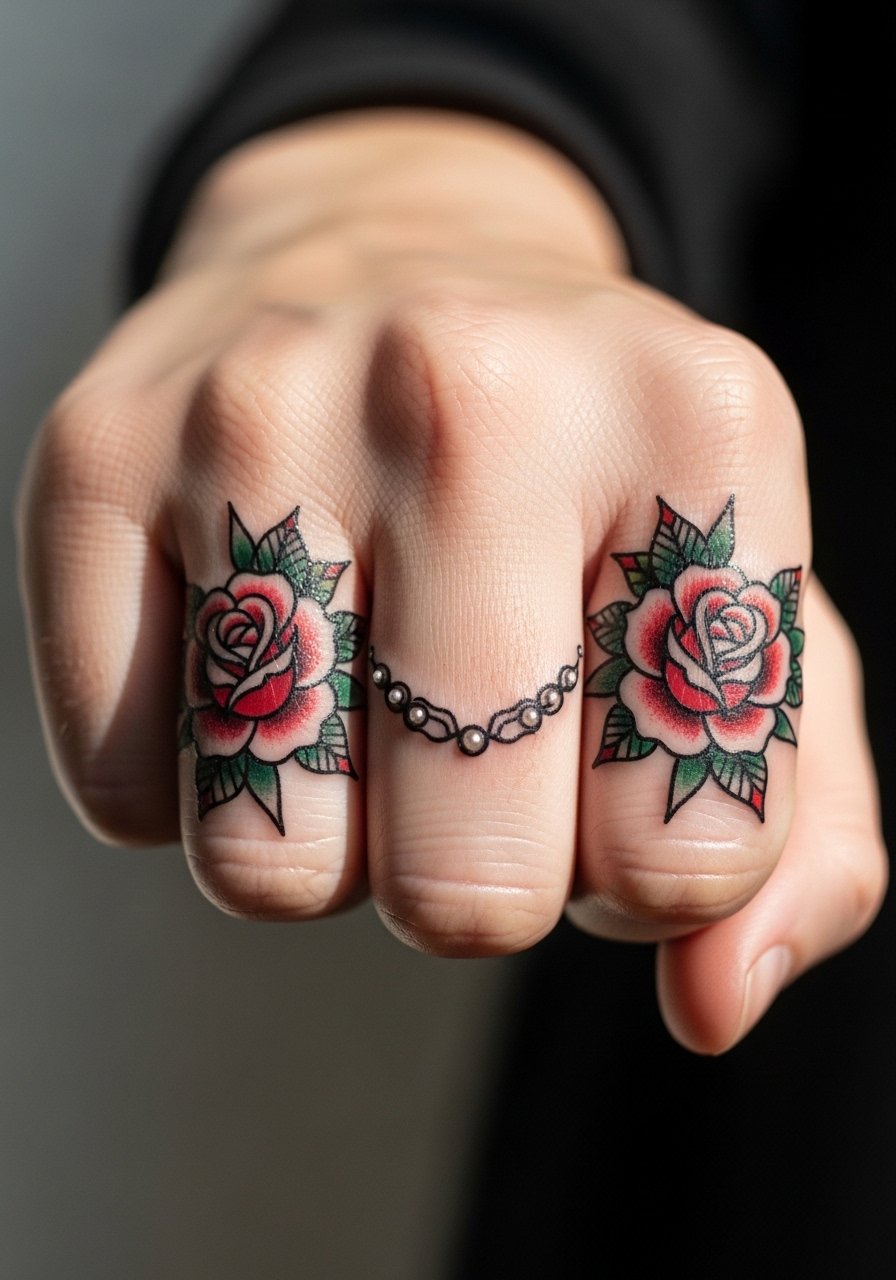
Mixing pearls into knuckle florals creates a jewelry echo that reads feminine without being fussy. Request spaced pearls with strong outline dots and ask the artist to place them away from crease lines. Knuckle skin shifts a lot, so the pearls should be slightly oversized compared with delicate hand work to stay round over time. Expect a touch-up at the year mark to keep the white highlights crisp. Keep nails neat to frame the pearls and try a minimalist manicure kit if you want the fingers to read like coordinated accessories.
17. Mini anchor on side knuckle
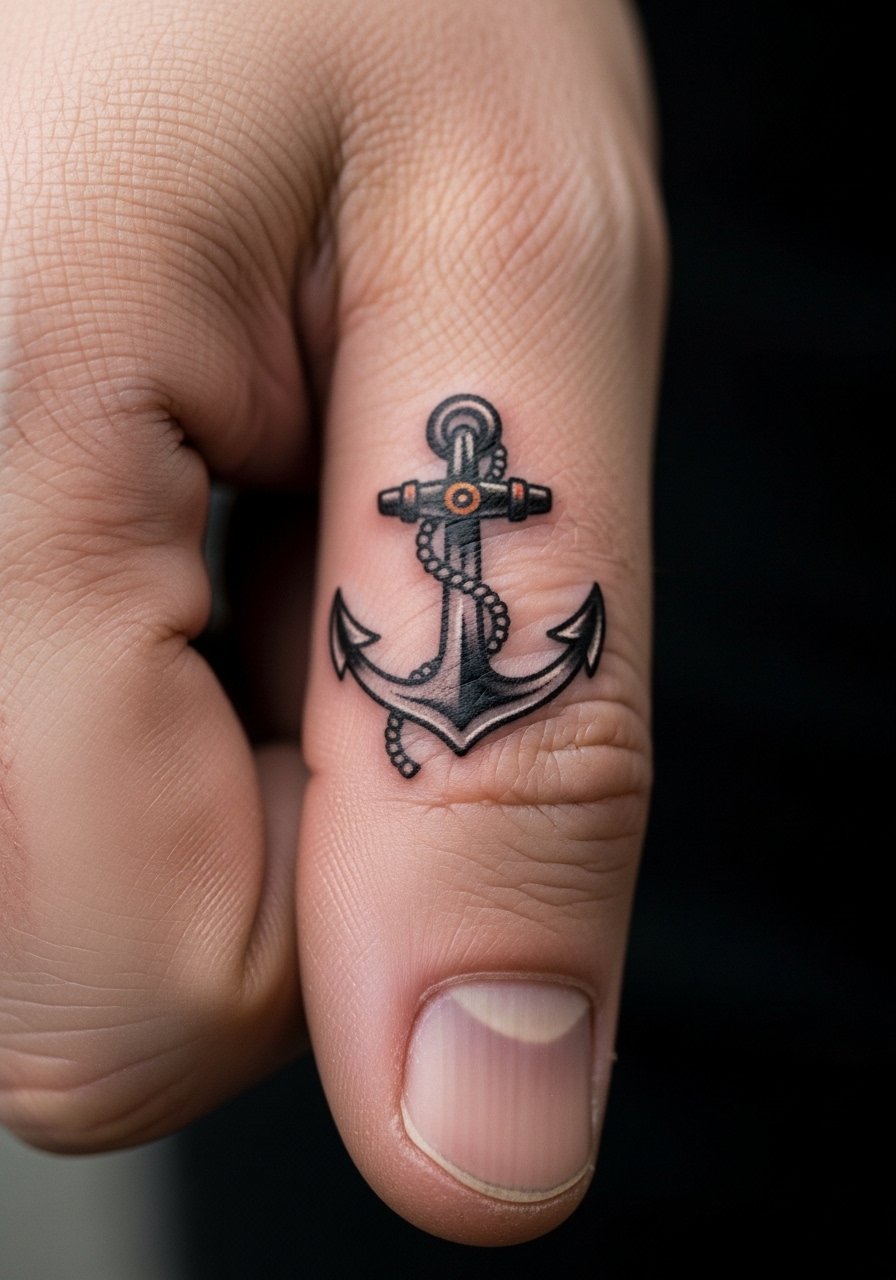
Side knuckle anchors pack maritime character into a tiny footprint. Be realistic about size. Anchors under one inch often lose anchor detail as skin flexes. During consultation ask for simplified flukes and a thick shank. Pain is sharp because the area sits close to bone, but sessions are brief. A frequent mistake is crowding multiple symbols across the same knuckle row. Give each mark breathing room so they age separately. If you want the nautical vibe without constant touch-ups, place the anchor slightly off the joint area.
18. Tiny moon and stars on thumb web
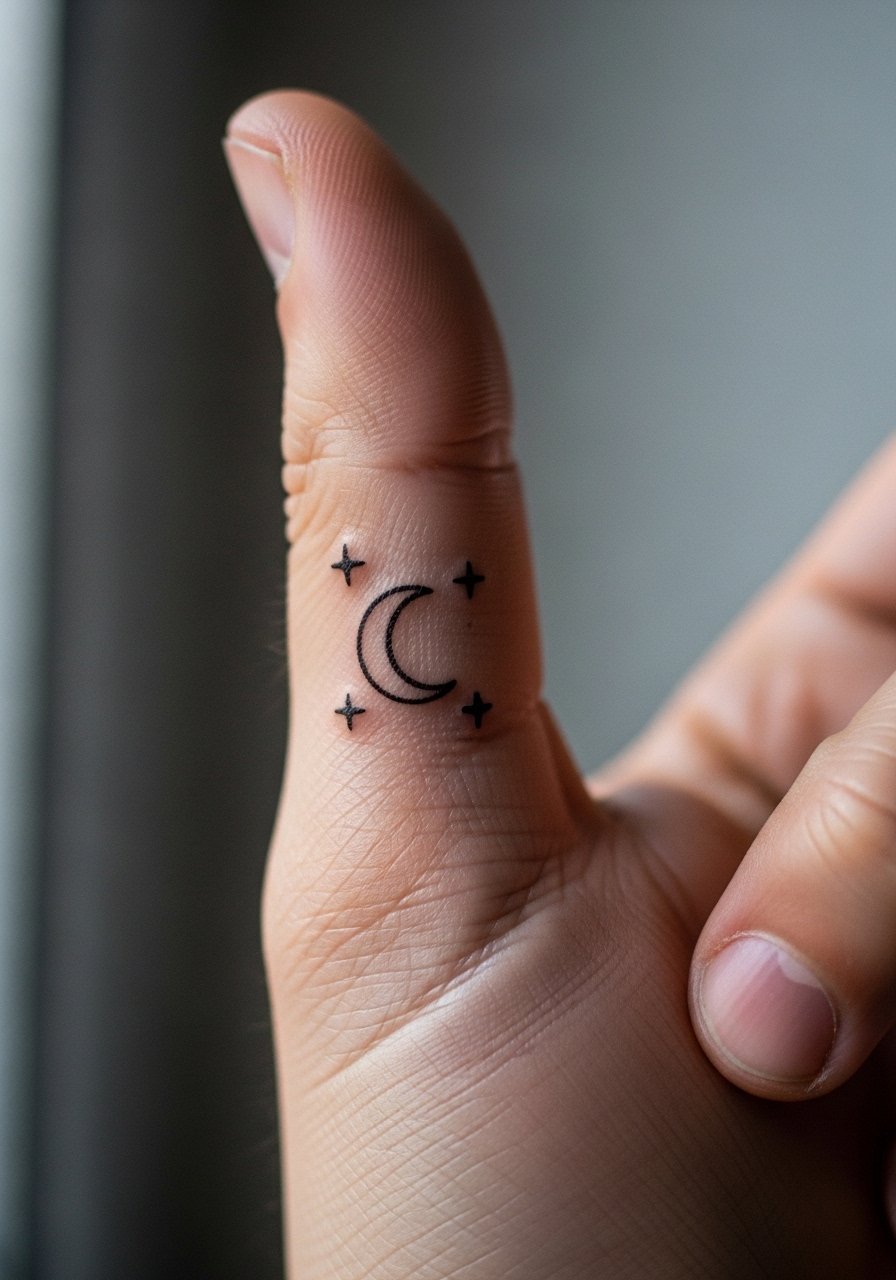
Celestial dots in the thumb web look like secret talismans when spaced for nighttime sparkle. Ask the artist for a simple crescent and for star dots that are slightly larger than you think you need. The web area is thin and subject to repeated washing, so those tiny points can fade quickly. Expect a small session and a touch-up within the first year. For low-key balance try a small thumb ring silver on the opposite hand when you want to echo the lunar motif without covering the art.
19. Vintage perfume bottle on palm side
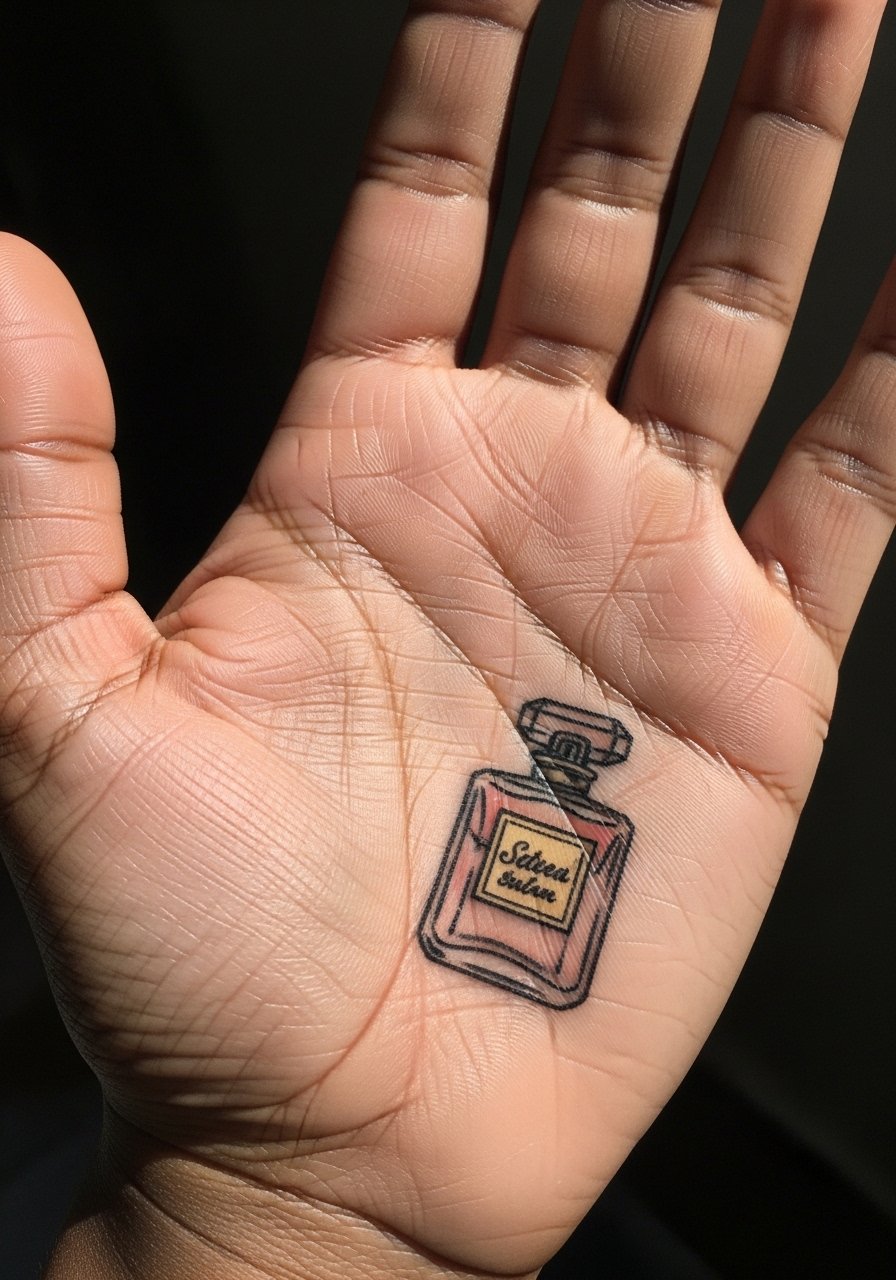
A tiny bottle on the palm can be charming but it faces the same challenges as other palm work. Tell your artist you want the bottle silhouette bold and the label area empty rather than filled with tiny script. The palm will soften the edges with time, so simplicity is your friend. Healing requires minimal handling because the palm is in constant use. Consider an inverted design instead if you want a motif that reveals only when greeting people, and budget for more frequent touch-ups than a back-of-hand piece.
20. Key and lock on back of hand
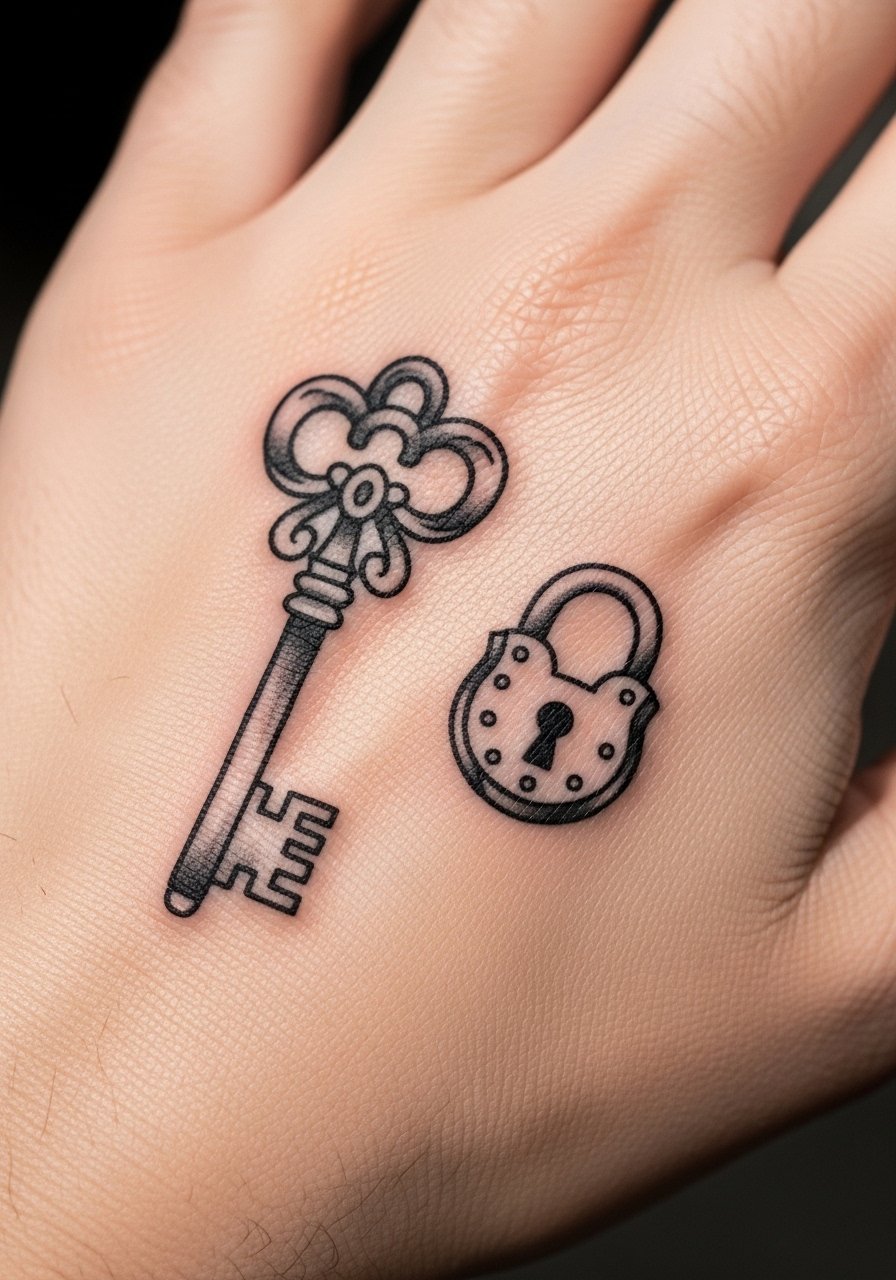
Paired keys and locks on the back of the hand read narrative when sized and spaced properly. In the consult mention whether you want the two elements connected by chain or separated, because chains are thin and can blur into texture over time. The back of the hand tolerates heavier outlines well, which makes this placement forgiving if you prefer color. Avoid tiny tooth details in the key. They rarely survive beyond year one. Appointments are straightforward and usually done in a single session.
21. Narrow script banner along hand base
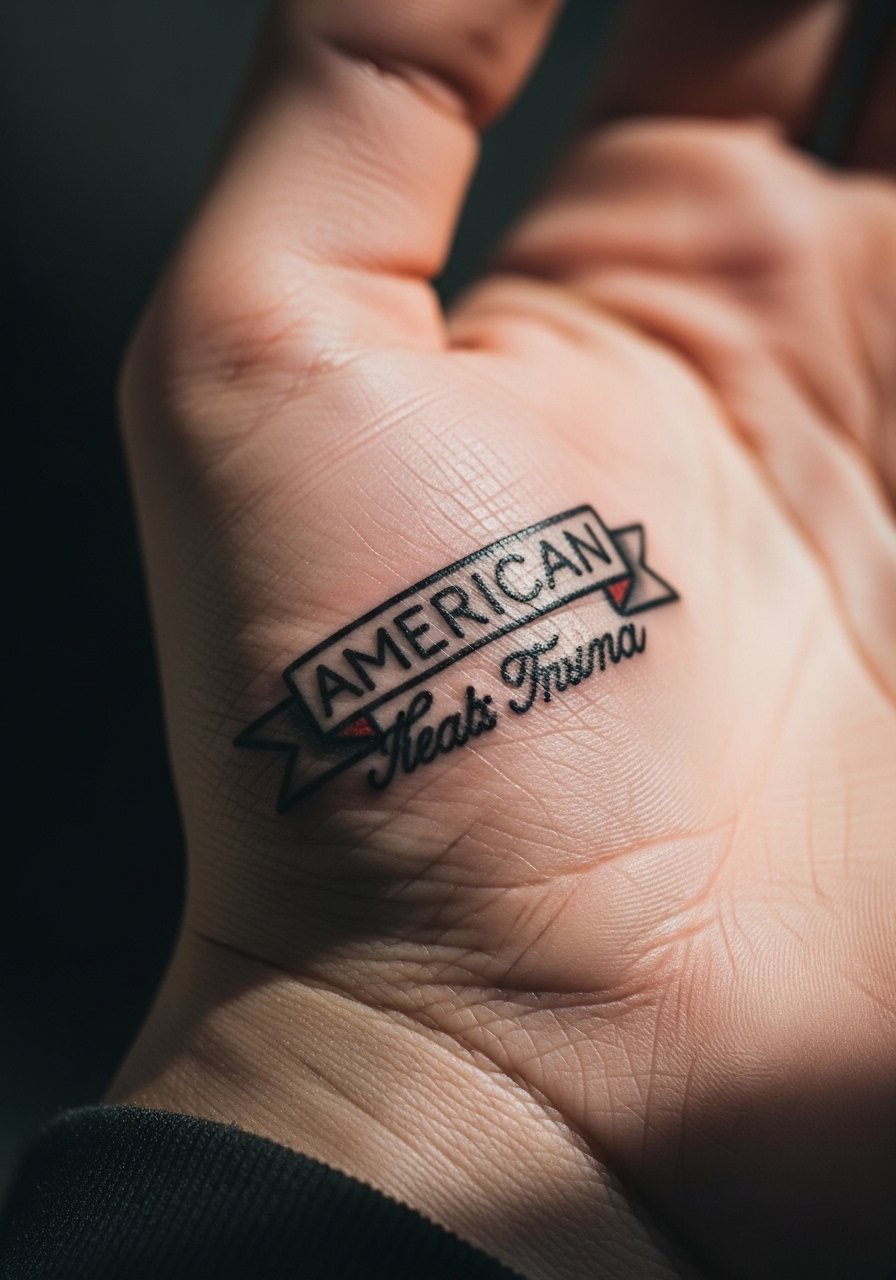
A banner along the hand base frames that area like a wrist cuff when the lettering is thick enough to stay legible. Ask your artist for blockier letters and for spacing that leaves negative zones between words. Thin script here tends to bleed and read as a smudge after heavy use. The session is quick but requires steady hand positioning to keep the banner straight. If you want a phrase, keep it short so each letter can be slightly larger and easier to read as the piece ages.
Frequently Asked Questions
Q: Do fine line hand tattoos fade faster than American traditional pieces?
A: From what I have seen, fine line work on hands often softens faster because the thin strokes have less pigment per millimeter. Traditional work with thicker contour lines and saturated fills tends to keep visual integrity longer. Talk with the artist about line weight if longevity is a priority.
Q: How often should I plan touch-ups for thumb web or palm-side designs?
A: Expect touch-ups for thumb web and palm-side work within the first year more often than for back-of-hand pieces. The palms face constant abrasion and washing. Budget the time and keep follow-up appointments in mind when you choose placement.
Q: Is Saniderm better than dry healing for hand tattoos given all the washing?
A: Artists and healers split into two camps here. One group prefers protective film because it limits moisture and contamination, and the other prefers dry healing for better scab adhesion. For hands, protective films often reduce early friction but watch for maceration. Ask the artist which method they recommend for your lifestyle.
Q: What should I wear to a hand tattoo session to make the artist’s life easier?
A: Wear a loose sleeve you can roll or pull back without tugging on the shoulder. For wrist and hand pieces a short sleeve tee works well. If you plan to show the piece right away, a clean nail finish helps. A quick option is vintage red nail polish for coordinated color.
Q: Are there placements on the hand that tend to look better on darker skin tones?
A: High-contrast designs with thicker outlines and saturated color generally translate well across darker tones. If you have darker skin, ask for mockups with stronger black linework and for color choices that keep contrast. Test the palette on a small area if you can.
Q: How do I protect a new hand tattoo at work when I wash my hands a lot?
A: Keep washing gentle and avoid hot water for the first week. Dab rather than scrub and let the area air dry instead of rubbing. If your job requires heavy hand use, consider asking about a short protective film for the very first 48 to 72 hours and check with your artist about removal timing.