Fine line full moons get the most saves, but they are not always the ones that age the best. I've watched hyper-delicate moons soften on wrists and the blackwork pieces that looked plain the day they healed read stronger at year three. Below are 27 full moon tattoo ideas that balance what looks good now with what still looks intentional after a few years.
1. Full Moon with Craters in Dotwork on Inner Forearm

I've seen dotwork craters keep their texture longer than watercolor when placed on the forearm. Ask your artist for slightly larger stipple dots and softer transitions between light and shadow so the crater texture survives touch-ups. Expect 1 to 2 sessions and a low pain level for this placement. Common mistakes include tiny, dense stippling that blurs at year two. For the session wear, roll up a loose long-sleeve like a chambray button shirt so the artist has clear access and you stay comfortable.
2. Neo-Traditional Full Moon with Stars on Upper Arm
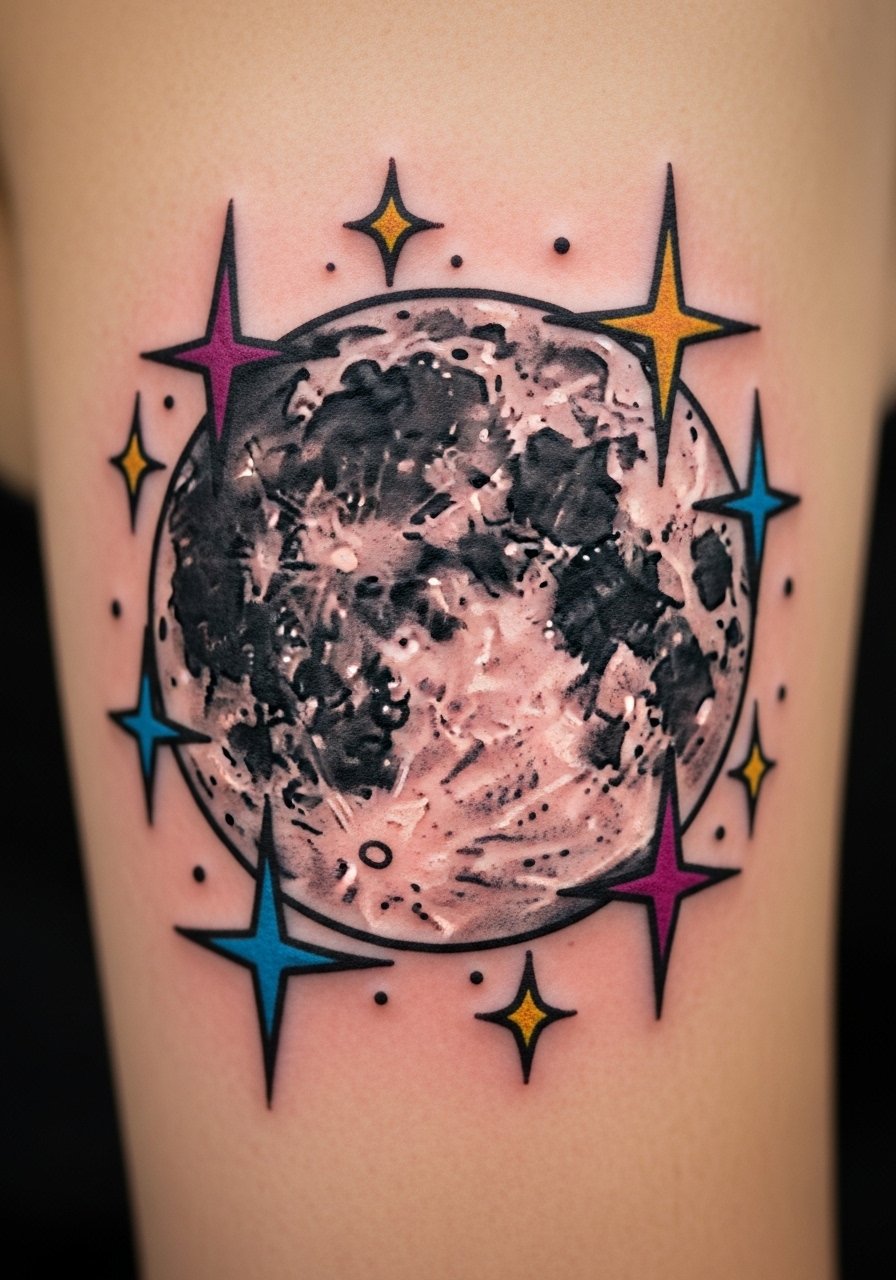
There is real visual punch in pairing a saturated moon with small star motifs in neo-traditional color. Tell your artist you want bold outlines with color accents tucked into the shadow areas. Pain is mild for upper-arm work and most sessions finish in a couple of hours. The aging trade-off is color fade in bright pigments. Ask about pigment choice during consult and plan a touch-up at year two if you want the color to stay vivid. Wear a sleeveless halter tank to the session for easy access.
3. Minimalist Full Moon Outline on the Wrist

Wrist outlines read clean when they are scaled to the wrist's curve and drawn with confident linework. Fair warning, wrists see a lot of sun and friction so fine line here can need touch-ups sooner than thicker work. Ask for slightly heavier line weight than the thinnest reference you like, and schedule a quick top-up within 12 to 24 months. For showing it off, a thin leather wrap bracelet complements the negative space without crowding the lines. Expect low session time but medium longevity risk.
4. Full Moon Phases Sequence Down the Spine
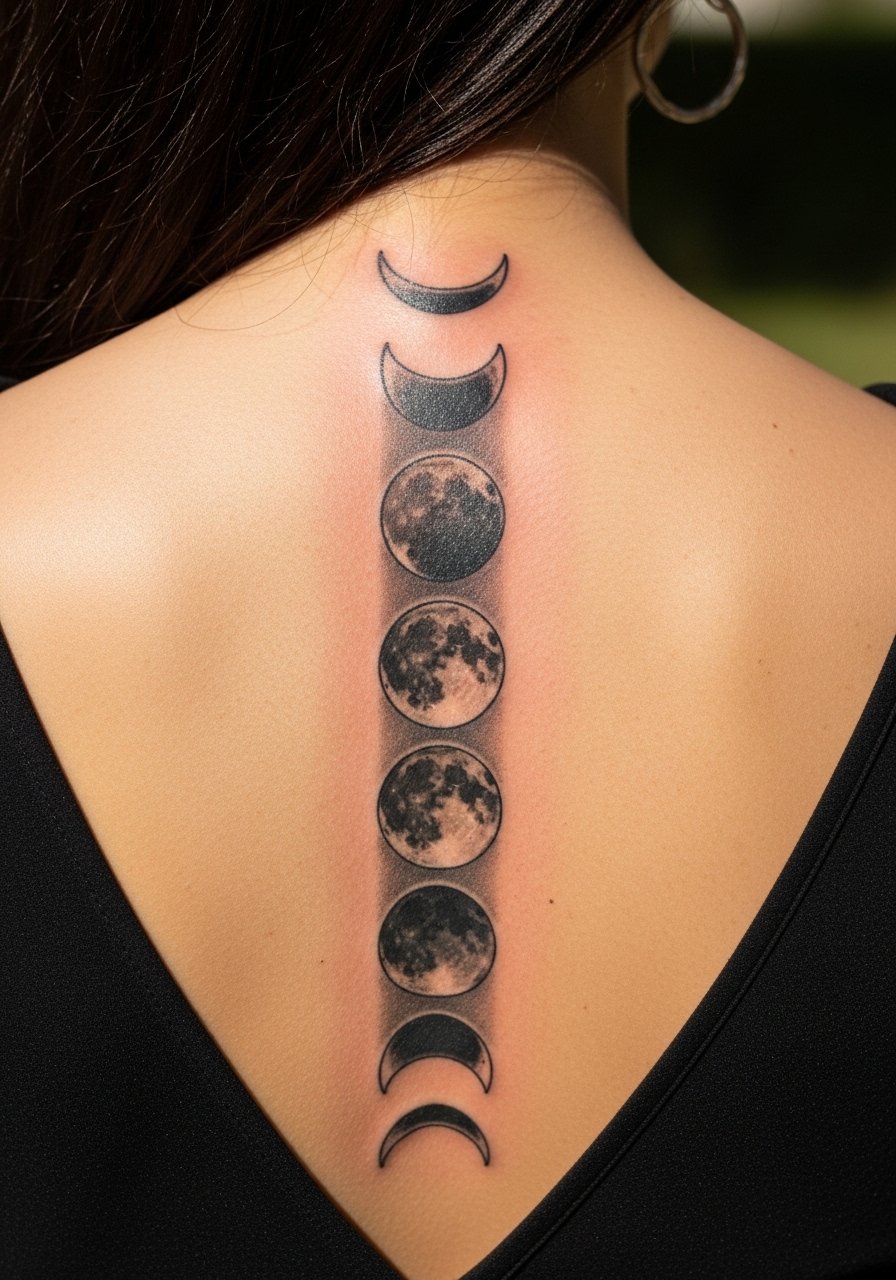
Phases down the spine read like a single flowing element when the spacing and scale are planned for movement. Pain on the spine ranges high for many people, so split into shorter sessions if you are nervous. Artists debate whether very small phase dots hold up on this location, with one camp warning about blurring and the other arguing that proper spacing fixes the issue. When you consult, ask your artist how much negative space they’d leave between phases and whether they recommend touch-ups at year two. For evenings out, this style pairs with a backless crop top that frames the line.
5. Watercolor Full Moon Splash on the Collarbone
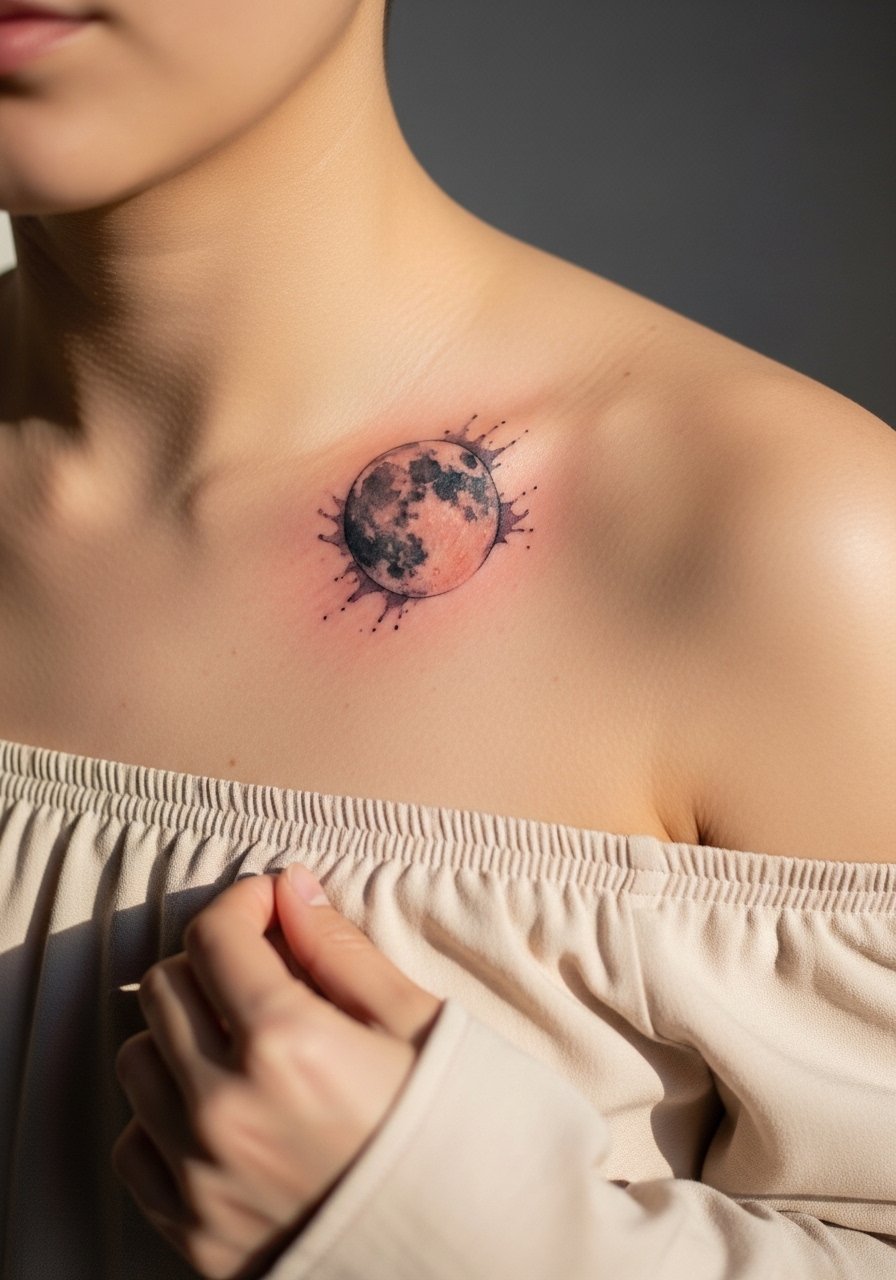
Watercolor moons can be gorgeous against collarbones, but they demand gentle aftercare and sun avoidance to slow color bleed. Ask for a watercolor wash that is anchored by a subtle black or gray outline so the shape stays readable as the pigments soften. Expect 1 to 2 sessions and moderate pain near the bone. For showing it off, layer a thin chain pendant necklace that sits just above the design. If you prefer longer-term clarity, mix watercolor with a touch of blackwork for structure.
6. Blackwork Full Moon Mandala as Back Centerpiece
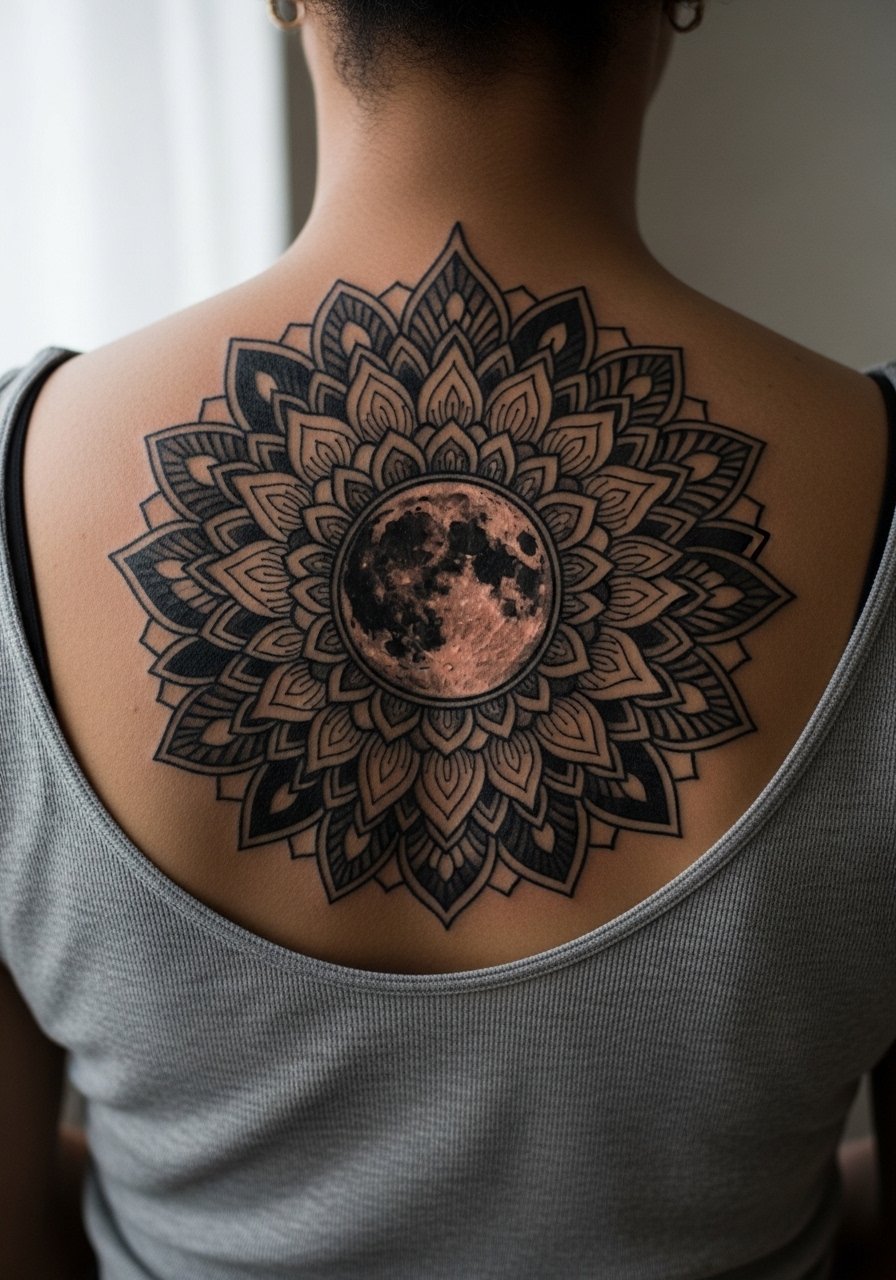
Big blackwork mandalas give a hypnotic anchor when placed on the back and age into bold silhouettes. Expect longer sessions across multiple days for solid saturation. The main mistake is overcrowding tiny mandala elements too close together which causes merging as it heals. Ask the artist to build spacing into the mandala so each petal keeps definition at year three. For show-off choices, low-back or backless tops contrast with the solid black. Comfortable session wear is a front-open robe or loose tank.
Studio Day Picks
The upper-arm, forearm, collarbone and back pieces above each have different prep needs, and a few targeted items make sessions and the first week much less fussy.
-
Ink-Oil Balm. A non-greasy matte balm helps blackwork areas retain their crisp look during the first month of moisturizing without the glossy buildup that Aquaphor can create.
-
Aussie Soothing Gel. Lightweight gel for fine line collarbone work in dry winters that won’t sit heavily on delicate pigment.
-
Japanese Rice Bran Cream. Gentle, natural-feeling moisturizer for sensitive skin that reacts poorly to petroleum-based ointments after a watercolor session.
-
UK Tea Tree Salve. A small tube for spot-treatment if scabbing gets irritated, handy for outer-arm and forearm pieces prone to friction.
-
Hustle Butter. A thinner alternative to heavy ointments that many people find better for maintaining shading on dotwork craters without clogging the skin.
7. Fine Line Full Moon with Constellations on Inner Forearm
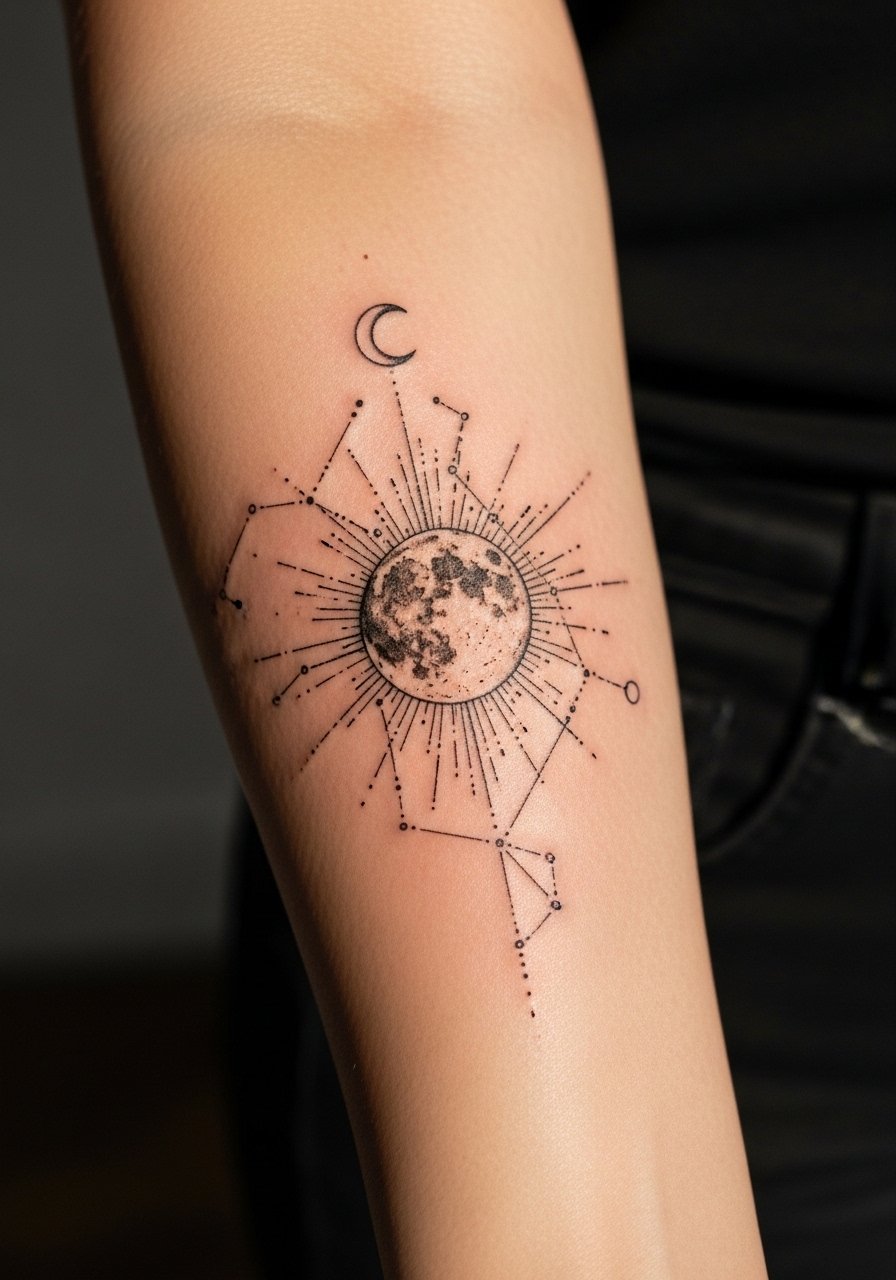
Fine line moons with tiny constellations look great on the inner forearm but require honest consultation about line weight. In my experience, ask for slightly bolder anchor lines around the moon so the constellation dots can be lighter without vanishing. Expect one to two sessions and low to moderate pain. A common mistake is asking for hairline dots that the skin cannot hold. For session wear, roll a chambray button shirt sleeve to the elbow for access and comfort.
8. Micro-Realism Full Moon Texture on the Calf
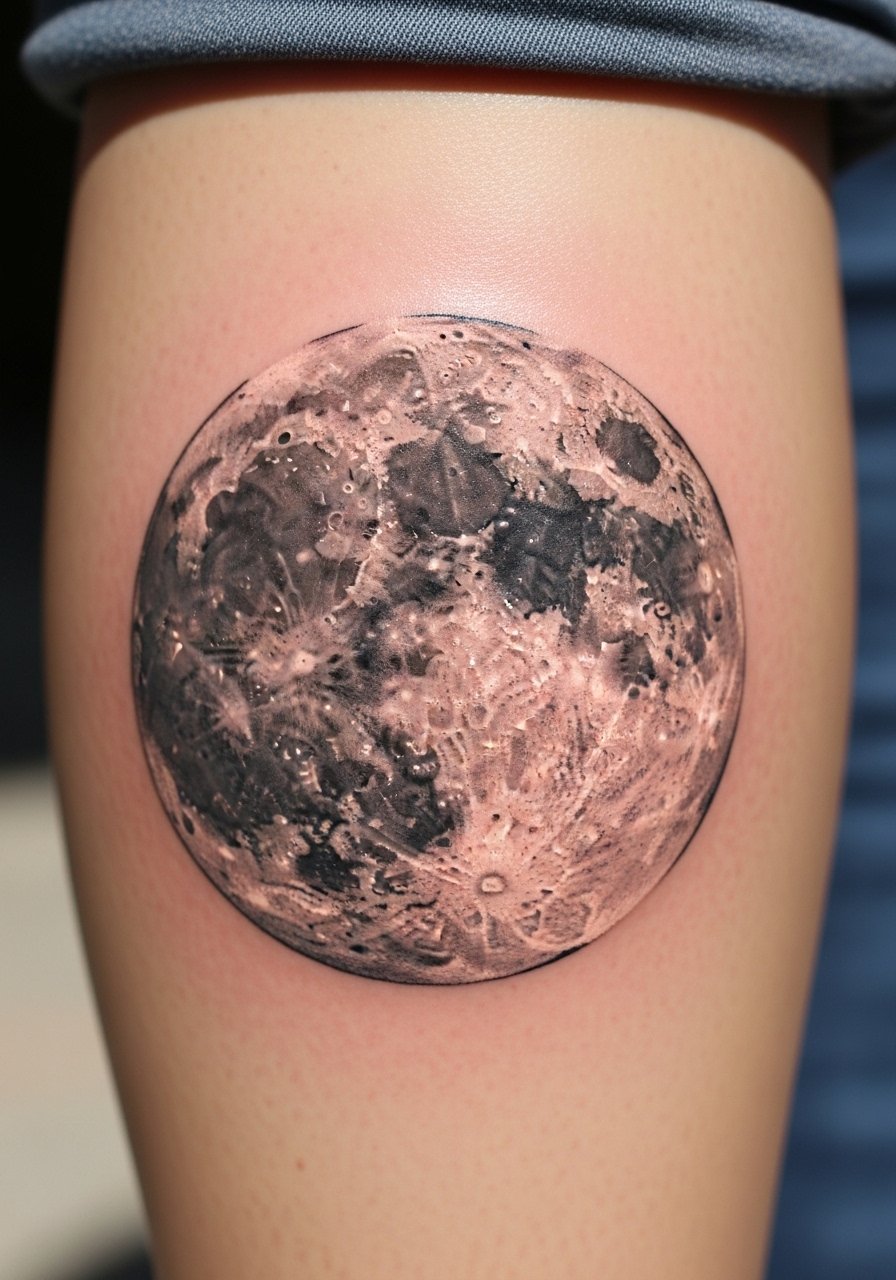
Micro-realism on the calf lets the artist render crater depth in a compact area. Calf skin tolerates saturation well and shows detail across seasons. Expect two sessions for depth and moderate discomfort if the artist works deep for texture. The mistake is shrinking realism too small. Keep the moon at least two inches to preserve crater fidelity over time. Pair this placement with rolled bootcut jeans or shorts when you want it visible. For session day, wear shorts so the leg can be propped easily.
9. Ornamental Full Moon Frame on the Thigh
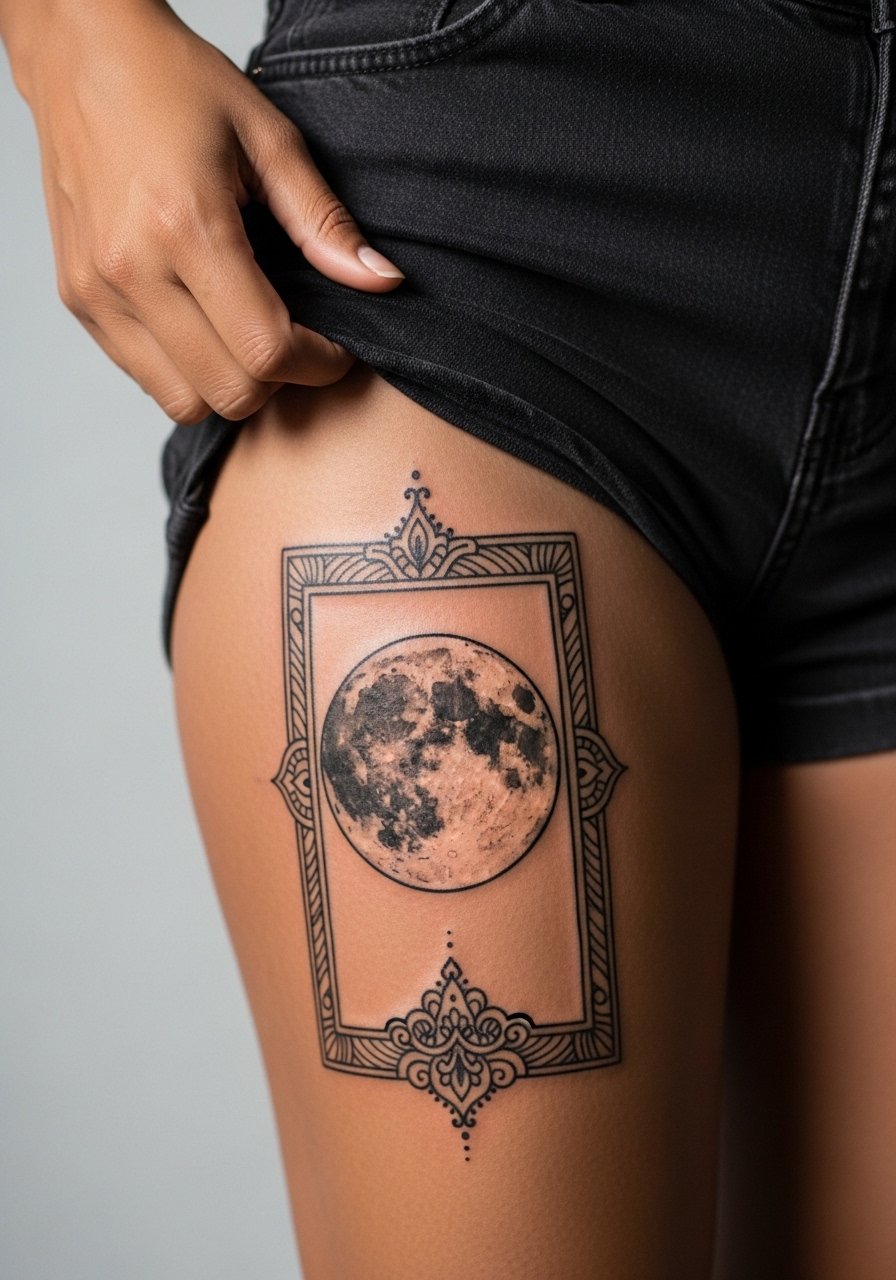
A framed moon on the thigh gives a private but dramatic canvas. The thigh handles dense linework and black fills better than thin areas. Tell your artist the frame should have breathing room so heavy blacks do not merge when you sit or wear tight clothing. Pain is lower on the outer thigh and sessions are typically two hours. For showing off, high-waisted shorts or an asymmetrical skirt work well. Keep in mind thigh tattoos age well under clothing, but friction from tight fabrics can dull edges.
10. Ignorant Style Full Moon Scribble on the Hand

Hand and knuckle areas are trend-forward and raw, and ignorant style scribbles embrace imperfection. Know that hands are high-friction zones and pigment loses clarity faster. If you want this look, request intentionally rough strokes rather than tiny, precise markings that will fade. Expect a quick session and a need for touch-ups later. Also consider how visible hand work may affect job situations. A tiny trade-off is worth discussing before you book.
11. Geometric Full Moon Facets on the Ribcage
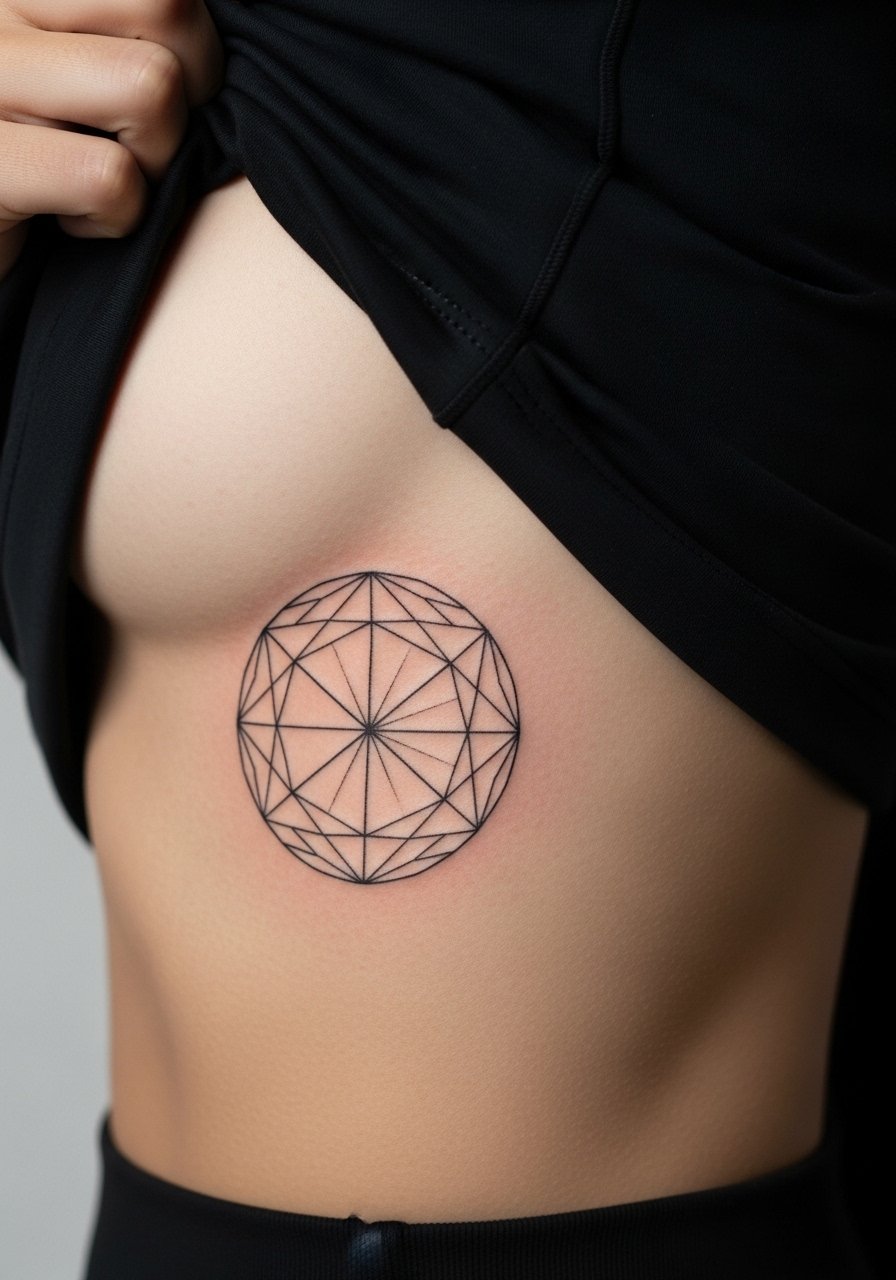
Ribcage work can look stunning because the torso gives space for complex geometry, but it is also one of the higher pain areas. Artists are split on whether very fine geometry holds on ribs. One camp says the skin stretch and movement blur thin lines quickly. The other says spacing and needle depth solve the issue. Ask your artist which approach they favor. Pick a slightly larger scale so the facets have room, and plan for shorter sessions if you are sensitive.
12. Traditional Full Moon with Clouds on Outer Bicep
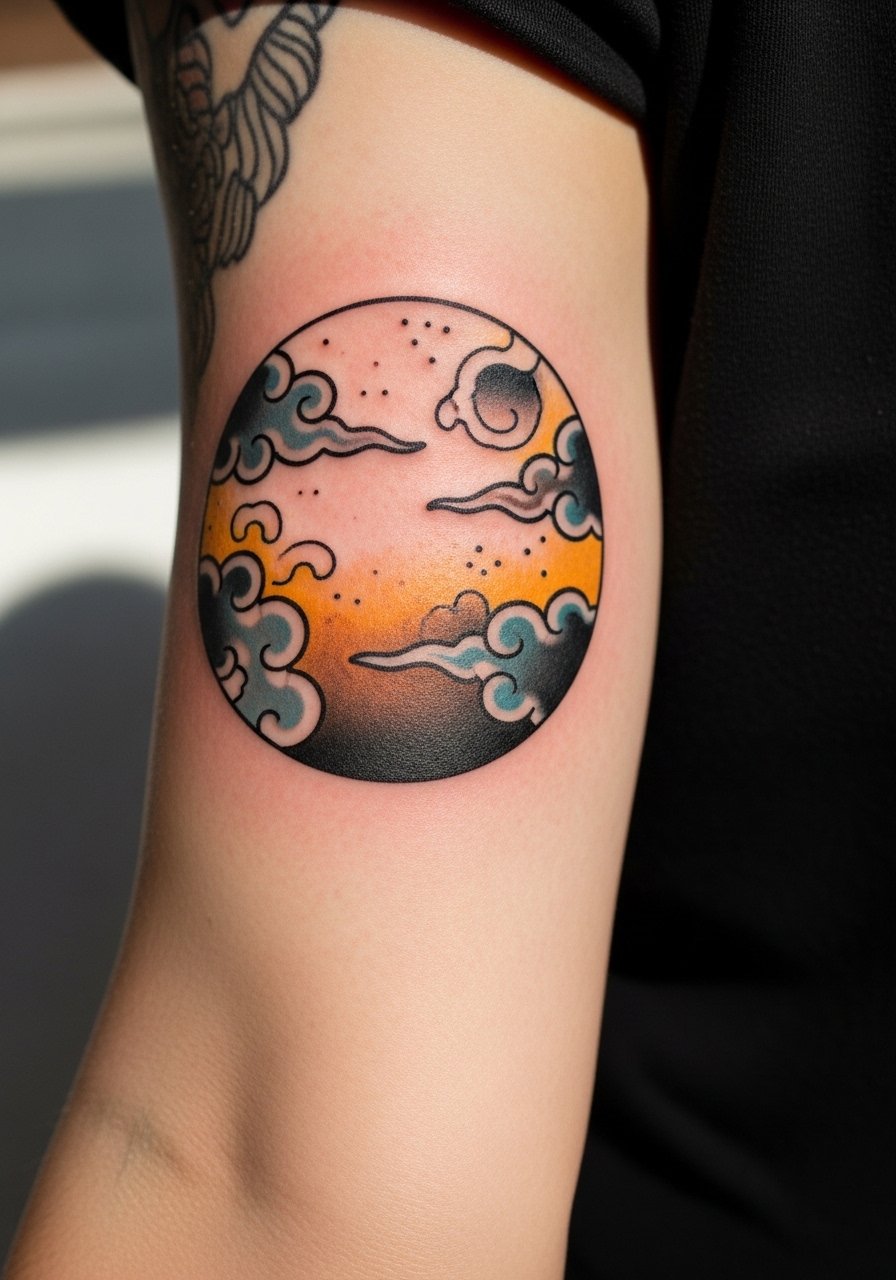
Traditional moons with cloud scrolls benefit from bold outlines and heavy saturation that age predictably. The outer bicep gives visibility and is forgiving for color retention. Tell the artist you want strong black outlines and solid color fills for longevity. Sessions are medium length and pain is manageable. For session wear, a loose tank top keeps the area exposed and comfortable. The main mistake is asking for tiny shaded clouds that lose their shape with wear.
13. Inverted Palm Hidden Moon
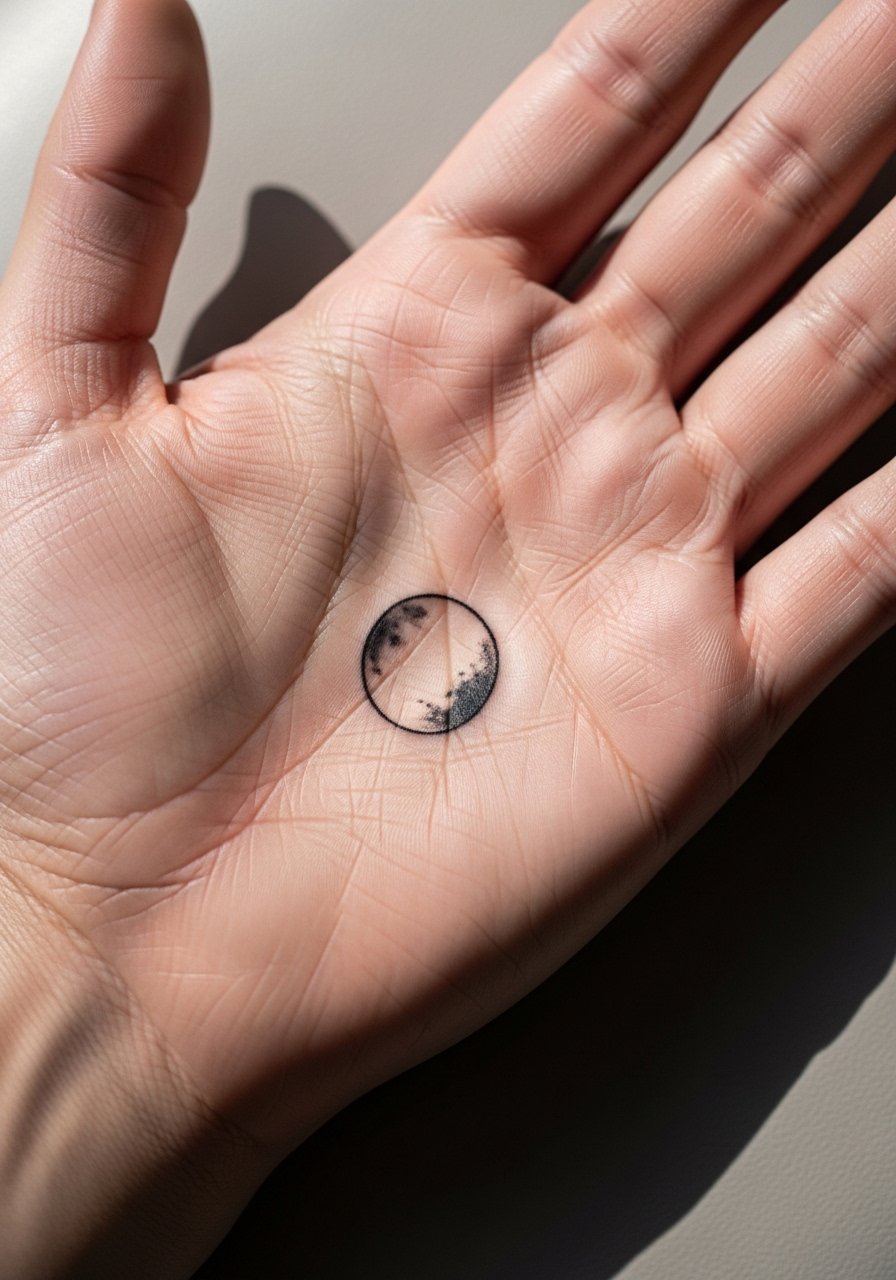
Palm tattoos are a niche move for people who want a private reveal when they open their hand. The trade-off is heavy fading because palm skin regenerates quickly. If you try this, expect frequent touch-ups and a higher chance of pigment loss. The session itself is short but the heal is finicky. The mistake is treating a palm tattoo like any other placement. Plan for maintenance and ask the artist about pigment choice and technique.
14. Birth Chart Constellation Pairing on the Collarbone
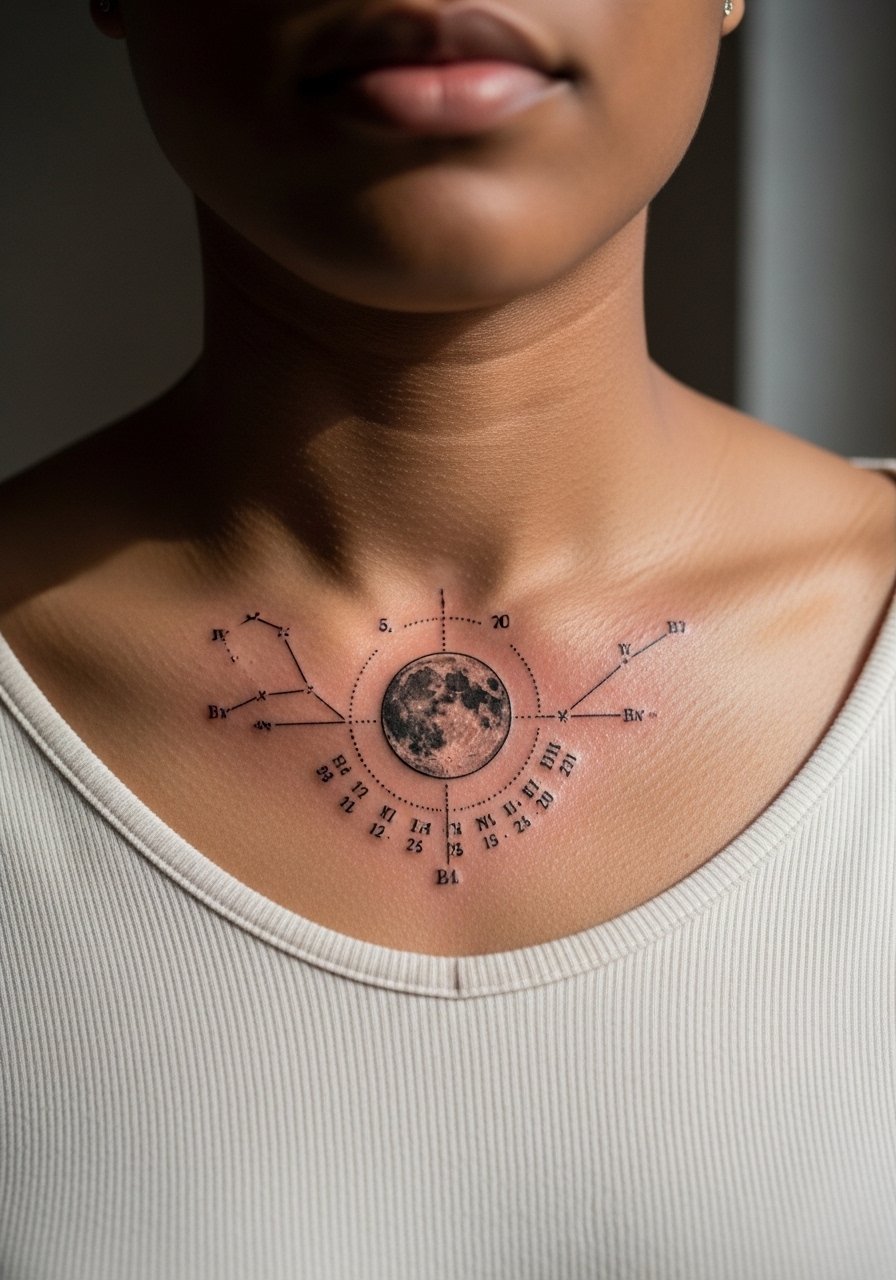
Pairing a micro-realistic moon with constellation points along the collarbone creates a personal map that still reads elegant. Ask for a placement mockup that shows how the constellation spacing interacts with necklaces. Fine dots can blur on this thin skin, so request slightly darker anchor dots with lighter connecting lines. For showing it off, an off shoulder blouse frames the collarbone and keeps attention on the delicate work.
15. Dry Ice Effect Shading Around a Full Moon for Dark Skin
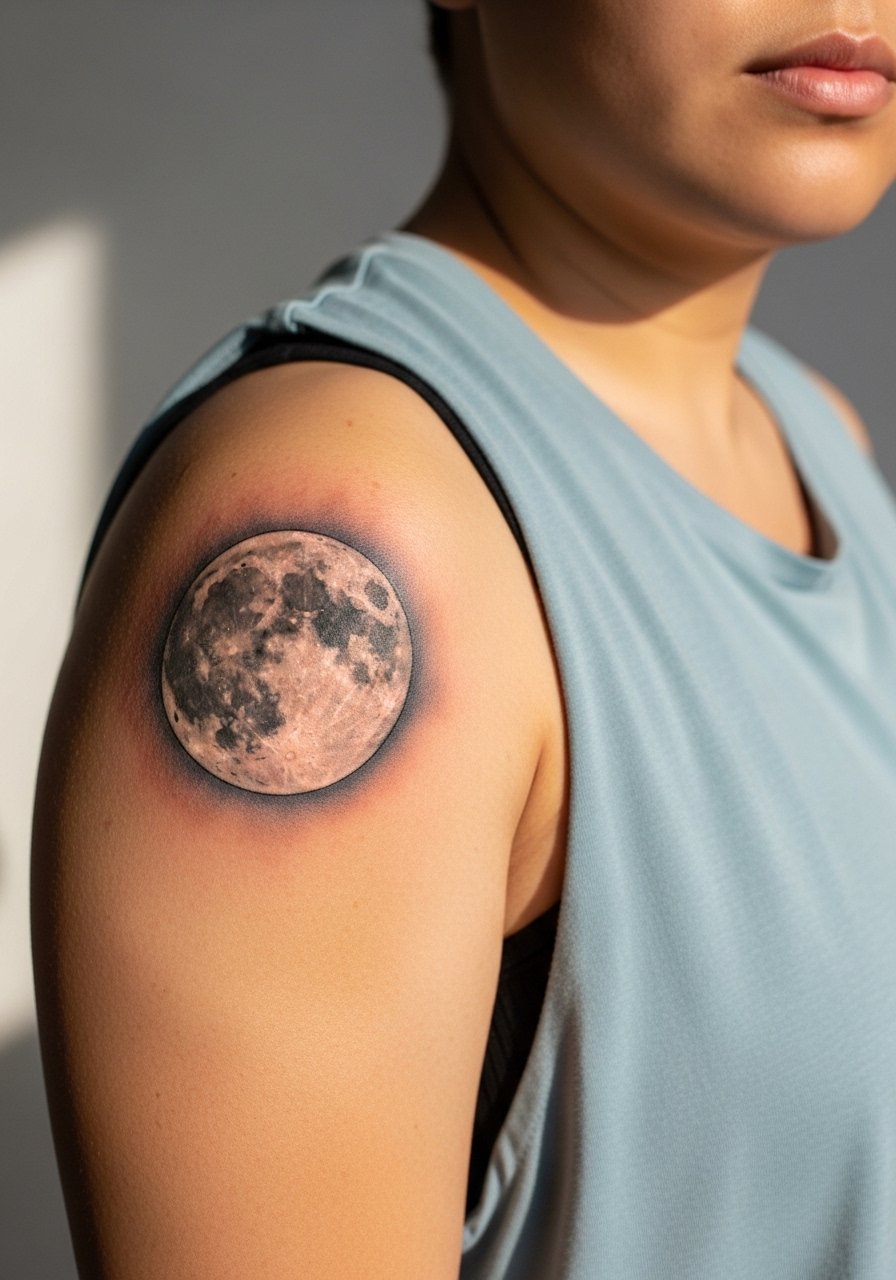
For darker skin, artists are experimenting with a dry ice shading technique that uses contrast and negative space rather than bright color washes. If you have dark skin and want a frosty glow, ask the artist for contrast-driven shading and test patches if you are concerned about pigment reaction. This approach avoids heavy pastel pigments that can disappear. Expect one to two sessions and ask about touch-up timelines. Session wear is a loose tank so the shoulder is easy to access.
16. Modular Moon Phases with UV Ink Accents
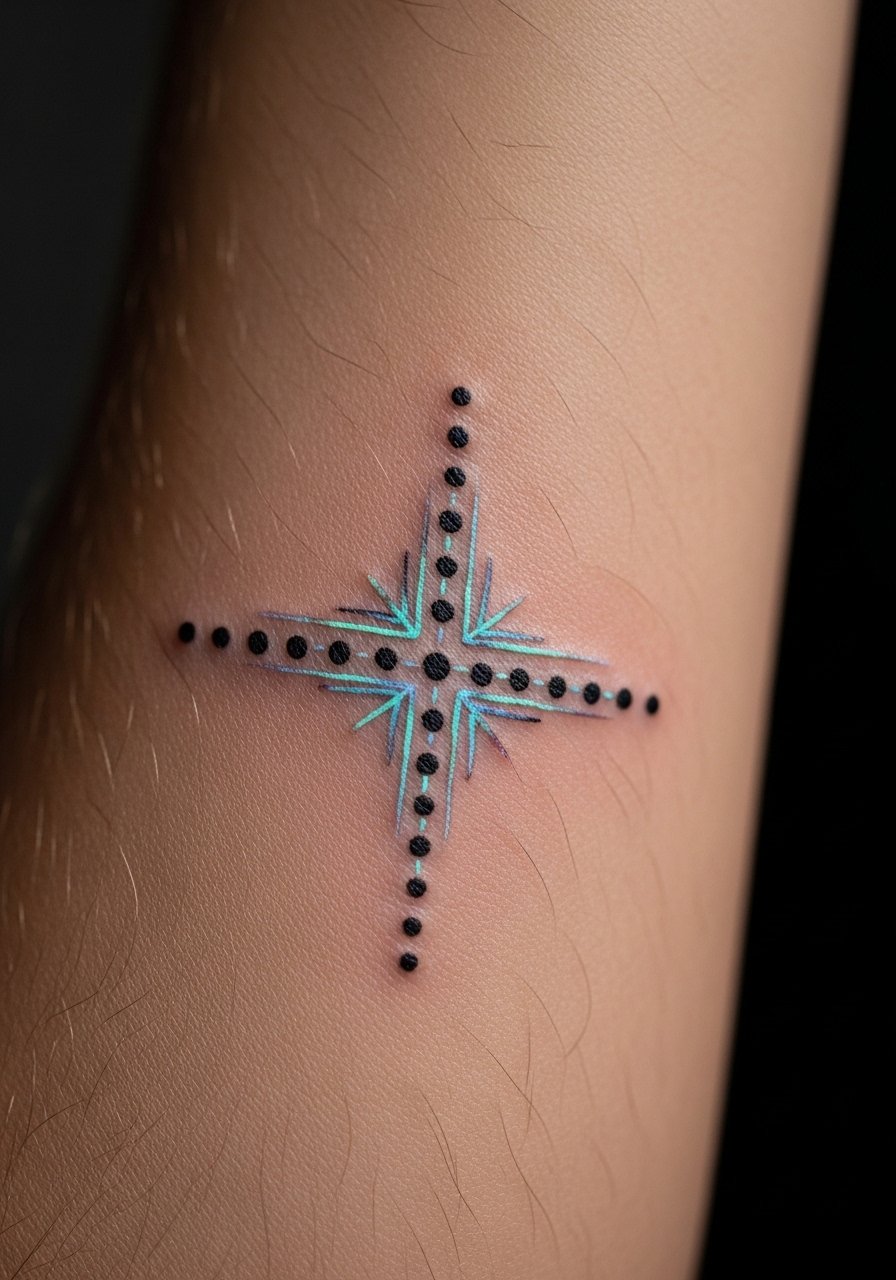
Modular phases that reveal extra detail under UV are playful and low-key by day. Be aware that UV ink tends to fade faster and requires knowledgeable artists for safe application. Ask about UV ink brand and longevity during consult. This concept works best when the UV elements are an accent rather than the main linework. Expect a short add-on session for the UV work and plan for maintenance if you want it vivid.
17. Full Moon "Echo" Fading Ghosts on the Thigh
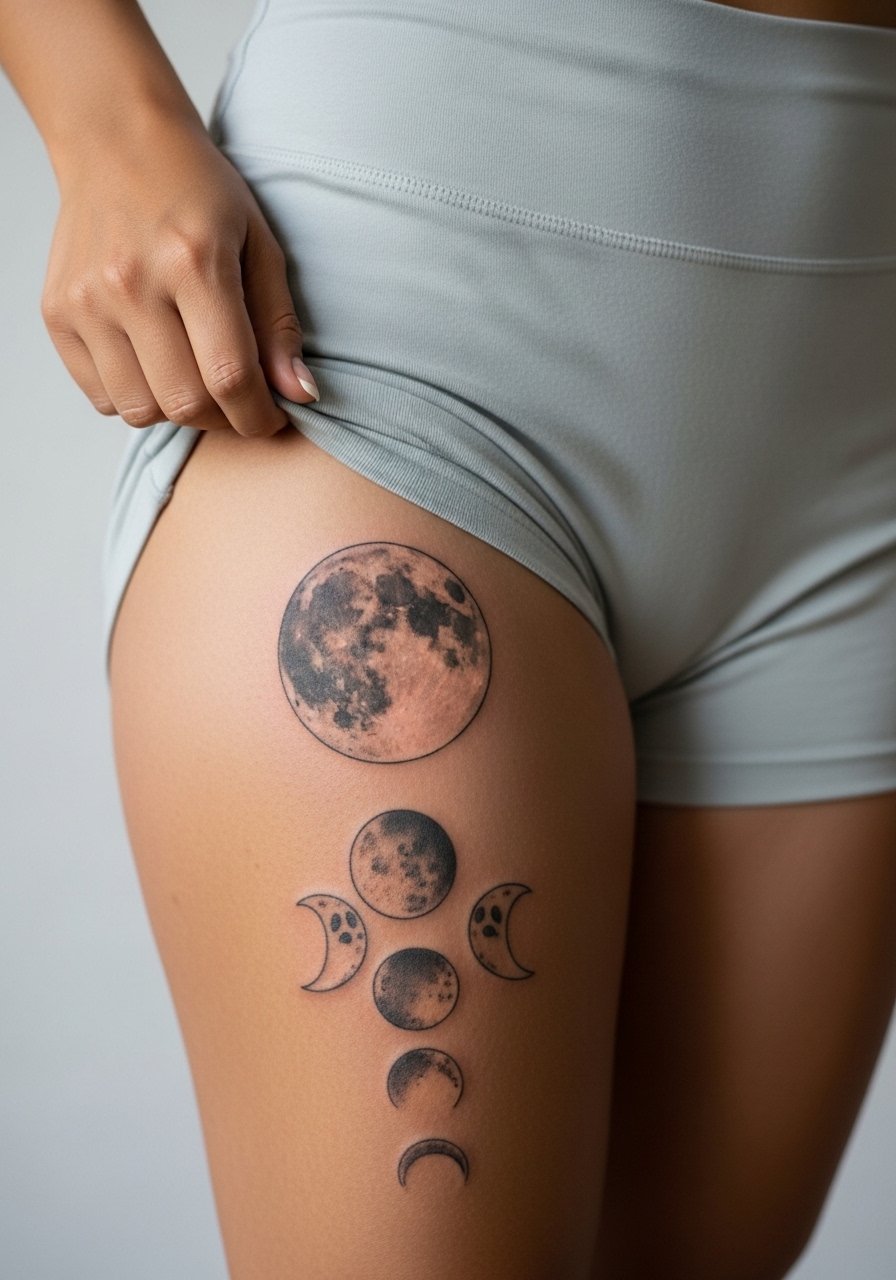
Echo moons create motion on the thigh and play well with walking or sitting movement. The thigh tolerates shading so ghosted fades can be built in during the initial session. Tell your artist you want staged opacity so the ghost moons look intentional as they age. Common mistakes include too many ghost moons which wash out the main motif. For showing it off, high-waisted shorts and thigh-high socks frame the progression.
18. Stipple Halo Around a Full Moon on the Ankle

Ankle dotwork reads delicate and pairs well with footwear choices, but ankle skin sees a lot of friction. Ask for denser outer stippling that holds shape longer and avoid hairline dots directly on high-friction edges. Expect a short session and plan for more frequent touch-ups than calf work. For weekend looks, cuffed straight-leg jeans draw attention to the ankle area. During the appointment, wear loose joggers you can roll up easily.
19. Small Solid Black Moon Badge on the Finger
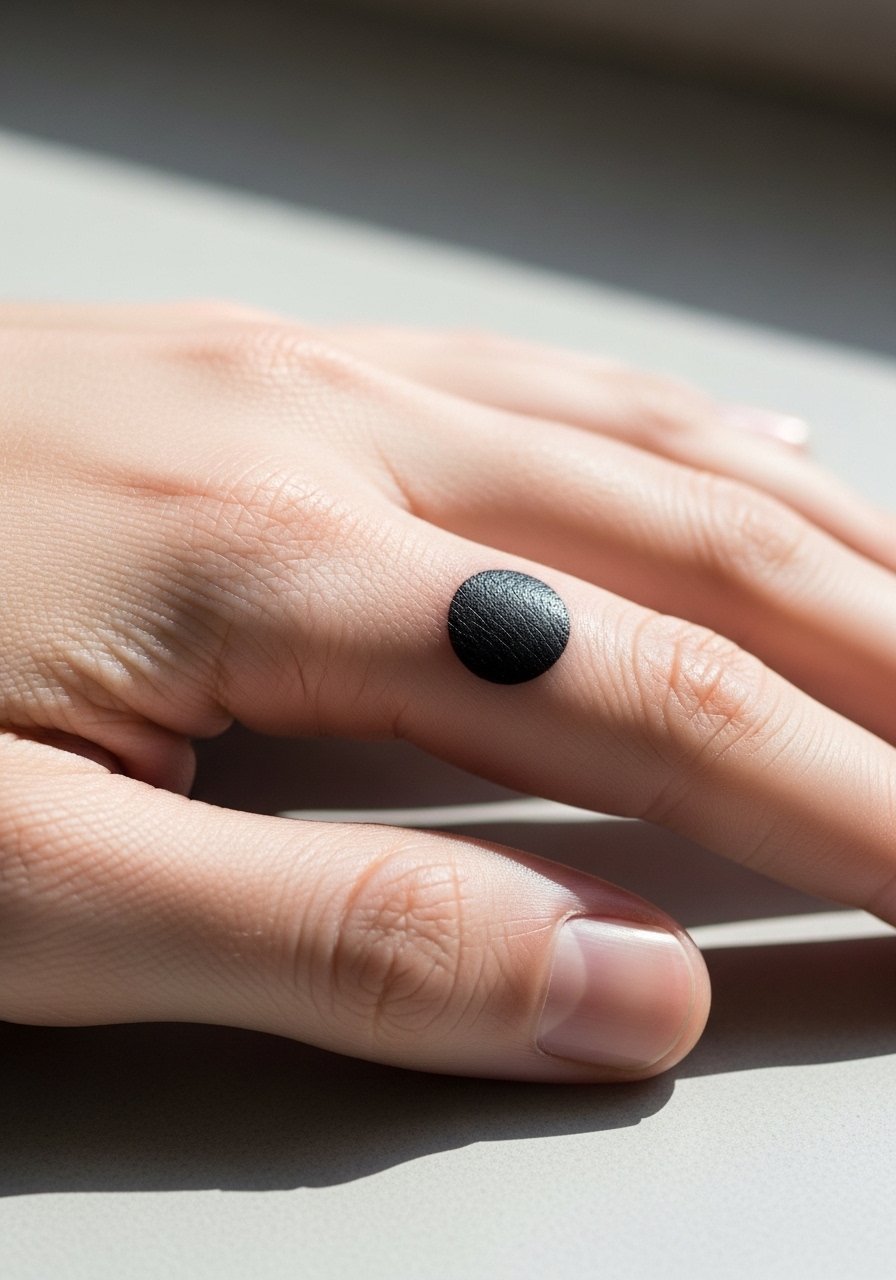
Finger badges are bold despite their size, but they fade and blur faster than most placements because of constant wash and movement. If you want a small black moon, ask for a slightly larger diameter than you think you need so the shape holds. The session is quick and often inexpensive but expect touch-ups. Also consider the professional visibility of finger ink. A single bold fill will remain more readable than a detailed miniature.
20. Half-Full Mirror Moon Across the Sternum
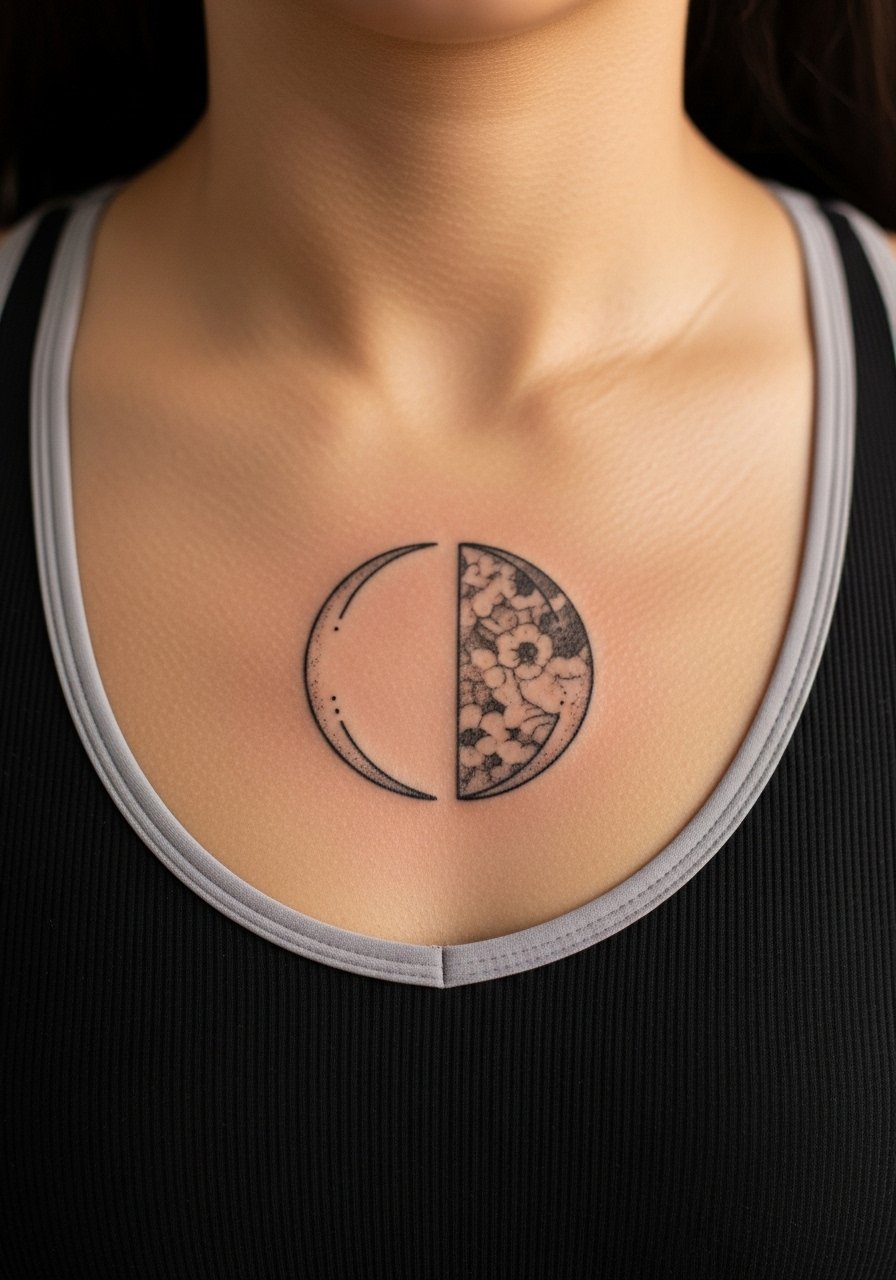
Sternum placements sit close to bone and can be intense for pain. People who choose sternum moons often split the sessions to shorter sittings. Numbing options are on the table, though some traditional practitioners discourage heavy numbing because they want real-time feedback. Discuss numbing preferences with your artist before booking. For modest showing, wear a fitted sports bra to the session for clean access. Expect solid blackwork to hold better than fine line here.
21. Mandala Halo with Micro-Realism Center on the Back of the Neck
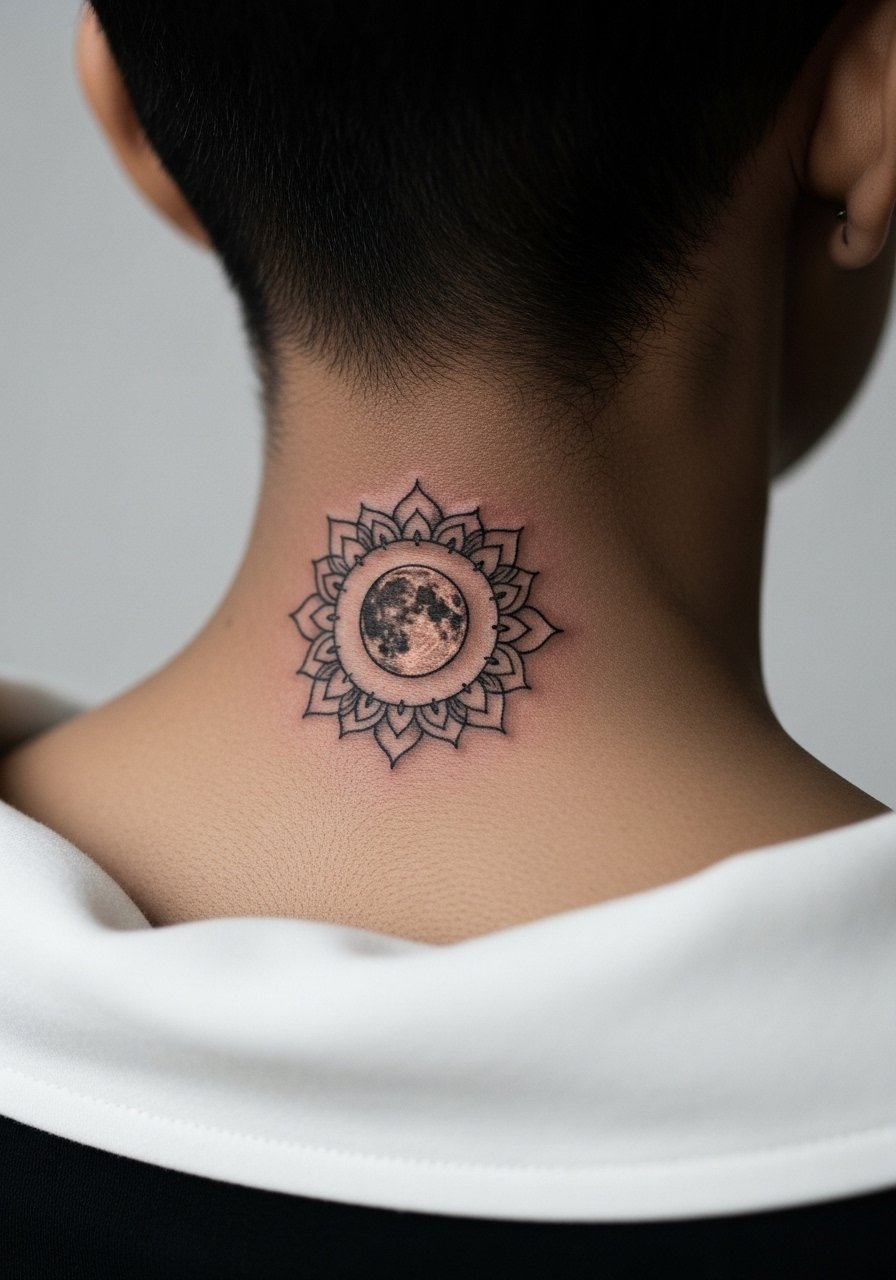
Neck pieces require careful conversation about career visibility and long-term upkeep. A mandala halo keeps the piece decorative while a micro-realism center gives focal detail. Ask the artist how the design sits with collars and hairlines. The placement heals well if you avoid sun and tight collars. Expect a short session and moderate visibility decisions. A wide-neck shirt makes the session easy and limits accidental irritation during healing.
22. Forearm-to-Elbow Blackwork Moon Sleeve Accent

Integrating a full moon into a sleeve lets the moon act as a focal point within larger motifs. When building sleeves, plan negative space around the moon so it does not get lost in surrounding blackwork. Sessions are multiple and can be intense near the elbow. Tell your artist which element you want to anchor visually. For unbuttoning and access, wear a loose button-down shirt that you can pull aside.
23. Tiny Moon Behind the Ear for a Hidden Pop
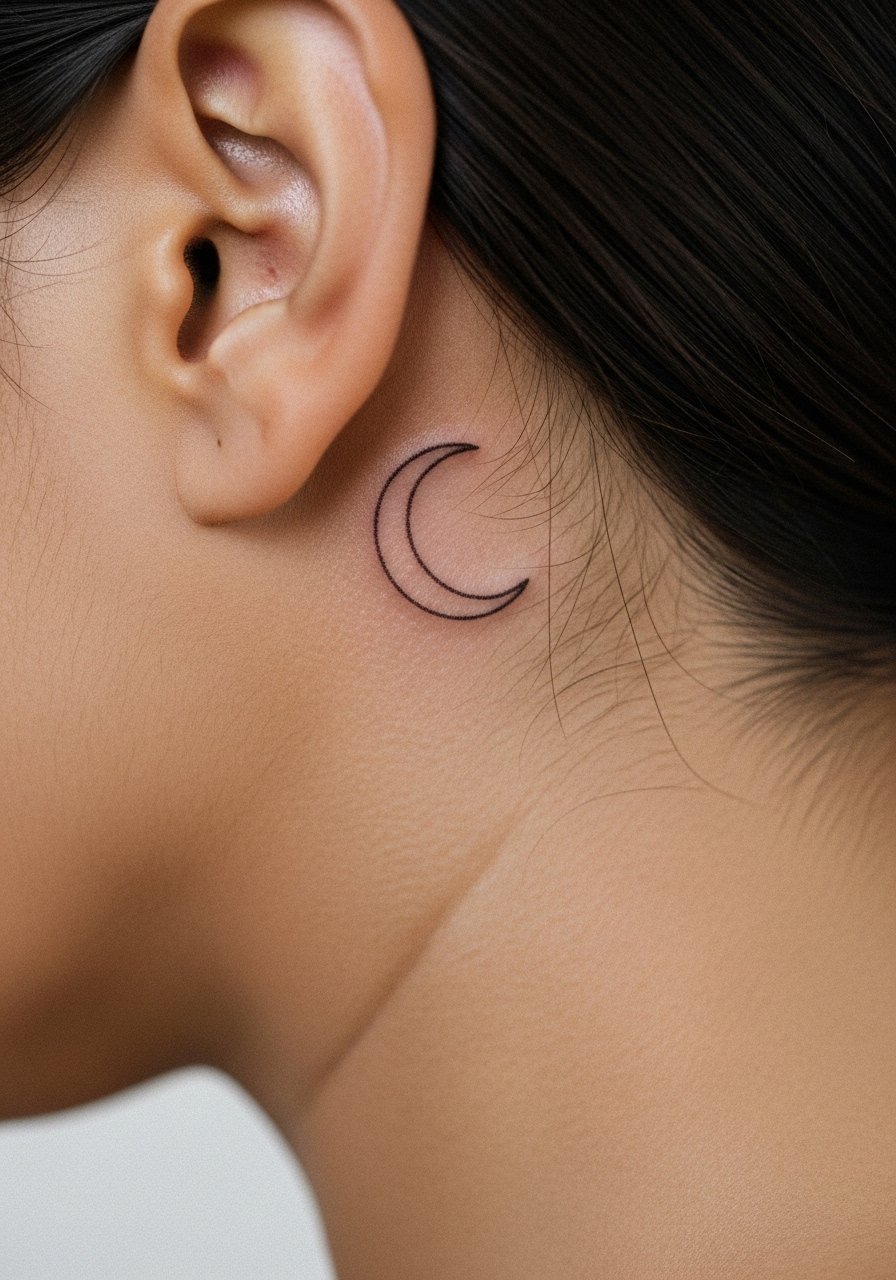
Behind-the-ear moons are discreet and revealable with hair tucked back. This area needs careful framing because the skin and hairline interact. Request a placement mockup so the moon sits below the hairline rather than spilling into the ear. The session is quick and low to moderate pain. Keep in mind touch-ups are common for small ear-area work because of hair oils and friction from collars.
24. Neo-Traditional Moon with Animal Companion on the Shoulder Blade
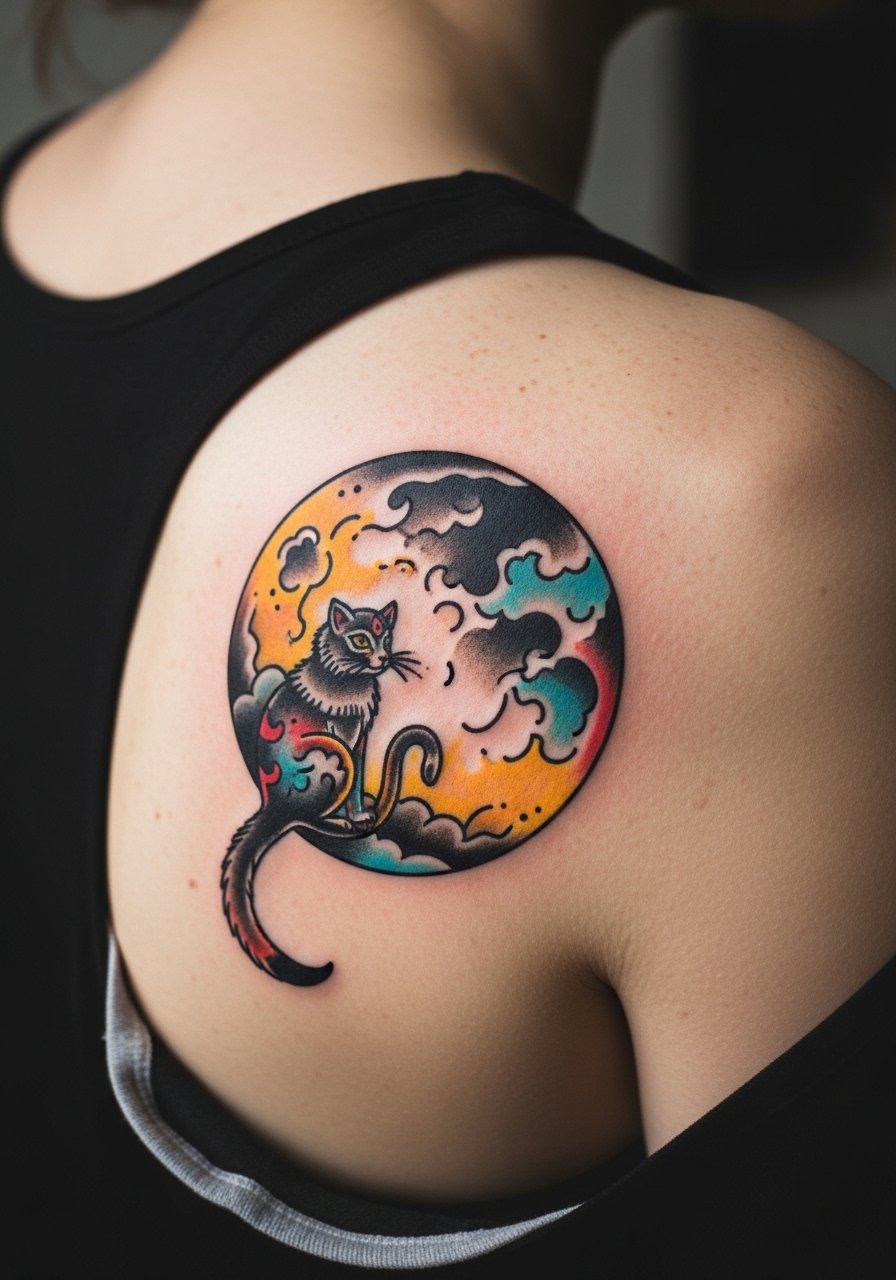
Adding an animal companion gives the moon a narrative edge without making it overly literal. The shoulder blade is forgiving for color and saturation. Ask your artist to keep the animal scale proportional so the moon remains the strong focal element. Sessions are moderate and you can expect good color retention here. For showing it off, a denim jacket worn off one shoulder or a halter tank brightens the composition. Wear something easy to shift for access.
25. Tiny Realistic Moon Near the Ankle Tendon
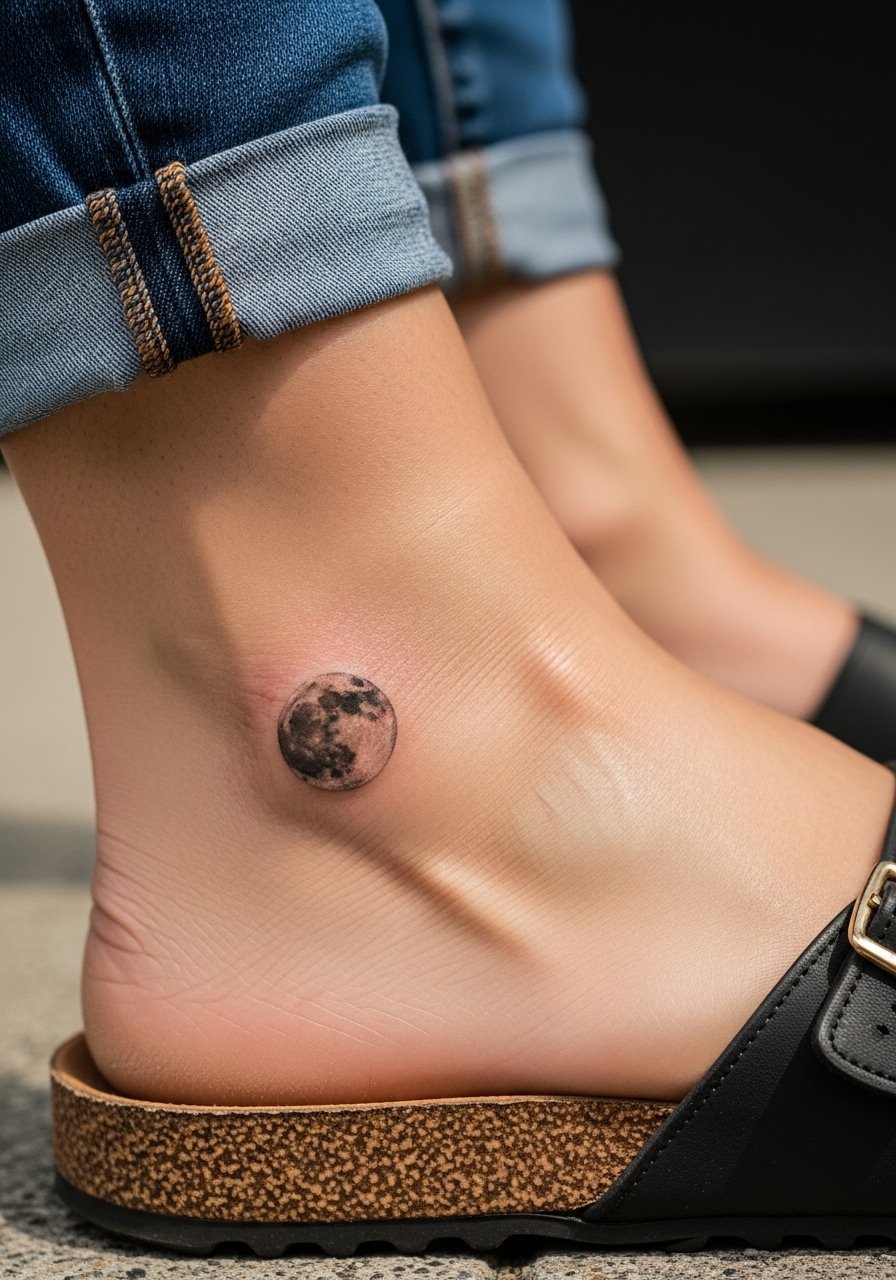
A moon near the ankle tendon is a delicate spot that can be visible in summer shoes. Keep the scale at least two inches for realistic texture to read. The main aging issue is friction from socks and shoes. Tell your artist which direction the moon should face based on how you wear footwear. Cuffed jeans and strappy sandals make the placement a summer highlight. Expect brief sessions and a higher chance of minor fading.
26. Full Moon Mandala Thigh Band

A mandala thigh band sits like jewelry and holds black saturation well on the thigh. The trick is spacing. If the band gets too dense, inner details blend when you sit. Ask the artist to view the design on the thigh while standing and sitting to ensure movement reads as intended. Planning sessions across days helps with saturation without overstressing tissue. For show-off pairs, asymmetrical skirts make the band peek through.
27. Minimal Moon with Constellation Bracelet Around the Wrist

A bracelet-style constellation that starts from a small moon is a wearable approach that reads like jewelry. Keep dots slightly darker than you might want at first so they age into subtlety rather than vanish. The wrist sees frequent washing, so expect yearly touch-ups if you want the bracelet crisp. For showing it off, layer a thin chain bracelet opposite the tattoo to balance attention and avoid crowding the ink.
Frequently Asked Questions
Q: Will a fine line full moon on my wrist blur faster than a blackwork moon on the forearm?
A: From what I've seen, yes. Fine line on wrists faces more sun and friction, so it tends to soften sooner. Blackwork on a forearm usually holds shape longer. Ask your artist for slightly bolder anchor lines if you want fine detail to last.
Q: Are watercolor full moons worth it on the collarbone if I want longevity?
A: Watercolor looks stunning but does require strict sun avoidance and careful moisturizing early on. If longevity matters most, combine watercolor with subtle black or gray edges to maintain shape as pigments fade.
Q: How painful are ribcage and sternum moon tattoos compared to upper-arm or thigh placements?
A: Ribcage and sternum are generally higher on pain scales than upper arm or thigh. Many people split those sessions and consider topical numbing after discussing it with their artist. Shorter sessions can make the experience more manageable.
Q: I have dark skin. Which full moon styles typically show up best?
A: Contrast-driven approaches like blackwork, dotwork, and high-contrast micro-realism tend to read best. Techniques that rely on pastel or very light watercolor can disappear. Talk to an artist experienced with your skin tone and request test patches if you are unsure.
Q: How should I prepare wardrobe-wise for a spine phase session if I want to show it off afterward?
A: Bring a backless crop top or a low-back dress you can slip into after the consult. During the appointment, a front-open robe or low-back top that does not rub the fresh ink helps the area heal cleanly.