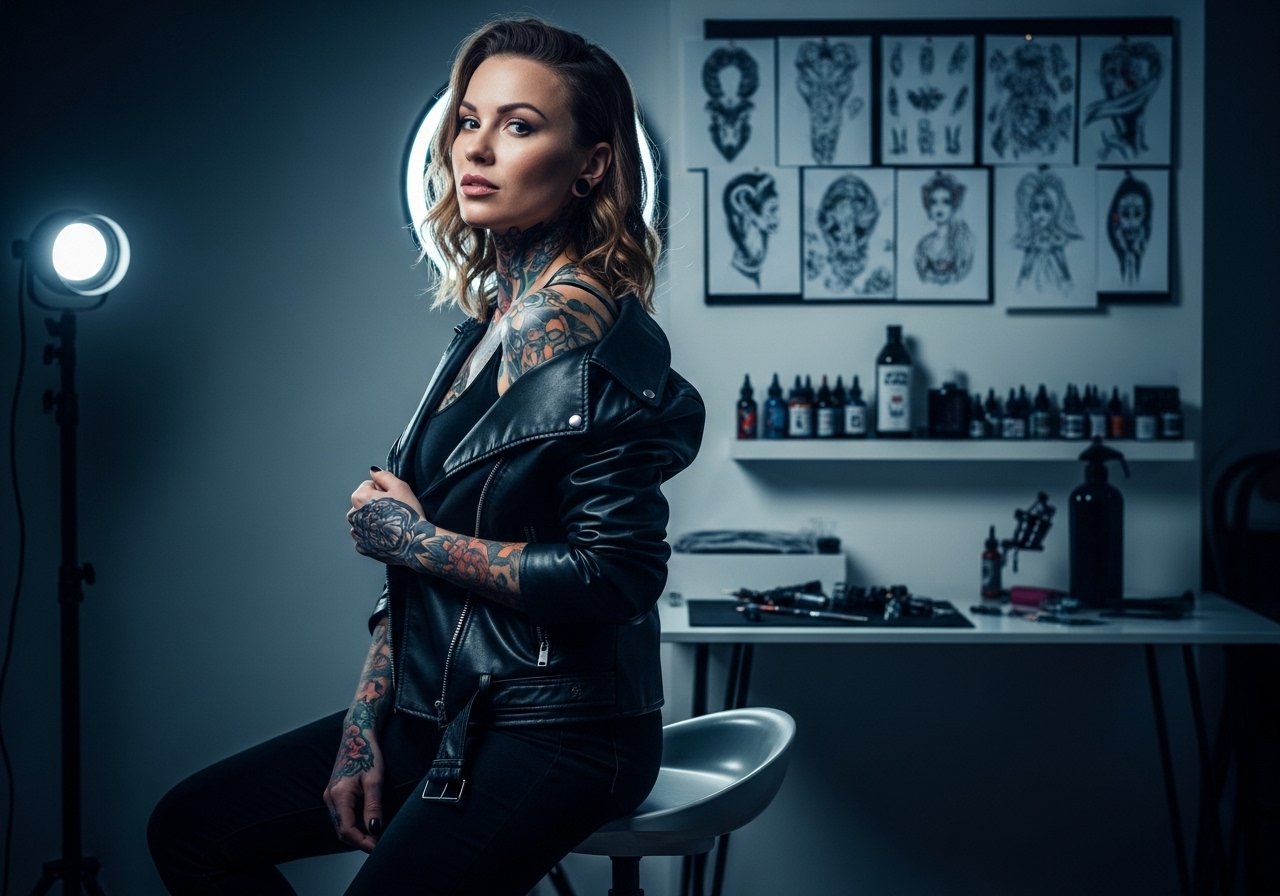
The stencil sat crooked on the inner forearm, and the client caught it as the artist wiped away the transfer. That five-second fix changed everything. Forearm work is unforgiving of rushed placement, tight spacing, or the wrong line weight. Read on for forearm-specific ideas, what to ask during the consult, and how each design ages so you can pick one that still looks intentional years from now.
1. Fine Line Botanical on Inner Forearm
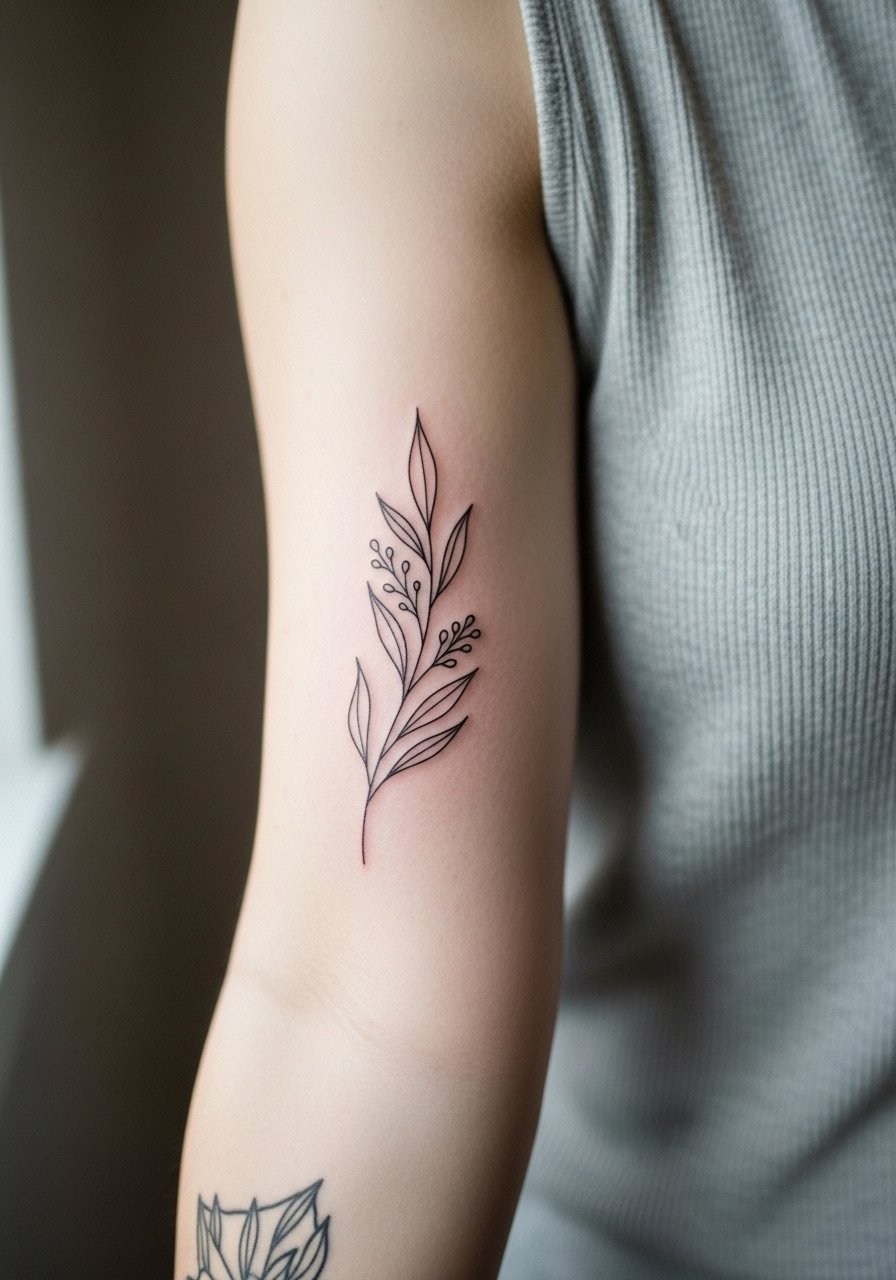
I recommend this when you want something discreet that still reads up close. The main consultation note is to ask for slightly increased spacing between leaves so the tiny veins do not merge as the tattoo settles. Pain sits around a 3 to 4 on most scales for the inner forearm, and a single session under an hour often covers a small sprig. The common mistake is asking for hyper-fine veins across a dense area. Those blur first and demand a touch-up at year two to three. For showing it off, rolled sleeves pair nicely with rolled linen shirts that keep attention on the inner arm while not competing with the linework.
2. Minimal Script Along the Forearm
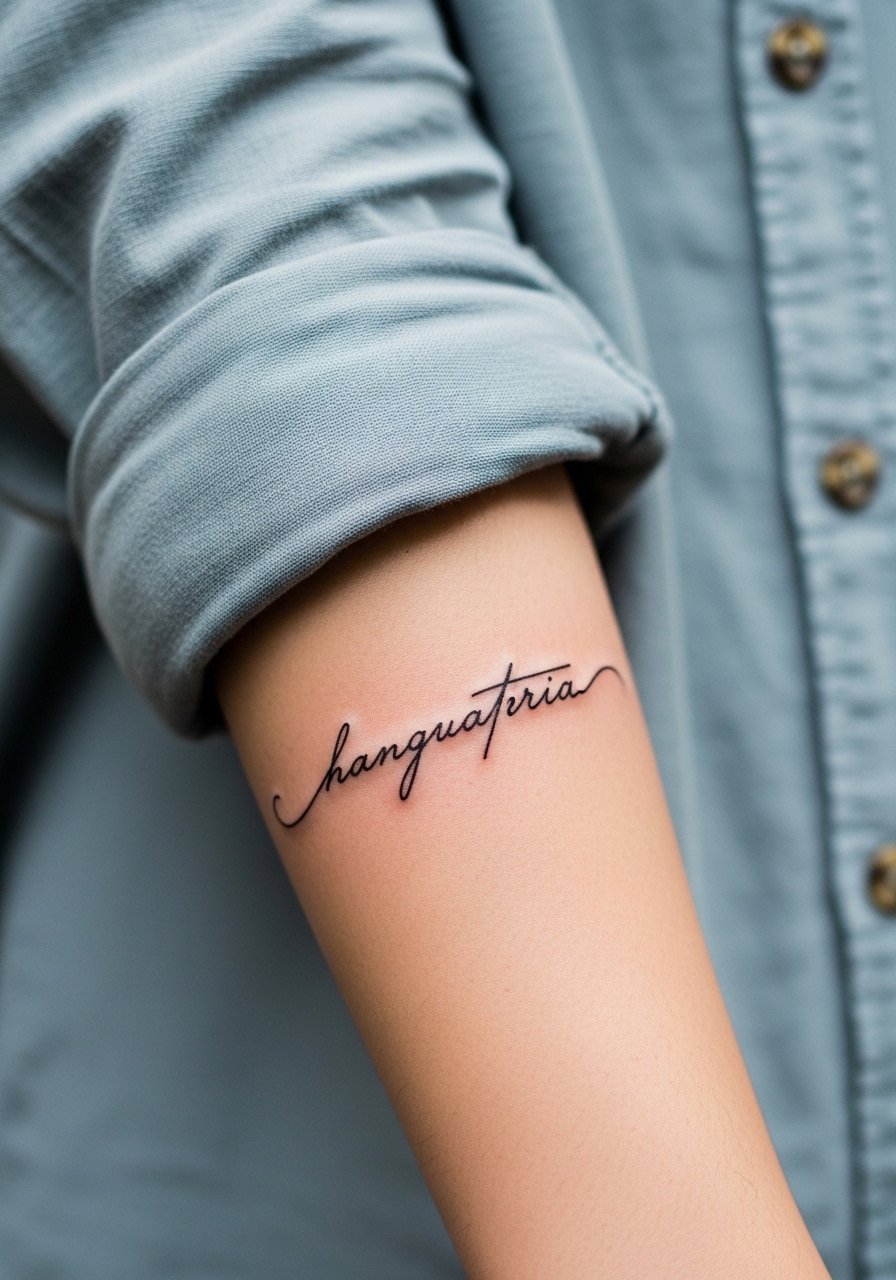
A slim, single-word script works when you want readability without visual weight. Tell your artist the exact font size and have them print the exact script on transfer paper so you can read it at life size. Script heals visibly different by month six compared with year three. Tiny lettering that reads crisp at six months can soften into a gray edge if placed too close to a joint. The session is short and usually low on pain, but the wrist-adjacent area can feel sharper. Pair the script with a thin chain pendant necklace when you want the neck and forearm to feel like a set.
3. Micro-Realism Floral Band
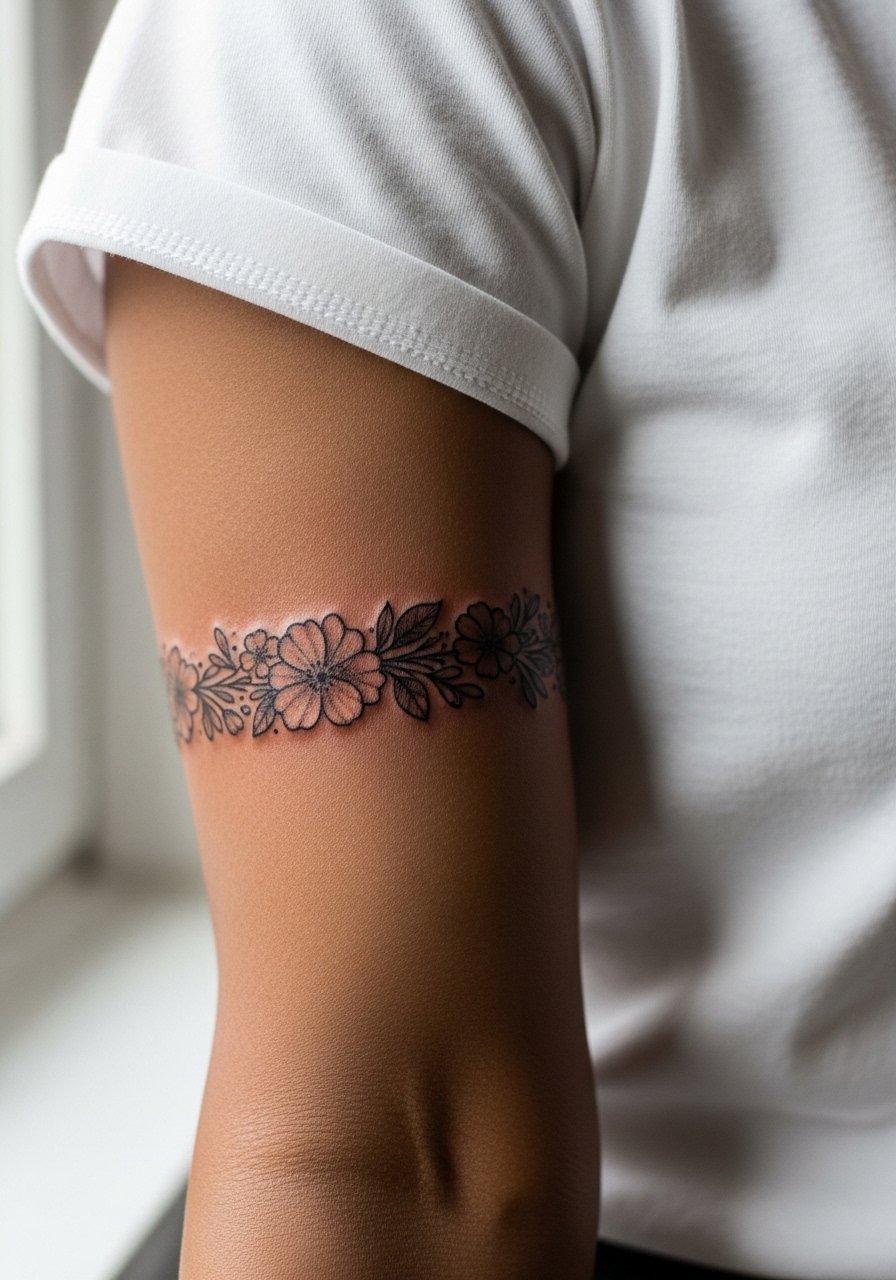
Micro-realism packs a lot of detail into a narrow band. Ask the artist to place larger focal blooms and avoid cramming tiny leaves into tight negative spaces. The aging trade-off is clear. Small stipple shading softens into a grainy texture by year three, but well-spaced larger elements retain form longer. Expect a two to three hour session and possibly a touch-up in the first two years to restore contrast. A common error is replicating a full photographic reference at too-small scale. For wardrobe, a short-sleeve cotton tee with the sleeves rolled highlights the band without distraction.
4. Geometric Blackwork on Outer Forearm
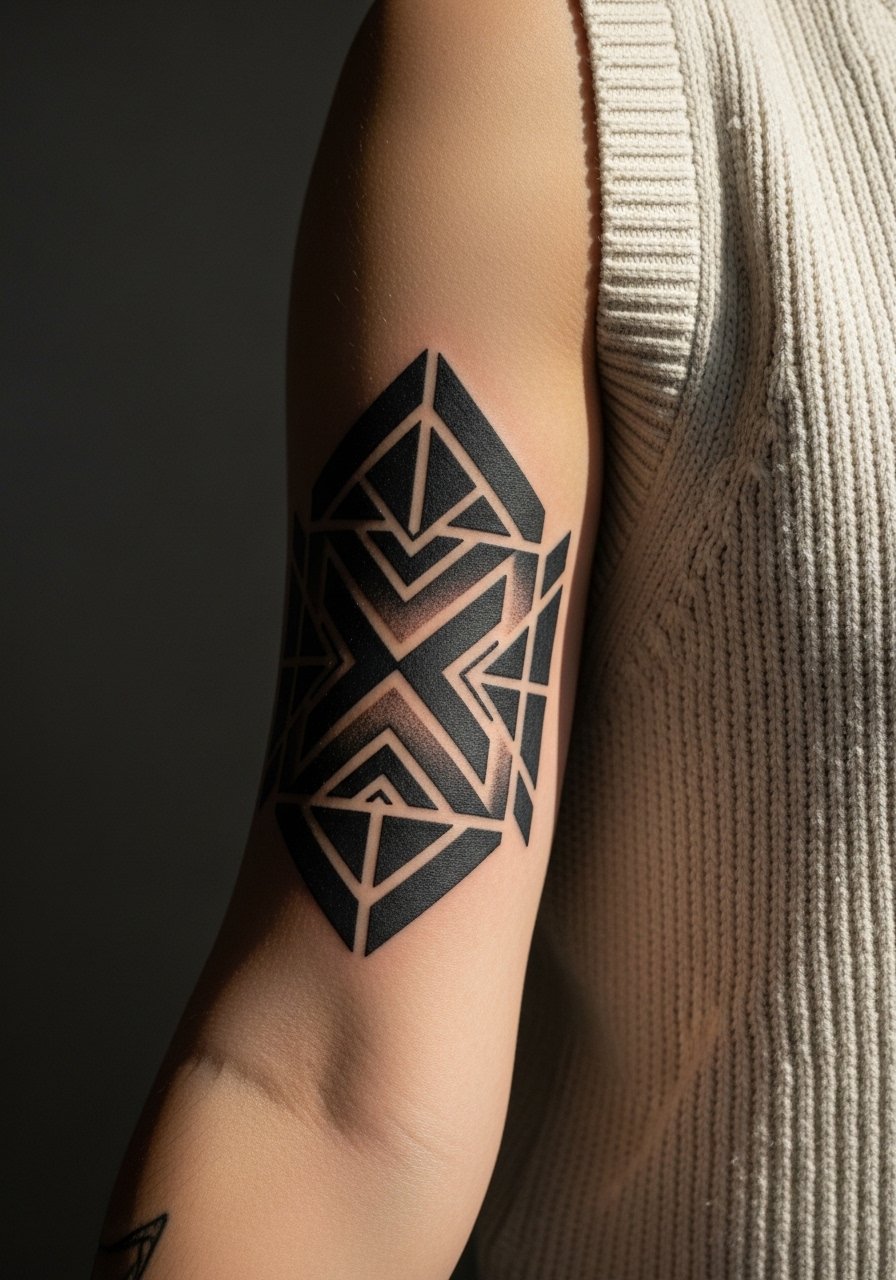
This is for people who want strong contrast and clear silhouette. Tell the artist you want large shapes with solid fills rather than many micro lines. The outer forearm tolerates heavier saturation well, and bold fills age into a strong graphic by year five. Pain is moderate because the artist may need longer runs to saturate pigment. The mistake is packing too many intersecting thin lines inside a black block. For evenings out, pair the piece with a sleeveless knit top that frames the geometry.
5. Watercolor Splash Branch
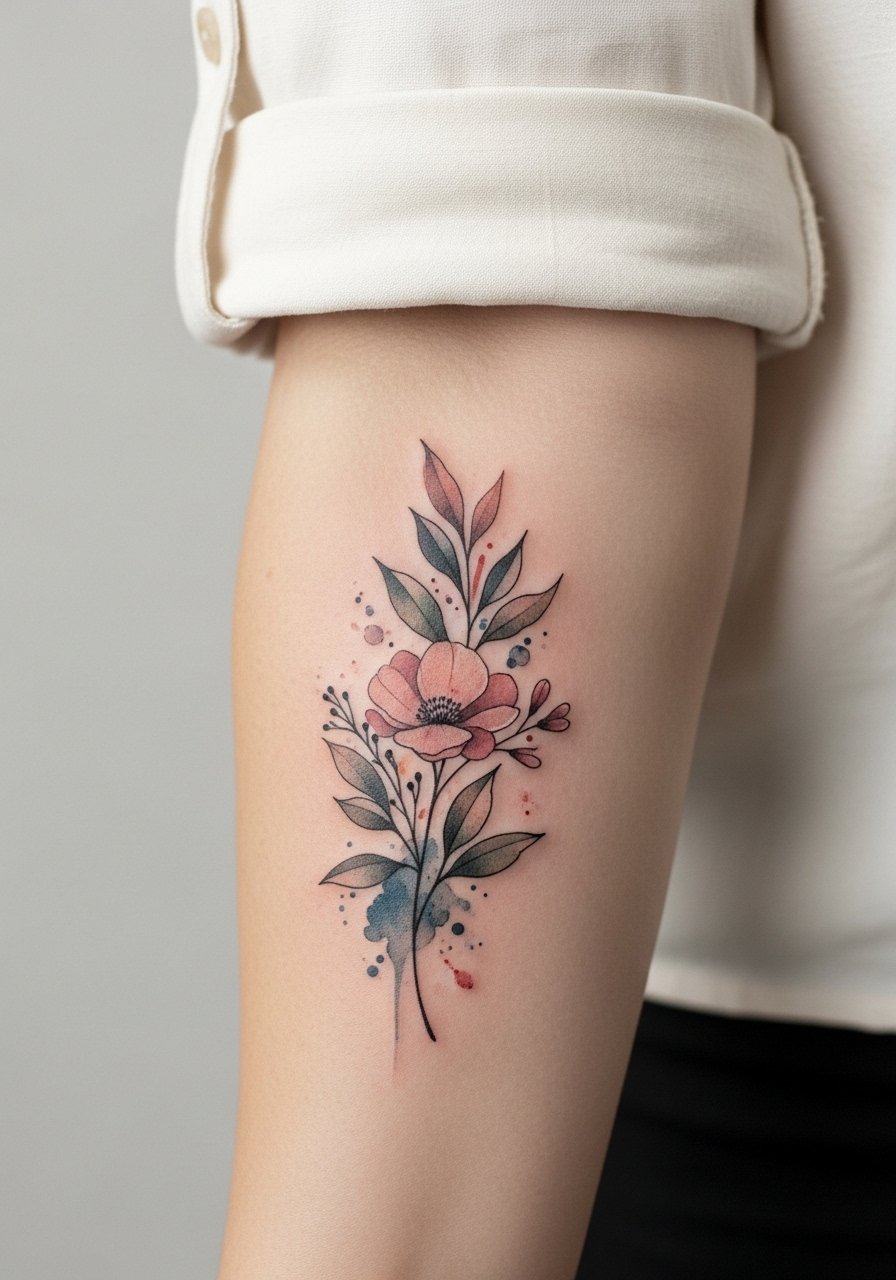
Watercolor on the forearm reads lively and painterly, but it asks for bigger airy spaces so color does not pool into muddy patches later. During consultation, request lighter saturation at the edges and stronger color anchors near linework so the palette keeps definition. Watercolor fades faster than black linework, so plan for touch-ups at year two to four if you want color to stay bright. The session is often layered with short passes rather than a single long fill. Let the design pop under a rolled-sleeve shirt, and consider pairing it with an open-back midi dress for nights when arms will be visible.
6. Traditional Rose with Saturation
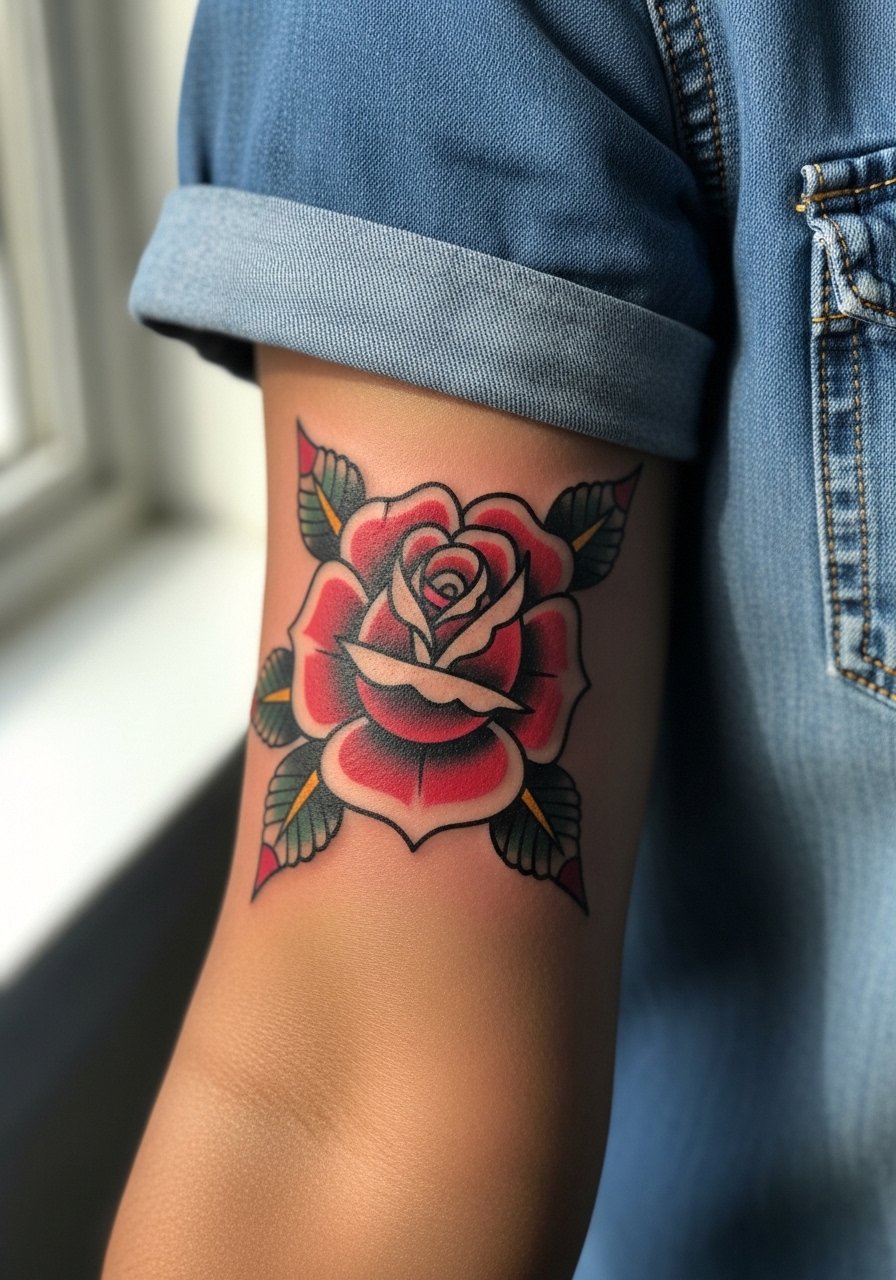
Classic saturated roses withstand time because the linework and color are deliberately bold. Ask for slightly thicker outlines than you think you need so the rose keeps its shape when it softens. The common mistake is shrinking a traditional piece down to a size meant for delicate styles. That kills the aging profile and invites blowout in the edges. Sessions vary from one to three hours depending on color. For daytime outfits, a denim short-sleeve frames traditional work without competing for attention.
Pre-Session Essentials
The forearm pieces above cover both delicate fine line and saturated traditional work, and a few small items smooth the session and the first healing week.
-
Stencil transfer paper kit. Lets you preview the exact wording and placement on skin so small scripts and botanical spacing read as intended before the needle touches down.
-
Topical numbing cream. Applied per instructions about 45 minutes before helps with wrist-adjacent sensitivity during short forearm sessions.
-
Thin protective film roll. A low-profile film helps keep small wrist or outer forearm pieces clean through the first few hand washes and friction points.
-
Fragrance-free gentle body wash. Cleanses without irritating delicate linework so scabs soften without excess abrasion.
-
Aquaphor healing ointment. A thin layer in the first two to three days maintains moisture for fine lines without clogging the needle channels.
7. Delicate Constellation Accent
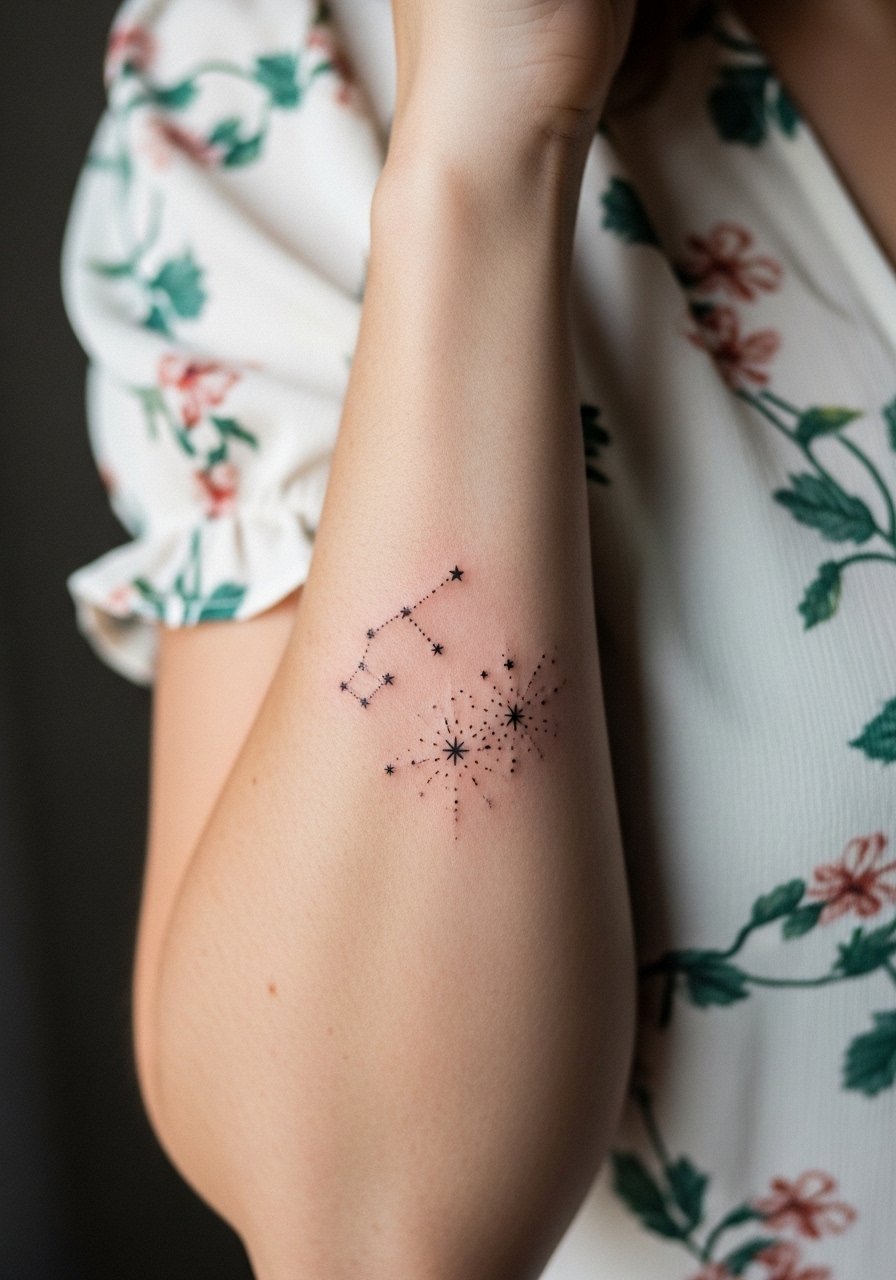
Constellation clusters are subtle and great for people who want an intimate, directional design. In the consult, ask the artist to space stars deliberately so dots do not merge after settling. These take under an hour and have a low pain profile, but the wrist end can be sharp. A frequent misstep is requesting a dense scatter of dots in a small area. That risks early blurring. For showing the piece off, stack with thin bracelets or a minimalist watch that keeps attention on the cluster without crowding the skin.
8. Negative Space Mandala Along Forearm
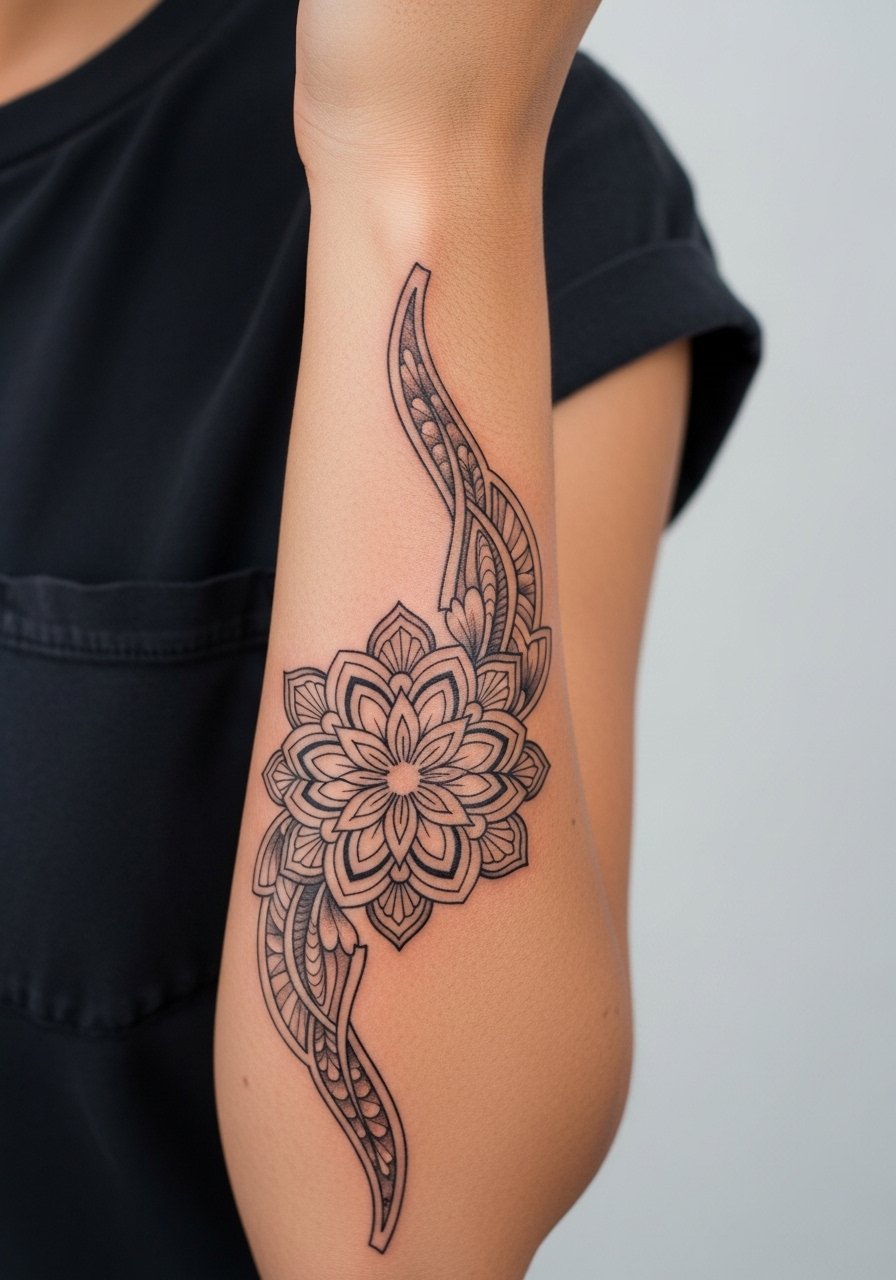
Mandala work on the forearm reads best when artists leave breathing room between petals. Ask for emphasis on negative space as a deliberate design element rather than attempting ultra-fine detailing. There is a debate in the community about how small mandala elements should be. One camp warns small mandalas on thin skin blur sooner. The other camp argues proper depth and spacing solves that. Talk through the spacing and expect a touch-up window at year two to three if you go intricate. Mandalas pair well with neutral rolled sleeves that keep the pattern visible.
9. Nautical Anchor Near the Wrist
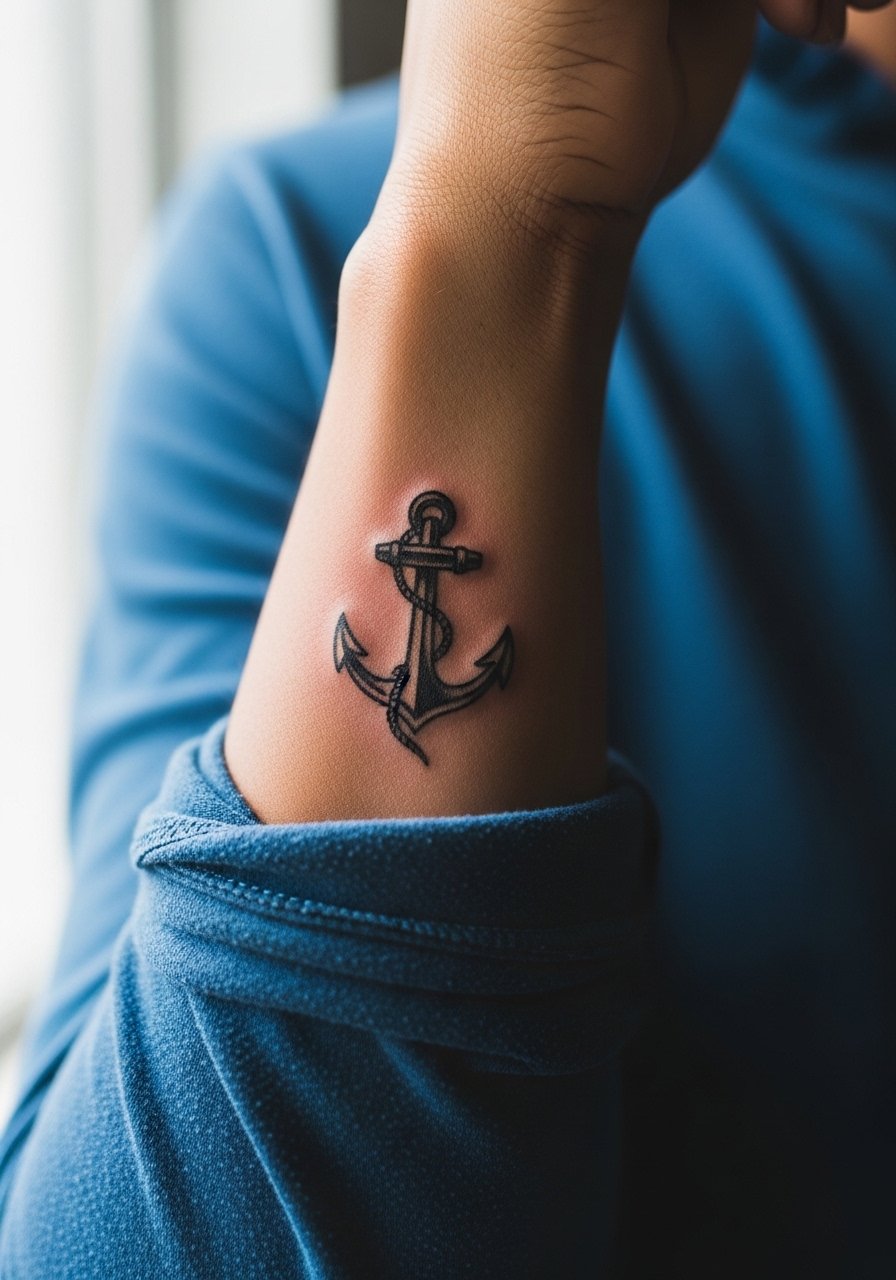
A small anchor is a durable, graphic choice for this lower forearm spot. Ask the artist for a slightly bolder outline than your reference so the anchor keeps its silhouette as the skin moves. Wrist-adjacent work is prone to friction from watches and bracelets, so plan single-session work and expect a touch-up before year three if you wear wrist accessories daily. For showing it off without crowding the area, choose a slim band watch or stack with a delicate bracelet rather than chunky pieces.
10. Fine Line Animal Portrait
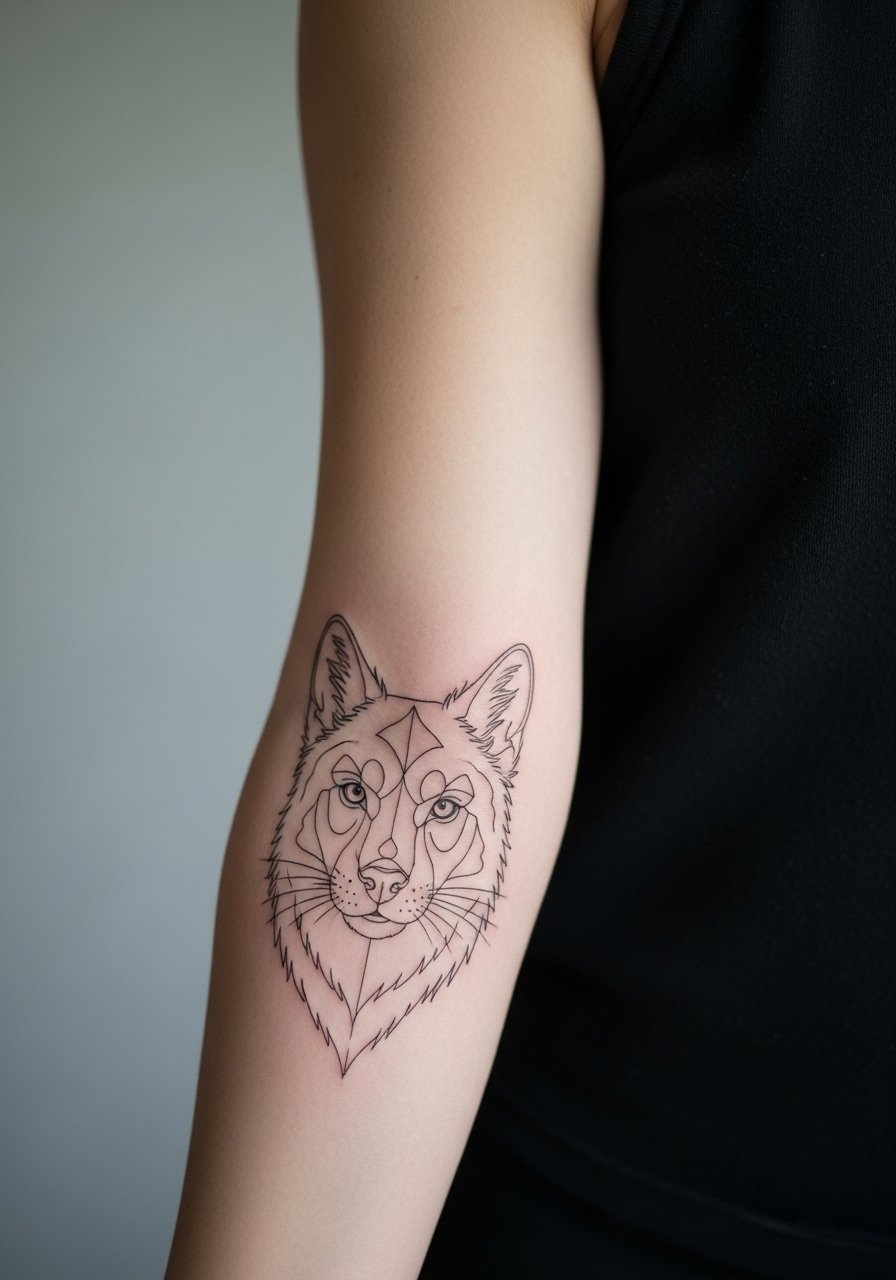
Animal portraits in fine single-needle style can be very personal but ask for scale adjustments so features do not collapse into gray at two to three years. The consultation should focus on which facial features are essential and which can be suggested through negative space. Sessions range from two to four hours for good detail. Expect that stippled shading will soften first and consider a planned touch-up at year three. The common mistake is shrinking photo-real references to a band-size piece. For low-key styling, wear a loose button-down shirt with sleeves pushed up to frame the portrait without distractive prints.
11. Stippled Landscape Scene
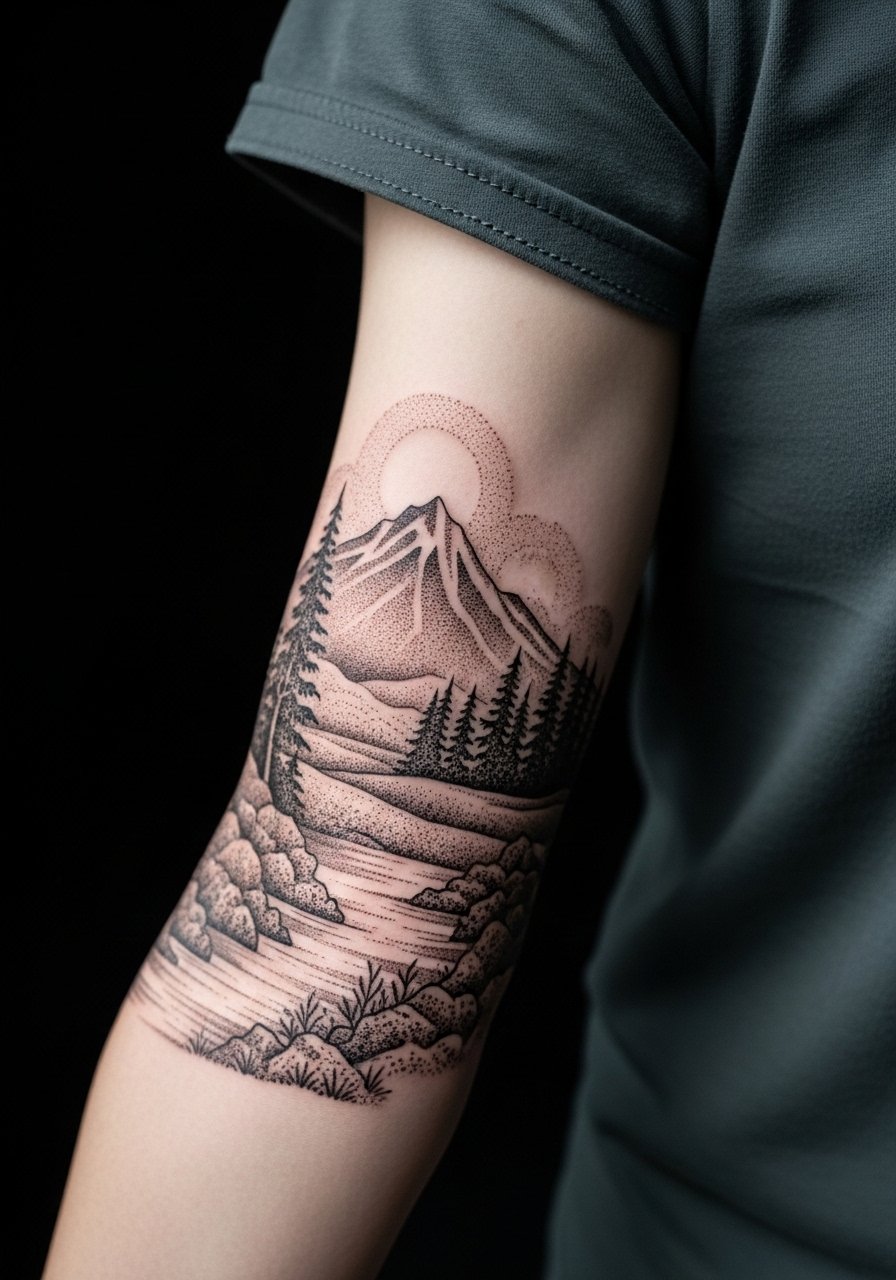
Stipple or dot work landscape pieces hold up if the artist spaces dots with future softening in mind. Tell your artist you want larger dots in the foreground and lighter dot density in the distance to preserve depth as the piece heals. Sessions can be slow and meditative, often split across two appointments for longer scenes. A common user error is asking for a fully detailed panoramic at a tiny scale. For casual wear, a short-sleeve tee rolled above the scene keeps the art visible and the look relaxed.
12. Thin Arrow Down the Forearm
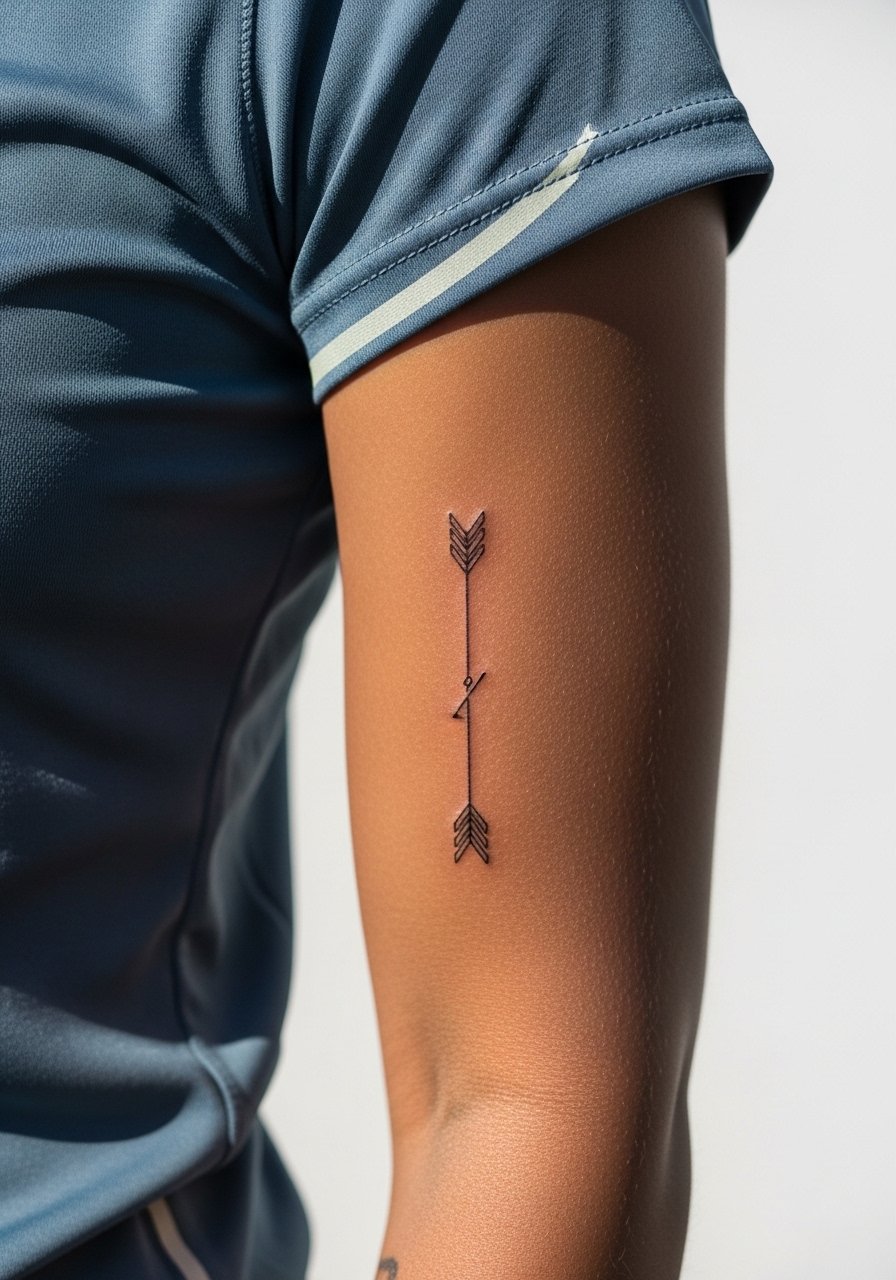
An arrow is deceptively simple. Make sure the artist places the arrow so its direction complements body lines. The inner forearm stretches in a way that can make a perfectly straight line look off if the stencil is misaligned. Pain is low and session time is short. The typical mistake is asking for too many micro details inside the shaft. For showing off, pair the arrow with a racerback tank to keep the silhouette clean.
13. Script Wrap with Coordinates
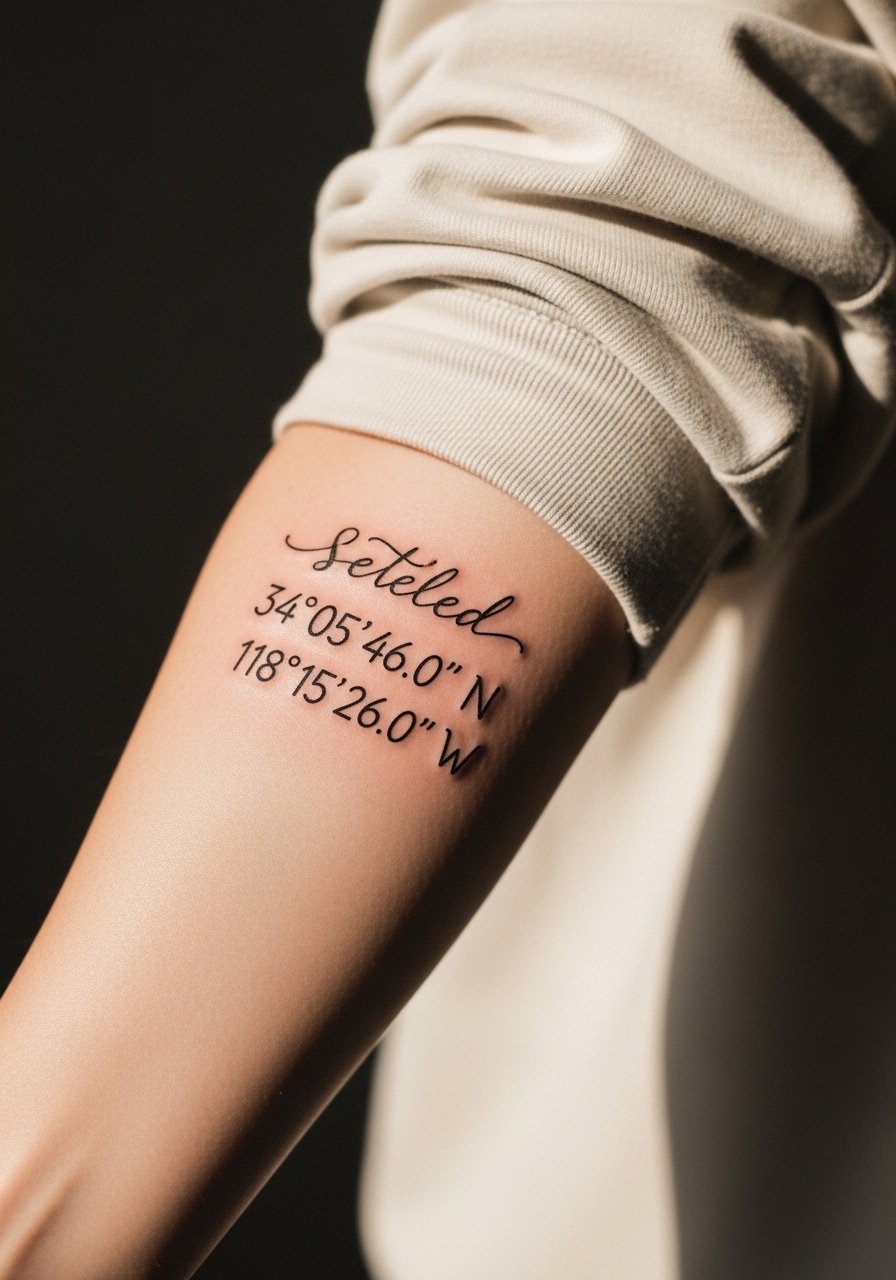
Coordinates and dates make excellent forearm wraps because they read as discrete information. Be explicit with the exact text and spacing during consultation. Text needs a touch-up sooner than bold imagery when it is very fine, so plan on a potential revisit at year two. One common error is using a font designed for posters rather than skin. For an elevated look, let the piece sit with a thin chain bracelet that echoes the line weight without crowding the letters.
14. Botanical Half-Sleeve Flow
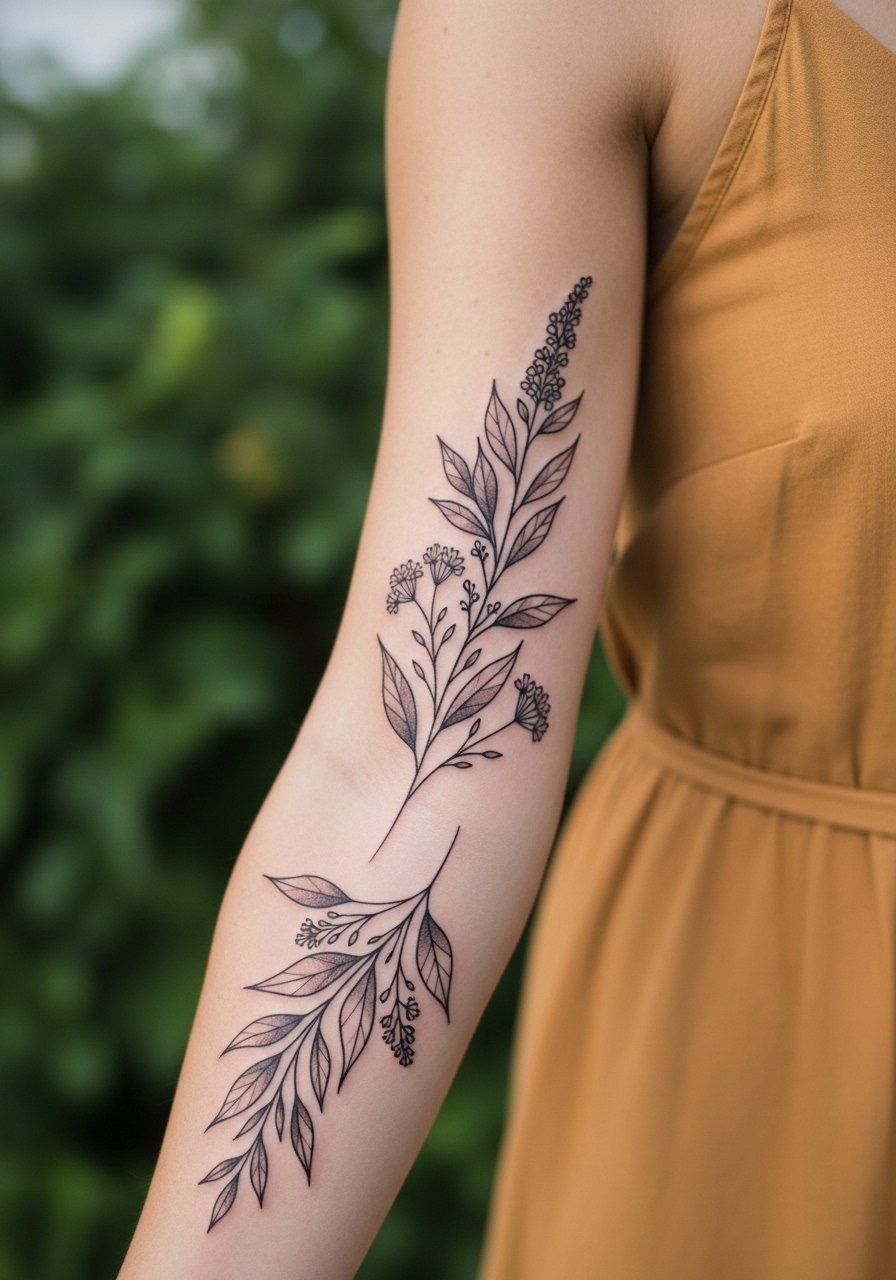
A half-sleeve needs planning for movement. Ask your artist to map the major stems to follow muscle lines so the composition reads during motion. Sessions can span multiple appointments and may feel more tiring because of elbow-adjacent sensitivity. The greedy mistake is tacking on unrelated motifs to fill space rather than building a coherent flow. For daywear, choose sleeveless or rolled sleeves so the botanical can be seen as an intentional extension of your wardrobe.
15. Single-Needle Lace Pattern
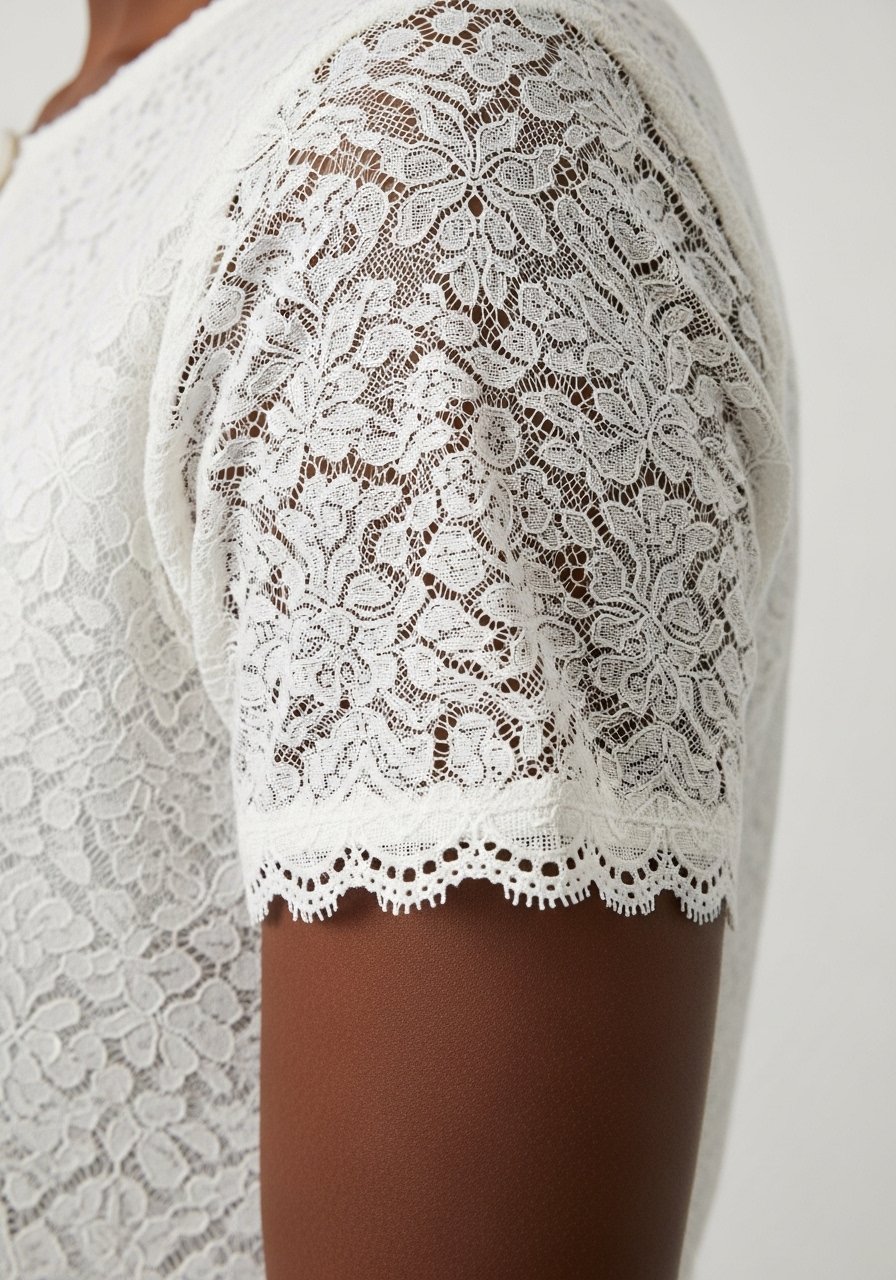
Lace-style single-needle work reads delicate and requires very precise spacing. Ask for the artist to test a small patch so you can see how single-needle density looks on your skin tone. There is a known controversy among artists about single-needle durability. One group says the technique is fine on forearm skin with the right depth. The other group cautions that single-needle fades faster and needs more frequent touch-ups. Plan realistically for a touch-up at year two if you want crispness to persist. For outfits, a lace-trim blouse with sleeves pushed up keeps the aesthetic cohesive.
16. Geometric Band with Dot Work
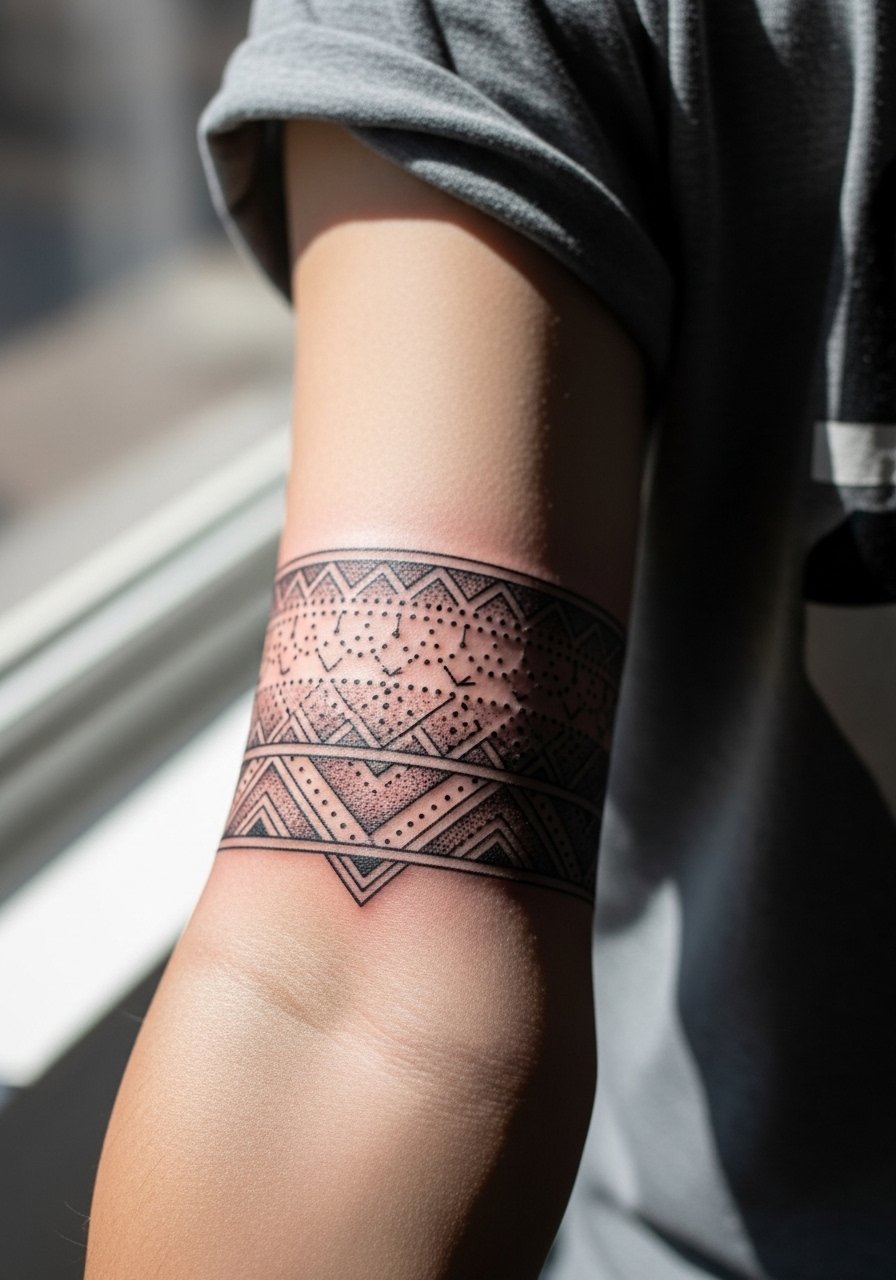
Encircling bands need precise placement so they sit level when your arm is relaxed. Tell the artist how you naturally hold your arm so the band does not look skewed. Bands with dot work age by losing some contrast in the dots first, so avoid overly tight dot density. Sessions are often short but require steady hands from the artist. For accessories, a slim cuff or a stacked dainty bracelet looks intentional without covering the band.
17. Minimalist Portrait Silhouette
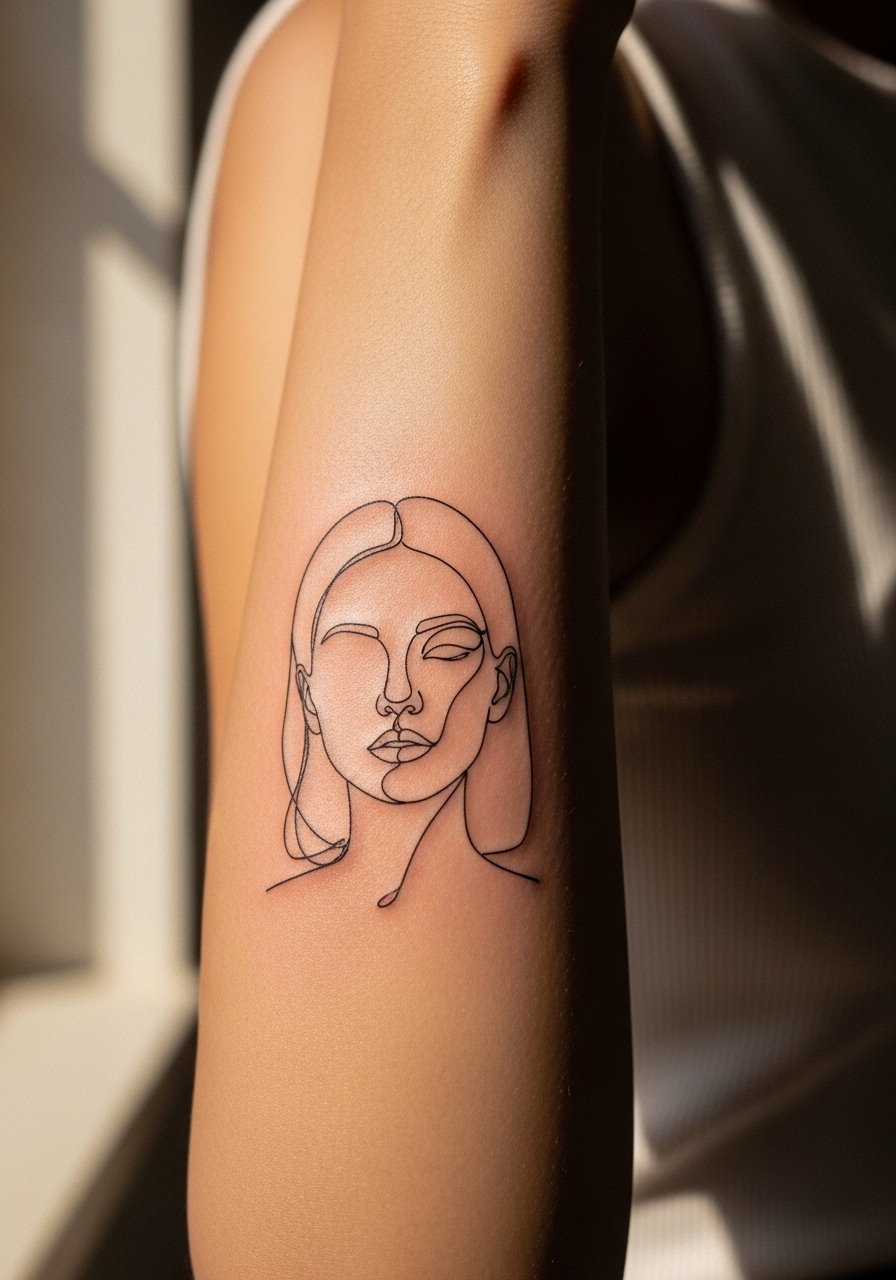
Silhouette portraits reduce detail to shape and surface, which helps longevity. During the consult, decide which defining feature must remain recognizable in silhouette form. The session is usually quick and low on pain. A mistake people make is trying to translate a full photograph into silhouette without simplifying strong identifying features. For a finished look, pair the silhouette with a button-up overshirt you can wear open to frame the forearm.
18. Abstract Brushstroke Blackwork
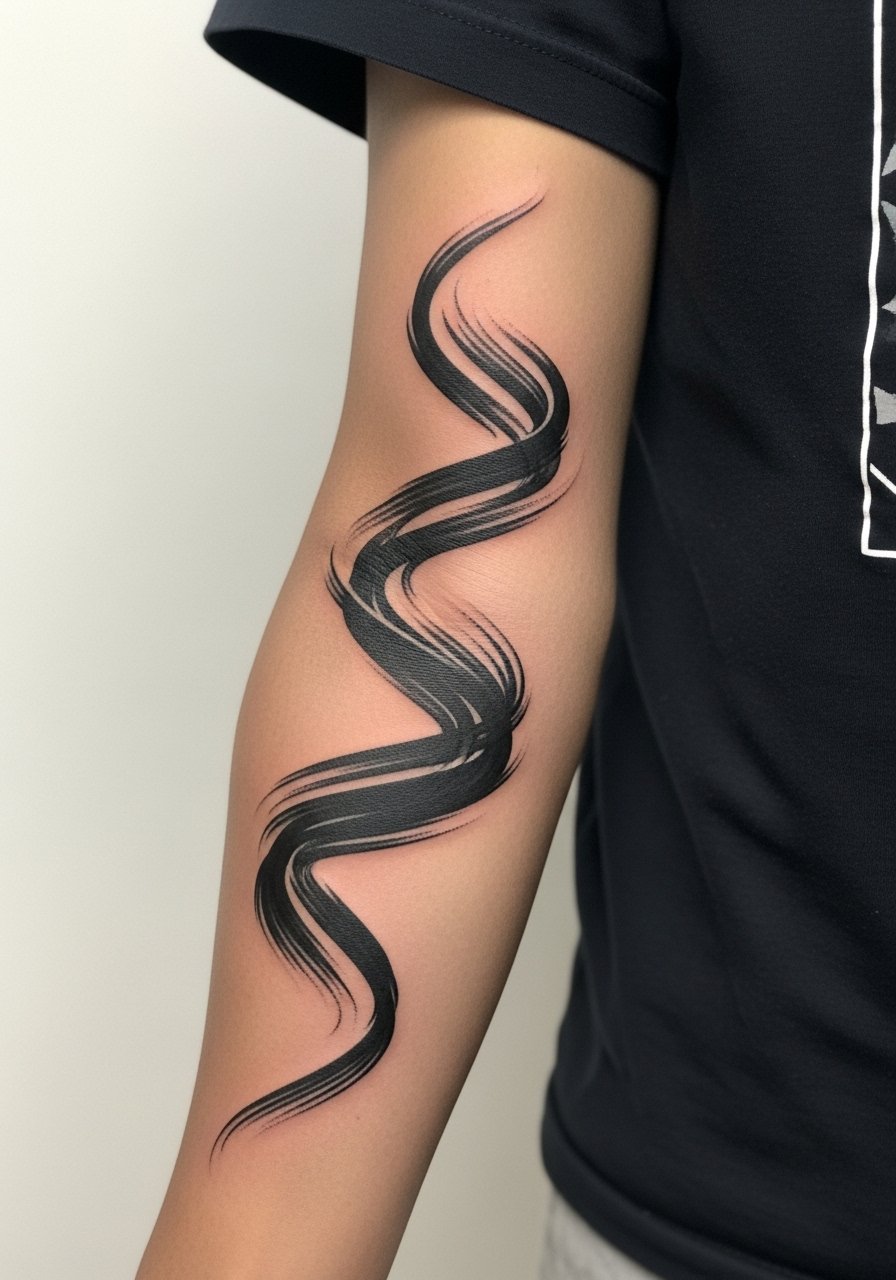
Brushstroke blackwork reads bold and contemporary. Ask for intentional negative space to prevent adjacent fills from merging as the tattoo heals. The risk here is over-saturating small overlaps so they fuse. Sessions vary depending on coverage and can be longer if large fills are needed. This style holds up well because bold edges become a graphic element over time. Keep the look clean with minimalist sleeves or a modern short-sleeve tee.
19. Small Symbols Cluster Near Elbow
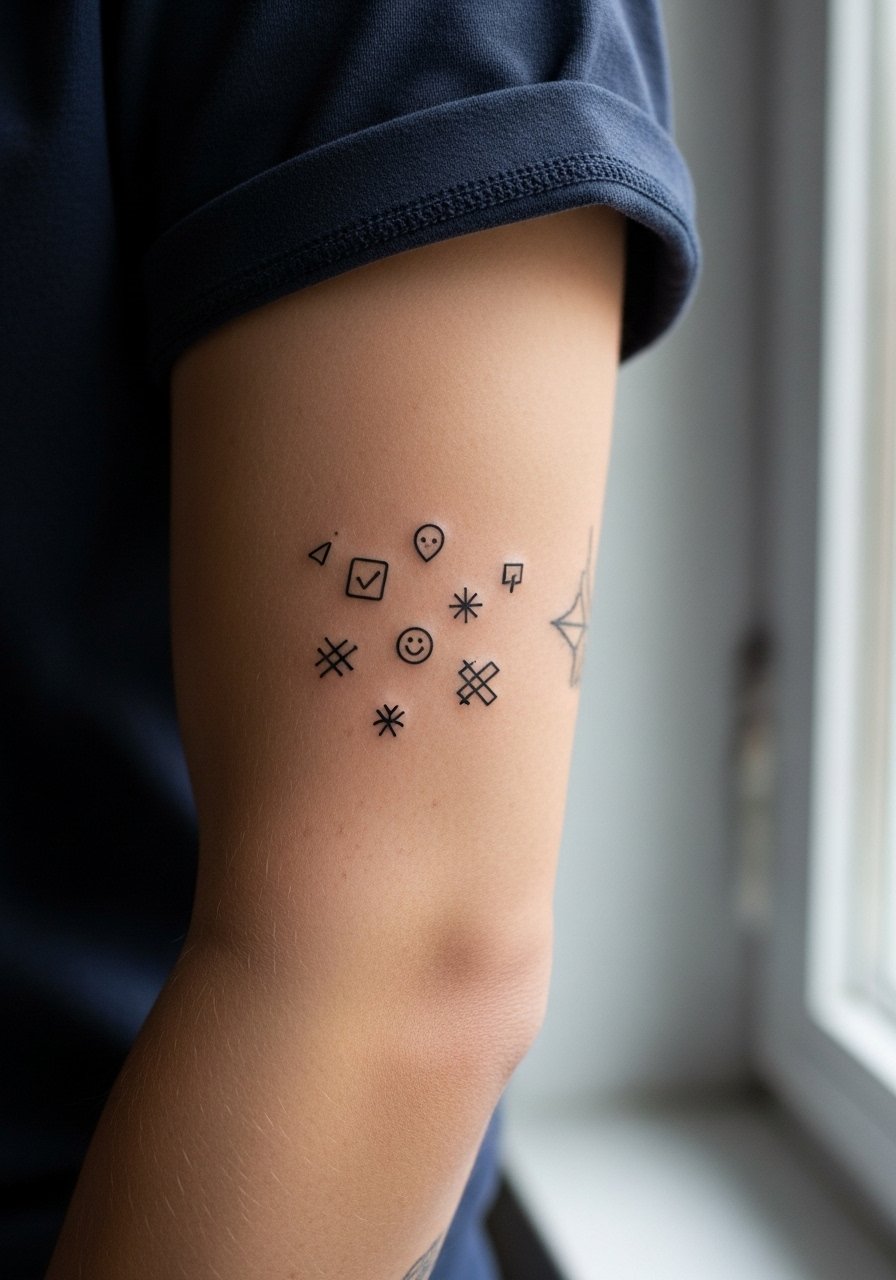
Clusters of tiny symbols let you tell a story in modular pieces. Discuss spacing and breathing room during the consult so each icon maintains clarity as the area flexes. The elbow-adjacent area sees more movement and can distort very small elements, so expect a touch-up window earlier than for mid-forearm work. A common misstep is placing too many symbols in a small patch. For casual looks, half-roll sleeves keep the group visible without overexposing skin.
20. Celestial Moon Phases Along Forearm
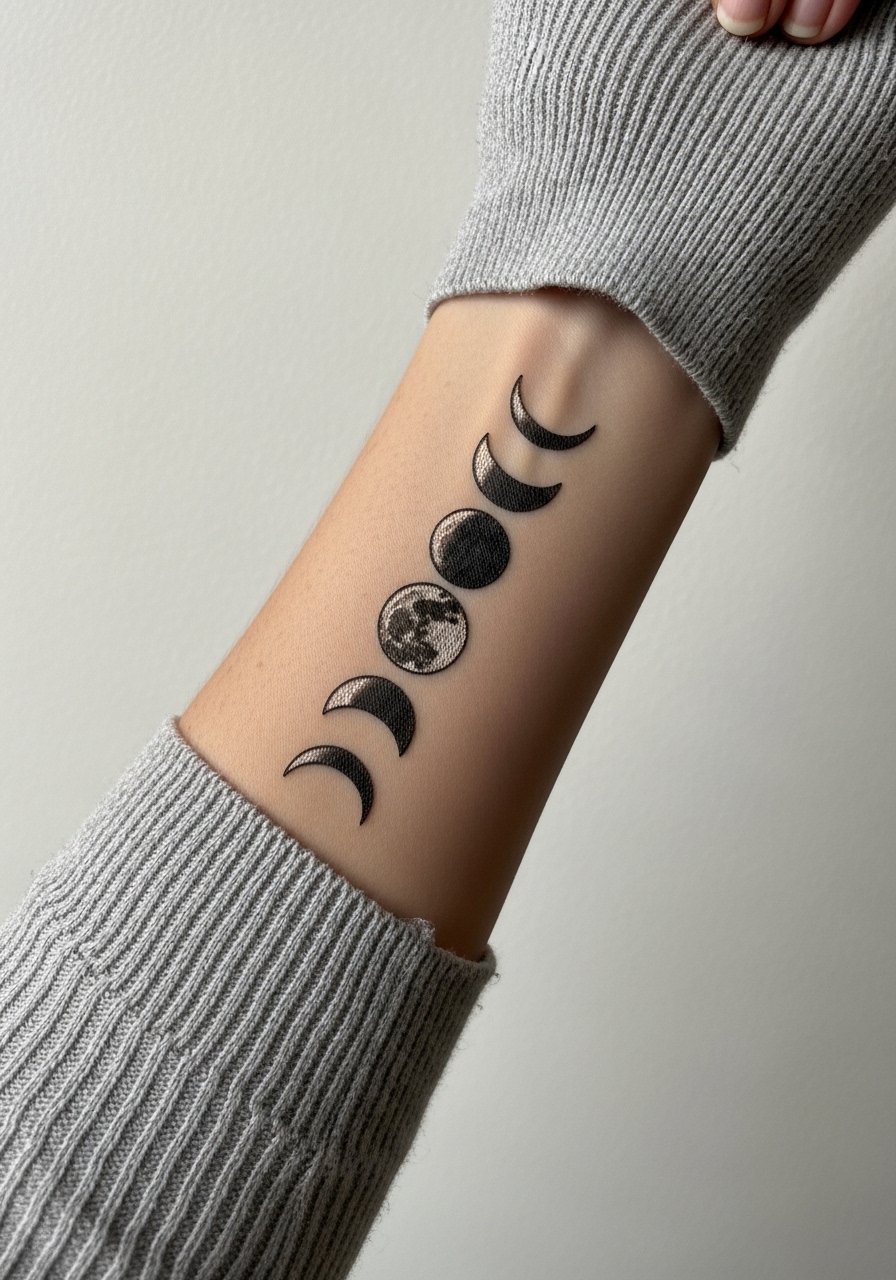
A moon phases sequence benefits from consistent sizing and even spacing. Ask your artist to stencil the full sequence and step back to ensure rhythm and spacing before inking. The pieces age predictably as small crescents soften at the edges, so keep the phases slightly larger than you think you need. The session time is moderate and pain is low. Pair accordingly with cropped sleeves or a long-sleeve knit pulled up to display the sequence.
21. Chain-Link Bracelet Tattoo Around Wrist
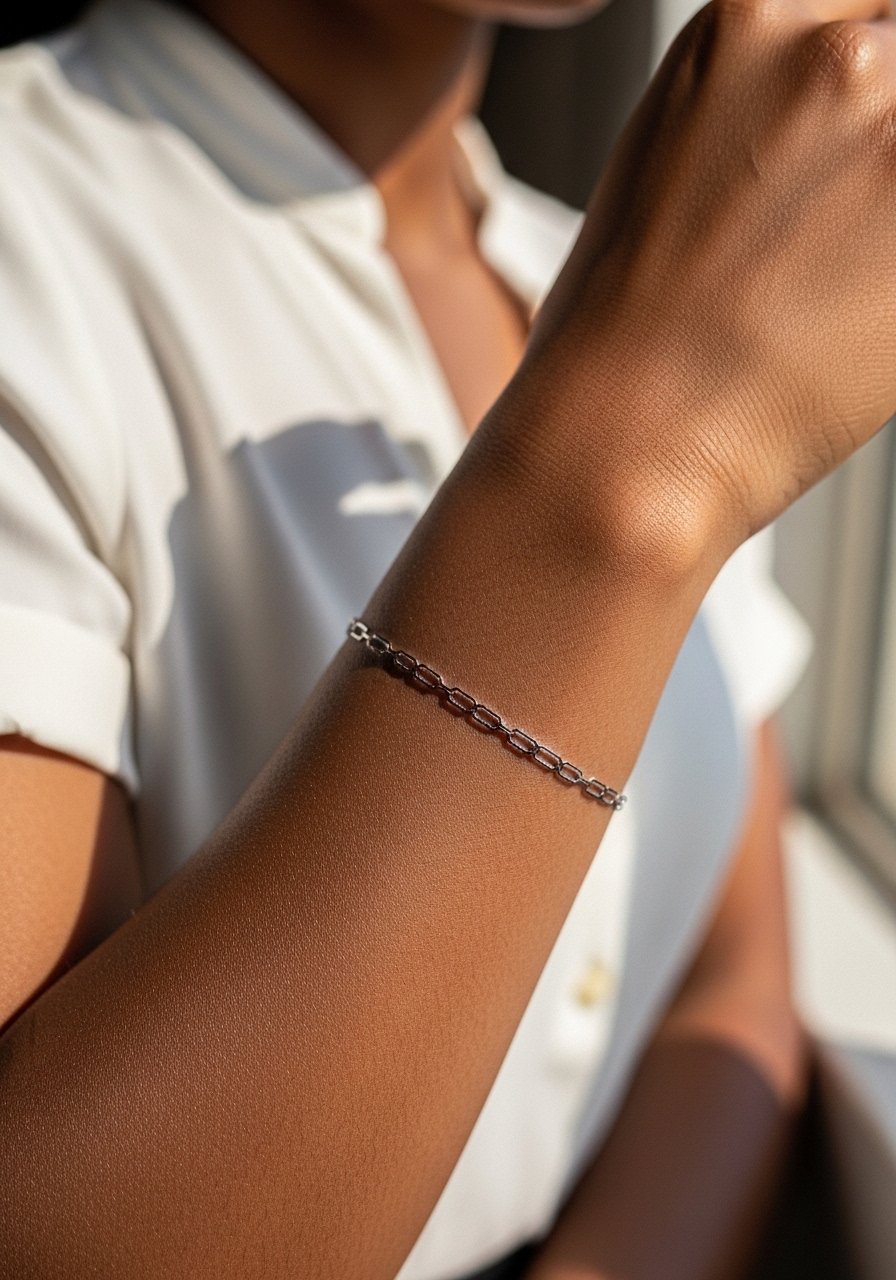
A bracelet tattoo around the wrist is a great alternative to jewelry. Make sure the artist aligns the top of the chain with how your wrist naturally sits to avoid a tilted appearance. The wrist is a high-friction zone, so links may need a touch-up sooner because of constant movement and contact. The biggest mistake is choosing overly delicate links that vanish into skin texture. For wearing real jewelry, choose slim pieces that echo the chain look rather than thick bands that will compete.
Frequently Asked Questions
Q: How long do fine line forearm tattoos usually stay crisp before needing a touch-up?
A: Fine line work on the forearm can start to soften around year two to three depending on sun exposure and skin type. If you want crisp edges to last longer, ask for slightly increased spacing and a modest line weight during the consult. Regular sunscreen on exposed forearms slows fading.
Q: Are wrist and inner-forearm areas more painful than the outer forearm?
A: Yes, wrist-adjacent and inner-forearm spots tend to feel sharper because the skin is thinner and sits over tendons. Pain varies by person. A topical numbing cream applied per instructions can reduce discomfort for short sessions.
Q: Should I pick bold blackwork or fine single-needle if I care about longevity?
A: Artists split into two camps on this. One group says bold blackwork ages best because strong lines and saturation hold contrast. The other group says single-needle can last if the artist spaces elements and places lines at the right depth. My advice is to discuss the trade-offs and ask to see healed pieces in their portfolio for the style you prefer.
Q: Can I get a color watercolor forearm tattoo if I wear makeup or lotions regularly?
A: Yes, but color fades faster with frequent rubbing and sun exposure. During healing avoid applying scented lotions near fresh color. Later, sunscreen and limiting friction from wristbands or tight sleeves preserves color.
Q: What should I ask my artist in the consult to avoid early blurring?
A: Ask them to show healed examples of the exact scale you want and to explain spacing choices. Request a life-size stencil preview. Also ask about their typical touch-up window so you know what to expect.
Q: I want a forearm piece but worry about workplace visibility. Any styling tips?
A: If discretion matters, choose inner-forearm placements that sit higher or pick vertical designs that can be covered with long sleeves. Lightweight layering pieces like a loose button-down shirt make it easy to hide or reveal the art.