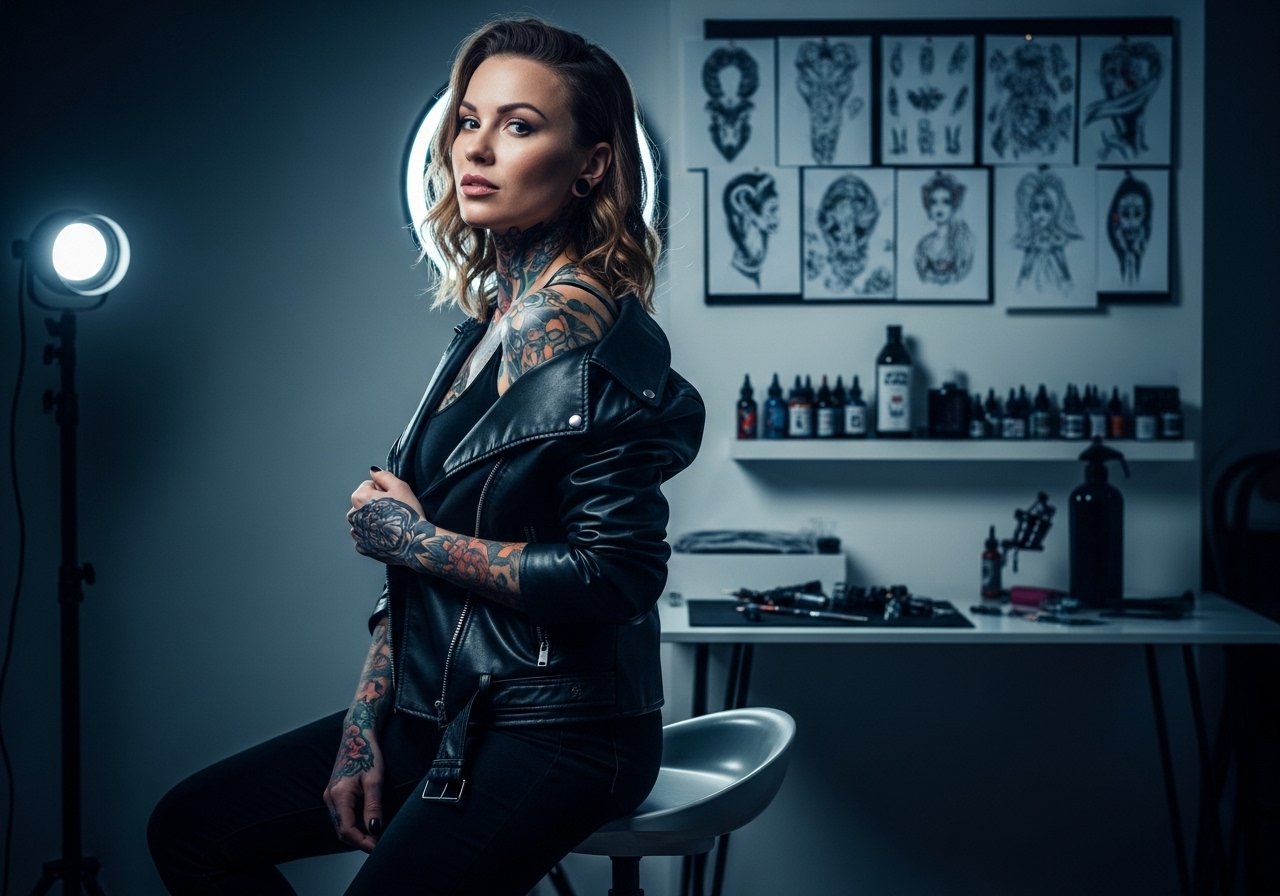
Fine line spines are everywhere online right now, but the pieces that still read crisp after a few years are not always the ones that looked best on day one. Placement, spacing, and how the design follows vertebrae matter more than a trendy color wash. Read these 17 spine flower concepts with what to ask in consultation, what to wear on session day, and what to expect in the first touch-up window.
1. Fine Line Birth Flower Cascade Along the Full Spine
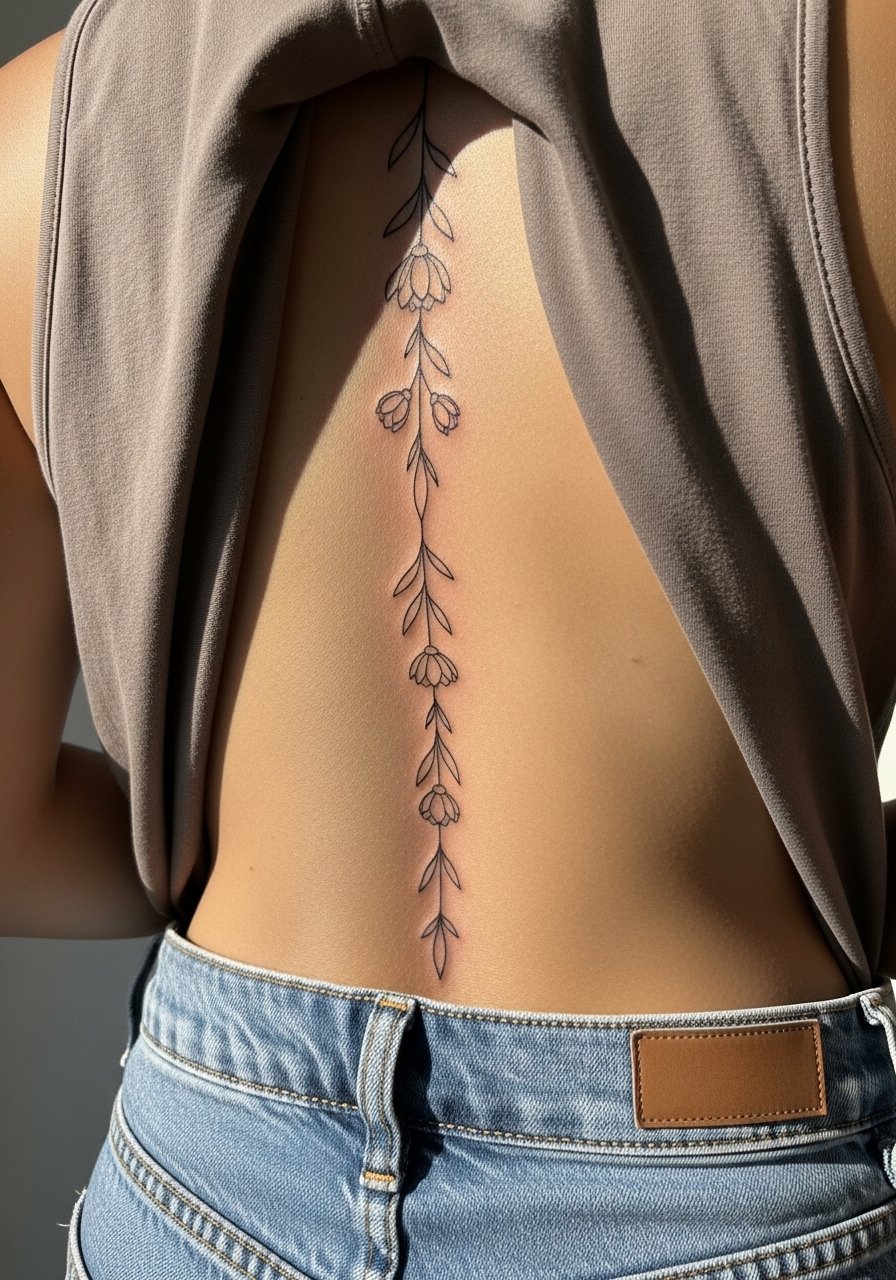
I recommend this when you want personalization without heavy saturation. Tell your artist the exact birth flowers and ask for slightly increased spacing between elements so the single-needle linework has room to age. Pain over vertebrae is higher than on fleshier areas and sessions usually run one to two hours depending on length. A common mistake is packing too many tiny petals into a narrow column, which speeds fading and risks early blur. Expect a touch-up at six to twelve months for fine lines. For showing it off, the design pairs well with a backless halter top cream that leaves the upper and lower spine visible.
2. Black and Gray Lotus Extension, Upper to Mid-Spine
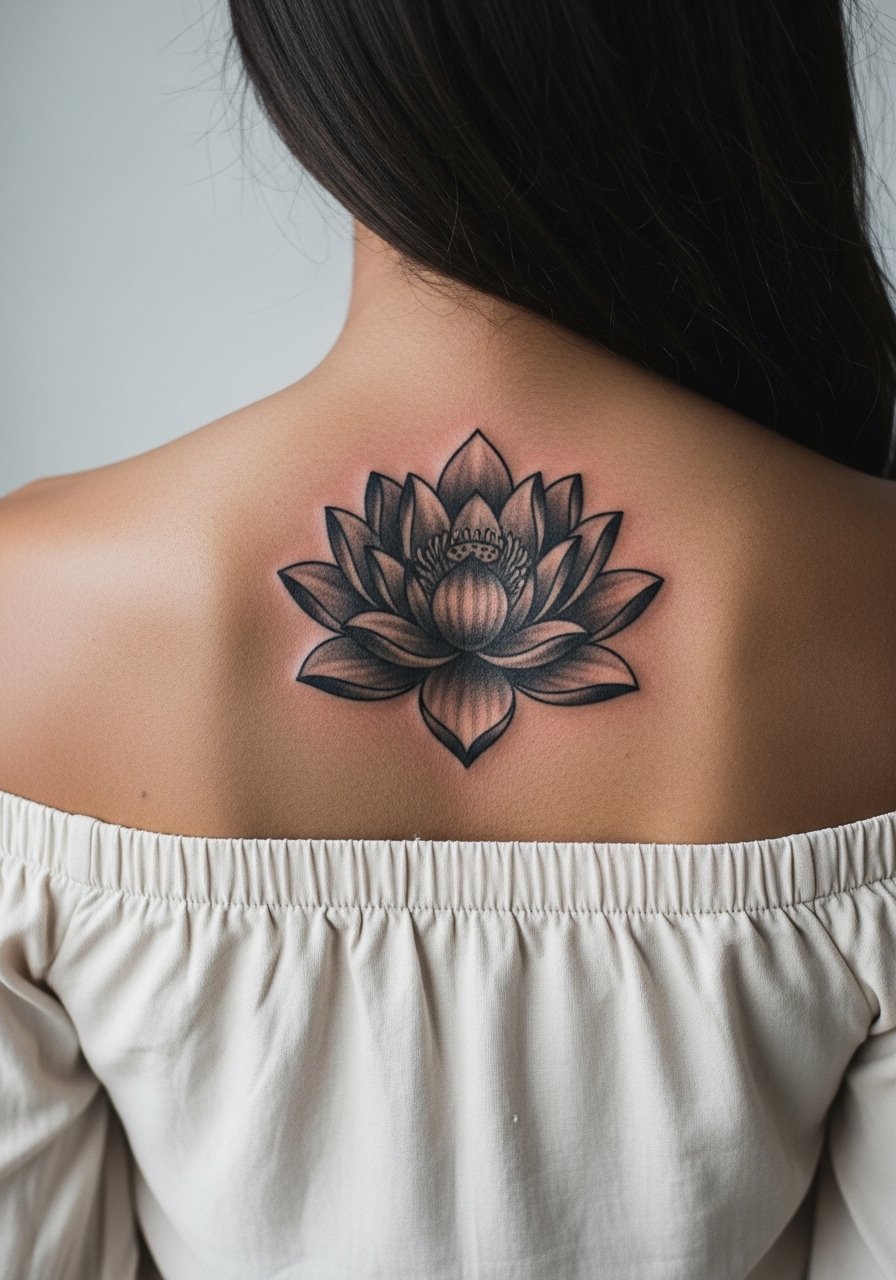
From what I've seen, lotus pieces do best when artists use contrast in shading rather than tiny micro lines. In consultation, ask the artist to sketch petal depth rather than rely on hairline details. The upper spine takes less beating than the lower back but shading near the shoulder blades can sting. One controversy to acknowledge is whether grayscale realism holds up better than fine line on this canvas. One camp favors bold shading for longevity. The other camp believes precise single-needle depth can settle fine here. If you prefer evenings out, pair the finished piece with an off shoulder blouse black to frame the shading.
3. Ornamental Spine Flower Mandala Framing the Vertebrae
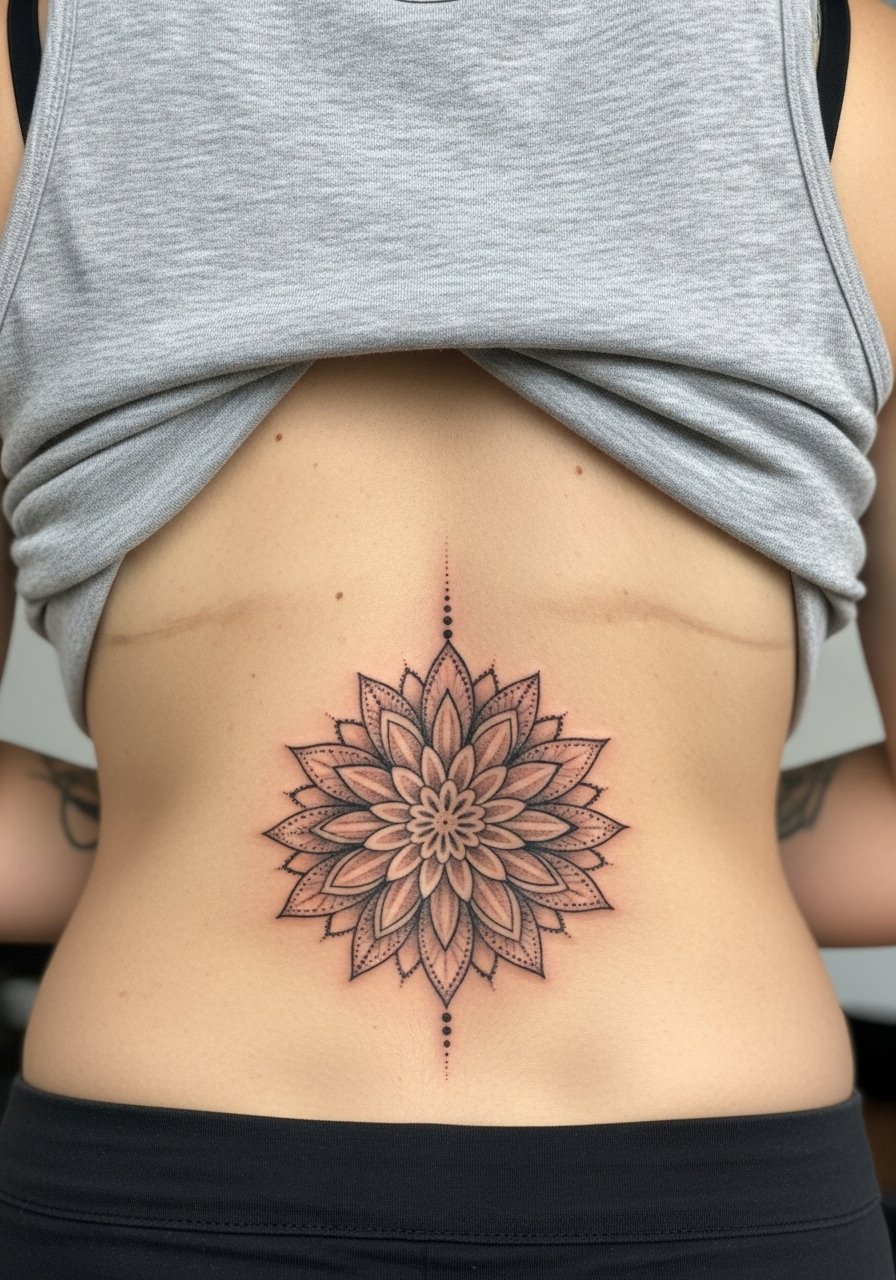
This ornamental approach reads like jewelry when scaled correctly. Ask for dotwork spacing and stipple shading that follows the vertebrae so the petals do not merge over time. Session time tends to run two to three hours because the dotwork density takes time. A mistake is shrinking the mandala to a watch-face size. Too small and the dotwork fills in at year two. For aging, expect clean definition at six months, softening at year two, and a predictable need for touch-up at year three for high-contrast dots. If the piece traces cultural motifs, mention respectfully that you want a variation rather than a direct replica.
4. Minimalist Single-Stem Rose Trailing Down the Lower Spine
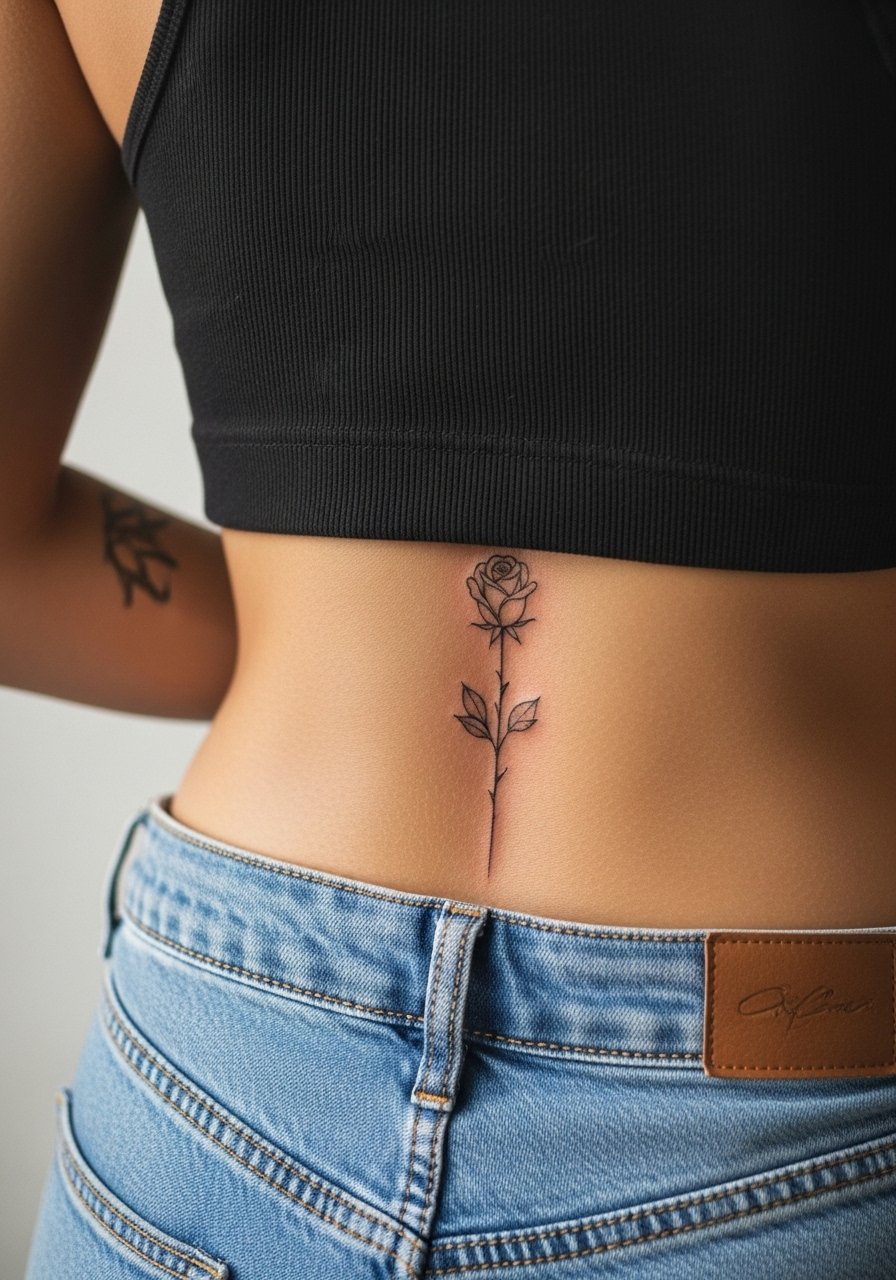
This is a classic first-spine option for someone who wants small scale and quick sessions. Fair warning: lower spine sees more stretch with weight changes and some yoga poses, so consider placing the bloom a bit higher if you expect fluctuations. Tell your artist to use single-needle detail but with slightly bolder anchor lines on the stem to prevent early blurring. The session usually takes under an hour. For a casual everyday look, pair the finished tattoo with low rise jeans straight and a cropped tee neutral so the peek feels intentional.
5. Neo-Traditional Peony Bouquet Across Mid-Spine
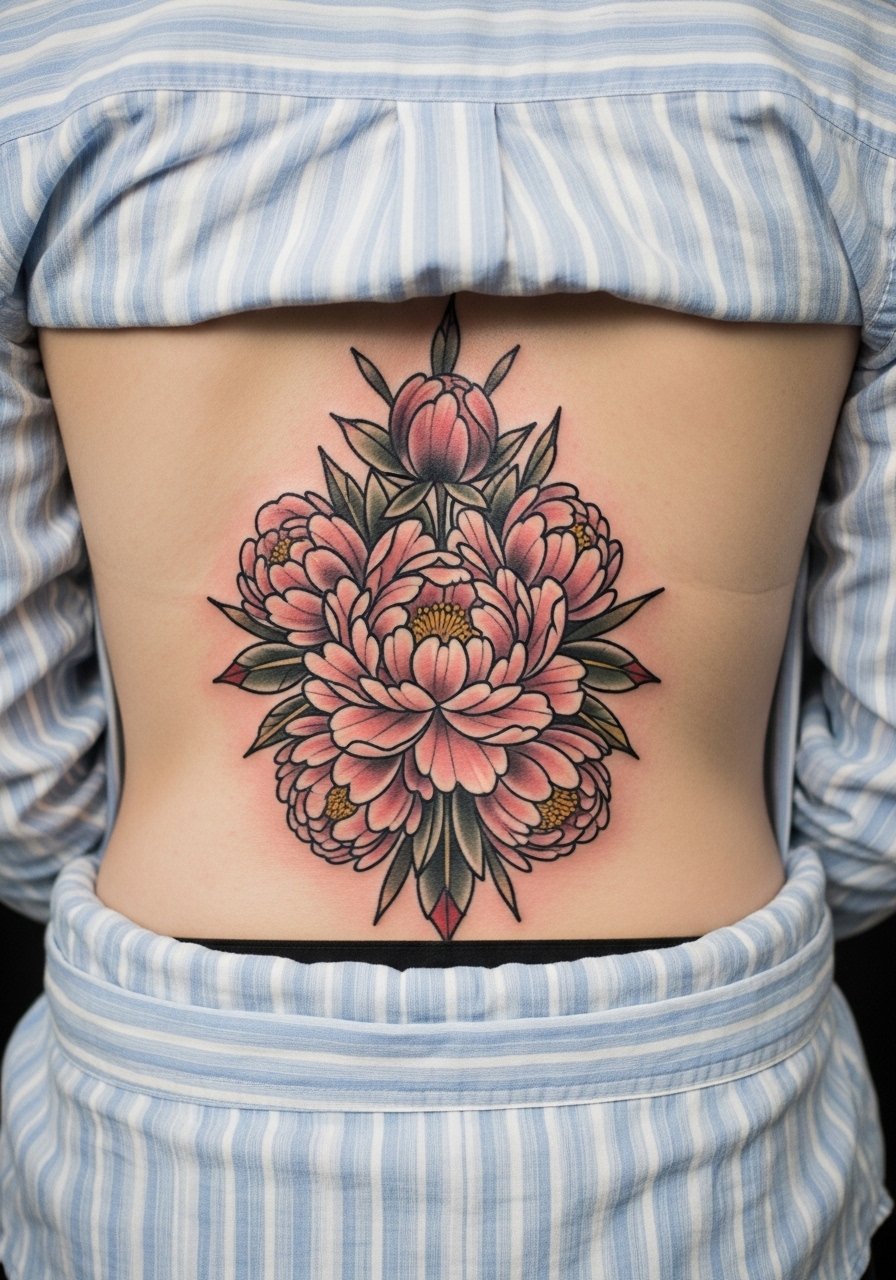
If you want color that holds, neo-traditional palettes with clear outlines age more predictably than soft washes. In consult, specify the outline weight and ask for color saturation that is not feathered into tiny gradients. Sessions often take multiple sittings, plan for two to three sessions. The mistake I see is asking for watercolor blending inside a traditional outline, which creates visual conflict as the colors diffuse. For summer wear, this style looks great with a cropped tank solid color that keeps the mid-spine visible and avoids competing patterns.
6. Micro-Realism Sunflower Column, Narrow Spine Focus

Micro-realism demands a steady hand and usually one to two hour sessions for a narrow column. Tell the artist you want pronounced seed texture and modest surrounding contrast so the tiny details do not wash out. Blowout risk is higher if the piece is jammed over very bony vertebrae, so spacing and slight scale-up help. Expect the most dramatic change between fresh and healed at six months when some of the micro detail softens. If you practice strenuous backbends, discuss placement higher on the spine to avoid distortion.
7. Watercolor Wildflower Trail Flowing with Back Movement

Watercolor spines look striking but require placement that moves with the body rather than across it. Artists normally advise slightly larger petal forms so the pigment does not wash out into indistinct smudges. Sessions usually need two sittings to layer color. One known trend is people choosing watercolor for the first post but then trading it for fine line touch-ups later because of fade. For outfits, a wrap dress pastel showcases the bleed of color and keeps the look soft on warm evenings.
8. Blackwork Thorny Vine with Blooming Flowers down the Spine
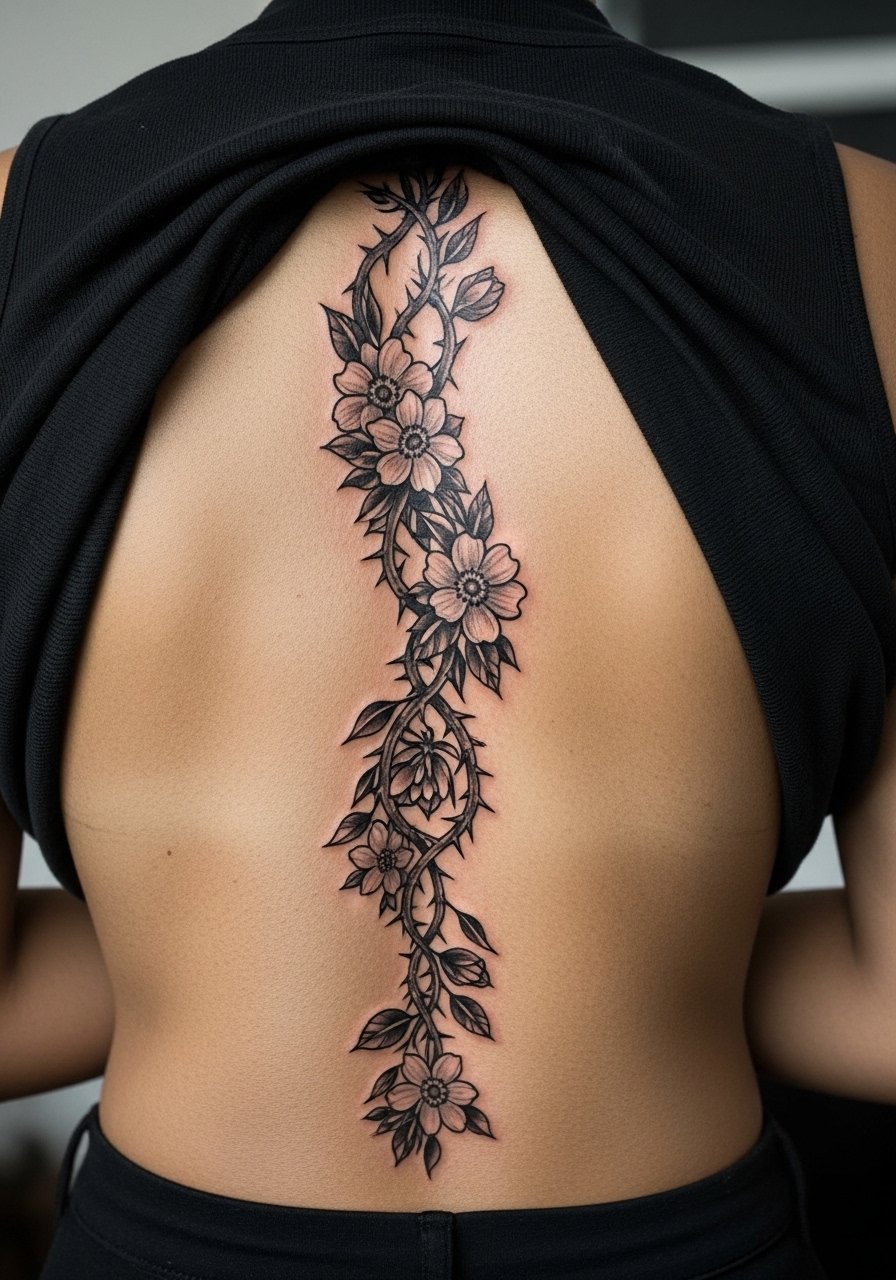
Blackwork reads from a distance and tends to hold up well on bony areas thanks to saturation. Expect three sessions for a long vine with solid fills. The trade-off is pain; dense black fills across vertebrae hit harder than single-needle lines. A common mistake is asking for too many solid areas next to thin linework without transitional shading, which creates a visual mismatch as the thin lines fade. If you want a protective, statement column, this is the route that ages most predictably.
9. Ignorant Style Abstract Floral Dots Along the Spine
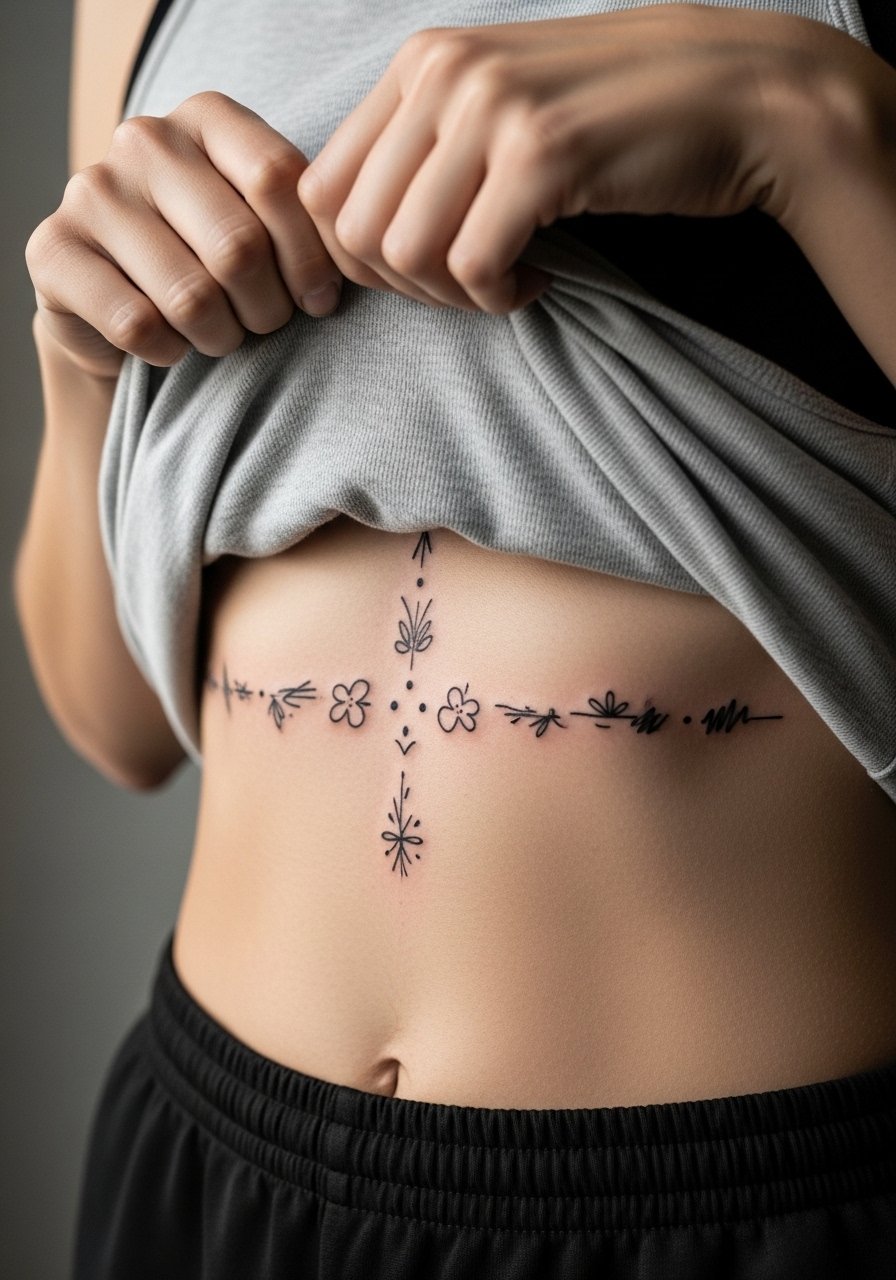
This playful option suits people who want something less literal and easy to expand later. The session is quick, often under an hour, and pain is moderate depending on vertebrae exposure. One mistake I see is treating ignorant work like a flash piece and asking for tiny marks too close together. The dots need breathing room or they fill in. For session wear, a loose linen tank women makes it easy for the artist to access the mid-spine without fabric bunching.
10. Traditional American Rose Panel Centered on the Mid-Spine
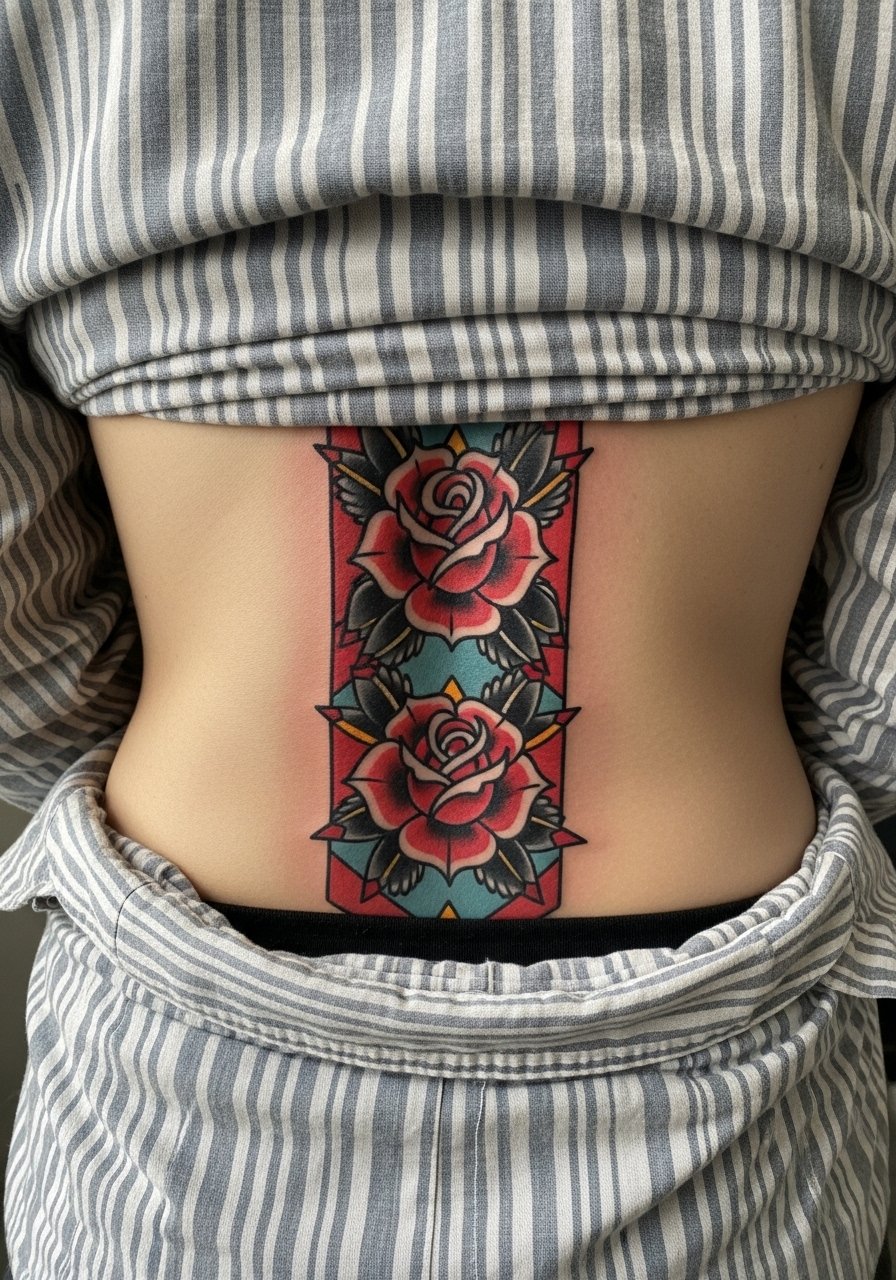
Traditional pieces use thicker linework and dense color, so they often age into a strong silhouette. These panels can take multiple four-session sittings for larger rectangles. The mistake is asking for too much tiny detail within the classic block. If you want longevity, prioritize clean outlines and solid saturation. Expect minimal blur at year five compared with equivalent micro-linework. For summertime visibility, a sports bra seamless or cropped tank works well for showing the mid-spine.
11. Fine Line Daisy Chain Wrapping Spine Segments

Collectors love modular daisy chains because you can add to them over time. In consultation, ask for slightly bolder centers in the daisies so the chain reads at a glance and the delicate petals retain their shape. Pain over the lower vertebrae is noticeable, so sessions are often split. I advise booking a touch-up session in the first year since fine line daisy chains tend to soften. For show-off looks, pair with a high waist linen skirt that lets the lower spine peek without competing prints.
12. Dotwork Geometric Poppy Aligned with Vertebrae
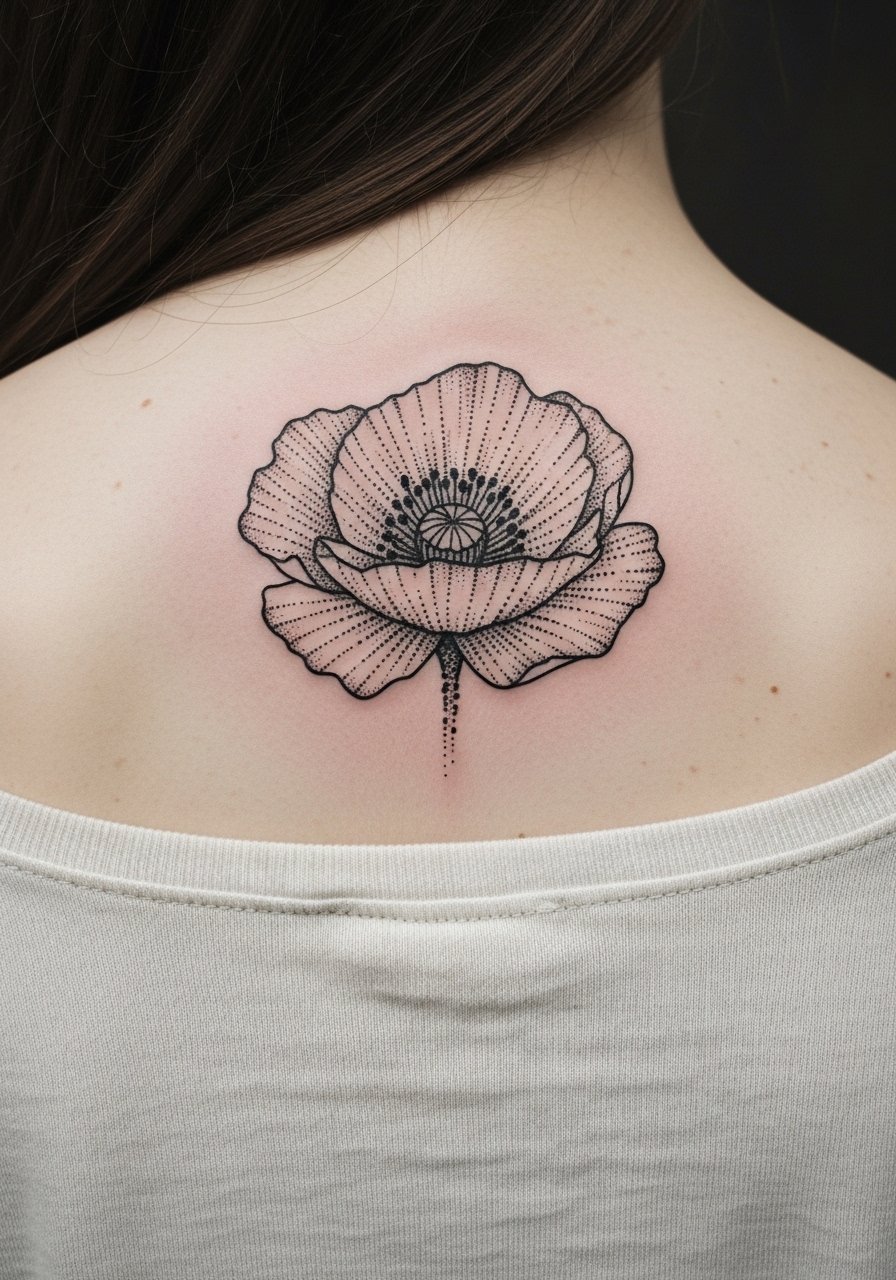
This one is meditative and needs exact placement. Tell the artist you want the core of the poppy centered on a specific vertebra and ask them to mark the alignment before stenciling. Dotwork requires patience and usually two sessions for full vertical effect. Artists are split on whether dot density should be very tight or slightly airy. One camp favors tight dots for a solid look. The other camp argues for airy dots to age more gracefully. Expect the design to look crisp at six months and then mellow into a softer halo at two years. Pair with a high neck crop top when you want to draw the eye upward.
13. Skeletal Bloom: Flowers Aligned to Vertebrae for a "Skeletal Bloom" Illusion
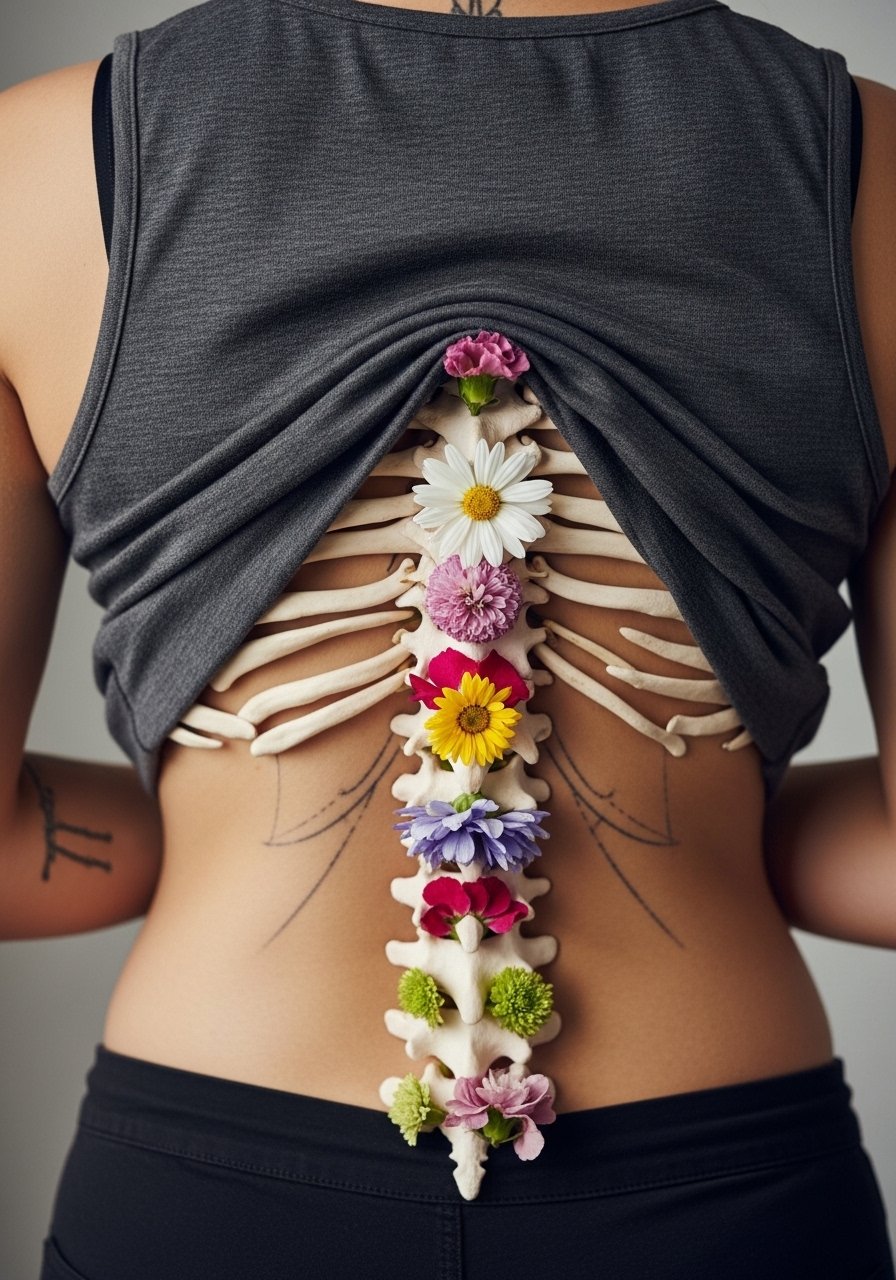
This design leans into the spine's anatomy for a graphic effect. In the consult ask the artist to mark each vertebra and sketch blooms that sit on or beside the vertebrae rather than over them. The most common mistake is using too small blooms that sit directly on bone and blur. Larger, slightly offset petals keep contrast and slow aging. Expect moderate pain over bony sections and plan sessions around your comfort. If you practice yoga, pick the placement so deep backbends do not stretch the petal edges.
14. Birthstone Dot Accents Among Petals for a Jewel Effect
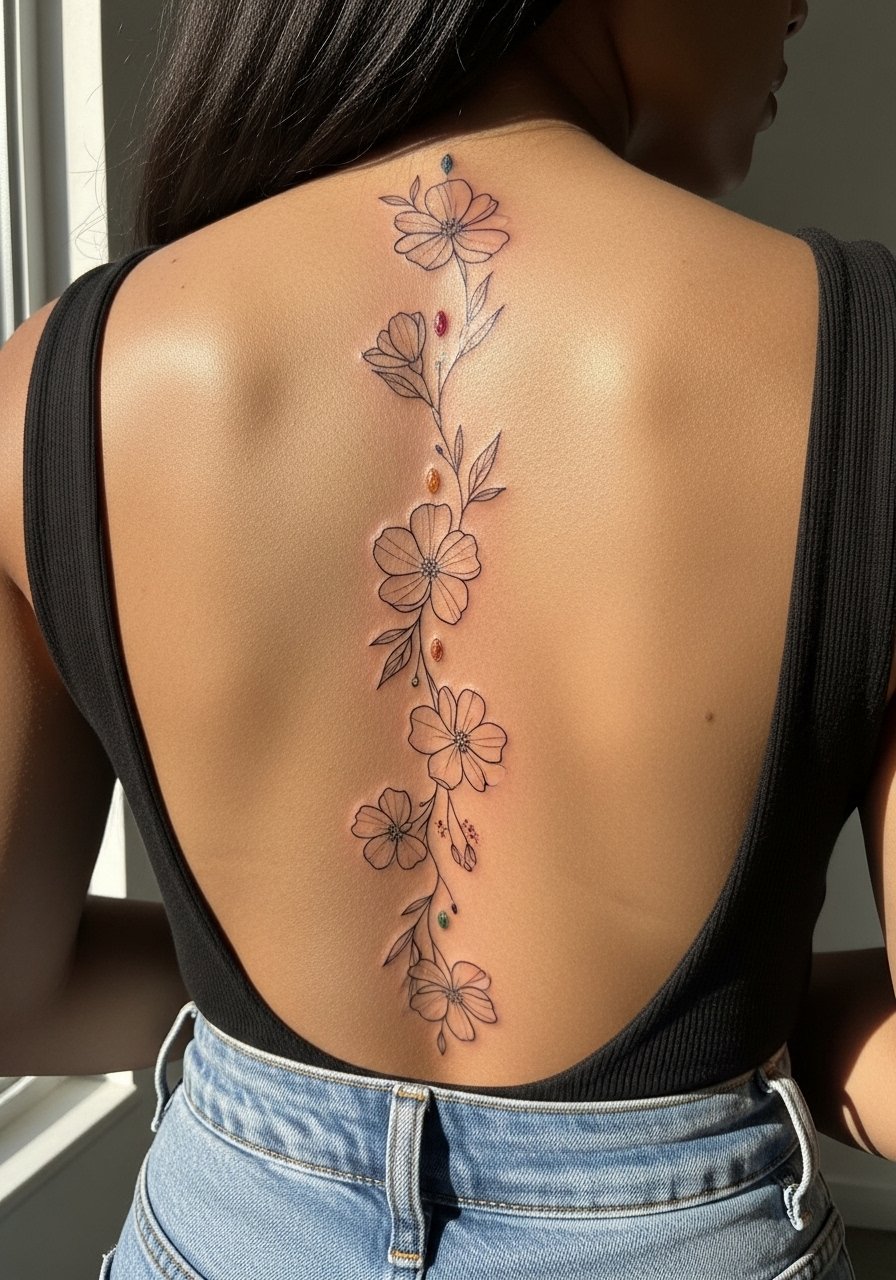
Adding tiny birthstone dots gives a jewelry feel without heavy color blocking. Ask your artist to use micro-pigment deposits for the dots and to place them where future touch-ups are accessible. A mistake is placing too many colored dots inside dense black shading. Color needs room to remain visible on darker skin. Expect the dots to be the first element to show change and plan a color touch-up at year one to maintain pop. For evening outfits, a backless halter top cream or a low-back dress frames those little accents nicely.
15. Lower Spine Designed to Survive Backbends and Yoga
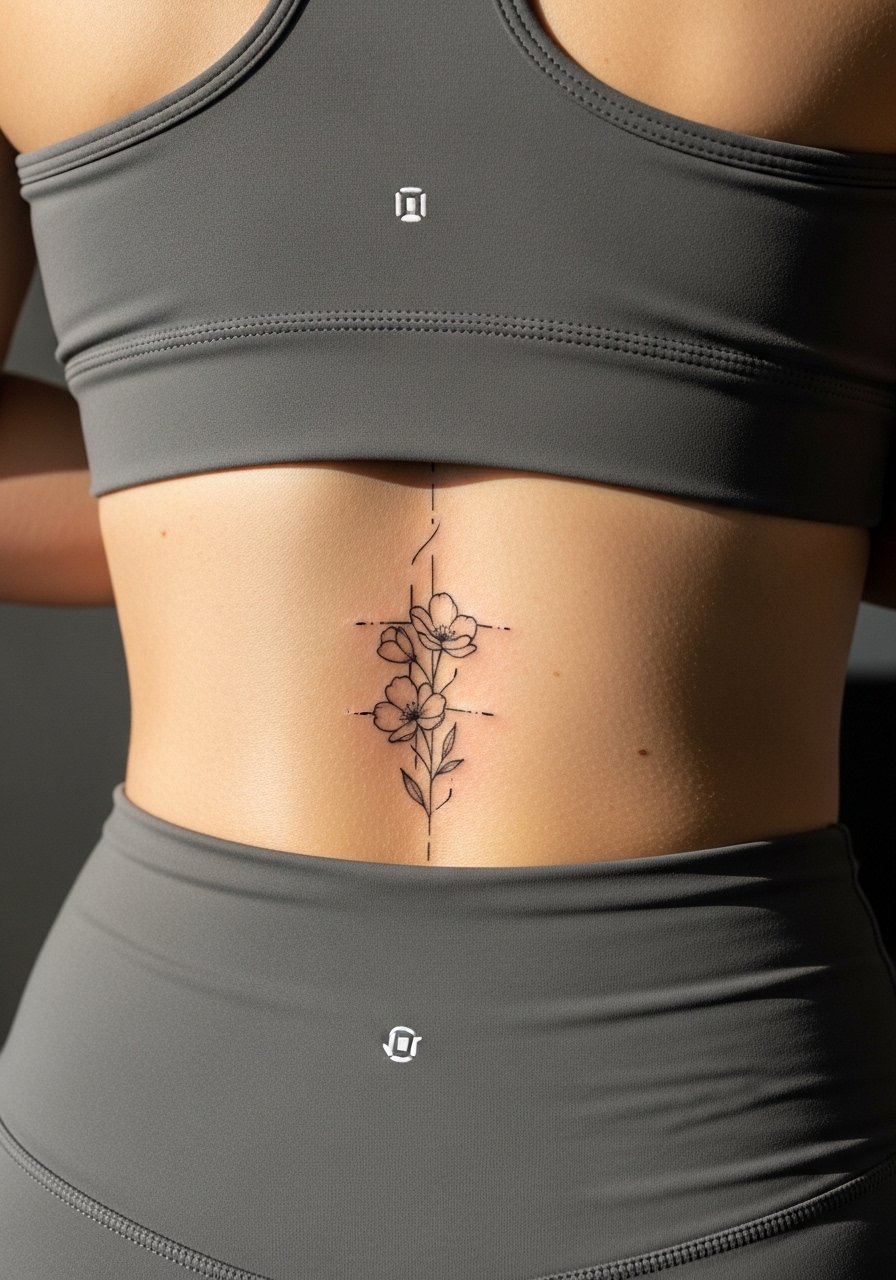
This one is intentionally placed and scaled to handle frequent spinal flexion. When you book, tell the artist you need the design tested for bended positions so they can draw the stencil with movement in mind. The session time is usually short, but placement precision matters. A common error is centering the design too low where waistband friction will irritate healing. For session day wear, a sports bra seamless and loose bottoms make access easy and reduce rubbing during the first week.
16. Grayscale Transition: Flower to Feather Down the Spine
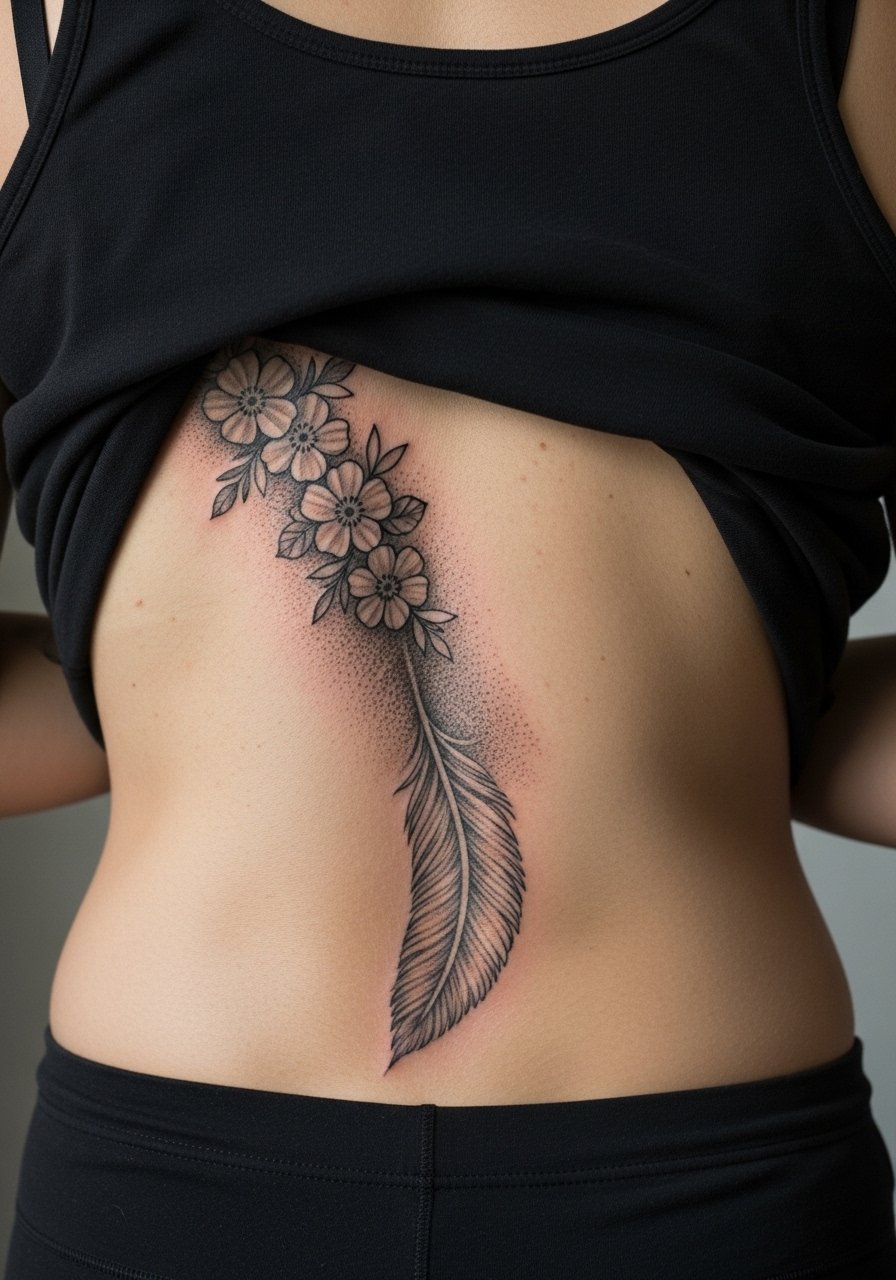
This hybrid plays with textural transitions and looks striking in grayscale. Ask for stipple shading between the flowers and feather to create a gradual read rather than a hard cut. Sessions usually need two sittings for clean transitions. The mistake is using too much fine detail in the feather barbs which can merge on bony areas. Expect the top floral cluster to stay defined longer than the fine feather filaments. If you want a wardrobe complement, a loose button down shirt pulled aside highlights the vertical flow.
17. Neck-to-Upper-Spine Dotwork Poppy Column

This placement reads intimate and draws attention up the back. For session prep, wear hair up and a strapless or wide-neck top so the artist has full neck access. Dotwork here requires careful depth control because the skin at the nape is thin and sensitive. One common mistake is underestimating the pain over the topmost vertebrae. Expect a follow-up at six to twelve months to sharpen dense dots. For show-off styling, a gold choker necklace sits above the piece without crowding it.
Studio Day Picks
These picks help the spine work you just read about, especially the full-column pieces and fine line columns in ideas 1 through 6.
-
Soybean-based healing balm. Lightweight balms based on soybean absorb fast and avoid heavy residue on back tattoos that sweat more during movement.
-
Dotwork aftercare spray. A fine mist prevents heavy ointment from running on vertical spines while keeping linework hydrated during the first week.
-
Rice bran body lotion. Thin, non-shiny lotions are kinder to fine line work and can preserve contrast on darker skin tones between touch-ups.
-
Fragrance free gentle body wash. Use during showers to cleanse without stripping pigment, especially important after full-spine sessions.
-
Aquaphor healing ointment. A thin layer for the earliest days can protect fine line placements from friction without clogging channels when used sparingly.
Frequently Asked Questions
Q: Will fine line birth flowers on the spine blur faster than bold traditional roses?
A: From what I have seen, fine line pieces tend to soften sooner because there is less pigment to resist skin movement and UV. Bold traditional outlines hold shape longer. If you want a fine line look with more longevity, ask the artist for slightly increased line weight in anchor areas and plan a touch-up at six to twelve months.
Q: How painful is a full-spine floral cascade compared with a mid-spine bouquet?
A: Pain varies but expect higher sensitivity over bony sections along the full spine than at the fleshy mid-spine. Full-spine cascades usually mean longer sessions and more time over vertebrae. Consider numbing options discussed with your artist and break the work into shorter sittings if you are concerned.
Q: Should I use Saniderm or dry healing on my spine tattoo?
A: Artists are split on this. One group argues Saniderm keeps the area clean and reduces scabbing, especially in a friction zone like a lower back. The other group prefers dry healing and warns that occlusive dressings can trap moisture on sensitive skin. Ask your artist which method they have the most consistent results with and follow their protocol for spine work.
Q: How do I find guest artists who specialize in lotus or fine line spine pieces without a six-month wait?
A: Use hashtags like #finelinetattoo, #spineflowertattoo, and #birthflowertattoo on Instagram and search recent TikTok reels for "spine tattoo fine line flowers." Check platforms that list guest spots and local convention calendars. Reddit communities also share recent guest recommendations.
Q: If I plan on regular yoga, which lower spine floral options minimize distortion during backbends?
A: Designs set a bit higher on the lower spine and scaled with slightly larger petals hold up better during frequent backbends. Ask the artist to draw the stencil with you in a gentle bend so you can see how the piece moves, and avoid tiny clustered details at your waistband line.