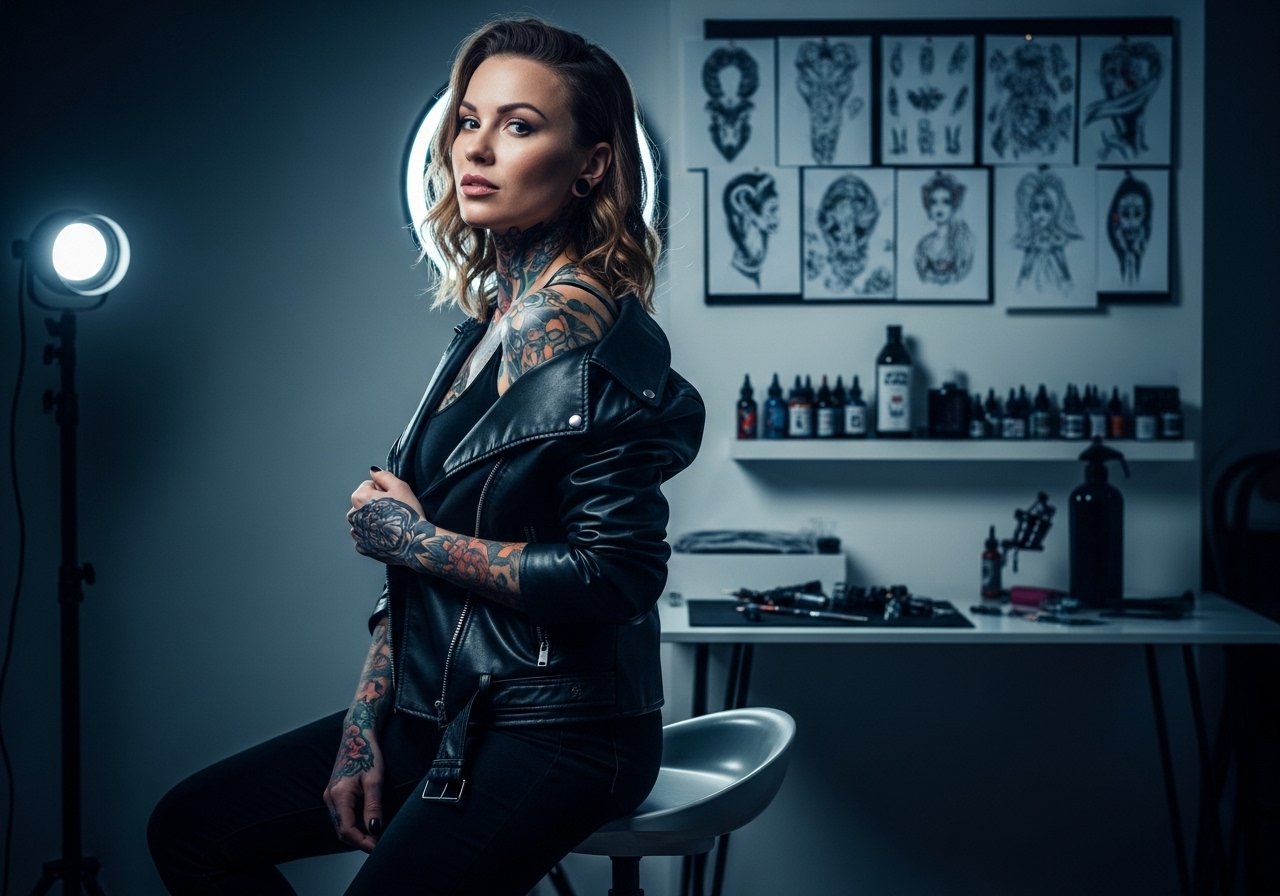
Fine line family tattoos are everywhere on saved boards, but the ones that still read as family marks after five years usually started with different decisions. I have seen artists at five shops across Brooklyn and at small conventions pause clients to scale up or move placement, because spacing and skin movement decide whether a tiny name stays legible. These ideas favor that reality while keeping the look delicate.
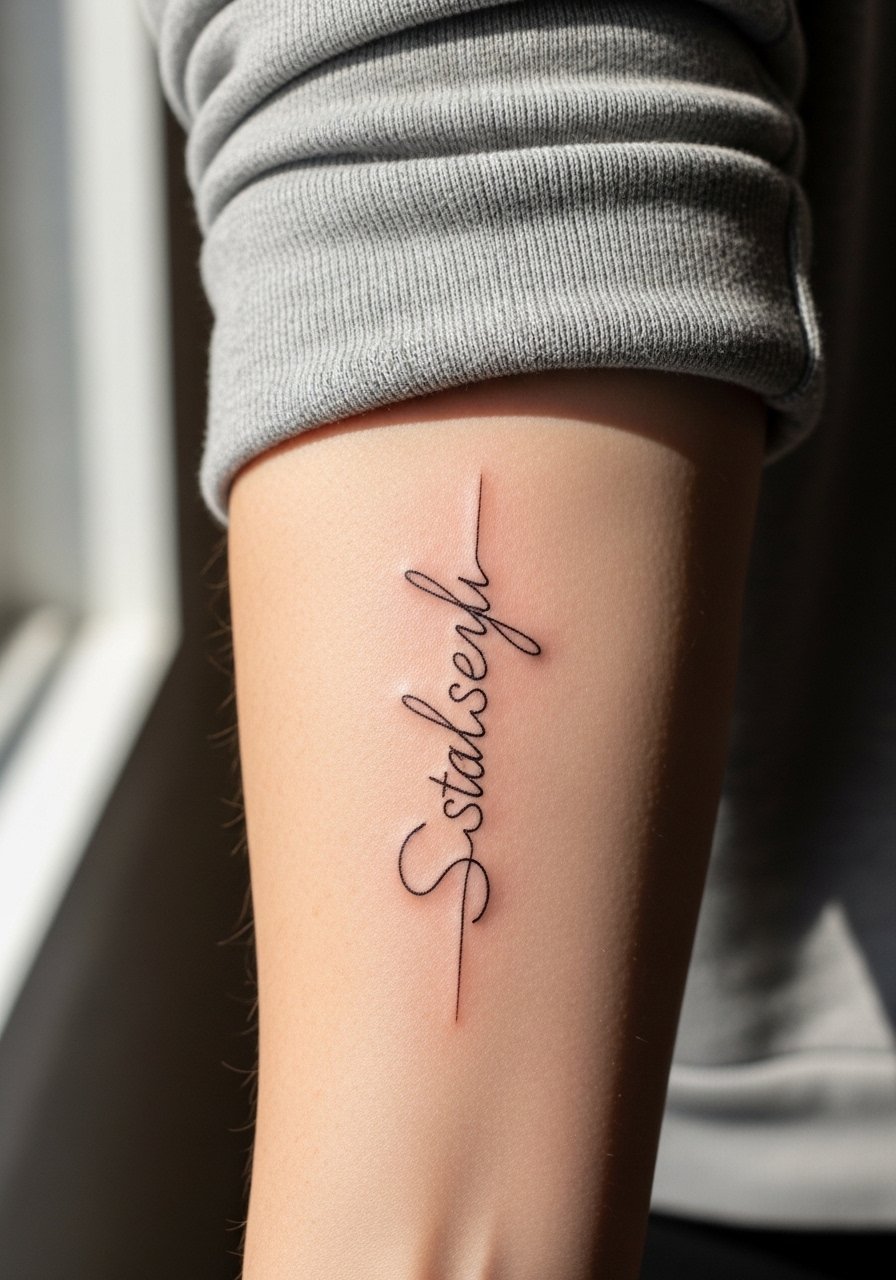
1. Cursive Name on Inner Forearm
A thin script with a single family name along the inner forearm reads intimate and shows easily. I suggest a slightly heavier fine line than the lightest option most people pick, because forearm skin moves and a whisper-thin script often softens by year two. Tell your artist you want consistent linework and to avoid hairline strokes in dense letters. Pain is mild and a session like this usually runs forty-five to sixty minutes. The common mistake is shrinking the letters too small to be discreet. For showing it off, roll sleeves and add a thin chain pendant necklace that sits above the script without competing.
2. Tiny Constellation Wrist Cluster
A cluster of small stars for each family member works well on the side of the wrist where the skin is flat. For longevity, separate each star by a few millimeters and ask for slightly open negative space in the cluster. Expect higher touch-up likelihood than forearm work because wrist motion and soap friction speed fading. Session time is short, often thirty minutes, and pain is moderate because of thin skin. During the consult, show the exact star sizes you want and ask for the spacing to be printed on the stencil. Pair this with a minimalist watch for evenings when you want the constellation framed without covering it.

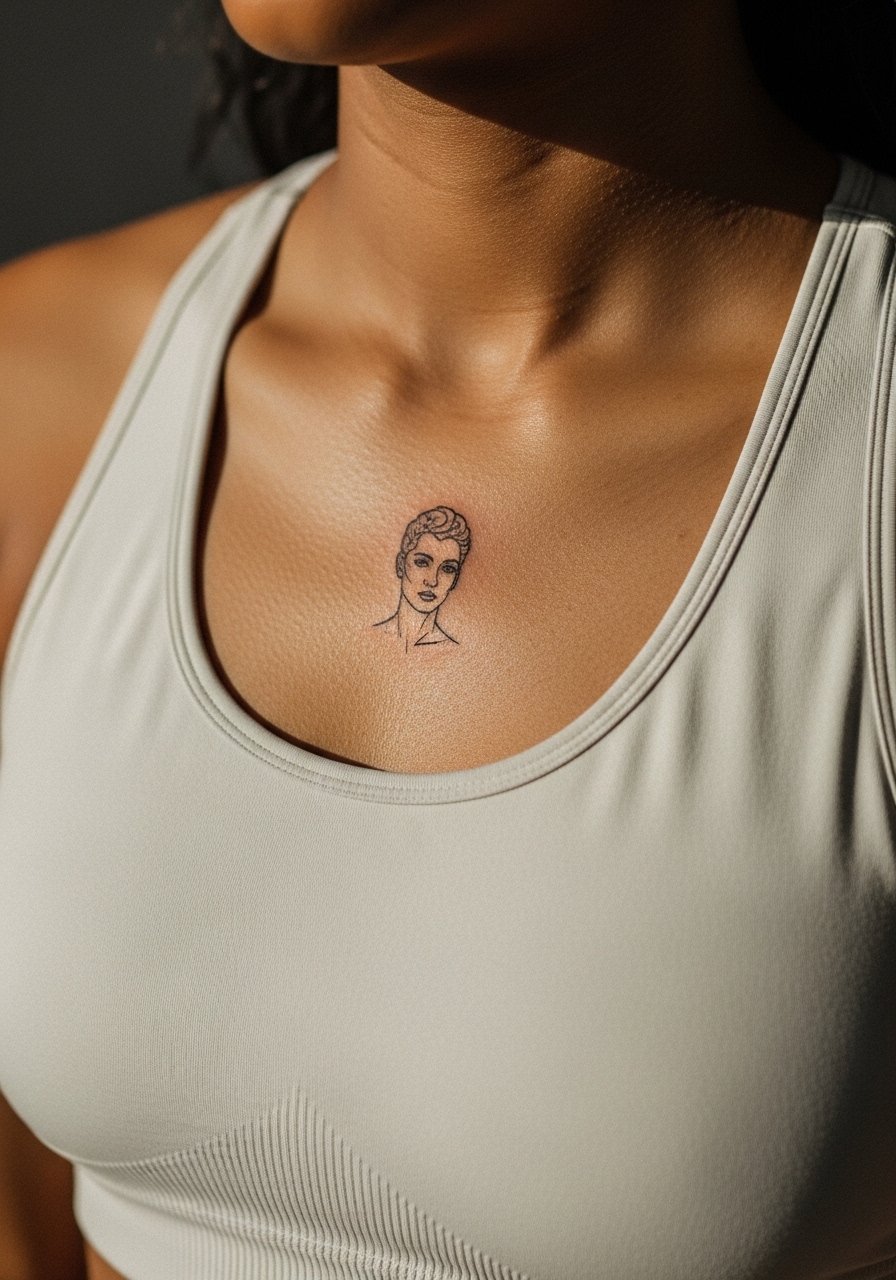
3. Tiny Portrait Over the Sternum
A micro-realism portrait of a child or parent placed just above the sternum reads intimate and can be centered under a necklace. Because sternum skin stretches and shifts with breathing, artists split into two camps on this placement. One camp says the area blurs quickly and small portraits lose detail within two to three years. The other camp says with careful depth control and slightly larger scale, a tiny portrait can hold. I recommend asking the artist which camp they follow and seeing healed portfolio pieces. Session time is usually longer because of precise linework and shading. For the session wear, bring a fitted sports bra or bandeau you can loosen so only the tattoo zone is exposed.
4. Birthdate Roman Numerals on the Collarbone
Roman numerals along the collarbone carry weight without loud imagery. The collarbone skin holds fine line well when the numbers are spaced and not squeezed into one tight line. A common mistake is pushing all numerals into a narrow band which invites blurring as the skin settles. Expect mild pain and a session of about thirty to forty minutes. Tell your artist the exact font and spacing you want and ask them to print the stencil so you can check scale under natural light. Pairing this with a wide-neck shirt pulled slightly aside makes the placement feel deliberate and elegant.

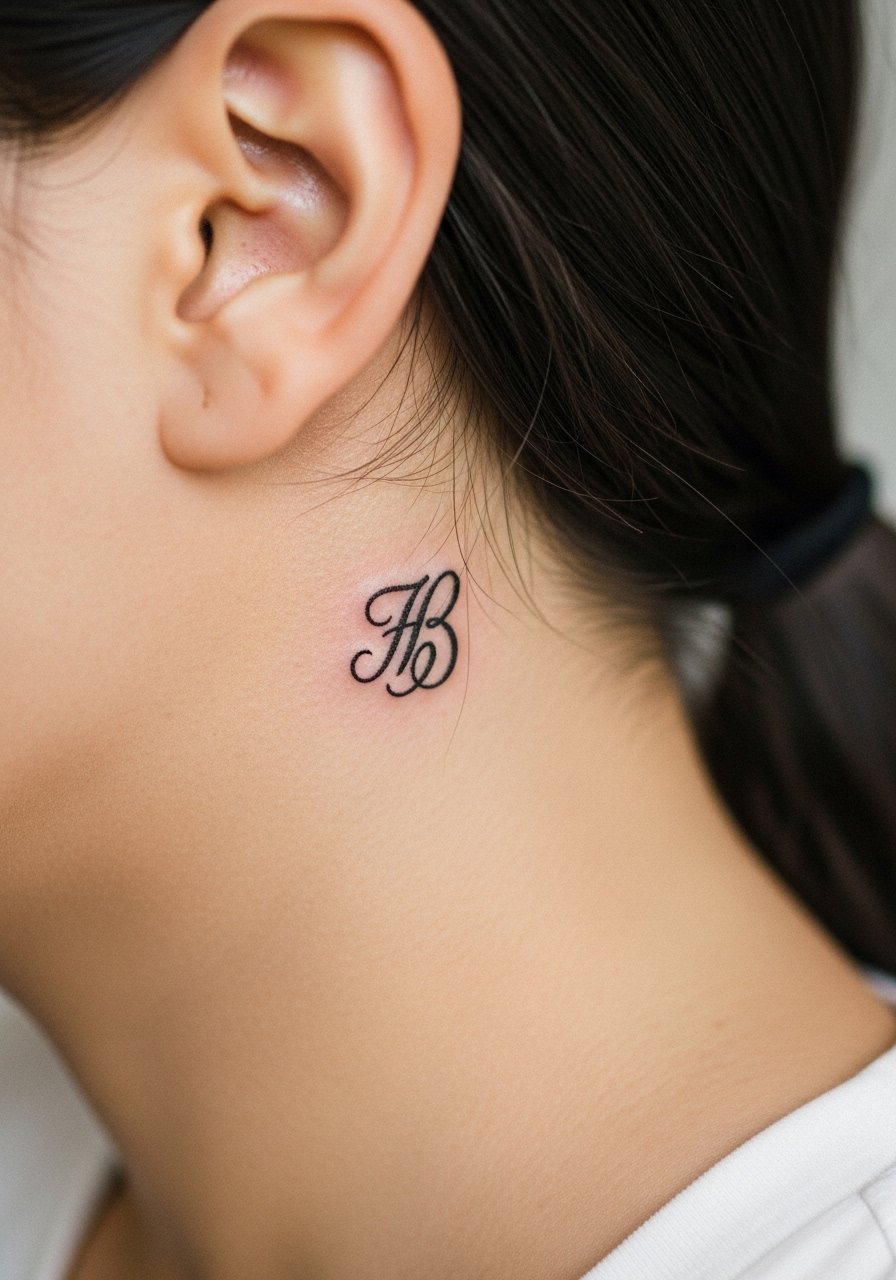
5. Interlocking Initials Behind the Ear
A tiny pair of interlocking initials behind the ear reads private and can peek out under hair. For safety with imagery, describe the placement as on the skin behind the ear, below the hairline on the neck so the artist frames only the small zone. The area is low in redness once healed but touch-ups can be needed because of hair friction and sun exposure on the neck. Session time is short and pain is mild. Bring photos of how your hair normally sits and confirm how visible you want the initials to be when your hair is up. This placement usually pairs well with delicate hoops or a simple stud when you want the tattoo to peek out.
6. Family Tree Sprig on the Upper Back
A single fine line sprig with small name tags along the upper back sits nicely between shoulder blades and grows gracefully into a larger piece later. For session planning, wear a tank top you can pull aside so the artist only exposes the upper back area. The longer session can run one to two hours depending on branch complexity. The main mistake people make is crowding names too close to stems which blurs as the piece heals. This placement avoids heavy daily friction which helps fine line longevity. Pair the finished piece with open-back tops to show the sprig subtly on warm days.

Studio Day Picks
The collarbone, wrist, and upper back pieces above each demand different prep, and the right kit smooths the session and first week.
-
Stencil transfer sheet pack. Lets you check scale and spacing on skin before the needle, which matters for all the fine script and numerals above.
-
Sensitive skin fragrance-free wash. Cleans the area without stripping oils that help the linework settle cleanly during the first week.
-
Thin breathable protective film roll. Good for wrist and collarbone placements where clothing or a strap may rub in the first days.
-
Cooling gel pads for aftercare. Eases swelling after longer upper back or sternum sessions and keeps delicate lines from scabbing hard.
-
Aquaphor healing ointment. A thin layer on day one helps maintain moisture for fine line pieces without clogging the tiny needle channels.
7. Coordinated Ankle Symbols for Each Kid
Small icons on the outer ankle can represent each family member without reading as text. The ankle is forgiving for minimal detail but it rubs against shoes and socks which increases fade. Ask for slightly bolder outlines than you might for a wrist piece and tell the artist you want negative space to separate each icon. Session time is short, often under an hour, and pain is variable because of bone proximity. For the appointment wear jeans you can roll and bring a pair of sandals or a skirt to reduce friction right after the session. Pair the look with low sandals or cropped pants that let the icons show naturally, and try a pair of flat sandals to frame the ankle.

8. Fine Line Silhouettes on the Ribcage
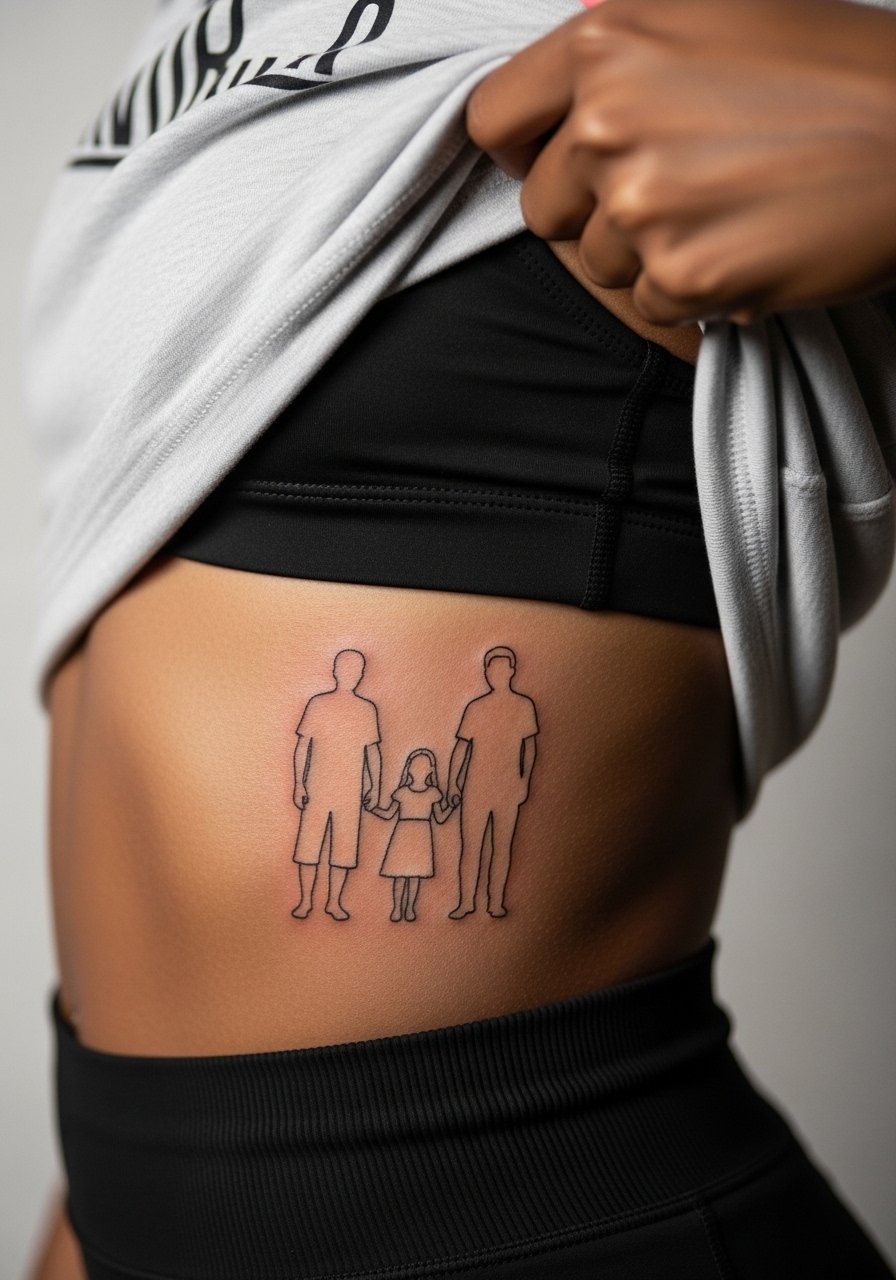
Silhouettes of family members on the ribcage make a private, sweeping piece but the placement is controversial. One camp argues ribs move too much and fine line blurs within two years. The other camp says careful spacing and slightly larger scale lets fine line settle well on ribs. Because both views exist, ask your artist which approach they follow and request healed photos of rib work. Pain is higher on the ribs and sessions can be longer, often over an hour. The common mistake is choosing tiny silhouettes without room to breathe. Wear a cropped top lifted slightly for the session so the artist sees only the rib zone.
9. Heartbeat Line Across the Chest
A continuous heartbeat line that morphs into initials across the upper chest reads like a quiet signature. Placement near the collarbone needs a wide-neck shirt you can pull aside for the session and that keeps the area from rubbing. The piece ages well if the line is given small open spaces and not packed into fine detail. Pain is moderate and sessions are typically under ninety minutes. Tell the artist you want the peaks and valleys spaced so a cleaner touch-up is possible if the line softens. When showing it off, a v-neck tee keeps attention on the line without exposing too much.

10. Interlocking Puzzle Fingers
Mini puzzle pieces on adjacent fingers form a family lock when hands are put together. Fingers heal differently than flat skin and are high risk for fading and blowout over time. Ask for bolder edges and larger negative space between pieces. Expect touch-ups sooner than forearm work because finger tattoos take more washing and movement. The session is short but can sting because of proximity to bone. A common mistake is choosing detailed shading for fingers; keep it line-focused and plan on an annual touch-up. For a subtle display, pair with a delicate stacking ring set that frames but does not cover the pieces.

11. Micro Family Crest on Upper Arm
A compact family crest in fine line on the outer upper arm gives a badge-like feel and can be scaled up into a sleeve later. Outer arm skin holds very well which keeps linework readable over time. Session time varies with detail but many of these run one to two hours. The biggest mistake is crowding tiny iconography into the crest. Tell your artist you want clear negative space between symbols so each element reads after healing. For the session wear a loose button-down shirt you can pull aside so the area is accessible without tugging.

12. Minimalist House Outline on the Ankle
A tiny house outline for the place your family calls home reads immediate and wearable. The ankle is a repeat placement in this list because it balances visibility and privacy. For longevity, ask for an open foundation line and slightly thicker roof lines so the shape keeps integrity as skin moves. Pain is mild to moderate and sessions are quick. A controversy among collectors is whether architectural micro-linework should be done as single-needle or slightly thicker two-pass lines. The safe route is to ask how the artist approaches sharp corners and whether they recommend a reline at year two. Show it off with cropped trousers or sandals so the silhouette sits cleanly.

13. Pet Portrait on Inner Bicep
A small fine line pet portrait on the inner bicep captures a family animal in an intimate spot. Inner bicep requires a tank top or sleeveless shirt with the arm raised slightly for clean access during the session. The inner bicep skin is soft which can be forgiving for dots and stipple shading but the trade-off may be a slightly longer touch-up timeline. Bring clear photos of the pet in the pose you want and ask the artist to keep contrast defined so the portrait reads from arm relax positions. Sessions can run one to two hours. Pair this with rolled sleeves and a casual linen shirt when you want the portrait visible.

14. Generational Flowers Down the Forearm
A staggered row of a grandparent's favorite flower, a parent's bloom, and a child's sprig makes a readable timeline down the forearm. Forearm placement is forgiving and displays well with minimal friction which helps fine line last. Plan the composition so each blossom has breathing room and ask for varied line weights within the same family so petals do not merge over time. Sessions often take two hours for a clean set. The most common mistake is crowding too many blooms in a narrow column. For an everyday look, roll sleeves and wear a lightweight linen blazer to frame the bouquet.

15. Sibling Coordinates on the Ribcage
Coordinates for each sibling placed vertically on the ribcage act like a secret map. Ribcage placement is intimate and, as noted earlier, divides artists into two camps. One camp says dense, tiny numerals blur fast on ribs. The opposing camp covers the same ground by increasing scale and spacing. I recommend a middle path with readable numerals and a planned touch-up at year two. Expect higher pain and a longer session because of breathing and positioning. During the consult, ask to see healed ribs in similar scripts before committing. Wear a cropped top you can lift slightly for clean access.

16. Soundwave of a Loved One's Laugh on the Wrist
A tiny soundwave that plays as a hidden homage looks like an abstract line until listeners hear it. On the inner wrist, spacing matters. The waveform should be scaled so peaks are not hairline thin or too dense. The wrist experiences regular washing which fades soundwaves faster than forearm stretches. Sessions are short. Bring a clean audio file and ask the artist how they translate wave amplitude into a stable visual width. For showing it off, a simple leather bracelet can sit adjacent without crowding the waveform.

17. Linked Constellation Sleeve Accent
Instead of a full sleeve, a linked series of tiny constellations connected by thin vinework along the outer forearm reads like a single family map. The forearm holds detail well but avoid packing dense clusters near the elbow crease because movement there causes fusion over time. This is a longer session split across two appointments to protect line quality and allow for mid-course touch checks. A common mistake is rushing the vetting of scale in the stencil stage. For outfit pairing, push sleeve lines up with a rolled linen shirt so the constellations peek without being boxed in.

Frequently Asked Questions
Q: How long do fine line family tattoos usually need touch-ups?
A: Expect touch-ups earlier than with saturated traditional work. Small placements like fingers and wrists commonly need attention around year two to three. Forearms and outer arms often go longer, sometimes three to five years, but this depends on sun exposure, skin type, and friction from clothing.
Q: Are there family tattoo ideas here that are a bad fit for darker skin tones?
A: Fine line can work beautifully on darker skin when the contrast and spacing are planned. Very faint single-needle work is harder to read as it ages on any skin tone. Ask to see healed examples on similar skin tones and request slightly stronger line weights where needed.
Q: Can I get a matching piece with a family member and still have it age well?
A: Yes, matching pieces can age well if you coordinate scale and placement. Avoid putting both matches on high-friction zones like the palm or fingertip. Discuss complementary placements during consultation and plan identical spacing so both pieces settle similarly.
Q: Do ribcage and sternum family pieces hurt more than arm placements?
A: They usually do. Ribs and sternum are thinner over bone which increases pain. Sessions may be broken into shorter appointments to manage discomfort. Bring a cropped top or sports bra as recommended so the artist can work without excess movement.
Q: How should I prepare clothing-wise for different placements?
A: Wear clothing that gives clear access and minimal pressure afterwards. For collarbone pieces bring a wide-neck top you can pull aside. For ribs bring a cropped tee. For upper back bring a button-down you can remove without tugging. A simple loose button-down shirt covers many session needs.
Q: Will matching family tattoos affect job prospects?
A: Hand and neck tattoos are still viewed differently across workplaces. Chest, ribs, and forearm work are usually easier to conceal. Think about visibility in your daily environment before committing to highly exposed placements.
Q: Where should I look to find artists who specialize in fine line family work?
A: Use discovery routes like local shop directories, community tattoo forums, and hashtag searches to find portfolios and healed photos. Ask for healed images specifically with the placements you want and visit a few consultations before booking.