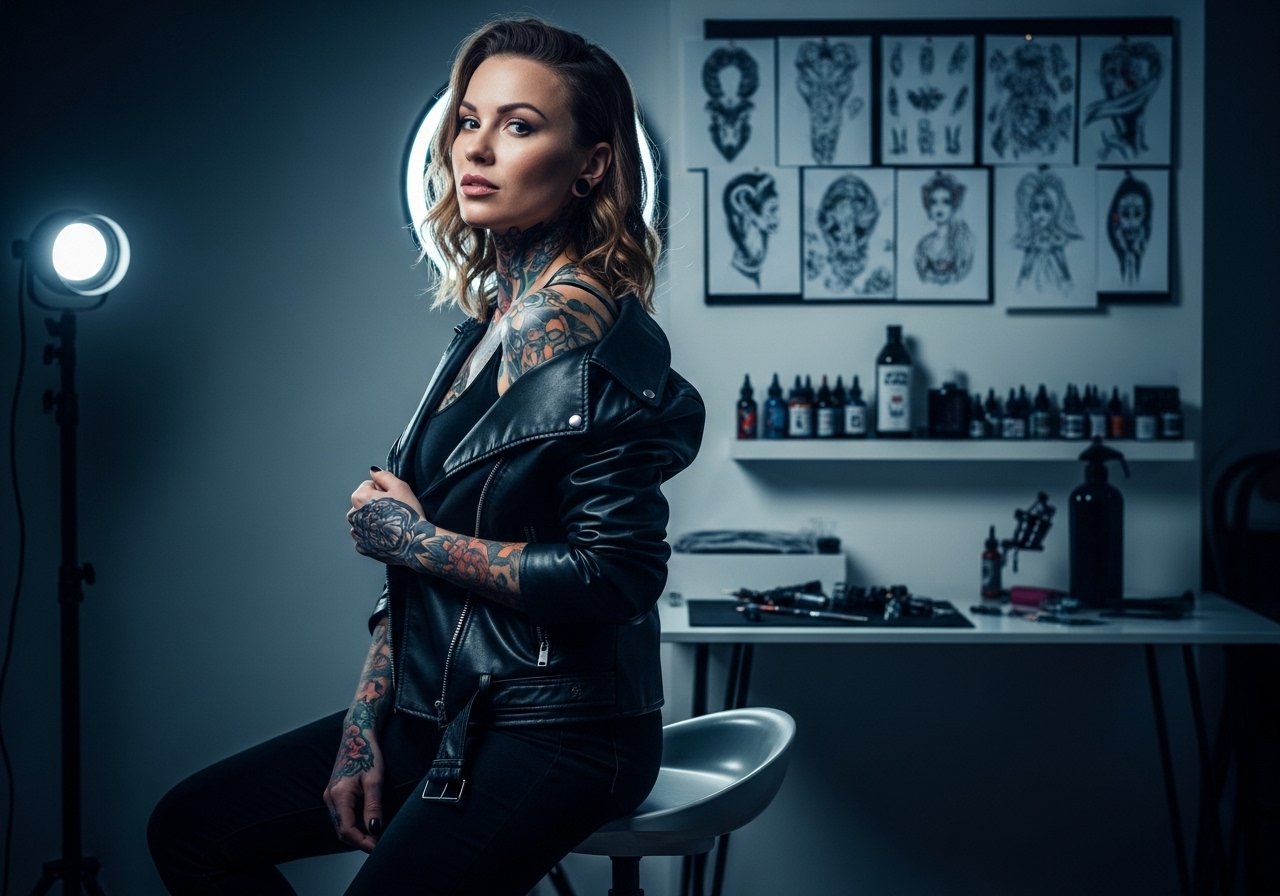
Fine line floral sleeves flood feeds, and the same pieces that rack up saves are often the ones that need touch-ups early. The aesthetic reads clean when fresh, but spacing, placement, and skin type decide whether a sleeve still reads as detailed at year five. Below are 21 feminine floral sleeve approaches that balance the now look with how they settle over time, plus what to ask your artist at the stencil stage.
1. Fine Line Botanical Inner Forearm Cluster
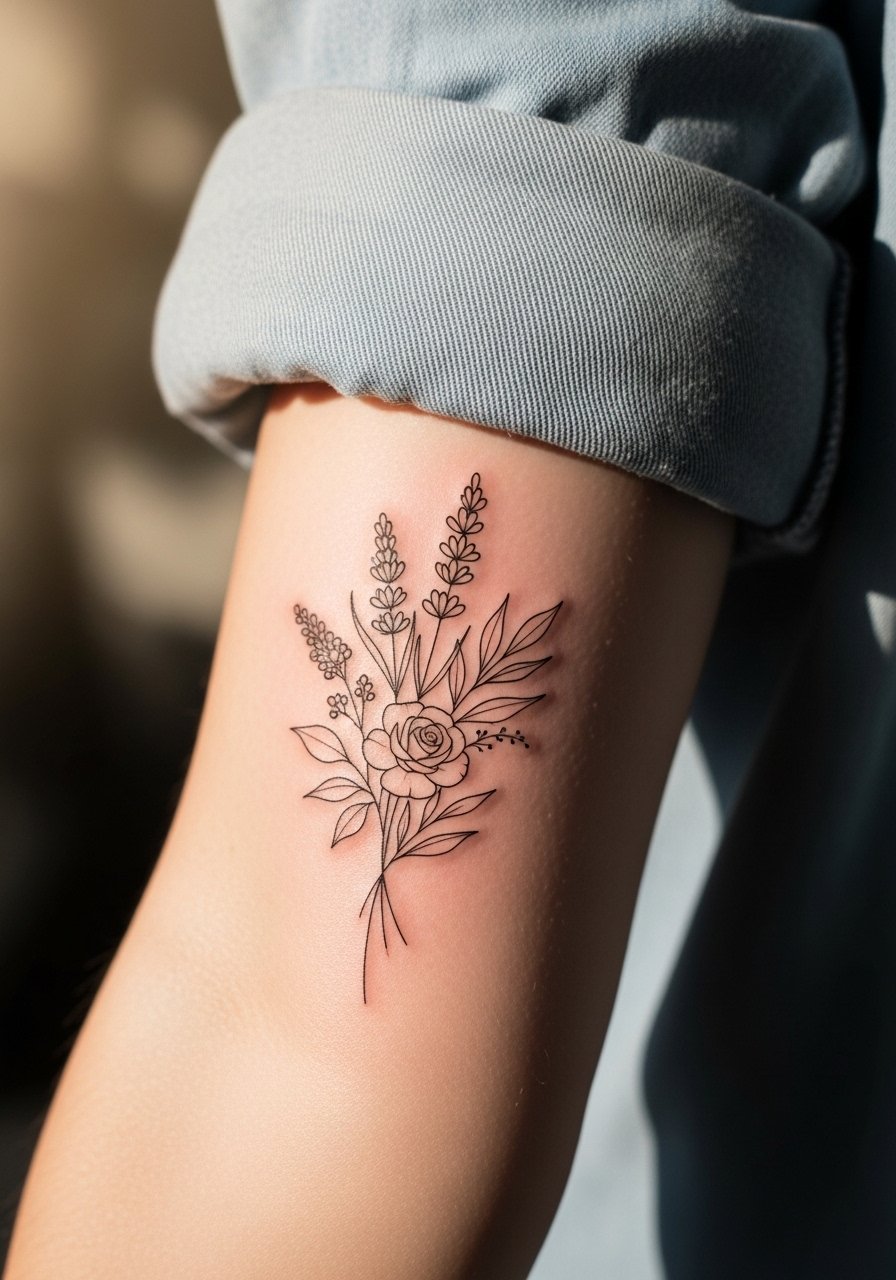
I recommend this when you want sleeve continuity without heavy saturation, especially if you prefer delicate linework that layers well into later sessions. Fair warning, the inner forearm is a mid-level pain area, but it usually fits into a single two to three hour session for a clustered sleeve starter. Ask your artist for slightly heavier line anchors where stems meet petals so the design keeps definition as it heals. A common mistake is requesting ultra-thin lines everywhere, which can blur into one another over a few years. For showing this off, rolled-up sleeves or a loose linen button-down frames the forearm without competing for attention.
2. Micro-Realism Rose on the Outer Bicep

I've seen micro-realism roses read like jewelry on the outer bicep when done at a slightly larger scale. The bicep tolerates longer sessions, so expect three to four hours for layered stipple shading and subtle highlights. Tell your artist you want the darkest points concentrated in the core of the bloom and softer stipple toward the edges. The mistake is shrinking the reference too small. At six months the stippling will look soft, and by year two it needs a touch-up if saturation was thin. For evenings out, pair this with an off-the-shoulder top that leaves the bicep visible.
3. Half-Sleeve Floral with Dot Work and Negative Space

A half-sleeve built around negative space keeps breathability in dense floral motifs. This approach is best for someone who wants sleeve presence without full saturation. During consultation, request mapped negative space between petal clusters so the dot work has room to read over time. The session will likely split into two appointments of three to four hours each. Common errors include packing dots too densely near thin lines, which causes merging as skin settles. For casual wear, rolled short sleeves or a lightweight denim jacket shows off the outer arm flow.
4. Watercolor Peony Panel on the Upper Arm

Watercolor florals can give a sleeve an airy feel, but they age differently than line-based work. The upper arm takes color well, and sessions of three hours let the artist build translucent washes. Ask for defined line anchors around key petals so the design does not become a color wash over time. The typical mistake is relying solely on loose washes with no contrast, which can fade into a watercolor blur. Expect the piece to look softer at six months and require a color refresh at year three. For the session, a loose tank top gives the artist access without discomfort.
5. Classic Bold Rose on the Shoulder Cap

Traditional roses hold up well because of heavy linework and saturation. The shoulder cap is relatively low pain and fits a single two to three hour session for a solid color block. Tell your artist you want clear, uninterrupted outlines with saturated fills. The common error is tiny detail inside petals that age into muddiness. At two years the saturation will mellow but the outline should remain clean if the initial saturation was solid. This placement pairs easily with a wide-neck shirt that can be pulled slightly aside during the session and frames the shoulder after healing.
6. Geometric Floral Mandala Around the Elbow
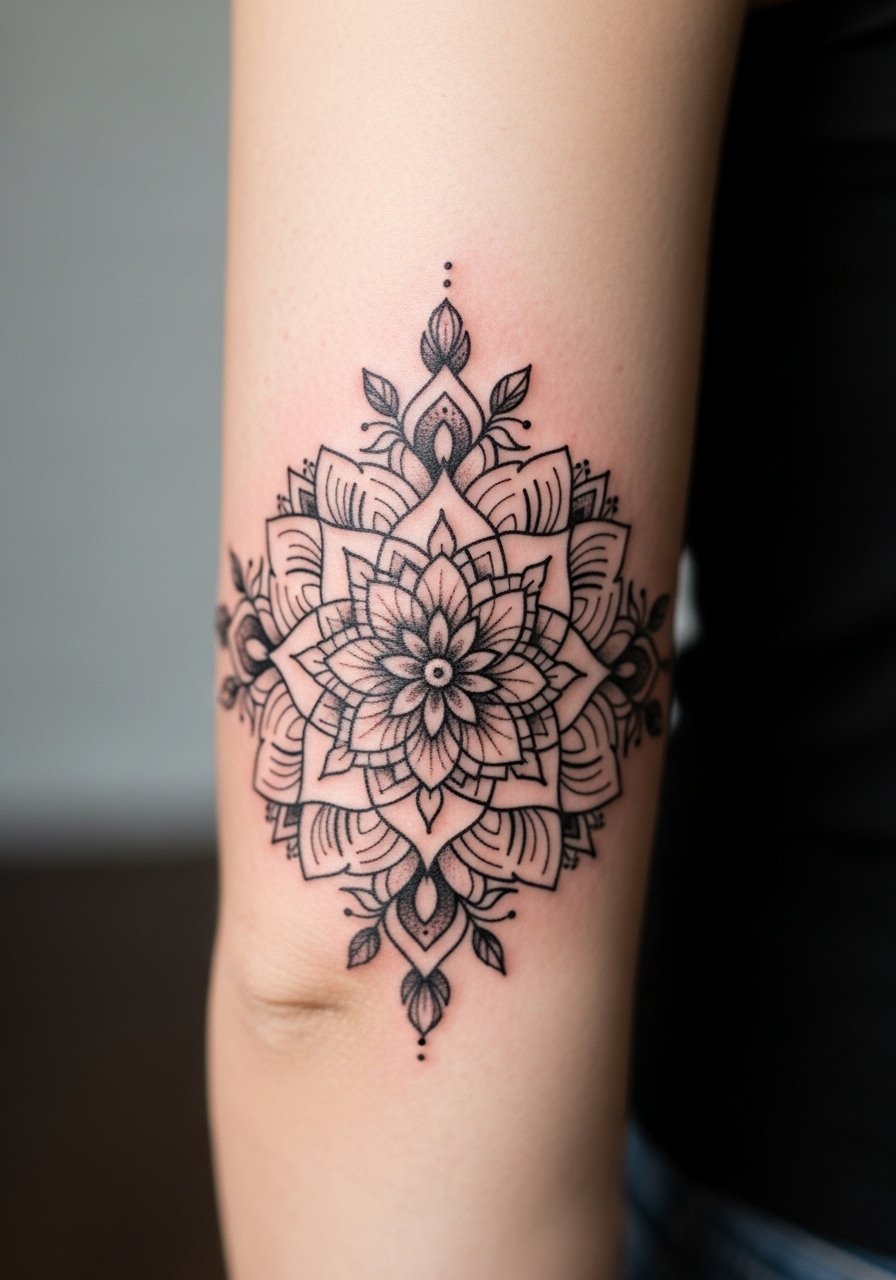
The elbow area is a tricky canvas. Most artists warn that dense mandalas too close to the joint can blur as skin stretches. For this reason, request extra spacing between radial lines and larger negative areas in the densest parts. Expect multiple short sessions because the elbow needs careful needle depth and frequent repositioning. One camp argues mandalas around joints should be bolder to survive movement. The other camp says precision with spacing preserves detail. Ask your artist which approach they favor. For the appointment, wear a loose short-sleeve tee you can roll without constricting the area.
Pack Smart
Those first six arm and elbow pieces differ in healing demands from chest or rib work, so a few smart items make session day and the first week smoother.
-
Stencil transfer paper kit. Lets you preview line placement on the skin for cluster and mandala ideas from above.
-
Topical numbing cream. Applied per product instructions it eases the edge on elbow and inner forearm sessions without affecting linework.
-
Thin protective film roll. Useful after long sessions on areas that rub clothing, such as the bicep and outer arm.
-
Fragrance-free gentle body wash. Cleanses healing skin without irritating fine lines and dot work.
-
Aquaphor healing ointment. A thin layer in the first few days helps maintain moisture for detailed linework without clogging needle channels.
7. Delicate Wrist Florals and Tiny Vines

Wrist pieces are visible and intimate, but they live in a high friction zone. Expect a short one to two hour session when done as a sleeve starter. Tell your artist you want slightly bolder anchor points where vines cross the wrist bone so the design resists early blur. The biggest mistake is going too small and expecting long-term crispness. Fine wrist work often needs touch-ups sooner than forearm work. For showing this off, stacked dainty bracelets or a thin chain pendant necklace keeps attention on the wrist without crowding the linework.
8. Micro-Florals for Fingers

Finger tattoos read like accents, but they wear faster due to skin renewal and constant use. Pain is sharp and brief. If you want durability, ask for slightly heavier outlines and fewer interior details. Artists debate finger work. One side says fingers are best for simple symbols because of skin turnover. The other side argues modern needle technique and experience can keep small florals readable longer. Know that touch-ups are almost always required within a couple of years. Hand pieces can affect some job situations, so weigh career implications before committing.
9. Sternum Floral Panel with Script Accents

Sternum work is striking but needs an artist who does reliable chest flow. Sessions are often longer and require the client to lie back for comfort. During consultation, ask how the artist will map the panel to the rib bones and breathing motion so the petals read symmetrically. A common mistake is centering text too low where fabric will rub during healing. Because this area can be sensitive, plan for a one to three day recovery window of tenderness. For showing it off, a thin chain choker or a delicate pendant sits above the art without crowding the composition.
10. Single Stem on the Inner Bicep

The inner bicep is softer and sometimes trickier for line retention because of sweat and friction. Sessions are comfortable but may require the arm to stay still for a while. Ask for a modest scale and slightly stronger line anchors near leaf junctions. People often request ultra-thin stems that fade into a ghost over time. Expect a touch-up at year two if you want crisp longevity. For the session, a loose tank top gives clear access while staying comfortable.
11. Thigh Floral Cascade for a Sleeve Extension

Thigh sleeves can act as the lower half of a full arm sleeve motif for those who want cohesive floral themes across limbs. The thigh tolerates long sessions and holds color and detail well. Tell your artist you want the cascade to follow natural muscle lines so it moves with the leg. A common mistake is using too many tiny details that disappear at distance. Expect richer saturation and slower fading than on hands or wrists. Pair healed thigh work with a flowy midi skirt that lets the cascade peek through.
12. Ankle Floral Wrap Around the Achilles

Ankle wraps are discreet but subject to frequent rubbing from shoes. Pain on the ankle can be sharp, and sessions are quick. Ask for slightly thicker outlines at the points where the design meets the shoe line to avoid early wear. The usual mistake is placing details where socks will rub in the first week. These pieces often need touch-ups in three to five years depending on footwear habits. For show, sandals or cropped trousers pair naturally with an ankle wrap, so bring a pair to try on after healing.
13. Calf Bouquet in Blackwork

Calf sleeves are visible and handle heavier blackwork really well. Sessions can be longer because the calf is forgiving for saturation. Tell the artist you want clear contrast between filled blacks and negative petals to avoid a flat block. A common error is overfilling areas that should remain as visual breathing room. Blackwork tends to age predictably, with saturation softening but outlines remaining strong. For footwear choices, boots or a classic ankle boot keeps the calf work visible in cooler seasons.
14. Shoulder Blade Wildflower Patch

Shoulder blade tattoos sit nicely under camisoles and open-back tops. The area is a low to moderate pain spot and often takes a single two to three hour session for a patch. During consultation, request reference images taken on similar body shapes to ensure flow. People sometimes forget how the shoulder blade moves when choosing placement, which can skew symmetry. Expect this piece to remain stable and age gently if anchors are placed with body movement in mind. For session comfort, a button-down you can pull aside works well.
15. Neo-Traditional Full Sleeve with Seasonal Flowers

A neo-traditional sleeve gives floral work a graphic presence while keeping feminine curves. This is for someone ready to commit to multiple sessions over months. Ask the artist about an annual plan for touch-ups and color layering so the seasonal elements remain distinct. The mistake is trying to cram too many flower varieties without a unifying palette. At two to three years expect color mellowing that benefits from a color refresh if you want the original vibrancy. For showing it off, rolled-up sleeves or a cropped blazer balances structure with the sleeve flow.
16. Ribcage Watercolor Vine, and the Controversy

Ribcage florals are coveted for their curve-hugging lines, but they are controversial. One camp argues fine line on ribs blurs within two years because of skin stretch and breathing motion. The other camp says that with proper spacing and controlled needle depth the lines settle fine. I advise asking your artist directly which side they land on before booking. Sessions here can be intense and may stretch into multiple sittings for larger panels. A frequent error is asking for ultra-delicate lines with little spacing. For comfort, wear a zip-up hoodie you can remove easily after the session.
17. Collarbone Sprig and Minimal Leaves
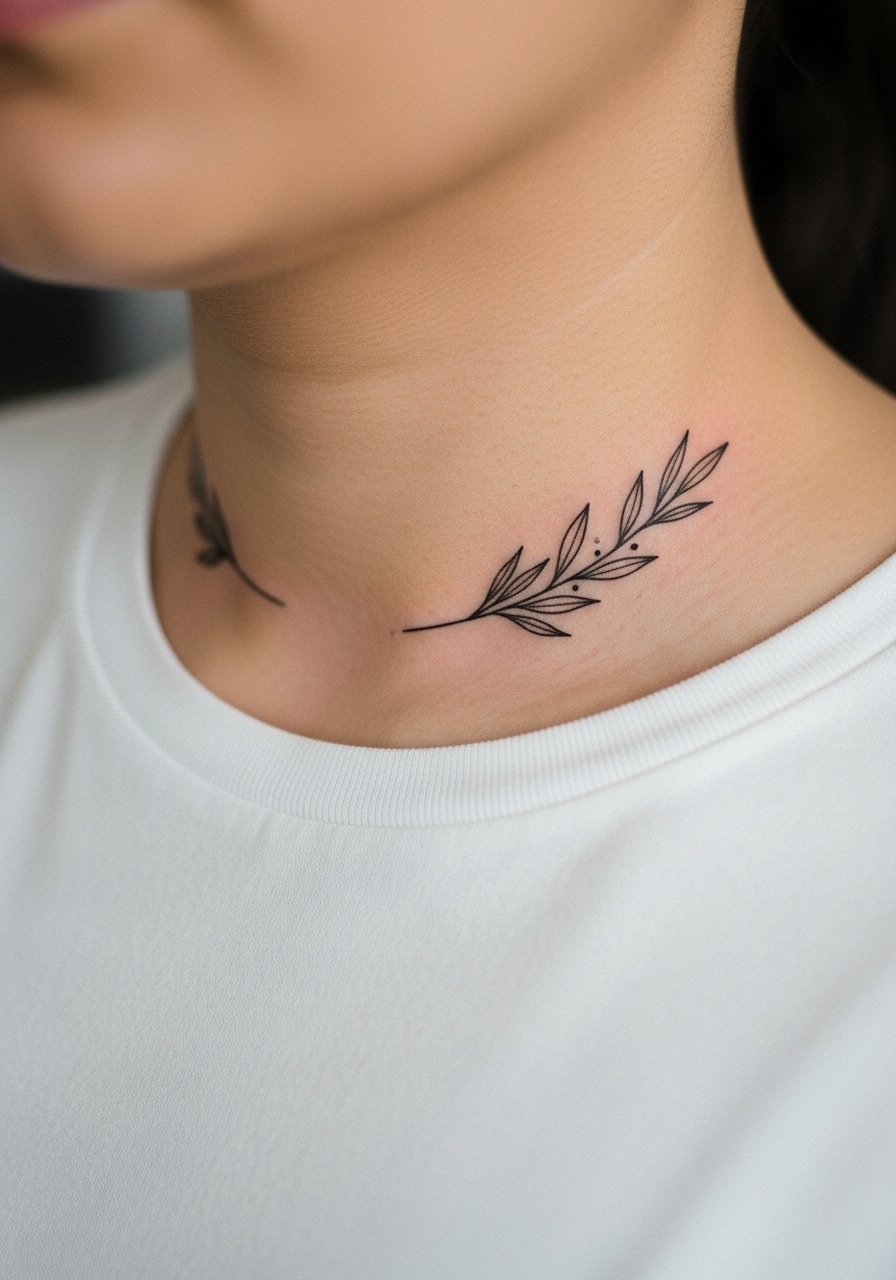
Collarbone florals are intimate and visible in low-cut or wide-neck tops. The area can be sensitive because the bone is close to the surface. When consulting, show how you want the sprig to sit with typical necklines so it does not get lost under clothing. Common mistakes include centering the motif where clothing straps rub during healing. Expect a one to two hour session for a small sprig and touch-ups sooner than on fleshy areas. For evening looks, an open-back dress or wide-neck tee showcases the collarbone without competition.
18. Lower Back Floral Banner Above the Jeans Line

Lower back florals sit well with high-waisted clothing and can anchor a sleeve concept across the torso. Sessions vary but expect two to three hours for a banner-style piece with clean outlines. Tell your artist how your favorite waistbands sit so the top of the tattoo aligns with your clothing. A mistake is placing details too low where they will be hidden or rubbed by waistbands. The area is low friction if your wardrobe avoids constant belt pressure. For show-off styling, high-waisted jeans and a cropped top let the banner peek through.
19. Forearm Negative Space Sleeve with Geometric Flowers

This sleeve uses geometry to give floral motifs room to breathe, which helps long-term readability. The forearm is a forgiving area and often works well in two to three sessions. During consultation, ask for mockups that show how negative space reads at arm distance, not just close-up. The usual mistake is leaving too little negative space, which causes the fine work to merge. For casual wear, rolled sleeves or a lightweight cardigan frames the forearm elegantly.
20. Knee Halo Floral Ring

Knee tattoos are bold and move with the joint, which affects how tight lines behave. Sessions may pulse with movement and require careful placement. Tell your artist you want intentional breathing room between petals and the kneecap edge so the design does not degrade with bending. A mistake is packing fine detail directly over the joint. Expect touch-ups earlier than on static areas. For showing it off post-healing, pair with shorts or a casual denim short to let the halo show.
21. Full Feminine Sleeve with Seasonal Layering Plan

A full feminine sleeve that plans seasonal layers gives you growth options over years. Start with a mapped backbone of stems and anchors so future additions sit naturally. Expect the project to unfold across multiple sessions over a year or more depending on coverage. The common mistake is not planning for negative space before adding color. I suggest asking your artist for a five-year vision during the initial consult so touch-up cadence and color layering are clear. For styling, cropped blazers or rolled sleeves showcase different parts of the sleeve on rotation.
Frequently Asked Questions
Q: Will a fine line floral sleeve blur faster than a bolder floral sleeve on the forearm?
A: From what I've seen, fine line sleeves can blur faster if placed too densely or if lines are too thin. A bolder sleeve with planned negative space tends to read longer without heavy touch-ups. Ask your artist about intentional anchor lines and spacing during the stencil review.
Q: How disruptive is a ribcage floral session and what should I wear to the appointment?
A: Ribcage sessions are often more painful and may require breaks because of breathing motion. Wear a cropped athletic top or zip-up hoodie you can lift slightly so the artist has access without you getting cold. Expect multiple shorter sittings for a larger panel.
Q: Do watercolor florals need different aftercare than black linework?
A: The basic healing steps are the same, but watercolor pieces can show uneven fading where washes were applied thinly. From experience, keeping sun exposure minimal and planning a color refresh at year three helps preserve washes.
Q: Are hand and finger florals a poor idea because of workplace policies?
A: Hand and finger tattoos still affect hiring in some fields. If career flexibility matters, choose placements that can be covered easily. If you decide on fingers, expect touch-ups more often and prioritize slightly bolder anchors.
Q: How should I pick references when booking a sleeve artist if I do not want to name an artist?
A: Use discovery pathways like local shop directories, tattoo convention guest lists, and niche hashtags to find artists who publish healed photos. Bring references that show similar placement and scale, and ask to see healed work on comparable skin tones.