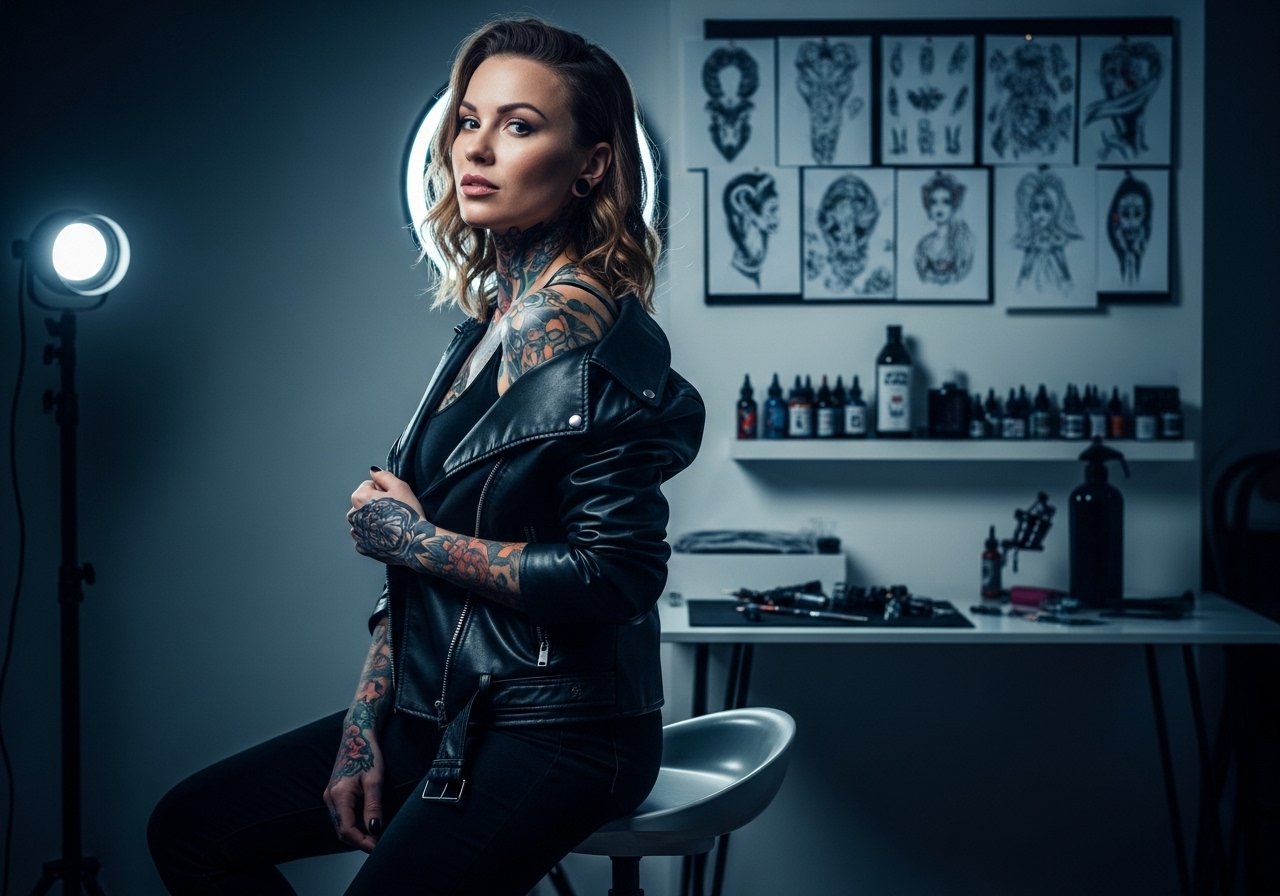
Fine line tattoos are everywhere on saved boards right now, and the gap between the look you love and the one that lasts can be wide. Fresh single-needle scripts look ethereal for a week and then need a touch-up sooner than expected. I want to show feminine family designs that read beautiful now and give you the realistic choices to keep them legible for years.
1. Fine Line Family Tree on the Inner Forearm

I've seen this one age both well and poorly. The best versions give each branch breathing room so the single-needle linework does not merge after a couple of years. Tell your artist you want slightly wider spacing between names and steady needle depth during consultation so the ink sits consistently. Forearm pain is low, sessions are quick, and touch-ups usually happen at year one or year two if lines soften. For showing it off pair with a linen rolled cuff blouse and a thin silver thread bracelet to balance the arm.
2. Minimalist Heartbeat with Initials on the Collarbone
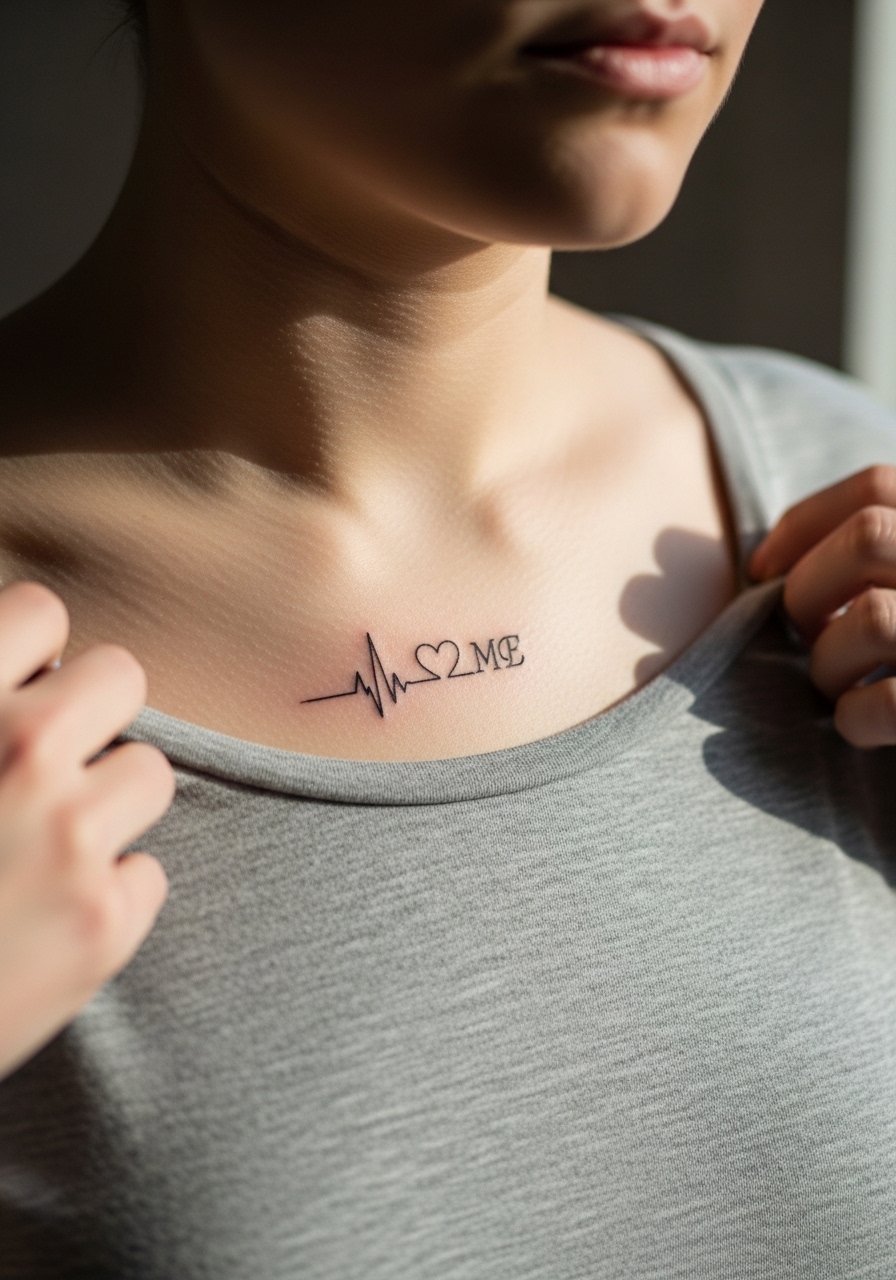
Fair warning collarbone work reads delicate but the area moves when you breathe, so plan for a crisp but not hairline weight. In the chair you feel a sharp, short sting and the whole session is usually under an hour. A common mistake is asking for hair-thin lines that need frequent touch-ups. Ask for a slightly denser line so the initials remain clear at year two. For evenings wear an off shoulder sweater to frame the script.
3. Watercolor Birth Flower Bouquet on the Shoulder Blade

Watercolor blooms look incredible fresh and give each family member a birth month identity. The shoulder blade is forgiving for saturation so artists can layer translucent washes across two sessions. Most aging issues come from UV exposure, so plan sun protection after healing. During consultation point out exact color references and ask about pigment longevity for each hue. Show off the piece with a backless midi dress on warm nights.
4. Script Constellation Map on the Inner Bicep
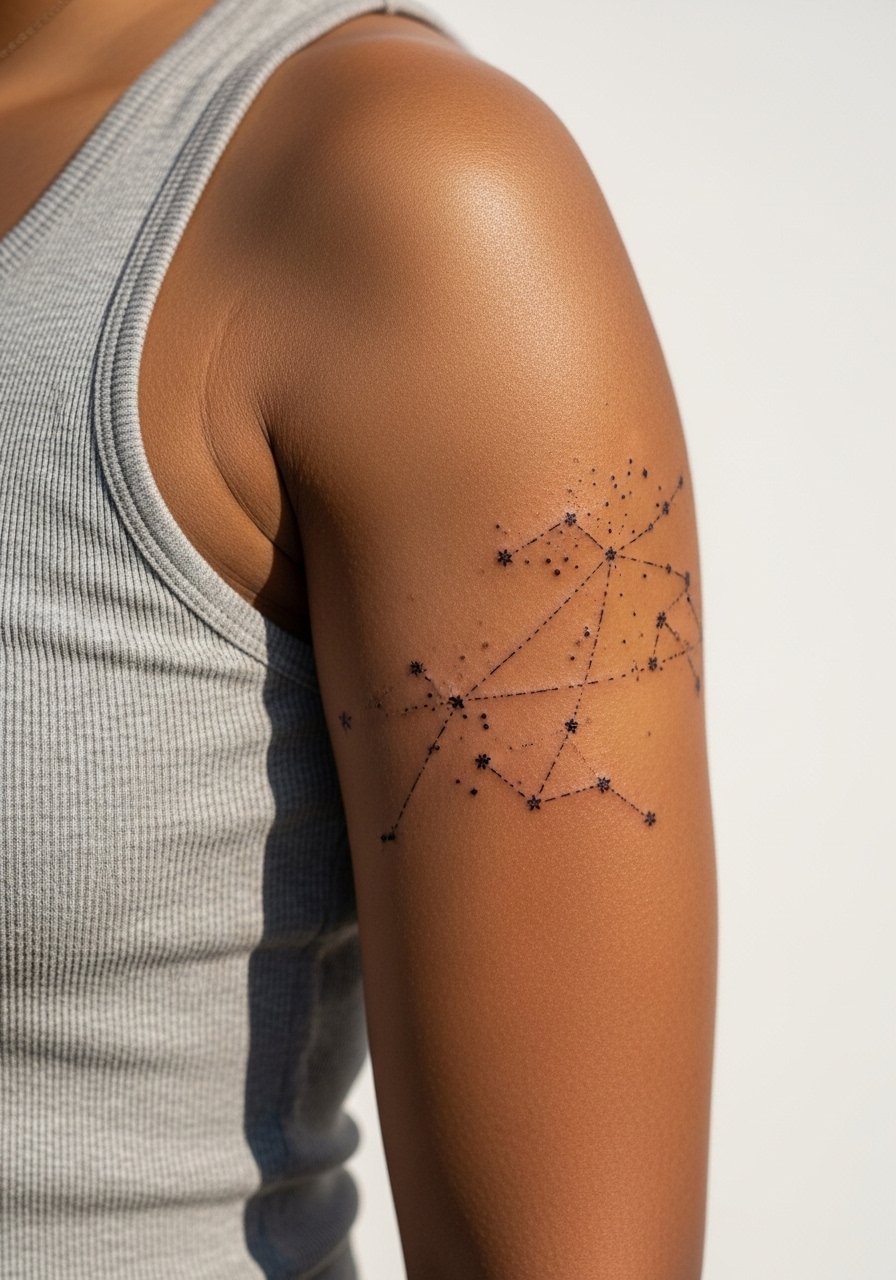
This celestial map personalizes family by birth charts rather than names, which keeps privacy and sentiment. The inner bicep can be tender so expect a medium pain level and one longer session for 3 to 5 inches. A frequent mistake is cramming too many stars into a small area. Ask your artist to map actual relative spacing and to keep star clusters slightly spaced for better longevity. For appointment comfort wear a loose tank top so the artist can access the area easily.
5. Neo-Traditional Elephant Herd on the Outer Thigh

There is real payoff in going bold for a maternal motif like an elephant herd. The outer thigh handles saturation well and the design resists fading with good saturation. Sessions take longer and you should expect two sittings for full color and shading. A common regret is shrinking the herd too small to show detail. For show-off outfits pair it with high waist denim shorts or a side-slit skirt.
6. Micro-Realism Parent-Child Silhouettes Behind the Ear
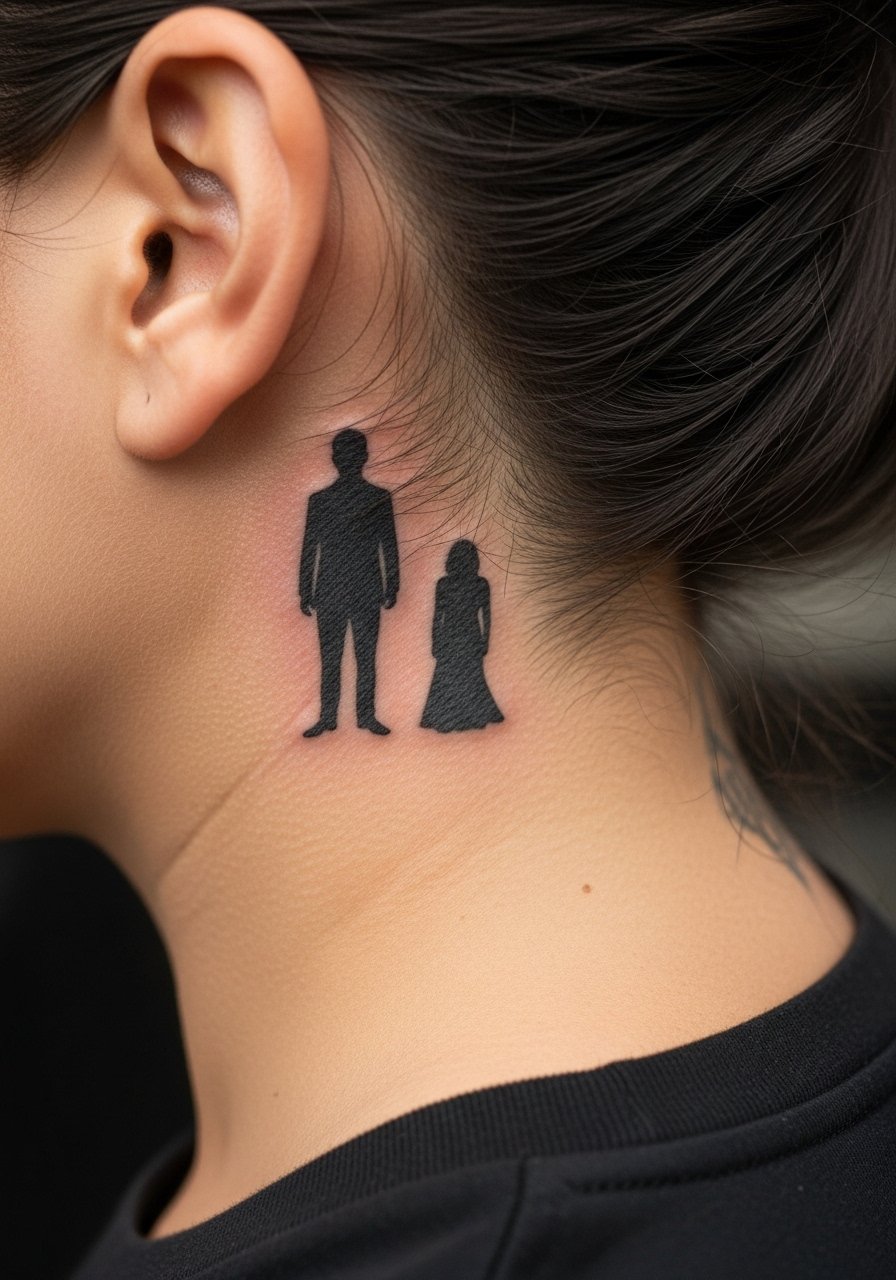
Micro-realism behind the ear is intimate and small, making it a privacy-friendly portrait choice. The area is sensitive and takes under an hour, but expect possible quicker fading because of constant hair and shirt friction. The biggest mistake is asking for facial detail at that size. Instead request simplified silhouettes so the shape reads over time. Note that this placement needs an artist experienced with small-scale realism and careful placement.
Studio Day Picks
Those first six designs span wrists, collarbones, shoulder blades, inner biceps, thighs, and behind-the-ear areas. A couple of small tools and products make the difference between manageable sessions and too-much pain or rubbing.
-
Frida Kahlo inspired balm. A thinner balm option many people use for colored pieces like the shoulder blade bouquet because it tends to sit lighter on fresh color than heavier ointments.
-
Second skin protective film roll. Handy for behind-the-ear or ankle work where friction from hair or socks can disturb healing in the first days.
-
Tea tree salve. A gentle anti-itch option some people prefer for fine line forearm pieces, used sparingly after the initial crusting phase.
-
Rice bran moisturizer. Lightweight and breathable for collarbone and inner bicep work where heavy products can feel slick during movement.
-
Aquaphor healing ointment. Apply in a thin layer for the first couple of days on small fine line areas to lock in moisture without overly smothering the needle channels.
7. Ornamental Loop with Dates on the Ankle
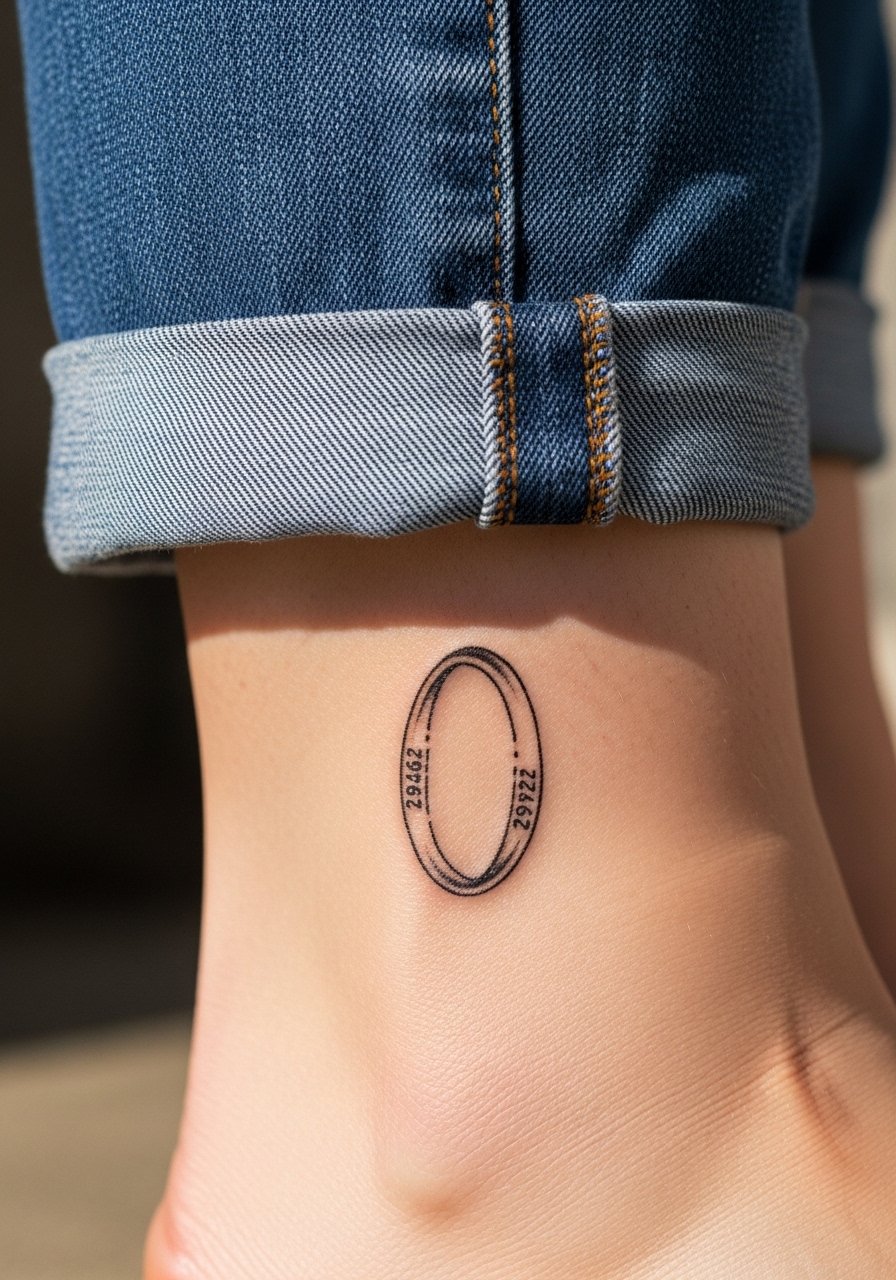
Ankle pieces read daily and take a beating from shoes and socks. The visual impact comes from a clean ornamental loop that wraps the dates without crowding them. Pain is moderate and a single session usually does it. Avoid placing tiny digits where the skin creases; ask your artist to scale numerals for clarity over time. Show it off with strappy heeled sandals or cropped wide-leg pants.
8. Blackwork Roots Family Tree on the Upper Back

If you want longevity and contrast on darker skin tones, bold blackwork roots can be the best call. The upper back allows larger scale so the negative space names remain legible. Sessions are longer and layered in two or three passes for saturation. The common error is over-detailing roots in a small area where blowout can make the shapes merge. For an appointment wear a loose button-down shirt you can pull aside.
9. Stacked Roman Numerals Down the Spine
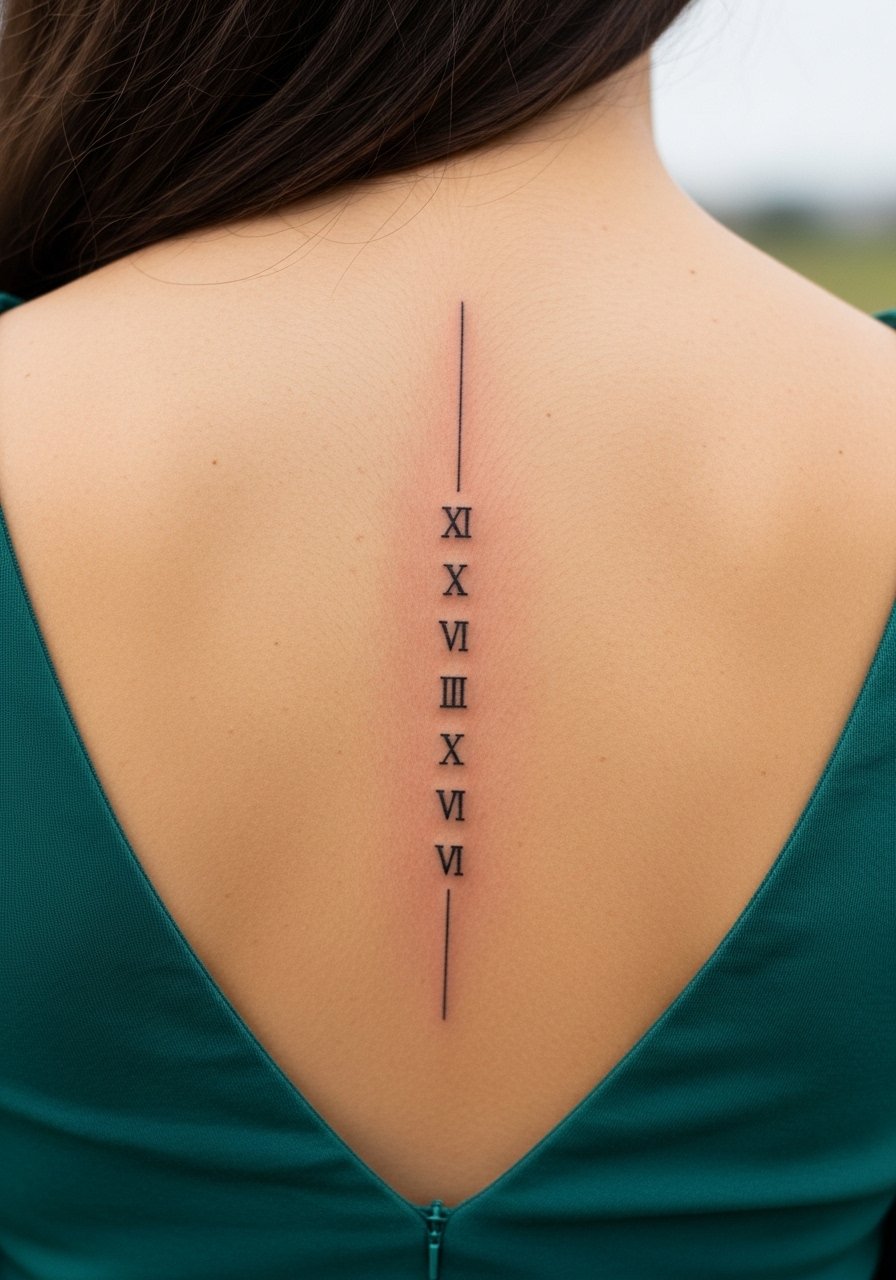
Spinal stacks look crisp when kept vertical and spaced. The spine is a higher pain area but it is visually striking for milestone dates. A mistake is asking for hairline numerals that blur together once settled. Ask for slightly heavier linework and plan one quick touch-up at six to twelve months. Pair it with a low back dress for formal occasions.
10. Traditional Anchor with Script Banner on the Shoulder

Traditional motifs hold up because of bold outlines and saturation. Use an anchor if you want a classic symbol that adapts well to adding family names to a banner. Shoulder pain is mild and two sessions for color and shading are common. The error I see most is asking for ultra-thin banners that blur. Ask for bold outlines around the banner so the lettering stays crisp. Wear a loose tank top for the session.
11. Dotwork Mandala with Embedded Initials on the Inner Wrist
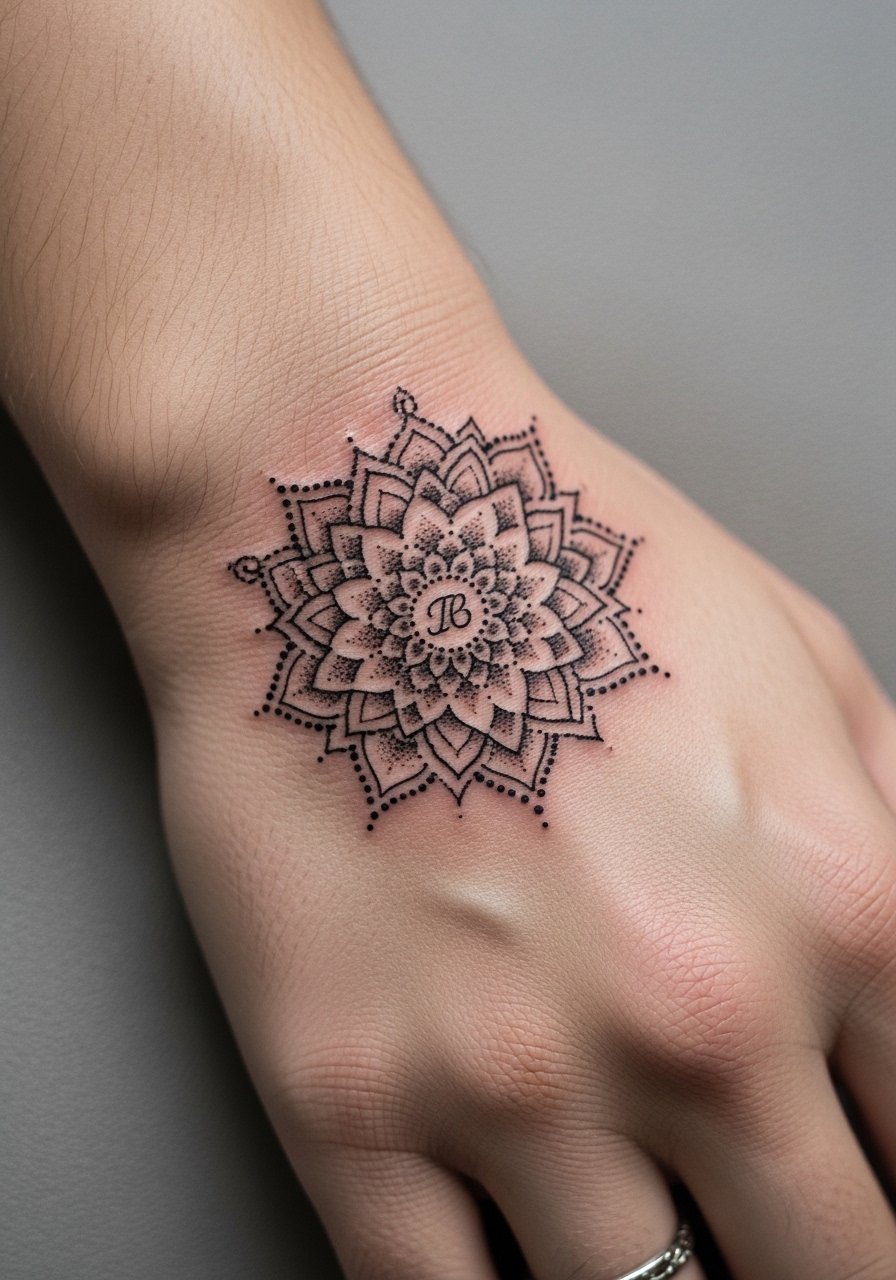
Dotwork mandalas read meditative and can incorporate initials discreetly inside negative spaces. The wrist is high friction, so expect some early scabbing to rub. A common mistake is over-packing dots in a tiny layout. Ask your artist to scale the mandala so stipple spacing survives two years of daily wear. For outfits try a thin bangle bracelet set to accent rather than overwhelm.
12. Ignorant-Style Cartoon Family Portraits on the Upper Arm
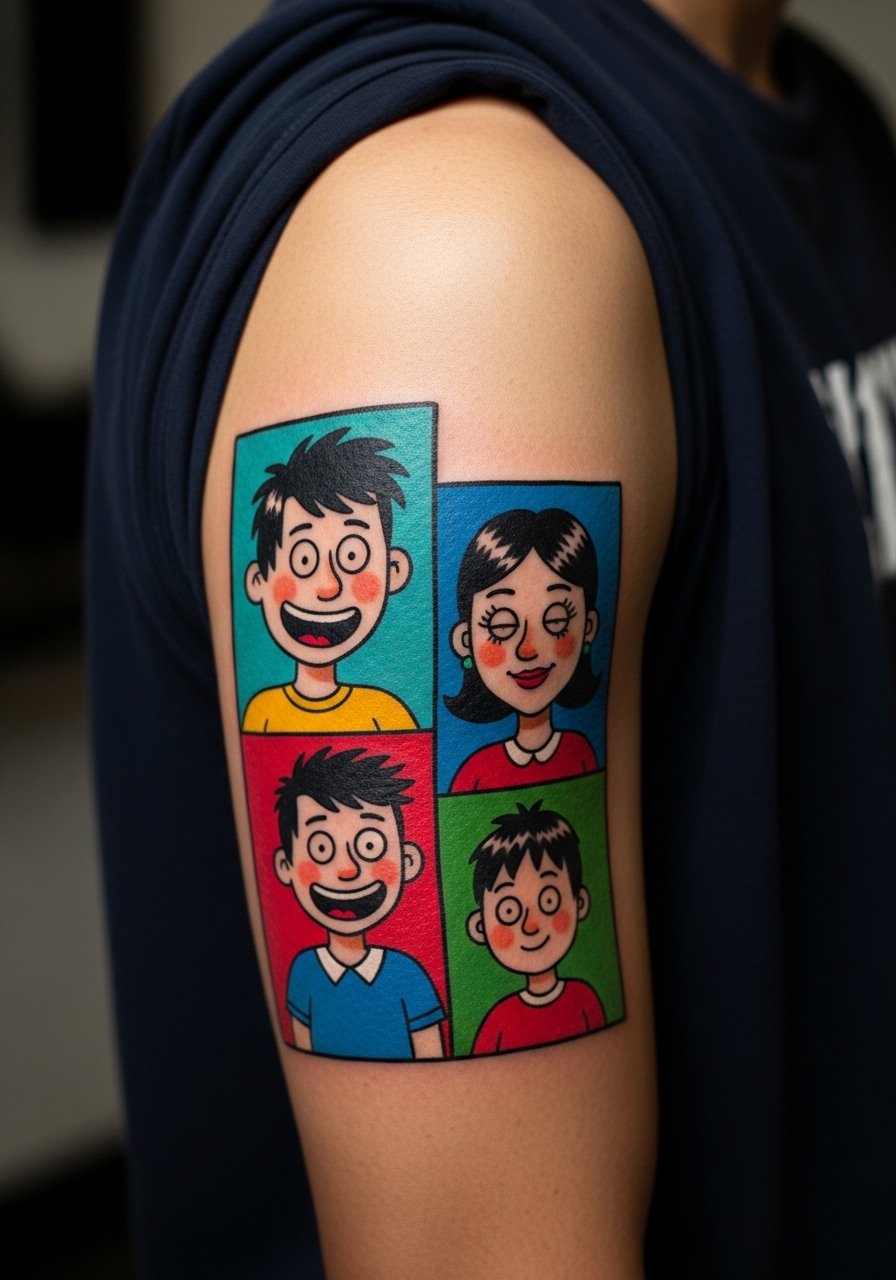
If you want character and humor, ignorant-style portraits let you exaggerate without needing photographic likeness. The upper arm is forgiving for a few inches of color and line. The main mistake is trying to include too many small facial details which clutter the cartoon energy. Tell your artist to simplify features for a cleaner read. Session length is usually moderate and touch-ups depend on color fade.
13. Minimalist Puzzle Pieces for Matching Sibling Tattoos on Wrists

Matching puzzle pieces solve coordination for siblings because each piece is its own fraction of a whole. Wrist placement means daily washing and typing will test the linework early on. People often pick pieces too tiny. Go slightly larger for longevity and plan matching consultations so line weights match. For showing off consider a minimalist bangle stack on the opposite wrist.
14. Birthstone Dot Cluster as Color Accents on a Finger

Finger designs are highly visible and prone to faster fading because of constant washing and use. Birthstone dot clusters use tiny spots of color rather than linework, which can hold if kept slightly larger than a pinhead. A frequent misstep is placing them on the very edge of the finger where rubbing is constant. Ask for the dots to sit on a flatter plane of the finger and expect touch-ups within one to two years.
15. Coordinated Morse Code Initials Behind the Collarbone
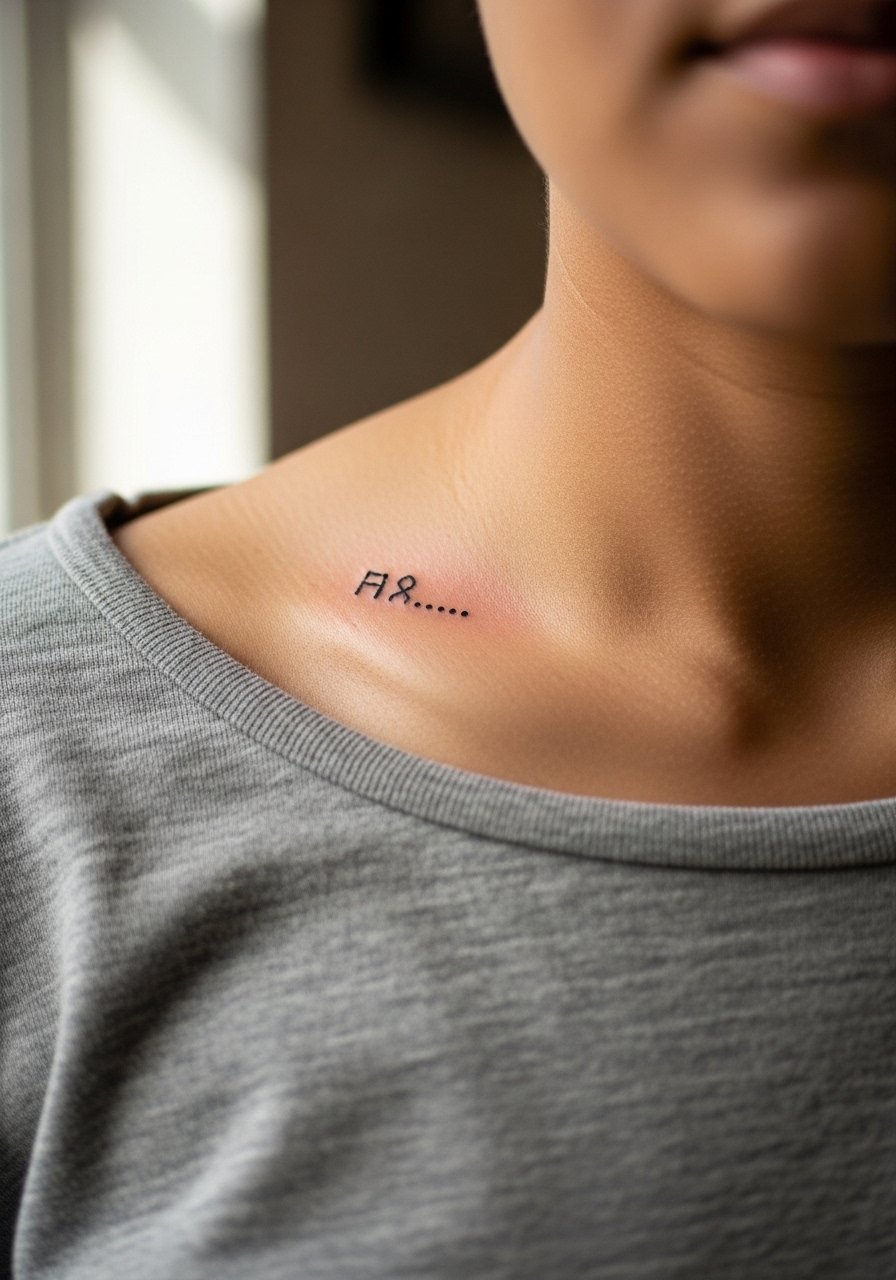
Morse code is a subtle way to encode initials without spelling them out. Collarbone motion can affect very tiny dots and dashes so avoid hairline dots. Consult on exact spacing and choose slightly bolder dots for longevity. The session is short and heals quickly with normal aftercare. Style it with a thin chain pendant necklace that sits above the code.
16. Family Constellation Map Custom to Birth Times on the Ankle
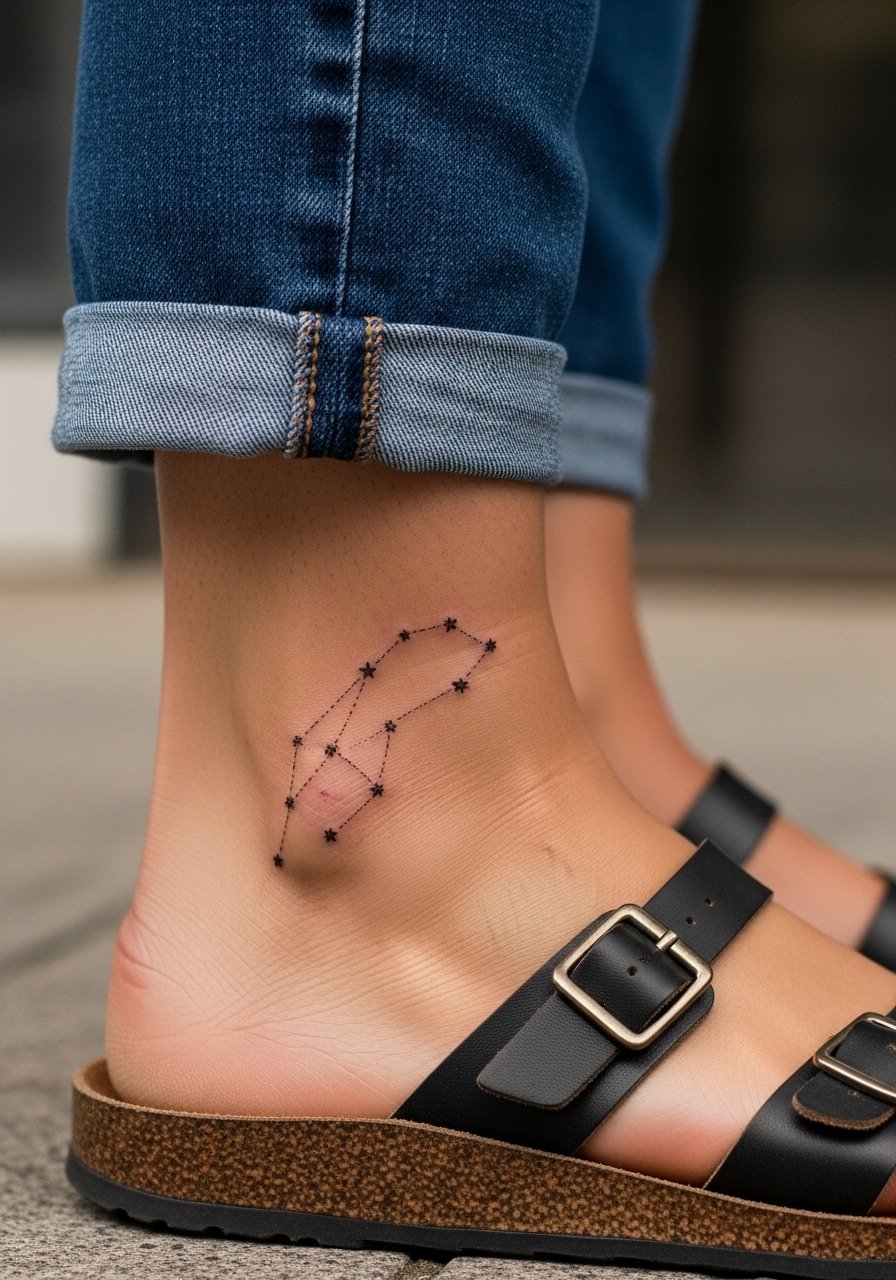
Customizing maps to actual birth times makes each connection specific and private. The ankle is a high-friction spot so small star points can blur if too tiny. Ask your artist to slightly enlarge key stars and to use spacing that preserves the constellation pattern. Expect a single session and light touch-ups depending on footwear friction. Pair with gold ankle chain for summer visibility.
17. Signature Script in a Loved One’s Handwriting on the Ribcage

Ribcage placements are notoriously sensitive and also prone to distortion with body changes. Artists are split on fine line here. One camp says the skin stretch blurs lines within two years. The other camp says with correct needle depth and spacing it settles fine. Ask your artist where they stand and whether they recommend slight weight for a handwritten look. Expect a higher pain level and a realistic touch-up window in the first year.
18. Multi-Generational Portrait Chain Along the Spine

Connecting generations down the spine creates an elegant vertical narrative. The spine is painful and needs space between portraits to avoid merging as skin shifts. A common mistake is trying to compress too many faces into a small column. Plan for two sessions and ask for simplified silhouette work if you want longevity. Wear a low back dress to let the chain show.
19. Origami Crane Family Flock on the Upper Arm
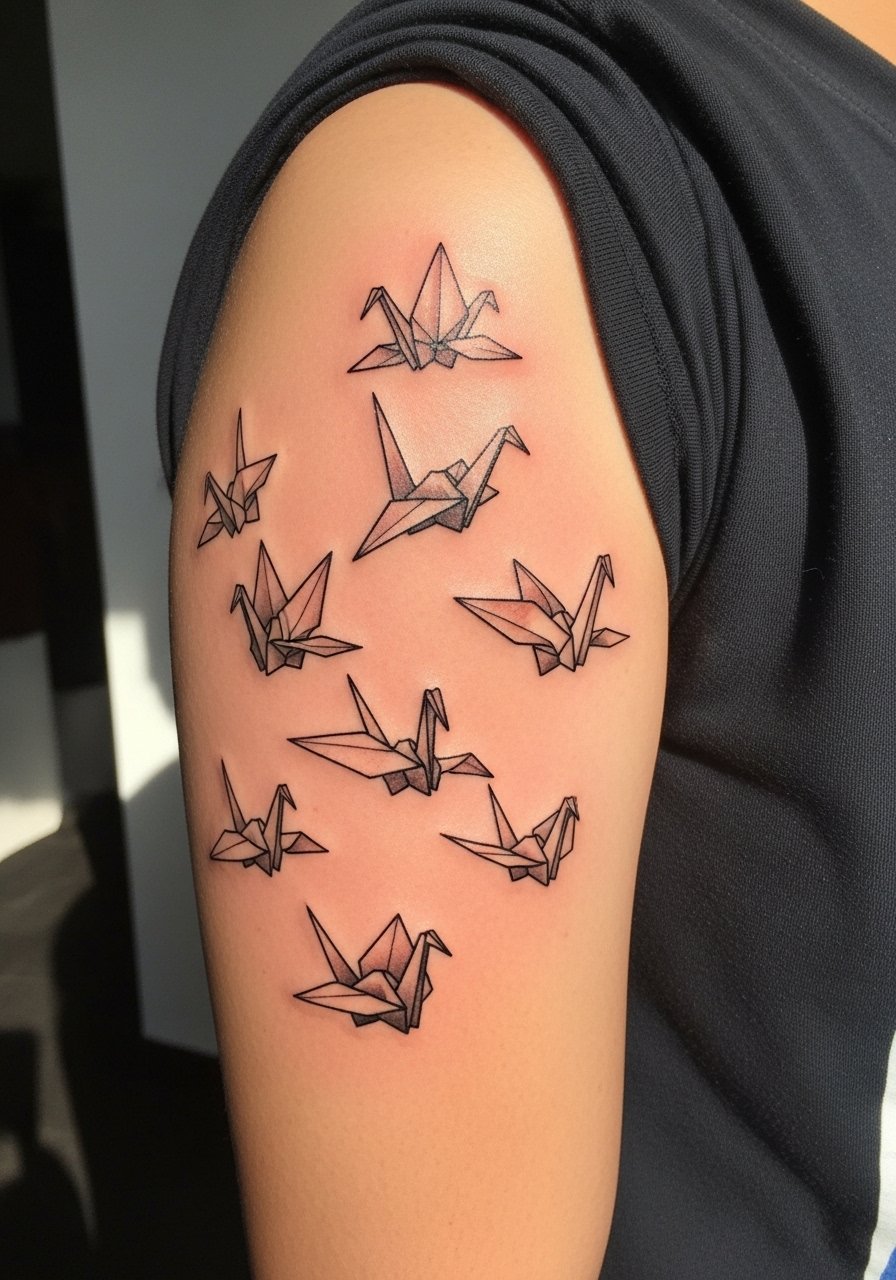
Origami cranes are a gentle way to represent each family member distinctively. The upper arm holds shape well and the angular lines survive better than tiny curls. Common errors are trying for ultra-fine creases that disappear when healed. Ask for slightly bolder crease lines and plan for a single session for a mid-sized flock. Pair with casual sleeves that hit above the tattoo.
20. Lock and Key Set for Parent and Child on Inner Wrist and Inner Ankle

Matching locks and keys assign one role to each wearer without names. The wrist and ankle pair differently with daily wear and shoes. A mistake is making the key too delicate for the ankle where shoes rub. Ask your artist to beef up lines slightly for the ankle piece and expect easier healing on the wrist than the ankle. For sessions wear a sleeveless tank to access the wrist area easily.
21. Coordinate Tattoo of Family Home on the Side of the Foot
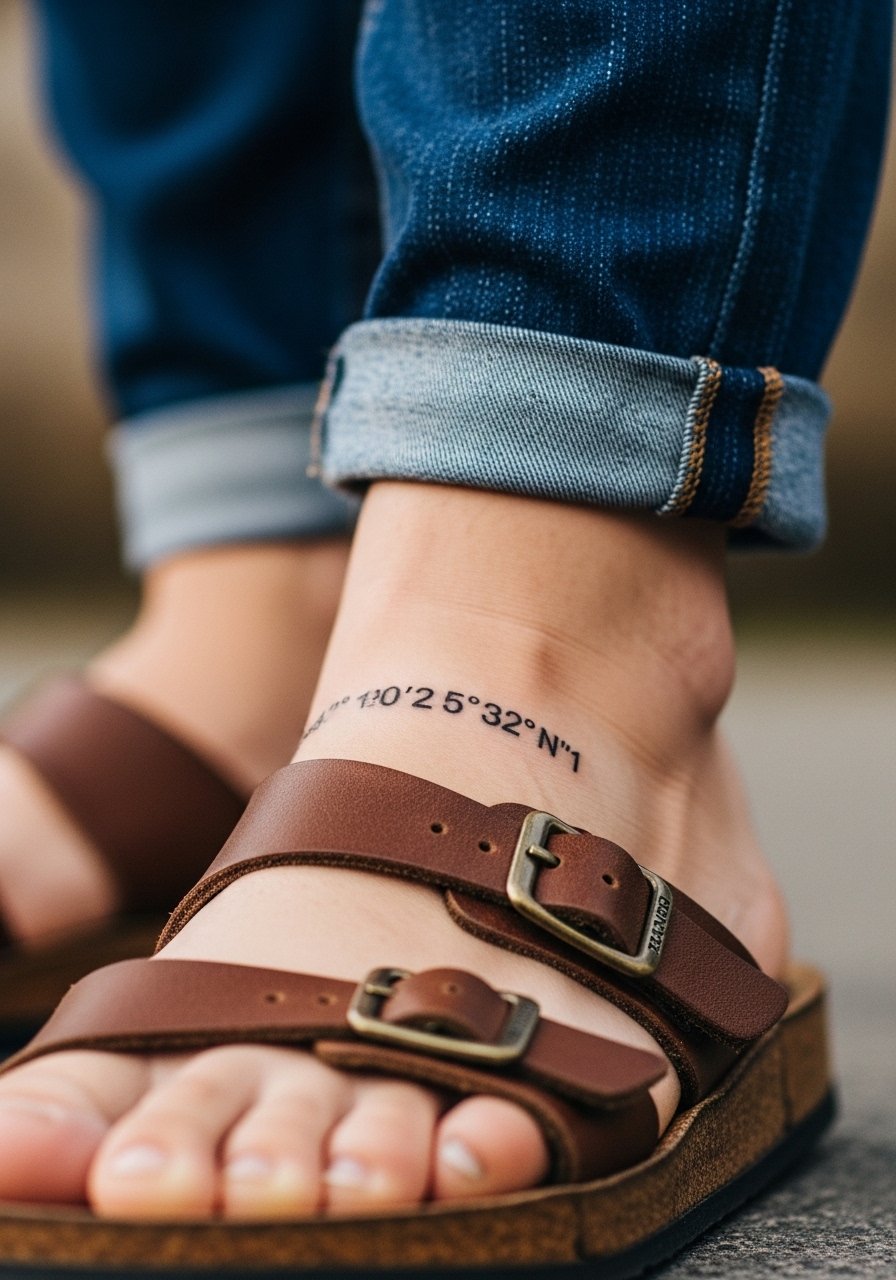
Coordinates are clean and readable when kept simple. The side of the foot endures heavy friction and fast fade. One real mistake is placing dense characters where skin flexes. Ask for a simplified numeric layout and expect touch-ups sooner than forearm work. For the session wear shoes you can remove easily so the artist has clear access.
22. Stylized Family Crest on the Chest Over the Sternum
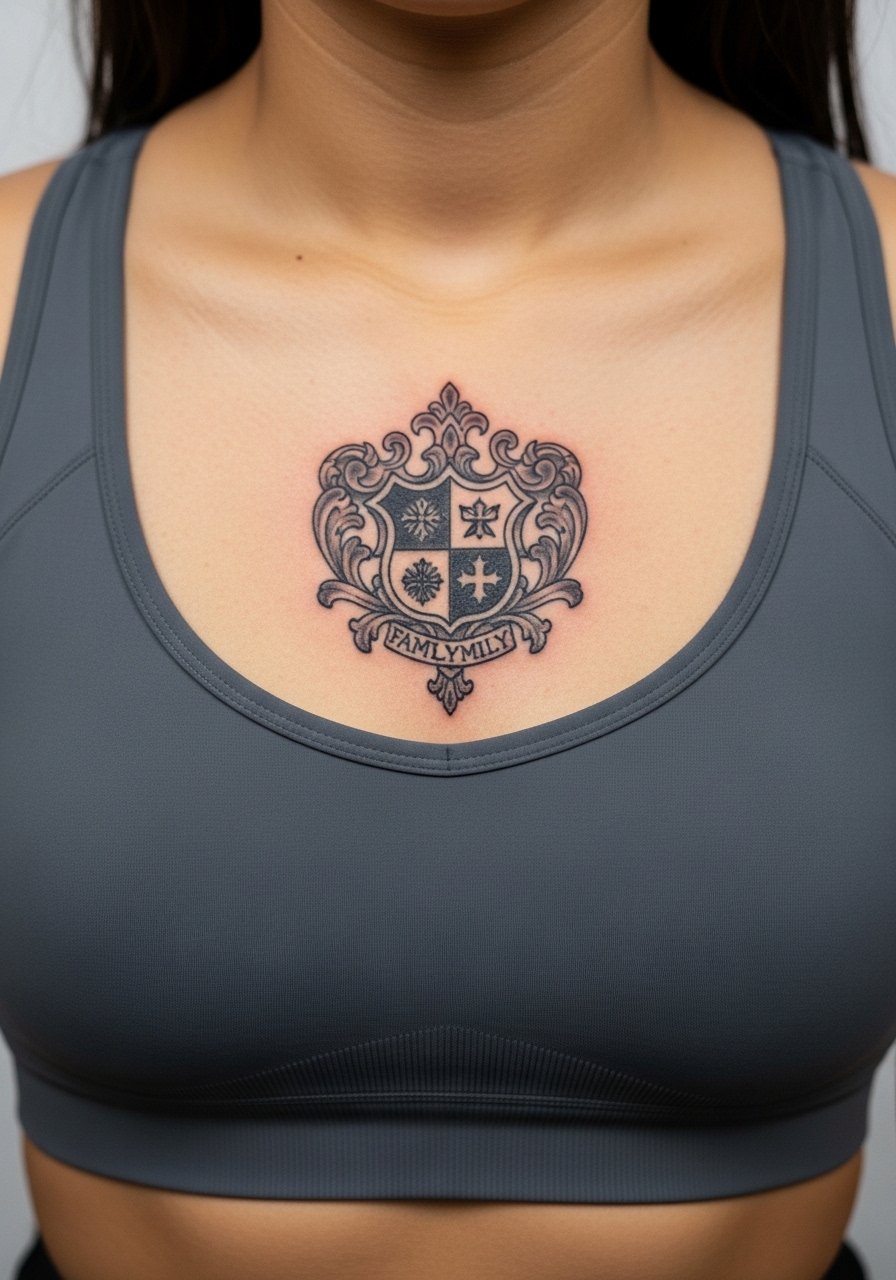
Chest pieces like small crest motifs need cultural sensitivity if they borrow iconography. This area heals differently than limbs and can be tender. A common error is lifting sacred motifs without adaptation. Ask your artist to suggest respectful variations and expect a two-session approach for line and shading. For the appointment wear a fitted sports bra so only the area is revealed.
23. Minimalist Continuous Line Portrait Across the Collarbone

One-line portraits read modern but need room to breathe to avoid becoming a squiggle. Collarbone motion makes ultra-fine single-needle lines risky. Ask your artist for a balanced single line with slight weight in key areas to preserve facial recognition. Sessions are short but expect touch-up odds in the first 12 months. Pair with a pearl drop necklace that sits below the line.
24. Tiny Pet Silhouettes Framed on the Upper Thigh
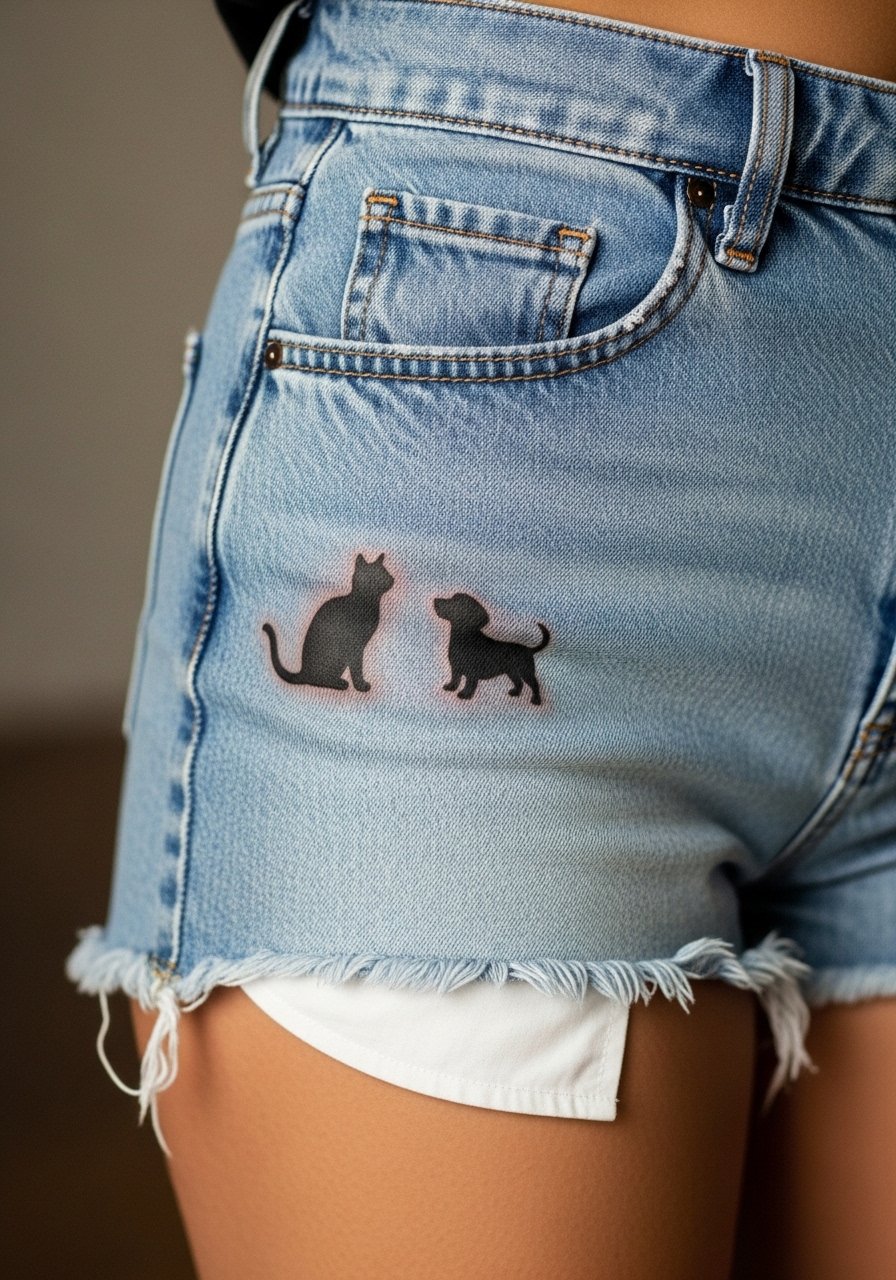
Pets are family too, and thigh placement allows a more private, larger silhouette that still reads intimate. The thigh is comfortable during sessions and keeps detail well. A mistake is overcrowding several tiny silhouettes in a narrow strip. Plan spacing and expect a single session for two small silhouettes. Session wear suggestion is loose shorts you can lift easily.
25. Puzzle Pieces with Birthstone Dots for Siblings on Ankles
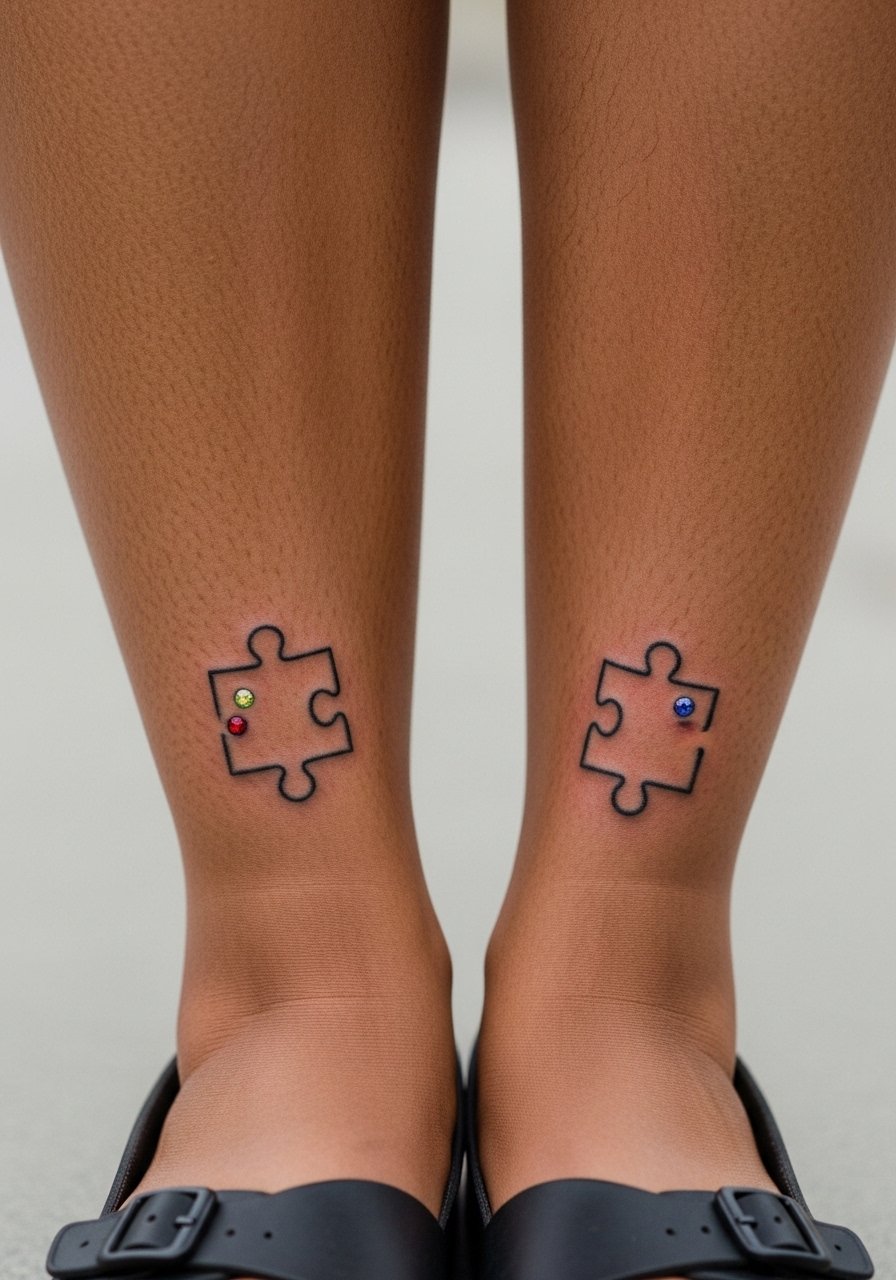
This twist on matching pieces uses color to represent each sibling with a distinct birthstone accent. Ankles face shoe friction, so place the dots where socks and straps do not press. Overly small colored dots will blur quickly. Ask for slightly larger pigment dots and plan for touch-ups in season changes. Show them off with wide leg cropped pants that reveal the ankle.
26. Single-Line Family Signature Ring Around a Finger

Finger rings are visible and intimate but very prone to fade from hand use. A clean single-line band with tiny initials looks chic but plan for more frequent touch-ups. Avoid placing heavy texture or tiny flourishes that will not survive repeated washing. Ask your artist about a thicker band line for longevity. Consider the career implications because finger tattoos are still visible in some workplaces.
27. Scaled Family Tree That Expands with Future Additions on the Side Rib
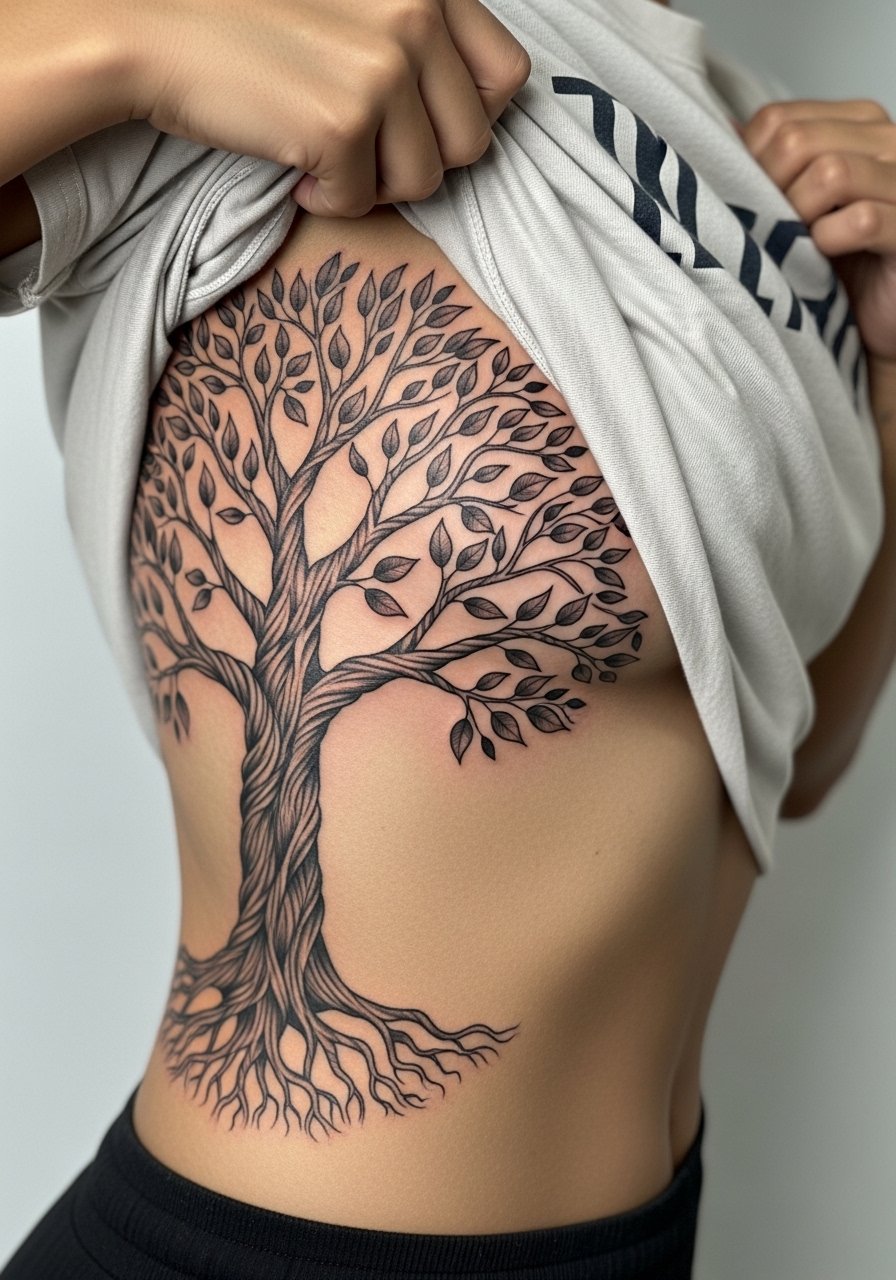
This is a planned growth design that accounts for future additions, which is smart for expanding families. The side rib is a sensitive and stretch-prone area so artists are split on fine lines there. One camp warns that tight single-needle branches blur with skin movement. The other camp says if you plan spacing and slightly heavier anchors for branches it can hold. Discuss expansion strategy with your artist and expect a higher pain level and a two-session plan.
Frequently Asked Questions
Q: How do fine line family trees on forearms age compared with blackwork roots on darker skin?
A: From what I have seen, delicate single-needle trees on forearms can soften faster than bold blackwork roots. Blackwork benefits from saturation and contrast that reads longer on darker tones. If longevity matters pick slightly heavier linework for fine line trees and plan a touch-up in the first year.
Q: Should I choose watercolor birth flowers or black and gray florals for shoulder blade pieces if I want less maintenance?
A: Black and gray florals generally need less regular refresh than watercolor because pigment washout is more visible in translucent colors. If you love color ask about pigment choices and sun protection plans with your artist. For showing the shoulder blade choose a strapless tube top for reveal occasions.
Q: Are ribcage scripts really a bad idea for first tattoos because of stretching and pain?
A: Ribs are painful and the skin moves a lot, so scripts there require careful spacing. Some artists avoid ultra-fine scripts on ribs for that reason. If you want that placement, ask for slightly heavier line weight and plan for potential touch-ups after pregnancy or weight change.
Q: How do matching puzzle pieces for siblings hold up on wrists compared with ankles?
A: Wrists are exposed to washing and friction but are easier to touch-up. Ankles face shoe and sock abrasion which can make small details fade sooner. If you must have ankle pieces enlarge the shapes slightly and expect a touch-up within a year.
Q: What are red flags when booking an artist for micro-realism parent-child silhouettes?
A: Red flags include portfolios that show inconsistent scale across small pieces, or artists who only share stock images. Use discovery paths like #FineLineFamilyTattoo and local studio searches, and ask to see healed work in similar placements before you book. Trust your artist but also ask specific questions about healed examples.