The stencil sits on your skin and you can finally see how big it really reads. For elegant yin yang tattoos the decisions you make in that ten-minute window matter more than the reference photo. Pick a placement that matches your lifestyle, ask about line weight and spacing, and plan for a touch-up timeline so the design still reads balanced in year three. The sections below run from tiny wrist pieces to larger ornamental work and include how to show each one off and what to say at the consult.
1. Minimalist Yin Yang Outline on the Wrist
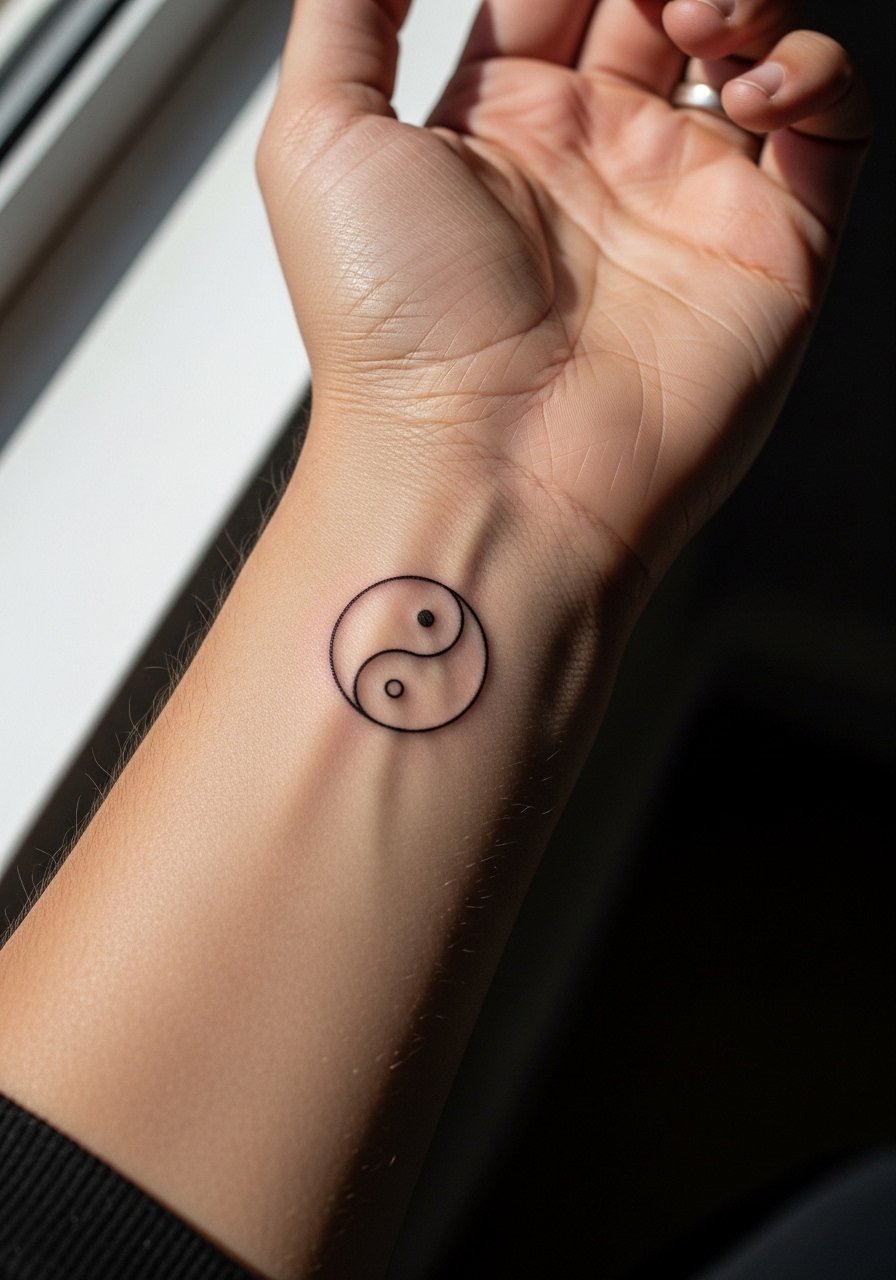
I see this one at walk-ins all the time because it is low-commitment and quick. Fair warning, fine single-needle outlines on wrists often fade faster than people expect. Ask for a 2 to 3 millimeter outline thickness and a small gap between the halves so the black does not bleed into the white over time. Pain is low, session time is under 30 minutes, and touch-ups are common at year one to two. For showing it off, layer a thin leather bracelet opposite the tattoo so the wrist reads balanced without crowding the piece.
2. Fine Line Yin Yang with Floral Accents on Inner Forearm
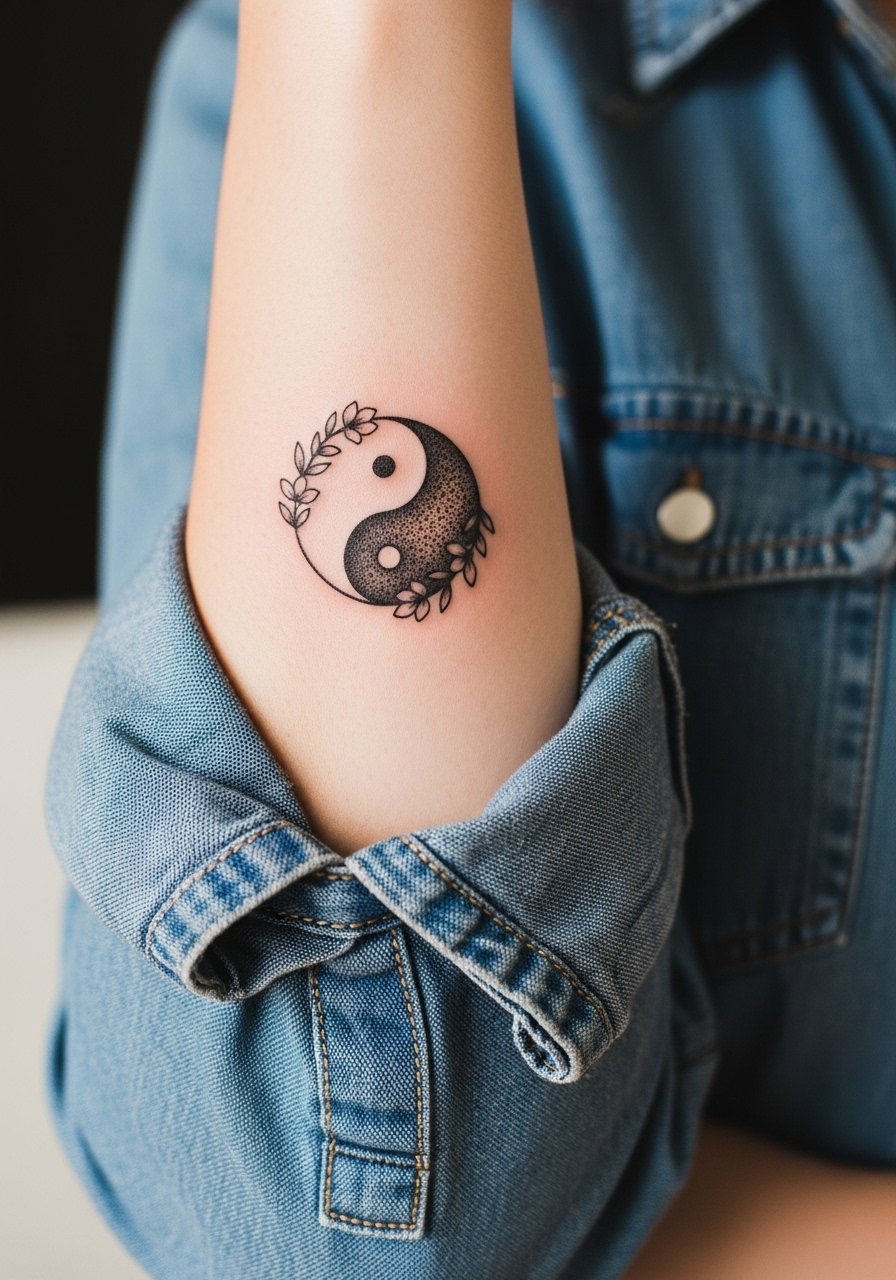
I've seen this version age well when artists use slightly heavier linework around petals and keep negative space inside flowers. Mention in consultation that you want the flowers to breathe, not crowd the core symbol. Forearm sessions usually feel moderate on pain and take 45 to 75 minutes depending on detail. The common mistake is requesting ultra-thin petals that merge in a year. For showing it off, roll up a chambray shirt with a rolled cuff and stack a slim gold bangle on the opposite arm to keep the aesthetic minimal and balanced.
3. Blackwork Yin Yang Mandala on Shoulder Blade
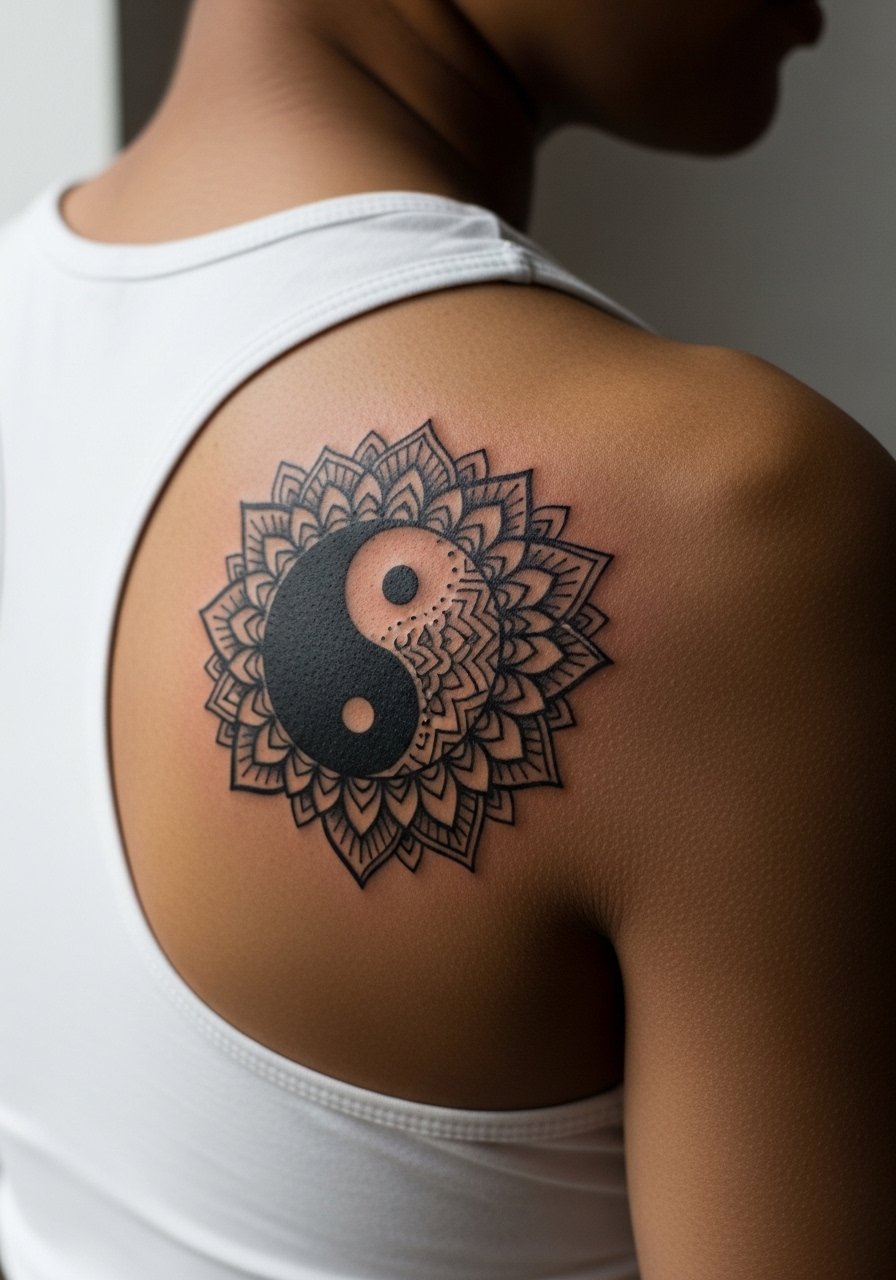
This bold geometric approach actually solves contrast issues on darker skin tones because saturation reads clean over time. Expect a single session of about 60 to 120 minutes and low risk of blowout with a skilled hand. The mistake is crowding the mandala too finely. Ask for wider spacing in the geometry so it does not merge after a couple of years. For the appointment wear a racerback tank that gives the artist full access without tugging on the shoulder.
4. Watercolor Yin Yang Splash on Collarbone
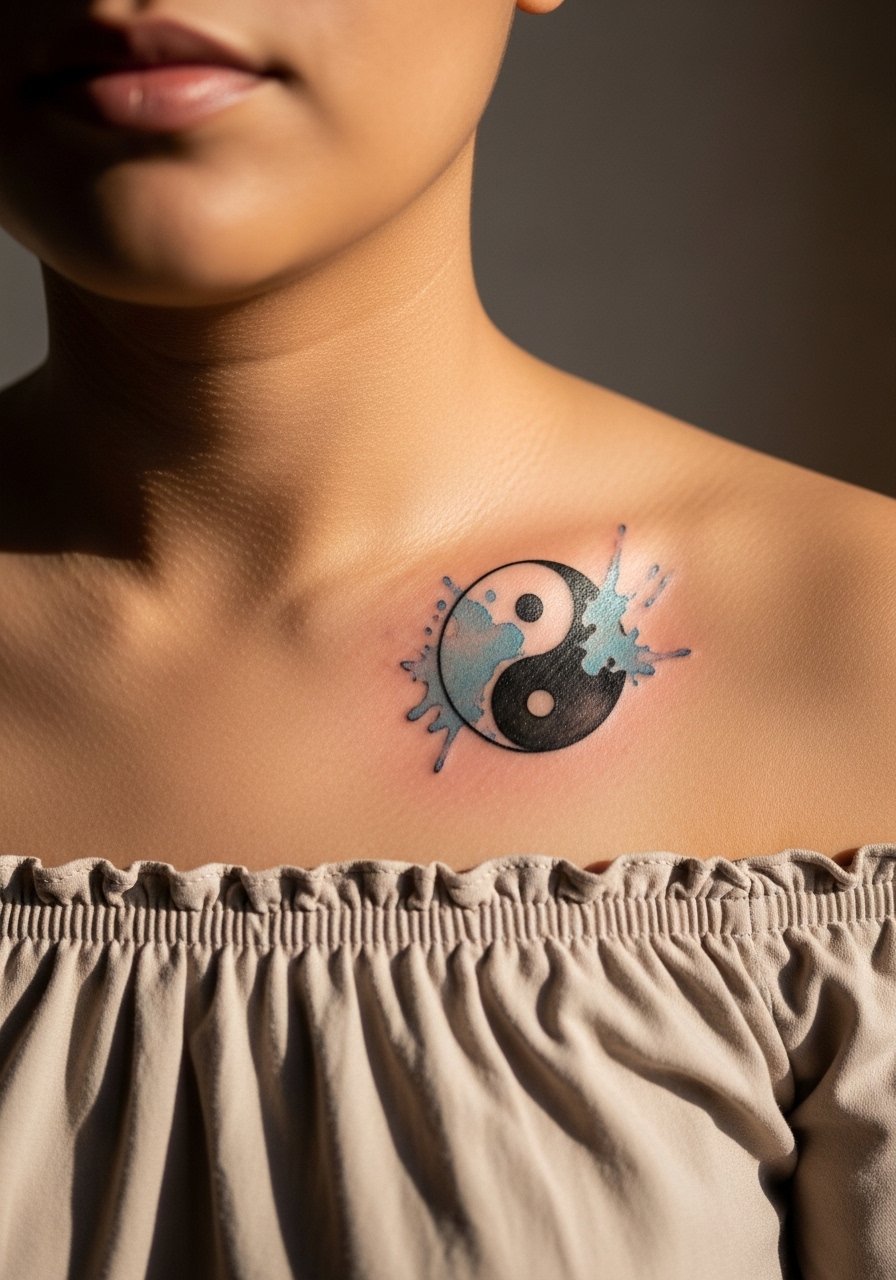
Visual impact here is high and the collarbone catches light beautifully. Watercolor pockets can look incredible fresh but bleed if the saturation sits too shallow. If you want color that keeps its character, ask the artist to anchor the watercolor with thin black guide lines that age into the wash. Sessions run about 60 to 90 minutes and pain is moderate because the bone is close to the surface. Pair this piece with an off-shoulder blouse for evenings out so the color reads like jewelry against the skin.
5. Neo-Traditional Yin Yang with Koi Fish on Outer Thigh
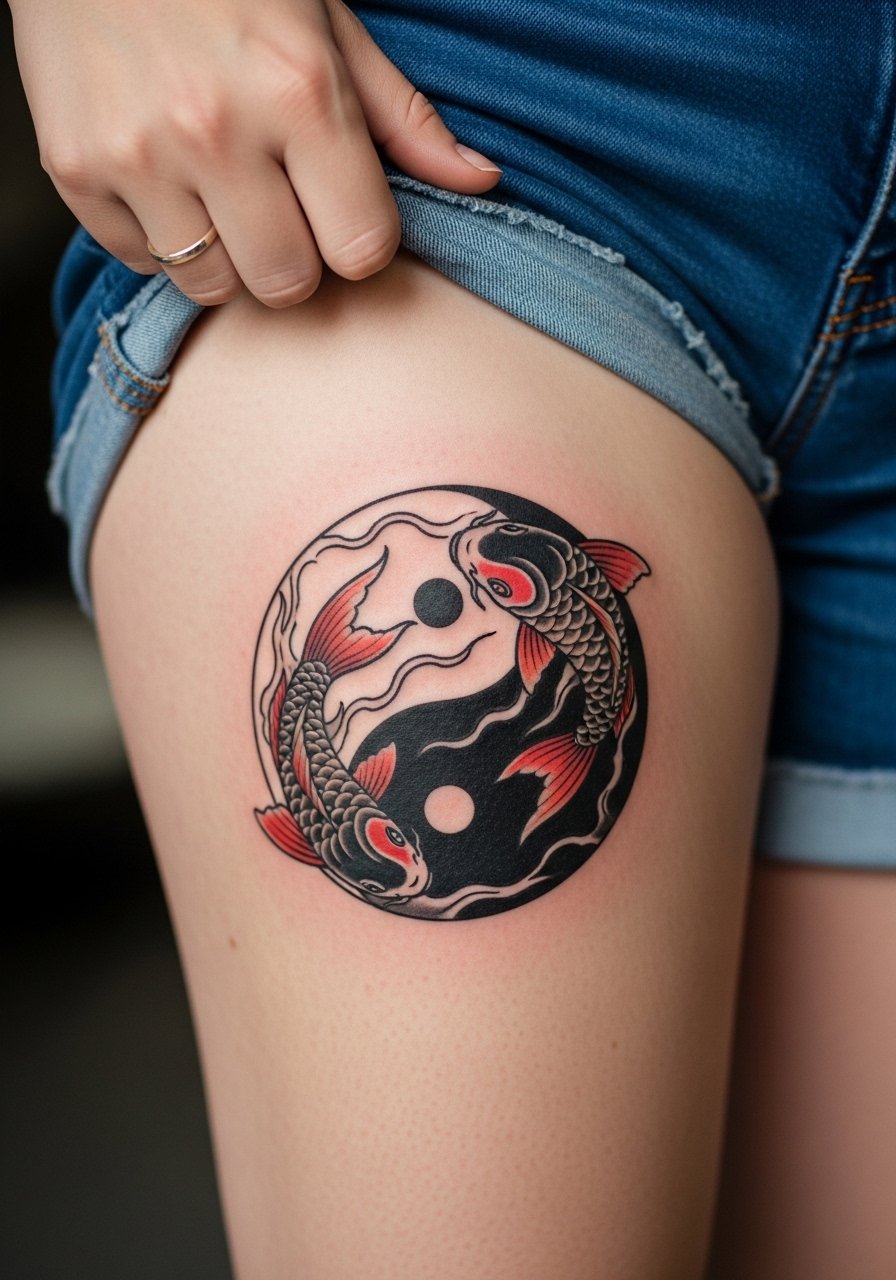
The thigh gives room for storytelling, and neo-traditional saturation tends to hold its shape well through weight changes if you allow a bit of breathing room around the design. Expect two to three sessions and moderate to low pain due to muscle padding. A common error is cramming too many small elements into a four-inch piece. For session comfort and later reveals, wear high-waist shorts so you can sit comfortably and the artist can access the area without pinching the skin.
6. Micro-Realism Yin Yang Eyes Behind the Ear
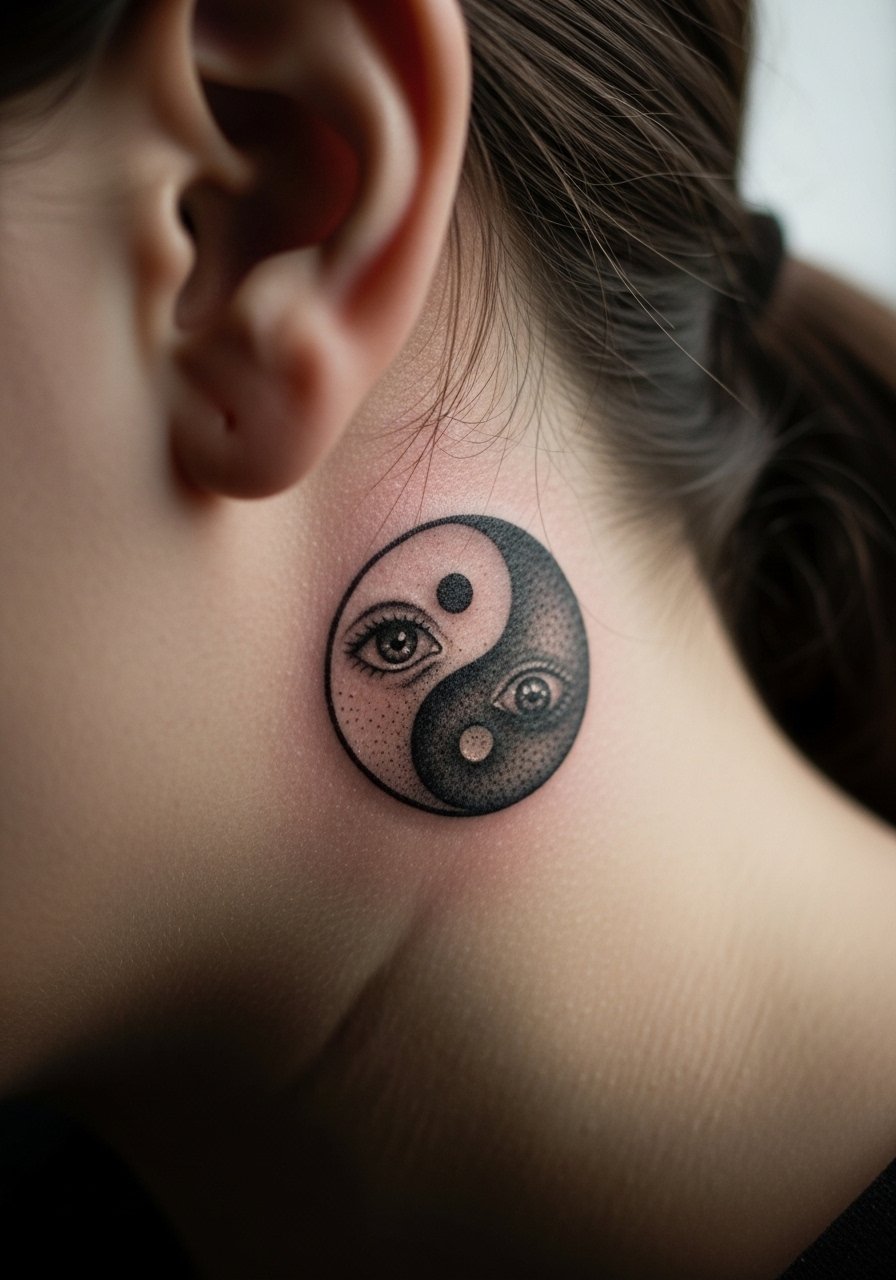
Tiny realism needs precise needle control and a calm client. Behind-the-ear work is quick and discreet, and the major risk is the area not taking fine shading consistently. If you want a gaze that reads, ask for slightly bolder pupils and minimal soft shading around them. Sessions are short, often under 45 minutes, and healing can be finicky because of hair oil and friction. Wear hair up for the session so the artist has clean access.
Studio Day Picks
The wrist, forearm and behind-ear pieces above heal differently from larger thigh and shoulder work, so a few targeted items smooth the session and the first week.
-
InkSafe Healing Powder. Good for humid climates and fine line wrist pieces because it soaks up exudate without forming a sticky paste that smears delicate lines.
-
Australian Gold Aftercare Spray. A no-touch spray that keeps small collarbone and behind-ear tattoos clean during showers without rubbing.
-
Tattoo Goo Citrus Balm. Lighter than heavy ointments and gentle on sensitive skin near the collarbone and inner forearm.
-
Dr. Tattoo Emerald Cream. Used by some to help preserve contrast on fine line pieces that otherwise fade into faint gray.
-
Hustle Butter Deluxe. A thinner alternative to petroleum-based ointments that many artists prefer for color work on thighs and shoulders.
7. Ornamental Yin Yang Waves on Ribcage
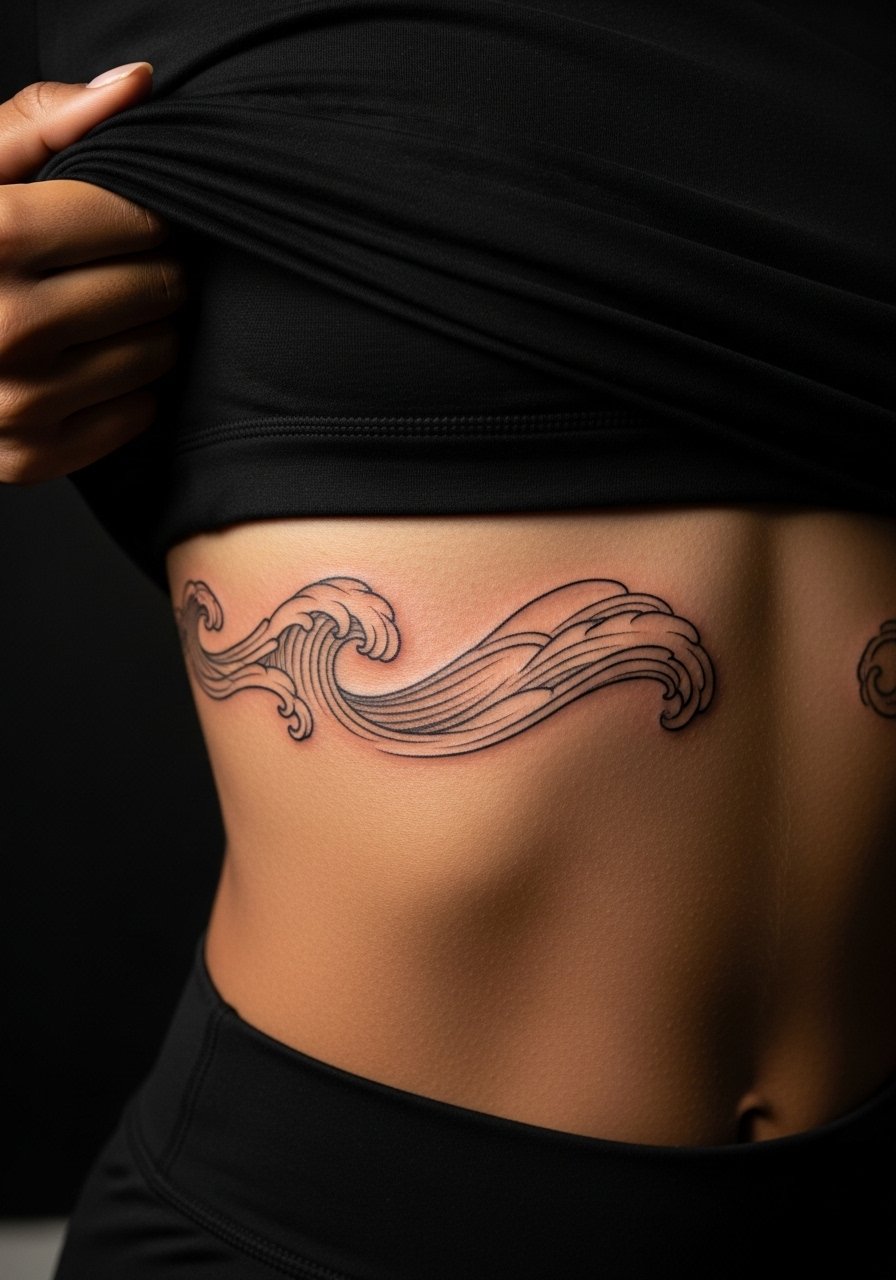
Fair warning, the rib is often ranked high on pain scales, and that intensity is part of why people call these pieces meditative. Most ornamental waves need two sessions to let the black settle and to keep spacing consistent. Artists split on fine line there. One camp says the skin stretch blurs thin lines within two years. The other camp says with correct needle depth and spacing it holds. Ask the artist how they approach rib spacing before booking. For yoga use, the rib placement makes the design visible during breath-synced practice.
8. Ignorant Style Chunky Yin Yang on Ankle
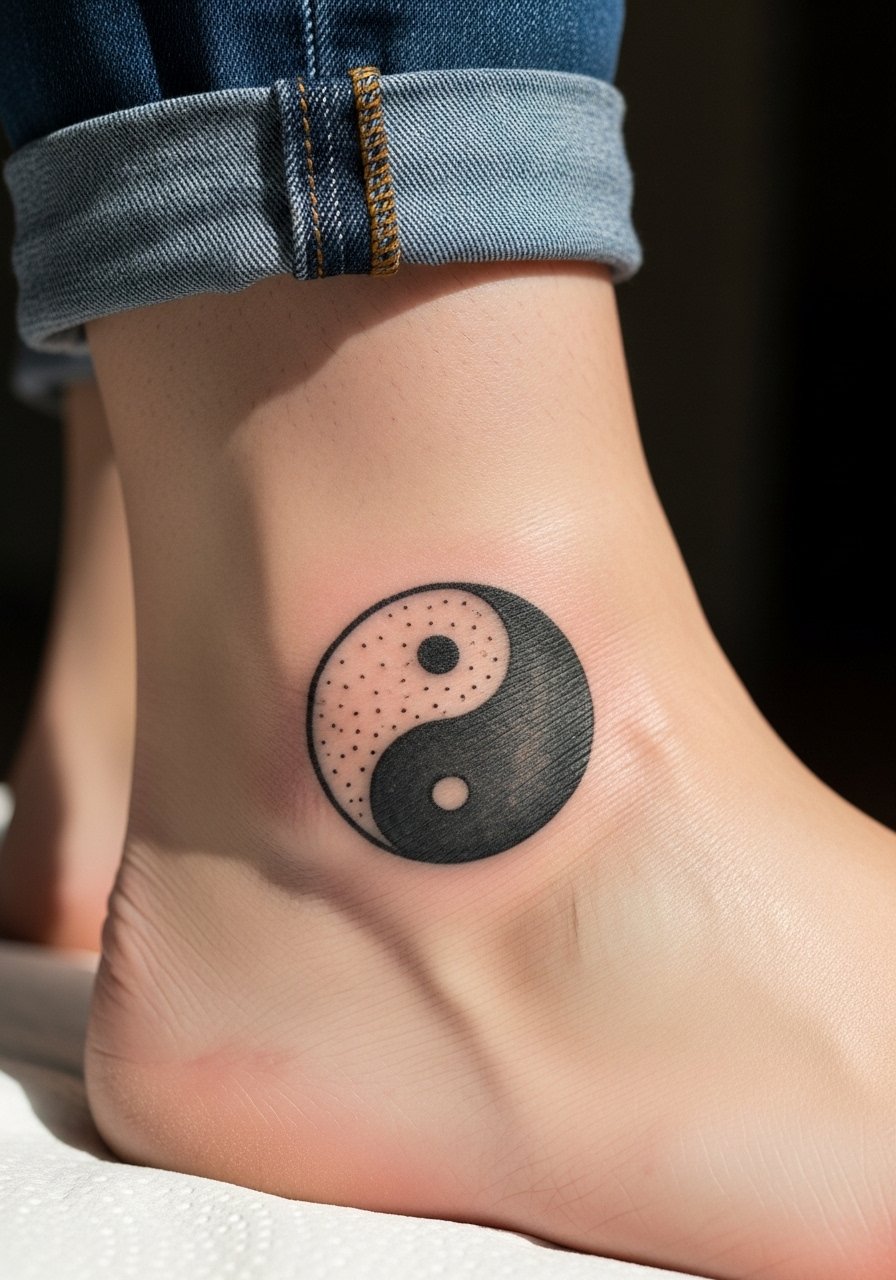
This raw, hand-poke vibe reads textured and imperfect on purpose. The ankle is a friction zone from shoes, so thick, chunky blackwork tends to last longer than thin detail here. Session time is short and pain is moderate because of bone. A common mistake is requesting tiny perfect shapes in this style. If you plan to show it off in summer, cuff a pair of cuffed ankle jeans with strappy sandals to keep the tattoo visible without rubbing.
9. Black and Gray Realism Yin Yang Tree on Upper Arm
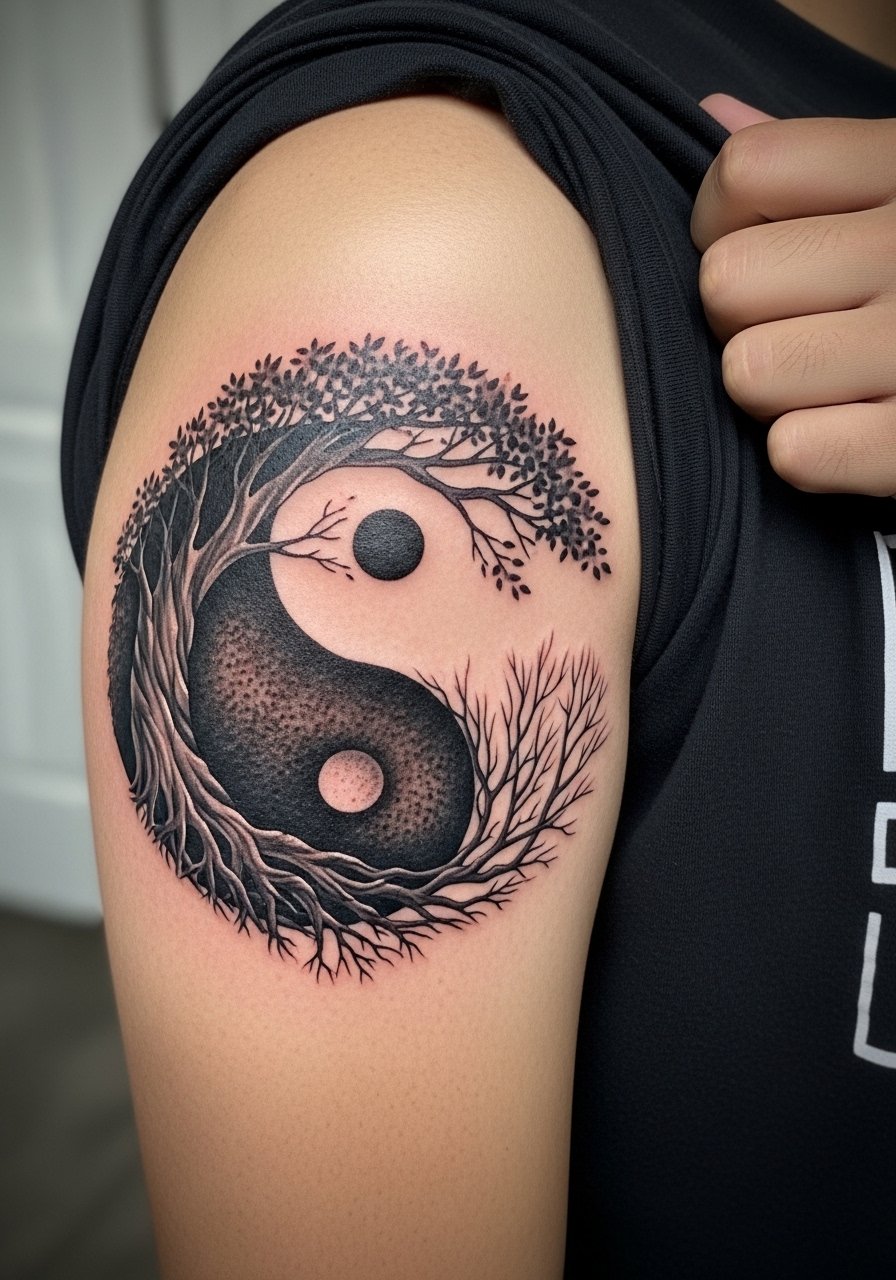
There is something about shaded tree motifs that reads mature in black and gray. On the upper arm this style benefits from three sessions to build depth and soften edges. The upper arm stretches less than the thigh so realism retains detail longer. The common error is asking for ultra-tight detail in a single session. Split into phases and plan for a touch-up six months out if you want crisp contrast.
10. Dotwork Yin Yang Lotus on Spine
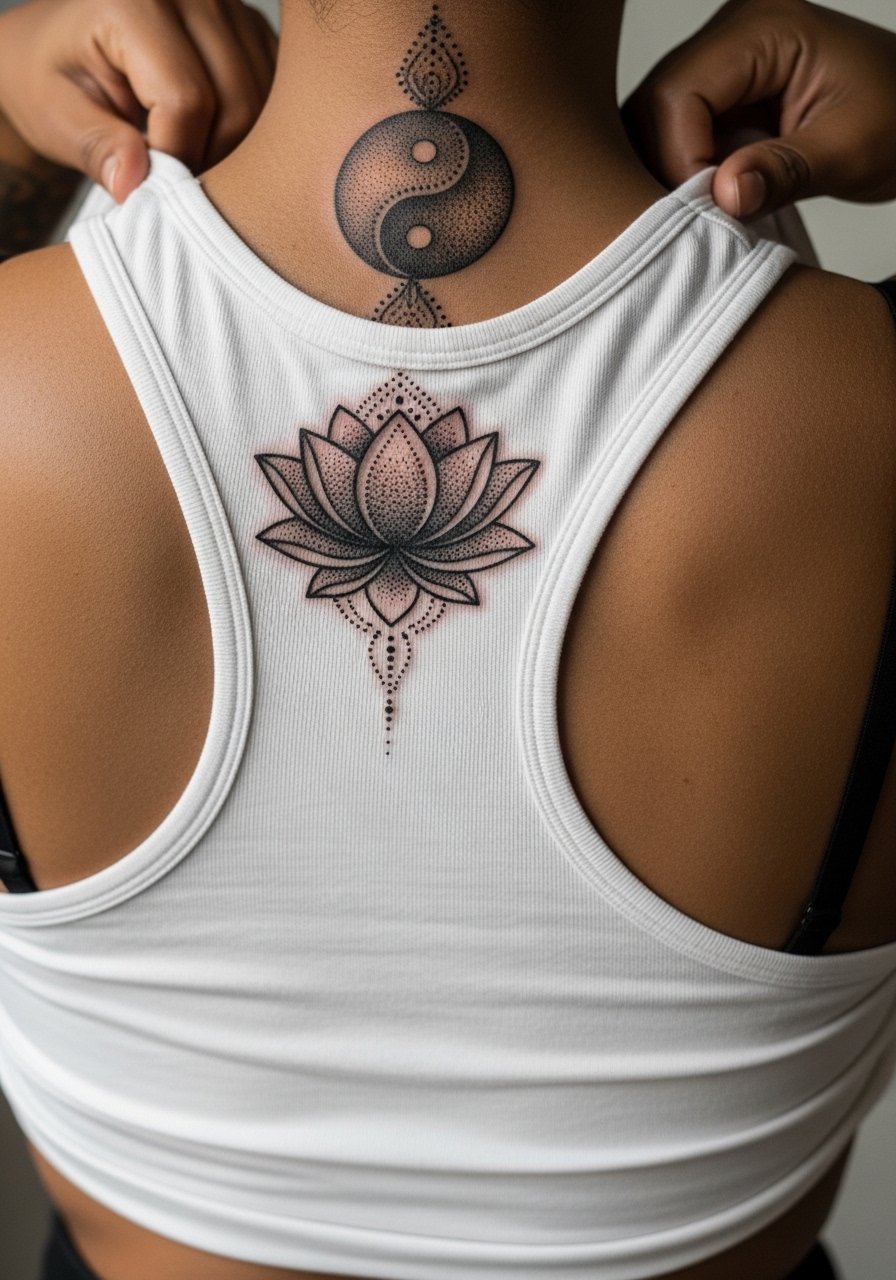
Dotwork ages logically because it's built from many tiny points rather than continuous lines. On the spine the work hurts more and sits beautifully under open-back tops. Expect two sessions and a firm discussion about spacing so the dots do not fuse. People often forget that sleeping position affects early healing. For showing this off, pair with an open-back dress or backless halter top when the skin is fully healed.
11. Traditional American Yin Yang with Clouds on Calf
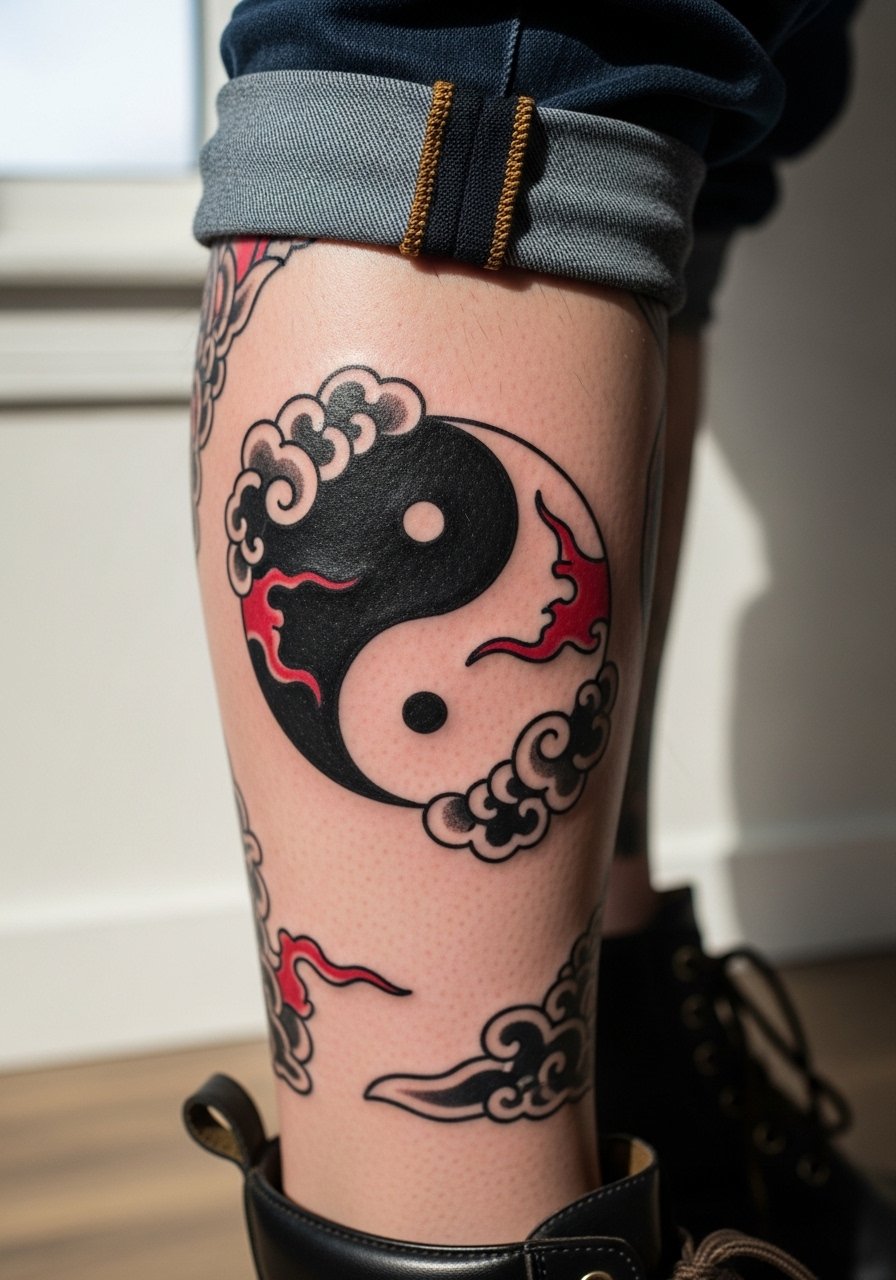
Bold outlines and saturated fill are why traditional work holds up on the calf. Sessions are moderate and the area is forgiving with low blowout risk. A mistake is packing too much small text or micro-detail into a vintage style. For weekend looks roll up a pair of bootcut jeans or wear knee-high socks with skirts so the composition reads vintage and intentional.
12. Minimalist Hollow Yin Yang on Finger
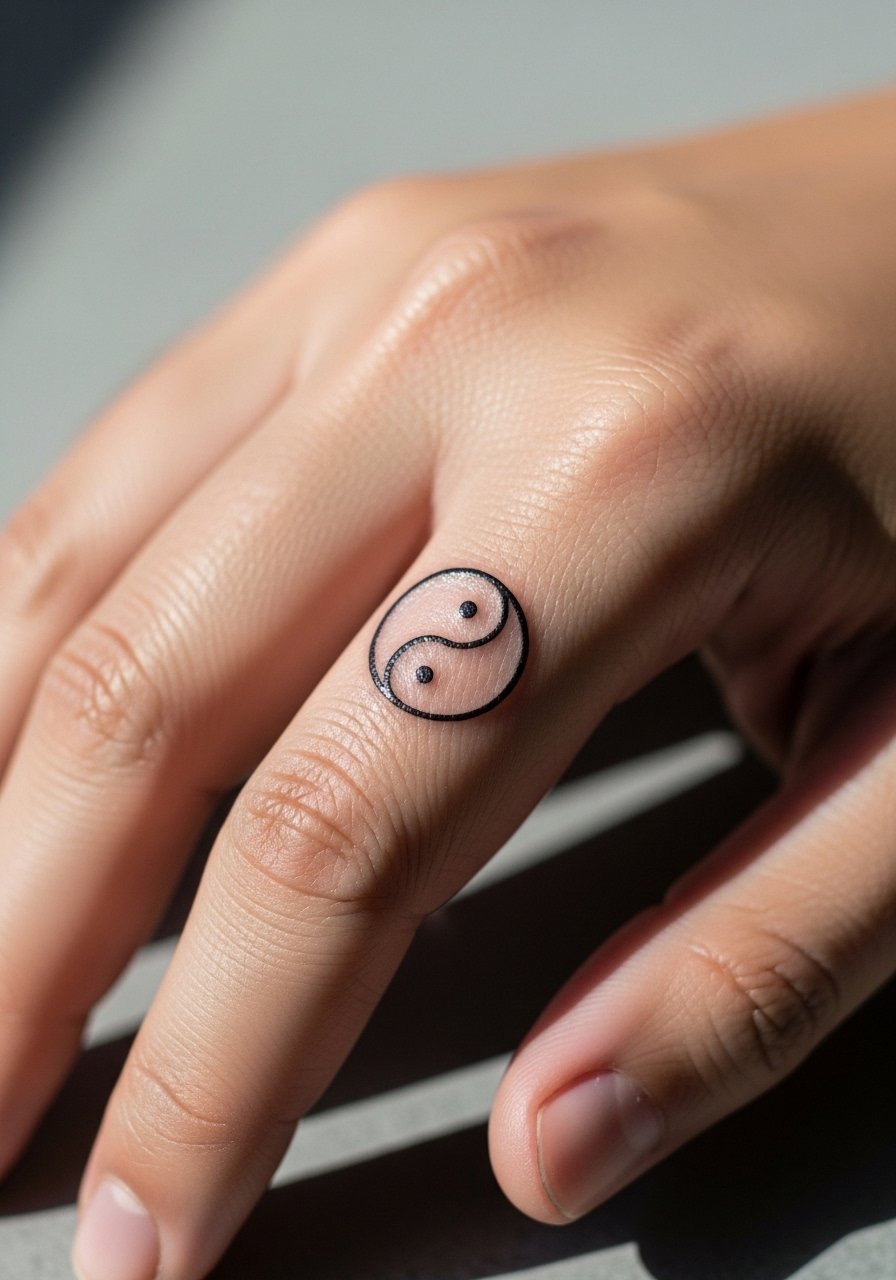
Finger tattoos are tiny and live in a high-wear zone. Hollow negative-space designs can avoid some fading, but expect frequent touch-ups. The real mistake is requesting delicate single-needle outlines without accepting the maintenance cost. Sessions are extremely short but you should plan for a touch-up at six to twelve months. For the session, avoid rings and keep the finger bare so the artist can work cleanly.
13. Fine Line Yin Yang Butterflies on Inner Bicep
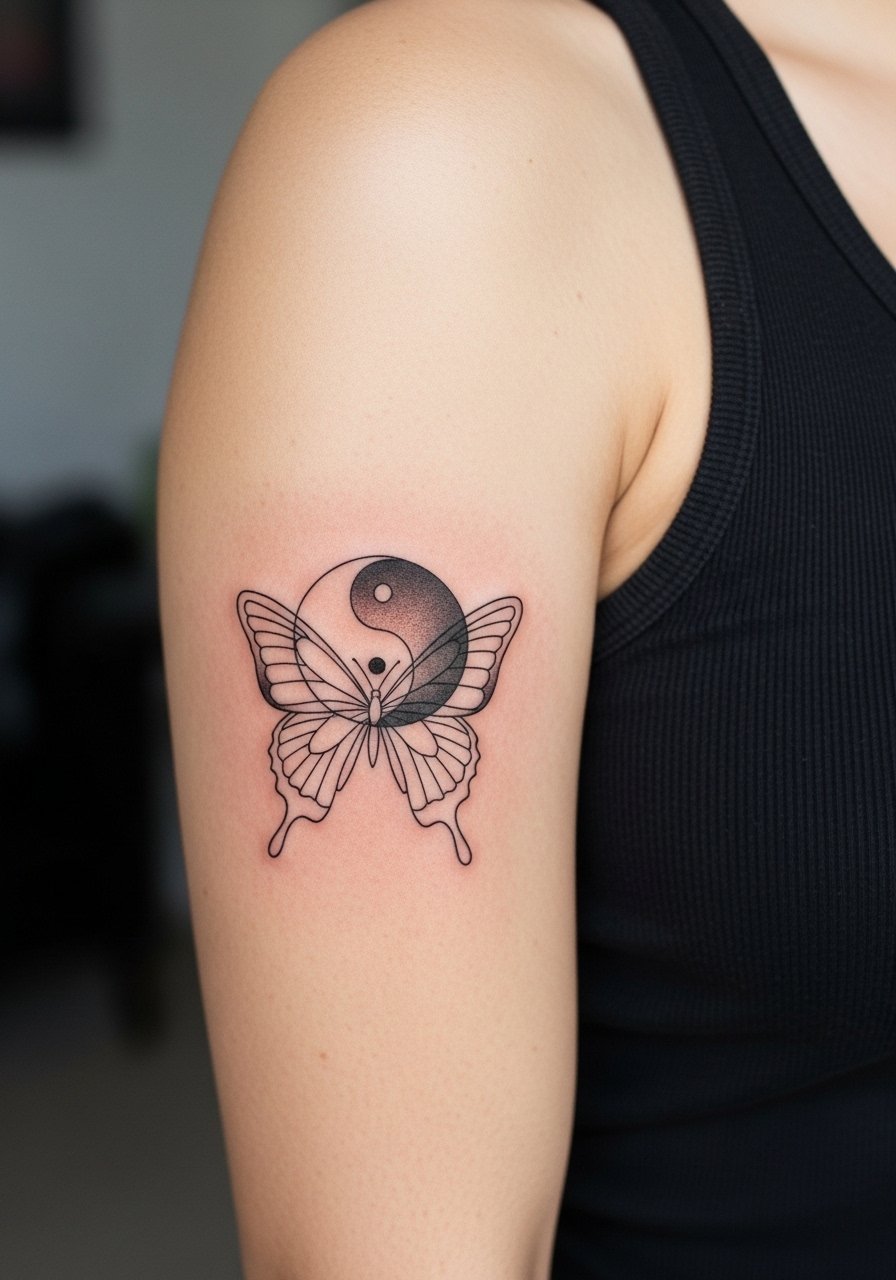
Inner bicep work sits a bit protected, which helps fine line last longer than on wrists. Pain is moderate and sessions are comfortable when you wear a loose tank. Tell your artist you want slightly heavier wing contours to prevent feathering over time. The common error is insisting on ultra-thin wing veins that disappear in a year. For session wear, throw on a loose tank top so your arm can be positioned without tension.
14. Micro-Realism Yin Yang on the Nape of the Neck
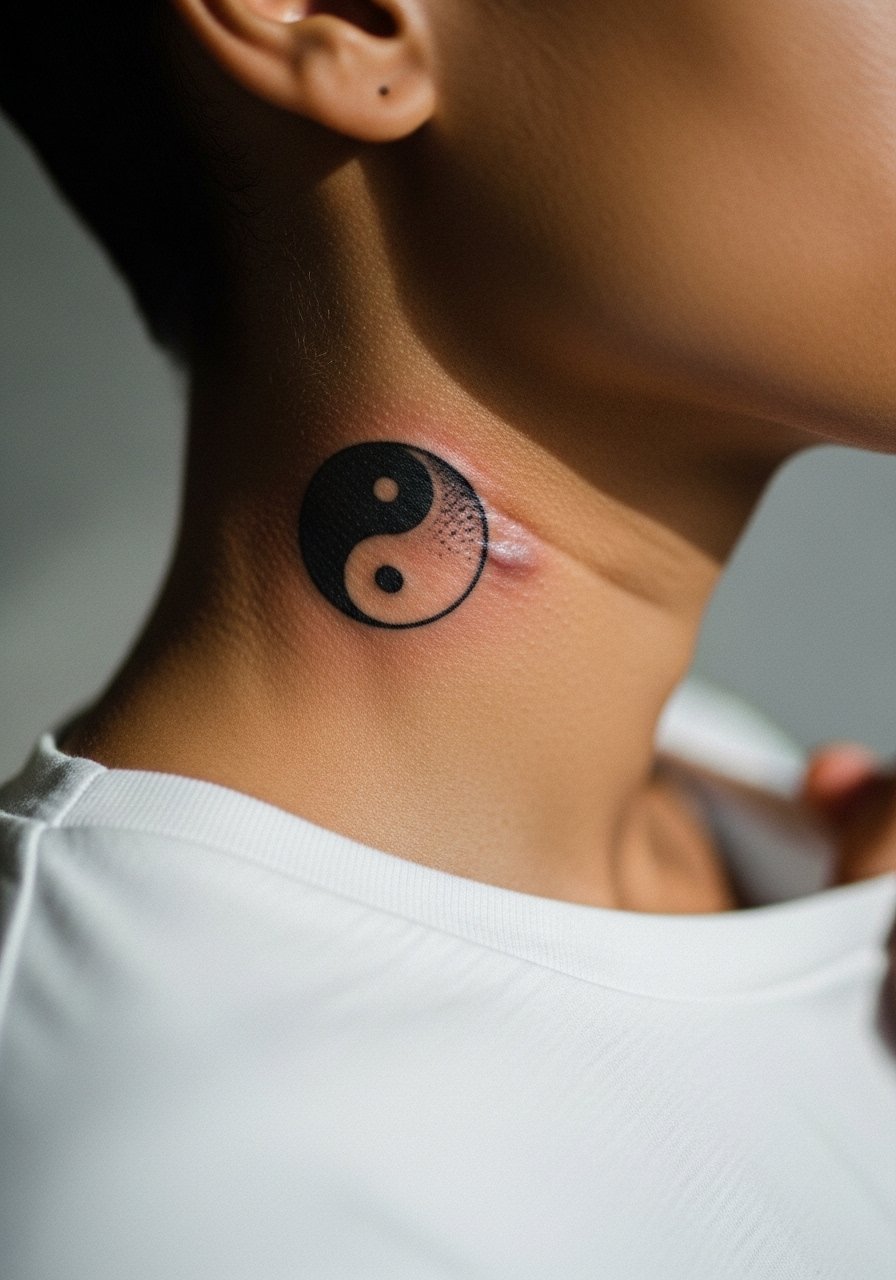
Neck placement requires an experienced hand because skin there moves constantly. Micro-realism can read distinct for years if placed and shaded correctly. The debate about neck work is real. Some shops limit bookings for neck tattoos because of career considerations. Ask how the artist handles needle depth for this area and plan for a short session with careful aftercare. Consider wardrobe choices if you need to hide the area professionally.
15. Ornamental Yin Yang with Wave Details on Lower Rib

Rib placements need spacing and patience. Expect two sessions for crisp ornamental work. The aging concern is stretch and movement, so avoid overly fine filigree that relies on exact edges. One honest consultation tip is to ask for slightly more negative space than the reference image. For the session, wear a crop top or sports bra so the area is accessible without tugging.
16. Tiny Micro Yin Yang Behind the Ear with Script Accent
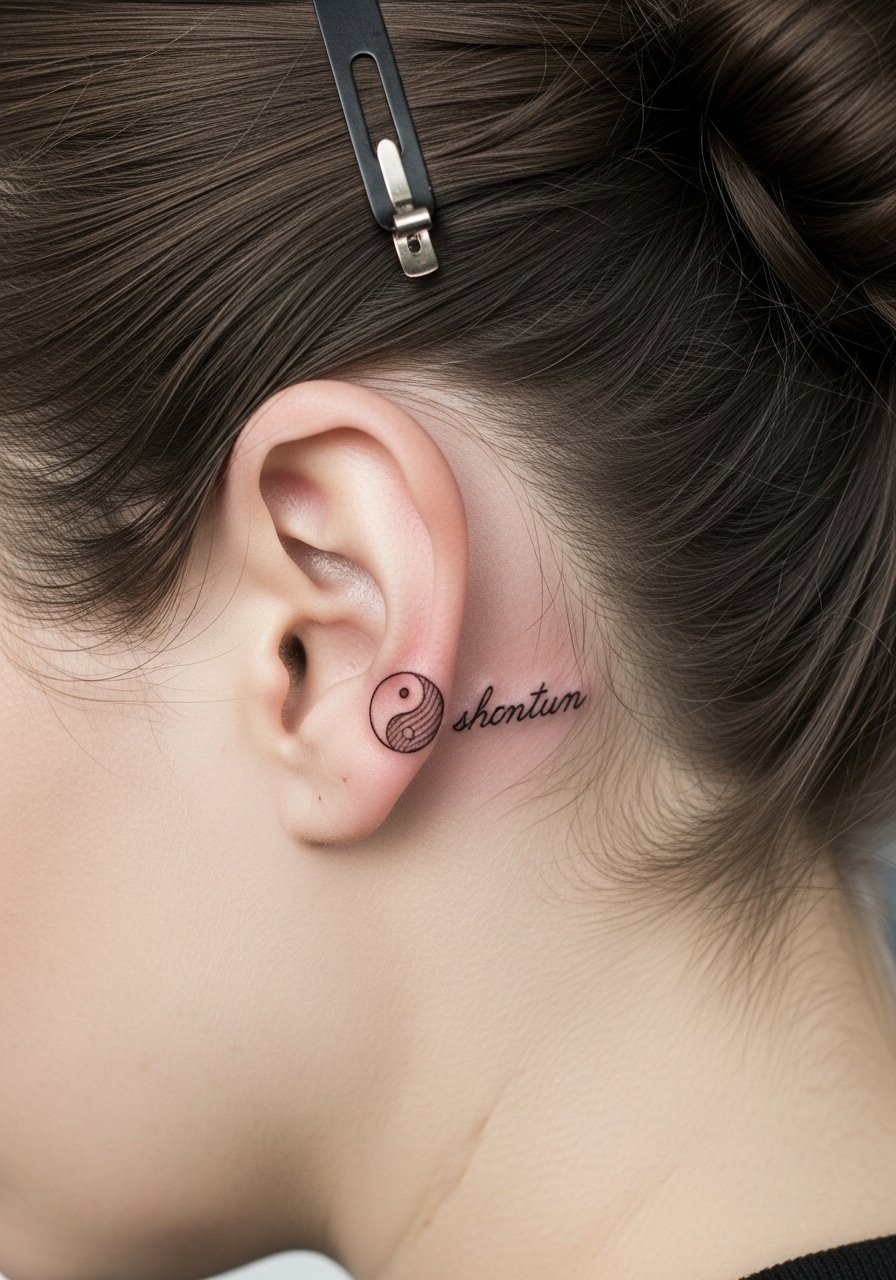
The behind-ear pocket is discreet and easy to hide with hair. Tiny micro work here is quick but sensitive to oils from hair and pillow friction during healing. Ask for a slightly bold dot for the eye so it remains visible after six months. Keep hair up for the first week to reduce rubbing. This placement is perfect if you want something private that still peeks out when you want it to.
17. Neo-Ornamental Yin Yang on the Sternum
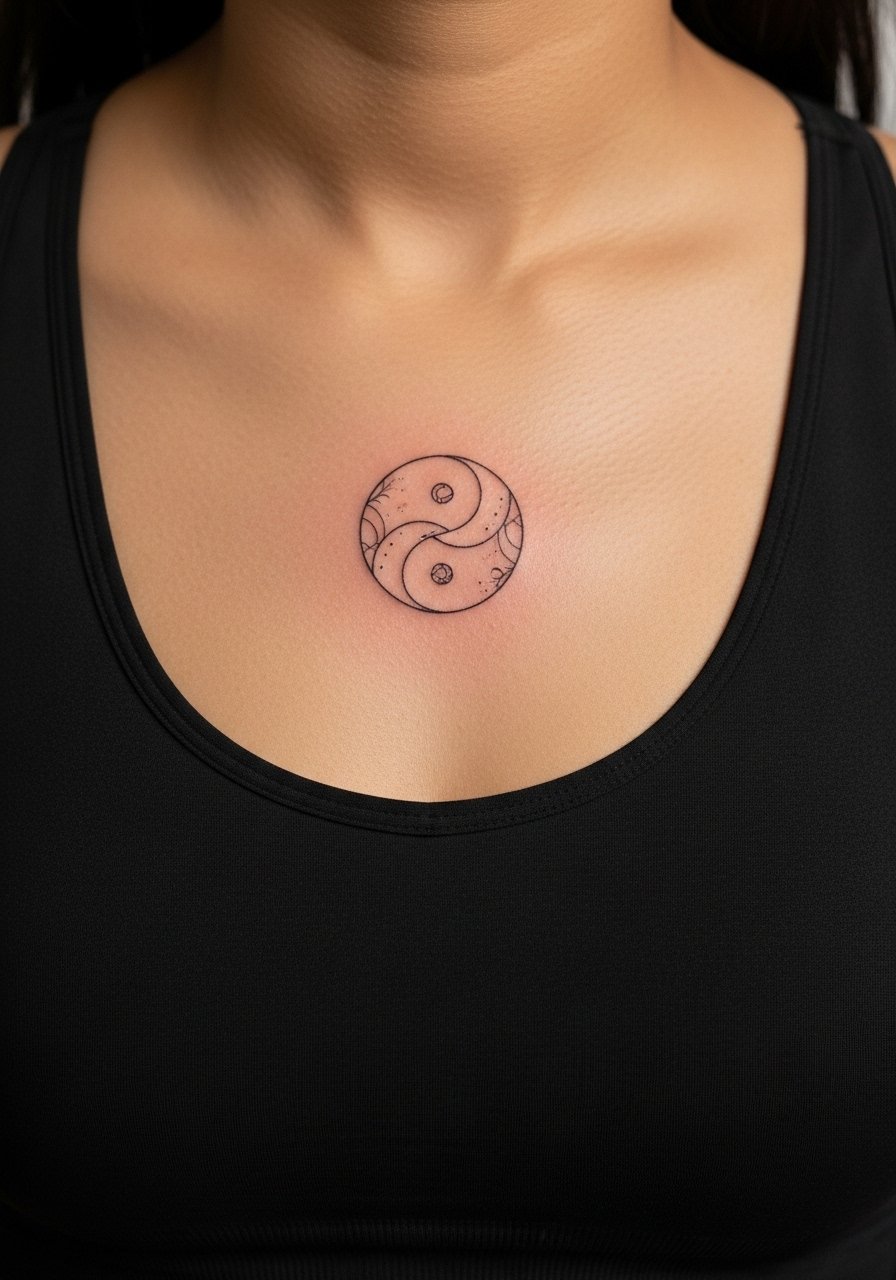
Sternum pieces read intimate and require a delicate session strategy because the area is bony. Expect moderate to high discomfort, and plan for touch-ups since movement affects healing. The mistake is asking for ultra-tight filigree that the sternum skin cannot support. For the appointment, a fitted sports bra is ideal so the artist can access the area without full exposure.
18. Dotwork Yin Yang with Lotus Halo on Spine Center
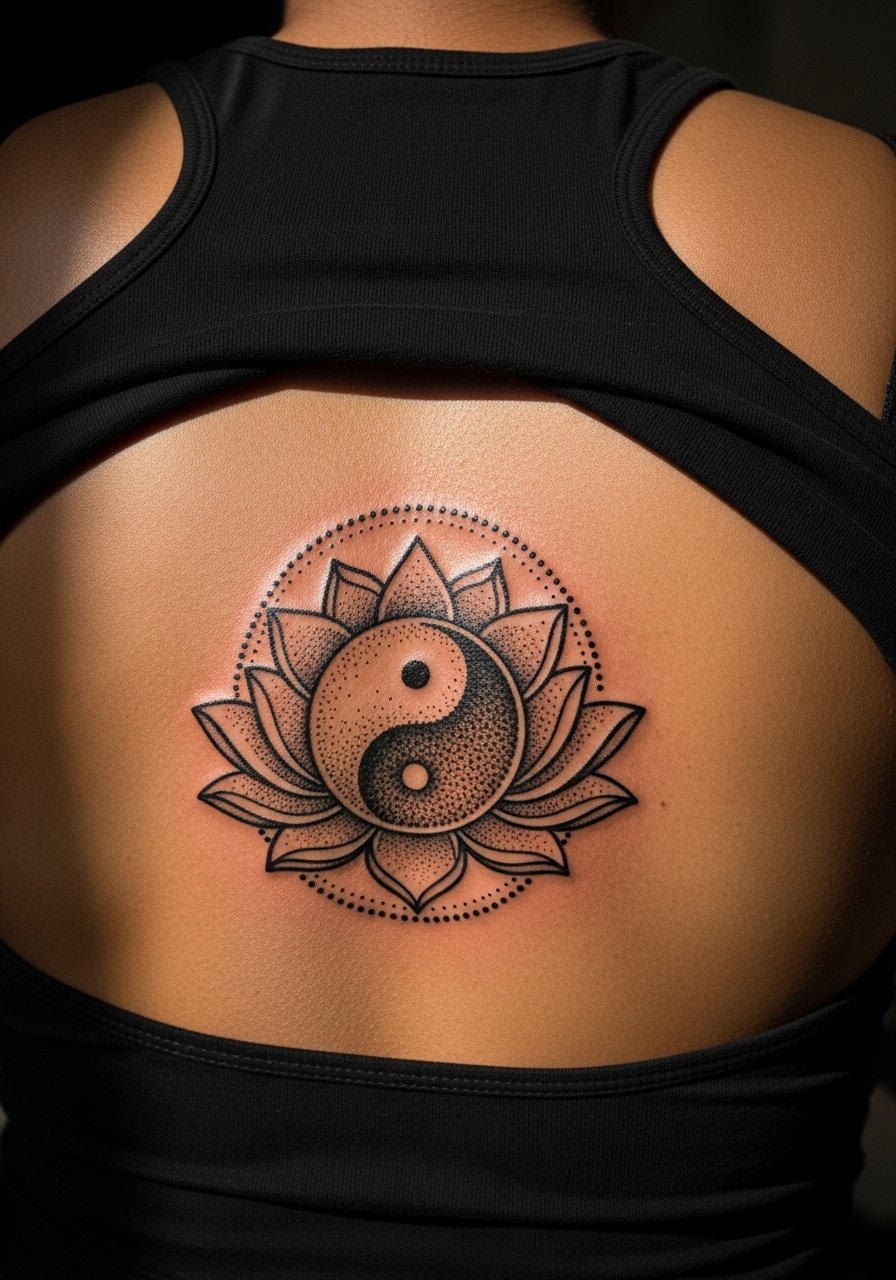
Dotwork on the spine takes time and patience. Expect two sessions and an honest conversation about spacing because the dots must be set with breathing room. Many people find the pain intense but manageable and love how the piece shows in yoga poses. Check sleeping position during the first week to avoid pressure on the stitched dots.
19. Black and White Geometric Yin Yang on Outer Calf

Calf placements are forgiving and ideal for geometric work that needs clean edges. Blowout risk is low if the artist uses the correct depth and spacing. These pieces usually take one long session and keep their shape well through seasons. Pair the tattoo with vintage leather boots for contrast on cool days.
20. Micro Yin Yang on Finger Pad, Hidden When Fist Closed

Finger pads see constant washing and friction, so micro work here is maintenance-heavy. The smart approach is to accept a plan for annual touch-ups and to ask for a slightly bolder outline that still reads small. Sessions are brief and cheap compared to larger pieces. Keep the finger free of rings during the session and the first week.
21. Yin Yang Tree Silhouette on Upper Back Center
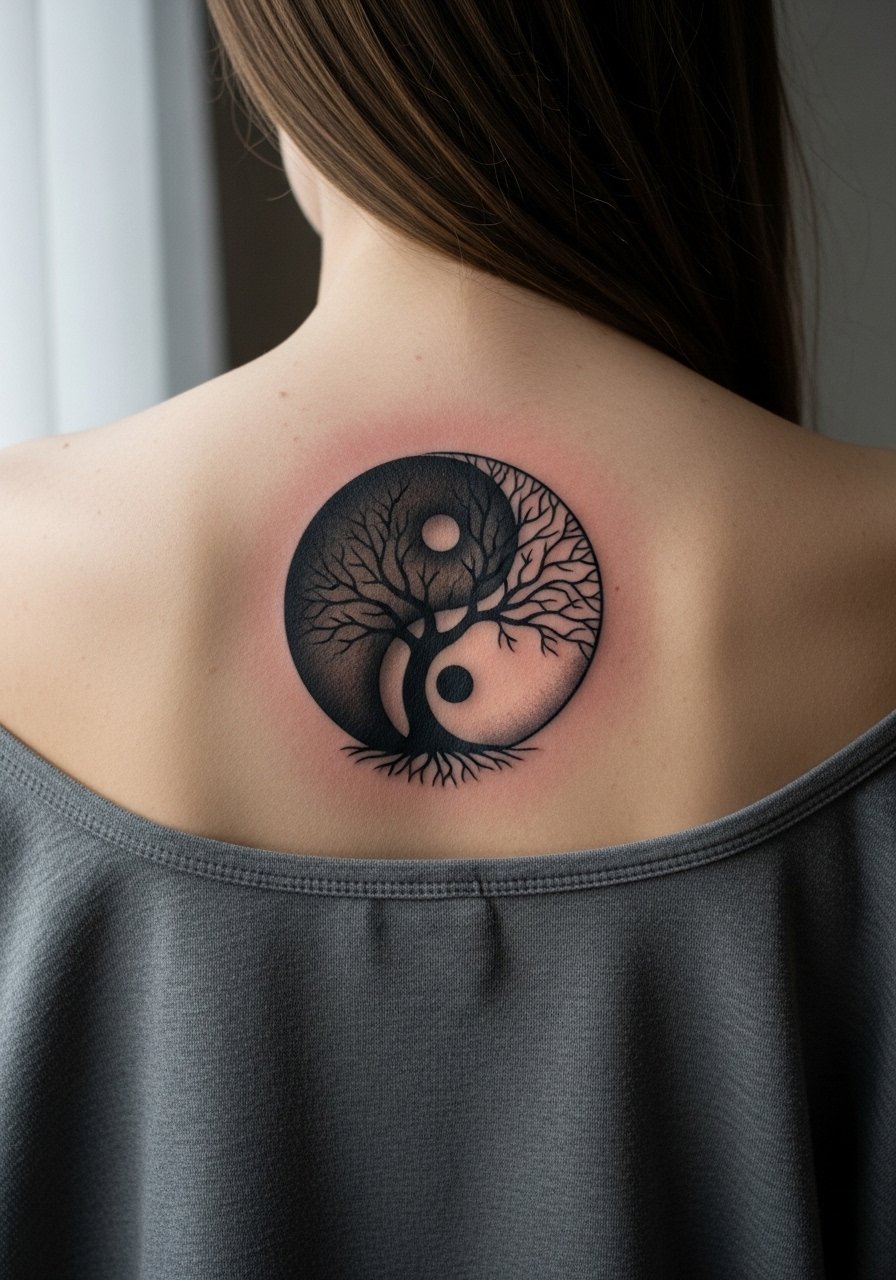
Upper back is a great canvas for slightly larger black and gray realism. Expect two to three sessions for layered shading and to avoid overworking the skin. One common mistake is asking for too much micro-detail in a single sitting. For showing this piece, a racerback top gives the right balance between reveal and everyday wear.
22. Inverted Yin Yang for Left-Handed Wearers on Outer Forearm
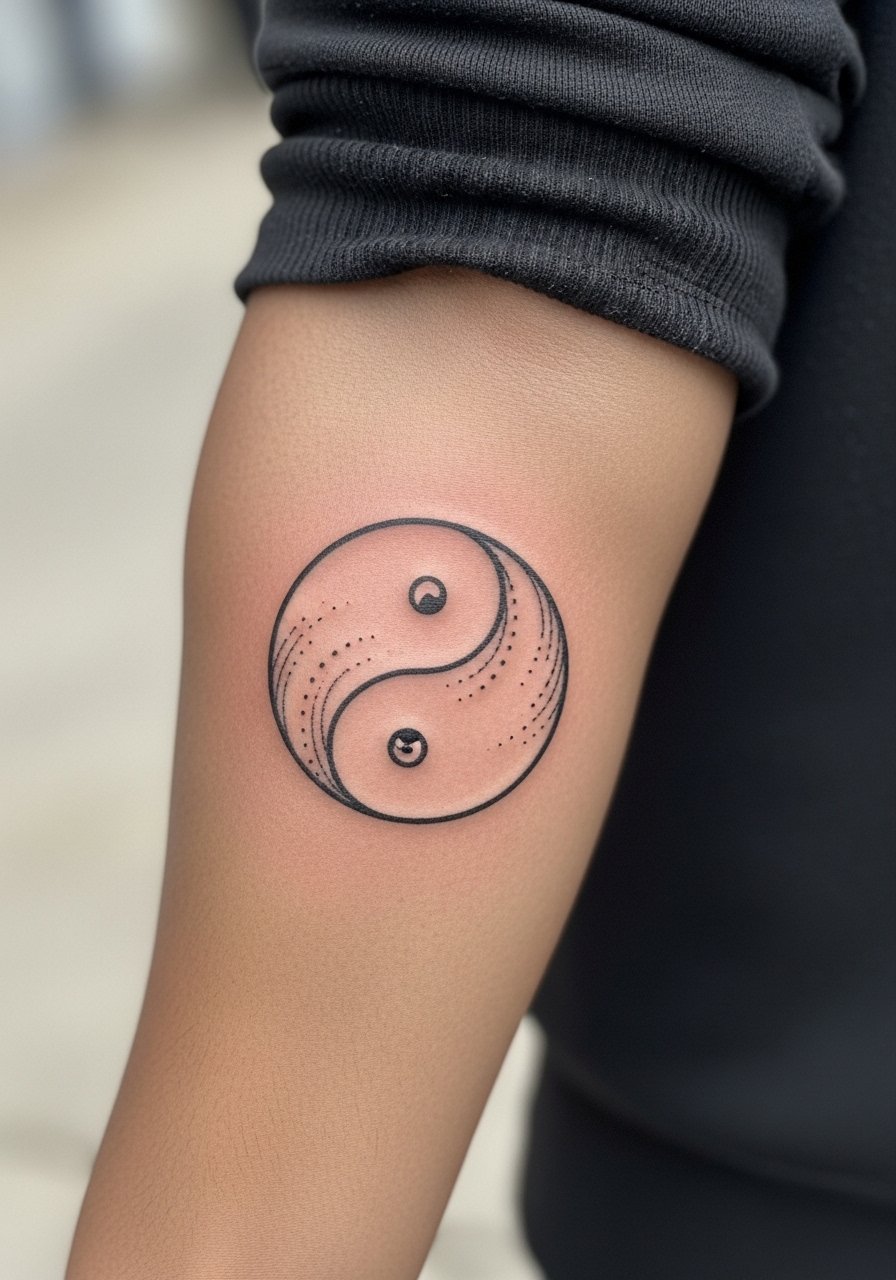
A small but under-covered idea is flipping the yin yang orientation for left-handed wearers so the symbol visually balances the dominant hand motion. Mention handedness in the consult so the artist mirrors composition correctly. The outer forearm is low pain and shows well with rolled sleeves. For session wear, a loose button-down shirt is easy to roll without tension.
23. ASMR Soundwave-Integrated Yin Yang on Inner Forearm
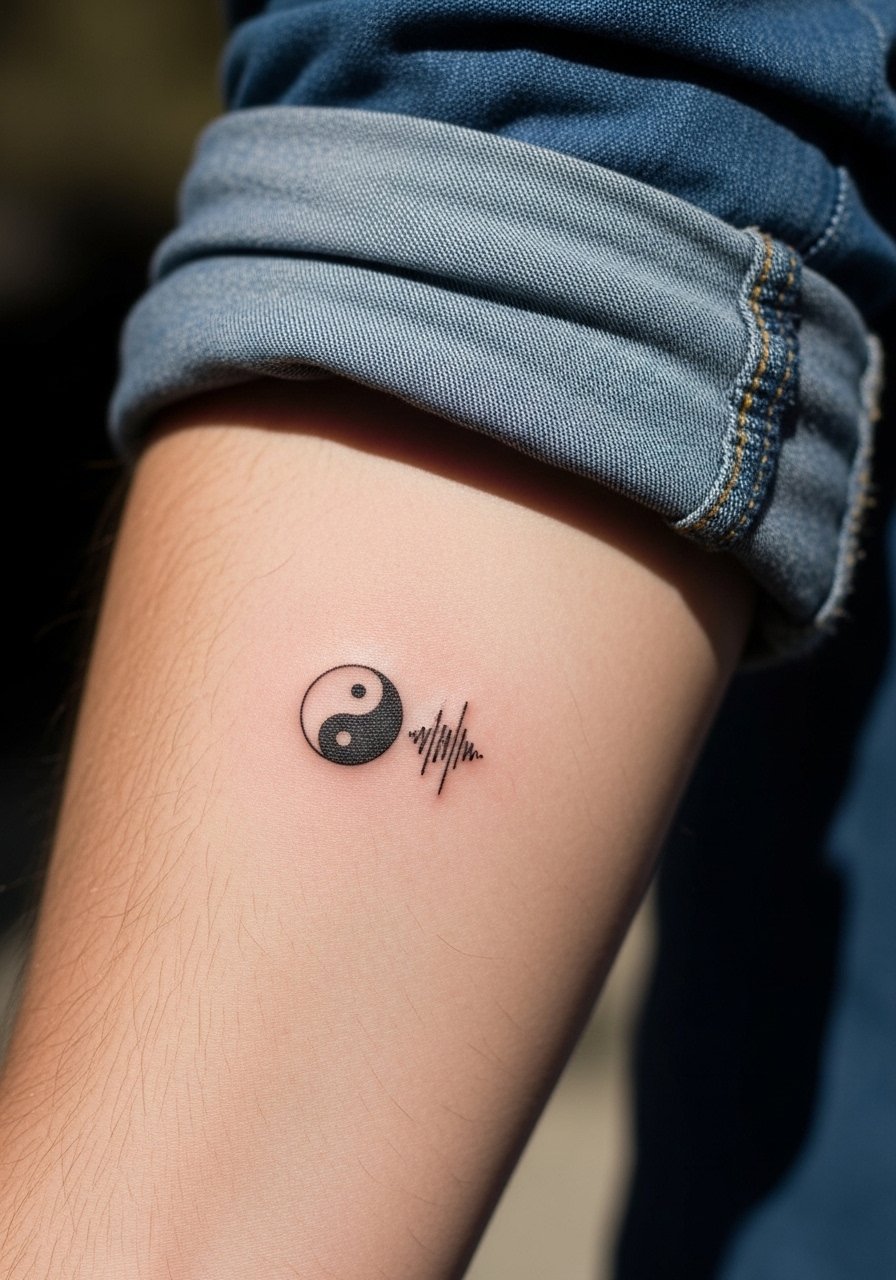
Pairing the symbol with a tiny soundwave is a fresh way to signal auditory balance. Ask your artist to render the waveform as a secondary element that does not intersect the core shape. Inner forearm is an ideal spot because it reads during gestures and yoga. Sessions are moderate and the line weight should be slightly heavier than pure single-needle to avoid fading. Show it off with rolled cuffs and a slim bangle on the opposite arm.
24. Aging-Simulation Yin Yang for Long-Term Skin Changes on Thigh
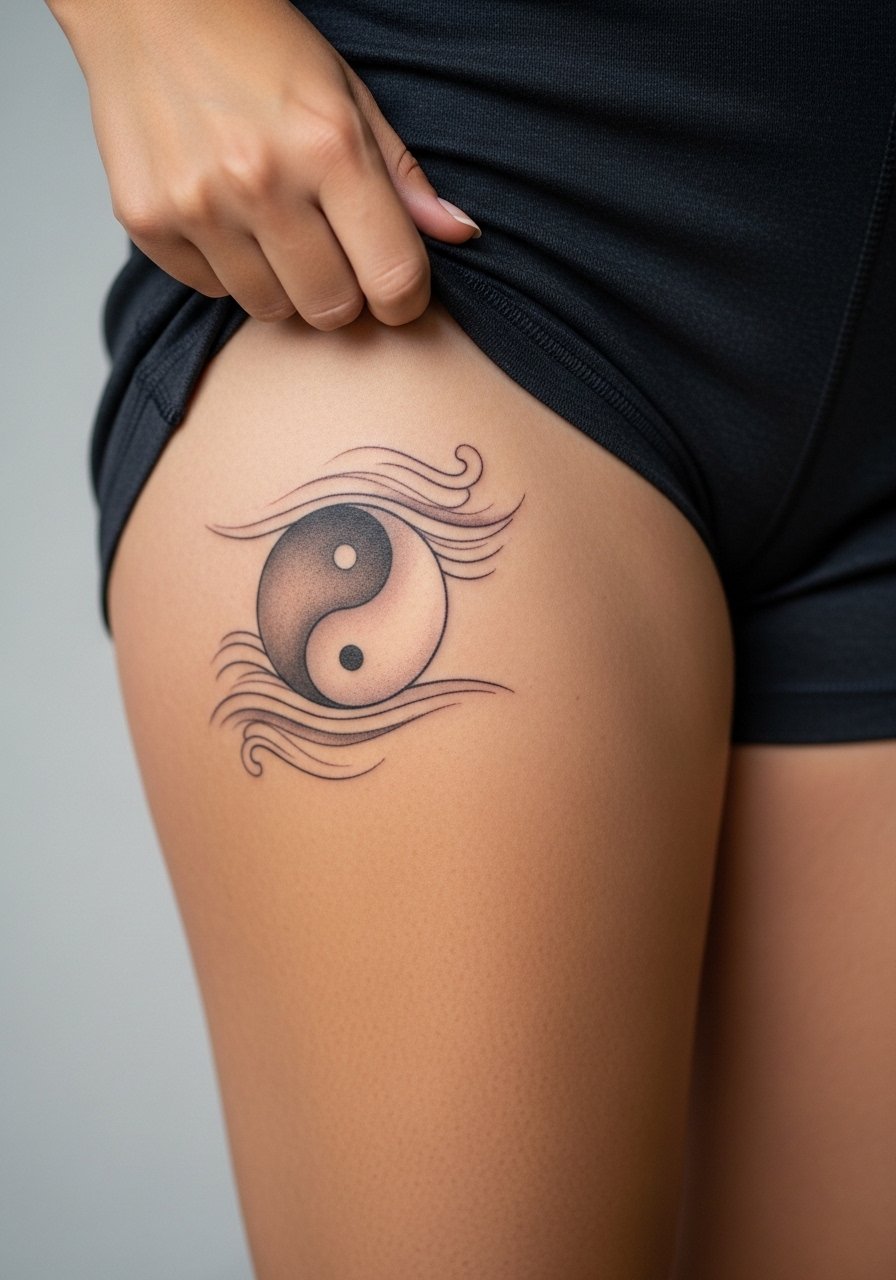
A niche approach is to plan a design that anticipates skin changes from weight fluctuation. Thighs can stretch over time, so artists will increase spacing and avoid tight filigree. If you expect body changes, ask for a mockup that includes small-scale aging simulations. Sessions are longer for larger pieces and pain is moderate. For session comfort wear loose shorts or a wrap skirt to stay relaxed.
25. Small Yin Yang Lotus on Hip
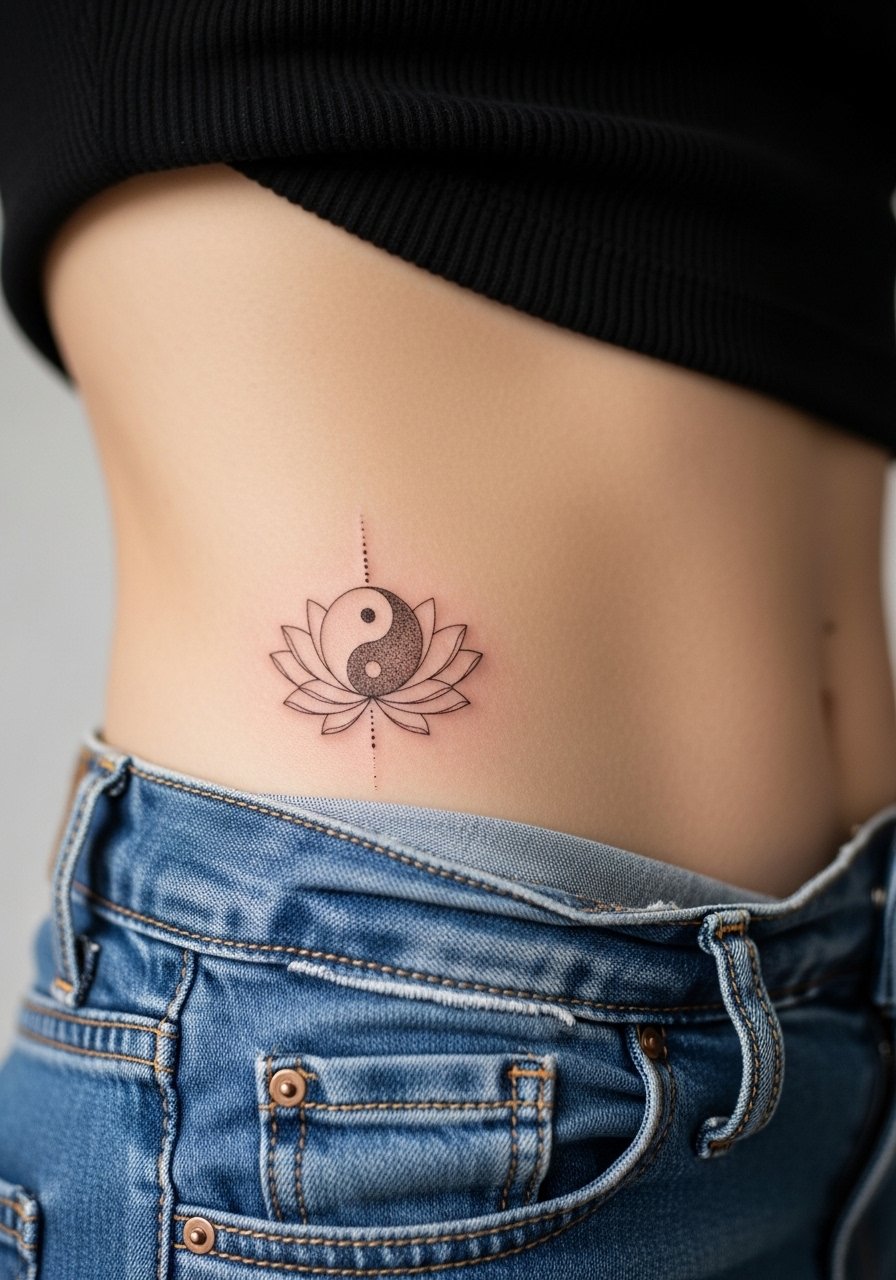
Hip tattoos are intimate and often hidden under clothing, which helps early healing. The main mistake is choosing micro detail that the hip skin will not hold if stretched. Plan for a slightly bolder petal outline so the lotus keeps definition. For the session, high-waisted jeans or a swimsuit bottom that can be shifted are easiest to manage.
26. Traditional Bold Yin Yang with Cloud Accents on Calf
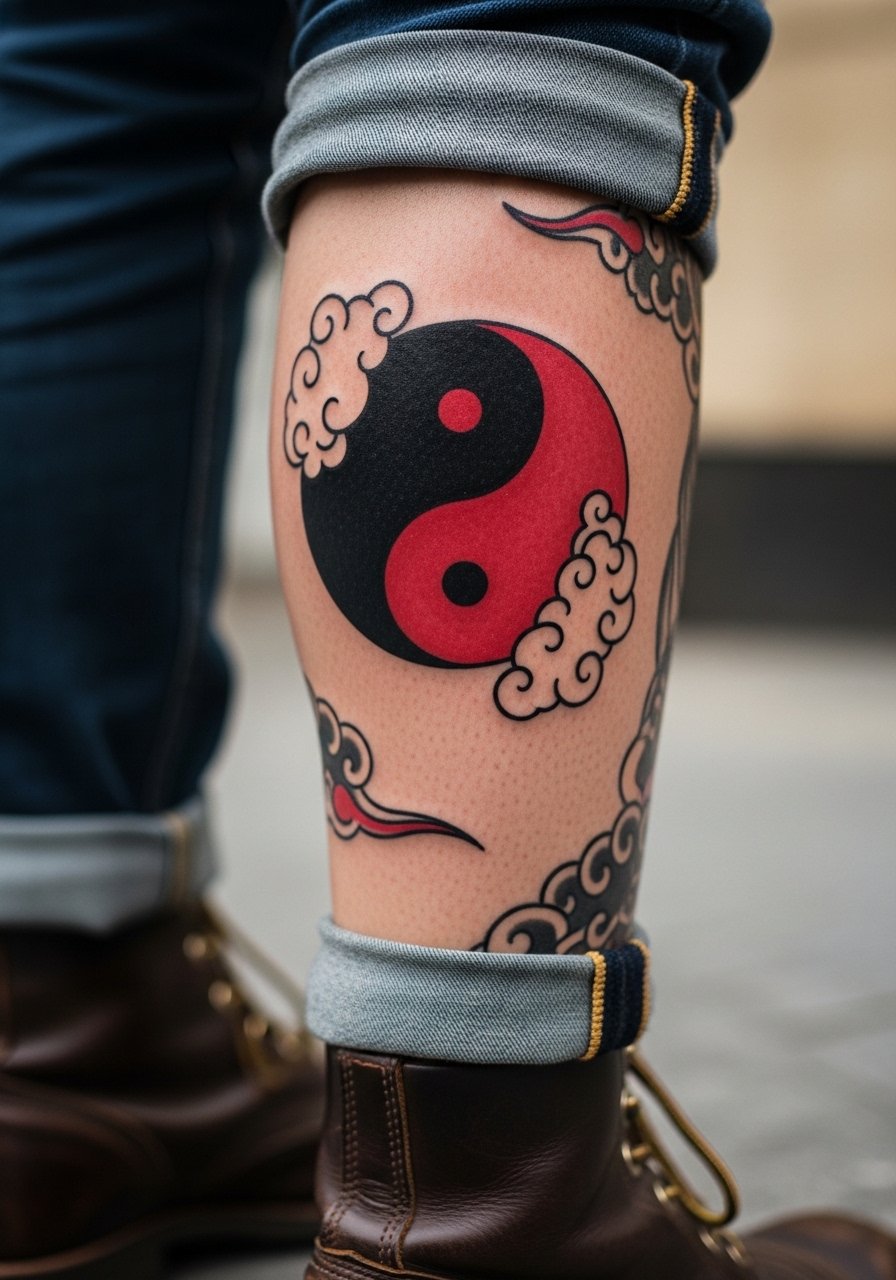
This version leans into high saturation and bold outline that lasts. The back of the calf is forgiving and the piece reads from a distance. Sessions are moderate and usually require two passes for solid fill. Vintage boot styling pairs well with the composition and keeps the tattoo visible in cooler months.
27. Micro Tattoo Pair: Hidden Yin Yang Behind Ear and Matching Ankle Dot
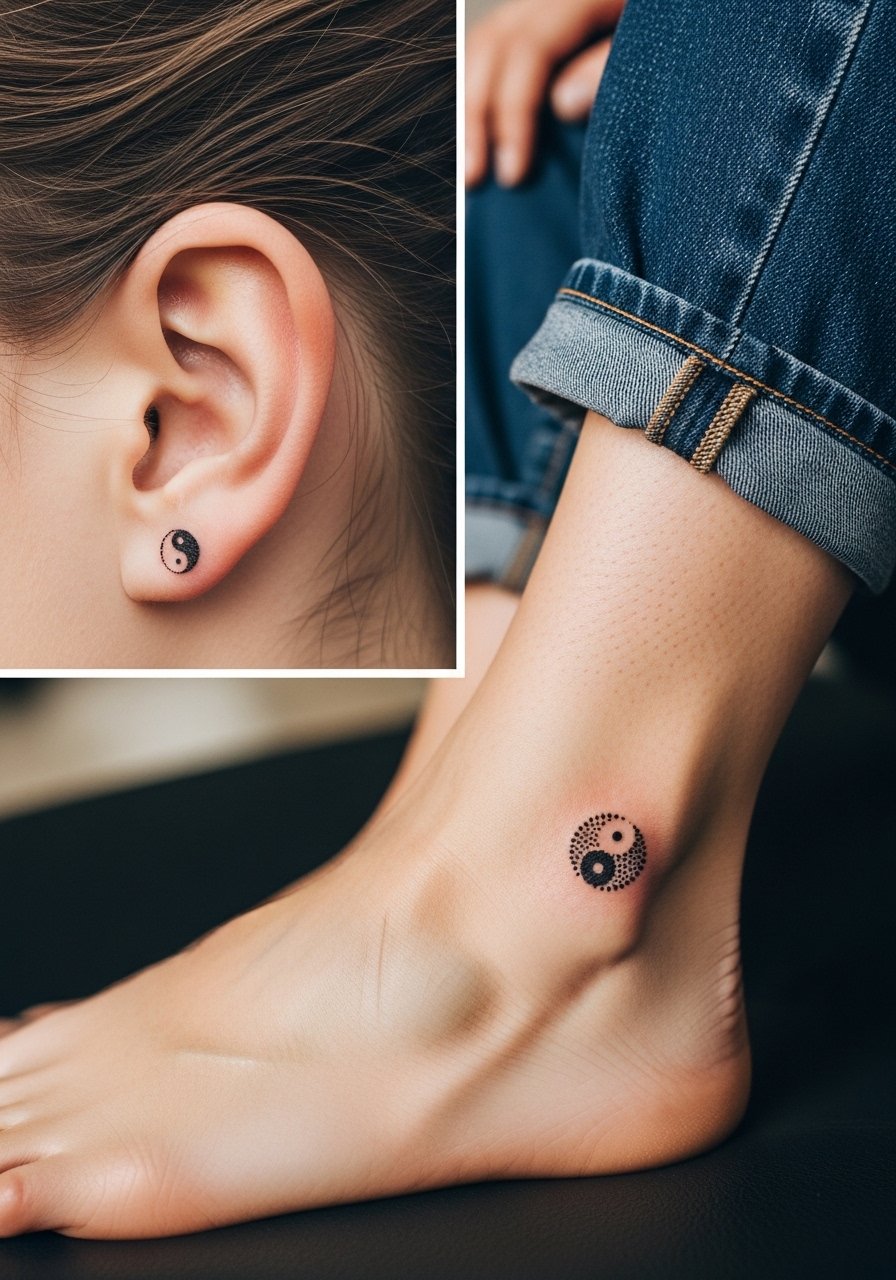
Pairing a discreet behind-ear yin yang with a small ankle companion gives you a two-point system you can hide or reveal independently. Both spots are short sessions but high-maintenance in terms of touch-ups. The behind-ear version needs hair up at the session, and the ankle version benefits from cuffed pants afterward to avoid shoe friction. For casual reveal wear, cuff straight-leg jeans and strappy sandals so the ankle shows without overstating the design.
Frequently Asked Questions
Q: Fine line yin yang tattoos fade faster on wrists. What line weight and touch-up timeline should I plan for?
A: Plan for a slightly thicker line than the ultra-single-needle look, roughly 2 to 3 millimeters or a comparable needle grouping. In practice that means expecting a touch-up between 12 and 36 months depending on sun exposure and friction. If you want to push longevity further, place fine line pieces on the inner forearm instead of the wrist.
Q: Artists sometimes reschedule or ghost booked sessions. How do I protect my deposit and pick an artist for a custom yin yang?
A: Book through platforms that offer written confirmations and clear cancellation policies, or request a studio receipt that names your appointment date. Use discovery pathways like searching hashtags for portfolios, the Tattoodo app, or Reddit threads for local recs. Arrive with reference images and confirm stencil placement twice before the needle goes down.
Q: The Saniderm versus dry healing debate keeps coming up. Which side should I choose for a small wrist yin yang?
A: Both camps have strong opinions. The Saniderm side points out that film seals out contaminants and can speed clean healing for small wrist pieces. The dry-healing side says breathable air reduces trapped moisture and scabbing problems. Practical approach is to follow the artist's preferred protocol and switch only after three days if you have issues, or ask ahead how they handle small, high-friction areas.
Q: My thigh yin yang stretched after weight change. How can I design to minimize distortion?
A: If you expect future body changes, choose placements with less stretch like the calf or upper arm, or design with more negative space and larger elements so small shifts do not distort critical lines. Thigh pieces can still work if the artist spaces elements generously and avoids micro-detail that depends on exact proportions.
Q: How badly does behind-ear or neck placement affect professional life and healing needs?
A: Behind-ear is easy to hide with hair and heals similarly to small neck areas, but the neck is more visible and may still affect workplace perceptions in some sectors. Both areas are prone to oils and friction, so keep hair up and avoid sleeping on that side during the first week. If discretion matters, pick behind-ear for subtlety or plan concealment with collars and scarves.
Q: Are there specific wardrobe items to bring for session comfort when getting a collarbone or shoulder blade yin yang?
A: Yes. For collarbone pieces bring a strapless bra or an off-shoulder blouse so the artist has seamless access. For shoulder blade work wear a loose tank or a button-down you can pull aside. A racerback tank or a loose button-down shirt covers both scenarios and keeps dressing simple after the session.
Q: Dotwork versus watercolor for a spine or ribcage yin yang, which holds better long term?
A: Dotwork generally wins longevity because it builds texture from points rather than thin washes. Watercolor can be beautiful but tends to lose pop faster on high-movement areas like the ribcage. If longevity is key on the spine or ribs, favor dotwork or anchored black lines with color accents so the core reads well as the piece settles.