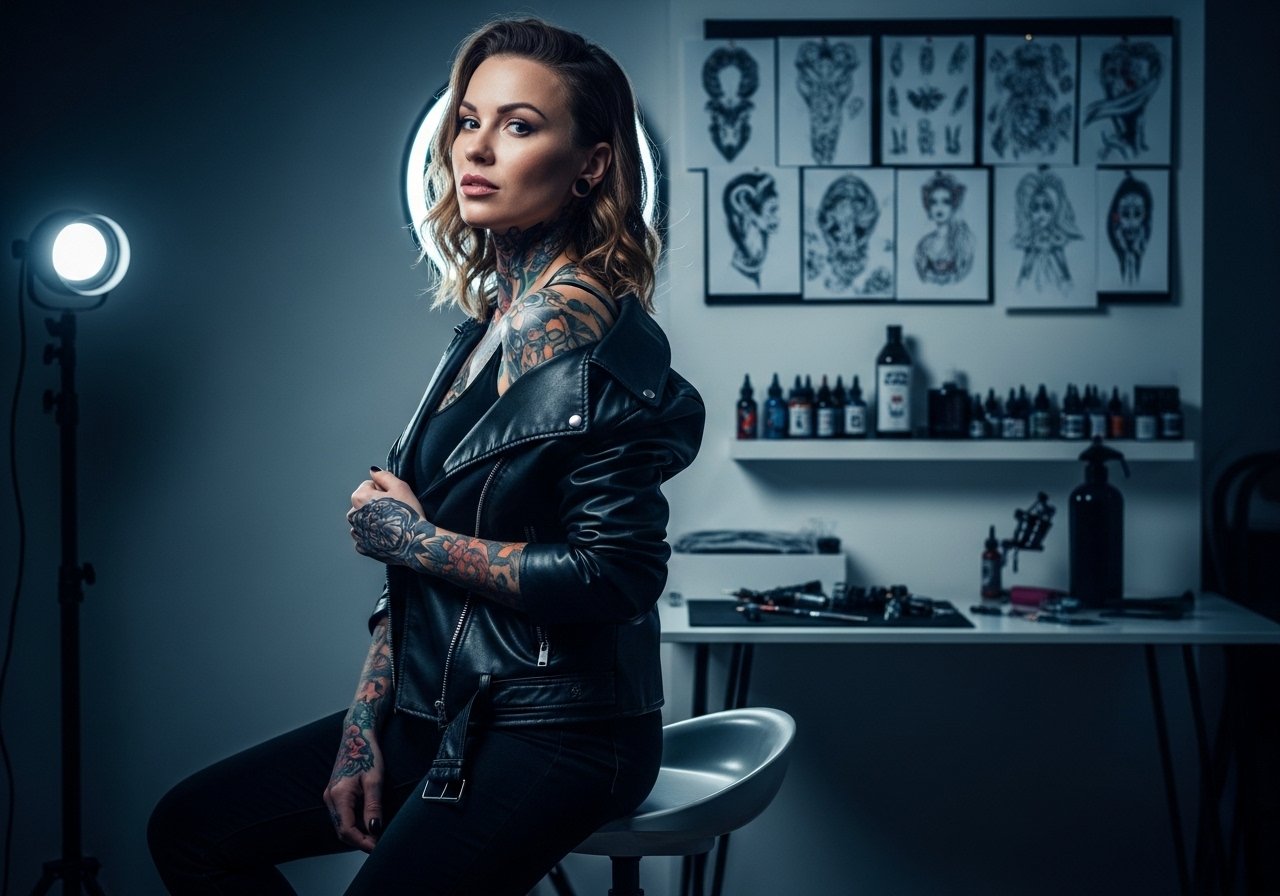
Fine line tattoos are everywhere on saved boards and social feeds, and the work that looks best a decade from now is not always the one that looks most impressive the day it is done. Placement, spacing, and realistic touch-up planning are the real longevity moves. Below are 17 designs that balance today's looks with what actually heals well, starting with a simple inner-forearm piece.
1. Fine Line Arrow on Inner Forearm
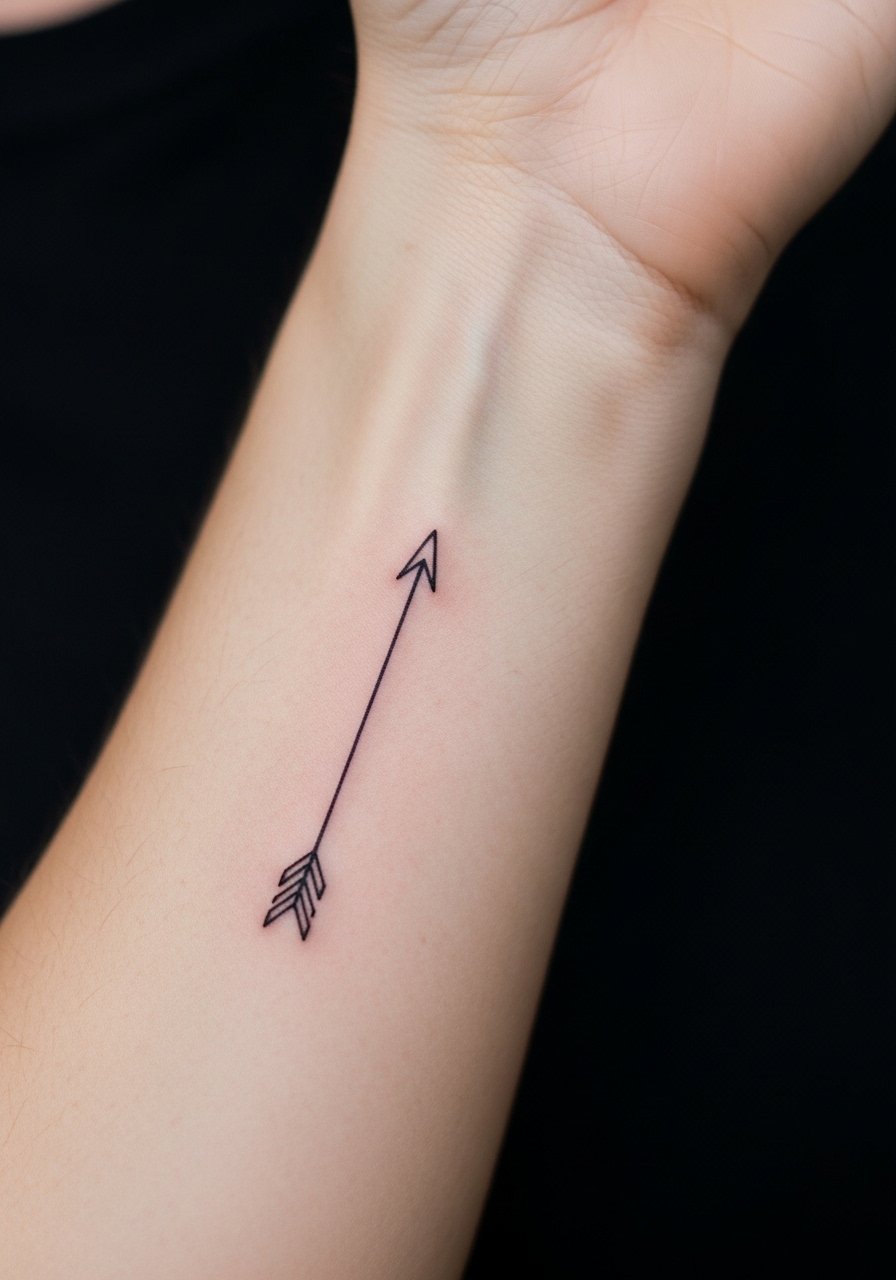
This tiny directional arrow reads like a quiet signature on the inner forearm. Bring references that show exact line weight and scale so the artist knows you want confident single-needle work, not micro shading. Fair warning about blowout here. The inner forearm usually handles fine line well but packed tiny detail too close can blur by year three. Expect one short touch-up in the first two to three years if you live outdoors a lot. For showing it off, keep sleeves rolled with a rolled linen shirt in neutral tones so the linework reads clean against soft fabric.
2. Micro-Realism Single Rose on the Sternum
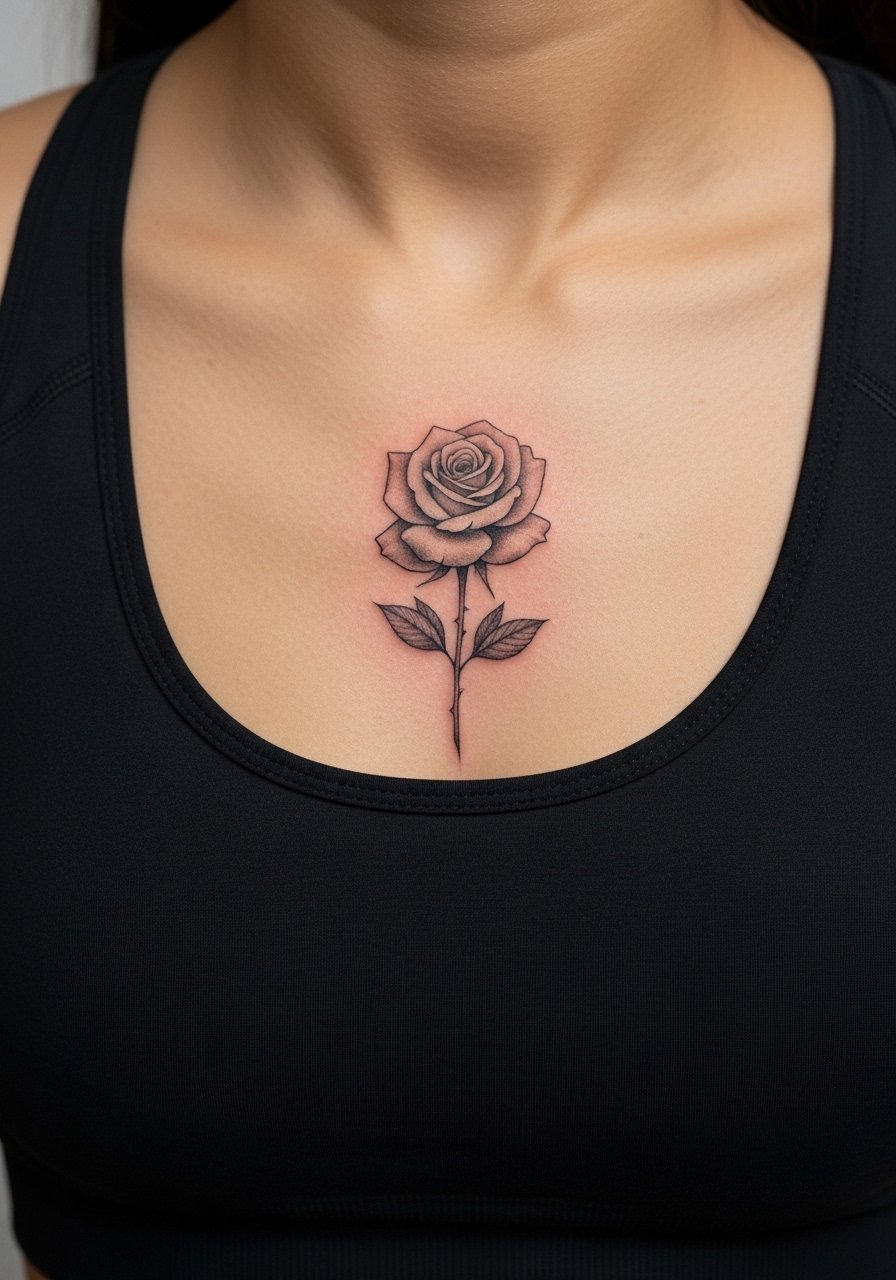
Sternum micro-realism can look intimate and modern when the piece is small and centered. The session feels intense for a few minutes during deeper shading, but most people describe it as bursts rather than steady pain. Tell your artist you want slightly more spacing in the shaded areas so the tone holds without muddying as the skin moves. For the appointment, wear a fitted sports bra you can loosen to expose only the tattoo zone. Handled well, the rose stays readable at two years, but heavy, dense shading without breathing room is the common mistake that leads to early softening.
3. Minimalist Constellation on the Wrist
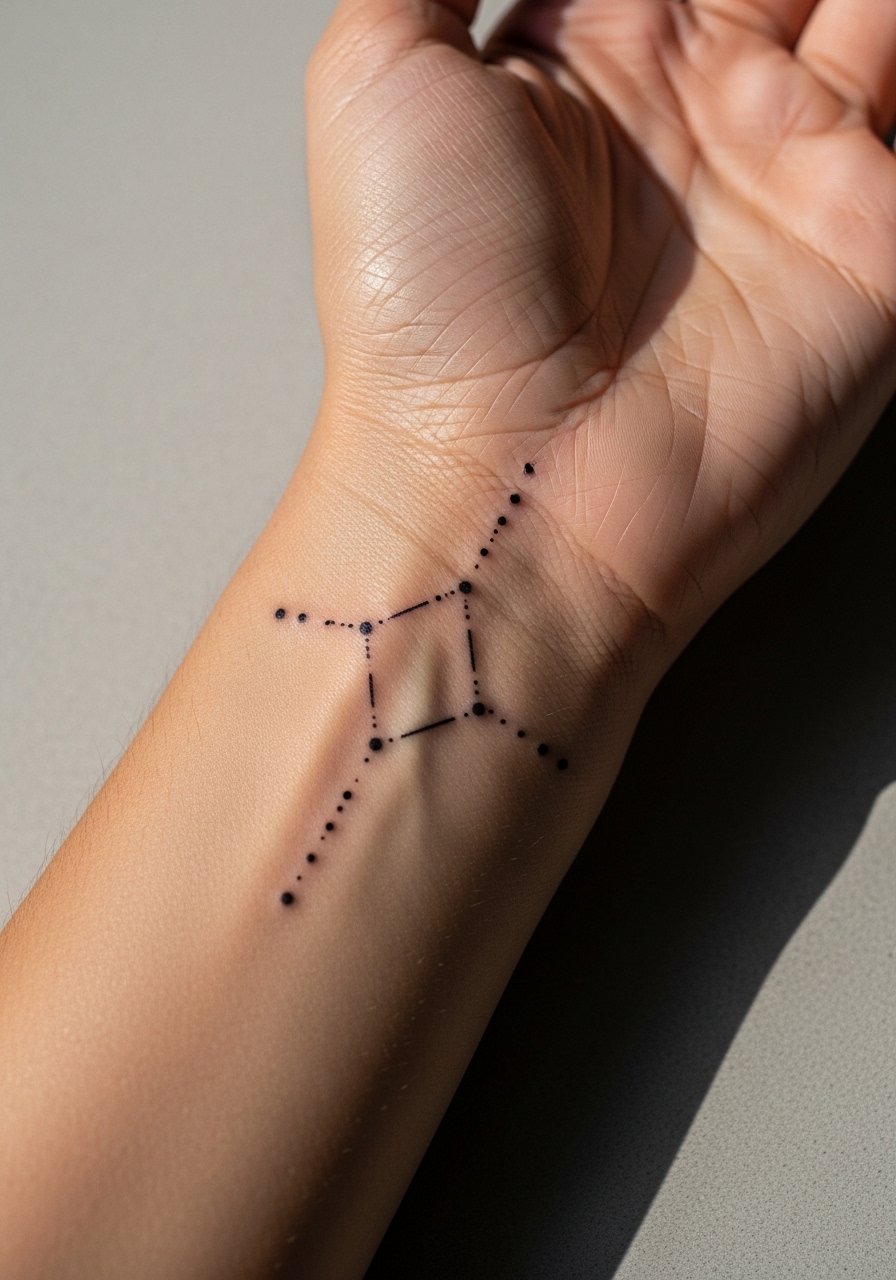
Tiny constellation pieces on the wrist work because negative space matters here. Ask for slightly thicker dots and a hair more spacing between stars than the reference image. The wrist sees friction and washing, so expect the white space to narrow over years. A touch-up at year two is common for people who wear lots of jewelry. This placement pairs well with delicate stacks. Try a dainty bracelet set that sits above the tattoo so the constellation stays the visual anchor. Avoid requesting ultra-fine dots close together because they can merge into a smudge on thinner skin.
4. Geometric Mandala on the Upper Back
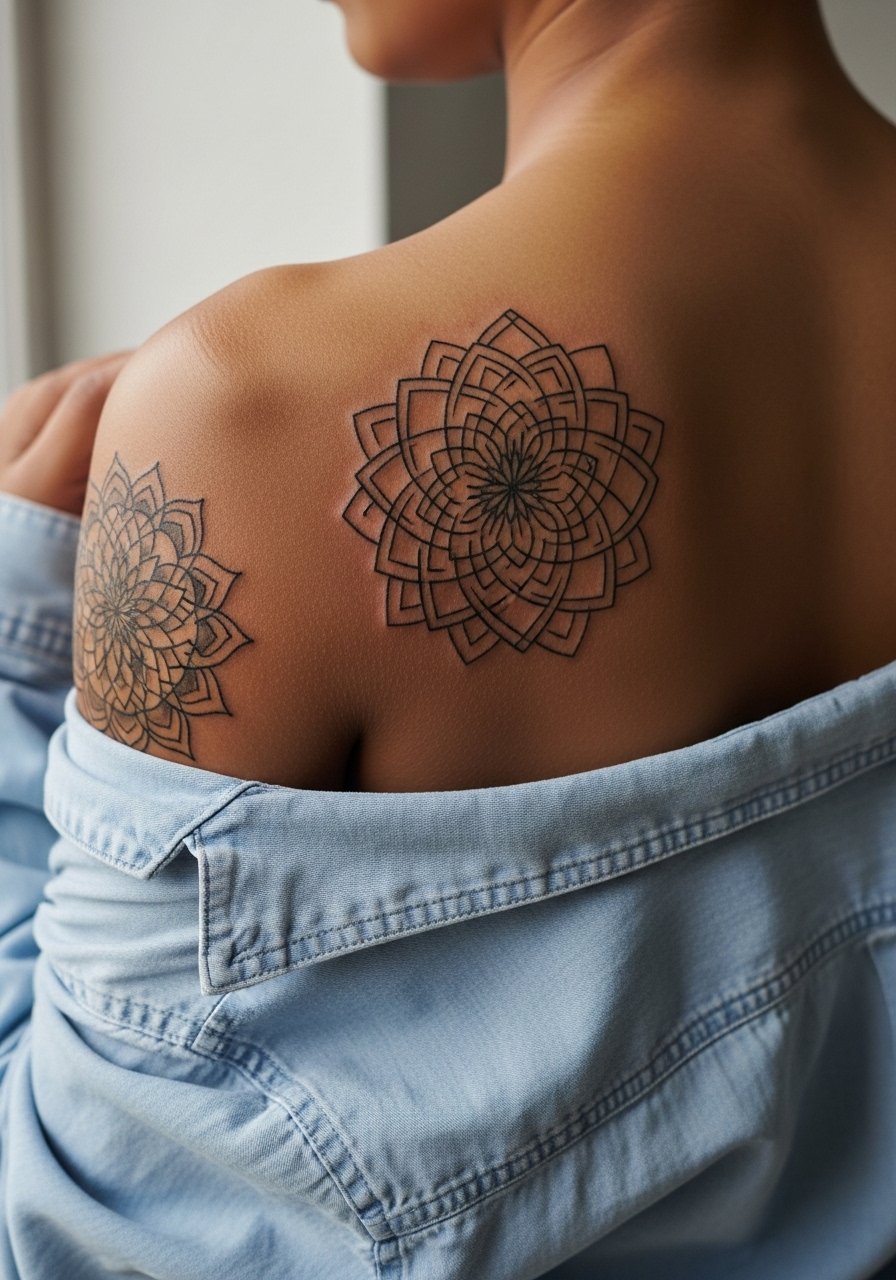
Mandala geometry loves space. Too small a mandala on the upper back leads to loss of radial detail as the years pass. When you consult, ask the artist to map the negative space so dense lines have breathing room. Sessions are usually two to three hours depending on complexity, and pain sits at a manageable level for most people. For showing it off, open-back tops work well. Consider pairing the piece with an open-back midi dress for evenings so the pattern reads clearly without fabric interference. One common mistake is asking for hyper-dense petals in a small diameter.
5. Watercolor Butterfly on the Ankle
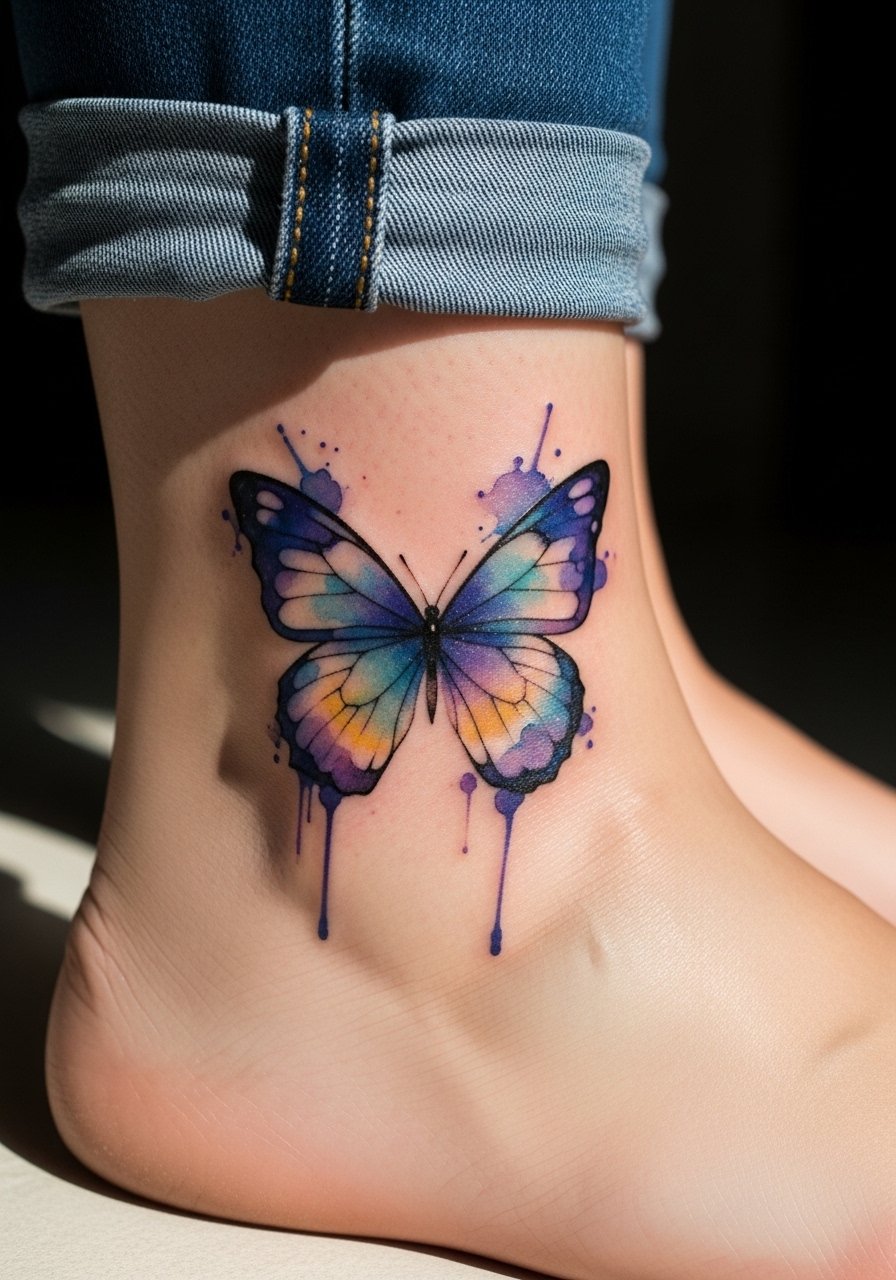
Ankle watercolor pieces give the impression of motion and softness when done with deliberate layering and minimal line anchors. The ankle is a friction zone, so color tends to lift faster than on the torso. Expect a touch-up by year two if you wear closed shoes daily. For session comfort and later styling, sandals or rolled pants help. A simple flat sandal keeps focus on the artwork without rubbing across fresh ink. Avoid asking for only soft, unanchored color with no outline because the edges can bleed and lose shape as the skin stretches.
6. Stipple-Shaded Snake on the Ribcage
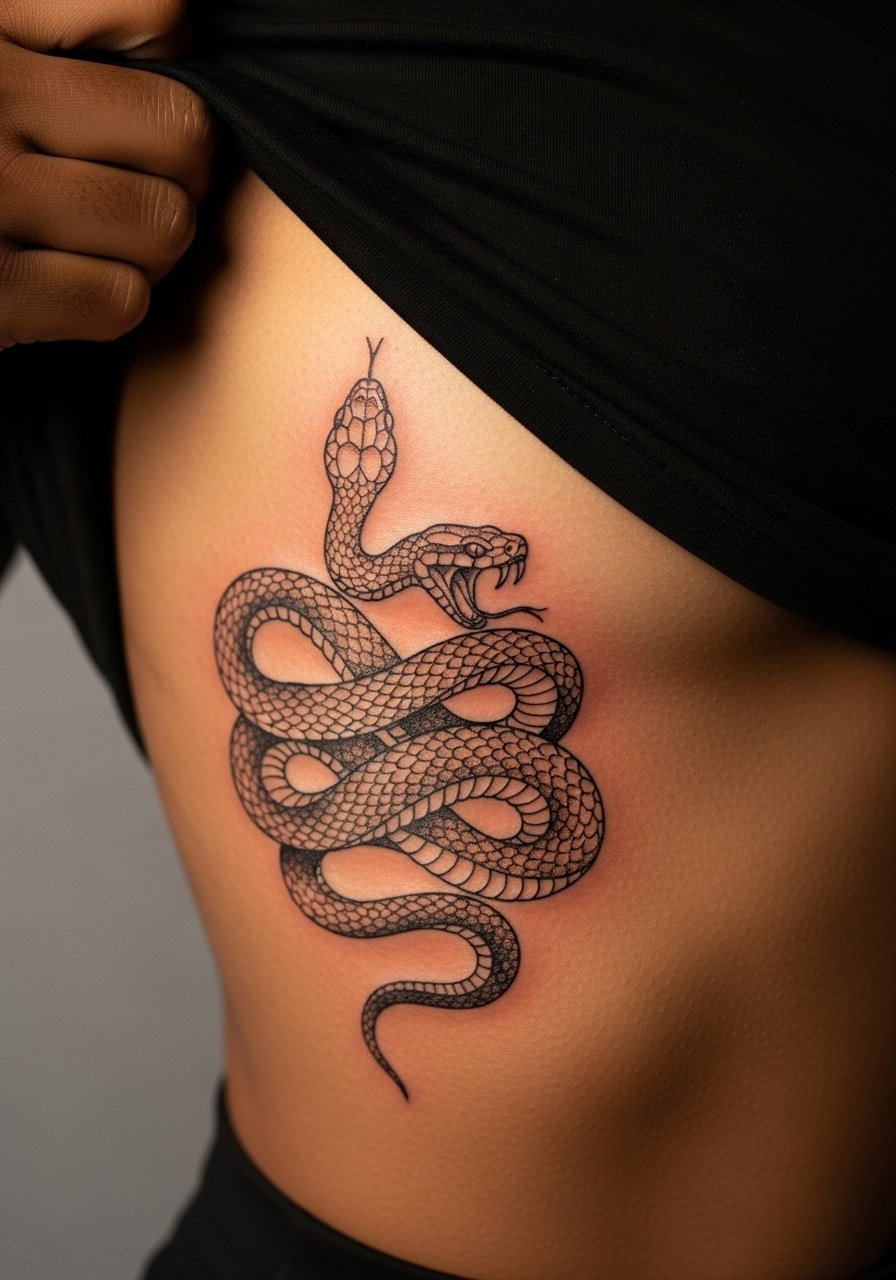
The ribs are honest about pain but reward commitment with a striking contour piece. Stipple or dot shading handles the movement of that area well because it reads softer as the skin flexes. Artists split on fine line on ribs. One camp says the skin stretch blurs ultra-thin lines within two years. The other camp says with careful needle depth and spacing it settles fine. Ask your artist where they stand and request a test zone on similar skin if they offer that. The common mistake is forcing too much tiny detail into a curved area. Keep the tattoo larger than you think to preserve negative space and let the stippling age gracefully.
Studio Day Picks
The wrist, sternum, ankle, and ribcage pieces above demand different prep and short-term protection. These small zones need precise transfers and gentle first-week coverage to avoid early scabbing problems.
-
Stencil transfer paper kit. Lets you preview placement on the body so the fine line and micro-realism pieces land exactly where you want them.
-
Topical numbing cream. Used 45 minutes before the session it eases the sharp bursts common on ribs and sternum without changing how the artist works.
-
Thin protective film roll. Ideal for finger, wrist, and ankle tattoos to reduce friction from socks and watches during the first week.
-
Fragrance-free body wash. Gentle cleansing matters for the ankle and wrist pieces so linework does not lift during showers.
-
Aquaphor healing ointment. A thin layer in the first days keeps fine line work from drying into tight flakes that pull ink.
7. Tiny Script Along the Collarbone
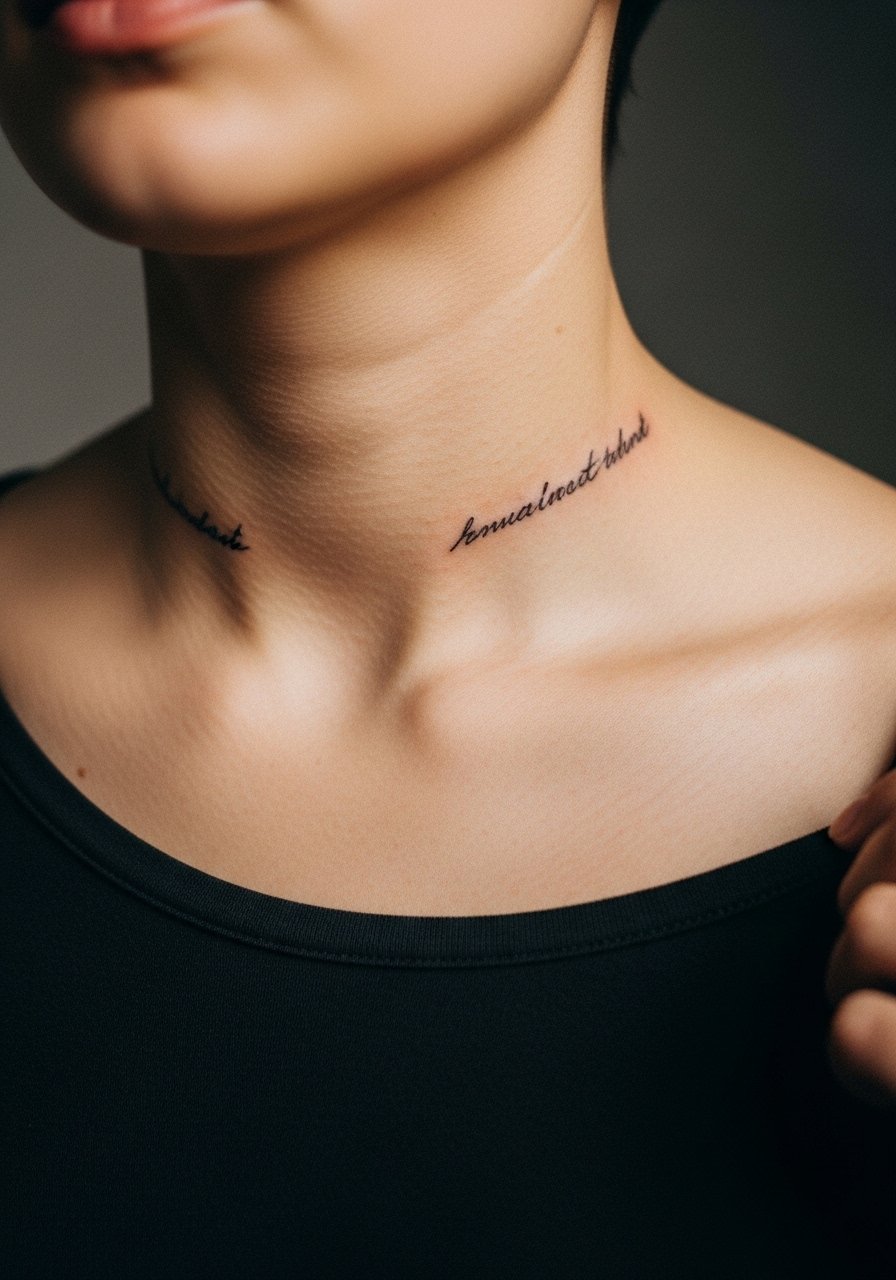
Collarbone script has a clean, editorial look when the letters sit on a single graceful plane. Ask your artist for exact font samples at the size you want because even modest letterforms compress differently over bone. The collarbone can feel sharp during outlining, but shading time is brief. For evenings out, a thin chain pendant necklace can frame the script without competing. A common mistake is requesting heavy serif letters at tiny scale. Those details collapse into blotches after healing. Keep letterforms simplified if you want longevity.
8. Botanical Accent on the Upper Arm Sleeve
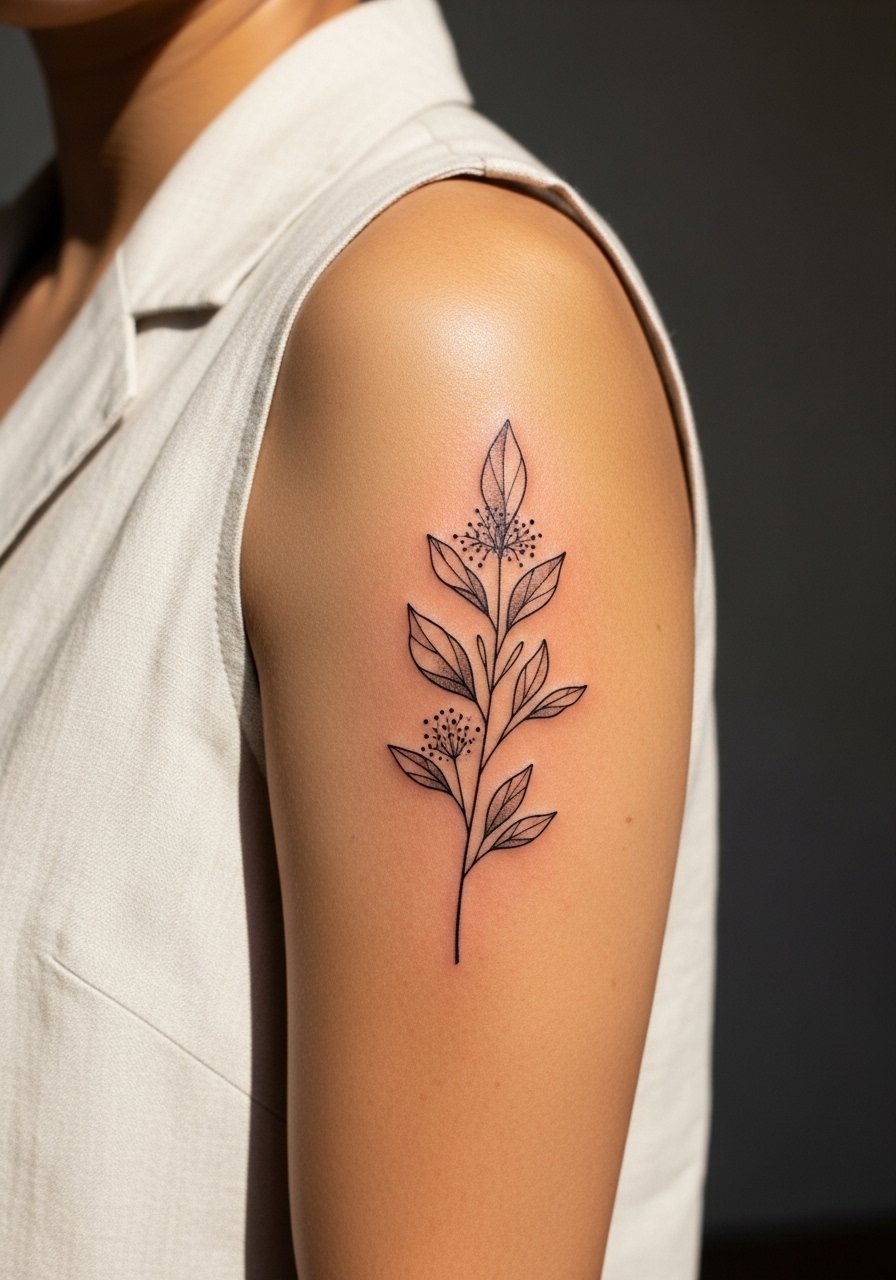
A single botanical sprig can anchor a partial sleeve that grows over time. When you plan this, tell the artist you want modular negative space so future pieces can attach without crowding existing stems. Sessions are friendly for the upper arm because the skin there takes saturation well and pain levels are low. For showing it off, sleeveless linen tops work nicely. Add a sleeveless linen top to your rotation so the accent breathes against simple fabric. The mistake people make is asking for too many overlapping petals at the start.
9. Geometric Calf Panel
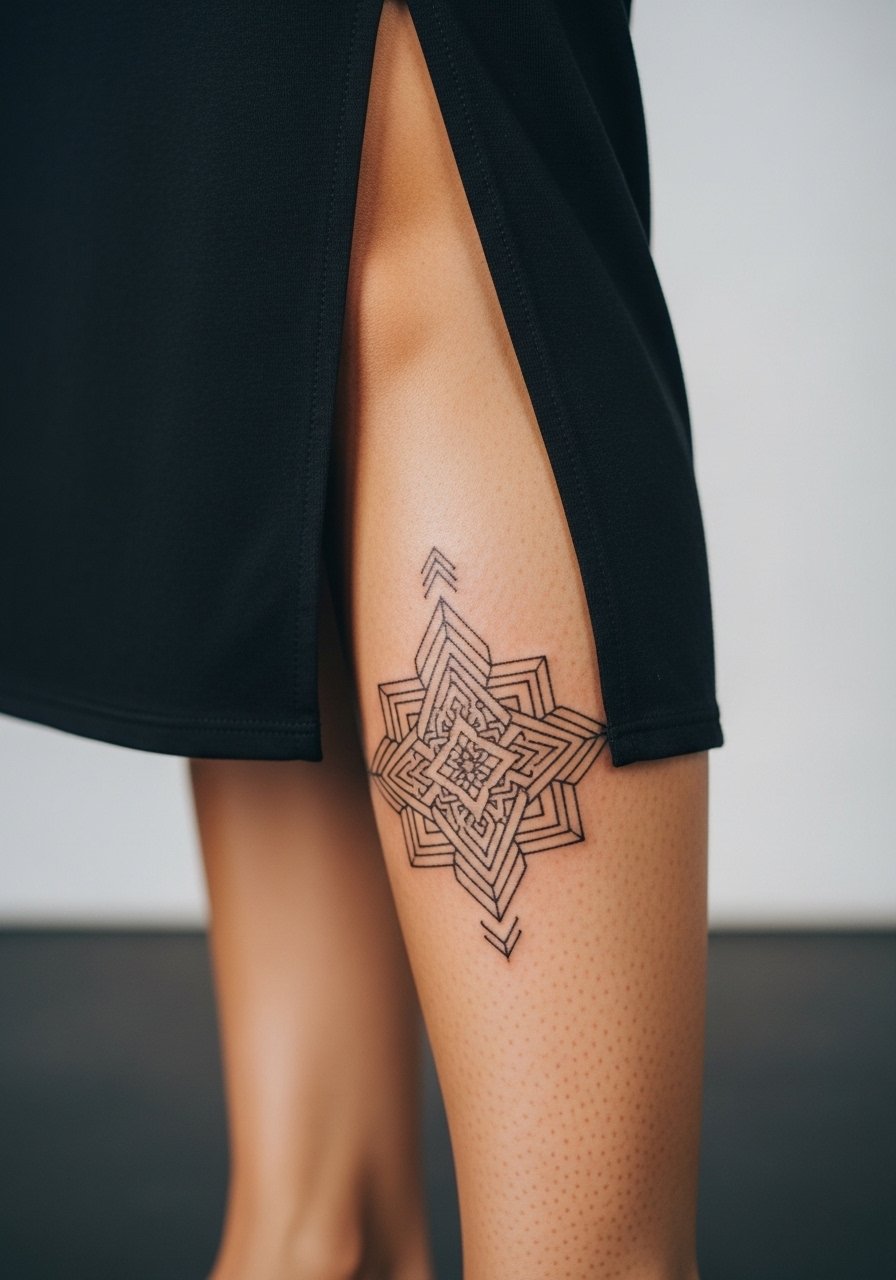
Calf geometry reads well across seasons because it avoids constant sun and abrasion. Ask for a balanced axis so the pattern reads correctly whether you wear skirts or jeans. Sessions typically range from one to three hours depending on how tight the lines are. For outfits, a midi skirt with side slit helps the panel catch the eye without overexposure. A common error is shrinking a complex grid too small. Give geometry room to keep its crisp edges as the skin ages.
10. Fine Line Peony on the Outer Thigh
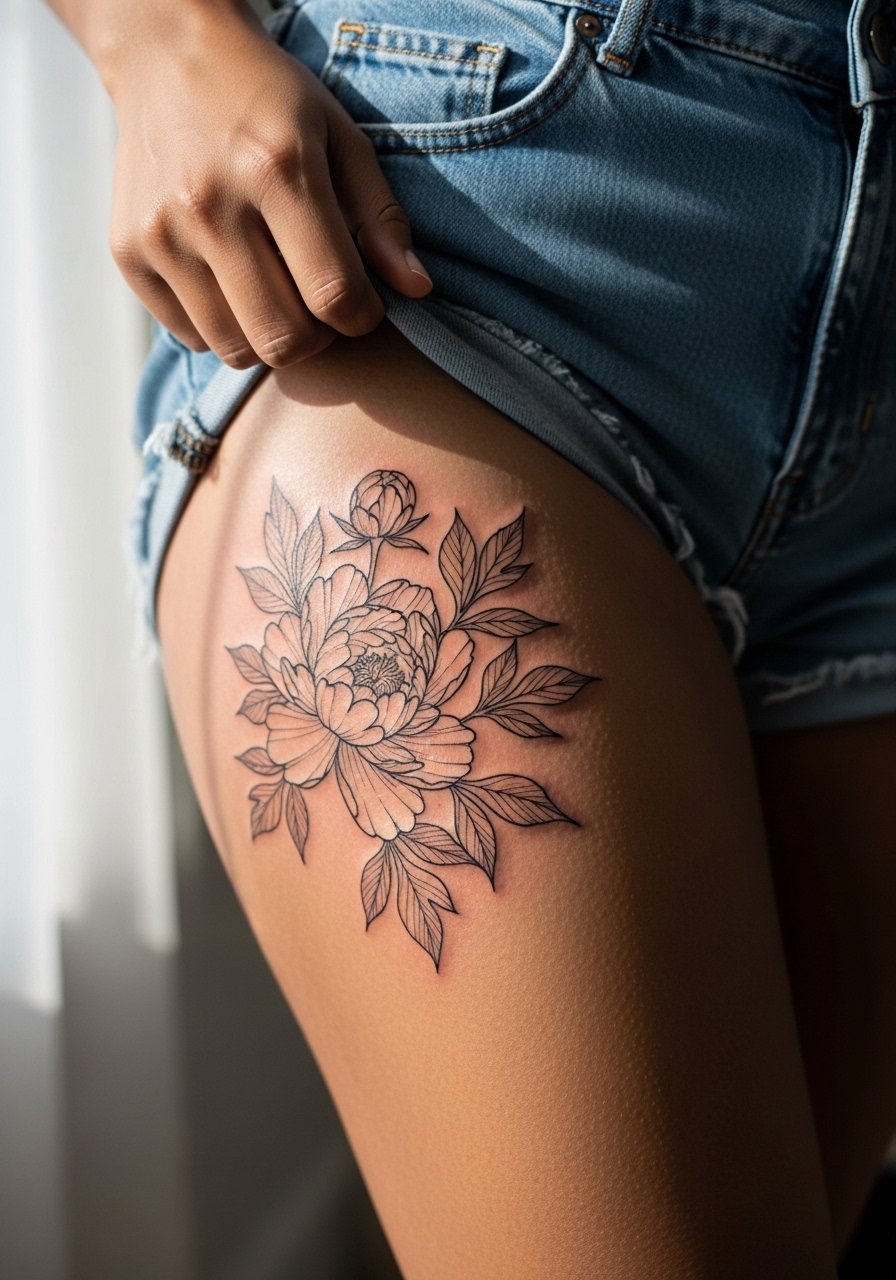
Outer thigh tattoos handle delicate shading and retain detail because the area enjoys low sun exposure and less friction. The session will feel like varied pressure rather than needle-piercing in one spot. Ask your artist to plan the bloom scaled to how you sit and move so petals do not warp with hip flexion. For the appointment, wear loose shorts you can shift as needed. The biggest mistake is compressing a full bloom into too narrow a strip. Leave horizontal space so the design reads whether you are seated or standing.
11. Tiny Finger Symbols
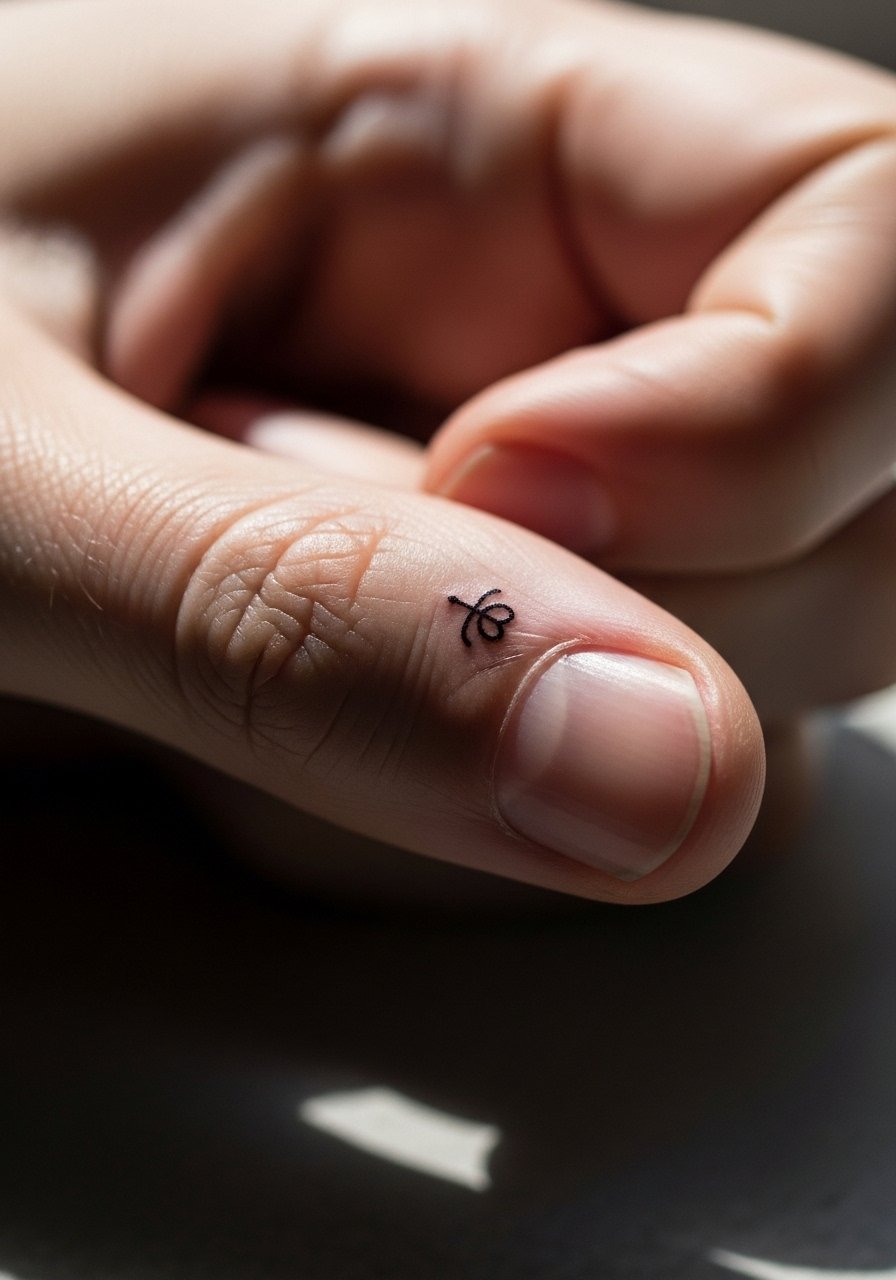
Finger symbols look delicate but they demand realistic expectations. The skin on fingers regenerates quickly and the lines fade or soften faster than on the arm. Expect touch-ups sooner and accept that crisp single-needle work often needs refreshing at year one to two. For a low-key complement, style with slim rings rather than heavy bands. A minimalist ring set keeps attention on the tiny ink without compressing it. Avoid asking for micro typography across joints because letters blur with hand movement.
12. Traditional Matchstick with Flame on the Wrist
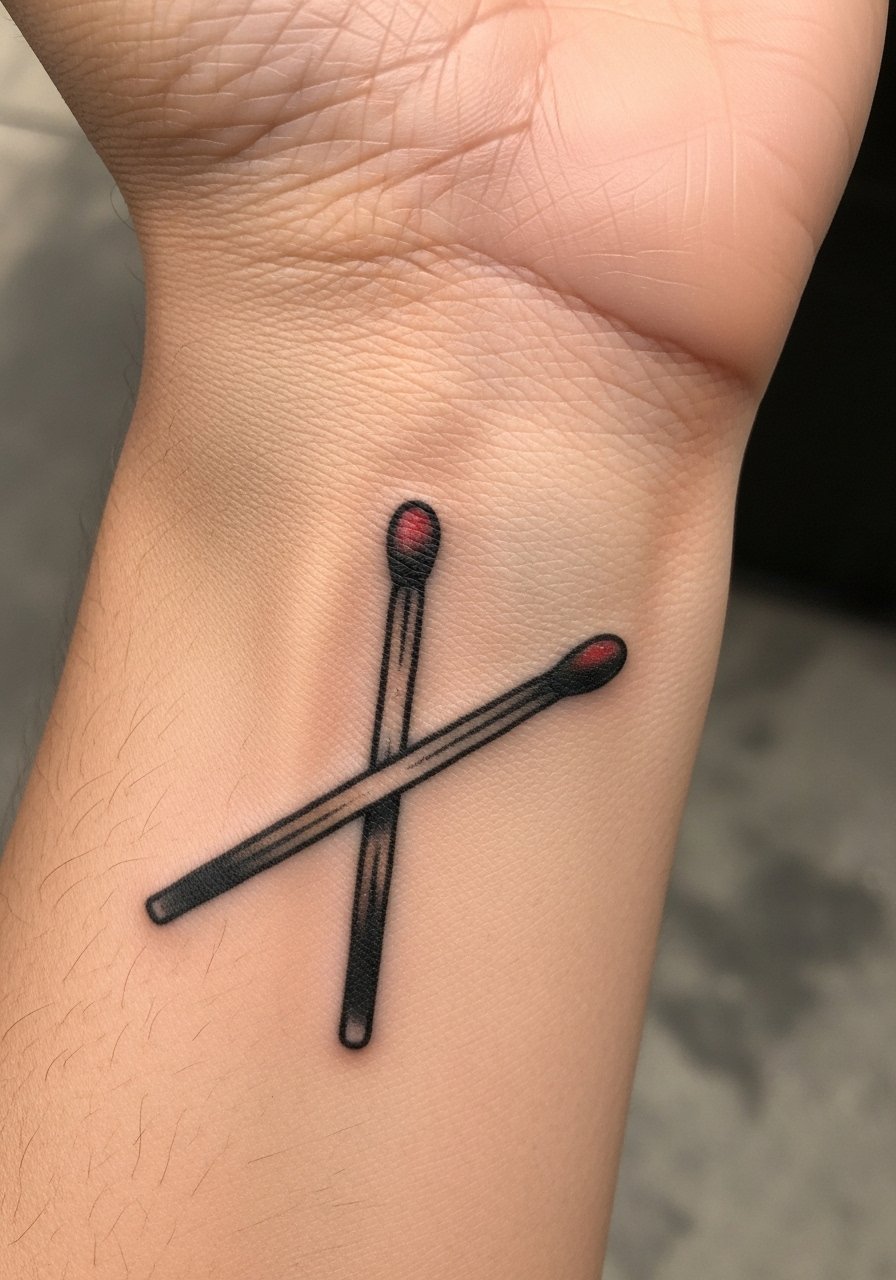
A small traditional piece on the wrist ages well when the outlines are bold and the color is saturated. The wrist sees constant washing so colors will soften, but clean black outlines keep the motif readable for years. Session time is short and pain is moderate. For everyday wear, a minimalist watch pairs without covering the art. The common mistake is asking for thin outline work in heavy color fields because the saturation will migrate and the contrast disappears.
13. Moon Phases Along the Spine
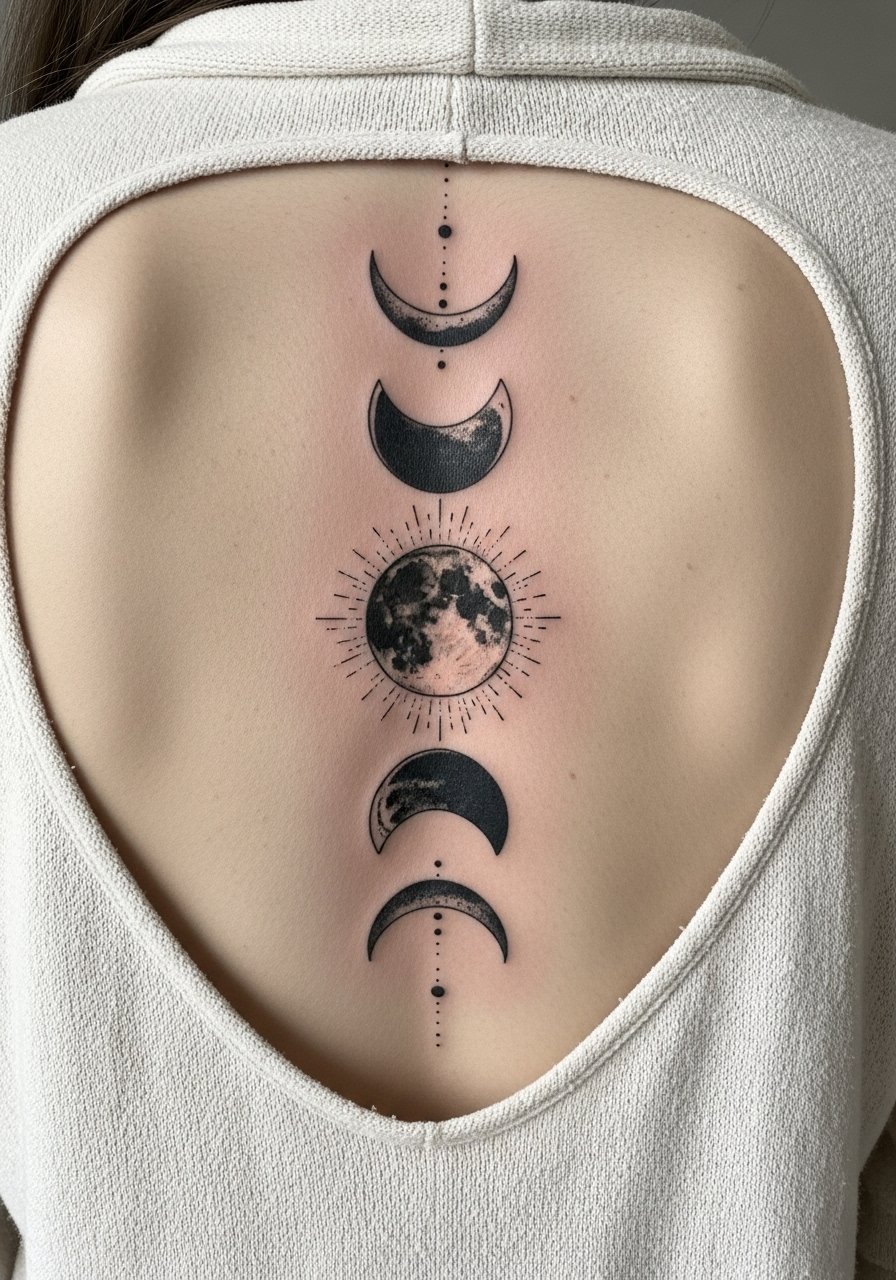
A vertical moon-phase sequence on the spine is visually dramatic without taking much width. The skin along the spine can move differently as you bend so ask for a slightly larger scale than you think. Sessions vary by how many shaded moons you want. This placement is forgiving for linework when spacing is respected. A common mistake is compressing too many small moons into a short run which leads to merging. For show, open-back tops reveal the sequence cleanly. Expect the shaded crescents to mute slightly after two years.
14. Delicate Mandala Behind the Ear
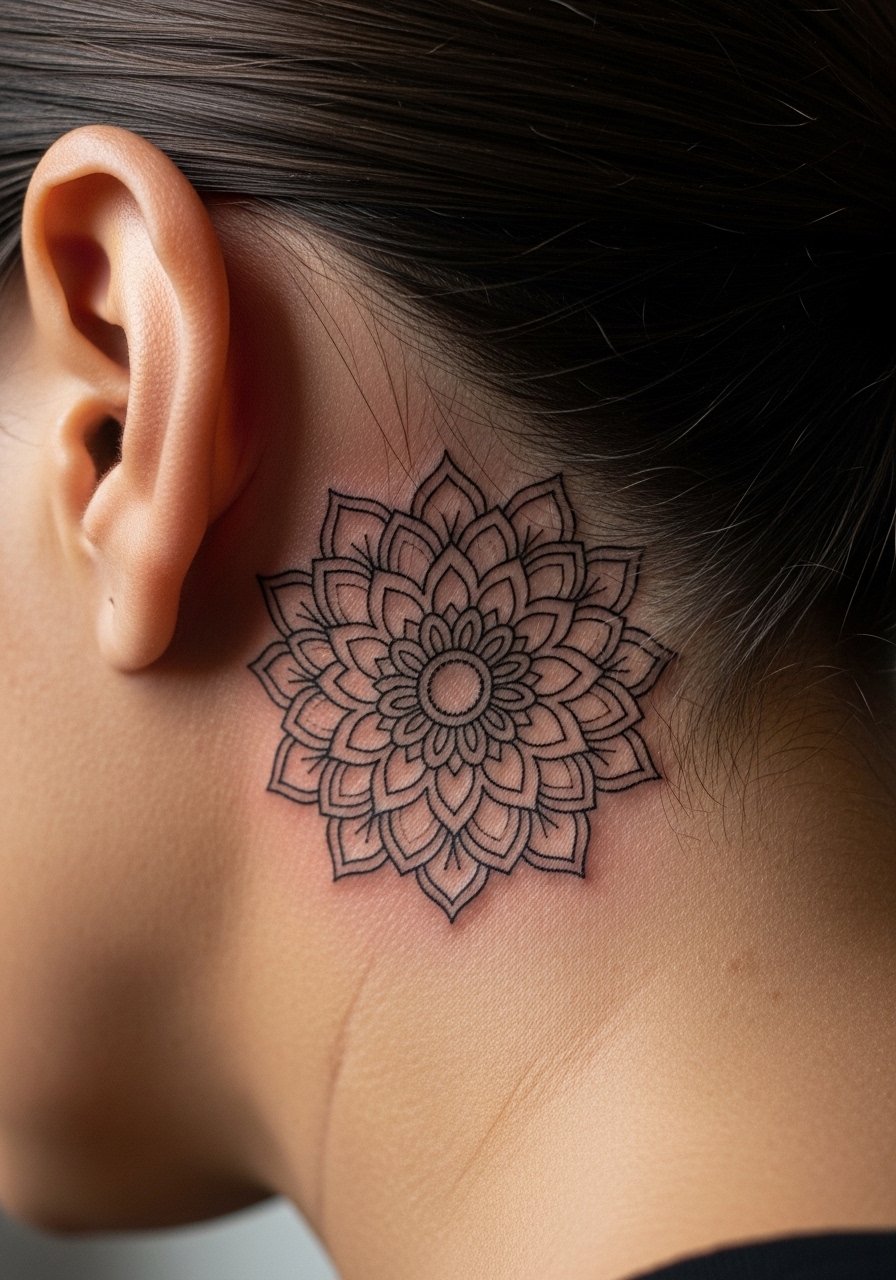
Behind-the-ear work reads like a secret jewel when done simply. Ask for a shallow footprint in size so the design sits comfortably in the small plane behind the ear. The session is often a brief touch of outlining then quick shading. This spot is sensitive and requires an artist used to tight placements. For a subtle accessory, let the tattoo peek above a pair of delicate dangly earrings. The common mistake is overcomplicating this tiny area with heavy detail that blurs into an indistinct mark.
15. Geometric Chest Bar Across the Upper Chest
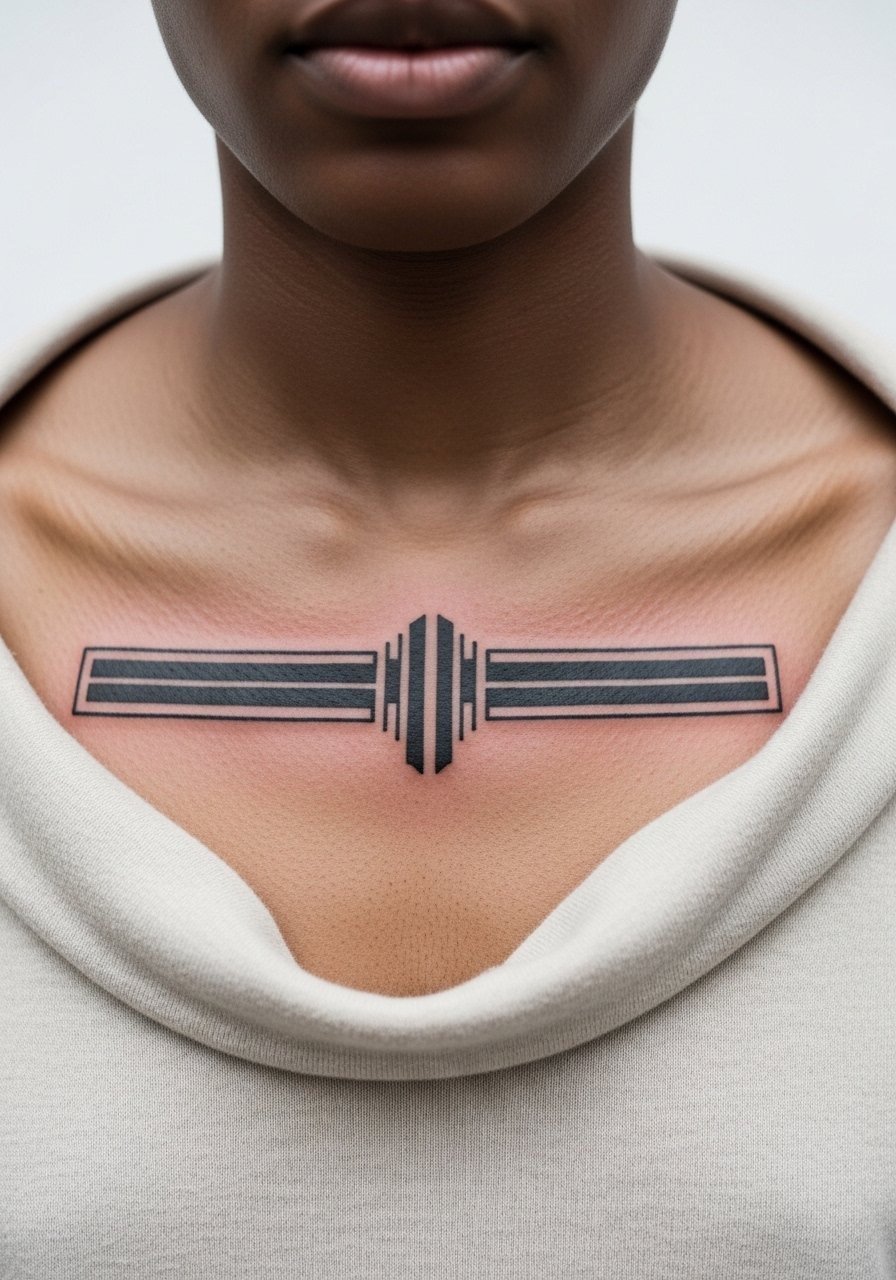
A horizontal geometric bar across the upper chest can frame the collarbones and read elegantly with the right spacing. When consulting, request a mockup in the exact neckline you plan to wear so proportions match your clothing choices. The chest holds saturation well but dense cross-hatching in a narrow band can read muddy over time. For daily wear choose a wide-neck top to display the piece cleanly. The most common misstep is scaling the bar too thin for the skin tension across the chest.
16. Blackwork Lioness on the Shoulder Blade
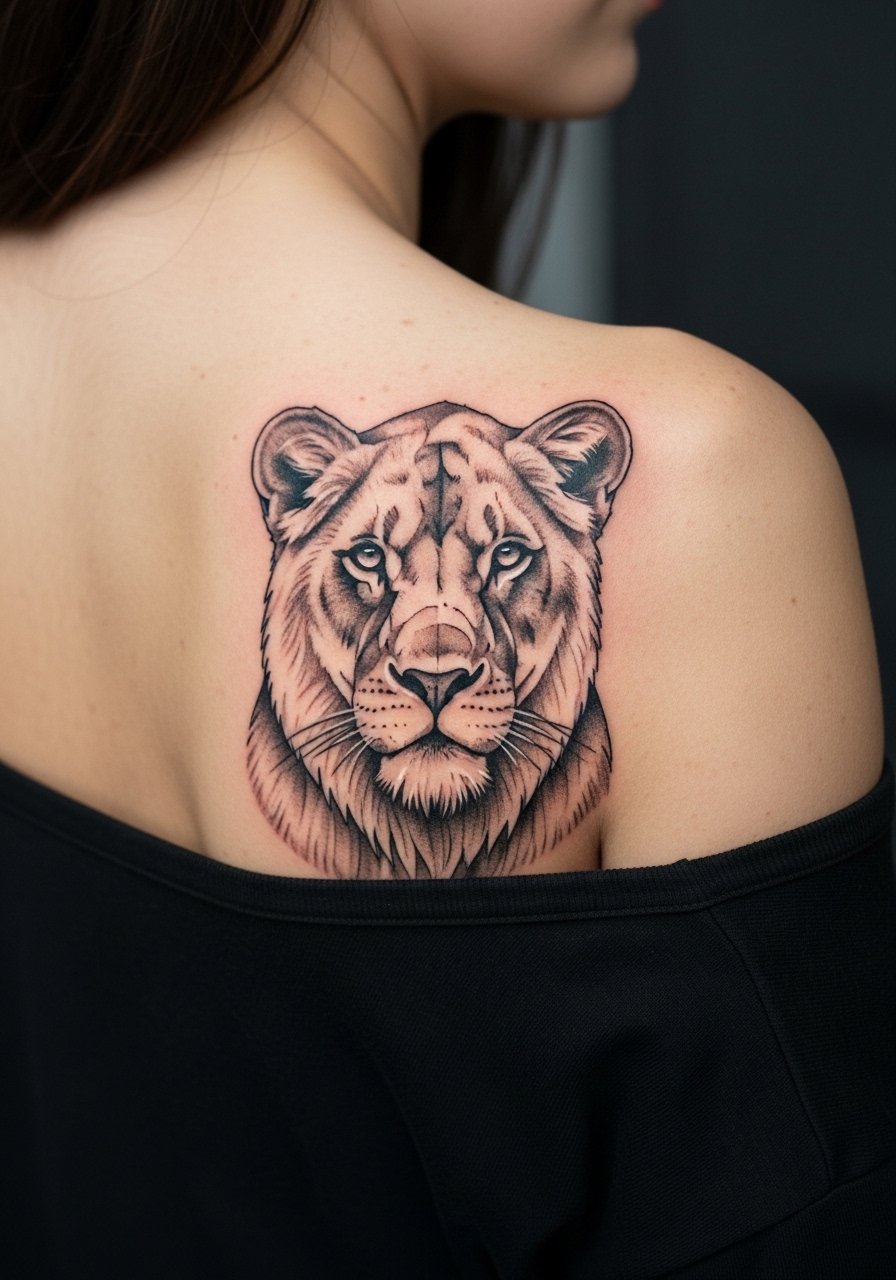
Shoulder blade anatomy flatters portraits and blackwork because the area is broad and sees minimal abrasion. Tell the artist whether you want heavy saturation or selective negative space so the mane breathes against your skin. Pain is mild here and sessions are comfortable. For styling, an off-shoulder top shows the silhouette without revealing too much. A common error is asking for hyper-realistic facial detail at too small a scale which loses character as healing smooths textures.
17. Solar System on the Inner Bicep
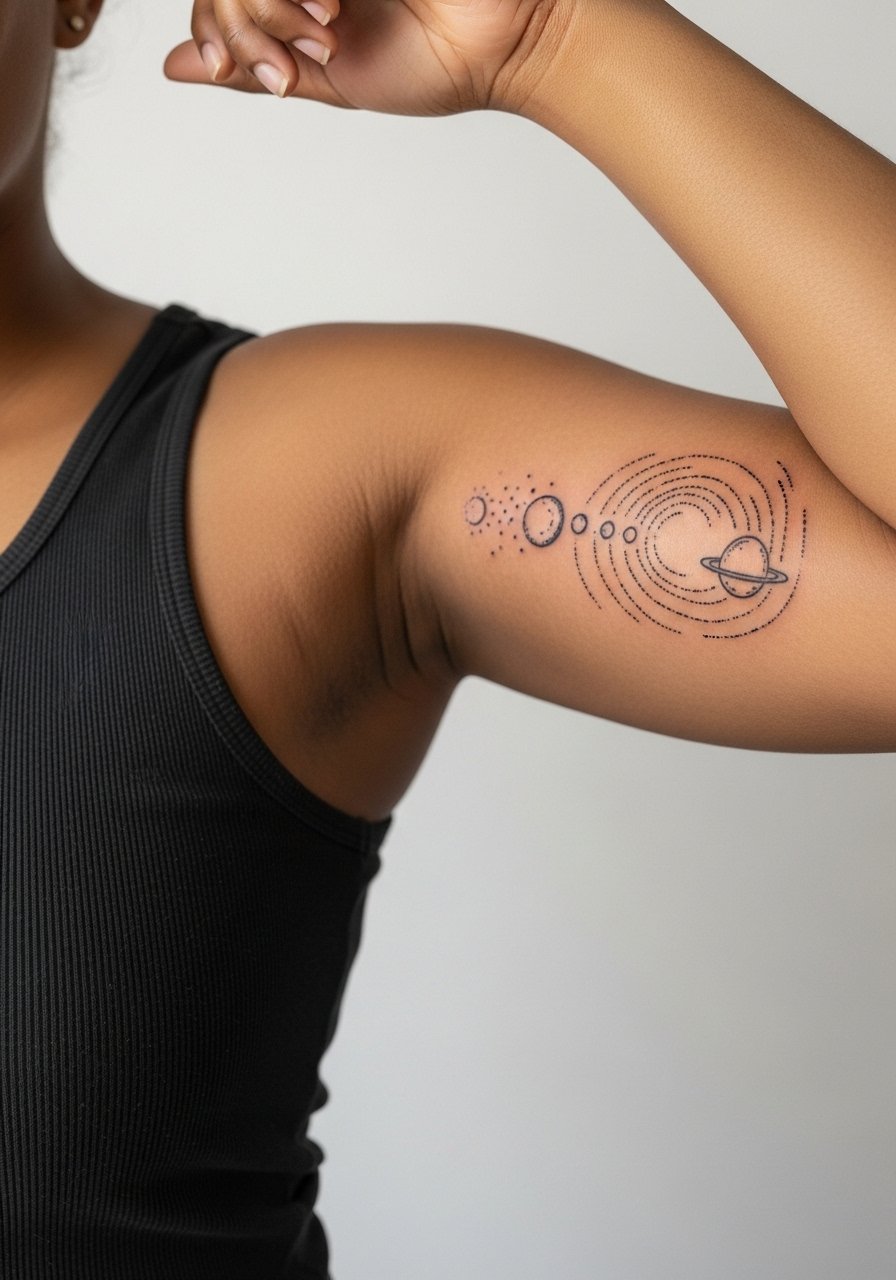
Inner bicep pieces sit in a spot that is private and expressive. The skin there can be softer, so ask for slightly bolder micro-outline work to prevent softening over time. Sessions may feel tender depending on arm position and muscular tension. For the appointment wear a loose tank so the artist can access the area easily without you shifting constantly. Avoid overly intricate planetary rings in a tiny layout because movement will make those lines join over time. This placement rewards modest scale and clear negative space.
Frequently Asked Questions
Q: Will fine line tattoos like those on wrists and forearms blur faster than traditional work?
A: From what I have seen, fine line pieces demand more spacing and careful placement to hold. They can blur faster on high-motion or high-friction spots. If you want a delicate look that also lasts, ask the artist for slightly thicker key anchor lines and plan on a light touch-up at year two to three.
Q: Are ribcage and sternum tattoos worth the pain for the longevity of the piece?
A: Many people say yes because those spots age well when done with appropriate spacing. Pain is higher on the ribs and sternum but these areas are less exposed to sun and friction. Discuss size and shading density in the consult so your artist can recommend a scale that lasts.
Q: How should I dress for a session that includes chest, back, or sternum work?
A: Wear clothing that gives clean access to the zone and that you do not mind adjusting. For chest work choose a wide-neck shirt or a zip-front top you can open, and for back work bring a loose button-down you can pull aside. Comfortable layers help for long sessions.
Q: Do hand and finger tattoos affect professional opportunities?
A: They can in some industries because hands are visible in daily interactions. Think about your career path and whether the symbol is worth updating later. If you proceed, accept that higher early fade and frequent touch-ups are probable.
Q: How often should I realistically plan for touch-ups on a small ankle or wrist piece?
A: Plan on a light touch-up around year one to two for wrists and ankles if you wear a lot of jewelry or footwear that rubs those spots. The exact timeline depends on your lifestyle and sun exposure, so build maintenance into your plan rather than expecting permanence without upkeep.