
Fine line chest pieces are trending online, and the ones that still look crisp at year five are not always the flashiest on day one. Placement, spacing, and how saturated the black is matter more than the initial wow. Scroll these 17 chest ideas with that reality in mind and you will find designs that read bold now and hold their edge later.
1. Center Shield Blackwork Across the Chest
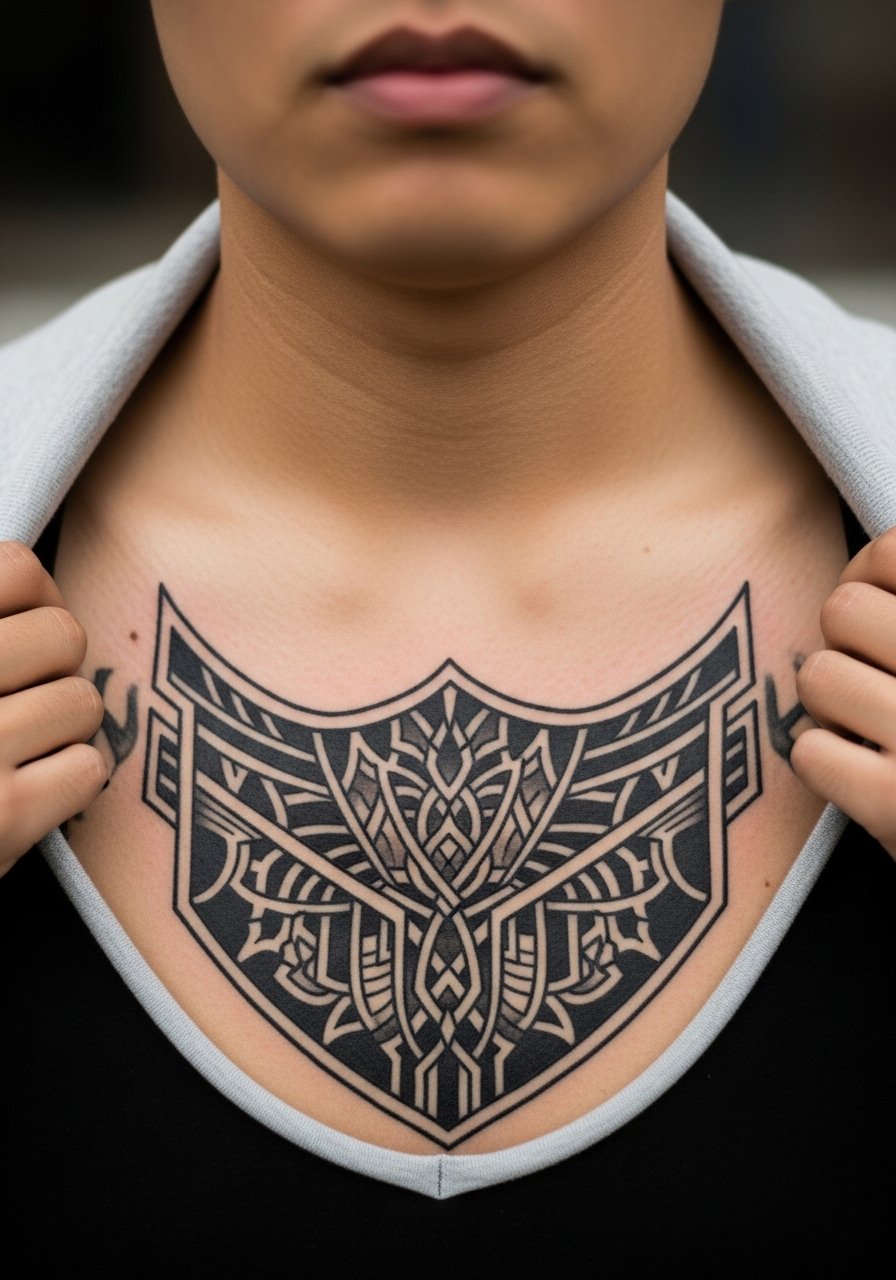
A centered shield-style blackwork piece reads authoritative and scales well with bigger chests. Ask your artist for slightly heavier linework and fuller saturation in the midtones so the solid blacks age into a legible silhouette rather than a patchy blur. Expect a two- to three-hour session for a medium-sized panel, and a touch-up window at year two to restore saturation if you get a lot of sun. Common mistakes include packing tiny ornamental details into the negative space, which leads to early merging. For showing this off, a wide-neck shirt that can be pulled aside highlights the central composition without exposing the torso.
2. Asymmetrical Ribcage Floral Cascade
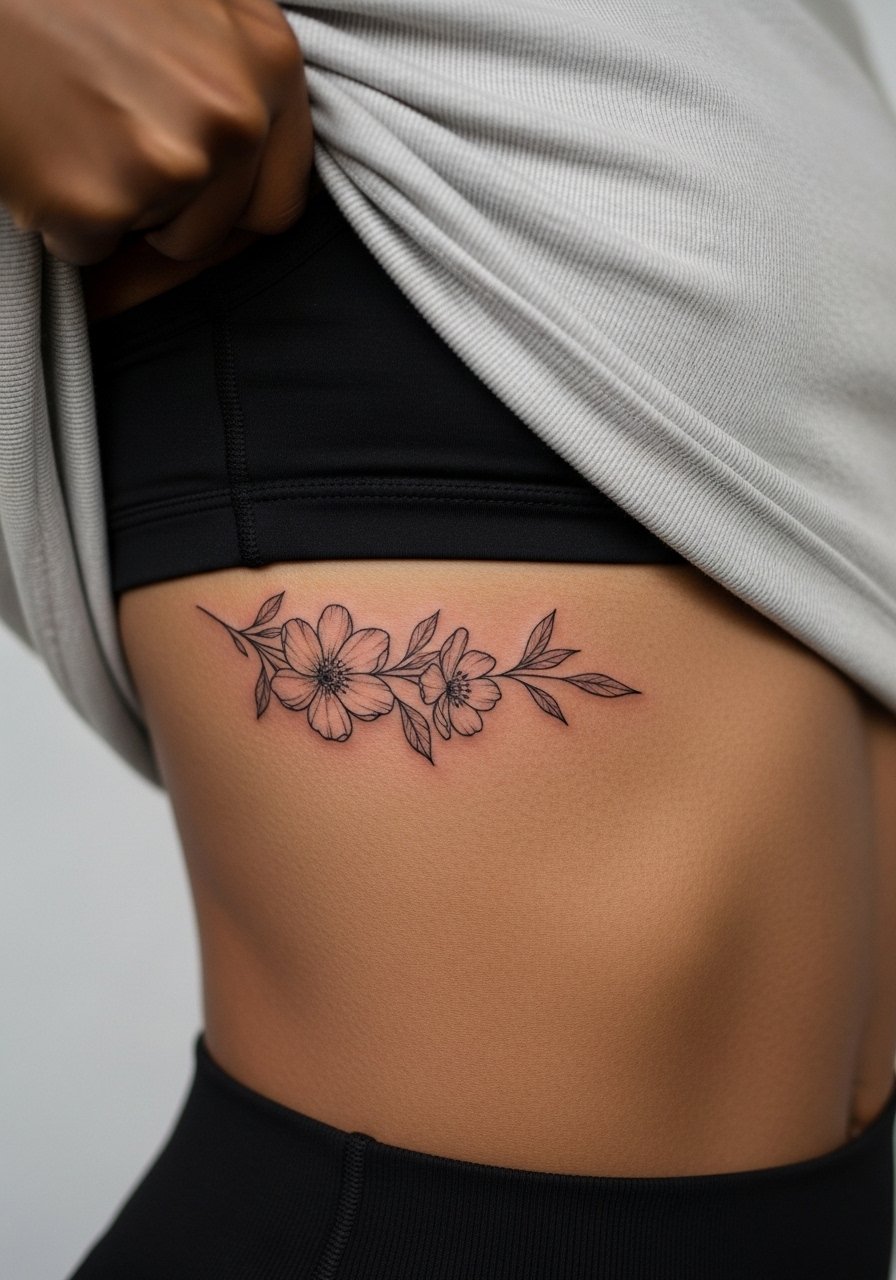
Fair warning: ribs are notorious for pain and movement. The floral cascade works as a vertical composition that flatters the rib curve, but keep petals and leaves slightly larger than your phone screen reference. In consultations, ask the artist to map the stems along natural muscle lines so the piece does not warp when you move. Artists split into two camps on fine line here. One camp warns that thin line on ribs blurs within two years. The other camp says proper depth and spacing settles fine. Ask where your chosen artist stands. Plan for longer session breaks and expect a touch-up around year two if you prefer the delicate look.
3. Twin Collarbone Wings That Mirror
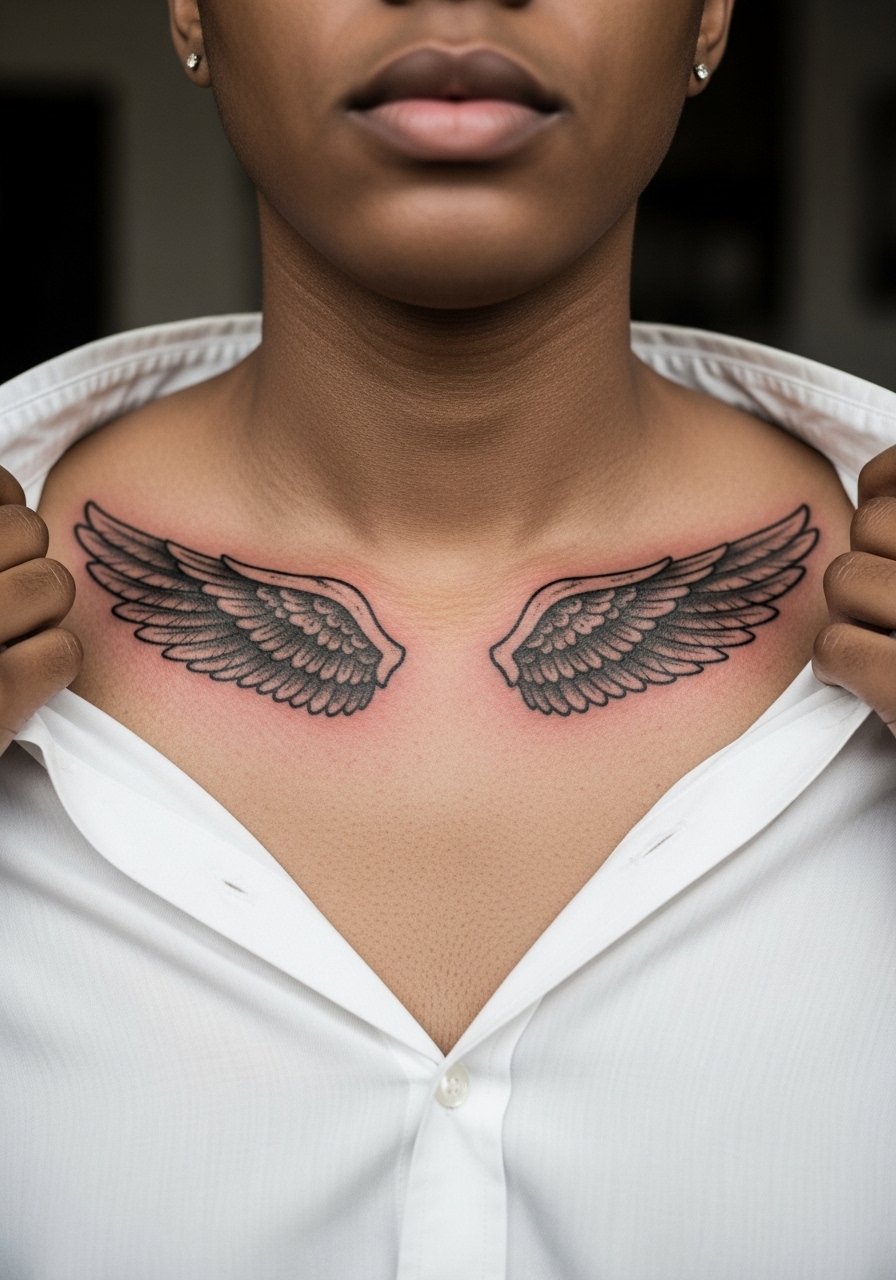
A mirrored wing across the collarbones creates movement without covering the whole chest. This placement sees frequent friction from bags and straps, so ask for slightly bolder linework near the tips to avoid early softening. The session feels moderate on pain, and a small two-hour appointment can handle a tight, crisp pair. Common mistakes are painting the wings too thin toward the shoulder, which causes feather detail to merge over time. For nights out, an open-collar shirt frames the wings while keeping the look polished.
4. Neo-Traditional Lion Over the Heart
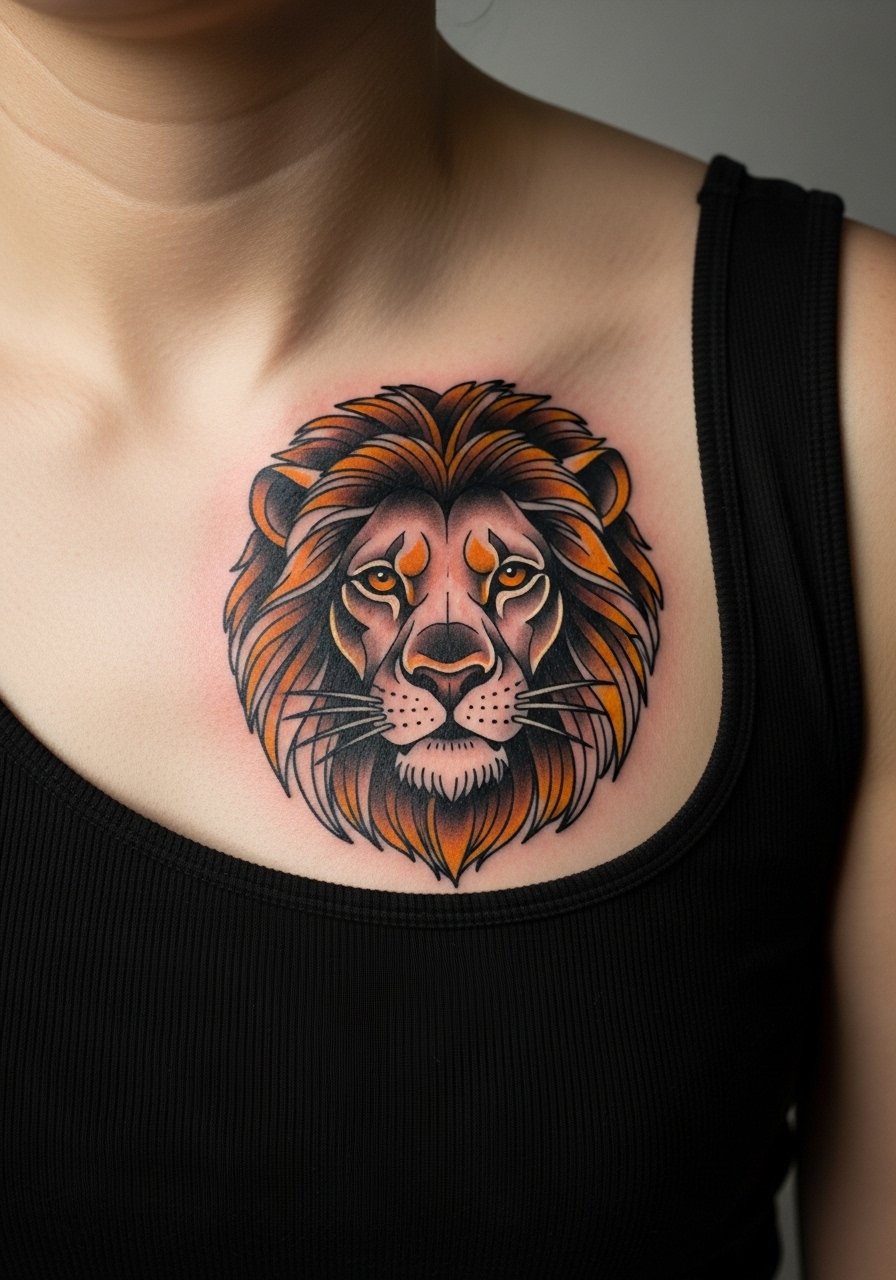
A neo-traditional lion gives the chest a classic focal point with saturated color and thick outlines that age reliably. Tell your artist to anchor the darkest blacks in the mane so the face reads clearly at distance even as some color softens. Expect a three- to four-hour session depending on color packing, and plan for a touch-up at year three to refresh saturated areas. A common slip is asking for micro-detail in the whisker zone, which can blur. If you are concerned about career visibility, discuss placement slightly lower on the pec so a shirt hides it when needed.
5. Geometric Mandala Bloom at Upper Chest
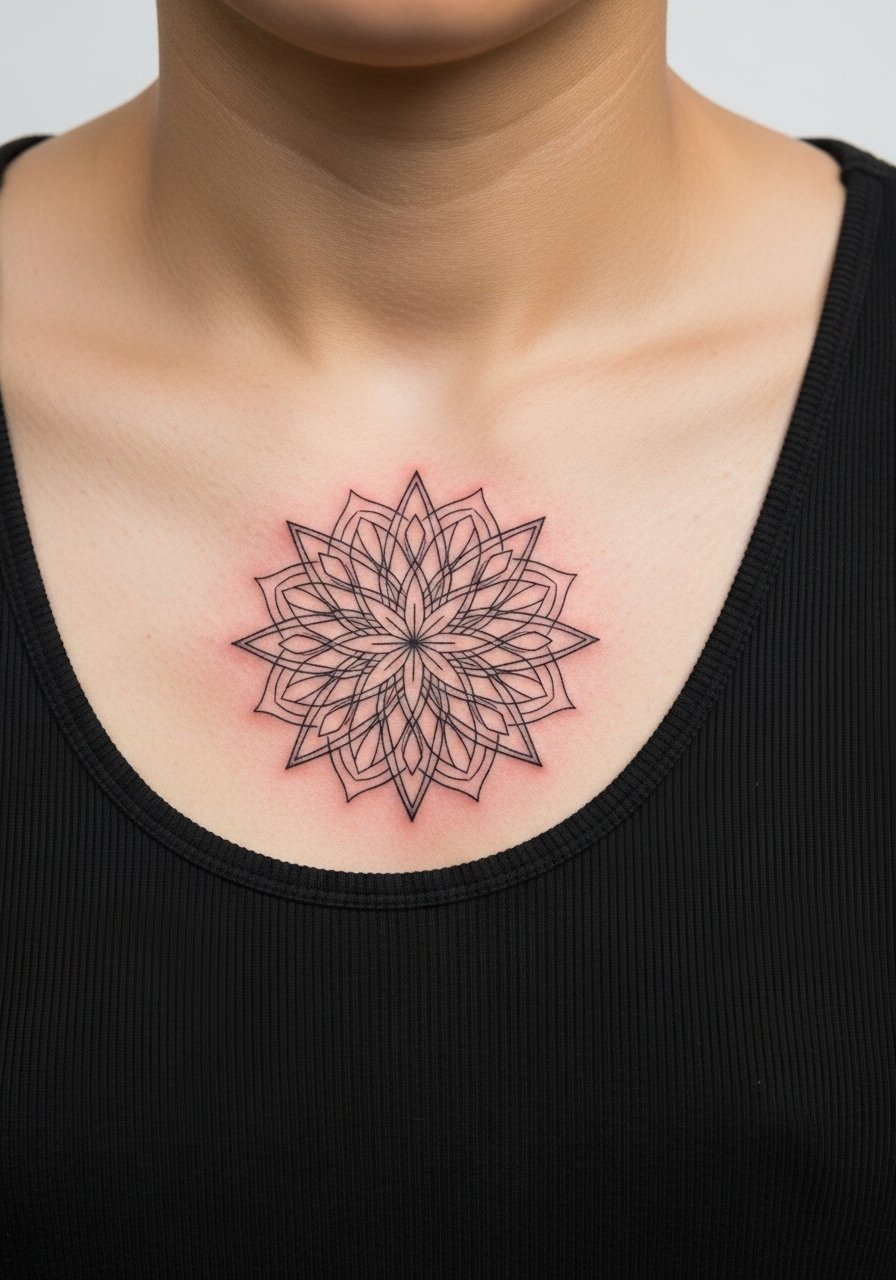
A mandala reads bold when scaled correctly, and spacing is the secret. I recommend asking for increased negative space between concentric rings so stipple shading has room to breathe. The pain is moderate and session time depends on the density of dot work. Many people make the mistake of shrinking a complex mandala to fit a small area. Smaller scale invites blowout and loss of symmetry. For casual shows, pair the piece with a tank top or a button-down left open at the collar to let the center detail read.
6. Bold Script Across the Upper Chest

Script across the chest is about spacing and letter weight. Tell your artist to treat each letter as a small sign, not as micro calligraphy, because tight cursive on chest skin often fills in. Expect a one- to two-hour session for mid-sized text, and plan a touch-up if lines soften. A common mistake is choosing a script that reads well on paper but shrinks when applied to curves. The fix is to test a stencil and have the artist adjust the kerning while you move your torso. If the wording has cultural or religious origin, consider slight design variations to show respect for that lineage.
Studio Day Picks
The designs above range from dense blackwork to fine script, and a few of them demand different prep for the chair and the first week of healing.
-
Stencil transfer paper kit. Lets you test placement and scale directly on the chest before the needle hits, which is crucial for centered and symmetrical pieces.
-
Topical numbing cream. Applied before the session eases sensitivity on the ribs and sternum without changing how the artist reads linework.
-
Thin protective film roll. Useful for the first 24 hours on chest panels that rub against shirts during sleep.
-
Fragrance-free gentle body wash. Cleans the healing area without stripping color on heavily saturated blackwork pieces.
-
Aquaphor healing ointment. A thin layer in the first days locks in moisture for dense blackwork and prevents scabbing that can pull pigment.
7. Micro-Realism Portrait on One Side of the Chest
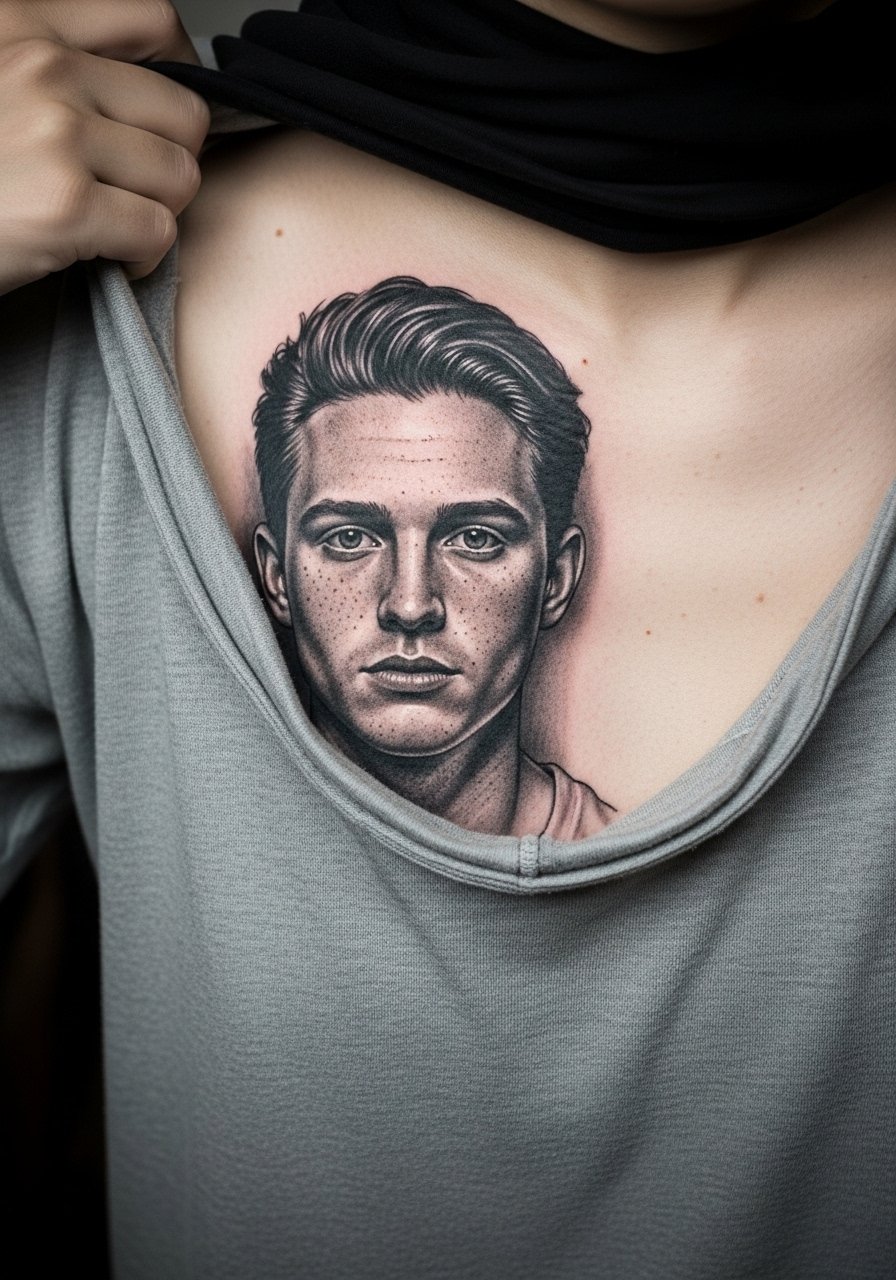
Portrait micro-realism on the chest reads intimate and striking. For best longevity, ask for slightly heavier midtone contrast so facial features do not wash out over time. The session can run long because of layering; plan for multiple sittings if the piece is larger than a palm. Many people underestimate how much breathing room a portrait needs on chest skin, which leads to smudged eyes or flattened noses later. For the session, wear a loose button-down shirt you can open so the artist has unobstructed access without you getting chilled.
8. Full Chest Eagle Spanning the Pecs

A full-chest eagle is a classic statement that benefits from broad shapes and decisive negative space. Expect heavy saturation in the wings and a session that can take most of a day, or split into two sittings. Common mistakes include over-detailing feathers in narrow bands, which leads to early softening. The piece ages well if the artist prioritizes bold silhouette and contrast over micro texture. Consider how the wings sit with your collarbones and shoulder movement. For aftercare, remember the chest gets sun through open shirts, and consistent sunscreen later helps keep contrast.
9. Biomechanical Rib-to-Chest Strip

Biomechanical chest strips use heavy black framing and textured shading to fake depth. They take long sessions and aggressive saturation, which actually helps longevity because bold blacks pack better than feathered gray wash. Tell your artist which areas you want crisp edgework and which can read softer. The rib edge is a high-blowout risk for thin lines, so keep mechanical filigree slightly simplified near the curve. The session feels intense on ribs, and you should plan breaks. Because plenty of motion occurs there, expect a touch-up window in years two to three.
10. Stipple Shaded Skull Over the Heart
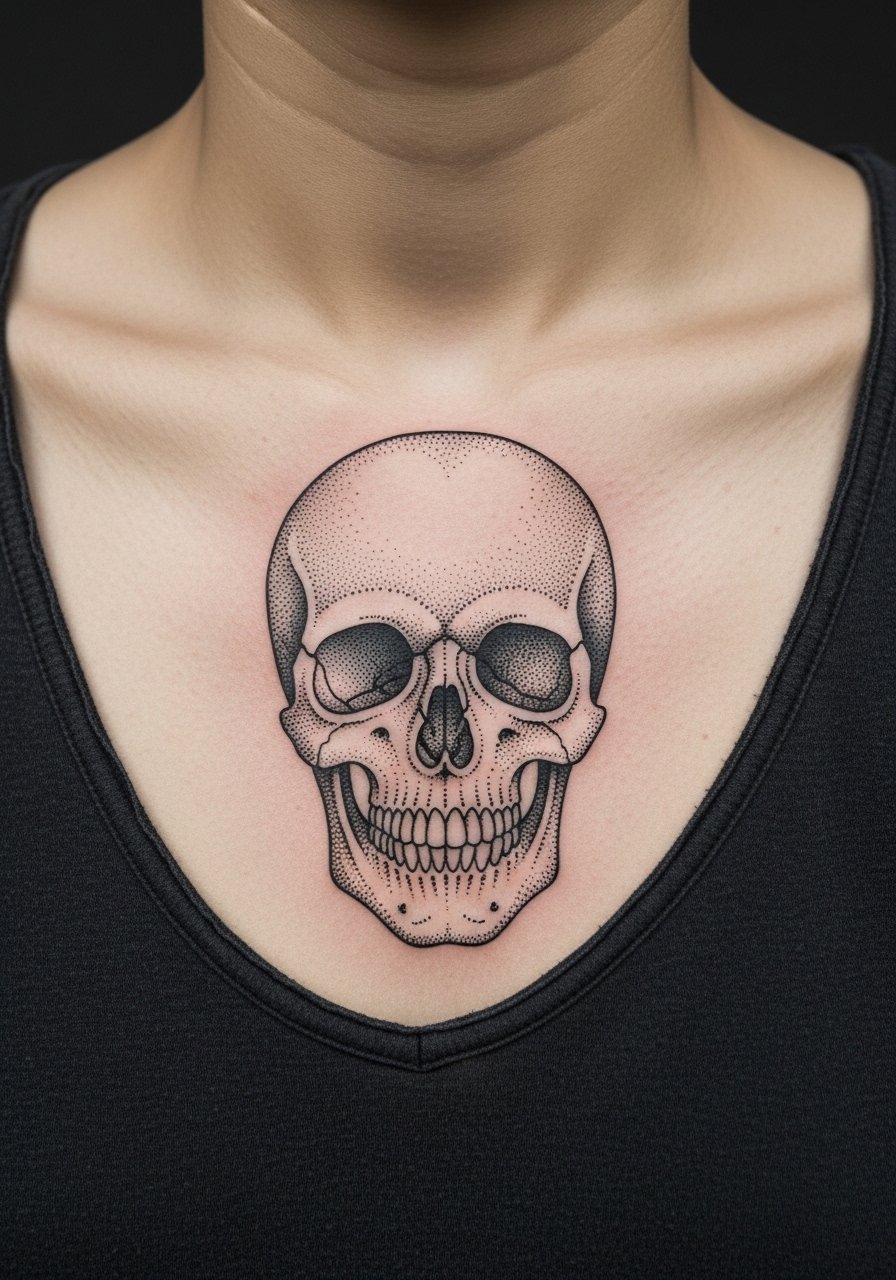
Dot work or stipple shading reads timeless when the dots are spaced for long-term clarity. Ask your artist to vary dot density rather than cramming uniform dots in tight rings, which tend to merge. The pain is moderate for the central chest, and a skull done in stipple takes patience. A typical mistake is expecting micro stippling at too small a scale. Keep motifs slightly larger than you think. Stipple tends to age gracefully because individual dots can soften while the overall tonal structure remains intact.
11. Neo-Japanese Koi Flowing Across the Chest
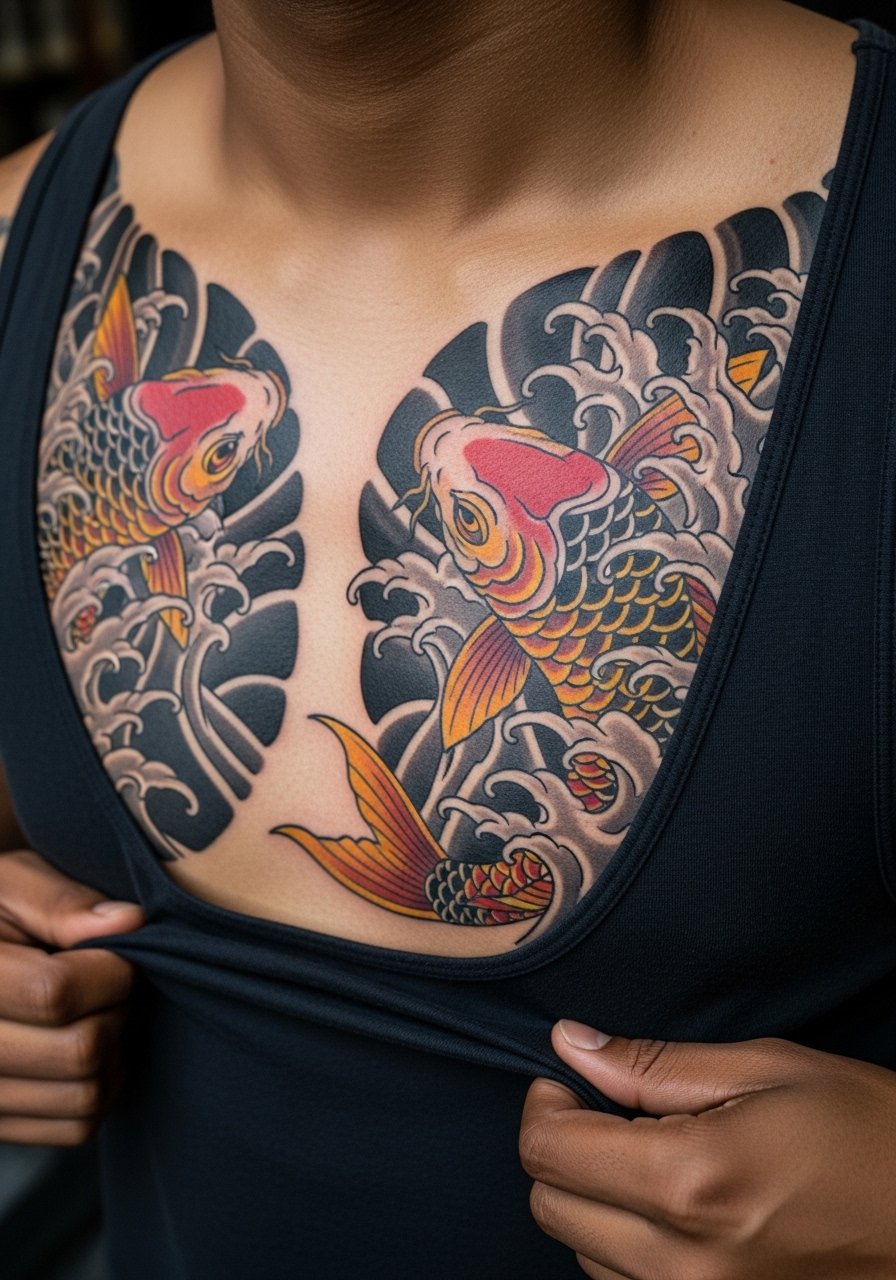
Koi and wave compositions let you use color saturation and bold outlines to create motion across the chest. Tell your artist you want saturated reds and deep indigos balanced by solid black outlines so the piece keeps contrast as pigments fade. This style can be painful where scales meet the rib edge, so plan for multiple sessions. A lot of people ask for tiny scale detail that cheats the composition, and that detail tends to soften. For evenings out, a loose linen shirt with the top buttons undone pairs with the flowing composition without covering the art.
12. Minimal Negative Space Bar Across Lower Chest
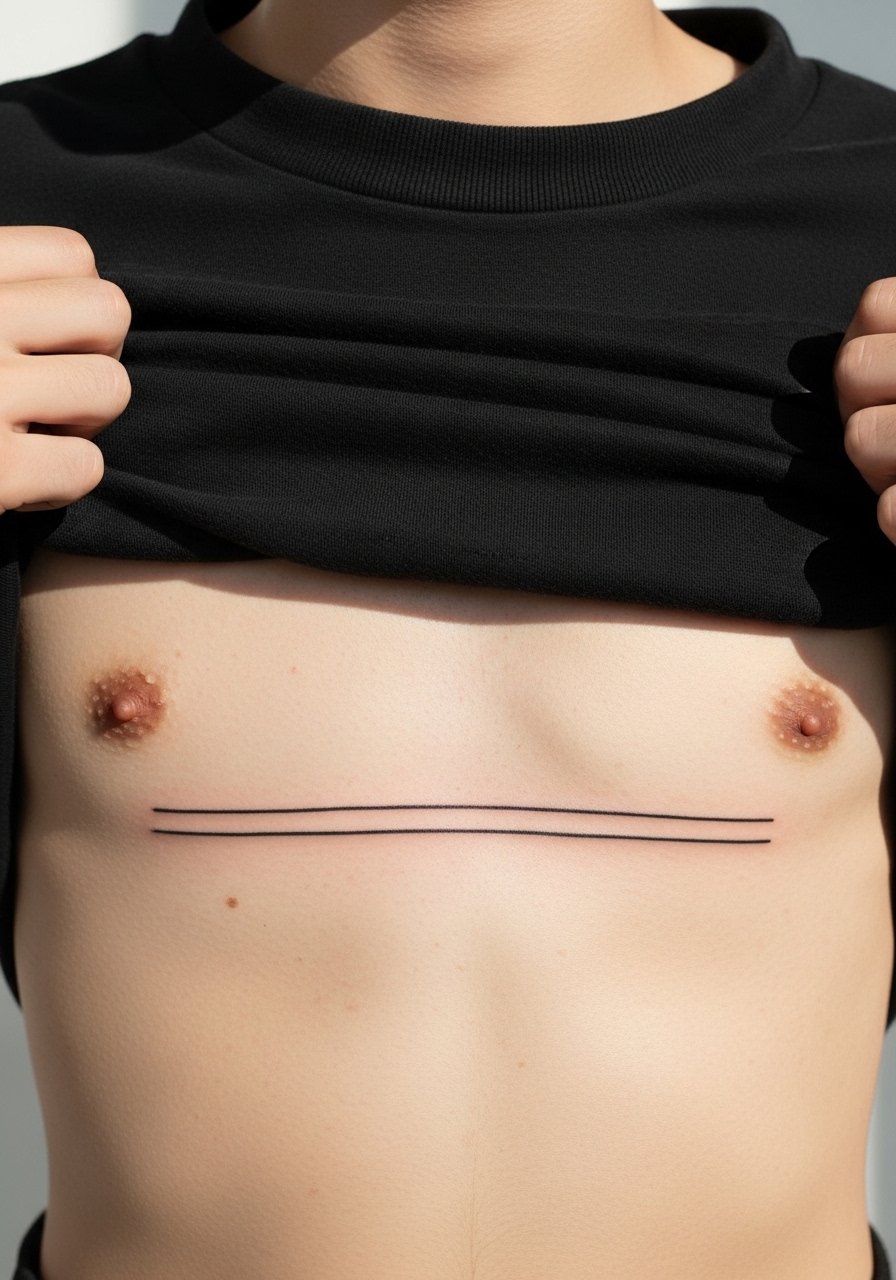
A negative-space bar is deceptively simple and punishing if placed badly. Keep the bar bold and give it breathing room from ribs and sternum so the edges stay crisp. The session is short but precise. A common mistake is tight placement near the sternum where movement makes the edges soften unevenly. If you want a minimalist statement, test a stencil in standing and seated positions so the artist can adjust for natural chest curvature. This design rewards restraint over fiddly detail.
13. Baroque Frame with Centerpiece
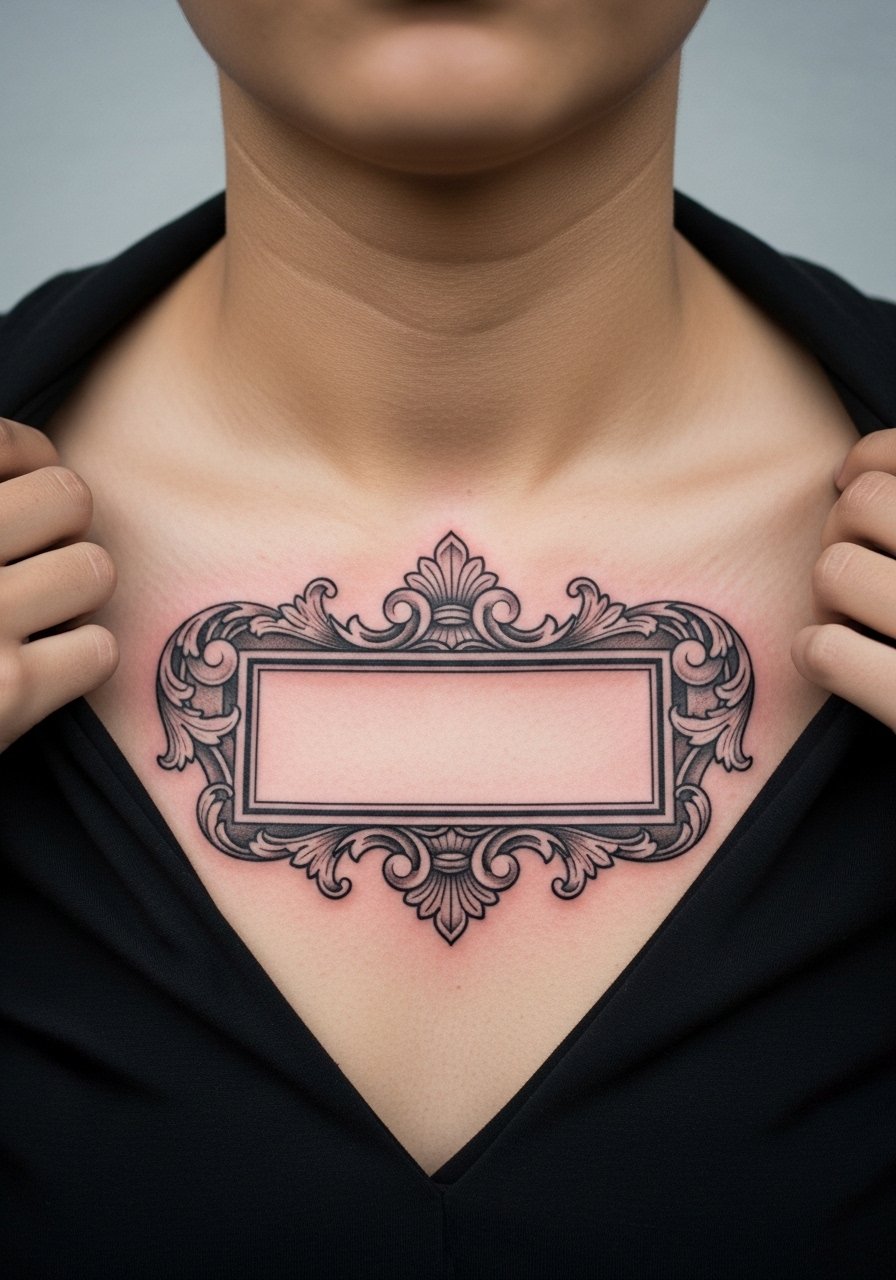
Baroque frames are a great container if you want to add a portrait or script later. Ask the artist to keep the scrollwork slightly larger than your eventual centerpiece so the frame holds its shape as colors age. The session can be split if the frame is dense with curls. People sometimes request ultra-fine curls that merge into texture within a couple of years, so err on the bigger side for legibility. For styling, a thin chain pendant sits above the frame without competing for attention.
14. Compass and Nautical Star Centerpiece
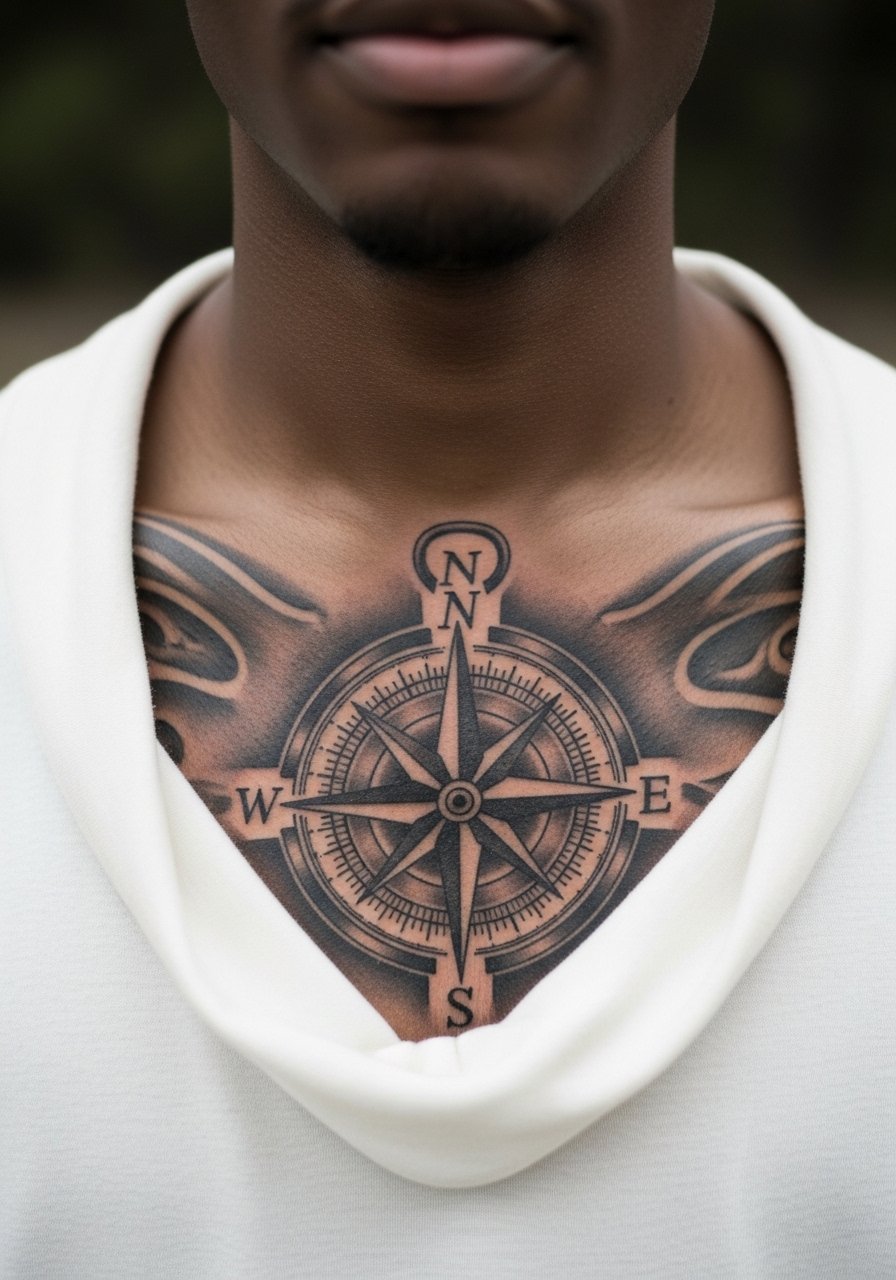
A compass reads graphic and symmetrical, and it benefits from strong central anchors. Tell the artist to keep cardinal points thick enough to survive the first few years and to avoid tiny tick marks that merge. The session is moderate, and a fresh compass looks rigidly defined. Over time the core silhouette keeps the symbol readable even as minor shading softens. It makes sense for people who travel, but think about how it pairs with future additions on the ribs or sleeves.
15. Dagger and Rose Sternum Accent
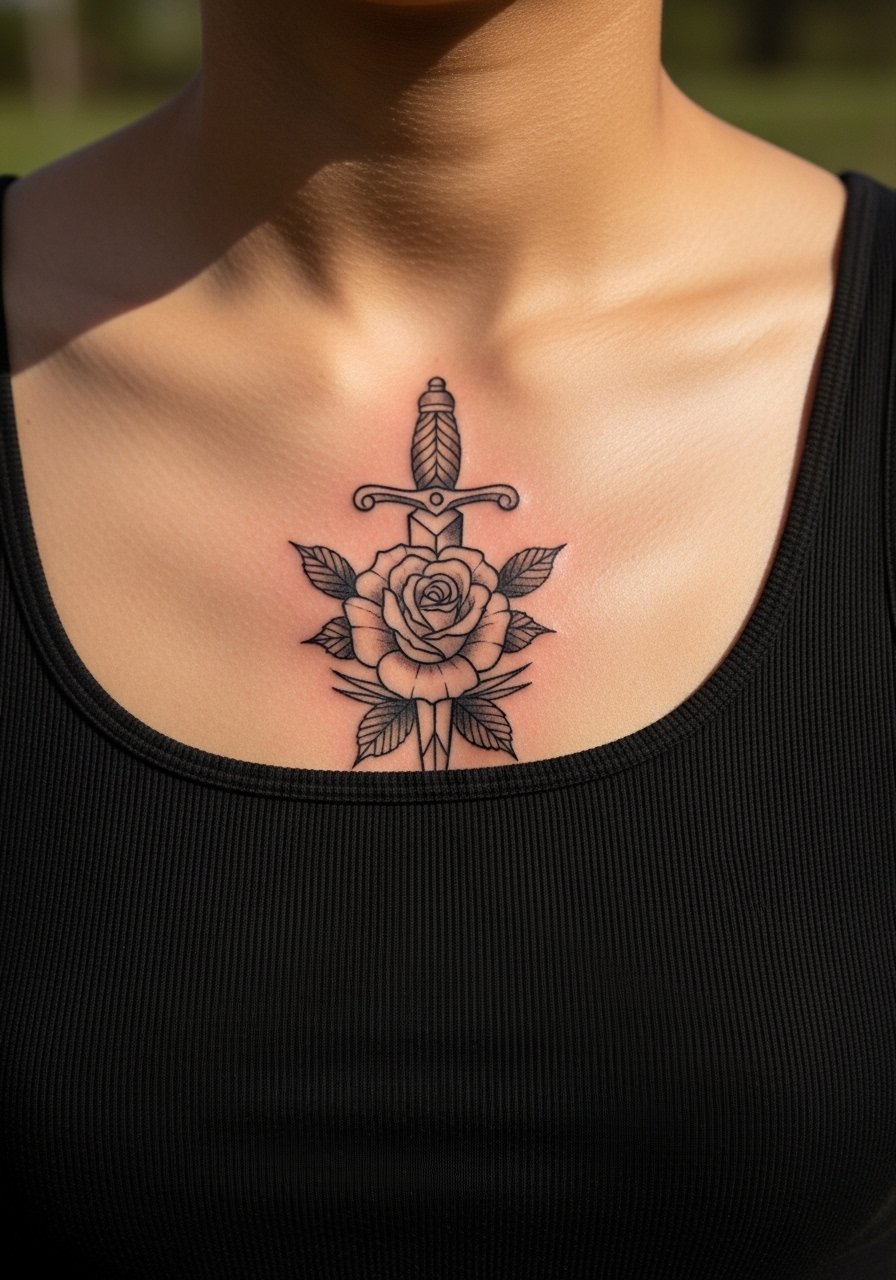
Sternum pieces read intimate and bold, and they demand an artist comfortable working on high-movement, thin tissue. Expect sharp tenderness during the session. Artists are split about small-scale work here. One camp says sternum skin puckers and fine detail blurs fast. The other camp argues careful depth and larger spacing hold up. Ask the artist how they handle sternum stretch and whether they recommend scaling up details. Because this area is sensitive, pick an artist with repeated chest work and ask to see healed sternum examples before booking.
16. Tribal Chest Band That Wraps the Upper Torso
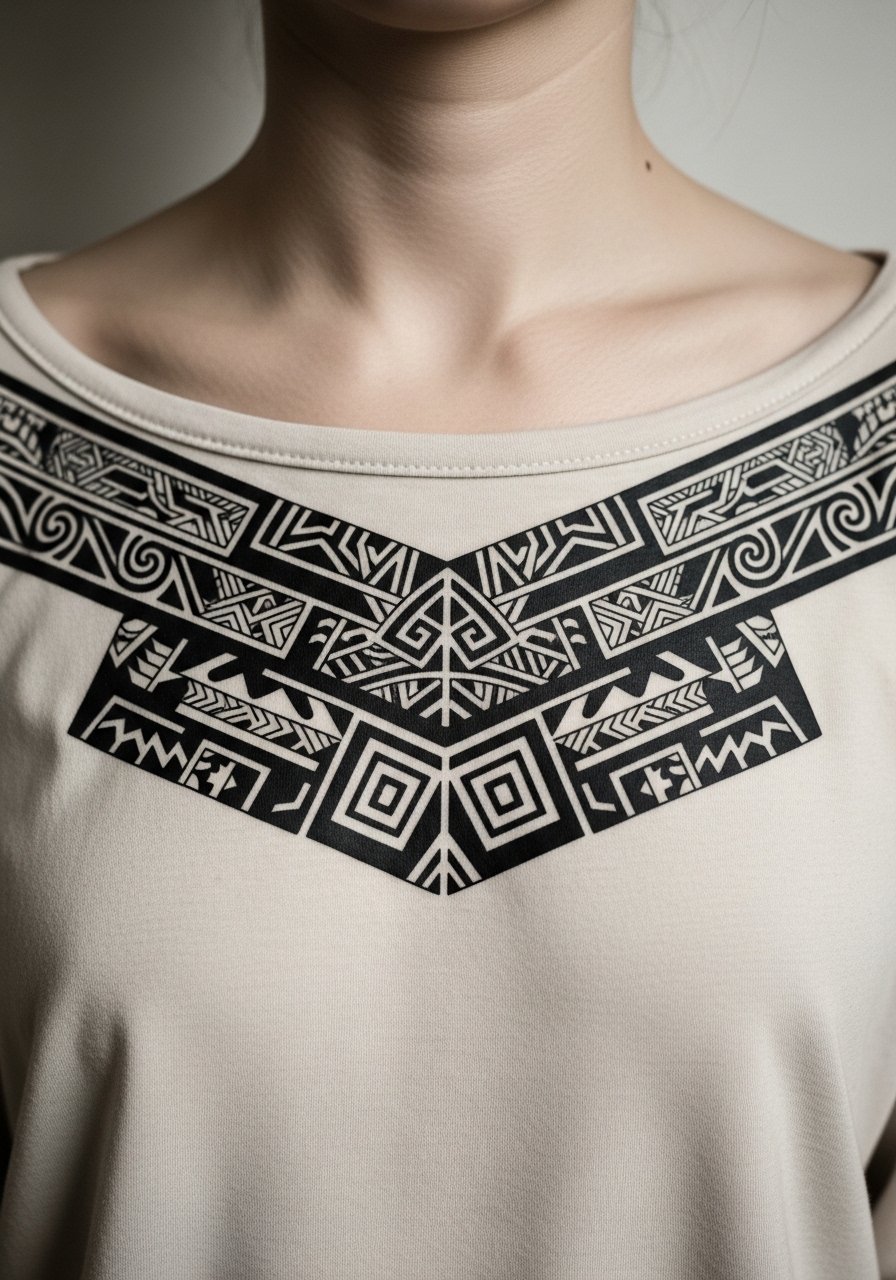
Tribal bands on the chest live or die by negative space and rhythm. They benefit from heavy, consistent saturation that stands up to years of wear. Tell your artist to prioritize crisp transitions between filled black and skin. The session is usually short but intense. A common mistake is copying historic motifs without checking cultural origin. If a design traces to a specific community, consider a respectful variation rather than a direct replica. For sessions, wear a loose drawstring linen pant so you can be comfortable during longer sittings.
17. Minimal Constellation Map Across Upper Chest
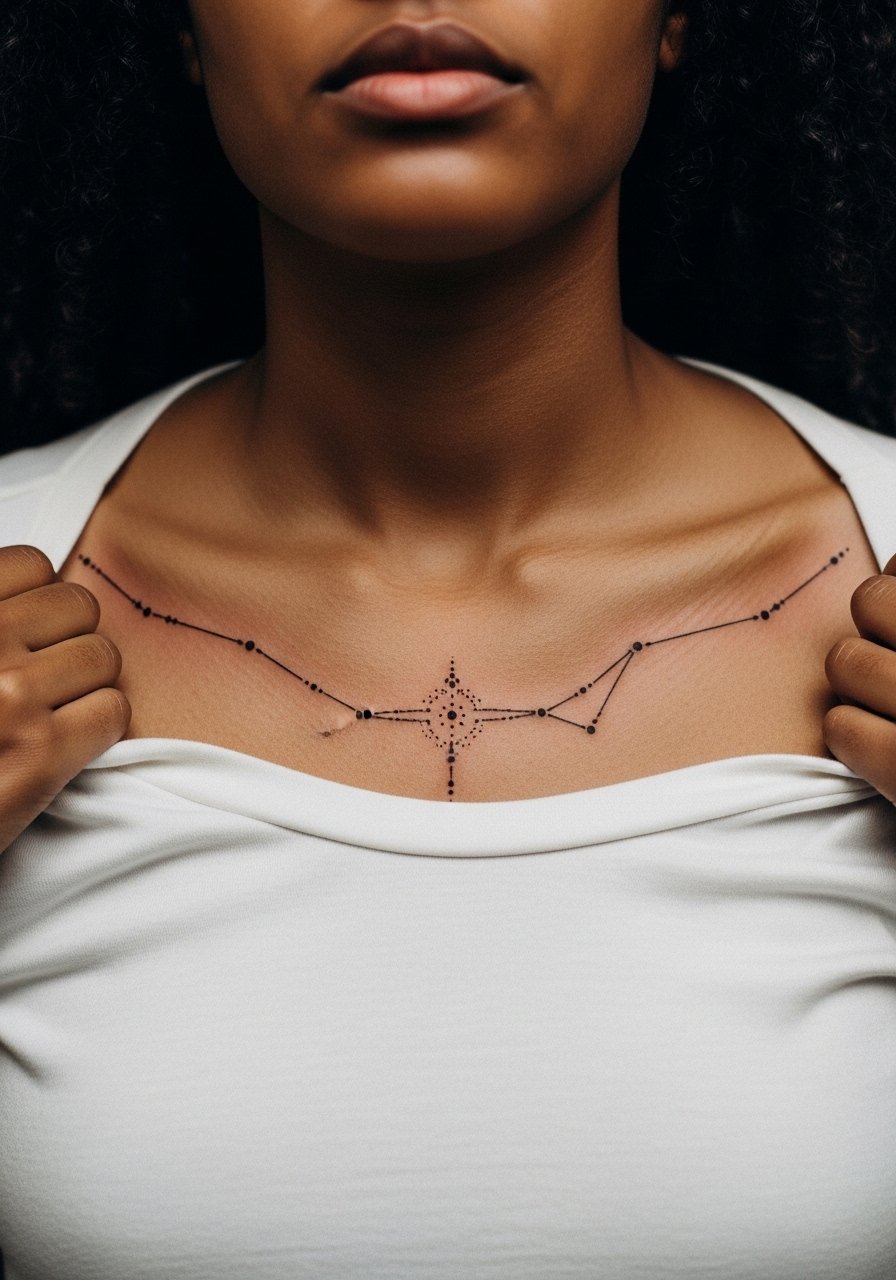
Tiny constellation clusters work well across the clavicle and upper chest when you give stars room. Ask for slightly bolder dots for the star points and thinner connecting lines so the composition reads at arm's length. Small constellation tattoos can blur if dots are too close, so spacing is essential. The session is short and ideal if you want a subtle chest accent that pairs with necklaces. A racerback tank or open-collar top frames the pieces without stealing focus.
Frequently Asked Questions
Q: Will fine line chest tattoos blur faster than blackwork?
A: In my experience, fine line does tend to lose crispness sooner than bold blackwork. The deciding factors are placement, spacing, and how deep the ink sits. If you want a delicate aesthetic that lasts, ask for slightly wider line weight and increased negative space so the design can soften gracefully.
Q: How should I prepare for a rib or sternum session to make it easier on my body?
A: Hydrate and get a good night of sleep, wear loose clothing you can shift for access, and eat beforehand. Bring a long-sleeve button-down or zip hoodie you can open so the artist can work without you being uncomfortable. Plan for breaks and a slower pace on sensitive areas.
Q: Do chest tattoos interfere with professional settings, and how can clothing help?
A: A chest tattoo can be easily concealed with crew or buttoned shirts, or partially shown with open collars depending on the design. For show-off moments, a wide-neck shirt lets upper-chest work read without revealing too much. Placement lower on the pec covers more easily if discretion matters.
Q: How often do chest pieces need touch-ups?
A: It depends on style and sun exposure. Bold blackwork may go years before a touch-up, while fine-line or heavily stippled work might benefit from a refresh around year two or three. Consistent sunscreen on healed work extends the interval between touch-ups.
Q: Can cultural or religious chest designs be adapted respectfully?
A: Yes. If a pattern ties to a particular tradition, ask the artist about respectful adaptations and consider altering motifs so you honor the source without copying sacred symbols. A short conversation about origin and intent during consultation goes a long way.