Fine line tattoos are everywhere on saved boards, and the reality is they are gorgeous fresh and demand more planning than most people expect. Small scripts and micro icons can blur faster than heavier work if placement, skin tone, and aftercare are not part of the conversation. This roundup gives 27 single-needle and minimalist Travis Scott nods that work on a range of bodies, with what to ask your artist, how they age, and how to show them off without losing the look.
1. Fine Line "Astroworld" Script on Inner Wrist

This is the classic starter for fans who want a readable nod without full portrait work. Fair warning, the wrist sees constant washing and sun, so expect a touch-up around year two for many people. In consultation, ask the artist for slightly increased line weight in the middle strokes so the letters hold on darker or oily skin. Pain is mild, around a three out of ten, and a single short session usually covers it. For the appointment wear a sleeveless tank so your arm is totally free and the artist can pivot the hand without snagging fabric.
2. Micro Cactus Silhouette Above the Ankle
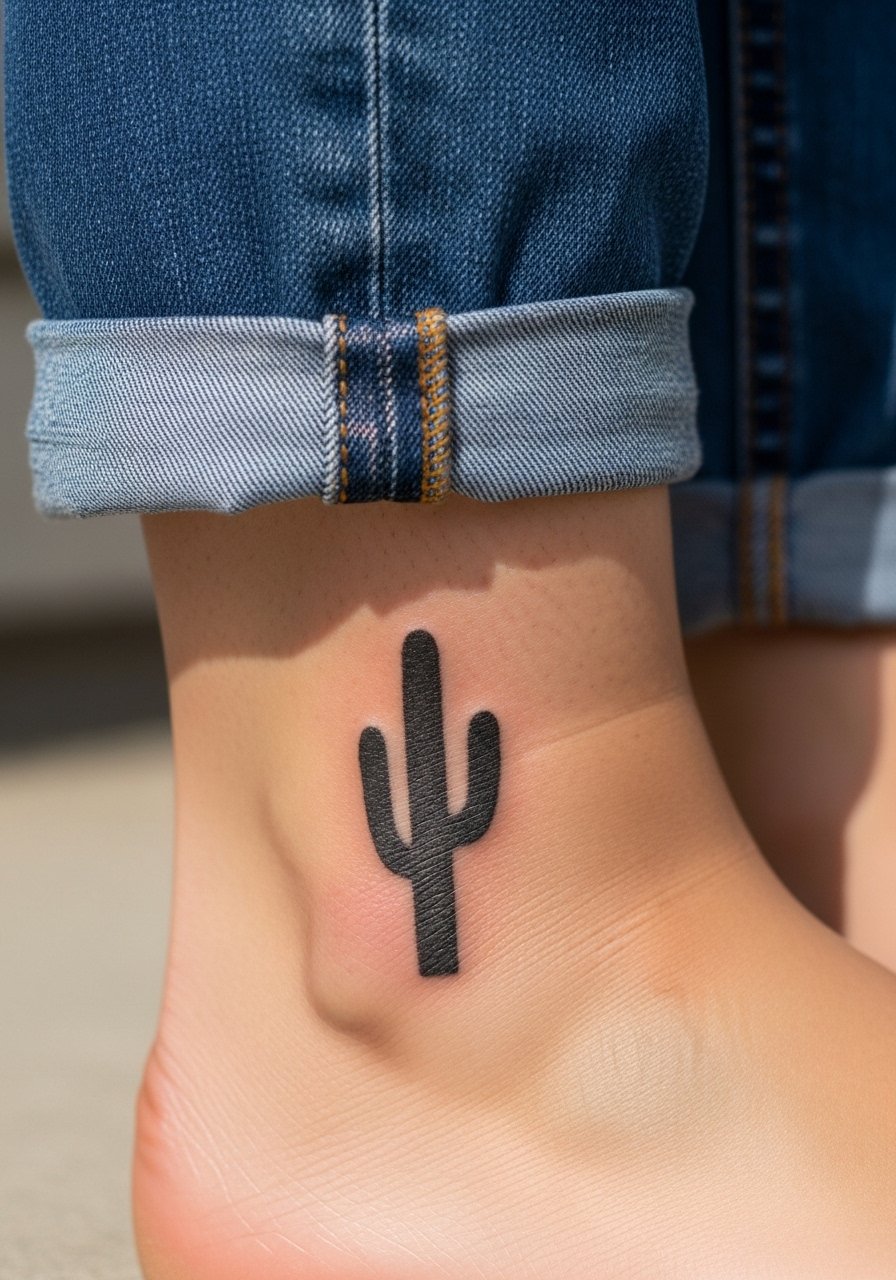
Tiny cactus pieces are low-commitment and ideal for sandals season. The ankle rubs against socks and shoes, so tell your artist to keep the stencil small but with solid black fill to resist early fading. Expect a single session with light discomfort near bone, about a four out of ten. A common mistake is placing it too close to the joint where the skin moves and the shape warps after weight changes. When you want to show it off, cuffed straight-leg jeans or beige espadrilles frame the piece without hiding it.
3. Delicate "Stormi" Script on Collarbone
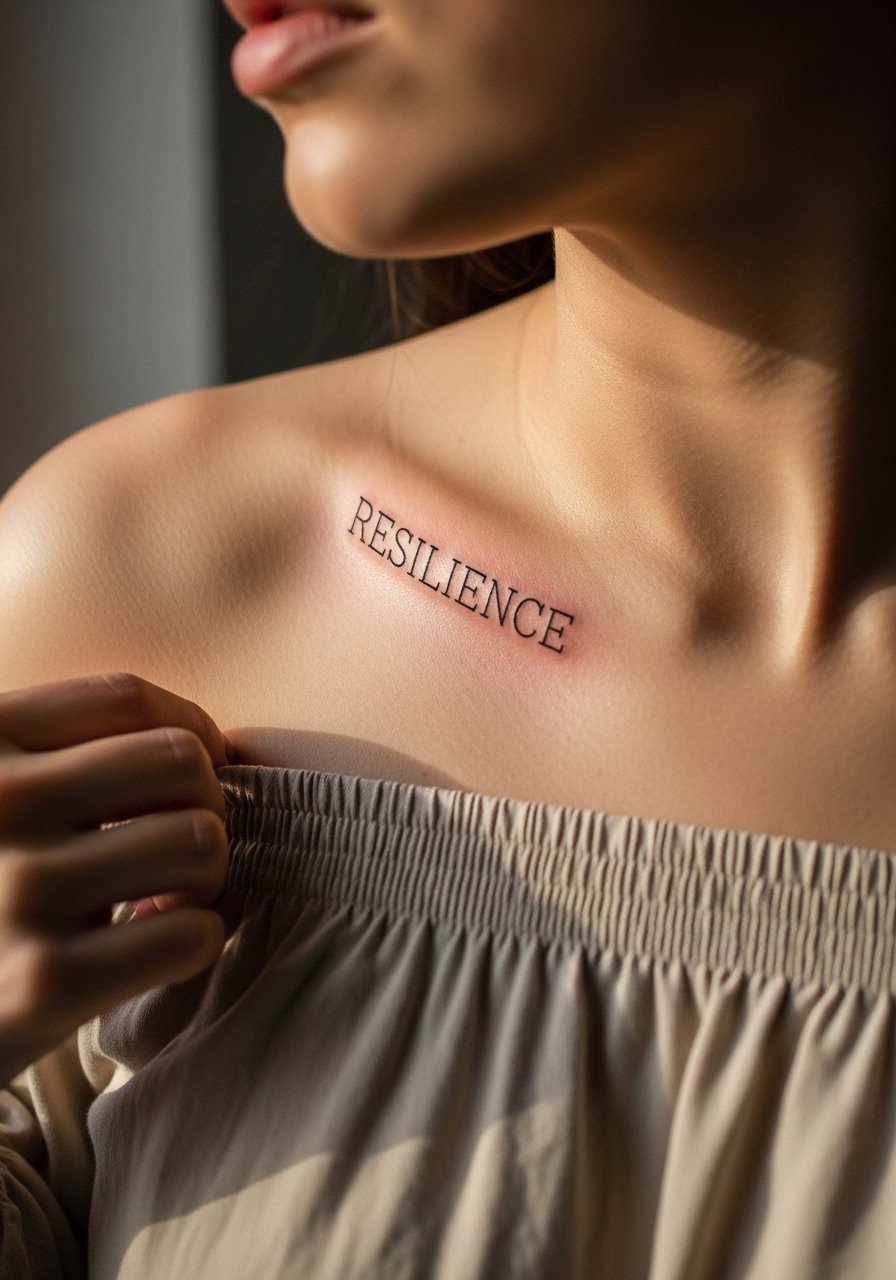
This one reads like a family nod that sits elegantly at the collarbone. The area is thin and sensitive, so expect higher pain, often a six or seven, and discuss depth with your artist so the script holds without stabbing too deep. The mistake I see is asking for ultra-tiny lettering that merges after six to twelve months. Ask for moderate letter spacing and a preview stencil placed on your skin for orientation. Off-shoulder tops and a thin gold chain sit below the name without competing.
4. Micro-Realism Portrait on Inner Forearm
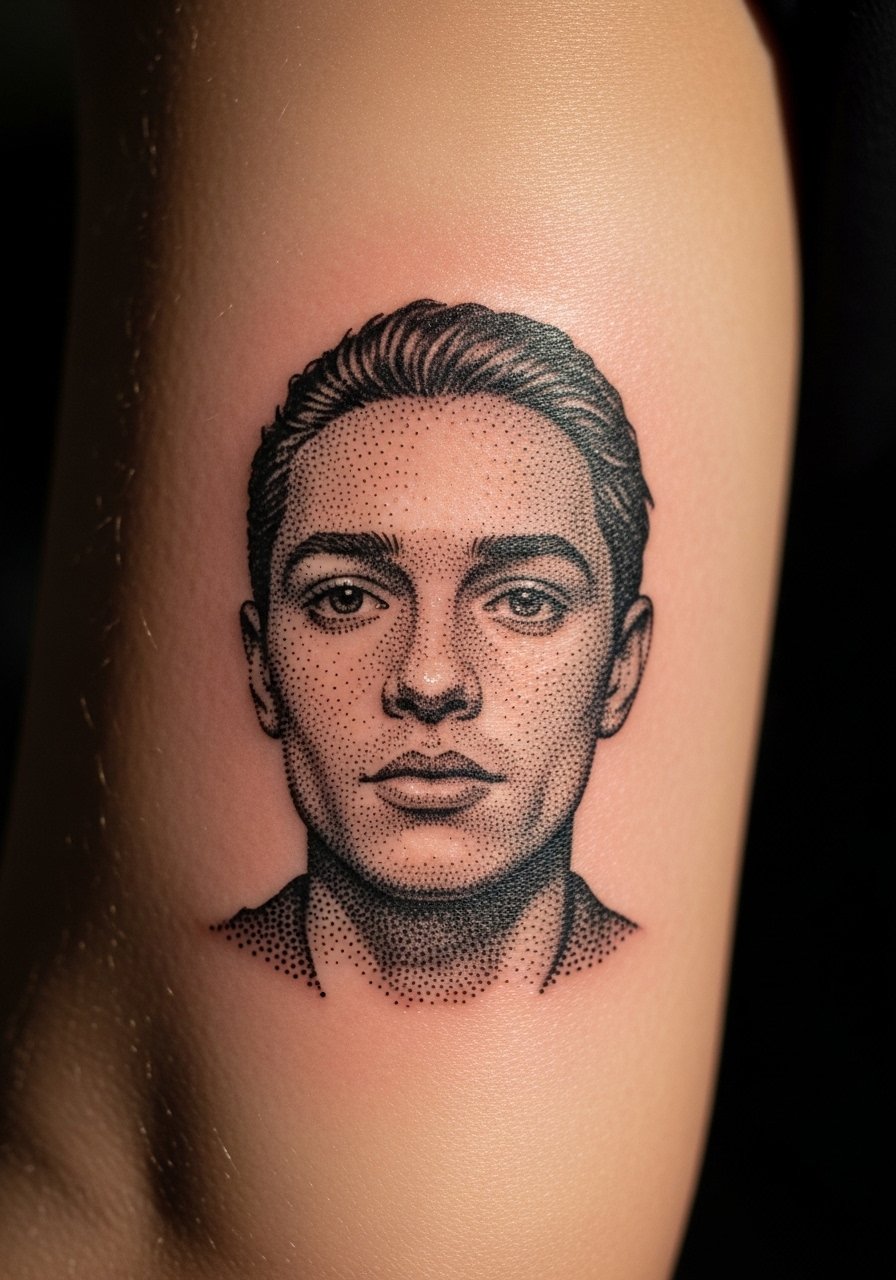
Micro-realism is the pick for superfans who want likeness without a full chest or back piece. These hold better in black and gray than in color on most skin tones. Plan for two short sessions and ask for healed photos from the artist showing similar skin tones. The inner forearm is forgiving and rates around a three on most pain scales. A common error is using a reference with low contrast; bring a high-resolution cover shot and point out which facial features matter most. For showing it off, roll your sleeves up and pair with a cream linen shirt so the shading reads clearly.
5. Minimal Rage Face Dotwork on Knuckles or Wrist
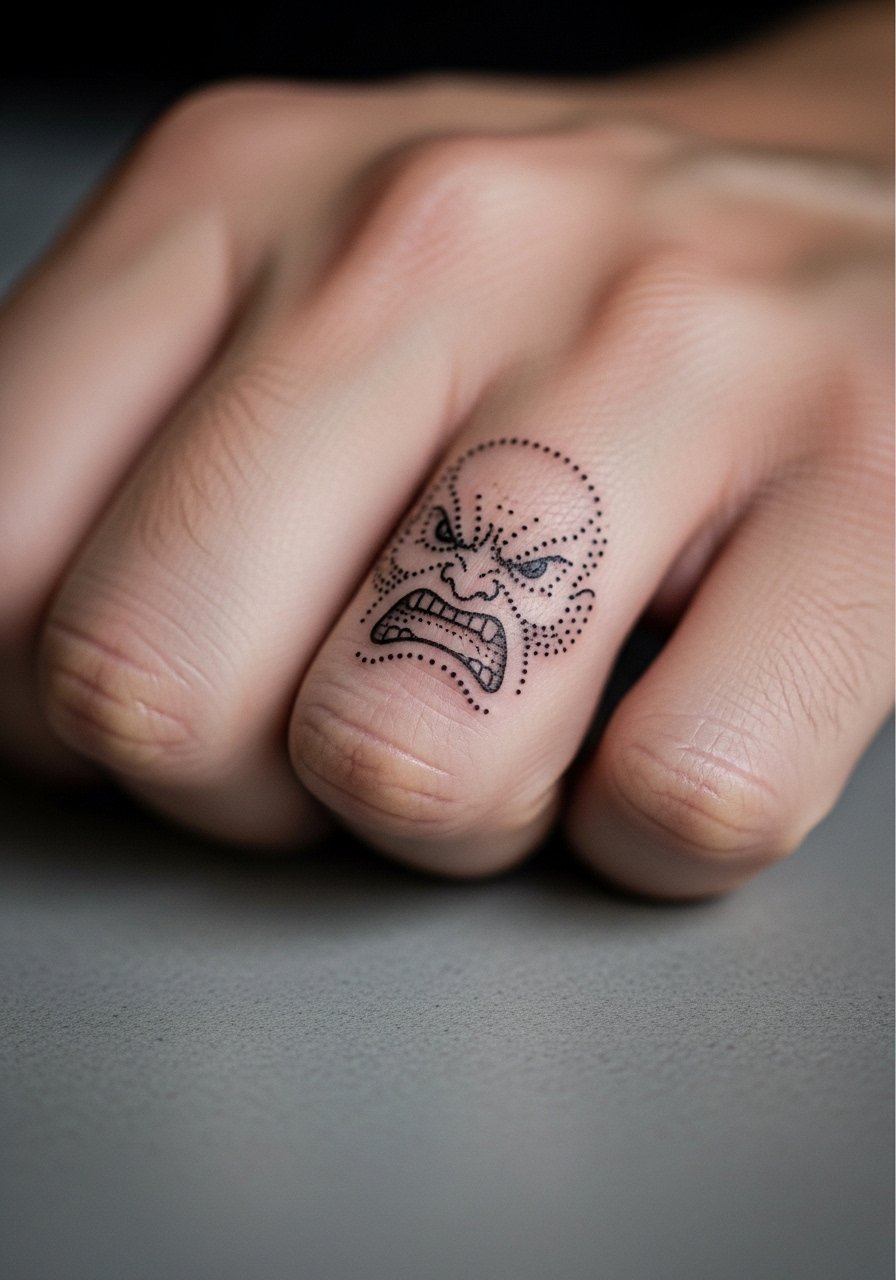
Dotwork translates meme culture into compact blackwork that ages through touch-ups. Knuckles are high movement and exposure, so expect more frequent touch-ups than wrist pieces. Tell your artist you want denser dots near focal points to keep contrast at six to twelve months. Pain on knuckles is higher, often a six, and the area is tricky for blowout. A frequent mistake is asking for too many tiny dots too close together. If you choose wrist placement instead, wear a thin silver chain bracelet on the opposite wrist to balance the look.
6. Abstract Flame Waves on Shoulder Blade
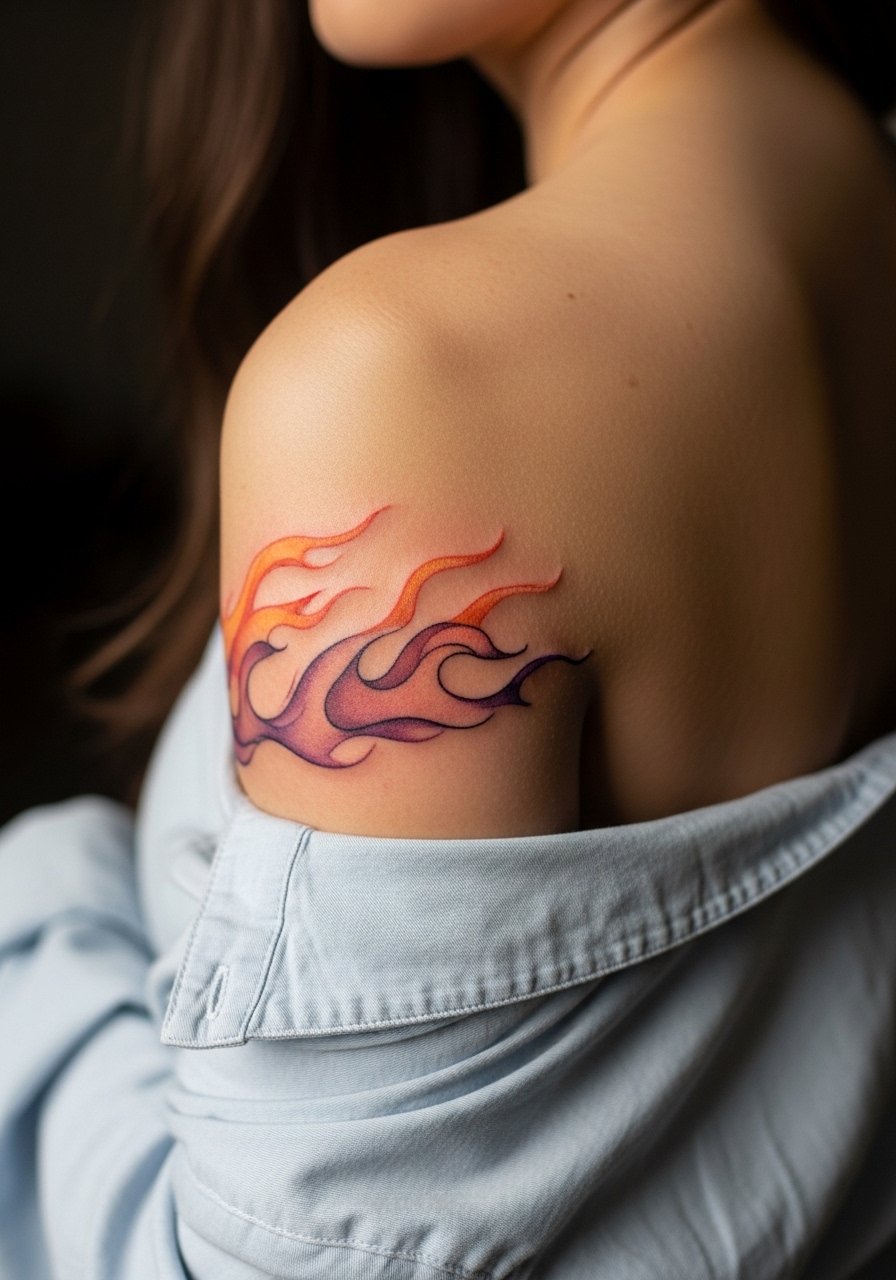
Flame waves capture the energy of music videos without being literal. Shoulder blade placement gives room and reduces movement distortion, and the session runs one to two hours depending on color. One common aging issue with watercolor is softness in humid summers, so ask for thin black anchors at key points to keep form over time. Pain is moderate for back work, around a five out of ten. For the session wear a loose button-down shirt you can shift for access and then drape back into place when you leave.
Heal Smart
The wrist, ankle, and shoulder pieces above each heal under different stressors, so a few targeted items smooth the first week and the first month.
- Lush Tattoo Massage Bar. A non-greasy balm option for blackwork pieces that keeps moisture light and avoids clogging single-needle channels on wrist scripts.
- Australian Gold H2O Aftercare Spray. Spray-on, no-touch option for delicate wrist work and ankle pieces that need less rubbing in the shower.
- Ink Fix Balm. Indie balm favored at guest spots for maintaining fine line contrast without heavy buildup.
- Japanese Hatenomi Paste. Natural paste some collectors use for portraits, especially on medium to dark skin tones where scab behavior differs.
- Tattoo Goo. A thin balm option recommended by many for fine line scripts because it breathes more than thick ointments during the first week.
7. Tiny "La Flame" Banner on Inner Bicep
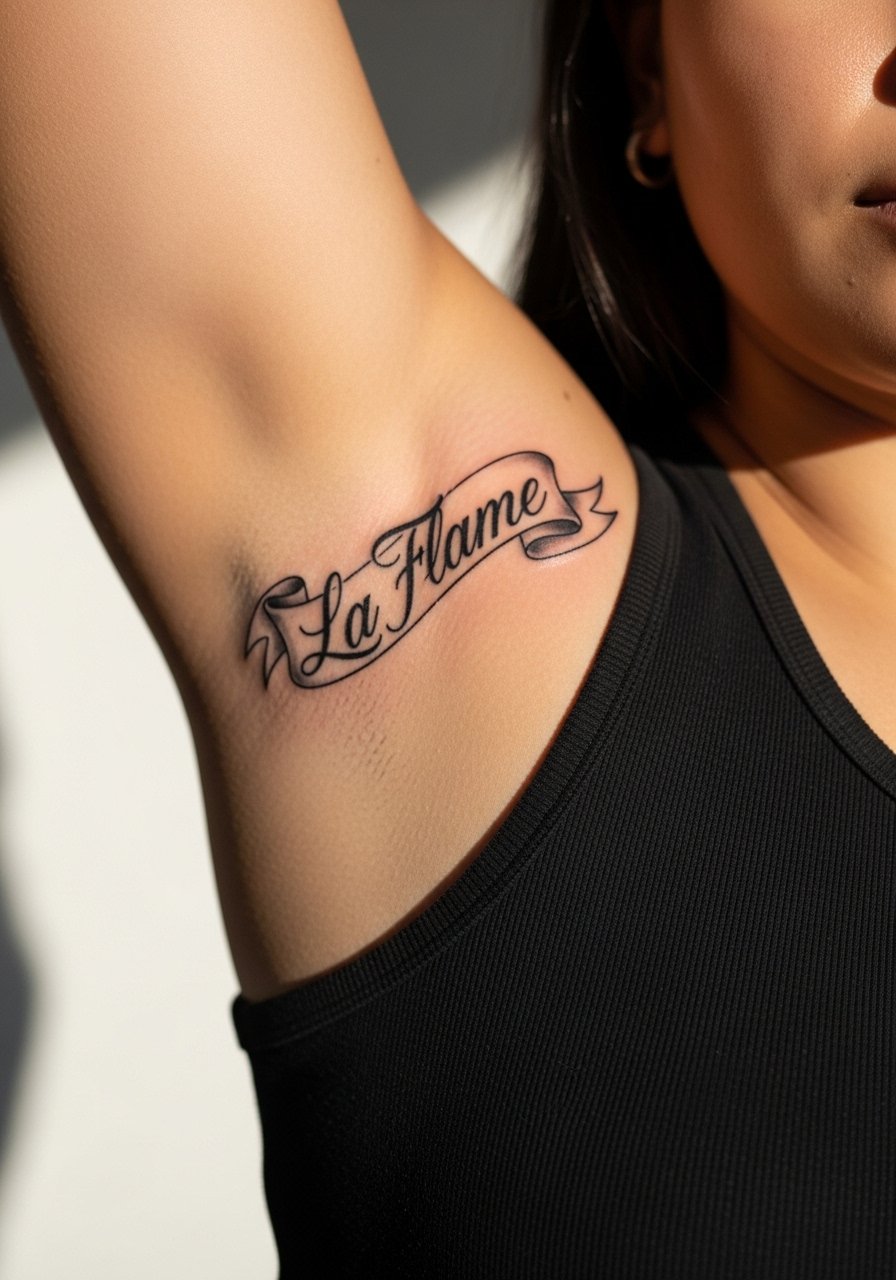
A banner reads clean when the script uses slightly bolder strokes than typical single-needle lines. Inner bicep is low sun exposure and rates low on pain, about a three, but the skin stretches more with muscle gain. Ask the artist to preview the banner vertically and horizontally so you can see which orientation holds best with movement. A common mistake is choosing letters too thin for the inner arm where friction can soften edges. For session wear, a loose tank top gives the artist full access without tugging.
8. Neck Musical Notes Behind the Ear
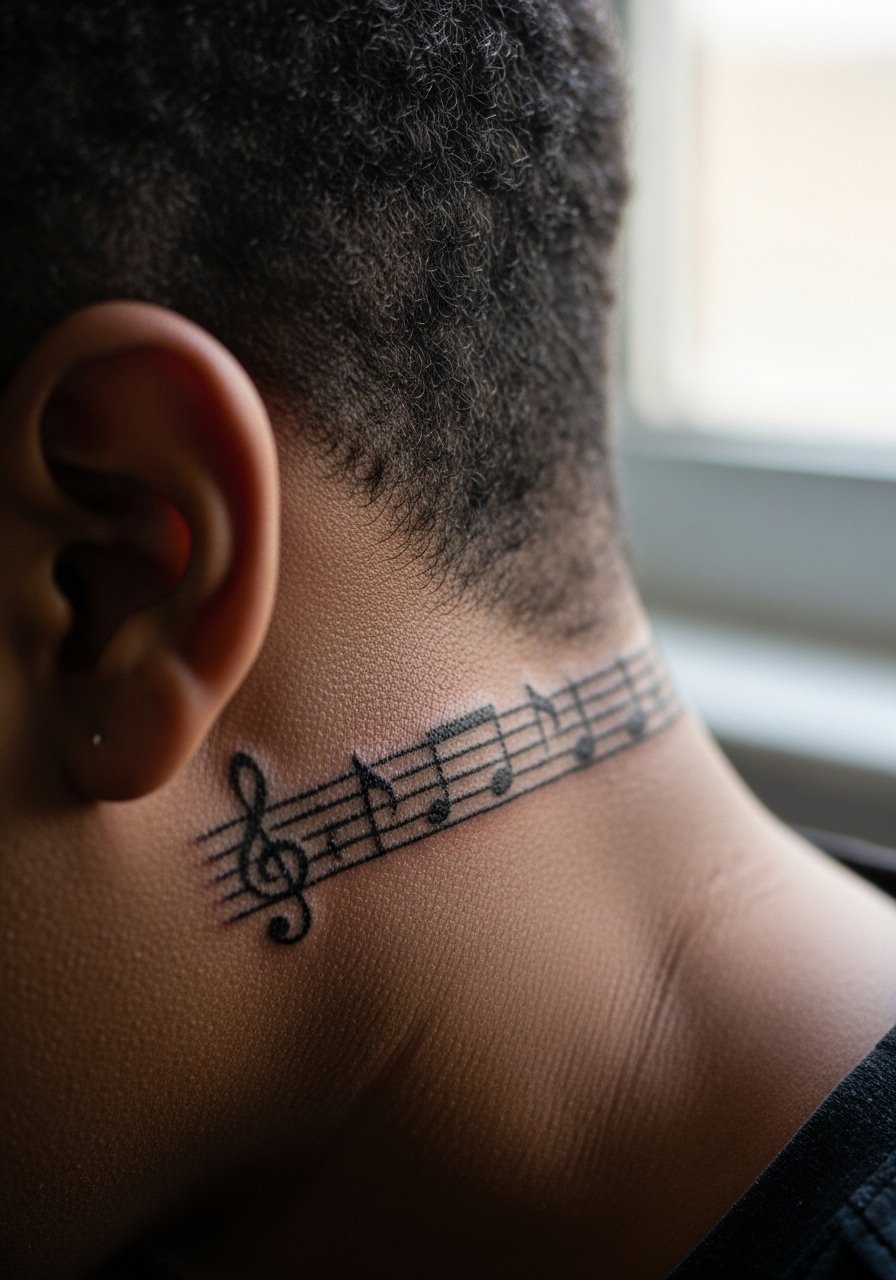
Tiny musical notes behind the ear have high visibility when you tuck hair up. Pain is mild but the area is sensitive, and the healed contrast can vary by skin tone. Artists split on whether fine line holds best here. One camp argues the thin skin blurs lines quickly, and another says careful depth and spacing settle well. Ask to see healed photos on similar skin tones and plan touch-up timing accordingly. For showing it off, a wide-neck shirt that can be pulled to one side frames the area without full exposure.
9. Ornamental Microphone with Rage Face Outline on Outer Forearm
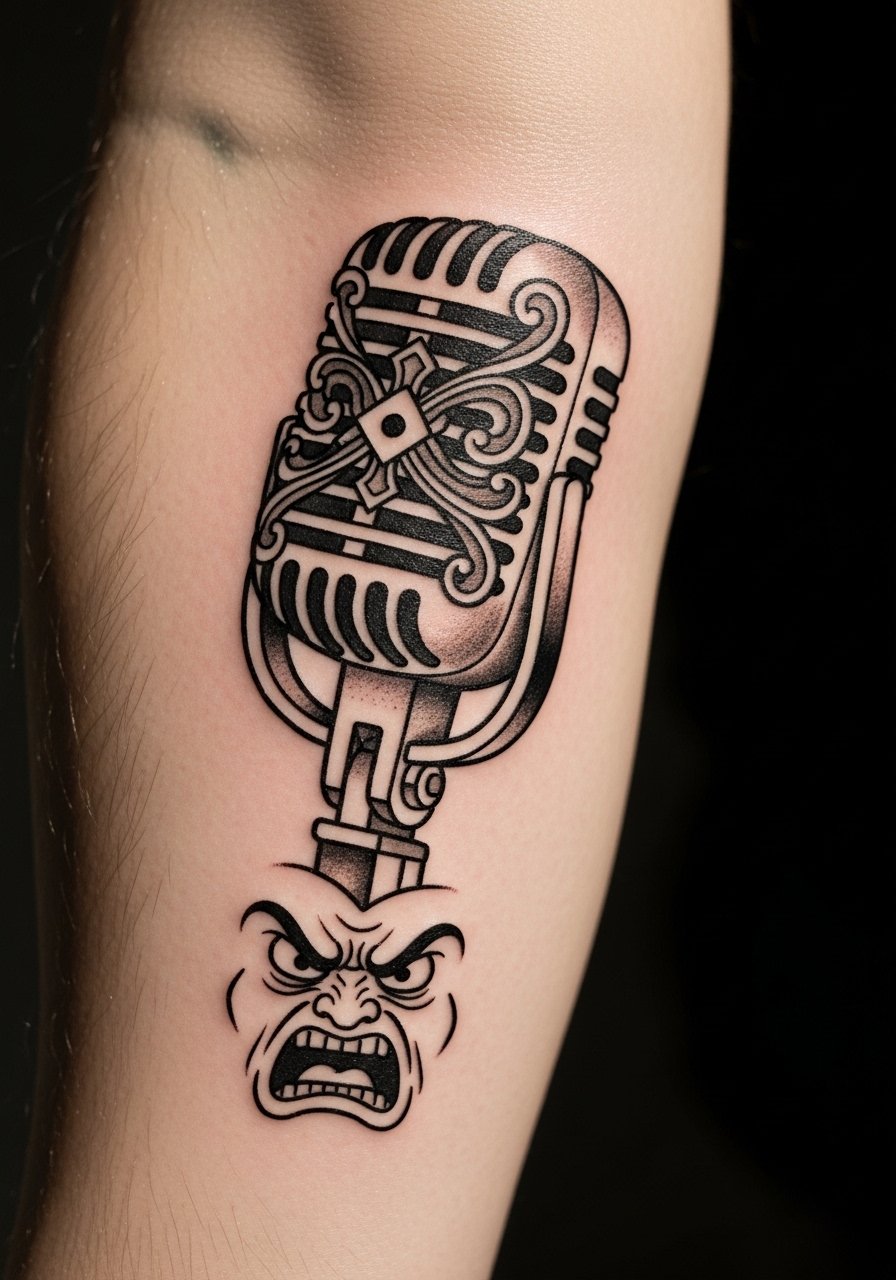
This combines symbolic performance imagery with meme culture for a mid-sized forearm piece. Outer forearm is visible and ages well under black saturation. Expect two sessions if you want solid fill and ornamentation. A frequent error is asking for intricate filigree too small for the skin, which blurs. Tell your artist which part of the microphone should read from across the room and keep ornament spacing wider. Pair it with a black henley shirt for nights out to match the piece's live-performance vibe.
10. Neo-Traditional "Sicko Mode" Logo on Calf
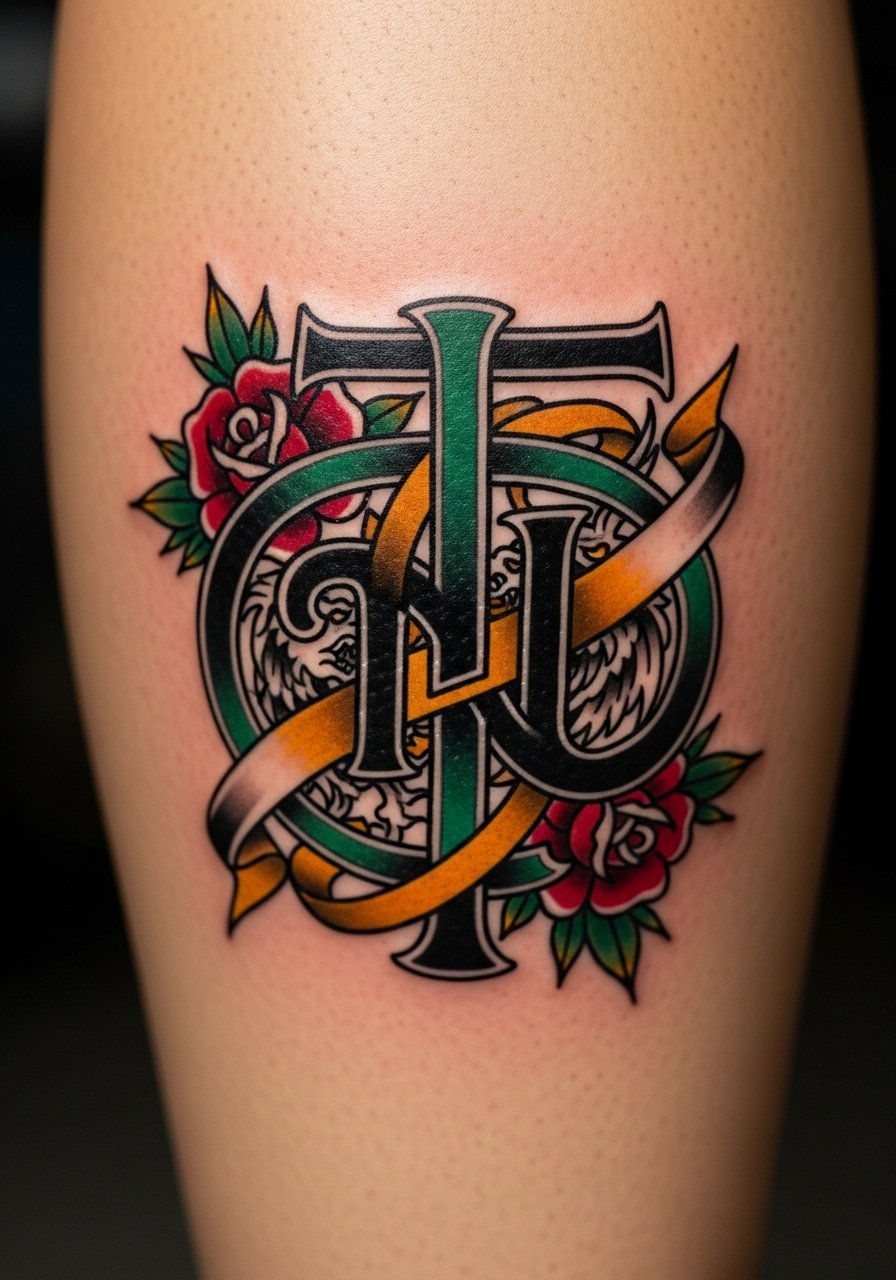
Calf pieces give room for color and bold reinterpretations that still look great years later. The larger size and thicker lines help with longevity compared to tiny fine line scripts. Sessions run longer, often split into two to three visits. Avoid asking for tiny details crammed into a small area. For sessions wear loose joggers you can roll up easily and then show off the piece with olive rolled joggers in warm months.
11. Vertical "La Flame" Spine Script for Hidden Collectors
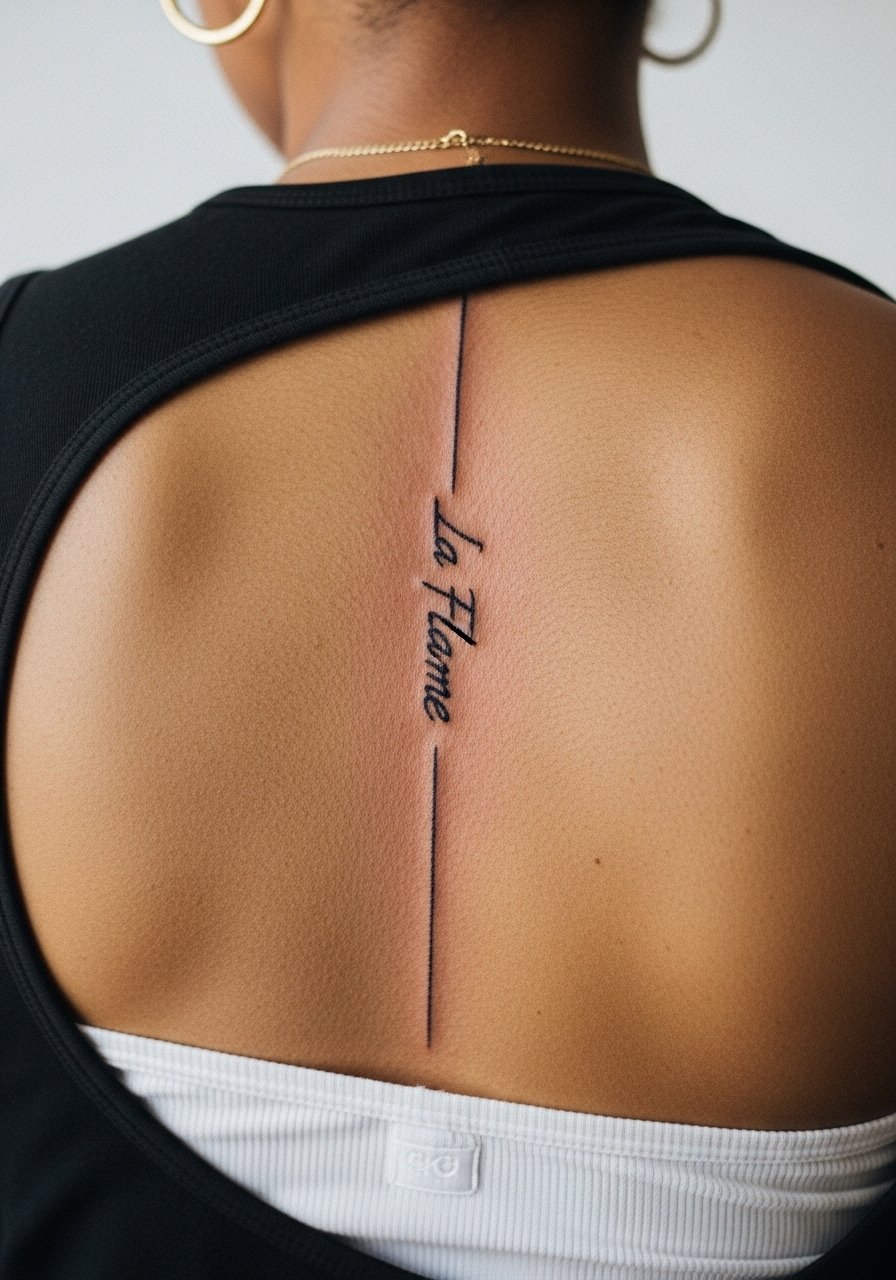
Spine scripts sit in a narrow zone that reads best when slightly elongated. Pain can be high on the spine, often a seven, and artists will discuss needle depth more carefully. This placement is a smart option if you want something personal and low visibility under clothing. The common mistake is going too compact, which causes letters to merge as the spine moves. For comfort on a long session bring a layer that you can shift, and consider a short session to test pain tolerance.
12. Minimalist Musical Notes Trailing "Travis" Behind the Ear
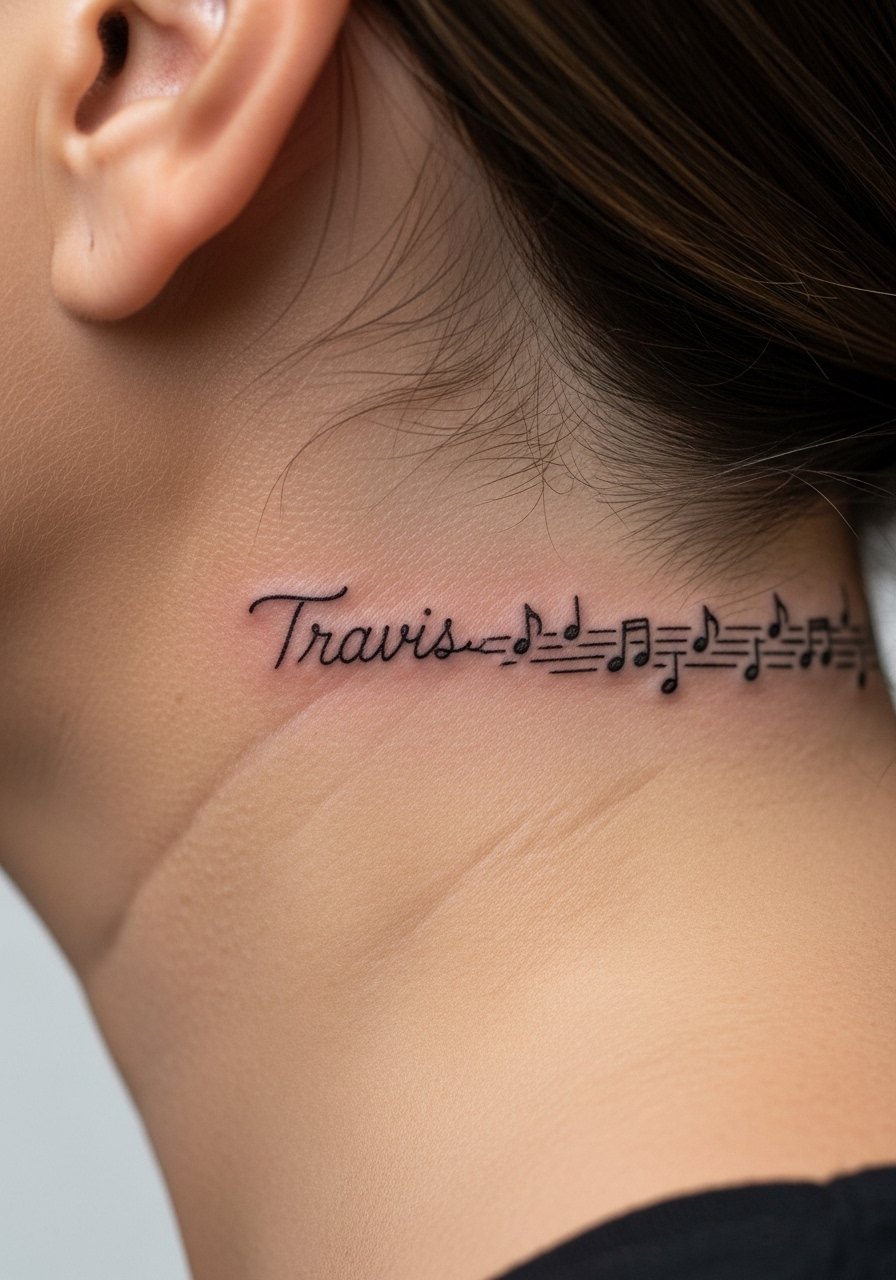
A small script with notes is a discreet homage that looks intentional when the lettering has slightly heavier mid-strokes. Behind the ear aging varies by hair coverage and sun exposure. Ask for a stencil preview to confirm placement under your hairline. The area is sensitive but not extreme for pain. For styling pull hair into a low bun and wear a v neck gray tee to let the tiny notes peek without exposing too much.
13. Single Needle Cactus on Finger Side
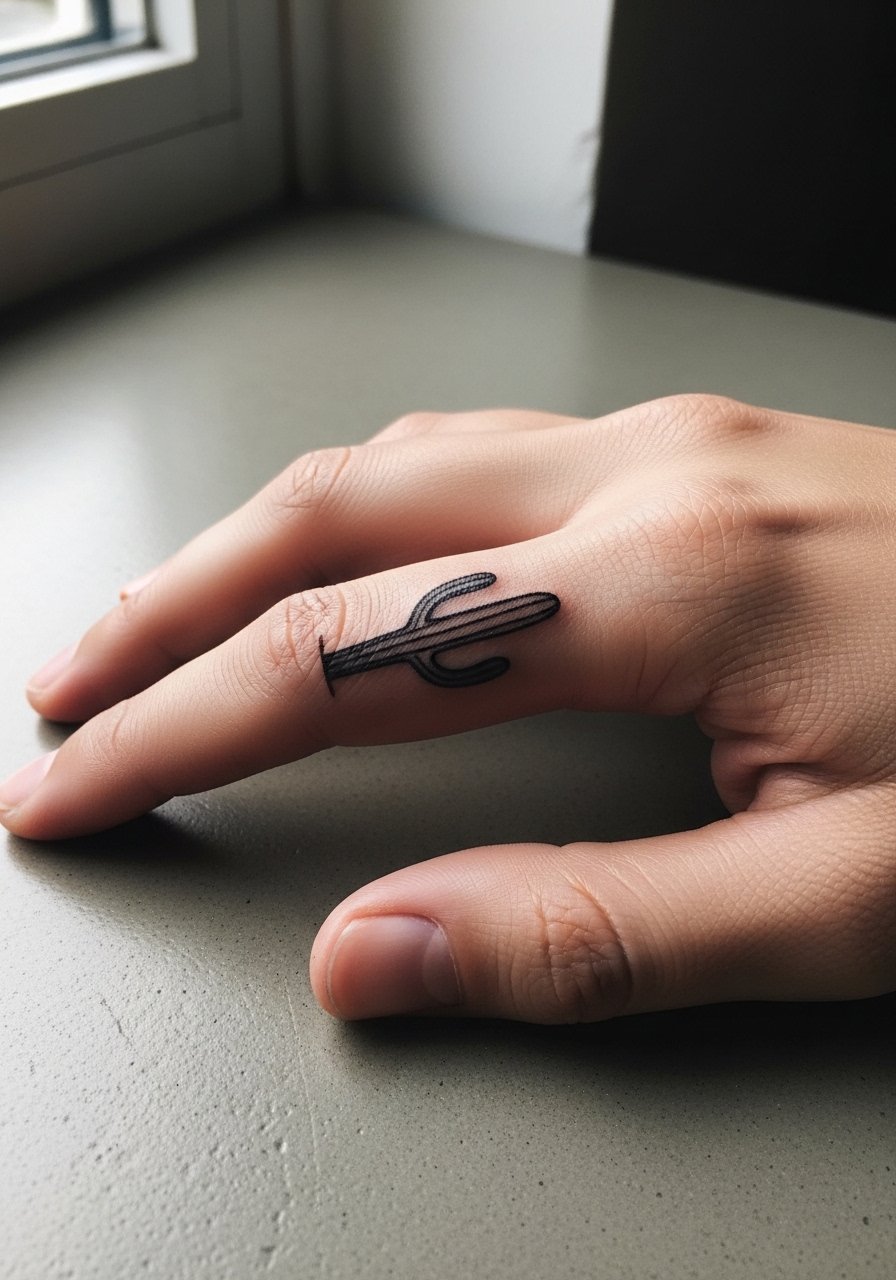
Finger work is tempting but high maintenance. The side of the finger moves and is washed constantly, so expect touch-ups at shorter intervals. When booking ask for a slightly bolder outline and a plan for touch-up timing. Pain can spike because of bone proximity, usually a six. A common mistake is expecting the same longevity as forearm work. Pair small finger pieces with stackable thin bangles or leave the hand bare depending on your style.
14. Abstract Flame Wave Sleeve Accent on Shoulder
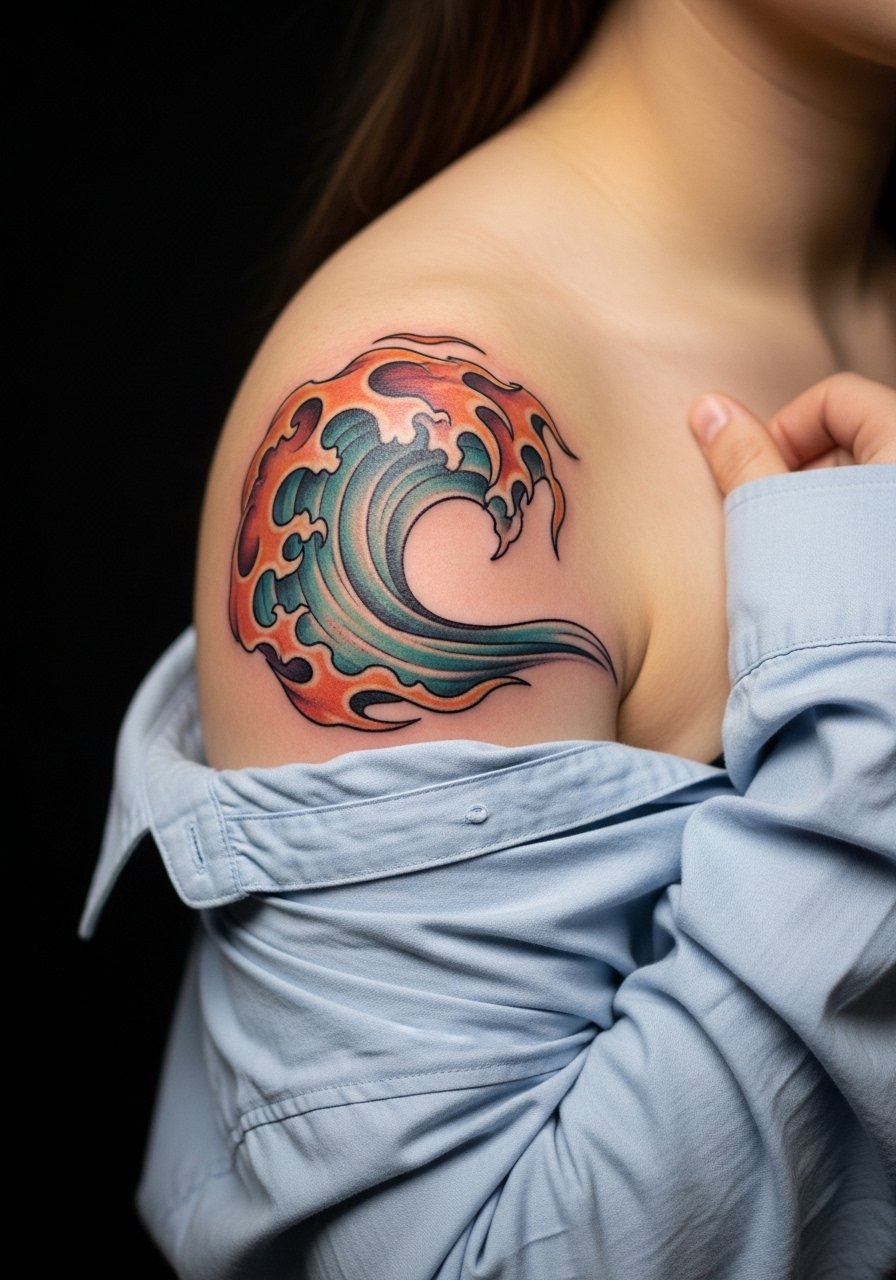
An accent sleeve blends abstract flames with negative space, and it reads best when the artist preserves breathing room between elements. Shoulder and upper arm are forgiving for linework and shading, and pain is moderate. One misstep is crowding small curves together which later shows as muddled tone. For the session wear a loose button-down shirt so you can reveal the area without fuss.
15. Minimalist Rage Face on Outer Forearm with Dot Accents

Dot accents around a rage face give it texture and help the focal lines stay bold as the piece heals. Outer forearm is a smart choice for visibility that ages well in blackwork. Ask the artist to place dots more sparsely at the edges so they do not merge. Sessions for this size are usually under two hours. Pair this with a navy fitted tee or a leather cuff on the opposite arm to complete the aesthetic.
16. Tiny Micro-Realism Face on Collarbone
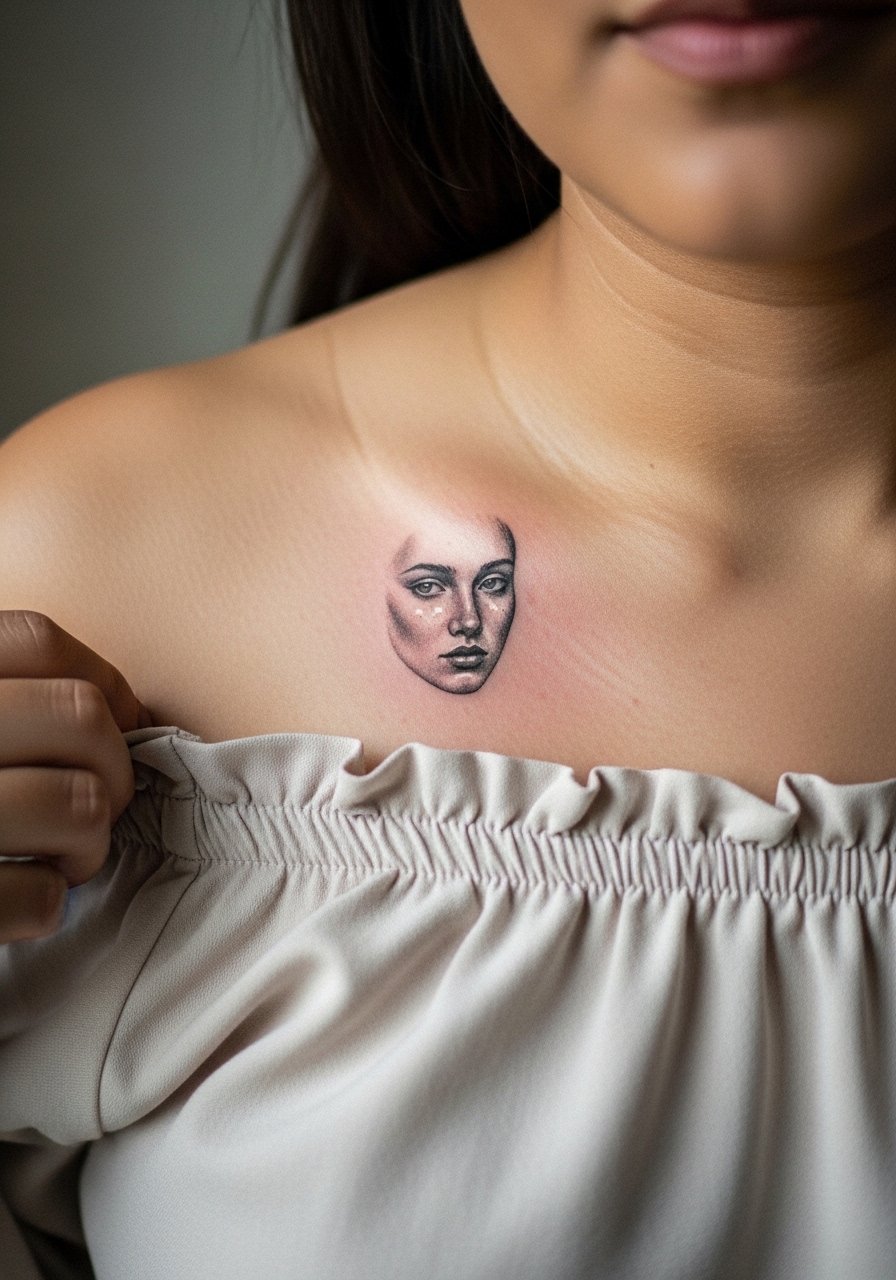
Collarbone portraits read delicate but need density in shading to keep features distinct. Pain is higher near bone, often a six, and artists will recommend a two-stage approach for optimal healing. A common mistake is asking for a portrait too small to capture necessary contrast. Ask your artist for healed samples on collarbones to match expectations. For showing it off wear an off shoulder blouse that frames the area without covering the lines.
17. Tiny Script on Side Rib for Hidden Fans
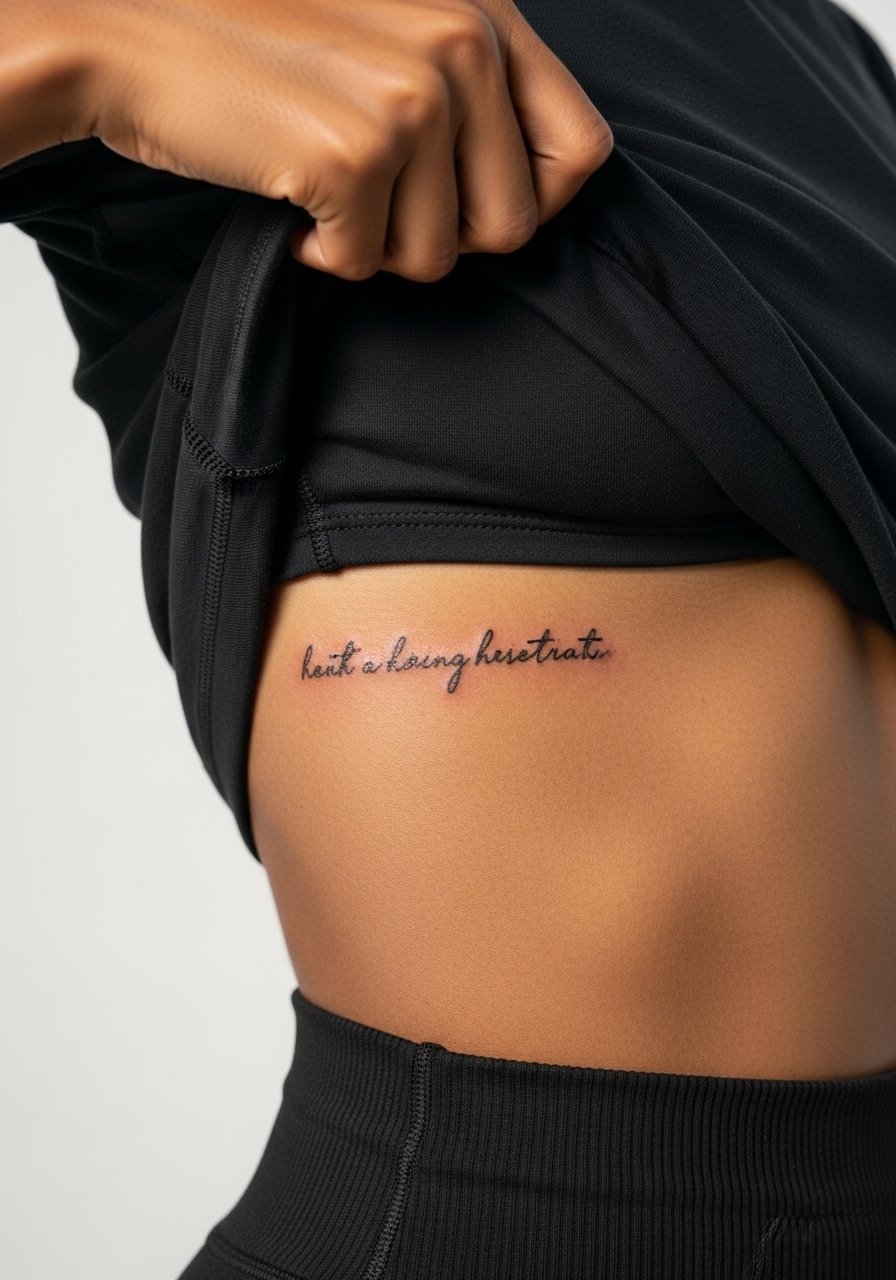
Ribcage scripts are low visibility but higher pain and movement. Expect a session rated at a seven and discuss spacing to prevent lines softening as the skin stretches. Artists split on fine line here. One camp says the area stretches and blurs; the other says careful depth and spacing make it viable. Name which side you prefer and ask for a slightly stronger outline to hedge against early fading. For the session wear a sports bra or cropped top so the artist can expose just the area needed.
18. Ankle Constellation with Negative Space Stars

Constellation layouts translate well to ankles if you want subtlety that still reads. The ankle gets shoe friction and seasonal sun, so solid black anchors at constellation points help maintain form. Pain is low to moderate. A mistake is compressing points too densely which leads to merging. For summer show-offs try pairing with cuffed ankle jeans and simple sandals.
19. Small Blackwork "Astroworld" Stamp on Upper Arm
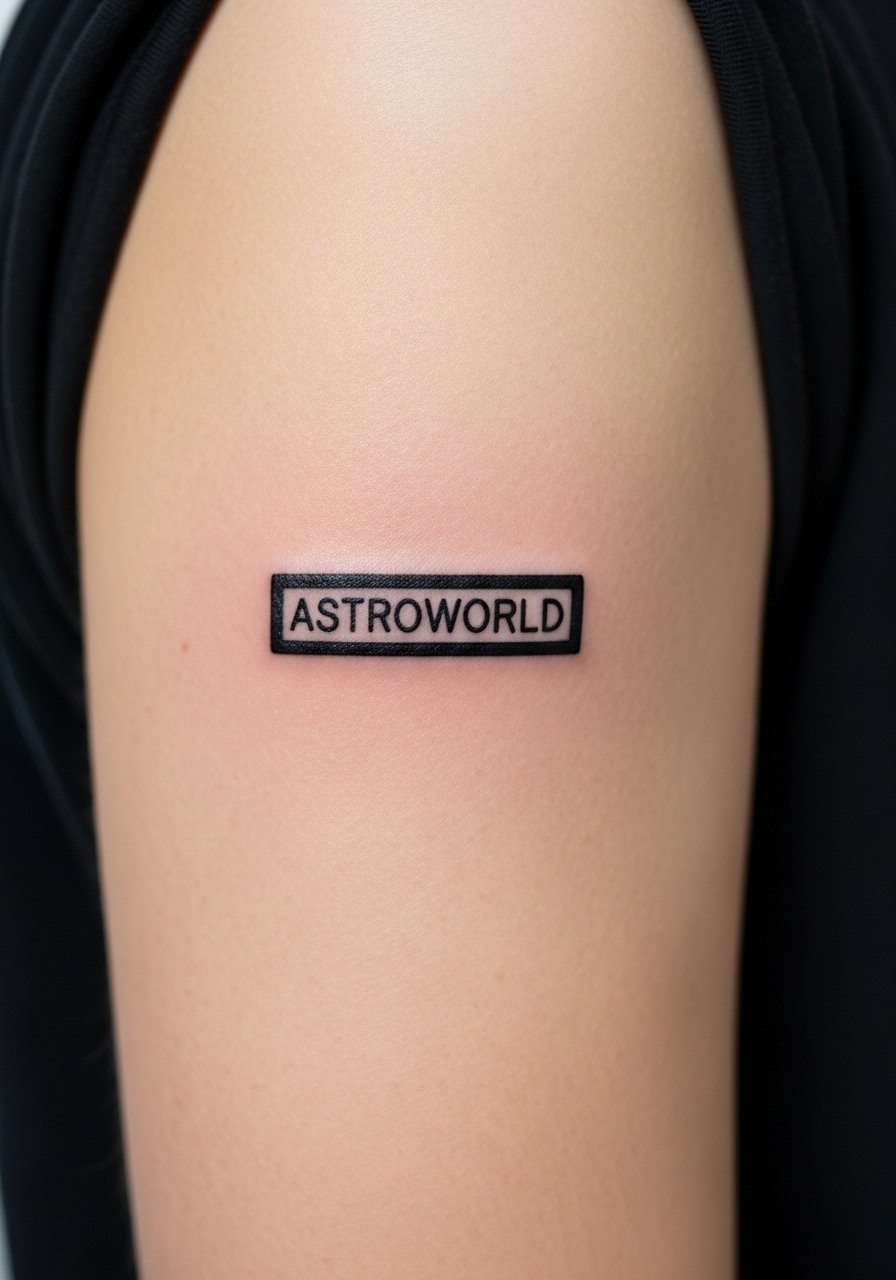
Upper arm stamps are low maintenance and age into strong silhouettes. This placement resists blowout better than wrists and knuckles. Tell your artist you want a compact block of saturation rather than thin strokes to prevent early softening. Sessions are short and pain is mild. Avoid requesting micro détails inside a small filled area. For casual wear a fitted tee or black henley shirt keeps the graphic readable.
20. UV-Reactive Cactus with Negative Space Stars
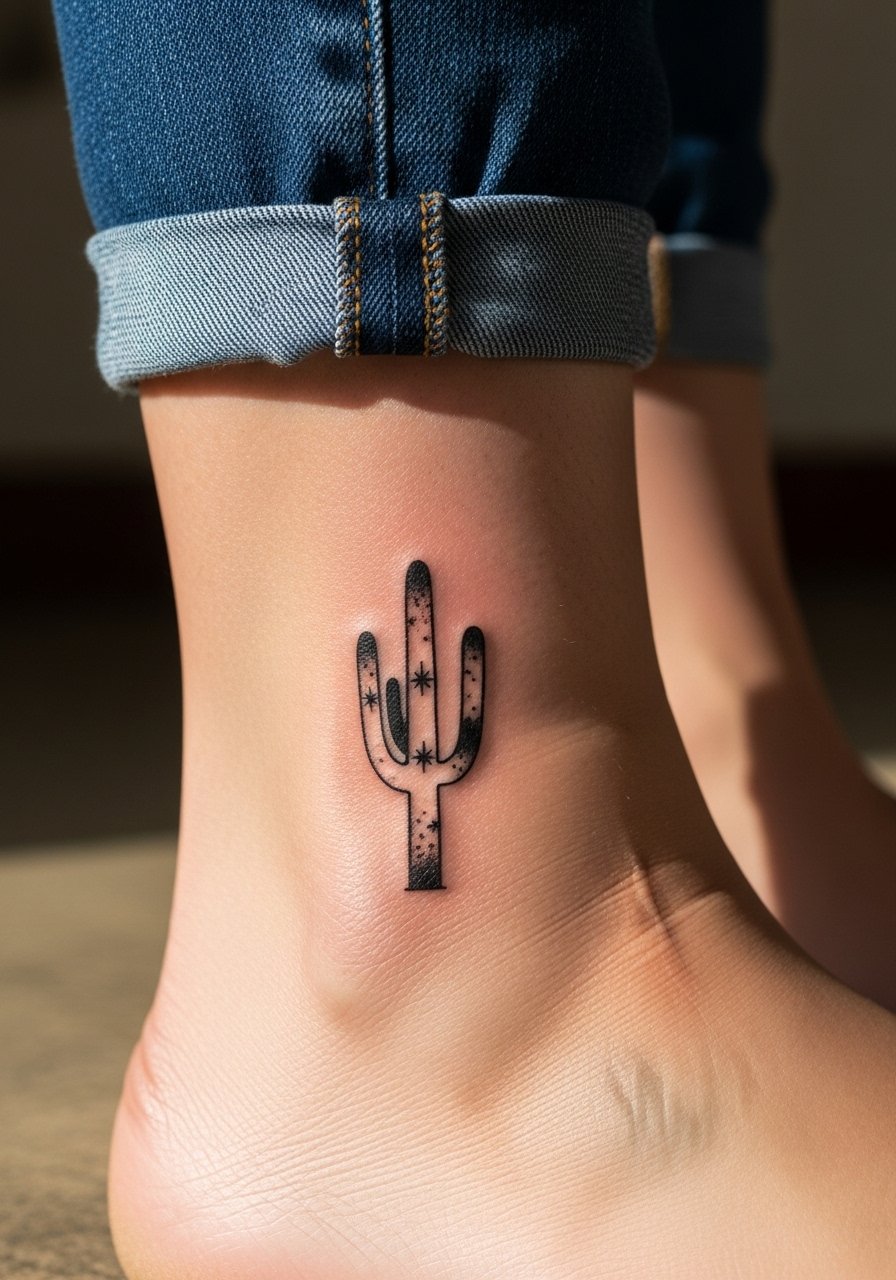
This is a fresh idea for fans who want low-key daytime ink and a glow effect under blacklight. Note that UV inks are experimental and require an artist experienced in their use. The two camps on UV are practical versus cautious. One group uses it for novelty and will blend it sparingly, and the other avoids it over questions about long-term stability. Ask your shop about their UV experience and healed photo examples. For showing it off pick sandals or cuffed jeans so the ankle can catch different lights.
21. Thin Musical Staff Behind the Ear

A tiny staff behind the ear is discreet and carries musical symbolism without being literal. The area is sensitive and hair coverage affects visibility. Ask for slightly bolded note heads and keep the staff short so it does not wrap awkwardly. Pain is mild and sessions are quick. Pair this with a hairstyle that tucks behind the ear for occasional reveals and wear a thin chain pendant necklace that sits below so the two elements do not compete.
22. Minimalist Rage Face as Sternum Accent
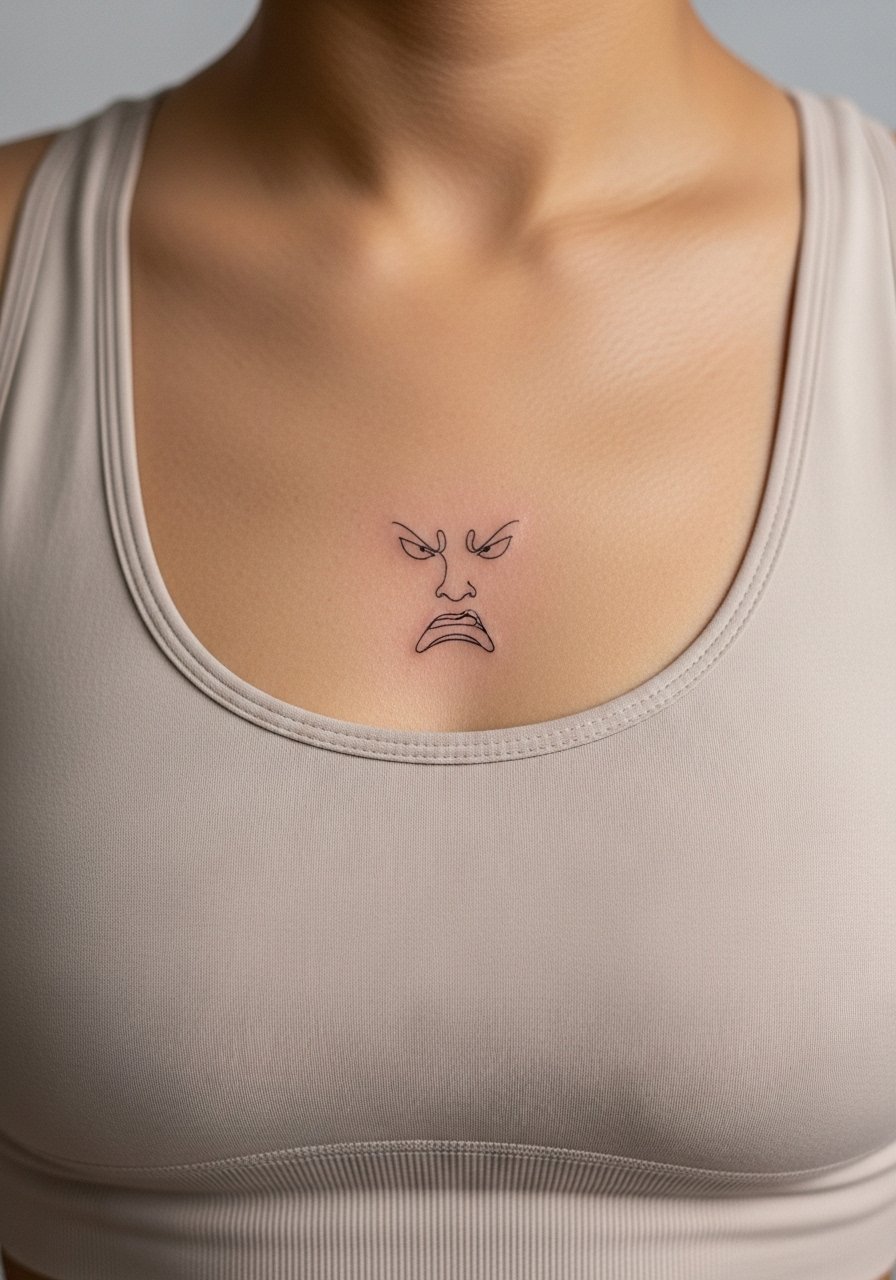
Sternum placement reads intimate and dramatic when centered. Expect higher pain and a session that may need breaks. The sternum shifts with breathing so discuss line spacing to avoid early merging. A common error is asking for too much tiny shading in a small sternum piece. For comfort choose a sports bra or bandeau on the day of the session and plan short breaks.
23. Micro Script on the Side of the Hand

Hand scripts are visible and hold differently than arm work because of washing and motion. Expect touch-ups sooner and ask your artist about maintenance plans. Pain is moderate and the skin texture varies across hand zones. The mistake is assuming the same longevity as forearm script. For showing off choose small accessories or let the hand be the focal point depending on your job requirements.
24. Minimalist Portrait Silhouette on Upper Chest

Upper chest pieces are partly visible and can be framed by clothing. They sit on thin skin and are sensitive near bone. Ask for slightly increased contrast in shading to keep the silhouette readable over time. Sessions depend on size but can usually be finished in one longer appointment. For showing it off pick open-neck or off-shoulder tops and a thin gold necklace worn beneath the silhouette.
25. Tiny Dotwork Rage Face as Behind Ear Accent

Dotwork behind the ear keeps the meme reference understated and easy to hide. The area heals differently under hair and sun. Ask for denser dots in core areas so the face reads through the dot field after six months. Pain is mild and sessions are brief. For after the session tuck your hair or pull it up to let the area breathe without constant rubbing from collars.
26. Neo-Traditional Small Thigh "Sicko Mode" Logo
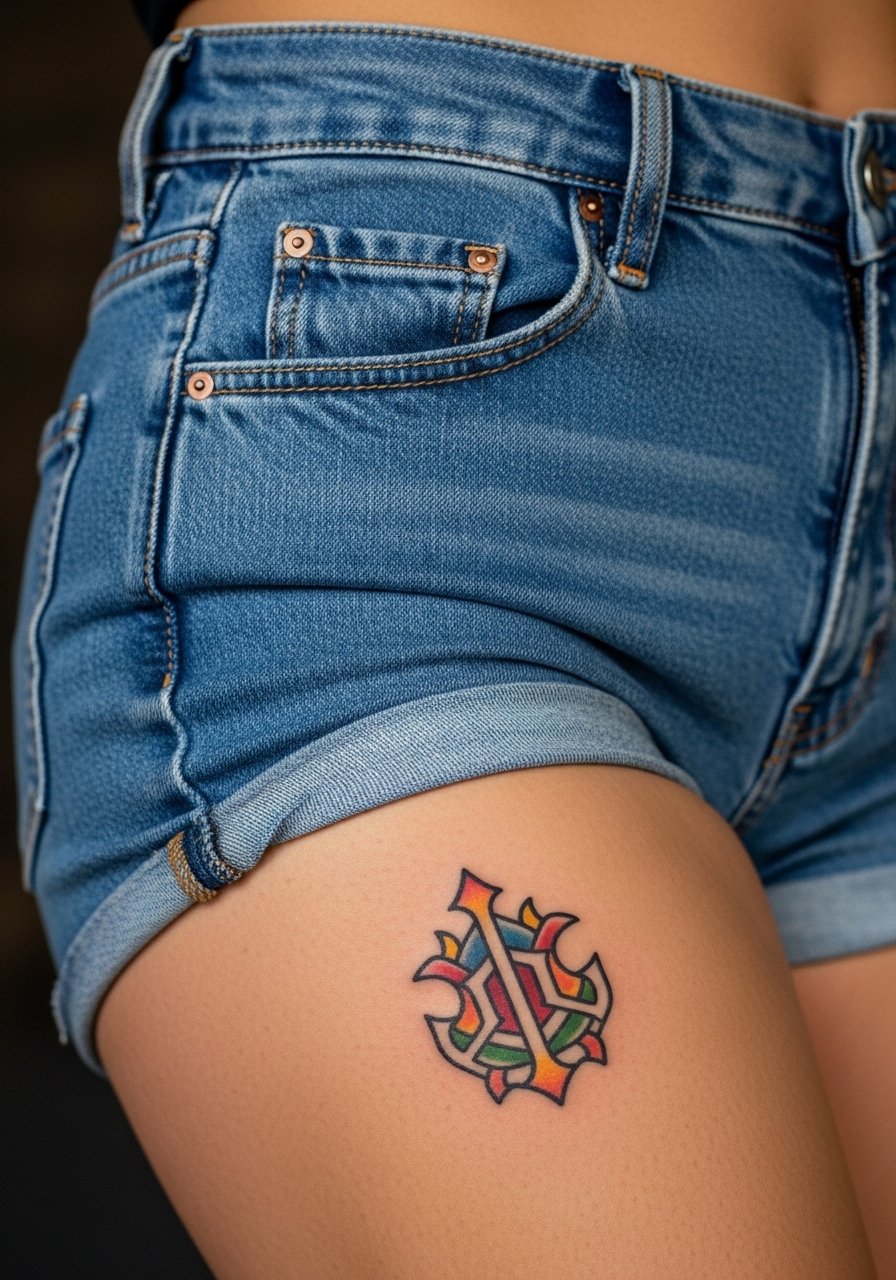
Upper thigh allows more complex reinterpretations with color, and the area hides well for work situations. Sessions can be longer and the skin there holds color nicely. A misstep is compressing too many elements into a tiny thigh piece. Wear loose shorts or a skirt on session day so the artist has access and you leave comfortable.
27. Test-Run Temporary Rage Face Before Permanent

Trying a temporary design first is underrated and can save regret. Many fans now buy temporary Travis-style decals to test placement and daily wear before committing. Use the trial to check visibility at work and to see how clothes interact with the piece. If you plan a permanent version after testing, bring photos of the temporary wear to your consultation so the artist can match scale and angle. For comfort on the day of testing wear a button down shirt you can roll sleeves on.
Frequently Asked Questions
Q: Will fine line "Astroworld" scripts fade faster on darker skin tones?
A: From what I have seen, ultra-thin single-needle scripts can lose visible contrast faster on darker skin tones because the ink sits differently. A practical move is to ask for slightly stronger line weight or micro-realism alternatives and to request healed photos from the artist on similar tones.
Q: How painful is a micro-realism portrait on the collarbone versus the forearm?
A: Collarbone portraits are usually more painful because the needle crosses near bone, often a six or seven, while inner forearm work is milder at around a three. Plan for shorter sessions on the collarbone and bring a layer you can shift for comfort.
Q: Should I use Saniderm or dry heal for a fine line wrist script?
A: The community splits on this. One camp prefers Saniderm for active lifestyles because it keeps the area clean, and another prefers dry healing to avoid trapped moisture. For fine line wrist scripts many artists recommend dry healing unless your daily routine makes sealed protection necessary. Ask the shop which method they have consistent healed photos for.
Q: How often do these delicate Travis pieces need touch-ups?
A: Expect touch-ups anywhere from 12 to 36 months depending on placement and lifestyle. Wrists and hands often need touch-ups sooner, and blackwork pieces usually settle longer between visits than single-needle scripts.
Q: Can I test a design with temporary tattoos before booking a permanent session?
A: Absolutely. Trying a temp decal or semi-permanent transfer lets you live with the size and placement for weeks and often changes how people choose orientation. Bring photos of the temporary wear to your consultation so the artist can match what actually worked for you.
Q: Where should I look to find artists who do delicate Travis-style work without naming someone directly?
A: Search hashtags like #TravisScottTattoo and #FineLineTravis on Instagram, filter TikTok for "delicate Travis tattoo healed" plus your city, and check apps that list guest spots and healed portfolios. In forums look for threads titled "recommend [style] Travis artists [state]" to see firsthand client photos and booking notes.