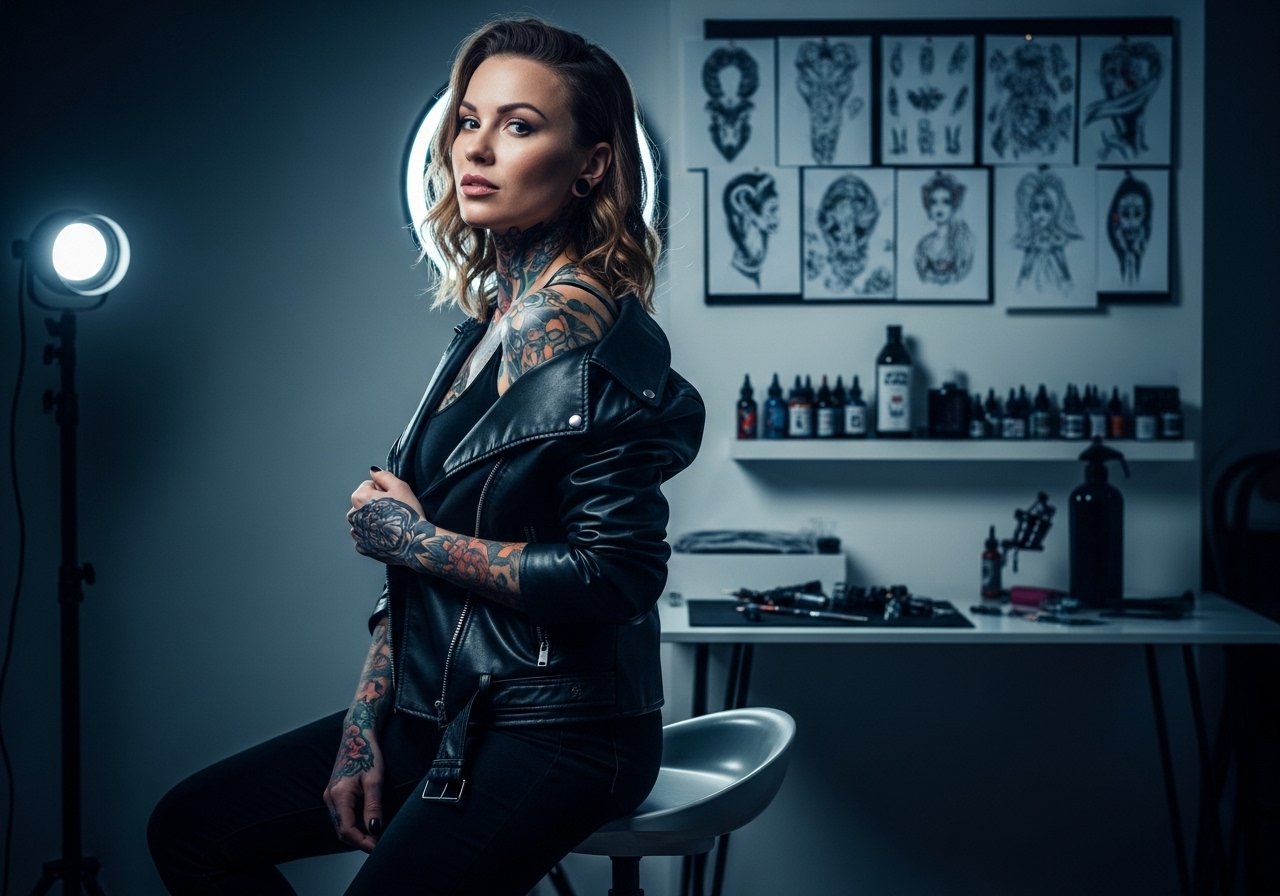
Fine line cover-ups look gorgeous on a saved board, but the small stuff often shows its age first. I've seen delicate script and tiny florals start to ghost the old ink within a year on thin skin, while denser packing or a dark center hides the old lines for good. Below are 21 dainty tattoo cover up ideas that lean on shading, texture, or clever composition so the new design outlives the regret.
1. Floral Mandala Wrap on Inner Wrist

I recommend a layered mandala when a faded wrist piece looks patchy. I've seen the wrist betray fine line work because the skin is thin and motion makes light ink peek through. Ask your artist to scale the petals just a touch larger than your old design and to use packed black in the center petals to sit directly over the old ink. Expect a higher touch-up chance at year two on wrists, so plan one follow-up if the artist suggests it. For showing it off, pair this with a thin gold chain bracelet on the opposite wrist so the mandala reads delicate without crowding the same arm.
2. Sunflower Bloom Over Lettering on Collarbone

Fair warning, collarbone skin can be unforgiving for tiny script. A sunflower with a dark, shaded center is brilliant for masking names because the shadow hides old strokes. During consultation, say you want the center packed with near-black saturation and petals that radiate slightly larger than the original lettering. For evenings out, this placement pairs beautifully with strapless midi dresses that let the mandala or sunflower sit under the collar line. Expect a single session for small pieces, but reserve a touch-up if the old ink was dense.
3. Micro Blackout Block Accent on Outer Forearm
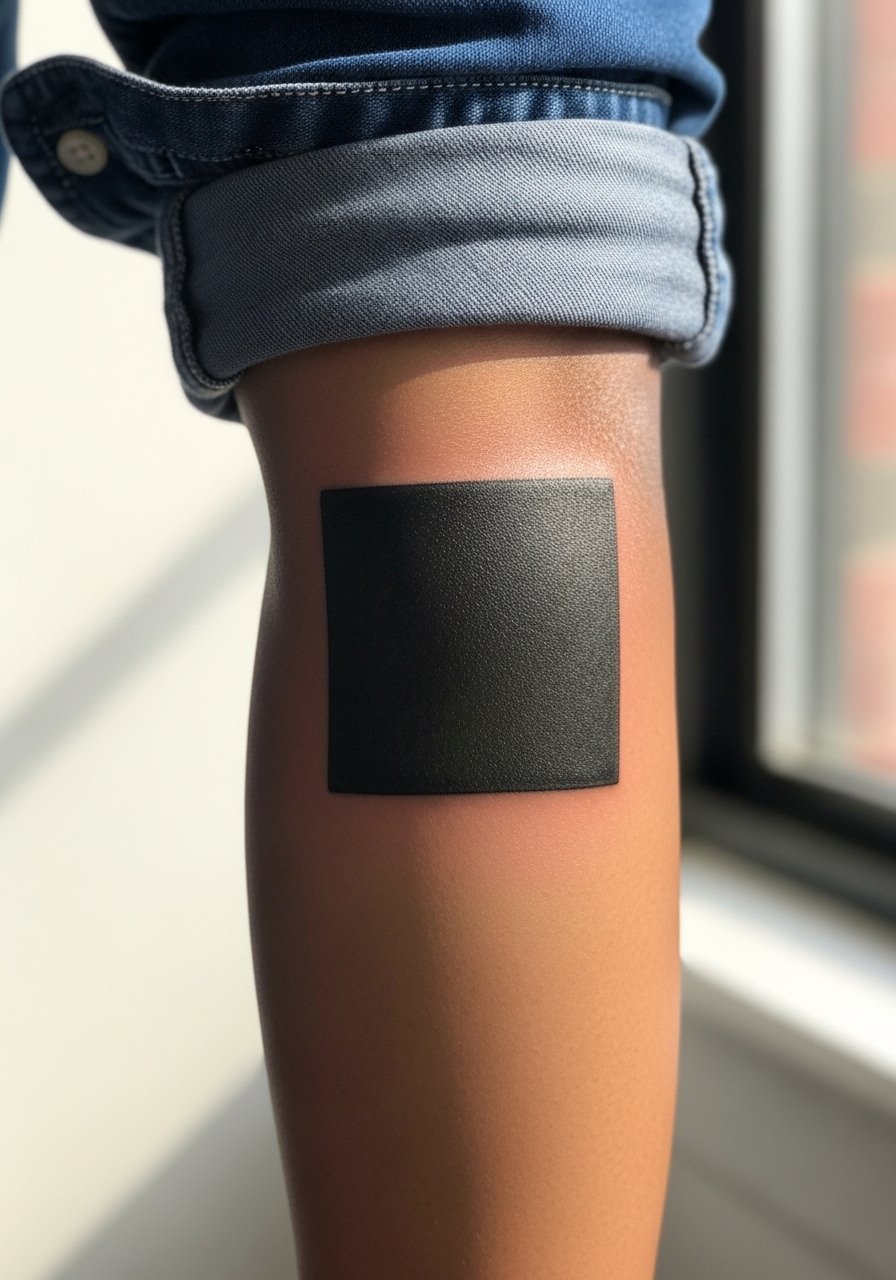
Artists split on full blackout work, and that split matters even for small blackout patches. One camp says blackout is the surest mask for stubborn color. The other warns about long-term regret and harder removal later. For a dainty patch on the forearm, go with a small geometric edge so the dense black hides faded color without swallowing the limb visually. Expect multiple sessions if the old ink was brightly saturated. For session wear, unbutton a loose button-down shirt so the artist can access the area cleanly.
4. Dreamcatcher Feather Cascade on Shoulder

I've seen feather textures save old script more than one time. Flowing feathers distract from angular old lines and introduce stipple shading that blends uneven ink. Tell your artist you want long, tapered feathers with stippling toward the tips so the eye follows the texture away from the old mark. For showing it off, reach for an off shoulder linen top and medium hoop earrings for a boho vibe. Shoulder sessions are comfortable for most people and usually finish in one fairly quick visit.
5. Butterfly Wing Morph at the Ankle

The asymmetry of a butterfly wing helps blend an uneven fade into a new organic shape. Don't ask for both wings if the old ink sits off-center; a single wing that curves around the ankle reads intentional and masks old edges. The ankle is prone to rubbing from shoes and socks, so plan to avoid tight footwear while healing. For barefoot days and warm weather, pair the design with strappy flat sandals so the piece gets air and attention without friction.
6. Tiny Skull with Floral Jaw on Outer Thigh
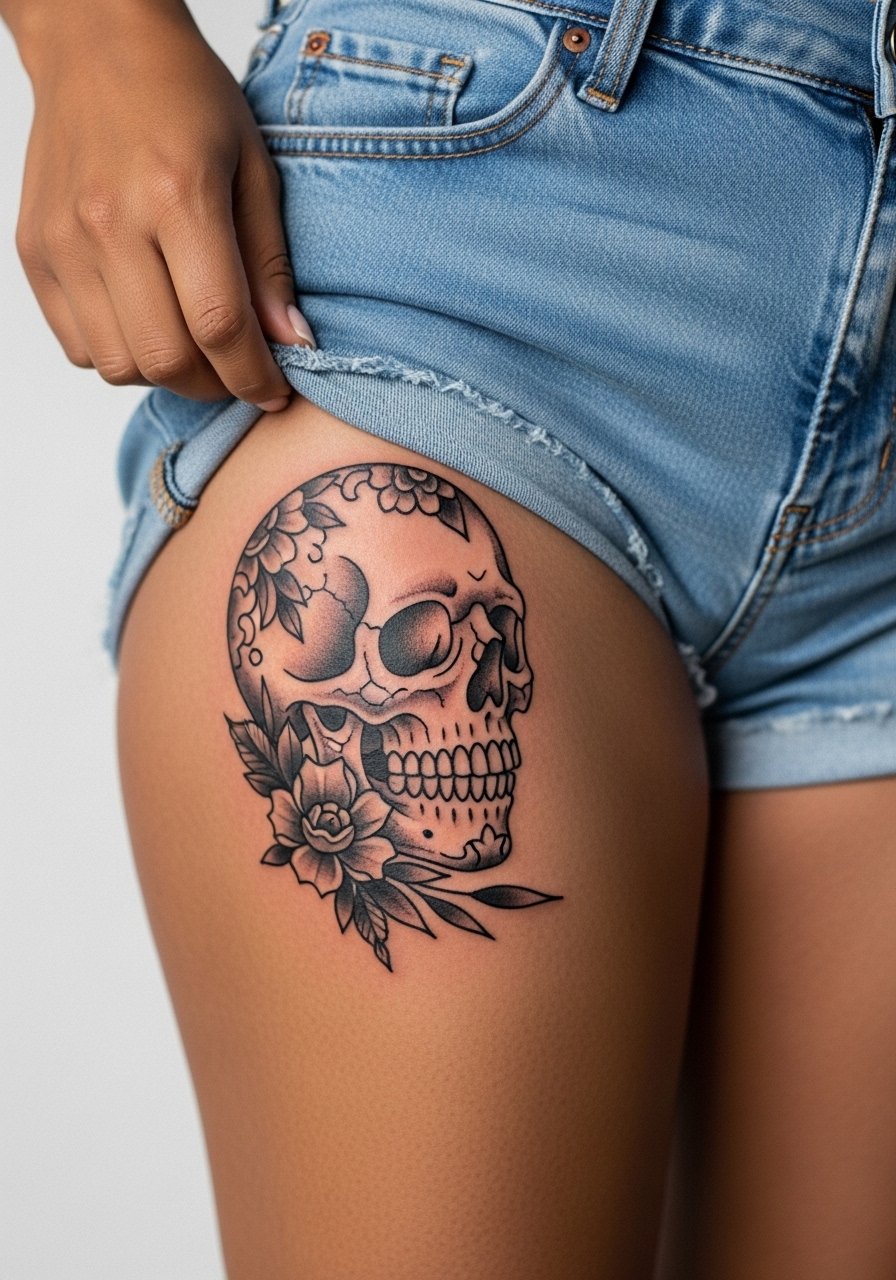
The outer thigh tolerates dense packing and holds shading well, so a small skull with dark eye sockets is great for obscuring old outlines. The biggest mistake is asking for ultra-fine teeth detail in a tiny piece. Ask the artist to emphasize shadow pockets behind the jaw that sit over the old lines. Thigh sessions can take longer and feel more intense than ankle work, but placement stretches less with movement than inner thigh pieces. Show it off with high waist denim shorts that keep the focus on the art.
Studio Day Picks
Those first six ideas cover wrists, collarbones, shoulders, ankles, forearms, and thighs, and they each ask for different prep and healing habits.
-
Stencil transfer paper kit. Lets you preview line placement on skin before the needle starts, which matters a lot for small wrist and collarbone covers.
-
Topical numbing cream. Applied 45 minutes before can take the edge off sensitive wrist or ankle sessions without affecting the artist's work.
-
Thin protective film roll. Keeps finger and low-foot tattoos clean during the first week of friction from shoes and daily washing.
-
Fragrance-free body wash. Gentle cleansing avoids irritating delicate linework on wrists and ankles that fine line pieces depend on.
-
Aquaphor healing ointment. A thin layer for the first few days locks in moisture for fine line work without clogging the needle channels artists rely on for clean touch-ups.
7. Bird Feather Cascade on Inner Bicep
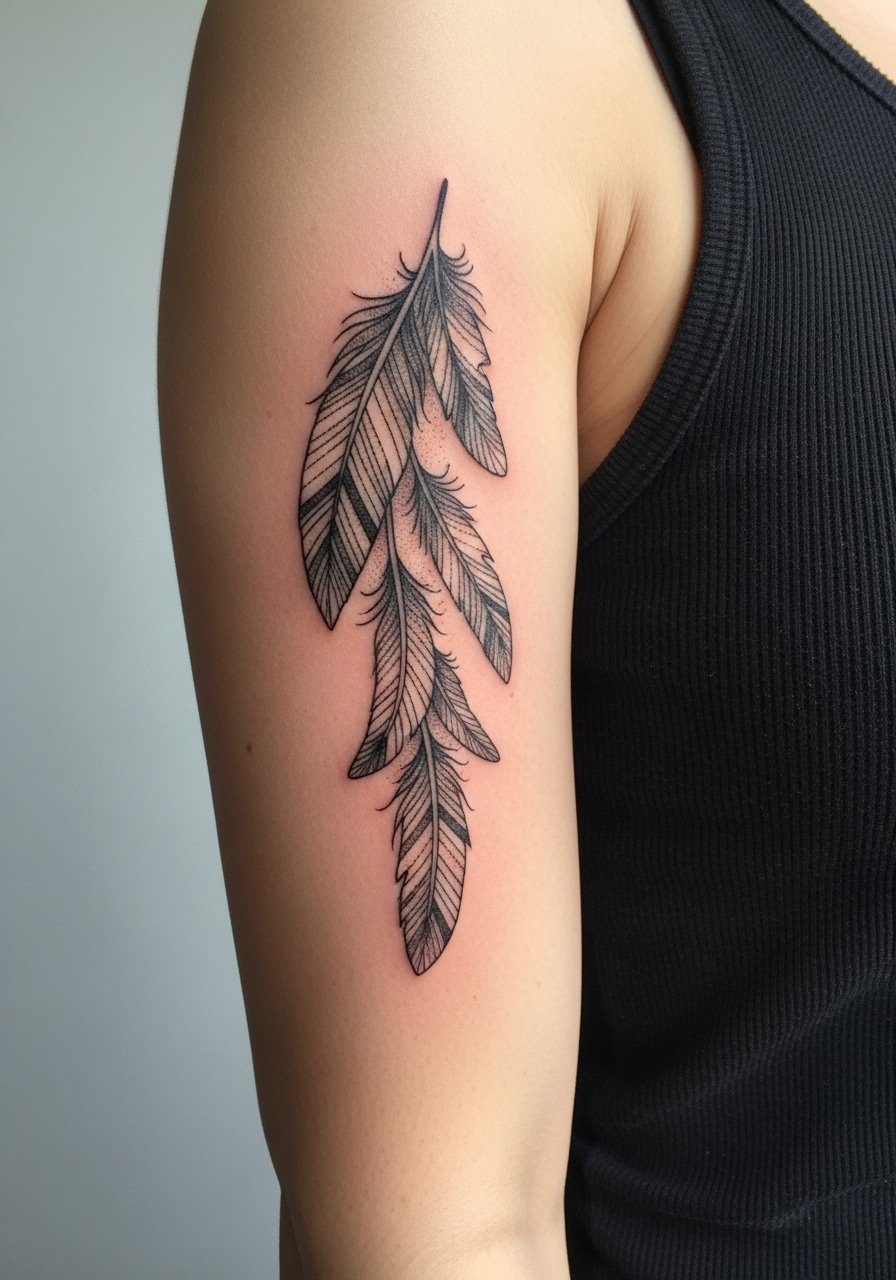
This placement is forgiving for texture because the inner bicep hides in everyday movement. Feather textures direct attention away from an old symbol and replace straight lines with flowing shading. During the consult, ask for denser stipple near the old mark so the feather pattern camouflages it. The inner bicep can be tender depending on needle depth, so expect a medium pain level and a one-session finish for small pieces. For the appointment, wear a sleeveless button down so you can raise your arm without tugging tight sleeves.
8. Abstract Dotwork Vortex on Calf

The dotwork vortex is a clever non-literal way to hide tribal or script fades. The density of the dots can be increased over the old ink so the underlying shapes disappear into texture. Tell your artist you want the densest packing where the old lines are and sparser dots radiating outward. Calf pieces age well with low friction if you avoid constant rubbing from high socks. For styling, a midi skirt with a side slit or rolled jeans lets the vortex peek through without exposing it to constant abrasion.
9. Rose Vine Wrap for Wrist Linework
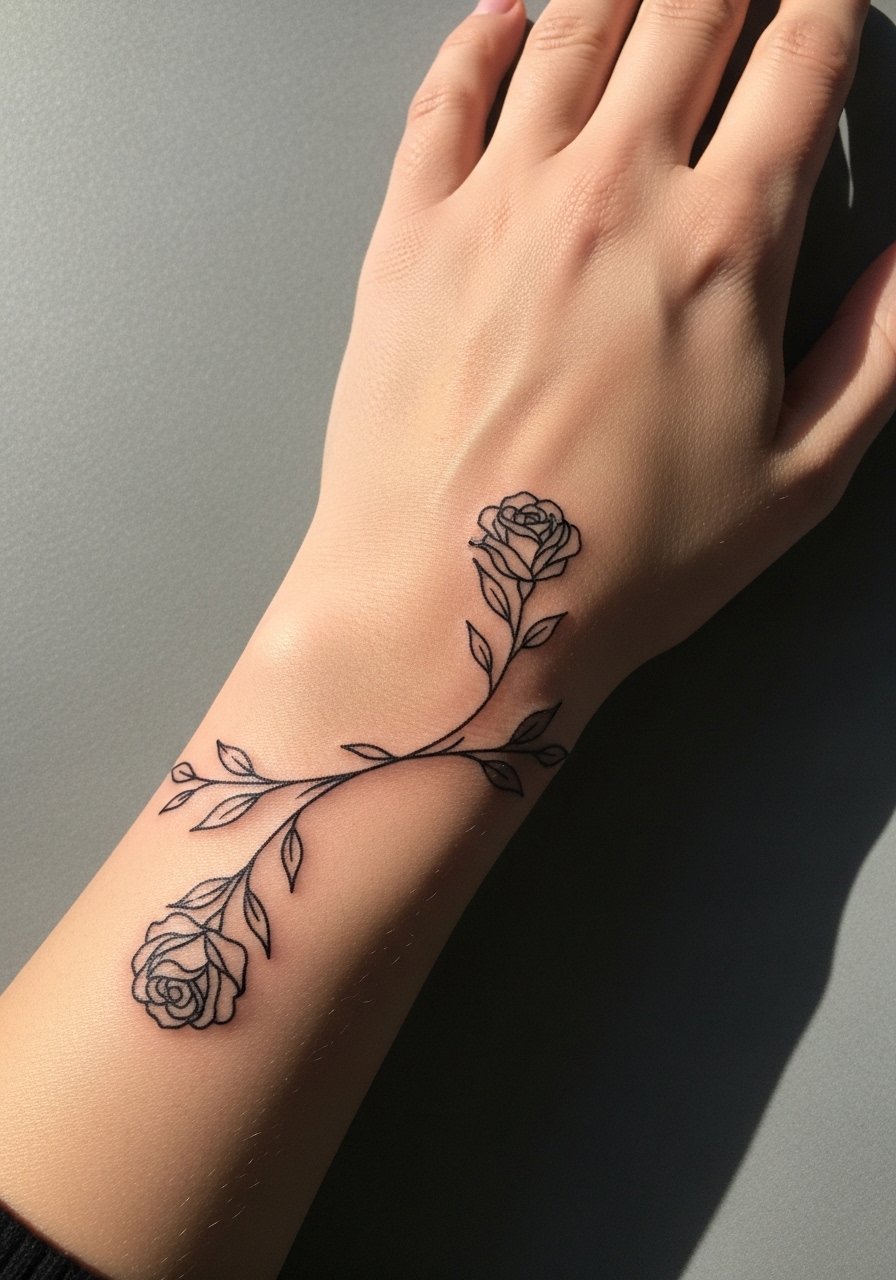
Wrist reds and blowouts make dainty work tricky. The rose vine is a classic fix because the stems can envelop old lines and the leaves draw attention away from any remaining halo. The common mistake is keeping scale too small. Ask for slightly thicker main stems with thinner leaf veins so the piece reads delicate but still has enough saturation to mask faint lines. This is one of those areas where bold outlines outperform superfine strokes for longevity. Pair the look with a dainty bracelet stack on the opposite wrist when you want to show it off.
10. Dark Floral Mini Mandala on Collarbone
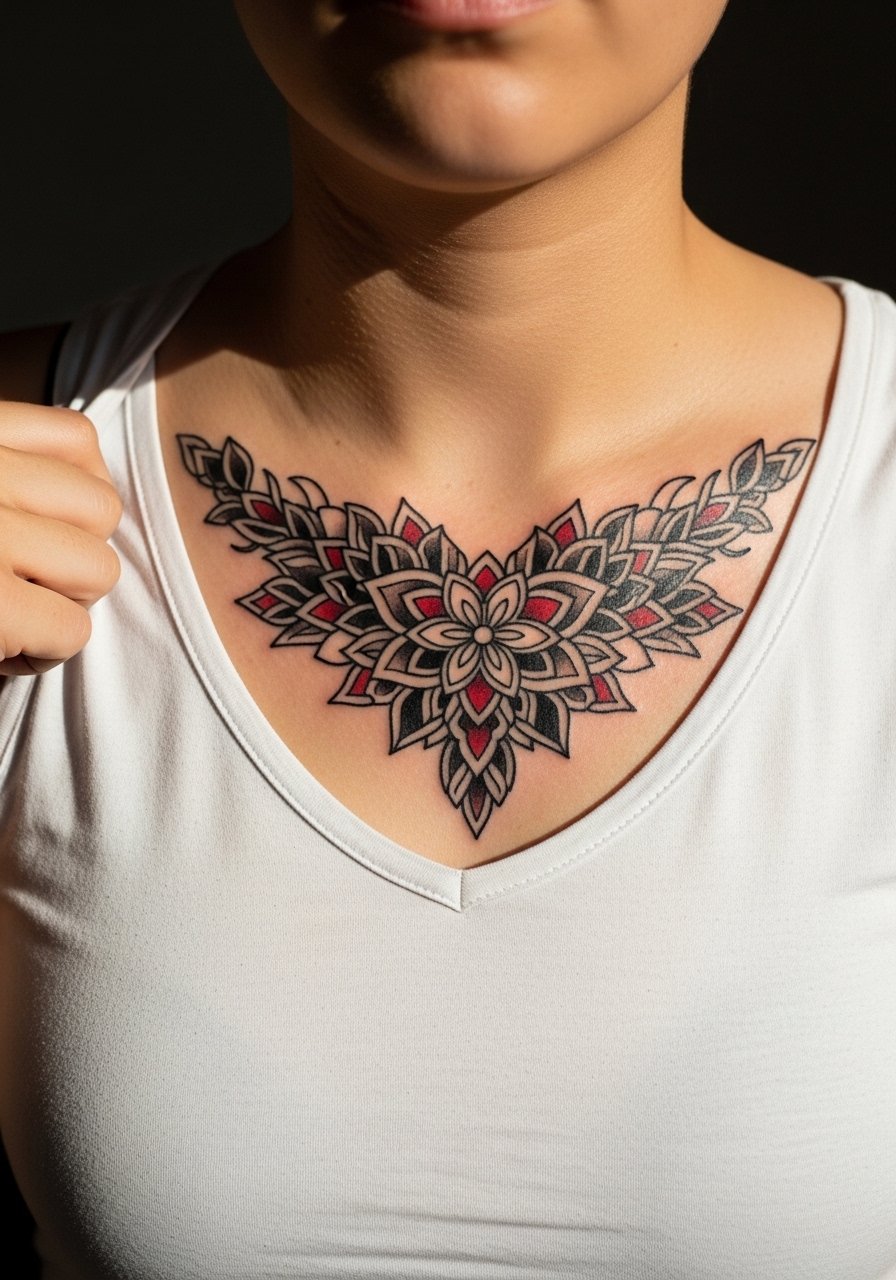
Most mandalas survive better when you size them so dense petals do not crowd each other. For darker mandalas intended to hide old dark ink, ask the artist for bold centers and spaced outer petals so the design breathes on the collarbone. There's debate in the community about heavy packing in that area; one side likes deep saturation, and the other warns about migration if too many passes are used. Expect two sessions if the underlying ink is stubborn. For nights out, layered thin necklaces work best, and a thin gold necklace layer sits below the design without competing.
11. Animal Fur Texture Patch on Ribcage
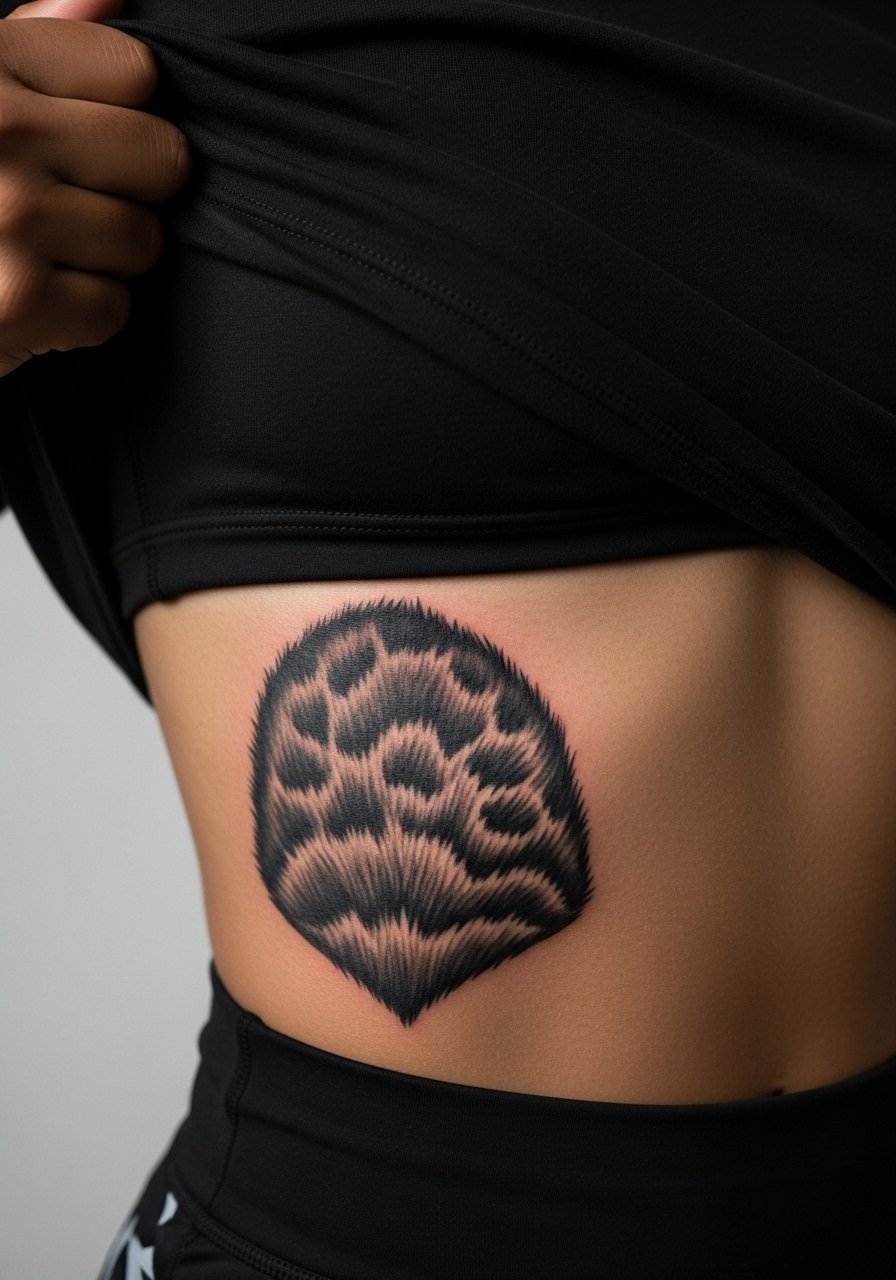
The ribcage is a higher pain zone but it also tolerates packed shading which makes fur texture a solid choice for masking small ex-names or symbols. The common mistake is trying to force delicate hair strokes too close to old dark lines. Instead, ask for layered fur shading with darker underlayers over the old ink. Keep in mind that ribs stretch with motion and weight change, so include slightly flexible elements like curved fur lines. Wear a loose wrap skirt or gym shorts to your session for easy access.
12. Packed Black Geometric Dot on Finger
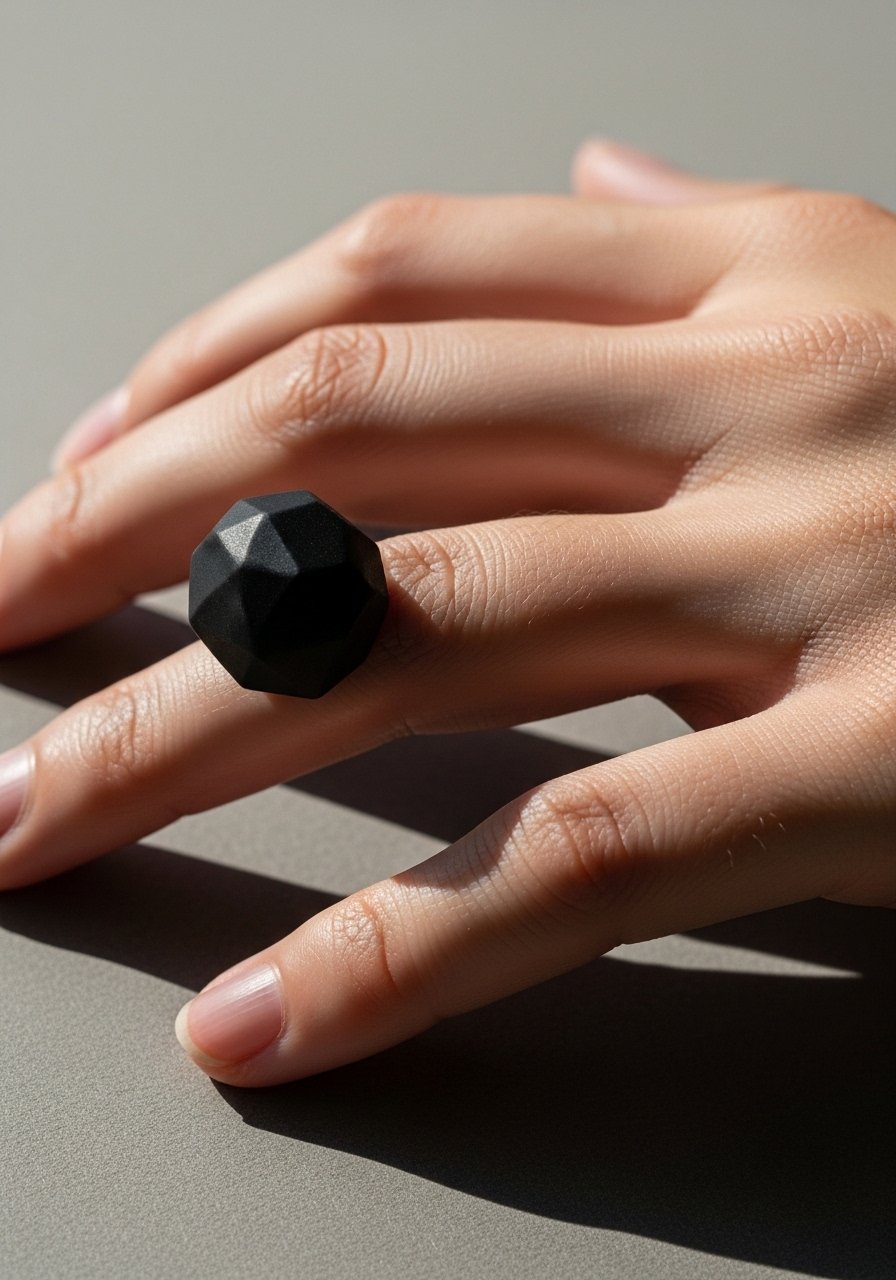
Finger and hand tattoos face the most wear. For tiny cover-ups there, a small packed black geometric shape can overpower faded color where fine detail would fail. The mistake is trying to preserve fine detail in a place that sees constant washing and abrasion. Request dense, single-pass black packing in a simple geometric form and accept that touch-ups will probably be needed within the first year. For minimal interference, keep jewelry simple while it heals and avoid tight rings.
13. Butterfly Micro-Realism Over Script on Ankle

A micro-realism butterfly can absorb uneven script by incorporating the old letter shapes into the wing texture. Mention asymmetry to your artist so they intentionally offset wing veins over the old ink. The ankle is sensitive to footwear friction, so schedule healing around lighter shoe choices and sleep with the area elevated after the session if swelling appears. For winter layering, cropped ankle pants let the wing peek without rubbing.
14. Minimalist Arrow Curve on Inner Forearm

I've noticed the inner forearm holds fine line better than the wrist, but the error people make is making the arrow too thin where old ink sits. To avoid old outlines peeking, ask for slightly deeper linework on the area that sits over the old design and cleaner negative space around it. The session time is short and pain is low. For showing it off, roll your sleeves and try a rolled cuff chambray shirt that frames the arrow without crowding the forearm.
15. Tiny Wave Band Over Faded Bracelet Tattoo on Wrist

Wrist bands face a lot of motion and washing which makes dainty bands tricky. A wave band with slightly thicker crests breaks the straight line that reveals old bracelet tattoos and gives a natural rhythm to the coverage. Ask for slightly raised crest points over the old ink area so the design reads deliberate. Plan for a touch-up at year two on wrists. For daytime wear, neutral linen tanks pair well when you want the wrist to stand out while keeping the look grounded.
16. Micro-Realism Eye on Ribcage

Ribcage is a stubborn spot for aging, but micro-realism with tight shading hides linear old work if composed correctly. The mistake is packing too many tiny lashes in a small area. Instead, request solid shadow behind the pupil and slightly softened lashes outward so the eye masks underlying strokes. Sessions here can be longer and more uncomfortable, so wear a loose cropped tee and plan for breaks. The design remains discreet under clothing and great for someone who wants a private cover.
17. Abstract Crescent Cluster for Small Chest Marks

Chest and sternum placements can show migration if detail is too fine. A cluster of small crescents lets you disperse coverage and avoid a single focal point that could reveal the old ink. Tell the artist to space crescents with a staggered density that places darker crescents over the old lines. For session wear, use a v neck tank loose so you can move the neckline for access without exposure. Expect a touch-up if the old tattoo was deeply saturated.
18. Constellation Dot Line on Ankle

For scattered script or tiny symbols, a stitched constellation of dots and small stars spreads attention and makes the original mark irrelevant. Ask for denser dots over the old ink and fewer dots outward so the eye senses a pattern, not a cover. The ankle heals faster if you avoid tight socks and shoes while the area scabs. Pair with cropped ankle pants or strappy sandals to reveal it when you want.
19. Mini Mandala Behind the Ear Into Neck
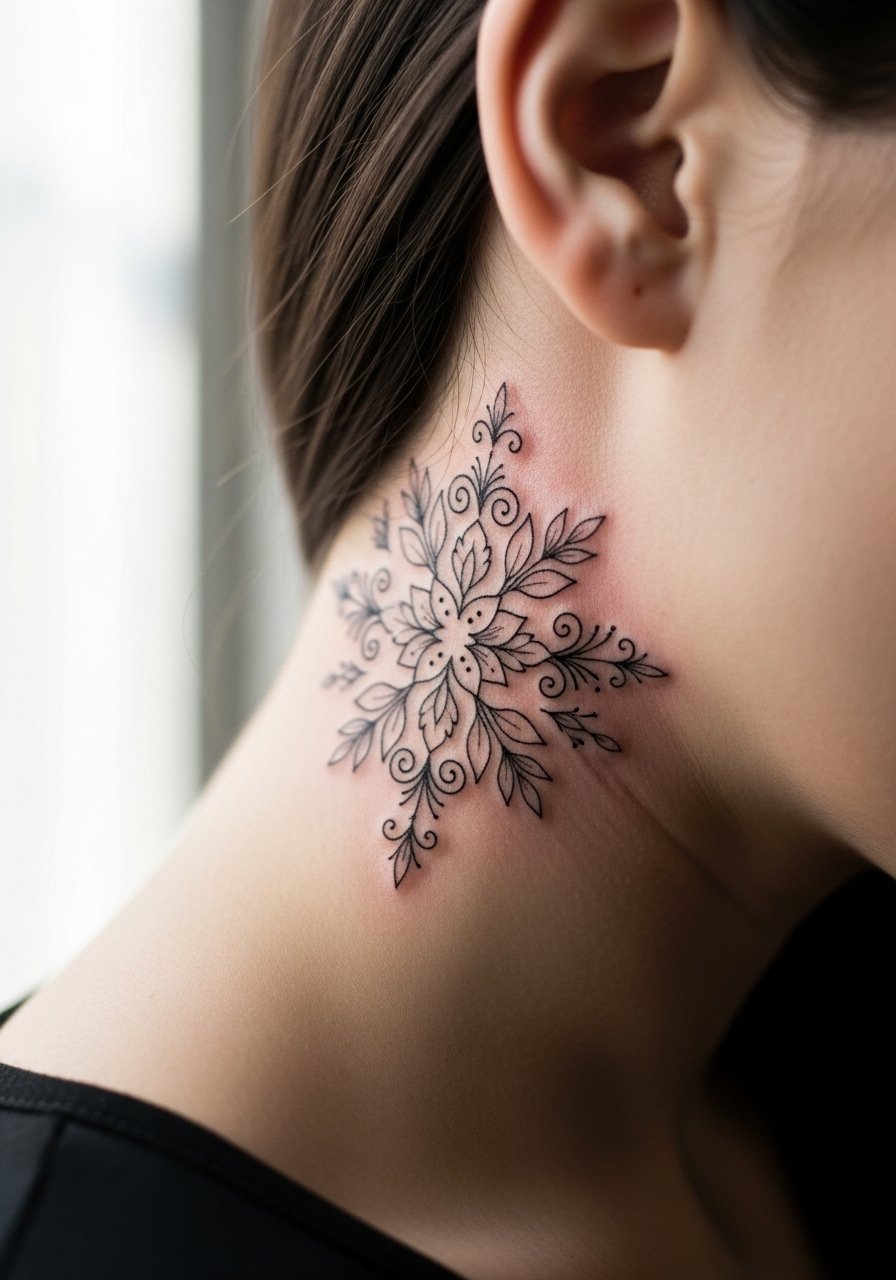
Behind-the-ear pieces need a delicate approach because the area is small and hair can hide detail. A tiny mandala that extends slightly onto the neck gives more canvas to mask old lines and hides the transition under hair. Use a thin outline with packed centers to drop opacity over the old mark. This placement calls for artists familiar with tight, small-scale pieces. It remains discreet and easy to conceal if needed.
20. Packed Texture Paw Print on Hip
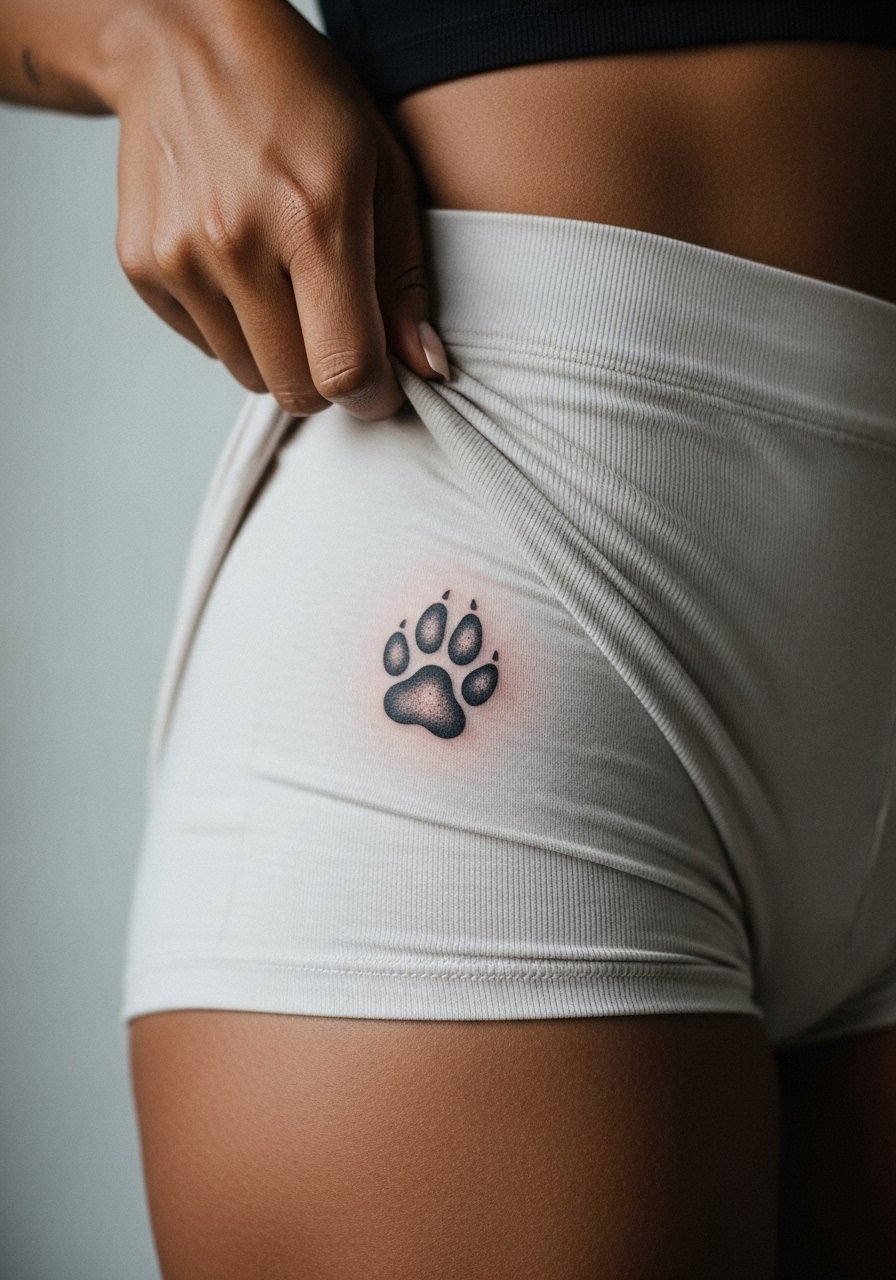
Hip and upper thigh areas accept texture and packed black well, which makes a dense paw print a smart fix for small regrets. The typical mistake is trying to keep the print ultrafine, which lets old ink show through. Instead, ask for layered pads and darker crescent shapes inside the print to disguise old lines. For the session, wear high-cut shorts so the artist can shift fabric without full exposure. This placement handles weight change better than inner thigh pieces.
21. Linear Arrow Ring for Finger Band Hides

Finger bands see the worst of fading, so when you need to cover a faded bracelet or band, a thin arrow ring that wraps the finger gives direction and purpose to the new ink. Ask your artist to use a single-pass dense line where the old band sits and a lighter line elsewhere to balance longevity and subtlety. Be ready for periodic touch-ups within the first year because hands and fingers are high-wear zones. Keep rings loose during healing and avoid constant hand soaking.
Frequently Asked Questions
Q: Will a dainty cover-up on the wrist hide dark old ink long term?
A: Dainty wrist work can hide faded ink if the new design uses packed shading or dark center elements. Wrist skin is thin and sees a lot of motion, so expect a touch-up within a year or two if the underlying ink was dense. If you want the least maintenance, consider slightly larger scale or heavier packing in the areas over the old lines.
Q: What should I tell an artist when I want to convert a name into a sunflower center?
A: Say you want the sunflower center saturated enough to sit directly over the lettering and petals that radiate larger than the original word. Mention any healed photos of the old tattoo so the artist can plan where to add the darkest shading. Most artists will recommend at least one follow-up if the old name was heavily saturated.
Q: Are blackout patches controversial and what should I consider before booking one?
A: Yes, blackout splits artists into two camps. One sees it as the most effective way to erase visible color. The other warns of later regret and harder removal. If you are leaning toward blackout, start small so you can live with the choice, and ask about removal difficulty before committing.
Q: How does skin tone affect cover-up success for dainty pieces?
A: Darker skin can still take dainty covers, but denser pigments and contrast often work better to prevent the old ink showing through. Ask for artists who have healed portfolio examples on similar skin tones and consider test patches if you or the artist recommends them.
Q: What should I wear to a session for a collarbone or shoulder cover-up?
A: Pick loose tops you can pull aside with no full exposure. For collarbones, a wide-neck shirt or a v neck tank loose works well. For shoulders, an off-shoulder or sleeveless shirt lets the artist work without constant readjusting.
Q: How do weight changes affect dainty thigh and hip cover-ups?
A: Thigh and hip placements stretch with body changes, so designs that include flowing vines or curved texture handle movement better than rigid geometric shapes. If you expect fluctuations, tell the artist so they can design with flexible elements that maintain legibility over time.