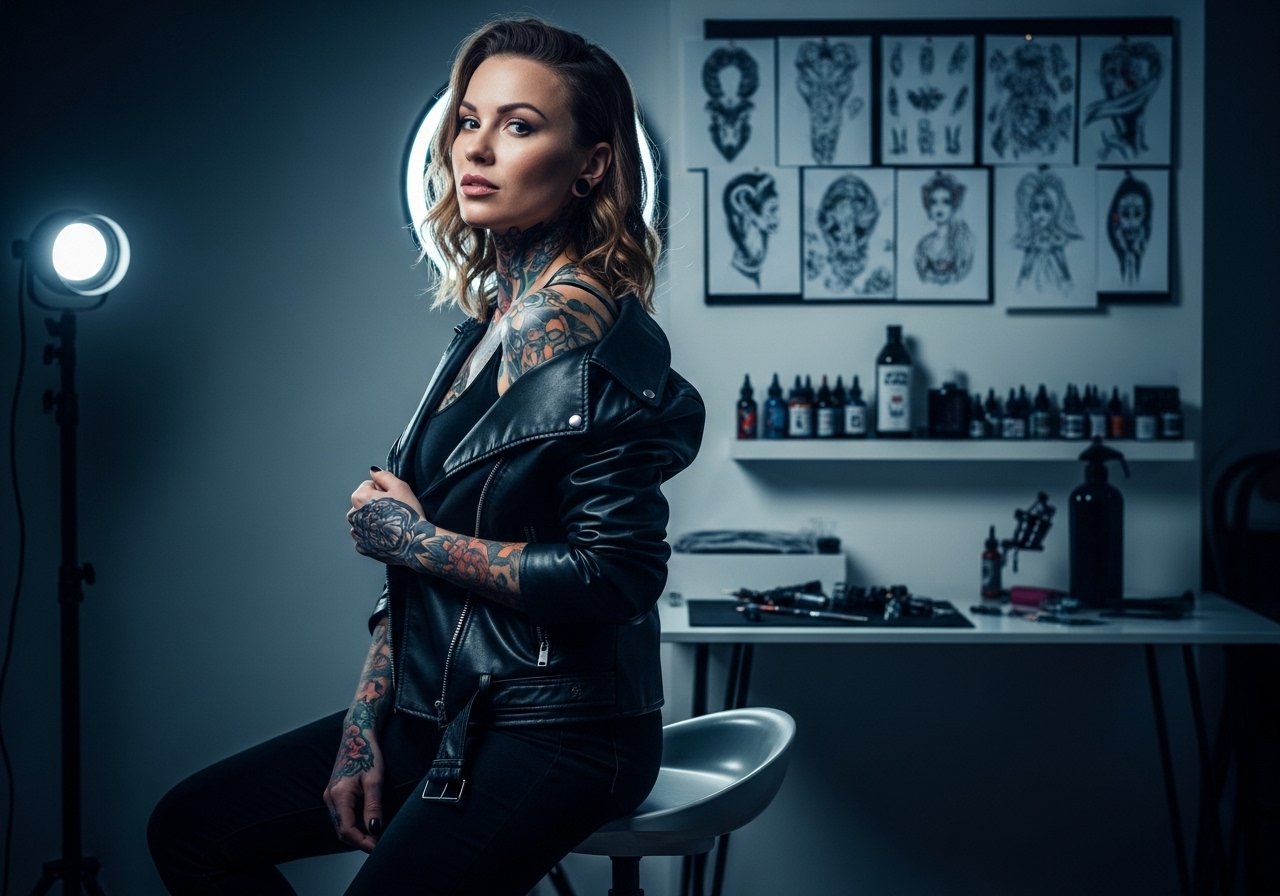
Fine line looks great on a saved board, but trends and reality often diverge. I have seen fine line silhouettes, collarbone scripts, and tiny portraits across five shops in Brooklyn and at a couple of conventions. The issues fans complain about keep repeating: dainty ink fading fast on wrists, artists ghosting after deposits, and small portraits losing contrast on darker skin. Read on for 17 practical dainty John Wick tattoo ideas that balance the look with how they age, plus what to ask your artist first.
1. Fine Line John Wick Silhouette on the Inner Wrist

I recommend the tiny suit silhouette when you want a discreet nod to the films without full-on portrait work. In consultation, ask your artist for slightly thicker single-needle weight and 1 to 2 mm more spacing between details so the lines have room to settle. Fair warning, wrist work sees a lot of hand washing and friction, so plan for a touch-up around year two to three. The session itself is brief and feels like steady pinpricks, about 30 to 45 minutes including stencil placement. For showing it off, wear a thin gold chain bracelet on the opposite wrist and roll a linen cuff once when you want the silhouette visible.
2. Minimalist Praying Hands Over a Tiny Cross at the Collarbone

This compact take channels the film's back tattoo without copying it. Tell your artist to keep the hands simplified with open negative space between fingers to prevent lines merging as it heals. Collarbone tattoos sit where clothing and necklaces can rub, so the first week people often notice slight scabbing if they wear bulky straps. Pain is mild to moderate for most people and the session is usually under an hour. Two common mistakes are asking for too many fine details and tight cursive on a 1-inch scale. For evenings out, an off-shoulder top and a simple chain necklace drop amplify the area without covering it.
3. Micro-Realism Fiery Skull on the Shoulder Blade
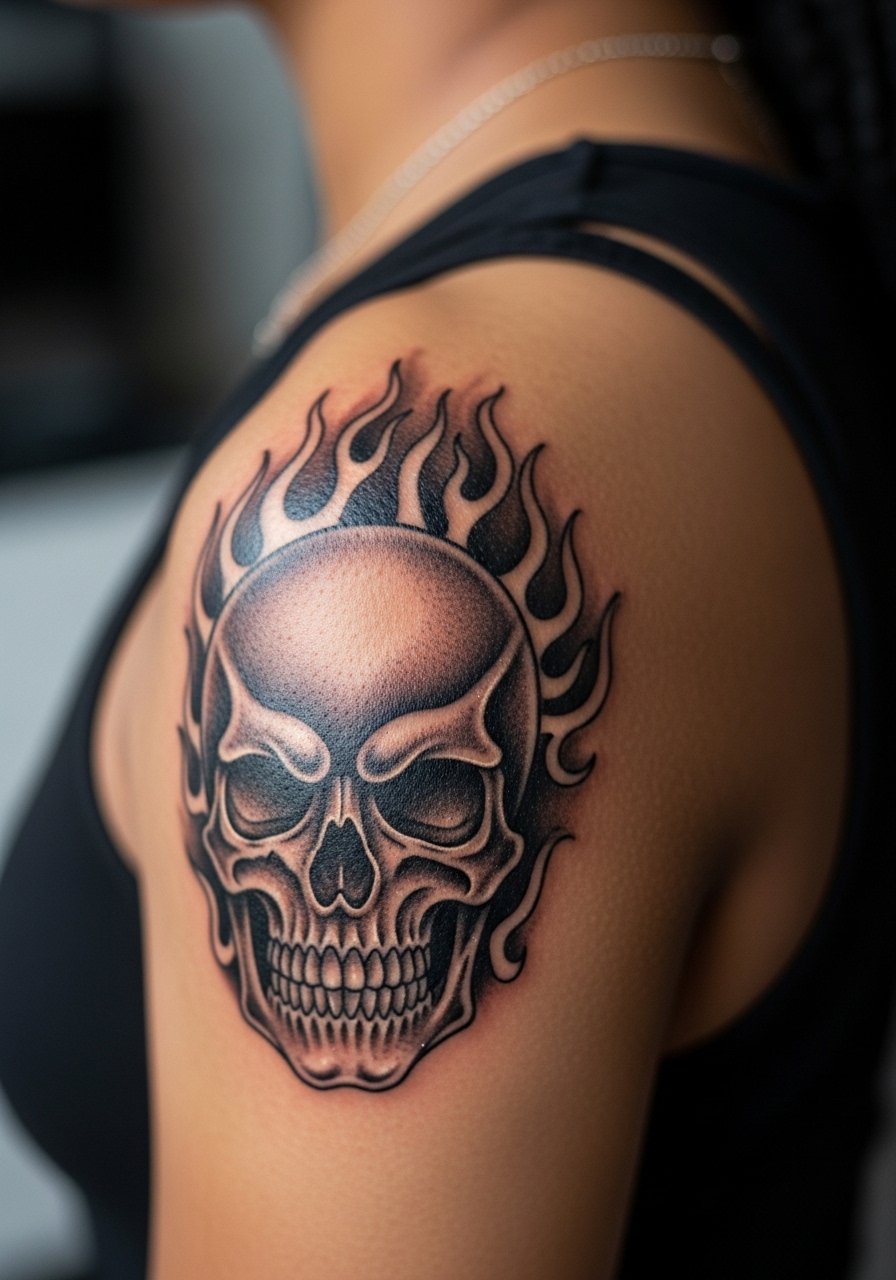
There is real visual payoff in a two-inch micro-realism skull on the shoulder blade. In consultation, bring close-up references of smoke and shading you like and ask for contrast in the darkest tones so the piece reads from a distance. Shoulder blade sessions are comfortable because you can lie face down and rest, and one to two sessions is typical for a detailed micro piece. Expect the darker grays to hold better than pale washes, and ask about touch-up availability at year one. For the session, wear a strappy tank so the artist has clear access without fabric drag.
4. Blackwork John Wick Portrait Outline on the Outer Forearm

If you want the gaze without the risk of blurring that tiny portraits face, blackwork outline gives you depth in a compact piece. Ask the artist for heavier fill in shadow planes rather than ultra-fine facial detail. Artists disagree on fine line versus bold here. One camp says fine line holds fine with touch-ups, while another camp argues that blackwork retains contrast better over five years. The outer forearm is a forgiving placement with low blowout risk when the needle depth is controlled. Session time is usually one to two hours and pain is manageable. Push your sleeve up during shows and pair the tattoo with a fitted long sleeve tee pushed up for that cinematic, edged look.
5. Neo-Traditional “Fortis Fortuna Adiuvat” Script with Hands on the Ribs
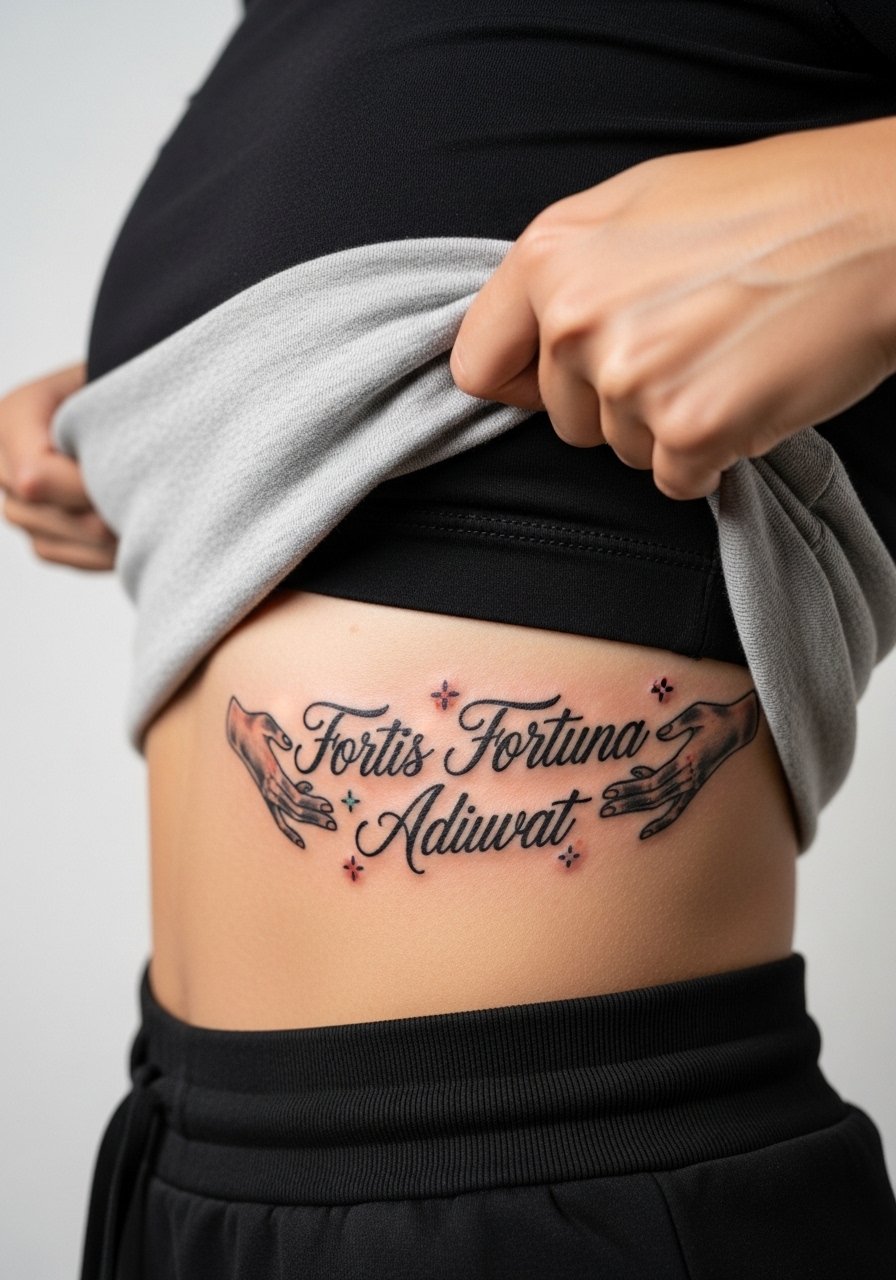
The ribcage gives room for a four-inch script and small supporting hands in neo-traditional shading. Be candid in consultation about spacing and letter size because ribs stretch with breathing and body changes. Pain is higher on ribs for many people, often described as a 7 out of 10, and sessions may require breaks. There is a real debate about fine line on ribs. One group thinks the skin stretch blurs lines quickly. The other group believes with proper depth and spacing the work holds. If you lean neo-traditional, prioritize bolder line weight and modest shading so the phrase remains legible over time.
6. Watercolor Wick Silhouette in a Suit on the Thigh
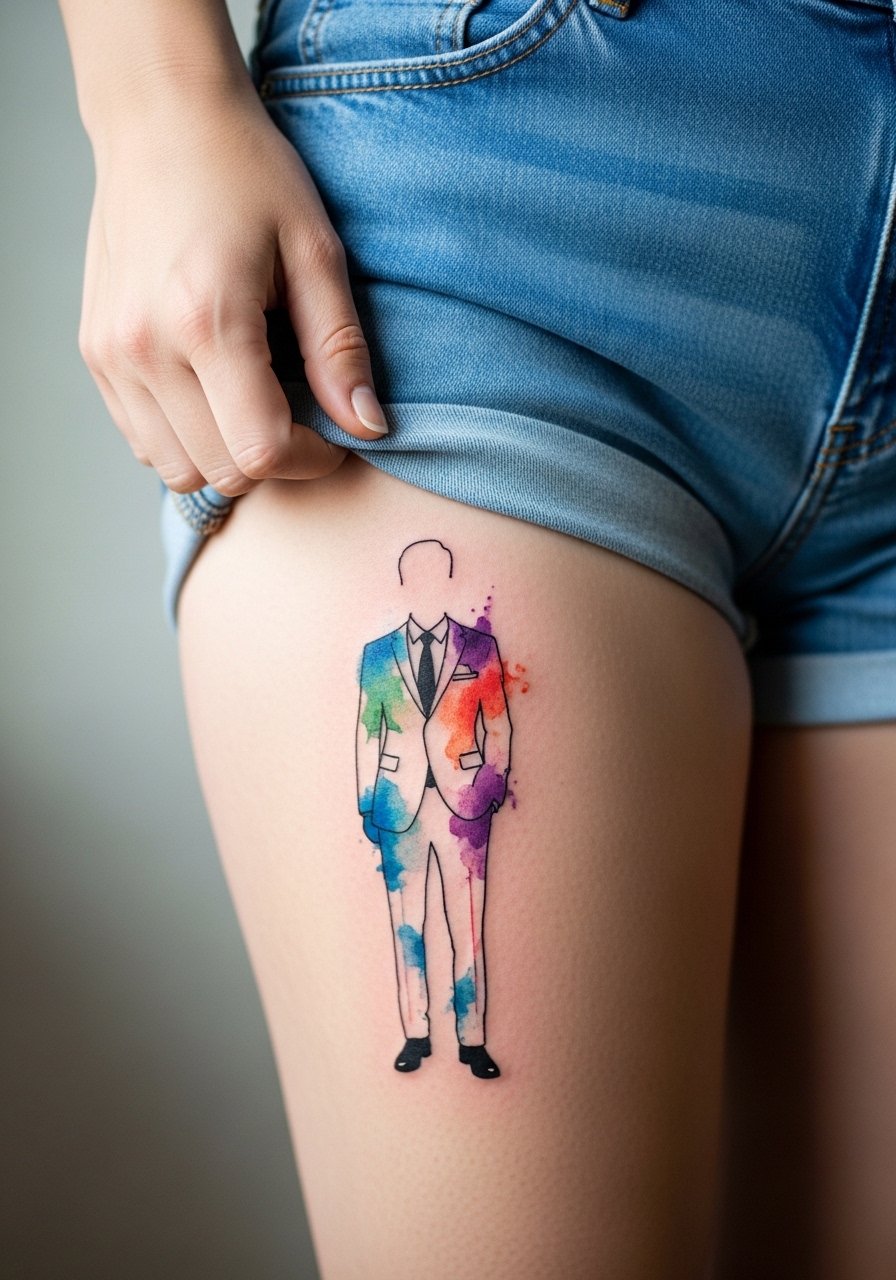
Watercolor suits feel artistic and modern on a thigh where the area is large enough for color flow. The downside is that watercolor fades faster than black and gray, especially if exposed to sun frequently. For calmer aging, ask for a thin black outline around key shapes to lock in edges and request UV-resistant aftercare routines at consultation. Thigh sessions are low on the pain scale for most, and one to two sessions usually covers the work. Wear loose shorts to your appointment so the artist can access the area without fabric pulling.
Studio Day Picks
The wrist and forearm pieces above heal differently from larger thigh and back work, so a few targeted items smooth the session and the first-week recovery.
-
Tattoo Goo. A non-greasy balm many people use for fine line areas that need a light, breathable layer during the first week of healing.
-
Indie balm tin. Preferred by some artists for collarbone and chest work because it breathes more than heavy gels while still preventing excess scabbing.
-
Tea tree salve. Useful for minor itch management on ankles and legs without the sting some medicated products cause.
-
Unscented moisturizing lotion Cerave. Gentle daily moisturizer for healed areas, handy when fine line pieces start to dry in cooler months.
-
Hustle Butter Deluxe. A mainstream option that many people choose for session prep and thin short-term moisturizing, especially on joints and wrists where buildup can be a problem.
7. Minimalist Geometric Dog Silhouette at the Ankle

This small geometric dog nods to Wick’s loyalty theme while staying minimal. For best longevity, keep the silhouette at least 1.25 inches tall so geometry stays crisp. Ankle tattoos face friction from socks and shoes, so expect some initial scabbing if your footwear constantly rubs. Sessions are quick and the pain is variable depending on ankle bony structure. To show the piece off in warm weather, cuff straight-leg jeans or wear espadrilles, and add a thin anklet when you want contrast. Try a cuffed ankle jeans look for casual visibility.
8. Black and Gray Cross with Radiating Rays on the Collarbone
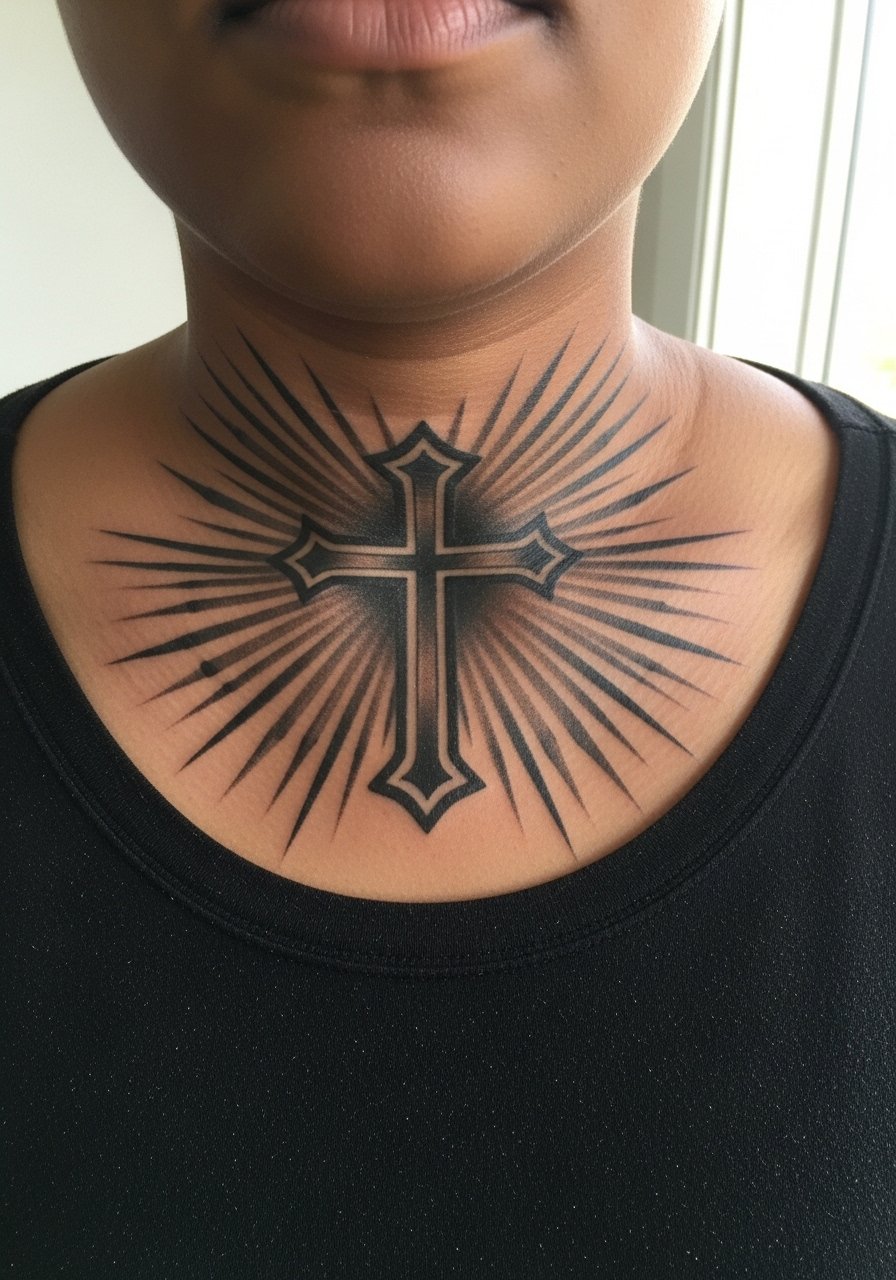
A small cross with rays delivers a clean visual echo of Wick’s faith ink without overt detail. Tell your artist you want layered gray washes that keep the center dark and the rays light so contrast remains as it fades. Collarbone skin is thin and prone to travel scabbing if necklaces catch the area, so wear minimal jewelry for the first couple of weeks. One common mistake is requesting ultra-tight ray lines that later look busy. Expect a single session and mild to moderate discomfort.
9. Fine Line Action Scene Snippet on the Outer Forearm

A cropped action scene is wearable and low-commitment when kept small. Specify during consultation that you want negative space around the gun or lapel detail so the scene breathes and does not muddle as it heals. The outer forearm heals well and maintains contrast, but tiny cross-hatching is a common aging mistake. Session time is typically under an hour and pain is low. For wardrobe, push sleeves up or wear a fitted long sleeve tee pushed up so the design sits in clean light when you want to show it off.
10. Ignorant Style Fiery Skull Outline on the Shoulder
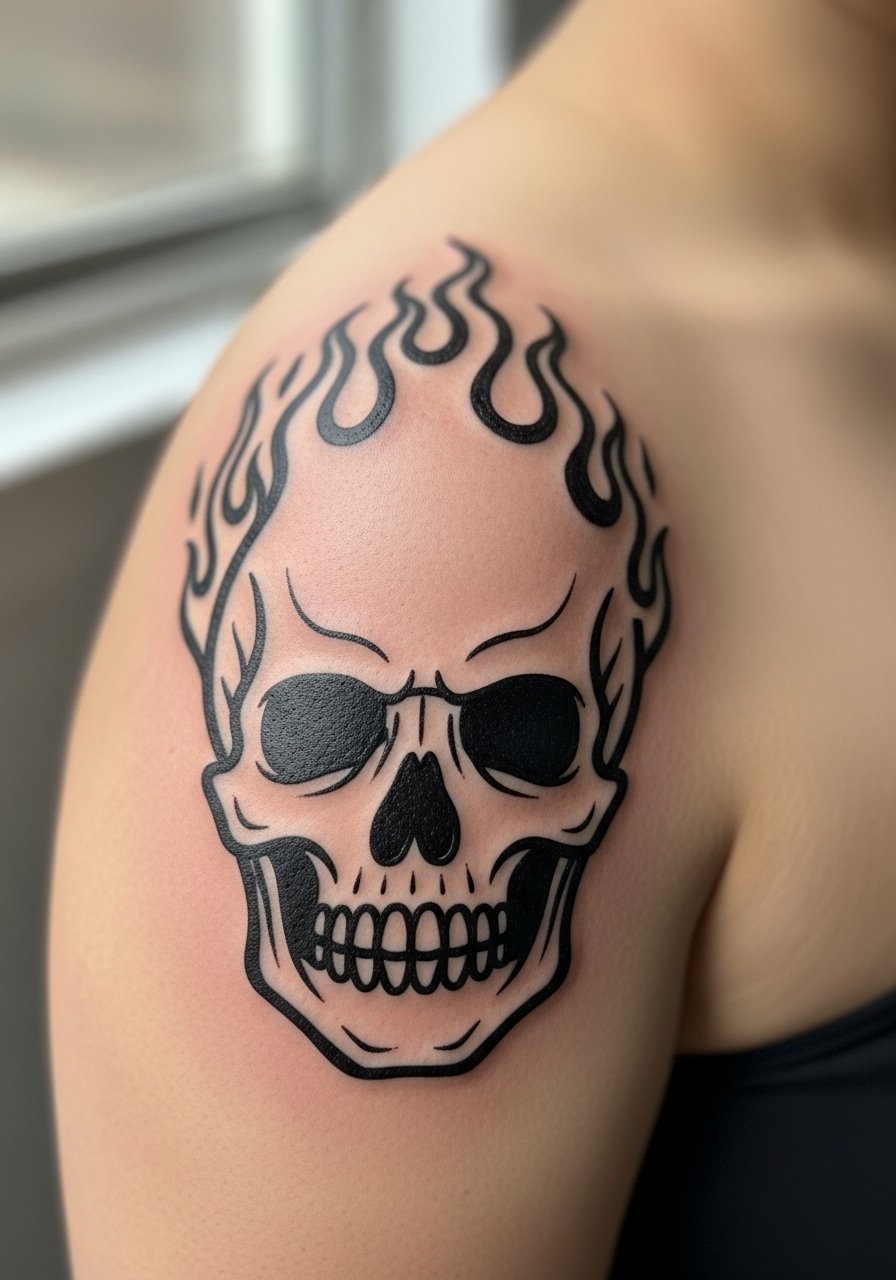
The ignorant style reduces detail and leans into bold, naive lines that read well in miniature. Because the lines are chunky, they tend to age with less apparent loss of detail than tight fine line skulls. Shoulders are forgiving for blowout risk compared to hands and fingers. One mistake is asking for too many small flames inside a small skull, which defeats the naive aesthetic. Sessions are usually quick and the pain is low to moderate. This style gives an aggressive edge while minimizing future touch-ups.
11. Ornamental Latin Phrase Band Wrapped Around the Wrist
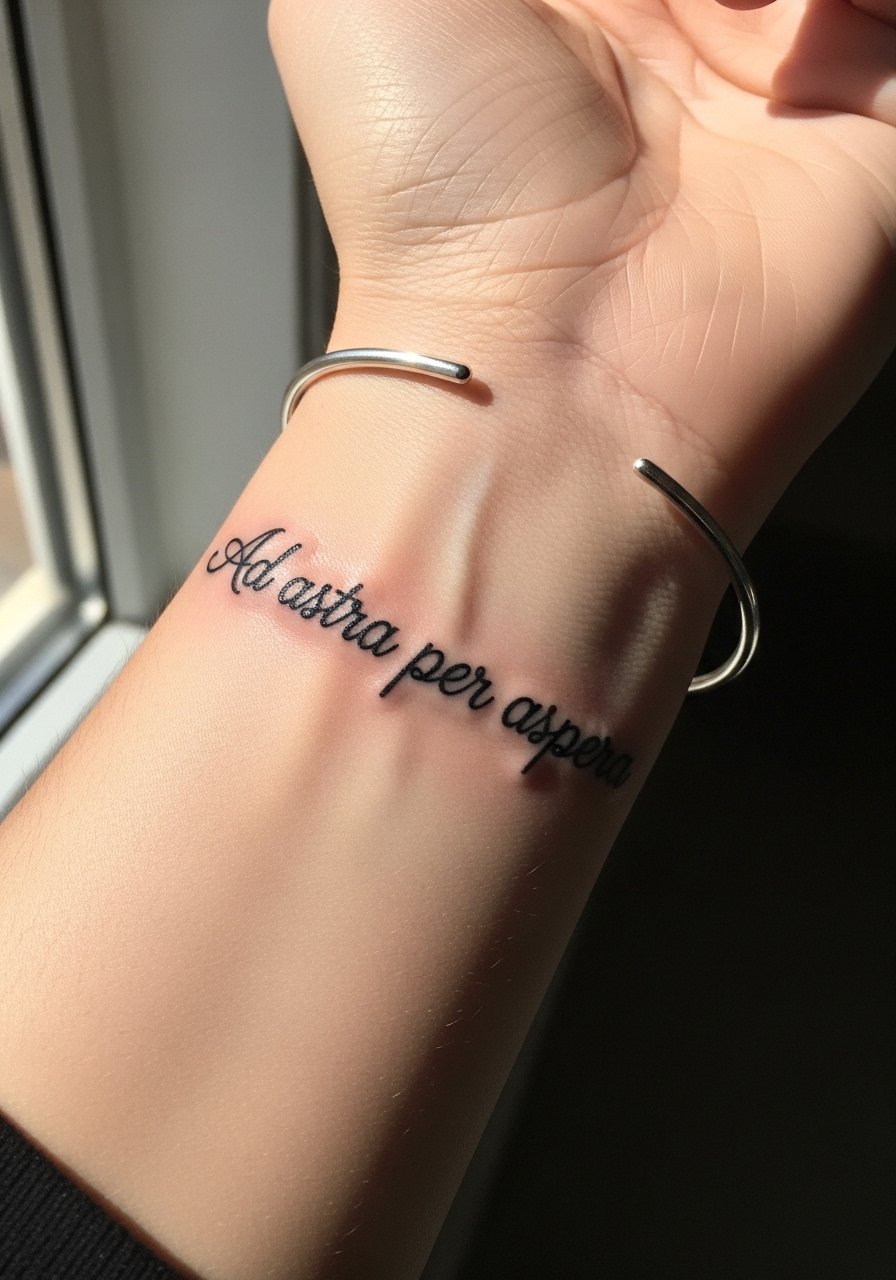
A wrist band works as a mantra piece but remember the constant motion and hand washing that accelerates fade. Keep the band one inch wide with open spacing between letters so the script reads after a few years. Discuss letter size and spacing in your consult and request a mock stencil wrap before the needle touches skin. Pain on the wrist is moderate and sessions are short. Pair the band with a minimalist cuff bracelet on the opposite wrist for balance.
12. Micro-Realism Wick Eyes on the Inner Arm
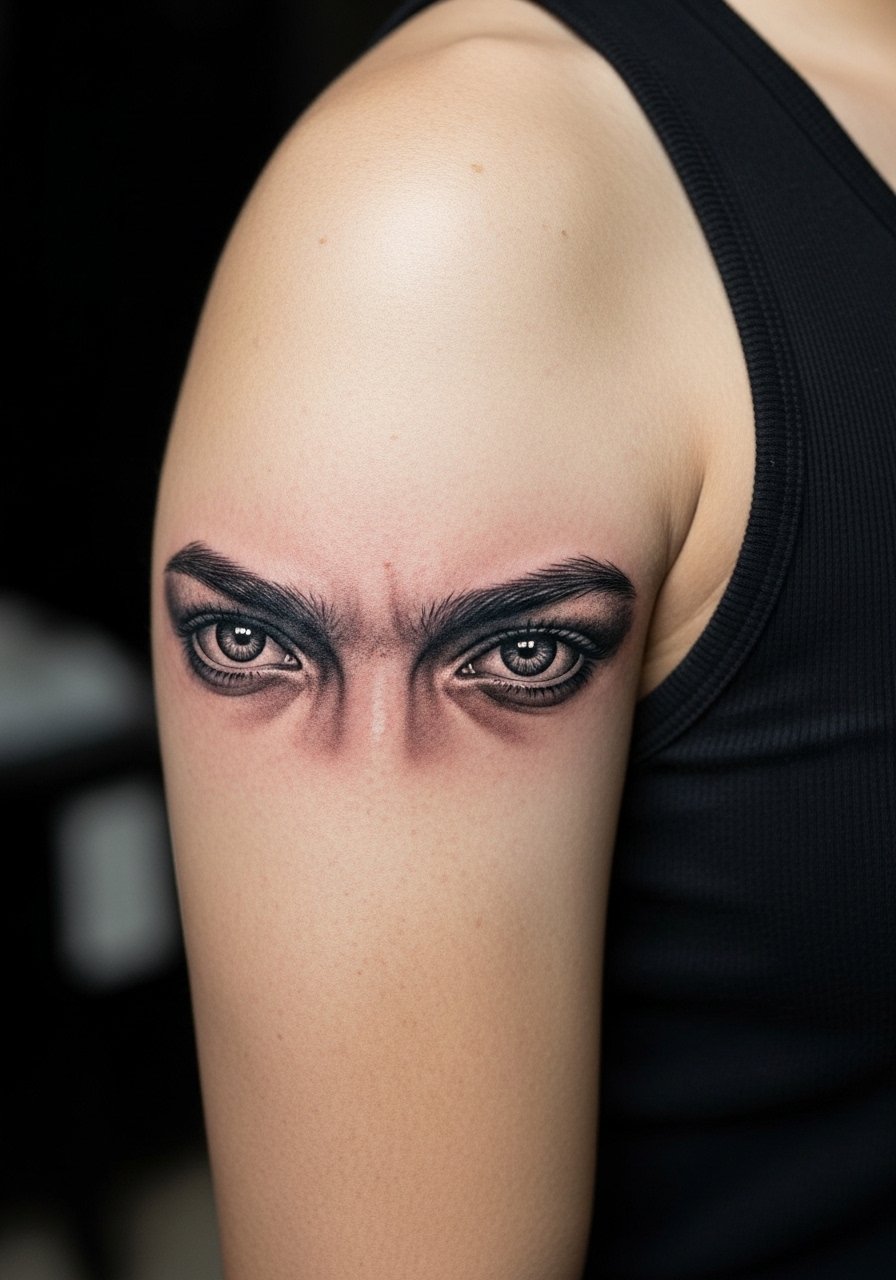
A tiny pair of eyes captures Wick’s stare without a full portrait. Inner arm skin holds micro-realism better than hands, but the curve of the bicep changes with muscle and weight variation. During consultation, ask for a slight increase in pupil contrast so the gaze remains readable at six months and two years. The inner arm session is moderate pain and often quicker than a full portrait. Avoid requesting ultra-fine lashes that will blur into gray patches as the piece heals.
13. Minimalist Geometric Suit Lapel on the Inner Forearm
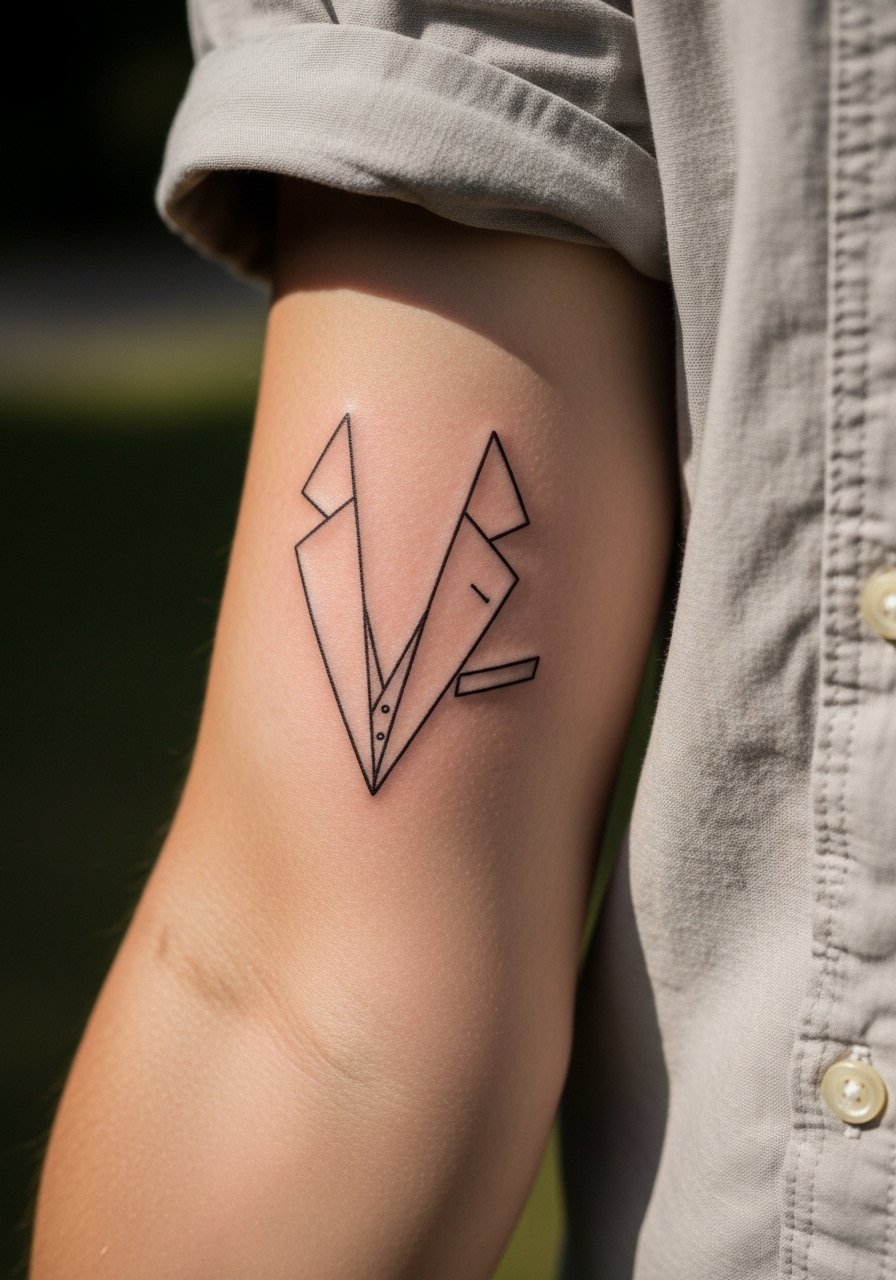
Geometric lapels abstract the character into iconic shapes that last better than tiny faces. Ask for triangular negative space and slightly thicker outer lines to prevent the geometry from filling in over time. The inner forearm is less prone to stretching than the outer forearm, but weight change can still affect tight geometry. Session time is short and pain is low. For showing it off, roll a linen button down sleeve to mid-forearm so the lapel reads cleanly.
14. Dog Silhouette with Small Cross for a Memorial Ankle Piece

This is a quiet memorial option that ties Wick’s bond with his dog to a personal loss. Keep the silhouette simplified so the small cross remains legible. Ankle placement needs mindful footwear choices in the first two weeks to reduce friction. Many people make the mistake of crowding the dog and cross too close together on a tiny canvas. Sessions are brief and discomfort is usually low. If the piece matters as a memorial, consider adding a discreet touch-up budget in your planning.
15. Neo-Traditional Latin Script Band on the Calf
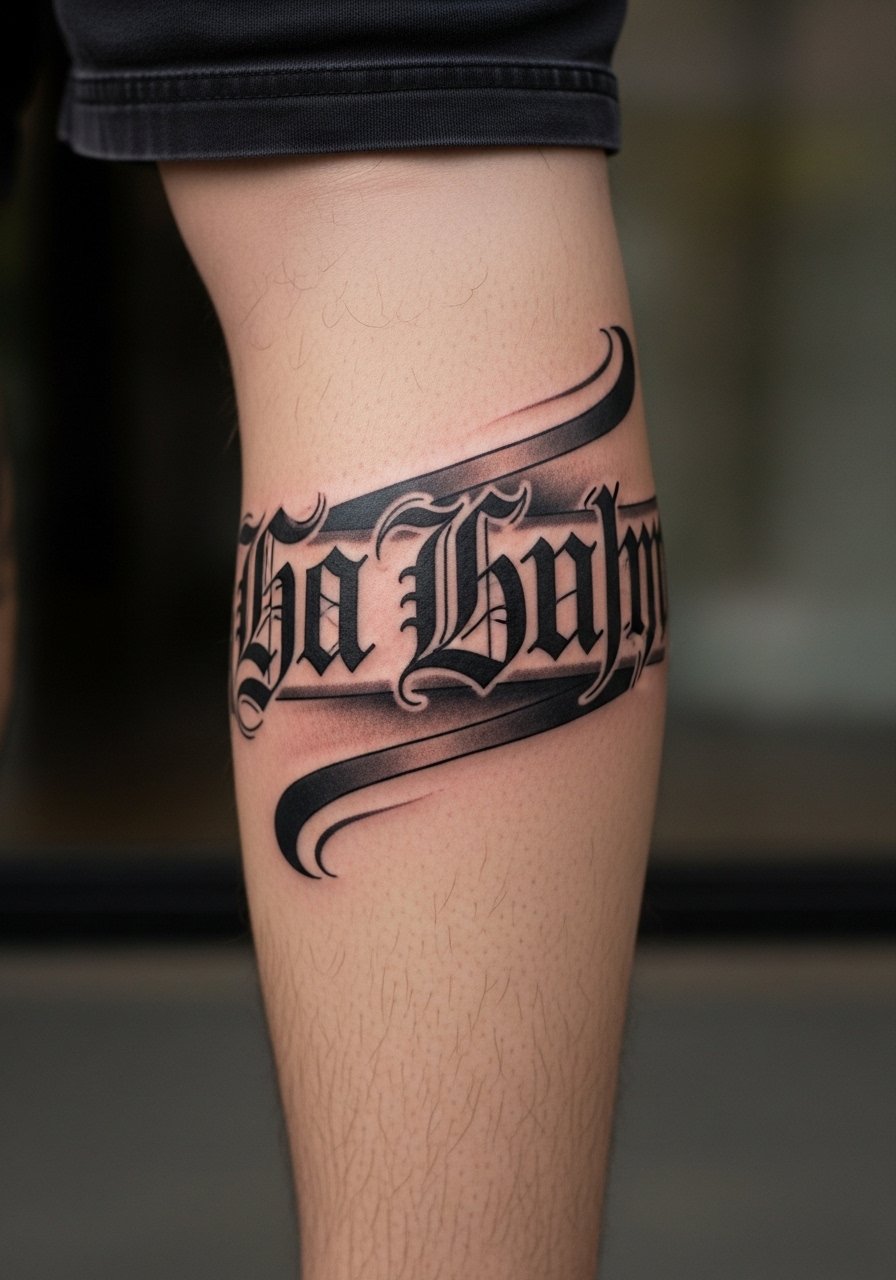
Calf wraps lend themselves to slightly larger script and a neo-traditional hand illustration without looking heavy. Calves heal well and sit low in friction zones, so saturation holds nicely. In consults ask for a sample band laid on your calf to confirm length and curvature when standing. Sessions can be done in one to two sittings and pain is generally mild. Bootcut pants or shorts work well to reveal the band in summer and layered socks hide it when needed. For casual wear try bootcut jeans to let the script peek out.
16. Hand-Position Study in Dürer Style on the Back of the Hand
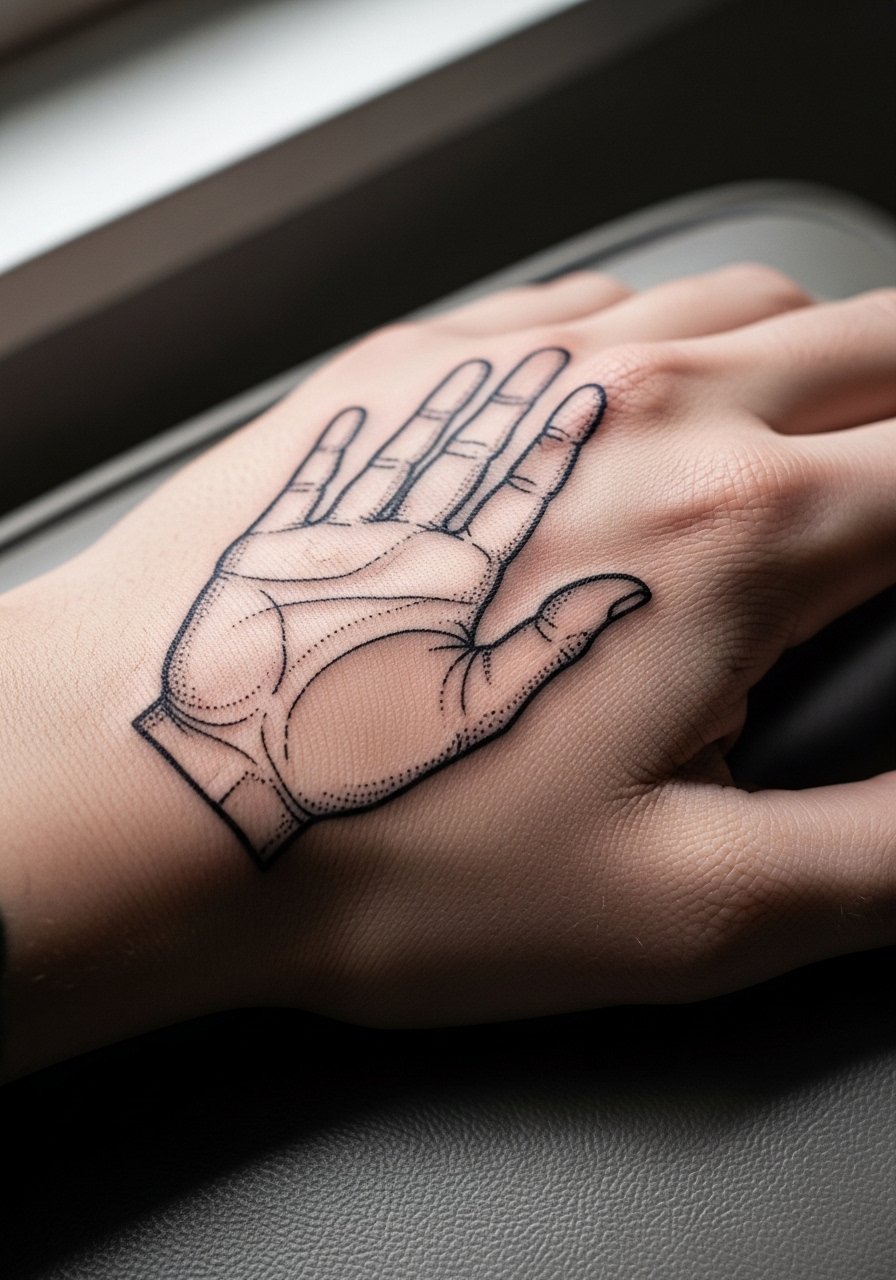
Art-history fans may like a tiny Dürer-inspired hand to echo classical studies with a modern twist. Hand tattoos age fast because of constant washing and thin skin, so expect touch-ups sooner than with arm work. One practical mistake is placing too many tiny cross-hatches on a scale under two inches. The session is short but the sensation on the hand can be sharper than on the arm. Also consider career implications, since hand tattoos still carry visible stigma in some workplaces.
17. Micro-Realism Wick Eyes Only on the Inner Forearm
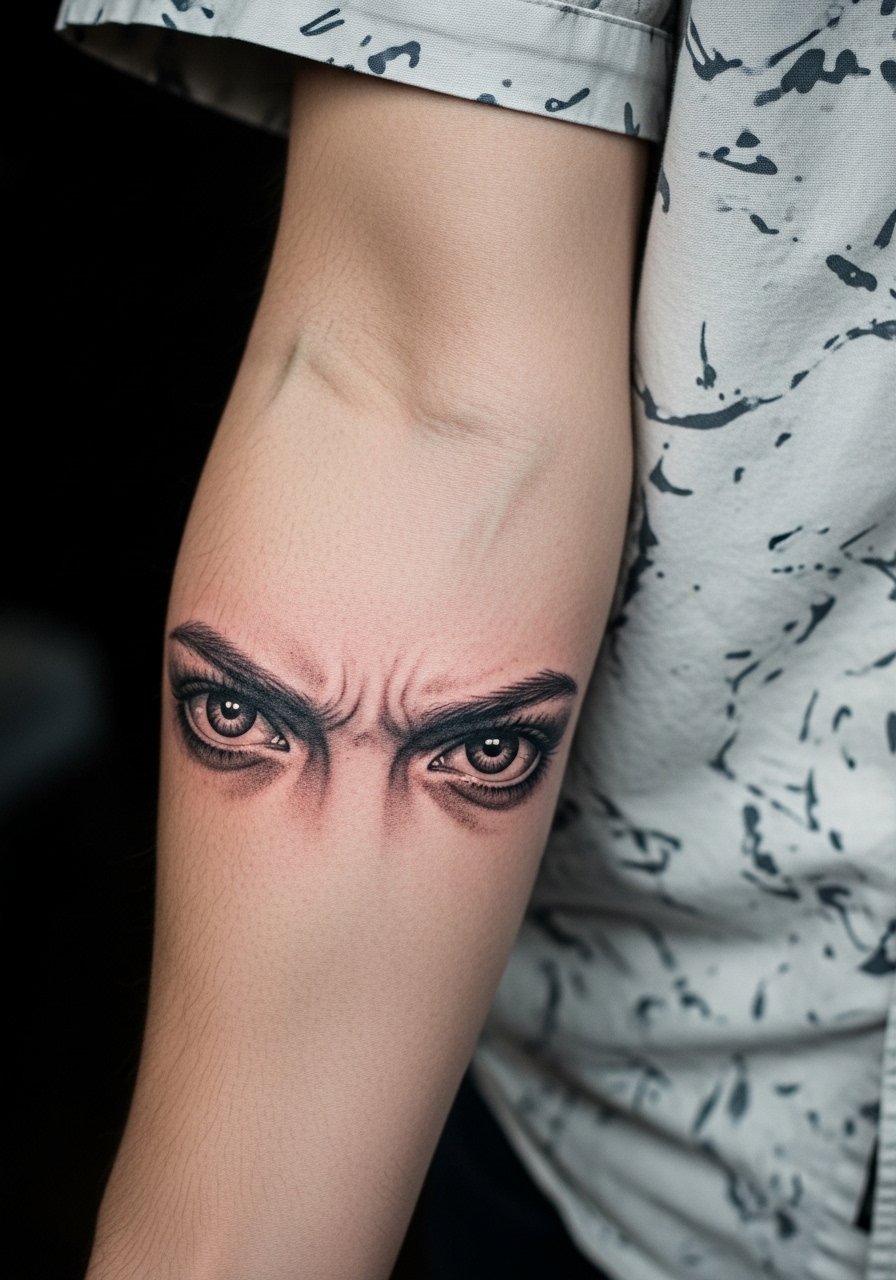
A last-minute glance of the eyes on the inner forearm gives an intense, discreet tribute that photographs well on lighter tones and can be adapted for darker skin with bolder shadows. Tell the artist you want the darkest points slightly heavier so contrast remains after the first year. The inner forearm is a forgiving placement and micro-realism here often needs two sessions for layered depth. Expect mild discomfort and a realistic touch-up at year two if you use lots of sun exposure. For the appointment, a short sleeve linen shirt keeps your arm accessible without fabric rubbing.
Frequently Asked Questions
Q: Will a fine line wrist silhouette need touch-ups more often than a blackwork wrist band?
A: Yes, in my experience fine line work on wrists generally needs touch-ups sooner than bold blackwork. The wrist gets more sun and friction, and many people schedule a light touch-up at year two to three. If longevity is your priority, ask your artist to slightly increase line weight and leave extra negative space so the lines have room to settle.
Q: Does micro-realism portrait work show up on darker skin tones, or should I switch to blackwork?
A: Micro-realism can work on darker skin but it requires an artist experienced with shading on richer tones and a plan for higher contrast. Many people of darker skin opt for blackwork outlines or heavier shadows to preserve the image over time. Ask for a skin tone mockup and discuss whether stronger blacks will achieve your desired look.
Q: How should I dress for a ribcage or sternum session to make the appointment easy?
A: Wear a fitted sports bra or a cropped top you can lift slightly so the artist has clean access without you removing garments. Loose button-downs are useful for back and shoulder pieces, while strapless options work well for the upper chest. Comfort makes long sessions easier and keeps fabric from dragging across fresh ink.
Q: Are watercolor silhouettes a bad idea if I want low-maintenance ink?
A: Watercolor ages differently than black and gray and often needs more sun protection and occasional refreshes. If low-maintenance is your priority, request an outline or add a few defined dark anchors in the composition so the design keeps structure as the washes soften.
Q: How do I avoid getting ghosted after a deposit for a custom John Wick piece?
A: Use studios with clear deposit and cancellation policies and consider booking through platforms that document refunds. I have seen artists at reputable shops who handle deposits professionally and others who do not. If a shop has repeated complaints in community threads, it is a red flag. Ask upfront about reschedule policies and a clear timeline for artwork delivery.
Q: Should I use Saniderm or dry healing for a tiny wrist script?
A: Both camps have solid arguments. Some forum users say Saniderm reduces scabbing and keeps fine line work cleaner, while other voices worry about occlusion on areas that bend a lot. Talk to your artist about their aftercare preference for wrists and follow their method. Either way, protect the area from sun during the first months.
Q: Will a tiny ankle dog silhouette still look good if I gain or lose weight?
A: Small ankle pieces are less affected by general weight fluctuation than forearms or ribs, but significant changes can distort any tattoo. If you expect major body shifts, discuss placement slightly above an area that stretches less, and the artist can advise on scaling to accommodate future changes.