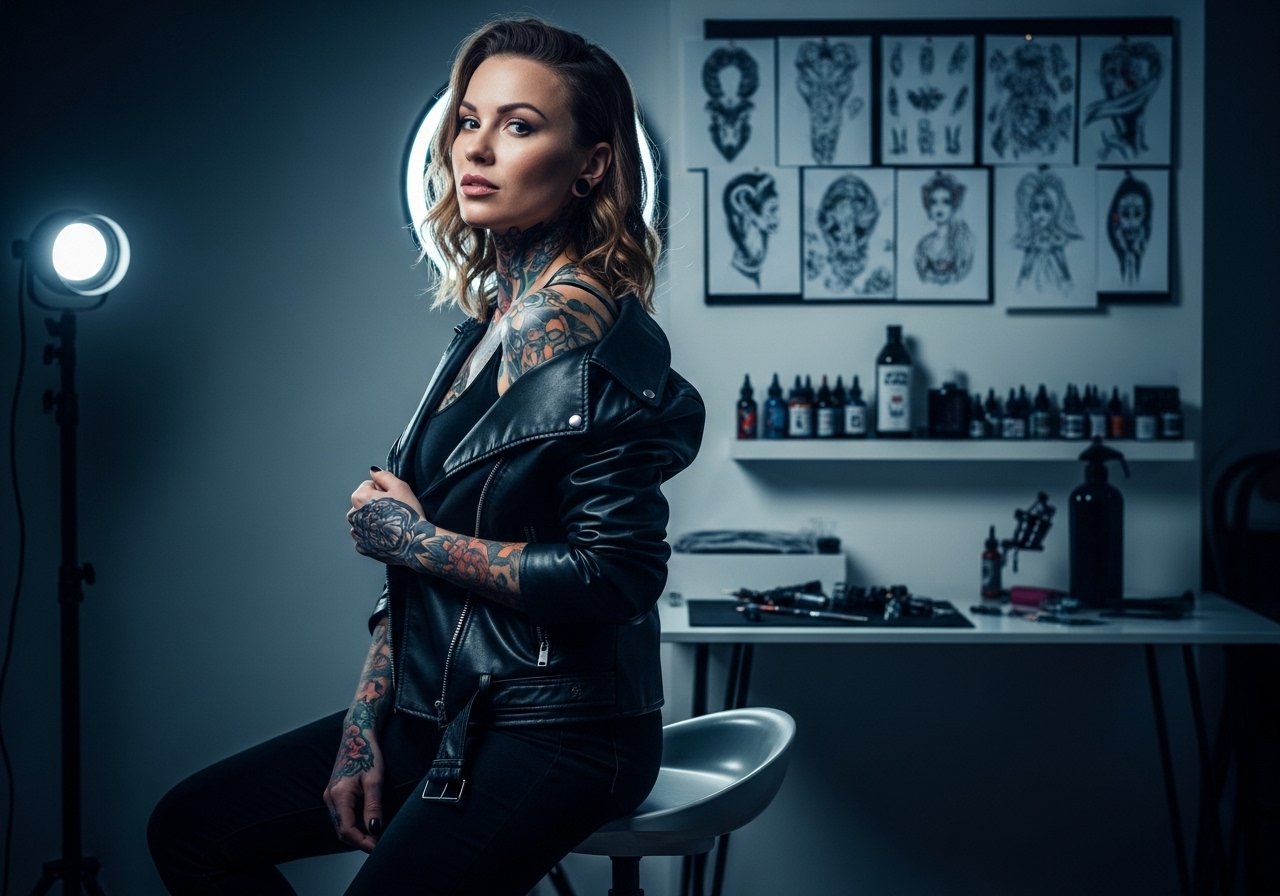
Fine line Chicano work can look razor-sharp the week you get it, and then start to soften in places you rarely notice until months later. A lot of the choices that make a forearm piece last are made in consultation, not on the day you sit down. Think placement, line weight, and whether to let areas breathe. The list that follows jumps straight into 27 forearm ideas with what to ask for and how they age.
1. Classic Black-and-Grey Script Band on Inner Forearm
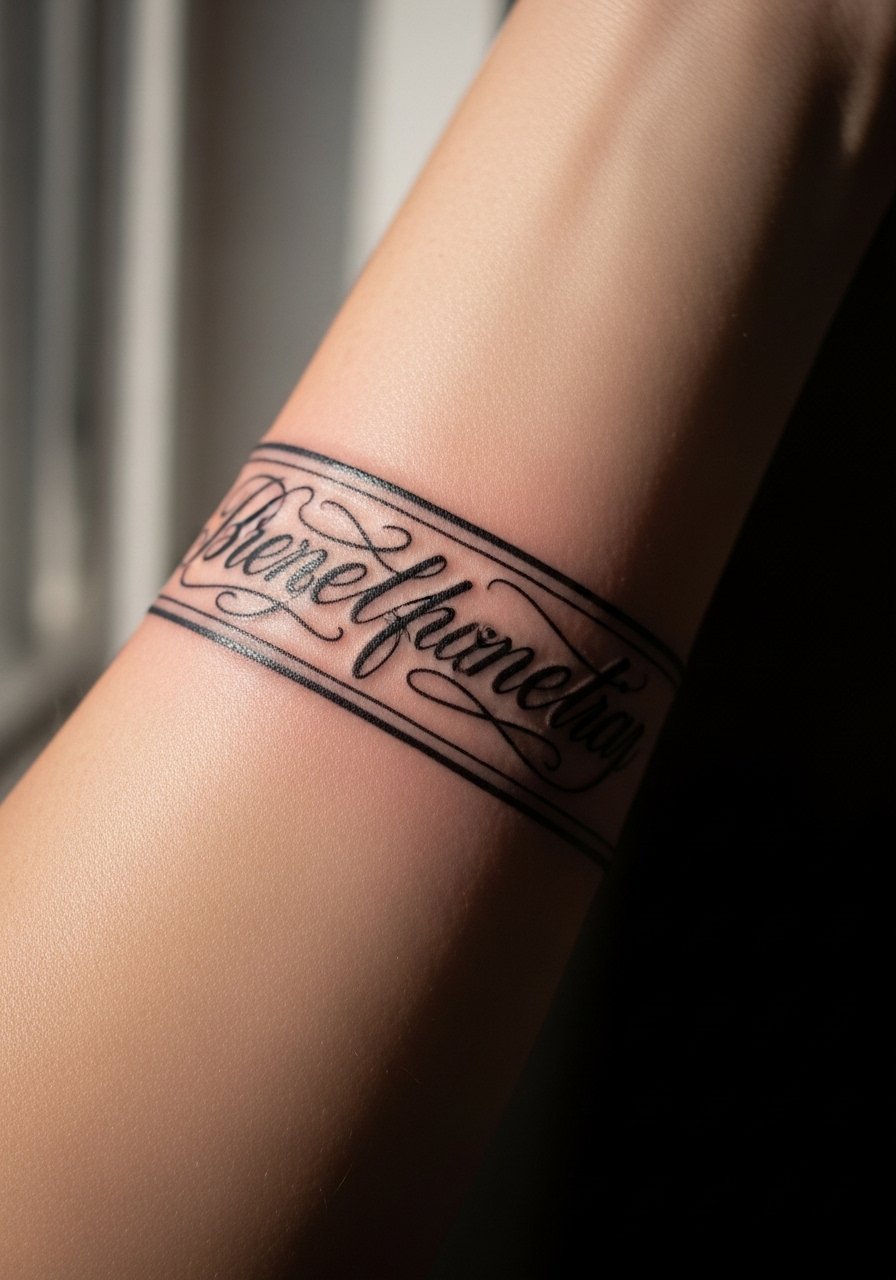
I see this one a lot because names and mottos read clearly on the inner forearm. Ask the artist for slightly heavier linework than you think you need so the text still reads at year three. Fair warning, tiny delicate script is a common mistake. The ink can blur into itself if the type is too tight. Session feel is mild to moderate. Expect one medium-length session for layout and lettering. For showing it off, rolled sleeves work well so the band sits in the open. Pair with a loose button-down shirt for casual days when you want the script visible.
2. Virgen de Guadalupe Portrait with Rosary Along the Forearm
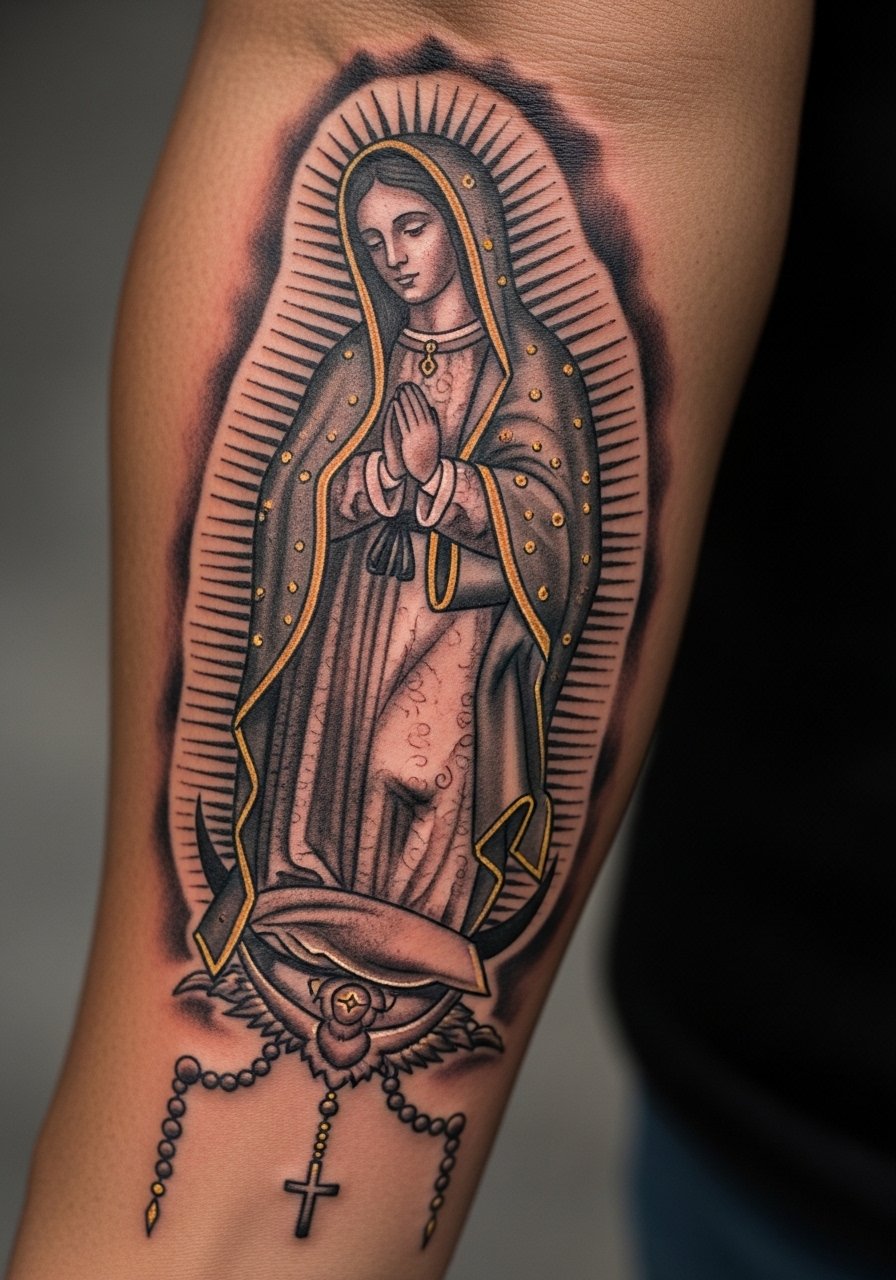
Religious portraits are core to Chicano forearm work and they split opinions on cultural use. One camp insists these images should stay within the community that created them. The other camp argues for respectful appreciation when done with context. If you choose this, be explicit about the level of detail you want and whether you want stylized elements or a faithful devotion portrait. Tell the artist which photos of real garments or rosaries you like. Fine facial detail ages differently than bolder icon lines, so expect touch-ups down the line. For wearing this piece out, a crew neck tee with rolled sleeves frames the portrait without competing.
3. Lowrider Car Micro-Realism Along the Outer Forearm
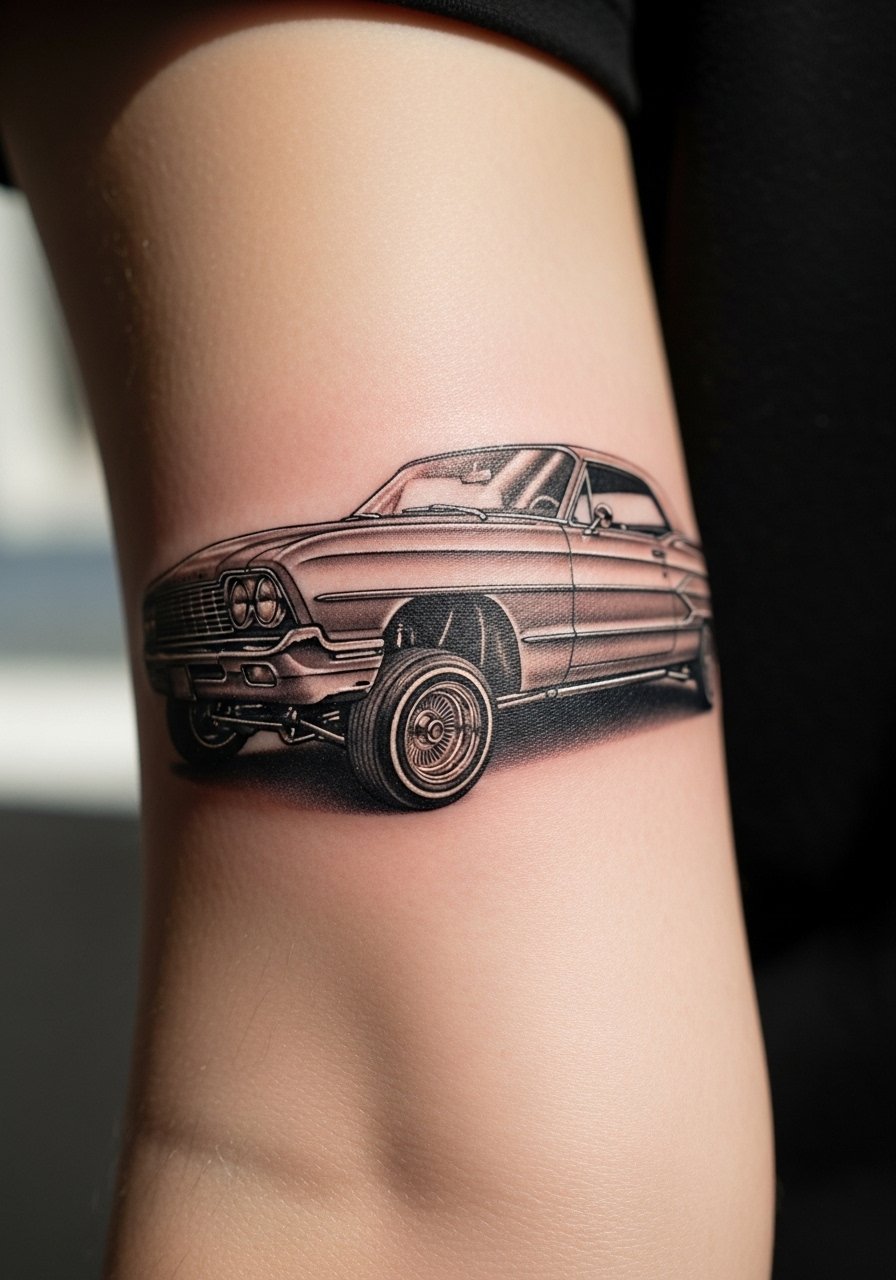
Small vehicle scenes need careful scaling. The mistake I see is cramming too much dashboard detail into a narrow strip. Ask for one clear focal point such as the grill or wheel and let background elements stay suggestive. The outer forearm tolerates this fine detail well, but heavy stipple can dull faster than solid blacks. Session time feels focused and patient. For showing it off, rolled sleeves or a short-sleeve chambray shirt keep the car visible and natural looking.
4. Chicano Rose Cluster with Dot Shading
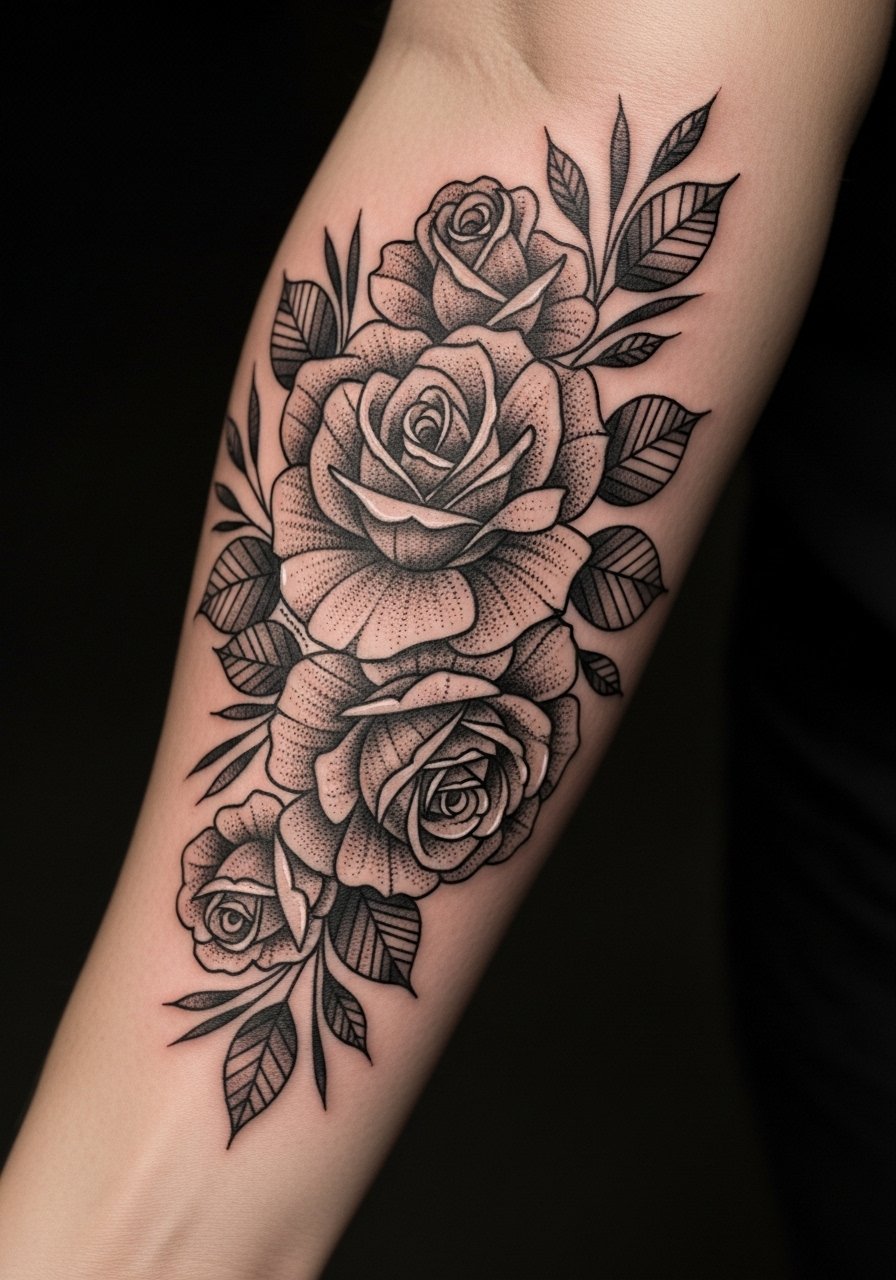
Roses are a staple because they pair with almost anything. My recommendation is to ask for dot work in the shadows rather than heavy graywash in tight areas. That prevents the petals from merging over time. Inner forearm placement gives enough flat canvas to keep petals readable. The main mistake is over-saturating midtones which leads to a muddy look at year three. Expect a single session with time spent on spacing. No special clothing needs for the session. This style ages well if you space the elements and keep some negative space between flowers.
5. La Catrina Sugar Skull with Filigree Detail
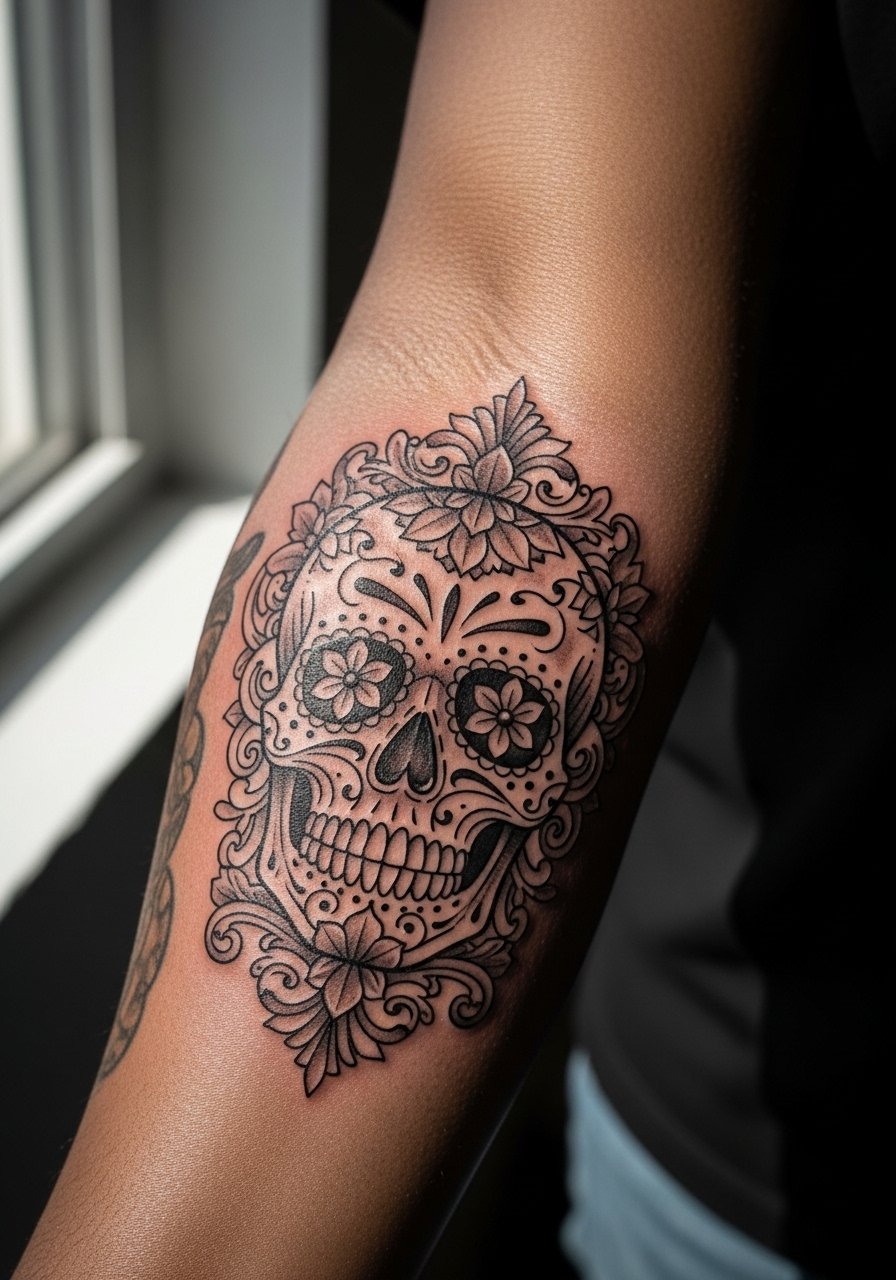
Sugar skulls are decorative and bold. Tell the artist whether you want a traditional Catrina face or a Chicano-styled interpretation. One common error is loading the design with tiny decorative elements that blur together later. Ask for clear, varied line weights so the filigree keeps its identity at year two. Pain is moderate on the forearm. For outfit pairing, a flowy short-sleeve blouse that sits above the forearm highlights the skull without crowding the look.
6. Bold Lettering Nameplate Across the Forearm
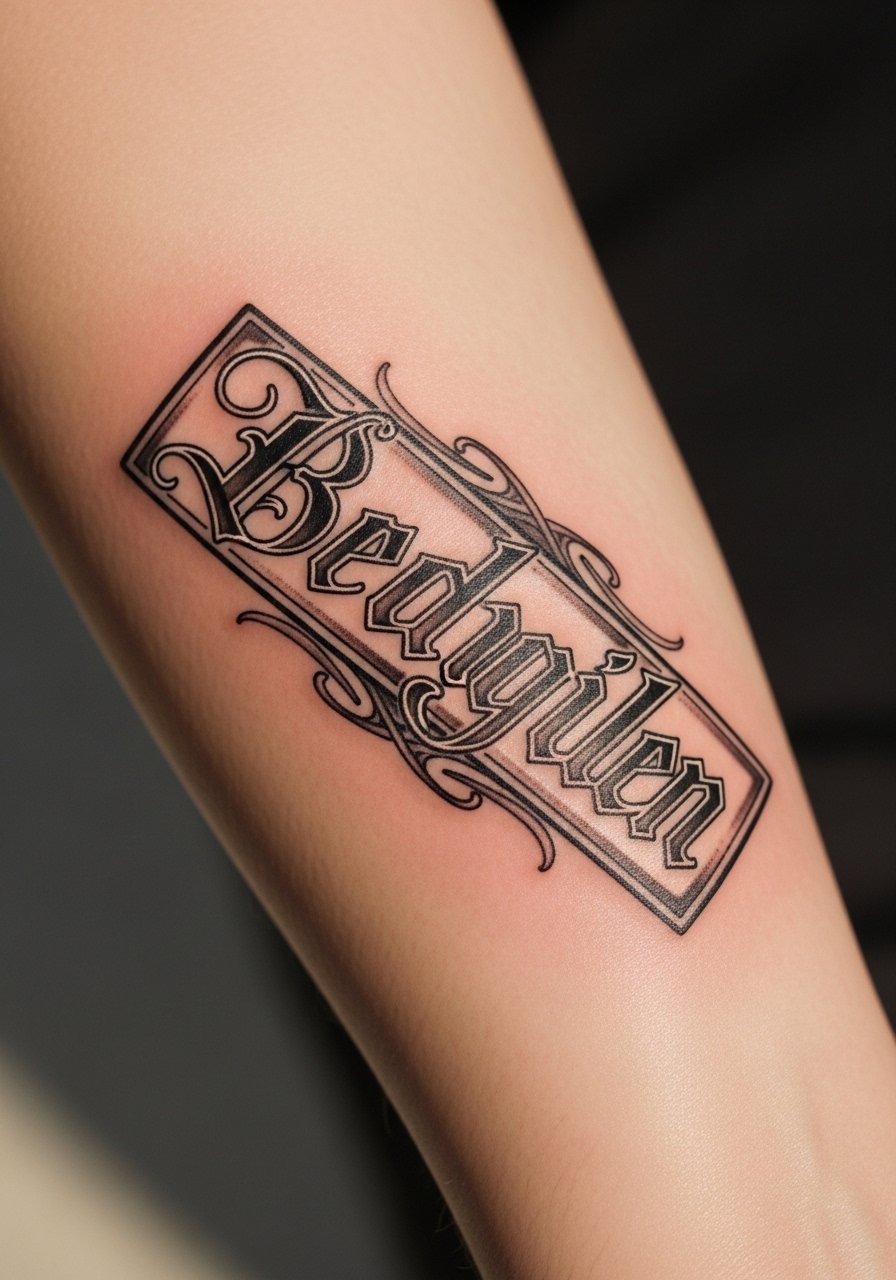
A bold nameplate reads from a distance and tends to hold up better than ultra-fine script. Tell the artist the exact size you want and ask to see the stencil in large scale on your skin. The frequent mistake is tiny letters with elaborate flourishes. Those details can merge in the first couple of years. Session time is short but precise. For showing it off, cuffed sleeves work best. Try a rolled-sleeve linen shirt so the nameplate sits cleanly in view.
Pre-Session Essentials
The forearm pieces above range from fine script to bold portraits, and a few small items make the session and first week easier.
-
Stencil transfer paper kit. Lets you preview scale and placement on the forearm before the needle touches skin which is crucial for lettering and portrait ideas.
-
Topical numbing cream. Applied per instructions it can ease sensitivity on tight inner forearm areas without affecting linework when used correctly.
-
Thin protective film roll. Keeps outer forearm pieces clean during the first week of washing and reduces friction from sleeves.
-
Fragrance-free gentle body wash. Gentle cleansers make daily showers less irritating for fresh black-and-grey work.
-
Aquaphor healing ointment. A thin layer can lock in moisture during the initial healing window for fine line work without clogging the skin.
7. Barrio Skyline Silhouette with Script Below
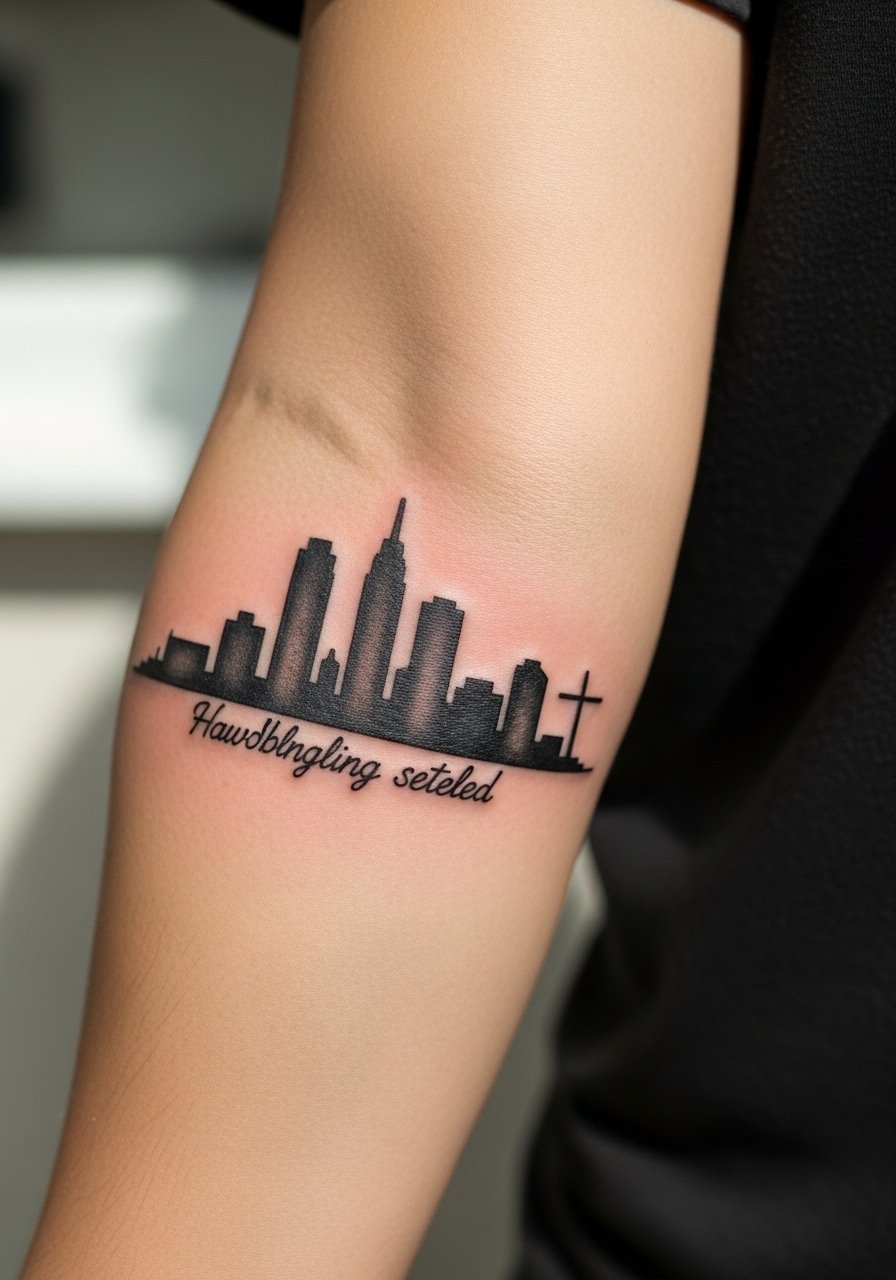
A skyline band reads like a personal map. Ask the artist to pick two or three landmarks to emphasize rather than a full detailed street scene. The outer forearm gives enough room for negative space which helps the skyline stay legible as it ages. One real mistake is having the script sit too close to the skyline. Leave breathing room. Session time feels steady and visual. For casual displays, a fitted short-sleeve tee frames the band and keeps attention on the silhouette.
8. Rosary Beads Draping into a Cross Near the Wrist
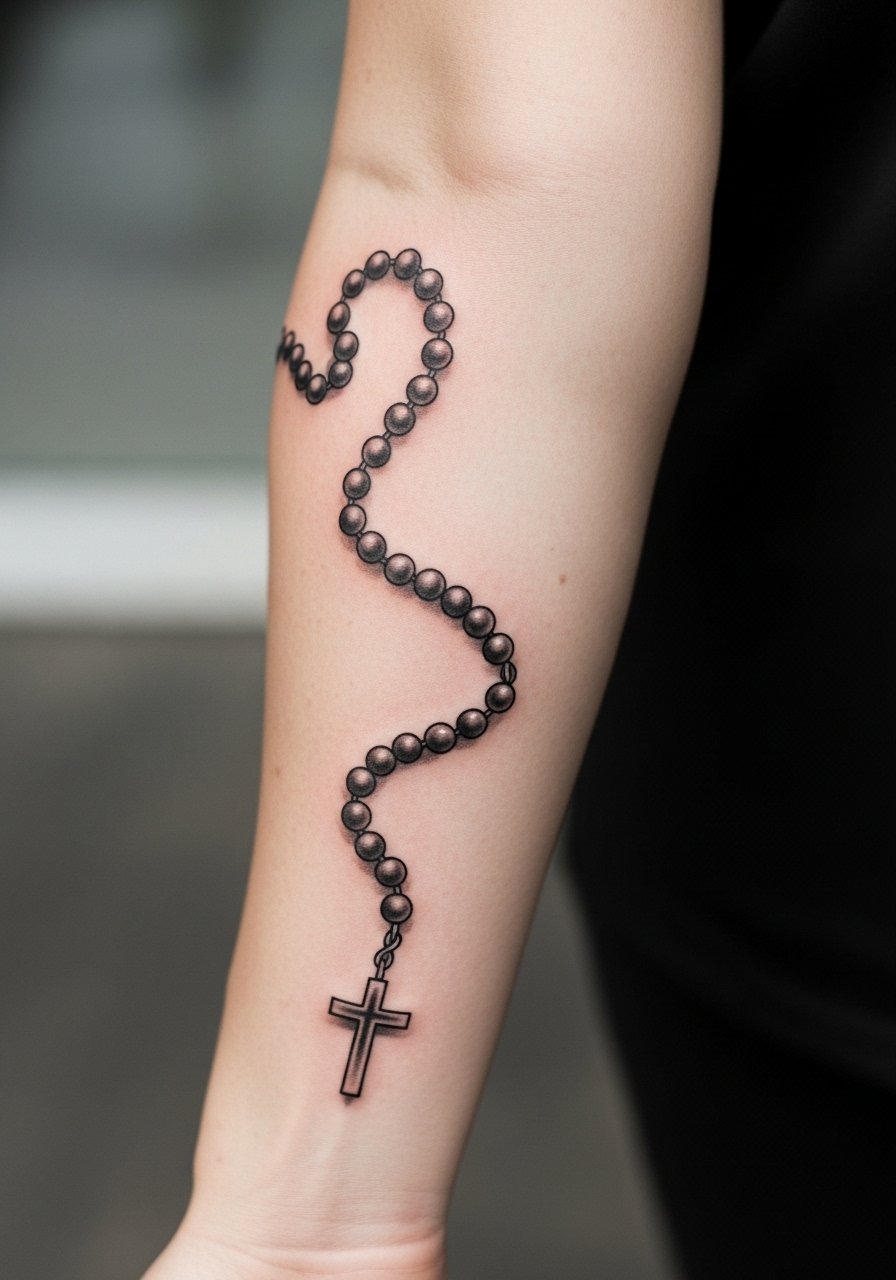
This placement often shows movement when you bend your wrist. The beads should be sized to avoid merging where curves are tight. Tell the artist you want distinct bead spacing and a slightly bolder cross to anchor the composition. Wrist friction is a thing so fine chain links can soften faster than beads. Expect a short session. No styling integration here to keep the focus on composition fidelity.
9. Cholo-Style Teardrop and Motto Cluster
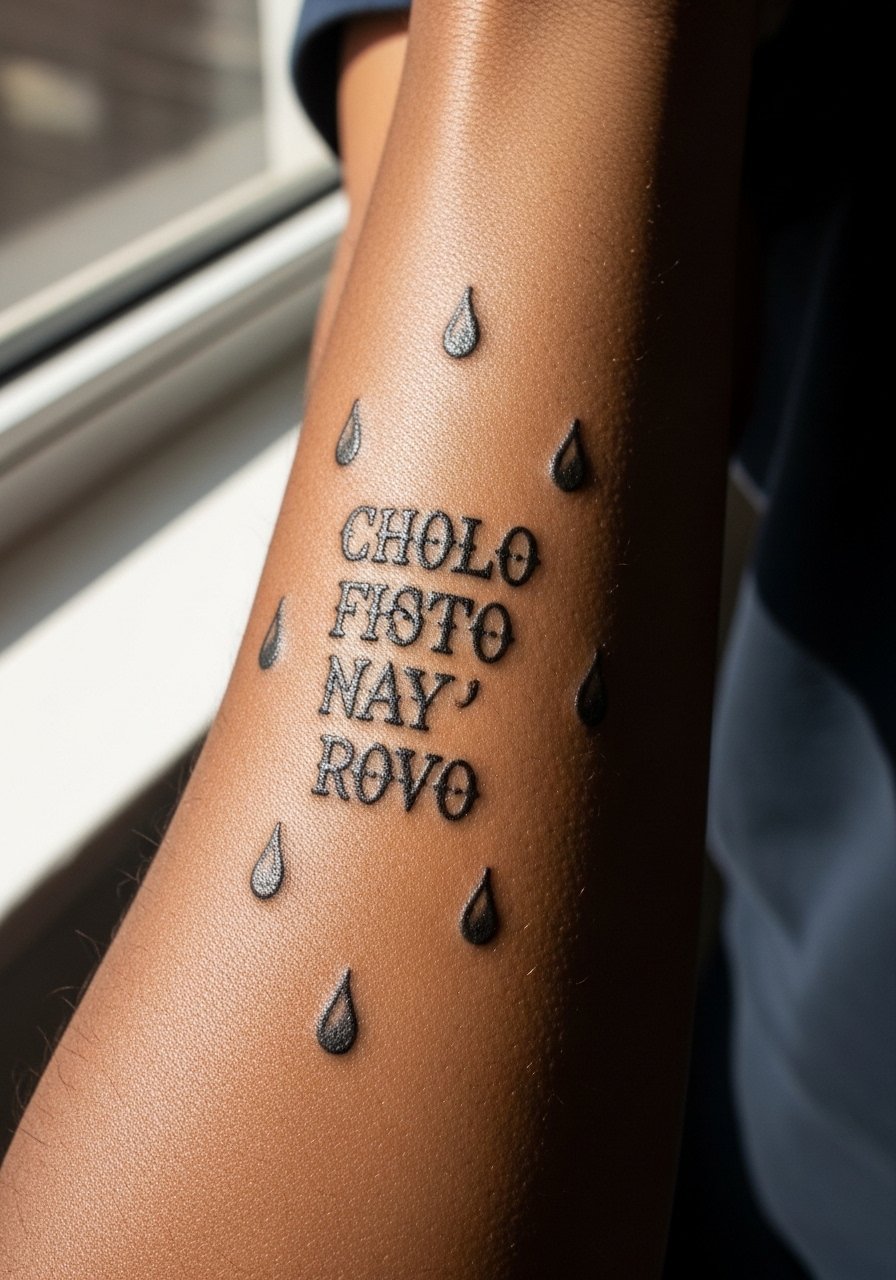
Clustered symbols work when each element has room. The frequent mistake is stacking too many micro symbols side by side. Ask for clear spacing and for the artist to map the cluster on your forearm before inking. This placement can need a touch-up earlier than a single large piece because more edges mean more opportunity for wear. For everyday looks, a long-sleeve shirt with rolled cuffs keeps the forearm visible while still offering protection.
10. Black-and-Grey Pinup Figure with Banner
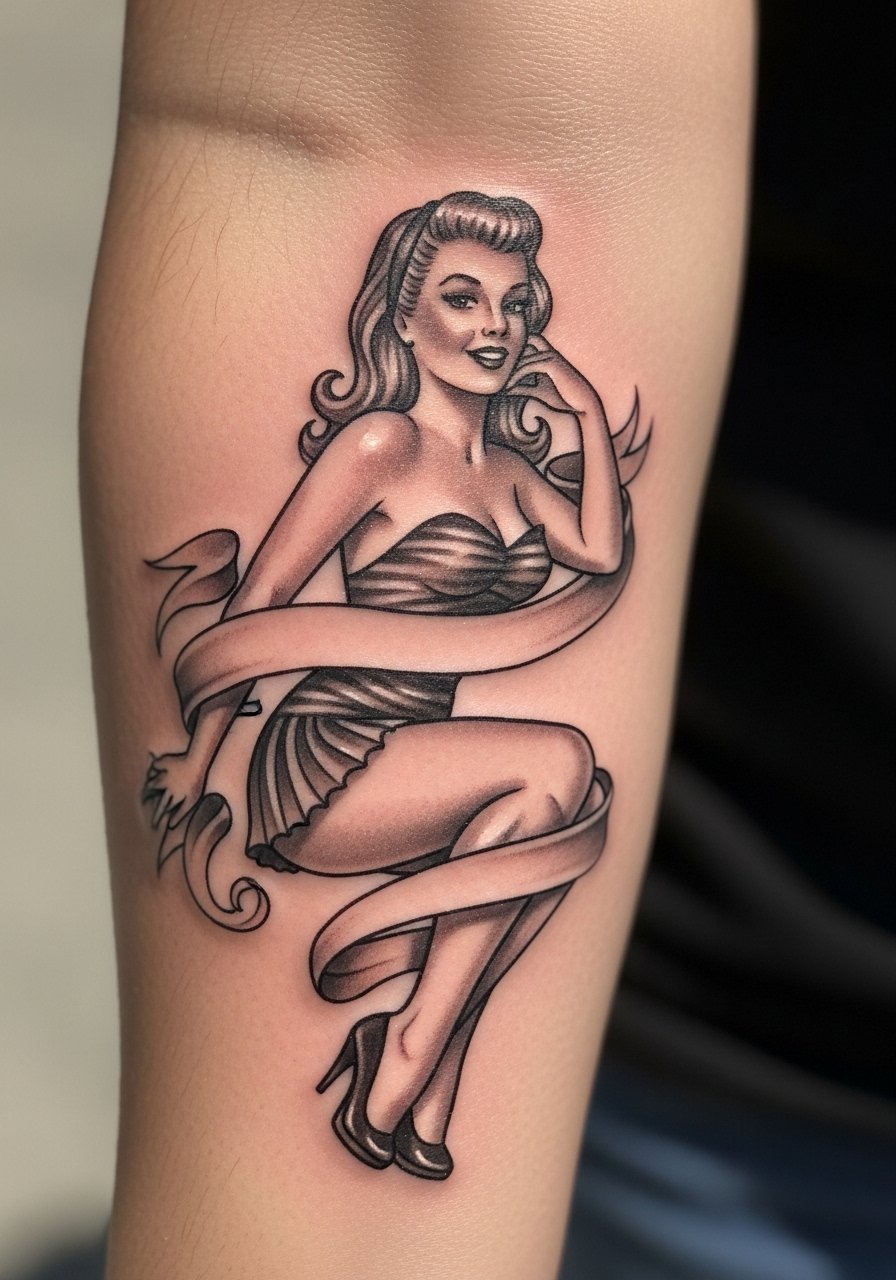
Pinup figures in Chicano styling call for careful contrast between skin tone and ink. Ask for clear separation between figure and background so the silhouette holds up. Tiny banner text is a common aging trap. If you want wording, make it slightly bolder. The outer forearm handles human forms well. Session can be longer depending on shading. No styling link here to keep the section concise.
11. Barrio Rose with Micro-Lace Filigree
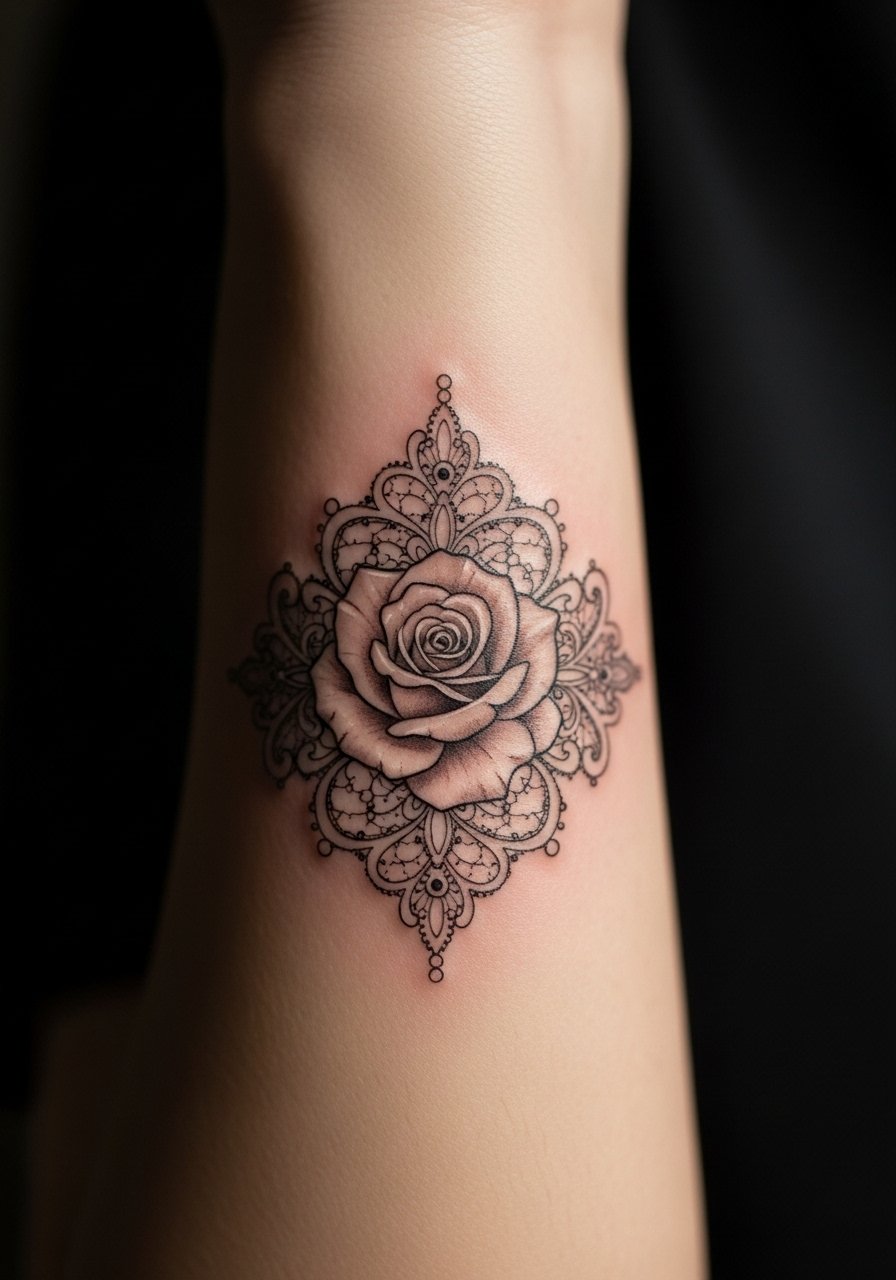
Micro-lace looks delicate but can blur if it sits too close to dark petals. Tell the artist to space filigree away from the rose core and to use varied line weights. The inner forearm will show this detail clearly in the first years but expect some softening at year three. The session is patient and detailed. For show-off moments, a rolled-up linen sleeve shirt keeps attention on the lace and bloom.
12. Praying Hands with Script Above
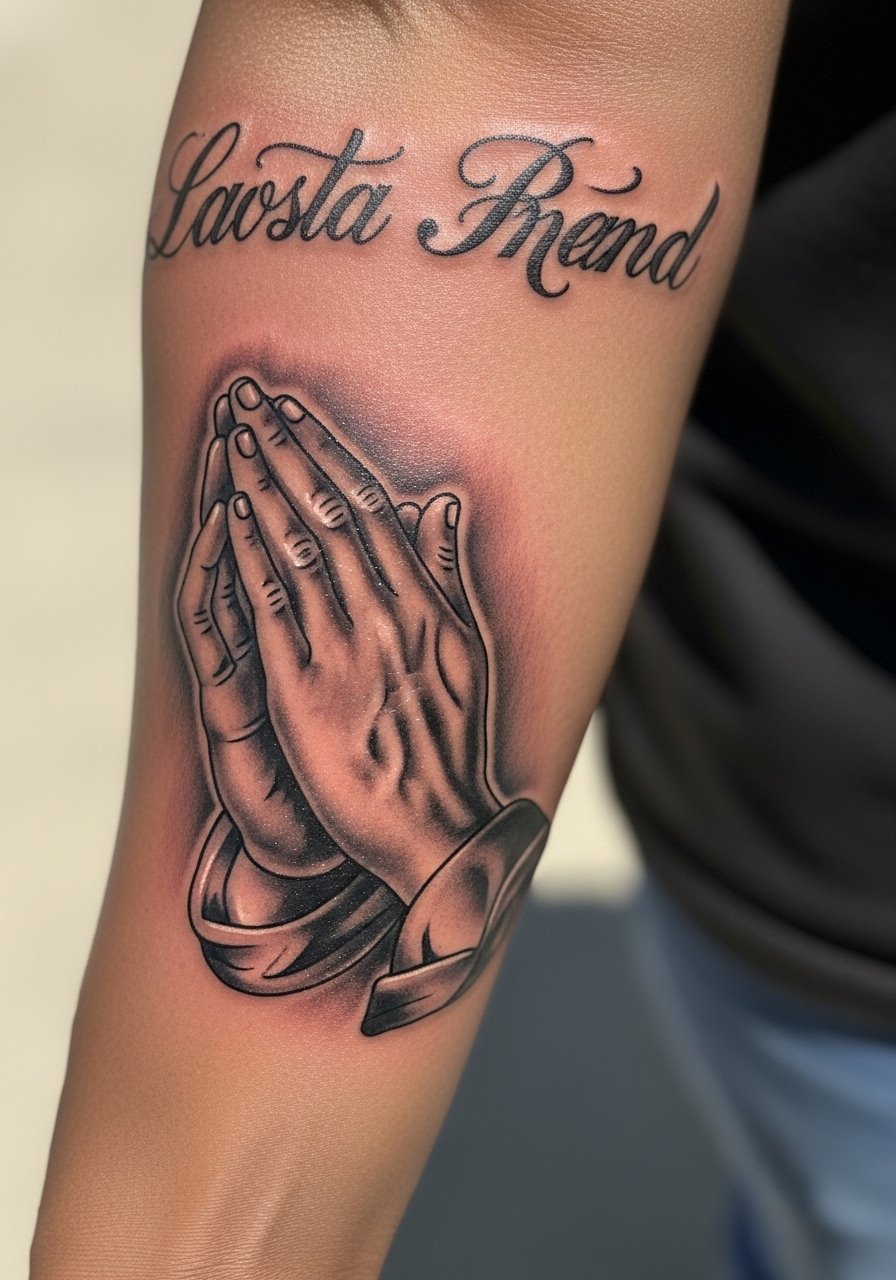
Religious iconography is meaningful for many. Discuss how literal or stylized you want the hands to be. The common problem is overcrowded script above the hands. Let the hands breathe visually. Forearm movement places stress on tiny lines between fingers, so expect touch-ups on very intricate gaps. Session feeling is contemplative and steady. No clothing link here to avoid redundancy.
13. Old School Lowrider Wheel with Spokes in Motion
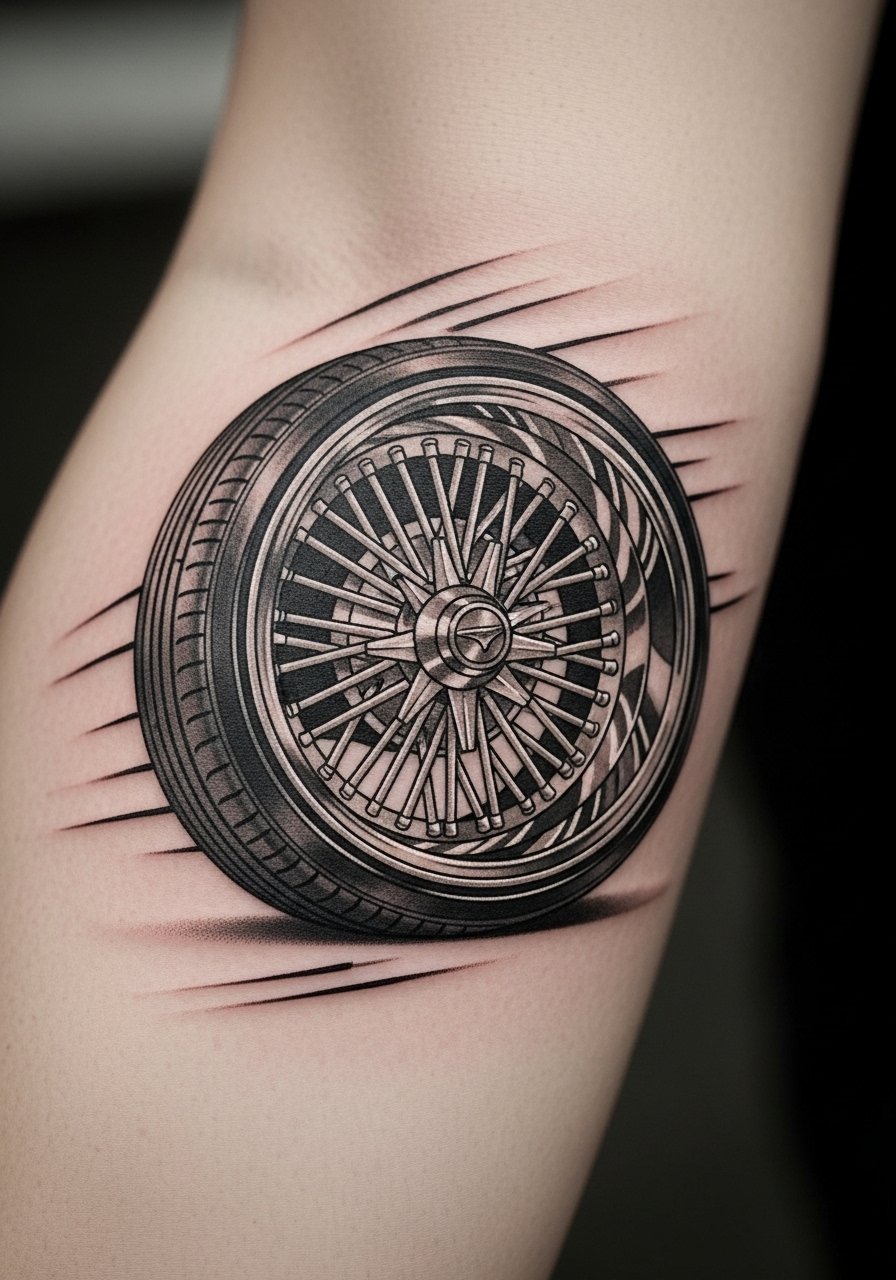
Motion implies movement so ask for stylized lines rather than literal spokes in tight clusters. The mistake I often see is trying to show every bolt and nut. Keep the wheel bold and let motion cues carry the rest. Outer forearm tolerates this well. For a casual look, pair with a short-sleeve chambray shirt which keeps the wheel visible without crowding.
14. Barrio Lettering Fringe Along the Wrist
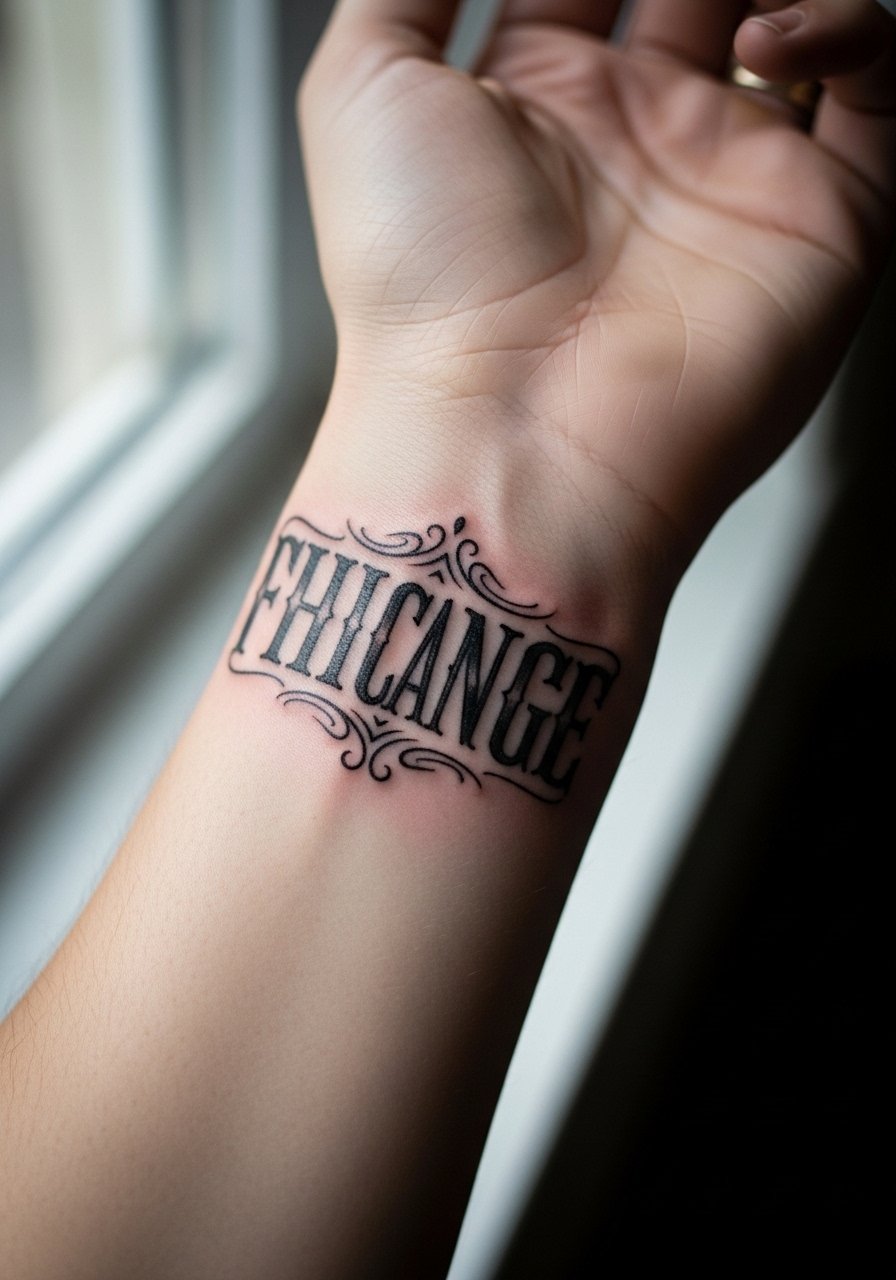
Wrist-to-forearm transitions demand that the letters scale up slightly as they move away from the joint. The mistake is keeping uniform size which makes the wrist letters collapse. Ask for proportional adjustments and bolder anchors at the wrist. Expect a short session. No styling link here to keep the section focused on fit and spacing.
15. Portrait of a Loved One in Black-and-Grey
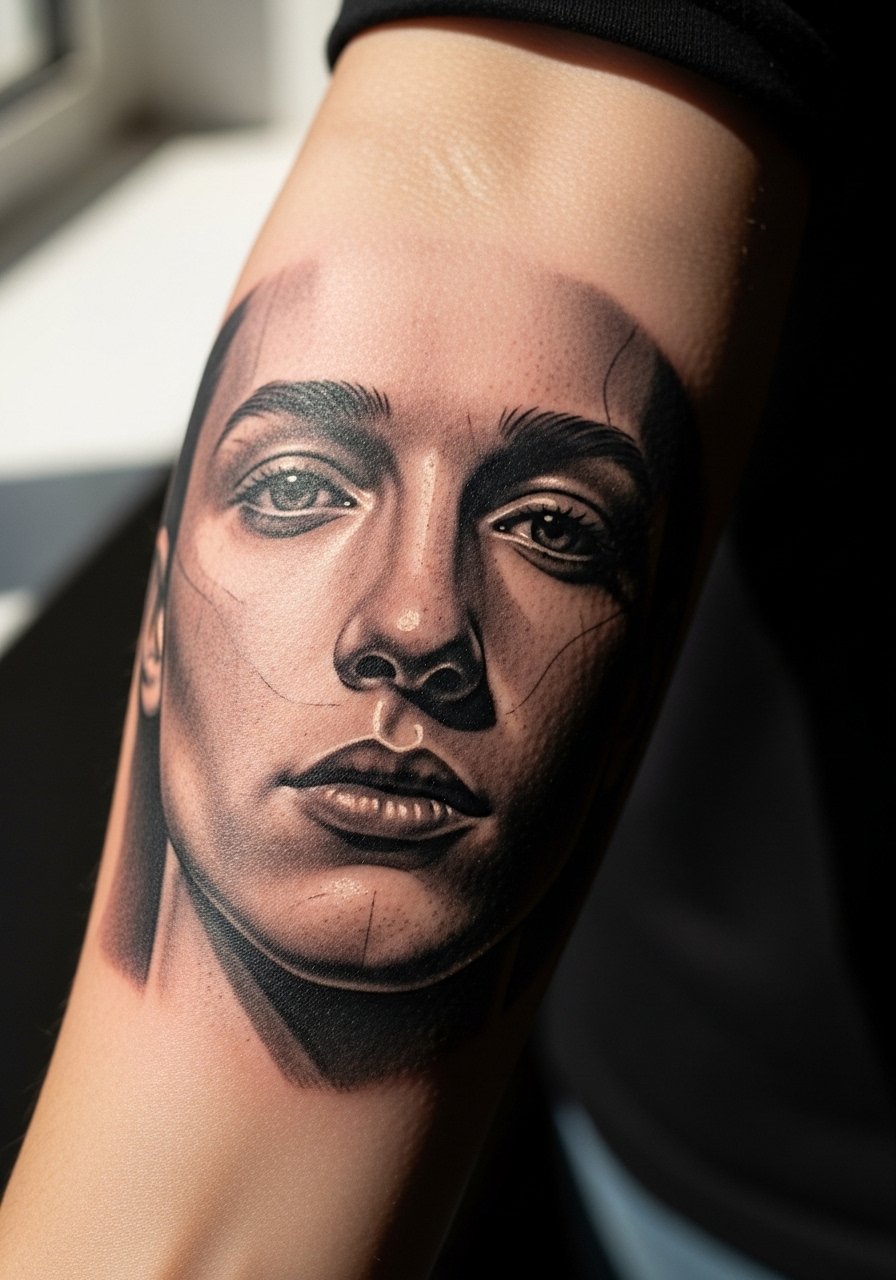
Portraits are high-stakes. Tell your artist which photo you want replicated and why. One camp of artists will refuse small forearm portraits because skin movement distorts facial detail. The other camp says it can work with adjusted line weight and spacing. Name the camp preference you want during consultation. The main mistake is asking for extreme micro-detail in a narrow area. Portraits often need touch-ups at year two. For showing this more easily, wear a rolled-sleeve tee that leaves the forearm exposed.
16. Scripted Memento Phrase Along the Inner Forearm
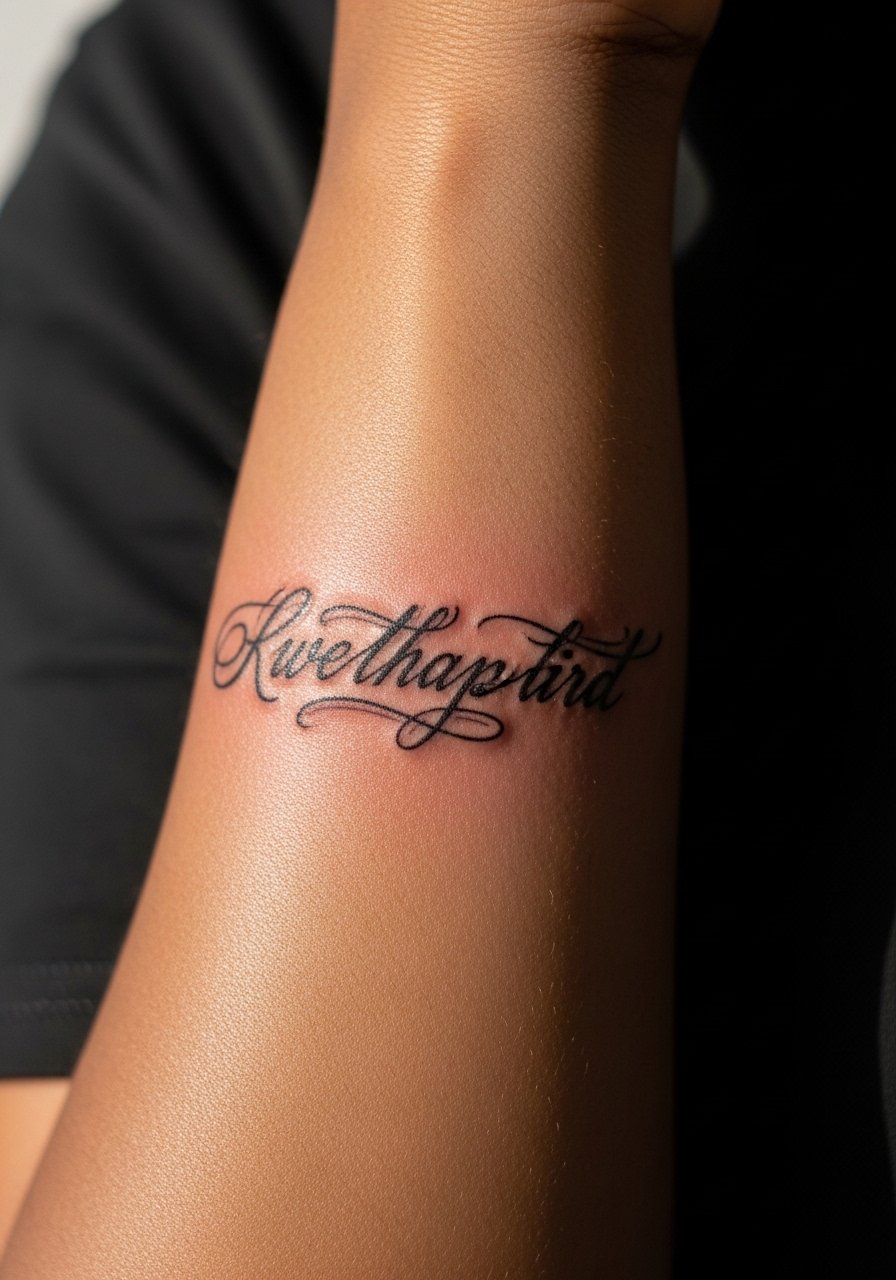
Phrases feel personal and portable. Ask the artist to set the phrase in the size you can read at arm's length. Tiny script looks delicate but tends to fuse in tight areas. Inner forearm is more protected from sun so script may last longer there. Expect a short, focused session. No styling integration here.
17. Religious Icon with Floral Frame Near the Elbow
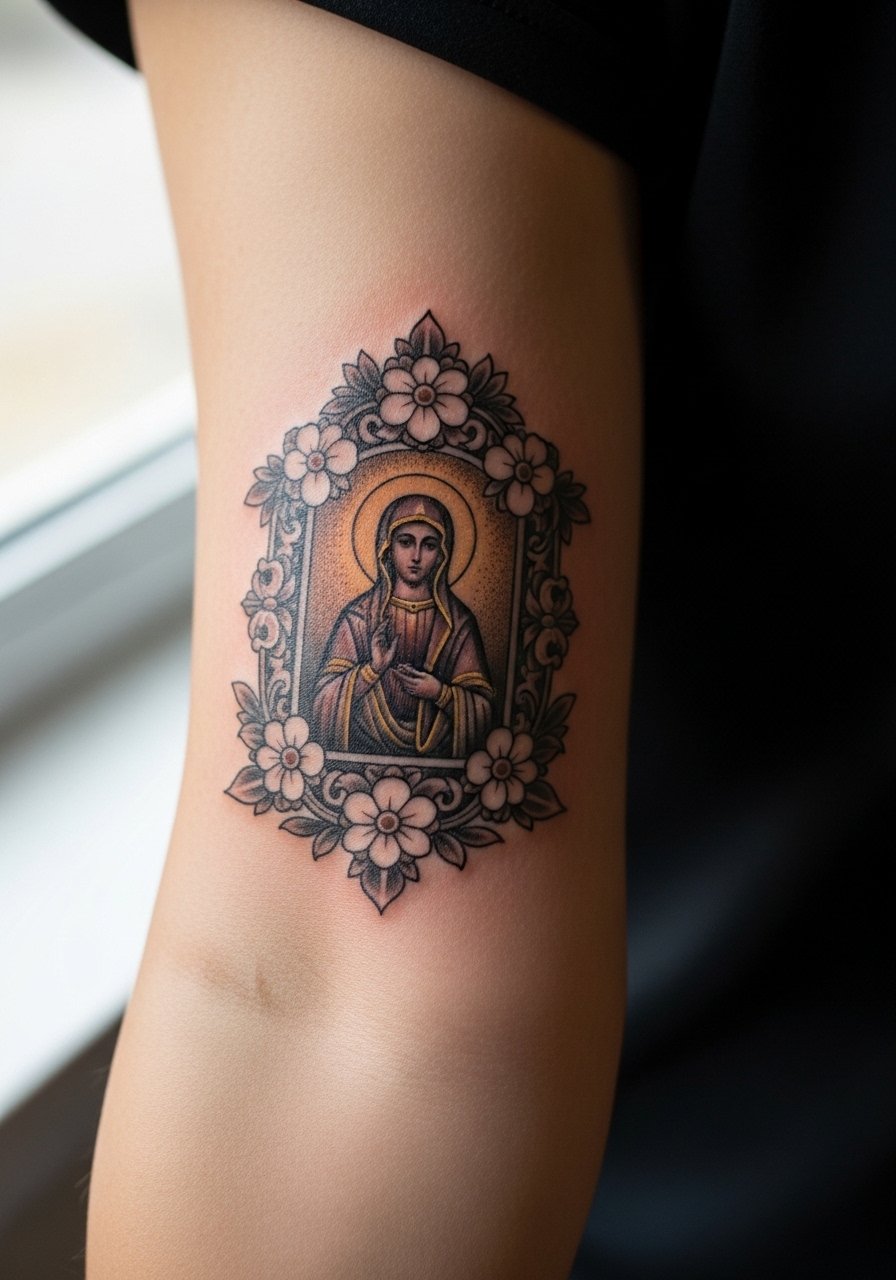
Placement near the elbow introduces curvature and movement. Tell the artist you want the main icon positioned on the flatter plane of the forearm rather than wrapping over the elbow crease. The common error is placing dense detail over the joint. That area can be more painful because of bone proximity. For clothing that shows the piece well, try a short-sleeve cotton tee with a slightly higher sleeve hem.
18. Hand-Holding Rosary Stretching Across the Forearm
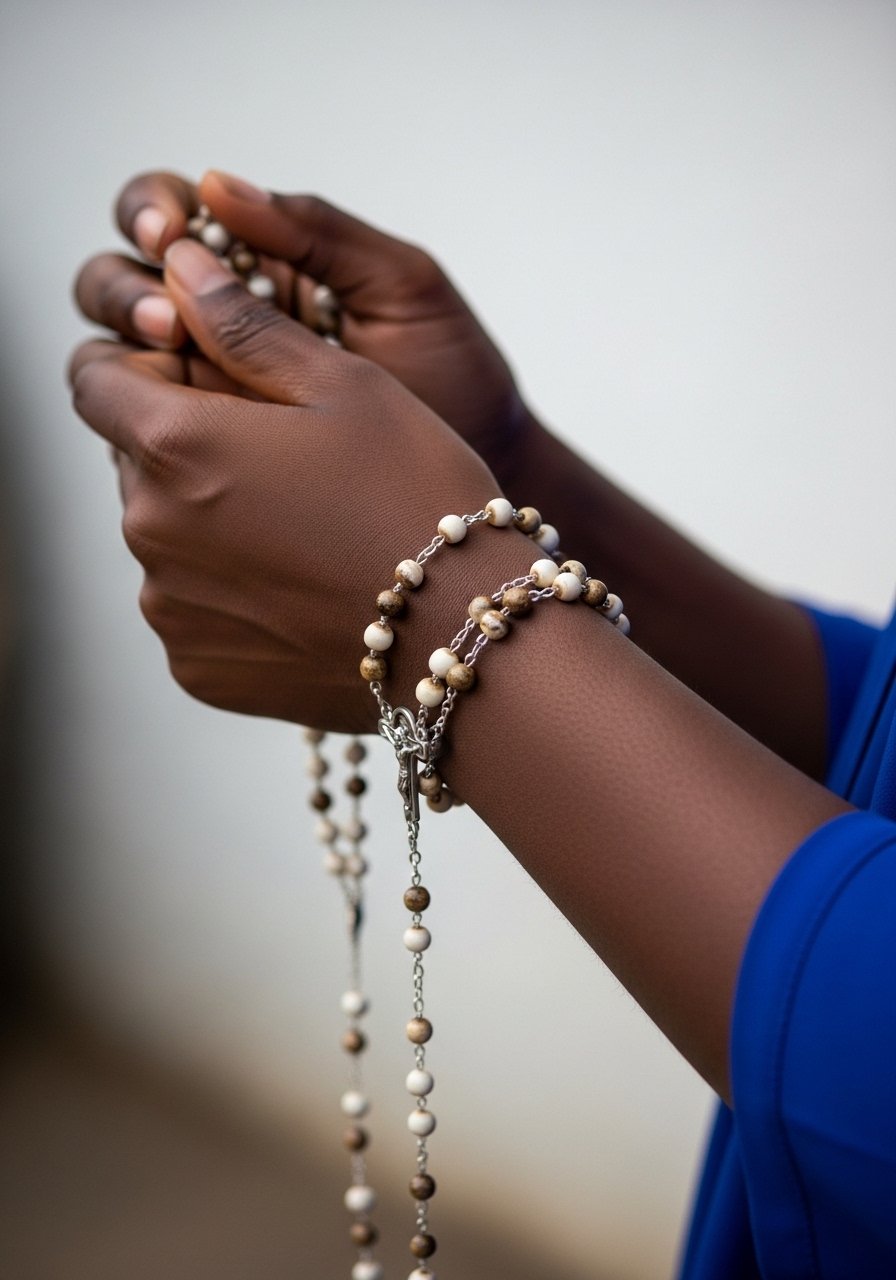
Narrative pieces that span the forearm do well when composed as separate scenes rather than one continuous tight motif. The error is trying to compress too much story into a narrow strip. Tell your artist which moment you want emphasized. The session can run longer because of spacing and composition checks. No styling link here.
19. Chicano Lace Band with Small Diamond Accents
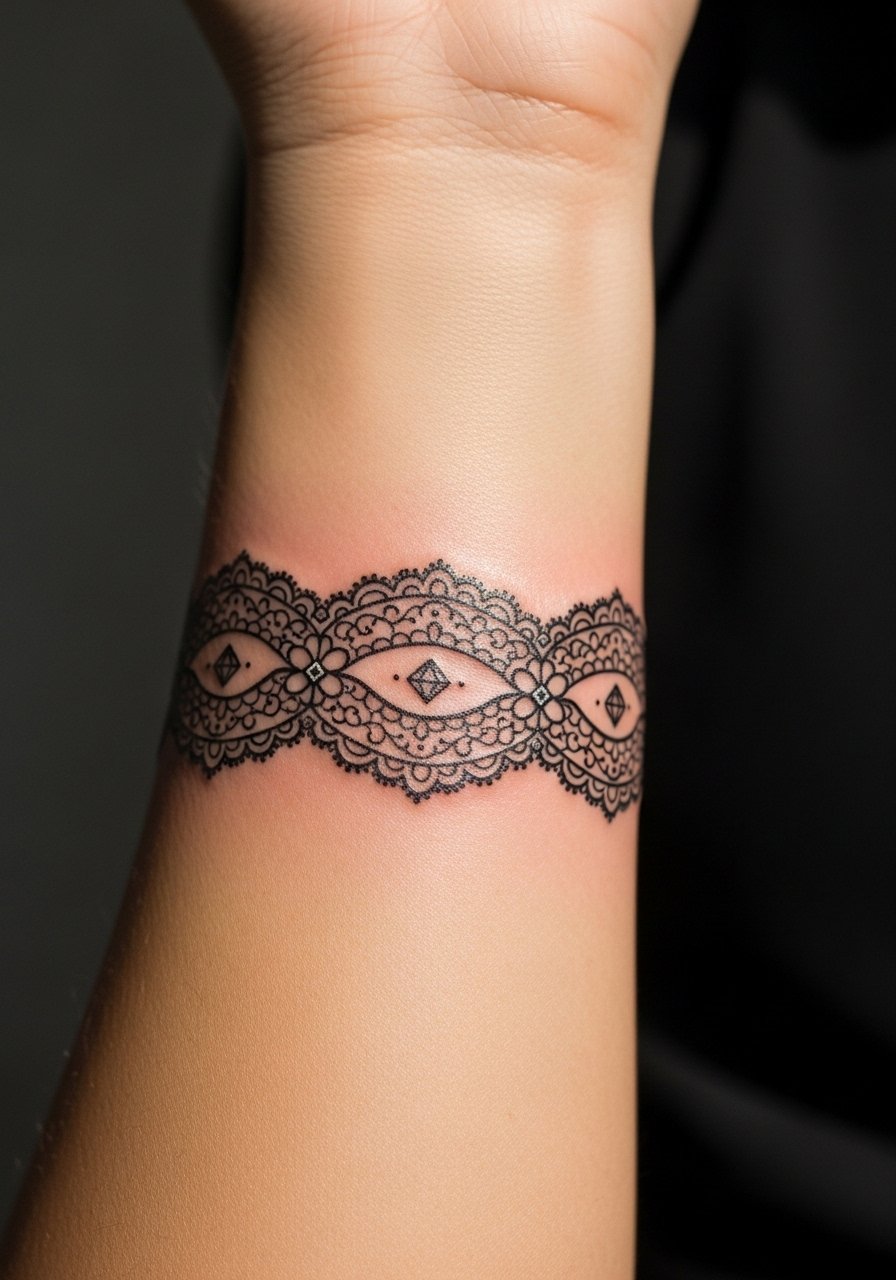
Bands need negative space to stay readable. Ask for diamonds that are slightly larger than you might expect so they remain crisp. The inner forearm handles bands well. A frequent mistake is adding ultra-fine filler that disappears into skin texture. For display, a rolled-sleeve linen shirt frames the band elegantly.
20. Small Cross Panel with Ornamental Corners
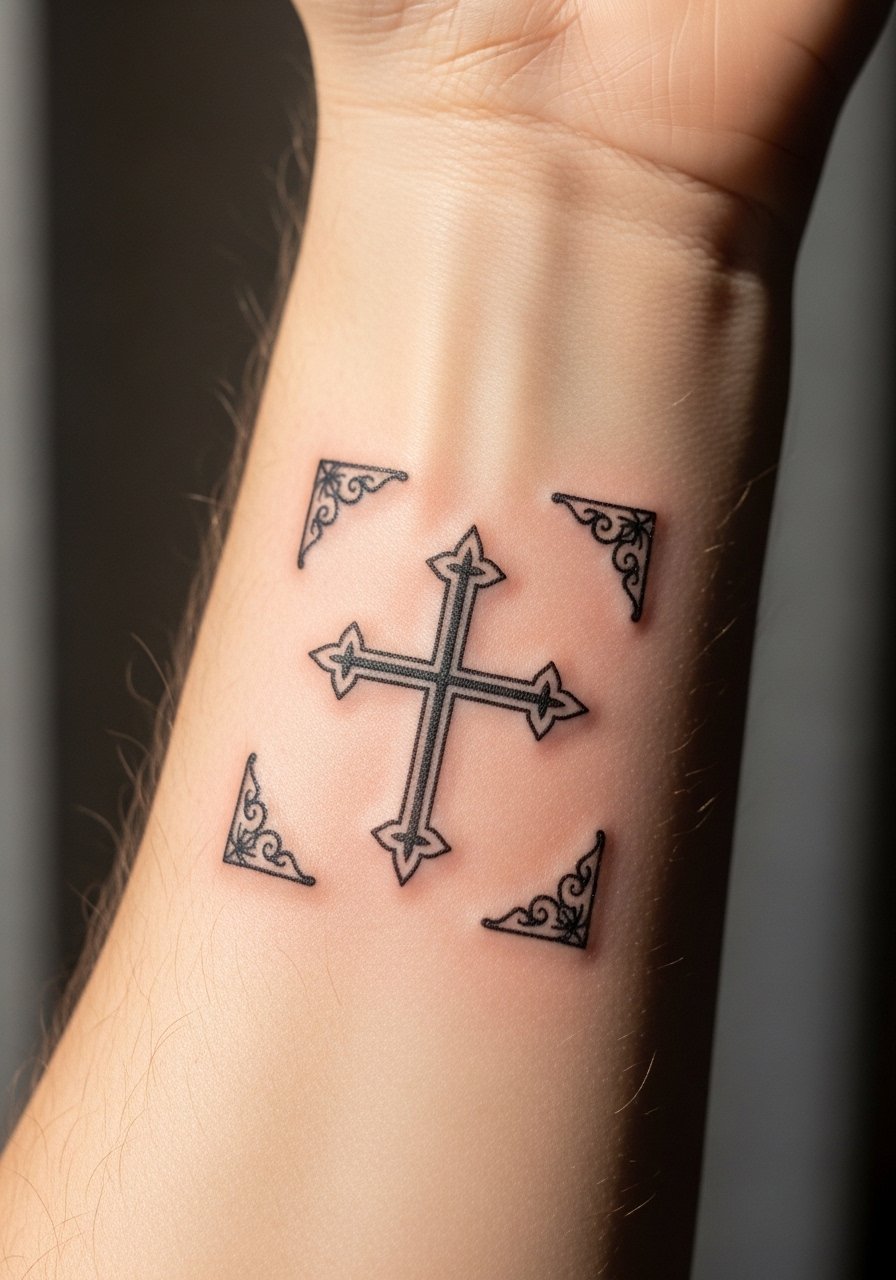
Ornamental corners can anchor a small cross without crowding. The common misstep is heavy corner detail that competes with the cross. Ask for simpler corner flourishes and bolder cross lines. Session time is short and precise. No styling link here.
21. Barrio Map Coordinates in Roman Numerals
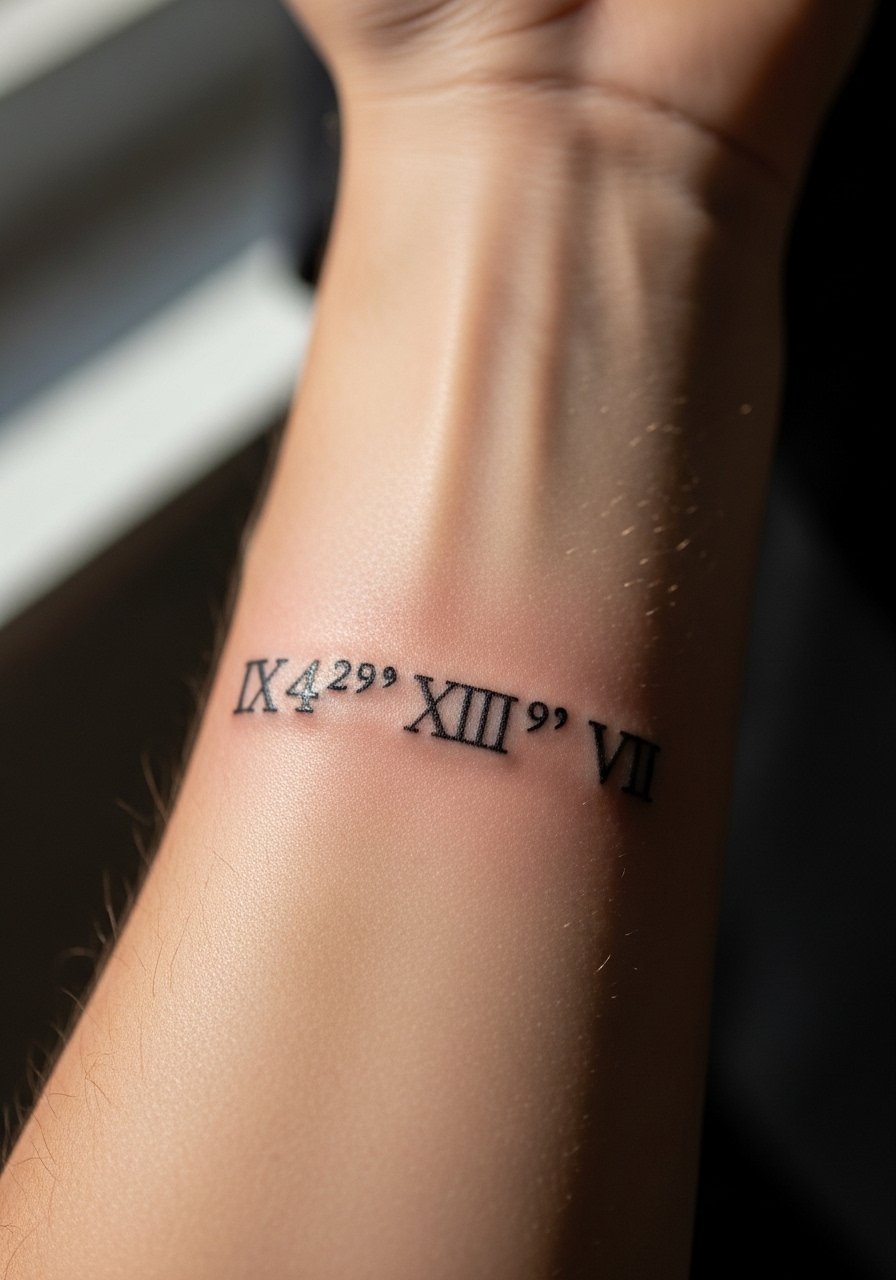
Numbers can be surprisingly legible if you choose a slightly heavier typeface. Tiny Roman numerals often merge. Ask for spacing adjustments and ask to see the stencil at actual size on your forearm. For showing off this minimal piece, a thin chain pendant necklace can complement wrist and forearm placement without stealing focus.
22. Family Crest or Shield Styled in Black-and-Grey
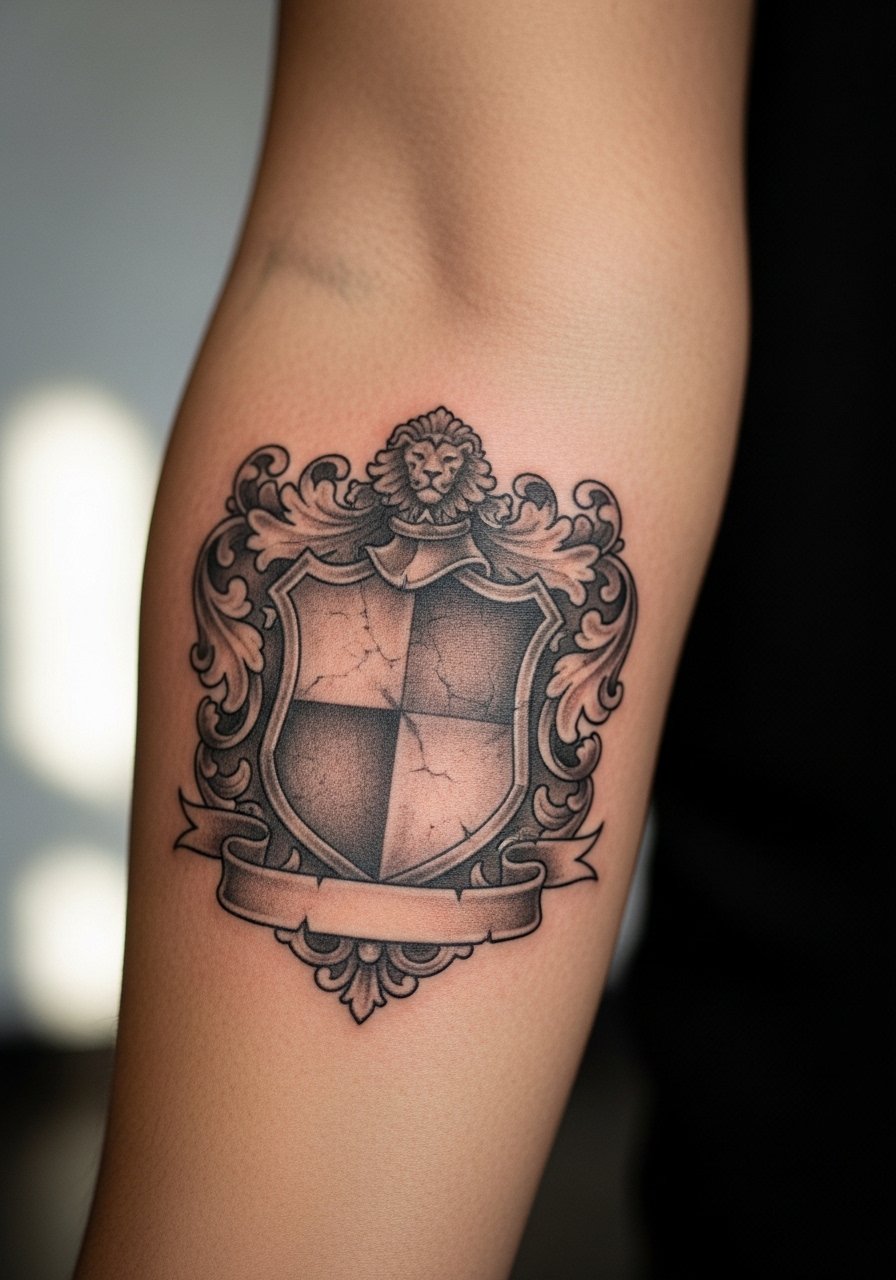
Custom crest work benefits from simplified details so the elements stay clear over time. The mistake is trying to include tiny emblems that need magnification to read. Forearm is an excellent place for crests because of the length and flatness. Expect a medium session. No clothing suggestion here.
23. Chicano-Inspired Pin-Up with Floral Backdrop
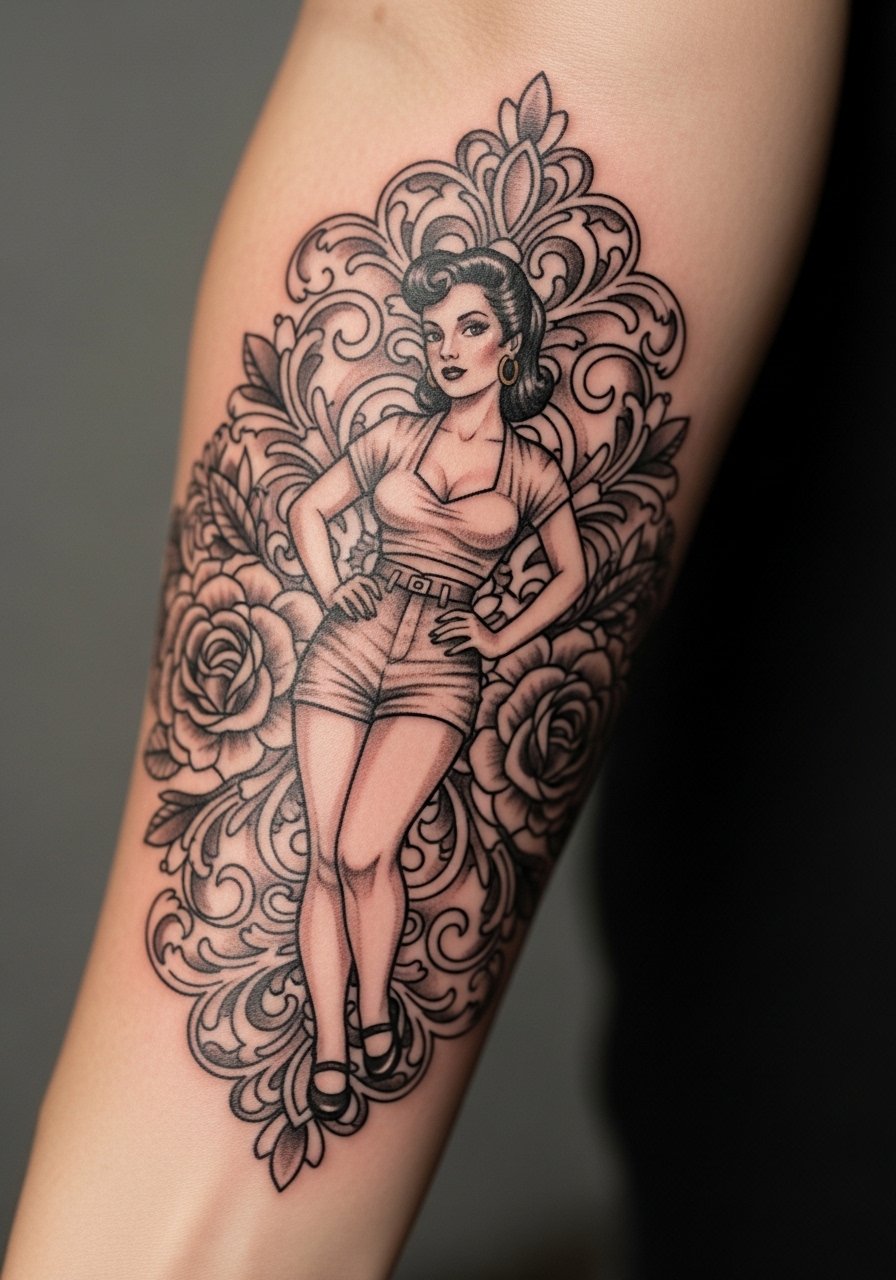
Pin-up plus florals can be busy so pick one focal area. Tell the artist which feature you want in the foreground and request lighter fill in the flowers. The error I see is letting the backdrop compete with the figure. Sessions can be longer for shading. For nights out, a flowy short-sleeve blouse showcases the art without crowding.
24. Small Sacred Heart with Rays Near the Wrist
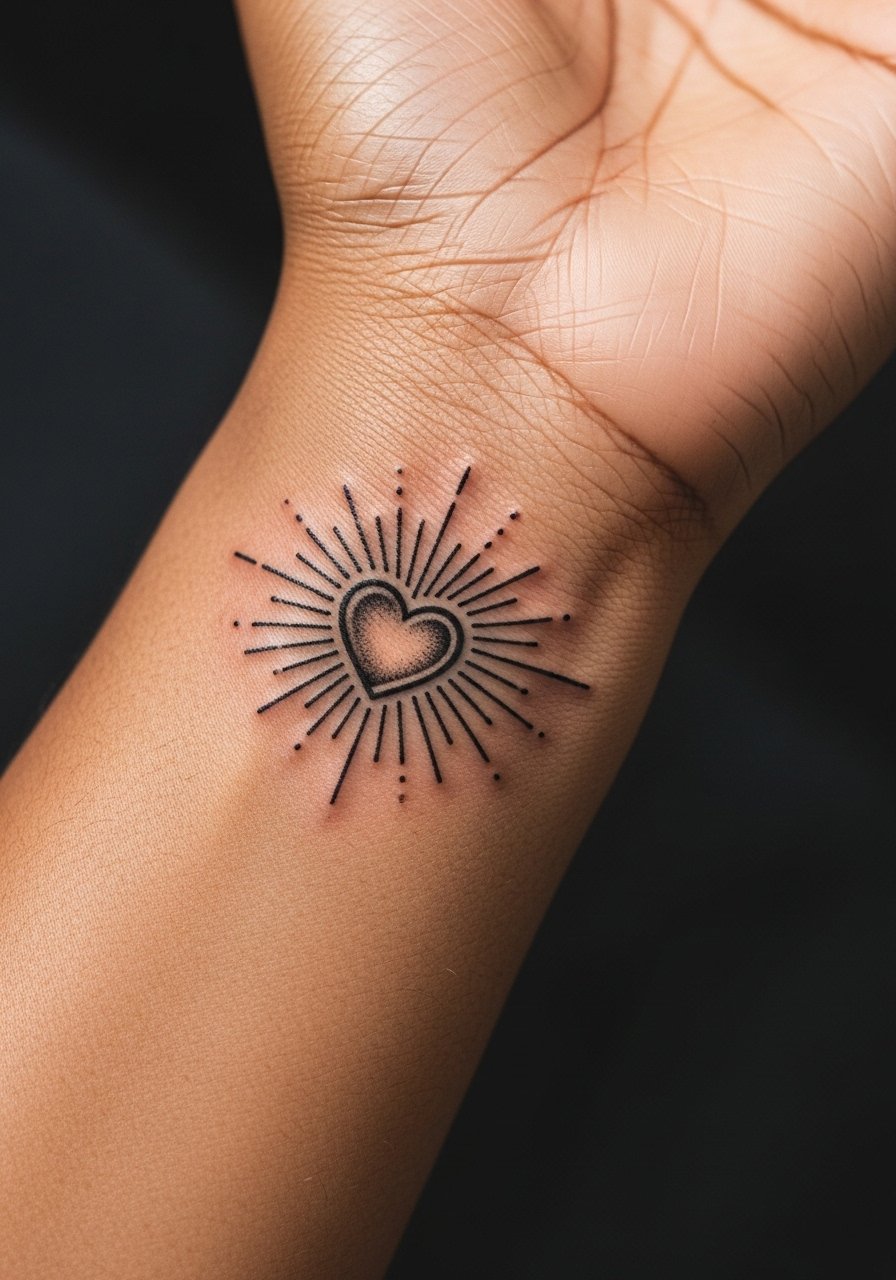
Sacred hearts are compact and symbolic. Ask for a bold central heart and subtler rays around it. The wrist area can be high friction so keep the rays spaced out. Expect a quick session and a possible touch-up if the rays are very thin. No styling link here.
25. Scripted Tribute Line Running the Length of the Forearm
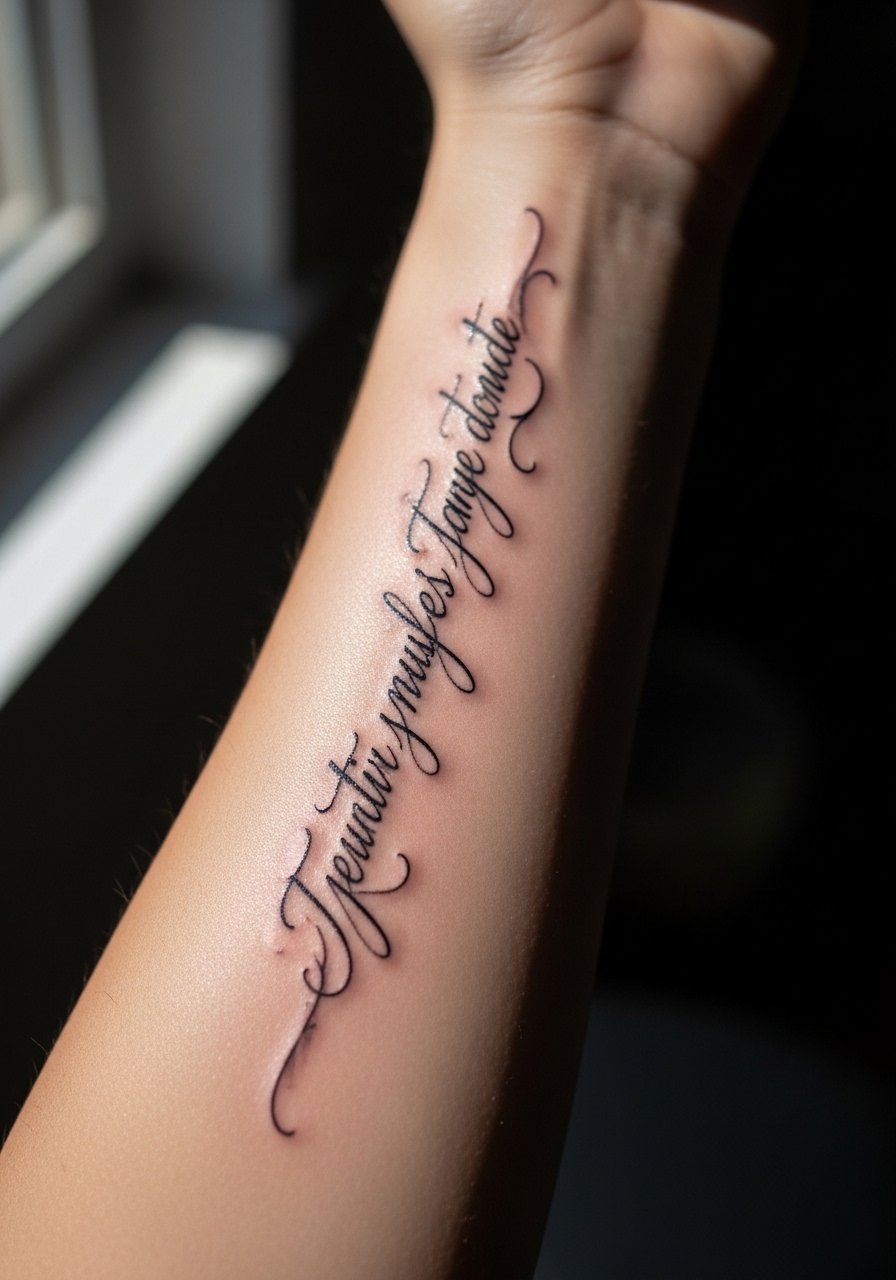
Long text pieces need to follow the arm's natural line so the words read when your arm is at rest. The common mistake is straight horizontal text that looks skewed on the curved forearm. Ask for a slight curve to follow musculature. Session time depends on length. For presentation, cuffed sleeves or a loose button-down shirt let the script flow visually.
26. Chicano Skull with Floral Crown
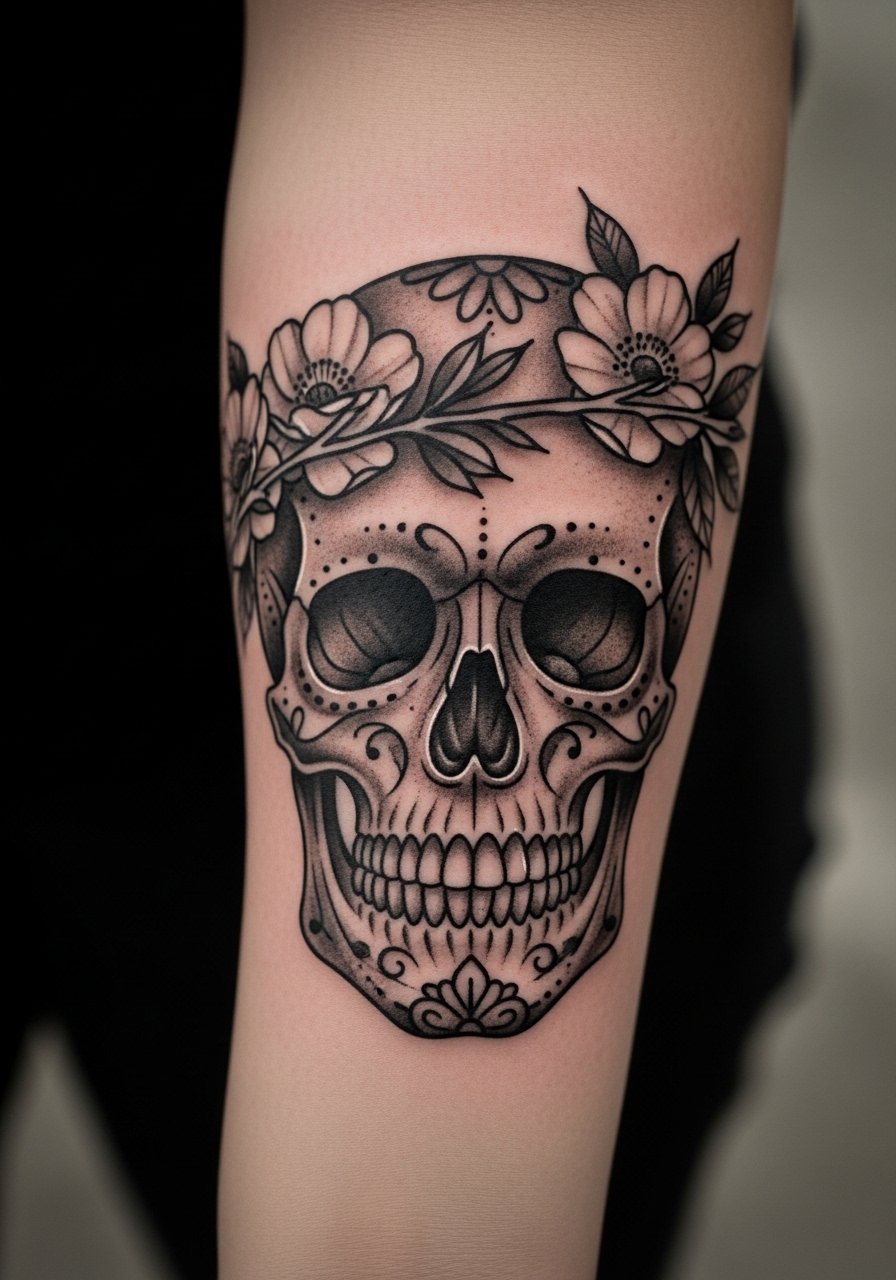
Skulls framed by flowers need contrast to avoid blending. Ask for strong blacks in the skull and lighter fills in the blooms. The outer forearm gives room but avoid over-detailing the crown. Sessions are moderate. No styling suggestion here.
27. Minimalist Cross and Tiny Stars Cluster Near the Wrist
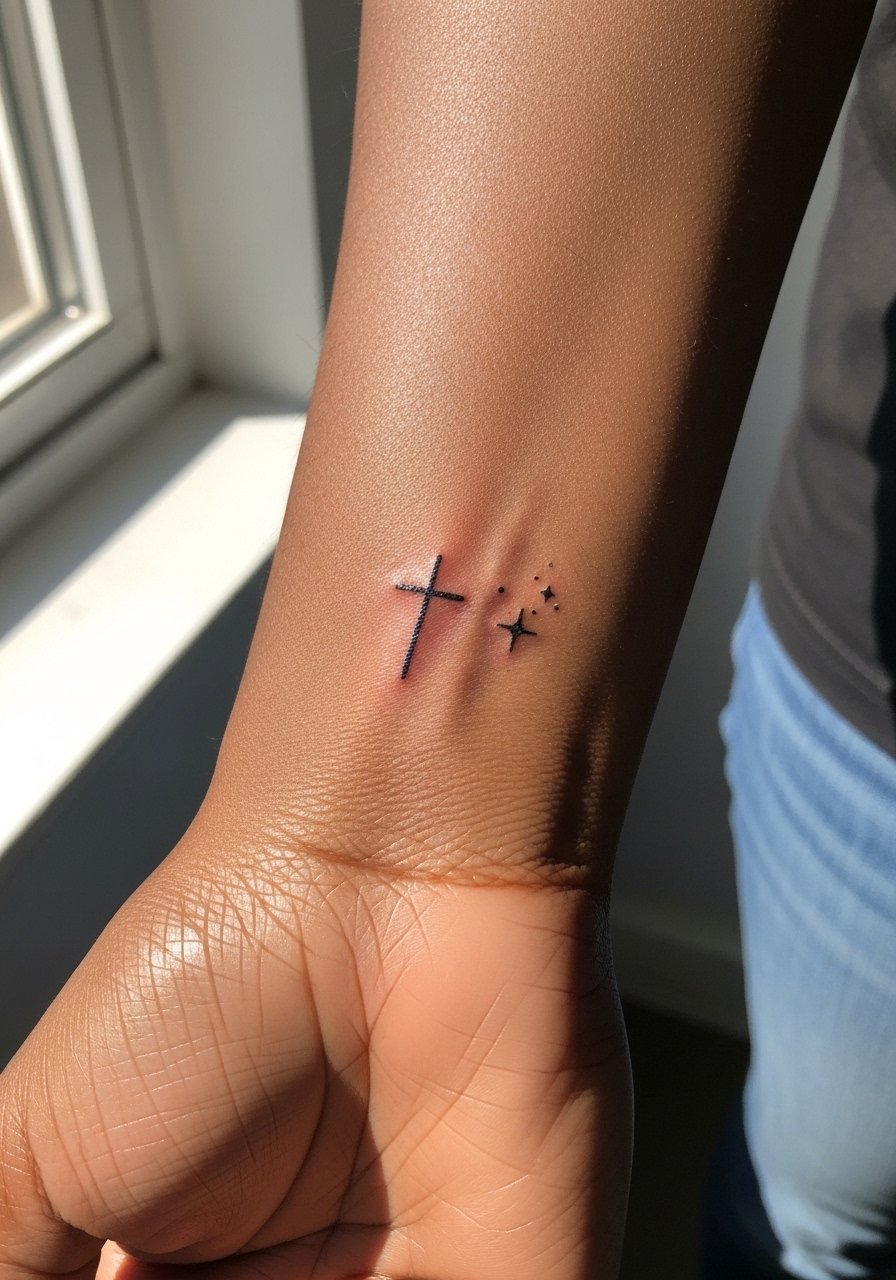
Tiny clusters can be elegant but they need spacing. Ask your artist to preview exact spacing on your skin so the stars do not sit too close to the cross. The wrist area sees a lot of movement. Expect a touch-up sooner than larger pieces if elements are very small. For a simple display look, a thin chain bracelet sits near the cluster without overwhelming it.
Frequently Asked Questions
Q: Will fine line Chicano lettering blur faster on the inner forearm than on the outer forearm?
A: Inner forearms are usually less exposed to sun and rubbing, so fine line can hold up better there. The key is starting with enough line weight and spacing. If you go ultra-thin, expect the potential for softening around year two or three.
Q: How should I prepare clothing-wise for a long forearm portrait session?
A: Wear a short-sleeve or a loose button-down you can pull aside easily. Something like a short-sleeve chambray shirt makes it simple to expose the forearm without tugging or shifting fabric during the session.
Q: Are Chicano forearm motifs appropriate for people outside the culture?
A: Artists and clients split into two camps on this. One camp advises staying within the culture to avoid appropriation. The other camp feels respectful appreciation is possible when you learn the meanings and consult with community-informed artists. If you are outside the tradition, be clear about intent and ask how to adapt motifs respectfully.
Q: How often should I expect touch-ups for black-and-grey portrait or script work on the forearm?
A: Portraits and tight script often need touch-ups around year two to three, depending on sun exposure and skin type. Bold pieces with heavier linework will usually need fewer corrections.
Q: Will tattoos on the wrist and near the elbow hurt more than the mid-forearm?
A: Yes. Areas closer to bone or with thinner soft tissue such as the wrist and elbow crease tend to be more sensitive. Mid-forearm is typically less painful. Numbing creams are an option for extra-sensitive people but discuss them with your artist first.
Q: Can I wear jewelry with a new forearm tattoo while it heals?
A: Light jewelry that does not rub directly on the fresh ink is fine after the first couple of days. Avoid bracelets that press into the tattoo during the initial scab and peel phase. A simple thin chain pendant or bracelet that sits above the area is a safer choice.
Q: How do I find artists who specialize in Chicano forearm work without naming specific shops?
A: Look at local convention guest lists, search community hashtags, explore regional tattoo directories, and read forum threads where people share in-person recommendations. Ask for portfolios that show healed work on forearms so you can assess how pieces age.