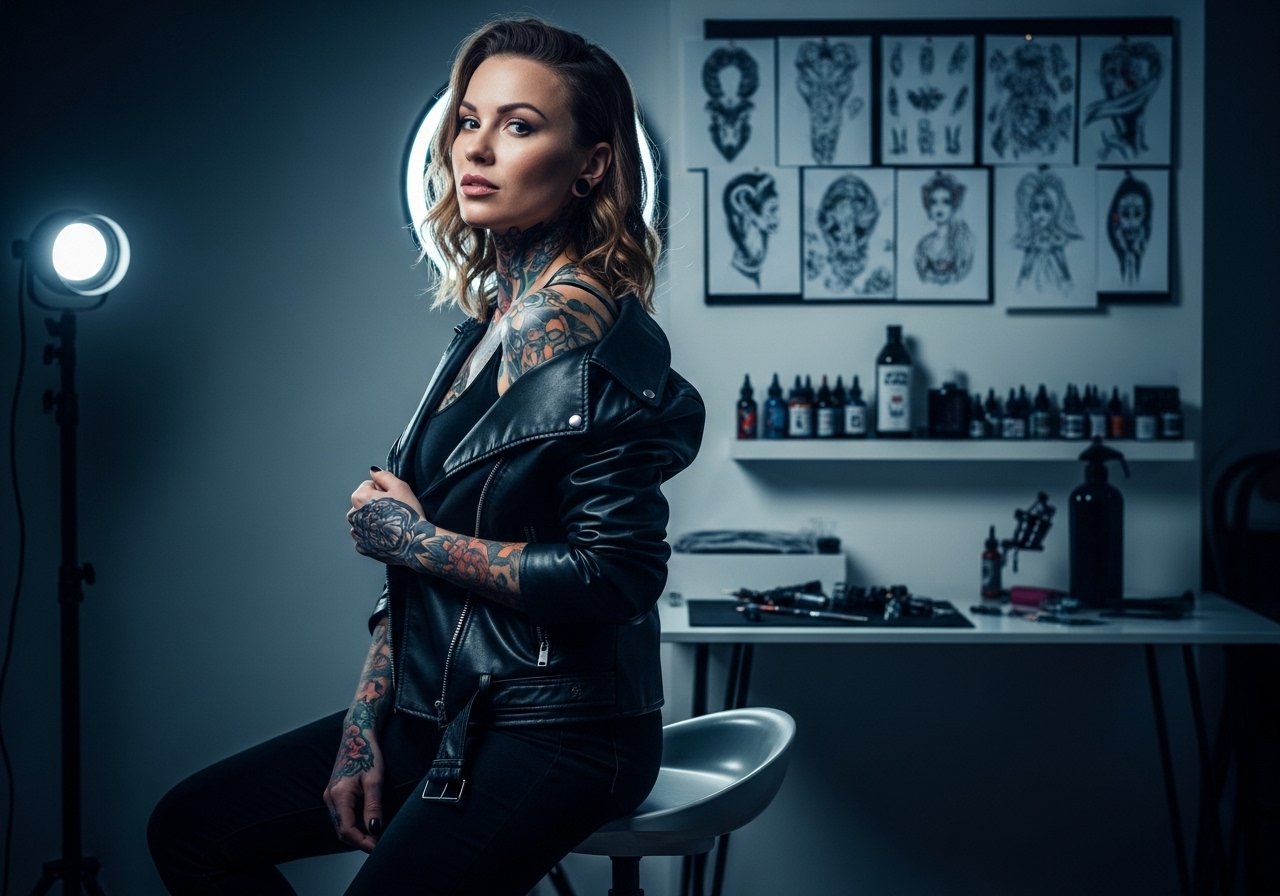
The tattoos that age the cleanest are often the ones that look less flashy right after the session, not more. Heavy black and gray saturation, smart spacing, and sensible placement tend to keep linework legible longer, while tiny, intricate flourishes that photograph well can merge into a soft blur by year three. Read these 17 chicano style tattoo concept ideas with notes on how they heal, what to ask your artist, and simple wardrobe tips to show off the work from day one.
1. Chicano Skull with Roses on Upper Arm
I've seen medium-sized skull-and-rose pieces on the upper arm keep their presence for years when the artist prioritized heavy black saturation and clean linework. Tell your artist you want the skull in black and gray realism with stipple shading in the shadow planes and solid black in the deepest hollows. Common mistakes include tiny petals and ultra-fine stipple packed too close, which softens into muddiness after sun exposure. Expect a two to three hour session for a 6-8 inch piece and a touch-up around year two if you spend a lot of time outdoors. For showing it off, pair with a fitted black tank top men so the sleeve frames the shading, and wear a short sleeve button up shirt you can roll for sessions.

2. Lowrider Car Outline on Forearm
Fair warning: the forearm shows every line because it is so visible. Lowrider outlines work best in a neo-traditional approach that uses bold black linework with selective color accents on the body panels. Ask for a slightly heavier outline than on reference pieces so the silhouette reads from a distance and the selective color is confined to larger planes. The common error is over-detailing the interior on a four to five inch piece, which ages poorly. Session time is usually one or two sittings depending on color. For casual wear and pictures, roll the cuff of a rolled cuff chambray shirt so the car sits flush with denim textures.

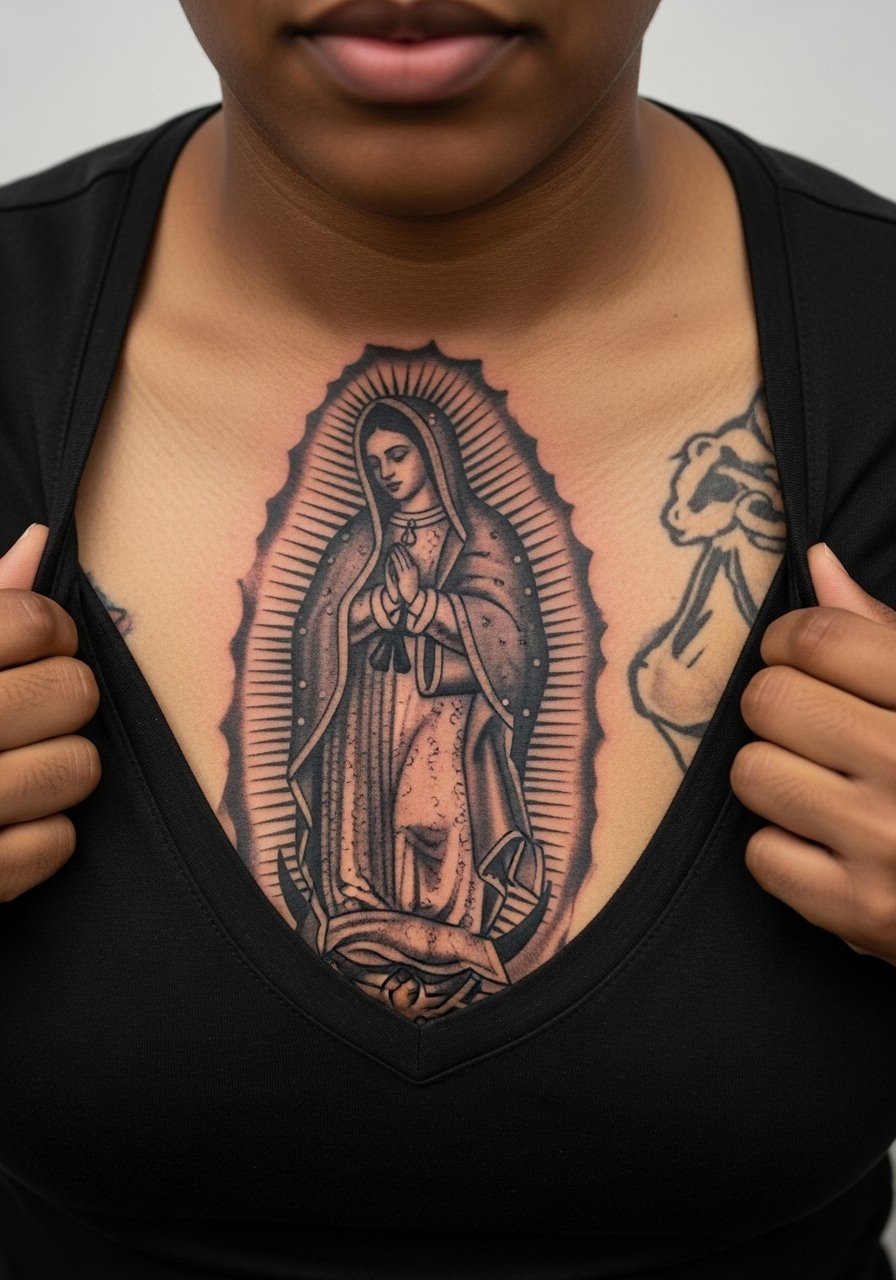
3. Virgin of Guadalupe Portrait Centered on Chest
Most people treat this as a chest piece rather than a small badge. The best chest Guadalupe portraits use measured contrast, subtle stipple shading for the cloak, and a clear halo line that does not compete with facial saturation. Two camps argue about realism versus stylized interpretation. One camp favors hyper-realism with dense shading for protection motifs. The other prefers simplified iconography to avoid literal copies of sacred images. Ask your artist which approach they use and bring exact proportions you want. Expect multiple sessions for an eight to ten inch chest portrait and touch-ups at year three for deep gray washes. For evenings out, a deep v neck tee men frames the center chest without covering the halo.
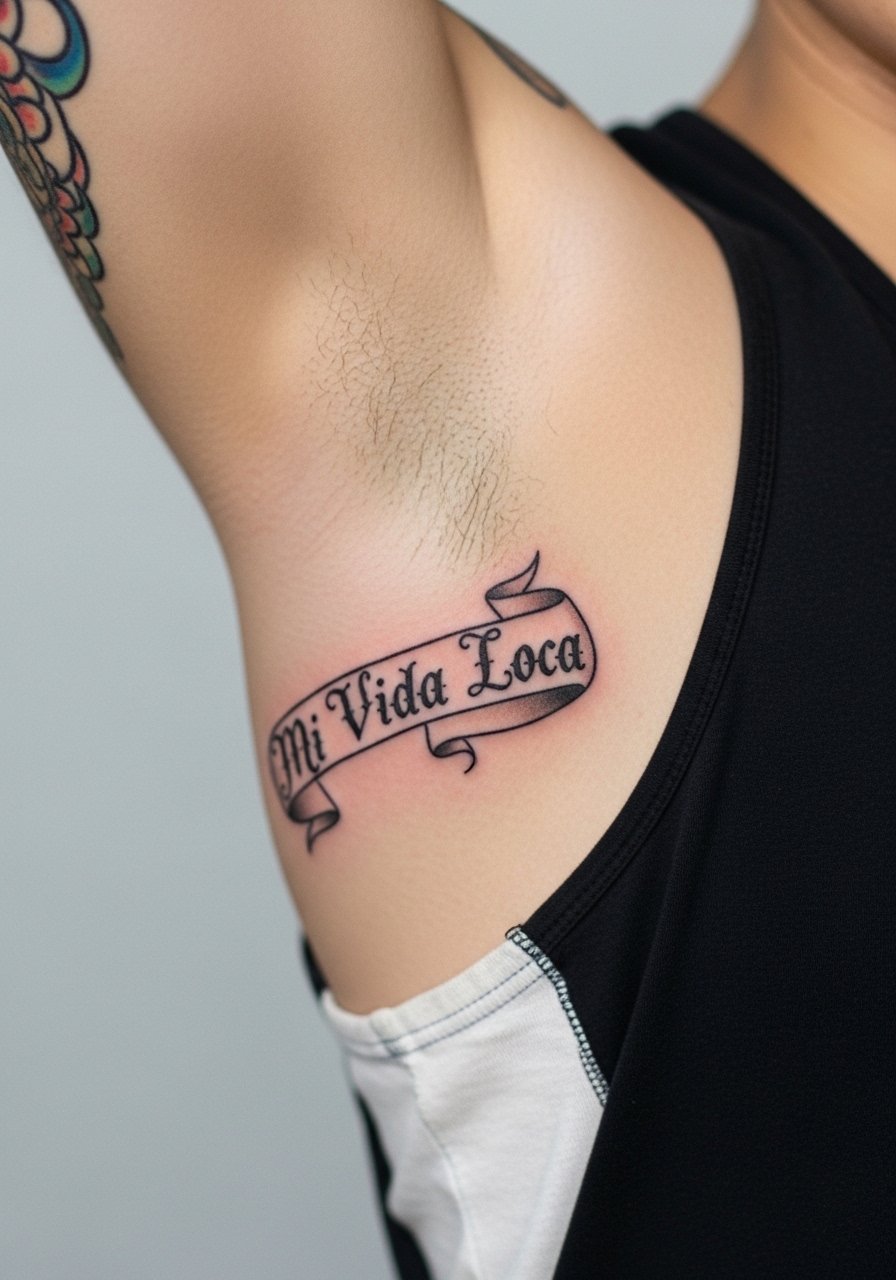
4. Script Banner "Mi Vida Loca" on Inner Bicep
The inner bicep is forgiving on sizing but unforgiving on spacing. Most inner bicep scripts that blur have been requested too small with very tight lettering. For a banner style, ask for open counter space in each letter and a medium-to-heavy lineweight so the script keeps clarity as the skin moves. Pain is moderate because you are sitting on muscle, and session time is usually under ninety minutes for a 3-5 inch banner. A common version that ages poorly uses script with hairline flourishes packed into tight curls. To avoid that, prefer a classic old-school lettering with measured spacing. Note the inner bicep is prone to fading from friction under sleeves, so schedule a touch-up around year two.
5. Clown Face with Tear on the Side Neck
Pain warning: the neck is sensitive and the skin is thin, which makes bold blackwork the safer route long-term. The clown face in Chicano lexicon uses thick black outlines and heavy contrast so the tear reads clearly. A common mistake is asking for micro-detail on the neck, which can blur quickly. Artists split on neck sizing and one camp says keep the piece small and bold to avoid migration. The other camp says careful fine work can last with perfect depth and touch-ups. Bring reference that shows exact scale and expect a short but intense session. For showing it off with layers, a crewneck hoodie black or an open collar shirt men makes the neck piece peek through without competing.

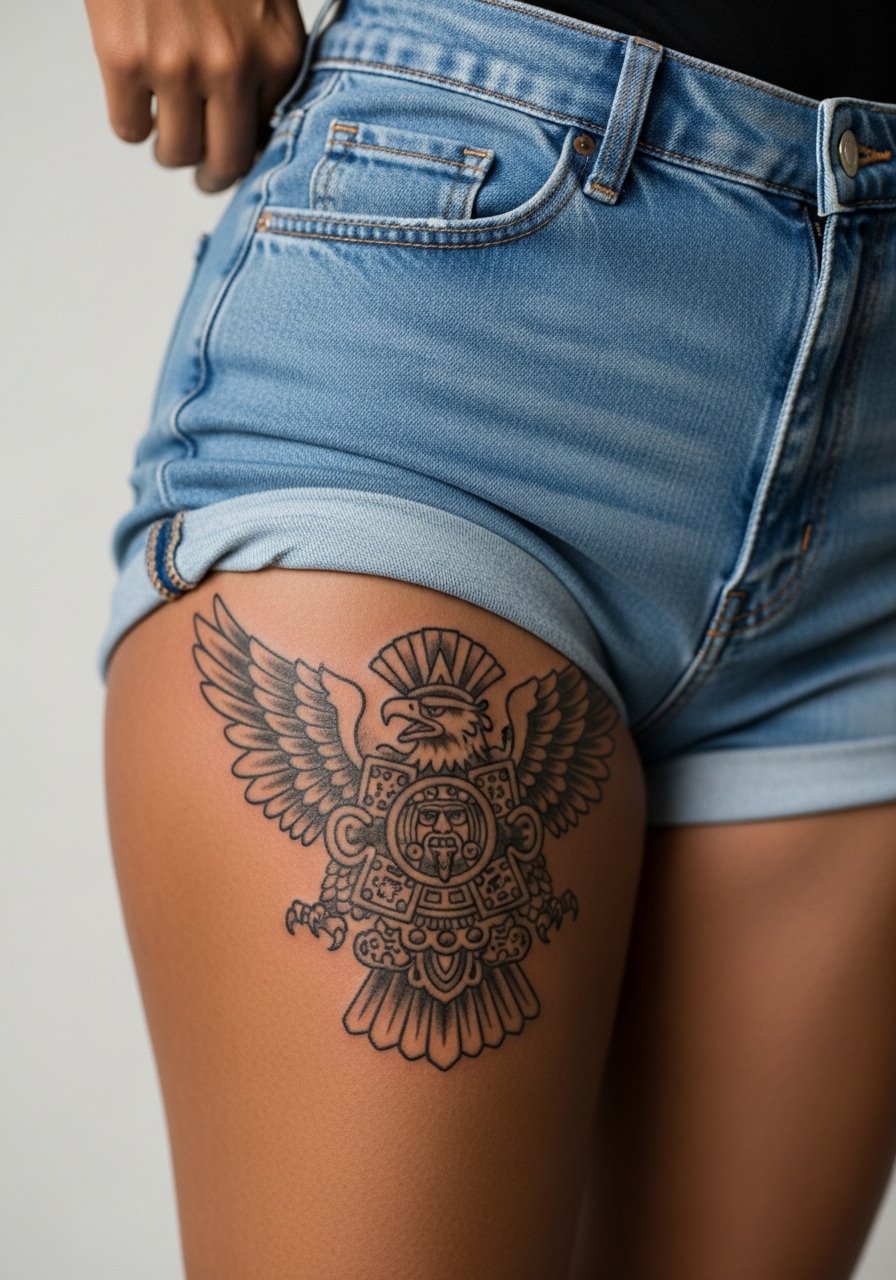
6. Aztec Eagle Warrior Motif on Thigh
When you want indigenous geometry that holds up, the thigh is ideal because it offers a broad canvas and less UV exposure. For an Aztec eagle warrior, insist on strong geometric patterns with consistent stipple shading to keep the triangles crisp. A clear mistake is cramming tiny geometric fills into a small area. At seven to ten inches the piece usually needs three sessions to build pattern density. The thigh tolerates dense work and touch-ups are often at year three for black and gray saturation. For warm weather showing, try tailored pieces like tailored khaki shorts that keep the composition visible without cutting the design.
Studio Day Picks
These picks help with the varied pieces above, from neck linework to thigh geometry, and smooth the session day from check-in to first week.
- Stencil transfer paper kit. Lets you preview exact placement on skin so the skull, script, or portrait sits where you expect before the needle touches down.
- Topical numbing cream. Eases sensitivity on thin-skin areas like the neck and inner bicep without changing the feel of the session.
- Thin protective film roll. Useful for hand and wrist pieces that get friction from daily washing during the first days.
- Fragrance-free body wash. Cleans healing areas gently, which helps preserve crisp linework in the first two weeks.
- Aquaphor healing ointment. Thin layers for the initial days keep black and gray saturation from drying out while allowing the channels to breathe.
7. Rosary Beads Draped on Wrist
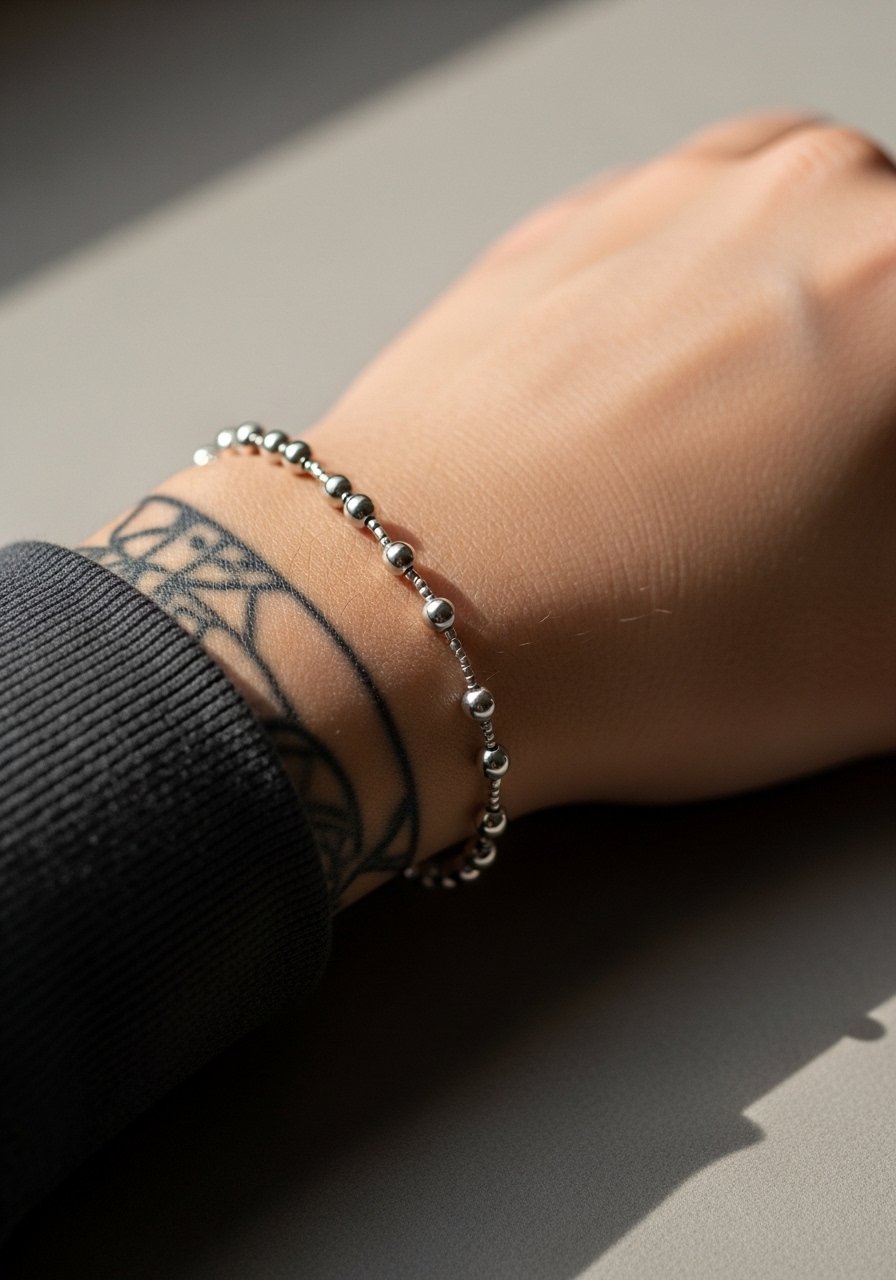
Personal observation: tiny beads look elegant on wrists for the first year but they need room. A rosary strand wrapped once with a small cross benefits from slightly larger bead dots and a thin gray wash for depth. The wrist is high-motion so expect slower saturation in the first session and a likely touch-up at year two. A real mistake is requesting micro-beads with no spacing, which turns into a gray line under repeated washing. For session day, wear a loose button-down shirt you can pull aside so the artist has clean access and your wrist sits comfortably on the armrest.
8. Mexican Flag Eagle on the Calf
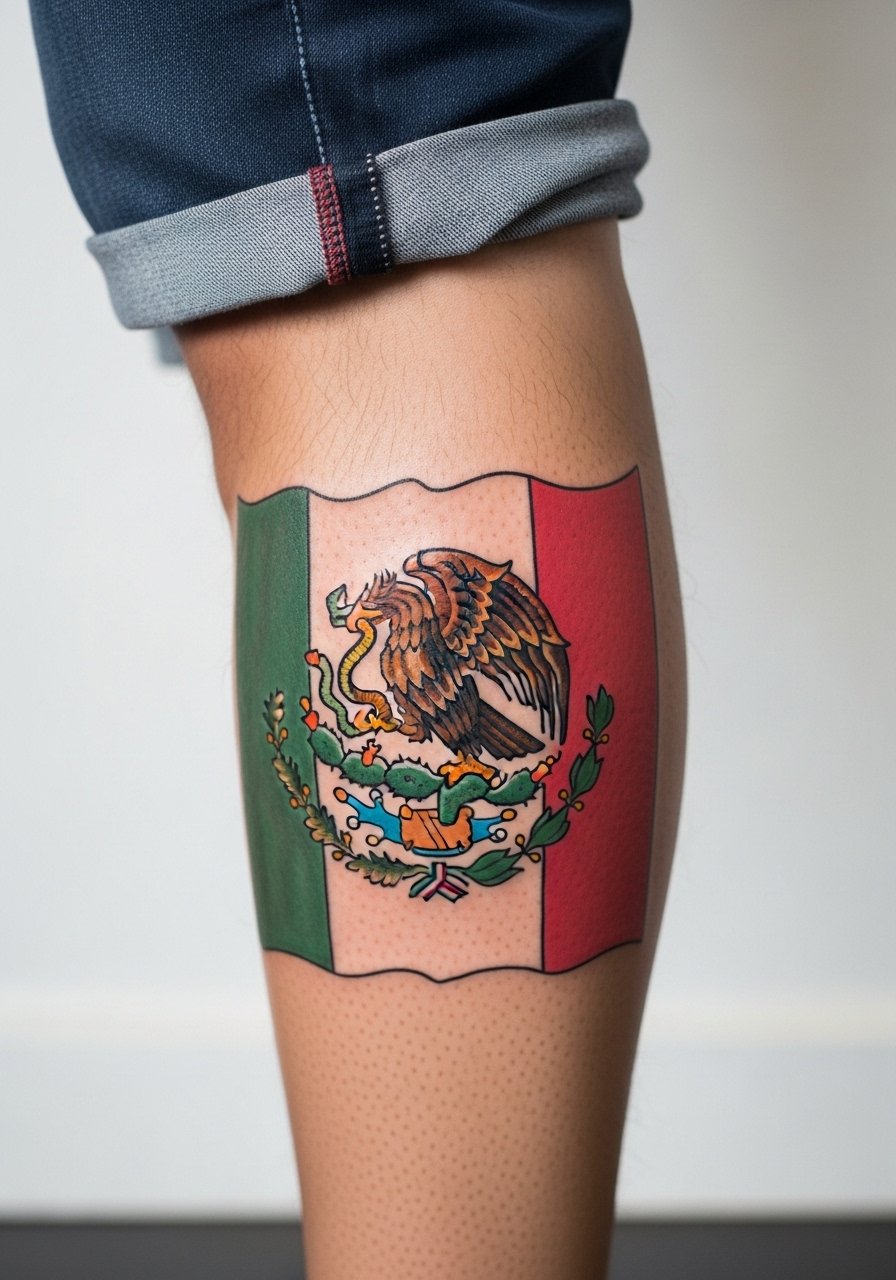
Visual impact lead: the calf reads well from distance which makes it a good spot for a Mexican flag eagle with selective color accents. Ask for bold outline anchors with color accents confined to the eagle's wings and flag elements to avoid color migration. The calf tolerates heavier saturation and touch-ups are often at year three for color refresh. Placement changes scale: a calf eagle can be five to eight inches and still read clearly. Session wear should be loose shorts so the artist can roll the pant leg without tight fabric pressing on the fresh area.
9. Intricate Leaf Woven Pattern Across the Upper Back
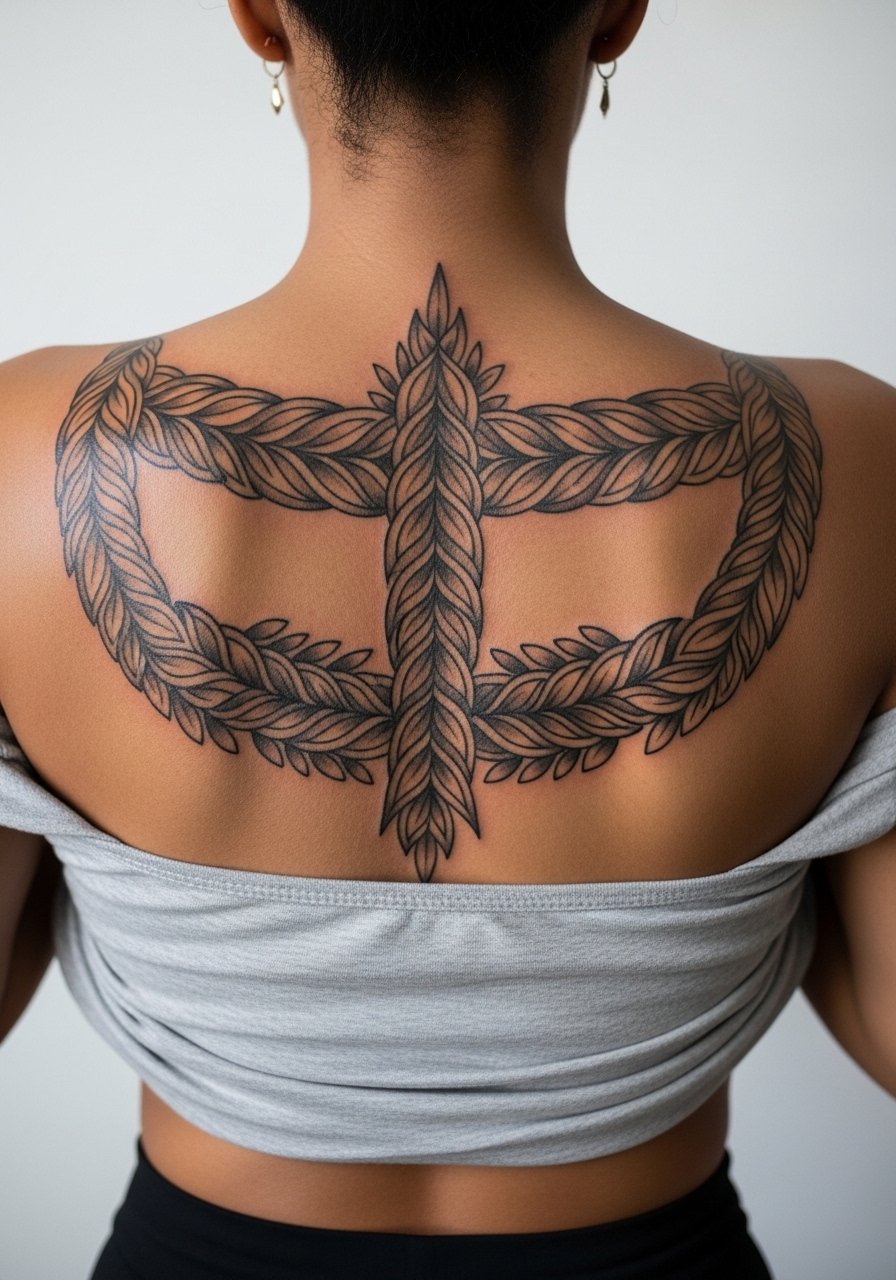
Aging lead: ornamental patterns last when they avoid hairline spacing and use negative space intentionally. Woven leaf motifs that repeat across the upper back work best when each motif has breathing room and occasional heavier anchors to guide the eye. The back offers low friction so shading holds well, but large patchwork can still blur if lines are too close. For showing it off, a backless crop top black or an open back vest men keeps the work visible without cutting across the pattern. Expect two to three sessions for a 6-10 inch woven piece.
10. Old-School Chicano Guy Portrait Framed on Full Back
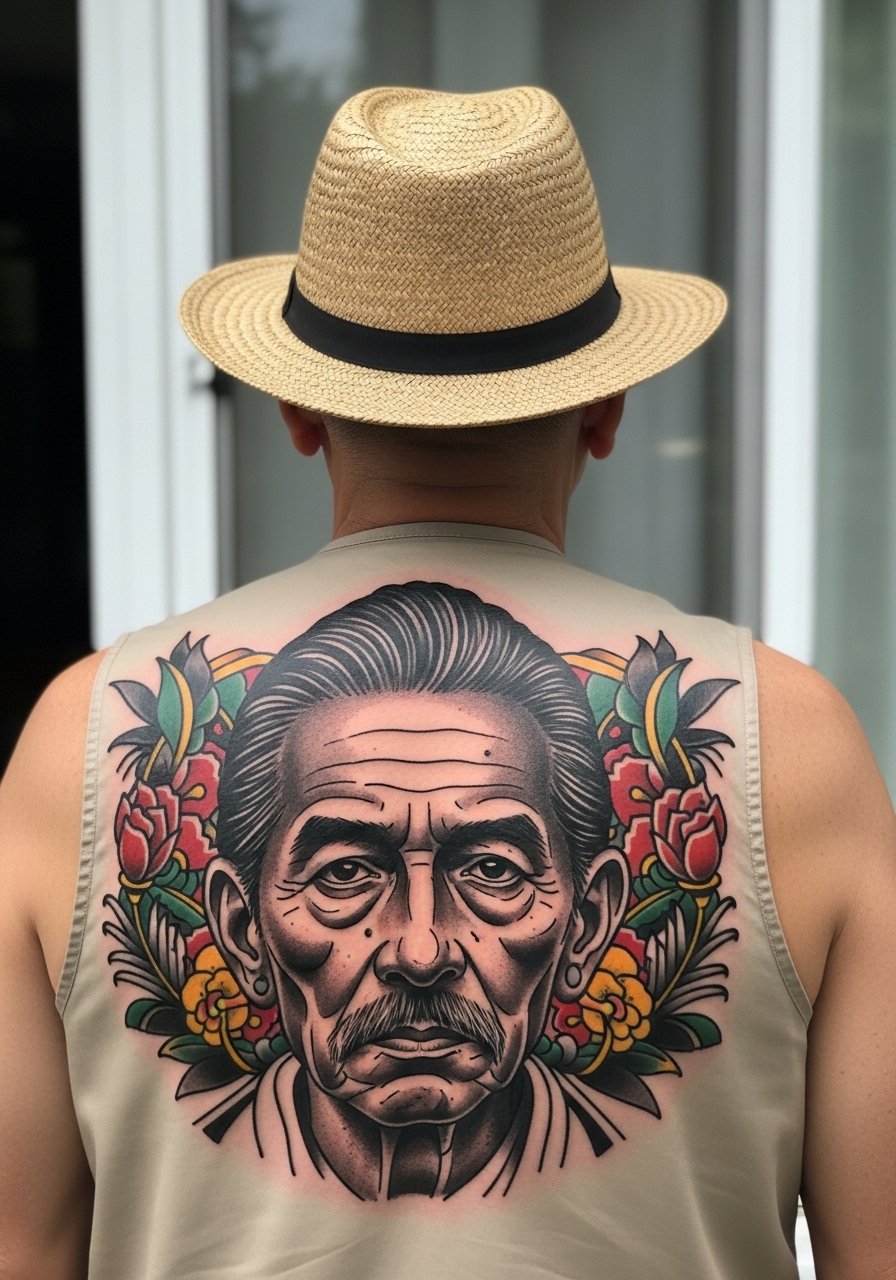
Consultation lead: for a full-back neo-traditional portrait, bring examples that show the frame you want, the amount of negative space, and the minimal color spots you like. These pieces usually run large, often 12 inches or more, and take multiple sittings. Common mistakes include compressing facial detail into a small frame, which muddies expression once healed. If you want longevity, ask for heavier line anchors around the frame and medium gray washes in the face. For wear, an open back vest men or an easily removed robe on session day keeps access simple.
11. Sugar Skull with Floral Fill on Outer Upper Arm
Personal observation: sugar skulls that combine heavy black outlines and mid-tone floral fills retain clarity better than fully shaded faces. Tell the artist to separate the skull planes with solid black anchors and to use stipple or whip shading in the floral fields. A common mistake is adding micro-dots in every shadow area, which can merge. Session time for a 5-7 inch outer arm piece is two to three hours. For a night out, vintage layering is effective; a vintage leather jacket sleeve rolled up highlights the skull without covering the florals.

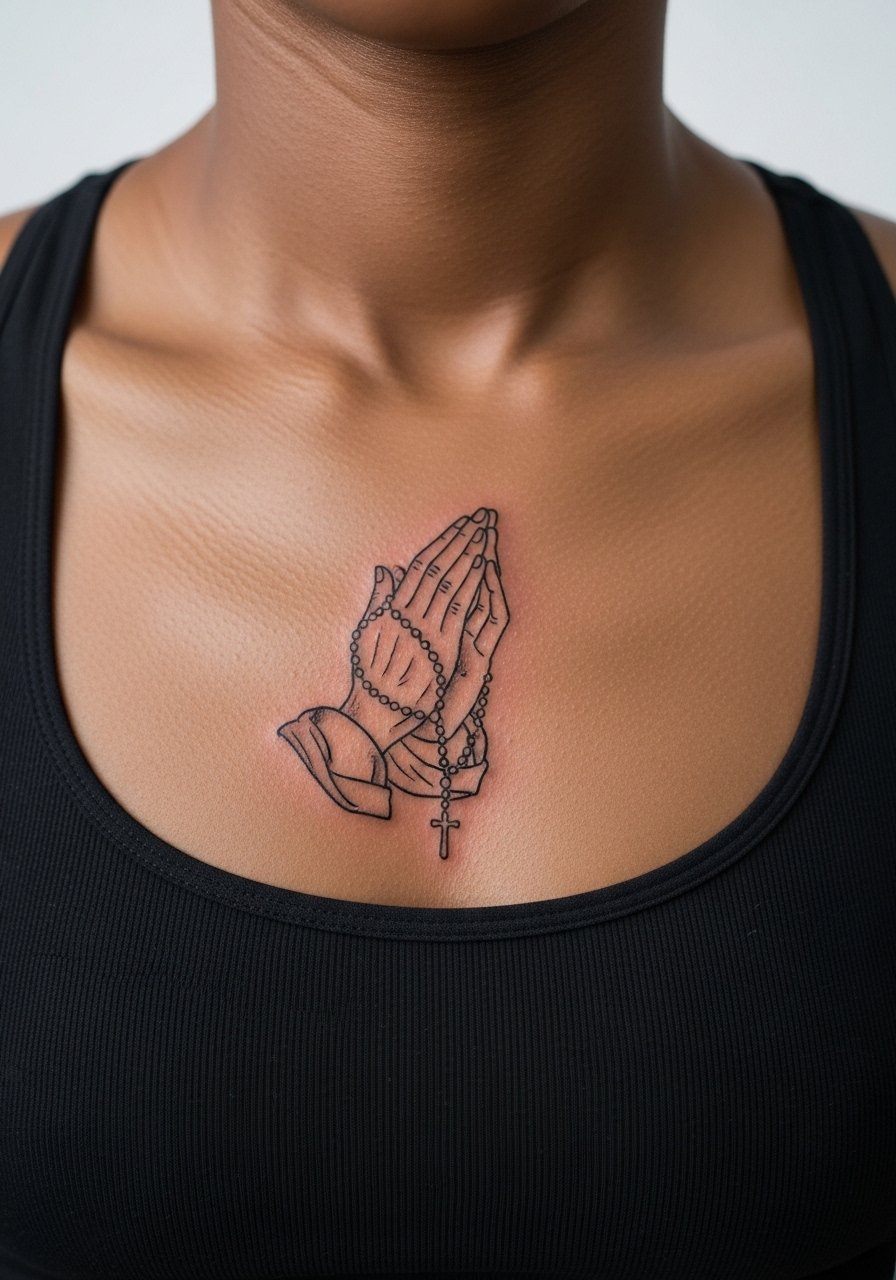
12. Praying Hands with Rosary on the Sternum
Pain warning: the sternum is one of the more painful chest placements but it keeps large linework tidy if you accept the session intensity. The classic praying hands with a rosary translate nicely when the hands are slightly stylized and the rosary beads are drawn with deliberate spacing. One camp argues full realism on the sternum is the best homage. The other camp favors simplified hands to avoid unnecessary touch-ups. For session wear, plan on a fitted sports bra or a zip-up hoodie that provides easy access while keeping exposure minimal. Expect a longer single session and a follow-up for contrast work.
13. Pachuco Silhouette with Fedora on Inner Forearm
Mistake lead: the Pachuco silhouette reads best as a solid black figure with minimal internal detail. Trying to pack facial detail into a narrow inner forearm often blurs. Opt for mass and negative space to give the silhouette presence. Ask your artist to keep internal textures to a minimum and to focus on clean edges and one clear highlight plane. Session time is usually under two hours for a sharply silhouetted figure five inches long. For appointments, wear a sleeveless muscle tee so the forearm is exposed and the artist can rotate the arm freely.

14. Prison-Style Pocket Watch with Date on the Inner Forearm
Pain lead: the inner forearm is moderate in sensitivity and is a consistent surface for circular designs like pocket watches. Design details that age well include a heavy outer ring and medium gray face shading with clear numerals. The big mistake is tiny Roman numerals or ornate filigree inside a compact watch; those details tend to merge. Ask for crisp numerals and an outer anchor line twice the thickness of internal marks. Expect a short session and a likely touch-up at year three if you use thinner needles. For longevity, keep the face simple and contrasty.

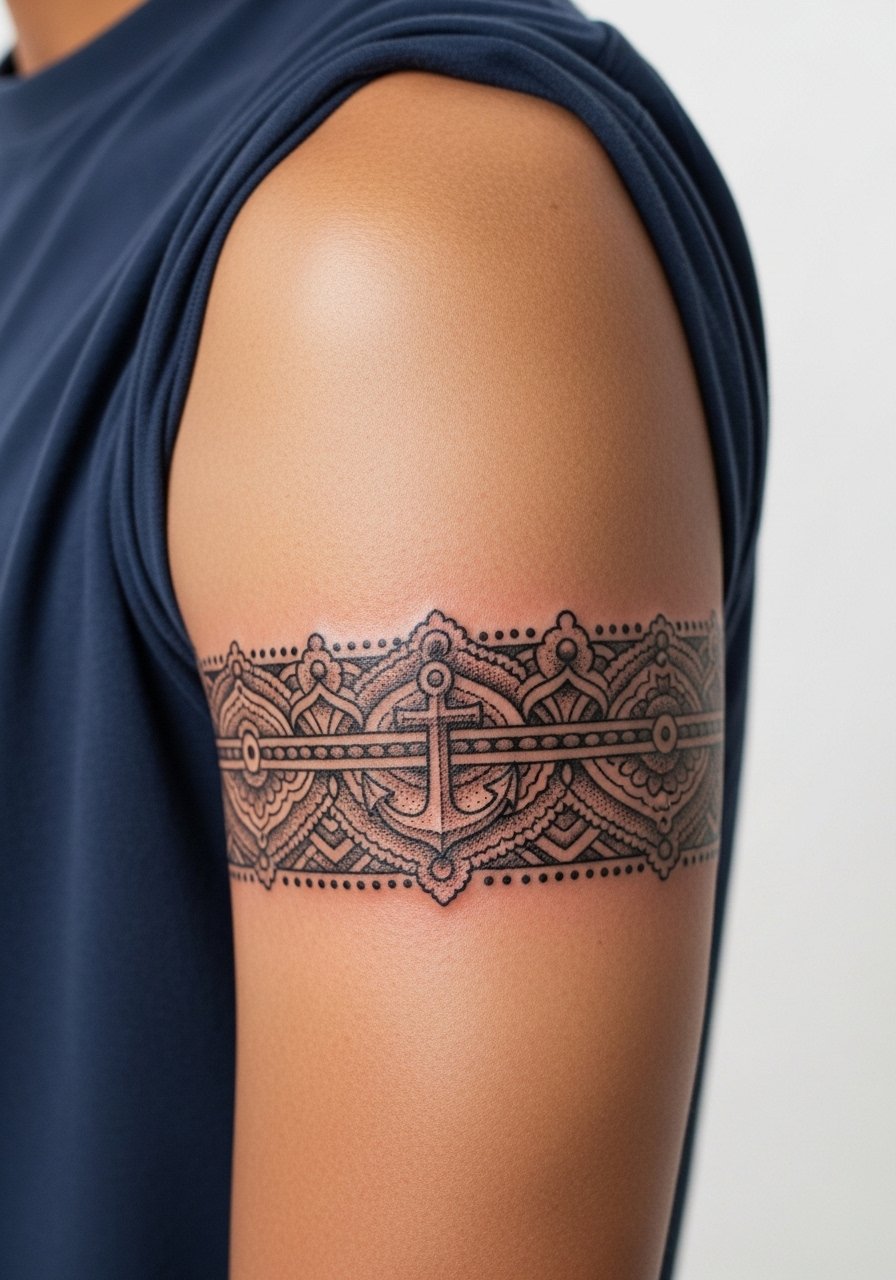
15. Stipple Shaded Ornamental Band Around the Upper Arm
Visual impact lead: an ornamental band that relies on stipple and dot work holds texture when the dots are spaced and anchored with occasional solid fills. The common error is making the band too thin and filling it densely with fine dots which then soften. For an upper arm band, aim for 1.5 to 2 inch width at minimum and ask your artist to alternate stipple with thin negative lines for rhythm. Session time depends on density but plan for two hours at least. This style works as a cuff that ages into a textured shadow rather than a blurred stripe.
16. Minimal Script Name with Flourish on the Wrist
Consultation lead: a wrist name should favor medium weight lettering with one restrained flourish to avoid future merging. Tiny flourishes and hairline terminals are common mistakes because wrist movement and washing escalate fading. Ask your artist for slightly thicker terminals and leave a small gap between characters. For showing the piece gently, a thin chain pendant necklace sits above the script without crowding the wrist and the jewelry frames the hand in photos. Expect a quick session and a touch-up window of two years for touch-ups on very thin scripts.

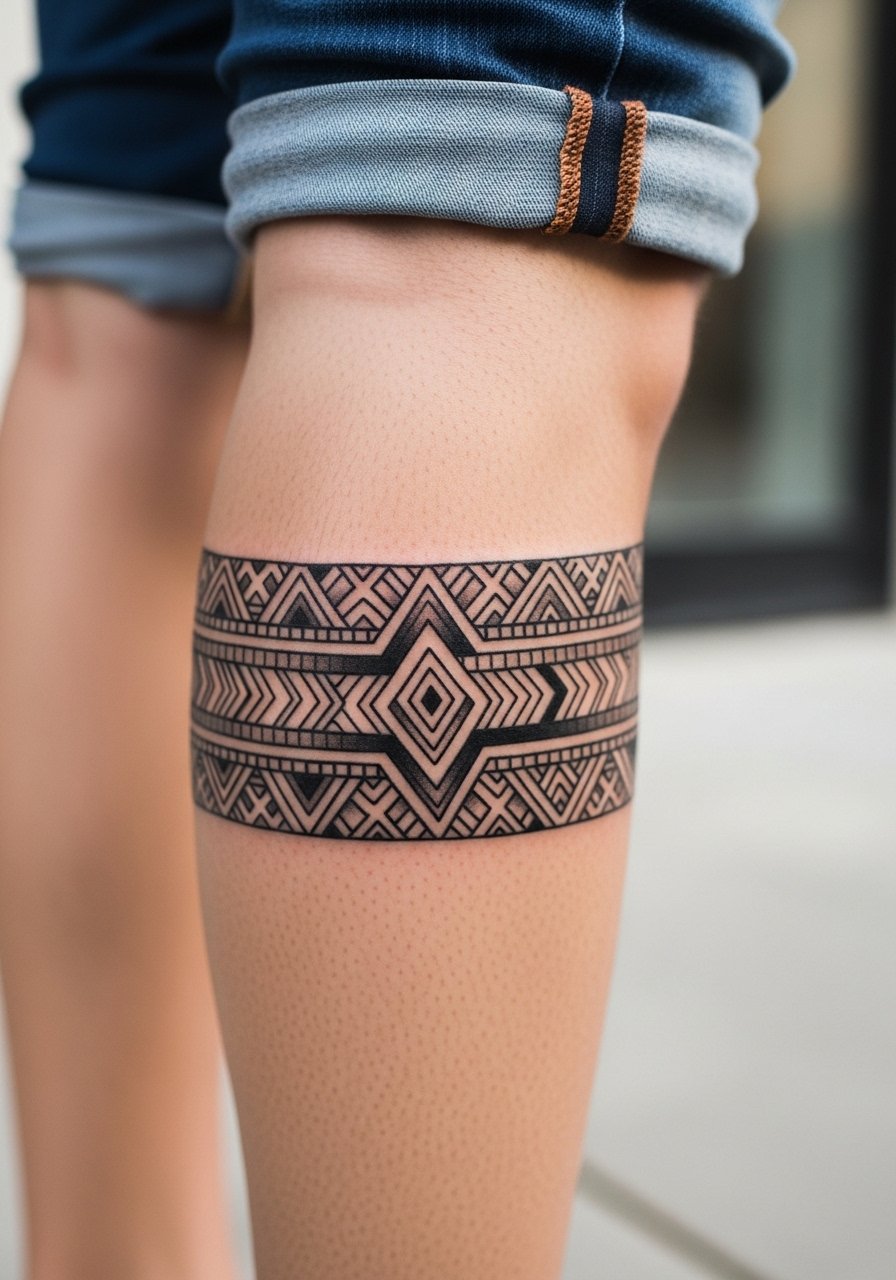
17. Aztec Geometric Band That Wraps the Calf
Mistake lead: wrap-around geometric bands need breathing room between repeating motifs. If you compress patterns to force more repeats, the joins blur with movement. For a calf band, ask for alternating triangle anchors and negative space so each module reads when the leg flexes. Session time varies with circumference and pattern density. The calf tolerates heavy saturation so the band can carry strong black anchors that age into a bold graphic. For session wear, loose shorts make rolling easy and keep pressure off the fresh area during transit.
Frequently Asked Questions
Q: Will a Chicano-style portrait on the chest hold its detail better than on the forearm?
A: It depends on scale and contrast. A larger chest portrait lets the artist spread detail and use heavier anchors, which ages better than a tiny forearm portrait squeezed into a small box. Expect chest pieces to need fewer early touch-ups if the composition uses strong black anchors around facial planes.
Q: Are fine-line Chicano scripts safe on the ribs or inner bicep long-term?
A: Artists split on this and both sides have valid points. One camp warns that ribs and inner biceps move and stretch in ways that make hairline scripts blur quickly. The other camp says with correct needle depth and open letter spacing fine-line can settle well. Ask your artist about their touch-up policy and see healed photos of similar placements before you commit.
Q: How often will black and gray saturation need a touch-up on large back pieces?
A: From what I have seen, large back work often keeps its core contrast for three to five years before most people consider a refresh, especially if they avoid heavy sun exposure. Touch-ups tend to be less invasive on backs because there is more canvas to absorb correction.
Q: What should I wear for a Virgin of Guadalupe chest session so the artist has access and I stay comfortable?
A: Wear something that provides easy chest access but keeps you covered, like a deep v neck tee men you can pull slightly aside or a zip-up hoodie that opens fully. That keeps sessions smoother and reduces fabric pressure on the fresh tattoo.
Q: Do ankle and wrist Chicano pieces require different aftercare than larger arm tattoos?
A: The care steps are similar but expect more friction on wrists and ankles, so avoid tight socks or bracelets for the first two weeks. Keep cleansing gentle and follow the product timeline your artist recommends.