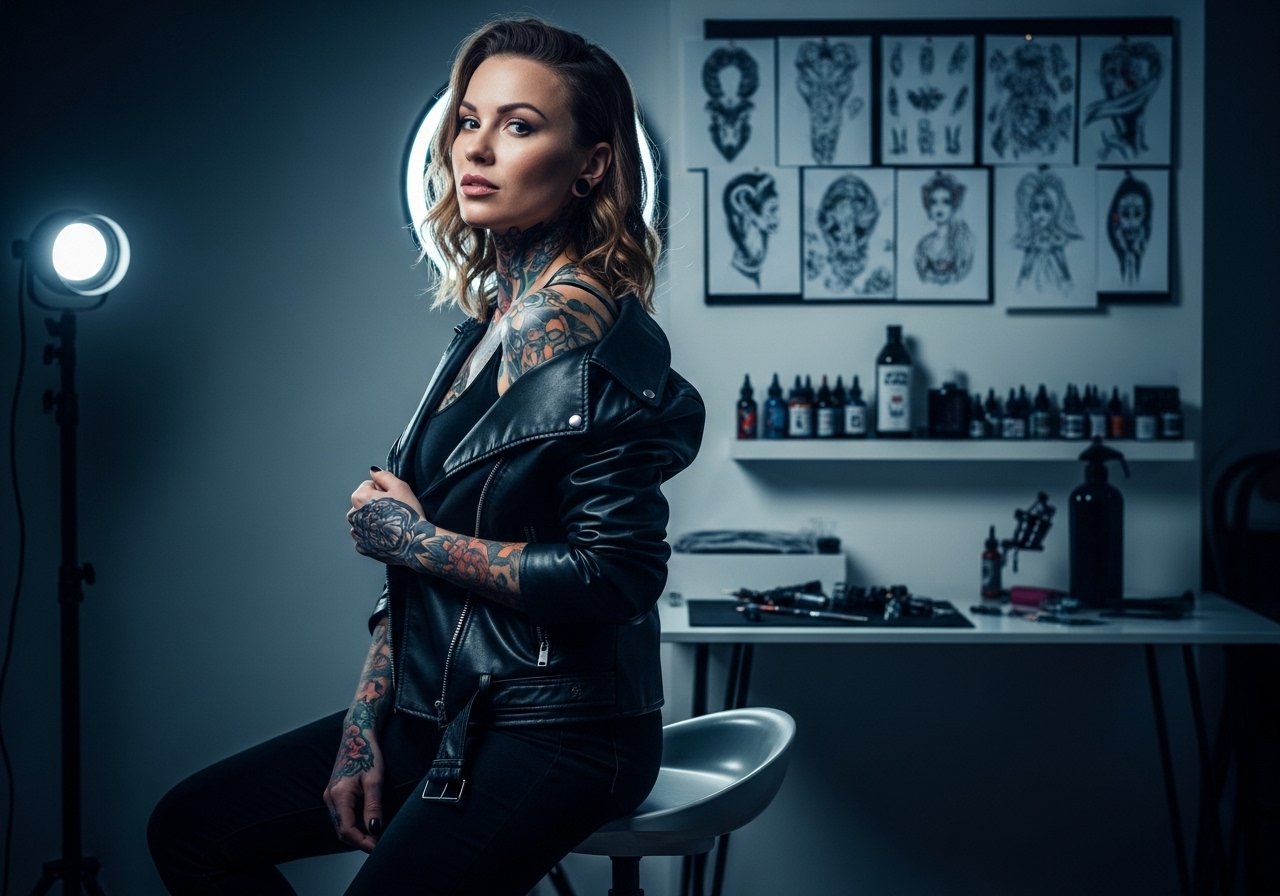
Fine line brown ink is everywhere on feeds right now, but trend and longevity rarely match. People love the soft sepia vibe, then panic when a wrist piece ghosts or a thigh portrait loses depth after weight change. Expect to learn which brown ink drawings hold up, which placements ask for touch-ups, and what to tell an artist in that first consult.
1. Brown Ink Deer Portrait on Inner Forearm
I've seen this micro-realism deer on forearms that reads like a sepia sketch even after pregnancy and weight swings. Ask for layered brown washes with minimal black outlines so the piece still looks warm when it softens. Fair warning, forearm movement is low on the pain chart but the area sees sun, so plan SPF long term. Common mistake is over-detailing too small, which ghosts into a muddy shape at year two. When you sit in consult, bring clear reference photos and ask the artist to map out where highlights will sit so the face keeps form as it heals.

2. Neo-Traditional Fox with Geometric Accents on Outer Thigh
Fair warning, the outer thigh is forgiving for saturation and size, which is why neo-trad foxes with layered brown washes look great there. The session feels relaxed compared with ribs, and sizing up keeps geometry readable as lines age. A common mistake is stacking tiny geometric lines into the fur, which blurs after a year. For showing it off, pair the piece with high-waisted denim shorts or an asymmetrical skirt in warm tones. For the tattoo day wear, opt for loose elastic shorts so the artist can work without pressure on the leg.

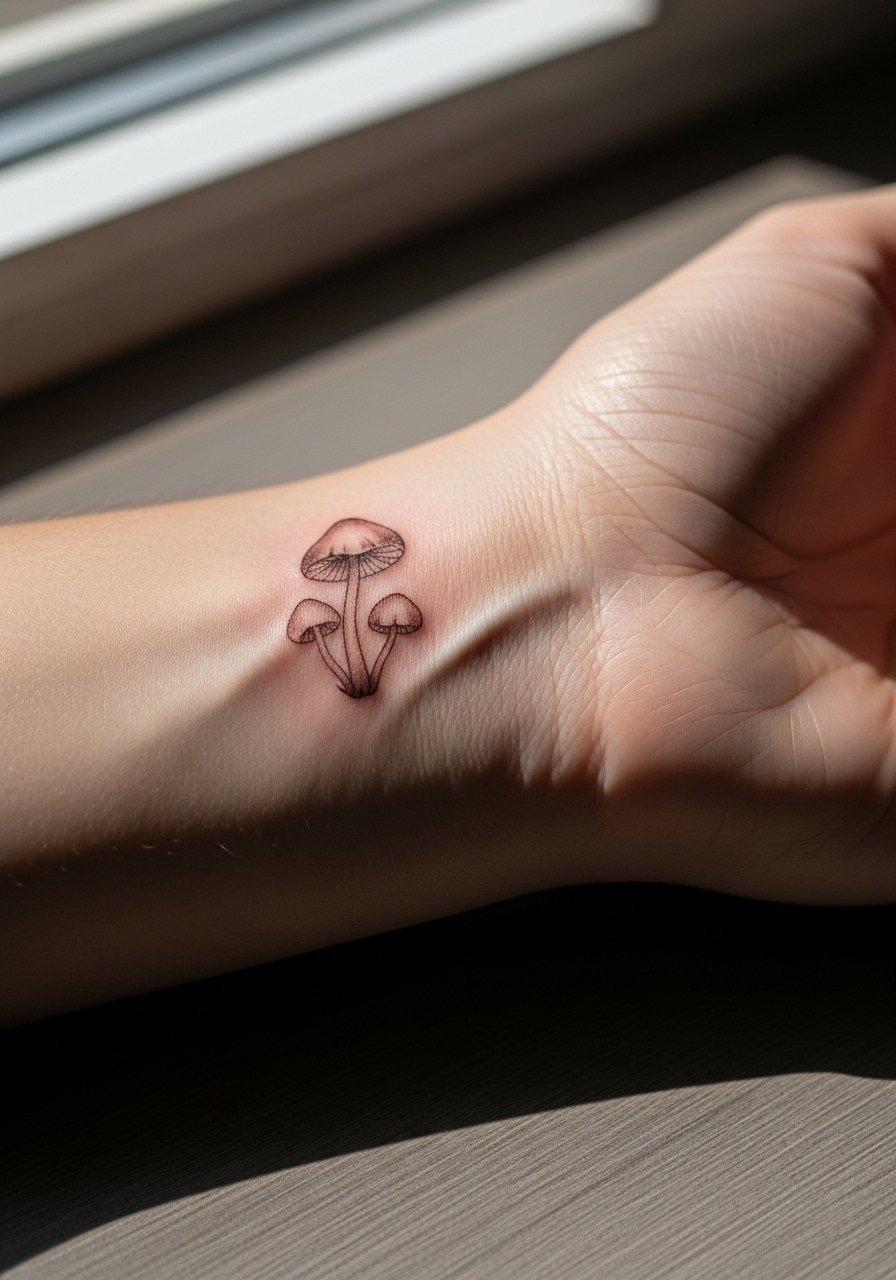
3. Fine Line Mushroom Cluster on Inner Wrist
This style is trending on short-form video, but the wrist is a high-visibility spot that needs smart spacing. When you ask for single-needle brown, request slightly heavier line weight than the photo you saved so the dots don't disappear at six months. Artists are split on whether single-needle brown holds on the wrist, with one camp saying it needs touch-ups by year one and the other camp claiming careful depth makes it last. For showing off, stack a thin leather cord bracelet opposite the tattoo. During the session wear a sleeveless top for easy access.
4. Blackwork Mandala with Brown Gradient Center on Upper Back
I've noticed mandalas with a brown core age more gracefully when the brown is used as a soft center and not for fine dots. Upper back sessions are longer and you should expect multiple visits for a six inch piece. The big debate about Saniderm versus dry healing comes up here too. One camp prefers Saniderm for reduced scabbing and faster surface heal. The other camp argues dry healing sets the ink better and avoids trapped moisture. Ask your artist which they use and why before booking. For nights out, the tattoo pairs well with a backless halter top.

5. Watercolor Autumn Leaf Pile on Collarbone
Most watercolor-style pieces wash out fast in bright sun, but a brown-orange leaf pile on the collarbone keeps that impressionistic feel without harsh outlines. Collarbone work is more sensitive than the arm and sessions can be interrupted with breaks. The usual error is placing too small a cluster so the leaves blur into each other at six months. For showing it off, try an off shoulder blouse cream that frames the collarbone. On session day wear a strapless or open-neck tank for easy access without rubbing.

6. Ignorant Style Coffee Cup on Calf
This dumb-cute coffee cup is perfect for calves where summer sandals mean it gets noticed. Calf sessions are quick and tolerate rougher shading without losing structure. The mistake is asking for ultra-fine brown shading that fades into a smudge from constant sock or pant friction. For session comfort, pull on cropped jogger pants or loose athletic shorts so the artist can roll the leg up without pressure. The calf piece ages well with minimal touch-ups if sat chewing is avoided during the first month.

Pre-Session Essentials
Those wrist, forearm, calf, collarbone, thigh, and back pieces above each need slightly different prep, so a few targeted items smooth session day and the first week.
-
InkSafe balm search. A breathable balm some folks prefer for brown fine line pieces because it reduces shine without clogging the needle channels during early healing.
-
Tattastic spray search. A no-touch mist that can help calves and other friction-prone zones avoid picking, especially when movement makes hands reach the area.
-
Soothing Tattoo Serum search. Thin, fast-absorbing serum that users mention preserves brown shading vibrancy without heavy greasiness.
-
Hada Labo lotion search. Lightweight hydration for summer sessions that keeps brown shading from blurring under intense heat.
-
Hustle Butter Deluxe search. A widely used balm to lock in moisture the first few days while avoiding the heavy pore-clog feel some users dislike.
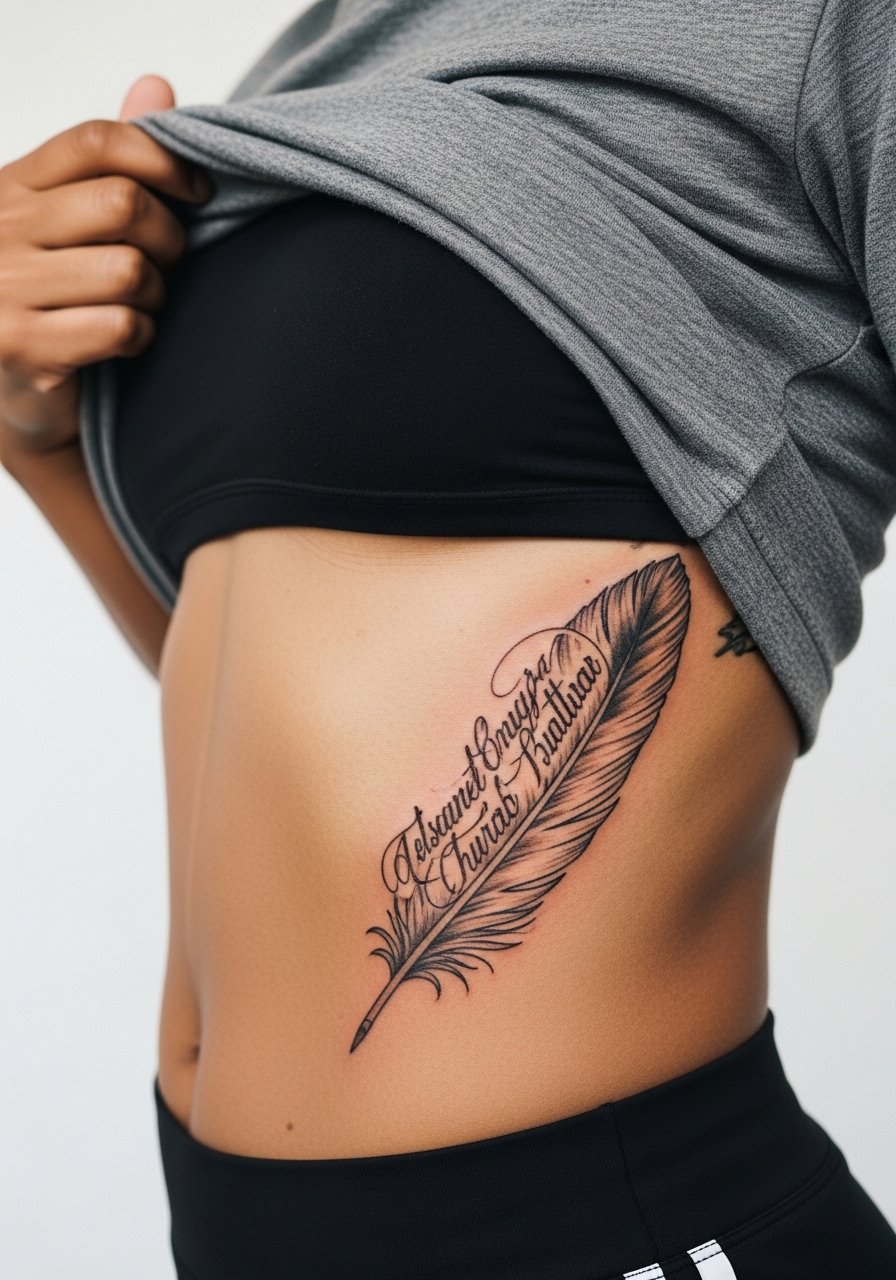
7. Ornamental Feather Quill with Brown Script on Ribcage
Fair warning, the ribcage rates high on the pain chart. People choose this vertical quill because the elongated flow suits the torso. The common issue is going too thin in script over the ribs which then blurs with breathing and weight shifts. If you want the writing to stay readable, ask for slightly heavier linework and spaced script. For session wear, bring a cropped top you can lift so the artist only exposes the rib area. This placement benefits from planning touch-ups after body changes since the skin there stretches with weight fluctuations.
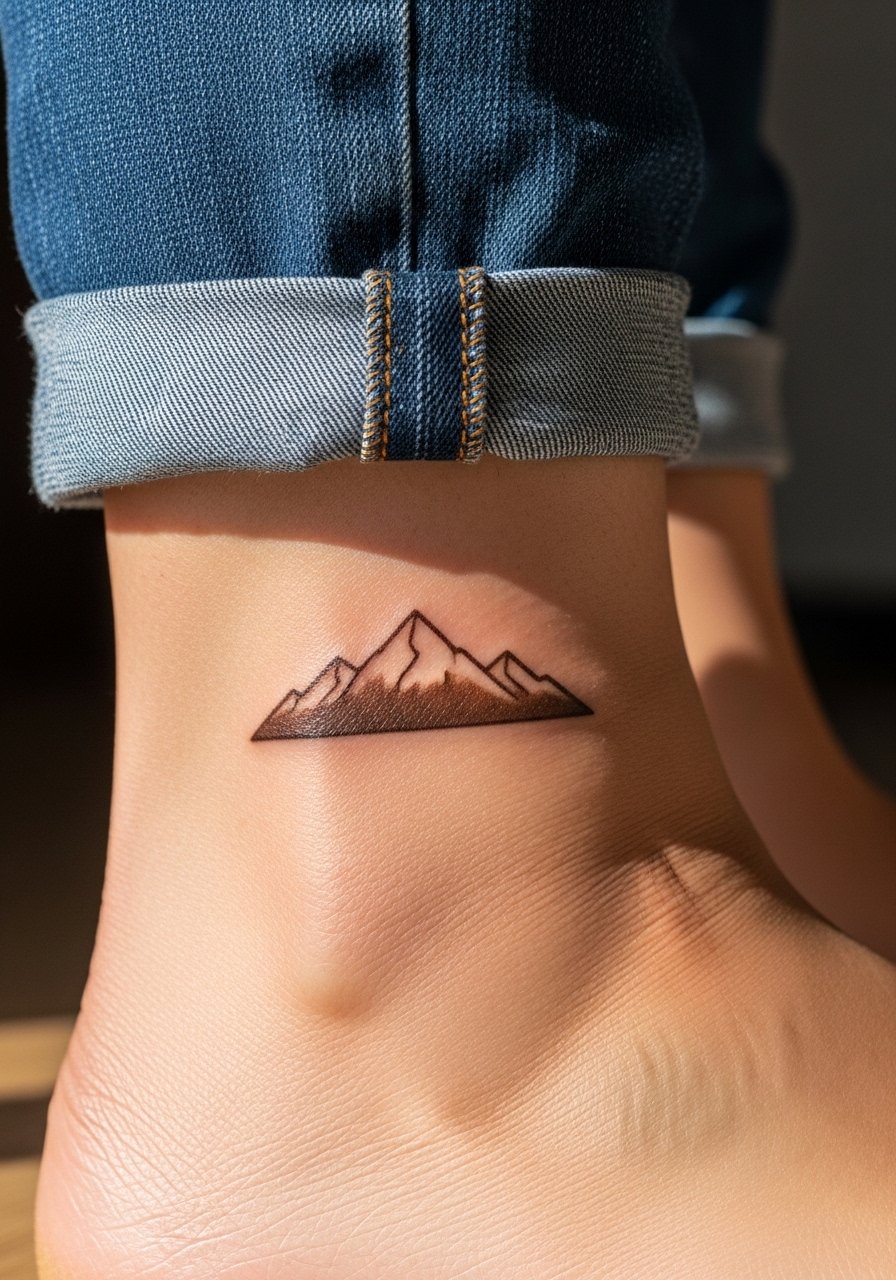
8. Minimalist Mountain Range Silhouette at the Ankle
The ankle is low-pain but high-friction from shoes, so size matters for longevity. Minimalist mountains in solid brown fill read clean at first but can fade faster with daily shoe rubbing. The usual mistake is placing lines too close to the bone where blowout risk rises. For showing it off, wear ankle strap sandals nude and cropped pants. On session day roll pants up and skip socks for clear access. Expect a touch-up around the one-year mark for solid fills.
9. Traditional Anchor with Rope on the Shoulder
I've seen anchors survive decades when placed with good saturation and spacing on the shoulder. Shoulder skin tolerates saturated brown over bold black lines, and the area rarely sees the friction that ruins wrist ink. The common mistake is shrinking a traditional piece too small, which loses its clarity by year three. For casual wear, pair with a boatneck tee navy or off-shoulder sweater to show the motif without crowding. Wear a sleeveless or button-down on session day for easy access.

10. Micro-Realism Finger Animal Head
Finger tattoos are trendy on short-form video, but expect frequent touch-ups. Micro-realism in brown on fingers looks refined on lighter tones and surprisingly elegant on darker skin when saturated properly. The major mistake is compressing too many details into a tiny space. When you consult, ask the artist for simplified shapes and a touch-up plan at six to twelve months. For session comfort, keep hands clean and avoid heavy work the first week. Finger pieces face constant washing so thin lines may soften faster than on arms.

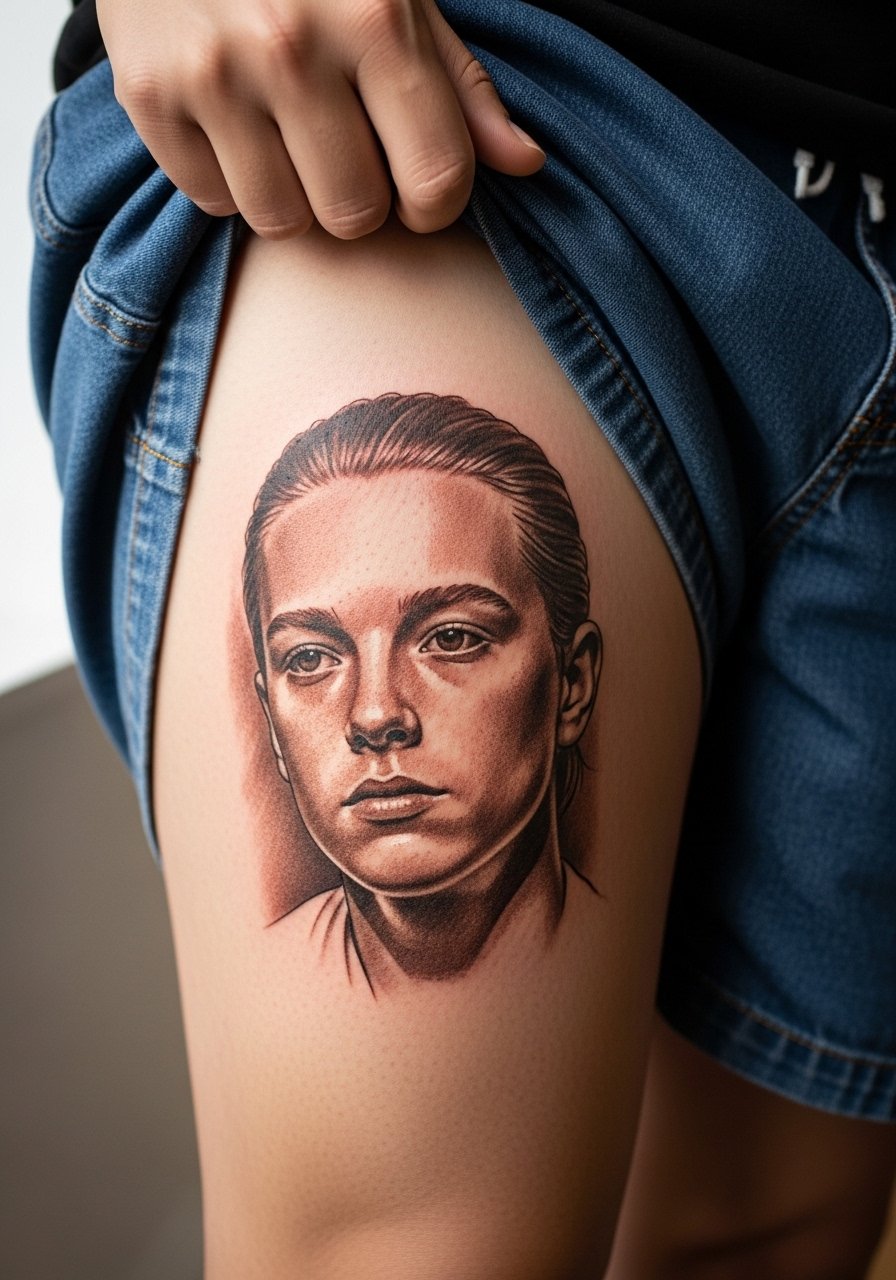
11. Brown Ink Portrait with Subtle Sepia Wash on Thigh
Portraits in brown ink read like vintage sketches and the thigh gives the room needed for micro-realism. I've seen a warm brown mix hold through pregnancy and still keep facial form when executed with layered shading. The wrong move is asking for overly busy stipple in a tiny area which loses definition after healing. Thigh skin is forgiving for saturation but body changes can shift subject proportions. If the portrait matters as a memorial, discuss a touch-up schedule and consider embedding a discreet QR patch with audio memory for an extra layer of meaning.
12. Minimalist Feather on the Ankle with Thin Anklet Styling
This delicate linear feather reads like a narrow script when placed above the ankle. The ankle tolerates thin designs if you avoid placing too close to the bone. A common mistake is picking an ultra-tiny feather that loses barbs and becomes a smudge. Pair the healed piece with ankle-friendly footwear for summer and a thin anklet chain opposite the tattoo to frame it. On session day roll pants up and skip socks to let the artist work cleanly. Expect a one-year touch-up for fine edges.

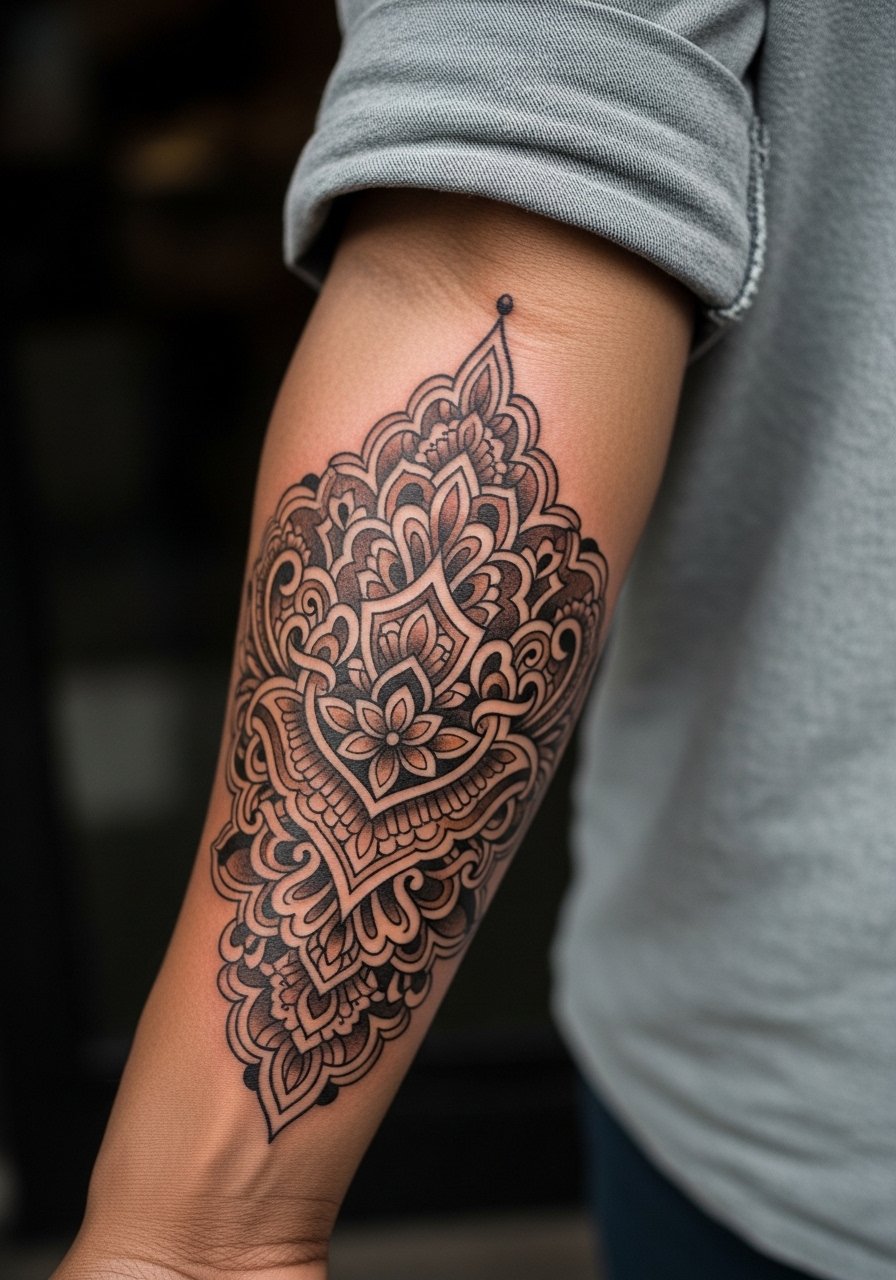
13. Brown Ink Geometric Mandala on the Inner Arm
This placement is subtle and visible when you want it. Inner arm skin moves a lot and tiny geometric lines can merge over time. The consultation trick is to ask for breathing room between shapes so the negative space remains readable at year two. Some artists prefer tighter geometry and others give wider spacing. Name both camps in the consult and decide which approach matches your touch-up tolerance. Session pain is moderate and you should plan for two shorter sittings if the mandala is dense.

14. Brown Blackwork Hybrid Sleeve Accent
A sleeve that blends brown shading into blackwork creates warm cores that age into a cohesive patina. Bigger pieces on the forearm or upper arm survive better than micro details spread across the sleeve. The mistake is mixing too many single-needle elements without planning saturation zones, which forces extra touch-ups. For evenings out, a rolled cuff linen shirt in taupe complements the sleeve without competing. For session wear, choose a loose long-sleeve button-up you can roll so the artist has clean access.
15. Brown Ink Cover-Up for Faded Blackwork
Cover-ups with brown ink can be surprisingly effective because the warm tones blend into old black ghosting and soften visual contrast. The tricky part is mapping new forms over the old lines so the composition reads as one image. A common error is trying to hide a large blotch with a tiny motif. For coverage, expect a larger design and plan for a solid saturation session. Use discovery pathways like local tattoo convention guest spots or search tags for artists who list cover-ups and guest sessions. Skin texture from the old work may require extra touch-ups later.

16. UV-Reactive Brown Base with Hidden Blacklight Detail
A fresh idea is using brown ink as the visible base and adding UV-reactive lines that glow under blacklight. The brown keeps the daytime look subtle while the hidden detail appears in night settings. Not many artists advertise this combo so find guest spots via TikTok tags or convention listings. The session is longer because two passes are often needed, and you should confirm ink compatibility for brown mixes with any UV pigments. Consider silica packs and careful drying if you live in a humid climate to prevent over-moisturizing blur during the first week.

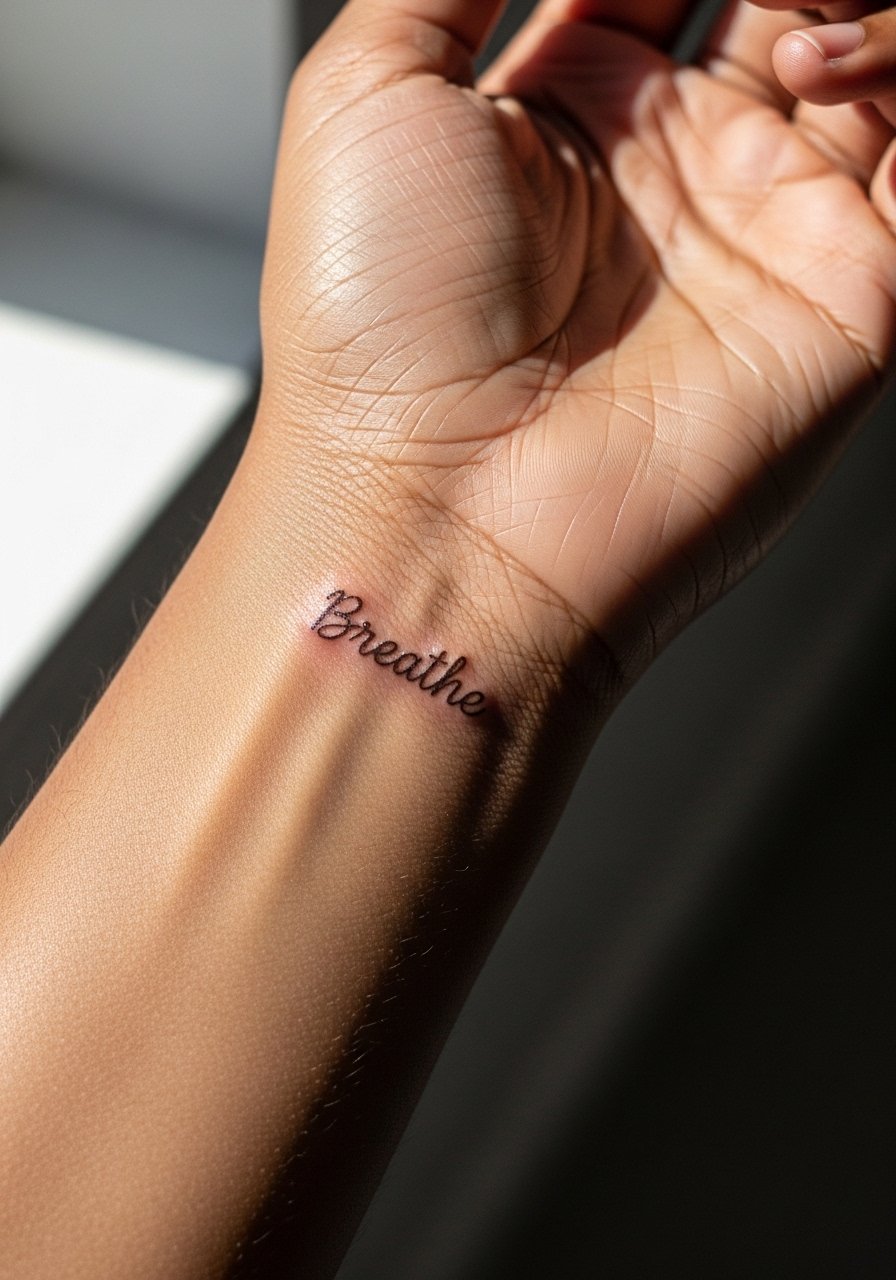
17. Tiny Script or Coordinates in Brown on the Collar of the Wrist
Tiny script in brown at the wrist or inner arm reads intimate and soft, but legibility is the risk. If the text is important, ask for slightly bolder letterforms and discuss exact spacing so numbers or letters do not run together. A common mistake is choosing an ornate font that looks like a blot when it heals. For keeping the area visible without crowding, layer a minimal pendant or thin chain necklace that sits above the wrist line, or opt for stackable rings in coordinating metals. On session day wear a sleeveless top for full arm access.
Frequently Asked Questions
Q: Will brown ink look muddy on dark skin over time and what helps it hold?
A: Brown can read beautifully on darker skin when the artist uses higher saturation and contrast, so request warm mixes with deeper midtones and ask for a small test patch if you are unsure. Expect touch-ups sooner if the piece is fine line, and factor in stronger saturation at the first session for longevity.
Q: How often should I plan touch-ups for fine line brown tattoos on wrists and fingers?
A: For wrists and fingers plan to check the piece at six to twelve months and again around year two. Those zones get frequent washing and friction which accelerates fading. Budget for at least one touch-up in the first year if you choose single-needle work.
Q: Is Saniderm better than dry healing for brown shading pieces?
A: Artists split into two camps on this. One camp uses Saniderm for reduced scabbing and faster surface healing. The other camp prefers dry healing because it avoids trapped moisture that can soften shading. Ask your artist which method they use and why, then follow their aftercare plan closely.
Q: Where can I find guest spot artists doing brown micro-realism without paying full city rates?
A: Search TikTok and convention listings with tags like "guest spot brown ink" and check Booksy or Inkbook for traveling artists and lower-cost guest sessions. Guests often do lower rates between convention dates, but confirm deposit and cancellation policies first.
Q: What should I wear to my first brown ink ribcage or sternum session to balance access and modesty?
A: For ribcage choose a cropped top or sports bra you can lift slightly so the artist exposes only the working zone. For sternum wear a fitted sports bra or bandeau so the area around the neckline is visible while keeping the rest covered. A loose zip or button shirt works for shoulders and back.