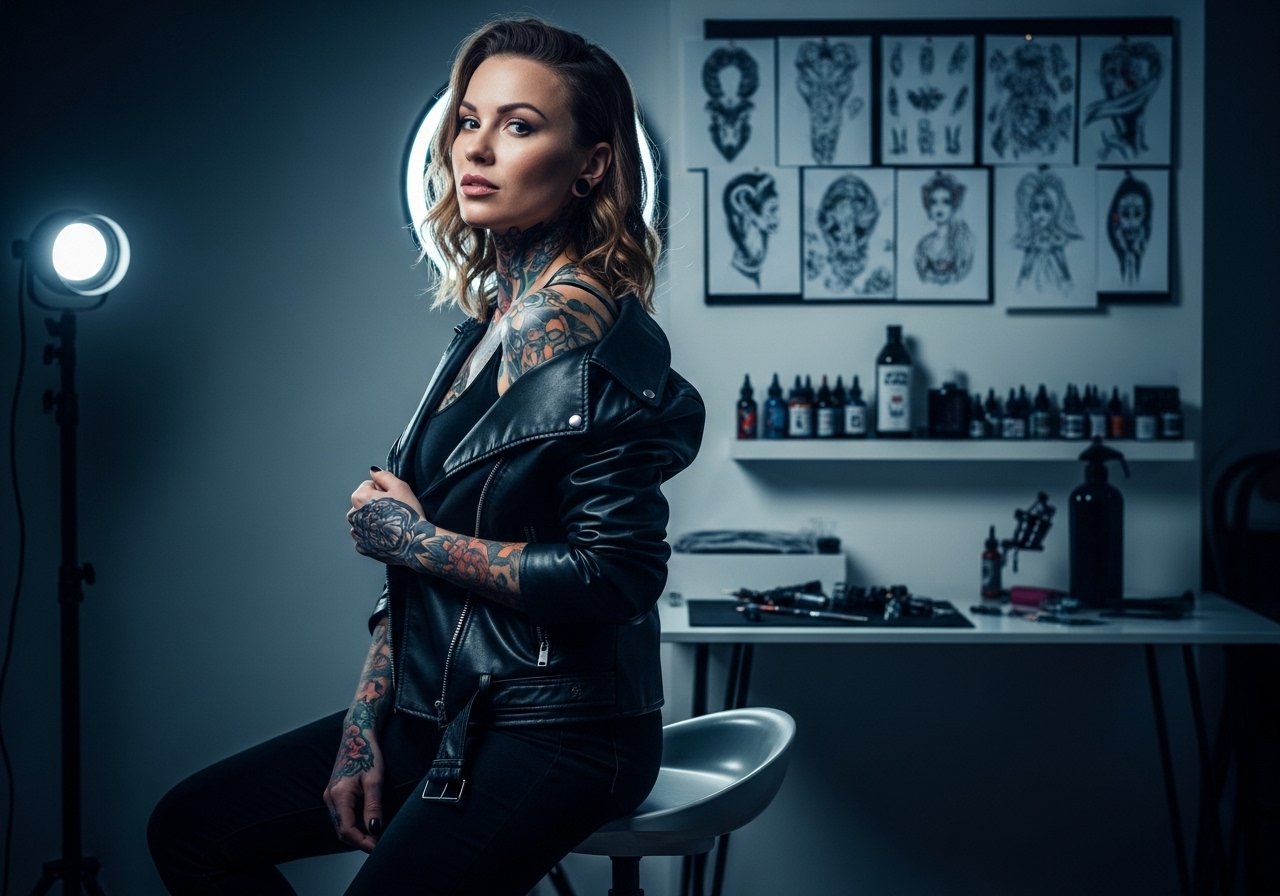
The stencil sat on the outside forearm while the room hummed, the client flexing their wrist as the artist checked alignment one last time. That small reposition made the band sit true when the arm relaxed, and it is the kind of detail that decides whether a forearm piece still reads clean after years. These picks focus on bold reads, straightforward lines, and what to ask for in the consult to keep them strong.
1. Bold Blackwork Band Across the Outer Forearm
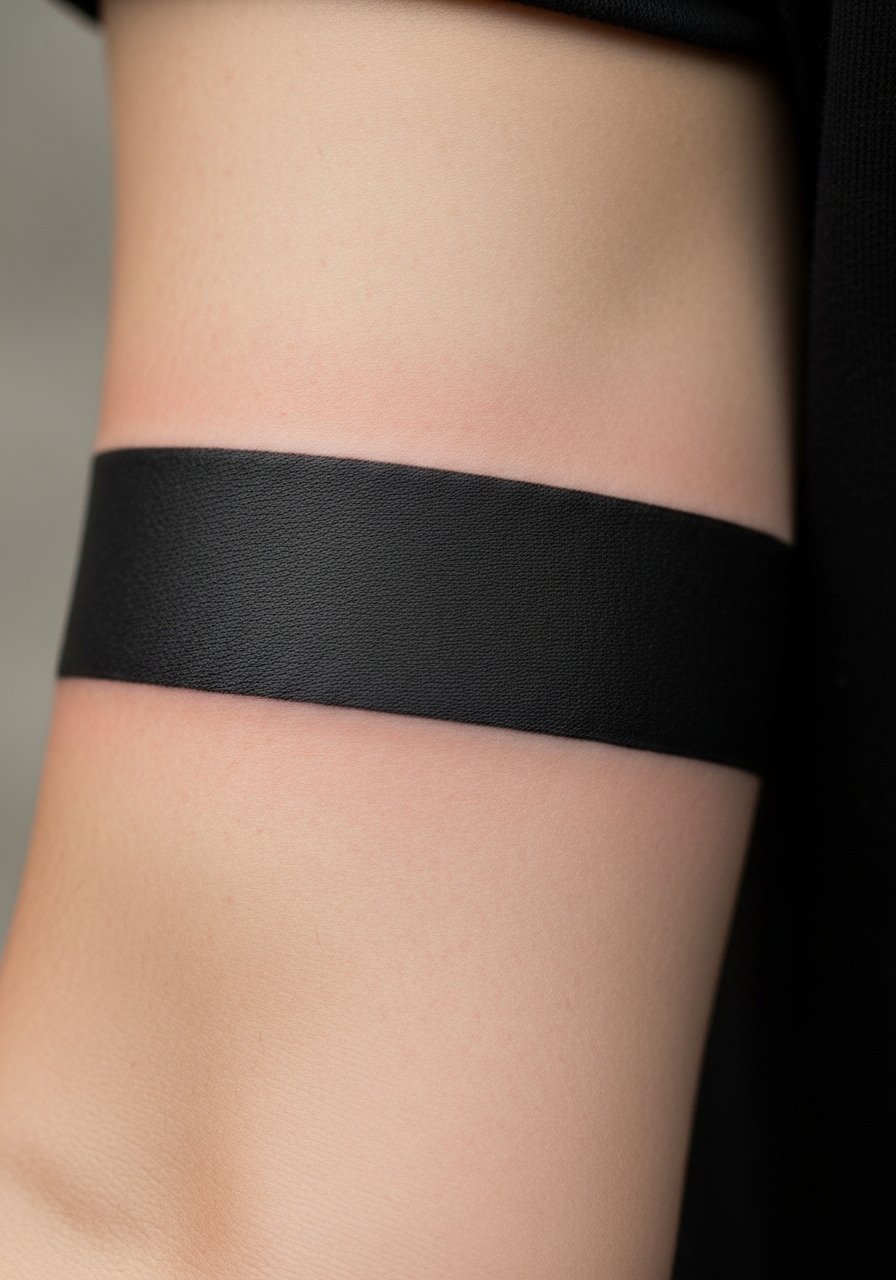
This is the simplest piece that still reads powerful from a distance. I recommend this for someone who wants a statement with minimal detail, because a solid band resists early blur if the artist spaces the ink and keeps clean edges. In the consult say you want uniform saturation and edge clarity, not a textured fill. The session is quick for this placement, often a single-hour appointment, and pain is moderate. Common mistake is asking for multiple tiny bands too close together, which merges over time. For showing it off, rolled sleeves or a short-sleeve button-down frames the band without covering it.
2. Geometric Panel with Negative Space
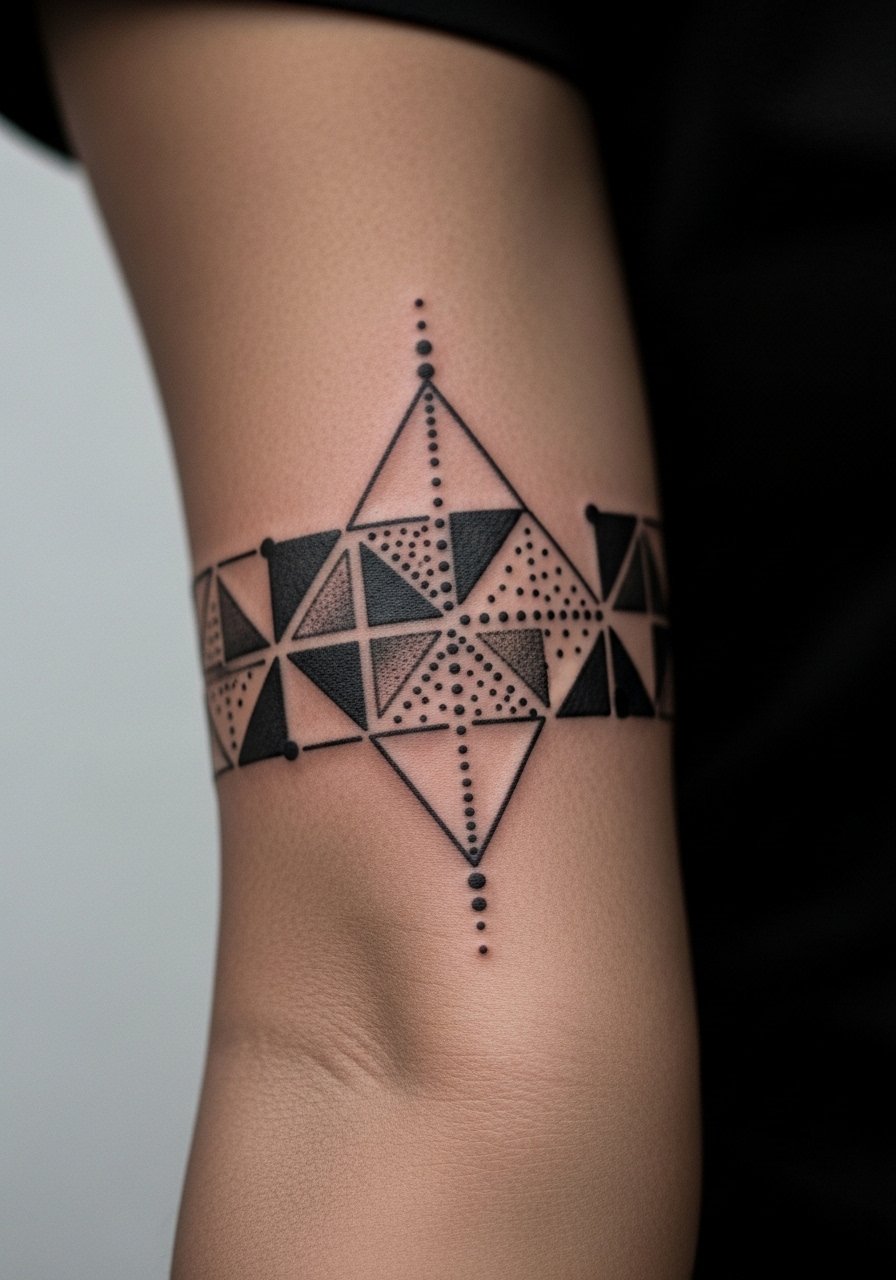
I've seen geometric panels hold when artists leave breathing room between dense motifs. Ask your artist for larger shapes and intentional negative space rather than ultra-tight repeats. This one looks bold because of contrast and scale, not tiny lines. It ages well at two years if the shapes are sized for the forearm canvas, and touch-ups usually come in around year three for crispness. A real mistake is requesting micro-detail that belongs on the inner forearm, not the outside. Styling tip for evenings is pairing this panel with a minimalist leather cuff that sits just below the design to emphasize the geometry.
3. Realistic Lion Head in Strong Black and Gray
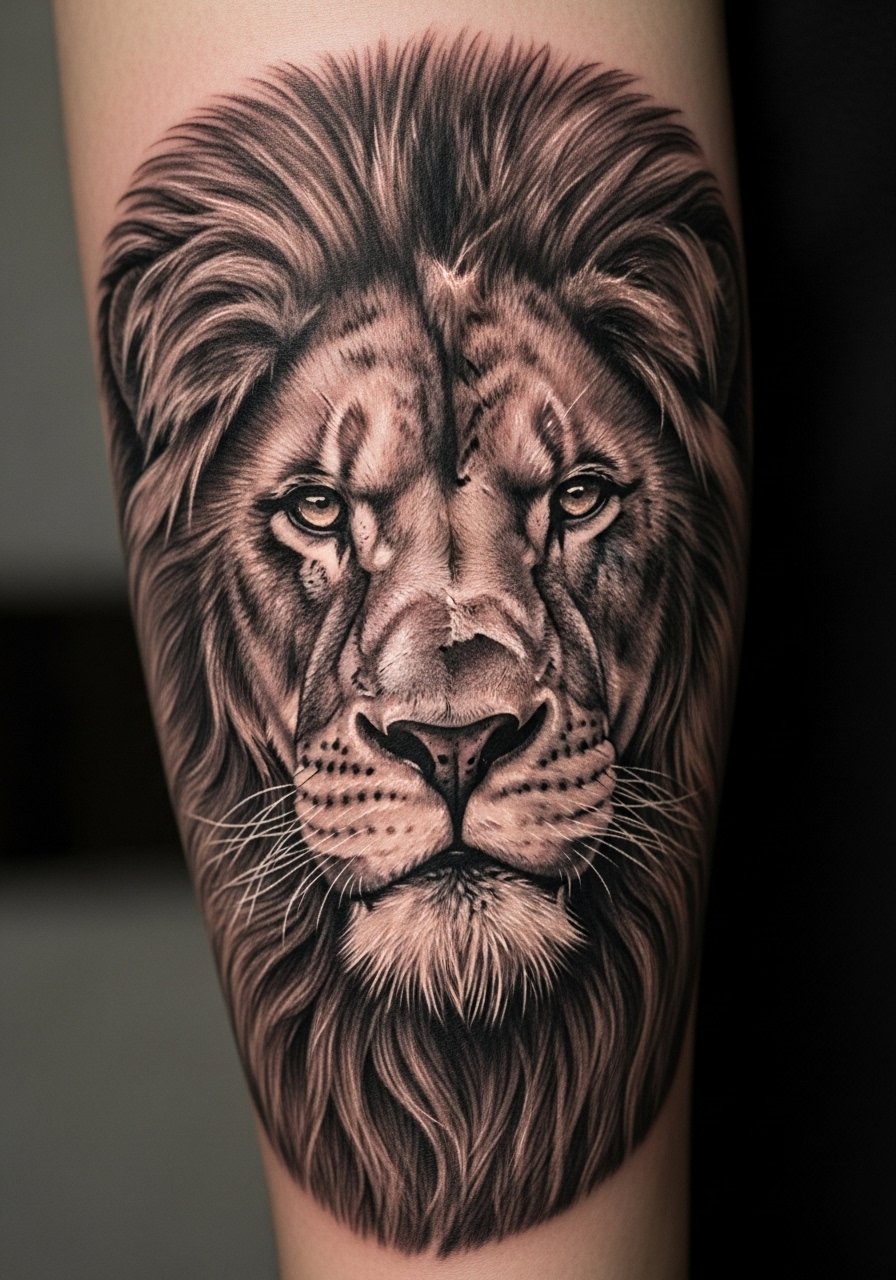
When you want a literal symbol of strength, a lion head scaled to the forearm can dominate without needing color. Tell the artist you want bold shadowing rather than ultra-fine hair detail, because heavy contrast maintains form as the piece heals and ages. Expect a longer session, often two to three hours, and moderate to high pain across the muscle. A common error is packing too many tiny whisker lines that blur. Ask about touch-up timing; realism usually profits from a touch-up at year two. For the day of the session, wear a short-sleeve henley so the arm is free and you stay comfortable during a multi-hour sitting.
4. Neo-Traditional Dagger and Rose
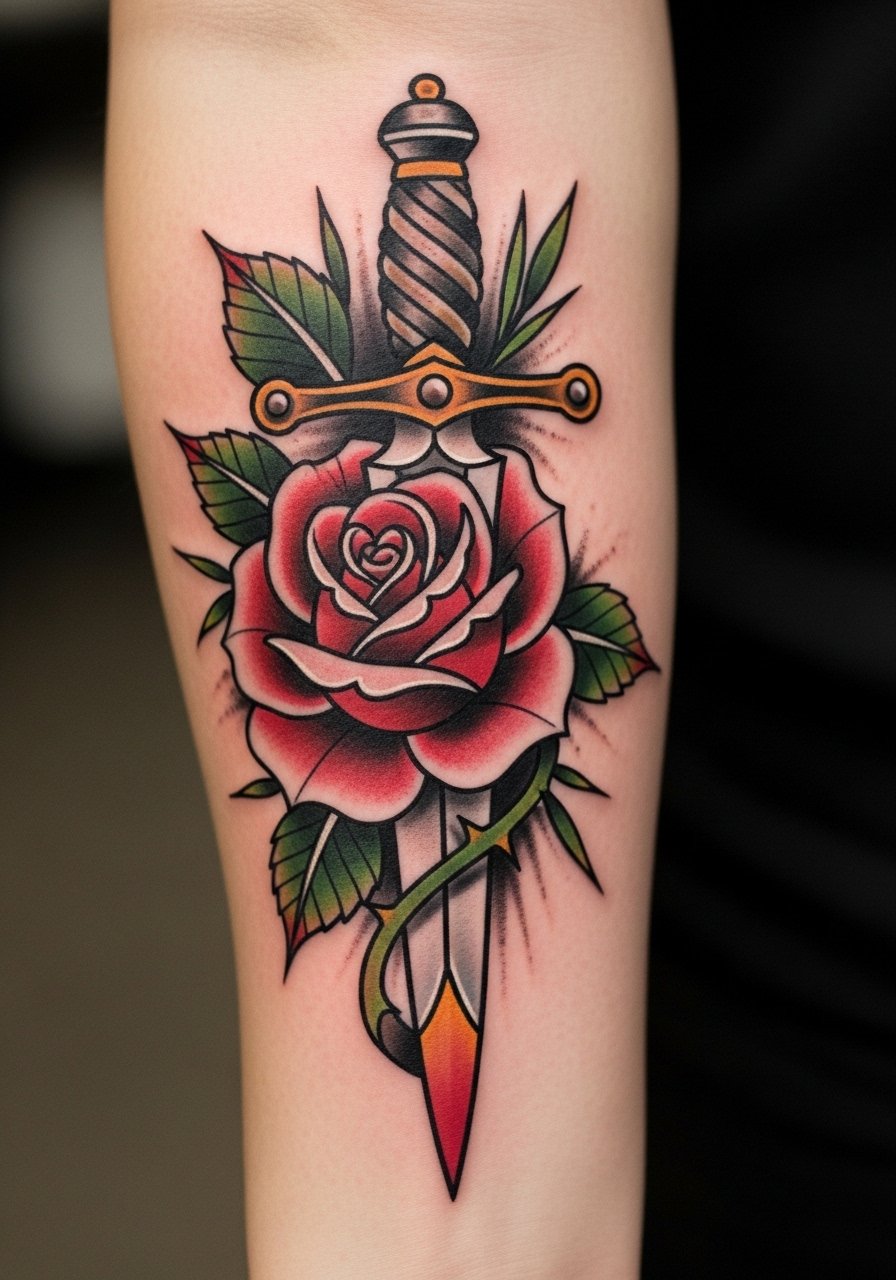
Neo-traditional pieces read strong because of thick outlines and saturated fills. I suggest asking for slightly heavier linework than a neo-trad on the inner arm, because the outside forearm tolerates bolder strokes. The session feels rhythmic with repeated outlines and fill passes. Aging is forgiving; saturation softens but the outline keeps the composition legible at five years. The biggest mistake is requesting microscopic color gradients that do not survive sun exposure. Pair this with a casual rolled-sleeve linen shirt when you want the piece visible without shouting.
5. Single-Needle Script with Thick Outline Backing
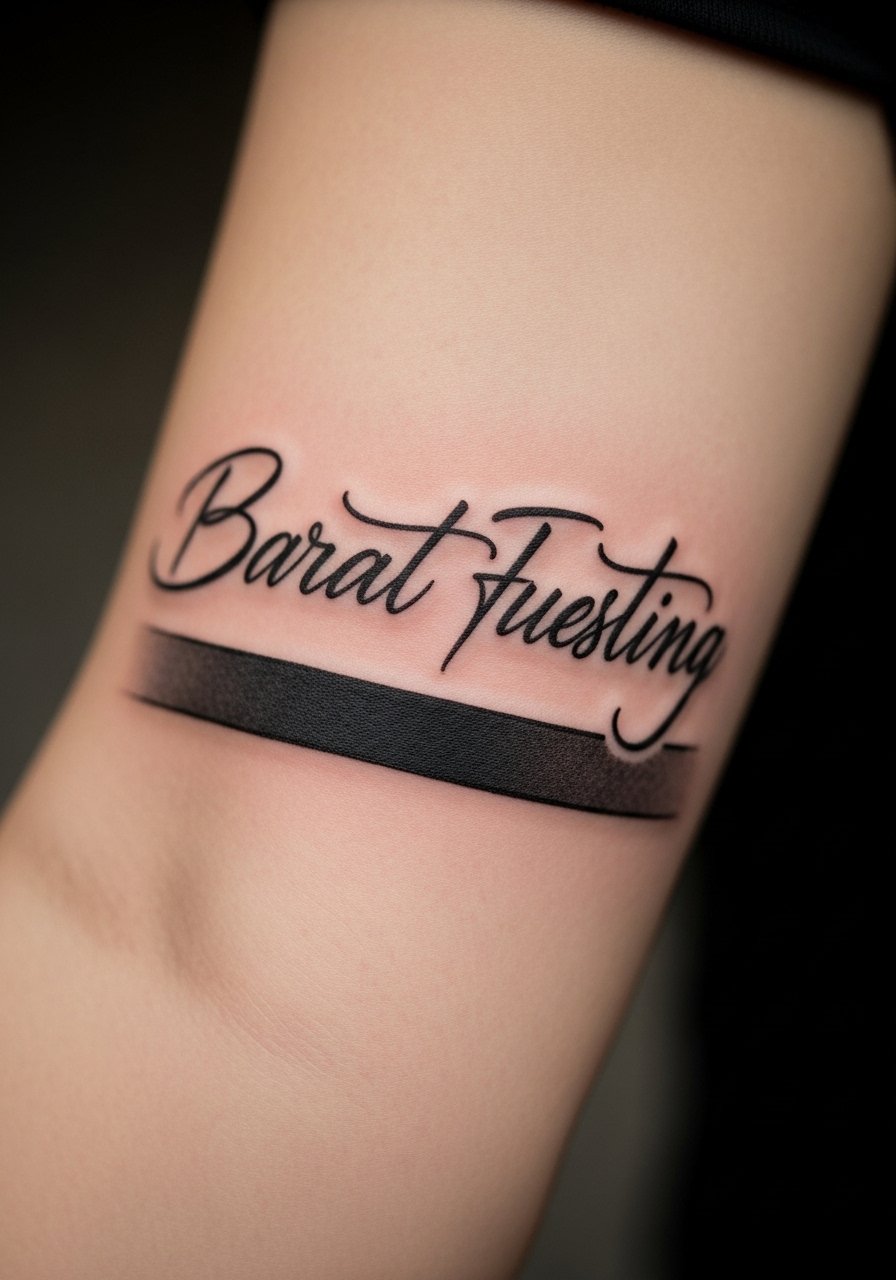
Script alone on the outside forearm can blur, but combining single-needle lettering with a bold outline backing keeps the words legible longer. Tell your artist you want the lettering crisp and the backing a shallow fill, not a heavy block that overwhelms the text. Session time is typically under two hours for a moderate length phrase. The controversy here is clear. One camp says single-needle text should live on low-friction areas. The other camp argues that strategic backing preserves clarity on arms. Ask the artist how they balance needle depth and spacing before booking. For showing it off, a slim thin chain bracelet sits above the text without crowding.
6. Celtic Knotwork Panel Running the Outside Forearm
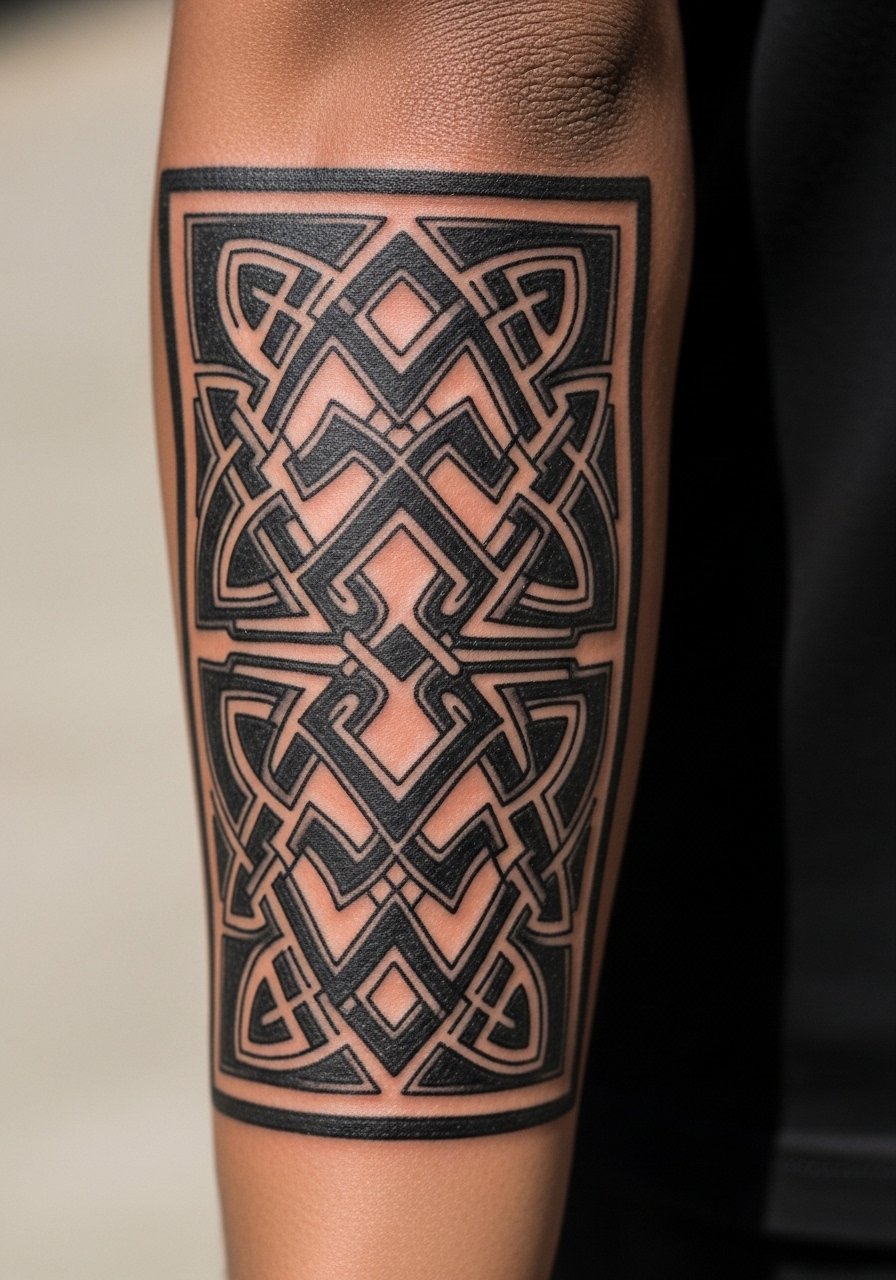
Knotwork looks powerful when the pattern is scaled to the forearm width and the negative paths are deliberate. When you sit with an artist, bring references that show continuous knot flow rather than chopped segments. The session can be long depending on coverage, but the pain is steady and manageable on the forearm. A mistake is asking for extremely tight interlacing that merges into a muddled block after a few years. Respect the cultural origin by asking about adaptations instead of exact replicas. For casual wear, cuffed sleeves or a short-sleeve button-up keeps the panel visible.
Studio Day Picks
The outside forearm pieces above benefit from small pre-session and healing items that reduce irritation and keep edges crisp in the first week.
-
Fragrance-free gentle body wash. Gentle cleansers keep the forearm free from residue after showers without stripping natural oils that help ink settle.
-
Breathable tattoo barrier film roll. Thin film protects linear forearm work from friction with clothing during the first 24 to 48 hours.
-
Plant-based healing balm. A light, non-fragrant balm soothes irritation without heavy residue, useful for bold blackwork edges.
-
Thin topical numbing cream. For people with low pain tolerance, a short-acting topical applied before a wrist-to-forearm session eases the first pass.
-
Aquaphor healing ointment. A commonly used thin ointment for the initial days to lock in moisture for fine edges and script work.
7. Armor Plate Blackwork Along the Outer Forearm

Armor-style plating reads strong because it mimics a protective surface. In consultation, describe scale and curvature so plates follow the arm anatomy rather than sit flat. This one tends to need multiple sessions for smooth fills and transitions. At six months the separation between plates should remain clear if the artist used appropriate spacing. The usual mistake is over-detailing the seams, which can look messy as the skin moves. For show, wear a short-sleeve tee with a slightly wider cuff so the plates are framed when you move.
8. Bold Anchor with Chain That Wraps
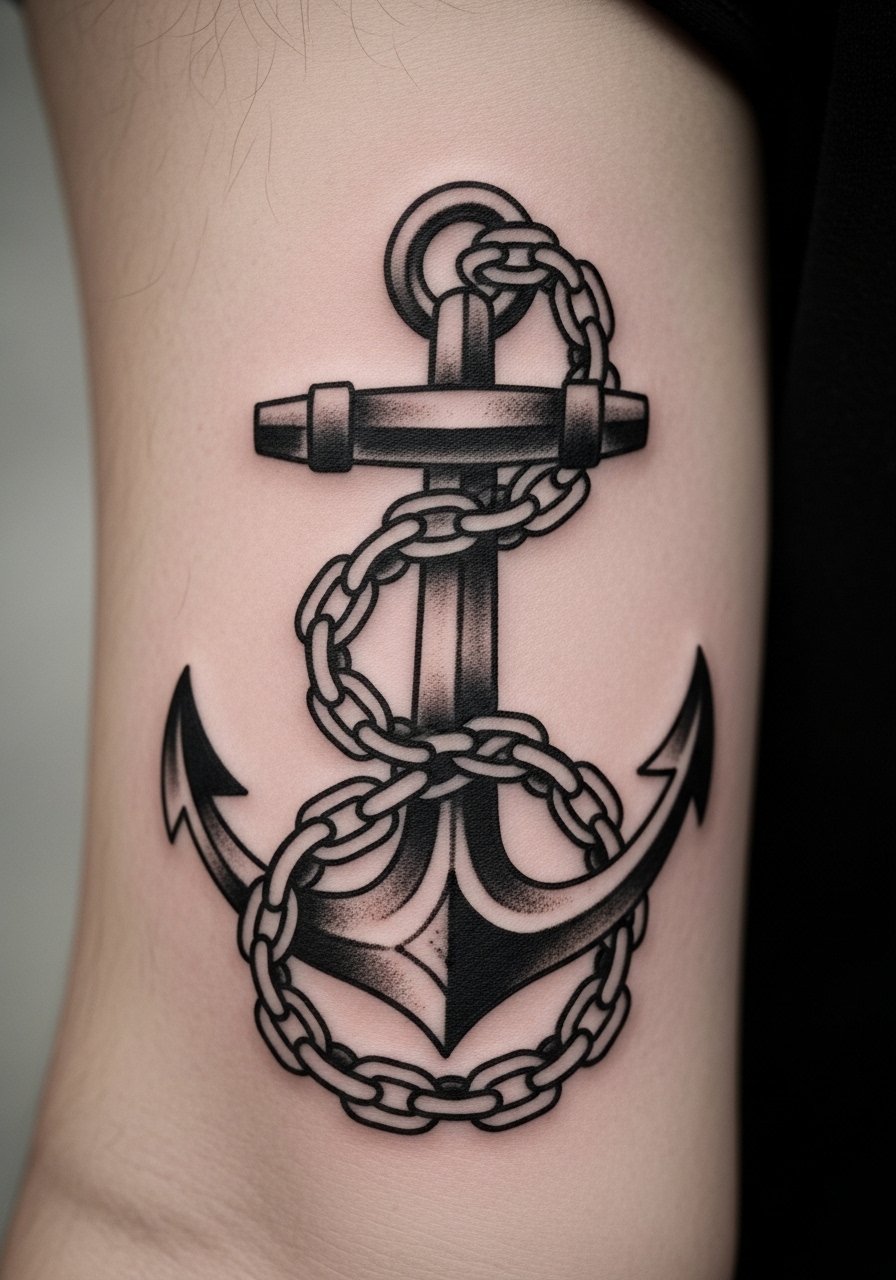
A maritime anchor in bold treatment reads traditional and strong on the outside forearm. Tell the artist you want the chain links large and distinct, not tiny loops. Sessions are usually under two hours for a mid-sized design. A common error is requesting a narrow chain that blurs into a gray area after a couple of years. This piece pairs well with a rolled denim sleeve or a watch, try pairing it with a classic canvas strap watch that sits just below the tattoo when you want an anchored look.
9. Wolf Head in Bold Black Outline
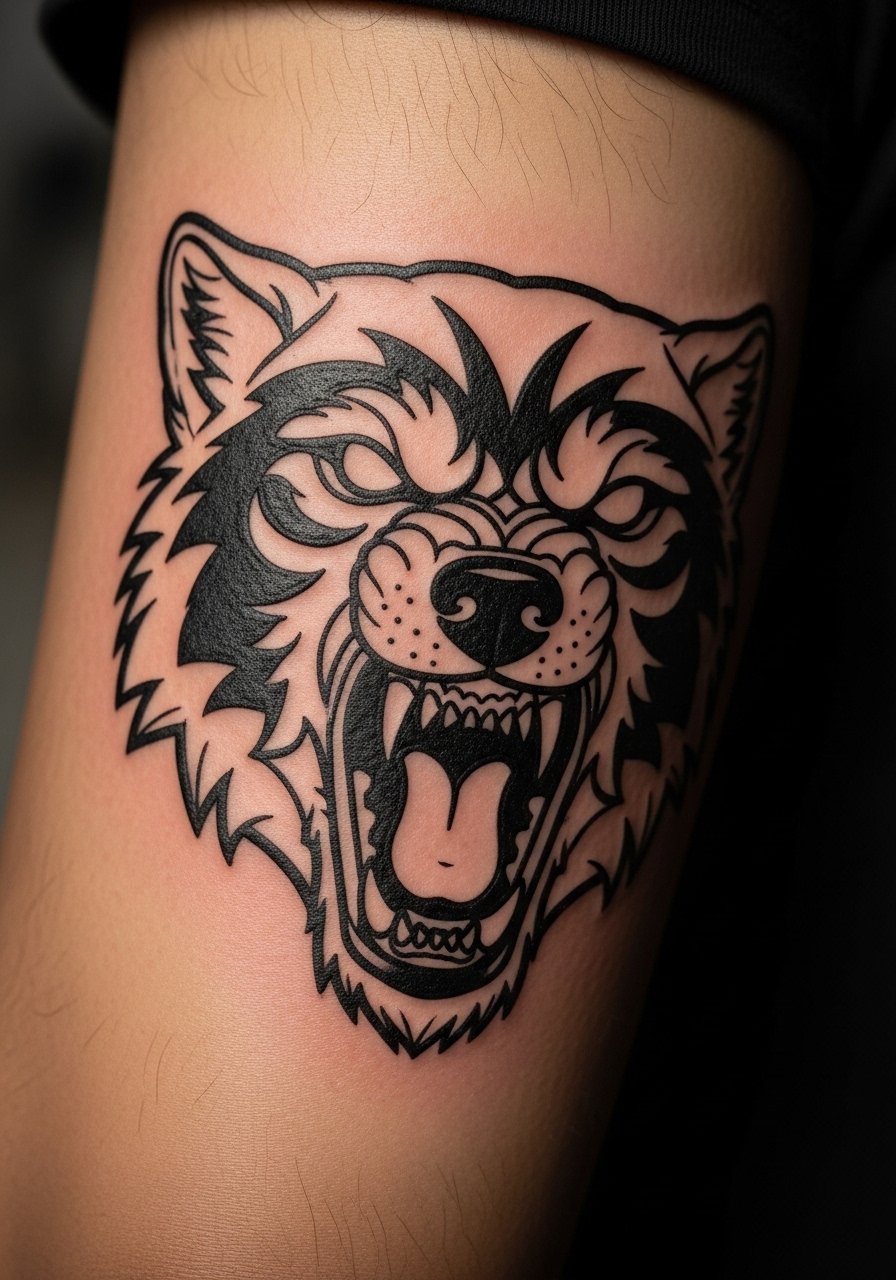
There is something about animal heads in bold black that reads aggressive and clear from a distance. Ask for heavier outlines and selective saturation in the eye area to keep expression intact as the piece heals. Expect moderate pain and a one to two hour session for medium scale. The mistake is instructing for too much micro-detail inside the mane. If you want it to age well, plan for a light touch-up at year three. For casual framing, a rolled short-sleeve chambray shirt keeps attention on the face.
10. Chain-Link Band with Negative Space Breaks

This runs the forearm like a statement bracelet and looks bold without heavy coverage. Tell the artist you want deliberate space between links to avoid merging later. Session time is short and pain is mild, but repeated friction from clothing can affect early healing. Common mistake is crowding links too close. When showing it off, the piece works with short sleeves and a thin metal bracelet layered below for a stacked effect.
11. Shield or Spartan Helmet Panel

A shield or helmet motif reads like armor and suits the outside forearm. In the consult specify scale so the helmet fills the forearm without crowding the wrist or elbow crease. Sessions vary by complexity but are typically two hours. The mistake is shrinking the emblem too small, which loses impact at distance. Over time the bold shapes keep the silhouette readable even as fine detail softens. For a dressed-up look, roll a sleeve so the helmet peeks from a short-sleeve dress shirt.
12. Bold Compass with Thick Bearings
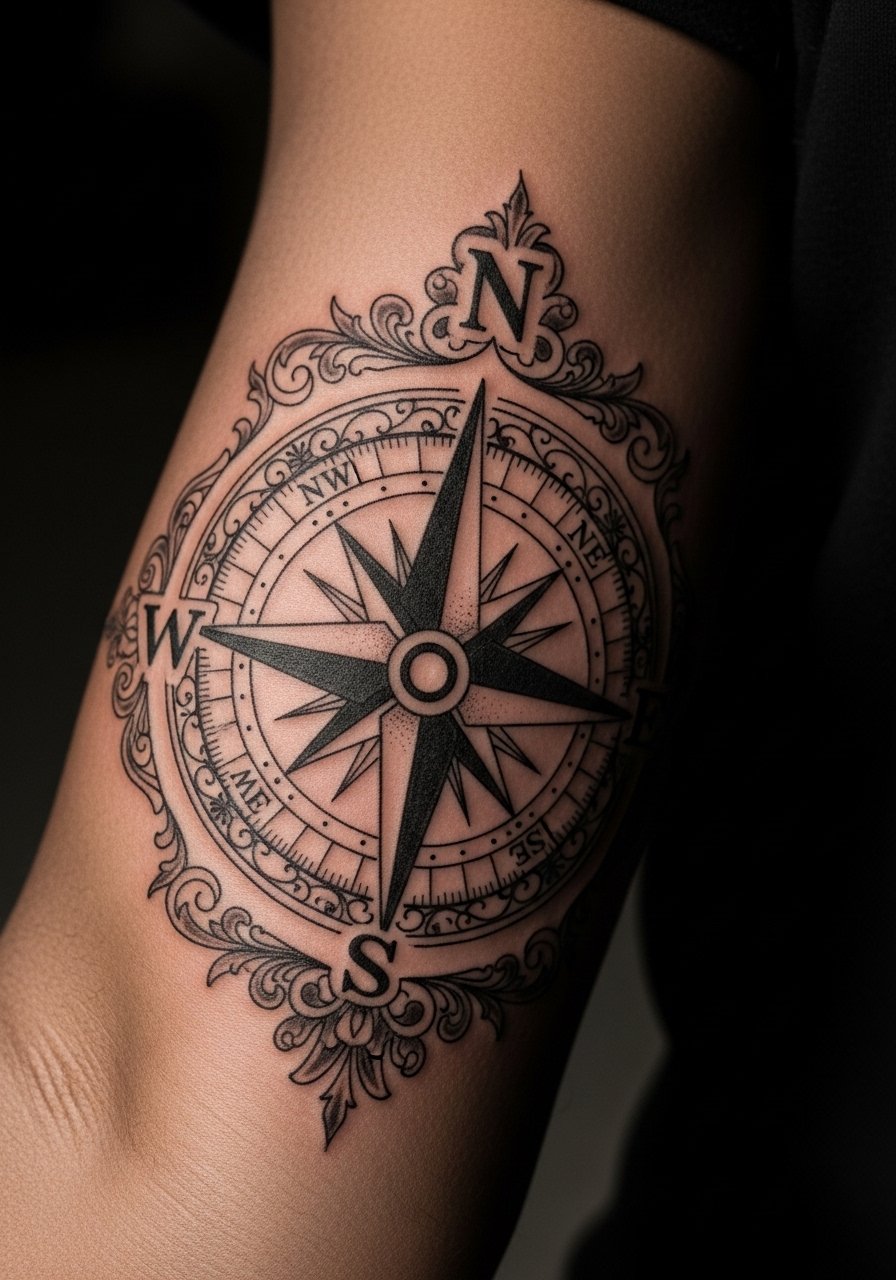
A compass benefits from a strong graphic approach on the outside forearm. Tell your artist you want thick bearings and a strong north marker so the motif remains readable after sun exposure. The session is straightforward and usually under two hours. People often ask for tiny notches and decorative flourishes that do not survive the first few years. This design keeps its directional clarity if you avoid micro-details. Pair it with a casual rolled sleeve linen shirt for trips and weekends.
13. Blackwork Skull with Bold Shadows

Skulls in heavy blackwork look assertive on the outside forearm and will hold shape longer than shaded gray pieces. Ask for defined shadow planes and avoid stipple-only fills that migrate. Sessions can be longer depending on saturation needs. The common misstep is asking for ultra-thin shading lines inside the skull that soften into a gray patch. For style balance wear a fitted short-sleeve tee to let the skull sit center stage.
14. Bold Arrow Cluster Pointing Down the Arm
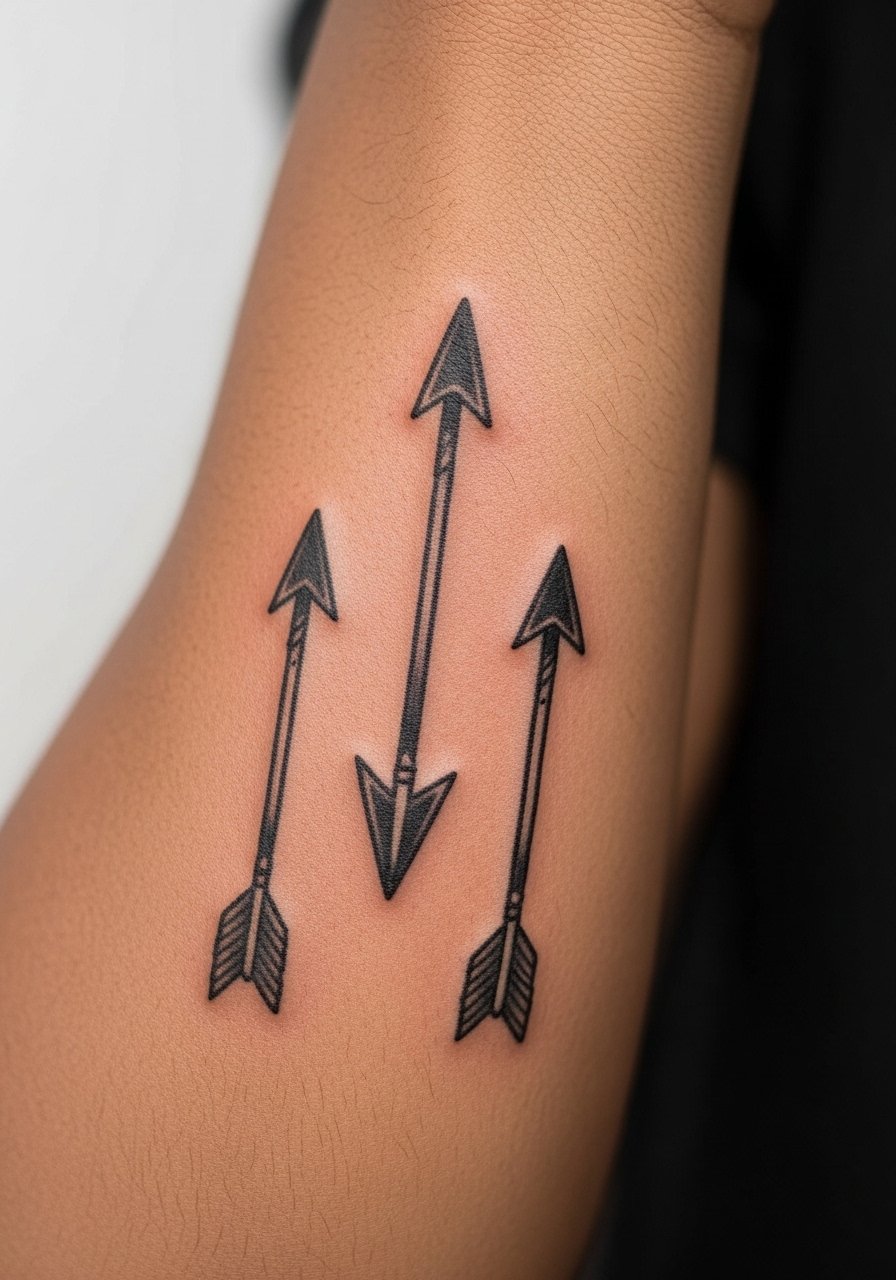
A group of arrows or a single heavy arrow reads vertical strength on the forearm. Tell your artist you want a clear directional flow and consistent line weight. Sessions are usually quick, with moderate discomfort near the wrist. The mistake is mixing too many different arrow styles in one piece, which dilutes the impact. This layout ages predictably and often needs no early touch-up if spacing is respected. For a simple complement, try a minimalist leather bracelet that aligns with the shaft.
15. Bold Scripted Motto with Underline Block
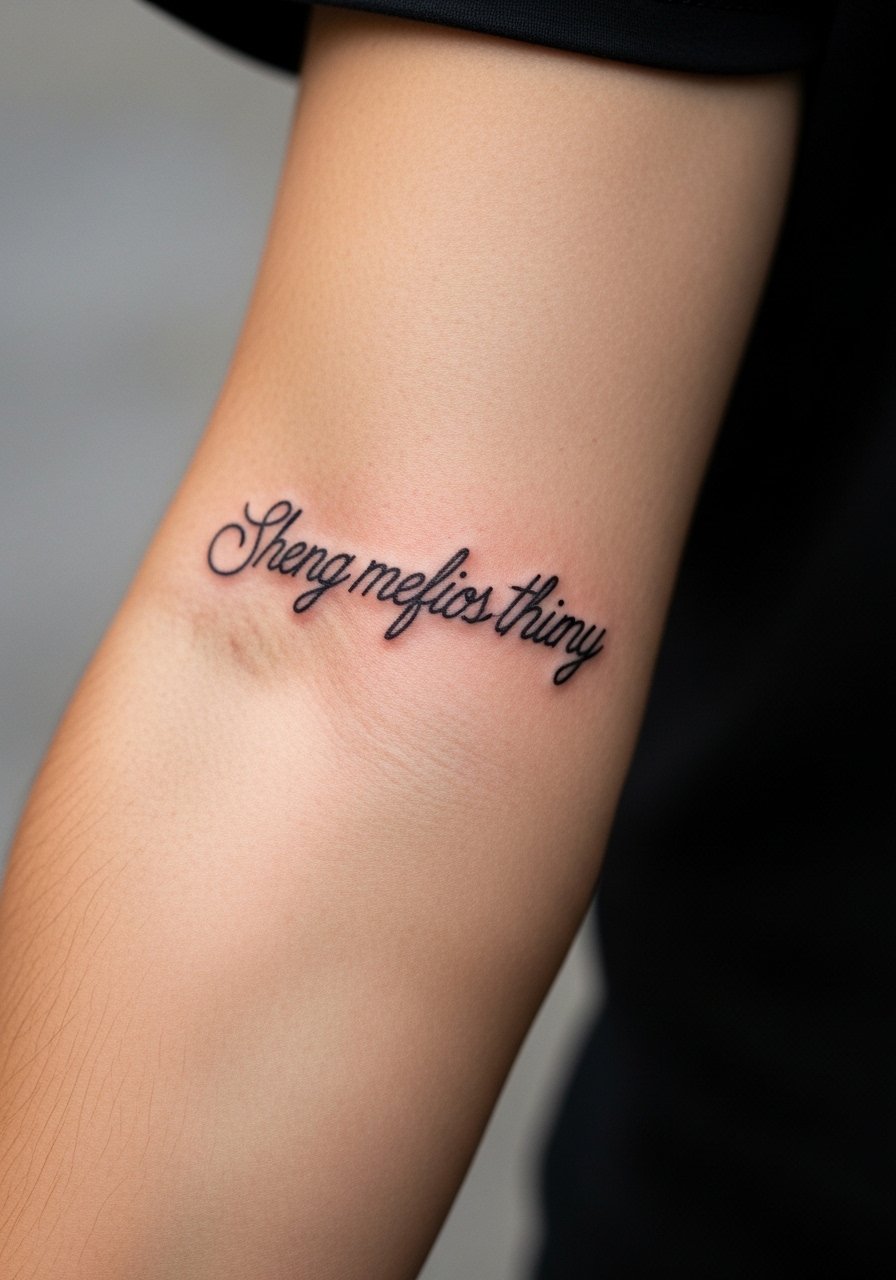
When a phrase is important, pairing script with a solid underline block keeps it legible. In the consult specify the letter height and the thickness of the block so the letters do not fade into it. The session is moderate in duration and sensitivity. Many people ask for delicate cursive that blurs; the better route is slightly larger letters with a backing element for longevity. For showing the phrase, a rolled short-sleeve oxford shirt keeps the forearm visible without overexposure.
16. Bold Eagle Wing Stretching Along the Outside Forearm

An eagle wing across the outside forearm reads movement and reach. Ask for feather blocks rather than micro-feathering so the silhouette stays intact as the skin settles. This layout can sit under three hours and is moderate on the pain scale. The mistake is over-detailing inner feather barbs. Over time the wing should still read as a wing because of the bold primary shapes. A casual jacket with sleeves pushed up works well, try pairing with a lightweight bomber jacket when you want the wing to peek out.
17. Bold Column of Tribal-Inspired Chevron Bands
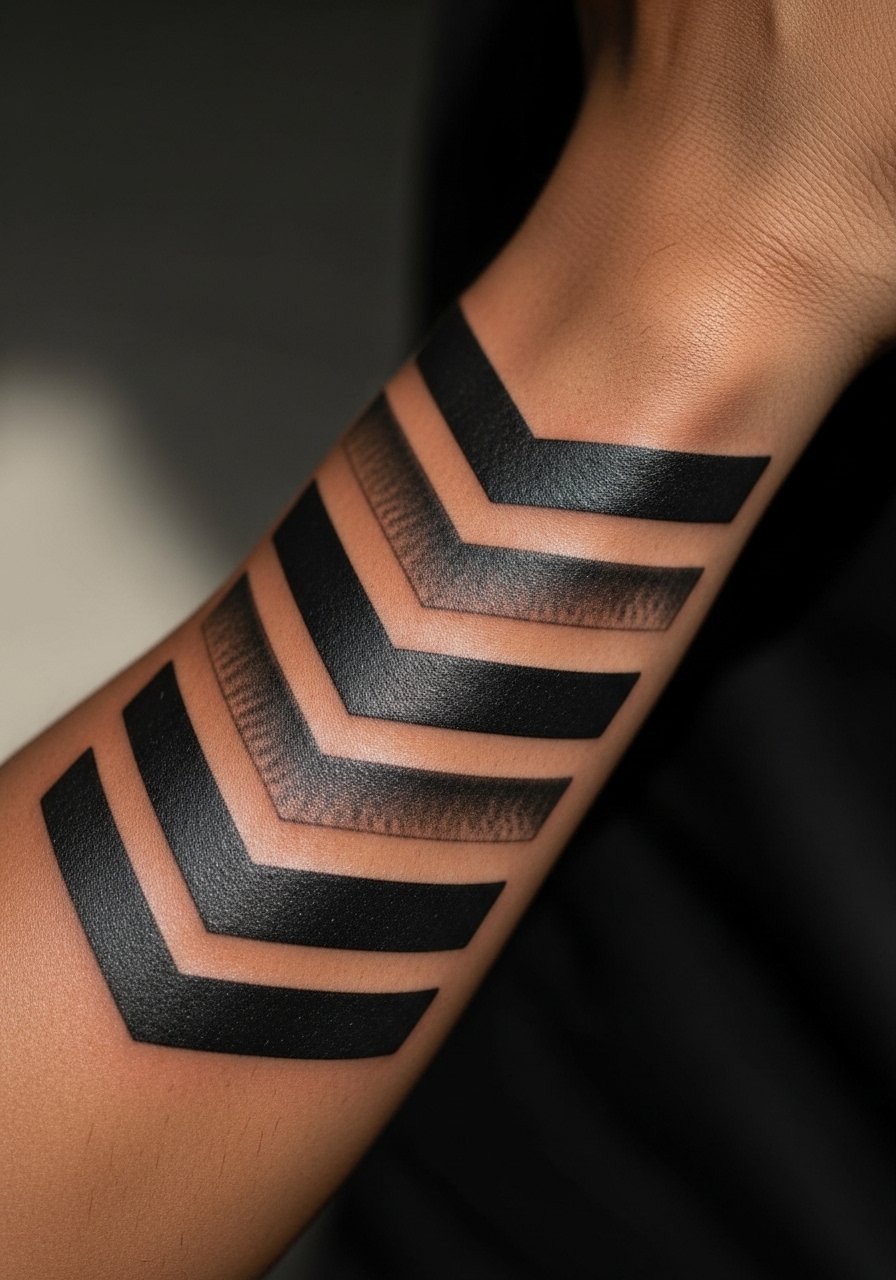
Chevron stacks give a patterned armor feel on the outside forearm. In conversation with your artist, say you prefer distinct gaps between bands so they do not merge into a single block down the line. Sessions are variable but usually split into short passes. A common mistake is asking for narrow chevrons stacked tightly, which lose definition. For cultural sensitivity, avoid copying sacred patterns that belong to specific communities and ask the artist about respectful adaptation. For day-of comfort, wear a short-sleeve performance tee that you can pull up slightly without rubbing the fresh work.
Frequently Asked Questions
Q: Will bold blackwork on the outside forearm fade faster than traditional color work?
A: From what I have seen, bold blackwork tends to hold shape longer than delicate color fades because heavy saturation leaves more pigment under the skin. It still fades with sun exposure, so expect softening over several years and a possible touch-up at year three or four depending on your lifestyle.
Q: Are chain-link or band tattoos prone to blowout on the outer forearm?
A: Blowout risk on the forearm is lower than on thinner-skinned areas, but tight, fine lines that encircle the arm increase risk. Ask for slightly thicker link outlines and spacing. If you plan to show it off often, a short-sleeve button-down or a short-sleeve tee avoids constant rubbing during healing.
Q: How should I describe a geometric panel to make sure it ages well?
A: Ask your artist for larger shapes and intentional negative space rather than crammed micro-patterns. Mention you want high-contrast black areas and visible separation between elements so the design keeps its form as the skin moves.
Q: Does bold script need a backing block to last on the forearm?
A: A backing block can protect thin lettering by creating contrast, so it is a good option for forearm placements that see sun and friction. If you prefer no backing, choose larger, bolder letterforms and plan for a touch-up at a few-year mark.
Q: Should I worry about cultural appropriation with tribal or knotwork pieces?
A: It is worth being mindful. Some patterns carry cultural significance, and many people choose to adapt motifs respectfully rather than copy sacred designs. Ask your artist about origins and variations that honor the source while making the piece personal.