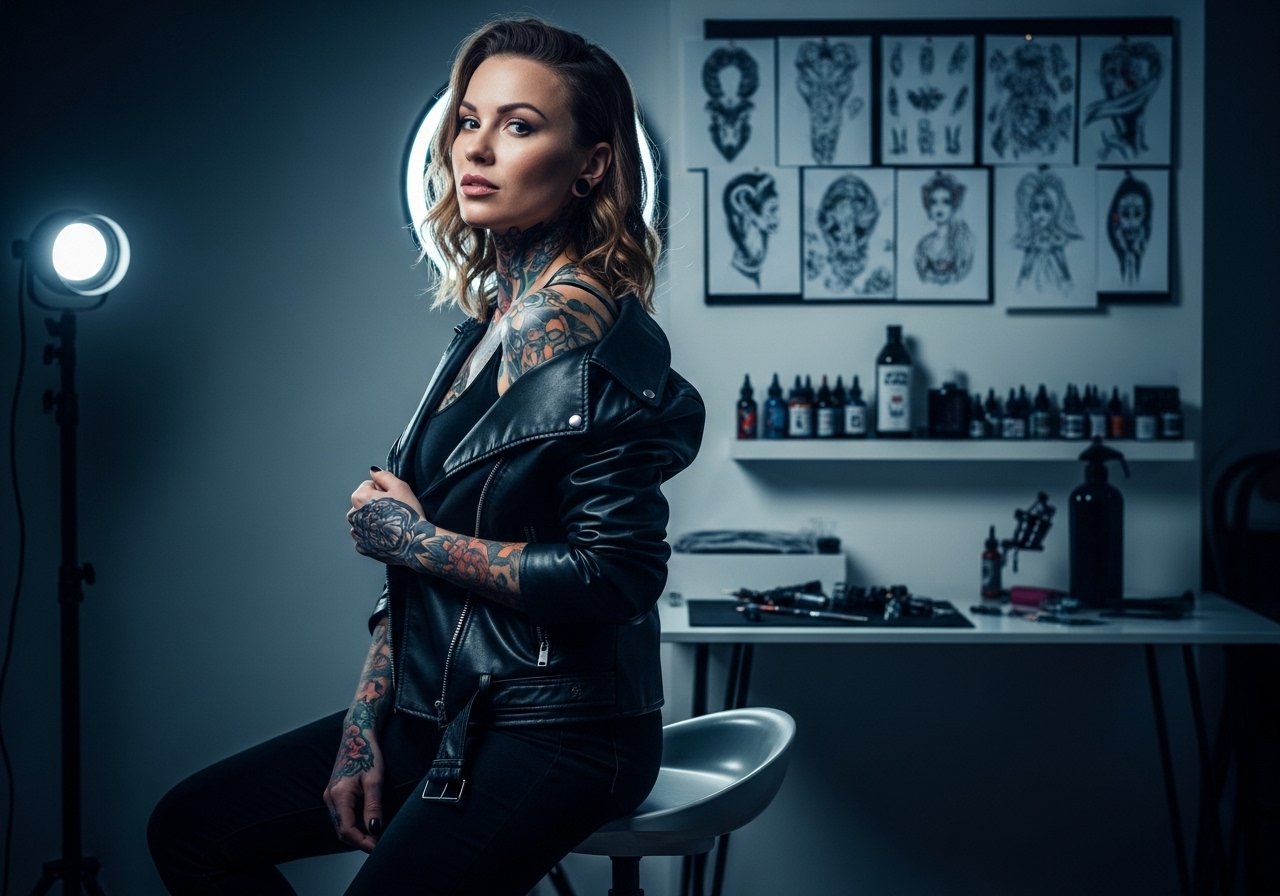
Blackwork coverups have become the go-to fix when old color, shaky script, or uneven shading keeps showing through. What looks like a lost cause at first can read intentional if you pick the right blackwork technique, the right placement, and a realistic session plan. Read on for 27 concrete ideas that bury old ink while giving you something you can actually wear and show off.
1. Solid Blackout Fill Armband
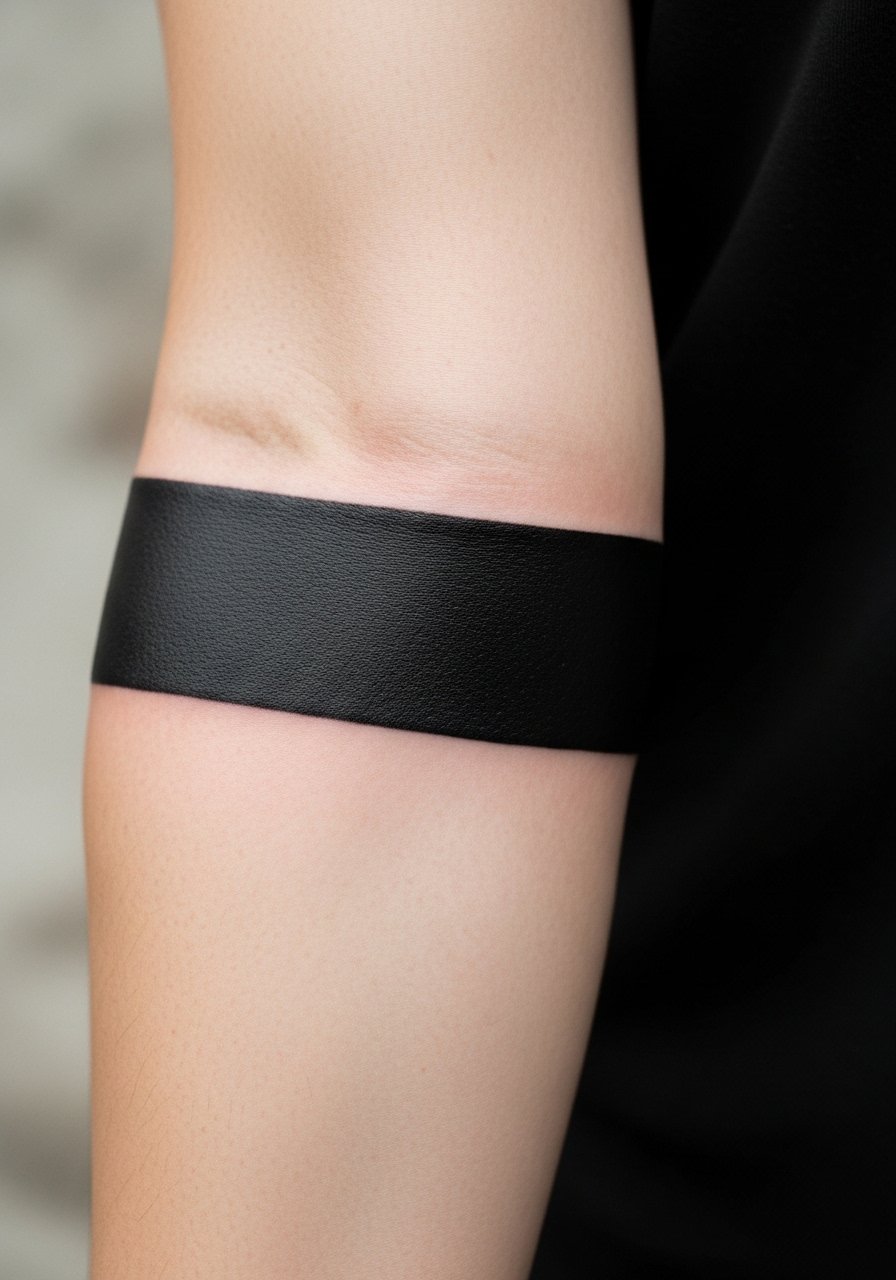
A blackout band is the blunt tool that works when color keeps peeking through. I recommend this when a small sleeve or dense color patch refuses to hide after two cover sessions. Tell your artist you want even saturation across the band and that they should plan multiple passes for opacity. Common mistakes are asking for too narrow a band or expecting one session to finish it. Expect several sessions and a rough first-week heal. For showing it off, pair with a rolled sleeve black t-shirt and a wide leather cuff bracelet so the dark band reads like intentional styling.
2. Shoulder Negative Space Skull
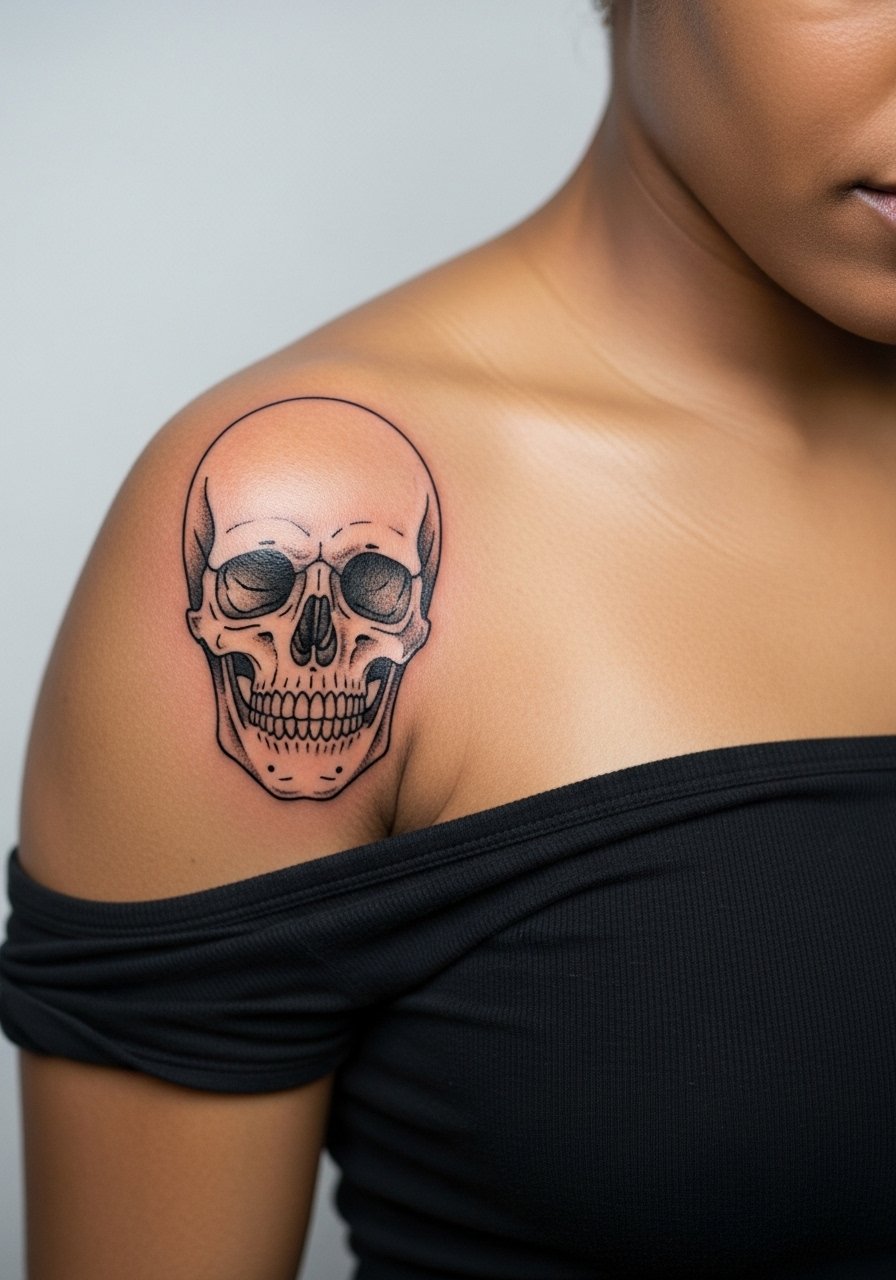
Negative space lets skin become the highlight while packed black hides the unwanted ink. This approach is smart for shoulder or upper chest tattoos where a faded colorful piece sits underneath. Ask your artist to use crisp gaps that follow the old tattoo edges, and to avoid tiny negative gaps that close up while healing. Mistakes usually come from trying to do too much micro detail in the gaps. Pain is moderate for the shoulder and touch-ups are common year two for edge cleanup. For sessions wear, bring a strapless tank top so the artist can access the area cleanly.
3. Geometric Blackwork Overlay on Thigh
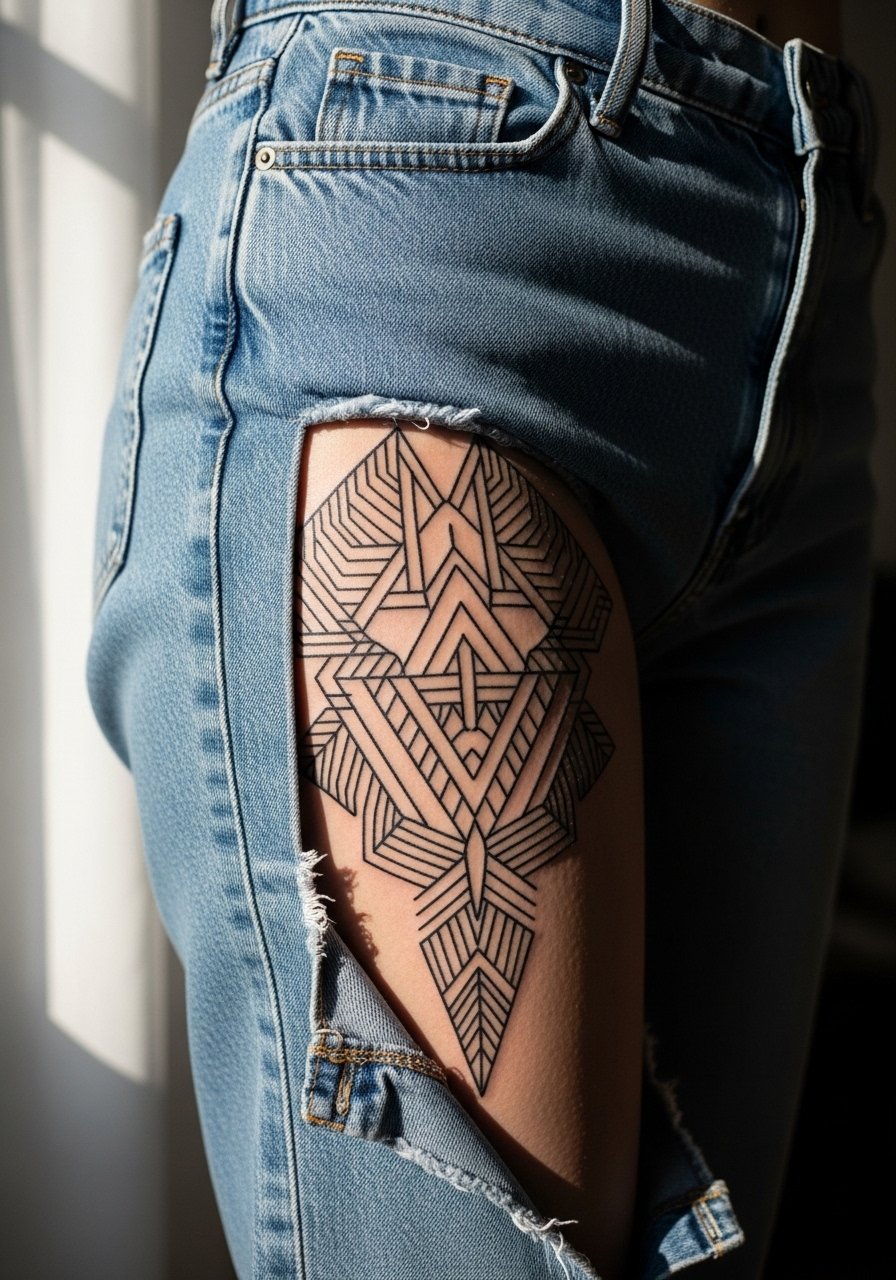
Geometric overlays work when old tattoos have irregular edges you can hide inside repeating shapes. I point this style when the underlying ink has strong outlines that can be incorporated into the pattern skeleton. Tell your artist to scale everything larger than the reference so lines have breathing room as they age. A classic error is shrinking the mandala so the linework blurs at year two. Sessions run long and can be tiring on the leg. Show it off with tailored athletic shorts and minimalist sneakers.
4. Blackwork Sunflower on Upper Arm
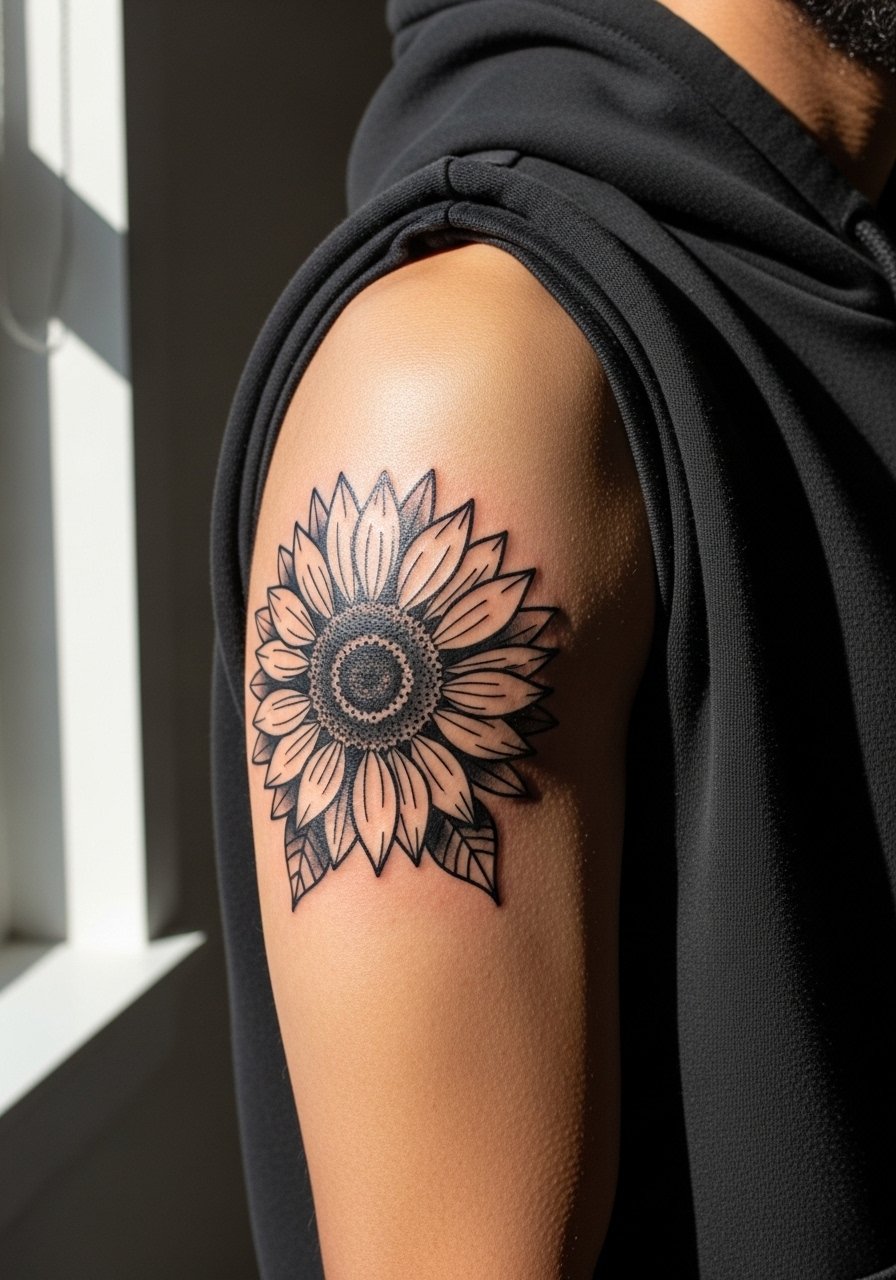
Sunflowers hide old ink naturally because the dark center can absorb color, while petals distract the eye. Use this when a single faded motif sits on the upper arm. Ask for a dense center and stipple shading on the petals so the old pigment does not ghost through. A common mistake is keeping the sunflower center too small. Expect two sessions for solid coverage and touch-up at year two. For evenings out try a sleeveless hoodie men or a chunky chain to draw vertical lines alongside the design.
5. Blackout Full Sleeve

A full sleeve blackout is the cleanest way to bury heavy color across an entire arm. It is the most demanding option in sessions and healing. Expect multiple long visits and realistic downtime. The biggest mistake is underestimating how much ink your skin will accept in one pass. Blisters and prolonged scabbing are possible if an artist rushes. Plan touch-ups and give yourself extra sun protection during the first year. Because this is a major commitment, you may want to audition portfolios for artists who specifically show healed blackouts.
6. Tribal Blackwork Wrap for Forearm
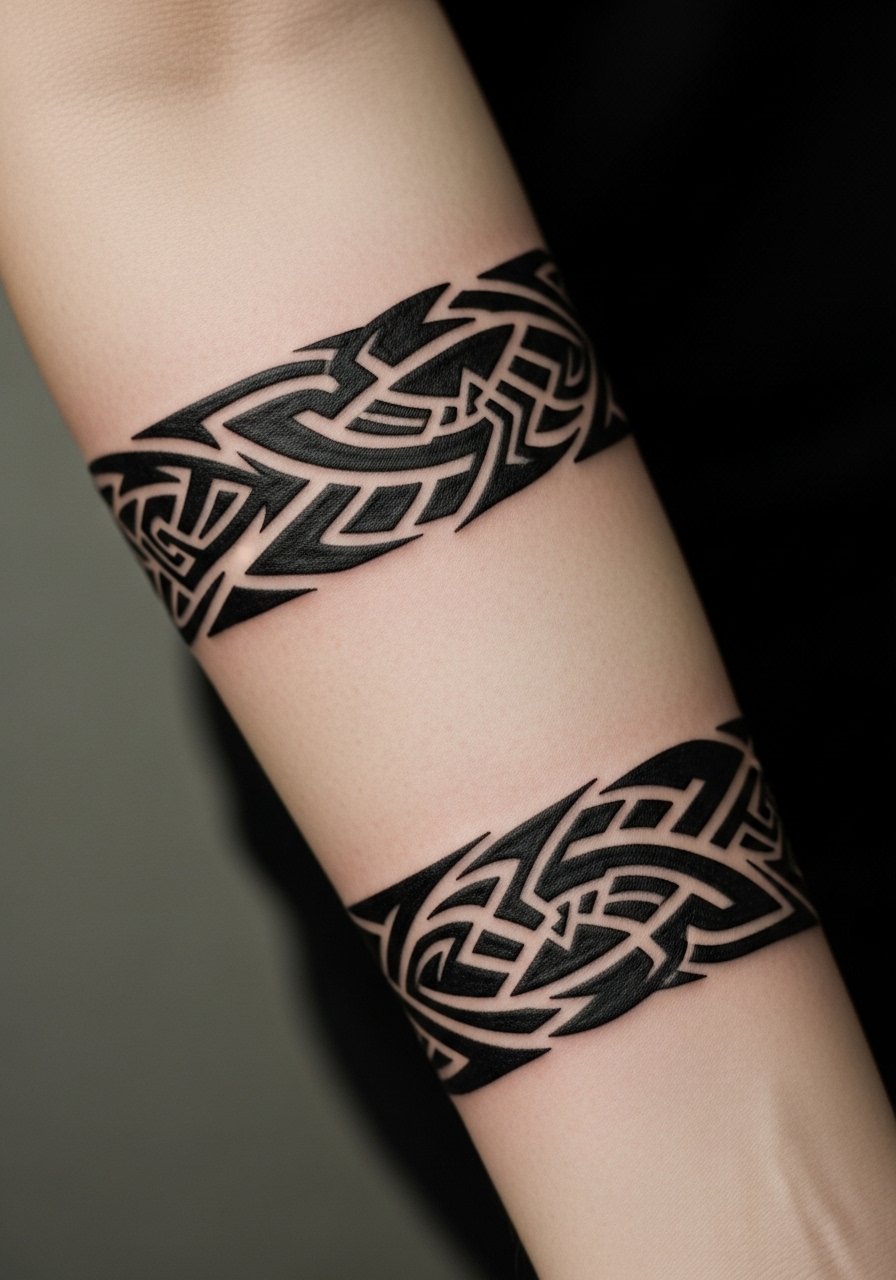
Tribal wraps read well when old color needs to be overpowered by strong, interlocking solid shapes. They are forgiving of imperfect underlying outlines because the bold fills take over visually. Tell your artist to plan overlapping shapes to avoid thin exposed edges. Mistakes include lines that are too thin near the wrist, which blow out over time. Pain is moderate and sessions are split into two to three passes. Pair this with a fitted muscle tank or a rolled sleeve black t-shirt so the arm reads intentional when revealed.
Studio Day Picks
The forearm and upper arm pieces above need slightly different prep than thigh or calf work, so these items smooth the session day and the first few healing nights.
- Tea tree balm tattoo aftercare. A thinner balm that some people prefer over heavier ointments, helpful for large black areas that need breathable moisture during early healing.
- Australian aftercare gel. Absorbs faster and reduces greasy residue, good for forearm and calf blackwork where friction is a concern.
- Japanese rice bran oil tattoo balm. Lightweight and non-greasy, useful for packed black pieces that need moisture without yellowing.
- Fragrance free gentle body wash. Cleansers without perfumes lower the irritation risk on large healing black areas like sleeves and blackout bands.
- Aquaphor healing ointment. Thin layer in the first 48 hours keeps fine line edges from drying out while larger black fills settle.
7. Animal Blackwork with Heavy Shading on Calf

Animal textures let you use fur and stipple shading to obscure old ink patterns underneath. Choose this if a colorful animal or faded portrait sits under the new design. Tell the artist to plan layered shading so dark fur sections align over the old ink. A standard error is keeping the face too small for the calf, which makes detail lose clarity as it heals. Calf sessions are long but tolerable sitting. Expect touch-ups at year two for texture depth. For casual wear, roll your slim joggers to ankle height or slip on boat shoes men to show the work.
8. Knuckle Blackwork Letters

Hand and knuckle coverups are high risk because hands get constant washing and friction. This method works when the old mark is small and localized. Ask for thicker, simplified lettering and expect faster fading and more touch-ups. A major mistake is using fine script on knuckles, which softens into blurs. Healing is sensitive and visibility is immediate, which some people like. If your job requires discretion, keep this location in mind before booking.
9. Collarbones Solid Black Accent
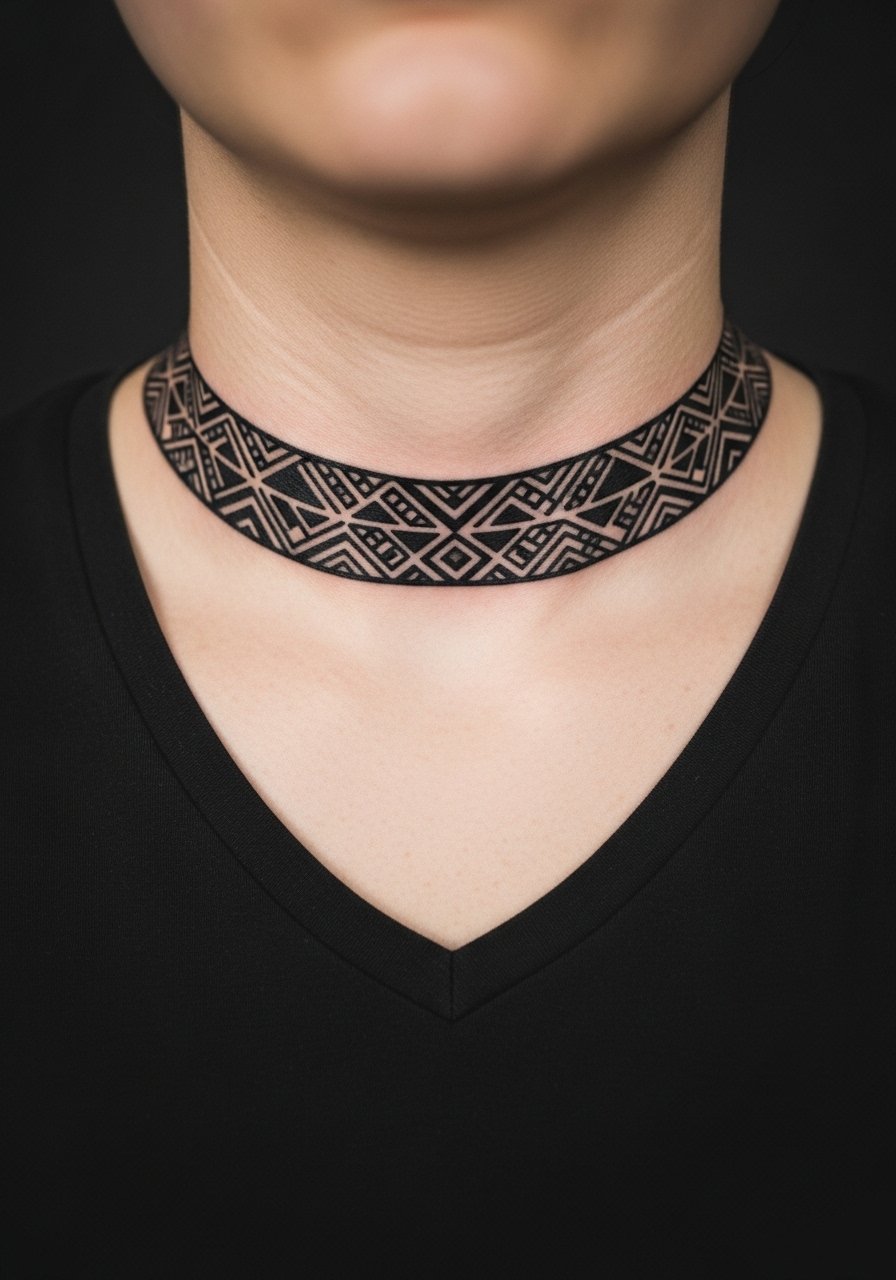
The collarbone takes blackwork well when used as an accent band or negative space bar. I recommend this for small chest or bust-area coverups where old ink sits near the clavicle. Tell the artist you want the top edge crisp and the lower edge to blend into skin tone transitions. Pain is higher near bony areas and healing can show uneven saturation if the artist presses too hard in one pass. For showing it off, a deep v neck tshirt or a simple pendant necklace frames the piece without crowding it.
10. Lower Back Black Panel

A lower back blackout panel is discreet and effective for hiding large color patches. It can be shaped to work with body curves so old edges vanish. Tell your artist to map the panel to the waistline and to keep the top edge soft so clothing does not rub during healing. The common mistake is a square panel that looks flat on the body. Sessions can be long and require laying on your stomach. Expect touch-ups after weight changes.
11. Small Forearm Chain-Link Blackwork

A chain-link or interlock pattern is subtle but dense enough to cover old script or faded color on the inner forearm. Ask for slightly wider links than your reference so the chain remains readable as it ages. People often request very tight links that merge into a single dark mass after a year. Forearm pain is moderate and packing saturation across the links takes extra passes. For a casual look, rolled sleeves or a wide leather cuff bracelet complement the links.
12. Negative Space Mandala on Shoulder Blade
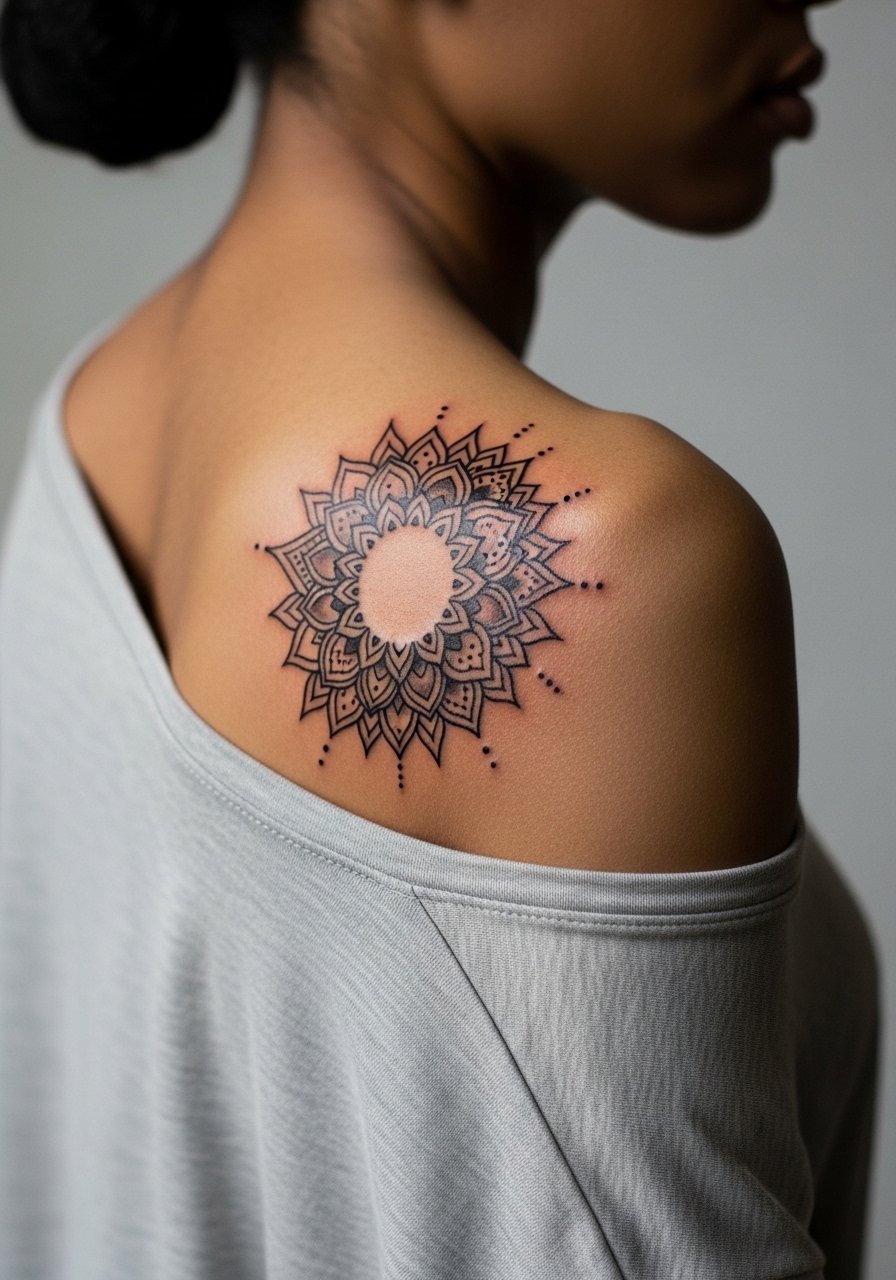
Mandala shapes with negative space allow skin to peek out while heavy black holds the structure over old ink. This is ideal when old work sits under a broad flat area like the shoulder blade. Ask your artist to plan the negative gaps so they are at least a few millimeters wider than the reference. The common error is overfilling the center which leaves no breathing room. Shoulder blade heals well but watch for rubbing from backpacks. For session access, a strapless tank top or loose button-down works best.
13. Thigh Tribal Panel That Uses Old Edges
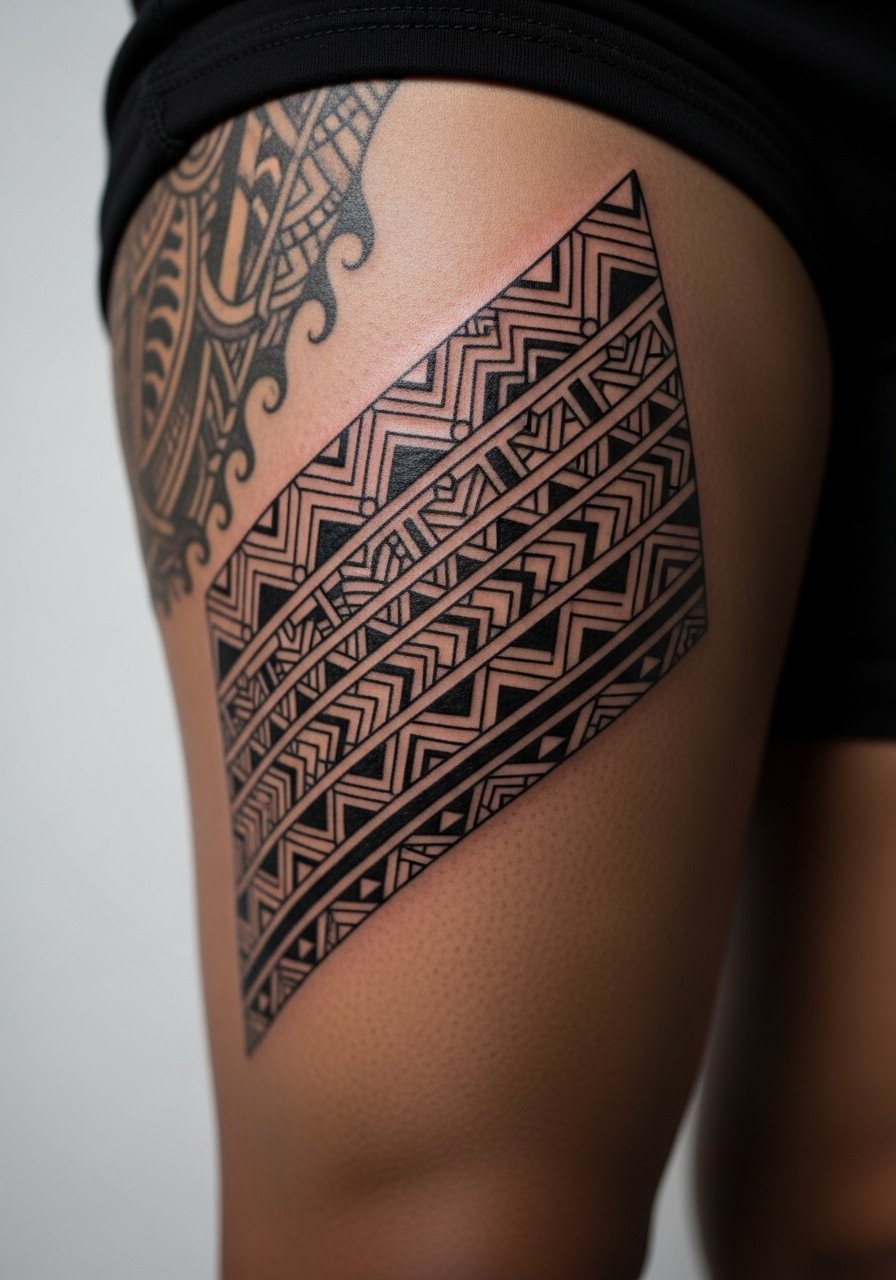
One less-used tactic is to let the old tattoo edges inform the new pattern skeleton. On the thigh this reads like a custom piece rather than a forced cover. Tell your artist to trace and rework those edges into repeating motifs so nothing looks pasted on. Mistakes happen when the artist ignores the underdrawing and tries to hide everything with flat black. Thighs are low-friction healing zones and tolerate denser work, but sessions can be long. Pair with tailored shorts when you want to show it.
14. Calf Animal Silhouette with Packed Black Background
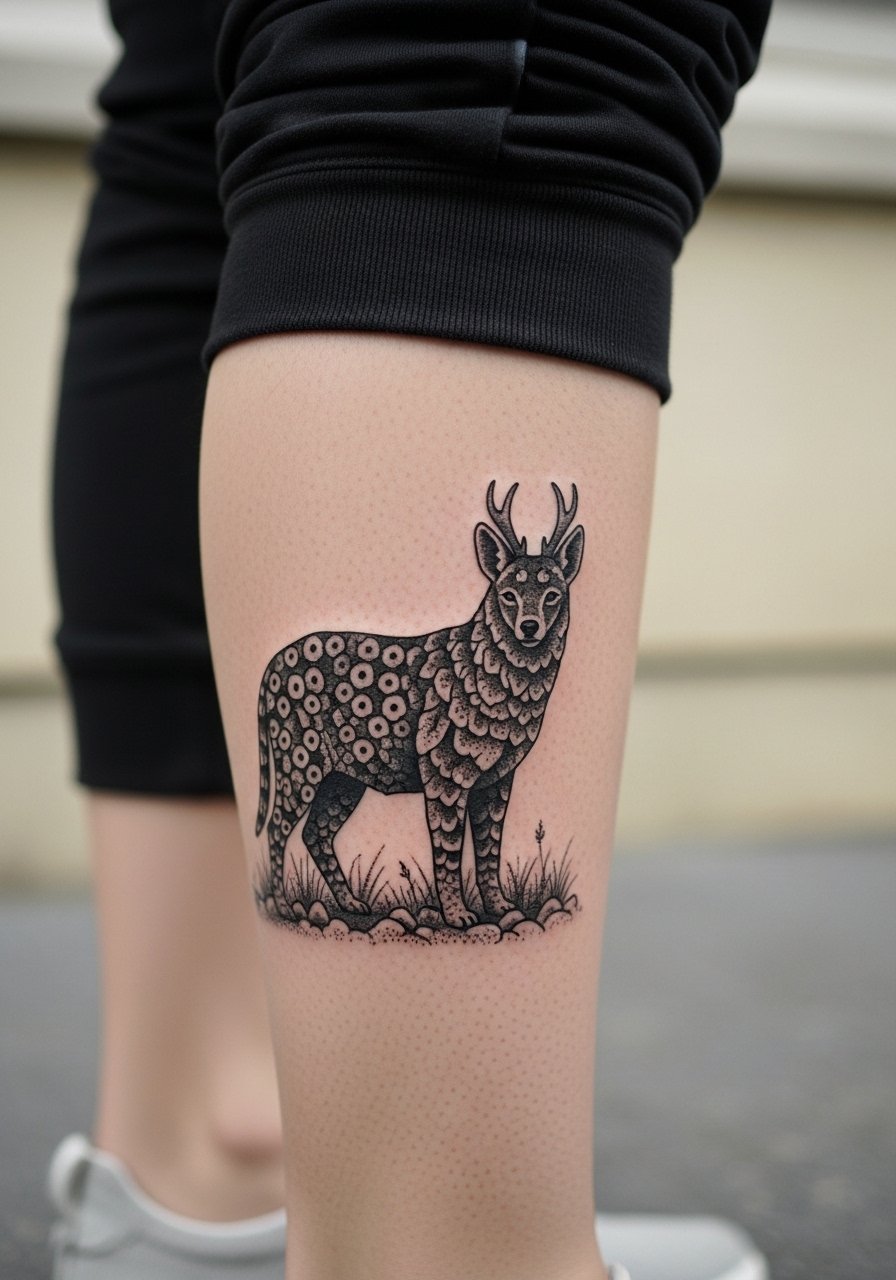
Silhouettes are great when an old, noisy background needs to be erased. The silhouette reads from a distance and the black background absorbs residual color. Tell your artist to keep edges bold and the silhouette scaled to the calf. A frequent error is tiny silhouettes that lose shape once swelling settles. Calf sessions can be heavy on vibration and lasting power is good with packed black. Show it with rolled joggers or slim fit sweatpants for a modern look.
15. Ribcage Mandala With Controversy on Fine Line

Ribcage pieces split opinions in the community. One camp says fine line here blurs fast because breathing and stretch interfere with crispness. The other camp says with proper needle depth and spacing, even detailed mandalas can settle cleanly. If you choose ribs, tell your artist you want spacing increased relative to your reference and plan for a touch-up at year two. The rib is high pain but it gives dramatic negative space options that mask old ink. Wear a cropped top to the session so the artist has clean access.
16. Collarbone Halo With Negative Space
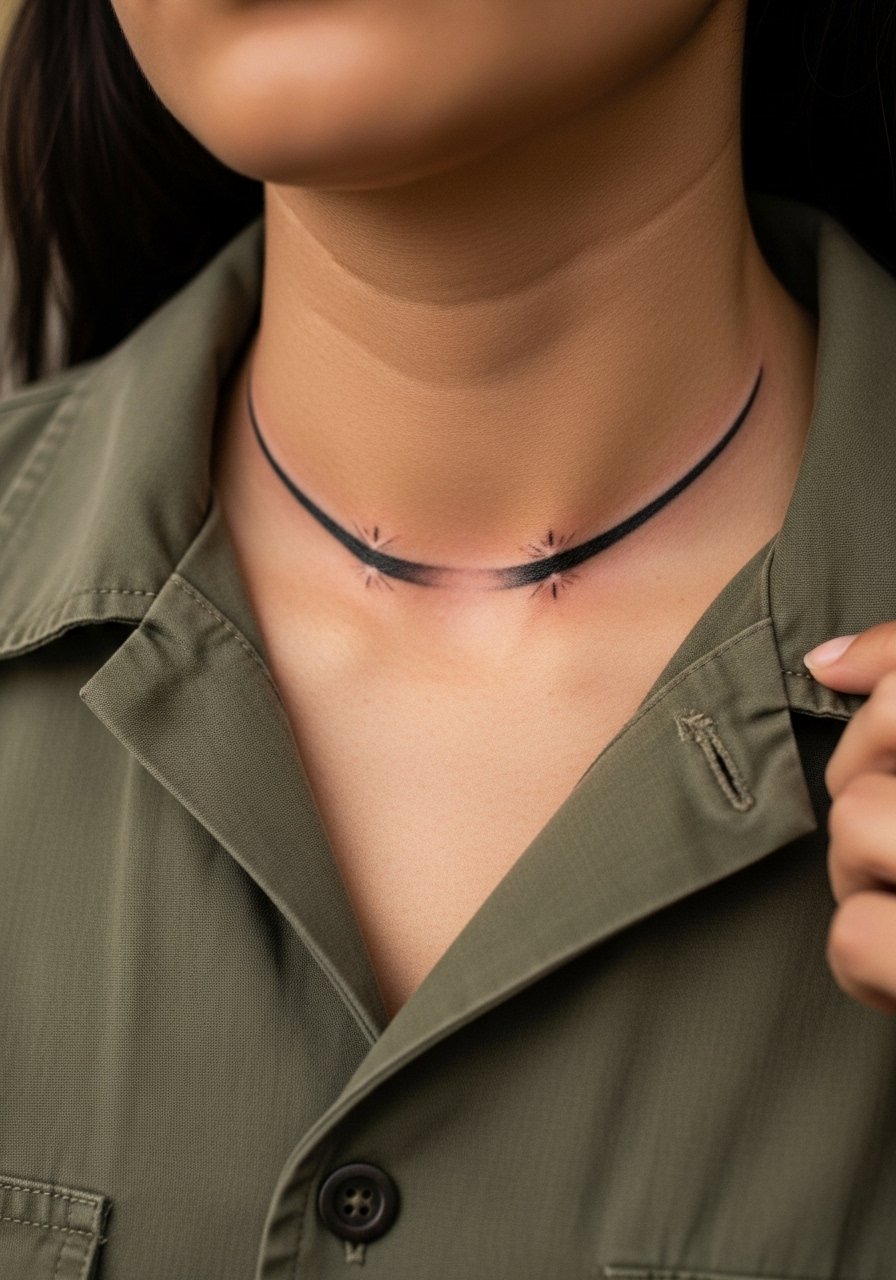
A thin halo line that uses negative gaps can disguise small scars and old script near the collarbones. Ask for a slightly thicker primary band and intentional gaps rather than tiny micro-breaks. Common mistakes are over-fussy detailing that dries into uneven spots. Bone-edge areas heal with less cushion so expect sharper pain. For evenings, a simple pendant necklace sets a neat frame.
17. Back Blackout Panel With Future Custom Work in Mind
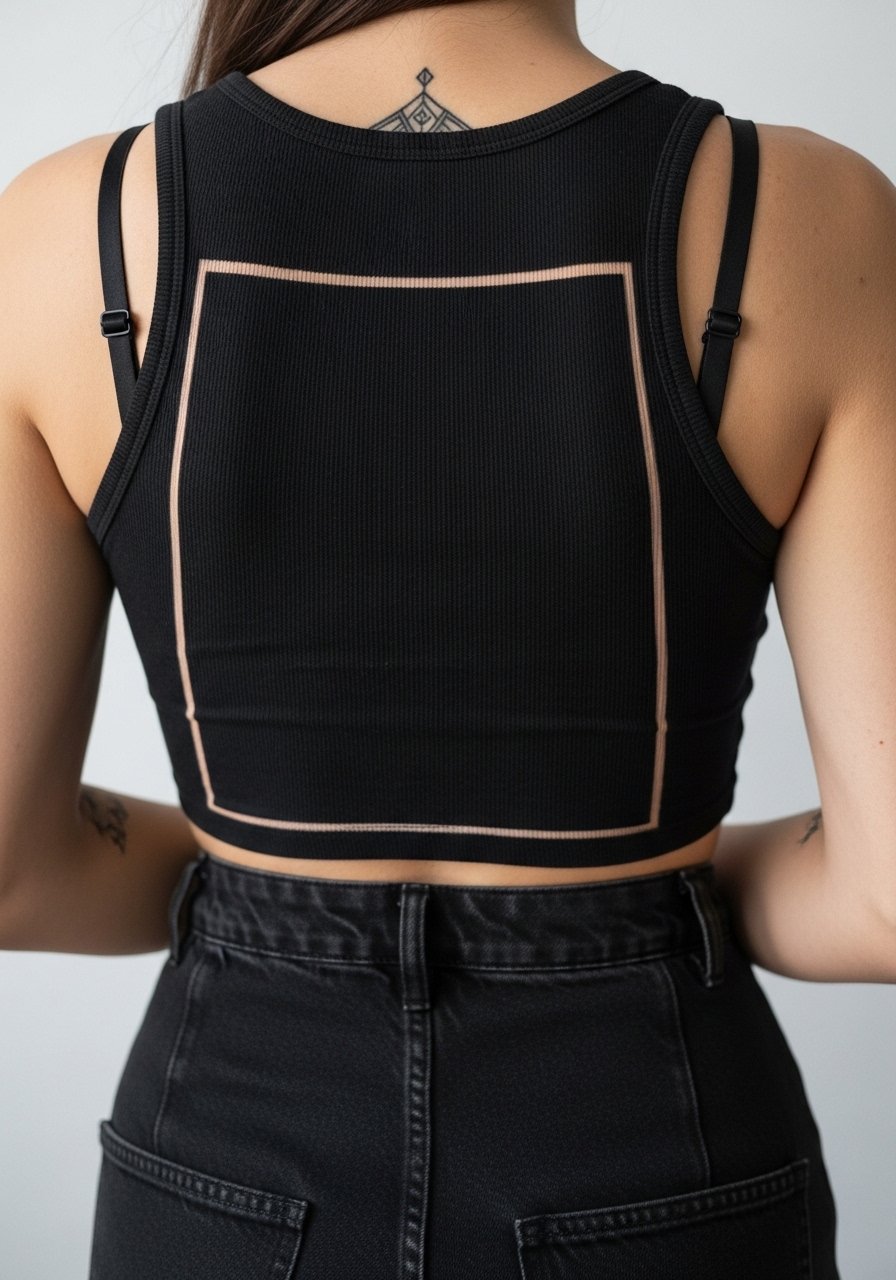
If you want to hide a patchy back piece while leaving options for future color or whitework, a blackout panel can be designed with planned negative space windows. Tell your artist you want an even base that can later be pierced with bright micro pieces. The common error is a rushed blackout that leaves patchy heals. Back sessions are long and you will likely need multiple passes. Wear a loose button-down you can pull aside for comfort.
18. Sternum Sunflower Center
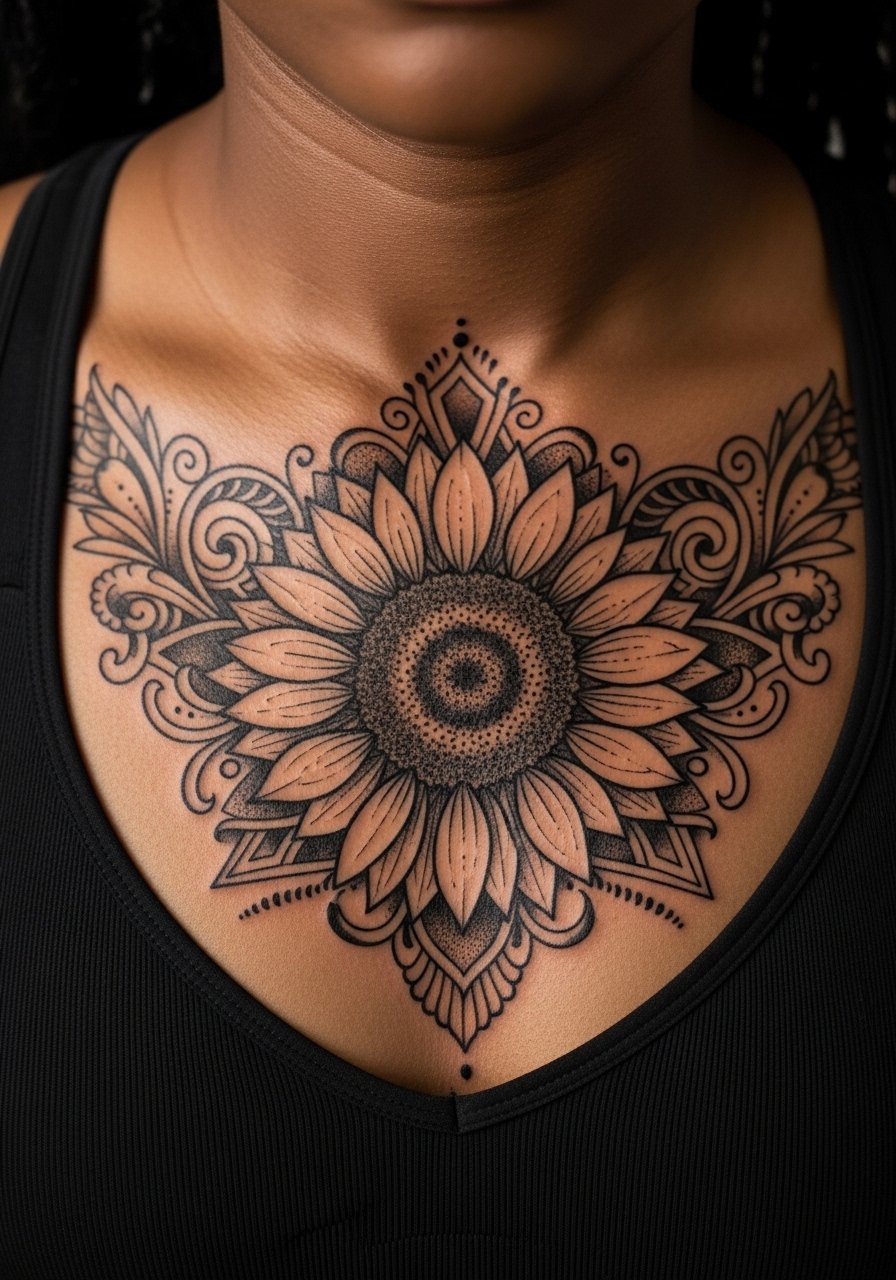
The dark center of a sunflower acts like a natural camo for faded pigment on the sternum or underbust. If old pink or red shows through, a dense center will hide it while petals add texture. Ask that the center be slightly oversized for better coverage. Sternum pain is higher and healing may be sensitive under clothing. For session wear, a fitted sports bra helps keep the area stable.
19. Small Blackwork Wrist Band

A small wrist band is a tidy cover for thin script or ink ghosts. It reads minimal but needs enough saturation to counteract daily washing. Tell your artist you want the band at least 5 mm wider than the faint tattoo underneath. A frequent error is too slender a band that shows color through at six months. Expect touch-ups sooner than with thicker blackwork. Pair the band with stacked dainty bracelets for contrast.
20. Hybrid Laser-Then-Blackout Chest Patch

When color is deeply saturated, a short laser pass before a blackwork cover reduces the number of tattoo passes you need. This hybrid approach is heavier on logistics but can produce cleaner final black. Tell your artist if you have had lasers so they can plan saturation accordingly. The common error is skipping laser when stubborn pigments should have been lightened first. Healing is more complex since you combine two procedures. For session prep wear a loose camp shirt that can be opened easily.
21. Geometric Calf Wrap

A wrap-around geometric pattern on the calf disguises linear old tattoos by redirecting the eye. Ask for stepping points where the old ink will be absorbed into a dark panel, and avoid tiny parallel lines that can merge as they heal. A visible mistake is matching the scale of reference images used on smaller legs. Calf sessions can be scheduled seated and are easier to recover from than thigh marathons. Hold off running until scabs finish falling.
22. Fine Line Forearm Cluster With a Controversy Callout

Fine line pieces on the forearm split opinions for coverups. One camp points out that fine line fades faster and gives up clarity on coverups. The other camp argues a well executed fine line cluster with spacing can read clean for years. If you want delicate work here, ask for slightly heavier line weights than a pure minimalist piece so the lines stay readable. Expect a touch-up around year three. For the session wear a fitted muscle tank so the artist can access the area without pulling at fabric.
23. Ankle Constellation Over Old Script

Ankle constellations work when old script or a band needs subtle replacement. Ask for slight spacing between dots and lines so daily friction does not blur the pattern. People often choose too-close dots that soften into an unrecognizable dark line. Ankle pain is low but healing can be irritated by socks. Roll trousers or wear sandals while the area settles.
24. Inner Bicep Micro Blackwork
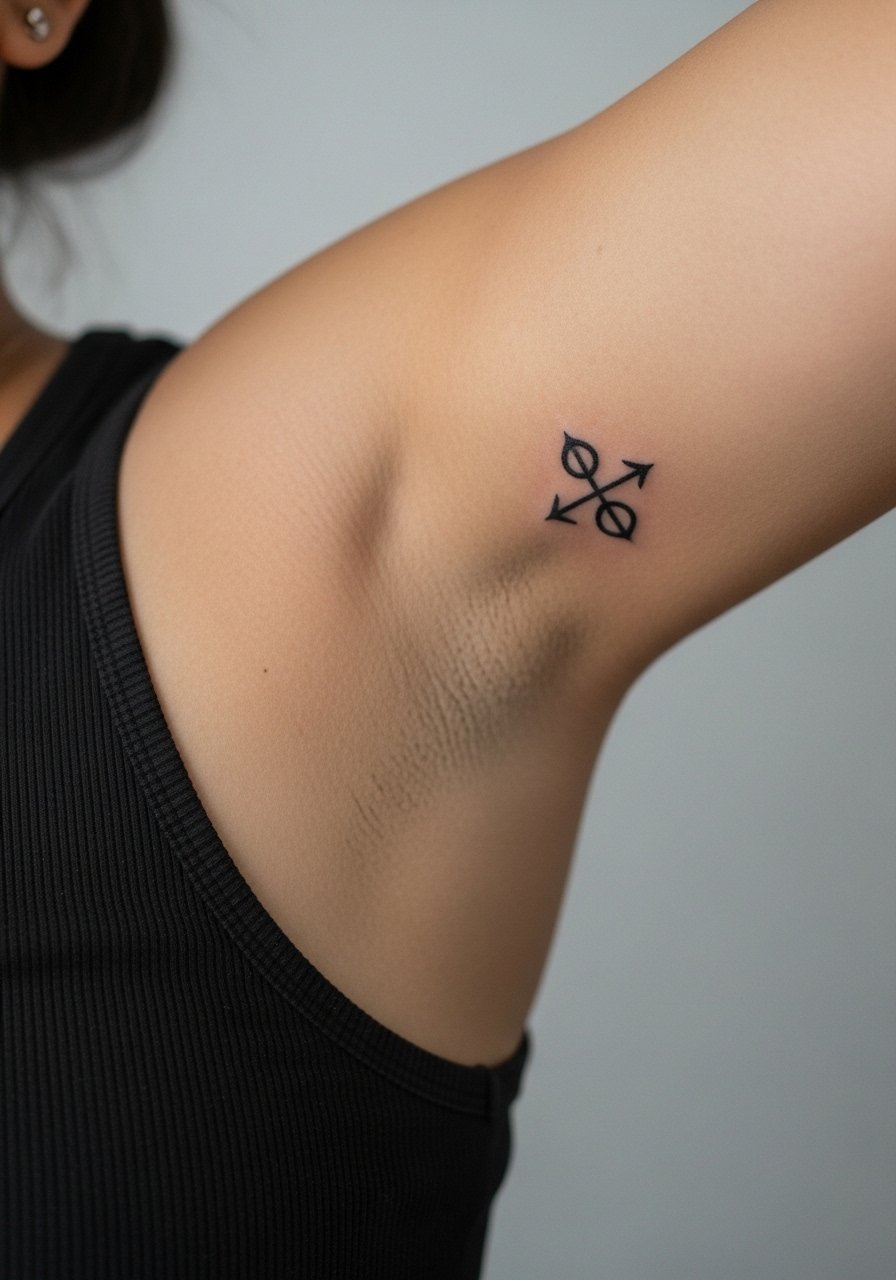
Inner bicep coverups can hide small portraits or script because the skin there takes ink densely. Ask your artist to use a small compact design that follows the muscle curve to reduce distortion with movement. The main error is placing long vertical designs that stretch when you flex. Pain is moderate and sessions might be short but intense. For the session, a loose tank top helps keep the area accessible.
25. Thigh Floral Panel That Plays With Negative Space

Thigh florals let you mix packed black centers with open petal shapes to hide old bursts of color. Tell the artist to use the old tattoo edges to guide petal placement so nothing looks pasted on. A typical mistake is attempting tiny petal veins that blur as the skin moves. Thigh sessions tolerate long sittings and the site is forgiving for several deep passes. For showing it off, wear loose drawstring shorts.
26. Shoulder Blade Geometric Slice

A geometric slice that crosses the shoulder blade can erase an old patch by redirecting pattern across the plane. Ask your artist to vary line weight so the slice reads dimensional. Error comes when an artist uses uniform thin lines that soften over time. Shoulder blade area is good for saturation and heals fairly predictably. Bring a loose button down shirt to keep the area comfortable during long sessions.
27. Glow Accented Blackout With UV Tests
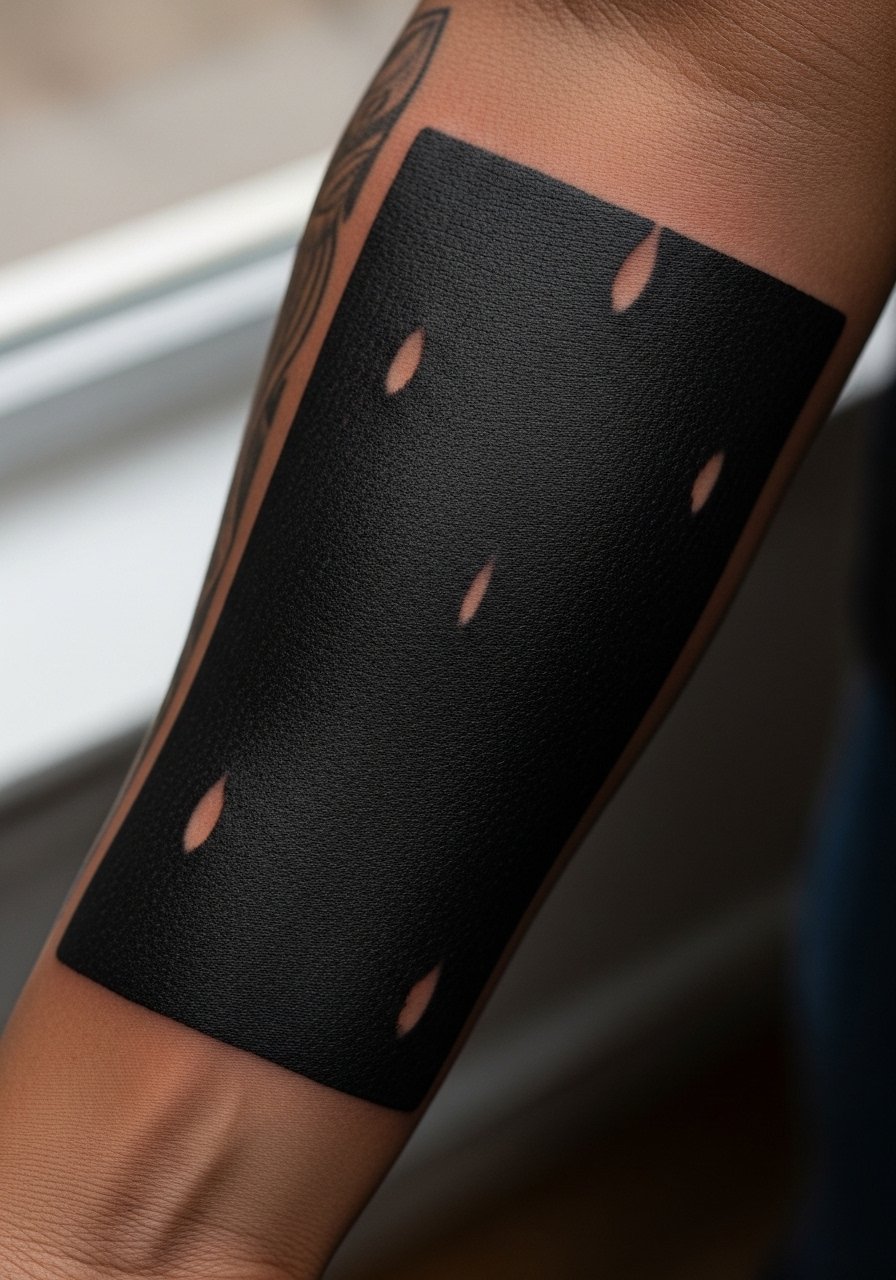
If you want an experimental finishing touch, discuss glow-in-dark or UV accents mapped over a blackout base. This is best after the blackout fully heals and your artist tests how UV pigments interact with the black. Ask for a test patch and plan touch-ups because glow pigments migrate differently. A mistake is applying bright accents too soon and expecting them to be visible in daylight. Expect at least one touch-up and carry extra sunscreen for daytime fades.
Frequently Asked Questions
Q: Will blackout coverups always hide stubborn color without laser first?
A: Not always. Sometimes a short laser pass lightens stubborn pigments and reduces the number of blackout sessions you will need. Other times artists can plan layered saturation and touch-ups to get there without laser. It depends on the old ink density and the artist's experience with multi-pass blackouts.
Q: Which healing approach is best for packed blackwork, Saniderm or dry healing?
A: The community is split. One group prefers Saniderm because it reduces itching and keeps the blackout uniform during the first week. The other group favors dry healing because they believe it improves how the ink settles long term. Ask your artist where they stand and follow the method they use most consistently.
Q: How soon will fine line elements blur in a blackwork coverup on ribs or forearm?
A: Fine line in coverups can soften faster than heavier line weights. On ribs expect faster change because of movement and stretch, while forearms typically hold slightly better. If you want longevity, ask the artist for slightly heavier line weight and spacing that anticipates natural spread.
Q: How many sessions should I realistically budget for a blackout full sleeve versus a floral thigh coverup?
A: Budget multiple sessions for both. Full sleeves often need more sessions because of area size and the goal of even saturation. Thigh florals can sometimes be completed in fewer visits, but dense centers or heavy shading still require staging. Plan time for touch-ups after the first year.
Q: Where can I find artists who specialize in blackwork coverups without naming specific shops?
A: Use community discovery paths like #BlackworkCoverup and #BlackoutTattoo on Instagram, filter blackout specialists on the Tattoodo app, check Booksy for guest spot calendars, and read threads on r/tattooadvice for peer recommendations. Those routes surface portfolios of healed work so you can judge results rather than promises.