Fine line wrist pieces look gorgeous in saved boards, but the way they age is the part most people skip. Small black and grey work hides a lot of problems short term and shows a few long term. Some clients worry their ink will vanish on darker skin, others fear fine lines will blur into a dot, and plenty have stories of deposits lost to canceled bookings. Read the first idea for a forearm portrait that solves the visibility and longevity questions right away.
1. Black and Grey Realism Rose on Inner Forearm
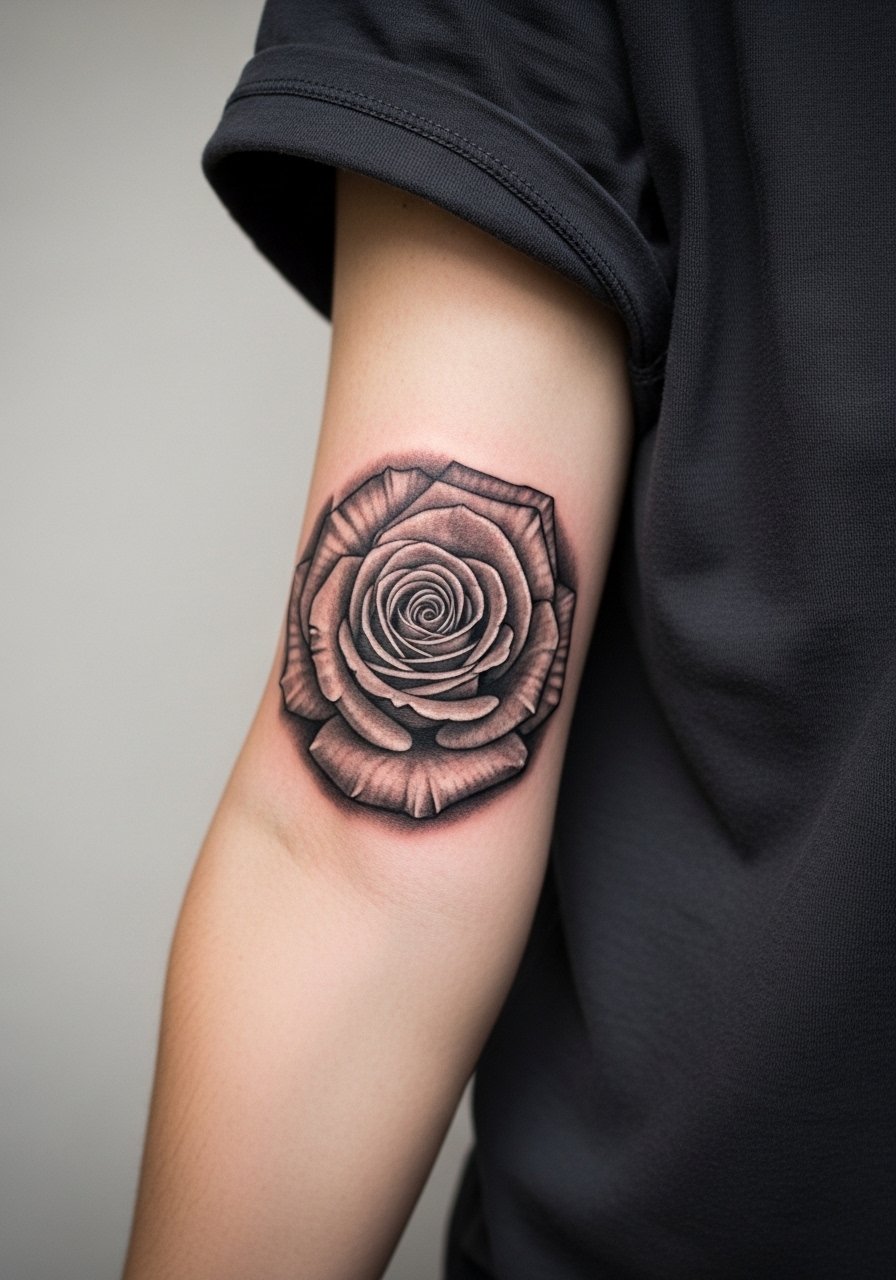
I have seen micro-realism roses age really well on the inner forearm when artists build depth deliberately. Ask your artist to layer grey wash instead of relying on ultra-thin single lines, and specify you want slightly more contrast so the petals photograph on darker skin tones. The common mistake is shrinking the rose under 2 inches, which creates tight shadows that blur by year two. Expect a one-session tattoo that may need a touch-up around year three if you sunbathe a lot. For the appointment wear a loose fit short sleeve tee so the artist can roll the sleeve up without pressure, and bring a thin leather cuff bracelet to balance the look when it heals.
2. Fine Line Mandala on the Wrist

Fair warning, wrist mandalas split artists into two camps. One group says fine line looks elegant and subtle and that minor softening is part of the aesthetic. The other group argues wrists need slightly thicker line weight to keep the pattern readable after two years. When you consult, show examples that match the exact line weight you want, and ask for small gaps in the dense areas so the work can breathe. Typical session feels like short bursts of vibration and pinpoint stinging. Plan a touch-up at year one to reinforce the thin spokes. For showing this piece off, stack a thin silver bangle set on the opposite wrist so the mandala reads as an intentional accessory.
3. Blackwork Geometric Arrow on the Ankle
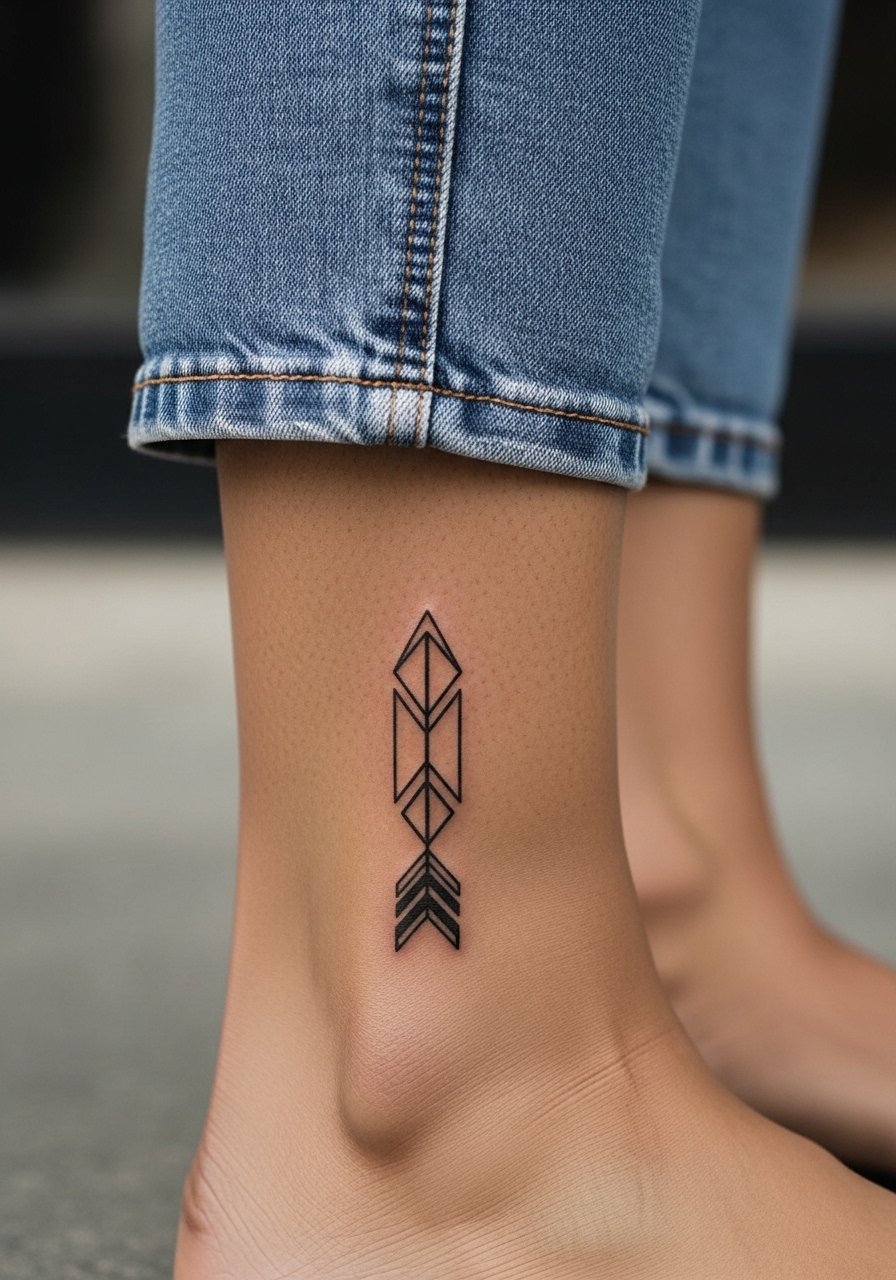
Ankle work is small and discreet, but it feels like concrete on the day because the area has less padding. Expect a 30 to 60 minute session, with sharper pain when the needle hits bone. The arrow benefits from bold black fills rather than ultra-fine outlines on darker skin, because high contrast keeps the motif legible in photos. The common mistake is going too thin to save money, which often forces a touch-up within a year. For summer wear, pair the tattoo with cropped straight leg jeans or strappy flat sandals so the angle and negative space read cleanly.
4. Shaded Wolf Silhouette on the Shoulder Blade
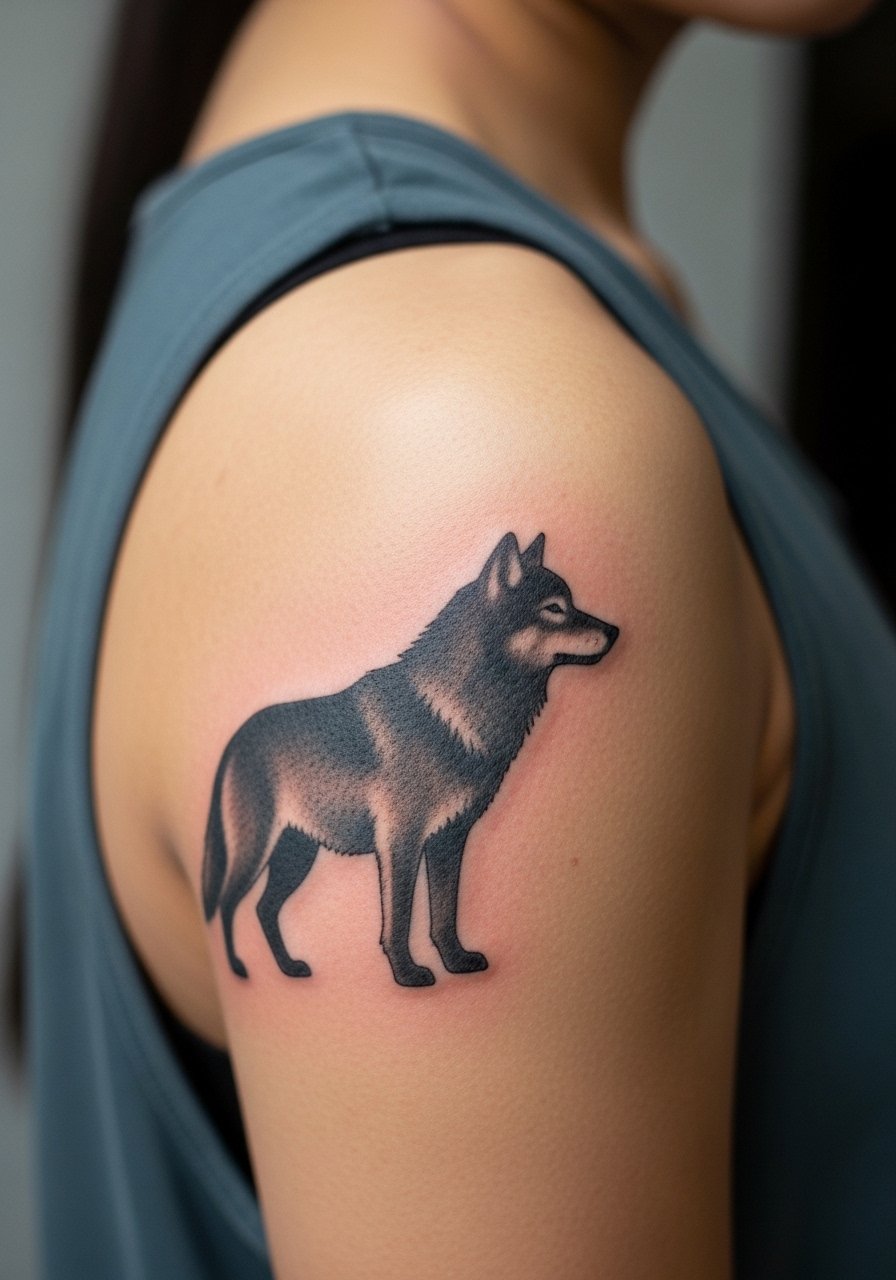
The shoulder blade takes shading well because the skin is stable and does not stretch as much as the ribs. A two-session approach with whip shading builds the silhouette depth without packing in so much black that the piece becomes a block. The usual mistake is compressing the silhouette into a square under 2.5 inches wide, which robs the fur texture of its motion. The session requires you to sit with your arm relaxed and then rotate, which helps the artist map the shoulder curve. Expect a low blowout risk here compared with fingers, and plan a touch-up around year two if you prefer crisp contrasts.
5. Micro-Realism Eye Behind the Ear
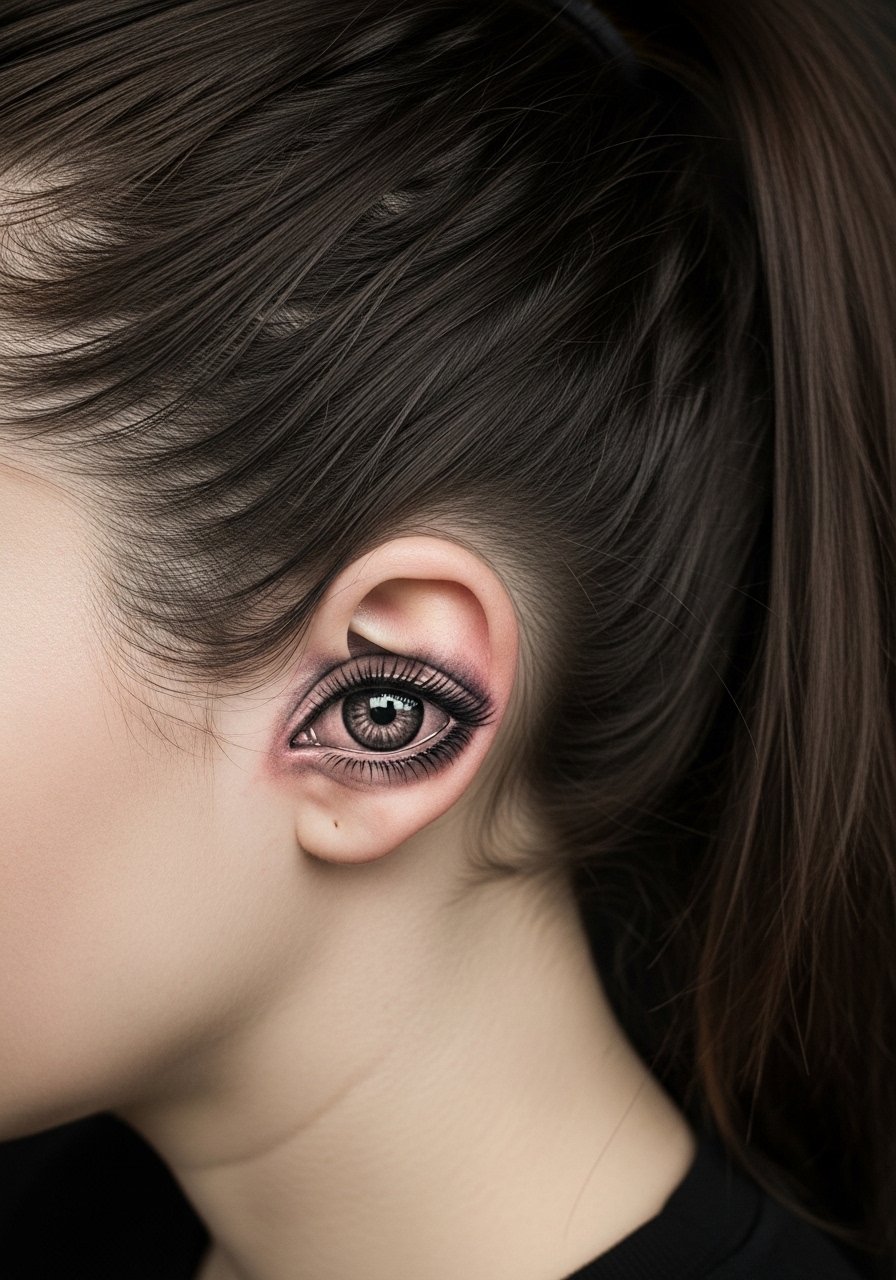
Behind-ear micro pieces are tiny and intimate, and they read best when placed a hairline below the ear. This spot has low visibility day to day, which is why people choose a micro eye for a quiet symbol. Tell your artist you want heavier contrast in the pupil and lash shadow so the detail survives two years, and ask for a touch-up plan because single-needle realism can soften sooner than thicker work. Session discomfort is low but awkward because the head tilt matters. For showing it off, wear a stud earring set and pull your hair into a high ponytail with a high ponytail scrunchie.
6. Minimalist Wave on the Collarbone
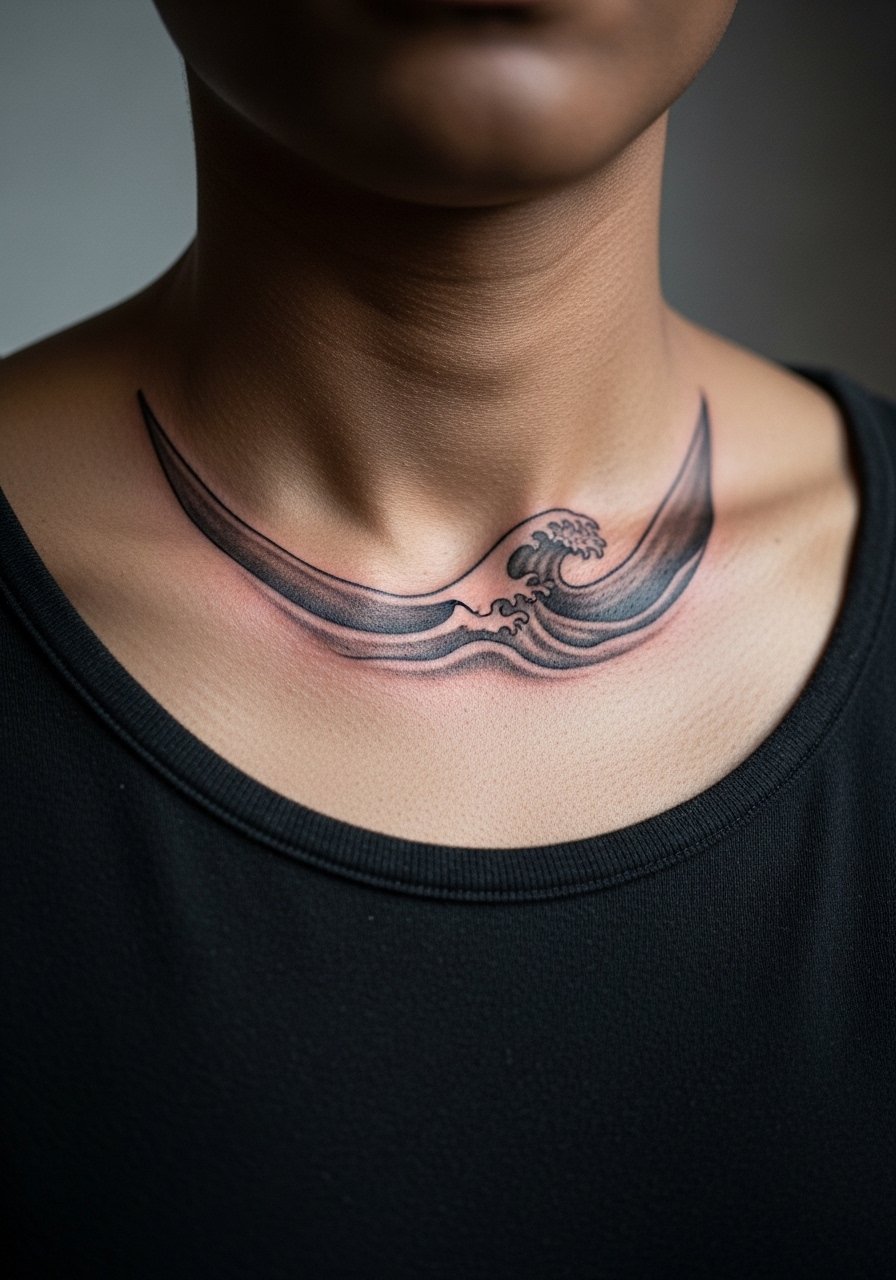
Collarbone pieces look delicate and they need room to sit with the bone shape. Expect light to moderate pain because the bone is close to the surface. The trick for longevity is a softer grey wash rather than a single faint line. The common mistake is placing the wave too close to the center, where movement from breathing compresses the ink. For the session wear something with a wide neck you can pull aside, like a off shoulder blouse cream or a strapless underlayer. For evenings out, a delicate chain necklace frames the wave without overlapping the design.
Studio Day Picks
Those first six designs include wrist, collarbone, ankle, forearm, shoulder blade, and behind-ear placements, so a few items smooth the session and the first week.
-
Fragrance free oat balm. A lighter, non-greasy balm helps wrists and ankles breathe without a thick residue that can trap sweat during movement.
-
Breathable tattoo film alternative. Useful for people who prefer a dry-like healing window on small pieces that rub against clothing.
-
Diluted grey ink set. Artists use these for micro-realism and subtle wash work so the eye and rose ideas hold graduated depth without muddying.
-
Fragrance free gentle body wash. A mild wash cleans the wrist and forearm areas without stripping the healing skin of necessary oils.
-
Aquaphor healing ointment. A thin first-night layer helps seal very fine line work on the wrist or behind the ear and prevents excessive scabbing.
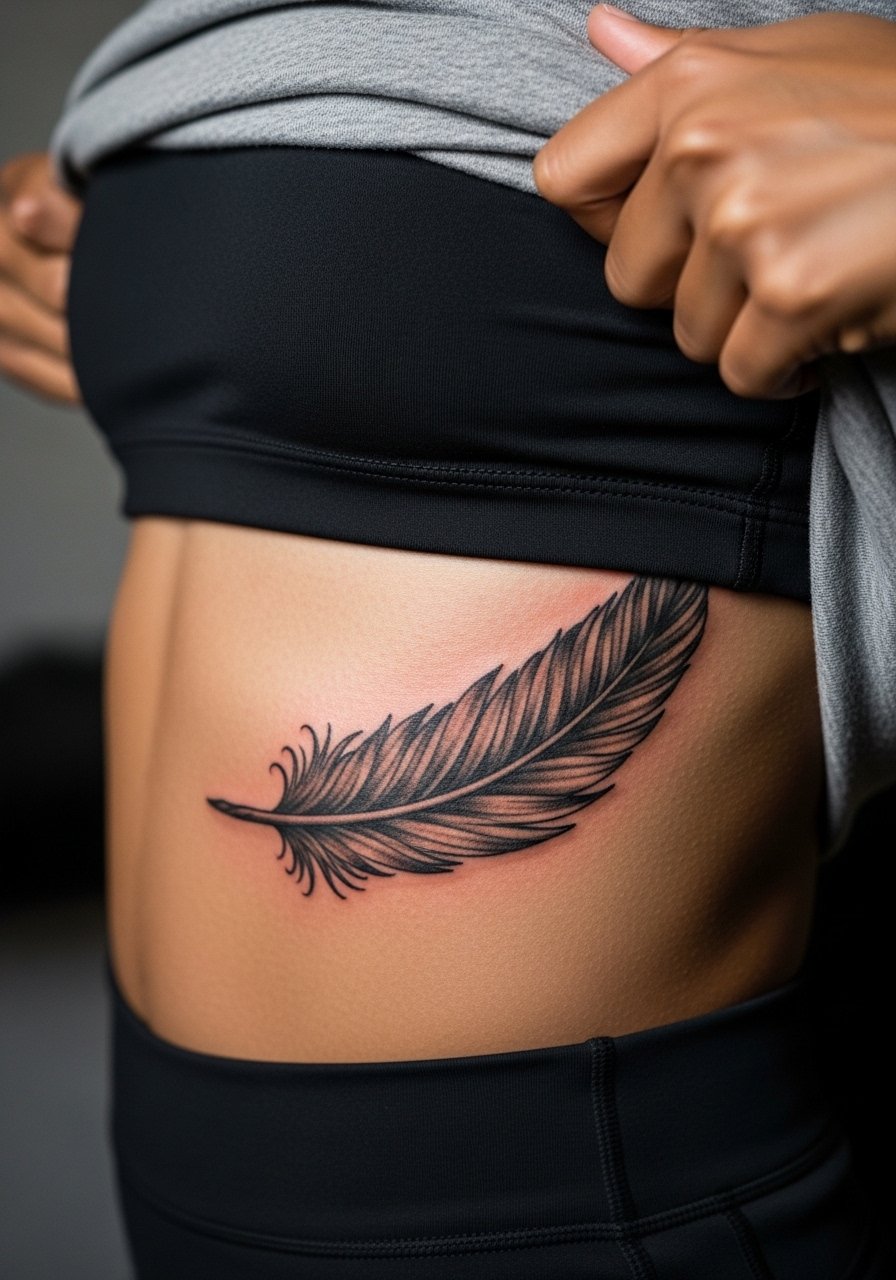
7. Ornamental Feather on the Ribcage
Ribcage tattoos are high on the pain scale, so plan for a patient session and light breathing technique. The feather reads beautifully with layered grey shading that follows the rib curve, but thin single-needle stems in that spot tend to blur because the skin stretches during breathing and body changes. One helpful consultation line is to ask for slightly wider barbs near the shaft so the texture holds over time. Expect significant soreness for 48 hours and avoid tight waistbands while it heals. Consider this spot only if you can sit for an hour or more and want a design that peeks from a cropped top occasionally.
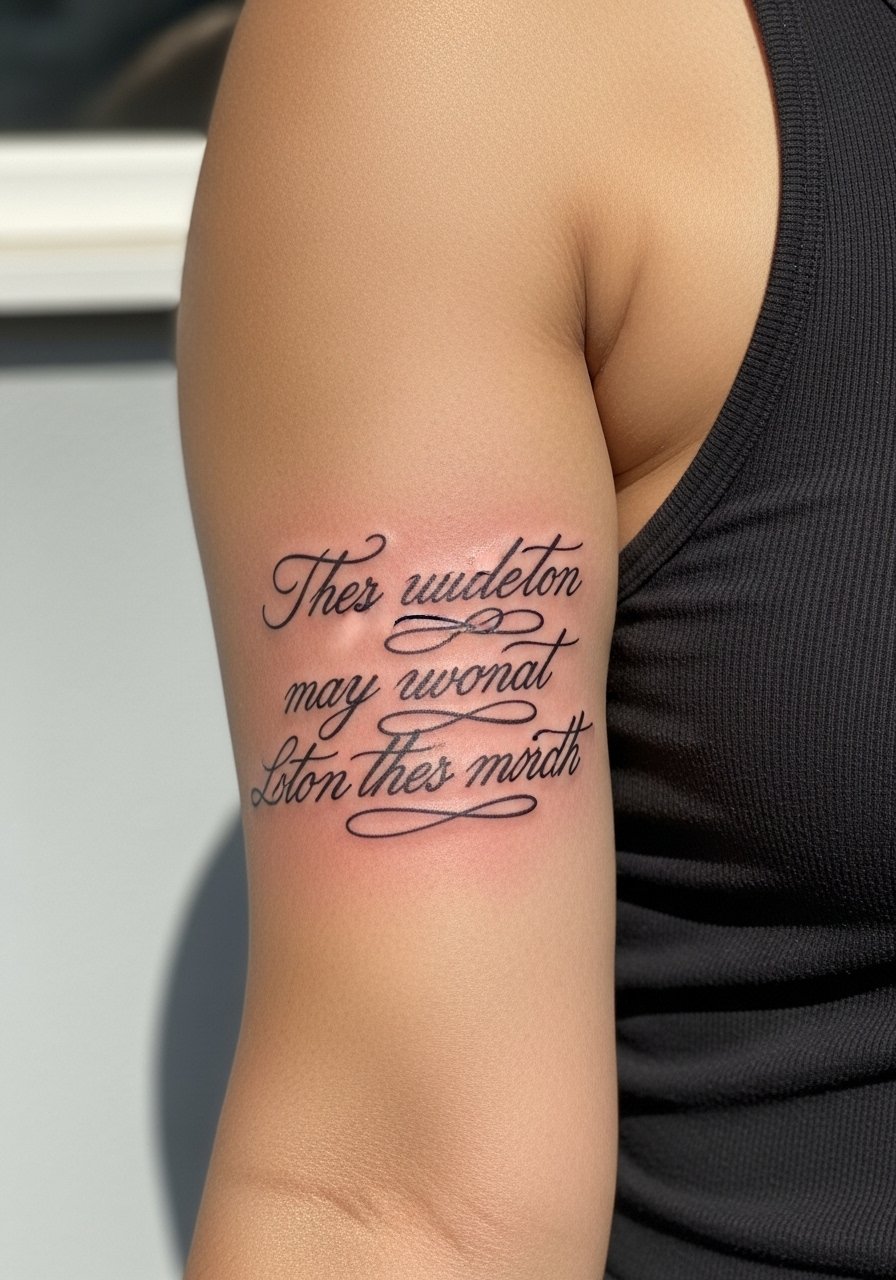
8. Script Quote in Cursive on Inner Bicep
The inner bicep is a classic place for a short quote, but the skin there moves and stretches with muscle gain or loss. If you want the text to remain legible, ask for slightly bolder downstrokes and a compact baseline so the letters do not smear together over time. The usual mistake is picking long phrases that require tiny letters. That choice almost always forces a future touch-up. Sessions here are moderate in pain and quick if the quote stays under two inches wide. For the appointment, wear a sleeveless tank so the artist can raise your arm without tugging fabric.
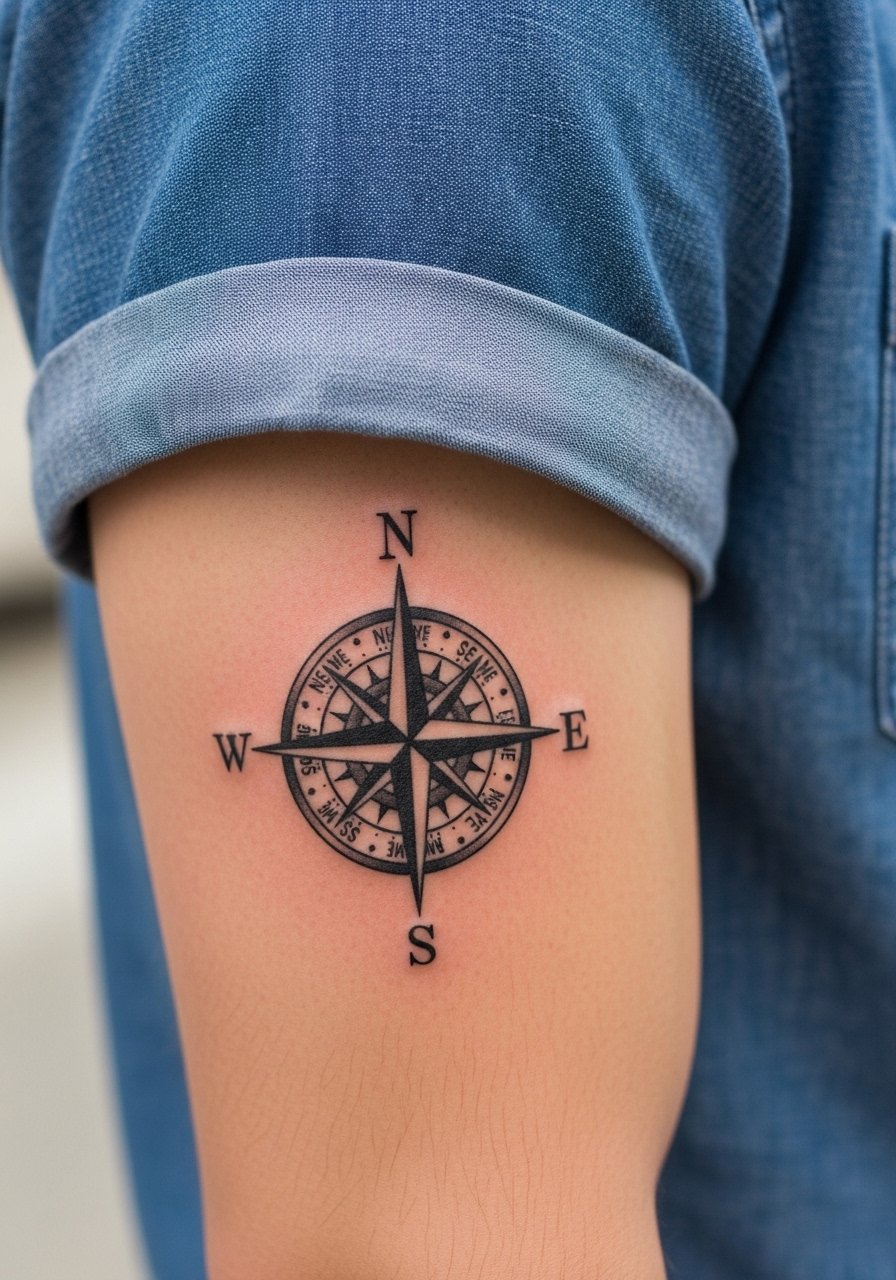
9. Shaded Compass Rose on the Outer Forearm
Forearm compass roses benefit from neo-traditional packed shading because the area handles detail and shows easily. The outer forearm is forgiving for tiny lines, but dense areas must have negative space to avoid merging when the skin ages. Bring a reference that shows the exact compass point thickness you want and tell the artist you prefer a vintage grey wash rather than flat black. Expect low-to-moderate pain and straightforward aftercare. For a rugged look, pair this piece with a rolled sleeve denim shirt and a canvas field watch on the opposite arm so the forearm reads composed.
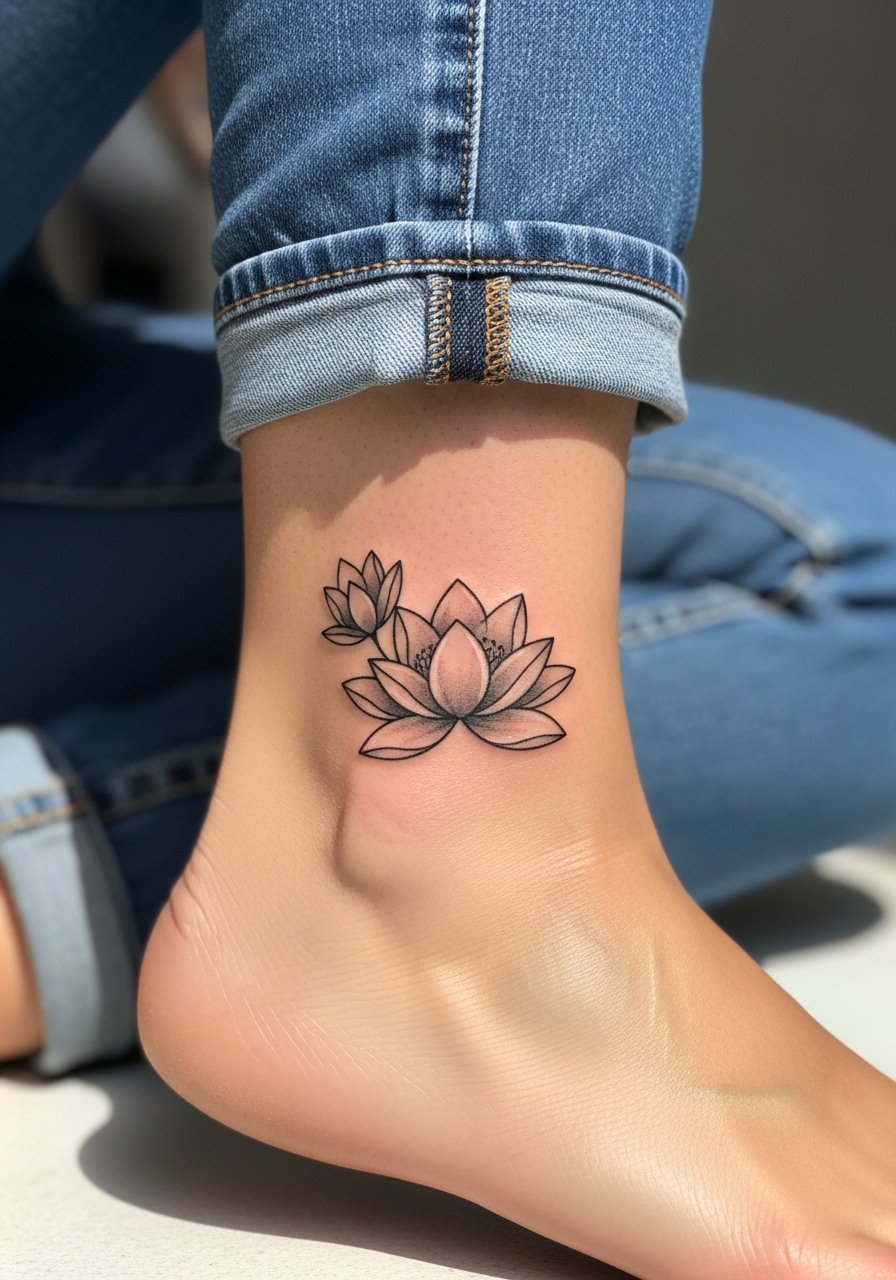
10. Micro Lotus Outline on the Ankle
Lotus outlines in micro size are spiritual without being loud, and they heal fast on the ankle if you avoid tight footwear for the first week. The common error is over-detailing the interior petals at 1.5 inches, which often blurs into a shape. Ask for slightly spaced petal lines and a touch of grey wash to lift the center. The session is short, and the area endures friction from socks and shoes, so plan footwear that keeps pressure off. Touch-ups at year one are normal, but with a clean initial placement this design holds its silhouette well.
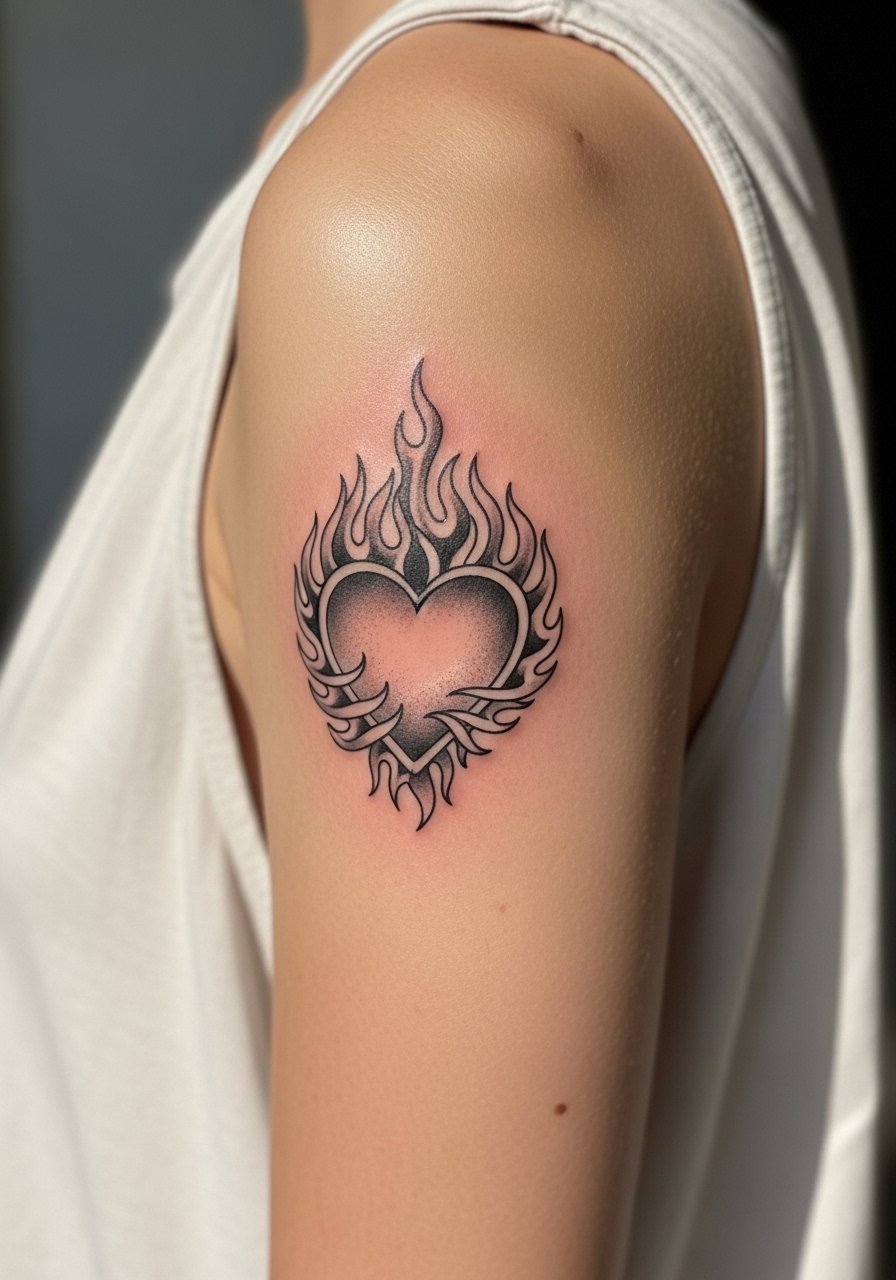
11. Blackwork Sacred Heart on the Upper Arm
Upper arm blackwork is forgiving and a smart choice if you want a bold symbol without color. The sacred heart translates well to layered grey flames because the arm takes saturation without risk of early blowout. A frequent mistake is crowding the design with tiny decorative elements that blur around the edges. Tell the artist you want crisp outer lines with softer inner gradients so the form reads from a distance and in photos. Sessions are comfortable and allow for two passes if you want denser black. For showing it off in warm weather, a sleeveless olive tank frames the upper arm shading.
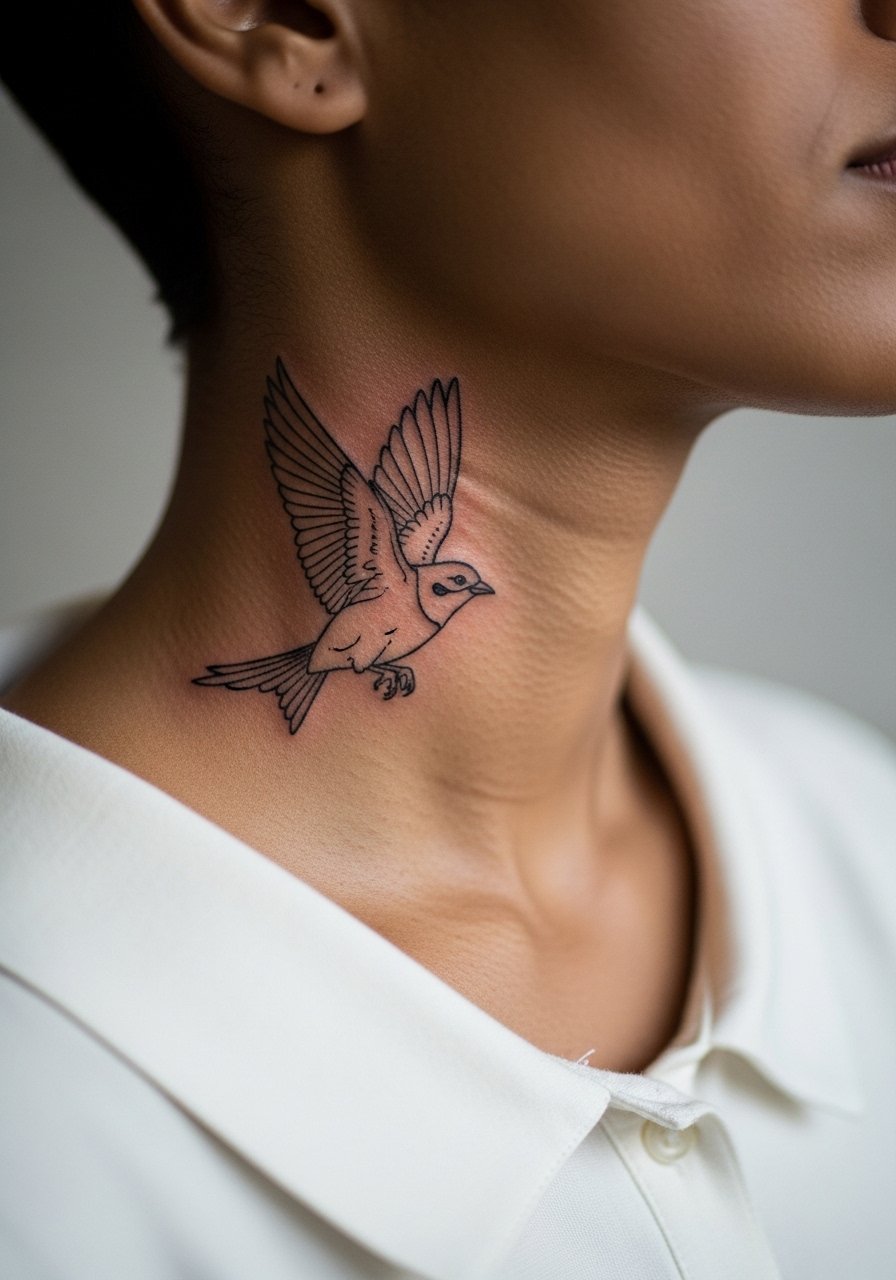
12. Fine Line Bird in Flight on the Neck
Neck placements are high-visibility and they require confidence about career and style. The side neck shows motion well because the muscles create natural curves that make wing shapes look dynamic. Artists warn that even single-needle work here should be spaced and not overly tiny, because rubbing from collars and necklaces accelerates fading. The session is sharp but brief. If you go for this, ask for slightly thicker primary wing feathers and lighter secondary strokes. That choice reduces the need for early touch-ups and keeps the silhouette clean against collarbones and shirts.
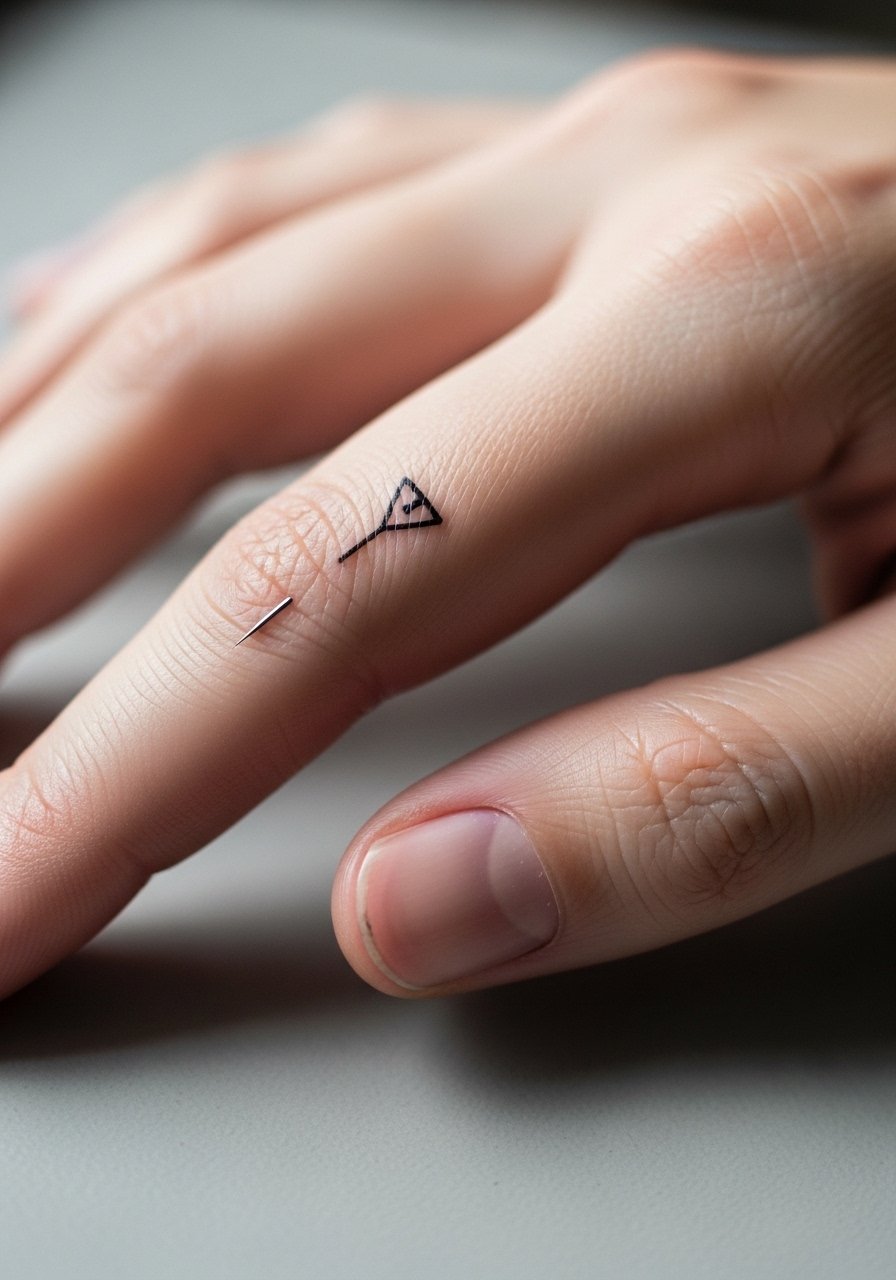
13. Single-Needle Chicano-Style Icon on a Finger
Finger tattoos age differently and they are a place to accept maintenance. Single-needle Chicano icons look crisp at first but the skin on fingers moves and washes often, which pushes pigment toward blur. If you insist on a finger icon, ask for slightly bolder main strokes and sparse dot work rather than dense shading. The session is quick and the top layer settles into the skin in under a week, but expect scheduled touch-ups within 12 to 18 months. Keep in mind that work and frequent handwashing will influence how fast the lines soften.
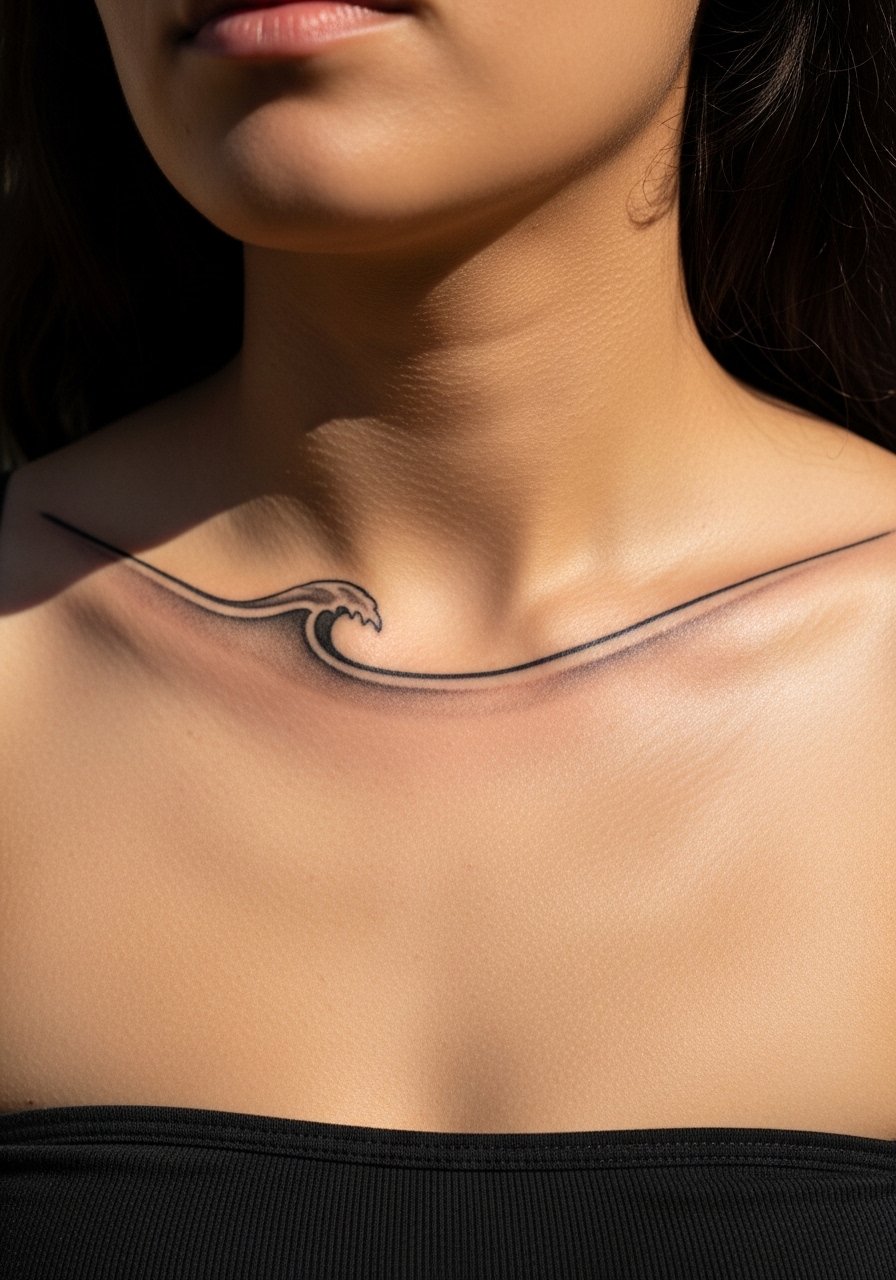
14. Micro Wave Along the Collarbone
A tiny wave that follows the collarbone looks fluid and delicate, and it benefits from a soft grey wash rather than a single faint line. The mistake is placing it directly on the bone edge with no breathing room. That position can scuff with necklaces and create uneven fading. Sessions are short and healing is mostly about avoiding tight straps. If you plan to show it in open-neck tops, pick a placement slightly lateral to the clavicle so the motion reads when you move.
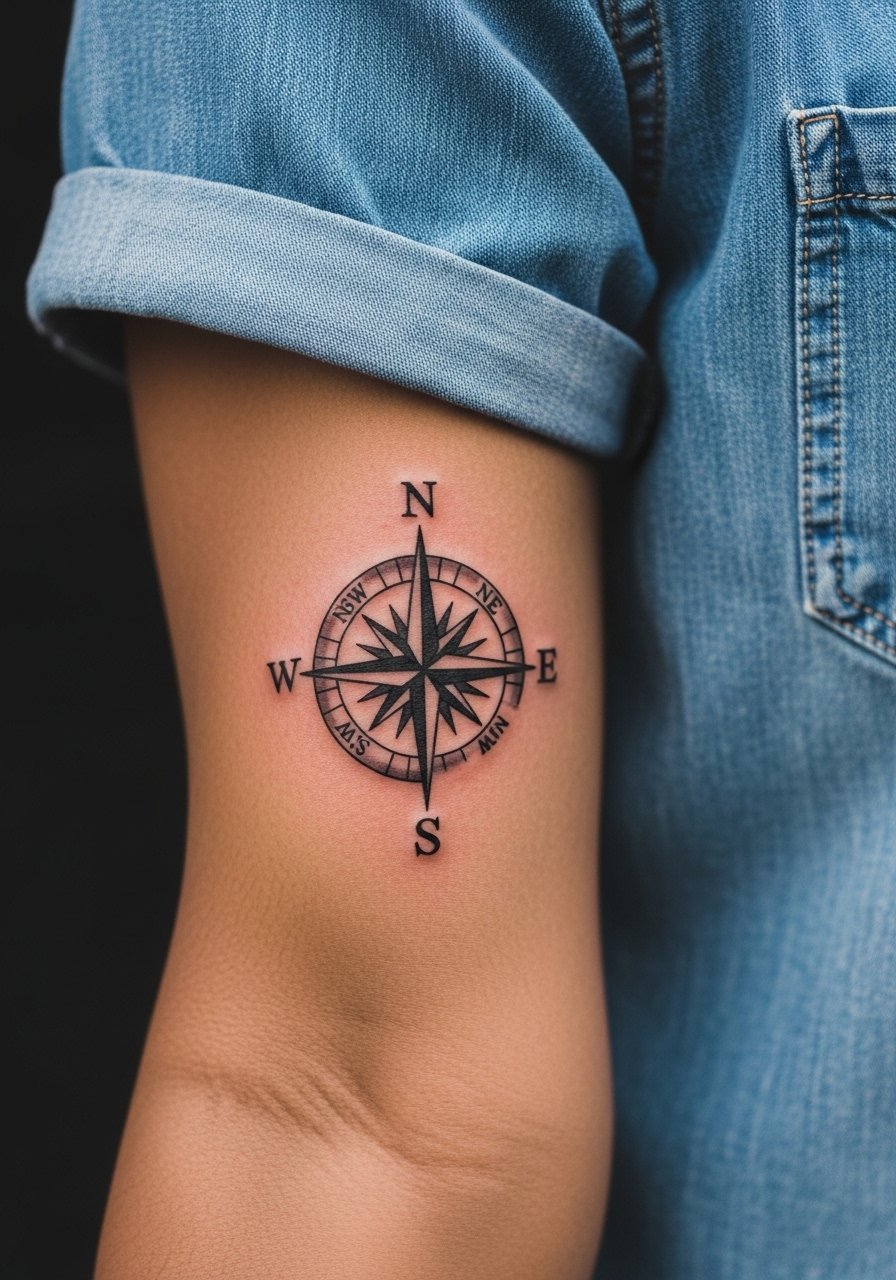
15. Compass Fragment or Mini Nautical Mark on Forearm
A fragment of a compass or a tiny nautical mark works well as a collector piece on the forearm. Keep the directional lines bold enough to survive sun exposure and wear. The typical mistake is overfilling the negative space with micro-dots that compress later. When consulting, point to an example with the exact needle thickness you want and ask for spaced cardinal points so the design keeps its form. For wardrobe pairing, rolled sleeves and a canvas watch balance the forearm without hiding the piece.
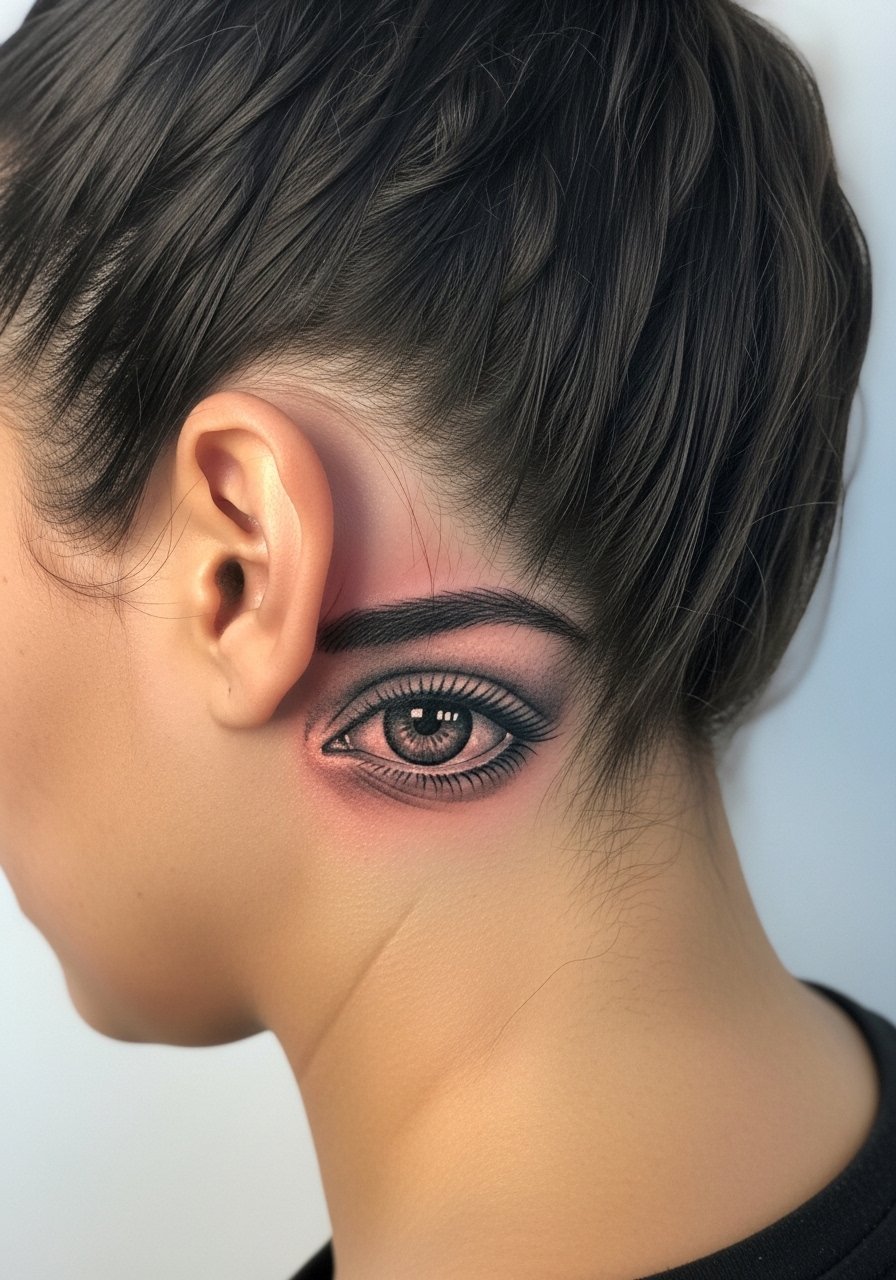
16. Tiny Eye or Symbol Behind the Ear
This spot is for a subtle symbol that only shows when you pull your hair up. Because visibility is intentional, the work can be quite small. The risk is asking for extreme hyper-detail in under an inch, which often loses crispness within a year. Ask for slightly heavier contrast in focal points, and set a realistic touch-up window at 12 to 24 months. The session is quick and the area heals without much friction unless you sleep on that side.
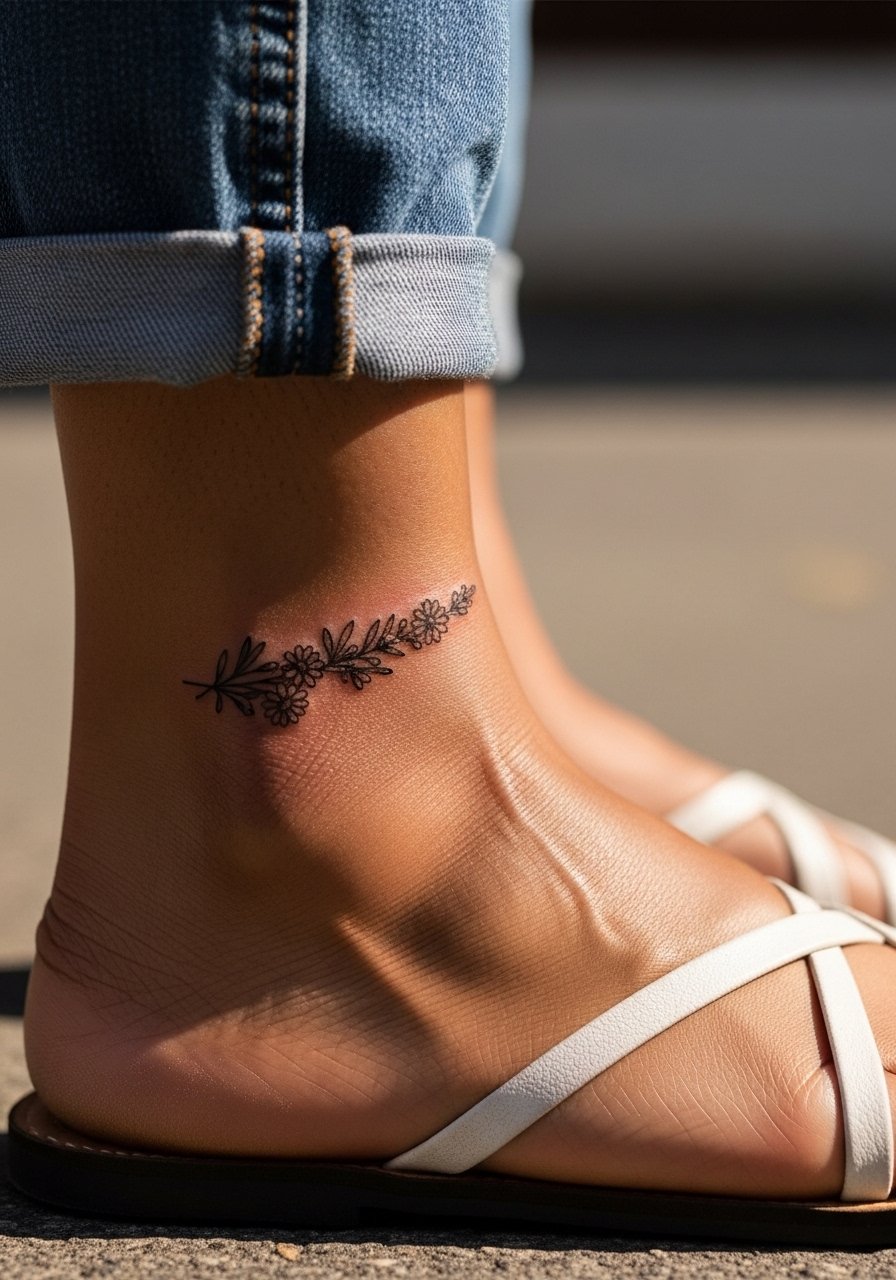
17. Tiny Botanical on the Ankle or Foot
Botanical motifs translate well to the ankle, where the curves give stems and leaves a natural flow. The most common error is compressing too many petals into a very small space. Ask for three to five strong elements rather than a dense bouquet. Sessions are short and the ankle tolerates a fair amount of grey wash, but wear and shoe friction will shape how the edges soften. Plan footwear that keeps pressure off during the first week, and expect a touch-up option if the outline loses definition after a year.
Frequently Asked Questions
Q: Will small black and grey tattoos show up well on dark skin?
A: Short answer, yes when you pick the right approach. High-contrast blackwork and slightly thicker line weight photograph and read better on darker tones than ultra-fine single-needle pieces. Ask your artist for mockups on similar skin tones and for a touch-up plan so you can reinforce lines if needed.
Q: How soon should I plan a touch-up for fine line wrist or mandala work?
A: Expect a touch-up within 12 to 24 months for most fine line wrist pieces. The wrist sees a lot of friction and sun, and artists split on whether ultra-thin work is best there. One camp accepts subtle softening as part of the look. The other camp recommends thicker primary strokes. Either way, schedule a check at year one to see what the piece needs.
Q: Which healing approach is best, breathable film or open air?
A: Artists and collectors are divided. Some prefer breathable film because it keeps the area cleaner and reduces scabbing. Others avoid it, arguing trapping moisture can encourage bacteria. The right choice depends on your skin, activity level, and studio guidance. If you try a film, follow the brand instructions and your artist's timeline closely.
Q: My artist canceled and I lost a deposit before. How do I avoid that?
A: Book through platforms that record cancellations and refund rules, or confirm guest spots early. Ask the studio about their cancellation policy when you pay a deposit and keep proof of payment. Small shops and guest artists sometimes shift schedules, so build a timeline cushion before a trip or event.
Q: Do I need to change what I wear to the appointment based on placement?
A: Yes, wear something that gives clean access to the area without rubbing fresh ink. For the shoulder blade bring a loose tank top you can pull aside. For ankle work go with shorts or jeans you can roll up. These choices make the session faster and reduce fabric rubbing during healing.
Q: How does weight gain or muscle change affect small tattoos on ankles and forearms?
A: Body changes can stretch fine details, especially on the ankle and inner thigh. If you anticipate large changes, choose placements like the forearm or upper arm that tolerate shifts better, and ask the artist to draw a version that anticipates some stretch so the main shapes remain readable.