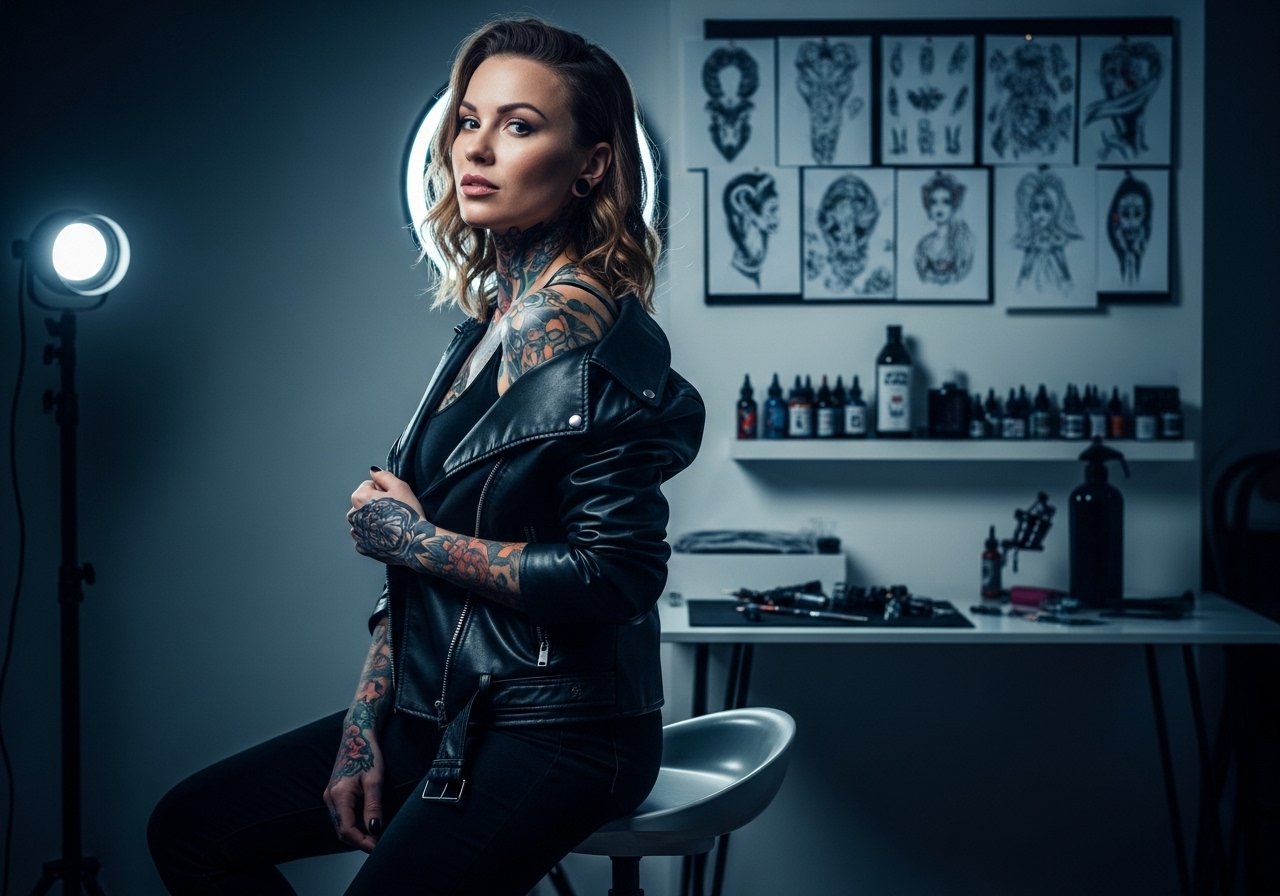
Fine line is everywhere on boards right now, and the surprise is how much placement and skin type decide whether a piece still reads crisp at year three. People worry about blowout, line fade, and size that suddenly looks too big or too small when the stencil sits on skin. Below are 21 practical, style-forward manta ray ideas with placement, consultation notes, and outfit tips that help the design last.
1. Minimalist Manta Ray Outline on the Wrist
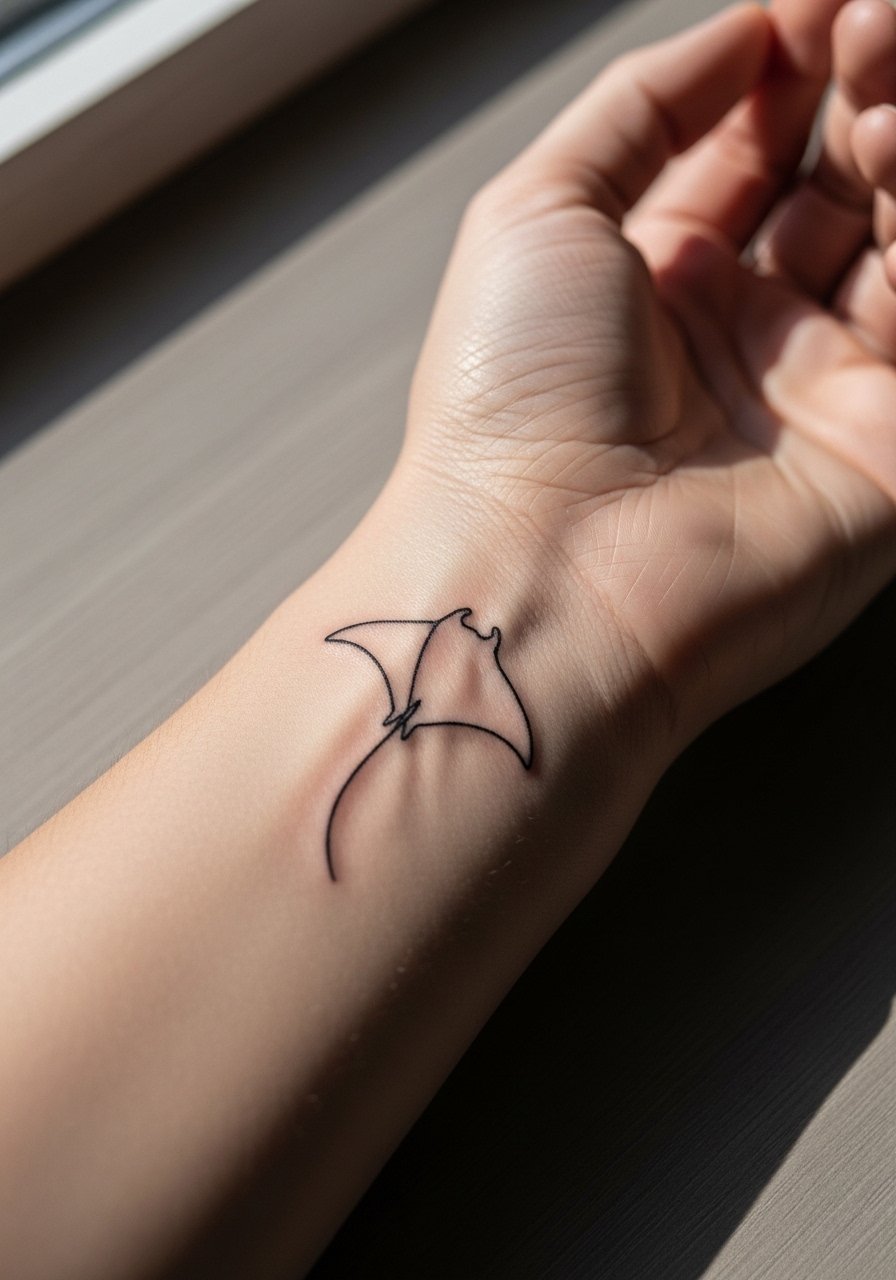
This tiny wrist option is honest about its limits. I recommend it when someone wants a discreet symbol of freedom that still reads clear after a year. Tell your artist you want a single continuous contour and slightly more spacing at the wing hinge so the linework does not merge with motion on the joint. Common mistake is asking for ultra-thin hairlines on the wrist, which can diffuse faster because of constant washing and friction. Pain is mild, session time is short, and expect a touch-up window around year two if you notice softening. For showing it off, a thin silver cuff on the opposite wrist frames the piece nicely, and for the session wear a sleeveless tank top so the artist can position your arm easily.
2. Fine Line Manta Ray with Waves on the Inner Forearm
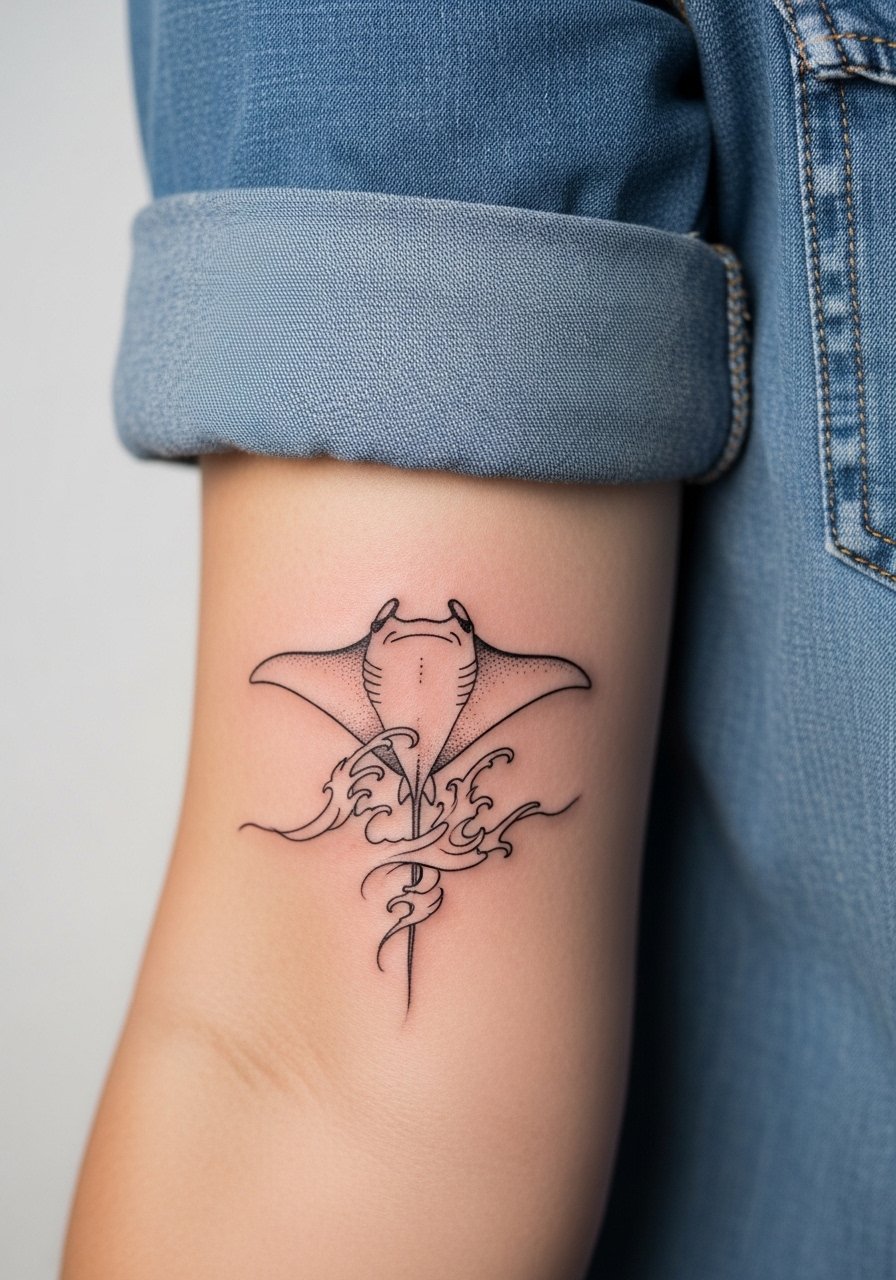
I see this one on curved arms a lot because the wave motion follows natural contours. Say in consultation that you want the waves to wrap with muscle flow, not fight it. A common aging issue is crammed wave detail, which blurs into a gray area at year three. Ask for modest spacing between wave lines and a slightly bolder spine line on the ray. Inner forearm pain is moderate, session usually one to two hours, and touch-ups are common at year three for fine line pieces. For showing it off, roll a sleeve and pair with a rolled sleeve chambray shirt, the soft navy or white lets the blackwork read without distraction.
3. Tribal Manta Silhouette on the Shoulder
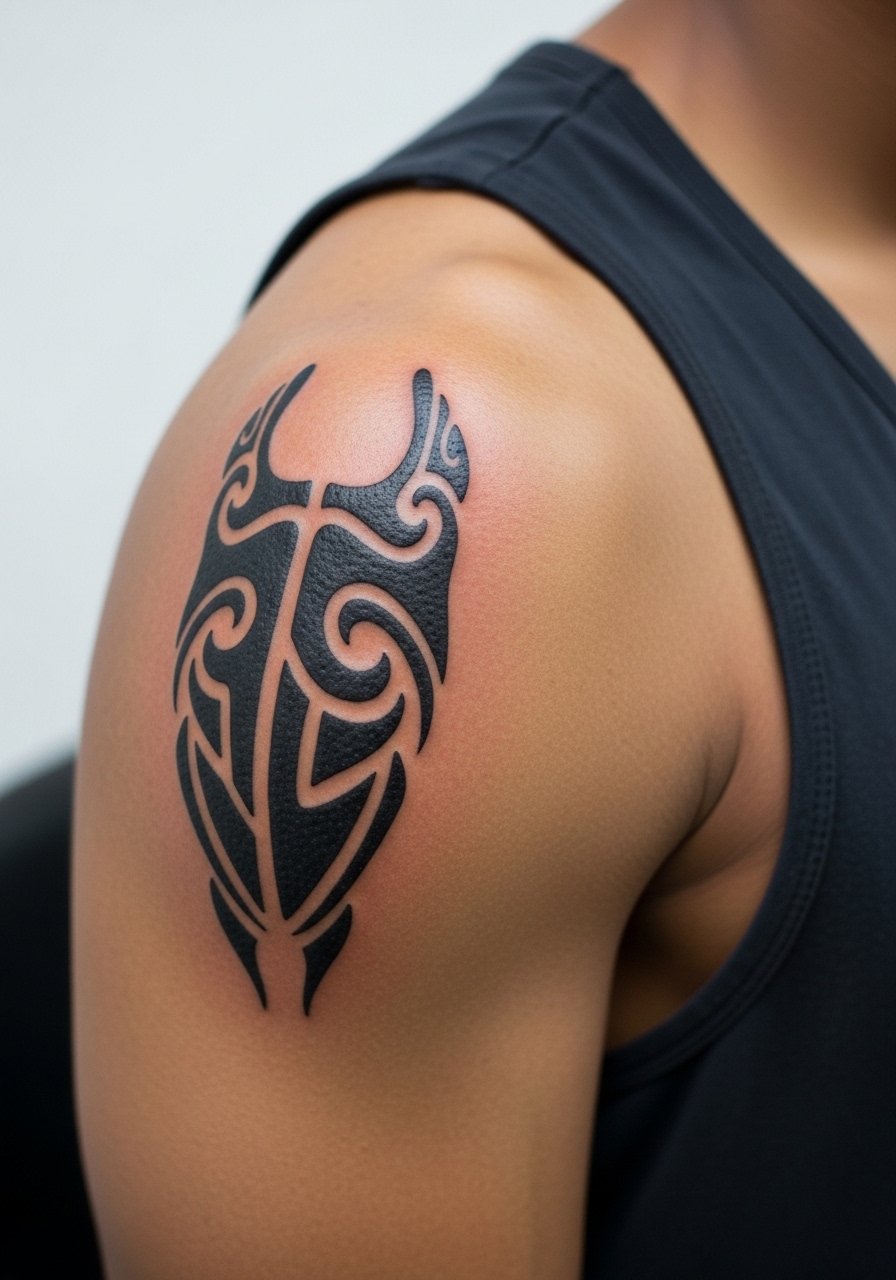
This silhouette plays to contrast and longevity, which is why people choose it for shoulders. During the consult, specify where you want negative space inside the wing to keep the shape readable on different skin tones. A mistake I see is requesting tiny filigree inside a large silhouette, which can age into noise. Shoulder placement tolerates saturation well, pain is low to moderate, and two sessions are common for larger pieces. For session comfort wear a loose tank top you can pull aside. Note on cultural patterns, if you borrow Māori or Pacific motifs adapt them respectfully rather than copying sacred clan designs.
4. Neo-Traditional Manta Ray in Flight on the Thigh

Outer thigh is forgiving for color and gradation, so neo-traditional saturation lives here. Tell your artist you want color accents that read from afar, not tiny stippled highlights that disappear with healing. The main mistake is cramming too much secondary imagery into a medium canvas, which makes the manta lose its silhouette. Thigh sessions feel like steady pressure rather than sharp stings, and a medium-sized piece usually runs one to two sessions. For show-off styling pick high-waisted denim shorts so your color accents peek out in summer.
5. Blackwork Geometric Manta Ray on the Upper Arm
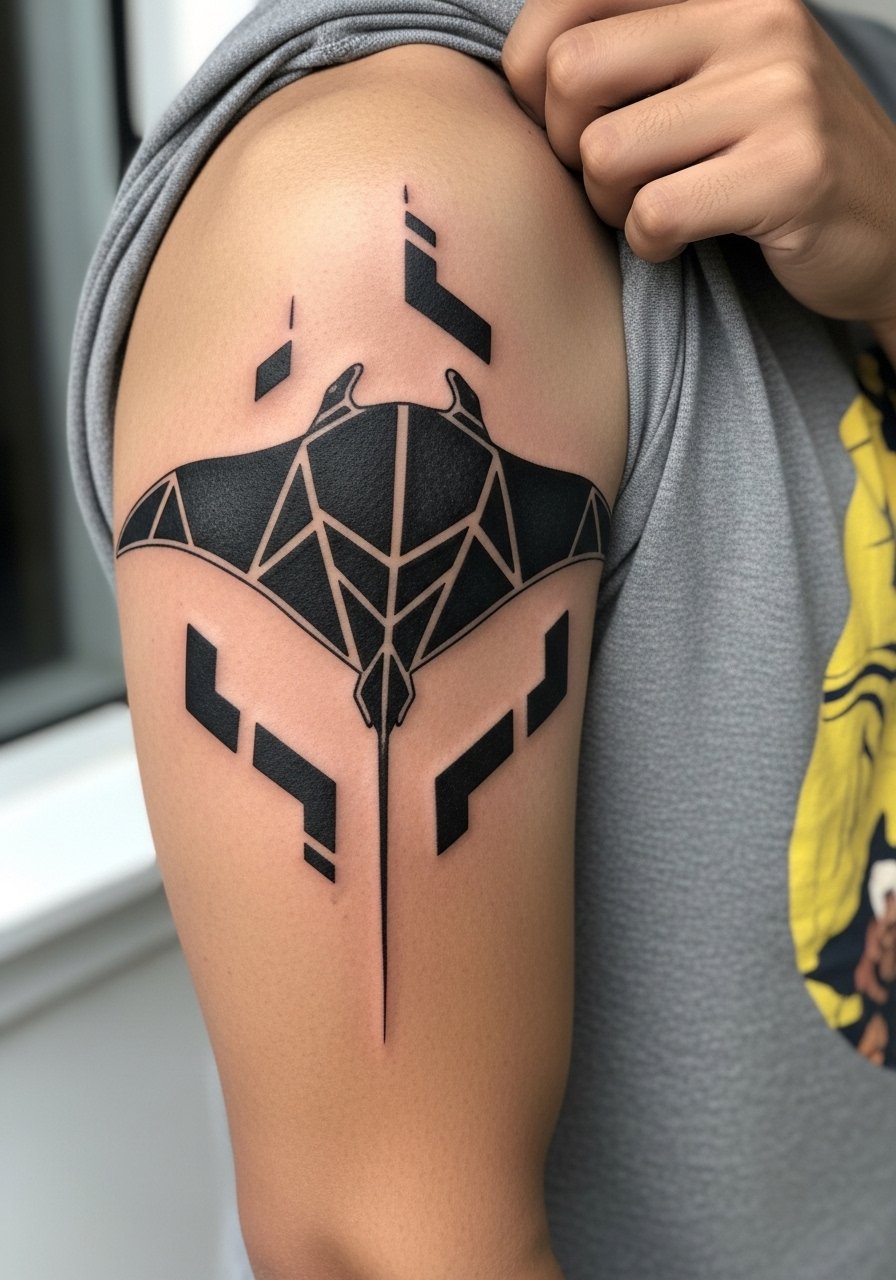
Blackwork loves the upper arm because there is room for heavy saturation and sharp edges. In consultation, indicate whether you want solid fills or a more architectural mix of negative space. A common error is shrinking a geometric composition too small, which causes adjacent blacks to bleed into one form as skin shifts over years. Expect multiple sessions for large blocks and a touch-up at one year for saturation top-off. For casual styling roll up slim joggers and wear a short-sleeve button-down shirt on warm days to let the geometry show.
6. Watercolor Manta Ray Splash on the Ribcage
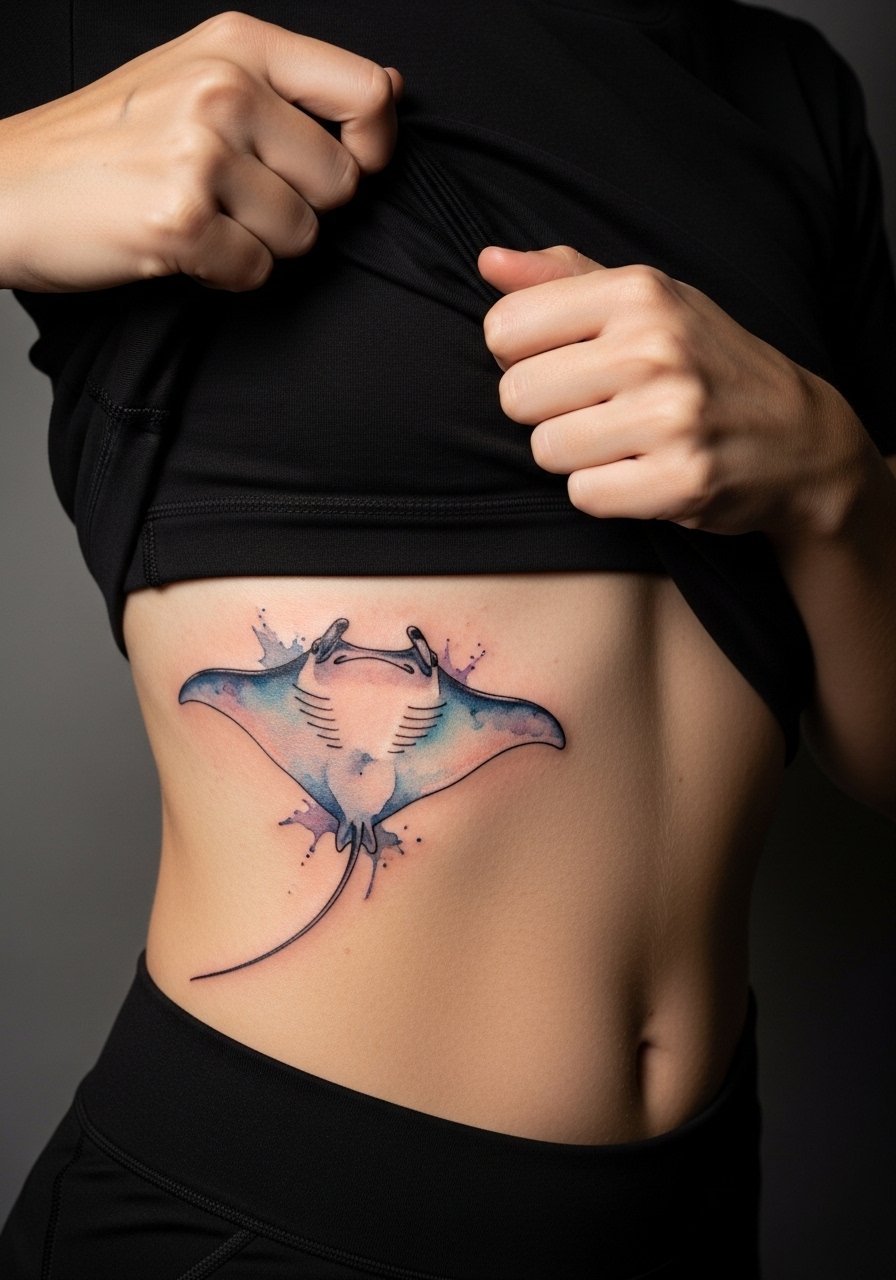
Fair warning, the ribcage rates high on the pain scale, and that influences how long you can realistically sit. Artists split on whether fine line holds on the ribs. One camp says the skin stretch and movement blur thin lines in two years. The other camp argues that with careful depth and spacing, fine line can hold just fine. Ask your artist which camp they fall into and why. Watercolor needs a stable base line so colors do not float away during healing. Session time can stretch, so plan for breaks and wear a fitted sports bra you can adjust for access.
Studio Day Picks
The first six ideas above include sensitive rib and wrist placements, and a few require prep items that smooth the session and early healing.
- Stencil transfer paper kit. Lets you preview the linework on your skin before the needle touches it, which is useful for the fine line forearm and wrist pieces above.
- Topical numbing cream. Applied about 30 to 45 minutes before the appointment it takes the edge off sensitive rib and inner thigh sessions without affecting how the artist works.
- Thin protective film roll. Keeps wrist and finger tattoos clean during the first week when friction from typing and washing is highest.
- Fragrance-free body wash. Gentle cleansers help rinse without stripping color from watercolor or fine line work.
- Aquaphor healing ointment. A thin layer in the first days soothes the area and protects delicate line channels on small wrist or behind-ear pieces.
7. Micro-Realism Manta Eye Behind the Ear

Tiny micro-realism behind the ear reads intimate and watchful. If you pick this, be specific about the focal point, for example "a single detailed eye" rather than a whole creature shrunk down. Artists warn that dense realism behind the ear can lose contrast as hair rubs and touch-ups become necessary. The mistake is asking for too much tonal work in a one-inch canvas. Pain is low, session is quick, but plan a touch-up at year one if contrast softens. For the appointment, have hair up and wear a wide-neck shirt so the area is accessible.
8. Ornamental Manta Ray Mandala at the Collarbone

Ornamental mandalas pair well with collarbone placement because the bones frame symmetry. In your consult say you want dot-work spacing that breathes rather than overcrowded filigree. A frequent error is packing too many tiny dots into a small collarbone piece, which can blend into gray at two years. Pain on the collarbone is moderate. Expect one to two sessions and a possible touch-up for line crispness. For evenings out a thin chain pendant necklace sits above the work without competing, and for the session a wide-neck shirt pulled slightly aside gives the artist clean access.
9. Ignorant-Style Sketch Manta on the Inner Bicep
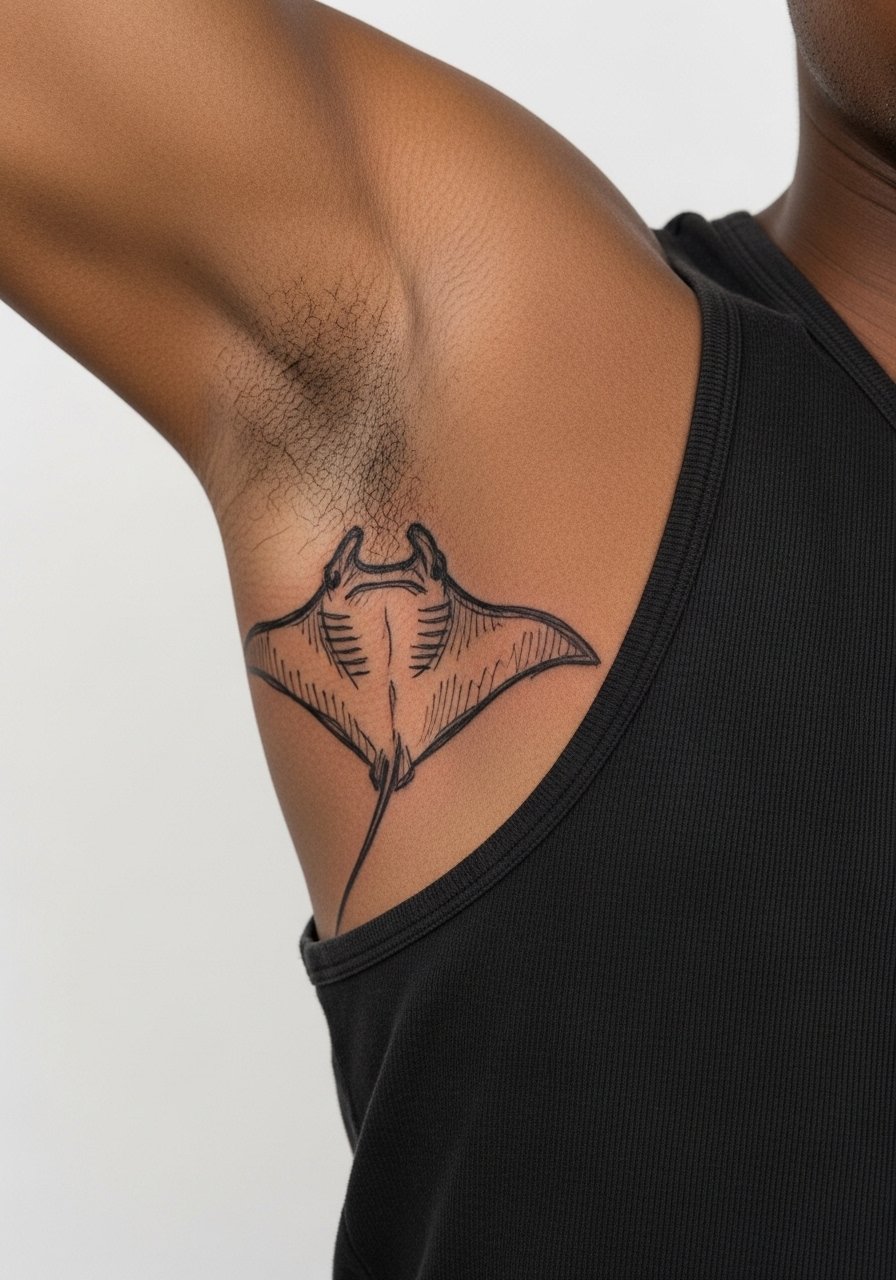
The ignorant style celebrates imperfect strokes and looks intentionally raw. Tell your artist you want visible, uneven stroke ends and a loose silhouette rather than polished linework. The trap is asking an artist to mimic hand-drawn shakiness without discussing how it will fade; irregular strokes sometimes soften into smudges if placed too small. Inner bicep pain is moderate and the skin there can be mobile, so keep the design a bit larger than you think. For comfort wear a tank top with the arm easy to raise.
10. Traditional Manta with Anchor on the Forearm
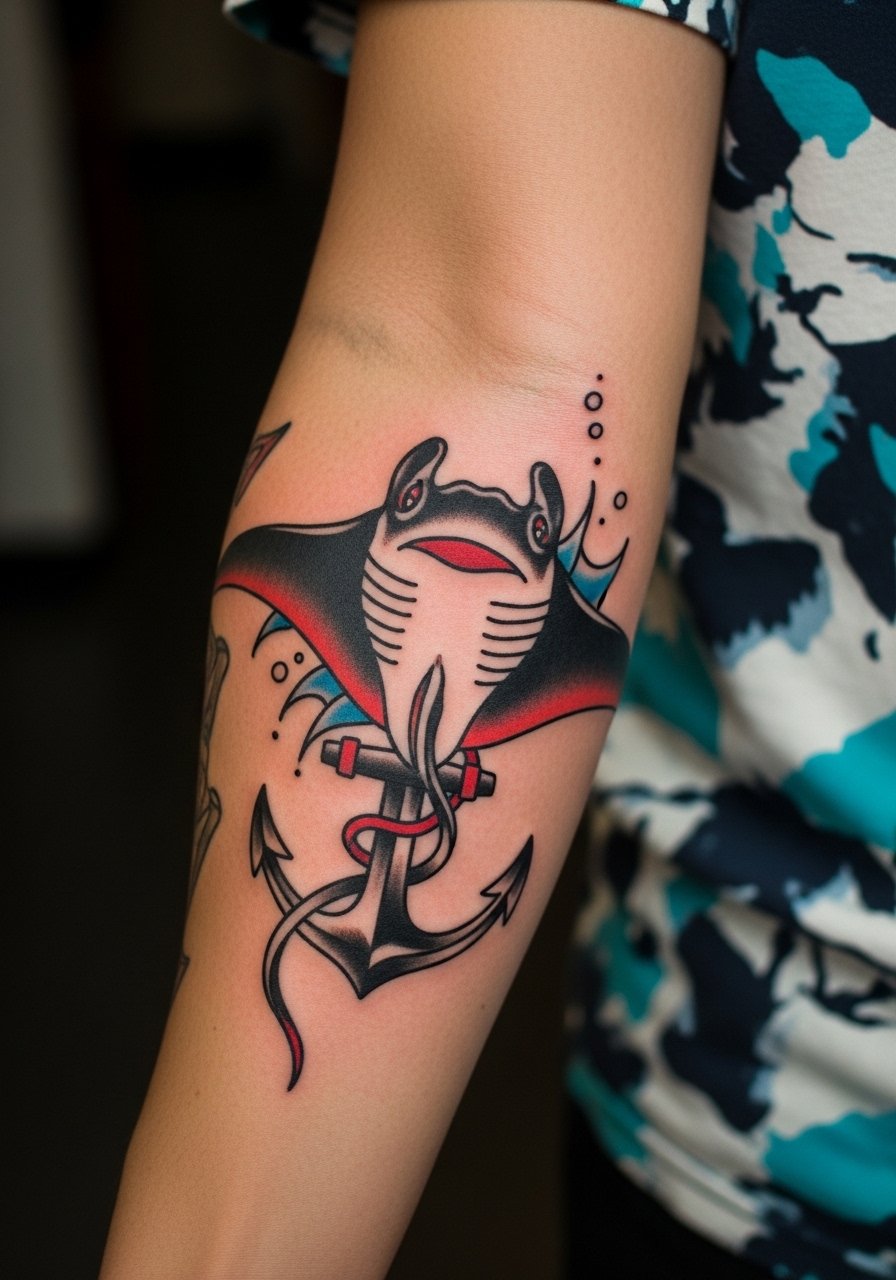
Classic traditional work ages predictably because it relies on bold outlines and saturated color. Ask for thick outlines and open color fields in the consult so the piece maintains contrast as it heals. A bad version is one with thin outlines and tiny color fills, which often lose definition. Forearm placement is forgiving for touch-ups and the session feel is steady. For casual wear pair with a loose short sleeve tee to show off the anchor motif.
11. Maori-Inspired Manta Integration on the Calf

Māori and Pacific motifs require respectful treatment because pattern language can be culturally specific. If you want that look, ask for inspired forms and a conversation about provenance rather than a direct copy. Calf placement holds solid blackwork well, but the mistake is shrinking intricate koru elements into too-small spaces. Calf sessions are moderate in pain and usually finish in one to two sittings depending on scale. For showing it off roll up slim joggers or wear sandals and consider open toe sandals in summer.
12. Geometric Sacred-Geometry Manta on the Upper Back

Sacred geometry looks striking on the upper back because you can center symmetry along the spine. In the consult mention how much negative space you want so the pattern can breathe. The common error is making the geometry too dense, which creates visual mud once healed. Pain is moderate and sessions depend on scale. For showing off choose open-back tops and for the appointment a loose button-down shirt you can remove or pull aside.
13. Tiny Ankle Silhouette

Ankle minis are charming but fragile because of constant rubbing from socks and shoes. I recommend a clean silhouette with slightly bolder lines than you would pick for a wrist mini. Error to avoid is requesting hairline details on the ankle. Expect slower touch-up needs because the area suffers friction. For the session wear pants you can roll up and consider ankle roll sweatpants to protect healing when you first go home.
14. Sleeve Accent: Manta Ray and Coral Flow
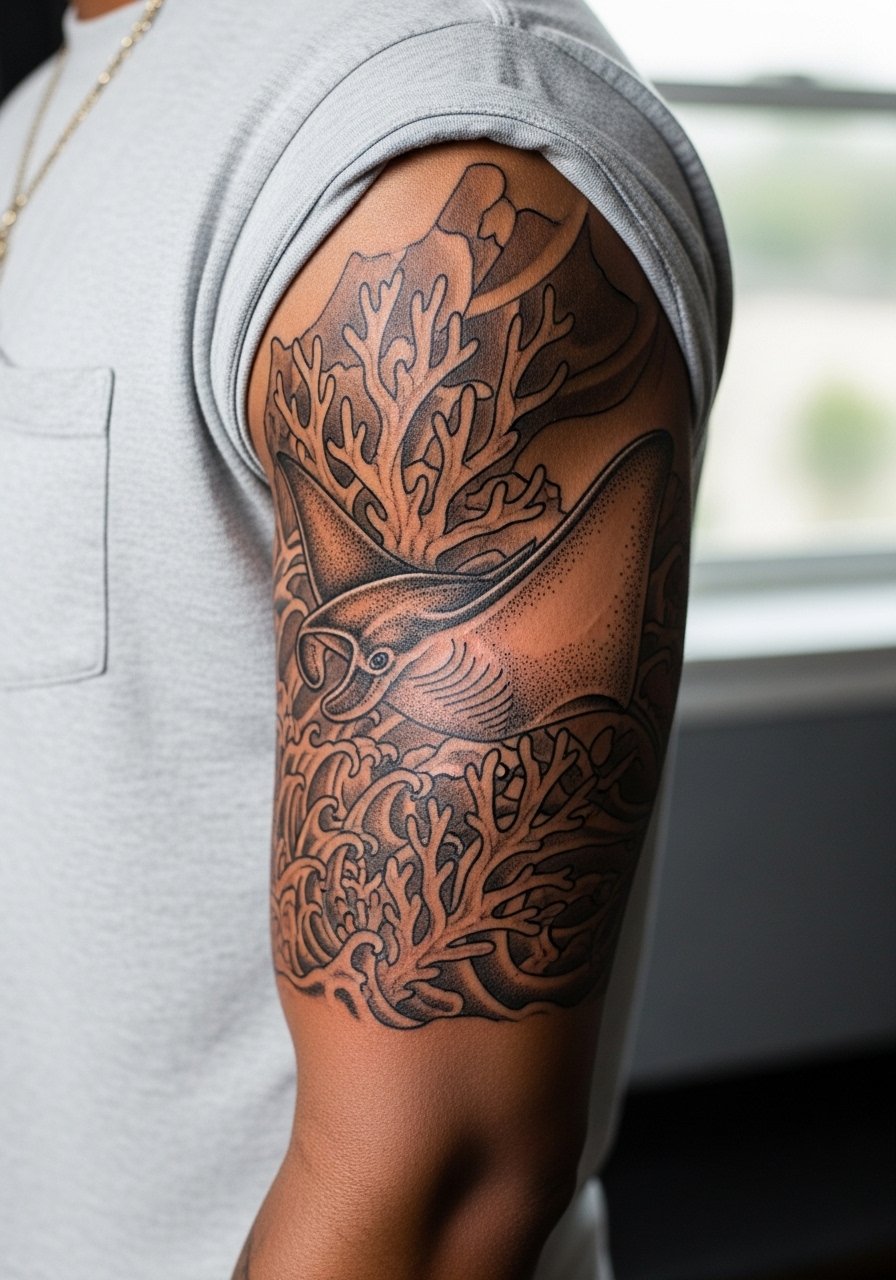
For a sleeve accent, the manta should act as a focal negative space between heavier pieces. Tell your artist where you want the manta silhouette to breathe so it does not get crowded by background coral. A typical mistake is stacking too many small motifs around the manta, which reduces its visual impact. Sleeve work ages differently across zones, so plan for touch-ups in two to three years for areas with lighter saturation. For showing it off roll sleeves or wear a rolled sleeve chambray shirt to reveal the flow.
15. Sternum Symmetrical Manta
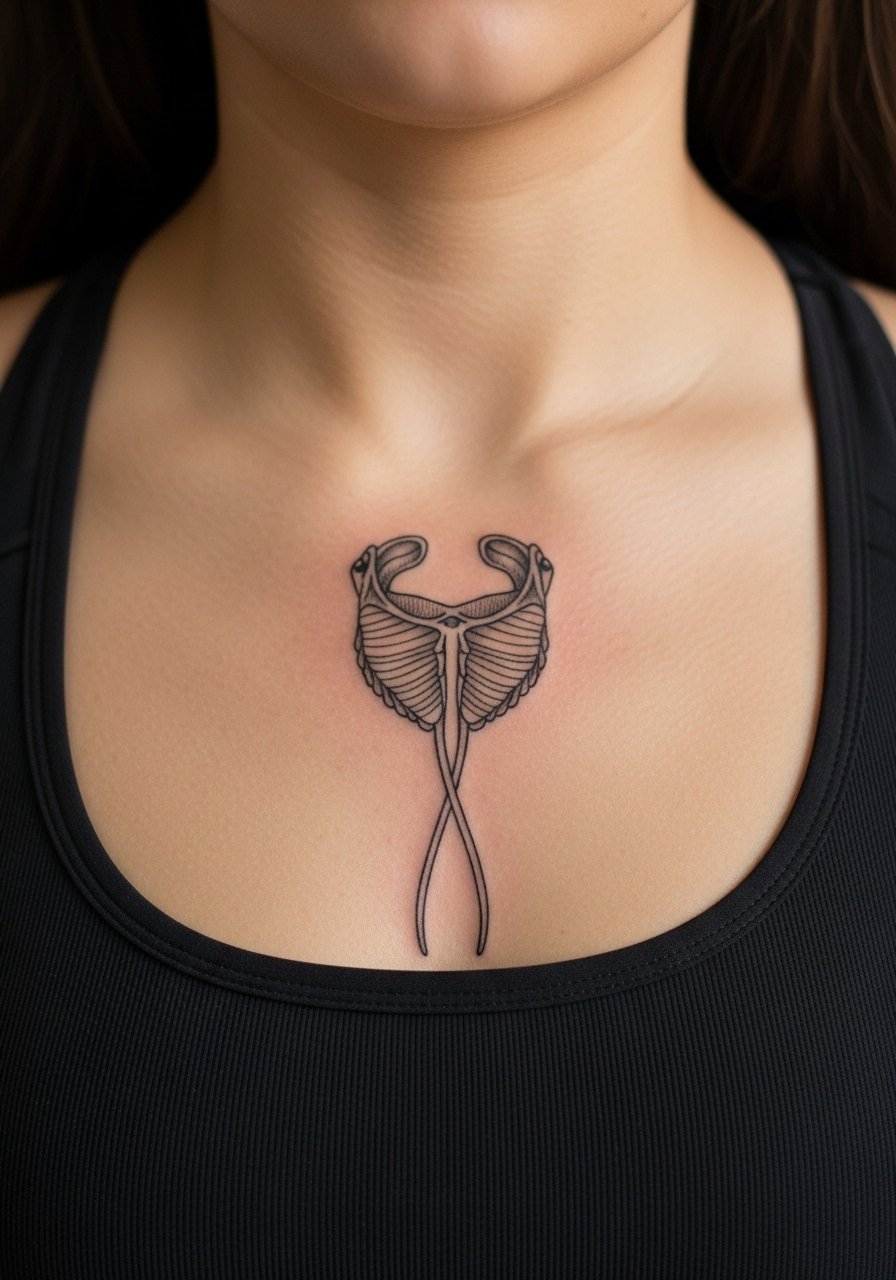
Sternum work needs a strong conversation about scale because too-small symmetry loses its center as the skin moves. Artists debate fine line on sternum; one side says the area stretches and blurs, the other says spacing and depth manage that risk. Be explicit in consult about margin sizes around the central axis. Pain is higher here and sessions can be intense. For the session wear a fitted sports bra that lets the artist work while keeping you comfortable.
16. Finger Micro Manta
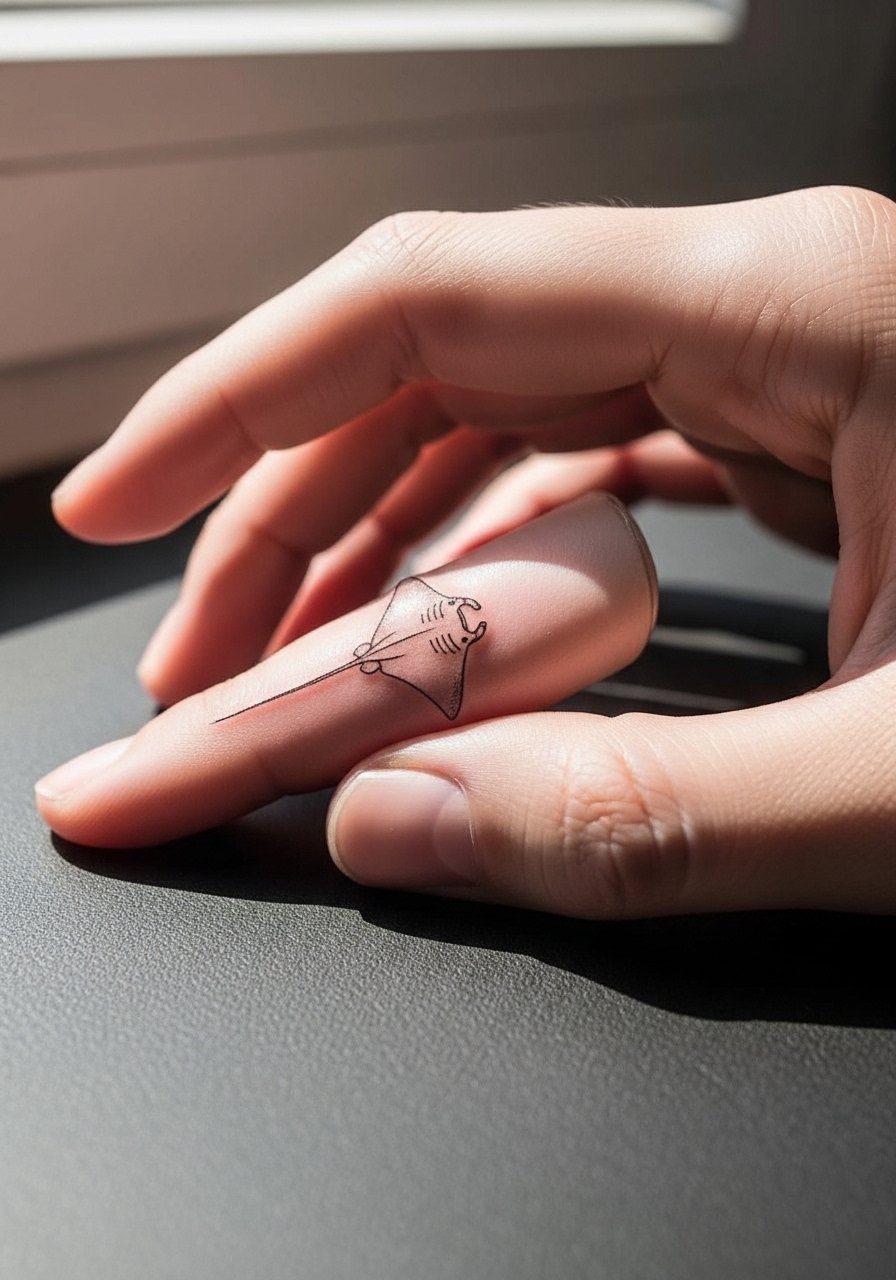
Finger tattoos are convenient but they fade faster because of constant washing and skin turnover. For longevity request slightly thicker linework and agree with your artist on spacing that is a bit wider than the original flash. The common mistake is expecting a finger tattoo to hold as long as forearm work. Pain is brief but sharp, and plan on touch-ups within one to two years. For appointment-day ease, wear a short-sleeve top and bring a thin silver cuff bracelet to frame the hand afterward if you want styling ideas.
17. Bold Calf Silhouette with Geometric Fill
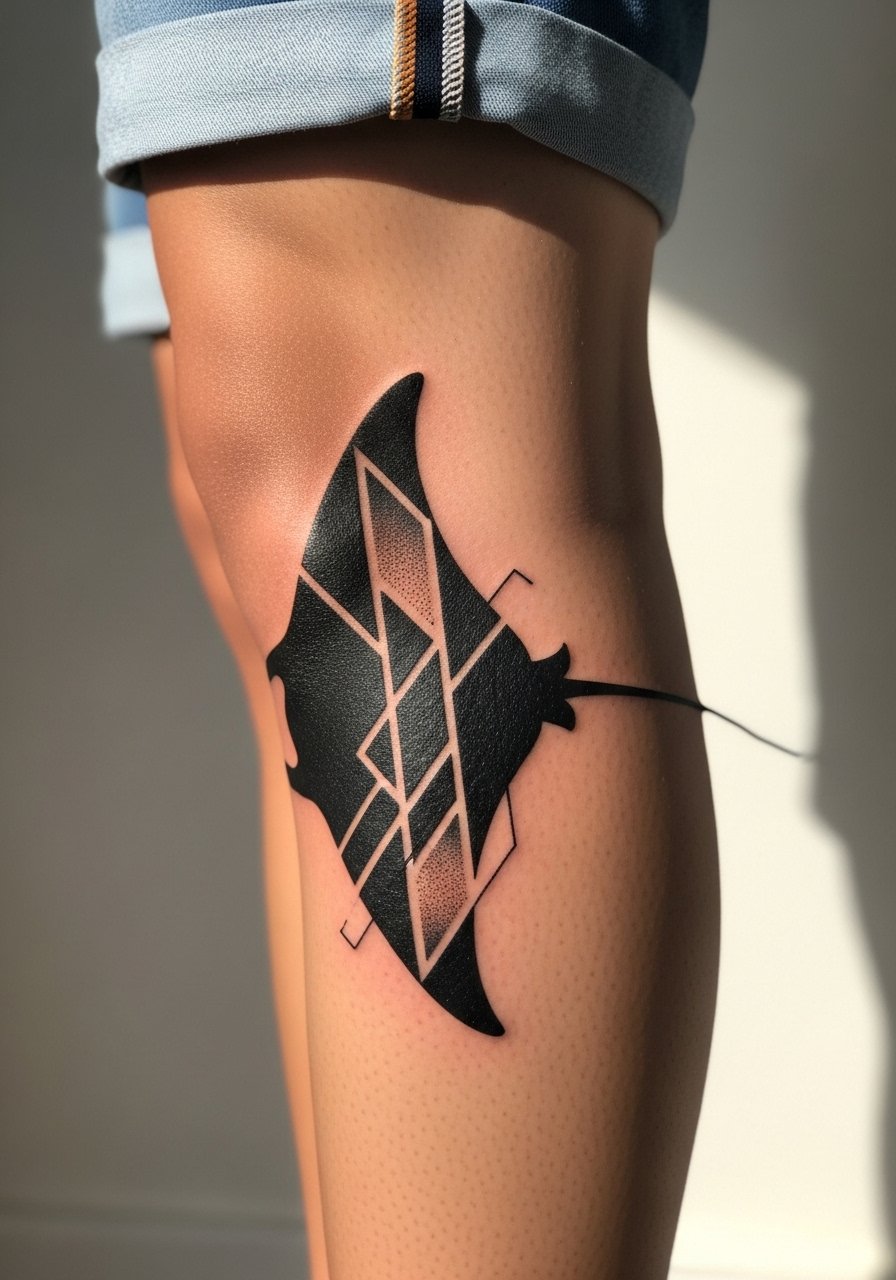
Calf placement tolerates big black silhouettes and crisp geometry because the skin is thicker. When consulting, indicate how much solid black you want versus patterned negative space. People sometimes pick too many micro patterns and then regret the loss of a clean manta outline. Sessions are usually comfortable and large black areas may need two sittings. For show-off days roll slim joggers and consider a slim joggers men look for clean lines.
18. Inner Thigh Watercolor Flow

Inner thigh watercolor feels private and painterly but healing needs care because of friction and sweat. In your consult request larger color fields rather than tiny droplets so the wash heals evenly. A common mistake is expecting delicate watercolor transitions to match forearm performance. Pain is moderate to high, and sessions can require repositioning. For the appointment wear loose athletic shorts you can shift to reveal the area.
19. Upper Back Constellation Manta
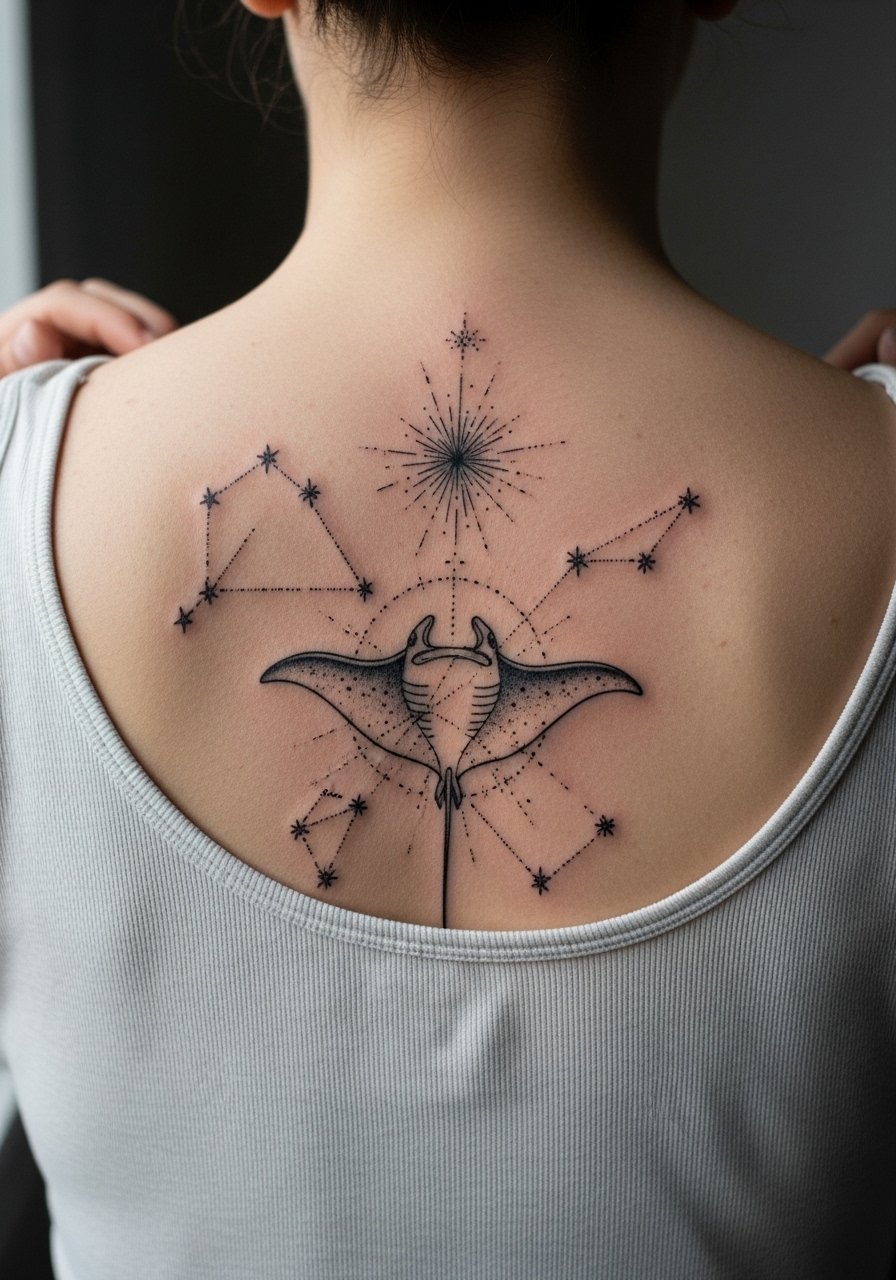
Centering a manta within a constellation uses negative space well and gives the eye room. Tell your artist where you want anchor points so the constellation does not crowd the manta. Mistakes include placing too many tiny dots that read as noise over time. Upper back sessions are moderate and can be spread across sittings. For showing it off wear a tank top with an open back.
20. Collarbone Mini Ornamental Accent

A small collarbone accent works when you want an elegant, meditative symbol. Ask in the consult for dot work spacing and stronger main lines so the piece keeps its silhouette against movement. The error is requesting too tight dot clusters that blur into gray patches. Pain is moderate and the session is short. For a minimal show-off add a thin chain pendant necklace that sits above the design.
21. Retro Sketch-Style Shoulder Blade Piece

Shoulder blade is an ideal canvas for a sketchier take because it lets lines breathe without constant rubbing. In the consult show a few hand-drawn references and ask for confident, varied stroke widths. People sometimes ask for an overly distressed look that becomes muddy when healed. Sessions are moderate and touch-ups are less frequent than on joints. For session wear a loose tank top so the area is accessible.
Frequently Asked Questions
Q: How long will a fine line aesthetic manta ray tattoo hold crisp detail on a forearm?
A: From what I've seen, fine line on a forearm can hold crispness for two to three years before subtle softening appears. The lifetime depends on line spacing, how much sun exposure the area gets, and whether you live active with frequent abrasion. Ask your artist about slightly stronger spine lines and an annual check-in for touch-ups.
Q: Are tribal and Māori-inspired manta patterns appropriate if I am not from those cultures?
A: You can wear inspired motifs respectfully by asking the artist to adapt pattern language rather than copying sacred symbols. One camp prefers outright avoidance of certain motifs unless invited; another supports adapted, crediting approaches. Bring the question up in consultation and discuss origin, intent, and tasteful variation.
Q: Will a watercolor manta ray on the ribcage fade faster than a blackwork silhouette?
A: Watercolor relies on soft pigment distribution and tends to show fading more readily than bold blackwork. Ribcage placement adds movement that can affect pigment settling. If longevity matters pick bolder anchor lines or plan for color refreshes in two to four years.
Q: How should I dress for a session that targets the thigh or calf?
A: For thigh work bring loose athletic shorts so the artist can access the area without you feeling exposed. For calf pieces wear shorts you can roll up or sandals if ankle access is needed. A practical option is a loose athletic shorts style that gives coverage and access.
Q: Do small finger and ankle manta tattoos need a different aftercare approach than a forearm piece?
A: Small extremity tattoos face more friction and washing, so they need careful early protection and may require touch-ups sooner. Use protective coverings during high-friction activities and follow a gentle cleansing routine. For specific product choices consult the studio day picks above before booking.