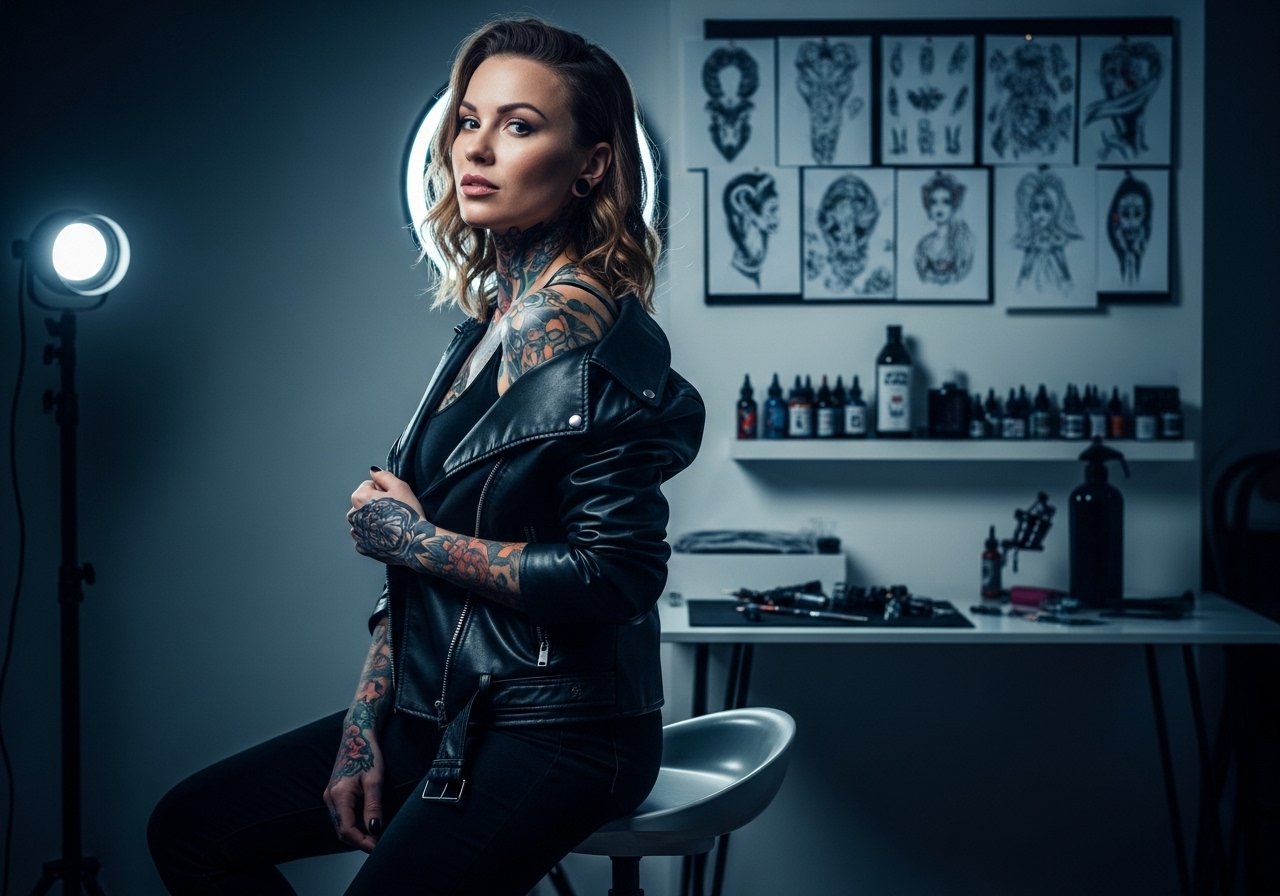
Fine line tattoos are everywhere on saved boards right now, and beginners often learn the hard way that what looks perfect fresh can soften fast. Expect debates over Saniderm versus dry healing, surprise quotes that climb during booking, and fades that show earlier on darker skin tones. Read these 21 first-tattoo ideas with practical tradeoffs, ask the right questions in consultation, and you will leave the chair with a plan that ages better.
1. Fine Line Star Constellation on the Inner Wrist
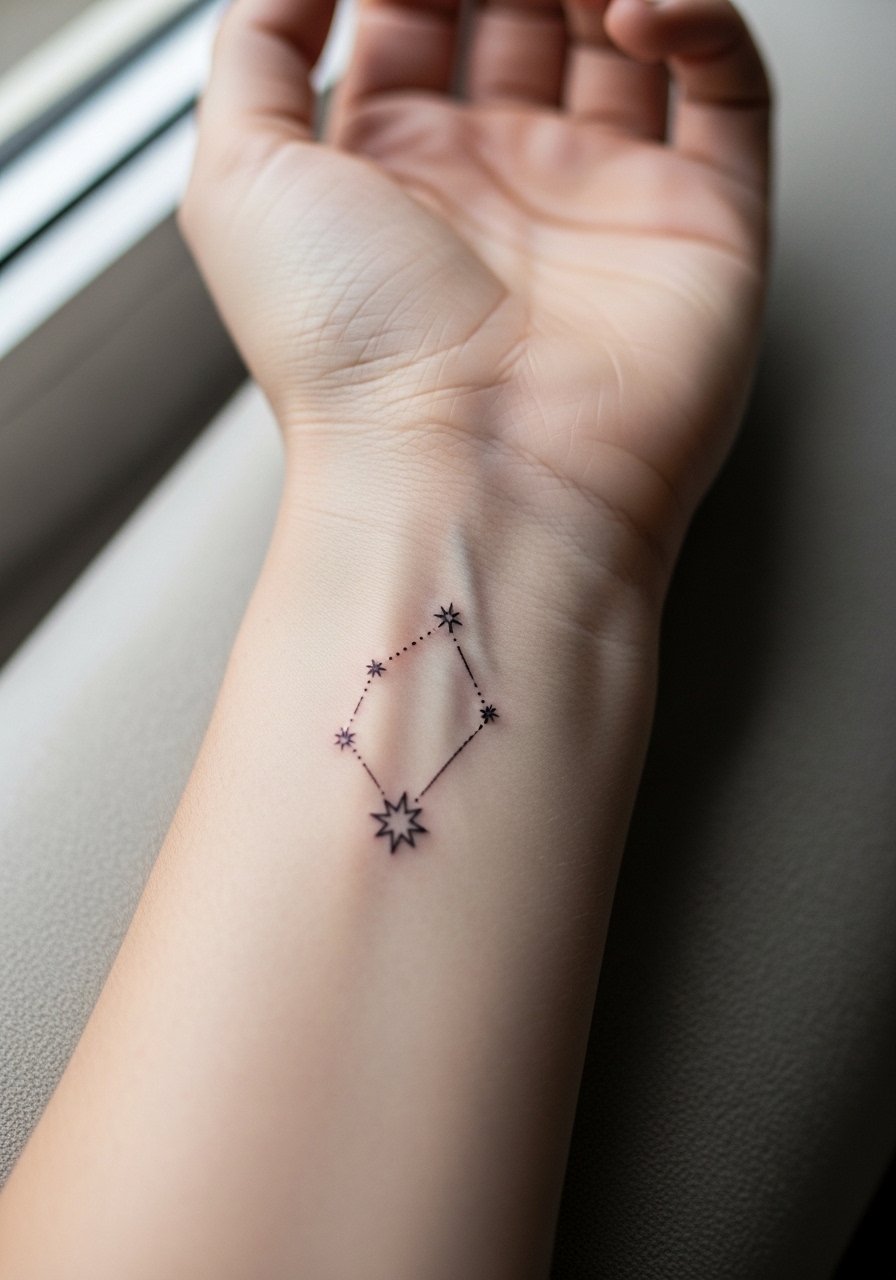
I see the constellation wrist more than anything else in saved boards. It reads intimate and minimal, and it is an excellent starter for someone who wants visible ink without a huge time investment. Tell your artist you want single-needle linework about 1 to 2 inches across and ask them to avoid hairline dots that merge as the ink heals. Low pain for most people, brief session, and expect a touch-up around year two if you pick super-fine lines. For showing it off, stack a thin silver bangle stack on the opposite wrist, and remove jewelry during the session so nothing drags the fresh ink.
2. Minimalist Single-Word Script on the Collarbone
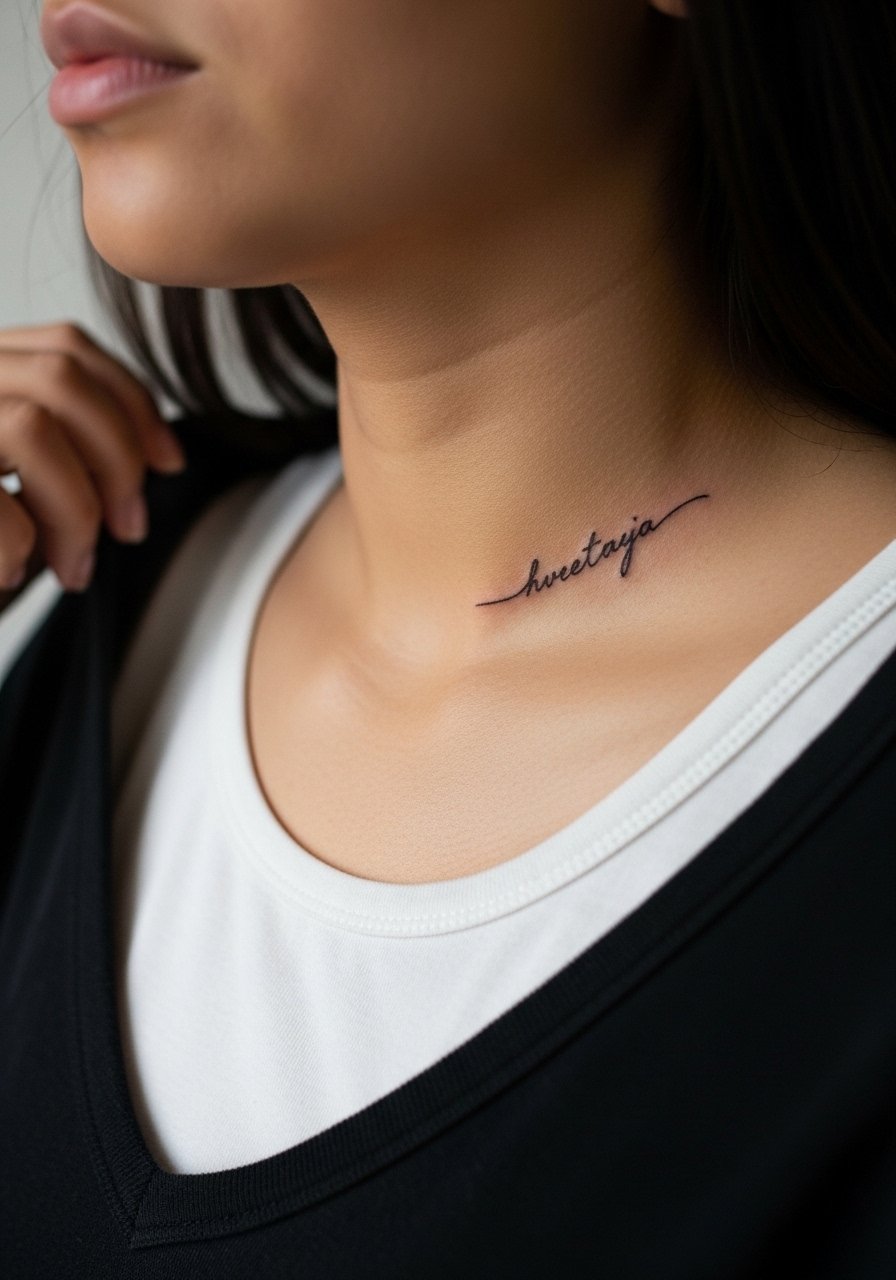
When done curved to the bone, a short affirmation reads clean and private. Bring three font samples to your consult and ask the artist to stencil the curve over your collarbone so you can see scale before they ink. Expect light to moderate discomfort because the collarbone sits close to bone. A common mistake is choosing extremely thin single-needle letters that blur over two to three years, especially if sun protection is lax. For session comfort wear a strapless bralette or an open button-down so your collar and chest are accessible without moving fabric across the stencil.
3. Tiny Botanical Leaf Outline on the Ankle
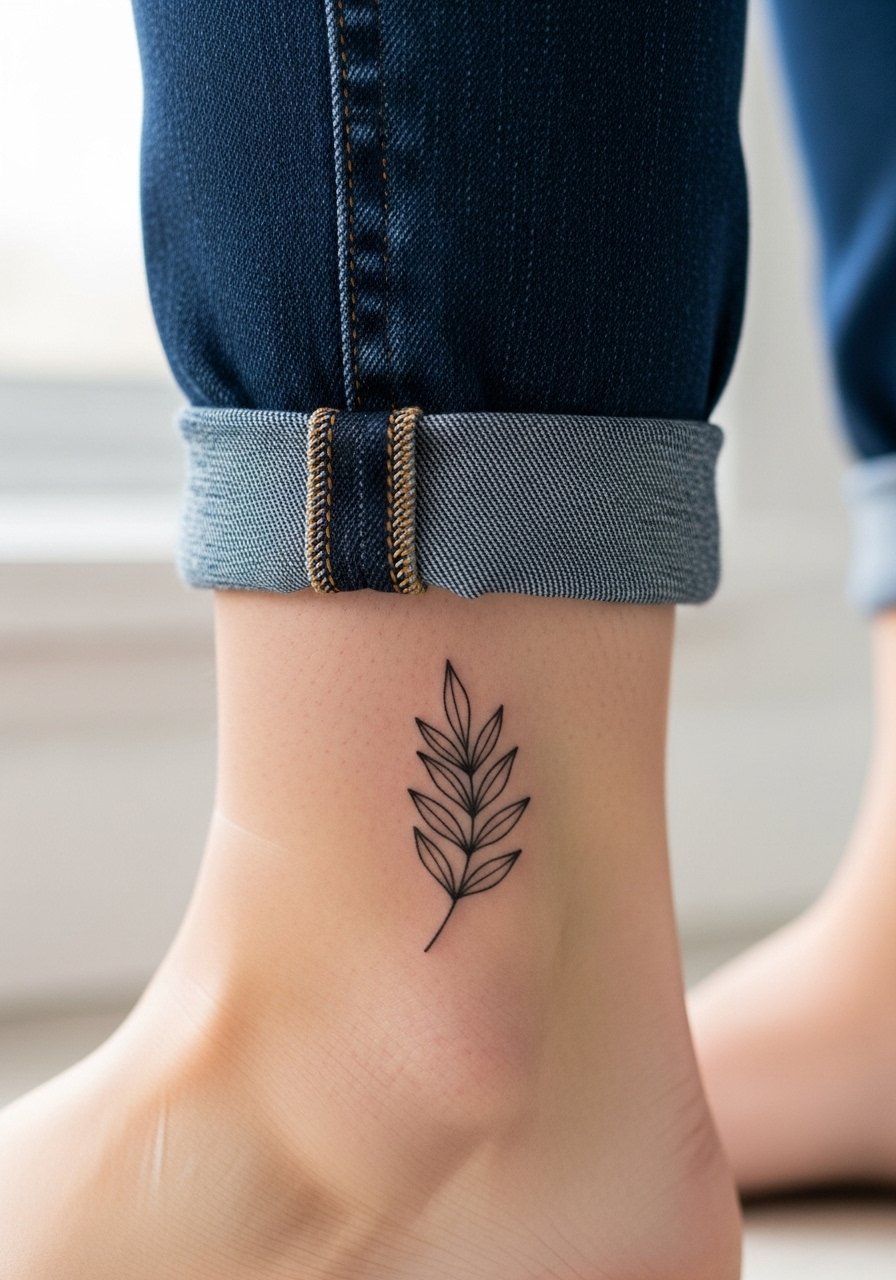
Fair warning, ankle skin sees a lot of friction from shoes and socks during the first week. Keep the design under an inch and insist on slightly bolder linework than the photo reference so the piece survives washing and footwear. The session is short and the pain is usually manageable, but expect the artist to advise elevation and limited walking the night you get inked. For summer showing, pair the ankle leaf with strappy heeled sandals or neutral espadrilles that leave the outer ankle visible and protected.
4. Micro Heart with Subtle Shading on the Ribcage
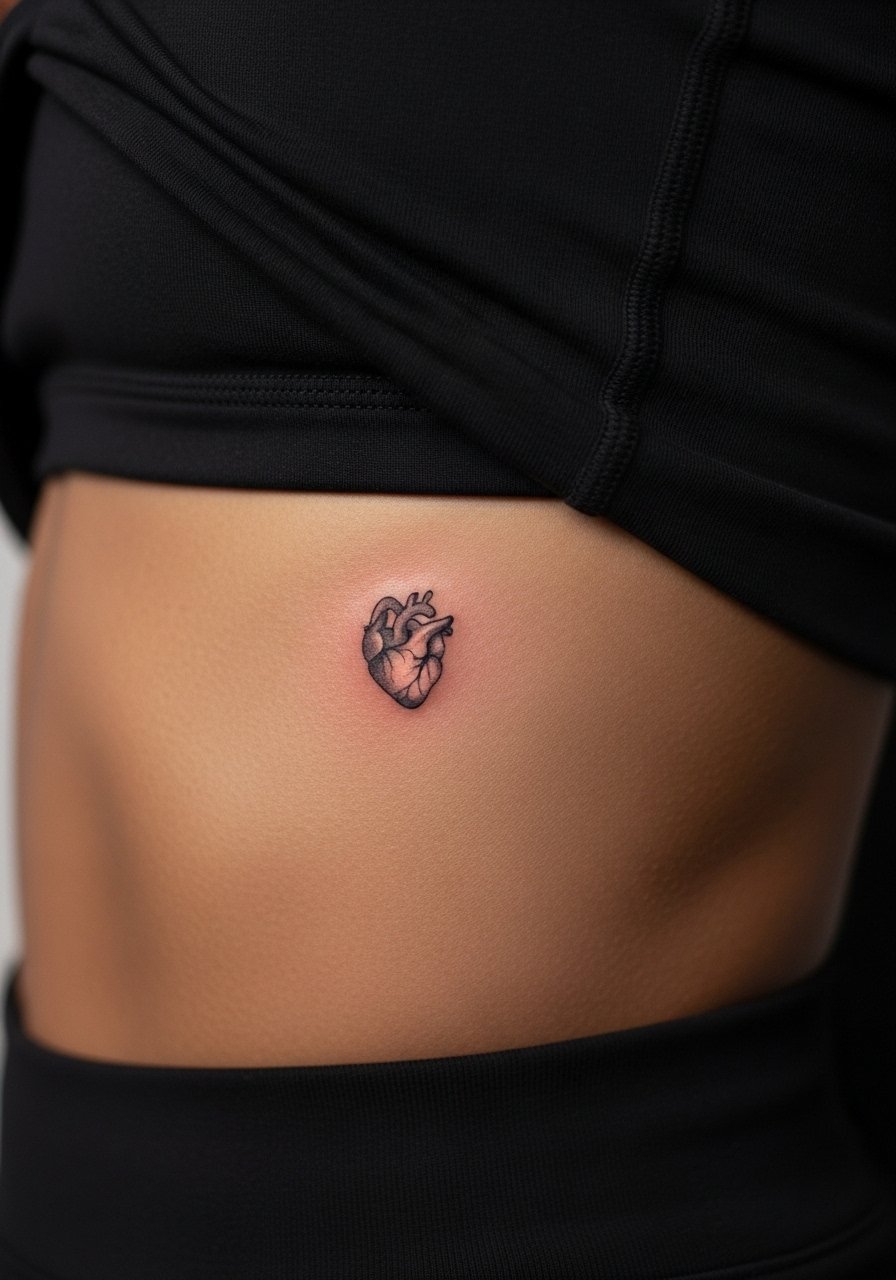
Ribs are a high-pain spot, and the inner curve changes how small details age. Artists are split on fine line here. One camp says the stretch and motion blur thin lines inside two years. The other camp argues that careful needle depth and slightly larger spacing keep detail intact. Ask your artist which side they are on and get a clear plan for spacing and touch-ups. For healing some people swear by barrier wrap initially while others prefer dry healing. Expect the session to be brief but intense, and plan soft tops for the ride home.
5. Geometric Triangle Mandala on the Shoulder Blade
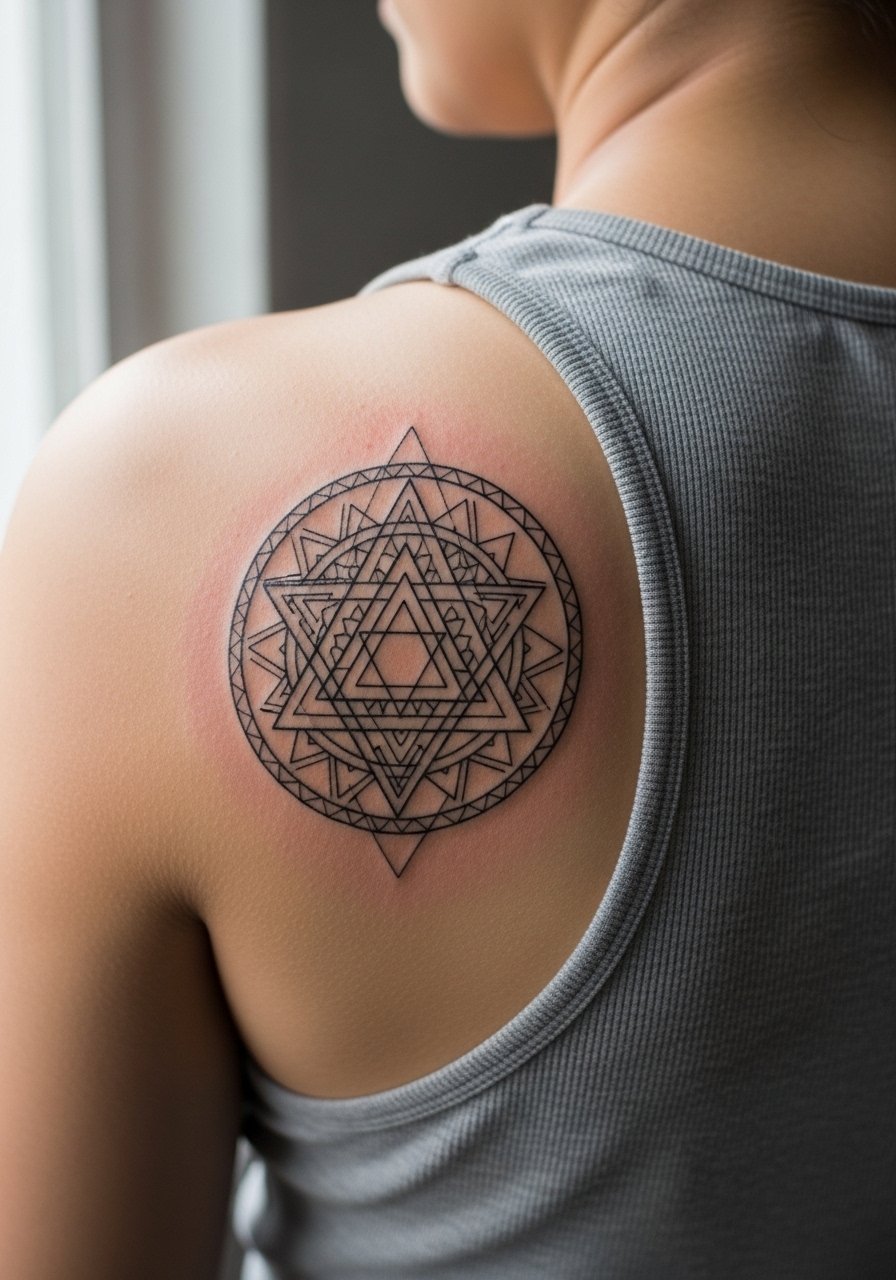
Most shoulder-blade mandalas need room to breathe. When they are scaled to about three inches and spaced properly the linework lasts longer than tight, cramped versions. Tell the artist you want clear negative space between dense elements and ask for healed examples in similar skin tones. The area is low-to-medium pain and usually takes one to two sessions if you add subtle stipple shading. For showing off, roll up a linen short sleeve shirt or pick a strappy dress that reveals the upper back without rubbing the healing skin.
6. Neo-Traditional Mini Rose on the Outer Forearm
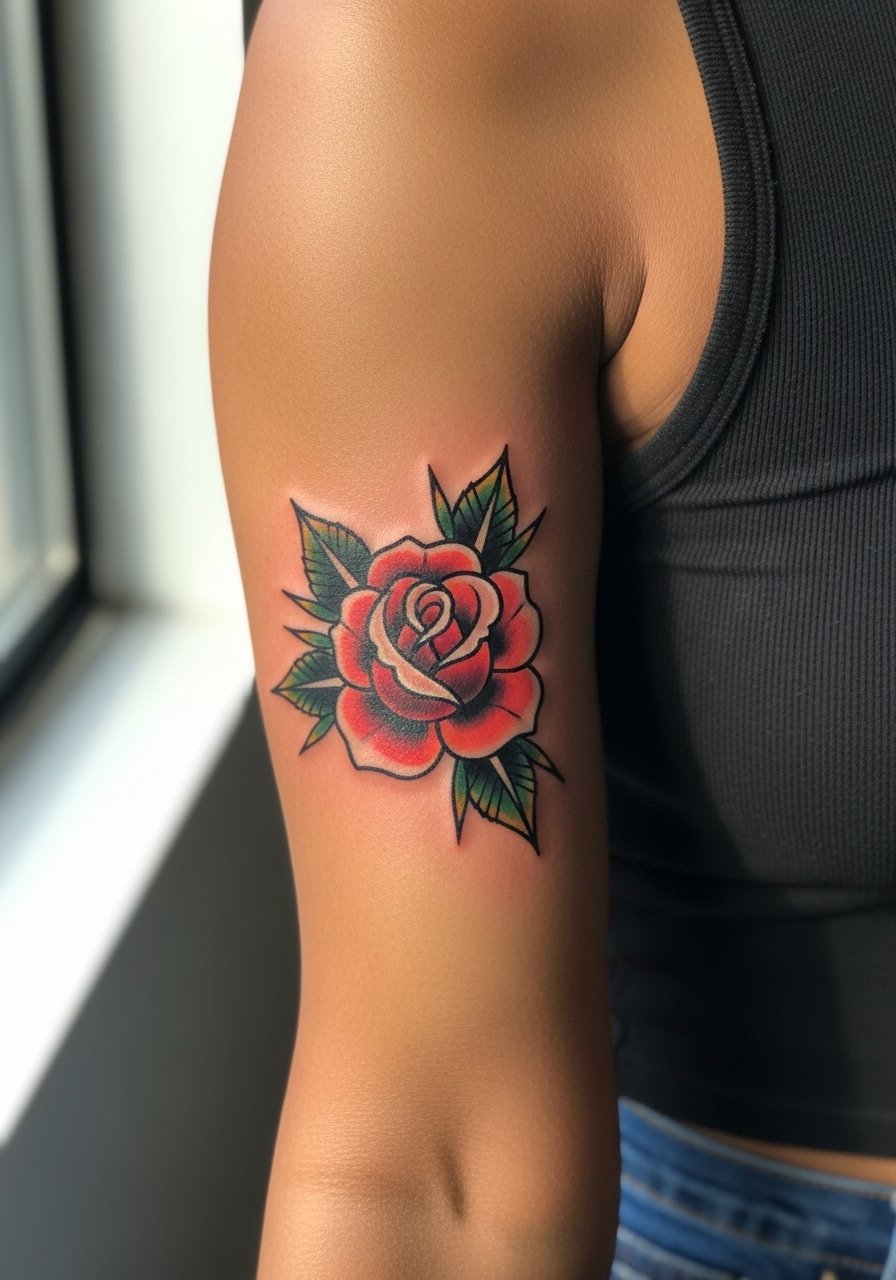
Bold outlines and saturated color are the defensive play for longevity. A two-inch neo-traditional rose on the outer forearm survives better than thin single-needle petals. In the consult ask for a slightly heavier outline and midtone color saturation so the bloom reads at year three and five. Session time is usually under two hours and pain is low. For daytime wear, push up a fitted leather jacket sleeve or just show the piece with a sleeveless tank to let the color pop.
Studio Day Picks
The wrist, rib and forearm pieces above all ask for slightly different prep. A few targeted items smooth the session and the first week for those placements.
-
Organic beeswax tattoo salve. A beeswax-based balm is less greasy than heavy gels, which helps fine line wrist work avoid pore-clogging in humid climates.
-
Breathable barrier film roll. Thinner barrier film works well on ankles and calves where bulky tape can catch shoes and rub.
-
Rice bran oil tattoo serum. People with darker skin tones report this kind of oil keeps color vibrant without leaving a heavy residue.
-
Unscented shea tattoo lotion. A light, fragrance-free lotion reduces irritation during weeks 2 to 4 when fine line work needs gentle hydration.
-
Hustle Butter Deluxe. A thinner butter is handy right after a session for humid days when heavier ointments can cause milia.
7. Moon Phase Arc on the Inner Bicep
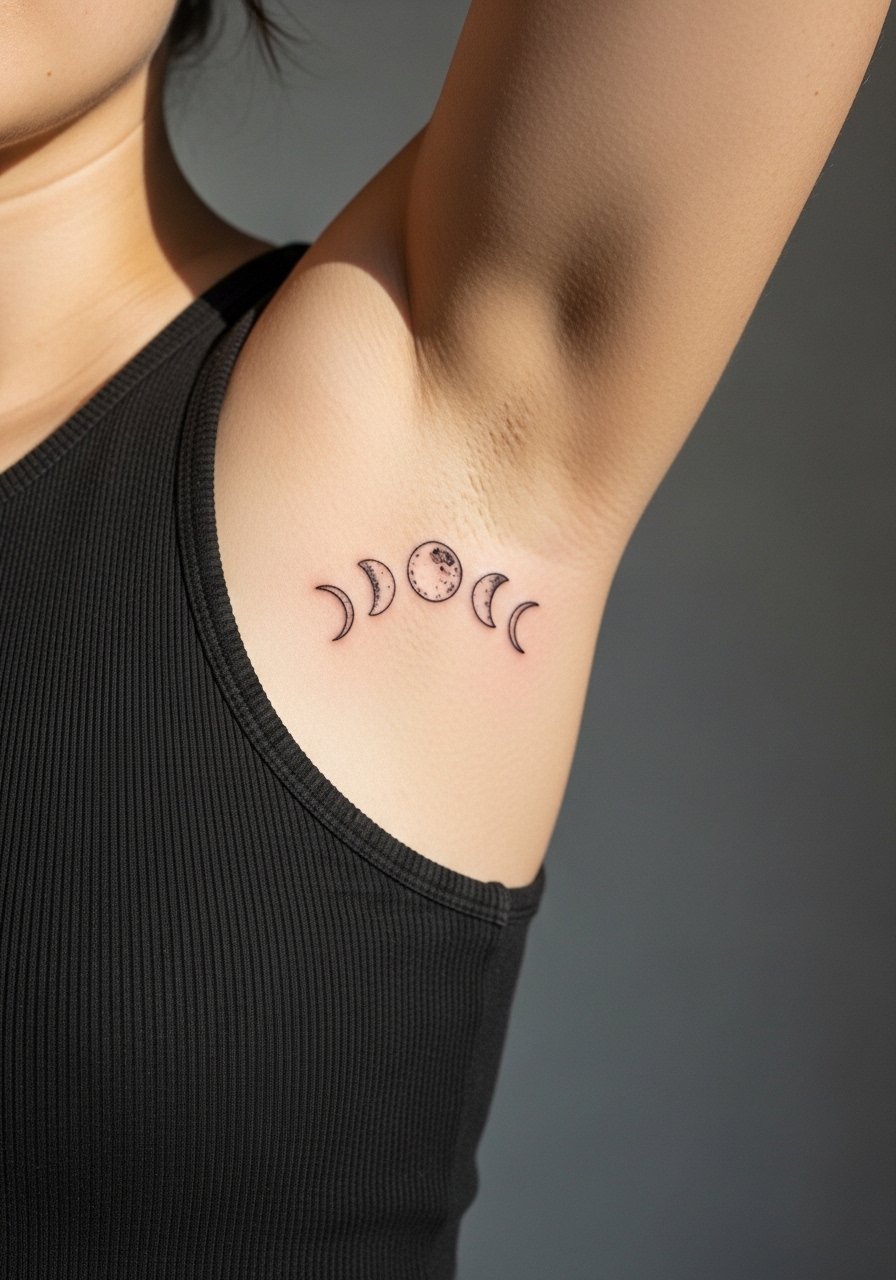
This placement flexes with the arm so spacing is everything. For a four-inch arc ask the artist to place the phases along the natural curve of your bicep and add micro dot shading between crescents for texture that resists looking flat. Inner bicep sessions feel like medium discomfort for most and the artist will ask you to keep the arm raised. Expect a touch-up at around year two if you choose single-needle moons. For showing it off, try a sleeveless bodysuit that keeps the arm silhouette clean without rubbing the fresh ink.
8. Ornamental Wave Line on the Calf
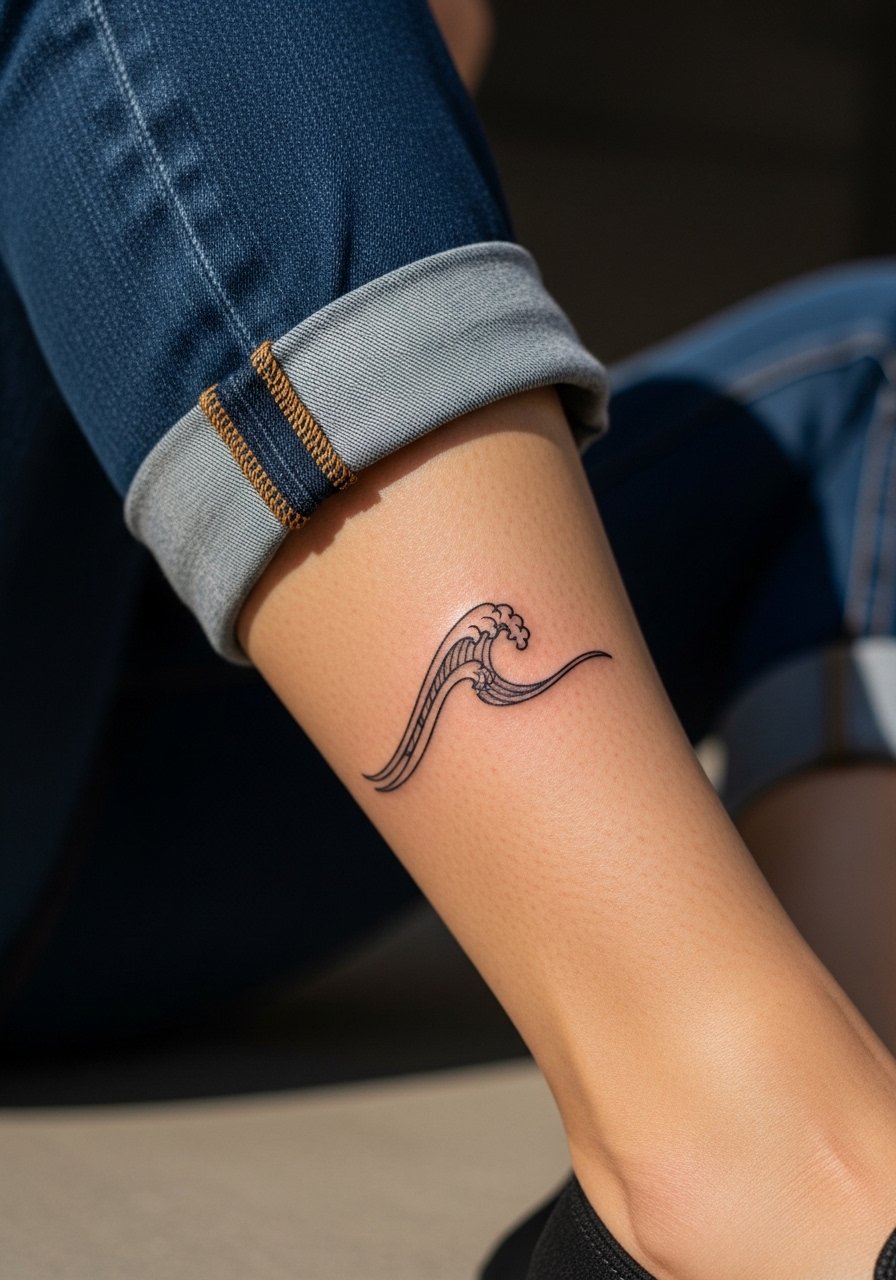
The calf is forgiving because skin stretches less with everyday movement. A three to four inch ornamental wave looks dynamic when elongated with small ripples that follow muscle contours. The session is low to moderate pain and usually quick. The main mistake is putting dense detail into a narrow band, which blurs when muscles flex. For style pair the wave with a midi skirt with side slit or high socks that peek under boots so the design shows without constant sun exposure.
9. Blackwork Initial Monogram on the Nape of the Neck
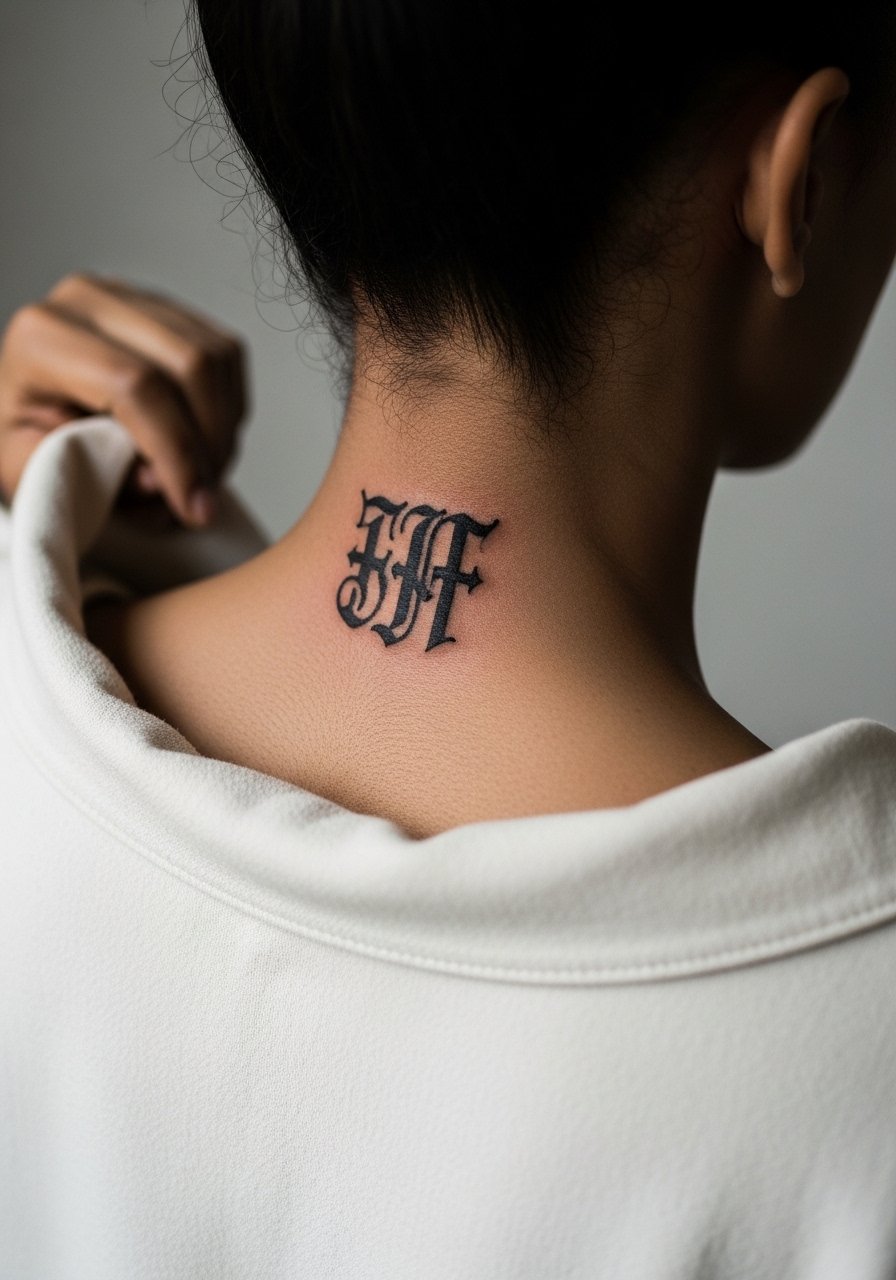
This is an excellent way to keep a personal mark concealed during work hours yet visible at updos. Ask for bold, graphic letters at 1.5 inches so they read through hair and aging. The nape heals predictably but the area can be sensitive during sleeping because shirts rub. If you want to find local portfolios, search #BlackworkMinimalist plus your city name for healed examples. For dinner looks try an off shoulder sweater that reveals the nape without constant friction.
10. Watercolor Butterfly Wing Fragment on the Thigh
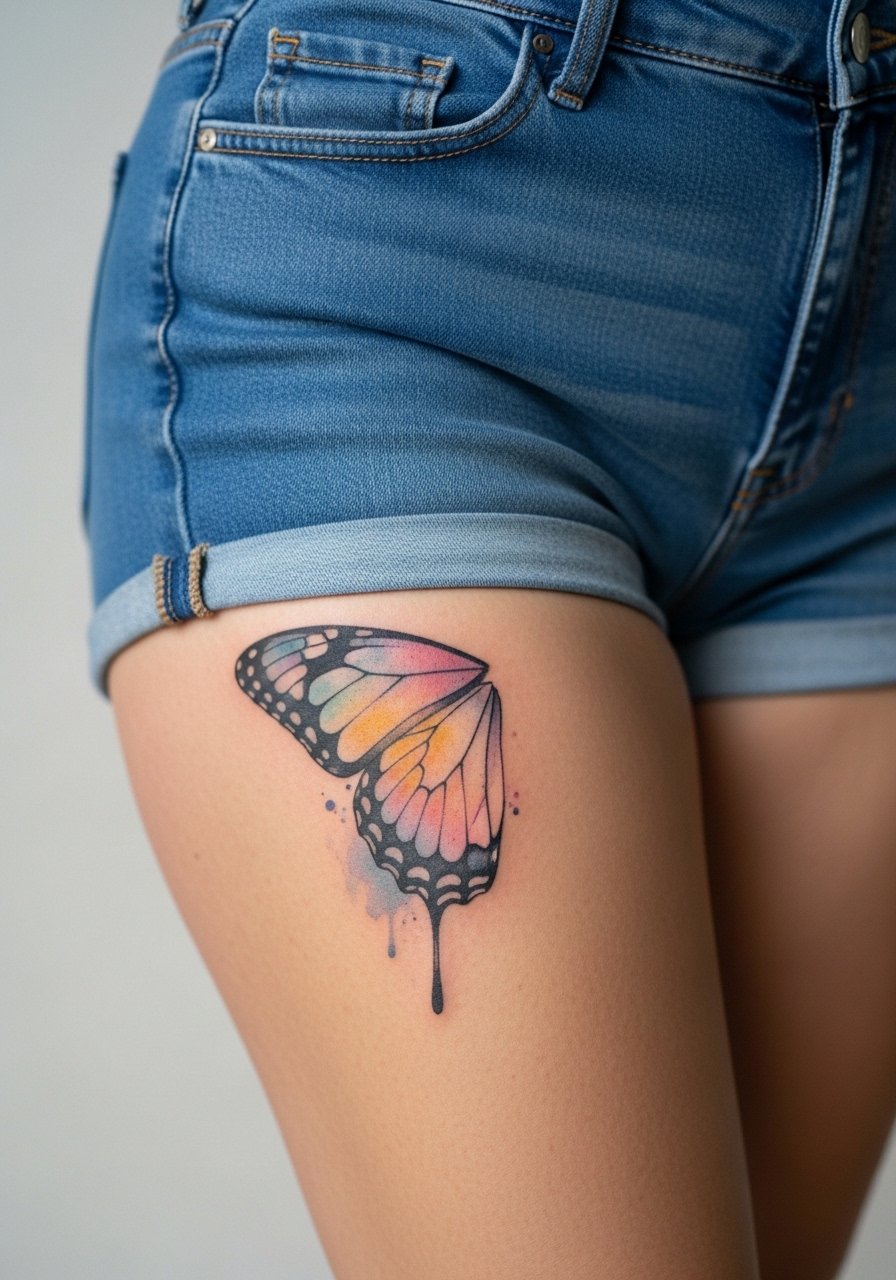
Thigh work lets artists play with softer color blends, but watercolors need more sessions and careful placement to avoid color blowout. Inner or upper thigh can be high-sensitivity areas and color may settle lighter on darker skin tones. Plan for two sessions spaced a few weeks apart and ask the artist for healed photos of similar placements. Session wear should be loose shorts or a skirt so you can lie comfortably without pressure on the area. For show-off styling the piece pairs with high cut shorts or asymmetrical skirts.
11. Ignorant Style Mushroom Cluster on the Side Ankle
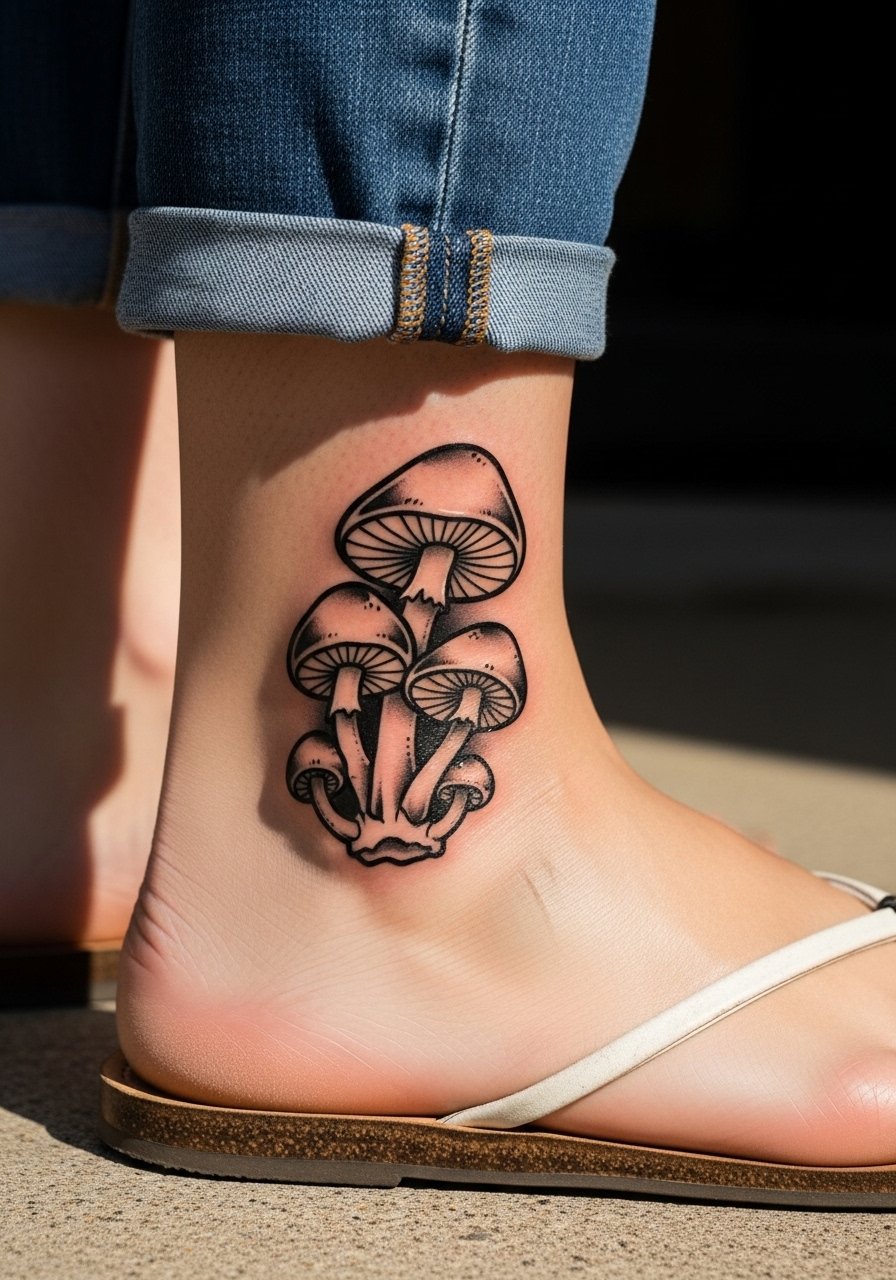
Ignorant style uses thick outlines and playful shading, which is great for feet and ankles where tiny bright work fails fast. The thicker lines resist early fade and stand out in small clusters. Common error is shrinking a playful sketch too small. Keep the cluster around two inches so mushrooms stay readable. Session time is short and pain is manageable. For summer wear select strappy heeled sandals or cropped jeans to show the side ankle without constant sock friction.
12. Micro-Realism Lotus Petal on the Inner Wrist
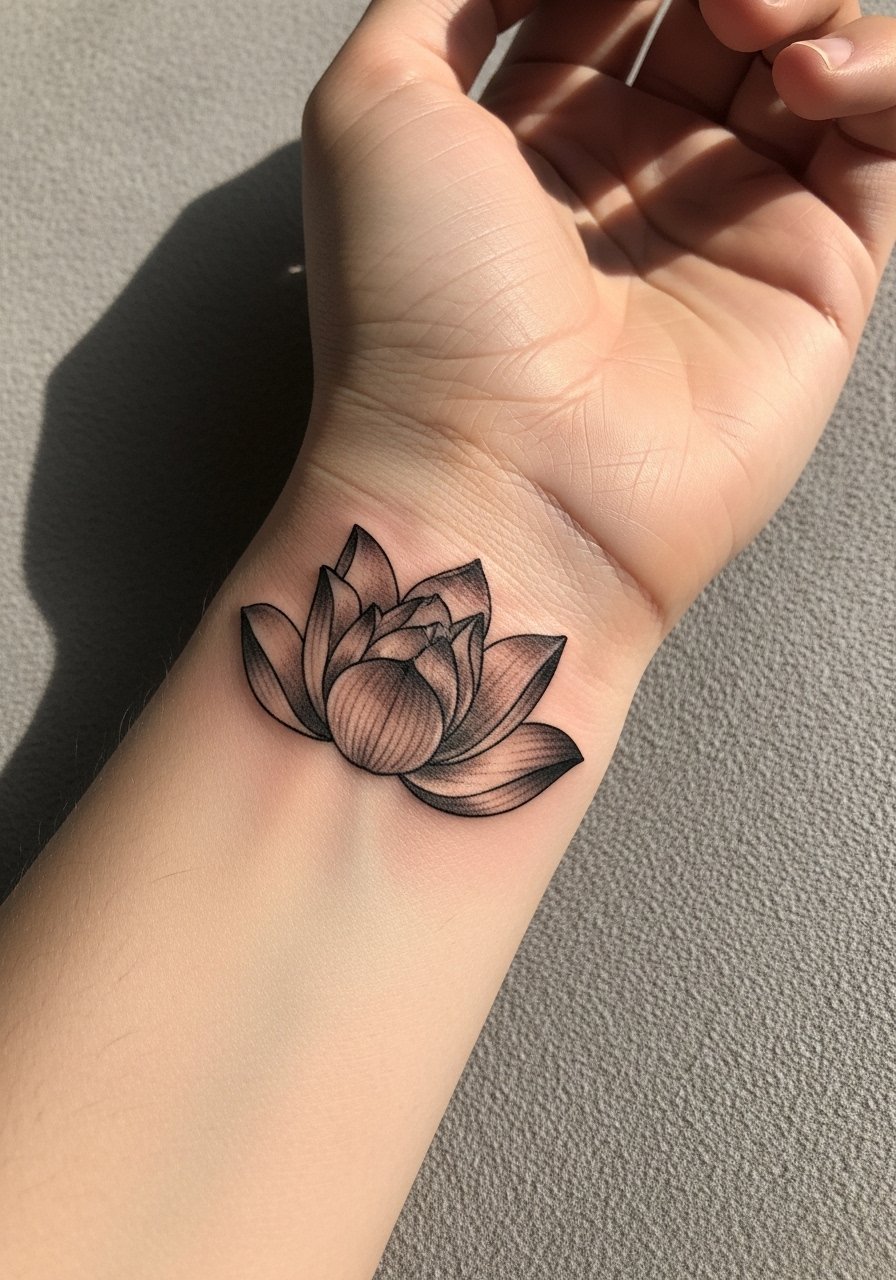
Micro-realism on the wrist is a demanding look that needs crisp stipple shading and precise depth. Expect a focused session and a firm plan for touch-ups. The wrist sees constant movement and handwashing, so ask for slightly denser shading to protect the silhouette over time. One common mistake is requesting ultra-thin shadowing that disappears into the skin texture. For wearing this design with outfits, a thin chain pendant necklace sits above the wrist without competing for attention, keeping the forearm balanced.
13. Patch-Test Fine Line on the Elbow Crook for Darker Skin
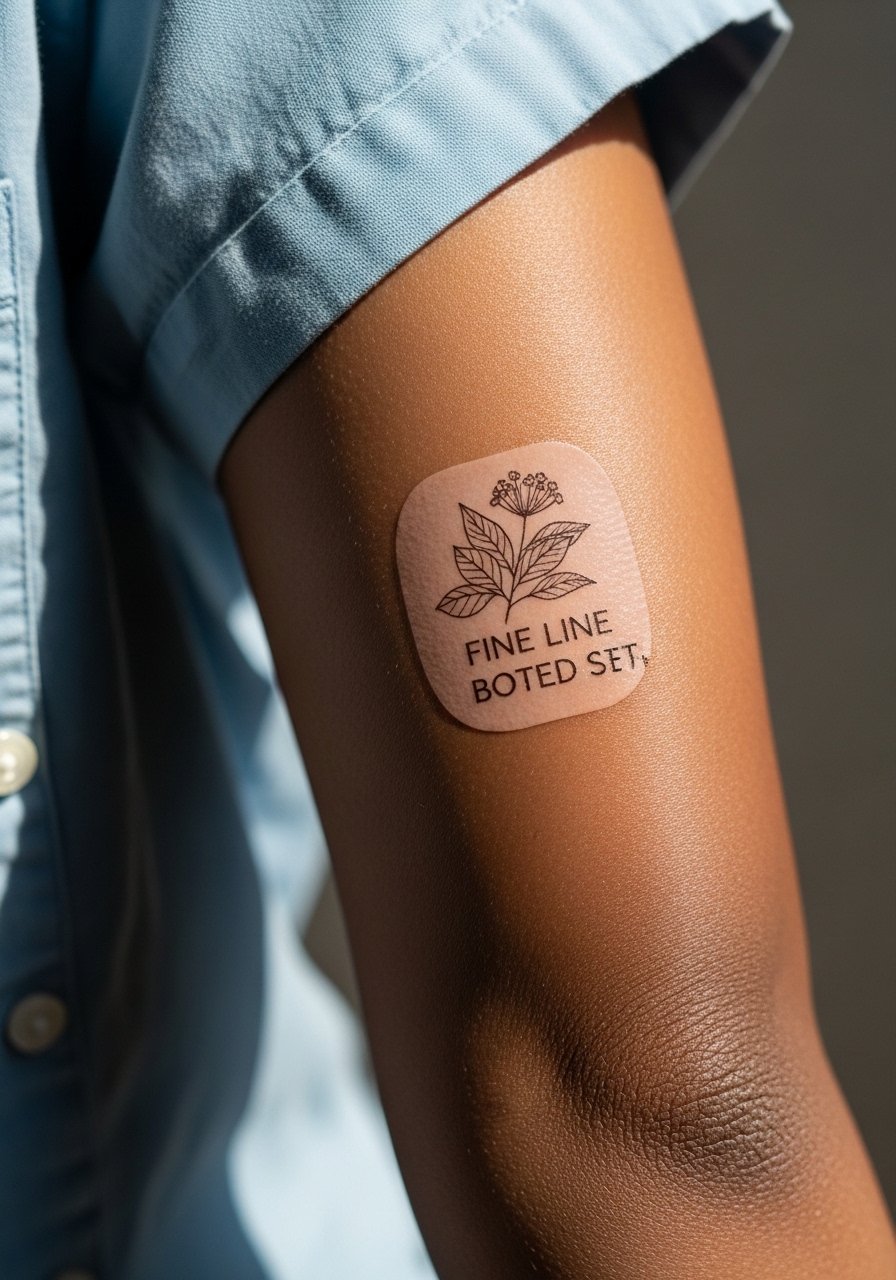
This is a practical idea I rarely see in lists. For darker skin tones, ask an artist to do a small patch test in a hidden crook and check it healed at three and six months. The test shows how single-needle work holds on your particular skin and avoids a larger regret. The session for a patch is quick and usually priced modestly. If your patch stays crisp at six months, scale up the design. If not, consider blackwork or bolder line weights instead.
14. Thigh Placement With Body-Positive Sizing Notes
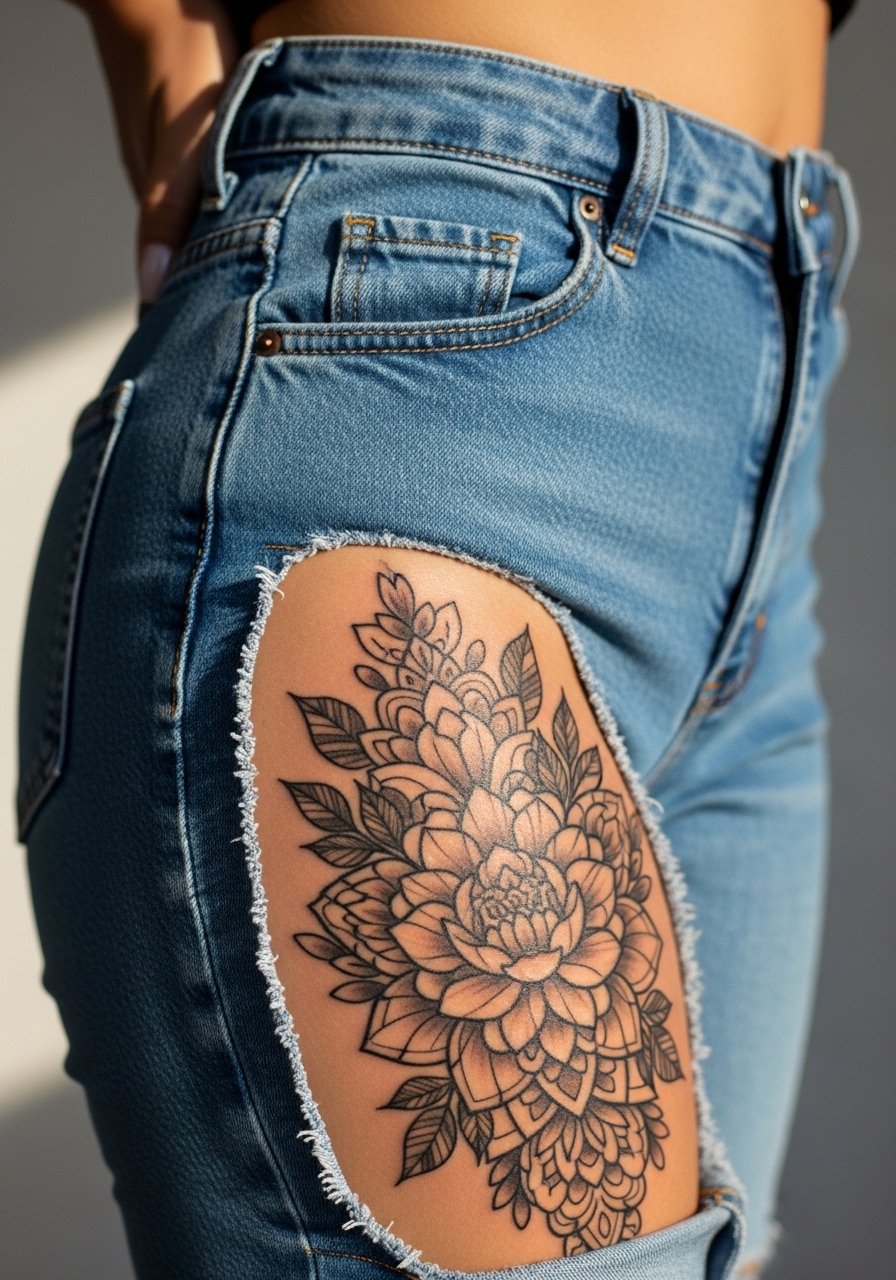
When planning thigh art, account for muscle and fat distribution rather than arbitrary centimeters. Ask for mockups on your body in sitting and standing positions so the artist can size for movement. A common regret is picking a reference sized for a different body type, which distorts after weight fluctuation. For the session wear loose shorts you can hike up comfortably. To style the finished piece, an asymmetrical skirt or high cut shorts highlights the area without stretching fabric across the tattoo.
15. Hybrid Fine Line With Dotwork Shading for Anti-Fade Texture
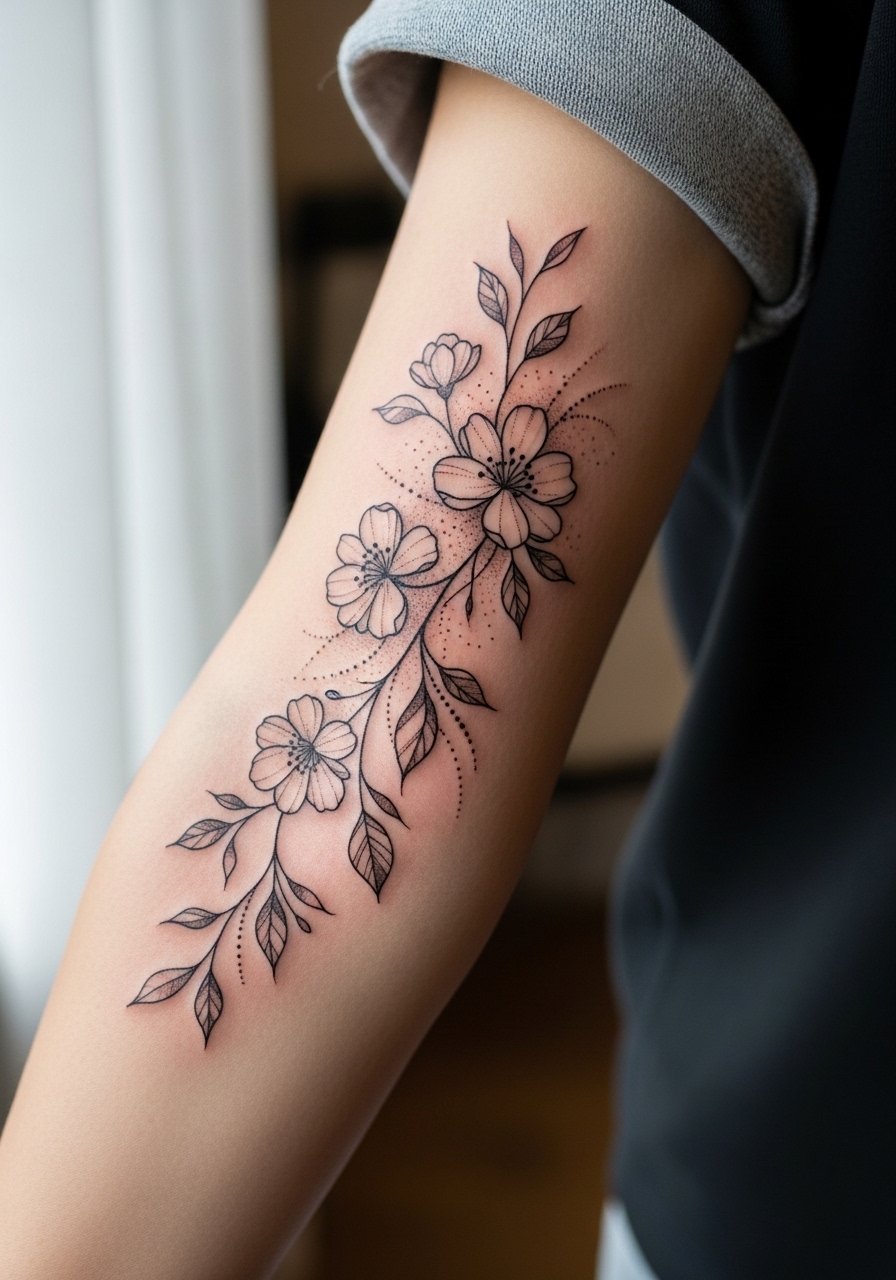
Combining single-needle outlines with subtle dotwork gives texture that reads as detail but resists blending into a smudge. Ask the artist for stipple shading rather than full wash shading behind the lines. This version ages better because the dots create a small amount of breathable negative space. Session time can be longer than a pure outline, and a touch-up at year two is normal. If you want to show it off, roll up a cream linen short sleeve so the forearm sits against neutral fabric.
16. Concealed Neck Nape Script That Peeks With Updos
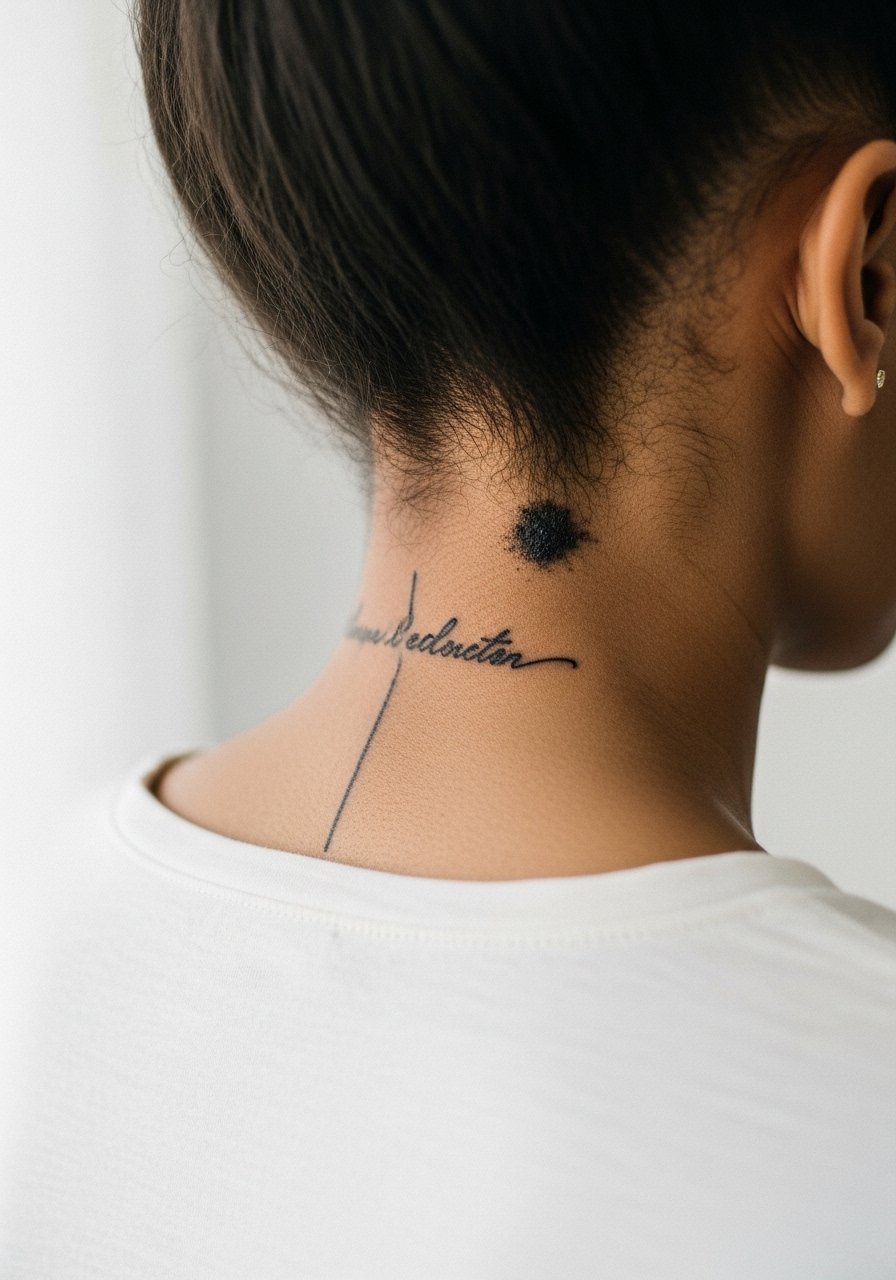
Artists often recommend slightly bolder single-line script at the nape so it reads under hair and through time. The main benefit is concealability for workplaces that frown on visible neck tattoos. Decide if you want the script horizontal or vertical when you sit down for the stencil. Expect mild tenderness and be ready to sleep with a soft pillowcase to avoid rubbing. For styling, an open-collar top or a delicately placed choker frames the nape without rubbing the healed script.
17. Elongated Calf Mandala That Moves With Your Leg
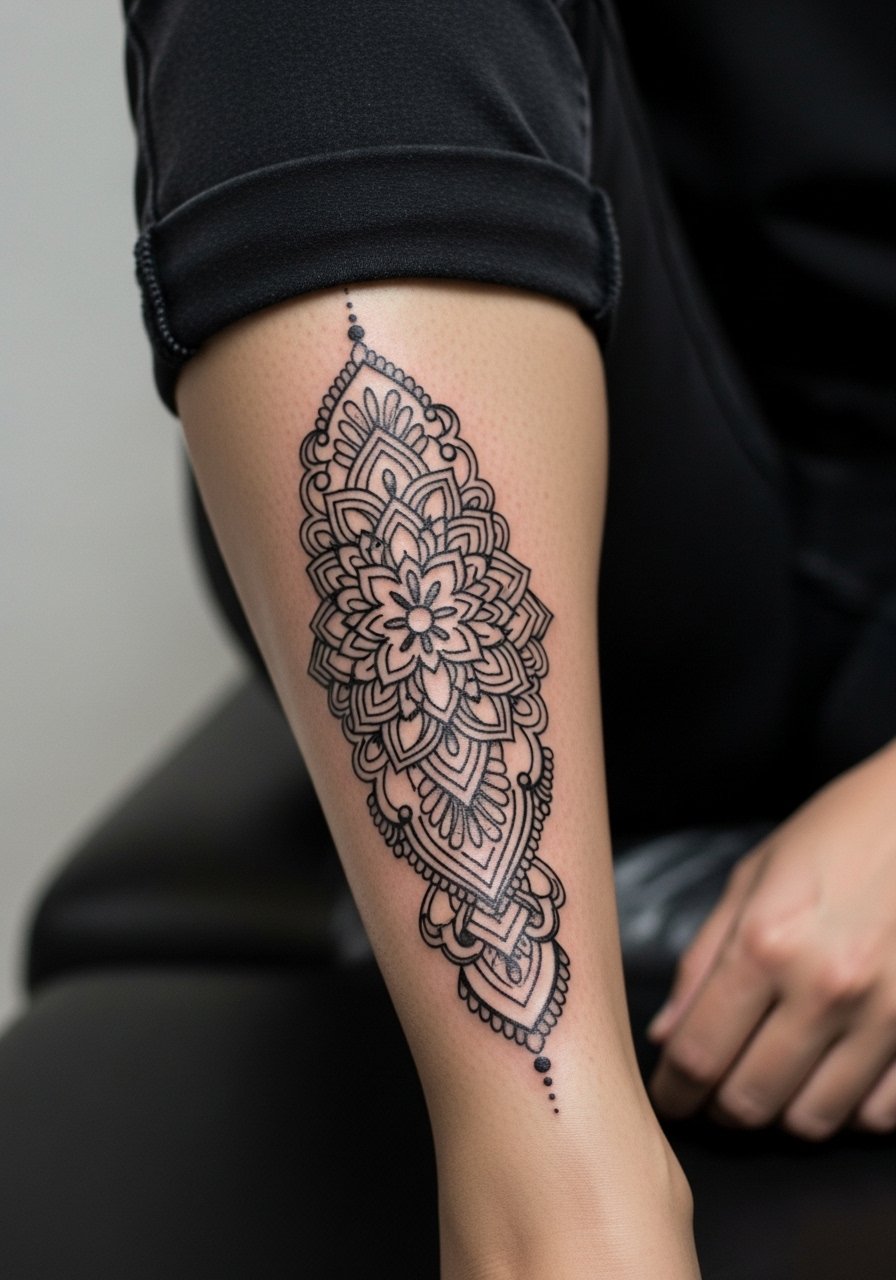
Designs that follow muscle flow age better than rigid circles packed into a narrow band. Ask for the mandala to be stretched along the calf with breathing room between spokes so lines do not merge when you walk. Pain is low and the session is usually under two hours. A mistake is piling too many tiny geometric elements into a small space. For showing off, a midi skirt with side slit or cropped shorts creates movement that reveals the mandala at stride.
18. Minimalist Mountain Range on the Inner Forearm
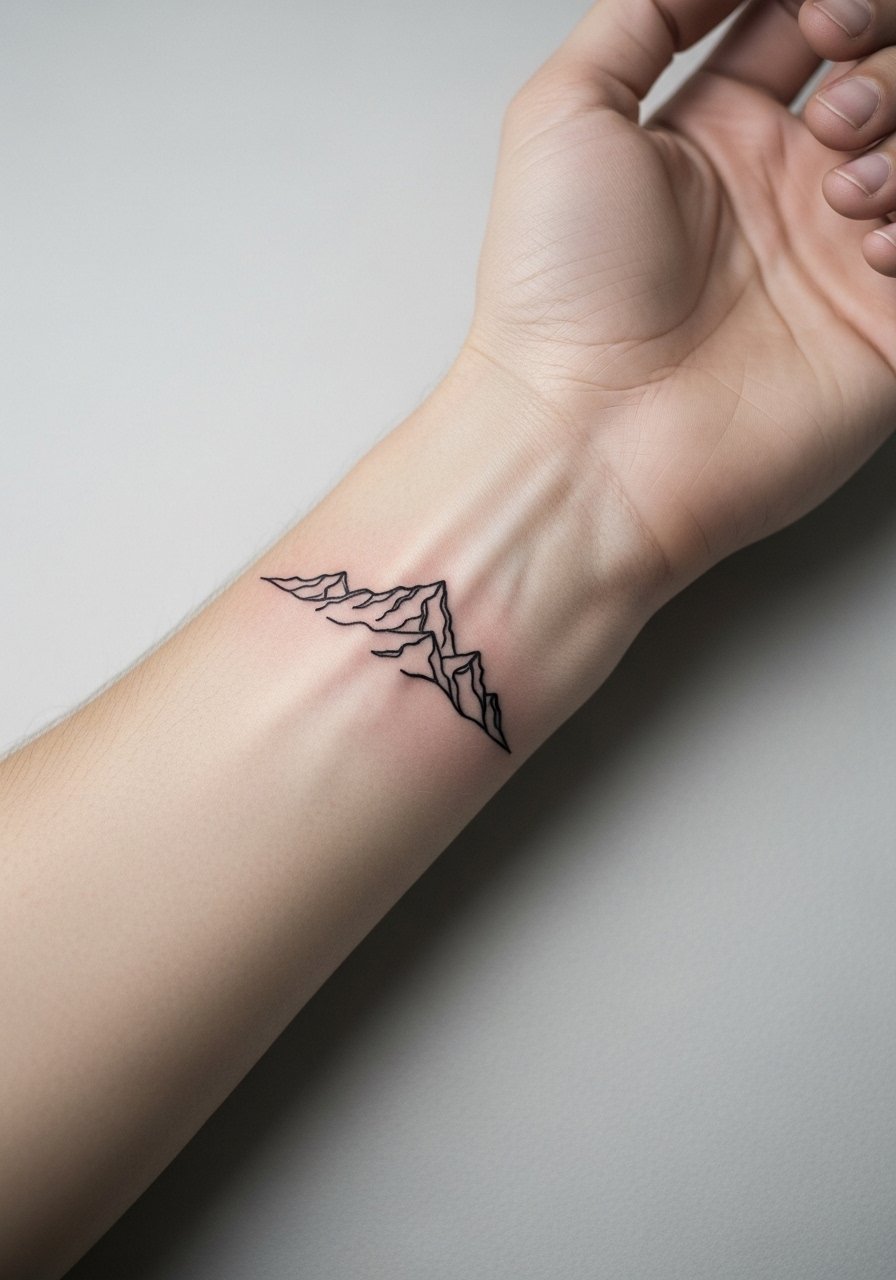
Inner forearm is one of the most stable canvases. A two to three inch mountain silhouette in slightly heavier single-needle linework reads for years if left spaced and not over-inked with tiny texture. The artist will usually recommend avoiding micro scratch shading that can soften into a wash. Session time is short and pain is minimal. For session wear pick a loose short-sleeve button-up so you can roll the sleeve without pulling fabric over the stencil.
19. Tiny Star Behind the Ear That Peeks Under Hair
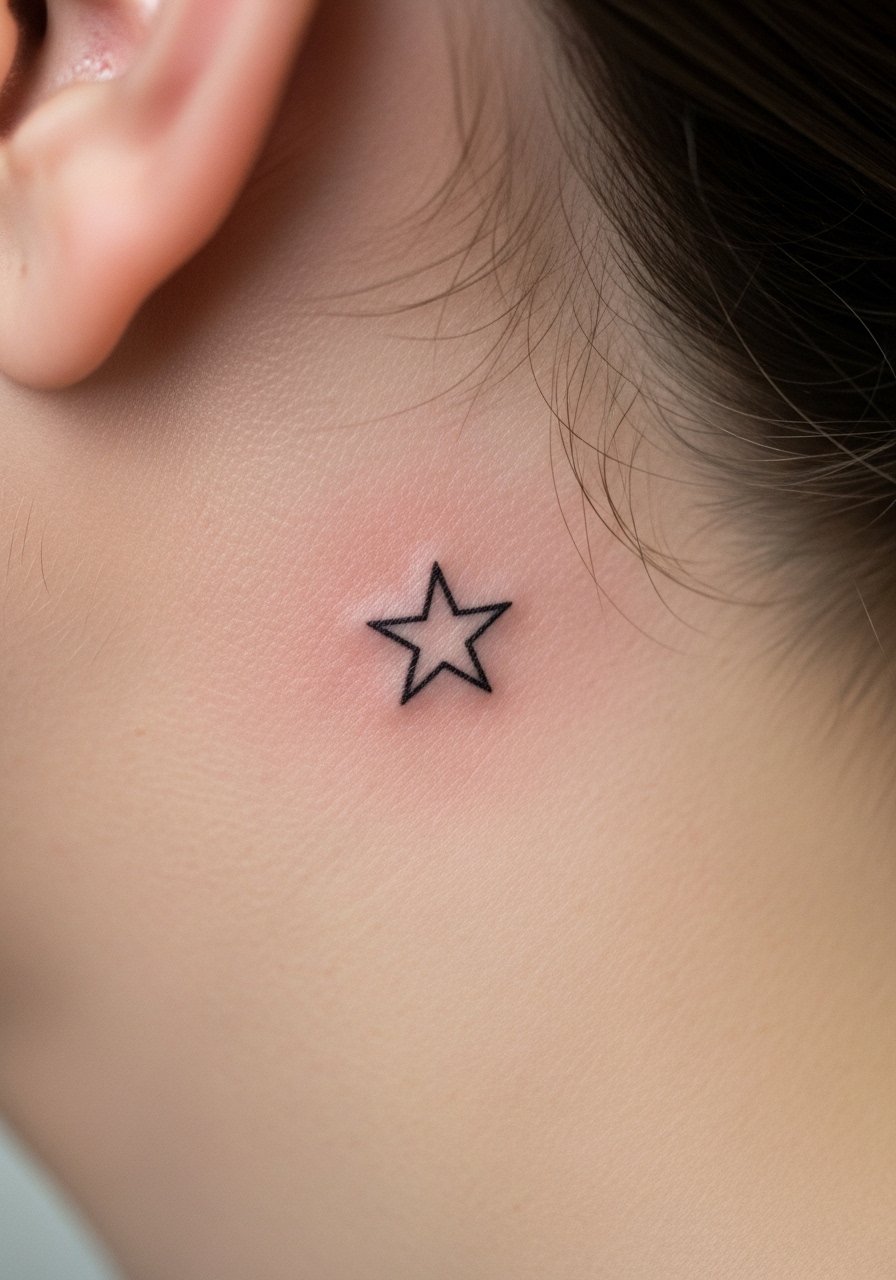
Behind-the-ear work is small and discreet. The area needs a clothing and framing note in the image because it sits so close to hair and jaw. Keep the star about a half inch and ask for bold lineweight to survive washing and hairstyling. The session is quick but the tiny area can be surprisingly tender. If you want it visible only with updos, confirm placement by pulling your hair up during the consult so the artist sees exactly where it will peek.
20. Geometric Finger Band That Echoes Jewelry
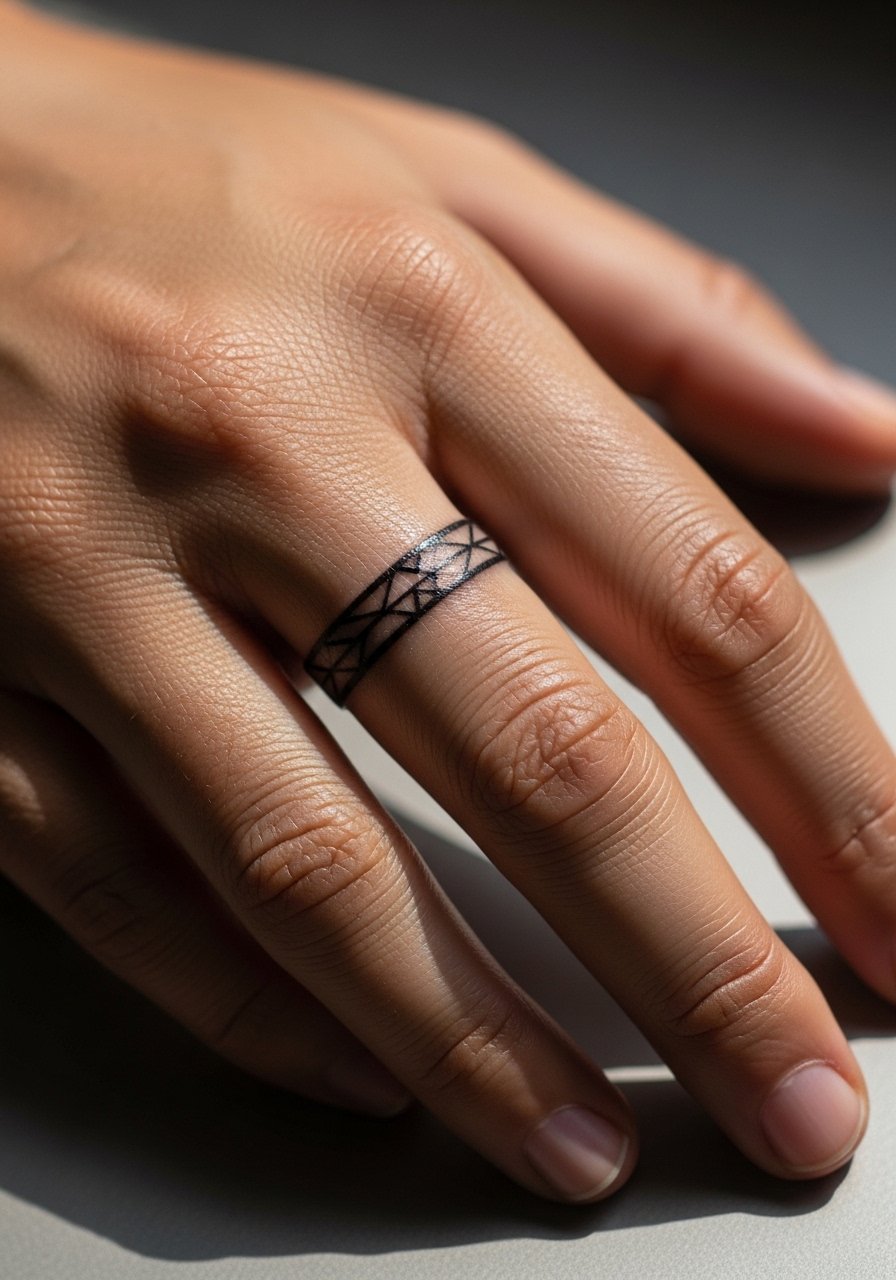
Finger bands read like jewelry but they also face constant washing and abrasion, which accelerates fading. Ask for slightly heavier linework and plan on more frequent touch-ups than for the forearm. A common misstep is a one-millimeter line that disappears within months. Session time is short but the healing phase demands patience with soaps and hand creams. For an accessory look try a minimalist leather cuff on the opposite wrist rather than stacking rings that scratch the fresh ink.
21. Low Horizontal Floral on the Lower Back
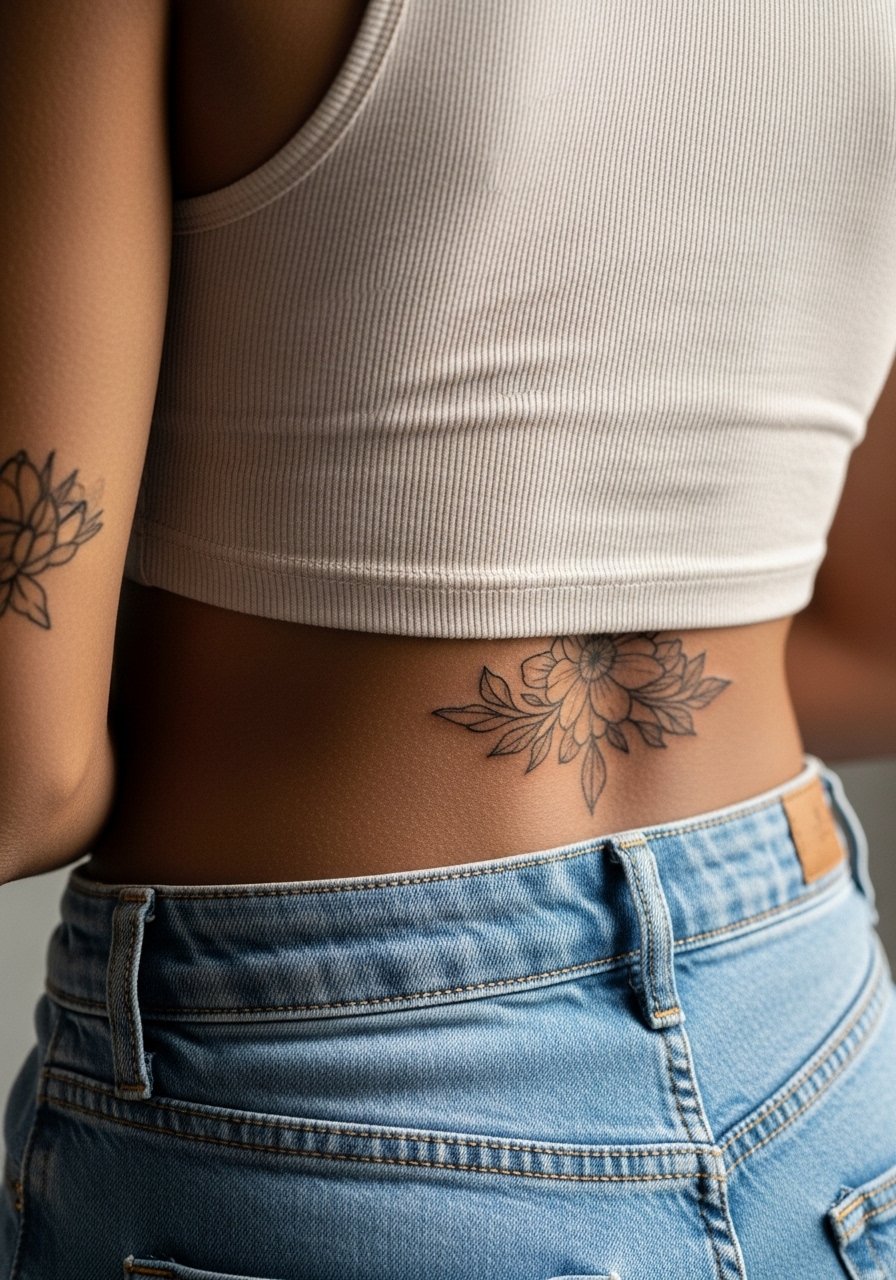
Lower back pieces sit in a spot that moves with sitting and bending, so anticipate subtle distortion if you plan significant weight changes. For this reason size the piece wider rather than taller and discuss how belts and waistbands will sit over the art. The area is moderate on pain and hides well for professional environments. Keep the session pace relaxed and wear a tank top so the artist can expose only the tattoo zone. Some people choose slightly bolder outlines here to protect against early blur.
Frequently Asked Questions
Q: Do fine line wrist tattoos fade faster on darker skin tones and what can I ask my artist to prevent that?
A: From what I have seen, super-fine single-needle wrist work can lose contrast faster on higher melanin tones. Ask for a slightly heavier line weight and healed examples from the artist showing similar skin tones. Consider testing a small patch first if you are worried, and plan a realistic touch-up timeline around year two.
Q: For a small ribcage piece, how do artists differ on healing methods and what should I decide before booking?
A: Artists split into two camps. One group prefers barrier film or Saniderm for faster, less messy healing. The other group favors dry healing or light lotion to let scabs form and be inspected. Ask your artist which method they recommend and why, and follow their prescribed removal and cleaning steps for the product they choose.
Q: How should I dress for a collarbone or shoulder blade session to give the artist good access?
A: Wear an open button-down or a wide-neck shirt you can pull aside to expose the area without dragging fabric over the stencil. That reduces repositioning and speeds the session while keeping the rest of you comfortable.
Q: What are realistic touch-up expectations for watercolor thigh pieces versus blackwork designs?
A: Watercolor pieces rely on soft blending which often requires a second session to reinforce midtones. Blackwork and neo-traditional pieces with bold outlines generally need fewer early tweaks. Expect watercolor to ask for a touch-up within the first year more often than saturated black pieces.
Q: If an artist cancels or ghosts after a deposit, what discovery pathways help find a reliable replacement quickly?
A: Search hashtags like #TattooGuestSpots plus your city to find visiting artists, check Booksy or the Inked app for verified hourly rates, and use r/tattooadvice threads for recent local recommendations. Prioritize artists who list cancellation policies and display healed photos in portfolios.