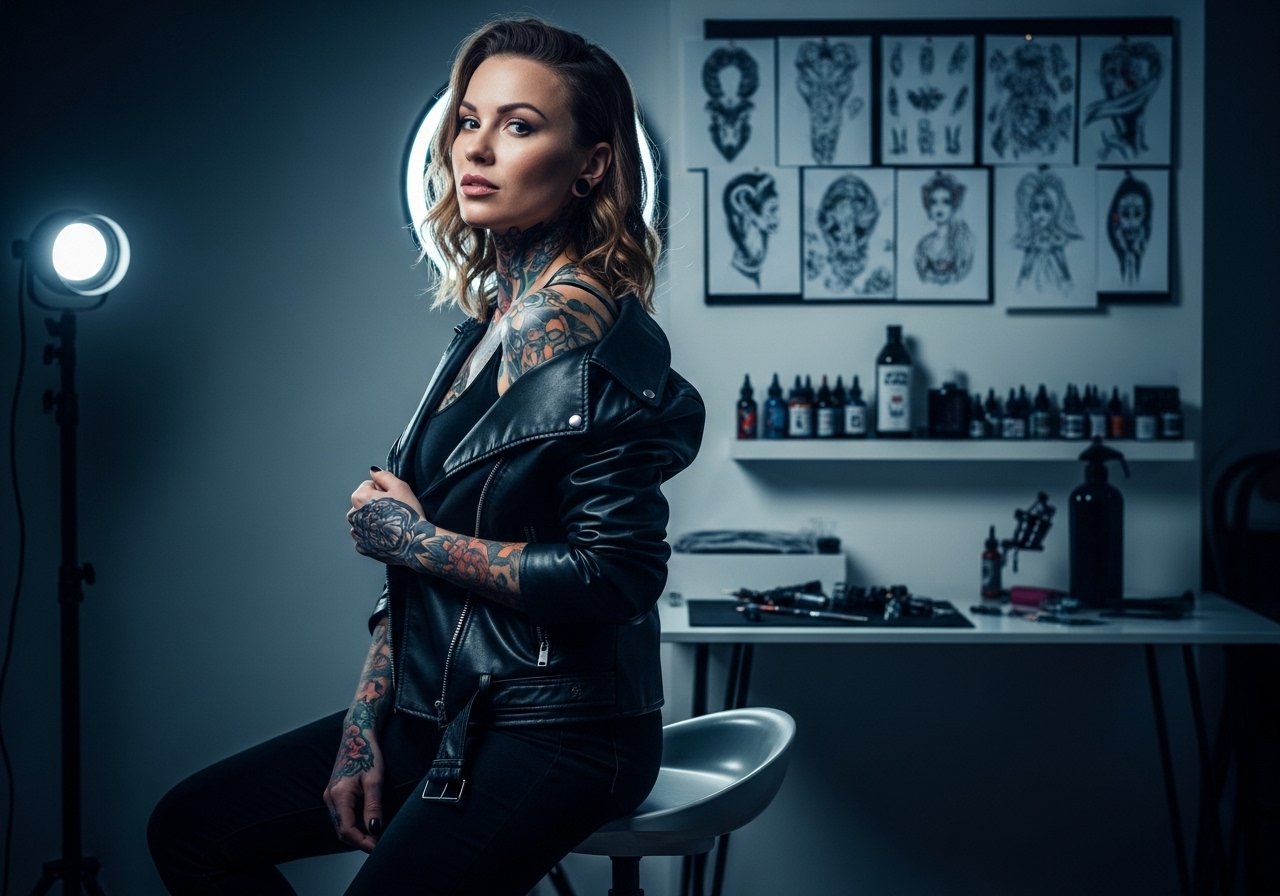
Fine line butterflies dominate saved boards, but the trend-versus-reality split is real. Many of the most saved designs fade faster than people expect, studio minimums have crept up, and arm placements can distort with body changes. I picked 17 butterfly patterns that favor line choices, placement, and session prep that help you avoid common regrets and get a piece that still looks deliberate after a few years.
1. Minimalist Single Line Butterfly for Wrist
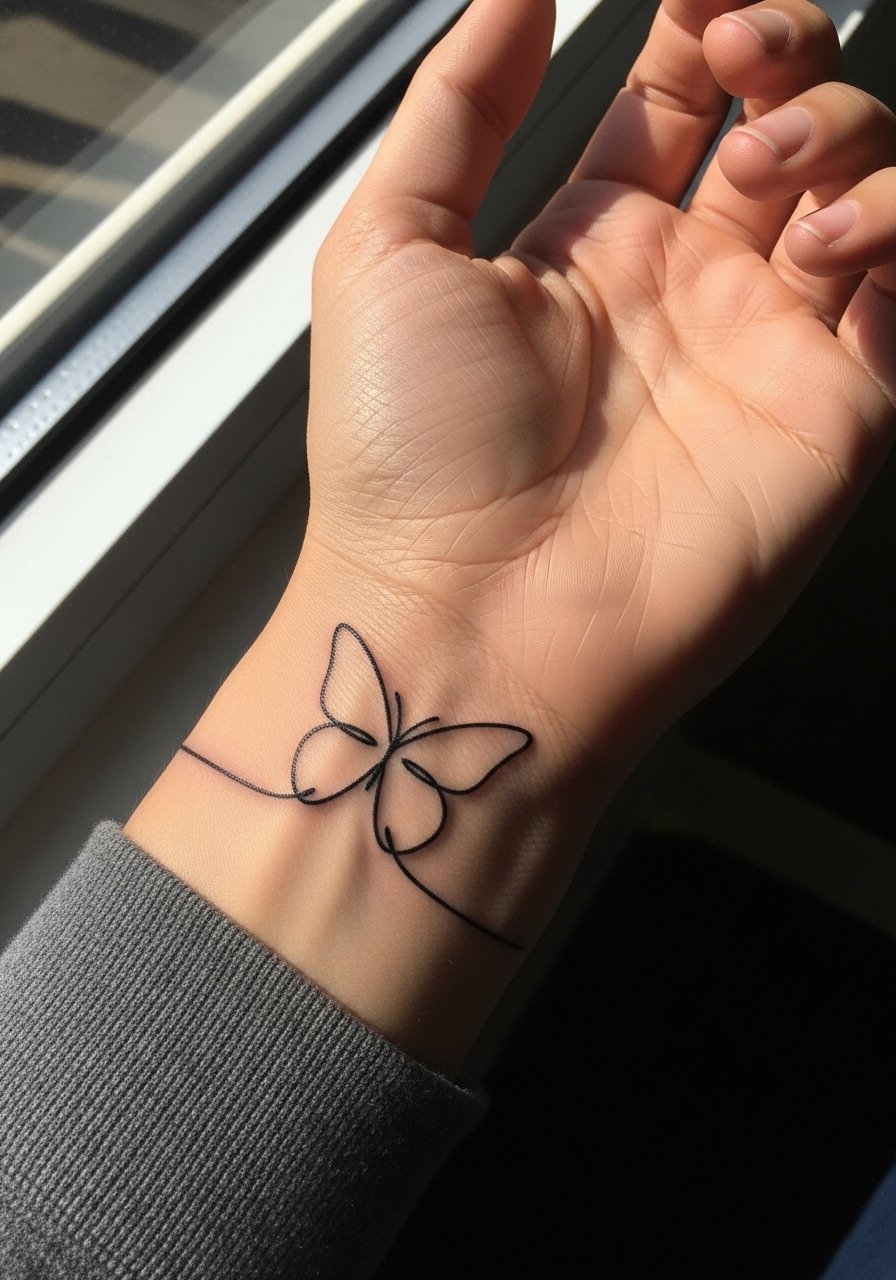
Start with a one-stroke butterfly when you want something micro and fast to book. Tell your artist you want a continuous single-line stencil with 1-2 millimeter lineweight so they sketch a true single-stroke flash. Common mistake is asking for the tiniest lineweight possible, which can vanish faster on the wrist because of sun and washing. Expect a short single session and light sting during the work. A touch-up at 12 months is normal for wrist placements. For showing it off, pair this with a thin gold chain bracelet on the opposite wrist and wear a sleeveless tank or rolled sleeves to give the artist clean access.
2. Fine Line Butterfly with Dots on Inner Forearm
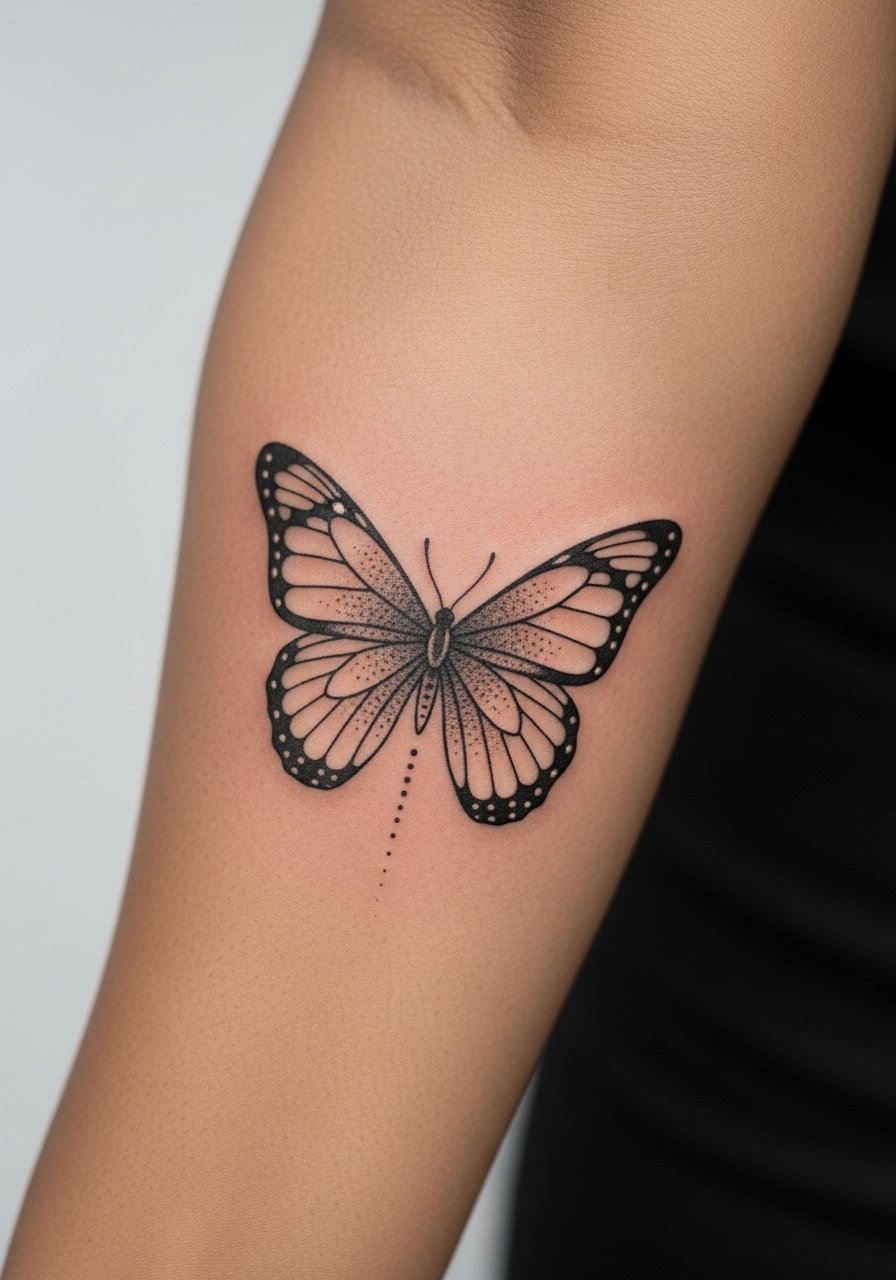
Fine line plus dot work reads sophisticated on the inner forearm because the skin there protects linework from UV. I recommend asking for slightly heavier dot clusters near the wing base so contrast survives a year of wear. One common aging issue is making dot gaps too tight, which merges into a gray patch at year two. The session feels steady and tolerable, more like a sustained scratch than a sharp zap. Plan for a possible touch-up at 18 months if you want the dot contrast preserved. For the appointment wear a loose button-down shirt you can pull aside without tugging the stencil.
3. Watercolor Butterfly Splash on Upper Arm
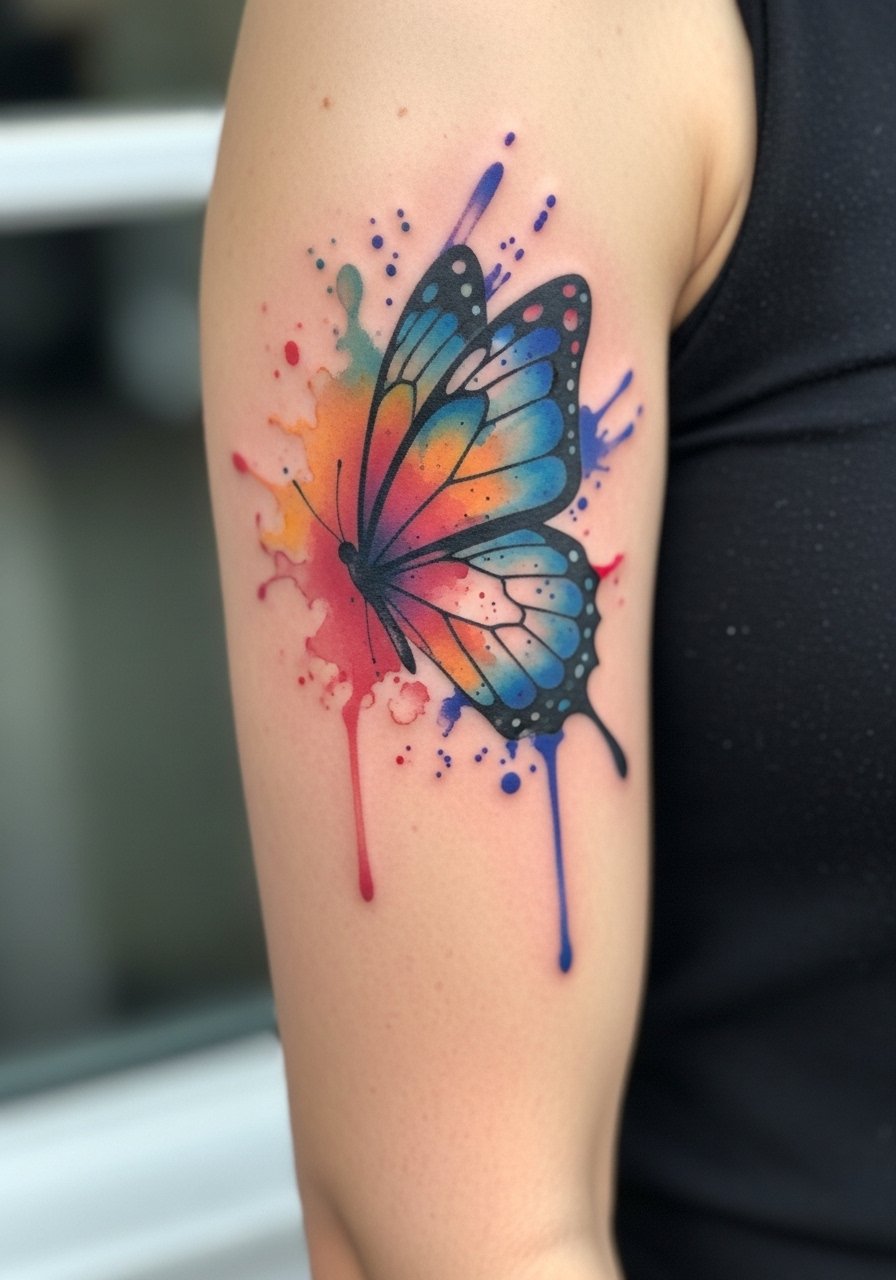
Watercolor effects look lively at first but need placement choice to keep pigment from drifting. I prefer this on the outer upper arm where saturation sits away from high-friction zones. During consult, ask for color nodes with a small black outline to protect edges from bleeding. The controversy: some say watercolor never lasts well and fades into a bruise; others say strategic saturation and placement make color last. Expect two sessions if you want layered pigment and a gentle touch-up at two years for brightness. For session day, wear a sleeveless white tee so the artist has full access and you avoid rubbing the fresh ink with tight sleeves.
4. Geometric Butterfly Outline on Back of Hand
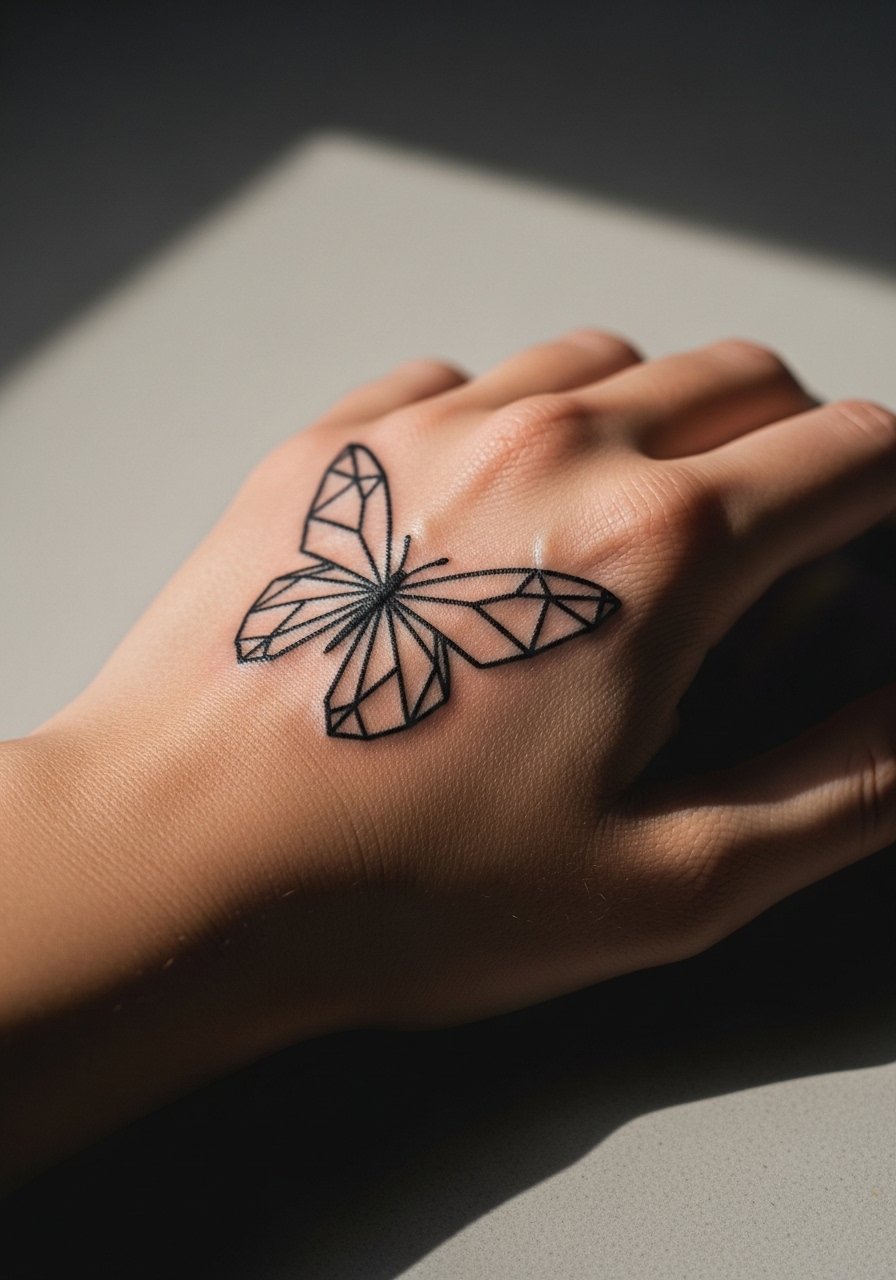
Geometric outlines make a modern statement but hand placements are high-risk for wear. Hands are exposed to washing and friction, so fine line fills can smudge into a softer shape within a year. A common mistake is asking for dense geometric detail too small for the skin on the hand. Ask the artist to scale up negative space and use bolder outlines to reduce blowout. Session pain is sharp but brief. Note the career consideration with visible hand tattoos in some fields. Expect touch-ups at 6-12 months. If you want the visual balance, wear minimalist rings that sit on non-tattoo fingers to frame the piece.
5. Teardrop Wing Butterfly on Collarbone
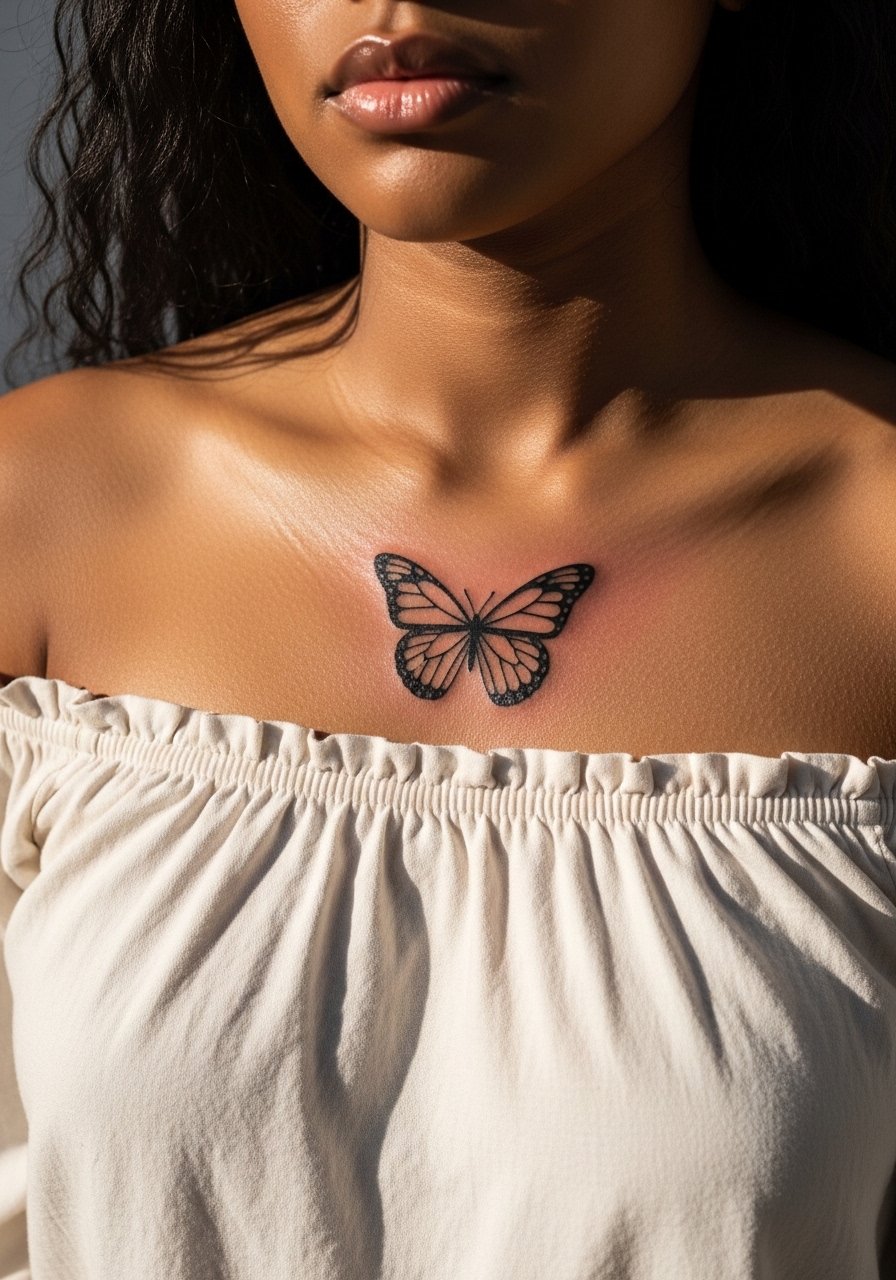
The collarbone is a flattering spot for micro teardrop wings because the bone provides a clean visual anchor. Tell your artist to angle the wings to follow the collarbone curve so the design sits naturally with movement. A frequent error is centering the body too low, which makes the wings compete with necklaces. The session feels sharp over bone but brief. For showing it off, pair with an off shoulder blouse and a delicate chain necklace that sits below the design. Touch-ups are less common than on hands but expect one at year two for perfect symmetry.
6. Divided Circle Butterfly at the Ankle
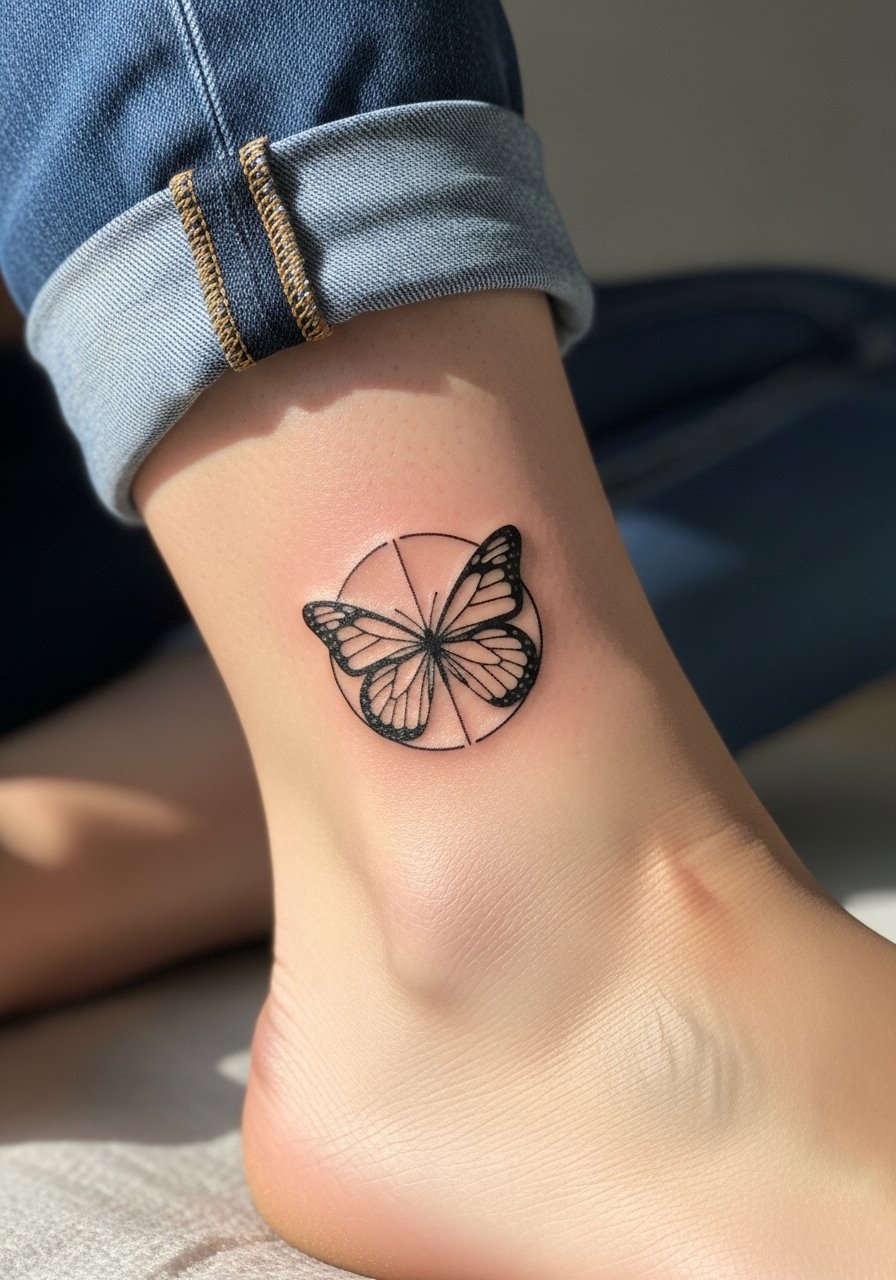
A divided circle approach uses overlapping geometry to suggest wings while keeping the design compact for sandals season. For an ankle piece, request slight negative space between circles so the lines do not blur under friction from shoes. A common mistake is scaling the circles too small, which speeds fading where shoes and socks rub. Session time is short and pain is moderate. Plan for a touch-up at year one if you wear ankle straps often. To show it off, pair with strappy ankle sandals or cropped jeans so the tattoo sits visibly at the hem.
Pre-Session Essentials
The wrist, hand, collarbone, and ankle pieces above all need different prep and a few targeted items make the session and the first week much smoother.
-
Stencil transfer paper kit. Lets you preview line placement on skin before the needle starts, which matters for precise wrist and collarbone layouts.
-
Topical numbing cream. Applied about 45 minutes before helps with sensitive wrist or ankle spots without changing how the artist works.
-
Thin protective film roll. Useful for small hand and finger tattoos to protect against early friction from frequent washing.
-
Fragrance-free gentle body wash. Cleans the area safely during the first week without irritating fine line work.
-
Aquaphor healing ointment. A thin layer in the first days helps protect delicate lines without suffocating the skin.
7. Wavy Curve Butterfly Pair for Forearm Flow
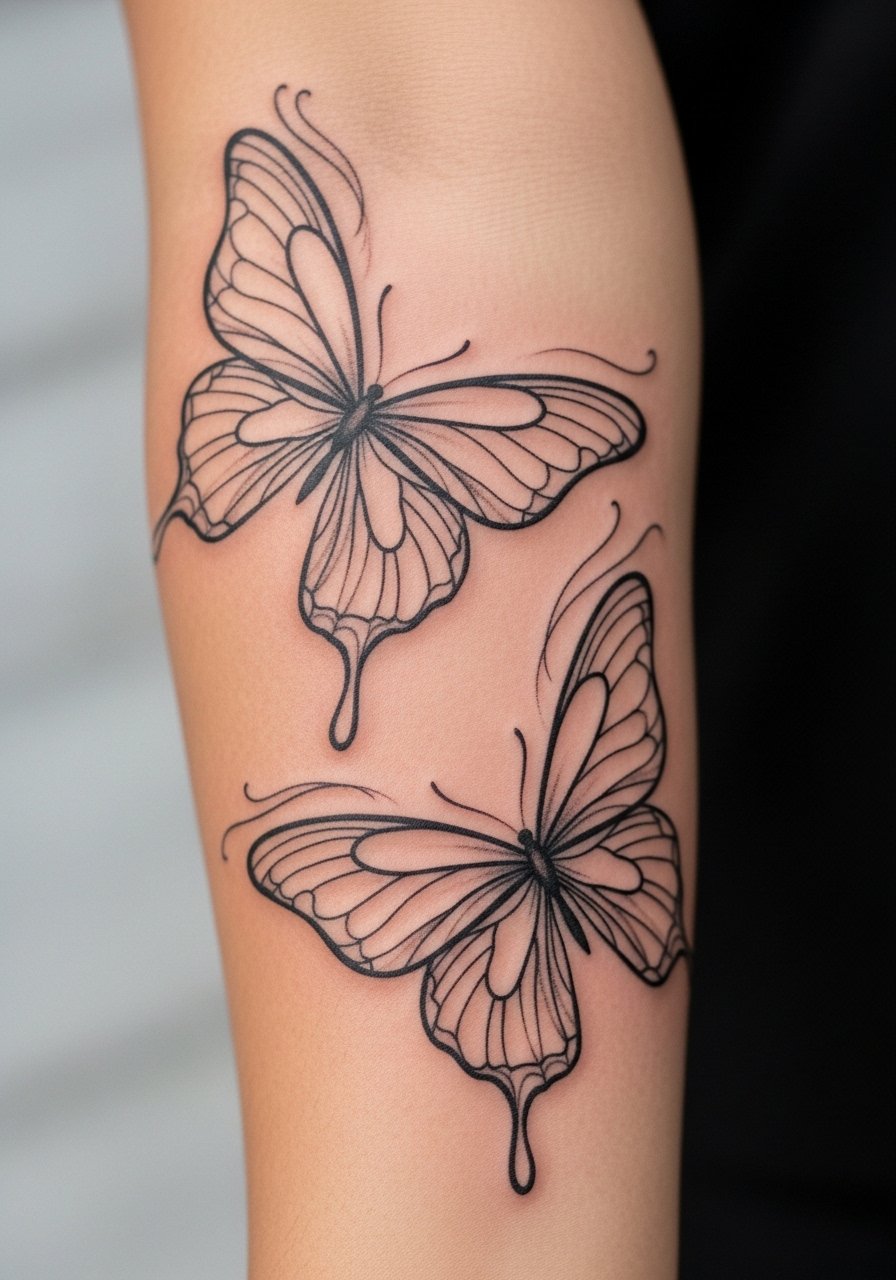
A mirrored pair along the forearm reads like motion when the arm turns. Ask your artist to map the curves along the muscle run so the wings read fluid at rest and in motion. The mistake is compressing both butterflies into a narrow band; give each butterfly breathing room so the lines do not merge over time. Forearm sessions are moderate on the pain scale and usually finish in one sitting for 2-3 inch sizes. Expect subtle softening at two years and a touch-up if you want crisp separation. For the appointment wear a loose button-down shirt you can roll the sleeve up without pulling at the stencil.
8. Abstract Pattern Butterfly for Fingers
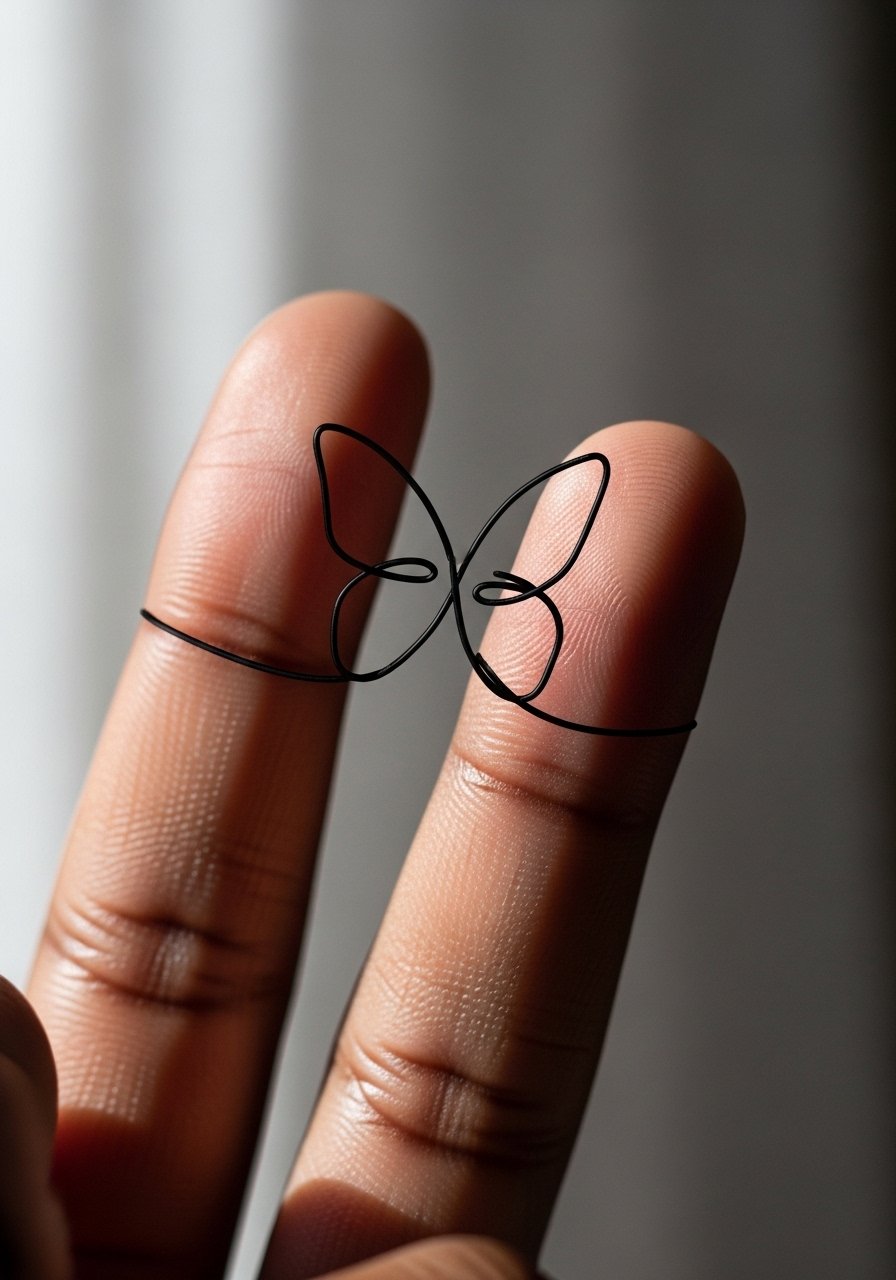
Finger-span abstract butterflies are compact and personal. Because fingers face constant washing and use, keep the loops open and avoid heavy filled dots near joints. A real mistake is dense detail crossing knuckles, which often breaks down into patchy ink. Pain is sharper and healing is fussier because of thinner skin and movement. Expect frequent fade and a likely touch-up at 6-12 months. For visibility, choose a minimal loop pattern that reads clearly in photos and accepts the reality that finger work needs maintenance.
9. Floral-Accented Butterfly on the Shoulder
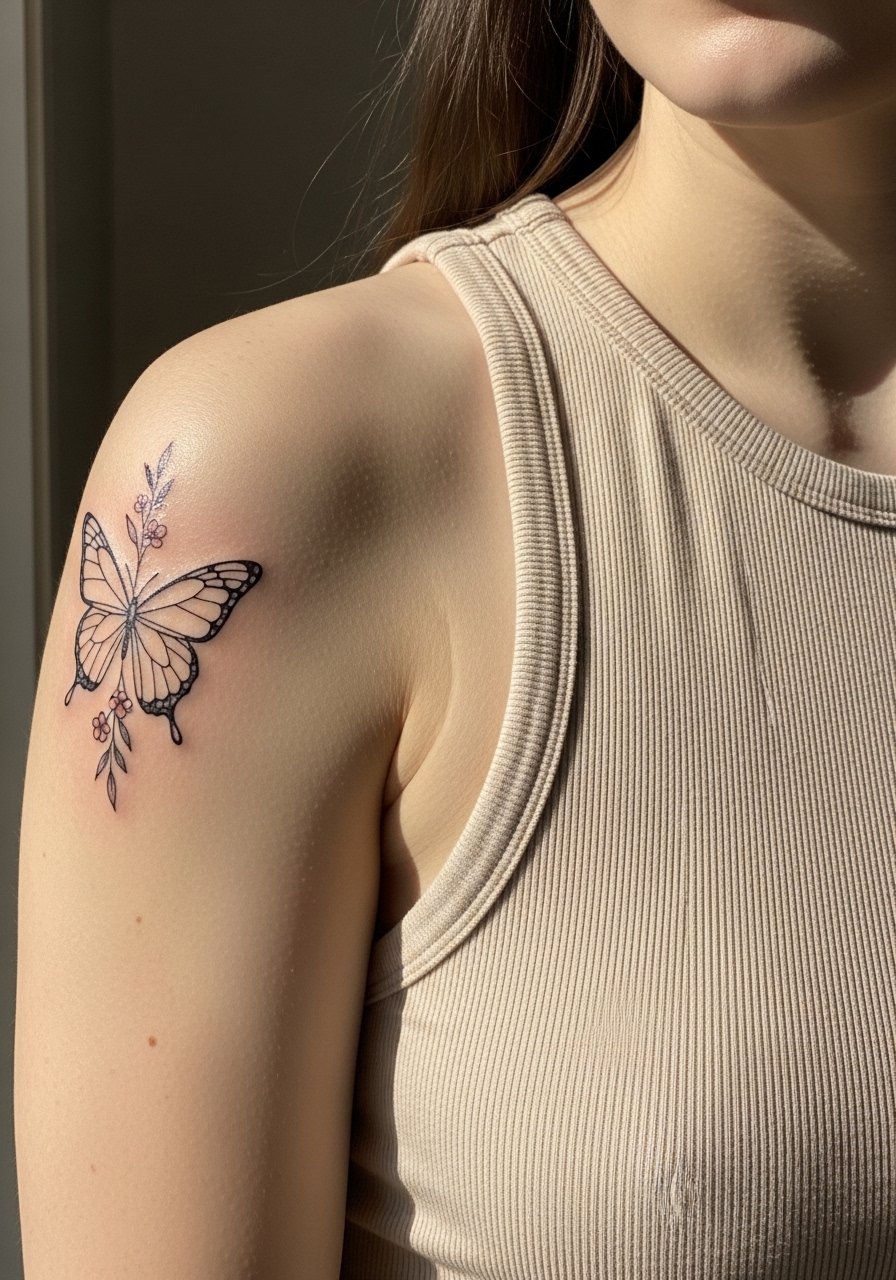
Adding small flowers around the wings gives a layered look that holds up because the small color accents sit in low-friction zones on the shoulder. Tell the artist you want the blooms as accents only, not full coverage, so the butterfly remains the focal point. A common error is over-plotting flowers that crowd the wing negative space and age into muddiness. Shoulder sessions are easy for both artist and client, short and low on pain. For session day, wear a fitted tank top so the area is easy to reach and the fabric does not catch the work.
10. Hand-Sized Winged Outline for Bold Statement
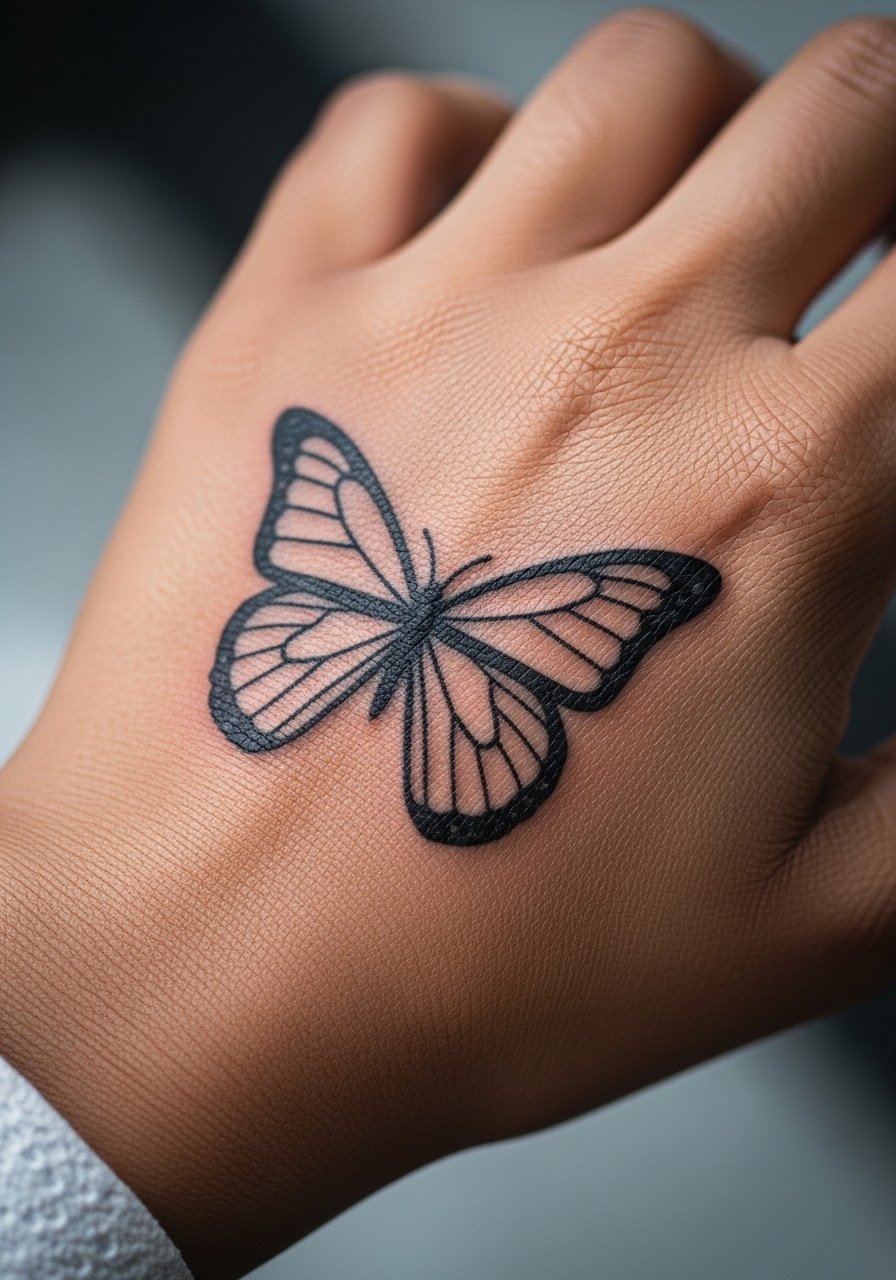
When you want visibility without micro detail, a hand-sized outline reads clean from a distance and keeps linework durable. The catch is the back of the hand sees constant friction, so ask for slightly bolder lines and intentional negative space rather than tight ornamentation. People often ask for too much interior detail on this canvas and then wonder why it softens fast. The pain is notable and healing requires keeping the area dry and protected. Expect at least one touch-up within the first year. Consider how a visible hand piece could affect certain job settings before booking.
11. Teardrop Upside-Down Wing Hybrid on the Hip
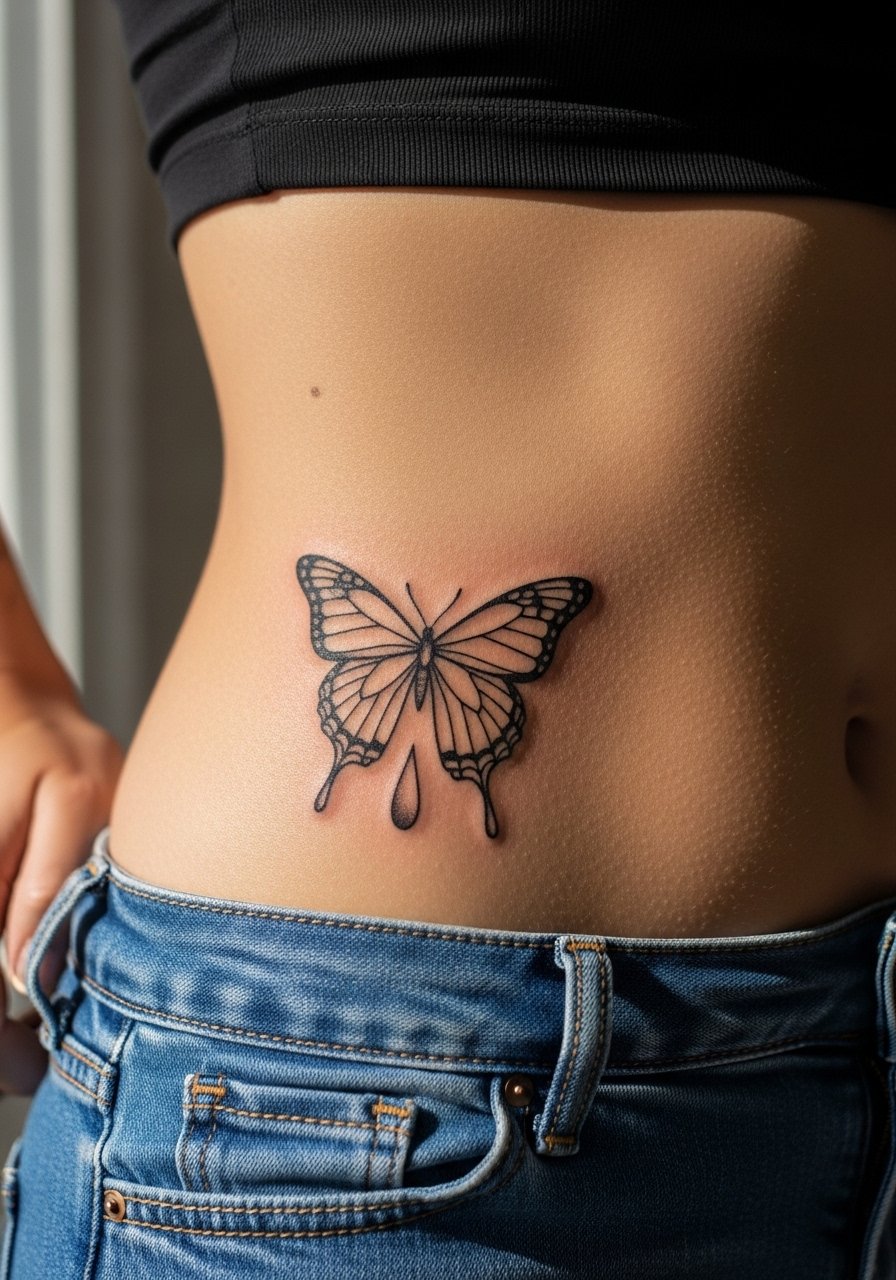
This dragonfly-butterfly hybrid flips the wing profile for a compact, slightly architectural look that suits the hip. Ask for shallow wing ridges so the teardrops remain distinct against nearby stretch marks or curves. A common error is drawing the teardrops symmetrically without accounting for the hip curve, which makes one side look off when standing. The session is low on pain compared with ribs but expect some tenderness when sitting. For healing, avoid tight waistbands for a week to prevent scabbing from constant friction.
12. Wraparound Arm Series Showing Motion
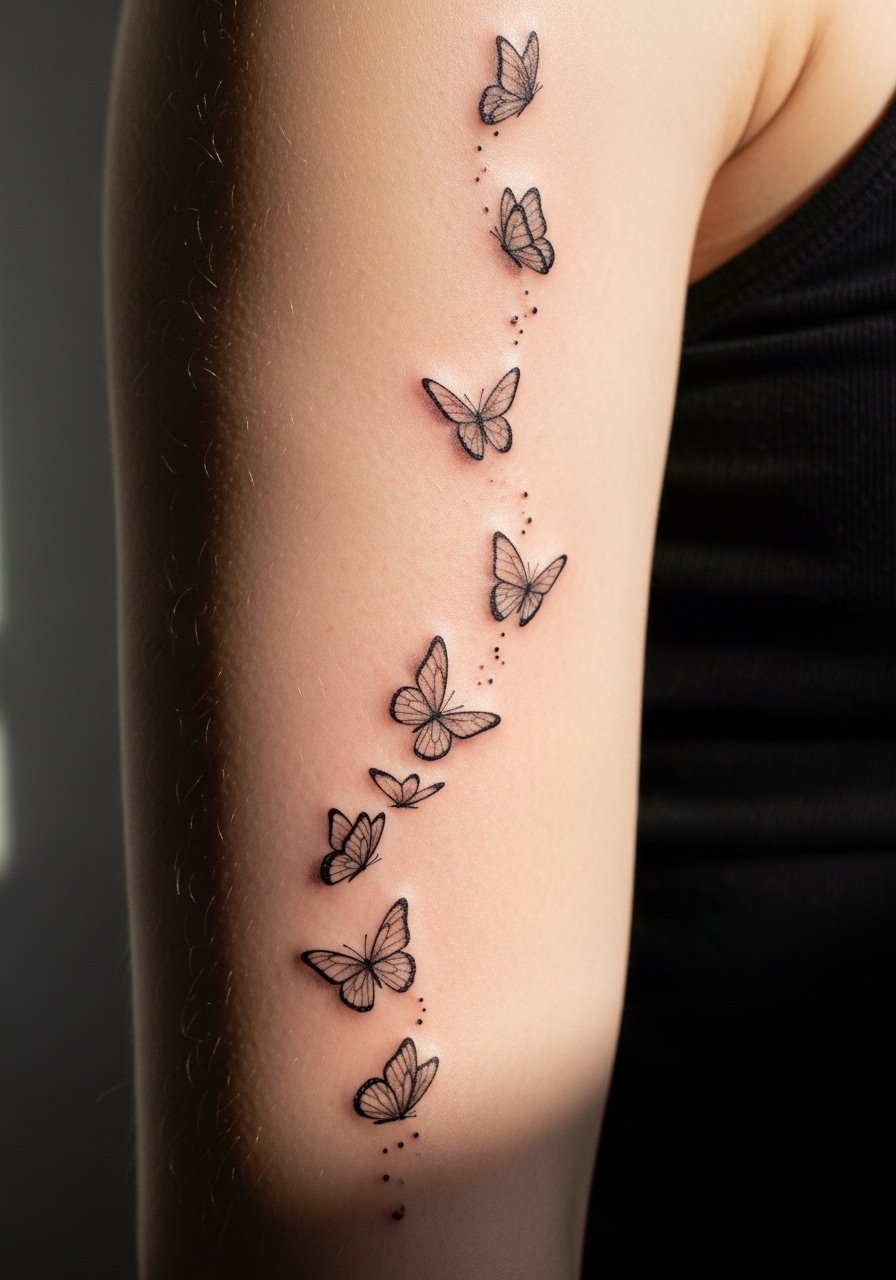
A wraparound series reads like movement and gives you room to expand later. Tell your artist you want staggered sizing so the flight path looks natural, not evenly spaced like a stamp sheet. Mistakes include repeating identical motifs that flatten the sense of motion. Sessions may be split into two short sittings for healing comfort. These pieces age well when placed away from high-stretch areas. For the session wear a sleeveless white tee so the artist has full access and you do not tug the design.
13. Finger-Spanning Butterfly That Follows the Hand
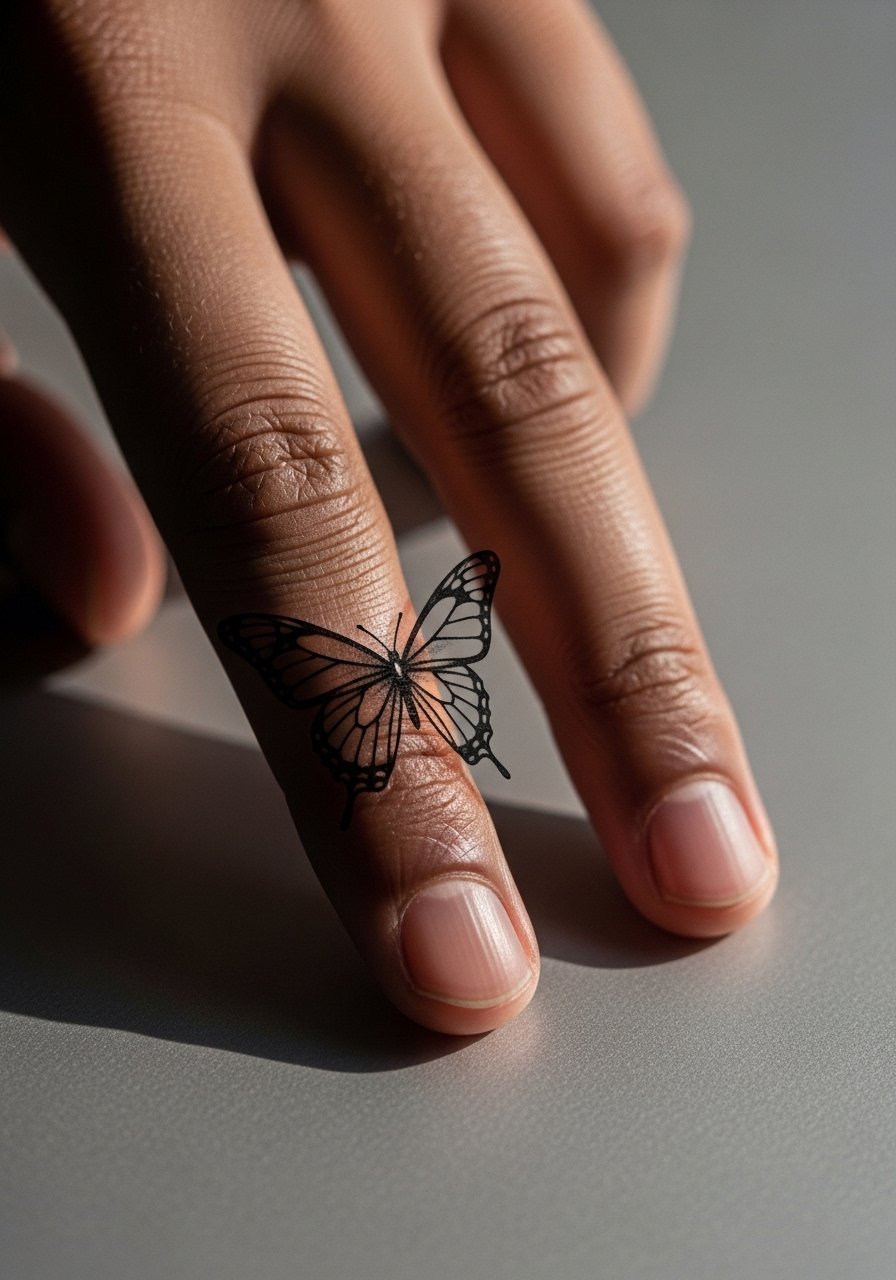
A finger-spanning butterfly that follows the hand line complements gestures and photographs nicely. Ask your artist to align the body with the finger crease so the wings fold with the hand. The usual mistake is placing the body over the joint which creases and breaks the line. Healing is fussy and frequent touch-ups are the norm. For styling, keep the piece subtle with a minimalist ring set on non-tattoo fingers so the rings frame rather than crowd the design.
14. Abstract Pattern Butterfly for Small Spaces
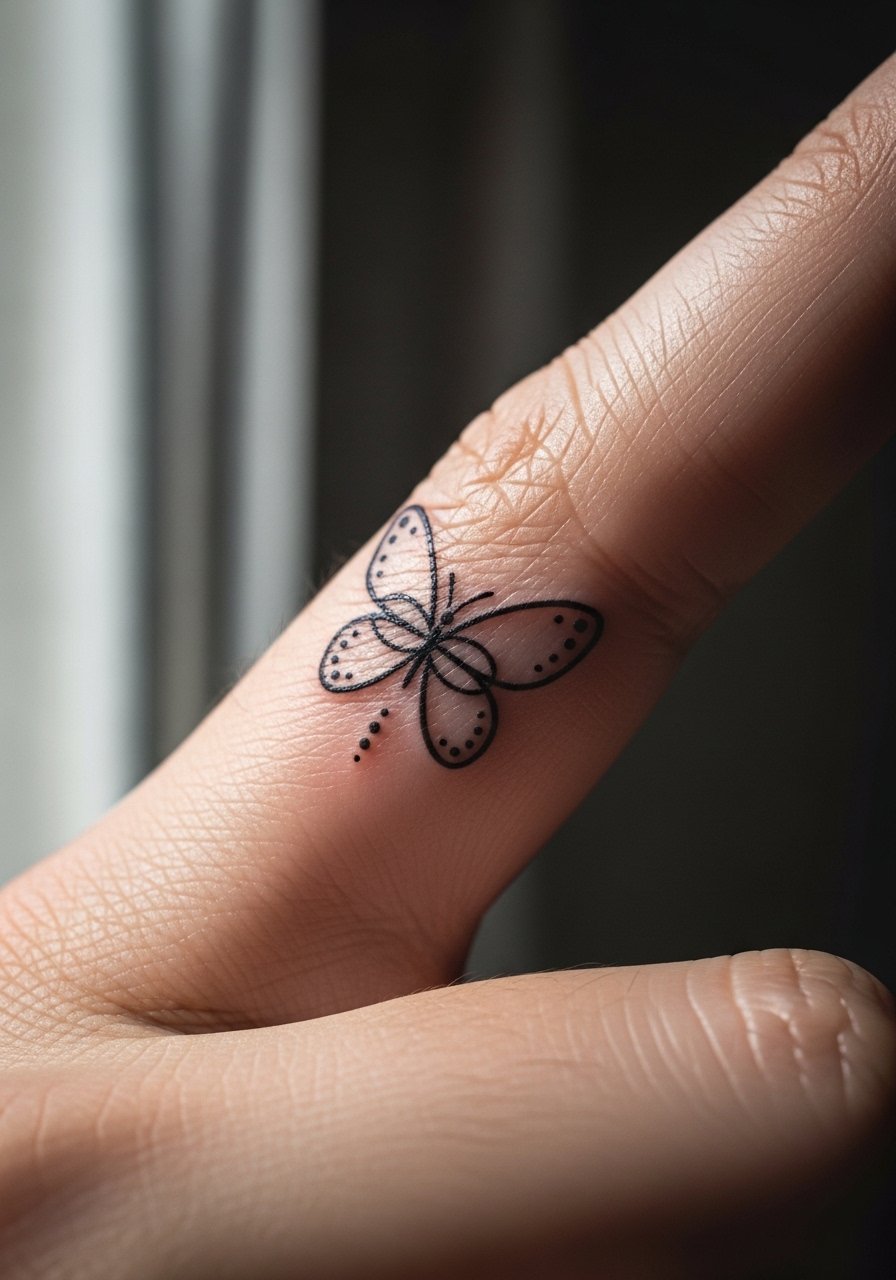
Abstract patterns let you personalize without literal butterfly detail, which is useful for tiny canvases like the finger or side wrist. Ask for open loops and spaced dots so the pattern breathes and resists merging. A common mistake is overcompacting the pattern, which turns into a gray smudge as it heals. Sessions are quick but plan for scab-free care to avoid pigment loss. This design adapts well to different placements if you want a matching set across fingers or wrists.
15. Micro-Realism Butterfly on Inner Bicep
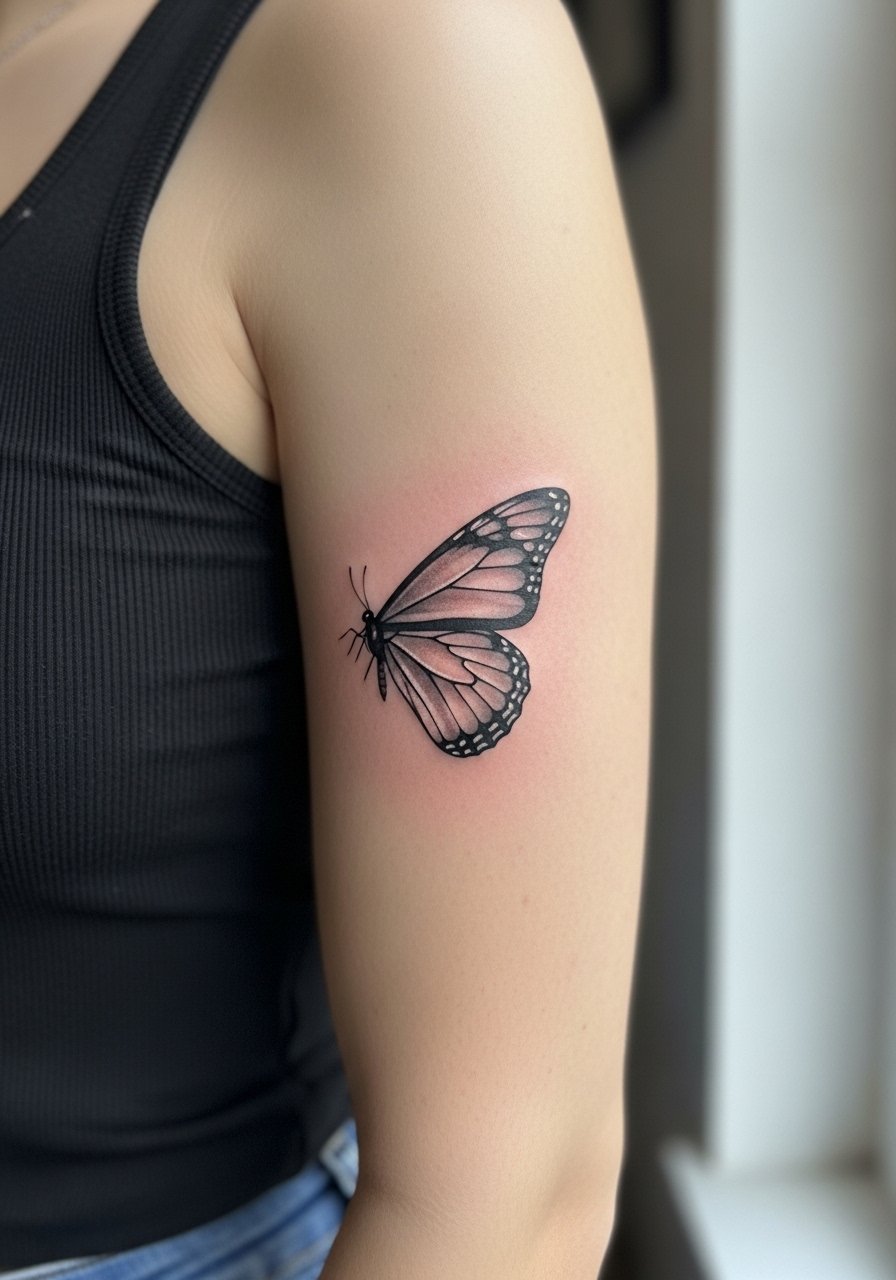
Micro-realism on the inner bicep works because the skin is protected from sun and daily abrasion. Request stipple shading and subtle contrast so the wings have dimension but not heavy saturation. Artists debate whether very fine realism holds on softer skin. One camp says careful needle depth and spacing keeps detail intact, the other warns softer tissue can blur lines with time. Expect moderate pain during the session and a likely touch-up at 18 months if you want the fine shading refined. For comfort, wear a tank top you can move without stretching the skin.
16. Bold Blackwork Winged Outline on the Scapula
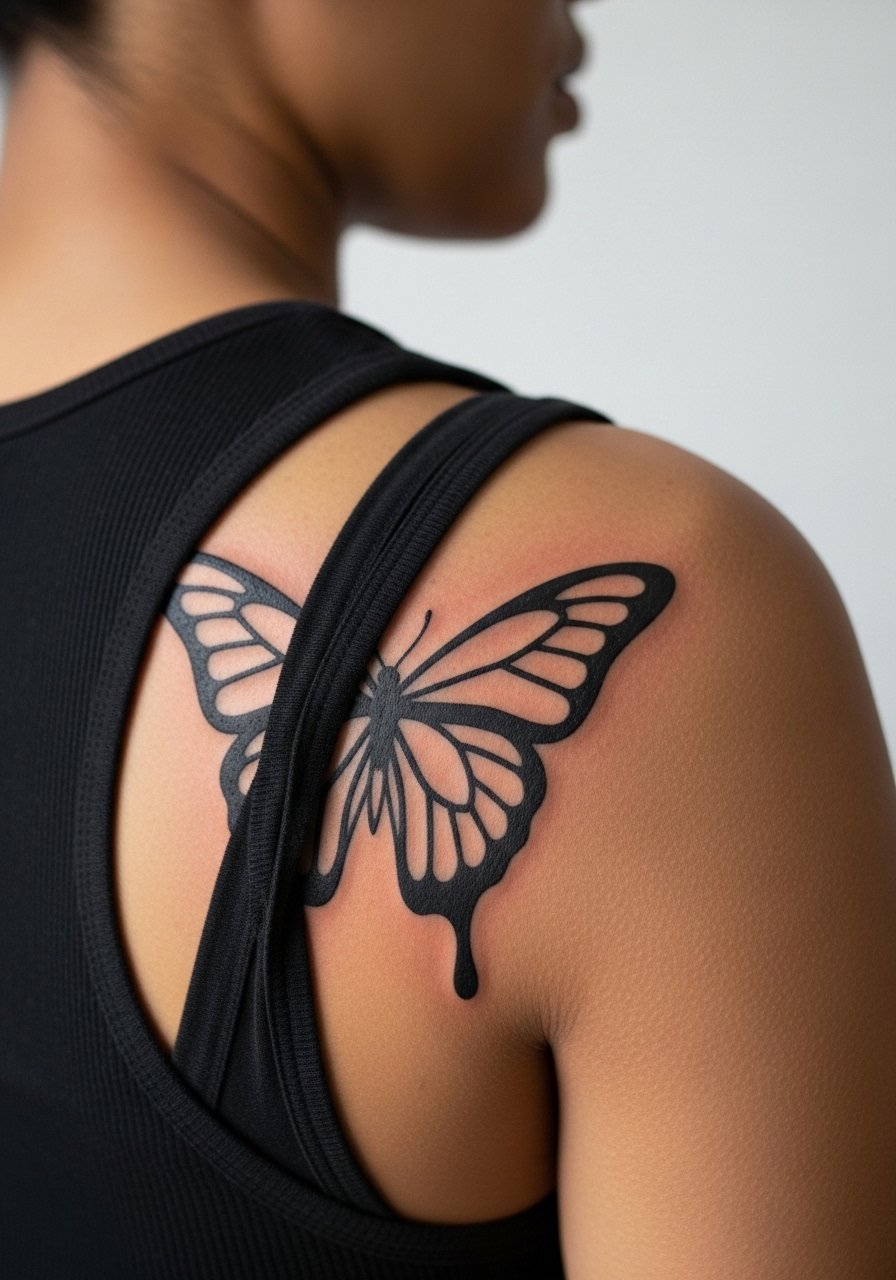
A bold black outline on the scapula is a low-maintenance option because the area avoids constant friction and sun. Ask your artist for slightly thicker outer lines with open interior negative space to preserve a graphic look. The mistake is packing interior black where the shoulder blade movement leads to early softening. Sessions are moderate and you can often finish in one visit. This placement usually needs fewer touch-ups than hands or fingers, and it pairs nicely with open-back tops for occasional showing.
17. Dot-Shaded Minimalist for All Skin Tones on the Ankle
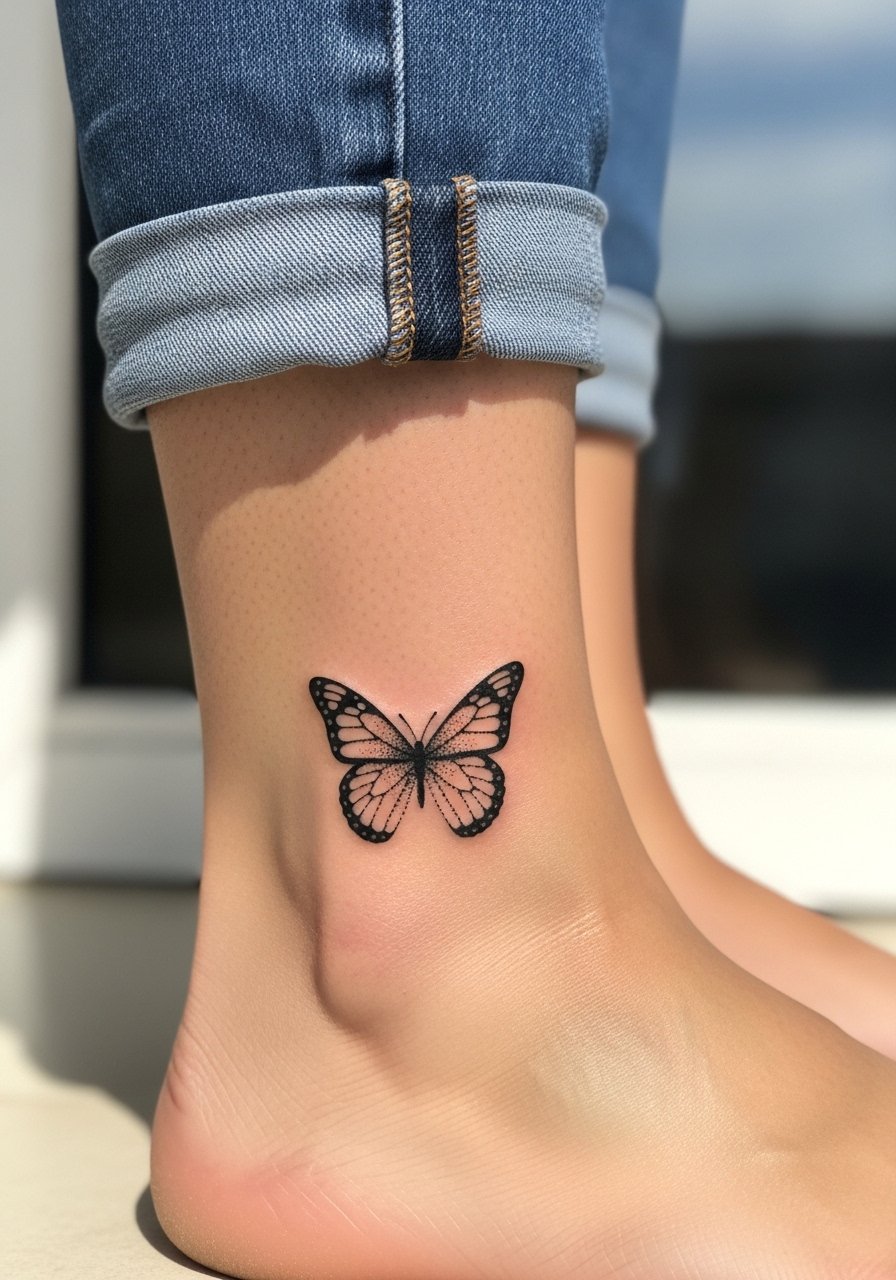
Dot shading gives control over contrast so the design reads on a range of skin tones. Ask for slightly larger dot spacing if you have darker skin to maintain visible contrast in photos. A common mistake is matching dot size to light skin standards, which can vanish on deeper tones. Ankle work faces friction from socks and shoes, so expect some early fade and a touch-up at around one year. For seasonal showing, pair with cropped straight jeans or minimal flat sandals to keep the piece visible without rubbing.
Frequently Asked Questions
Q: How much does a fine line butterfly tattoo usually cost?
A: Expect a range depending on size and shop minimums. For micro fine line pieces the typical range is $100-$400. Larger or colored pieces that require more time or a second session push that range higher. Shop minimums vary, so ask your chosen studio for their walk-in and appointment minimum before booking.
Q: Do fine line butterflies fade faster than bolder outlines, and what are the artist camps on this?
A: Yes, fine line work tends to fade faster on exposed spots. Artists split into two camps. One camp argues fine line is an aesthetic worth the maintenance and that subtle fading can be part of the look. The other camp prefers bolder outlines for longevity and fewer touch-ups. Ask potential artists which approach they favor and why, then pick a technician whose portfolio shows the look settling well on skin tones like yours.
Q: What should I wear to a session for a collarbone, wrist, or ankle tattoo?
A: For a collarbone piece wear an off-shoulder top or a wide-neck shirt you can pull aside. For wrist tattoos use a sleeveless tank or short sleeve you can roll up. For ankle work pick loose pants you can roll or sandals. These choices let the artist work without tugging at the stencil and reduce tape or fabric rubbing during the session.
Q: How long before a watercolor butterfly needs a touch-up compared with a black outline?
A: Watercolor styles often show color softening sooner, so a common timeline is a brightness top-up at 12-24 months. Black outlines generally need touch-ups less frequently, often around 2-3 years depending on placement and sun exposure. This depends on your skin, aftercare, and how much sun the area receives.
Q: Are hand and finger butterfly tattoos worth it if I hate the idea of yearly touch-ups?
A: Hand and finger tattoos demand maintenance because of washing and friction. If you want low fuss, favor larger outlines in less exposed spots like the scapula or upper arm. If you still want hand or finger pieces, plan for annual touch-ups and pick a simpler lineweight that an artist can maintain over time.