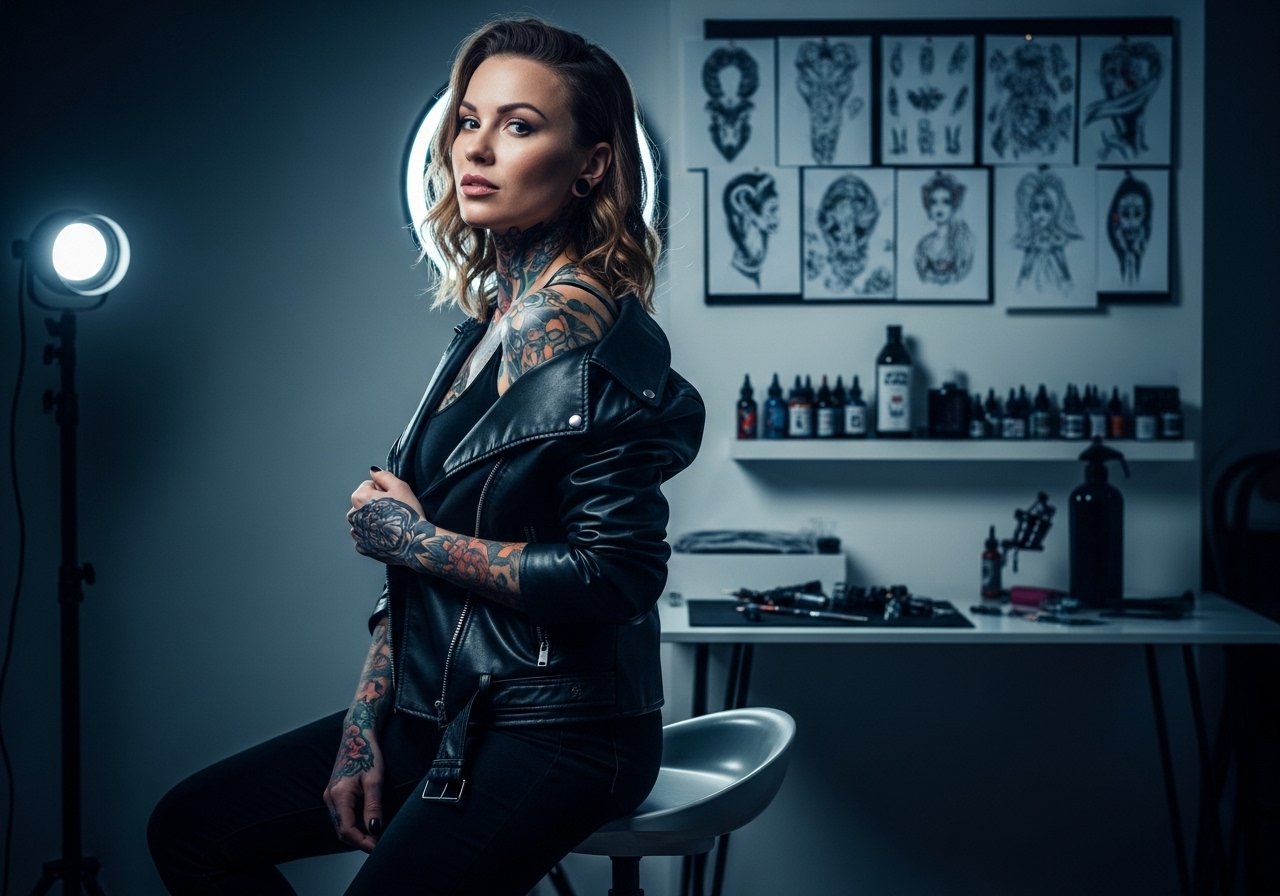
Fine line tattoos dominate saved boards right now, and that popularity hides a truth about longevity. The pieces that look best after five years are often the ones planned with spacing, placement, and realistic line weight in mind. These matching arm ideas focus on that balance, so you get designs that read special today and still sing after a few summers in the sun.
1. Fine Line Floral on Inner Forearm
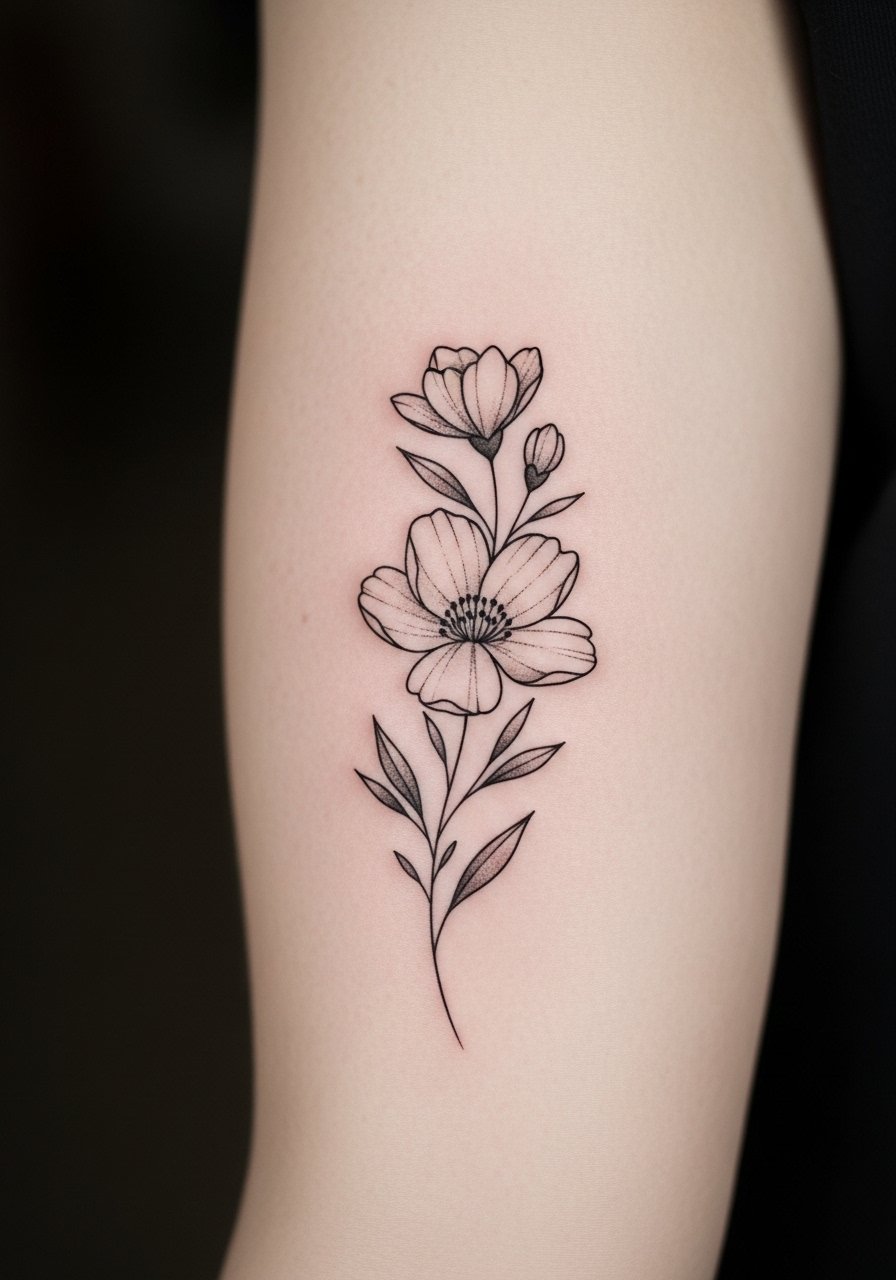
I recommend this when you want a delicate matching piece that still reads in close conversation. Tell your artist to space petals and leaves for breathing room so dots and tiny stems do not merge as the ink settles. The inner forearm moves a lot but it avoids the constant friction of cuffs. Fair warning about fine line fade. One camp says fine line blurs faster on arms and needs touch-ups around year three. The other camp says proper depth and spacing keep it stable. For showing it off pair with a rolled cuff chambray shirt and a thin leather cuff bracelet to frame the artwork. Expect a one to two hour session and a likely touch-up by year three.
2. Minimalist Line Art Butterfly on Upper Arm
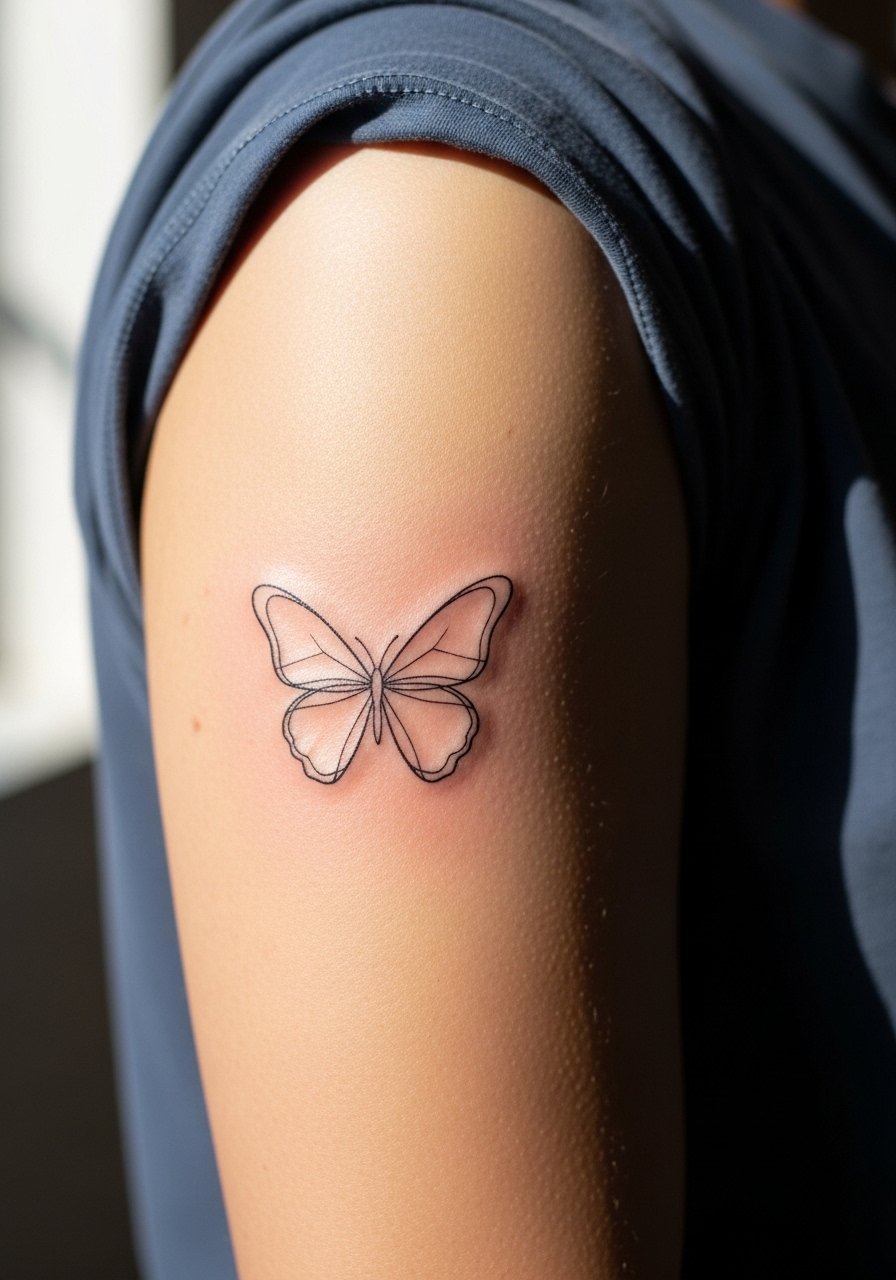
This is a great first matching tattoo for people who want small symbolism without heavy commitment. Ask for single-pass linework with slightly bolder anchoring lines where the wings meet to resist blowout. The upper arm is forgiving for linework and rates as low to medium on pain. A common mistake is asking for hairline traces that vanish after sun exposure. For showing it off pick a cap sleeve tee or an open knit vest that leaves the bicep visible. Session time is usually under an hour and most artists recommend a small touch-up within 2 to 4 years for fine detail.
3. Ocean Wave Matching Half-Sleeve That Flows with Muscles
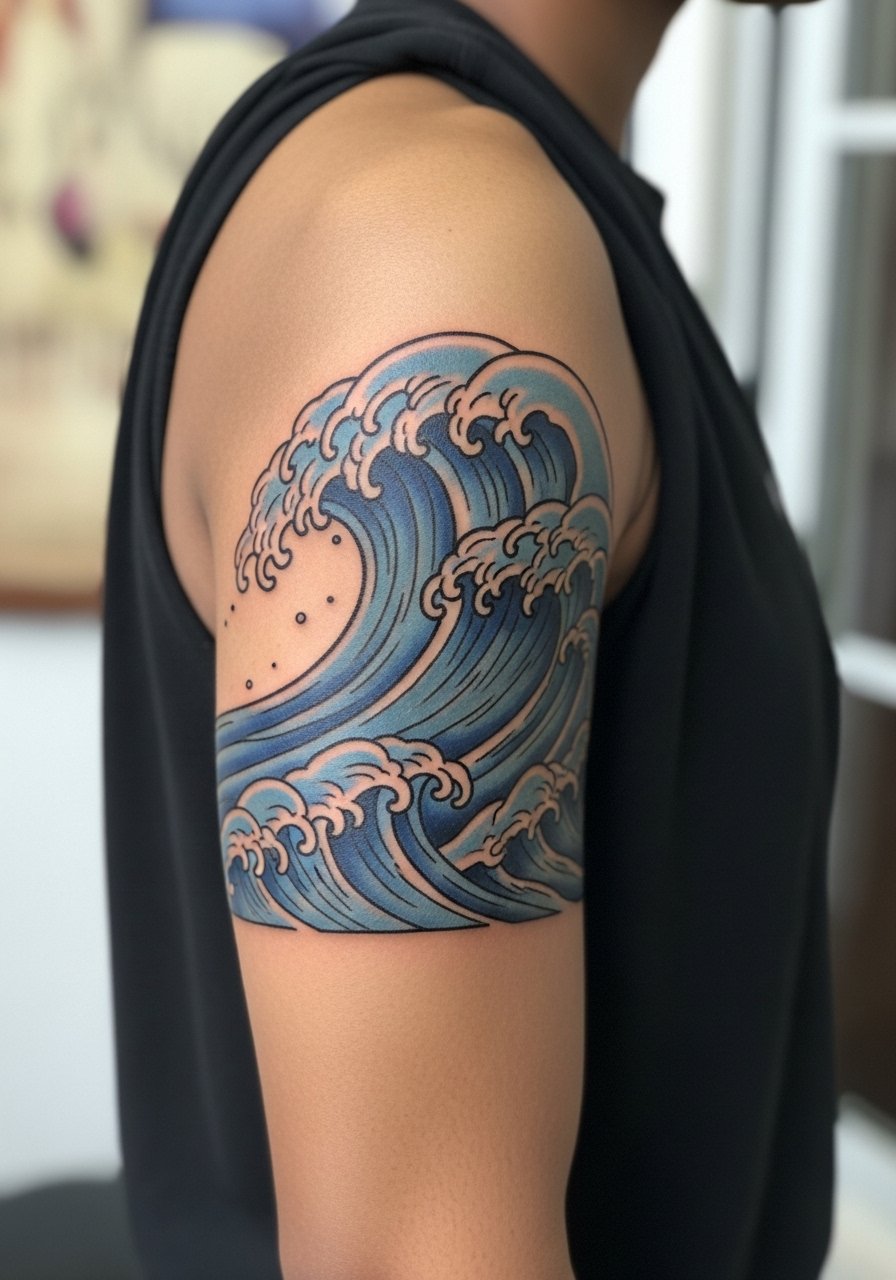
When you and a partner want movement in the same motif, have the waves follow muscle direction. Ask the artist to map the flow along arm flex lines so the composition reads while you bend and reach. This prevents panels from breaking when the arm contracts. These sessions take multiple hours across two to three visits depending on saturation. The hand that gets most sun will fade faster, so plan touch-ups for exposed arms. For casual showing wear a slim fit muscle tee or roll a denim jacket sleeve to highlight continuity. Expect richer color retention with heavier saturation and solid black anchors.
4. Spider Web Elbow Accent for Side-by-Side Matching
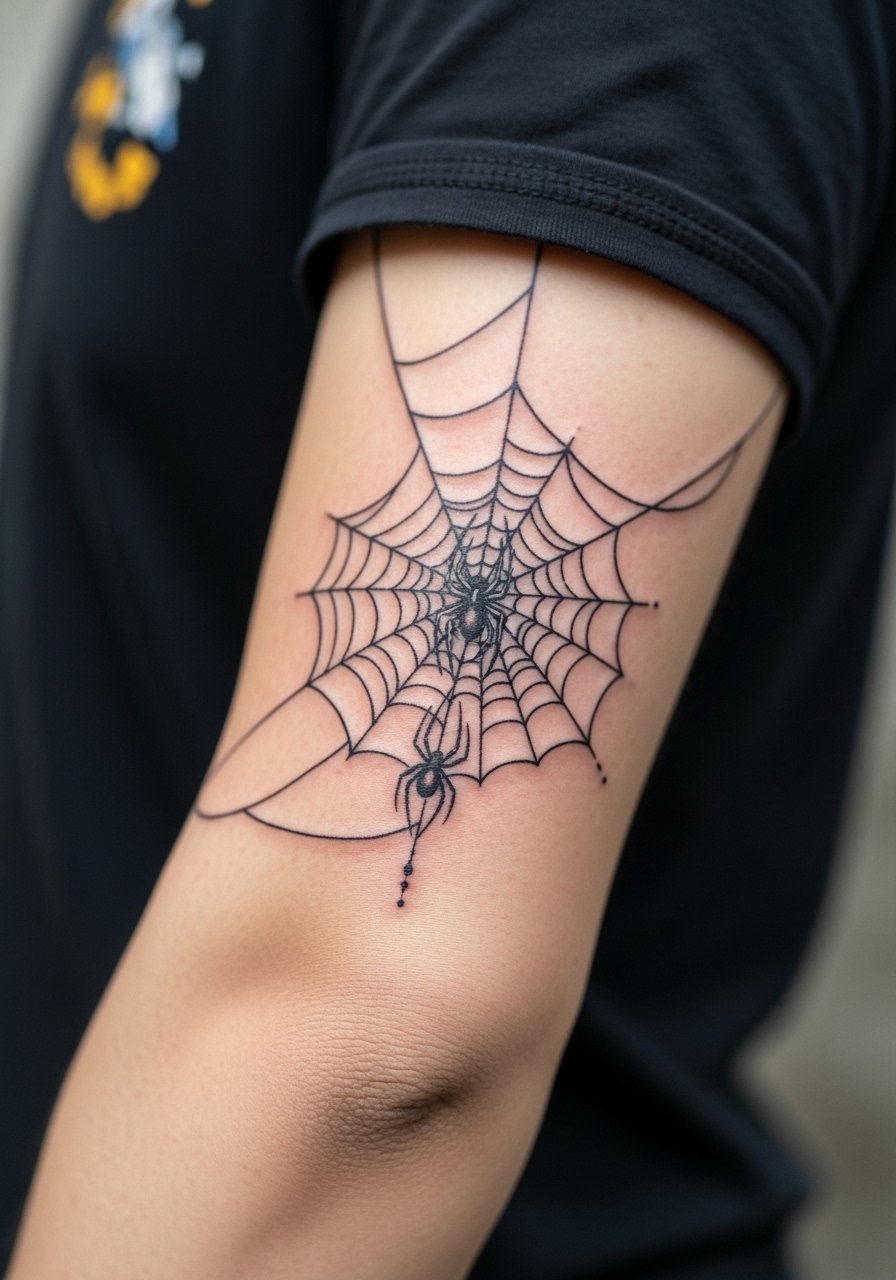
Elbow pieces need intentional geometry because the joint distorts shapes when you bend. Ask an artist to design the web so a central point sits on a flatter plane near the epicondyle. A common mistake is centering on the most curved spot, which forces line compression. These usually take two sessions and feel sharp when the needle crosses the thin skin around the joint. Expect medium pain. For a night out pair the piece with an elbow-patch blazer to play with texture. Know that elbow ink can require touch-ups sooner because of constant bending.
5. Neo-Traditional Motif on Upper Arm for Coordinated Sets
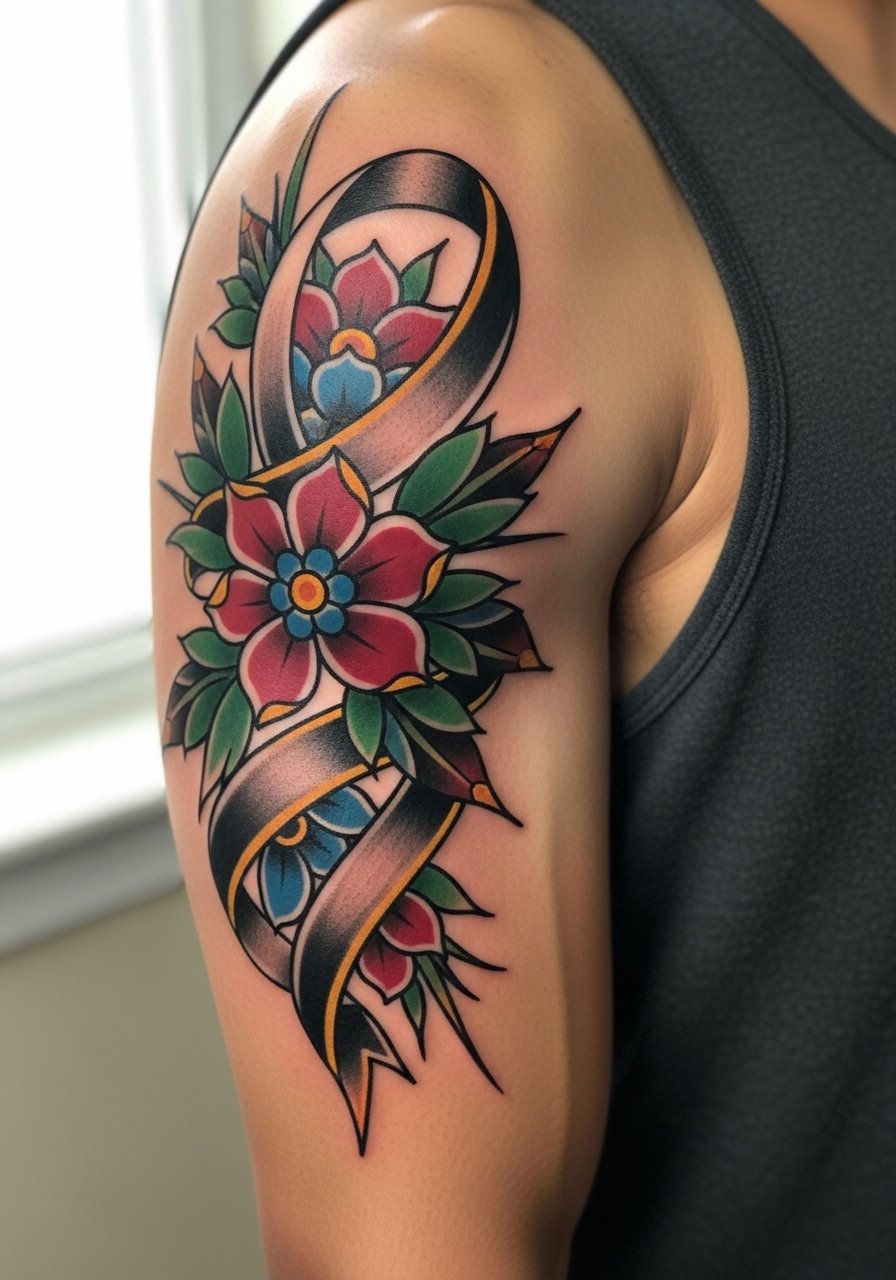
This style works when you want matching visual language without copying the exact image. Ask for shared motifs like the same ribbon or bloom across both arms while letting each piece have its own focal. Upper arm placement sits comfortably for longer sessions and rates low to medium on pain. A mistake is compressing too many small details into a tight bicep patch. Session length is typically two to three hours per panel. For showing off, use a lightweight button down with sleeves you can roll up so the motifs line up visually.
6. Anime Forearm Composition for Story-Matched Pairs
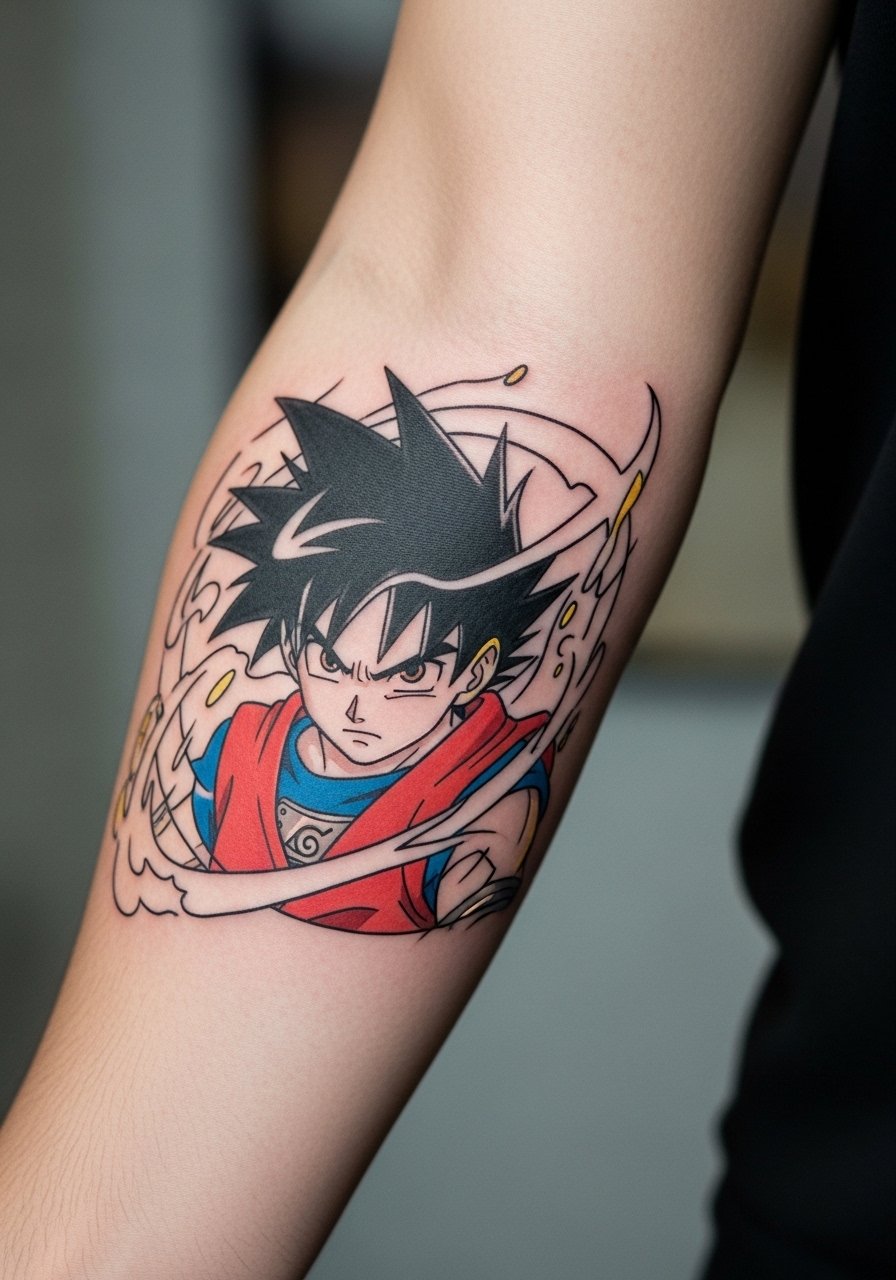
If you and a friend share a fandom this lets each of you carry different scenes from the same narrative. Bring reference images showing expressions and poses so the artist keeps proportions consistent across both arms. The outer forearm is a predictable canvas and rates low on pain. A common mistake is insisting on too much micro detail that blurs after a year. Plan two sessions for color packing and lining. For the appointment wear a fitted henley or a sleeveless tank to give clear access. Expect touch-ups for color saturation after two to four years with lighter washes needing earlier refresh.
Pre-Session Essentials
The pieces above range from delicate inner forearm work to color-heavy forearm panels, so a few small items smooth the session and the first week.
- Stencil transfer paper kit. Lets you see how matching linework sits on skin before the needle starts, which matters for tiny mirrored motifs.
- Topical numbing cream. Applied per instructions reduces wrist and elbow discomfort for sensitive placements without altering linework when used correctly.
- Thin protective film roll. Useful for small wrist pieces that catch friction from daily washing and keyboards in the first days.
- Fragrance-free body wash. Gentle cleansing helps prevent irritation on fresh fine line pieces and avoids stripping delicate ink.
- Aquaphor healing ointment. A thin layer during the initial healing window locks in moisture without clogging needle channels for most arm placements.
7. Bold Line Inscription on Inner Forearm as Matching Script
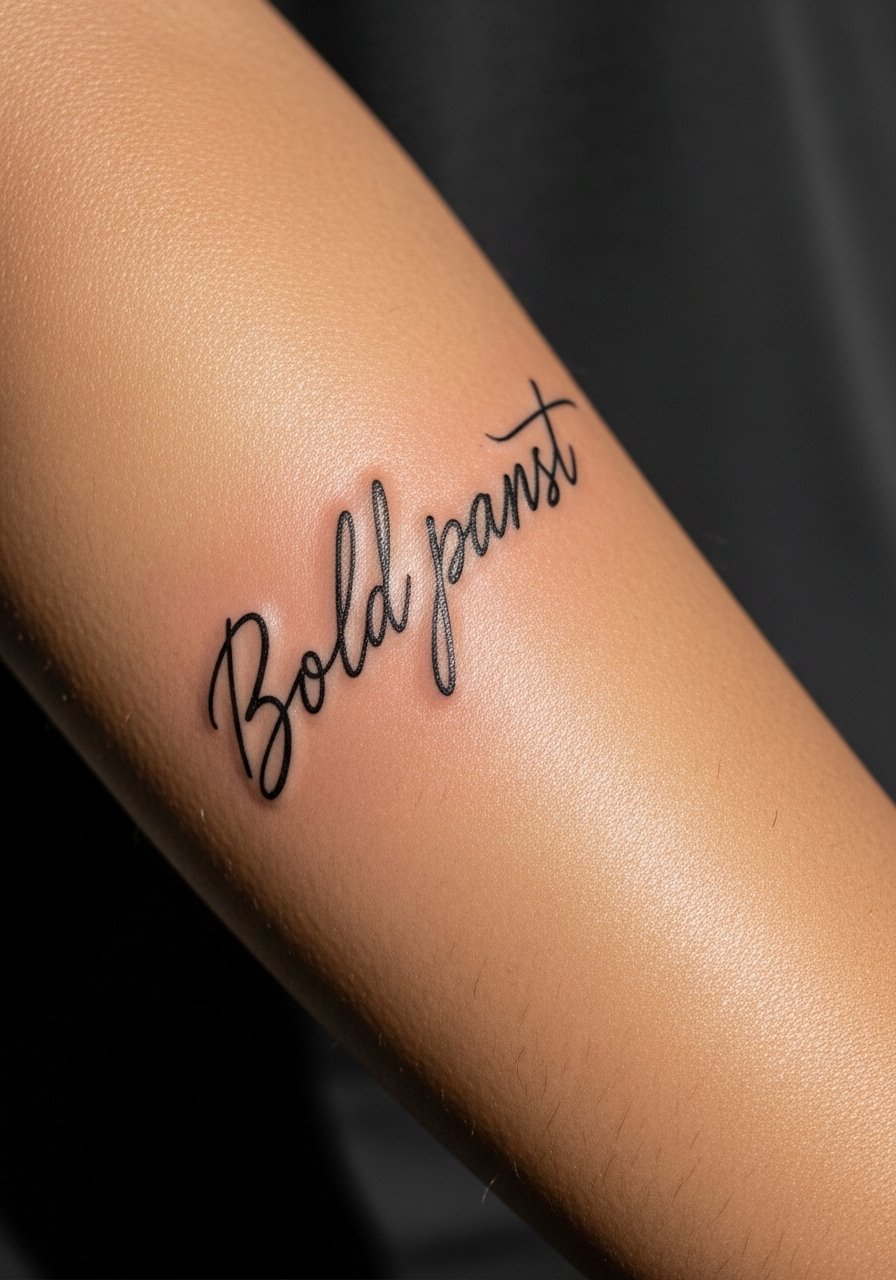
Text on the inner forearm reads well when letter forms are given room. Tell your artist the exact font weight and request a stencil preview while standing. A common error is choosing tiny script that blurs into a gray band over years. Bold letterforms age better. Pain is low and sessions are quick. For session comfort wear a loose fit button up shirt you can pull aside. Expect a touch-up in two to five years depending on exposure and sun care.
8. Micro Mandala Wrist-to-Forearm for Tiny Matching Symbols
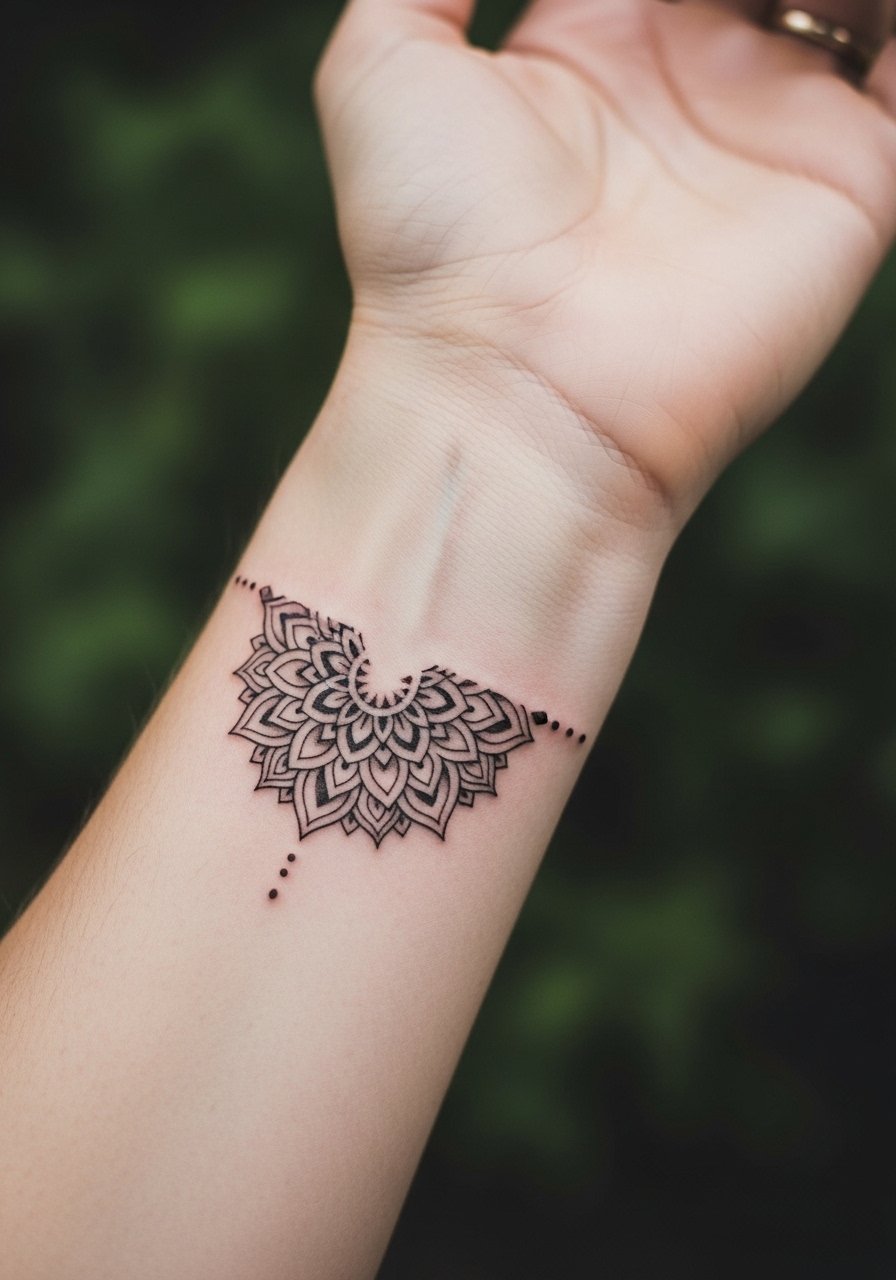
These small ornamental pieces are meditative and easy to match across two people. Ask for slightly increased spacing in dense dots so stipple shading does not fuse. Wrist tattoos face more friction and washing which accelerates fade. The common mistake is packing too many concentric rings into a two centimeter area. For showing it off try a wide cuff bracelet gold or a minimalist leather watch alternative. Sessions are short but touch-ups are more likely within 18 to 36 months.
9. Blackwork Geometric Upper Arm for Complementary Pairs
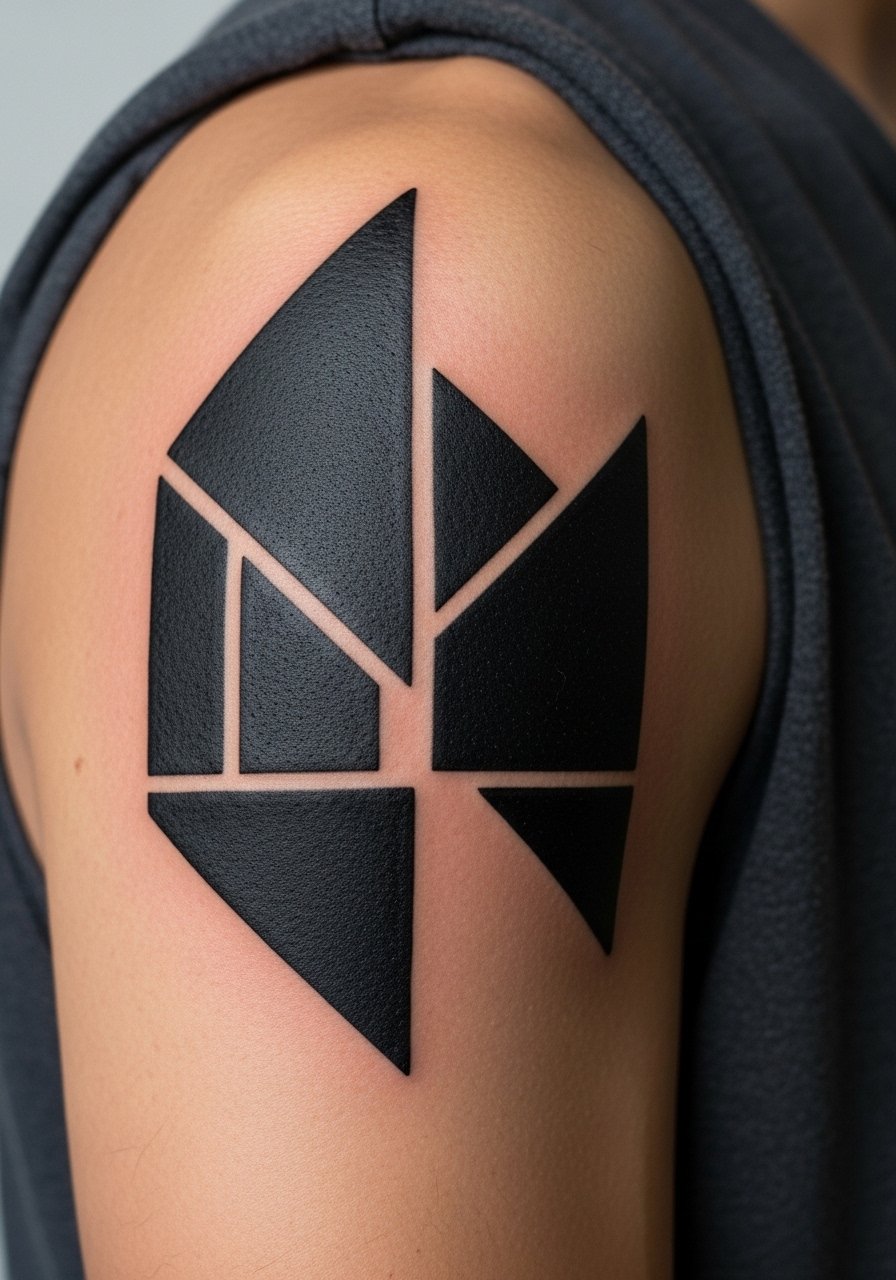
Blackwork yields high contrast and consistent aging if shapes are sized properly. Tell the artist you want negative space anchors and to avoid hairline separations inside heavy fills. The upper arm tolerates dense black without blowout as long as the artist spaces fills for skin elasticity. One frequent mistake is compressing triangles too close together which creates a muddied surface when the skin stretches. Session time is usually a few hours. Pair with an open knit vest for evenings when you want the shape visible.
10. Watercolor Flower Half-Sleeve for Coordinated Color Stories

Watercolor needs strategic outlining to avoid the "bruise" look as it ages. Ask for a mix of soft wash with occasional defining linework. Half-sleeves require three to four sessions for smooth blends and saturation. A common issue is relying solely on watercolor without anchors in black, which leads to early softening. For showing it off wear a rolled sleeve denim jacket or a loose tank. Expect colors to need refreshes sooner than solid black, especially blues and pinks exposed to sunlight.
11. Realistic Portrait Forearm for Paired Memorials
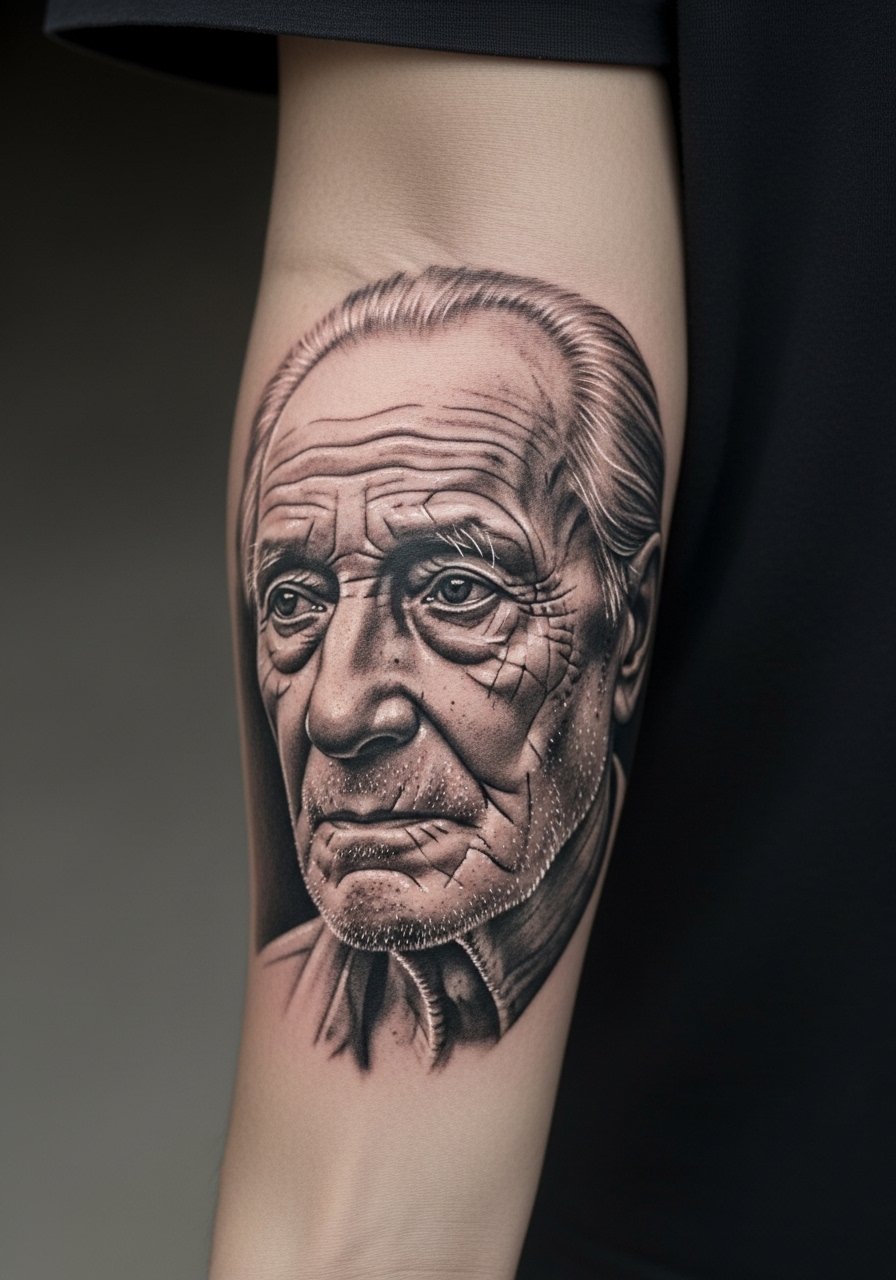
Portraits demand reference photos with clear contrast and consistent lighting for both matching pieces. Tell the artist you want mid-contrast black and gray and ask about scale so features do not compress. Inner forearm is a favorable plane for faces but tiny detail can soften over time. The common mistake is shrinking a portrait below a size that can hold eyes and nostrils. Sessions take two visits and touch-ups are common after two to five years. For appointment ease wear a loose short-sleeve button-up so the artist can roll the sleeve without pressure.
12. Patchwork Ignorant Style on Bicep for Playful Matches
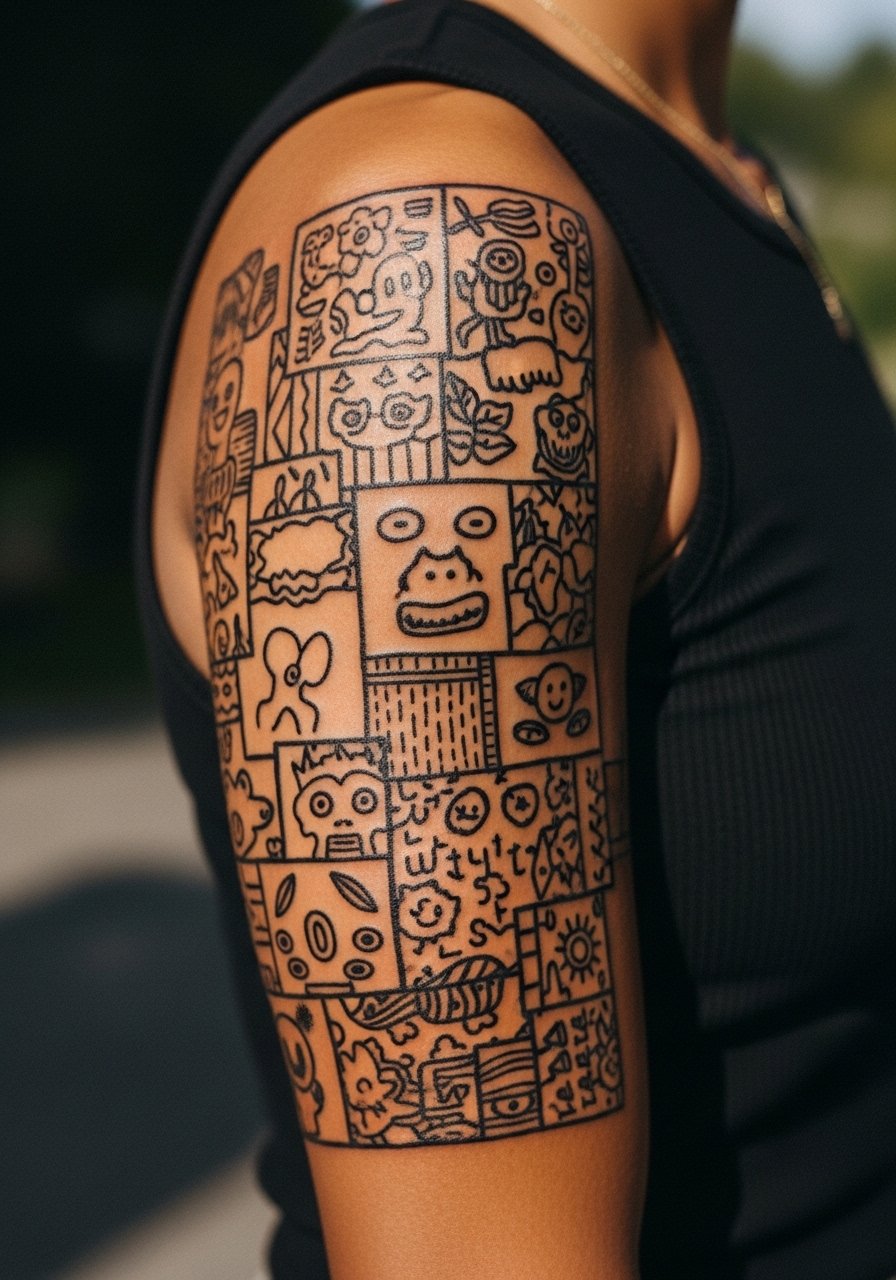
This loose, sketchy approach pairs well for friends who want shared themes without mirror images. Ask for deliberate spacing between motifs so each doodle reads after healing. The bicep offers room for larger strokes and the pain is low. The mistake is cramming too many patches into a small area which makes the narrative confusing when healed. For showing it off pair with a fitted polo shirt that keeps attention on the arm. Sessions are modular, often broken into 2 to 4 visits as you add patches.
13. Small Matching Compass on Inner Bicep
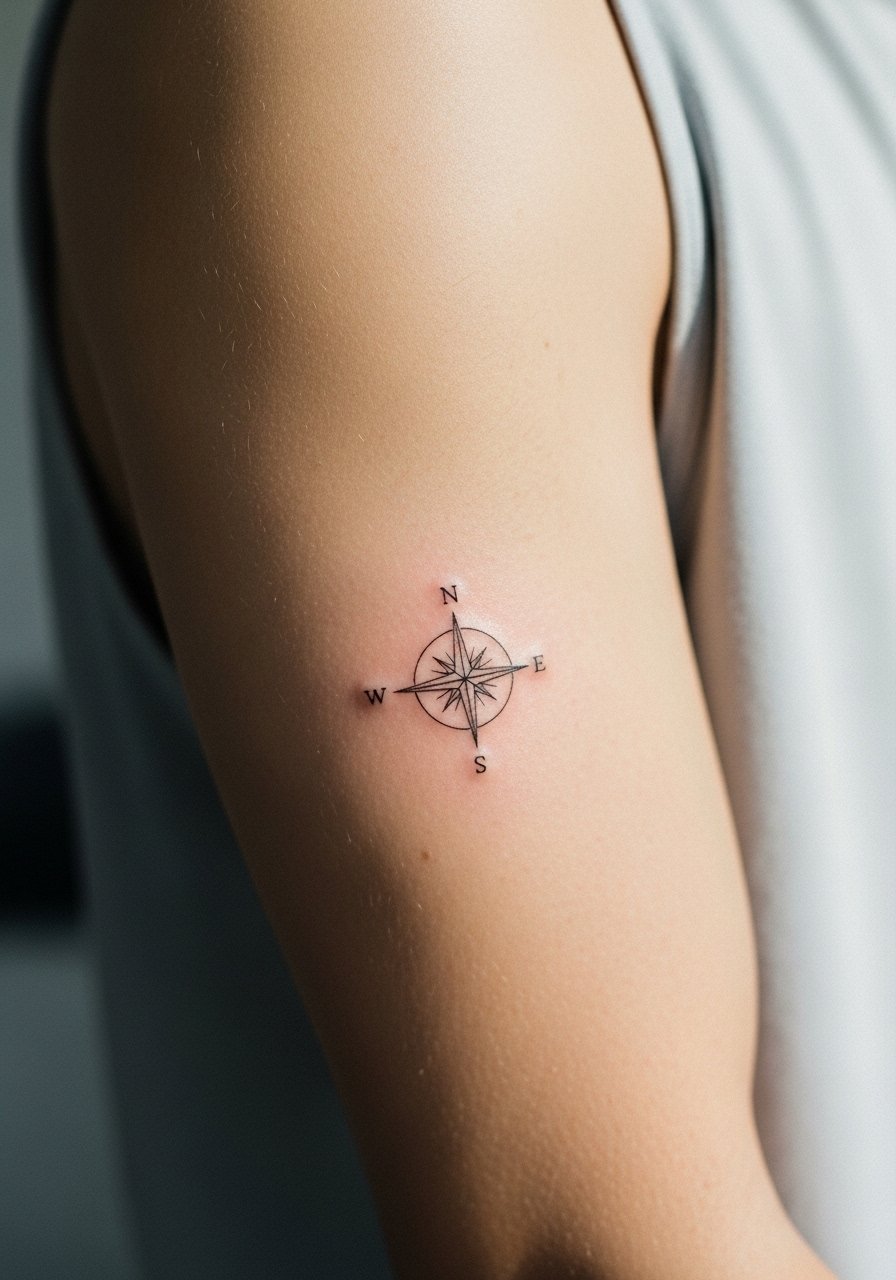
Inner bicep work reads intimate and can be mirrored for couples. Ask for a tiny key point on the compass to remain bold, not hairline. The inner bicep sees moderate movement and sweating so spacing is essential. A mistake is pushing for micro fine points that spread into indistinct marks. Sessions are quick but plan for a touch-up as sweat and friction may fade crisp points. For session comfort wear a sleeveless hoodie that you can lift without fabric rubbing the area.
14. Matching Constellations on Outer Forearm
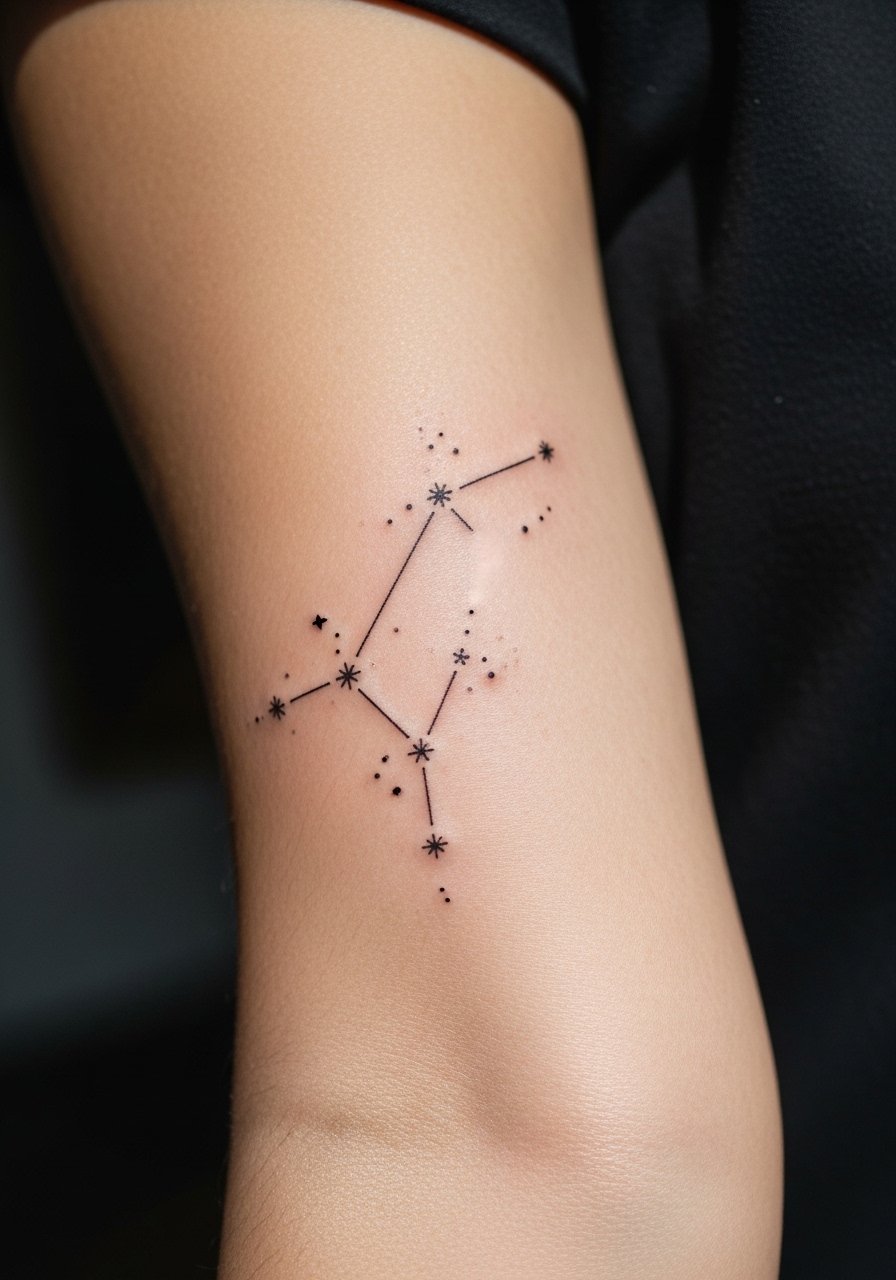
Constellations translate well to matching sets because placement maps to each arm differently. Ask your artist to space star dots slightly wider than the photo reference to avoid merging. The outer forearm is low pain and visible during everyday gestures. A common error is using overly tiny star dots that lose definition. For showing off try a fitted henley shirt with sleeves pushed up. Sessions are short and touch-ups are usually needed in 2 to 4 years.
15. Small Anchor on Lower Forearm for Nautical Matches
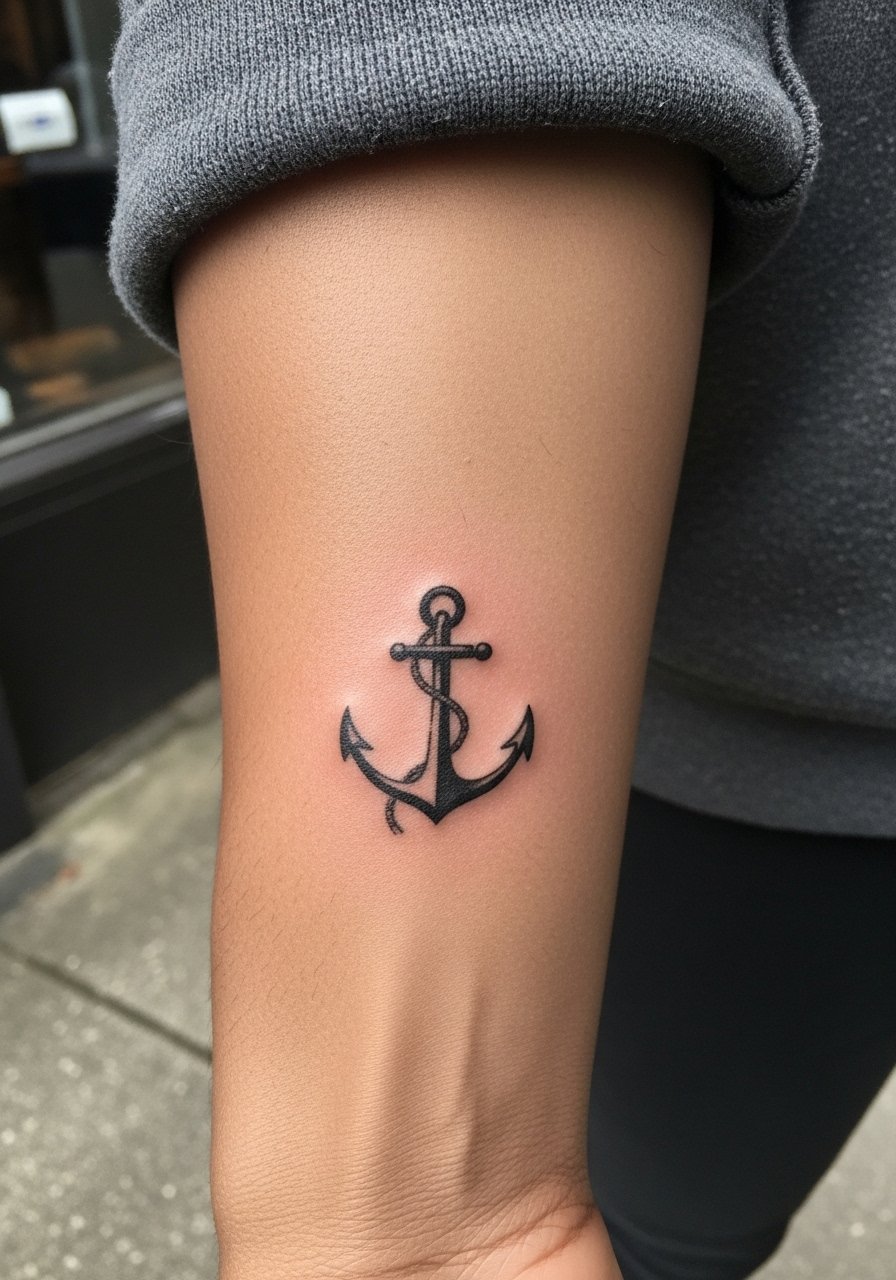
Anchors are classic matching motifs and read well when scaled for wrists or lower forearms. Tell the artist to thicken the shank slightly to prevent long-term fuzzing. Lower forearm faces sun and friction from watches so expect a quicker fade. The mistake is asking for delicate shanks and bars that vanish. For showing it off wear a sleeve-pushed henley or a simple bracelet that complements the motif. Sessions are brief and touch-ups may be recommended within a few years.
16. Tiny Script Coordinates on Inner Wrist
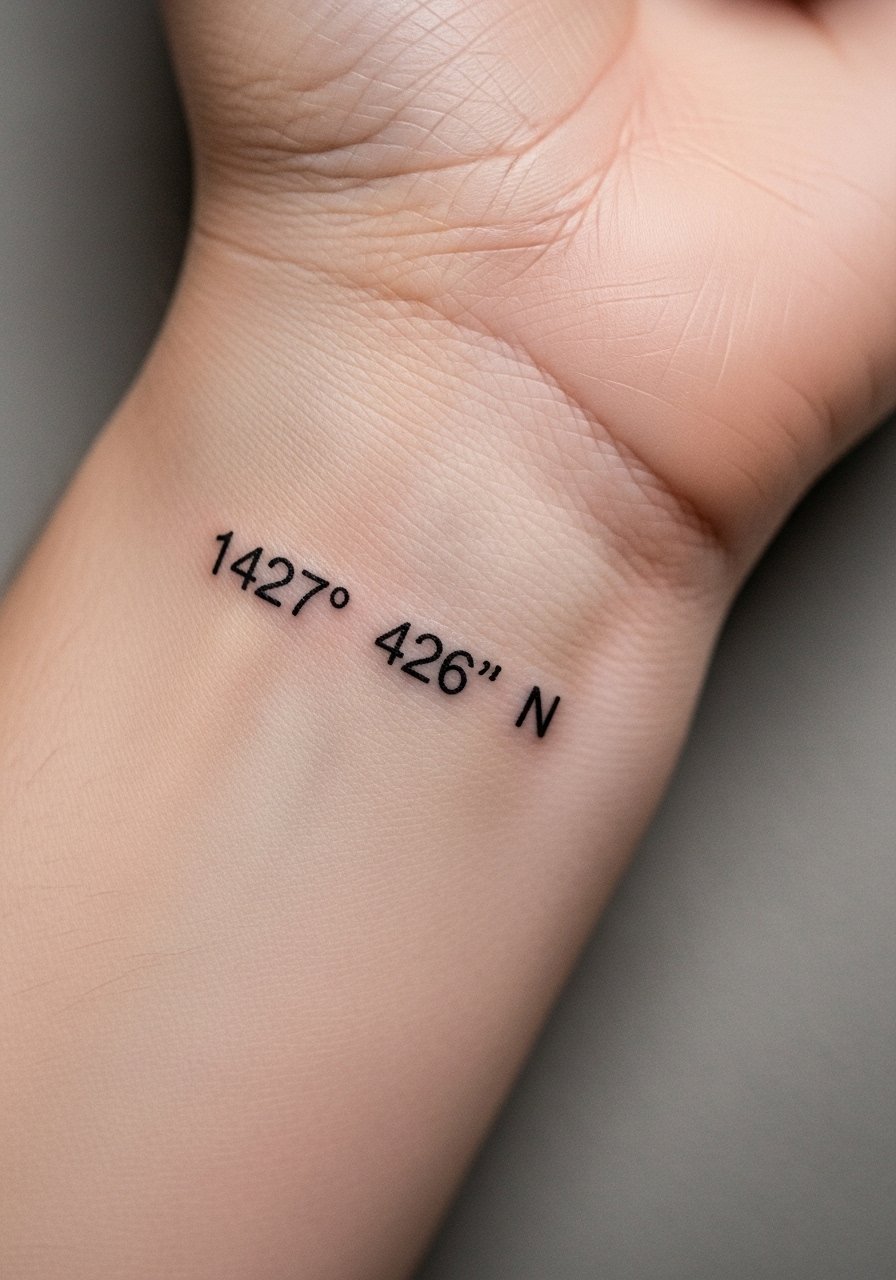
Coordinates are highly personal and map cleanly to matching sets. Give the artist the precise numbers and ask for a legible mono spacing font so numerals do not blur together. The inner wrist is thin skinned and sees frequent washing which affects healing. A mistake is compressing long coordinate strings into tiny type. For showing it off try a minimalist leather watch on the opposite wrist to balance the view. Sessions are short but expect a touch-up window within 12 to 36 months.
17. Mirror Linework Armband Around Mid-Forearm

Armbands read as punctuation on the arm and match easily between partners. Ask your artist for consistent line weight and to avoid hairline spacing that might merge. Mid-forearm has predictable curvature and low pain. A typical error is choosing too thin a band which looks patchy after settling. For the session wear a loose tank top to allow full access. Expect a one hour session and a possible touch-up if the band fills in.
18. Matching Koi Half-Sleeve Pair with Opposing Flow

Koi scale and flow work best when the fish are positioned to counterbalance each other visually. Discuss which direction each fish should face so they create a dialogue across arms. These require multiple sessions for scale texture and color. A common mistake is overloading background elements which compete with the koi. For showing it off wear a rolled sleeve denim jacket or muscle tee. Expect touch-ups for color in three to five years.
19. Matching Sun and Moon Half-Panel Across Upper and Lower Arm
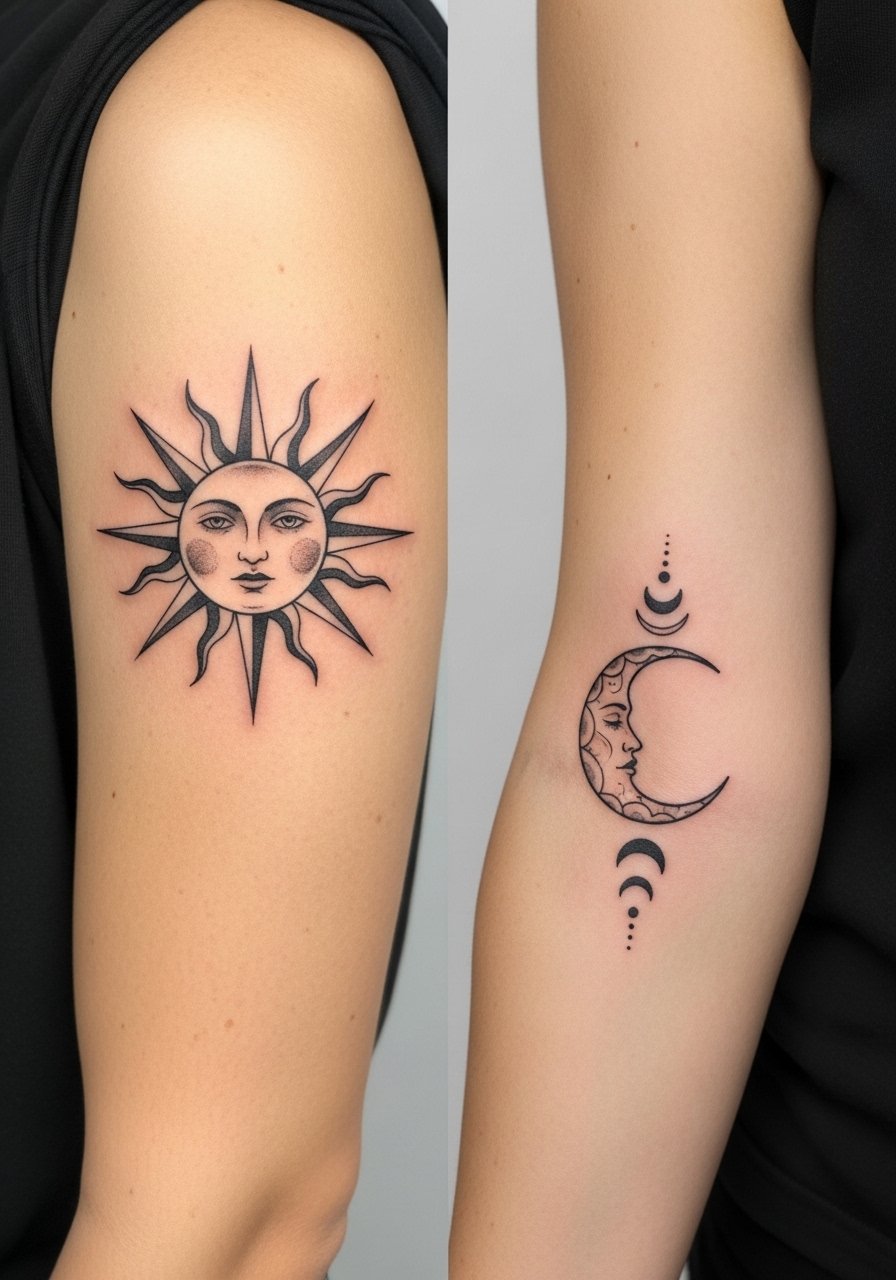
Placing complementary celestial pieces on different parts of the arm creates a narrative when the arms are brought together. Tell the artist you want consistent linework and shared dot shading style. Upper arm suns can be bolder and withstand heavier saturation, while forearm moons benefit from softer stipple shading. A mistake is mismatching scale which breaks the pairing visually. For nights out wear a cap sleeve tee or rolled sleeve to reveal both. Sessions vary by size and detail.
20. Barcode Minimal Upper Arm for Modern Matching Tokens
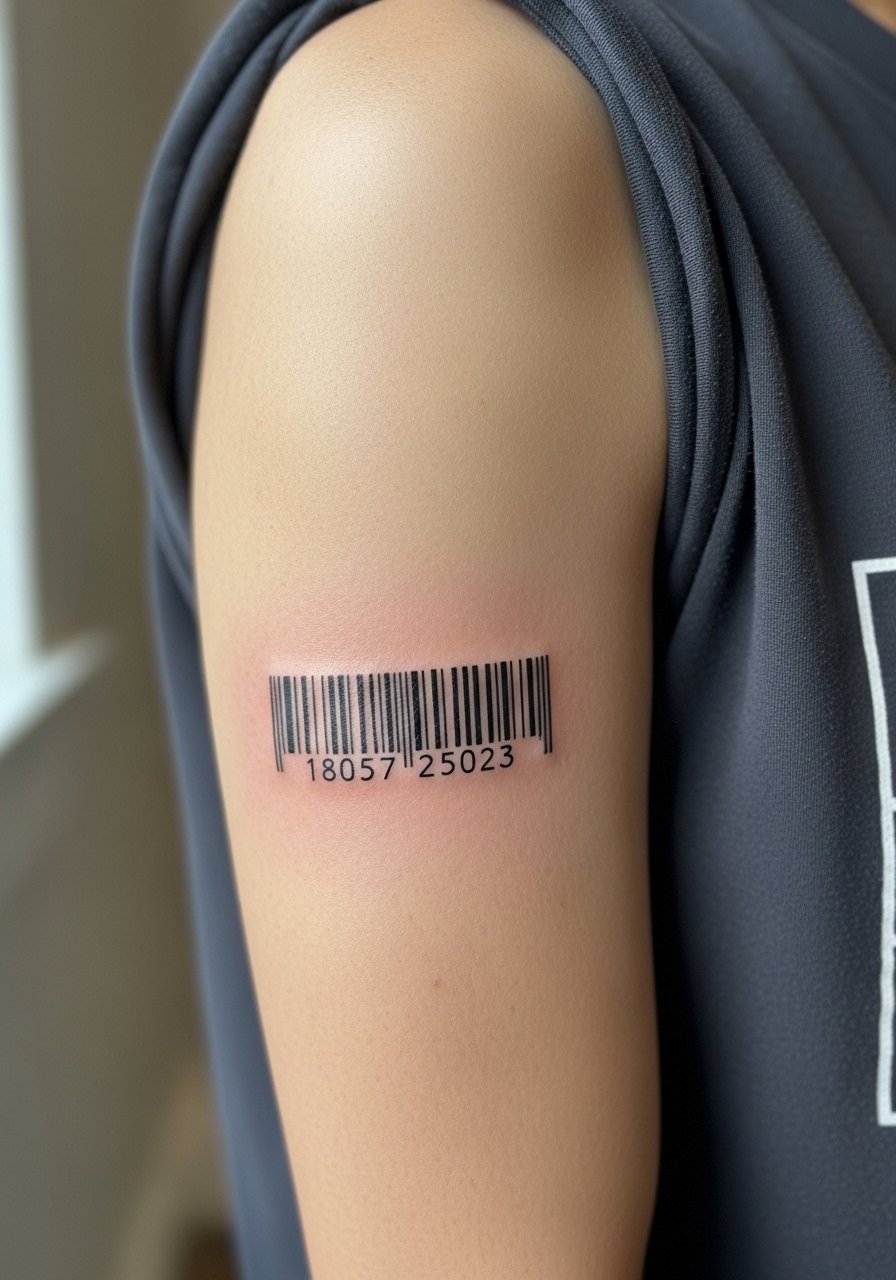
A barcode motif reads graphic and modern when lines are planned for arm curvature. Ask your artist to test the barcode across the bicep to ensure lines stay straight when the arm moves. The common mistake is squeezing too many narrow bars which blend. Upper arm placement is low pain and forgiving for crisp geometry. For showing off pair with an open knit vest or sleeveless button-up. Sessions are short and touch-ups depend on exposure.
21. Matching Floral Band Around the Elbow Socket

Elbow bands need simplified silhouette to avoid distortion when you bend. Ask for larger petals and thicker separators so the composition retains form through motion. A common error is adding too many fine elements which compress. These pieces feel sharp during the session and often take two visits for clarity. For evenings wear an elbow-patch blazer to contrast the delicate shapes. Expect touch-ups earlier than a stable forearm panel.
22. Matching Minimalist Mountain Range Across Outer Forearms
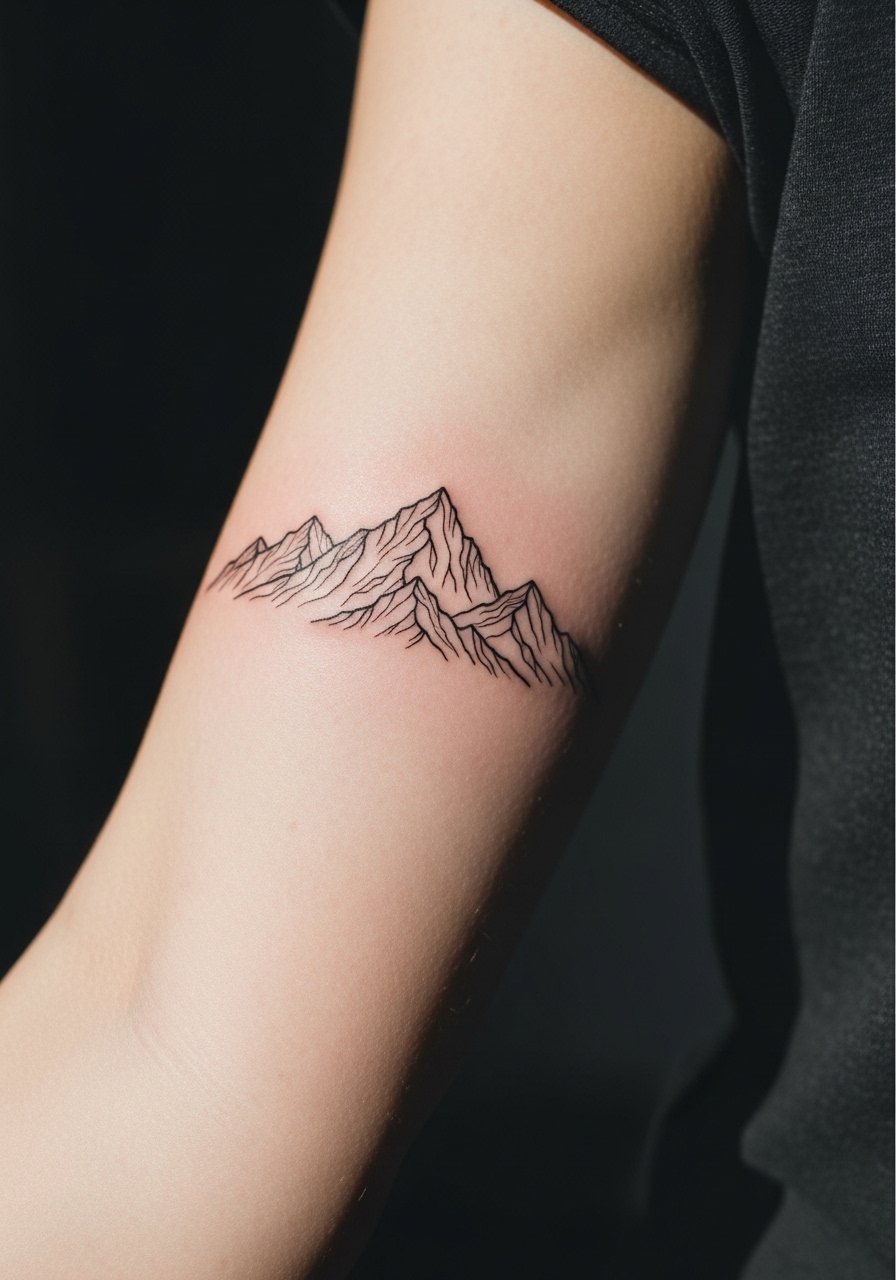
Mountains make simple but effective matching designs and scale easily. Ask for slightly increased apex spacing so peaks remain crisp over time. The outer forearm is forgiving for linear pieces and pain is low. A mistake is requesting hairline peaks that thin out. For showing it off pair with a fitted henley shirt or roll sleeves on a loose button down. Sessions are brief and touch-ups are predictable after a few years.
23. Stipple-Shaded Dot Work Band on Mid-Bicep
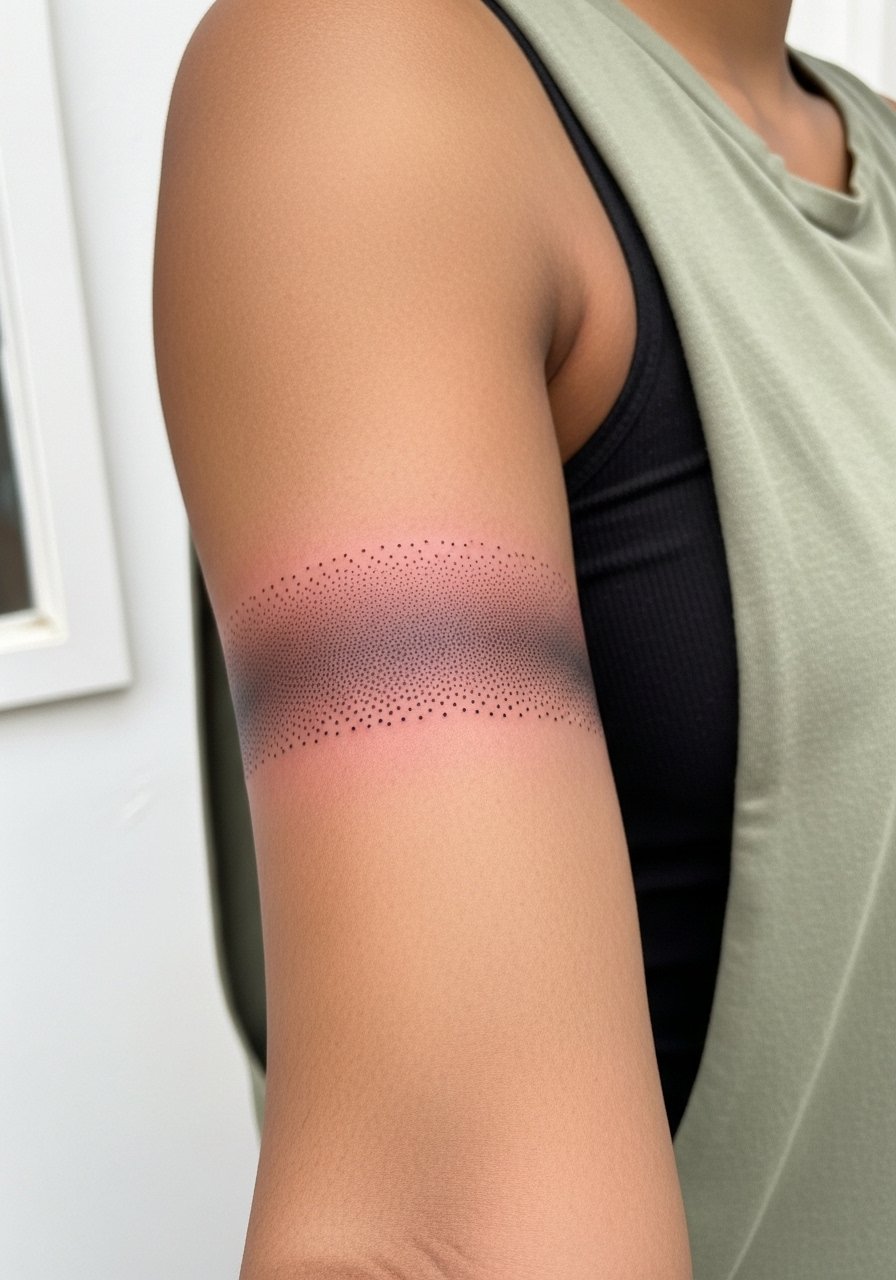
Dot work ages predictably when dots are sized to skin texture. Ask for a range of dot sizes and a clear transition from dense to airy. The bicep handles concentrated work well but too-tight stippling can look muddy when skin stretches. The mistake is making the band too narrow for the shading gradient. For showing it off try a fitted polo that keeps the arm silhouette neat. Sessions often require steady hands and multiple passes to build density.
24. Matching Minimalist Arrow Pair Along Inner Forearm
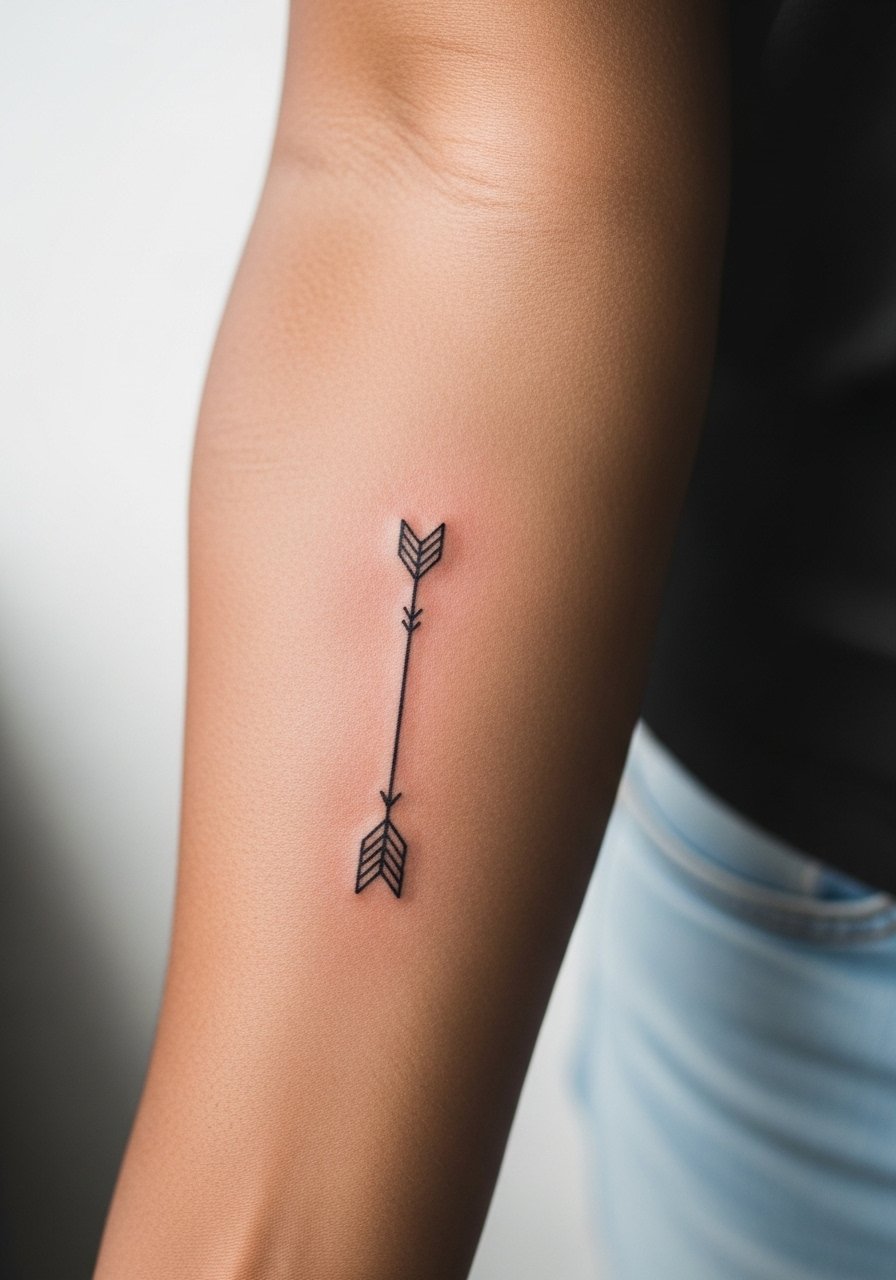
Arrows are great for small matching tattoos that feel intentional. Ask for slightly heavier arrowheads and a consistent shaft thickness to hold up. Inner forearm placement is visible and rates low on pain. A frequent mistake is making the shaft hairline thin which disappears under sun exposure. Wear a loose fit button up shirt to the appointment for easy access. Sessions are quick and touch-ups may be needed after 2 to 4 years.
25. Matching Geometric Half-Panels That Mirror Each Other

When you want symmetry without identical copies, ask the artist to design mirrored negative space so the pieces echo without matching exactly. Outer forearm is stable and shows geometry clearly. The common mistake is overcomplicating intersections which creates blurred nodes later. For showing off pair with a slim fit muscle tee to keep the panels visible across the arm. Sessions vary by complexity and often need one touch-up.
26. Script Semicolon on Inner Forearm for Subtle Shared Meaning

Semicolons are compact and carry weight. Give the artist a specific script sample and ask for a slightly heavier dot to avoid fade. Inner forearm exposure increases risk from UV. The mistake is using ultra-thin script that disappears. Wear a loose short-sleeve button-up during the session. Session time is minimal and touch-ups may be suggested within a couple of years for crispness.
27. Bold Traditional Matchstick with Flame on the Wrist Edge
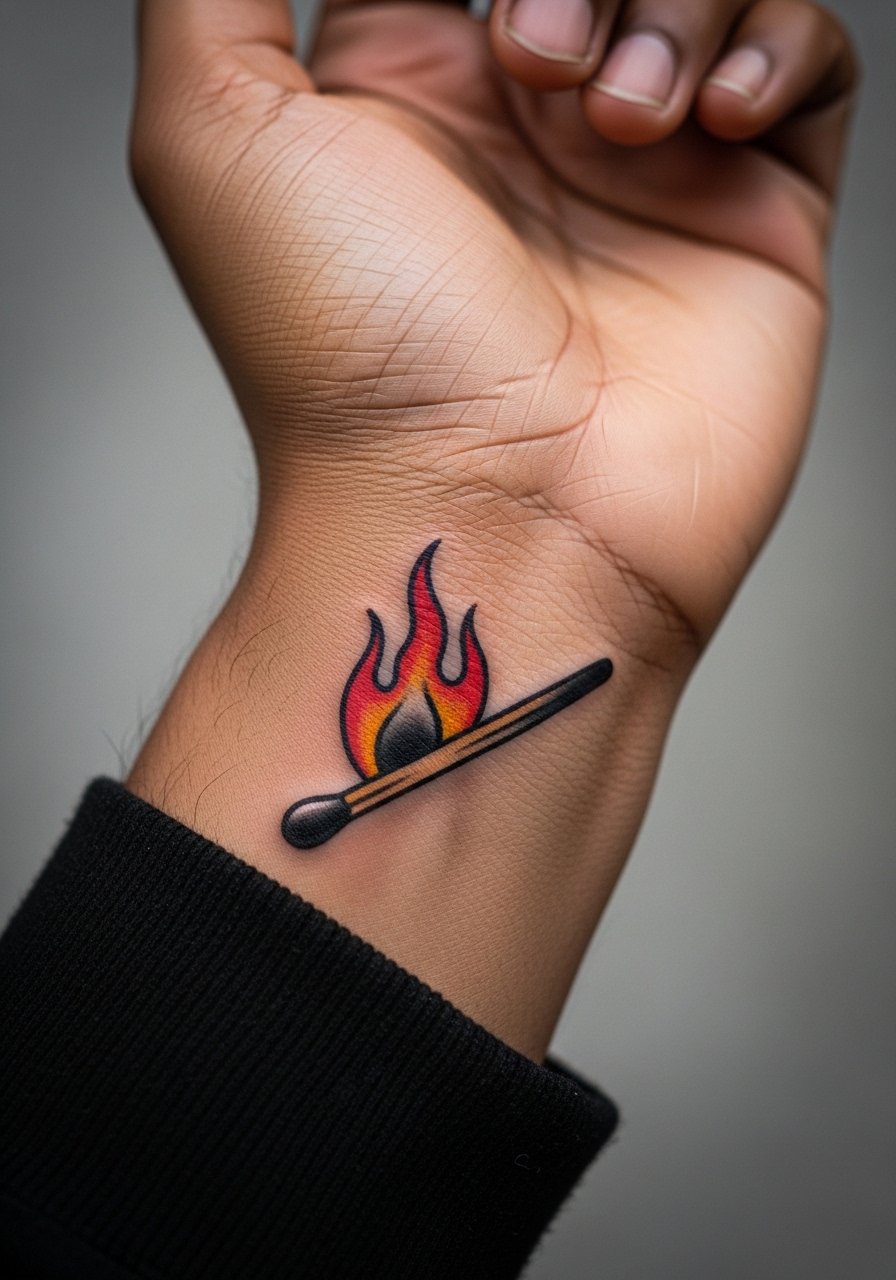
A small traditional motif at the wrist edge reads strong because of solid outlines and small color blocks. Ask the artist to anchor the flame with a tiny black outline so color bleeds are controlled. The wrist faces constant washing which accelerates dulling. The common mistake is washing out the flame with too light a wash. For showing off pair with a minimalist leather watch on the opposite wrist. Sessions are brief and color touch-ups are likely within three to five years.
Frequently Asked Questions
Q: Will fine line matching tattoos on the forearm need touch-ups more often than bold pieces?
A: From what I've seen fine line work usually needs touch-ups earlier than bold pieces, especially on sun-exposed forearms. The thinner the strokes the less room there is for natural spreading. If you want longevity ask for slightly stronger anchor lines in the stencil stage and plan for a touch-up around year three.
Q: How should two people coordinate size and placement so matching arm tattoos look cohesive together?
A: Talk to your artist about a shared motif and then agree on scale guidelines so the elements sit in the same visual family. Bring photos and measure the spot on each arm so a motif is not tiny on one arm and large on the other. If you plan to show them in the same shot, rehearse arm positions during consultation so the composition reads when placed side by side.
Q: For matching elbow or wrist pieces, what are the professional considerations to know?
A: Elbow and wrist tattoos take more wear and may need touch-ups earlier because of bending and friction. Wrist pieces can also influence professional impressions in some workplaces. If career optics matter, consider inner arm placement or a slightly higher forearm position that can be covered by sleeves when needed.
Q: Artists disagree on Saniderm versus dry healing. How should I decide for my arm tattoo?
A: Both camps make valid points. One group favors Saniderm because it protects new ink from friction and speeds initial repair. The other group prefers dry healing for breathability and to avoid trapped moisture. Ask your artist about the types they have consistently used and consider your daily routine. If you work a lot on keyboards or with your hands, protective film can reduce scabbing wear.
Q: Do matching watercolor arm pieces age differently than matching traditional blackwork?
A: Yes, watercolor fades and blurs faster than saturated blackwork, especially on exposed forearms. If both of you want a watercolor palette, plan for more frequent refresh sessions and sun protection. Alternatively you can ask for small black anchors to preserve shape while keeping the soft color feel.
Q: What should I wear to a matching forearm session to make the appointment smoother?
A: For forearm work wear something like a loose fit button up shirt or a sleeveless top that allows the artist to access the entire arm without fabric bunching. Comfortable layers make it easier to stay still for longer sessions.