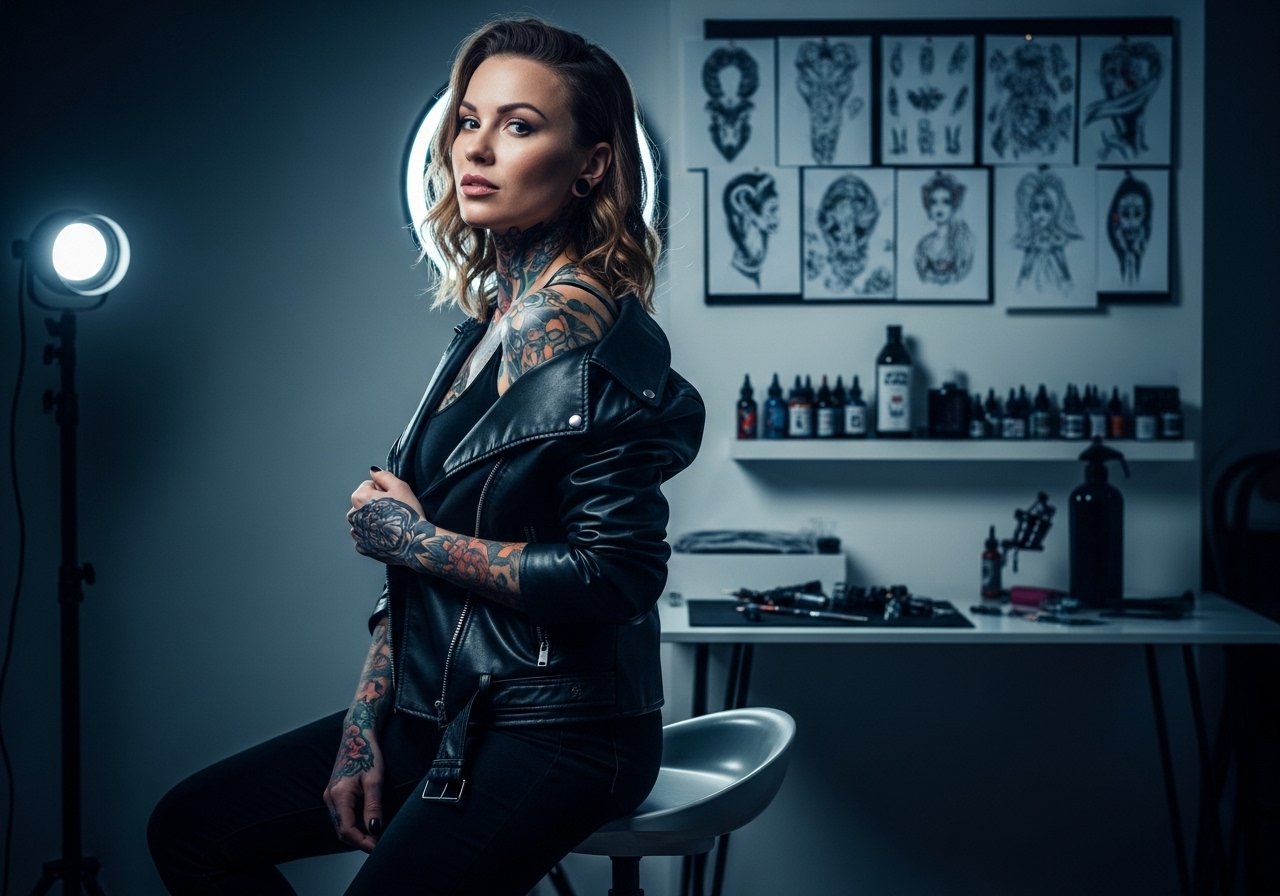
Bold looks often outlast delicate ones on active arms, and that surprises a lot of first-timers. Lines that blur after a bulk phase, tiny scripts that fade fast on darker tones, and the shock of a high quote are real problems people run into when they pick an outer forearm design. Read the next idea and you'll start with options that resist rubbing, flexing, and fast fade.
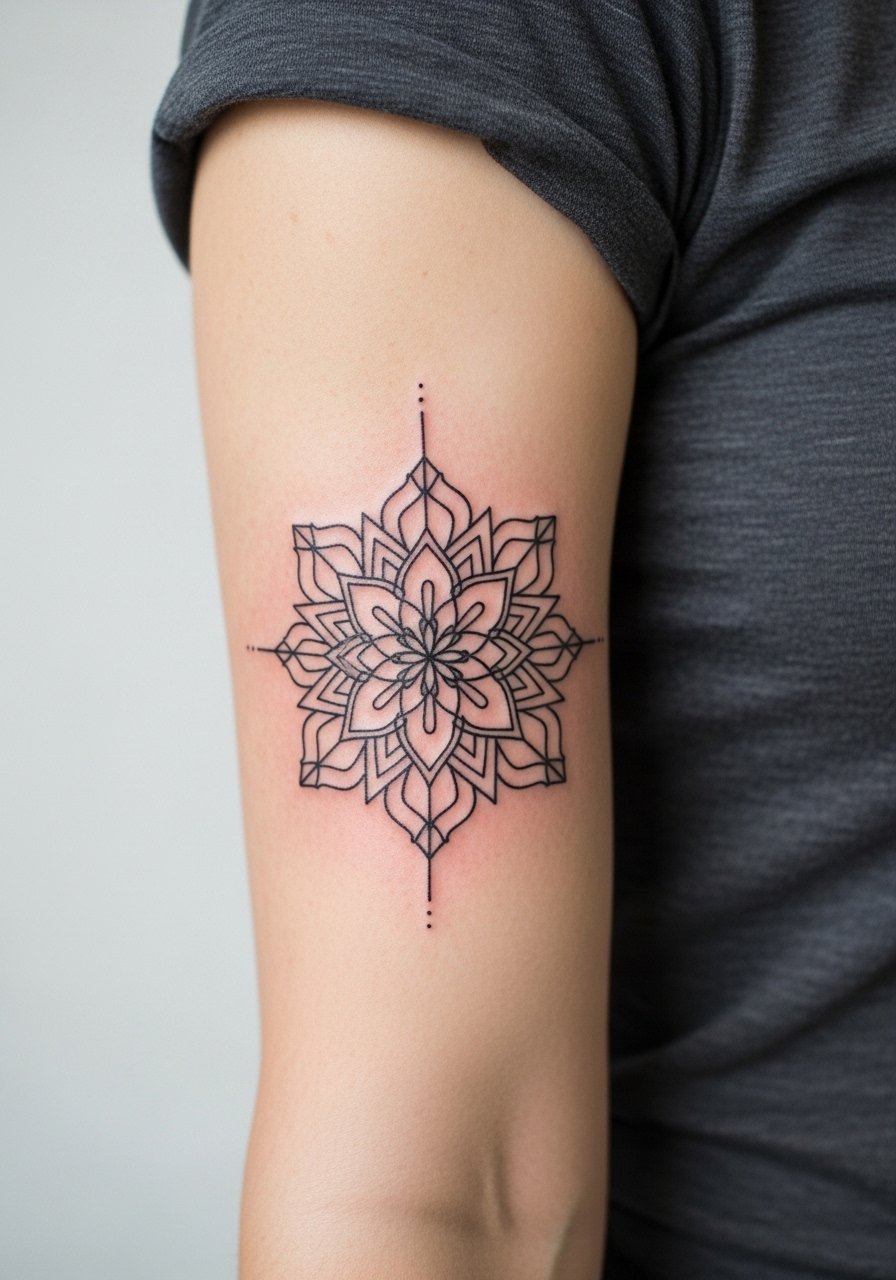
1. Outward-Facing Geometric Mandala
I've seen this one on gym guys who wanted symmetry when they flex. Keep the mandala vertical and 4 to 6 inches tall so the lines have breathing room and do not merge when healed. Tell your artist you want consistent linework spacing and a single session for the primary outline, then a second session for delicate infill. Common mistake is shrinking the pattern down to "fit" the arm, which causes dense knotting in two years. Pain sits around a 4 to 5 out of 10 on the outer forearm while you sit for an hour or two. Expect a light touch-up at year two if you push weights and sweat a lot. For showing it off, pair with a fitted crewneck tee with the sleeve rolled, the clean cuff frames the symmetry naturally.
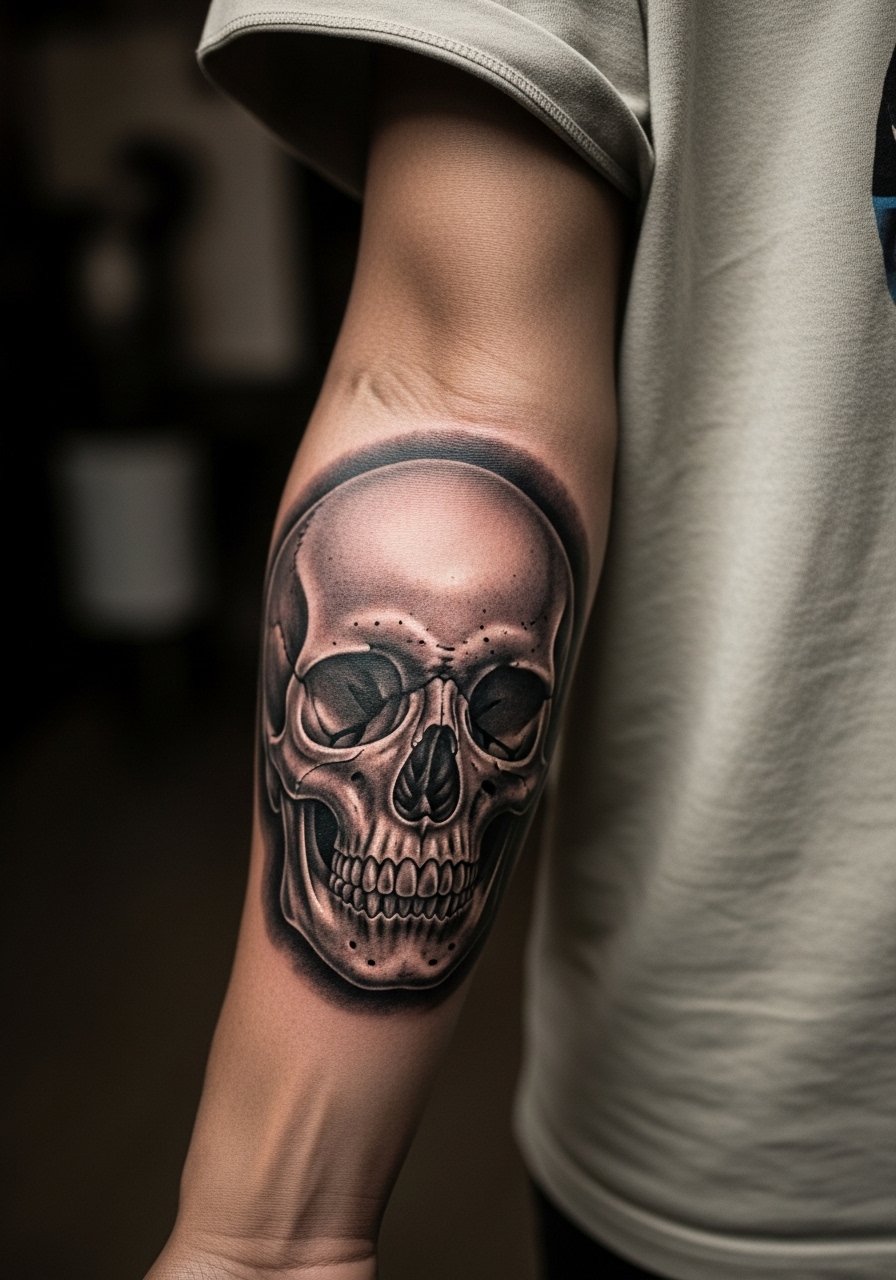
2. Bold Black and Grey Skull Realism
There is a raw energy to a skull done in heavy black and grey. Start with a larger scale, about 5 to 7 inches, so the shading keeps depth without turning into a muddy patch as it settles. In the consult say you want deep saturation in the shadow planes and crisp contrast on the high points of bone. Expect 3 shorter sessions rather than one long day for comfort and consistent saturation. Shading can hit a 7 out of 10 on the pain scale on certain forearm arcs, and numbing creams split opinion. Some clients swear by topical numbing for the shading pass, while a vocal group says it changes how the skin takes ink. If you like shirts with a clean contrast, the design plays well with a loose fit tee and rolled sleeves for the right amount of edge.
3. Traditional Tribal Armband Wrap
When I see this on a man who needs something that reads from a distance, the armband wins. Keep the band 3 to 4 inches wide and let the patterns breathe so the bold lines do not blur into one block. A frequent mistake is trying to force modern motifs into a classic wrap which creates awkward negative space. Bring reference of the exact wrap width and ask the artist to map how it sits when your arm is relaxed and flexed. Session time is usually one or two depending on complexity. If you want it to pair with everyday wear, a vintage band tee or a henley in earth tones frames the band nicely, and a wide leather watch on the opposite arm balances the look.

4. Neo-Traditional Lion Head Portrait
Most of the lions I see on outer forearms are scaled at about 6 inches so the mane reads without merging. Ask for illustrative linework and controlled color pops rather than full color saturation across the whole piece. The session plan usually runs across three to four blocks because the linework, color layering, and highlights need separate passes. A common aging problem is oversaturated highlights that bleach into pale patches after sun exposure. Tell your artist you want color accents only in the eye or mane tips and heavier black around the jaw for contrast. For a show-off outfit, this pairs well with an open bomber jacket over a tee so the lion sits proud when you move.

5. Minimalist Linework Arrow
The smallest error with an arrow is going too thin for the forearm. Fine line fans and bold-line advocates are split on this one. One camp accepts touch-ups every 1 to 2 years and says the look is worth it. The other camp recommends a slightly heavier line weight from the start so the arrow does not wash out. I tell clients to pick a single needle arrow only if their skin tone favors crisp fine lines and they accept annual touch-ups. Expect a 1 session sit for a 3-inch arrow and pain around a 3. If you want to dress it up, layer a tailored blazer with rolled cuffs and a tailored blazer men look frames the forearm for dressier moments.

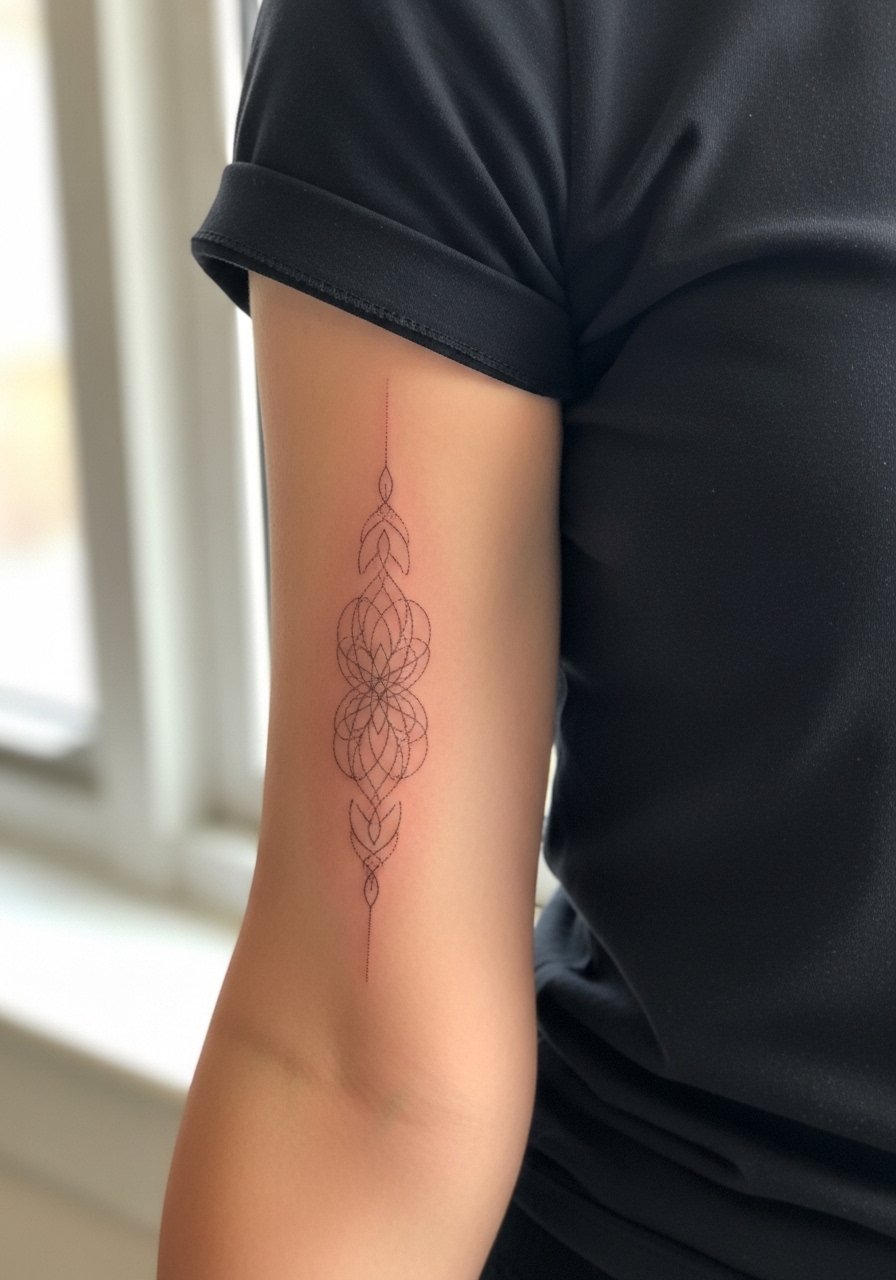
6. Ornamental Sacred Geometry Vertical Pattern
Most of the failed geometry jobs come from packing too many lines into a small area. Do this vertical and 5 inches tall so the pattern can breathe and stay crisp as you age. When you consult, ask for a mock stencil on skin and move your wrist through normal flex positions to check for distortion. There is also a debate about covering the fresh piece with protective film versus dry healing. One group says the film locks moisture and speeds clean healing. The other group worries it traps bacteria and lowers saturation for fine lines. The safe path is to follow the studio's standard and schedule a follow-up touch-up in the first six months. For daily wear, a rolled short-sleeve tee or a fitted crewneck tee keeps attention on the symmetry.
Studio Day Picks
The first six designs above demand careful prep and a small set of supplies that make the chair time smoother for both shading and linework.
-
Badger Tattoo Balm. A lighter, less greasy balm that helps outer forearm pieces breathe during summer heals and avoids the heavy film that traps sweat.
-
Ink-Ichiban Second Skin. A protective film that can stay in place up to seven days, handy for the forearm where daily contact and showers are unavoidable.
-
CeraVe Healing Ointment. A budget-friendly alternative to thicker ointments that still keeps the ink moist without heavy pore clogging for larger blackwork.
-
Tattontouch Numbing Spray. Useful for clients who dread the shading pass on the outer forearm bones, applied sparingly before long sessions.
-
Aquaphor Healing Ointment. A thin layer for the first 48 hours can help protect fine line areas from friction while you sleep and shower.
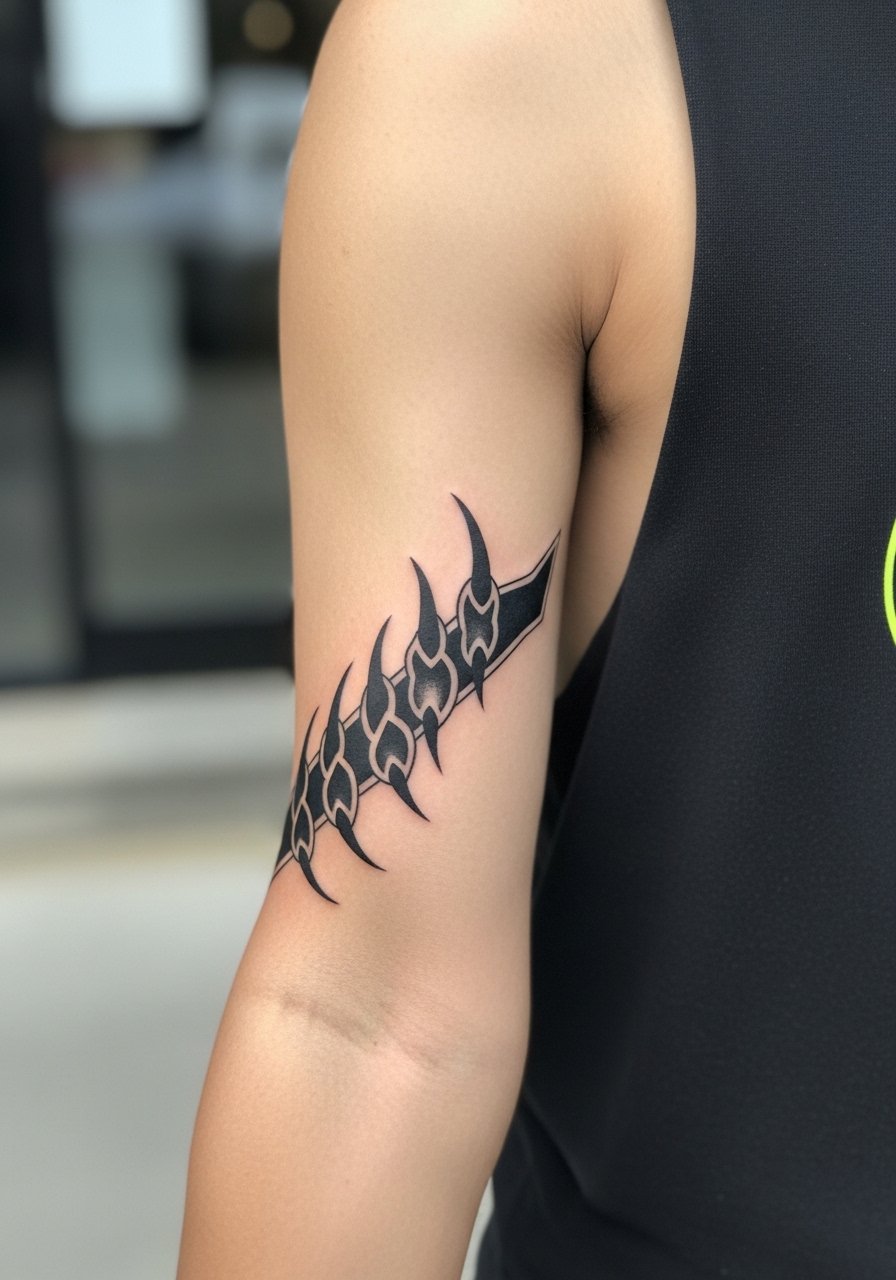
7. Blackwork Animal Claw Sleeve Starter
This one is about raw energy and silhouette. Start the claw motif low on the outer forearm and let it run toward the elbow so you can add pieces later into a sleeve. Solid fills require careful saturation and multiple sessions to avoid patchy edges. If you lift heavy regularly, vertical spacing and negative space will save the design from odd distortion when muscles flex. Outline and heavy fill sessions can be split into two or three visits to keep the skin from overworking. Expect shading pain around a 6 in places where the needle must hit dense black. For the gym crowd, this pairs naturally with a muscle tee men during warm months and stacked beaded bracelets on the opposite arm to balance texture.
8. Fine Line Compass Rose
For guys who travel and like subtlety, a 4-inch compass rose reads well on the outer forearm if you keep lineweight moderate. The common error is paper-thin lines that vanish in six months on active skin. Ask for slightly bolder outline lines around the compass and finer interior direction lines to preserve the map look while aging. Session time is two short passes so the needle does not overwork the skin. Touch-ups at years one to two are common for this style. If you prefer smarter casual, the piece looks sharp under a slim collar or when you wear a slim fit polo shirt with sleeves just short enough to show the compass.

9. Micro-Realism Eagle Wing
Micro-realism works when scaled to the arm length so the feather detail has space. On the outer forearm, stretch the wing along a seven-inch span and keep tonal transitions slow so the feathers do not blur into shadow. Expect multiple sessions and a patient artist who specializes in tiny stipple and fine shading. The blowout risk increases if lines are pushed too deep in one pass, so ask about session pacing and a staged shading plan. Healed looks remain crisp longer if you avoid daily heavy abrasion from straps or watches. For everyday wear, a relaxed loose fit tee frames the wing without stealing attention.

10. Ignorant Style Abstract Waves
This style thrives on uneven, handwritten energy that reads casual on the gym arm. Keep the waves horizontal and roughly 5 inches wide so the negative space preserves the waveform as muscles flex. The common mistake is over-detailing the waves, which loses the rawness and becomes cluttered in a year. One or two sessions are usually enough. Pain is low to moderate depending on shading. This is a good place for a vertical placement test if you plan a fuller sleeve later. For a relaxed look, wear short sleeves during the session and avoid tight wristbands for the first week.

11. Watercolor Wolf Silhouette
Watercolor washes add motion, but they fade faster on exposed arms if not planned right. Ask for the silhouette in crisp black and the watercolor as layered accents, so the core shape does not lose definition. The usual plan is two to three sessions: black silhouette, then color washes, then touch-up. Expect more frequent color refreshes than for pure blackwork. For nights out, this one reads great under a graphic tee bold print or a layered jacket that lets the wash peek through when you move.

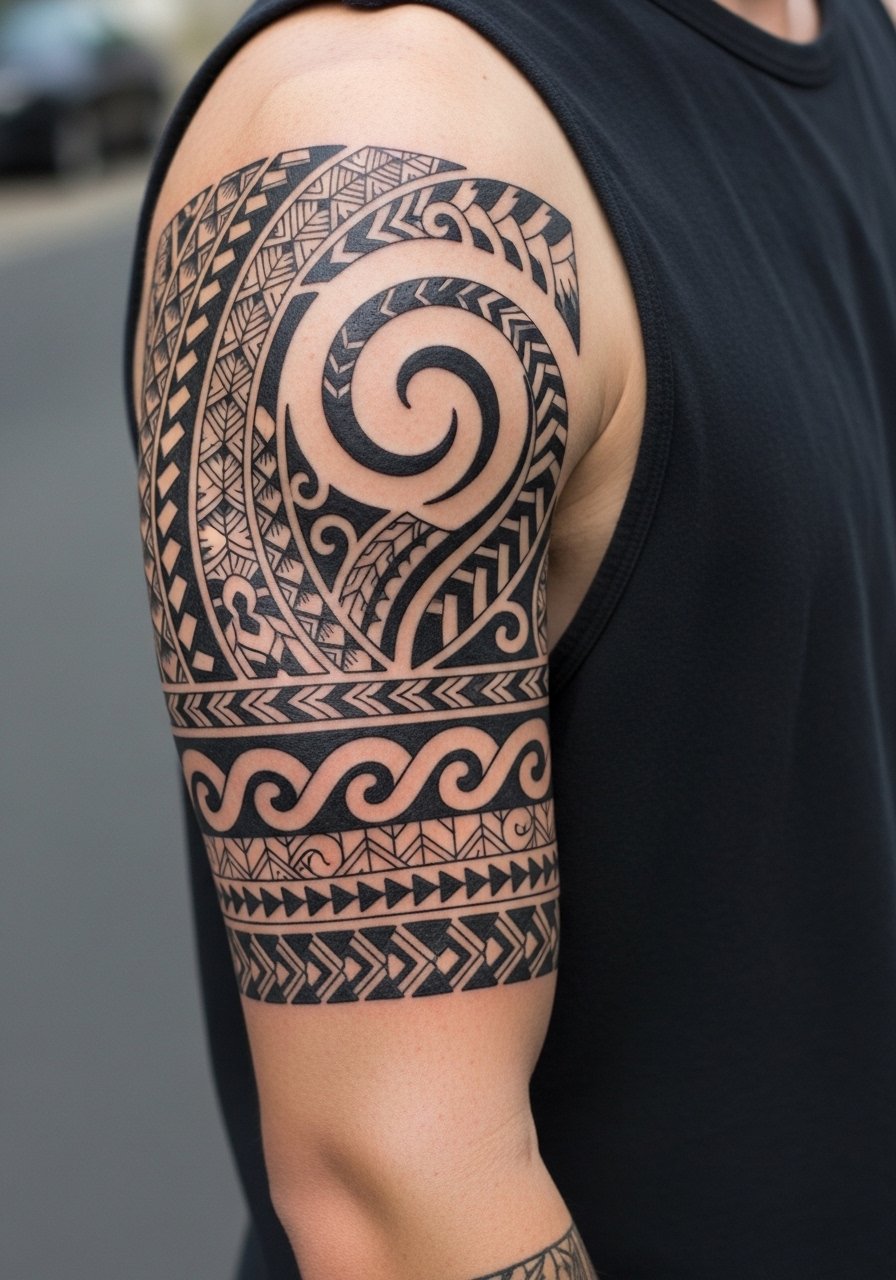
12. Polynesian Half-Sleeve Filler
Collectors use this as a base for larger arm work. Let the patterns breathe and alternate heavy blacks with negative space so the whole arm does not become an indistinct dark mass as it ages. This design usually spans from wrist toward elbow and needs five sessions for proper layering. The biggest mistake is mismatched motifs that break flow when the arm moves. Discuss pattern rhythm with your artist and have them map the wrap while your arm is relaxed. For a rugged fit, throw on a muscle tee men during show-off moments and stack wide bracelets on the non-tattooed wrist.
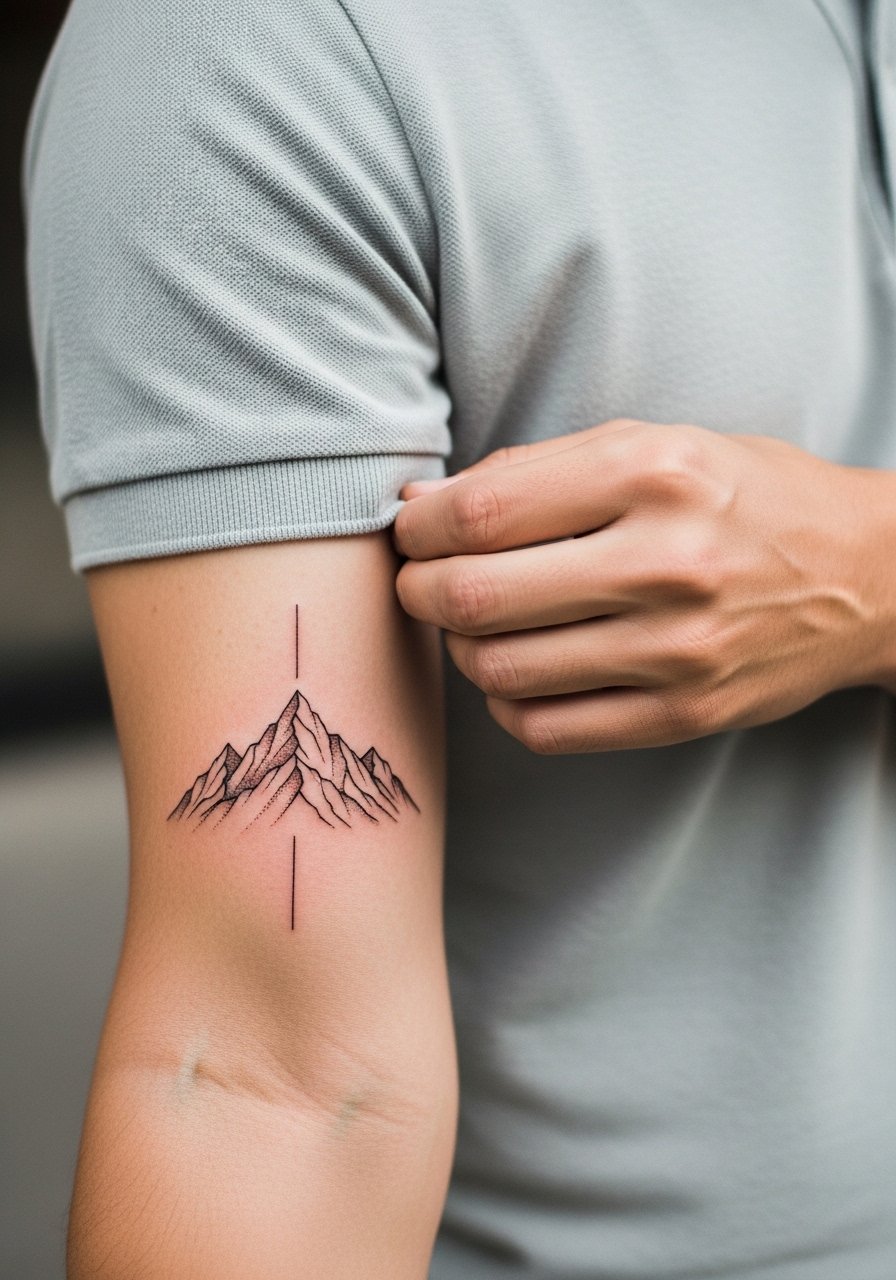
13. Vertical Mountain Range Minimalism
Vertical geography reads well on the outer forearm when scaled to the arm length. Keep peaks spaced and use thin, confident linework with selective stipple for shadow rather than solid shading. The common mistake is compressing the range into a small band, which flattens after a year. Session time is short and pain is mild. This is a good choice if you want a design that photographs vertically for phone story shots. For a clean, smart look, wear a slim fit polo shirt with a slightly short sleeve so the range appears framed at the cuff.
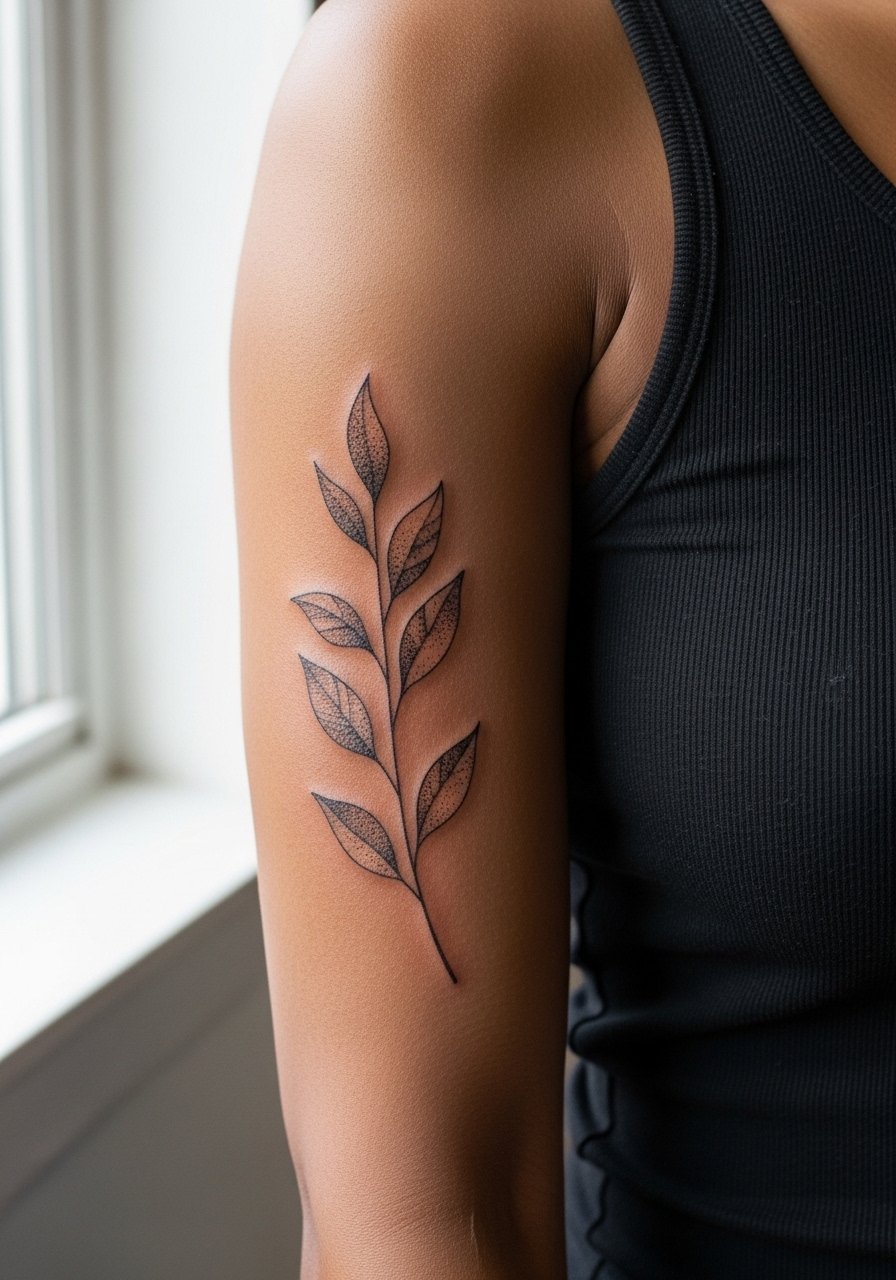
14. Stipple-Shaded Botanical Branch
Stipple shading softens as it heals, which is exactly the point for a botanical branch. Ask for spaced stippling and avoid dense black fills in leaf clusters so the silhouette does not thicken over time. The session plan is usually two passes for linework and shading. The blowout risk on outer forearms is low with proper depth control. This one makes a subtle complement to sleeve pieces later if you want growth. For the session, wear a loose tank or short sleeve that pulls aside easily so the artist has clear access.
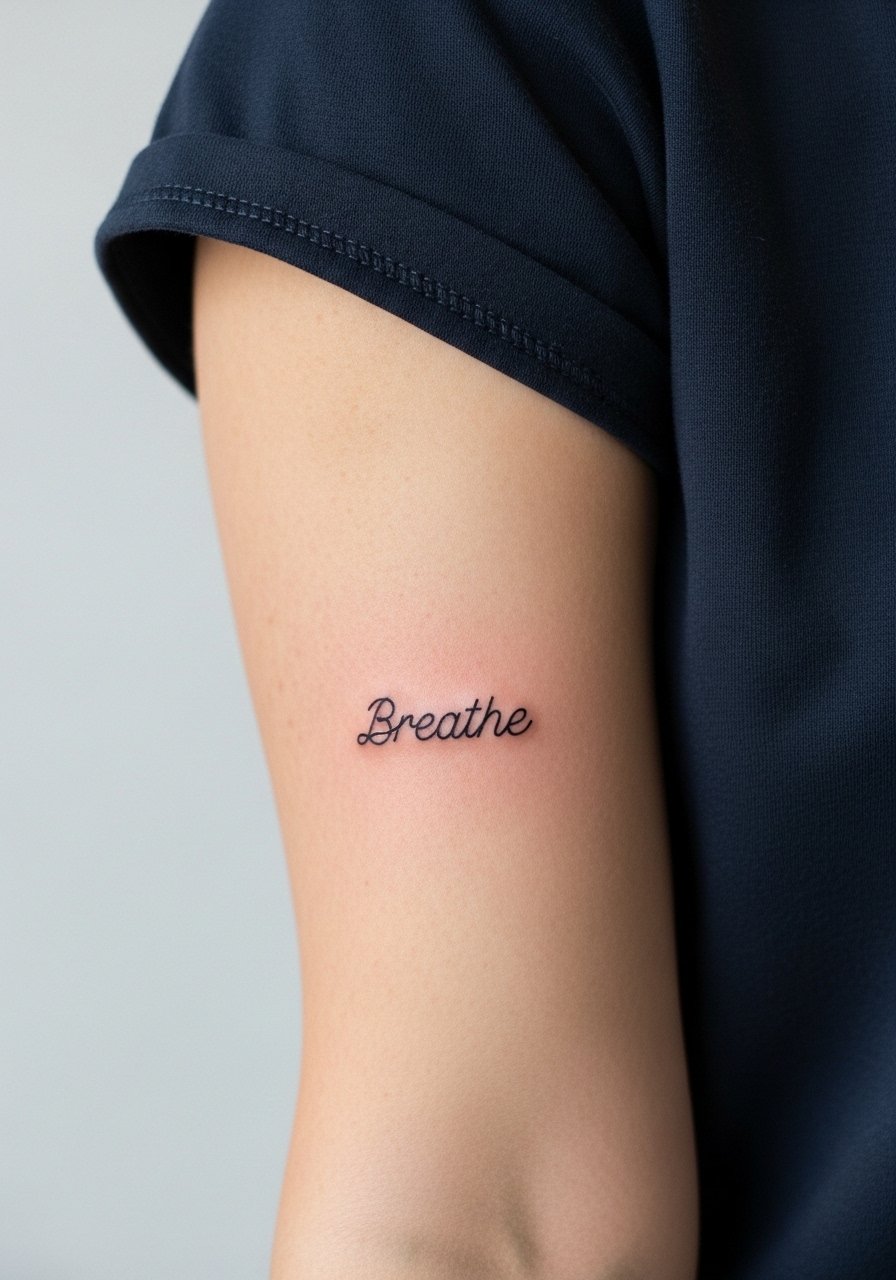
15. Single-Word Script Block, "Breathe"
Lettering needs scale and boldness on active skin. The single word "Breathe" in lowercase block letters reads crisp when the letters have small counters and a heavier base stroke. If you want a script look, go slightly thicker than your Instagram reference. A common regret is tiny script that looks great fresh and becomes faint in months. This sits at about a 3 out of 10 for pain and can be done in one session. For a polished pairing, a slim leather watch or a tailored sleeve look keeps attention on the script, try a slim leather watch on the opposite wrist.
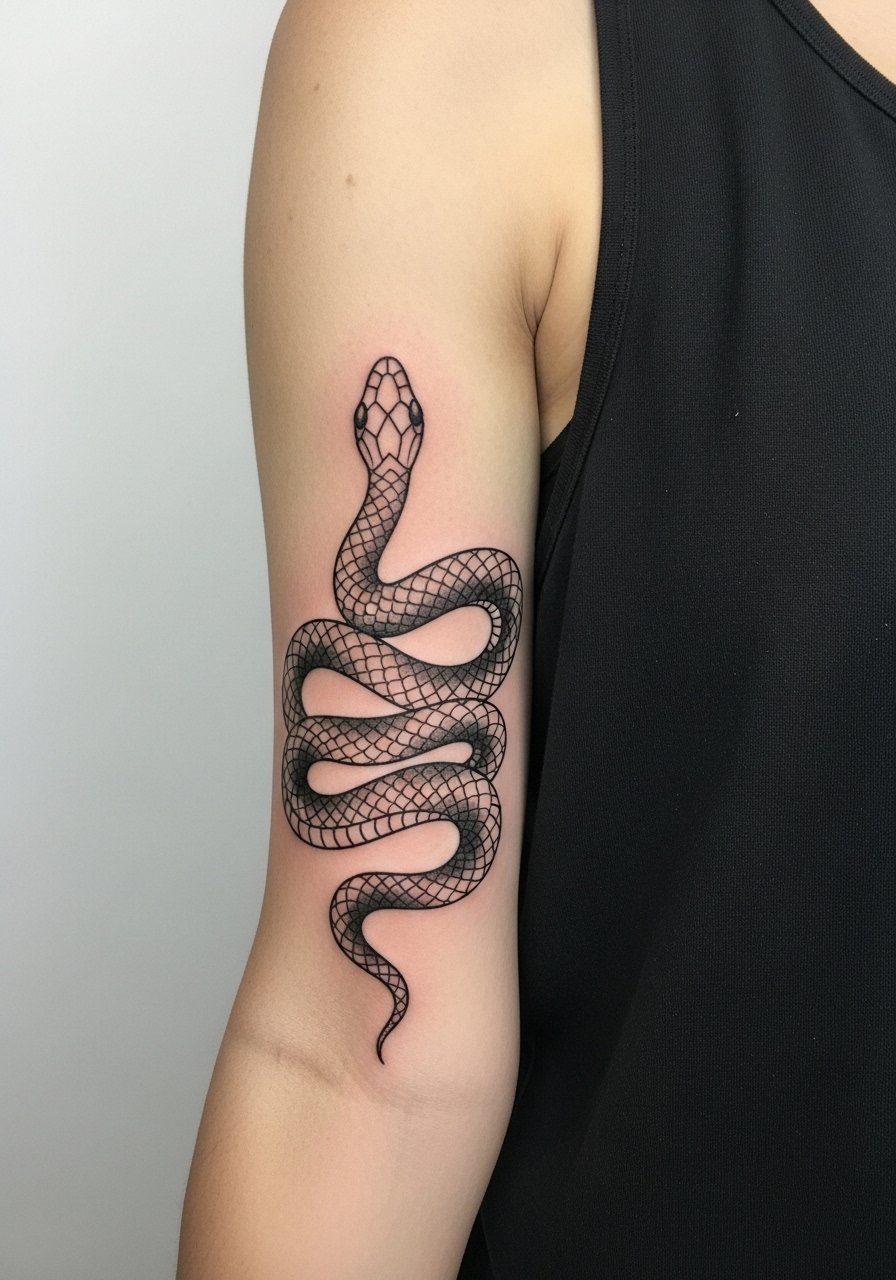
16. Geometric Snake Wrap
A snake that curls outward along the forearm gives a nice directional flow when you flex. Keep the pattern simple and increase spacing between scale lines near joints so movement does not cause merging. Ask for a stencil check with the arm in several positions during the consult. Expect two sessions for outline and shading. This style pairs well later with a sleeve of complementary motifs if you want to expand. For session wear, choose a loose tank so the artist can reach the elbow end without tugging.
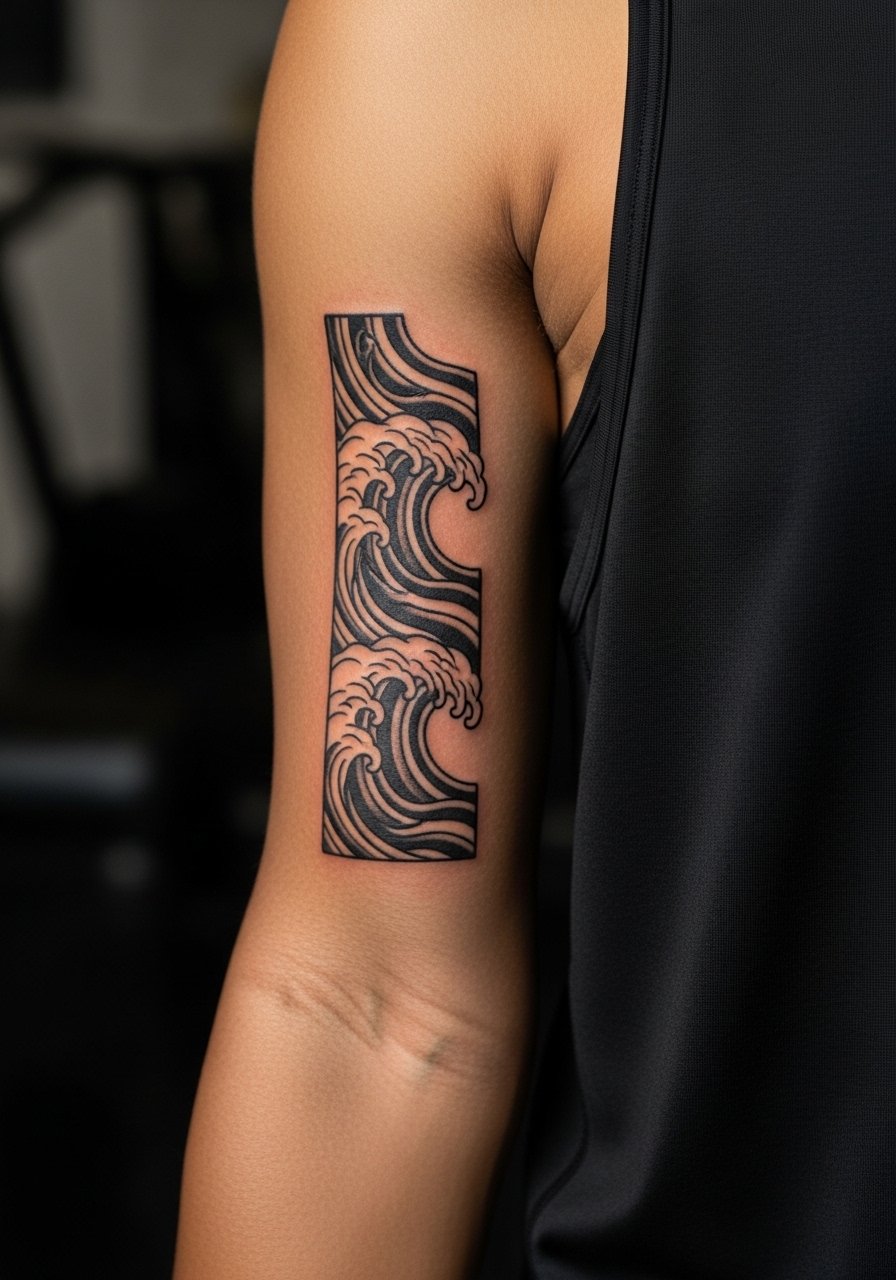
17. Gym-Friendly Vertical Wave Filler
This is one of the under-covered ideas for active gym-goers. Design vertical waves that follow the forearm length rather than horizontal skulls that distort when muscles swell. Ask for vertical orientation and negative space ribs so the piece looks consistent through gains and cuts. Sessions are short and you can often get a starter piece in one visit. The common mistake is horizontal motifs that stretch when you bulk, which create wavy, uneven lines. For session comfort and to show the tattoo off, a fitted athletic tank top sleeveless keeps the arm free and frames the vertical flow.
Frequently Asked Questions
Q: Will my outer forearm tattoo stretch or distort if I bulk up 20 pounds?
A: It depends on the design. Vertical pieces and those with deliberate negative space handle muscle gain better than tight horizontal motifs. Tell your artist about current training and future plans so they can map the stencil with the arm relaxed and flexed.
Q: How do I find an artist who does bold line work on forearms without it looking cartoonish?
A: Search tattoo hashtags with your city tag and look for healed photos that show the forearm in movement. Ask for recent healed shots, and use platforms that list guest spots so you can book someone who specializes in blackwork or realism.
Q: Fine line or bold line for dark skin on the outer forearm?
A: For darker tones, slightly heavier line weight and solid black work tend to photograph and age more reliably. Fine line can still work but expect touch-ups sooner and discuss line weight with the artist during consult.
Q: How bad is the pain for outer forearm shading compared to lining?
A: Lining is usually lower pain than heavy shading on certain arcs. Many people rate outer forearm shading around a 6 out of 10 in sensitive zones. Shorter sessions and breaks make a big difference.
Q: How soon can I get back to the gym after an outer forearm tattoo?
A: Plan on waiting around two weeks before heavy lifting that strains the arm and causes excessive sweating. Light movement is fine, but avoid straps and exercises that rub the fresh ink for the first week.
Q: What about healing methods? Film dressing or dry heal for an outer forearm piece?
A: Artists and clients split into two camps. One side prefers short-term protective film for clean initial healing. The other prefers air drying after the first day to avoid trapping moisture. Ask the studio about their protocol and book a six-week follow-up so you can schedule a touch-up if needed.