Fine line ribs look gorgeous in photos, but they age differently than forearms and calves, and that reality shows up fast when old ink needs hiding. Ribs are curved, thin skinned, and move with every breath, so the smartest cover ups lean into the body instead of trying to flatten it. Below are 21 practical, flattering cover-up ideas that follow rib anatomy, mask old shapes, and give you wardrobe tips for showing them off.
1. Roaring Fine-Line Lion That Follows the Rib Curve
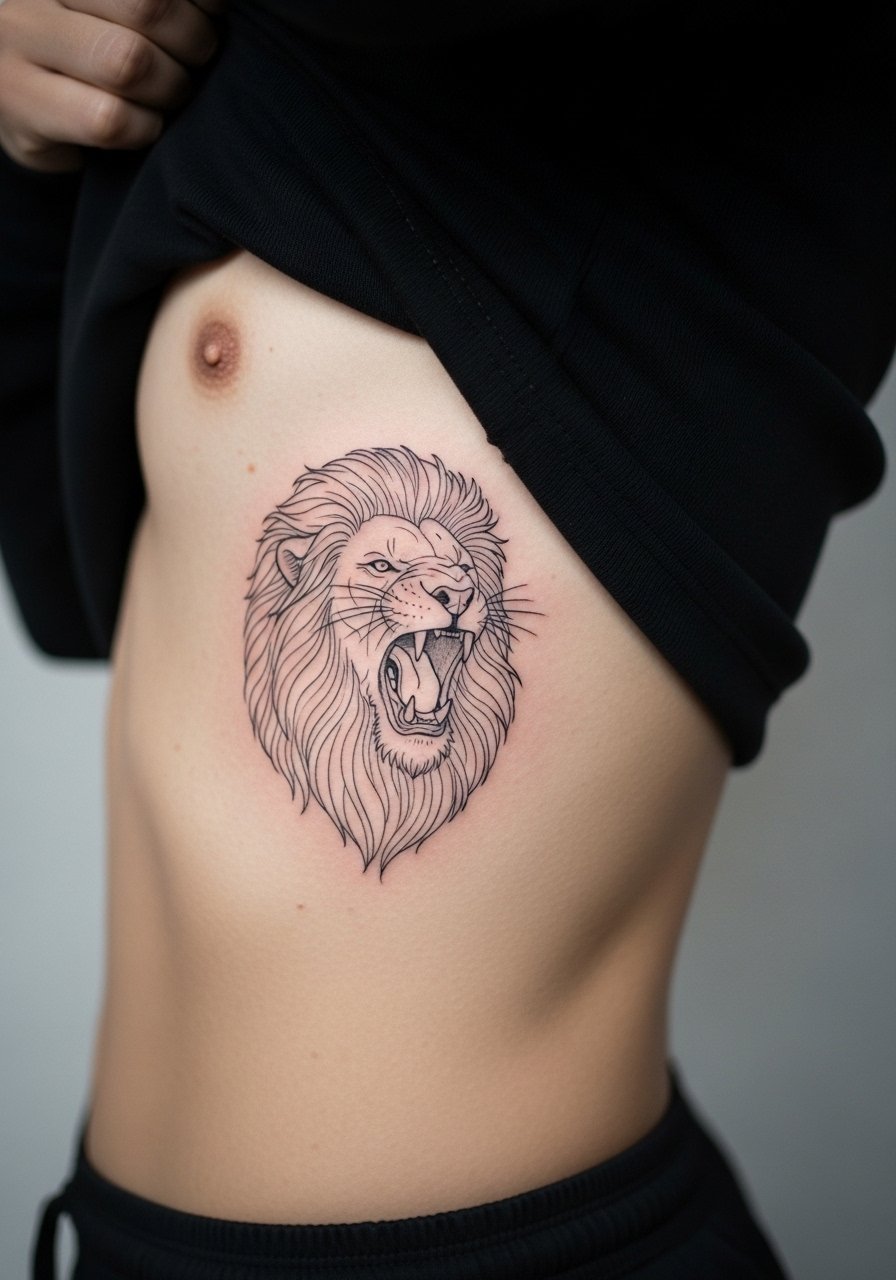
When an old name or faint script needs hiding, a lion in fine line realism that curves with the rib cage works well because the mane and whisker marks break up the old shapes. Fair warning, ribs rank high on pain charts for most people, so expect the session to feel sharp near the bone and softer where there is meat. Tell your artist you want varied line weight and stipple shading to create texture over the faded ink. A common mistake is shrinking the face too small. Keep the design at least four inches tall so the linework has breathing room. Healed at six months the mane keeps its texture, and at year two lighter lines may need a touch-up for contrast.
2. Geometric Snake Wrap to Mask Old Shapes
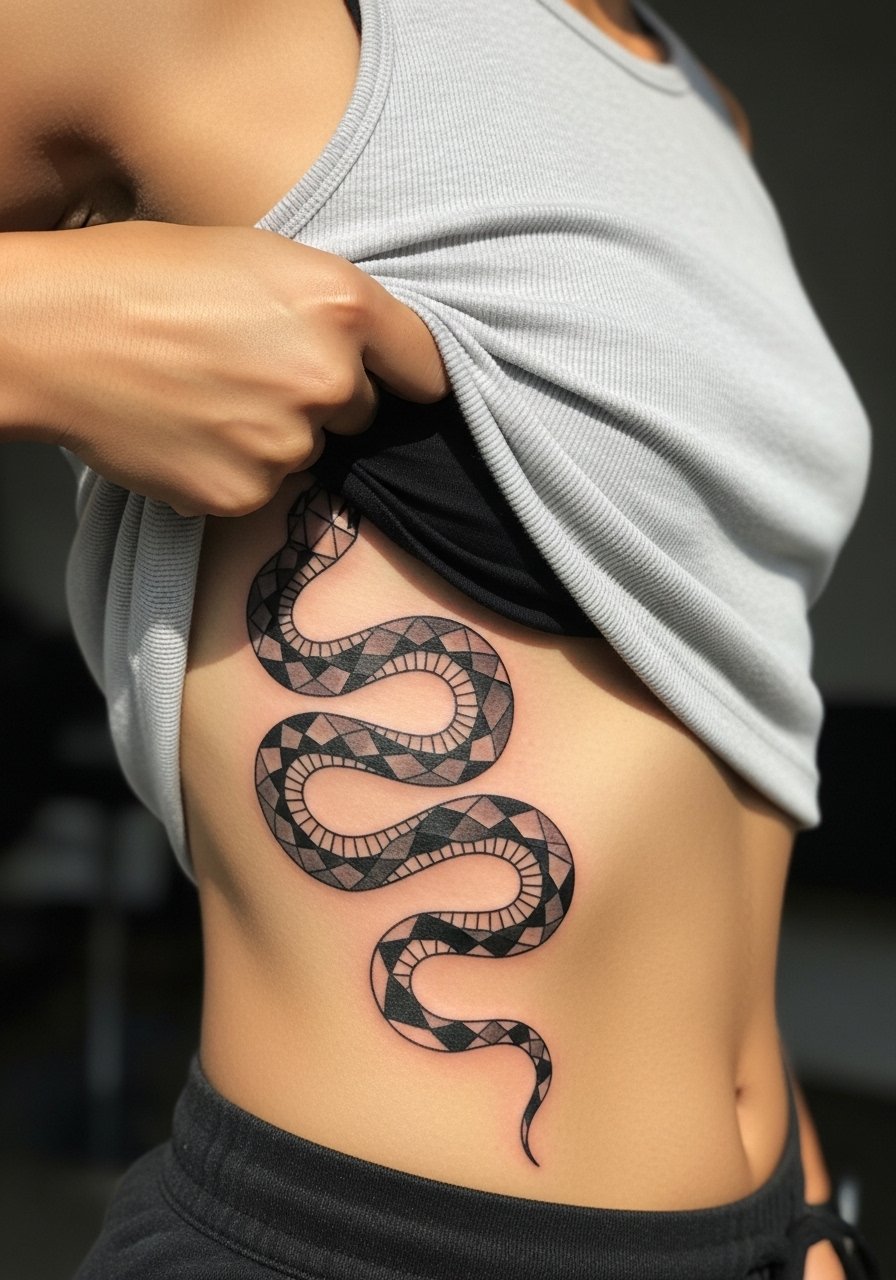
The snake’s coils are perfect for tracing over old outlines because the pattern follows the ribs and hides edges. The biggest mistake is asking for ultra-fine lines inside the scales when the underlying ink is dark. During consultation, ask for heavier outer linework with negative-space scales so the artist can hide ink without overworking skin. Expect two to three sessions depending on how dense the existing ink is. For showing it off, this placement pairs with crop top black women styles that reveal the vertical flow while keeping the rest of the torso covered. Blowout risk is moderate where the needle crosses older ink, so plan touch-ups around year two to three.
3. Koi Fish Vertical Flow for Upward Motion
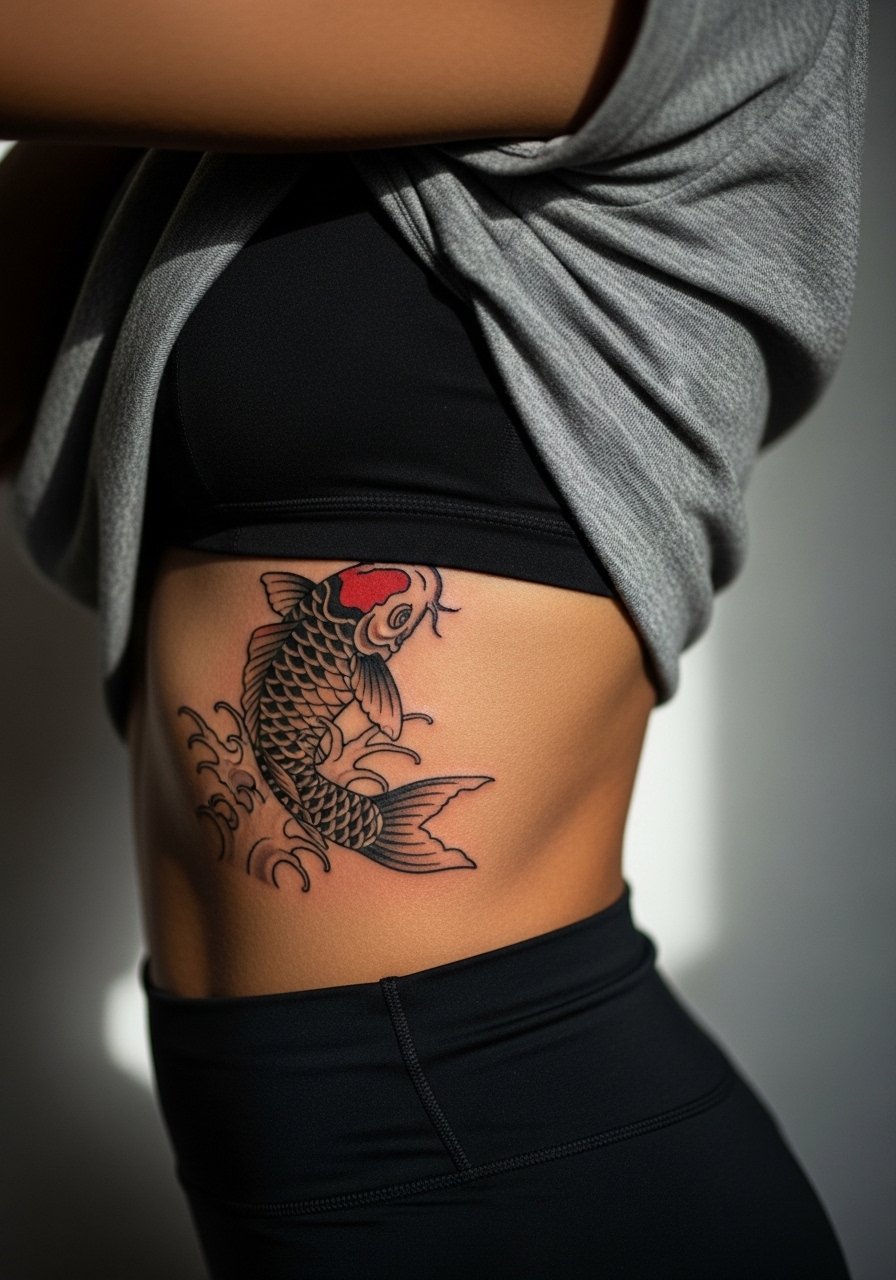
Koi are excellent for directional cover-ups because their body and fins contour to rib lines and can be shaded over faded marks. If the old ink is patchy, ask the artist to build scales that overlap the old lines rather than cover them directly. Session time depends on color saturation, but expect two sessions for medium pieces. An error I see often is pushing color saturation into tiny details; that can turn muddy over time. Koi age well when outlines are bold and scales use gradated saturation. For swimsuited looks, pair the vertical flow with high waist bikini bottoms so the tail lines read with the hip curve.
4. Feather Flow Concealer Over Script
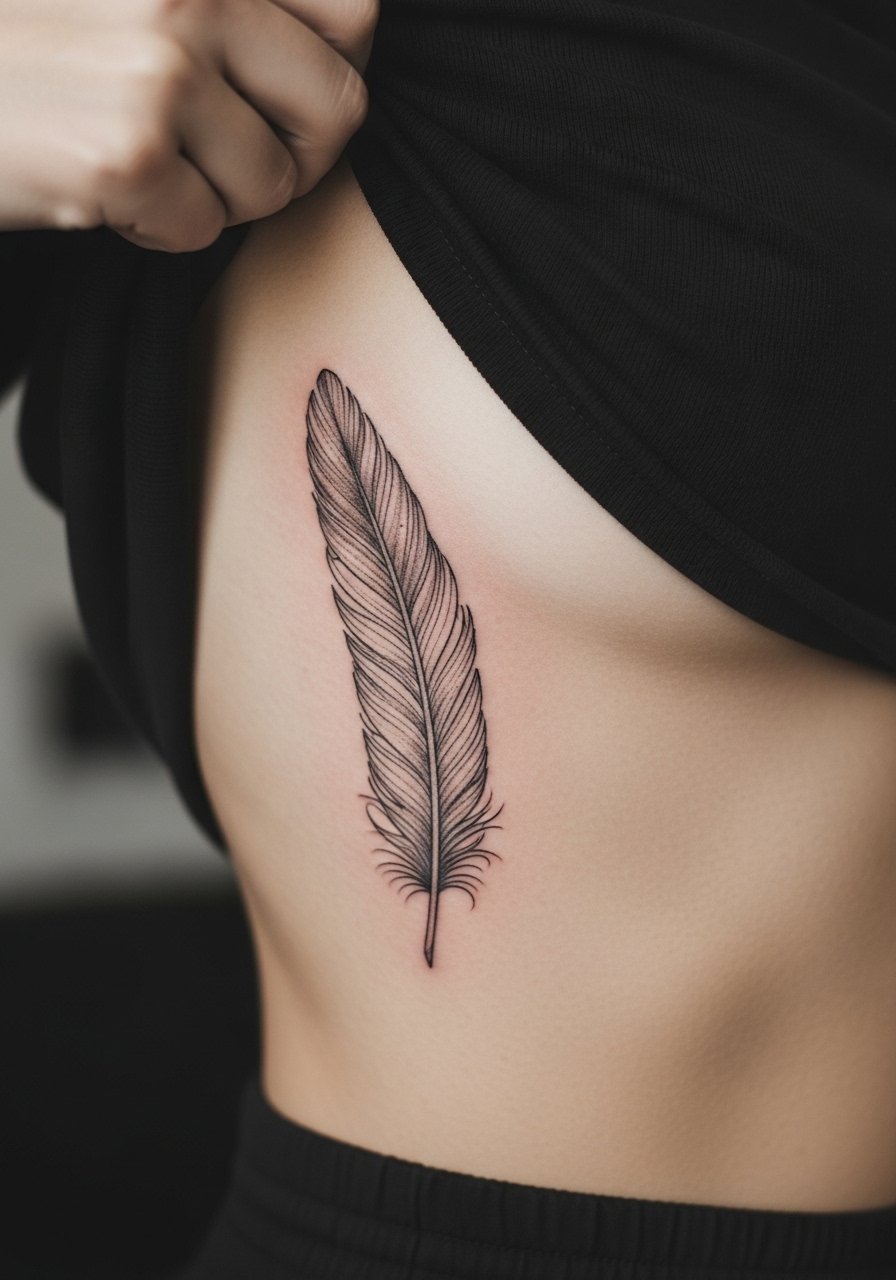
Feathers are lightweight visually but dense in texture, which makes them good at obscuring names and thin script. Most people underestimate how much negative space is needed between the barbs. Tell your artist to use stipple shading along the shaft and feather the barbs out over the old lines. The session feels scratchy because the ribline sits close to bone, but single-session pieces are common if the old ink is faint. In terms of aging, the feather keeps readability if the barbs are not microscopic. To show it off, a side slit maxi dress frames vertical tattoos beautifully during evenings without revealing too much skin.
5. Baby Elephant with Tribal Accents on Upper Rib
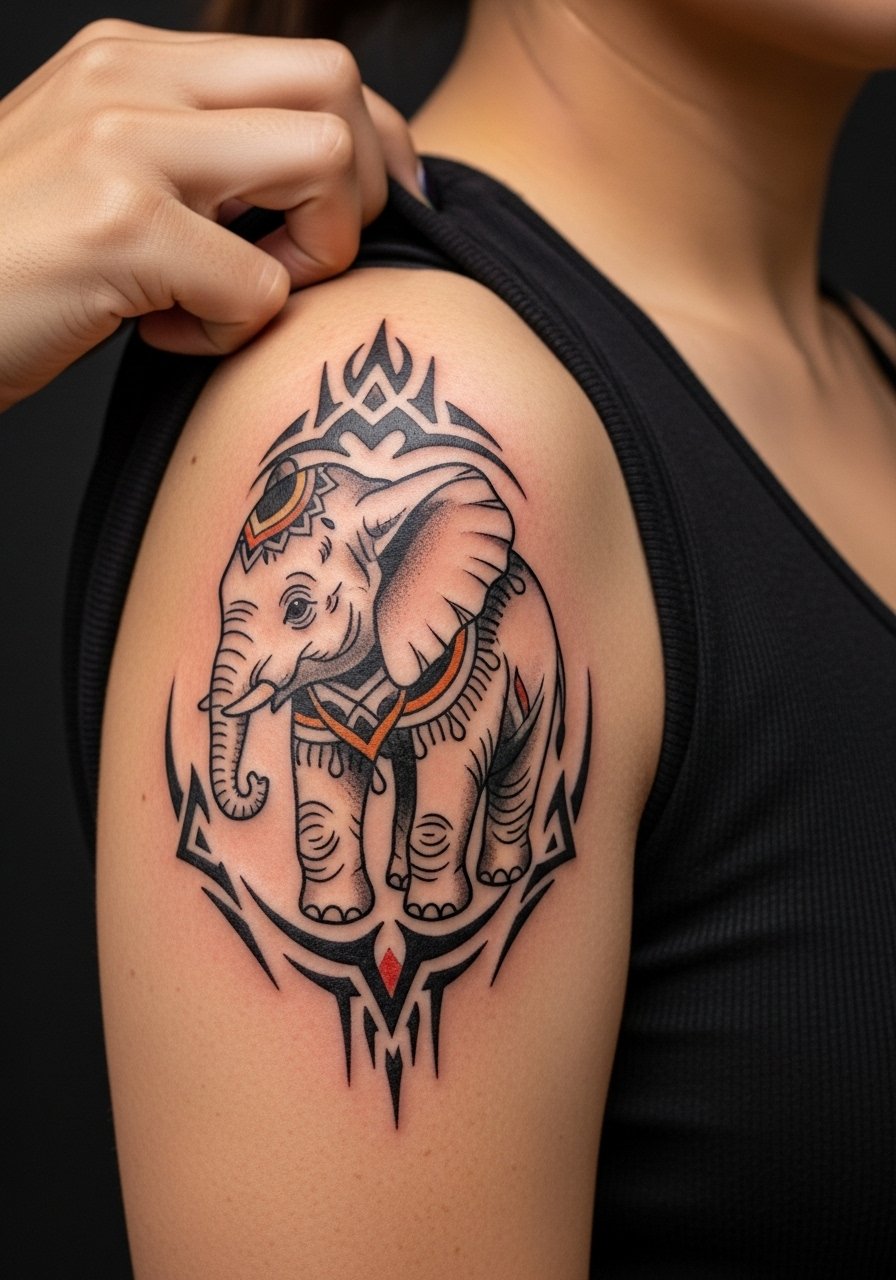
Small to medium neo-traditional motifs like a baby elephant combine bold outlines and selective color that mask faded ink without needing heavy black coverage. Upper rib placement is less exposed than the full side, so this works if you want discretion. In consultation, ask for minimal color in shallow washes rather than dense fills so the design reads well over older ink. A common mistake is using tiny ornamental details that merge with healed scarring. Session wear recommendation is a low neck tank top you can pull aside for access. Touch-ups are usually needed once between year two and year four to keep the accents crisp.
6. Bird Mid-Flight Stretching Hip to Armpit
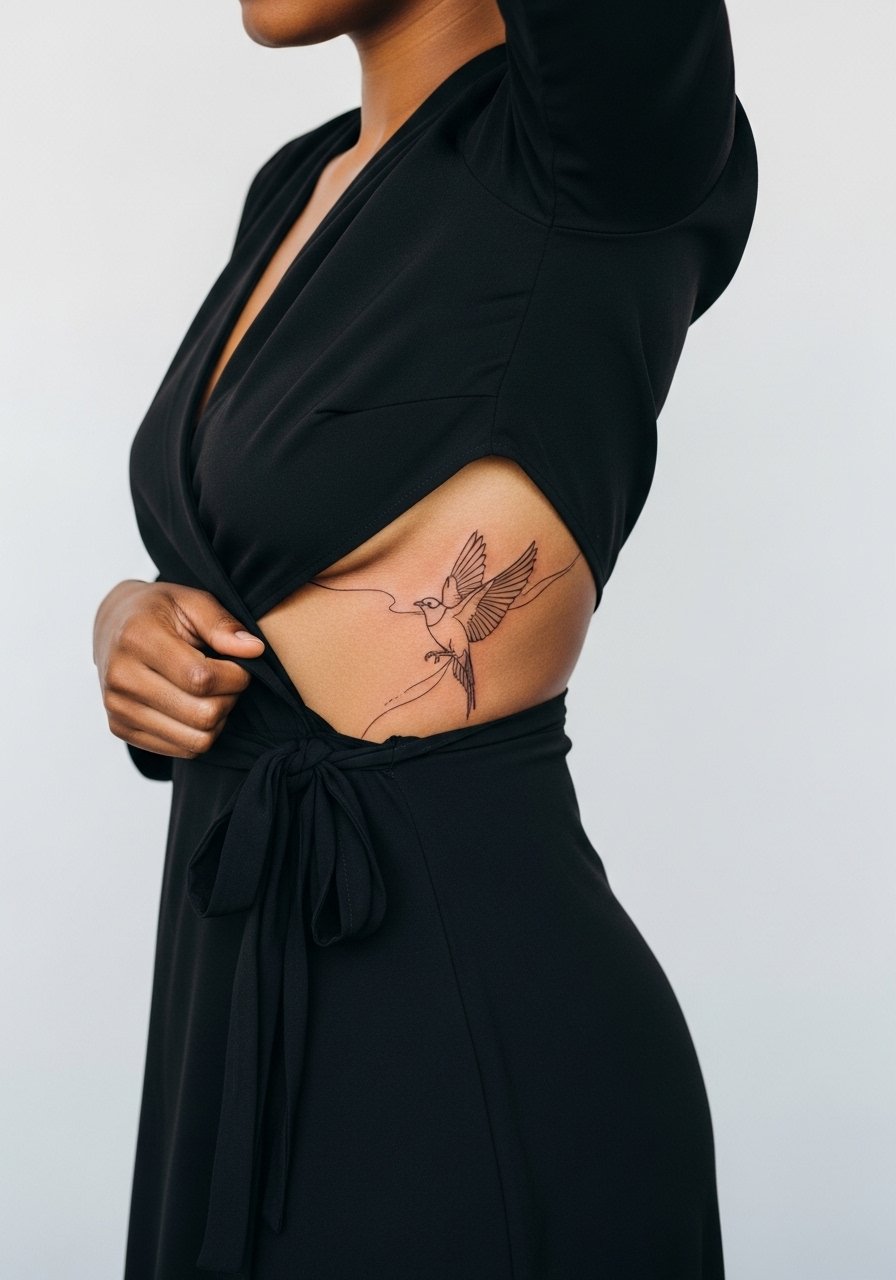
A long bird in flight uses wings and tail feathers to redraw older marks along a long canvas, and it moves with breath so it rarely looks static. Expect three sessions for an eight to ten inch piece. The consultation should include scale references showing line weight on wings. One camp argues that long, fine-line wings blur quicker on ribs because of skin stretch. The other camp says careful needle depth and spacing solve that. Ask your artist which approach they use before booking. For nights out try wrap dress black cuts that emphasize vertical flow.
Studio Day Picks
The side-rib and upper-rib designs above ask for precise stencils, friction protection, and session comfort. These picks smooth the chair day and the first week of healing for the types of cover ups covered in ideas 1 through 6.
-
Stencil transfer paper kit. Lets you preview line placement on curved ribs so you can confirm the lion, snake, or bird sits exactly where you want it.
-
Topical numbing cream. Applied before a long rib session it reduces edge pain near the bone without changing how the artist approaches linework.
-
Thin protective film roll. Keeps delicate fine line work from friction during the first days, especially important for vertical pieces that rub against clothing.
-
Fragrance free gentle body wash. Cleans the area without stripping oils that help lines settle, useful for the upper rib and side torso washes.
-
Aquaphor healing ointment. Thin layers in the very first days lock in moisture and keep fine line detail clearer as the tattoo forms its healed surface.
7. Minimalist Mountain Band Along Upper Rib
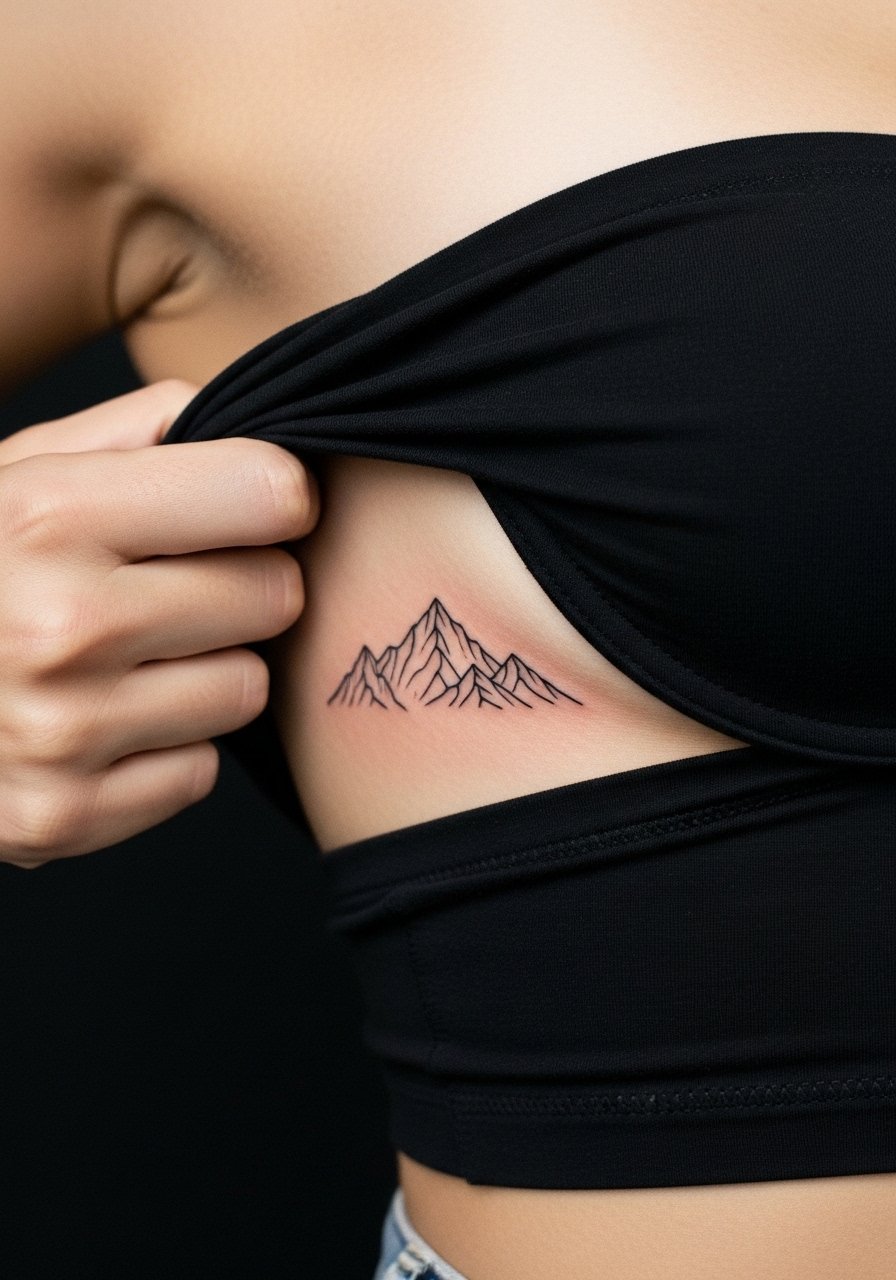
A narrow horizontal mountain band sits high on the ribcage and hides short lines or tiny script by redirecting the eye horizontally. This is a fast one-session option for people new to cover ups who want something that ages simply. Most mistakes happen when artists draw peaks too closely together. Ask for slightly spaced peaks and light negative space under the ridgeline. At six months the thin lines look crisp, and by year three expect softer edges that may benefit from a light touch-up. For showing it off, a strapless bra seamless or low-neck tops work best for discreet peeks.
8. Crescent Moon and Star Cluster Overlay

Celestial clusters are small but strategic. You can rework older dots and tiny script into stars and connect them with faint dot work so the old marks become part of the design. A common version that ages poorly is densely packed tiny stars without negative space. Ask for spread clusters and dot work spacing that respects the ribs' motion. The session is usually short and tolerable. For soft reveals pair this with an off shoulder sweater women so the cluster peeks out when you want it to.
9. Script Curving Like a Held Breath, Reworked as Negative Space
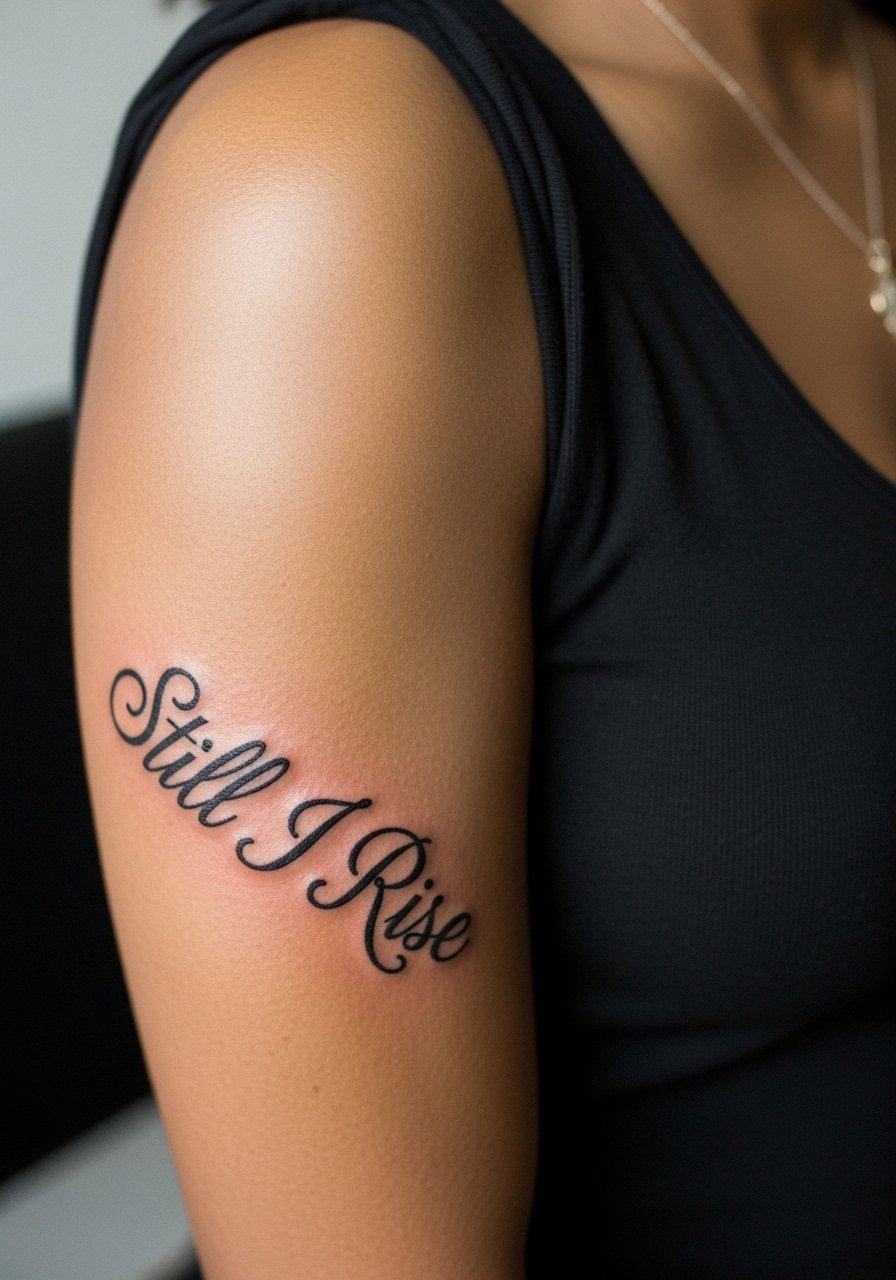
When an old phrase needs to go, consider redesigning it into negative-space lettering carved out of surrounding shading or ornamental linework. Warning: artists divide on whether fine script on ribs holds up. One camp says the stretch blurs thin lettering in a few years. The other camp uses deeper, slightly thicker linework and careful spacing to preserve script longer. Tell your artist you want the letters to read at two years and ask how they plan to space and depth the lines. For session day wear choose a front-open button-down shirt you can pull aside for access.
10. Bold Blackwork Abstract to Smother Faded Ink
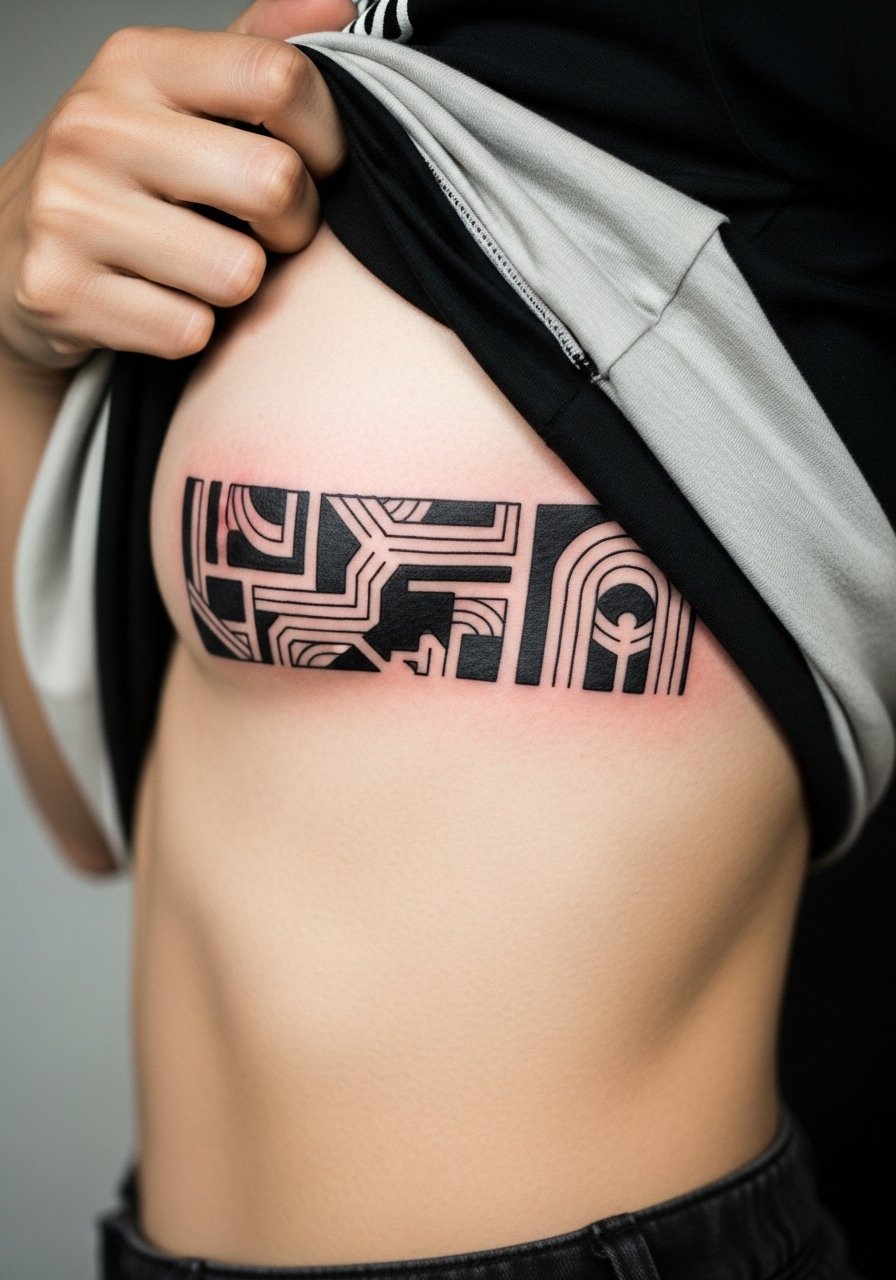
When old ink is dark and patchy, dense blackwork panels are the straightforward fix. They hide the prior shape completely and create a new graphic. Expect a heavier session and more discomfort near the bone. The mistake is trying to make the blackwork too detailed over scarred skin. Instead, ask your artist for sweeping fills and soft edges that blend into the natural shadow of your side. Healed blackwork can stay bold for many years, but touch-ups may be needed if the fill loses saturation. This is best for people comfortable with strong coverage rather than subtle concealment.
11. Delicate Stipple Floral Rib Wrap
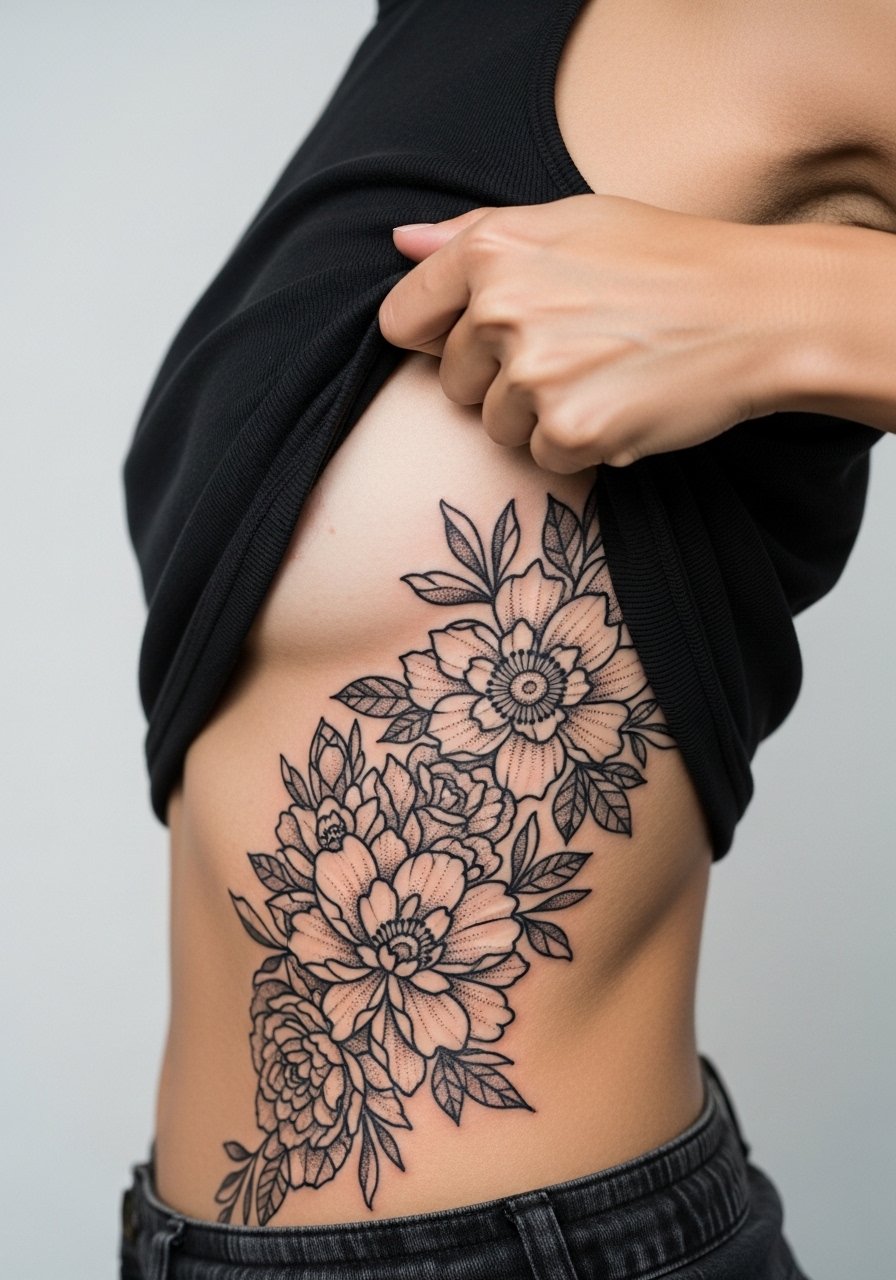
A stippled floral wrap uses dot work density to mask uneven old ink. It is a clever approach because dots can be layered to hide darker bits while keeping edges soft. The session feels more like many small passes than a single long line. Avoid tiny petals that sit directly over deep black; instead request layered stippling that transitions from dense to airy. This style holds up well at two to five years if the stipple is spaced correctly. For showing it off try a halter top solid color that frames the wrap without visual clutter.
12. Mandala Fan Grazing the Side Rib
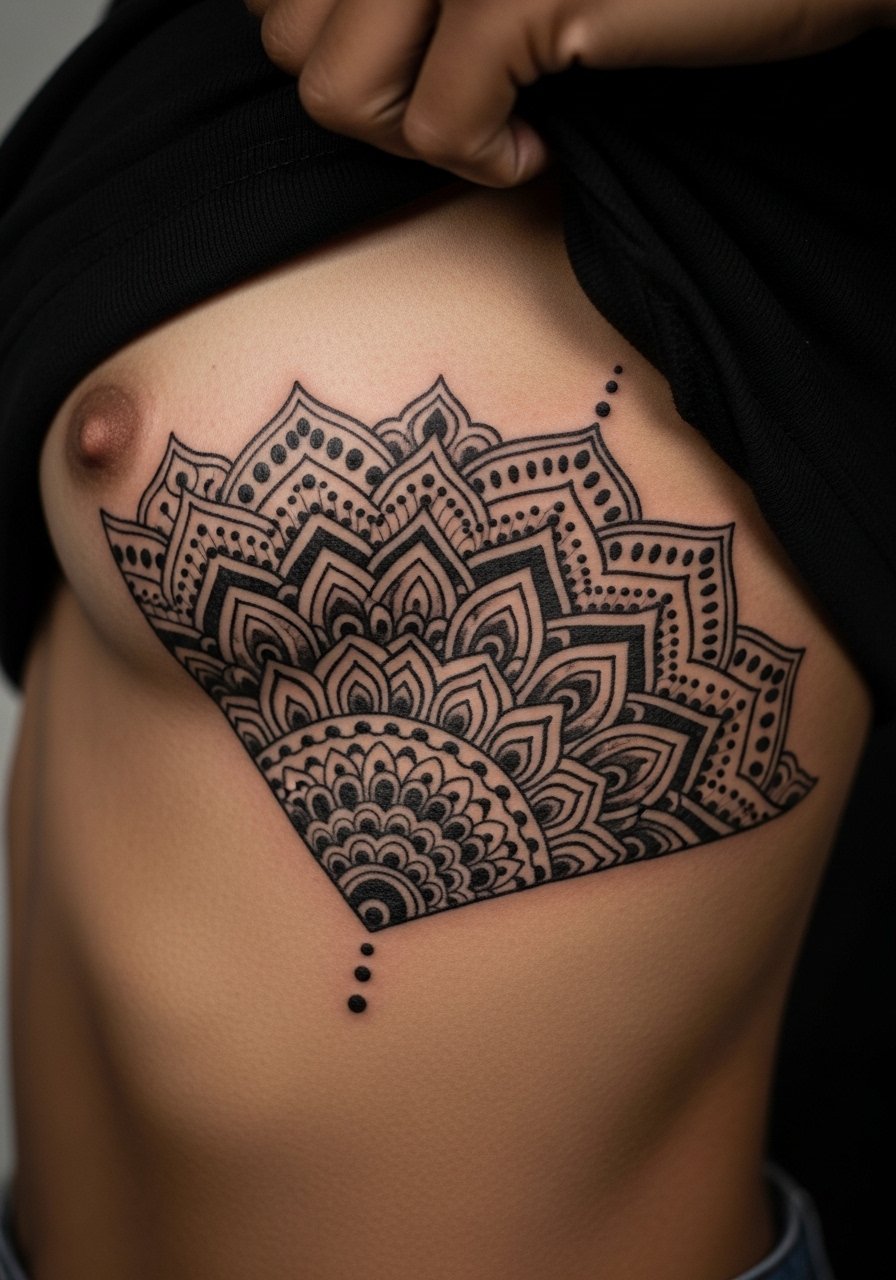
Mandala fans are ornamental and can be drawn to overlap old shapes so the new geometry distracts from earlier ink. This design requires cultural sensitivity because mandala forms trace to sacred traditions. Consider slight stylistic variation rather than an exact replica. The common mistake is compressing the mandala too small on ribs. Give the pattern room to breathe and ask for alternating thick and thin radiating lines. Healed mandala work looks elegant at year one and often needs minor contrast boost around year three.
13. Tiny Coordinates Redesigned Into a Constellation

If original coordinates or a tiny date sit in a visible spot, convert them into a constellation by connecting points and adding micro stars. This keeps the meaning while masking the original number shapes. A mistake I see is leaving the original numerals untouched and just adding a small motif. Instead ask the artist to integrate or replace old numerals with star points so the prior marks become part of the new map. Session time is short. For sessions wear a strapless bra seamless to make upper rib access easy.
14. Kintsugi-Inspired Gold Linework Over Old Lines

Kintsugi-style linework traces old scars and tattoo lines with thin metallic or gold-toned ink to transform the old into a feature. This approach uses the previous shape rather than hiding it, which suits people who want a visible but reframed solution. Note that metallic inks may fade faster, so discuss pigment longevity with your artist. The common error is using gold in tiny amounts that disappear quickly. Ask for slightly thicker gold lines in key areas so the effect reads even after some fading. This is a creative alternative to coverage for those who want the past acknowledged.
15. Wave and Water Study for Flowing Coverage
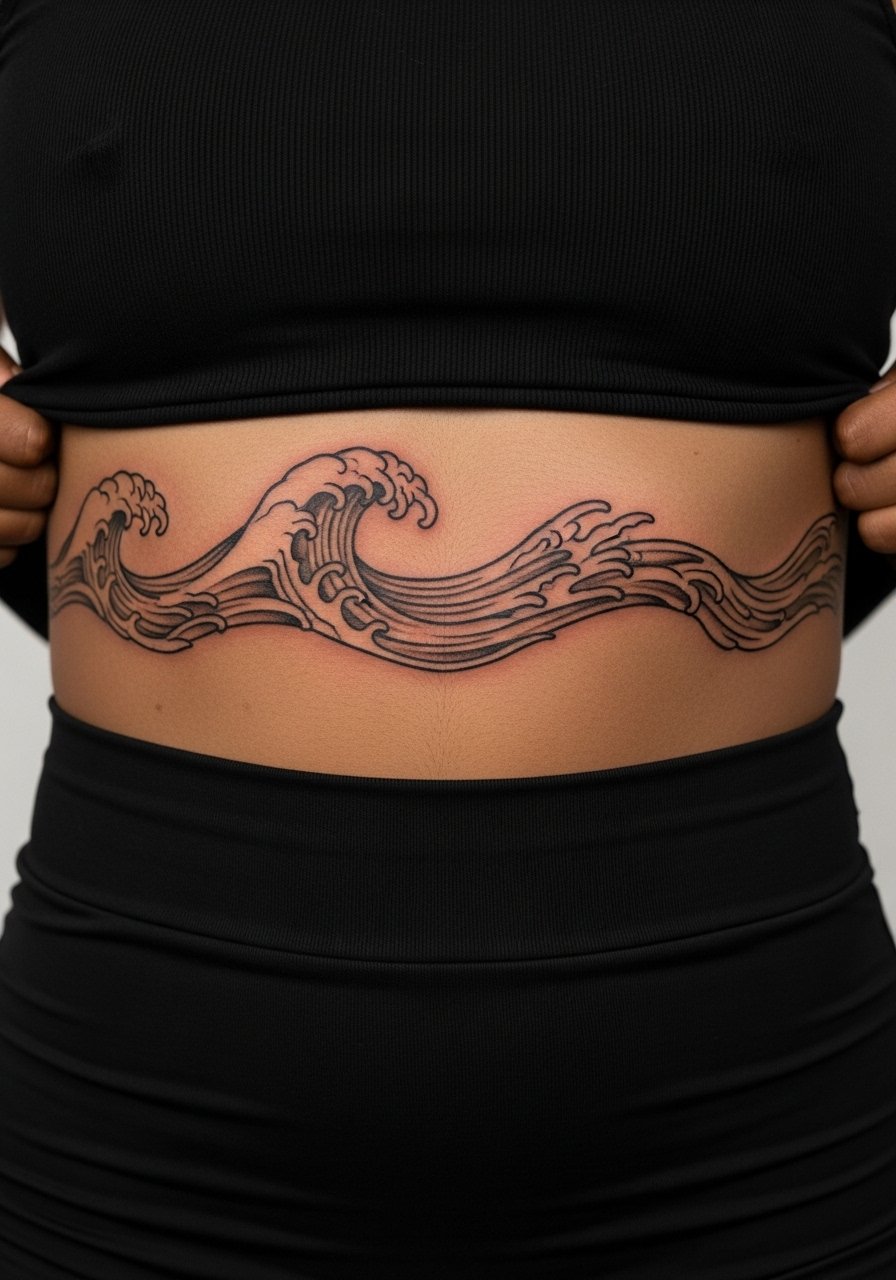
Water motifs like waves and foam can be shaped to sweep over old ink, using curved motion to mask rigid, faded lines. The session is moderate depending on shading. One mistake is putting too many tiny white highlights that vanish on darker skin. Request contrasts built from black and grey gradients instead. To show it off at the beach, pair with high waist bikini bottoms that trace the wave tail and let the flow read with your hip.
16. Thorned Vine That Interlaces With Old Ink

A thorned vine uses overlapping stems and thorns to break up old outlines, which is useful for linear scripts or bars. Tell your artist you want asymmetrical spacing so thorns cover the densest parts of the old ink. The session feels prickly near bone because the needle crosses many small angles, but the visual payoff is worth it. Avoid uniform thorn spacing. A natural look uses irregular spacing and occasional leaf detail to distract the eye. Healed vines work well for five years if the lines are given room and contrast.
17. Phoenix Rising Half Sleeve Rib Wrap
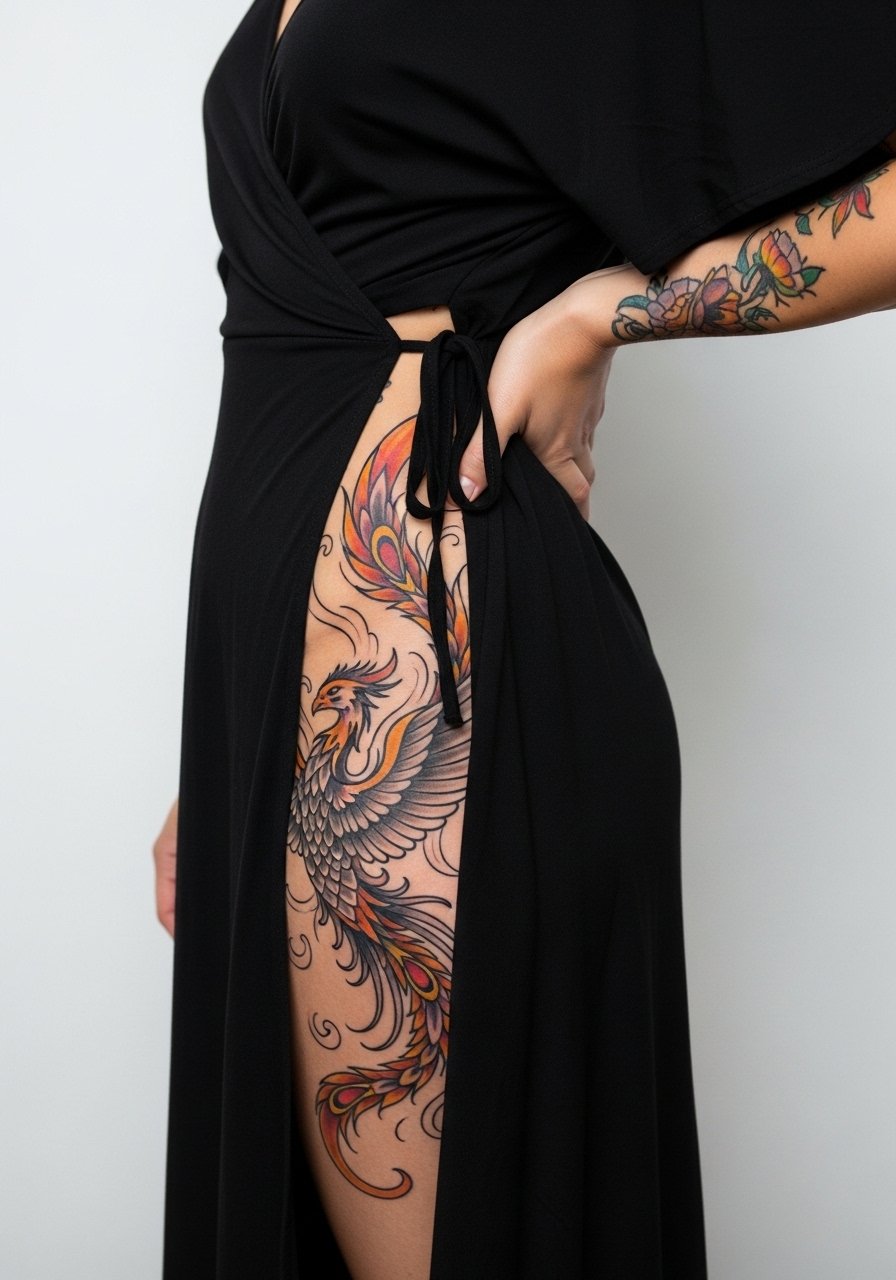
When heavy, dark blotches need real coverage, a phoenix offers a dramatic solution because its feathers and flames can be layered to obscure large existing shapes. Expect multiple sessions and higher discomfort along rib bones. The common error is packing too much tiny color into small feather details. Ask for flowing feathers and graded fills that overlay the old ink rather than fighting it. Touch-ups will likely be required around year three to keep saturation. For dresses, a wrap dress black silhouette shows the rise without exposing the whole torso.
18. Geometric Mosaic Patch for Dense Coverage

A mosaic patch breaks old ink into new geometric panels that interrupt prior lines and hides contrast through repeated shapes. This works especially well if the existing tattoo has a clear border you can fill. The mistake is going too fine with micro-geometry over scar tissue. Ask for bold shapes with varied saturation so the patch blends into skin tone gradually. Session time depends on the area, but many people get this done in two longer sessions. For casual looks, pair with an oversized t-shirt men you can shift to expose the side when you want.
19. Blackout Gradient Panel for Maximum Concealment
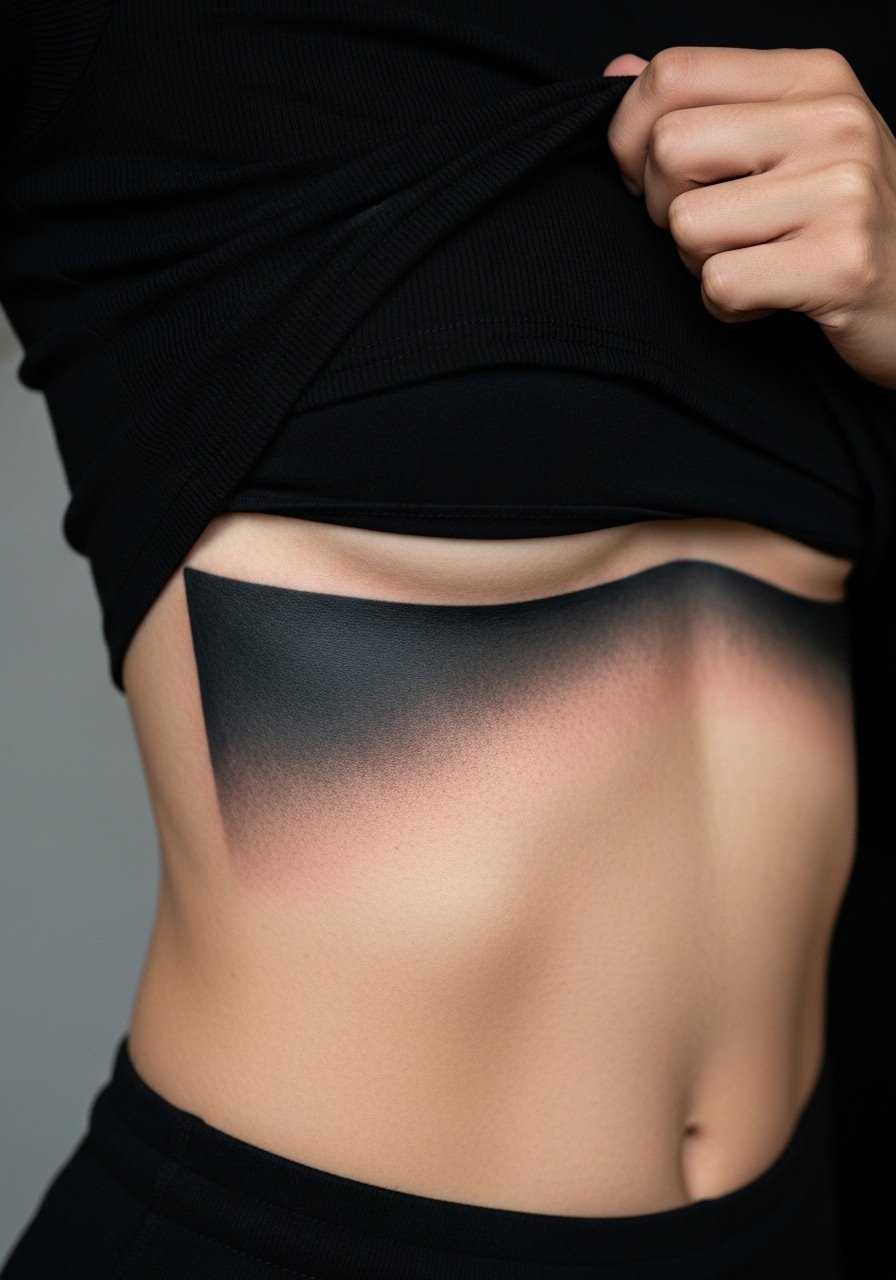
Blackout or near-black panels are the blunt instrument for dense, dark old tattoos that will not blend into anything else. Expect heavier sessions, longer healing, and a bold aesthetic change. Common downsides are heat retention during summer and the permanence of the look. If you choose this route, discuss gradient edges with your artist so the blackout edges soften into the natural shadow of your ribs. Touch-ups are normal if any patchy areas develop during healing.
20. Lace Band Inspired Ornamental Work Near Sternum-Rib Edge
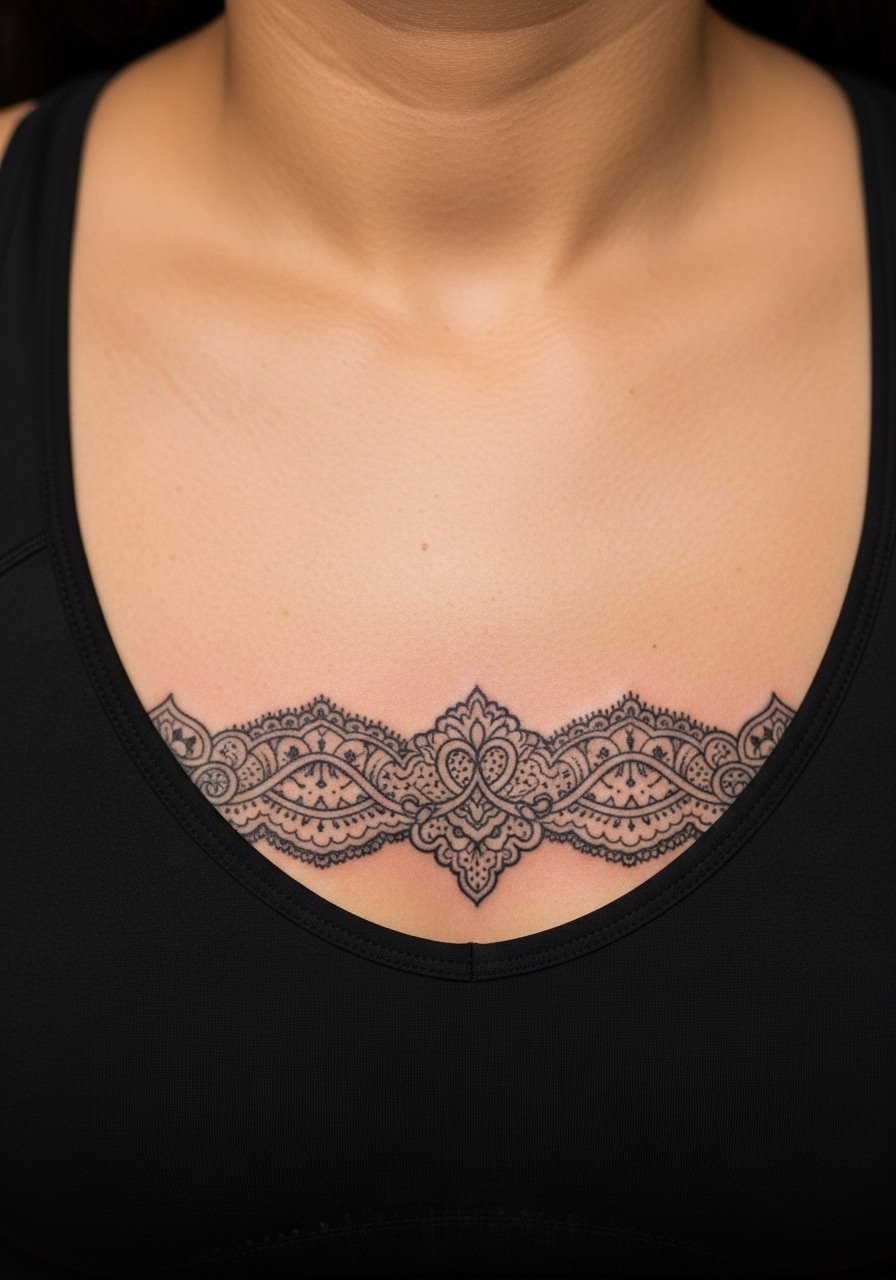
A lace band that hugs the sternum-rib junction can cover small centered tattoos or names by reframing the area with ornamental negative space. Because this is close to the sternum, specialized experience helps. The mistake is compressing lace into the sternum crease where it can blur. Ask for elongated motifs that extend slightly onto the ribs for breathing room. For session day wear a fitted sports bra you can pull down just enough to expose the area without full chest exposure. Note that some people choose this placement for intimate reveal only.
21. Abstract Gallery-Style Scribble That Hides and Ages Well
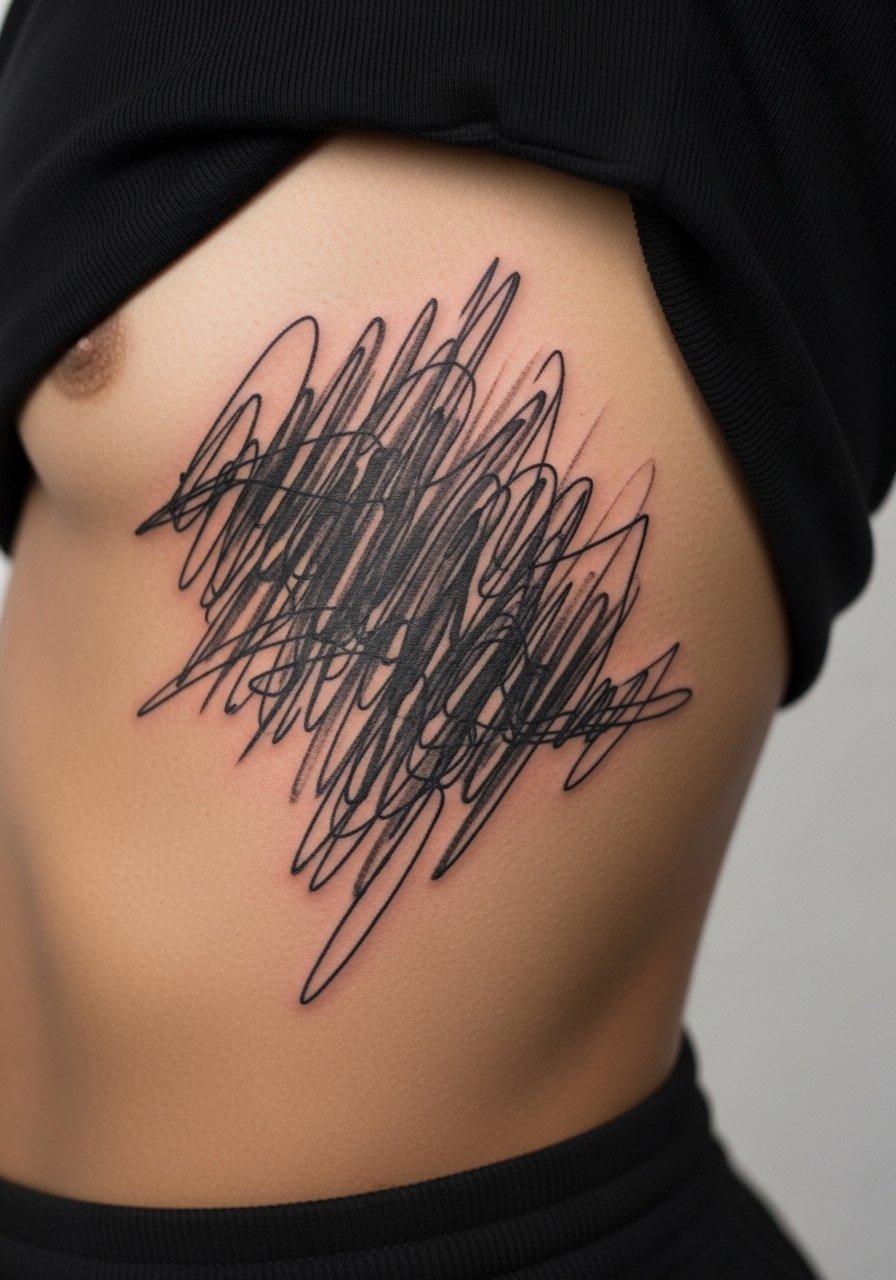
Abstract, painterly cover ups use layered strokes and washes to diffuse old shapes into a new mark-making composition. This is a good option for older, blurry tattoos where crisp restoration is impossible. The session can be experimental and collaborative, so bring references and be ready to adapt as the artist translates brush-like strokes into needlework. A common mistake is asking for overly literal brush strokes that the skin will not hold. Instead request layered contrast spots and patches so the composition reads from a distance and still looks intentional close up. Abstract work ages into a textured skin piece that rarely demands precise touch-ups.
Frequently Asked Questions
Q: Will fine line cover ups on ribs blur faster than bold blackwork?
A: Yes, fine line tends to soften more quickly on the ribs compared with bold blackwork because the skin there stretches and moves with breathing. If you want lines to last longer, ask your artist for slightly thicker line weights and more spacing between strokes. Expect touch-ups earlier for fine line pieces.
Q: How should I dress for a rib session to give the artist clear access?
A: Wear something you can lift or pull aside without pressure on the ribs. For upper-rib work a strapless bra seamless or a front-open button shirt makes the session easier. For full side wraps, loose wrap tops or an oversized tee let the artist reach the entire area without you needing to undress.
Q: Are there cover-up styles that hide very dark old tattoos better than others?
A: Dense blackwork, phoenix-style layering, and blackout panels are the most reliable for very dark ink. Geometric mosaics and heavy abstract fills also work, but they change the look drastically. Lighter options like stipple florals or fine-line feathers rely on integrating old ink rather than fully masking it.
Q: How long after a cover-up should I wait to evaluate if I need a touch-up?
A: Give it at least six months so the pigment settles and the skin finishes remodeling. Many artists expect clients back between six and twelve months for a touch-up if contrast needs restoring, especially for pieces over ribs.
Q: Artists disagree about fine line on ribs. How should I choose?
A: Name both camps and ask questions. One camp says the ribs blur thin lines within two years. The other camp says proper needle depth, spacing, and touch-up planning make fine line work viable. Look at healed photos in portfolios and ask about touch-up policy. Trust your artist when they explain how they solve rib-specific issues, but confirm you both have the same expectations.