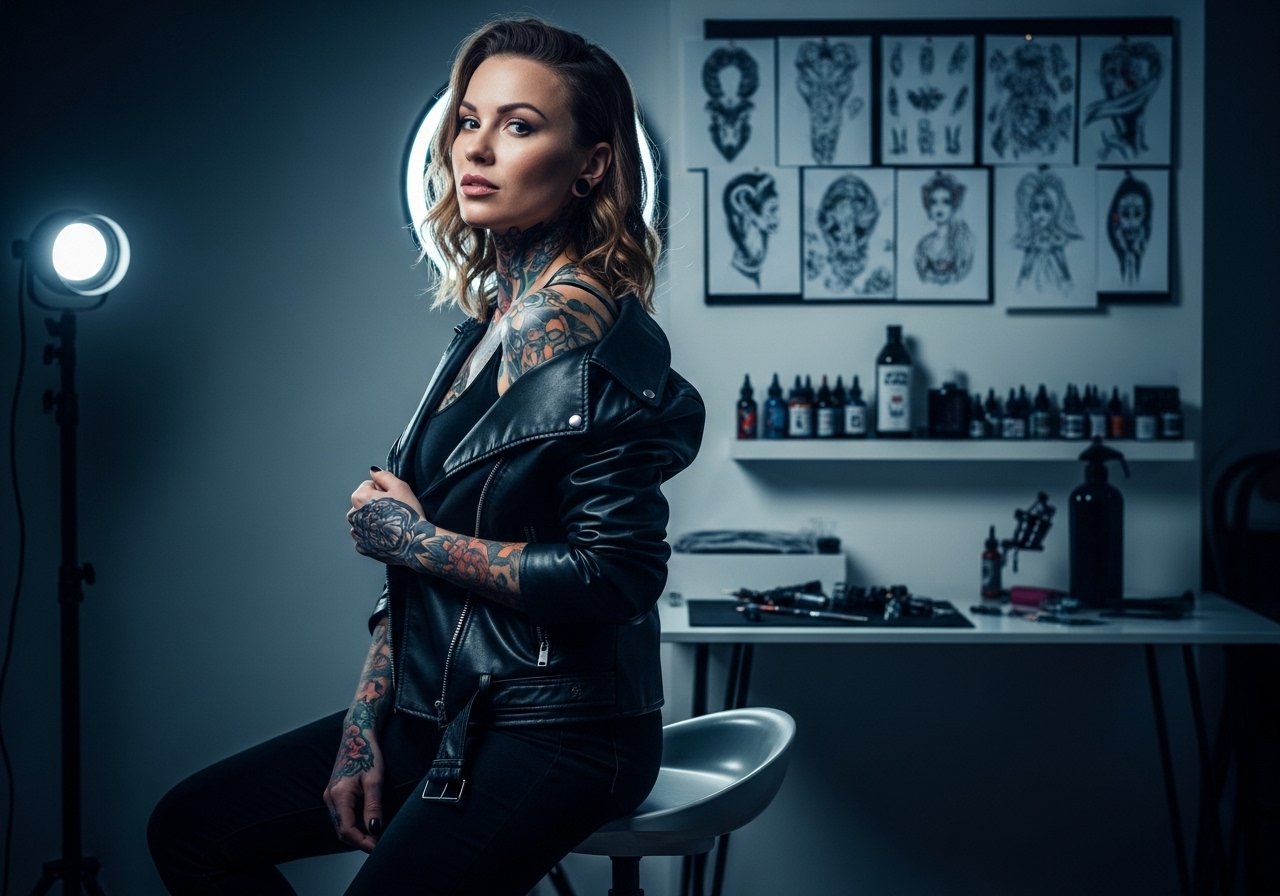
Fine line trends and bold neo traditional color both get a lot of attention online, but they tell different stories about how band tribute tattoos age. Fans who want a Stray Kids nod in bright neo traditional tones need to balance saturation, lineweight, and placement so the motif still reads in five years. Below are thoughtful neo traditional Stray Kids tattoo ideas and how to make each one last.
1. Neo Traditional Crest on Upper Arm
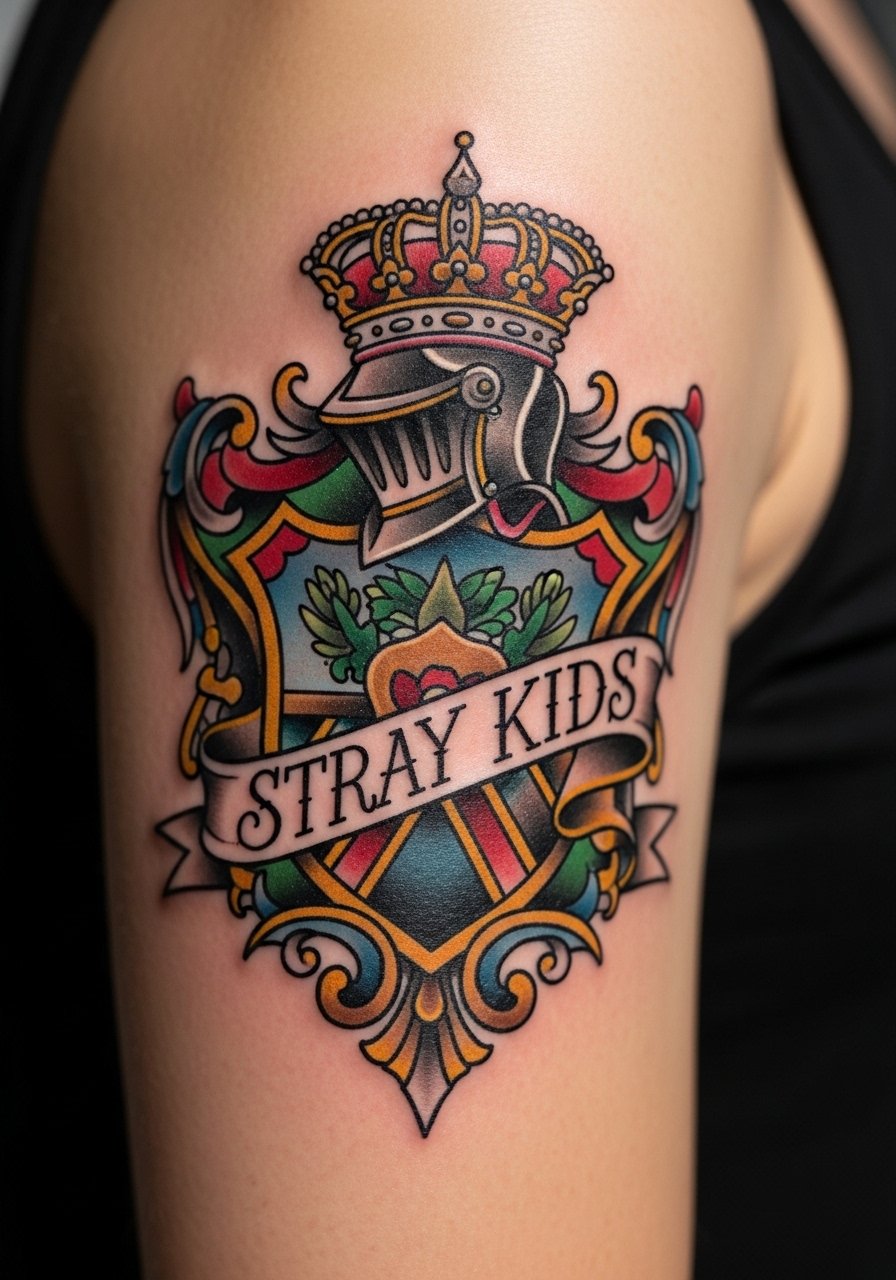
A rounded crest with a bold outline, saturated roses, and a small banner reading STRAY KIDS makes a clear fan badge without copying a logo exactly. I usually recommend this for people who want visibility but not constant show-off placement. Tell your artist you want heavier outer linework and slightly muted midtones so the colors age into a rich palette rather than wash out. Expect moderate pain on the outer arm and a two to three hour session depending on size. Common mistake is asking for tiny text inside the banner which blurs over time. For showing it off, roll up sleeves and pair with a loose button-down shirt so the crest sits at the edge of the sleeve.
2. Micro Badge Behind the Ear
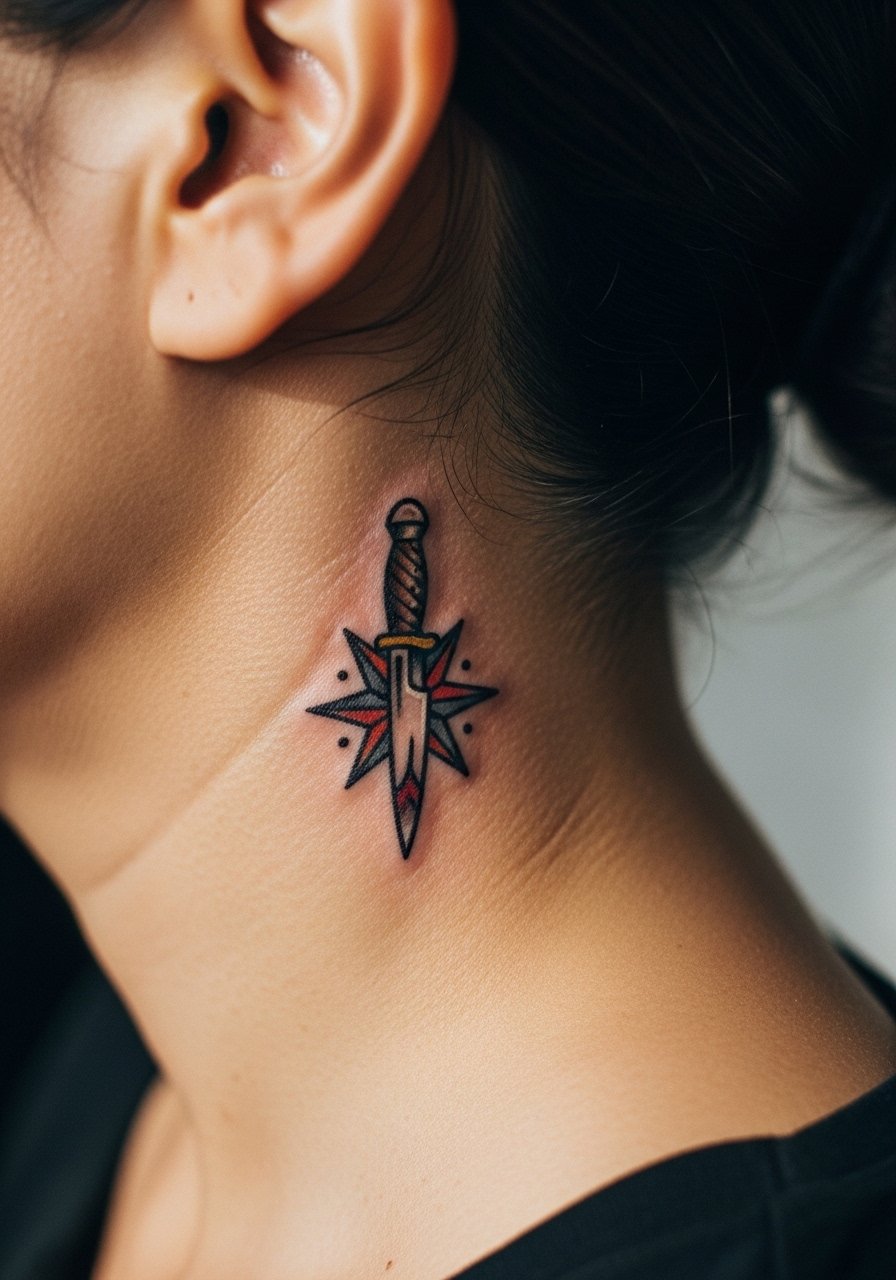
This is a discreet spot for a Stray Kids emblem that reads like a private nod. The session is short and the pain is mild to moderate because the area is thinly padded. Tell the artist you want simple saturated fill and avoid overly detailed stipple shading that can tangle in such a small area. Expect touch-ups sooner than arm work because of frequent hair and clothing contact. For the appointment wear your hair up and a wide-neck shirt so the artist has room to work without you tugging at clothing.
3. Sticker-Style Chest Patch Near Collarbone
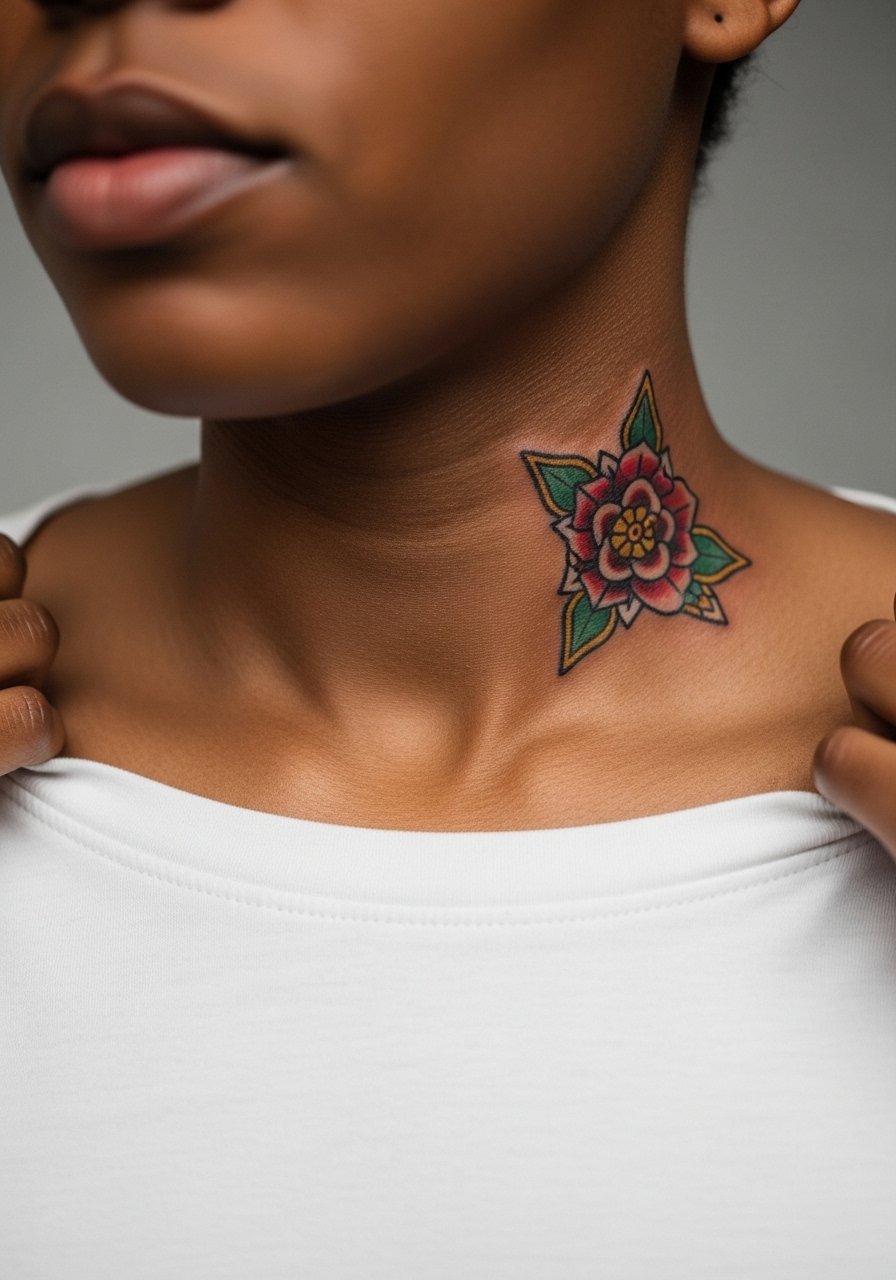
A sticker-style patch mixes playful illustration and strong outlines. Use it for song motifs, a shorthand lyric, or an abstract symbol fans recognize. The collarbone placement looks great with a thin chain necklace because the garment lines and jewelry frame the art. Pain is higher near bone and may require short rest breaks during a session. Most people ask for too much tiny detail inside the patch which softens with time. Keep the center area simpler and ask for heavier edge lines so the patch still reads at a distance. Pair with a thin chain pendant necklace when you want it visible.
4. Neo Traditional Ribcage Floral Panel
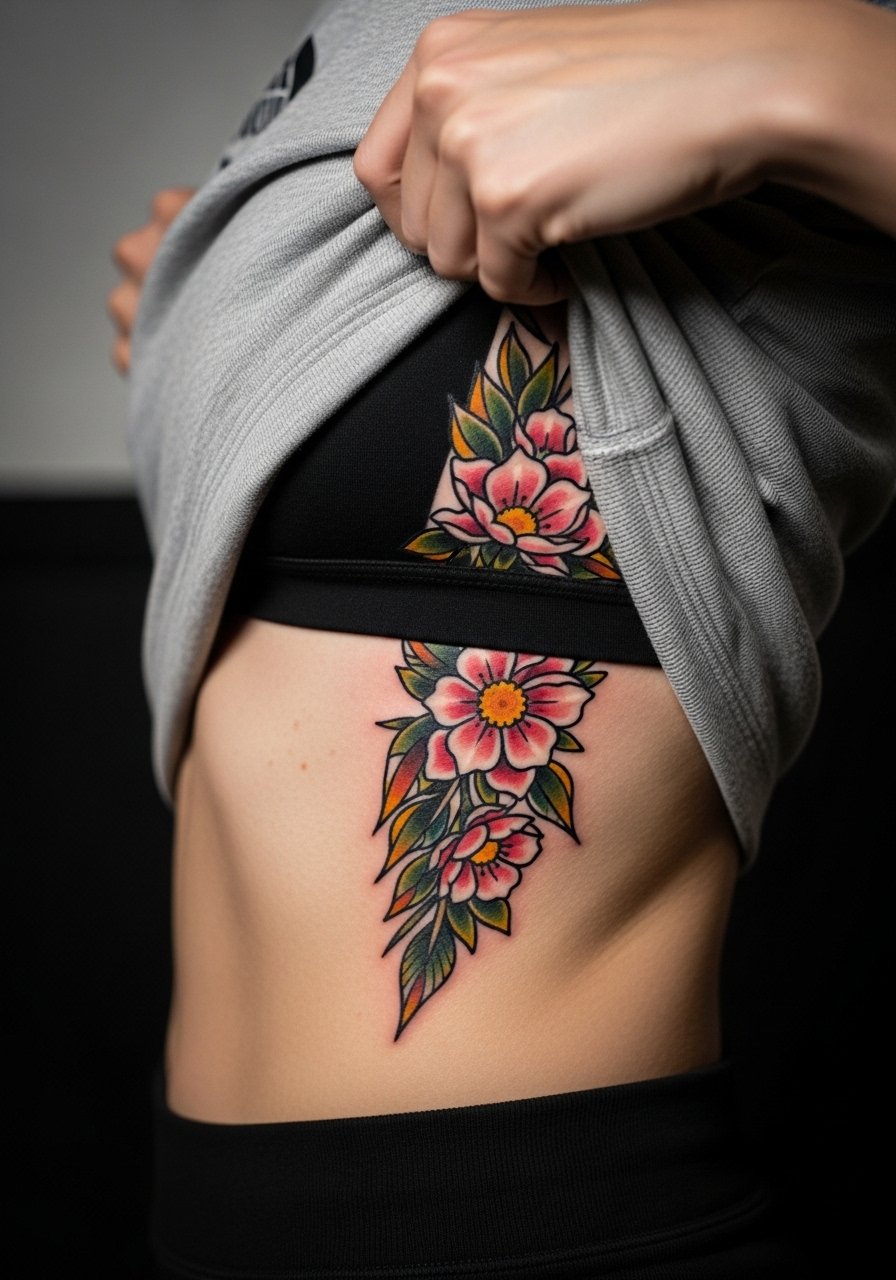
The ribcage gives room for a flowing panel that can incorporate lyric fragments or album symbols. Fair warning the ribs are a high pain area and most sessions here take longer because of breaks. Fine line on ribs splits artists into two camps. One camp says the skin stretch blurs lines within two years. The other camp says with proper needle depth and spacing it settles fine. I advise discussing spacing and depth in consultation and planning for a touch-up at year two if you want intricate detail. For the session wear a cropped top you can lift without moving too much.
5. Forearm Narrative Band
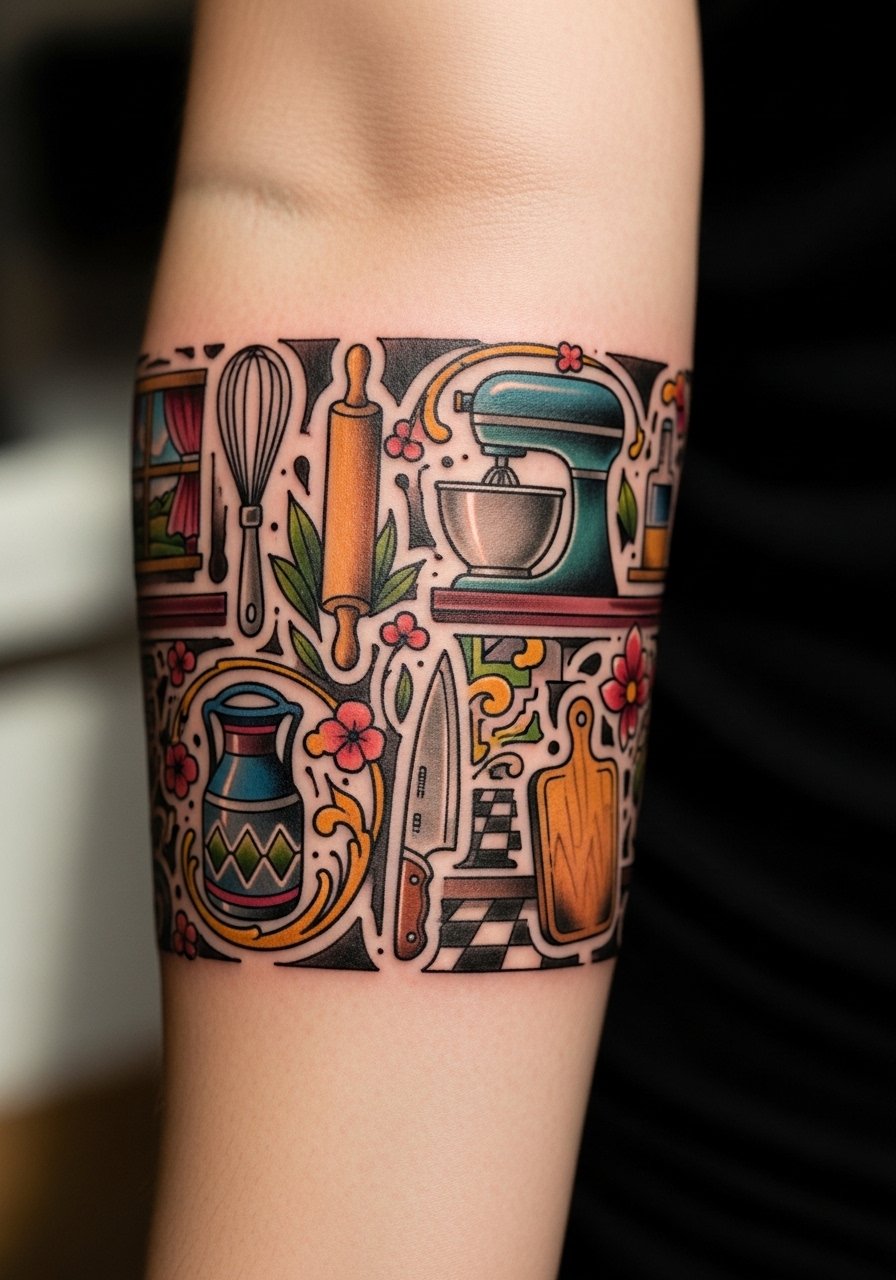
A forearm band that tells a Stray Kids story gives visible placement and great longevity. Linework reads well here if the elements have breathing room. When you consult, bring references showing how large each motif should be and ask for saturation rather than tiny hatch shading. Expect a two to four hour session and light to moderate pain. A common mistake is crowding icons too close together which accelerates blending. Show it off with rolled sleeves and a racerback tank or short-sleeve tees so the band sits centered on exposed skin.
6. Neo Traditional Calf Portrait Patch
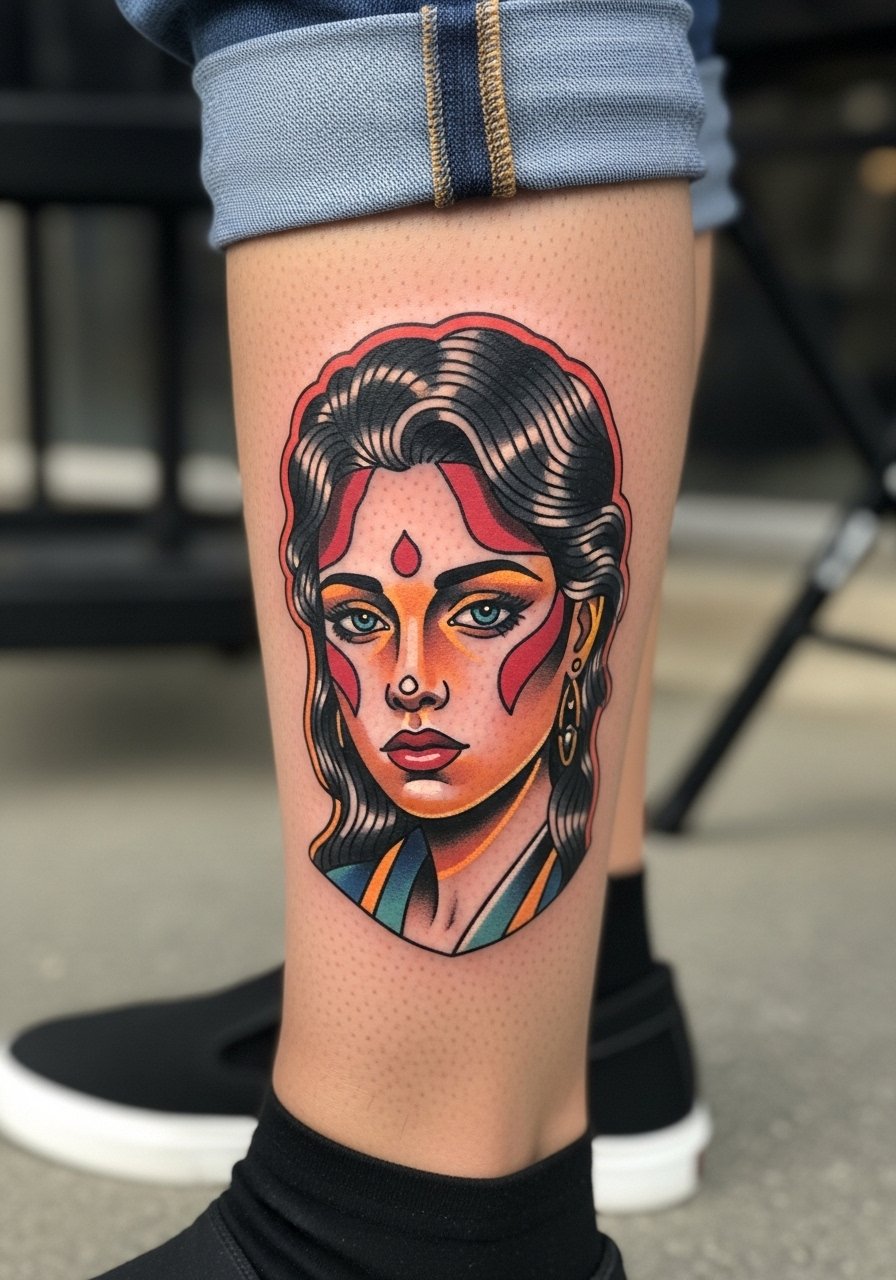
A calf patch gives space for a stylized portrait or character motif rendered in neo traditional color. The artist will need to balance facial detail with saturated areas so the portrait still reads after healing. This placement is lower pain with comfortable session time and easy aftercare. Mistakes happen when portraits are too small for the level of detail requested. Ask for simplified facial planes and stronger color fields to hold. For the studio day, wear pants you can roll up easily like jeans rolled up so the area stays clean while the artist works.
Studio Day Picks
The upper arm, forearm, and calf pieces above have different prep needs, and a few targeted items make studio time smoother.
-
Stencil transfer paper kit. Lets you preview placement and typography with the artist before permanent ink, useful for crest and band designs.
-
Topical numbing cream. Applied as directed before the session eases the sting during denser color fills like the calf portrait.
-
Thin protective film roll. Helps protect forearm bands during the first week when clothing rub can stress fresh saturation.
-
Fragrance-free body wash. Gentle cleansing reduces irritation around dense color patches and keeps linework sharp while healing.
-
Aquaphor healing ointment. Thin application in the first days helps maintain moisture for saturated neo traditional fills without suffocating the skin.
7. Collarbone Emblem with Script
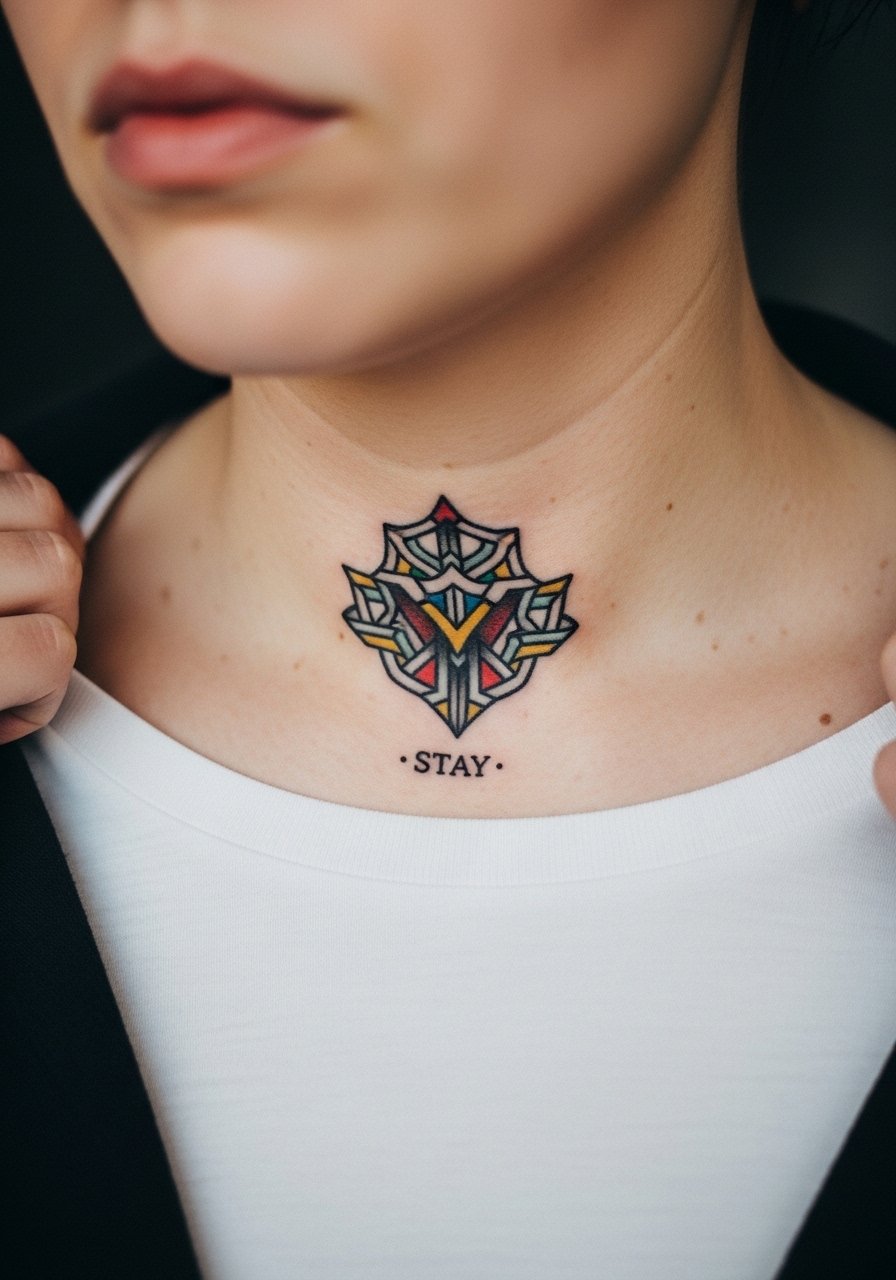
A collarbone emblem combined with a short script reads like a subtle dedication and works well with open-neck garments. Pain is moderate due to proximity to bone but sessions are short when the piece is compact. Tell your artist to keep the script slightly larger than you think and use bold outer linework so the letters hold. A typical error is requesting micro script which softens quickly. For nights out, layer a thin chain pendant necklace that sits above the emblem rather than covering it.
8. Neo Traditional Thigh Panel with Botanical Motifs
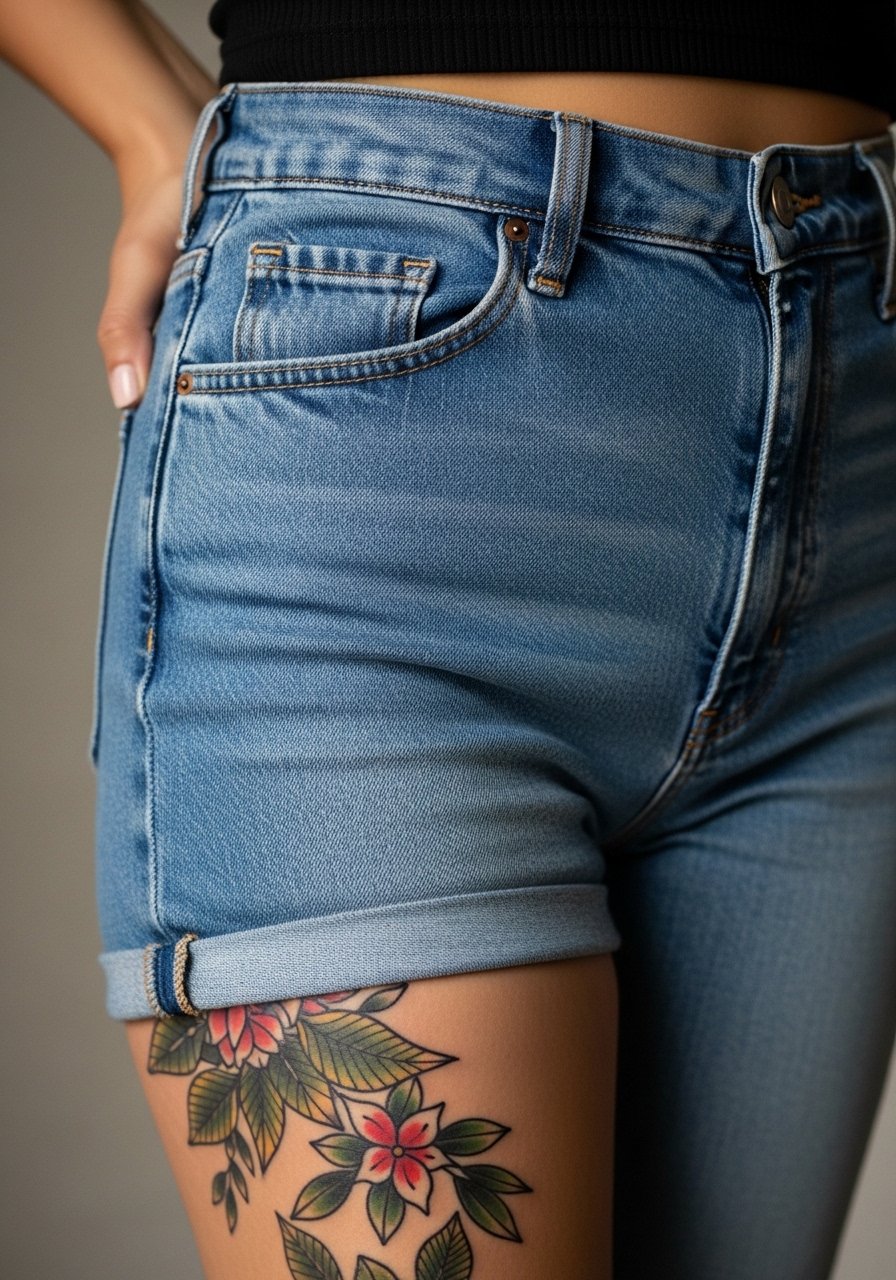
Thigh panels allow for sweeping botanical illustration combined with band symbols or abbreviations. The area tolerates saturation well and ages nicely because friction is lower. During consultation ask for balanced negative space between florals and iconography so the design keeps clarity. Sessions can be long but broken into two sittings. For the session wear high-waisted denim or shorts you can shift easily like high waisted denim to give the artist access while staying comfortable.
9. Neo Traditional Finger Accent Piece
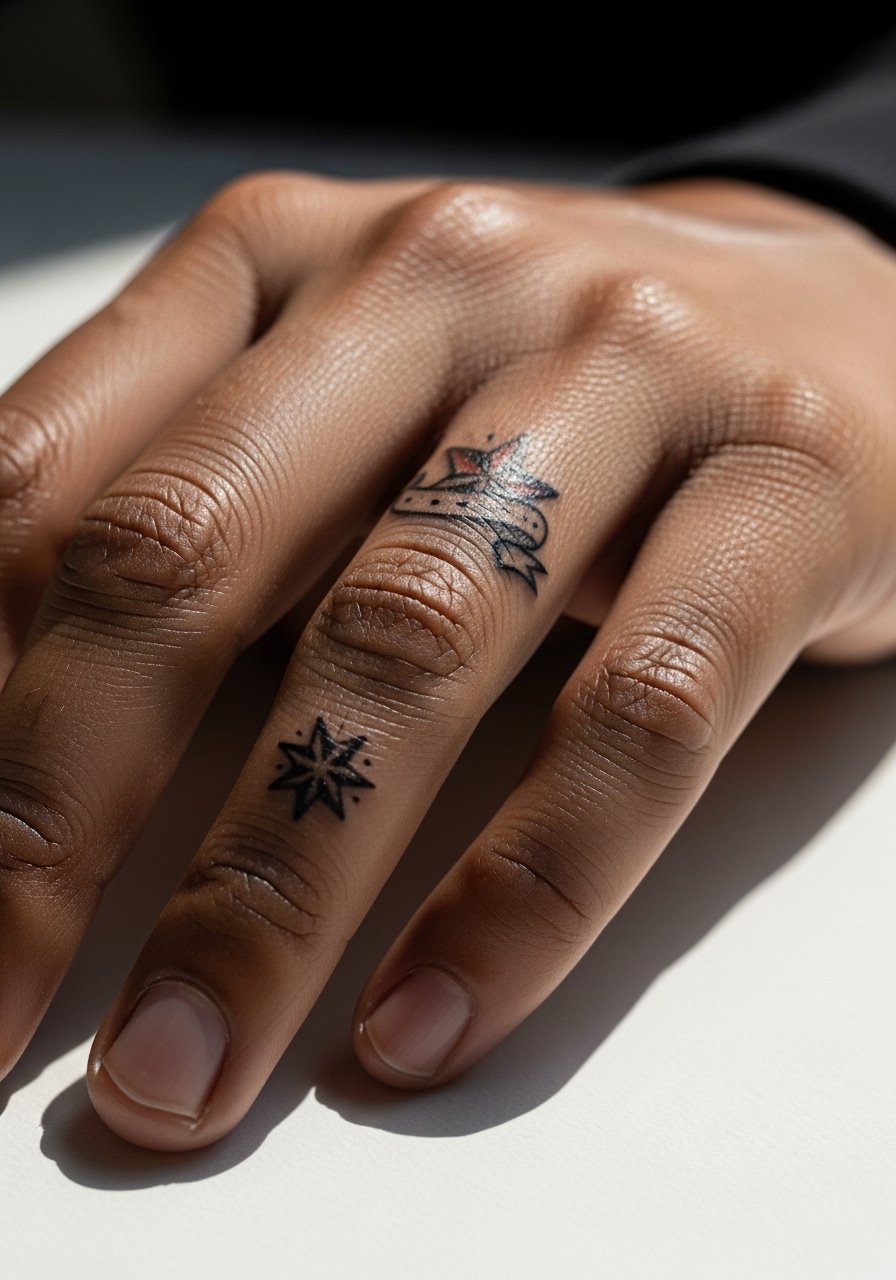
Finger pieces are trendy but they behave differently. Expect faster fading and potential for touch-ups at year one or two. If you want neo traditional color here, keep fields simple and use thicker outlines so the pigment stays where it belongs. The mistake is adding too much tiny detail. The session is quick but uncomfortable because of bone proximity. For daily wear think about minimal rings while the tattoo heals and be prepared for maintenance over time.
10. Shoulder Blade Scene with Band Symbol
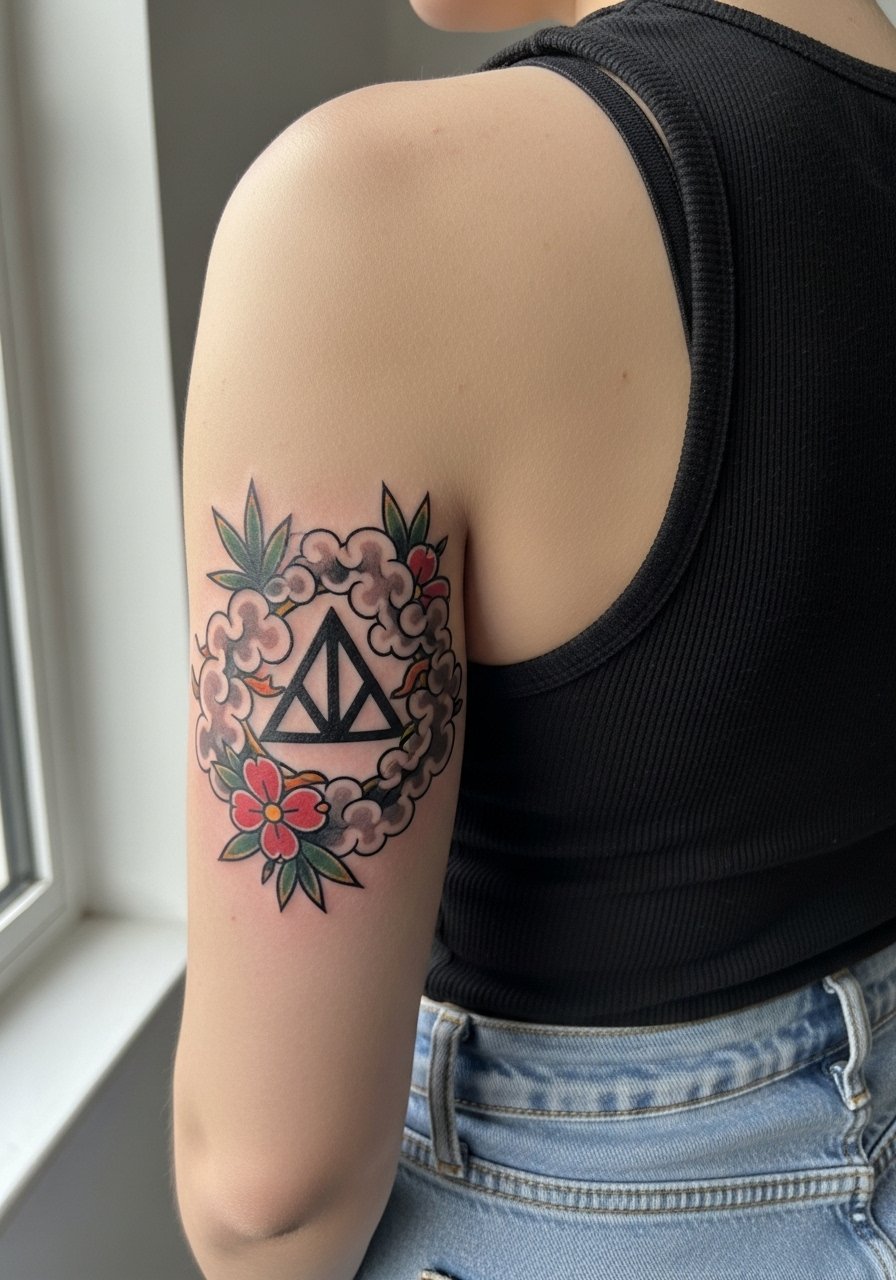
A shoulder blade canvas works well for an illustrated scene that nods to Stray Kids imagery without repeating a logo. The area takes saturation well and the result reads from across a room. Expect medium pain and a multi-hour session. Tell your artist to avoid excessive dot work in dense areas because the shoulder blade moves a lot with arm motion and some techniques can soften faster. Show it off with a loose tank top that reveals the back during warmer months.
11. Mini Neo Traditional Sternum Motif
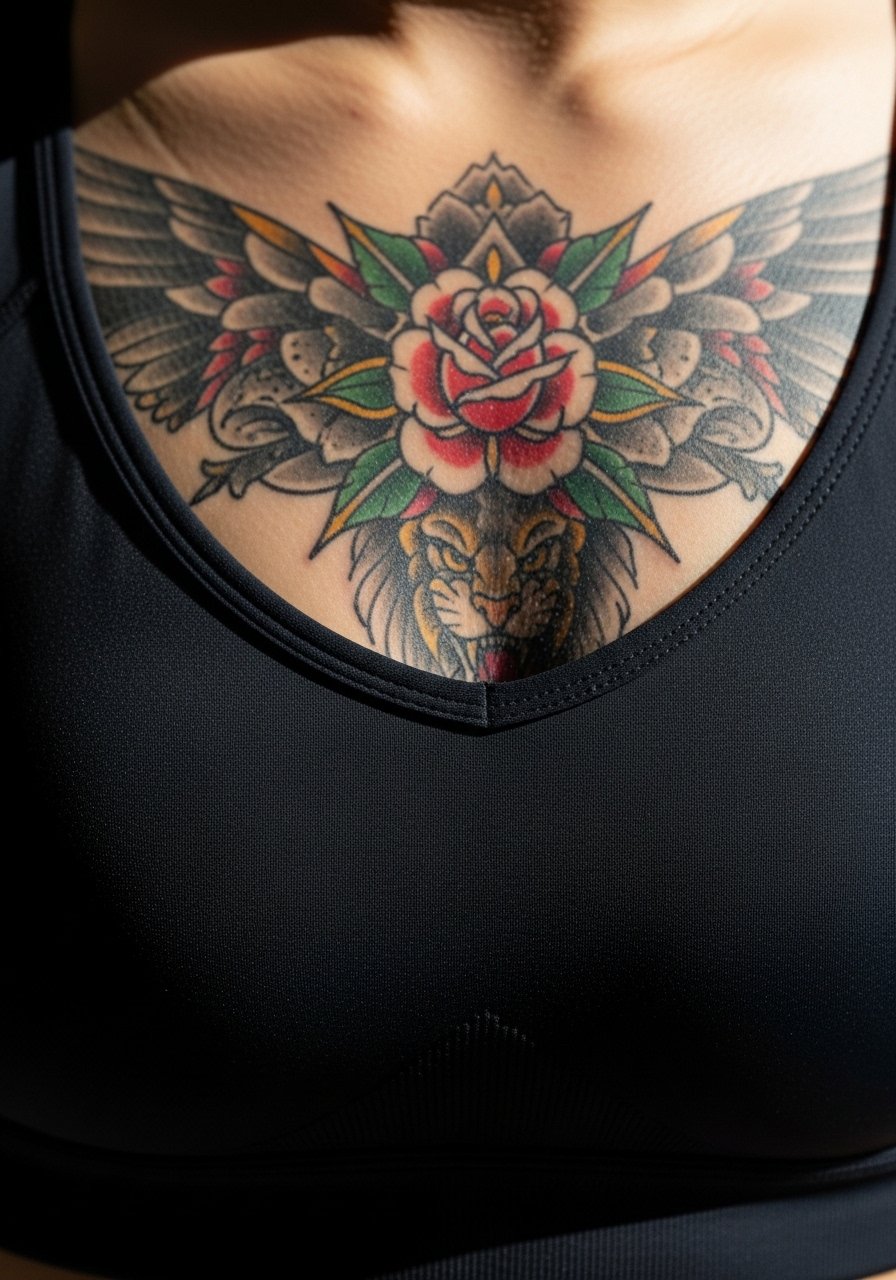
Sternum tattoos are intimate and require an artist experienced with that placement. The pain is high and sessions often need breaks. There is debate over fine line and sternum work. One camp says the skin and movement there make tiny lines lose clarity quickly. The other camp argues that with correct depth and spacing fine line can hold for years. If you choose neo traditional, prioritize saturated color blocks and slightly bolder lineweight for central elements. For the session wear a zip-up or sports bra that can be adjusted without much shifting.
12. Neo Traditional Ankle Constellation
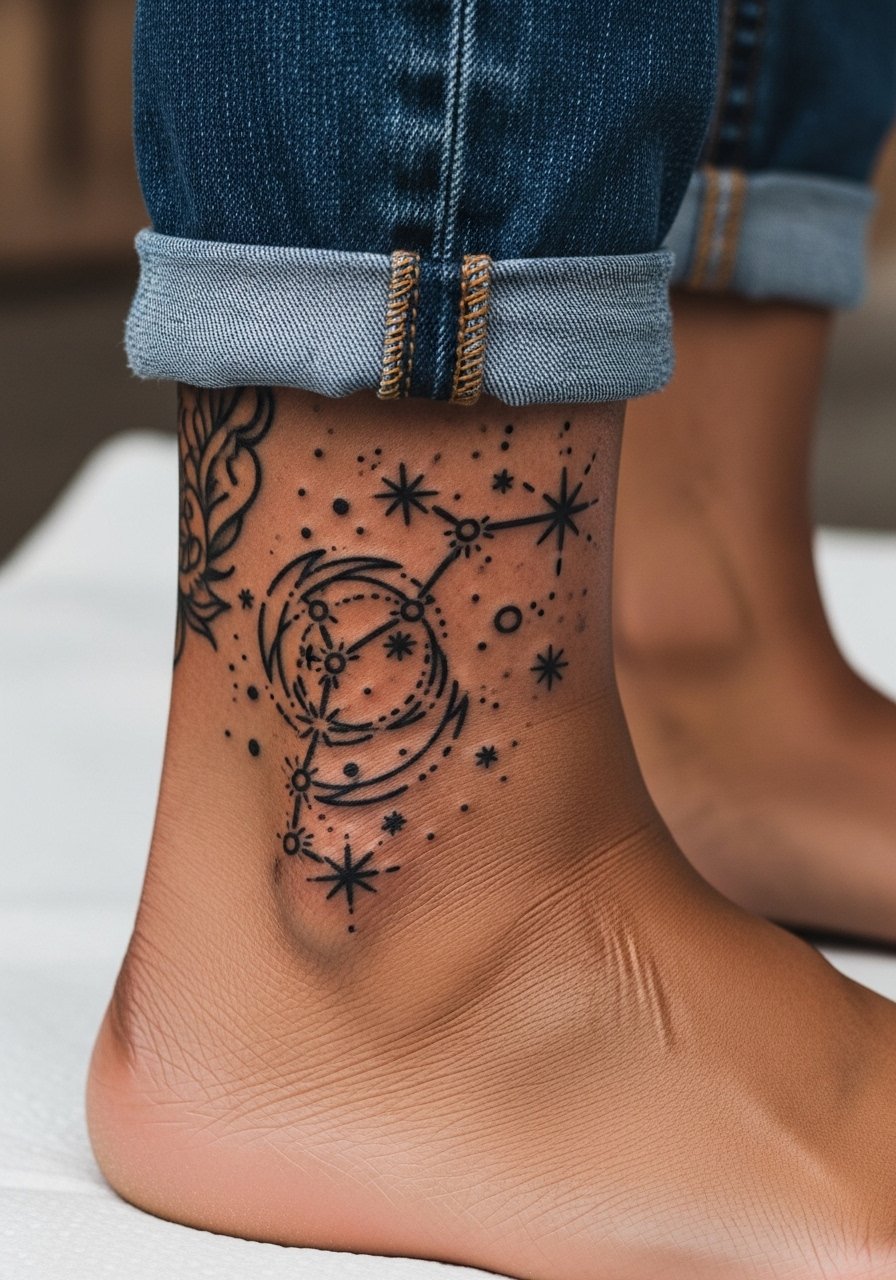
Ankle placements handle small neo traditional clusters nicely. Pain is moderate and sessions are short. Because of foot friction and socks, expect a higher chance of scabbing and early fade. Ask your artist for slightly deeper saturation along the outer edges so the tiny color fields hold. A frequent mistake is underestimating how often the area contacts socks or shoes. For showing it off, roll up jeans or wear sandals like simple sandals after the healing window.
13. Neo Traditional Back Piece with Band Motifs
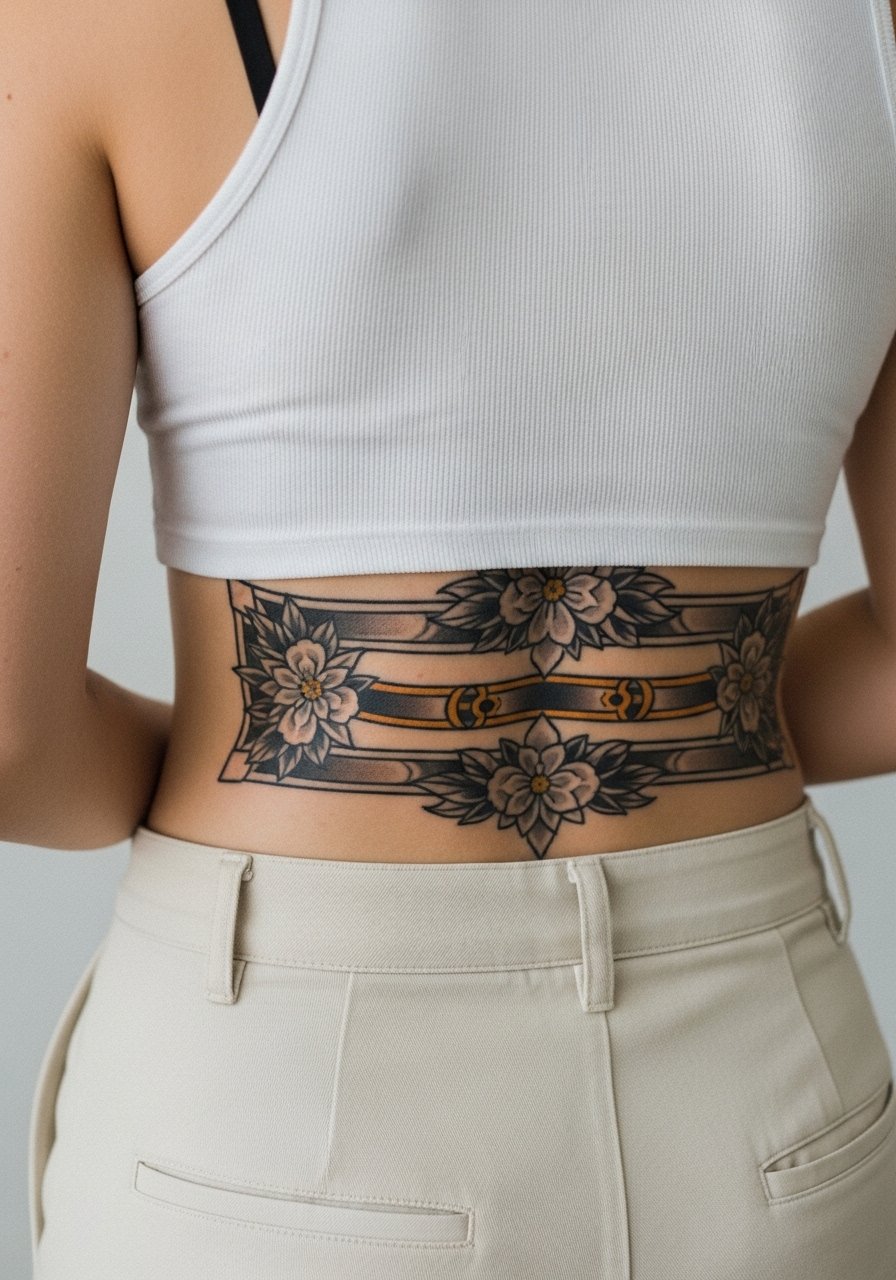
A mid-back piece gives room for a narrative that includes multiple Stray Kids motifs arranged into a single composition. The skin handles saturation well and the piece often ages gracefully because tension across the back is less than the forearm. Consult about movement and symmetry so the composition stays balanced as your body shifts. Sessions are long and often split into two to three sittings. For the appointment wear a button-down or tank you can remove without stretching the back, such as a loose button-down shirt.
14. Neo Traditional Inner Bicep Lockup
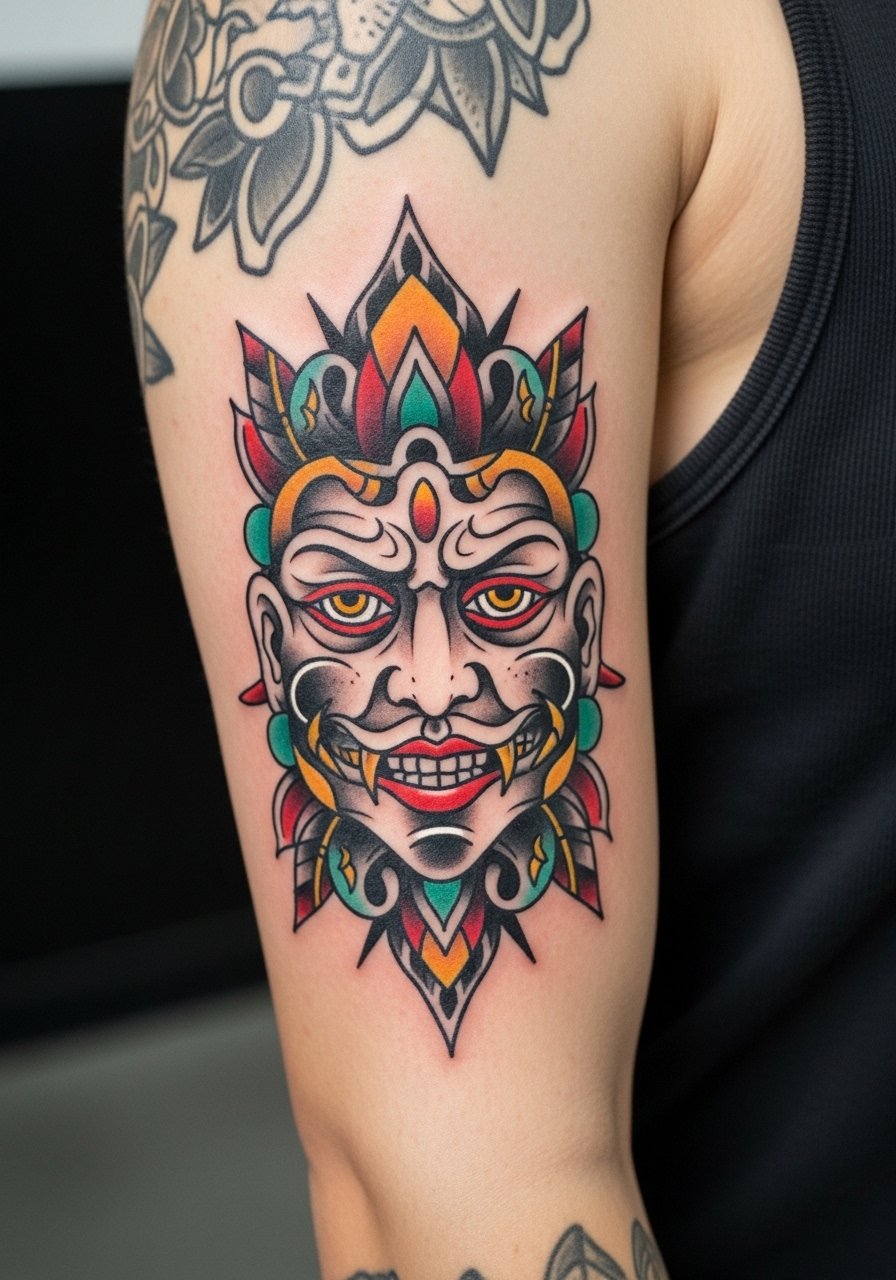
The inner bicep is intimate and sits on soft skin, which makes it sensitive and prone to some movement during healing. It is a good spot for a compact emblem or lyric line rendered in color fields. Pain is higher and sessions may need short rests. Common errors include asking for extremely tight detailing that loses clarity. Ask for slightly larger motifs and denser outer lines. For the session wear a sleeveless top you can raise like a loose tank top so the artist can access the area easily.
15. Neo Traditional Half Sleeve with Story Panels
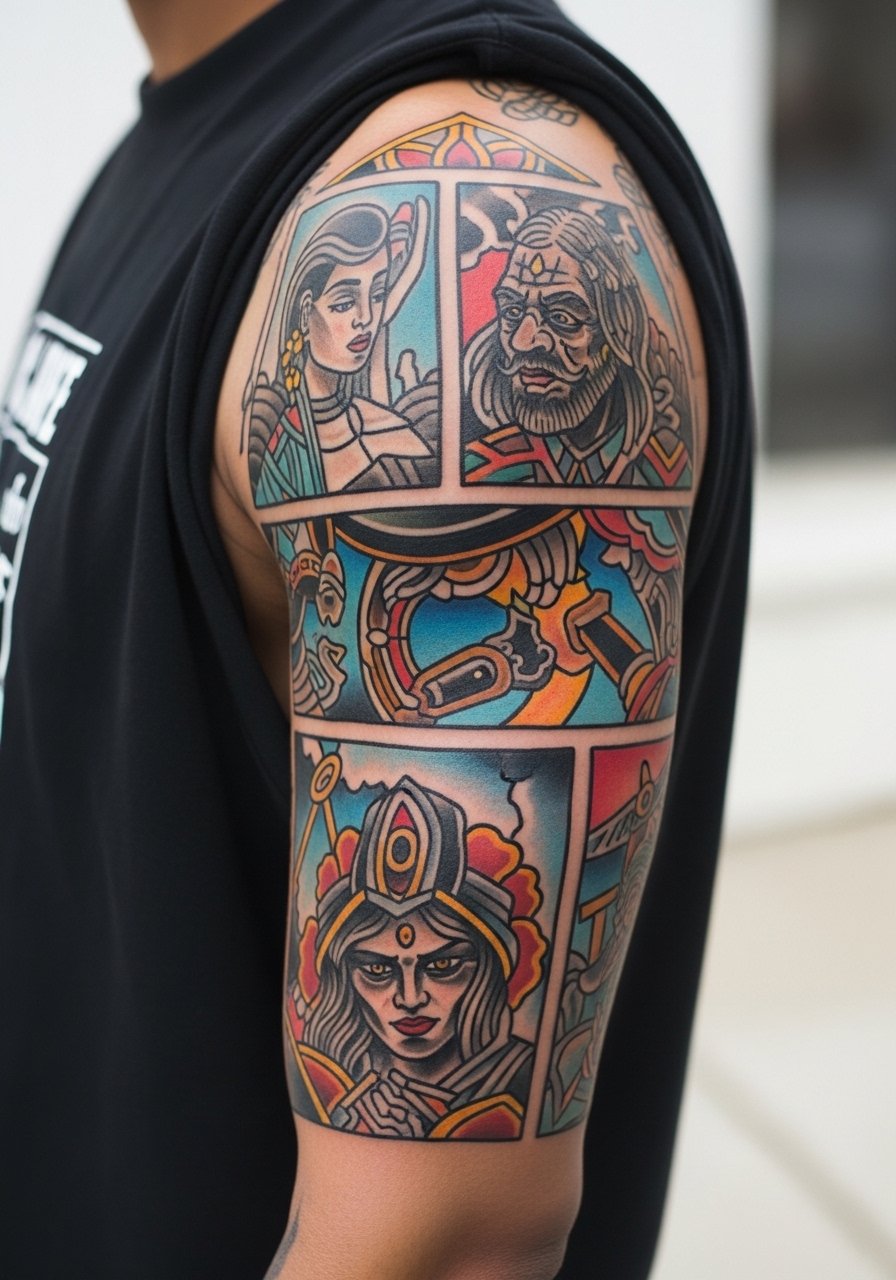
Half sleeves let you sequence a Stray Kids story using panels that read left to right. Plan the flow with your artist so each panel has space and the negative areas allow the eye to rest. Sessions are long and typically split into multiple days. A common mistake is asking for too many tiny panels that lose separation after healing. Ask for stronger outer outlines and fuller color saturation. Show it off with rolled sleeves or short sleeve shirts so the sleeve ends at the elbow and the panels are visible.
16. Neo Traditional Sternum to Solar Motif
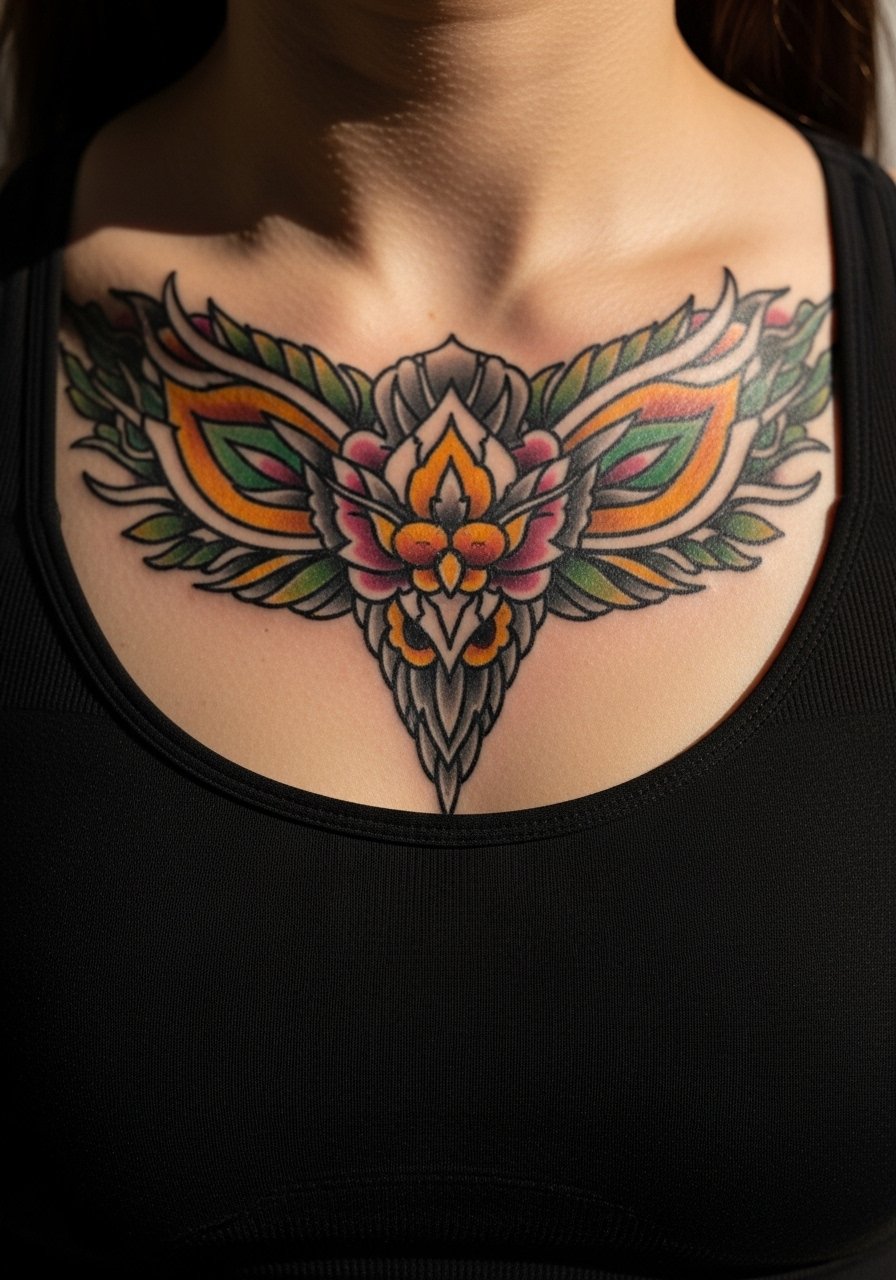
An upward-flowing sternum motif that meets the collarbone is a dramatic statement and needs careful planning for healed shape. The skin in this zone moves with breathing and clothing, so consider slightly bolder linework and simple color blocks. Sessions are uncomfortable and often split. Make sure the artist maps how the piece will look when you stand and when you breathe. For the appointment wear a fitted sports bra so the artist can work without constant readjusting.
17. Neo Traditional Behind-the-Ear Accent
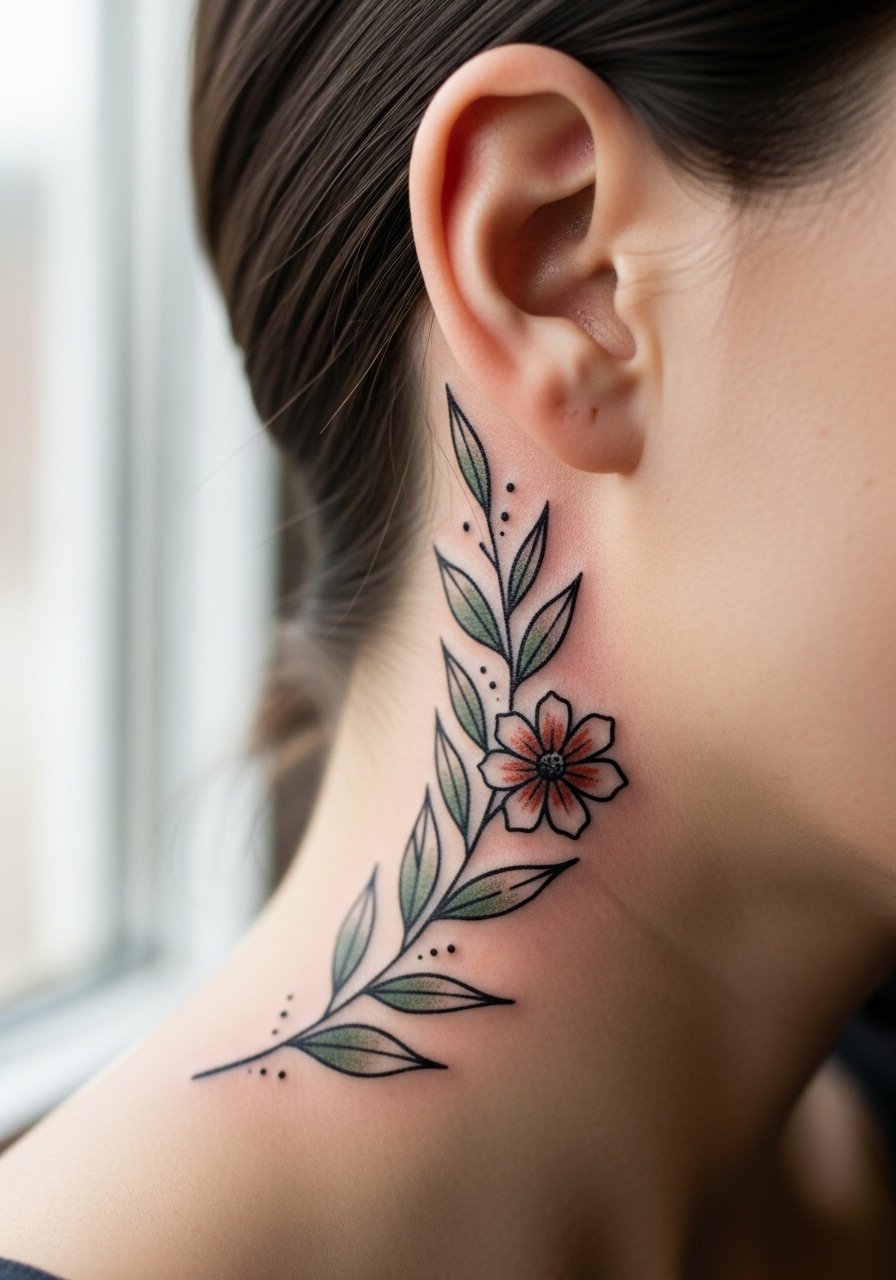
A tiny behind-the-ear motif reads as a quiet fan mark and is surprisingly visible when hair is tucked. Pain is low to moderate but the area is delicate. Keep the element small and avoid heavy color saturation that can migrate in such thin skin. The main mistake is asking for complex shading instead of simple color blocks. Go for a compact emblem and have your hair styled up for the appointment so the artist can work without hair getting in the way.
18. Neo Traditional Hip Bouquet

Hip tattoos allow for curved compositions that peek out from clothing. They age well if the design has bold outlines and confident saturation. Sessions can be longer and the area bruises more easily. A common error is making the bouquet too detailed for the scale which forces cramped linework. Wear high-waisted bottoms that you can adjust easily like high waisted denim for the session so the artist has clear access.
19. Neo Traditional Neck Token
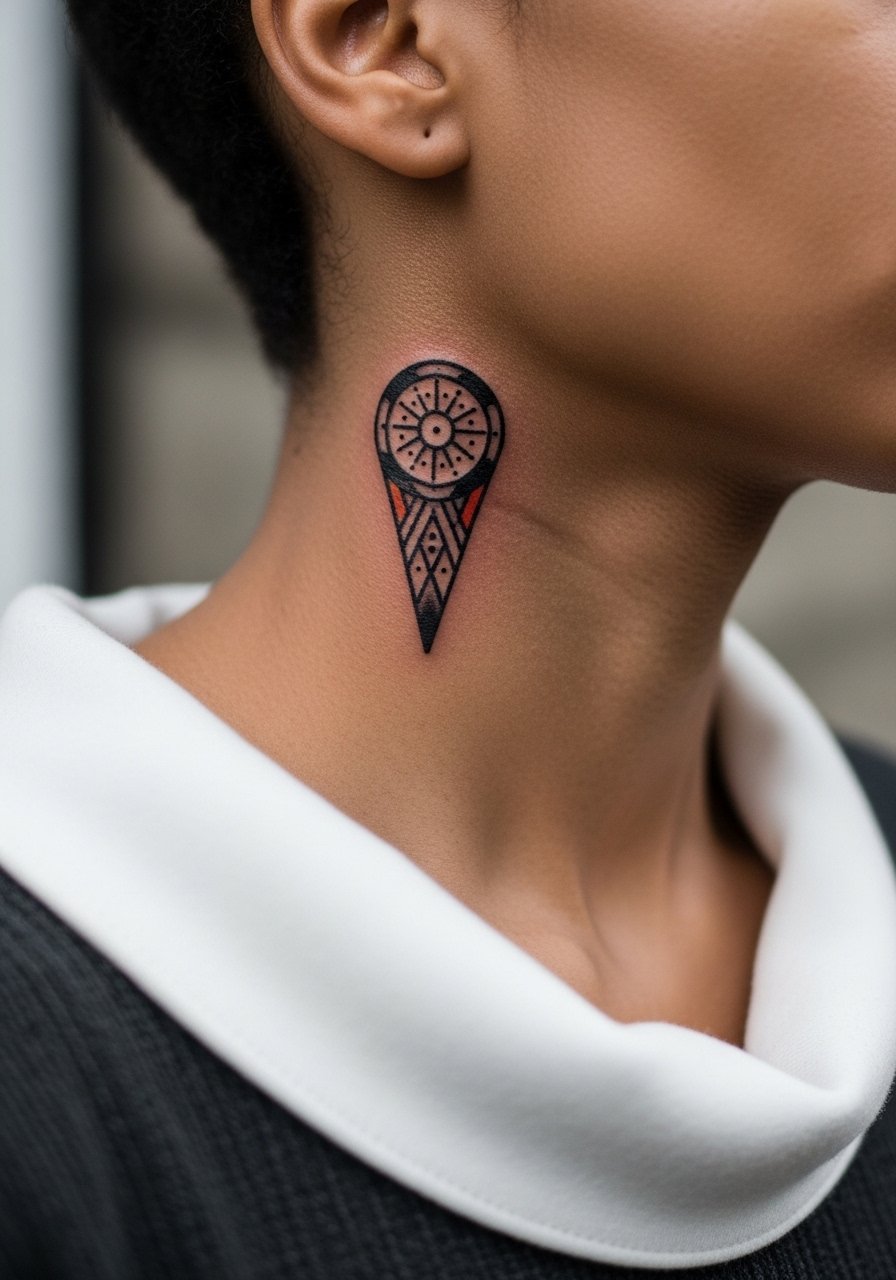
Neck tokens are bold and visible. Expect significant social and workplace considerations and higher pain. The session can be quick but the piece will be seen every day. Artists are split on neck placements for small, fine line work. One group says the thinner skin and movement cause lines to blur faster. The other group argues that bold outline and proper spacing make the neck hold detail well. Discuss longevity preferences and ask for bolder edges rather than micro detail. For the appointment wear a wide-neck shirt you can pull to one side.
20. Neo Traditional Ankle Band With Symbols
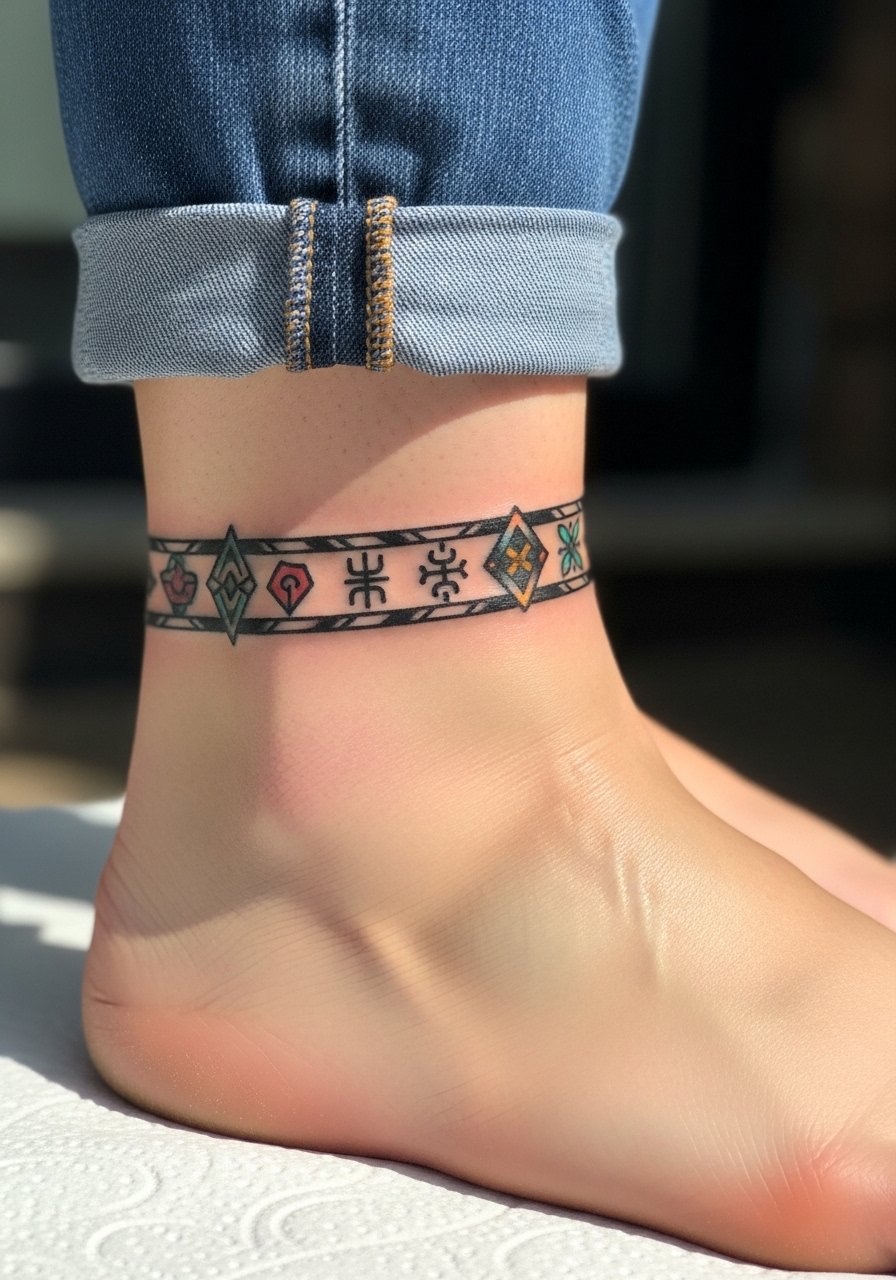
An ankle band looks like a permanent bracelet and works well with repeating motifs related to favorite songs or eras. The area experiences friction, so thicker outlines and simplified fills help preserve the pattern. Sessions are usually short but healing involves careful footwear choices. The mistake is expecting micro detail to remain sharp. After the session plan to wear shoes that avoid rubbing the fresh ink and consider showing it off with jeans rolled up or ankle boots after the healing window.
21. Neo Traditional Sleeve Accent Around Elbow
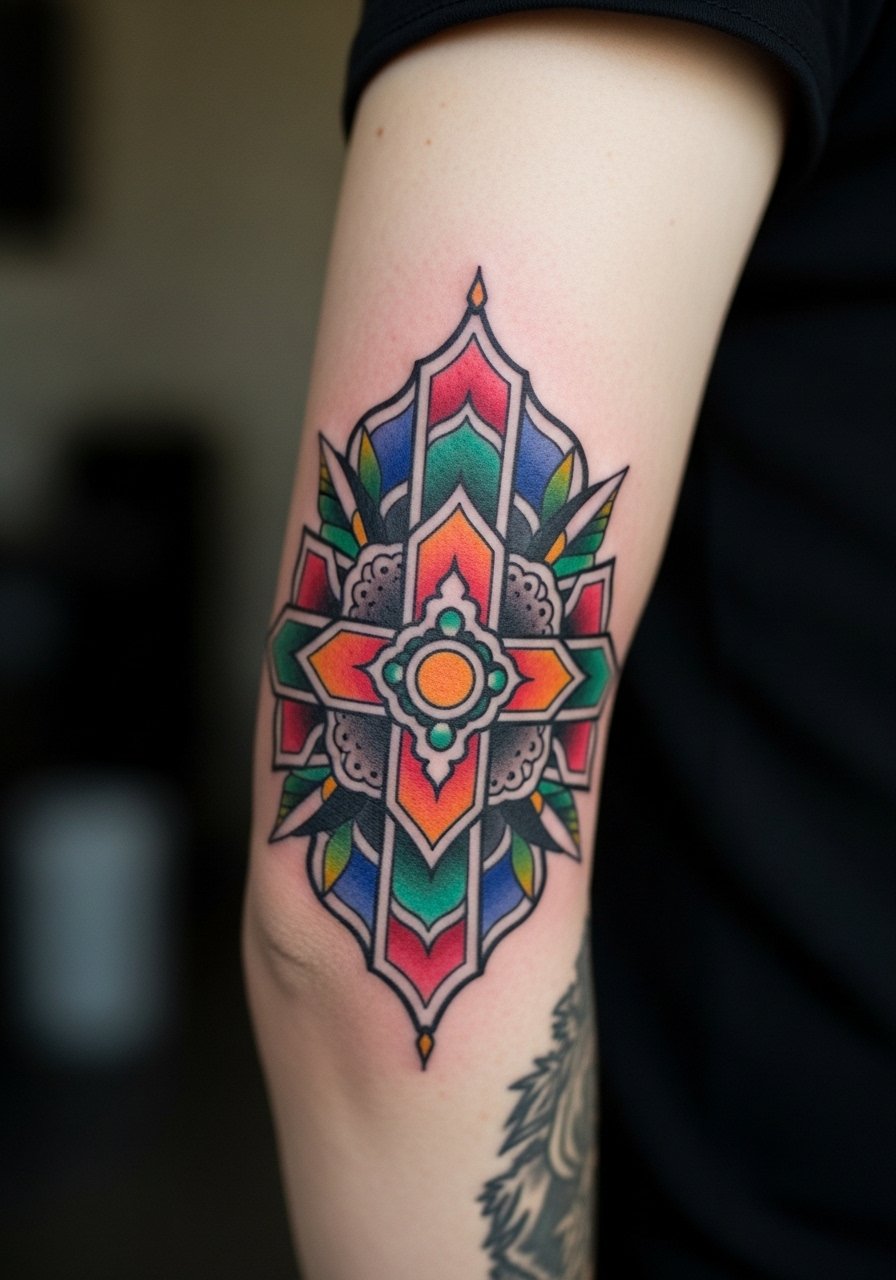
Elbow accents require intentional spacing because the skin there creases. Use the elbow as a negative space anchor and design the neo traditional panels to sit around it rather than on the joint. Pain spikes when needles hit the tip of the elbow, and sessions usually include short breaks. A common mistake is packing pigment right on the bone which leads to stubborn scabbing. Ask for confident outer lines and color blocks that avoid the joint crease. For the appointment wear clothing that allows the artist to access the area without pulling, like a loose drawstring linen pant if the work extends lower.
Frequently Asked Questions
Q: How do neo traditional colors hold up compared to fine line work on Stray Kids designs?
A: Neo traditional color tends to last visually because heavier outlines and saturated fills age into a distinct look, while fine line work can soften and require touch-ups sooner. From what I've seen, placement and daily sun exposure are the real longevity drivers, so plan for occasional touch-ups if the design has many small elements.
Q: Will a ribcage neo traditional panel blur quickly because of breathing and skin stretch?
A: The rib debate is real. One camp says ribs lead to blurring within a few years because of stretch and movement. The other camp says careful spacing and slightly bolder lines help it hold. In practice I recommend slightly larger motifs and scheduling a touch-up at year two if you want crisp detail.
Q: Can I use neo traditional Stray Kids motifs in a cover-up or do I need a custom concept?
A: Neo traditional works well for cover-ups because saturated color and bold outlines can mask older ink, but you need a custom plan. Bring clear photos of the old piece and discuss options for layering color and reworking the composition during consultation. A discovery pathway like local shop portfolios or convention walk-ins helps you find an artist who has done similar covers.
Q: What should I wear to the studio for a sternum or ribcage session?
A: Wear a fitted sports bra or a cropped top that you can shift without exposing more than necessary. A zip-up or wide-neck shirt is helpful so the artist can access the area. Try a bandeau top if you want minimal shifting during the session.
Q: How often can I realistically expect to touch up neo traditional band or badge pieces?
A: Expect touch-ups every three to five years for most neo traditional work, with smaller, high-friction placements like fingers, ankles, and hands needing attention sooner. Your personal sun exposure and skincare habits also play a big role.
Q: Are there any cultural considerations I should keep in mind when using certain motifs in neo traditional Stray Kids tattoos?
A: Some patterns trace to cultural or religious origins. If your chosen motif has a clear cultural source, consider adapting the element respectfully rather than copying sacred symbols directly. Ask your artist about stylistic variations that honor the aesthetic without reproducing meaningful religious or indigenous imagery.