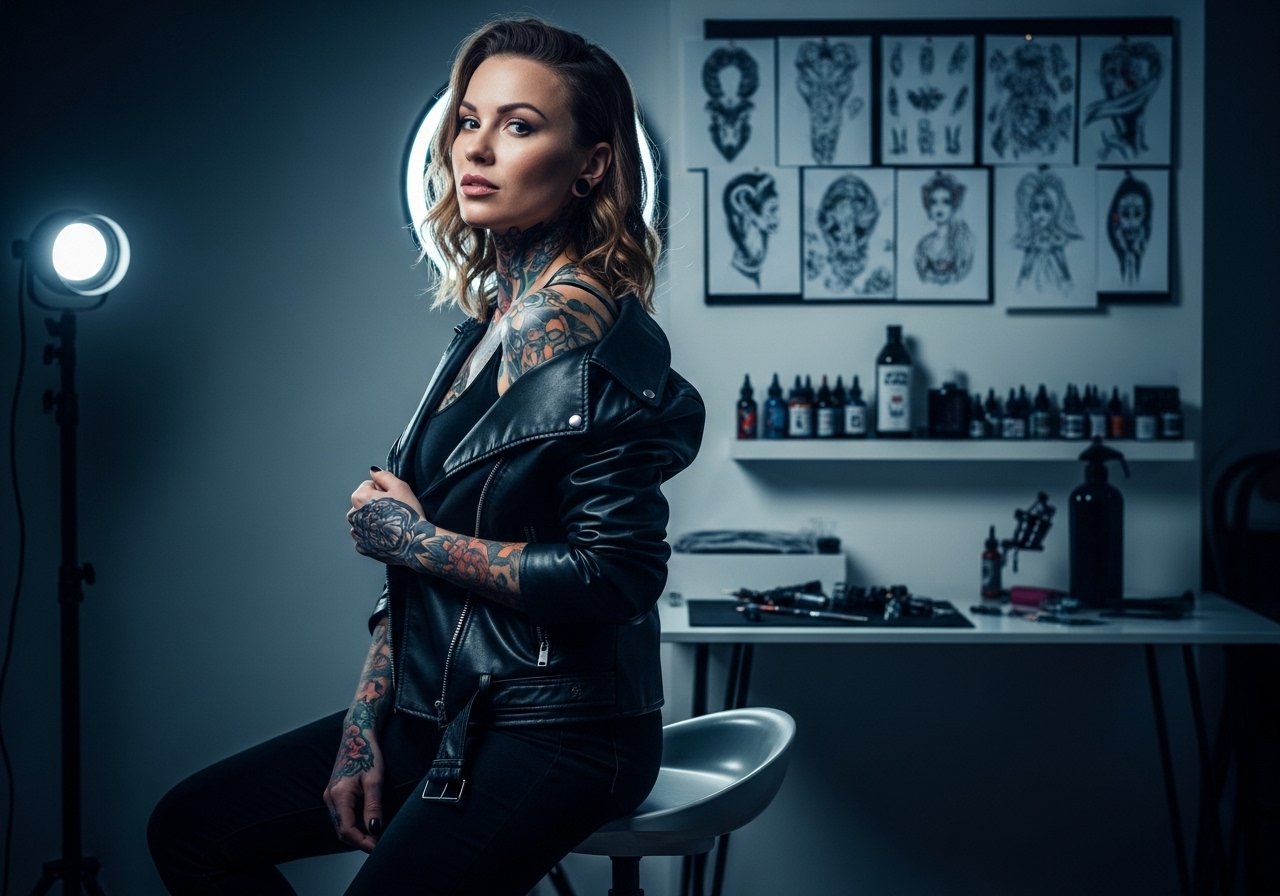
Fine line Travis Scott motifs look sharp when fresh, but trends and longevity do not always match. Fans often underestimate how placement changes touch-up timelines, how sun and sleeves affect saturation, and how hand or finger pieces add daily wear that speeds fading. Below are fan-focused designs that nod to Travis Scott aesthetics while giving practical notes on aging, pain, and wardrobe choices to help you pick the right piece.
1. Astroworld Script on the Inner Forearm
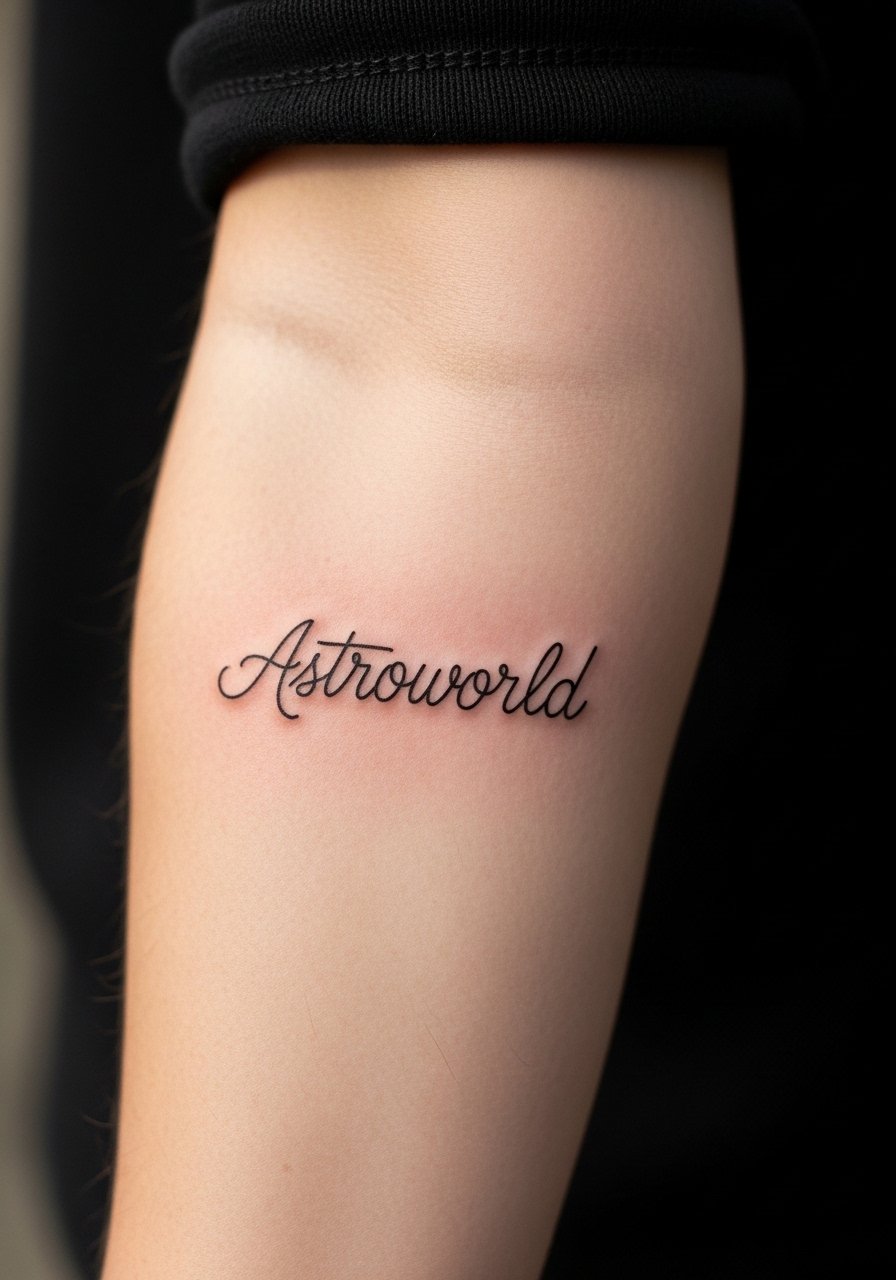
Start with a classic script on the inner forearm if you want a readable homage that stays wearable. I recommend a mid-weight line rather than micro hairlines so the letters do not blur into each other after a few years. Tell your artist you want a slightly heavier downstroke and open counters so the letters breathe. Expect a modest pain level and a single-session piece that runs 30 to 90 minutes depending on size. Most people forget how bracelets and watch bands can sit on the area and cause friction during the first week. Pair it with a loose button-down shirt the day of your appointment so the cuff does not rub the fresh ink.
2. Bold Portrait in Traditional Color on the Outer Bicep
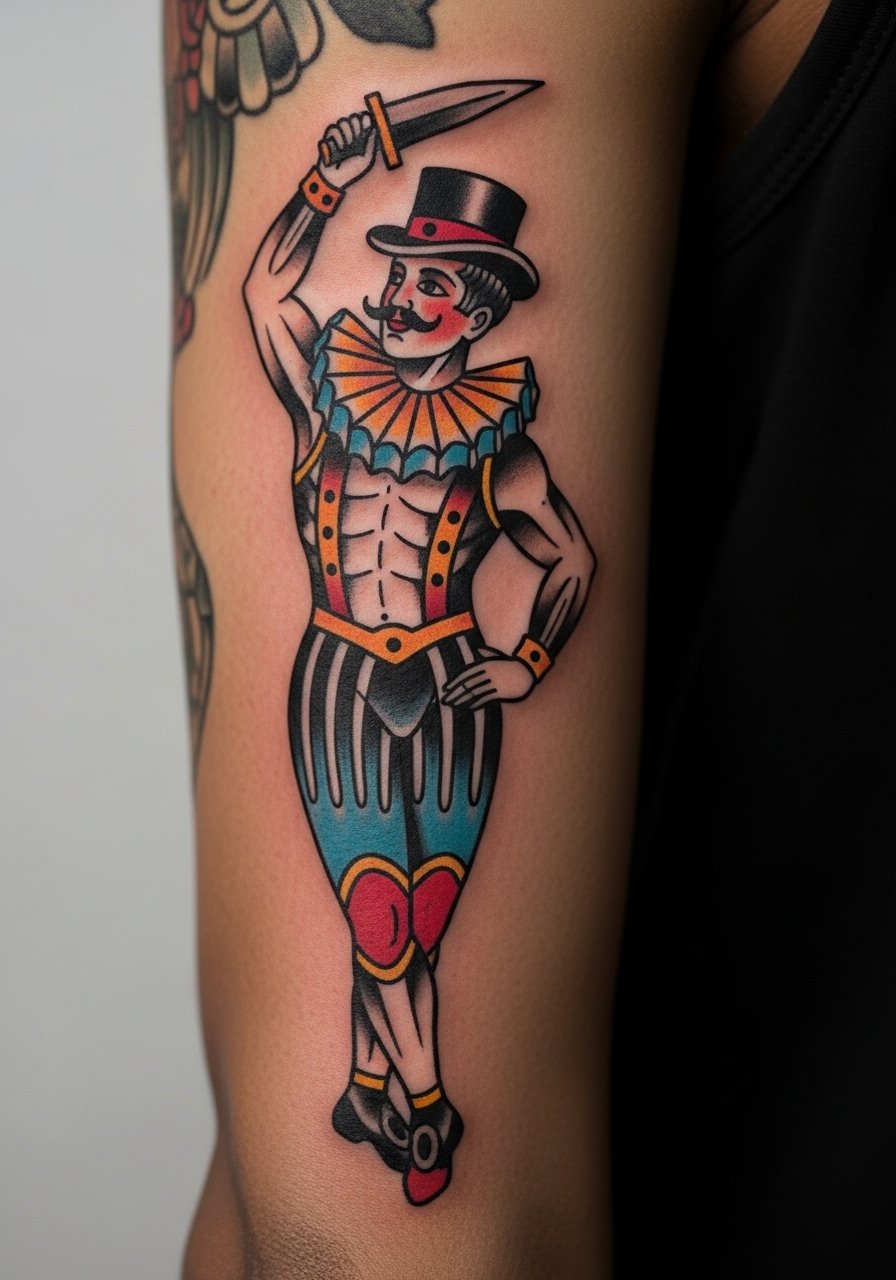
A traditional portrait in saturated color reads from a distance and ages into bold shapes rather than soggy detail. This placement handles saturation well because the skin is thicker and moves less than the inner arm. Expect moderate pain and a session that could take two to four hours if color fills are involved. Ask for solid black outlines and controlled saturation so the shadow areas hold up rather than muddy. A common mistake is asking for too much tiny facial detail at small sizes. In two years the piece will read more like shapes than features if the lines are too fine. For finding an artist, check local convention guest lists, shop directories, and hashtag searches rather than chasing a picture of someone else.
3. Cactus Jack Micro-Illustration on the Ribcage
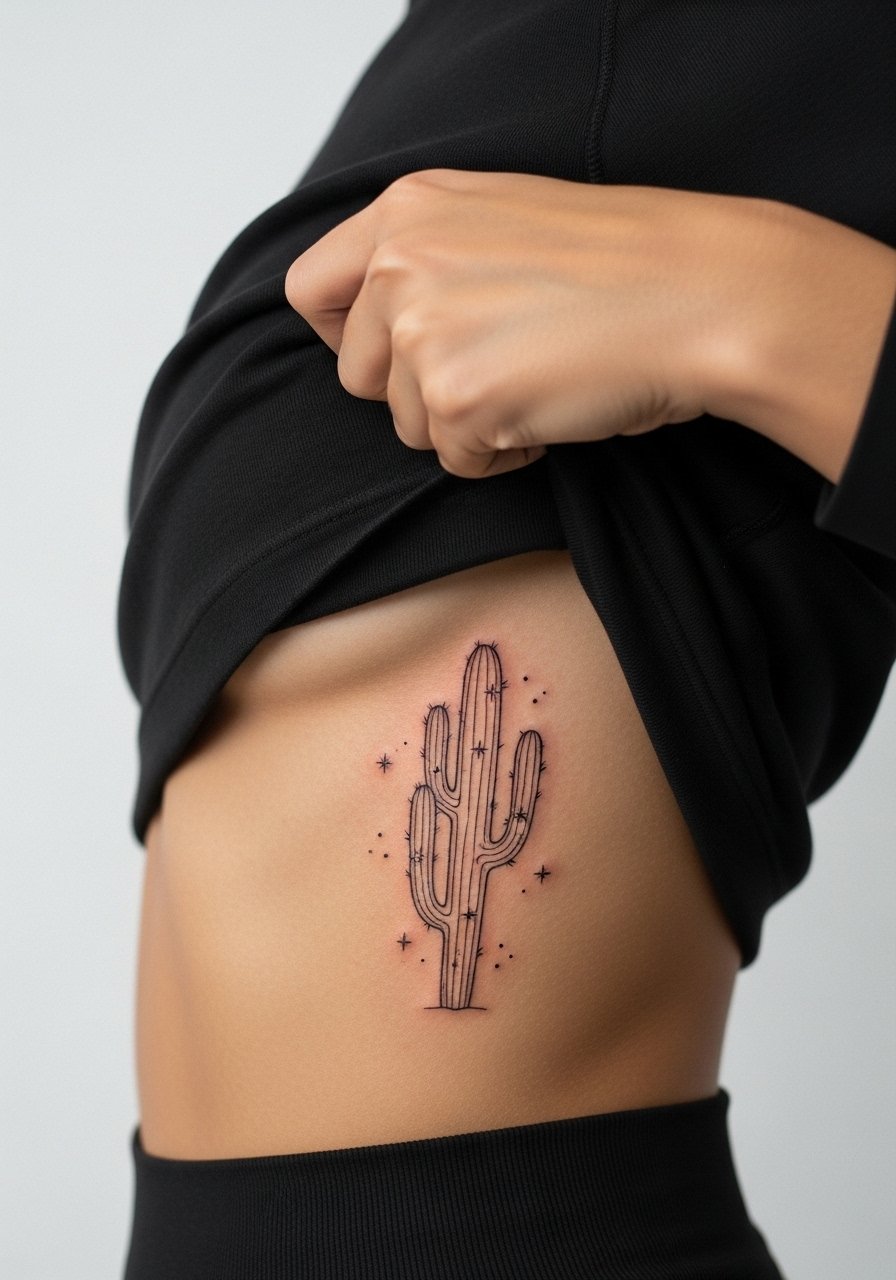
Ribcage pieces with fine line motifs look delicate, but this placement raises two problems. One camp says ribs stretch and blur fine work within two years. The other camp argues that with correct needle depth and spacing fine line can settle beautifully on ribs. Name both positions out loud in your consultation and ask where the artist stands. Pain is high on the ribs, and sessions are often split into shorter sittings so you can rest. A typical mistake is shrinking a design to fit a trickier contour. Scale up slightly to allow line breathing and plan for a touch-up at year two or three if you want crisp edges.
4. Storm Cloud Blackwork Calf Piece
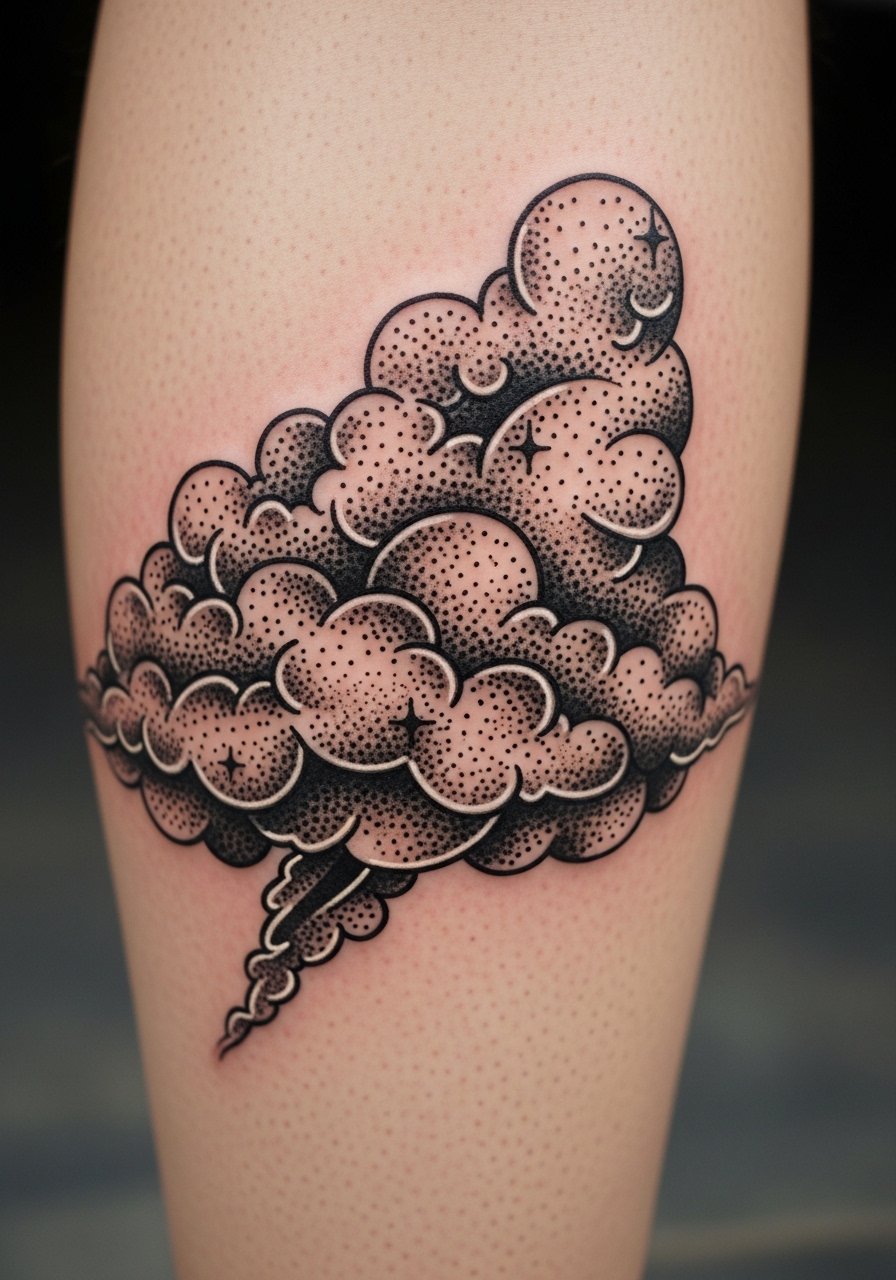
Calf placements are forgiving for blackwork and hold saturation well over time. The thicker skin and lower friction zone mean less blowout risk. If you want contrast that lasts, ask for bold outlines and gradual stipple shading to avoid dense patches that can merge. Sessions are usually comfortable to moderate and may run 60 to 180 minutes depending on size. For show-off outfits, this piece looks great with rolled jeans and ankle boots. Try pairing it with loose linen drawstring pants when you want a relaxed summer look that still shows the calf.
5. Minimal Lightning Bolt Over the Collarbone
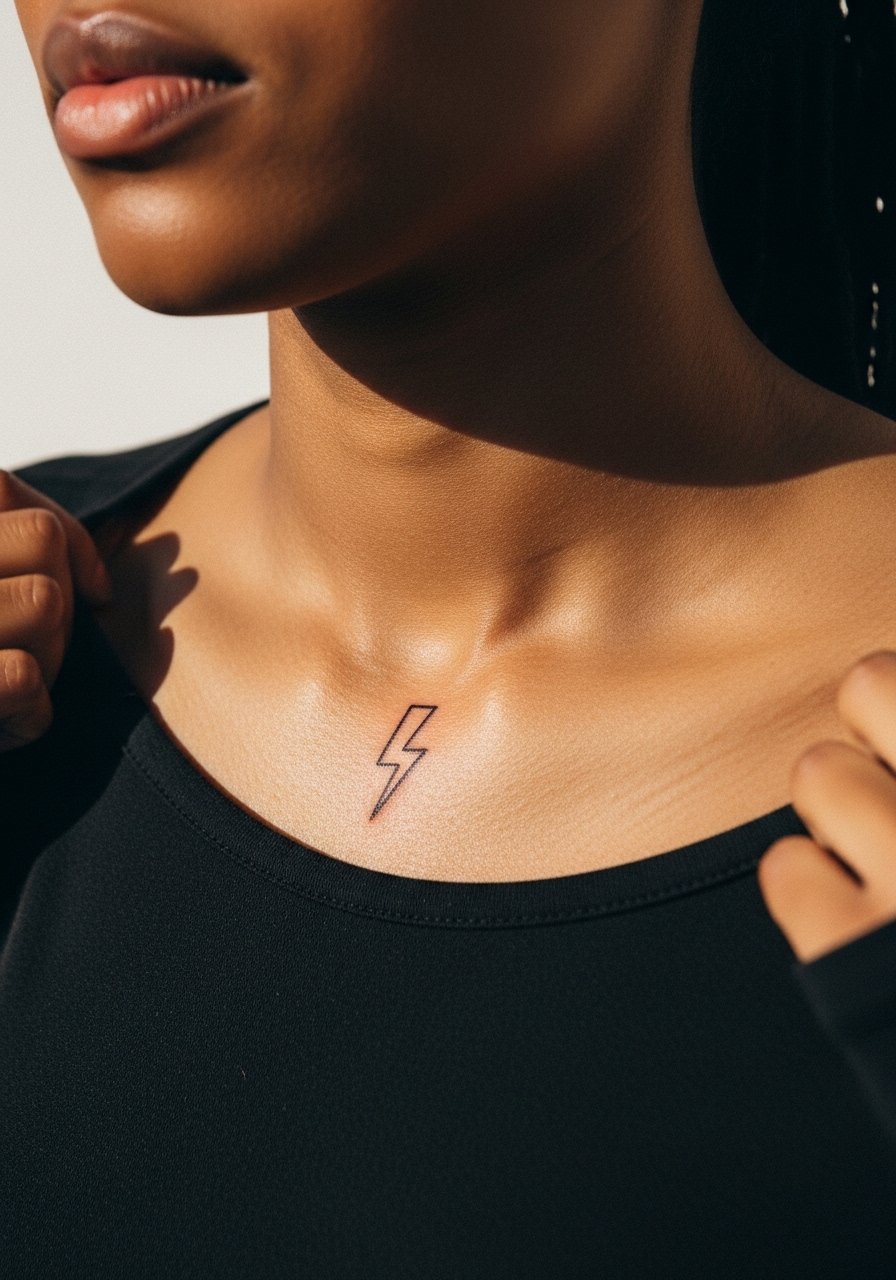
A small lightning bolt over the collarbone reads as an intentional accent when placed off-center. This area can flirt with touch-up needs because thin skin and frequent sun exposure reduce saturation. Tell your artist you want a slightly thicker backbone line and conservative spacing from the clavicle so the bones do not distort the piece. Pain is moderate and the session is quick. For showing it off, pair with an open shoulder or wide-neck shirt that frames the collarbone without covering the lightning bolt.
6. Finger Micro-Lettering Across Two Digits
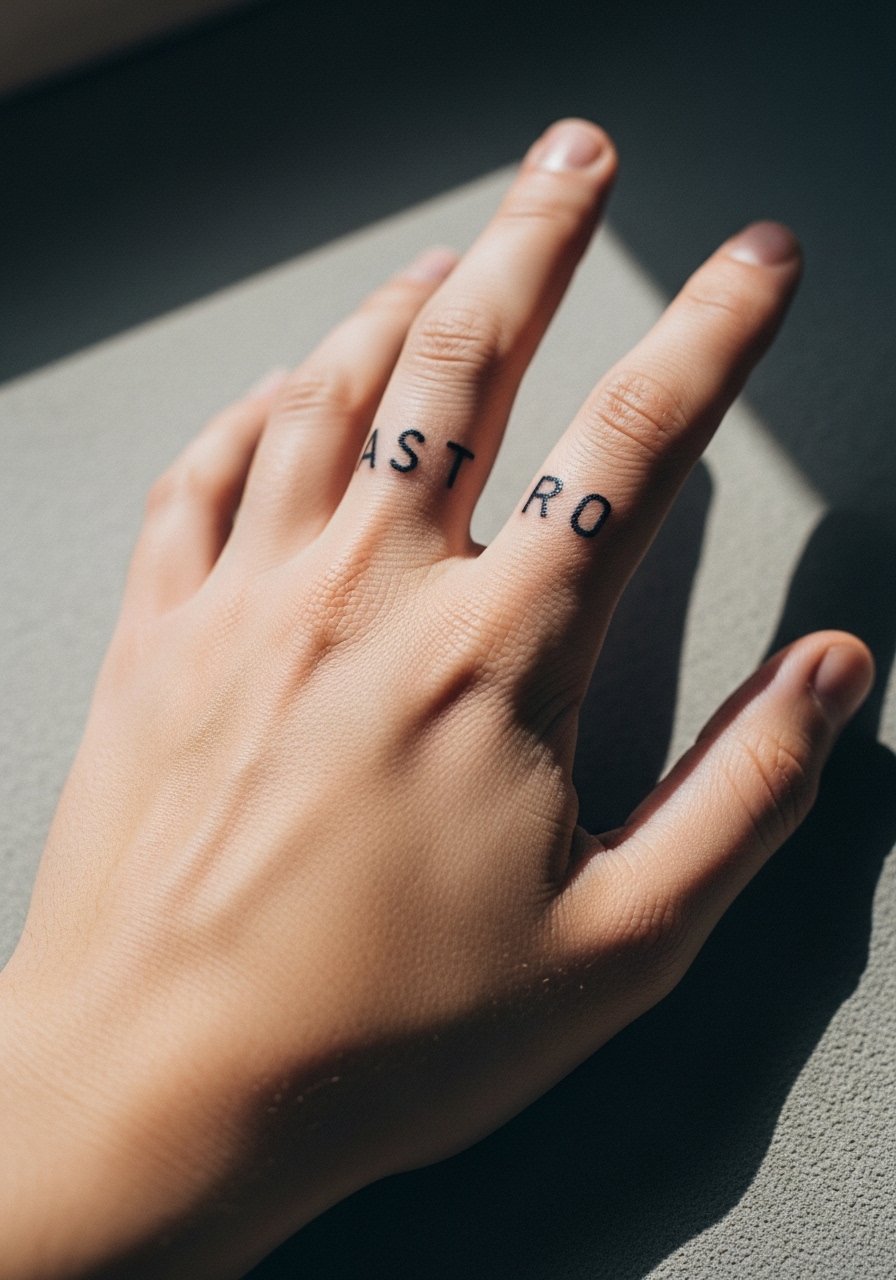
Finger lettering is instantly iconic but ages faster than arm work because hands see constant washing and friction. My advice is to go slightly bolder than you think you need, and accept that touch-ups every year or two are common. During consultation, ask the artist about depth and whether they prefer stacked letters that mirror the finger bones. The session is short but somewhat painful. A real mistake is using ultra-fine script on a knuckle where the skin moves a lot. For styling, stack a few dainty rings or try a thin chain bracelet to draw attention away from early fading.
Studio Day Picks
The small and exposed pieces above need different prep than larger arm work, and the right kit smooths the session and the first week.
-
Stencil transfer kit. Helps you preview exact script placement on the forearm or fingers so you can tweak scale before the needle hits skin.
-
Cooling gel pads. Use during breaks to reduce swelling in sensitive spots like the ribs and collarbone.
-
Thin protective film roll. Keeps wrist and finger tattoos clean during the first week of constant hand use.
-
Fragrance-free gentle wash. Cleans healing tattoos without irritating fine line work on the forearm and chest.
-
Aquaphor healing ointment. Thin layers for the first few days lock in moisture and support initial healing, especially on areas that see a lot of movement.
7. Moth Over the Sternum
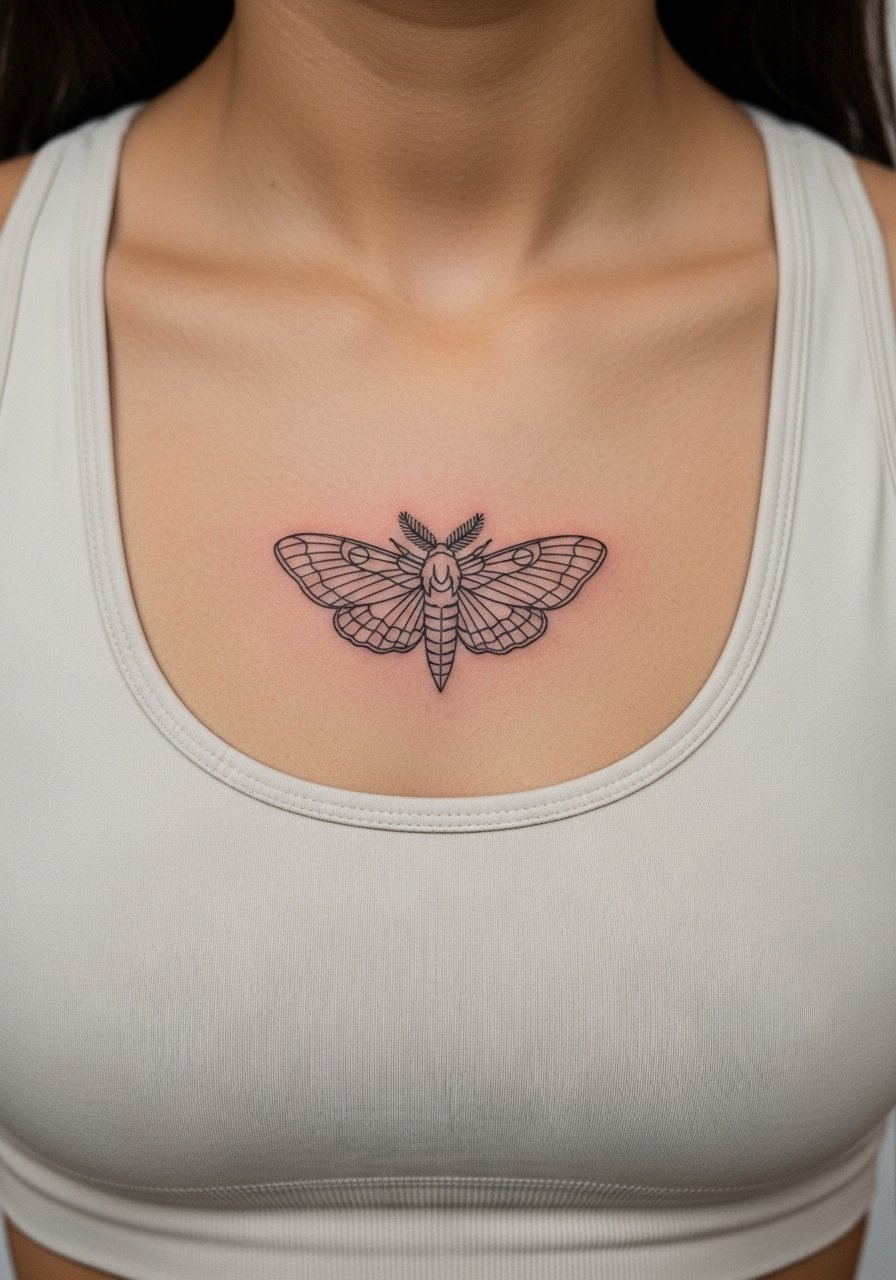
Sternum work reads intimate and dramatic but demands an artist experienced with chest contours. There is a debate about fine line on sternum similar to ribs. One camp warns that movement and core flexing can blur lines. The other camp says experienced artists can control depth so the piece heals crisp. Pain is high and many people prefer to split this into two sessions. A common mistake is too much tiny internal detail inside the wings. Also think about career contexts since a sternum piece may show in certain wardrobe choices.
8. Tiny Script Behind the Hairline on the Neck
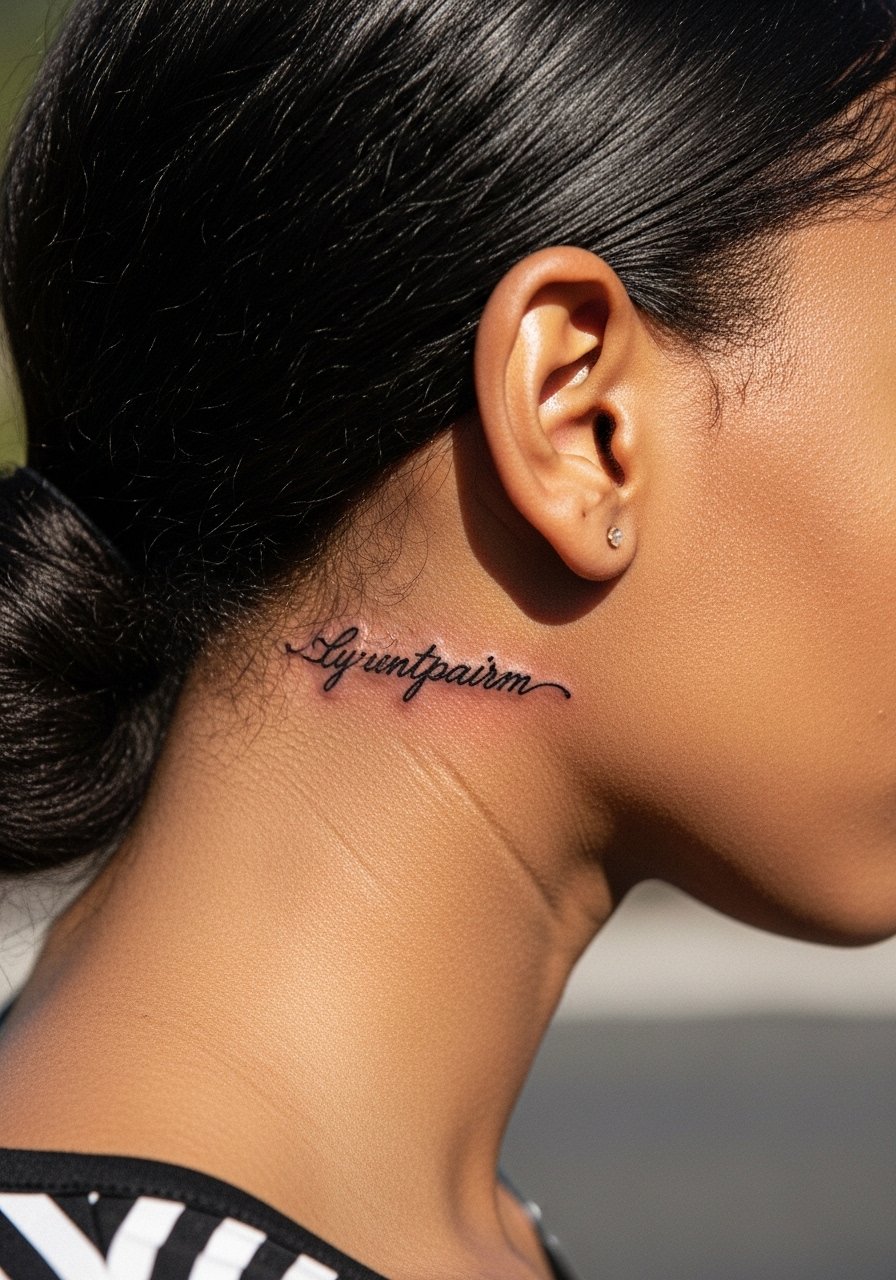
The area behind the ear or at the nape reads discreetly when you want a nod to Travis Scott motifs without shouting. Placement is delicate because the skin moves and hair can tug during healing. Pain is low to moderate and sessions are short. Ask your artist to show healed photos on similar skin tones during consultation. For wardrobe on show-off days, a wide-neck tee that lets the hair fall away frames the piece without overexposure.
9. Thigh Rose with Banner in Traditional Lines
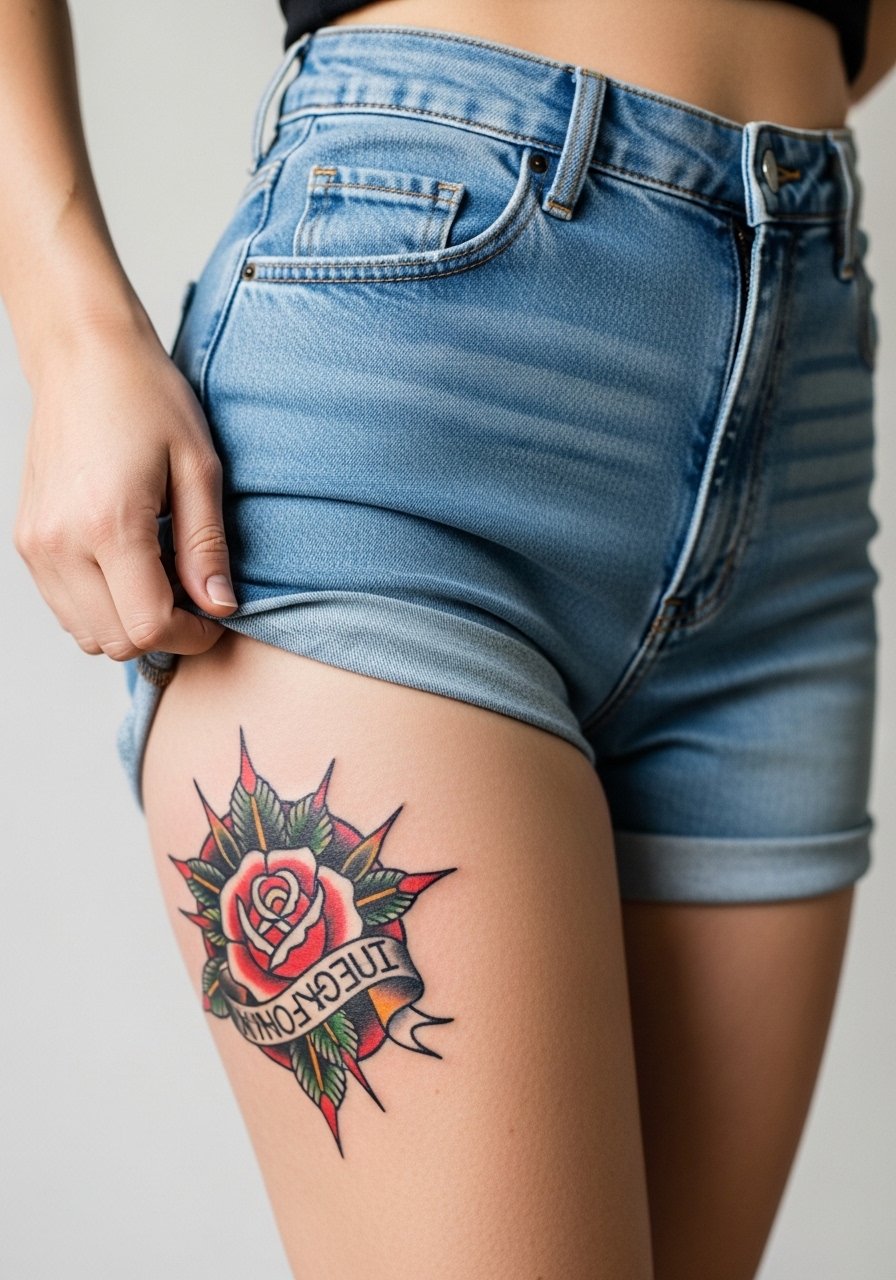
An outer thigh piece gives room to scale and lets traditional saturation last. Thigh skin takes ink well and the area sees less friction than hands or feet. Sessions are moderate and can be longer if you want full color. A common mistake is compressing a banner into too narrow an area which causes the script to blur. Wear loose shorts to your appointment so the artist can access the upper thigh without pressure. For evenings out, a high-waisted short or skirt naturally frames the piece and keeps the focus where you want it.
10. Tiny Rocket Ankle Tattoo
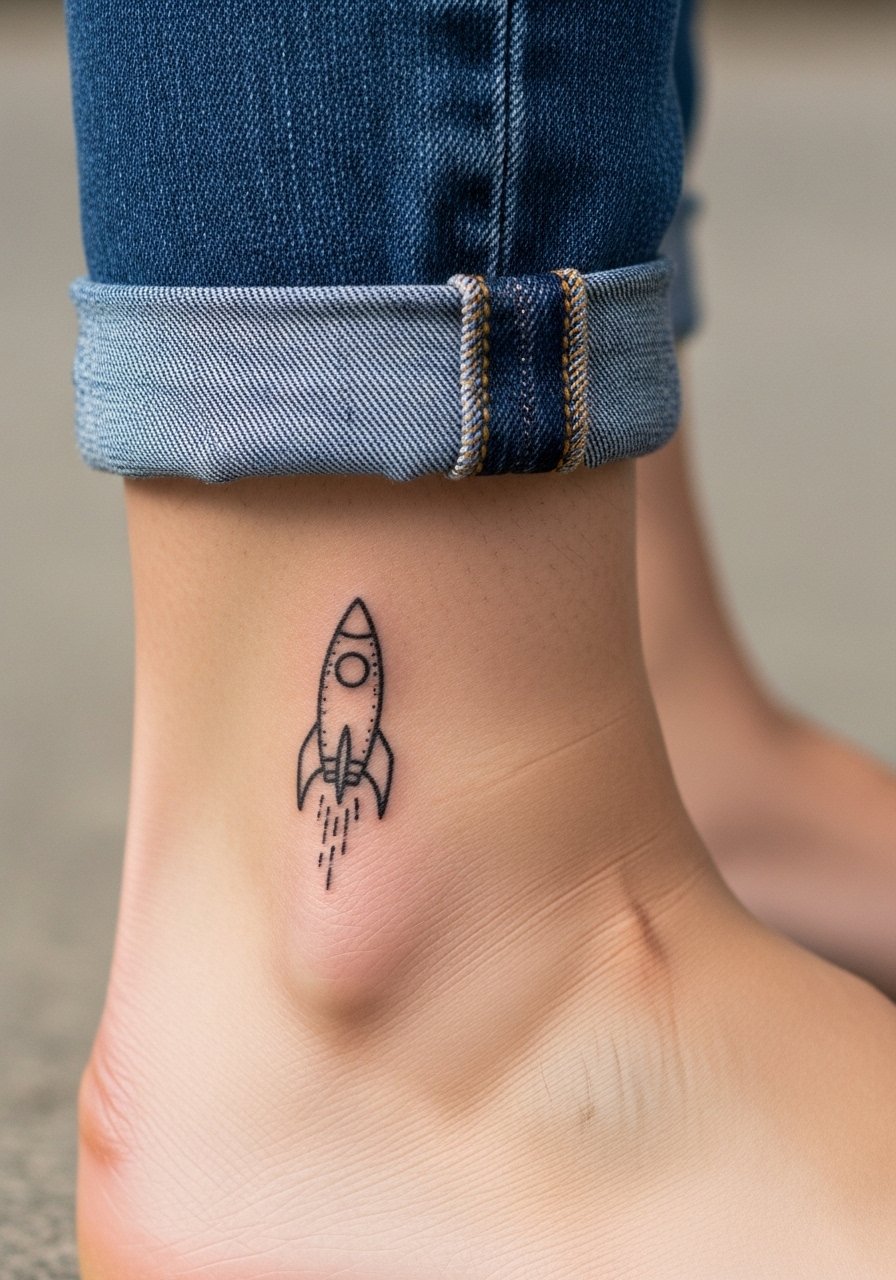
Ankle tattoos are great for small, playful Travis Scott motifs and are easy to hide when needed. Expect a higher touch-up rate than a bicep piece because shoes and socks create repeated friction. The session is quick but the area is bony and can sting. Ask for simple, bold outlines rather than delicate fill for the cleanest long-term read. Pair with sandals or rolled jeans to show the piece. A minimalist ankle strap sandal keeps attention on the tattoo without rubbing the fresh ink.
11. Vertical Star Column Down the Spine
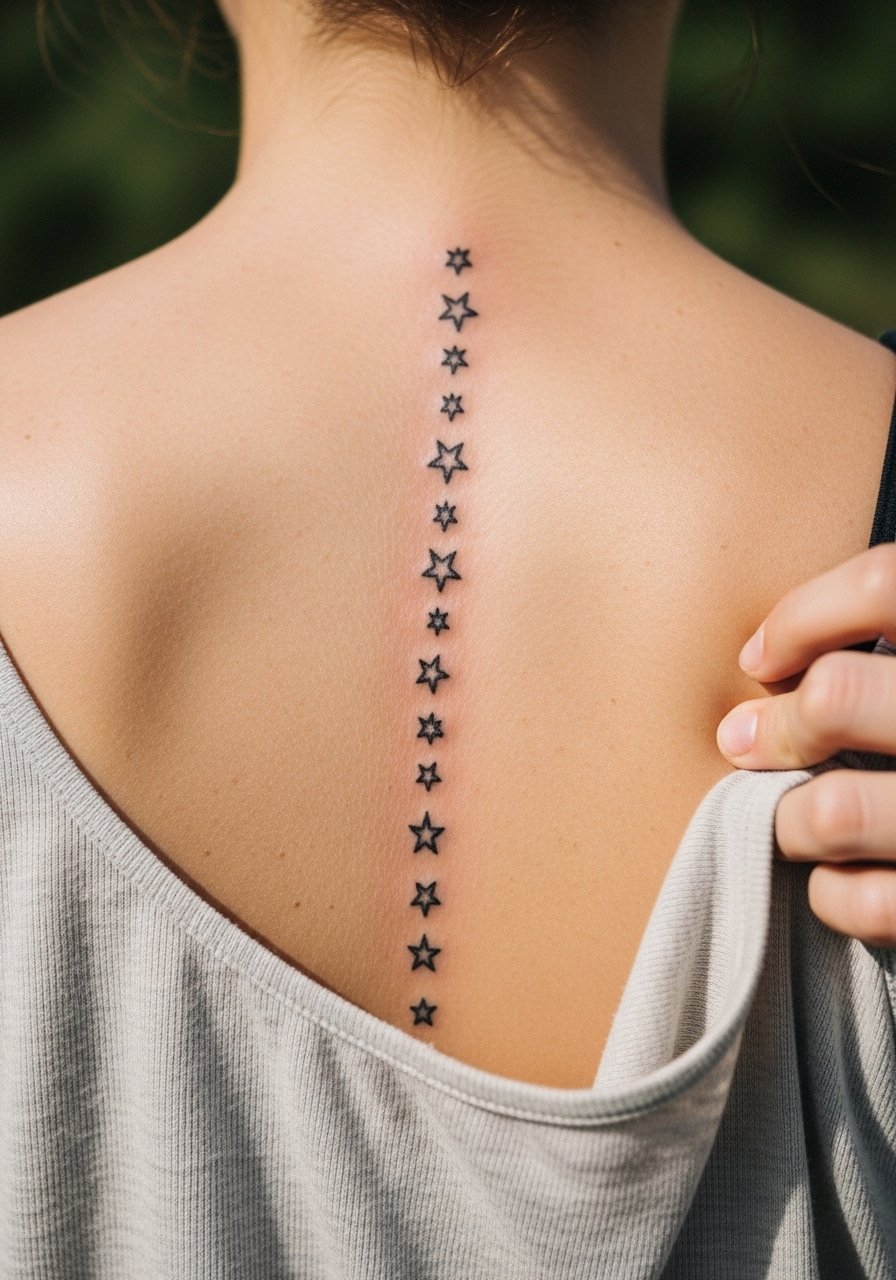
A column of small stars along the spine reads elegantly, especially when each element has breathing room. Spine work varies in pain depending on how close you are to bone. Expect a moderate to high discomfort rating in spots. A frequent mistake is stacking motifs too tightly which causes lines to blur together in two to five years. Ask for slightly larger negative space between stars and discuss touch-up cadence. For placement discovery, browse convention portfolios and shop walk-ins rather than relying on a single photo.
12. Lower Back Banner with Subtle Shading
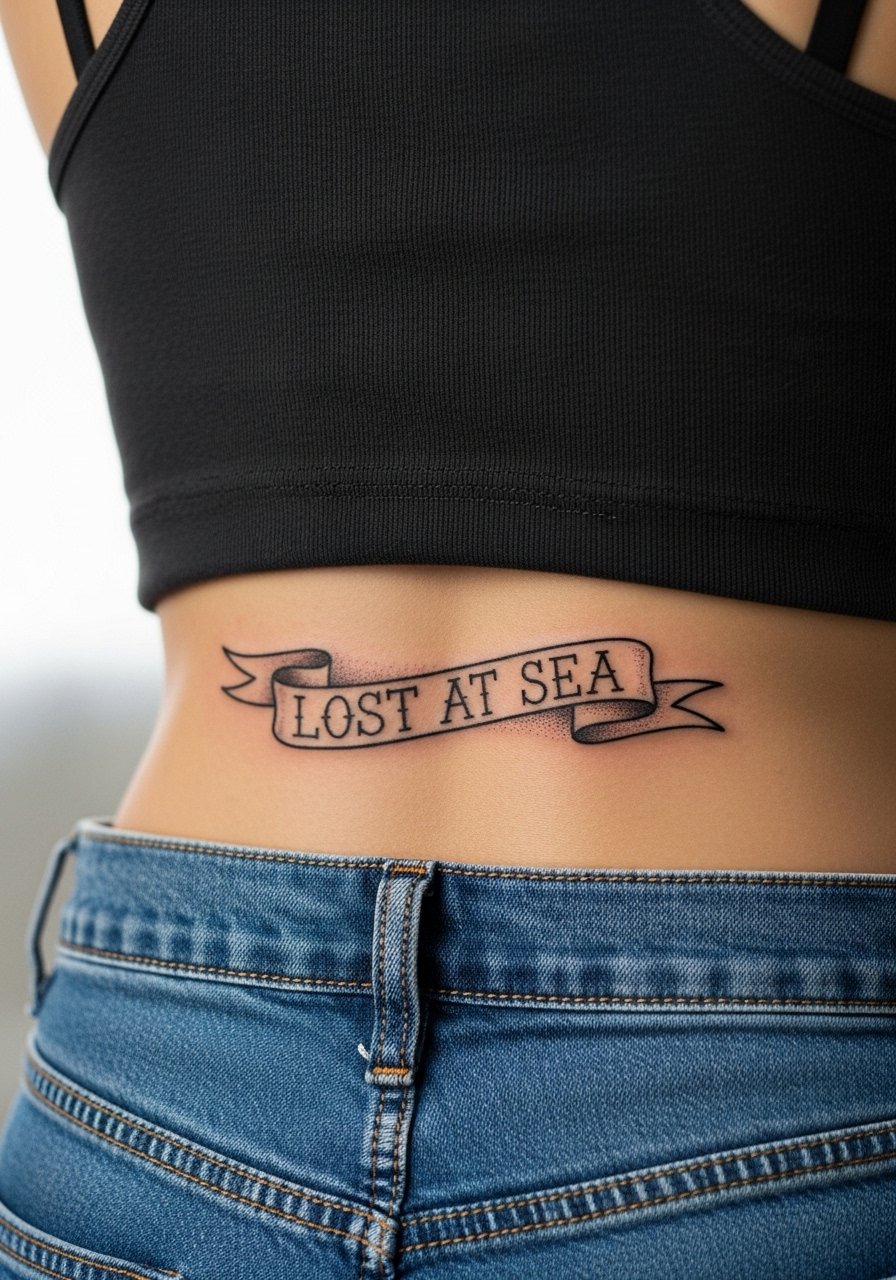
Lower back pieces allow wider designs that age predictably if you avoid tiny script. The area sits under clothing but sees less daily abrasion than hands. Pain is low to moderate and sessions range from one to three hours depending on detail. A common mistake is overloading the banner with long phrases that shrink unreadably over time. For nights out, an open-back top complements the banner and frames the work without exposing the entire torso.
13. Small Scorpion Glyph on the Finger Side
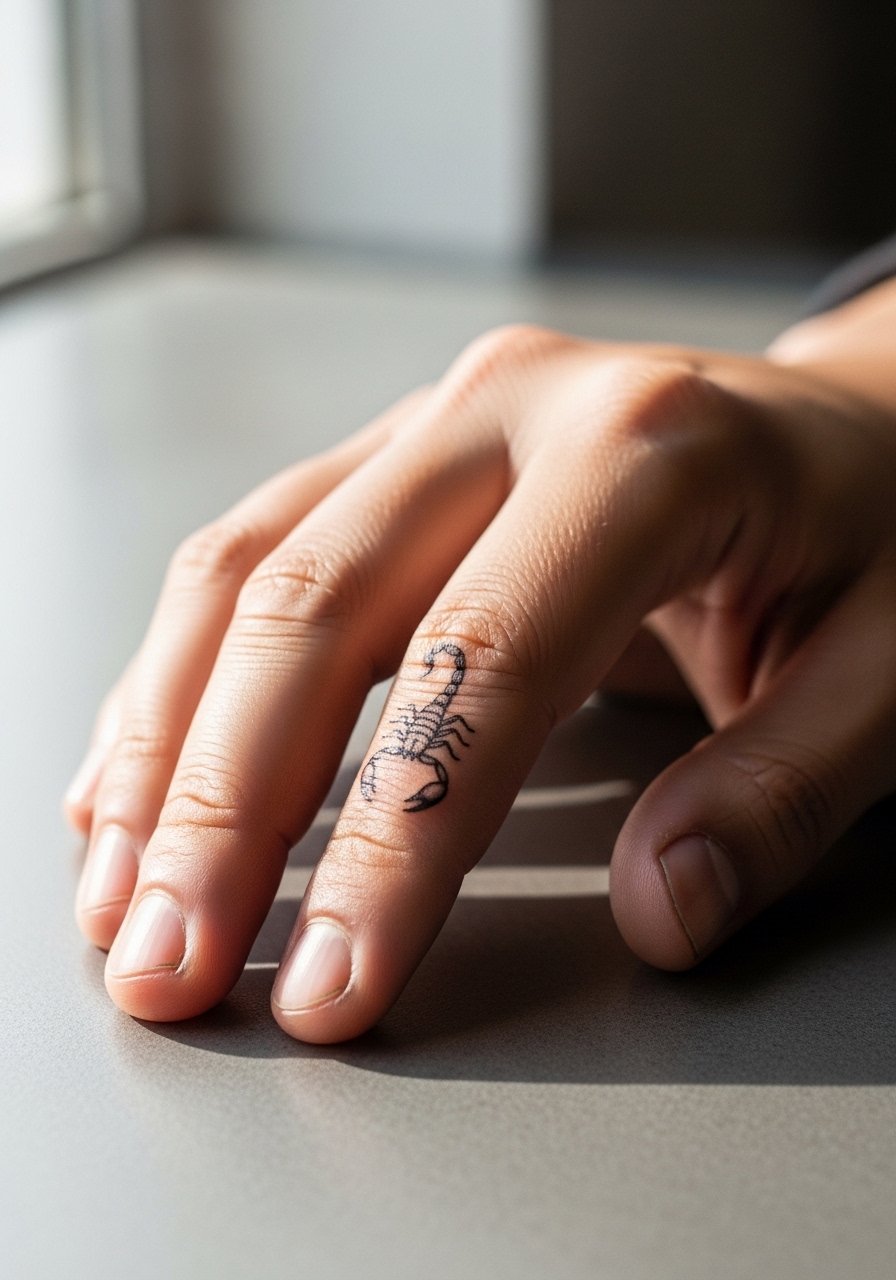
A glyph-sized scorpion on the finger side makes a precise statement but carries the same wear concerns as other finger work. Expect yearly touch-ups for crisp edges. During consultation, ask whether the artist prefers a stacked or elongated glyph to accommodate knuckle movement. The biggest mistake is putting a dense filled area on the narrow finger plane which tends to spread. For discovery, use directory searches and local community threads to find artists confident with micro glyphs.
14. Bold Performer Silhouette on the Full Bicep
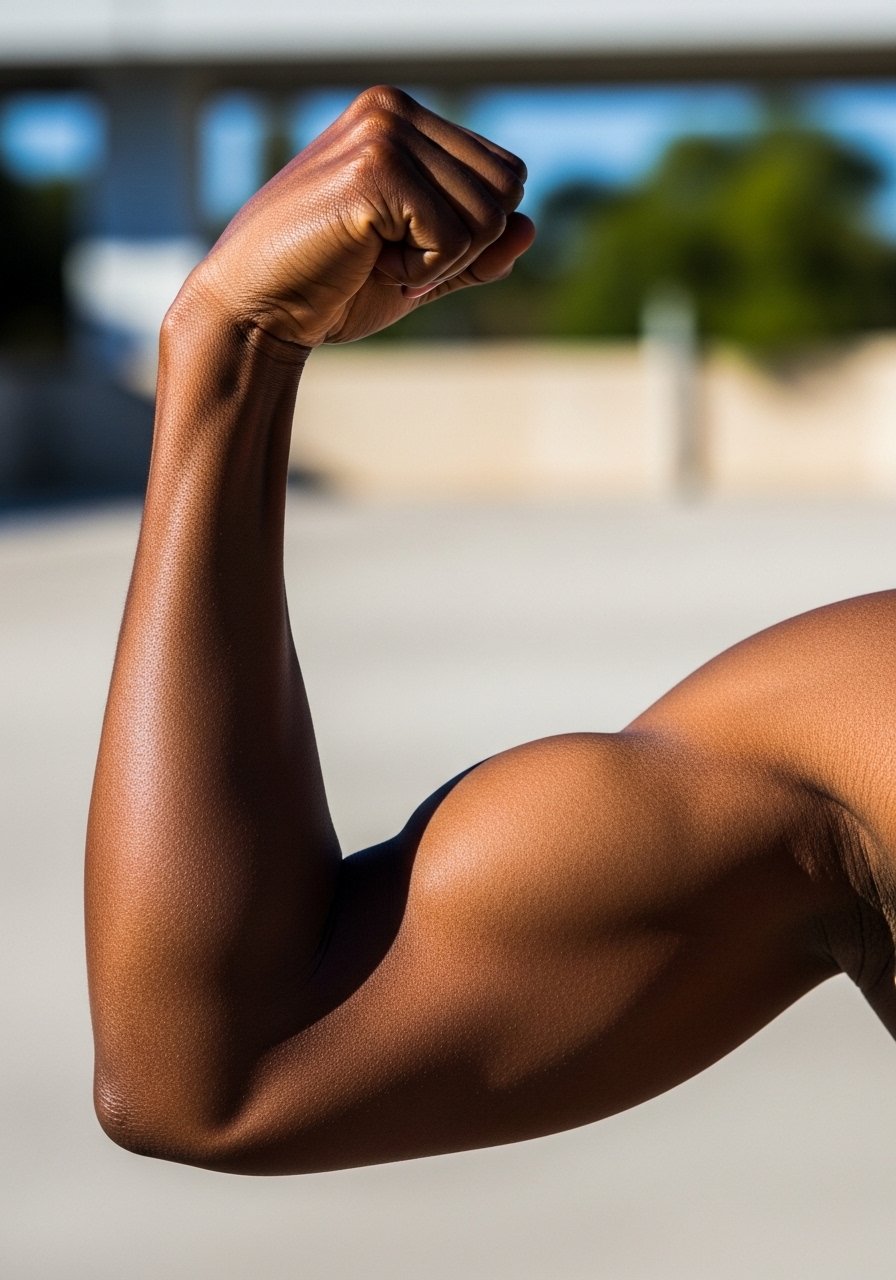
A full bicep silhouette in traditional style holds up well because the area tolerates saturation and larger linework. This is a great canvas if you want a visible tribute that ages into strong shapes. Pain is usually moderate and sessions may be one to three hours. Avoid asking for intricate facial features at small sizes. Instead go for contrast and negative space to preserve readability. For session day wear, a loose button-down shirt you can pull aside makes access simple and lets you stay comfortable.
15. Small Cactus on the Foot Arch
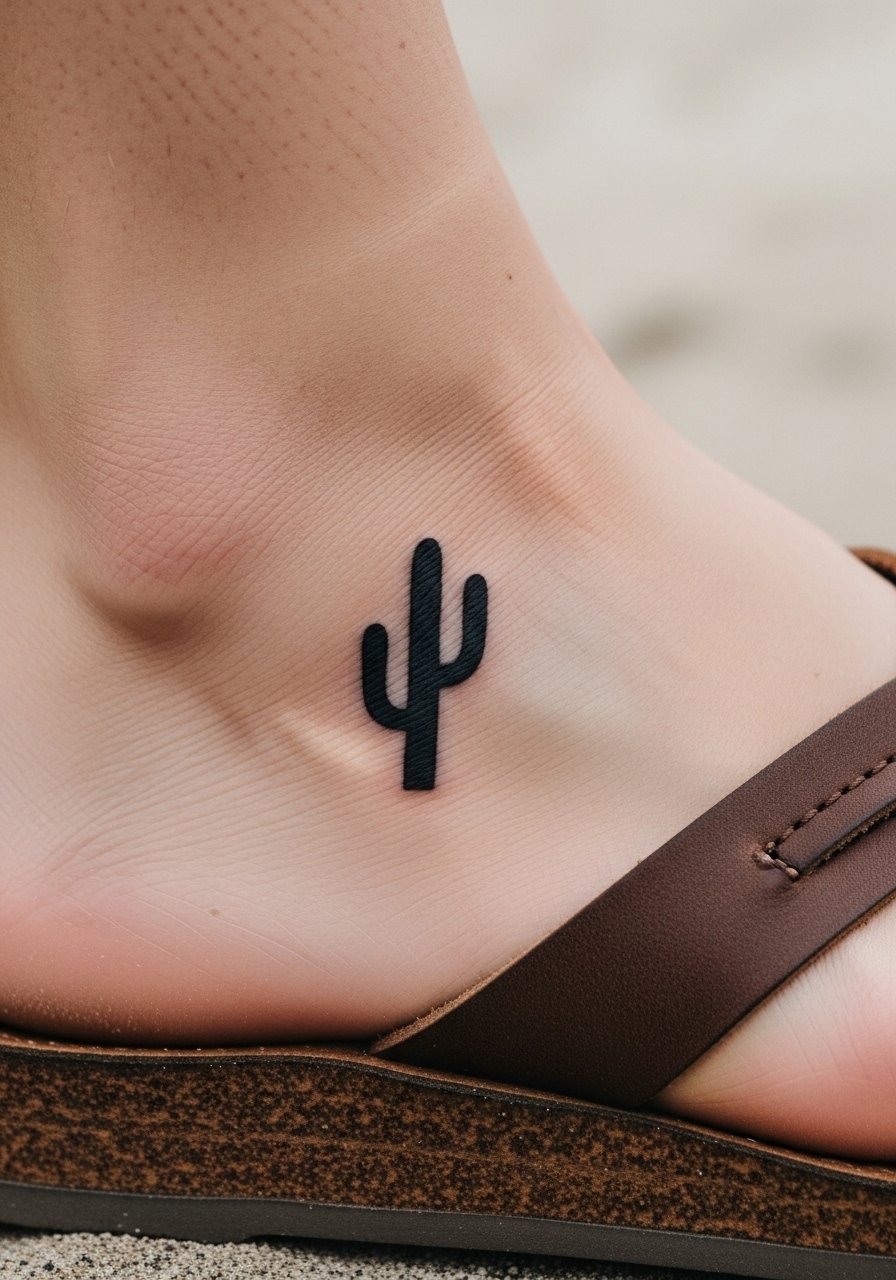
Foot arch tattoos look intimate and are easy to hide, but they face high friction from shoes which speeds fading. The area is bony and sessions can be painful. I often see people expect ankle-level healing on an arch piece and are surprised by how much touch-up the foot needs. For longevity, choose simpler, bolder shapes and accept a higher maintenance schedule. If your day-to-day involves a lot of walking, plan for more frequent color refreshes.
16. Surreal Outer Thigh Landscape
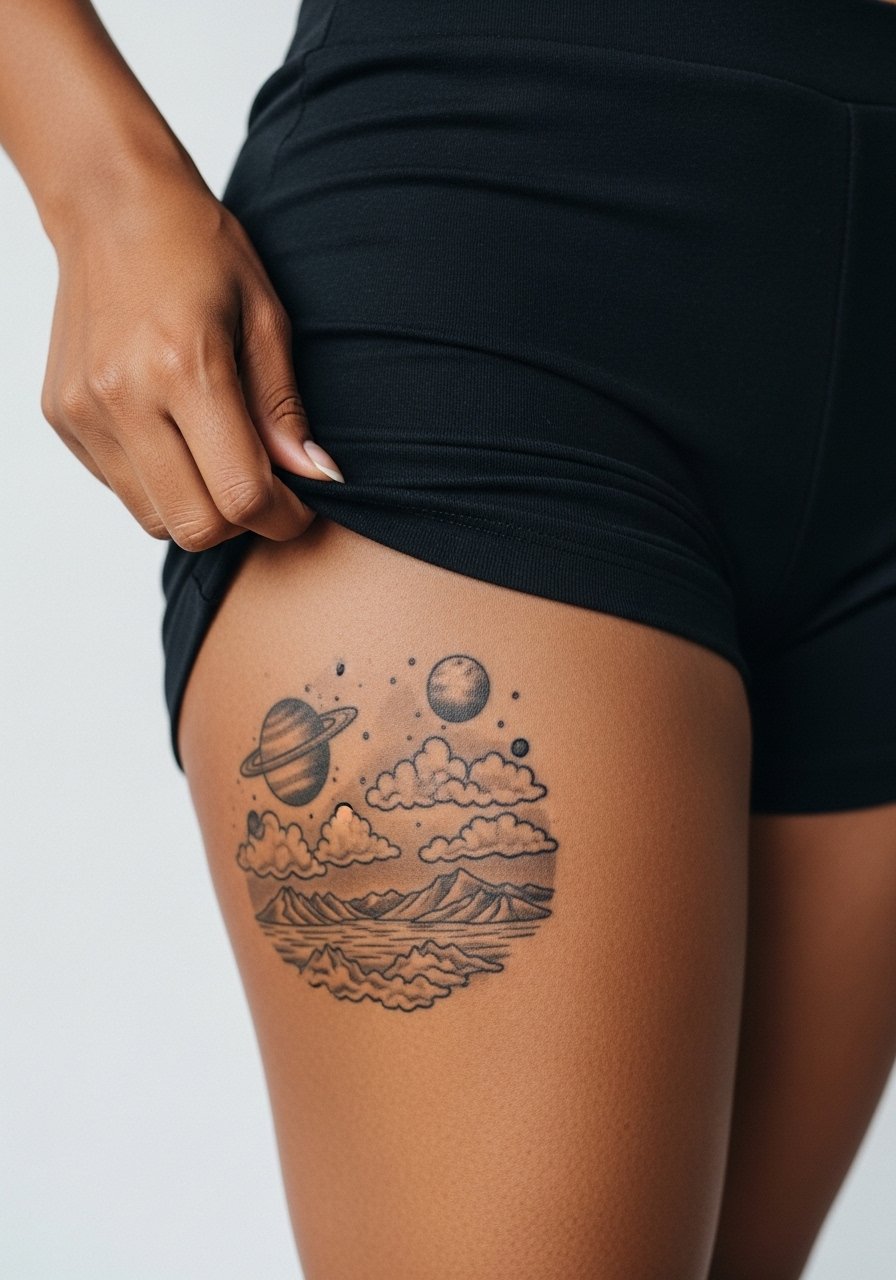
The outer thigh gives room for a larger, surreal Travis Scott-inspired scene that reads well over time. Thigh skin takes saturation nicely and sees less daily abrasion than limbs. Sessions can be long and you may want breaks. A common mistake is cramming too many tiny elements into a wide scene. During consultation, map the composition against how clothing will sit so important parts do not fall under a waistband. For session comfort, wear loose shorts you can adjust easily.
17. Tiny Star Behind the Ear
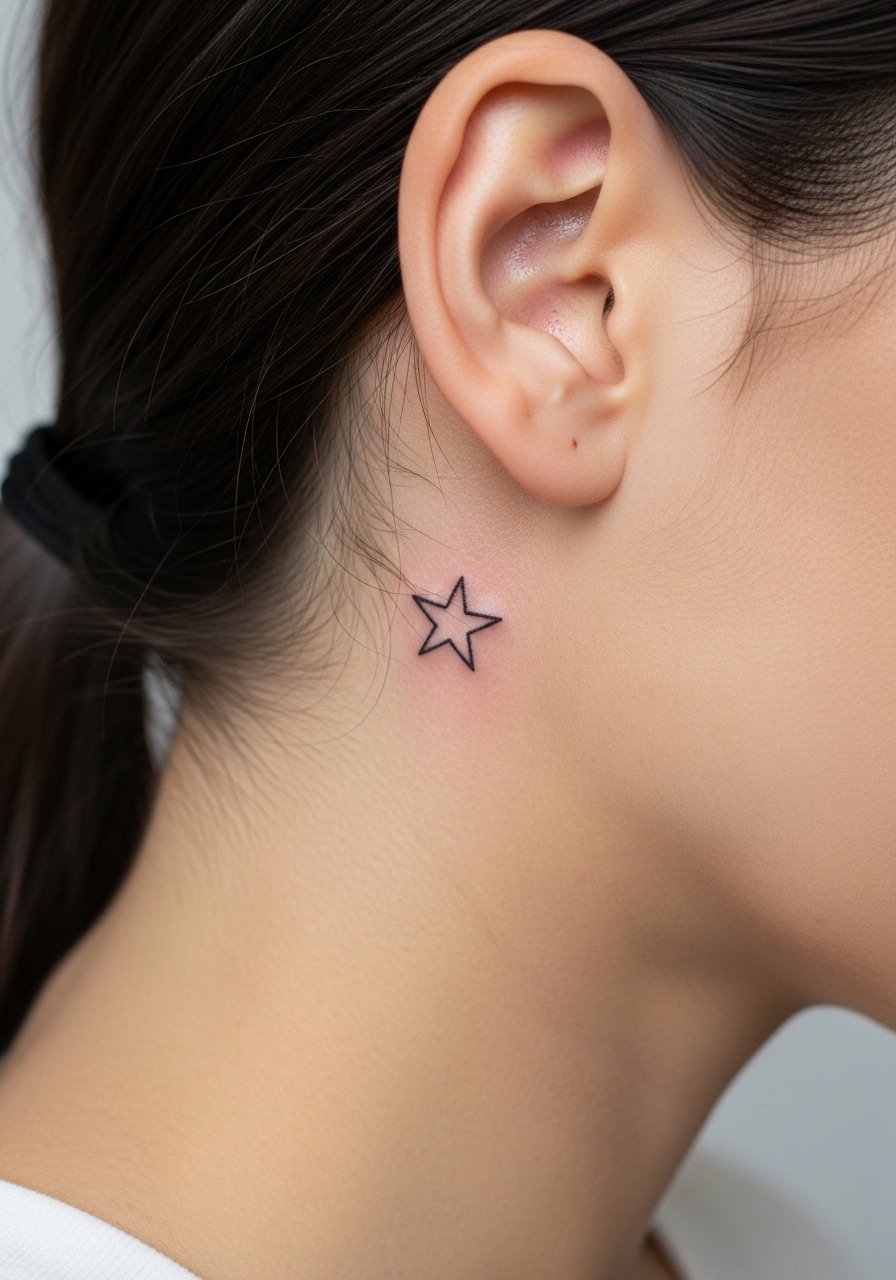
A behind-the-ear star is discreet and carries low session time, but keep in mind hairline irritation during the first week. Tell your artist to avoid overly shaky scripts that might blur in that small, contoured area. Pain is low to moderate and healing is quick if you keep hair and products away from the spot. This placement benefits from an artist practiced with small neck-area work. If you need to find someone, search guest lists, local shop portfolios, and niche forum threads for practitioners who show healed photos of similar placements.
Frequently Asked Questions
Q: Will fine line Travis Scott script fade faster than traditional bold work on the forearm?
A: Yes, fine line tends to lose crispness sooner because the thin channels hold less pigment. On the forearm you can expect slower fading than on hands or ribs, but plan for touch-ups around year three to five depending on sun exposure and skin type. Using sunscreen and covering the area when possible stretches the time between visits.
Q: Is a ribcage cactus worth the pain if I want precise detail?
A: It depends on your tolerance and priorities. Ribs are painful but can yield beautiful fine line work if the artist spaces lines for long-term healing. Remember there is a split opinion among artists about fine line on ribs. Discuss both camps in consultation and ask to see healed rib photos that match your skin tone.
Q: How should I dress to show an upper-thigh rose without risking early rubbing?
A: Go for high-waisted shorts or skirts that sit just above the tattoo so the waistband does not constantly rub the area. For a night out, pair the tattoo with an open-back midi dress if you want to reveal the outer thigh intentionally while keeping the rest covered.
Q: Do finger and hand tattoos affect job prospects?
A: They still can in some industries because hands are very visible. If career flexibility matters, choose placements that are easy to cover or go for ankle, thigh, or bicep work instead. If you commit to fingers, accept more frequent touch-ups and the reality of slower long-term saturation.
Q: How do I find an artist who can translate Travis Scott iconography into a piece that heals well?
A: Use discovery pathways like local convention guest lists, shop directories, hashtag searches, and community threads to find portfolios showing healed images. Ask to see healed photos on similar skin tones and placements before booking so you know the artist's track record rather than relying on fresh photos alone.