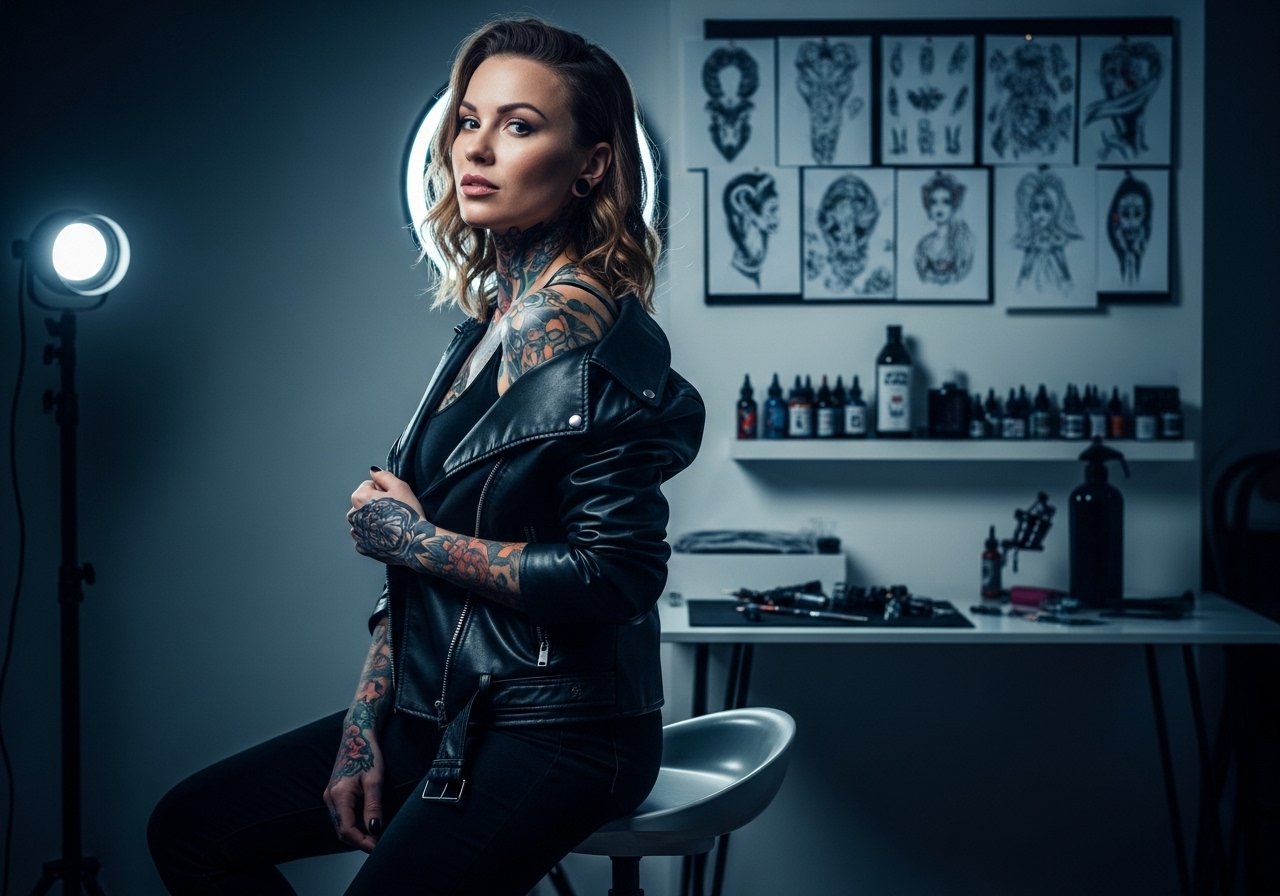
Fine line clovers and abstract four-leaf hints are trending, but what looks delicate on a screen can blur fast if spacing and placement are wrong. Many people assume tiny details mean timeless charm. The reality is that longevity depends on placement, line spacing, and realistic touch-up timelines. Below are 21 abstract trevo de 4 folhas tattoo ideas that balance fresh-looking detail with aging, pain, and wardrobe realities so you know what to ask at the stencil stage.
1. Minimal Geometric Trevo on Inner Wrist
This tiny geometric take reads like a symbol rather than a pictorial clover. Fair warning, the inner wrist is a high-motion, high-wash zone and tiny geometry can merge over time if the shapes are too tight. Tell your artist you want slightly thicker primary lines and airy negative space between leaves. Session-wise it is quick but sensitive, expect a sharp sting for about 20 to 30 minutes. For showing it off, pair with a thin chain pendant necklace to draw the eye upward and avoid bracelet crowding. Blowout risk is moderate here, and a realistic touch-up timeline is often at year two to three.

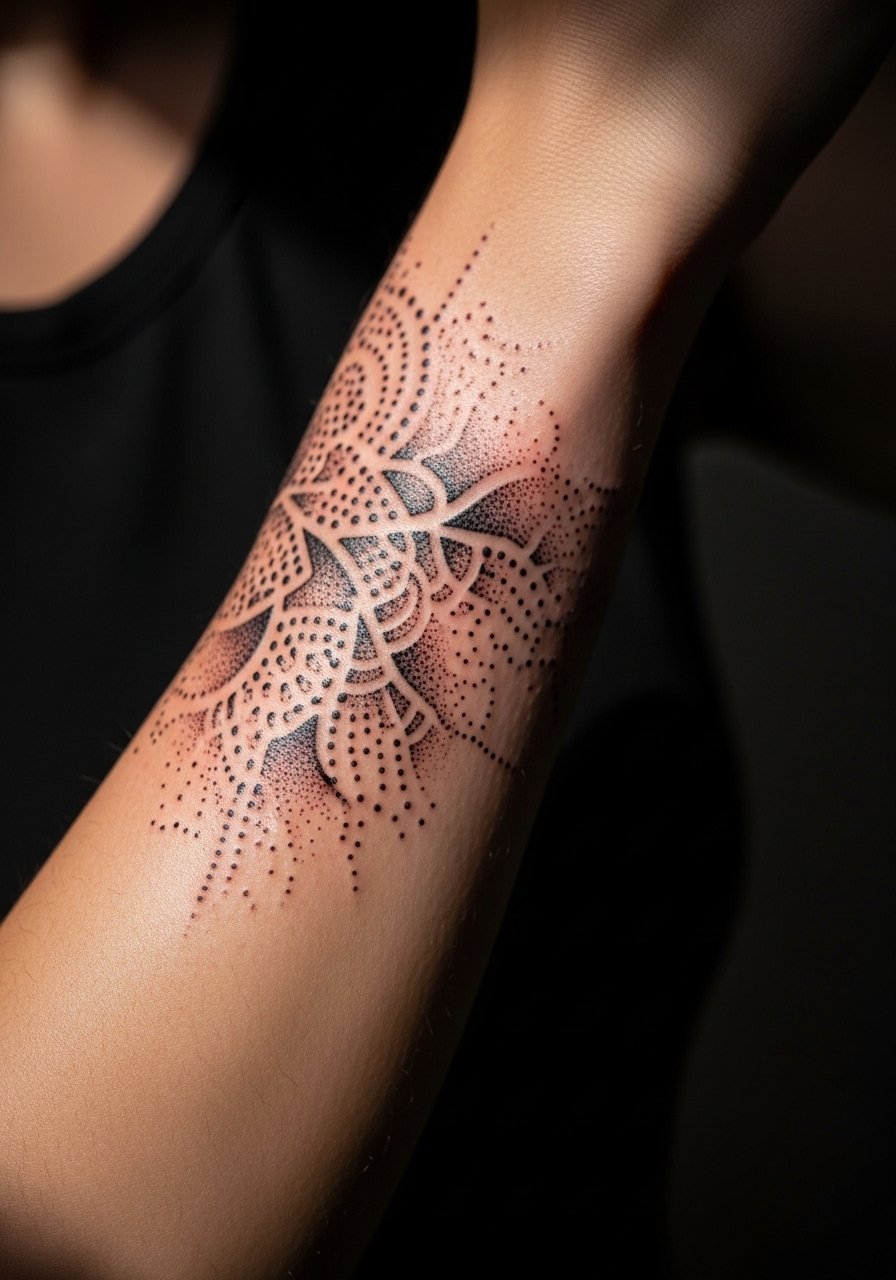
2. Stipple-Shaded Trevo on Inner Forearm
I've seen stipple shading make abstract clovers feel airy and modern. The inner forearm lets you keep delicate dot work without the same blowout risk as hands. Ask for higher contrast between stipple density and outline so the dots do not read as a block after a few years. The session feels comfortable, with light vibration more than sharp pain. For casual wear, roll up a linen sleeve to show it off with a rolled+linen+shirt+women that keeps the piece visible without glare. Expect touch-ups around year three for tightly packed stippling.
3. Negative-Space Trevo on the Nape of the Neck
Negative-space clover silhouettes look modern when framed at the nape, and the placement lets the design breathe. For safety, wear a wide-neck shirt pulled slightly to one side during photos and the session. This area is lower pain for most people but sensitive to hairline irritation during healing. Tell your artist you want clean negative edges rather than heavy outlines so the shape remains readable as the skin shifts. Pair with a wide-neck shirt for nights out so the tattoo shows without feeling exposed. Expect touch-up windows in years two to four depending on sun exposure.

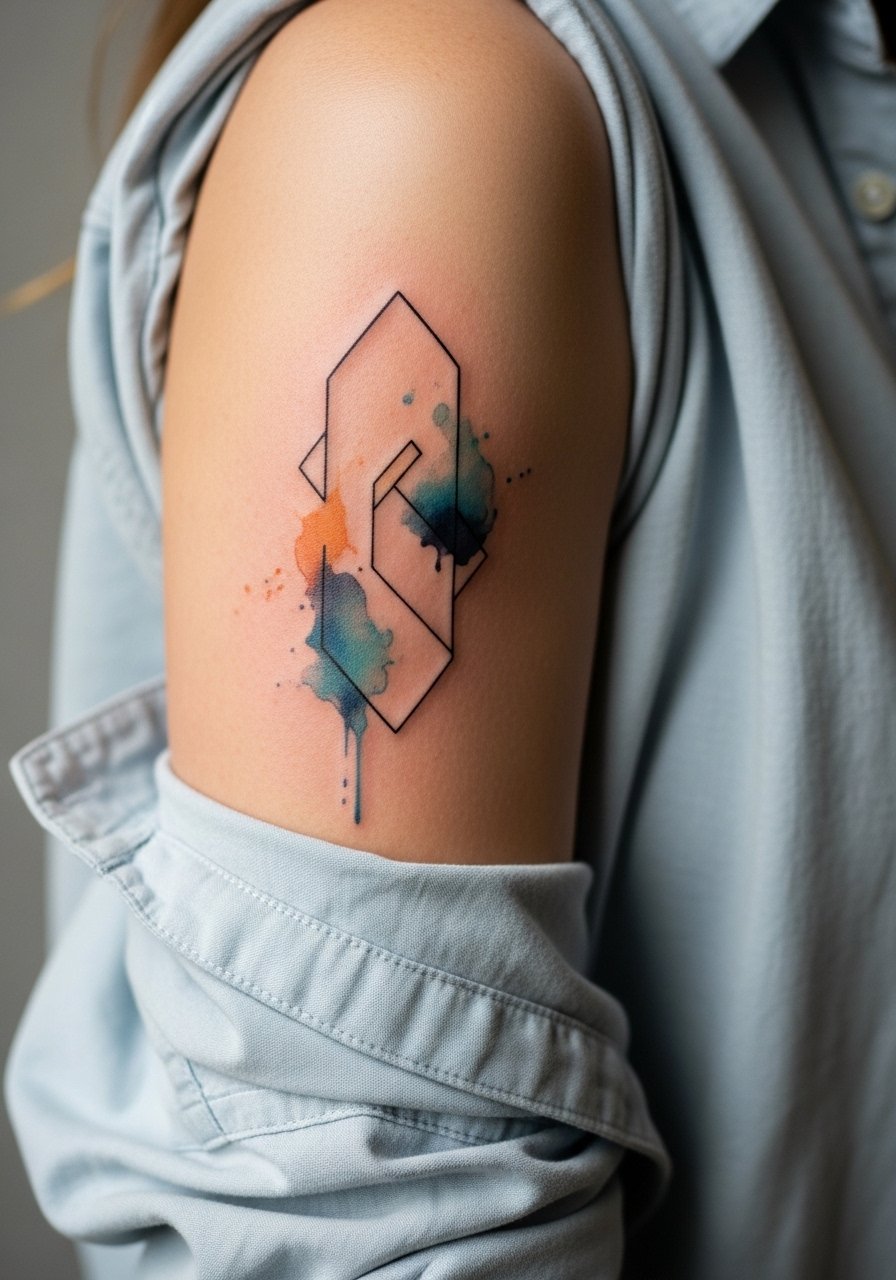
4. Abstract Watercolor Trevo on Upper Arm
Watercolor washes give an abstract trevo a painterly edge, but watercolor-style inks can fade faster than saturated blackwork. The compromise is to anchor the washes with fine black outlines and light stipple grounding. During consultation, show examples of color saturation you like and ask for sealed edges so the pigment doesn't feather. The session often runs longer because of layering, expect moderate discomfort with occasional needle massage. For showing off, a loose button-down shirt with sleeves rolled looks relaxed and keeps the color visible. Plan on touch-ups by year three for color refresh.
5. Blackwork Four-Leaf Cluster on the Calf
Blackwork abstracts age predictably because saturation holds up. The calf gives room for bold negative shapes and crisp edges without cramped detail. If you want longevity, ask the artist for strong black saturation and modest linework rather than micro-detail. The session is manageable pain-wise, though active calves can throb the following day. For nights out, wear ankle boots or cropped trousers to frame the piece. A common mistake is overloading the design with tiny details that become muddy on curved muscle surfaces.

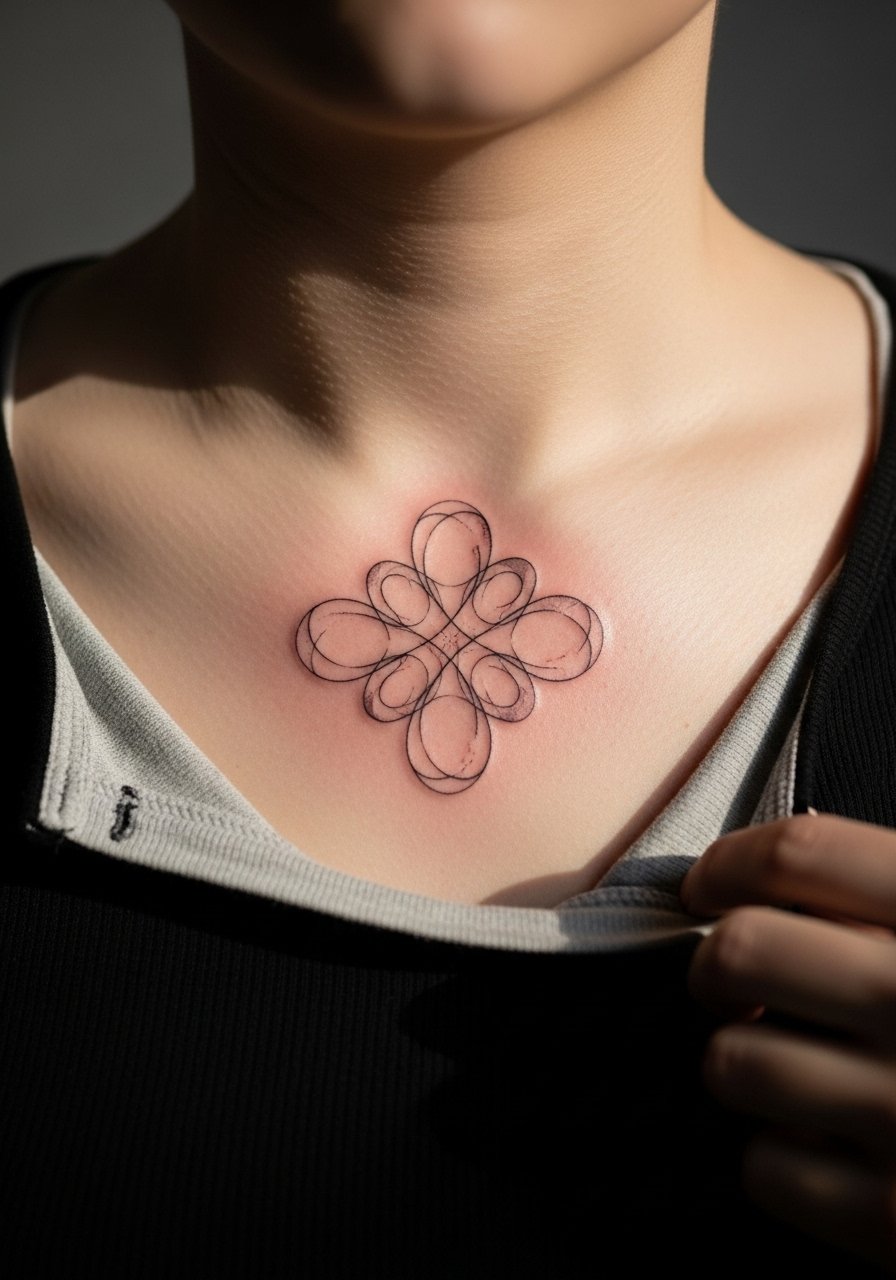
6. Micro-Realism Trevo Above the Collarbone
A subtle micro-realism clover sits nicely above the collarbone, catching light when you wear wide-neck tops. The collarbone area is sensitive, with more bone contact during the session, so expect sharp moments mixed with dull scraping. Ask for slightly larger leaf contours than you think you need to prevent early blurring. Pair with an open-back midi dress or a racerback tank when you want the piece visible without heavy jewelry. Some artists divide on fine detail here. One camp warns the thin skin near the collarbone causes lines to soften quickly. The other camp says careful depth and spacing keep micro-realism readable for years. Ask where your artist stands before booking.
Studio Day Picks
The pieces above range from wrist to collarbone, and those placements ask for different session prep and first-week care.
- Stencil transfer paper kit. Lets you preview exact placement and line spacing on the skin before the needle touches, which matters for tight clover geometry near the wrist and collarbone.
- Topical numbing cream. Useful for collarbone or sternum-adjacent sessions to take the edge off without dulling contrast.
- Thin protective film roll. Helps finger and wrist pieces survive frequent washing and friction during the first week.
- Fragrance-free gentle body wash. Cleans healing skin without stripping delicate ink, especially for inner forearm stipple work.
- Aquaphor healing ointment. A thin layer in the first days helps retain moisture for fine line and micro-realism pieces without clogging the needle channels.
7. Negative-Space Mandala Trevo on the Ribcage
Ribcage placements amplify the drama of an abstract mandala-style trevo, but they are sensitive and prone to shifting as the torso moves. Pain is higher here, often an 8 out of 10, and sessions may be broken into shorter passes. The controversy is clear. One camp says fine line on ribs blurs within two years because of stretching. The other camp maintains that with correct depth and spacing, it can hold well. During consultation, ask your artist for spacing maps that account for ribs expanding and contracting. For the session, wear a cropped athletic top that you can lift only where needed. Expect a touch-up at year two to three.

8. Continuous Line Trevo on the Side of the Hand
Continuous single-line designs read modern and minimal, but hands are a friction zone with high blowout risk. The common mistake is making the line too thin or the loopwork too compact. If you want this, request modestly bolder single-line weight and limit the piece to the back of the hand rather than fingers for longevity. Sessions are short but sharp. For a polished look, wear a minimalist watch that frames the back of the hand without rubbing the ink. Hand tattoos still affect some hiring decisions, so consider career context before committing.

9. Asymmetric Four-Leaf on the Upper Thigh
Upper-thigh placements suit asymmetric abstract clovers that need negative space around them. The inner thigh is more sensitive and requires careful artist technique. For session comfort, wear shorts that can be shifted slightly to expose only the area in frame. Tell your artist whether you sleep on your side, since friction during recovery can affect scabbing. For showing it off, an open-back midi dress or high-cut swim bottom frames the hip and upper thigh art without overexposing the area. Expect moderate fading if exposed to constant rubbing from clothing.

10. Constellation-Style Trevo Across the Sternum
A constellation layout that uses tiny dots and sparse lines reads abstract and symbolic across the sternum. For safety and modesty, the subject should wear a fitted sports bra during the session so only the sternum area is visible. The sternum is high on pain and high on movement from breathing, so sessions take patience. Ask your artist to space dots slightly wider than they propose to avoid merging. For date nights, pair with a strapless top that shows the central placement without competing jewelry. Expect touch-ups for tiny dots in year two.

11. Textured Brushstroke Trevo on the Shoulder Blade
Brushstroke textures give an abstract trevo painterly motion and they sit well on the shoulder blade where the skin is forgiving. The session feels like long passes with moderate discomfort rather than sharp moments. Tell your artist you want broader, intentional marks rather than tiny filigree. For visibility choose tops with open backs, such as an open-back dress that lets the brushstroke read in motion. Aging here is kind because the shoulder blade sees less friction and sun compared with forearms, though color washes still need refreshing by year three or four.

12. Miniature Trevo on a Finger Side
Tiny four-leaf hints along the finger side make a discreet statement, but fingers are one of the highest fade and touch-up zones. Expect frequent touch-ups, often annually. If you still want it, ask for a bolder small mark rather than extremely fine detail. The session is quick and sharp. For low-maintenance styling, keep rings thin and avoid heavy stack rings that sit directly over the ink. Consider a thin stacking ring set that complements without constant friction. Be prepared for color loss from frequent hand washing.

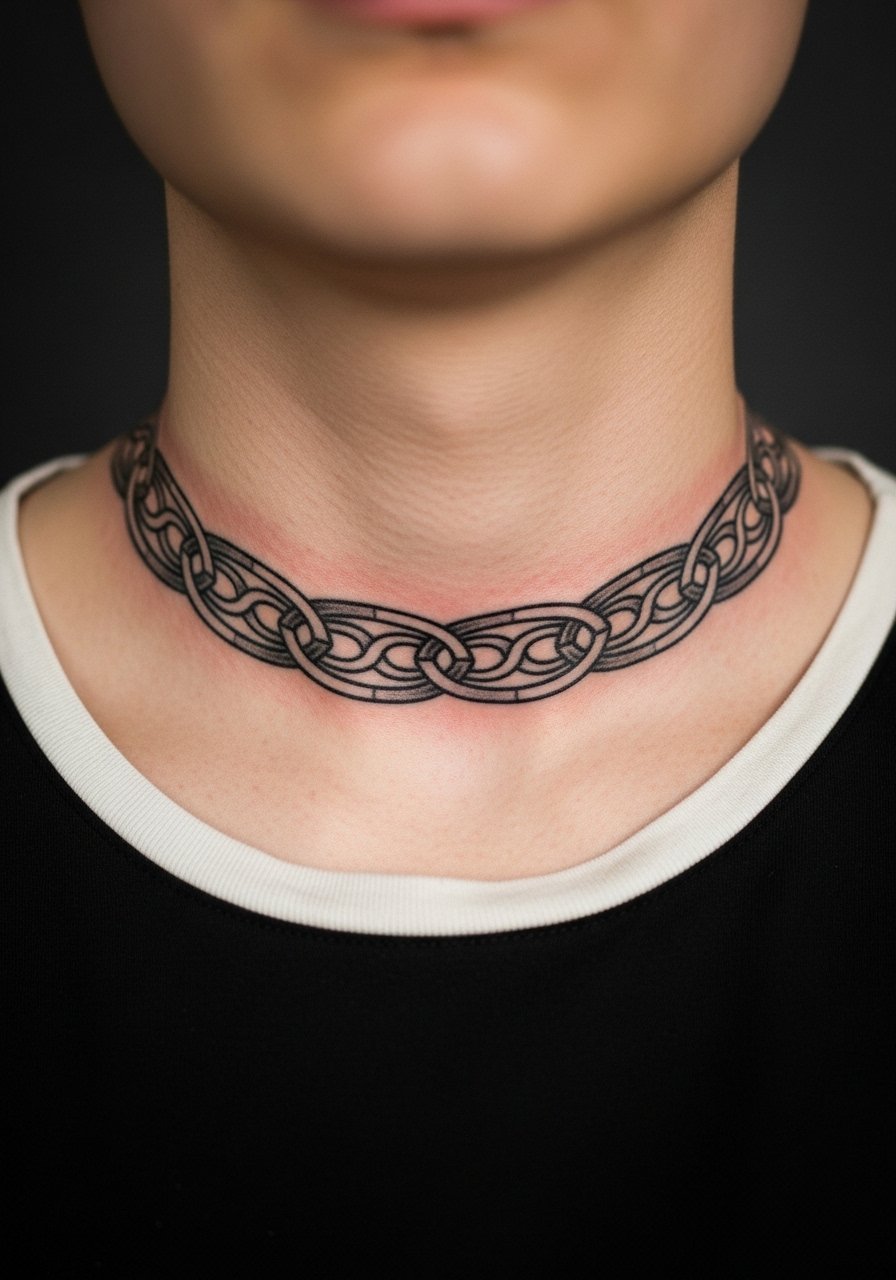
13. Interlocking Trevos as a Collarbone Band
Turn several small abstract clovers into a collarbone band that reads like jewelry. The collarbone area is bony, so sessions have moments of sharp contact. Ask for slightly thicker anchors between motifs to prevent early merging. For an effortless reveal, wear a thin chain pendant necklace that sits just above the band. Aging depends on sun exposure. Bands near the neckline hold if protected from constant UV, and touch-ups may be requested around year three.
14. Negative-Space Trevo Sleeve Accent on Outer Upper Arm
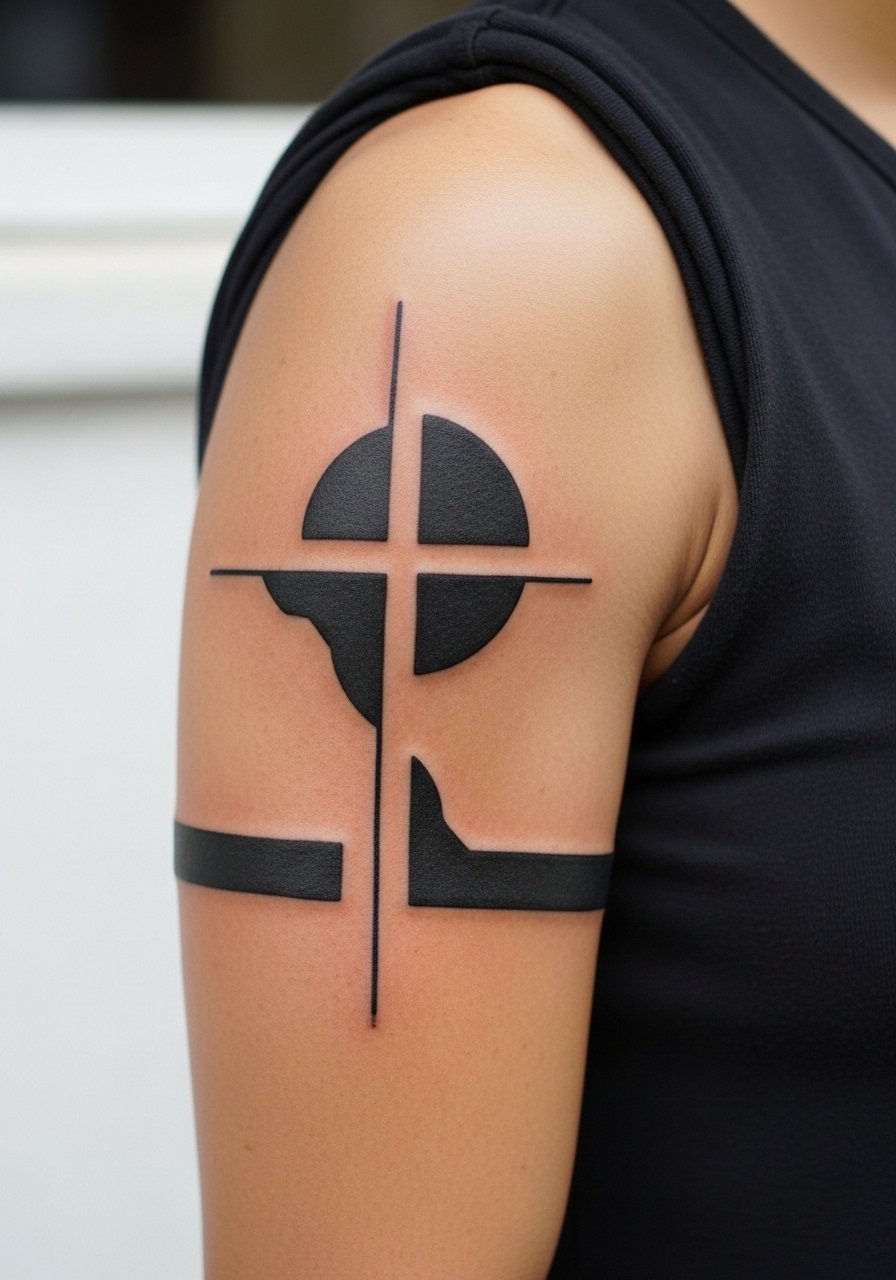
Use abstract trevos as accents in a partial sleeve where negative space acts as a visual rest. The outer upper arm tolerates saturation well and is lower pain. During consultation, map out which elements will be negative space and which will be solid. The session can be longer depending on spread. For showing off, sleeveless linen shirts or loose drawstring linen pants that roll or tie to the hip keep the arm visible and relaxed. Common mistake is attempting too many tiny motifs close together, reducing clarity after healing.
15. Symmetrical Trevo at the Small of the Back
A centered abstract clover at the lower back reads like a hidden emblem when worn with high-waist items. For safety and modesty, the subject should wear a tank top with high-waisted bottoms showing only a narrow lower back strip during the session. The lower back is moderately painful but friendly for bold shapes. Ask for a slightly larger scale than you imagine so the symmetry keeps across the curve. Pair with high-waisted jeans for casual looks that let the art peek when you move. Expect low friction here but plan on UV protection.

16. Fine Line Trevo on the Outer Ankle
An outer ankle trevo can be delicate and visible with low friction if you plan shoes carefully. The ankle is thin-skinned and can sting during the session. Ask for slightly more saturated outlines on the outer edge to maintain silhouette when socks rub. For display, roll up jeans or wear sandals that showcase the area, like a sandals with thin straps. Expect slower color migration on the ankle than on fingers, but still budget a touch-up at year three.

17. Fragmented Trevo Across the Shoulder Cap
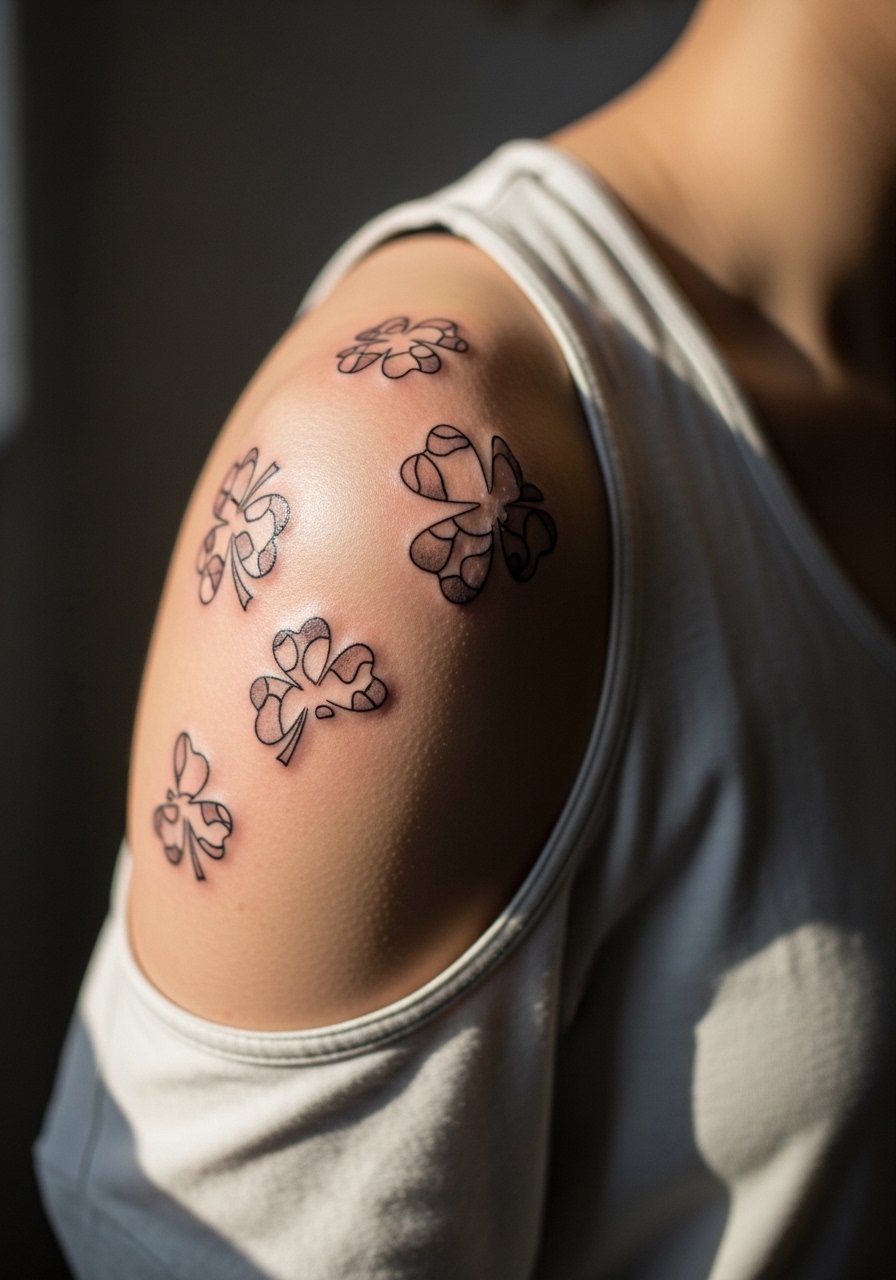
Fragmented, offset trevo pieces across the shoulder cap lean into movement when you raise your arm. This placement tolerates medium saturation and larger shapes. The session involves some prolonged needle contact but low overall pain. Tell your artist you want the fragments aligned with natural muscle flow rather than strictly geometric grids. For a casual frame, wear a loose tank top that lets the shoulder cap show without full exposure. This area ages well due to lower abrasion.
18. Single-Line Infinity Trevo on the Side Neck
Side-neck single-line abstractions are intimate and need a confident placement. For safety, wear a wide-neck shirt with the collar pulled to one side during the session. The neck is sensitive and can be visible in professional settings, so consider career implications. Ask for a slightly bolder stroke to prevent early breakdown of single-line work. For nights out, a wide-neck blouse frames the side neck without exposing more than intended. Expect touch-ups focused on line crispness in year two to three.

19. Layered Trevo Over an Old Scar on the Rib
Using abstract clover shapes to camouflage or incorporate an old scar can be effective, but the rib and scar tissue behave differently under the needle. Scar tissue can take ink unpredictably and can be more sensitive. Discuss scar texture and healing history with your artist and plan a small test spot if possible. For modesty, wear a cropped top during the session. Many people like to pair the new work with a bandeau top that keeps the area discreet. Expect variable saturation and a likely touch-up window specific to scar absorption behavior.

20. Micro Dotwork Trevo Behind the Ear
A tiny dotwork trevo tucked behind the ear can be sweet and subtle. For safety and clarity, describe it as "on the skin behind the ear, below the hairline on the neck" to avoid misplacement. The area heals fast but is delicate, and the session is quick. Keep hair tied back for the appointment and for the first day of recovery. Wear a thin chain pendant necklace to balance the visible neck area when you tuck hair behind the ear. This spot reads intimate and is easy to hide when needed.

21. Abstract Four-Leaf Sleeve Anchor on the Inner Bicep
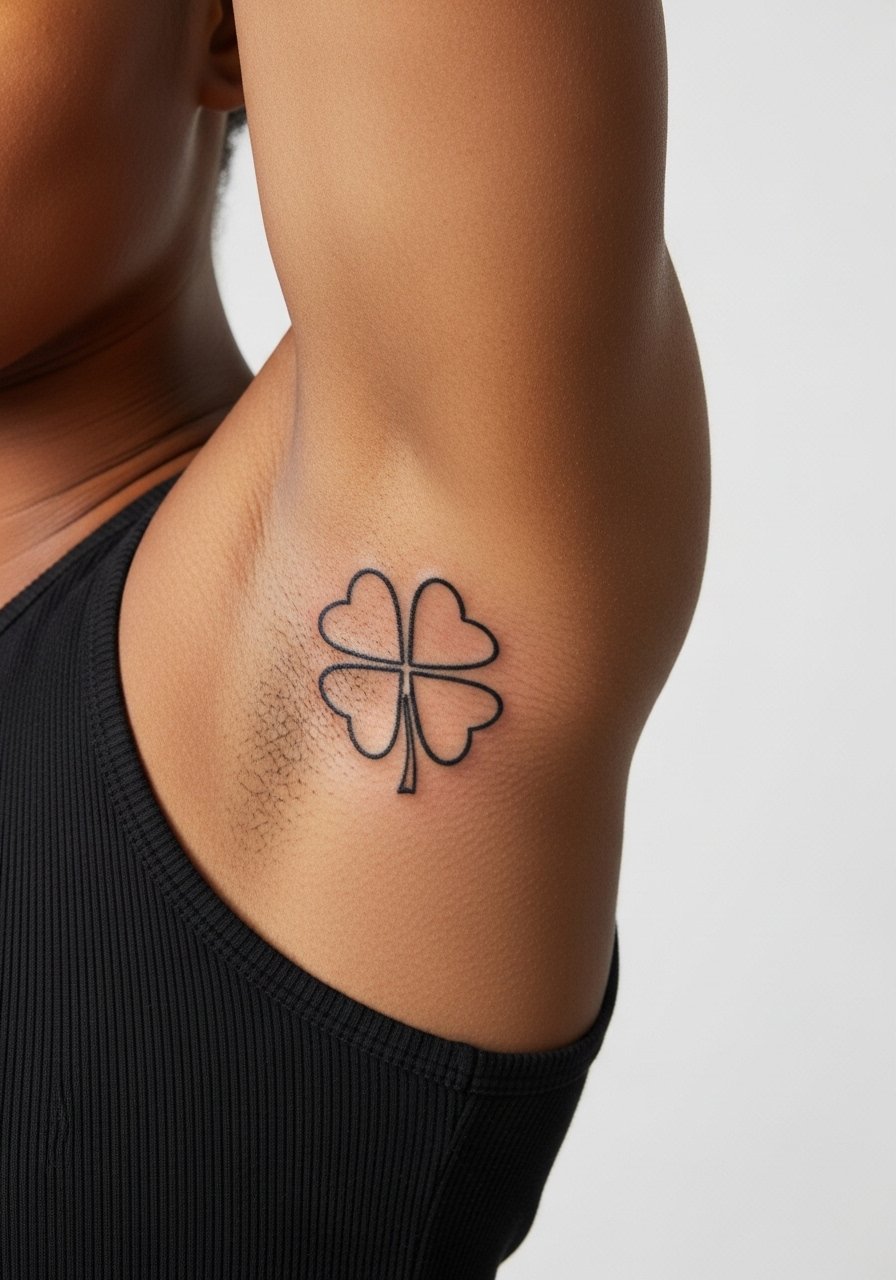
An inner bicep trevo anchors a sleeve that needs breathing space. The inner arm is sensitive and can swell more during a session, so expect intermittent discomfort. Ask for spacing that allows for muscle flex without crushing the motifs. For session access, wear a tank top with the arm raised slightly so the artist works on a stable surface. For showing off, pair with a loose button-down shirt you can pull aside. Inner bicep work often heals softer, and touch-ups are common around year three if the piece includes fine internal detail.
Frequently Asked Questions
Q: Will fine line abstract trevo details blur faster on certain body parts?
A: Yes, small fine-line details blur faster on high-motion or high-friction zones like fingers, hands, and the inner wrist. Areas with thin skin over bone, such as the collarbone and ribs, can also soften. Expect touch-ups sooner on those placements, and ask your artist for slightly larger spacing if longevity matters.
Q: How should I dress for a ribcage or sternum session to stay comfortable and modest?
A: For ribcage work wear a cropped athletic top you can easily lift only where the artist needs access. For sternum work pick a fitted sports bra or bandeau so only the center chest is exposed. Loose, breathable fabrics help during long sessions and reduce irritation on the healing skin.
Q: Are there specific styles of trevo designs that hold up better long term?
A: Bold blackwork and compositions that prioritize negative space generally hold up better than ultra-fine watercolor washes. Painted effects can still work if paired with anchoring outlines. From what I've seen, saturation and spacing beat tiny, intricate detail when considering decades of wear.
Q: How do I find an artist who understands abstract treatments and will map placement correctly?
A: Use local shop directories, tattoo convention portfolios, and community forums to find artists who post healed photos of similar styles. Ask for healed examples of the exact placement you want, and discuss spacing and touch-up timelines during the consultation so expectations align.
Q: I want a trevo near my job-visible areas. How do I balance visibility with professionalism?
A: Consider placements that can be covered by standard work attire, like the upper arm, shoulder blade, or lower back. If you prefer neck or hand placement, pick minimal designs you can hide when necessary. Choose scale and color that read subtle under office lighting.
Q: Can clothing choices affect healing outcomes for these placements?
A: Yes. Friction from tight fabrics or heavy accessories can disturb scabs and affect pigment retention. During the first week, wear loose, breathable clothes over the tattoo zone, and use specific session-wear recommendations like a loose button-down for shoulder or upper arm work to make the session and recovery smoother.