Fine line Betty Boop sketches are trending for a reason, but what looks perfect on a phone screen does not always age the same on skin. Tiny pencil-style strokes and sketchy motion lines can soften faster than bold outlines, and placement changes that timeline more than people expect. Read on for 21 hand-picked sketch-style Betty Boop ideas that balance that dream look with real-world longevity, plus what to ask your artist in the chair.
1. Betty Boop Minimalist Line on Inner Forearm
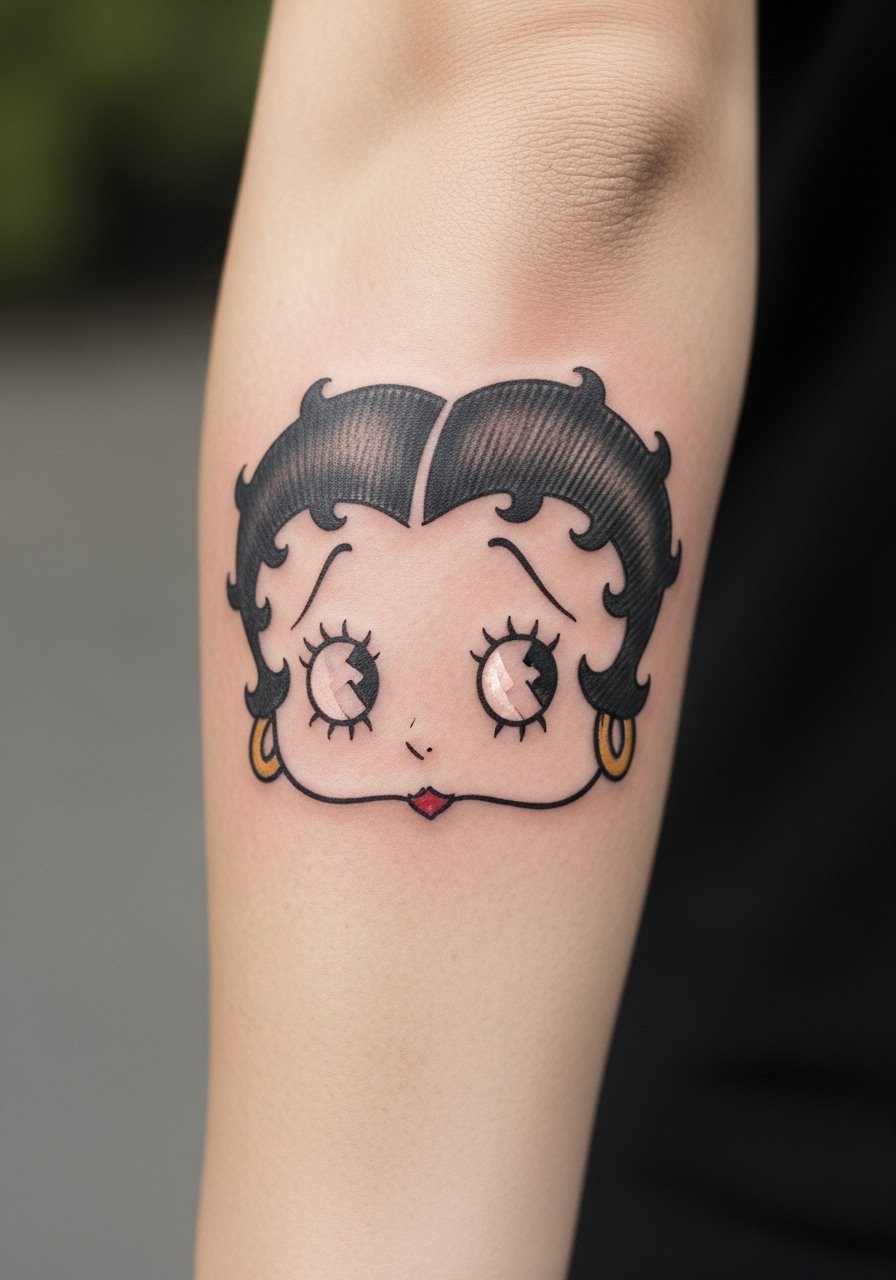
A small inner forearm Betty drawn like a pencil sketch reads intimate and wearable. I recommend slightly thicker primary contours around the eyes and mouth so the tiny motion lines have room to breathe, otherwise the sketchy filler can blur by year three. Tell your artist you want stitched linework with subtle stipple shading for tonal hints, not full wash shading. Pain is mild to moderate and sessions are short. For showing it off, rolled-up sleeves or a loose button-down shirt frames the forearm without stealing attention. Expect a touch-up timeline around year two to maintain crispness.
2. Tiny Betty on the Ankle, Sketch Silhouette
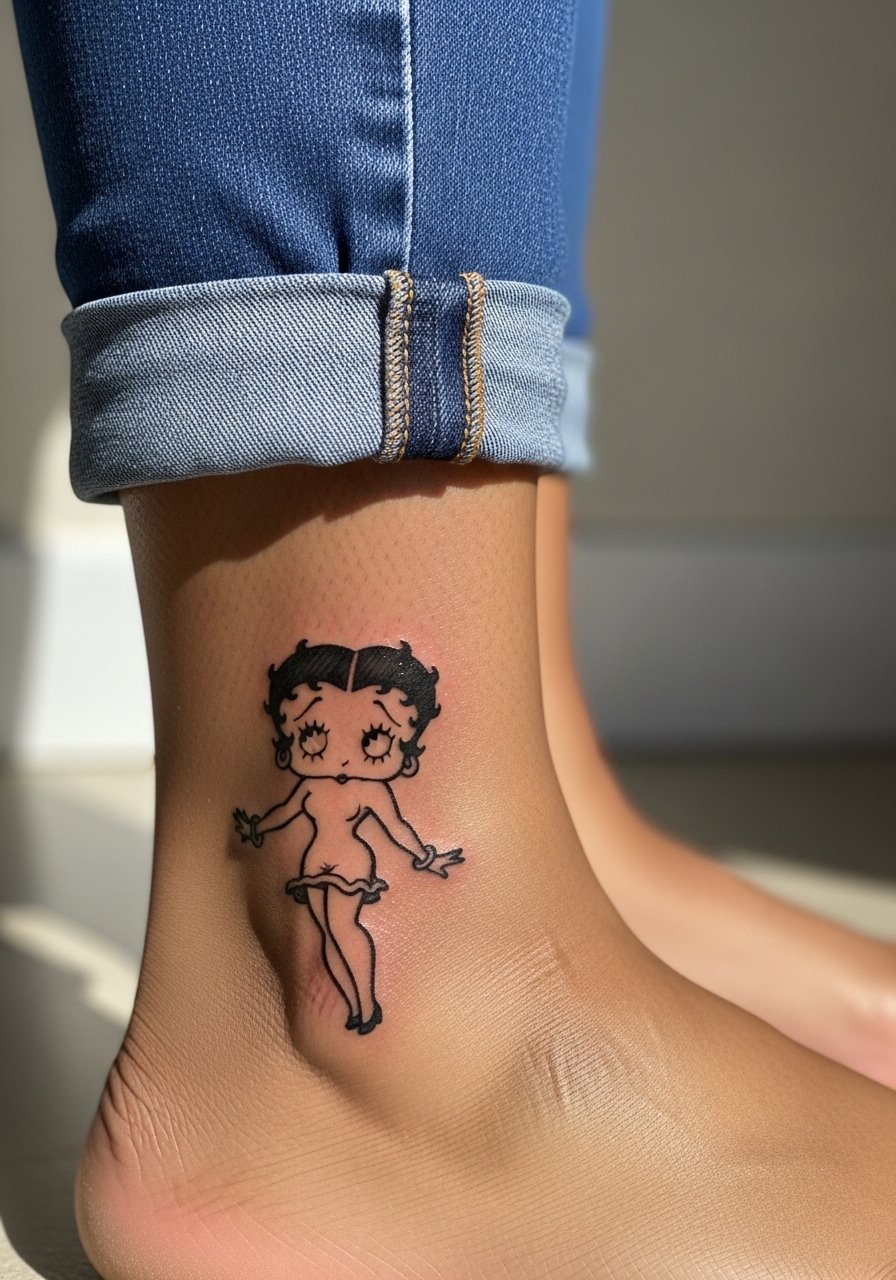
Ankle tattoos sit near footwear friction, so a compact silhouette with sketchy hairlines and a bold outline holds up best. The biggest mistake is making the details too fine when the area faces shoes and socks rubbing. Plan for a single quick session, moderate pain, and a likely touch-up after heavy summer wear. For evenings or sandals, pair it with a slim ankle chain bracelet to draw focus and keep the design readable when skin tones and light change.
3. Collarbone Betty in Loose Script Lines
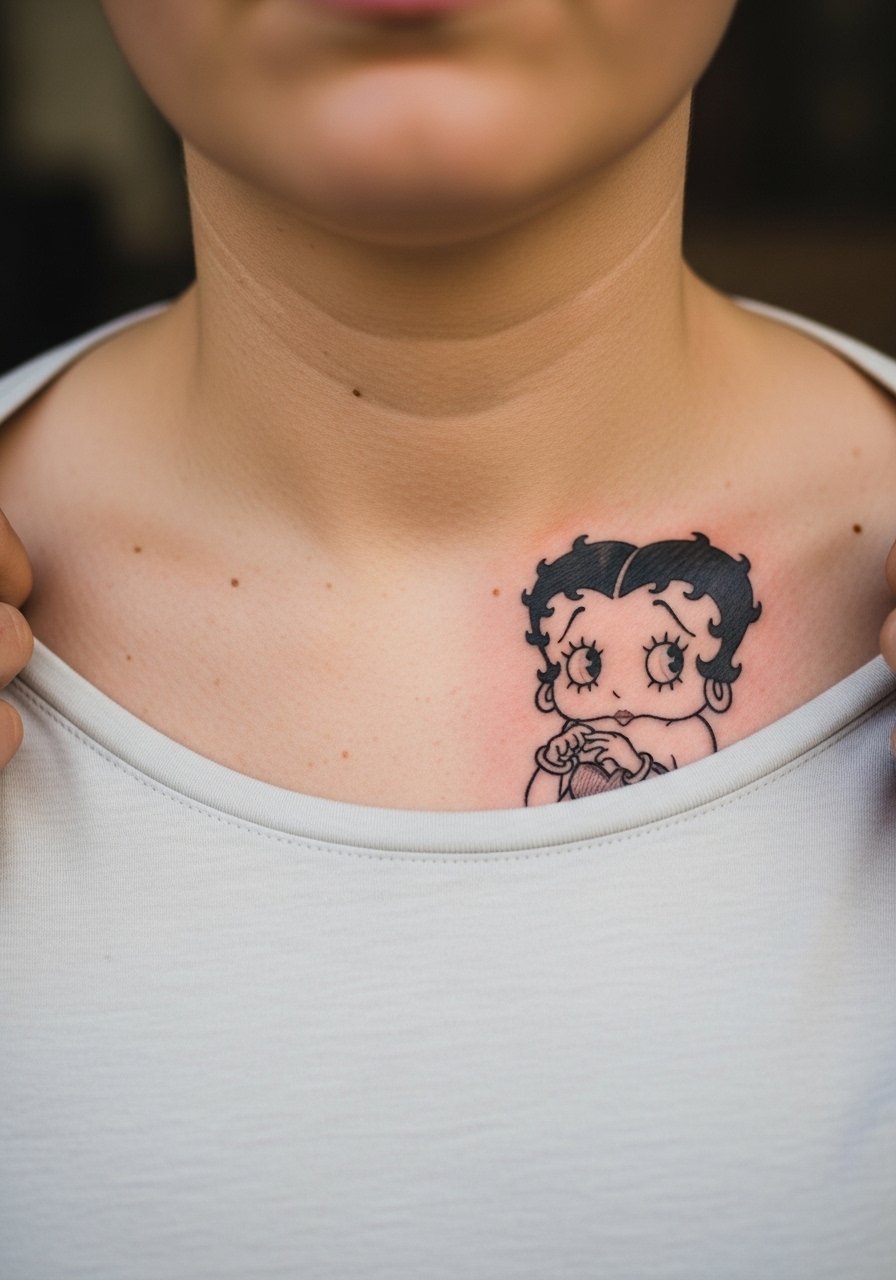
Collarbone placements look delicate when the Betty design uses airy, continuous sketch lines. Because the collarbone moves with breathing and clothing, ask for slightly bolder anchor lines where the design meets the bone. Sessions feel like high ticklishness for some, but pain is usually manageable. Wear a wide-neck shirt the day of the session so the artist can access the area without full exposure. Expect subtle softening across two years, and budget for a touch-up if you want the original crispness preserved.
4. Ribcage Betty with Motion Lines and Controversy Callout
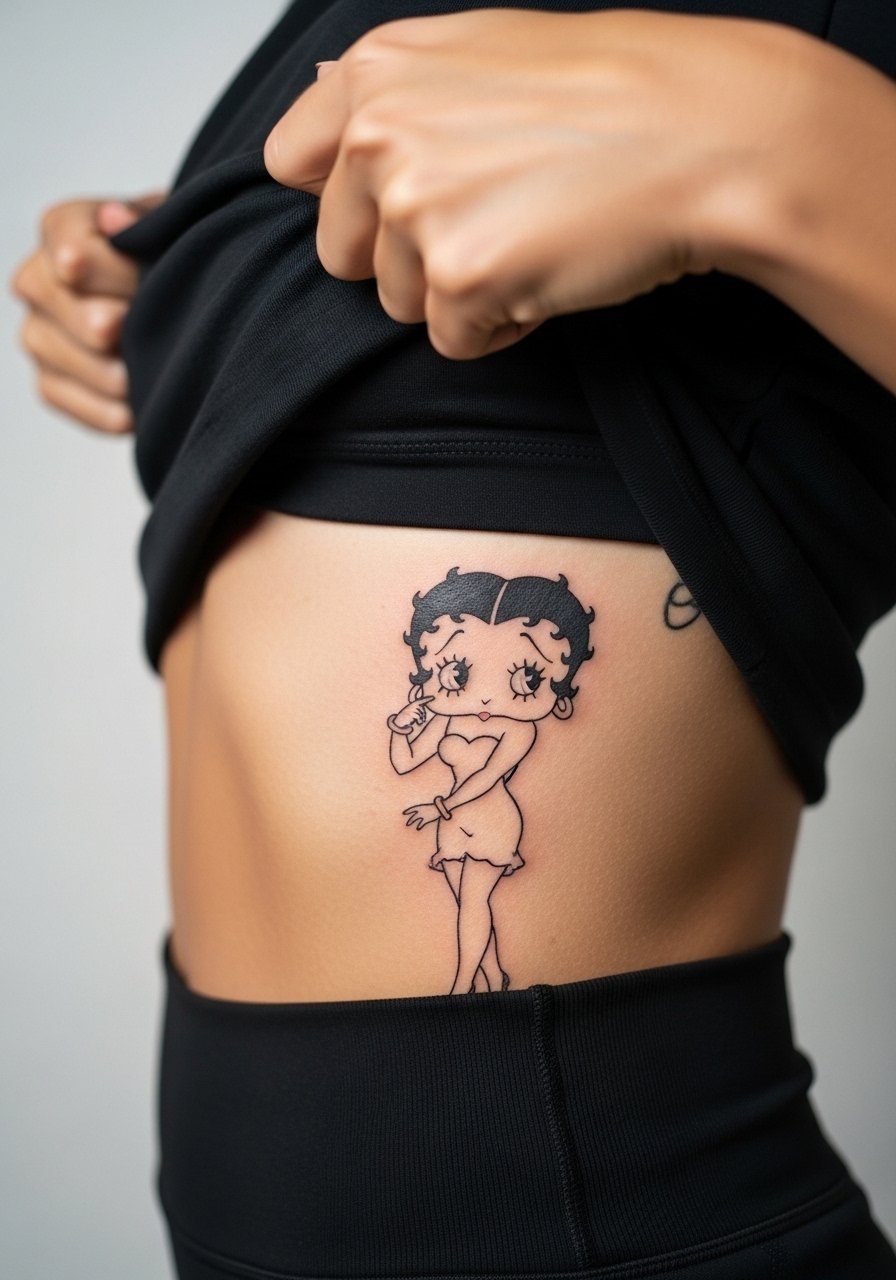
Fine line work on the ribs is where the debate gets loud. One camp says the skin stretch and constant movement make delicate lines blur within a couple of years. The other camp argues that with the right spacing and needle depth, sketch lines can settle cleanly on ribs. I tell clients the truth: choose spacing over tiny detail. This placement is a higher pain score and the session can run longer because artists work carefully along the curve. For the appointment, wear a cropped top you can lift easily. Expect the sketchy filler to mellow by year two and plan for a targeted touch-up if you want crisp motion marks later.
5. Tiny Betty on the Wrist with Wrist-Wear Advice
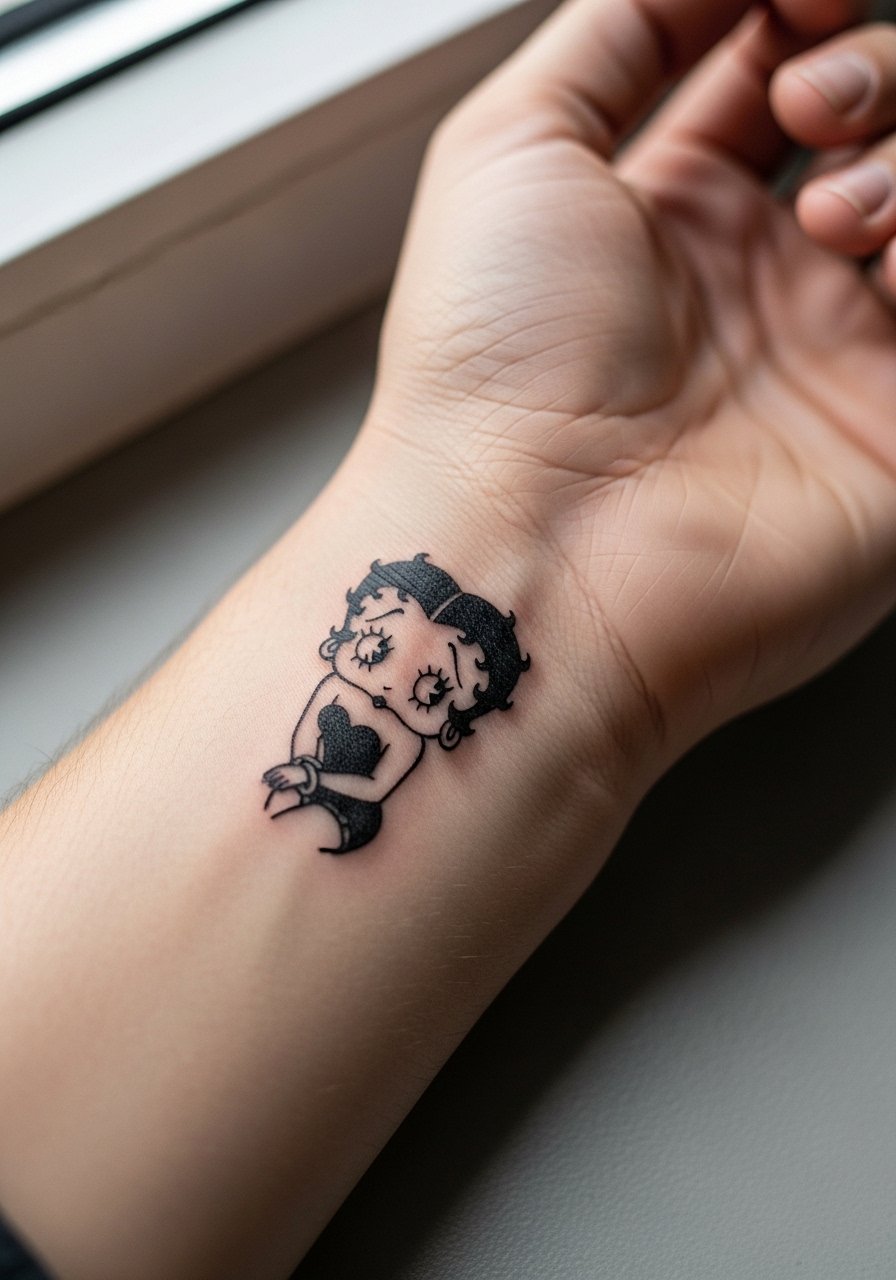
Wrist tattoos are versatile but face constant washing and sun. A wrist Betty in sketch style needs a clear primary outline and open internal spacing, otherwise thin shading blurs under frequent motion. Sessions are short but the area is sensitive. For the session and for showing it off, pair it with a minimalist watch or stacked dainty bracelets that do not sit directly over the ink. Expect the first noticeable softening at around year two. If you work with frequent hand washing, anticipate a touch-up sooner.
6. Thigh Betty with Pencil-Shade and Session-Wear Tip
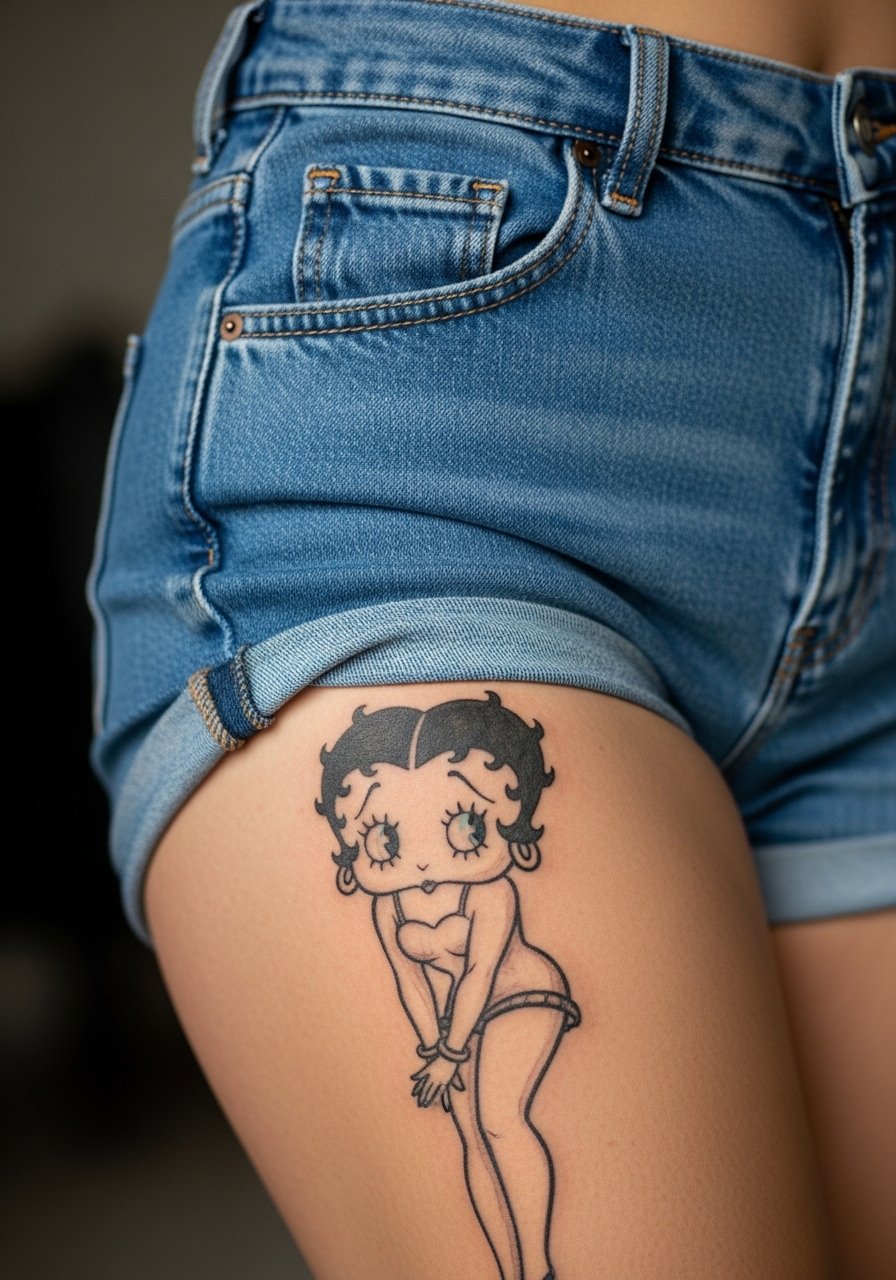
The thigh gives room for a bigger sketch composition, so you can keep delicate motion lines and still leave spacing to avoid long-term muddiness. Tell your artist you want visible pencil strokes and stipple shading for depth, not solid fills. The session usually feels like moderate pressure and can be broken into two shorter sittings. For comfort and access, wear loose drawstring shorts or a skirt you can shift. Thigh pieces age nicely because of lower sun exposure, but chafing from tight clothing can speed fading.
Studio Day Picks
Those inner forearm, wrist, and thigh ideas above all benefit from small session-day adjustments, and a couple of items smooth the actual tattoo time and the first week of healing.
-
Stencil transfer paper kit. Lets you preview placement on skin, which matters for the forearm and collarbone layouts where proportions read differently in real life.
-
Topical numbing cream. Applied before the session it can make ribcage or inner thigh time more manageable without changing how the artist lays linework.
-
Thin protective film roll. Helpful for wrist and ankle pieces that face constant contact from clothing and shoes during the first days.
-
Fragrance-free body wash. Mild cleansers keep delicate sketch shading from irritating while the skin regenerates.
-
Aquaphor healing ointment. Thin layers lock in moisture during the initial healing window for fine line work without suffocating the needle channels.
7. Shoulder Cap Betty with Stipple Clouds
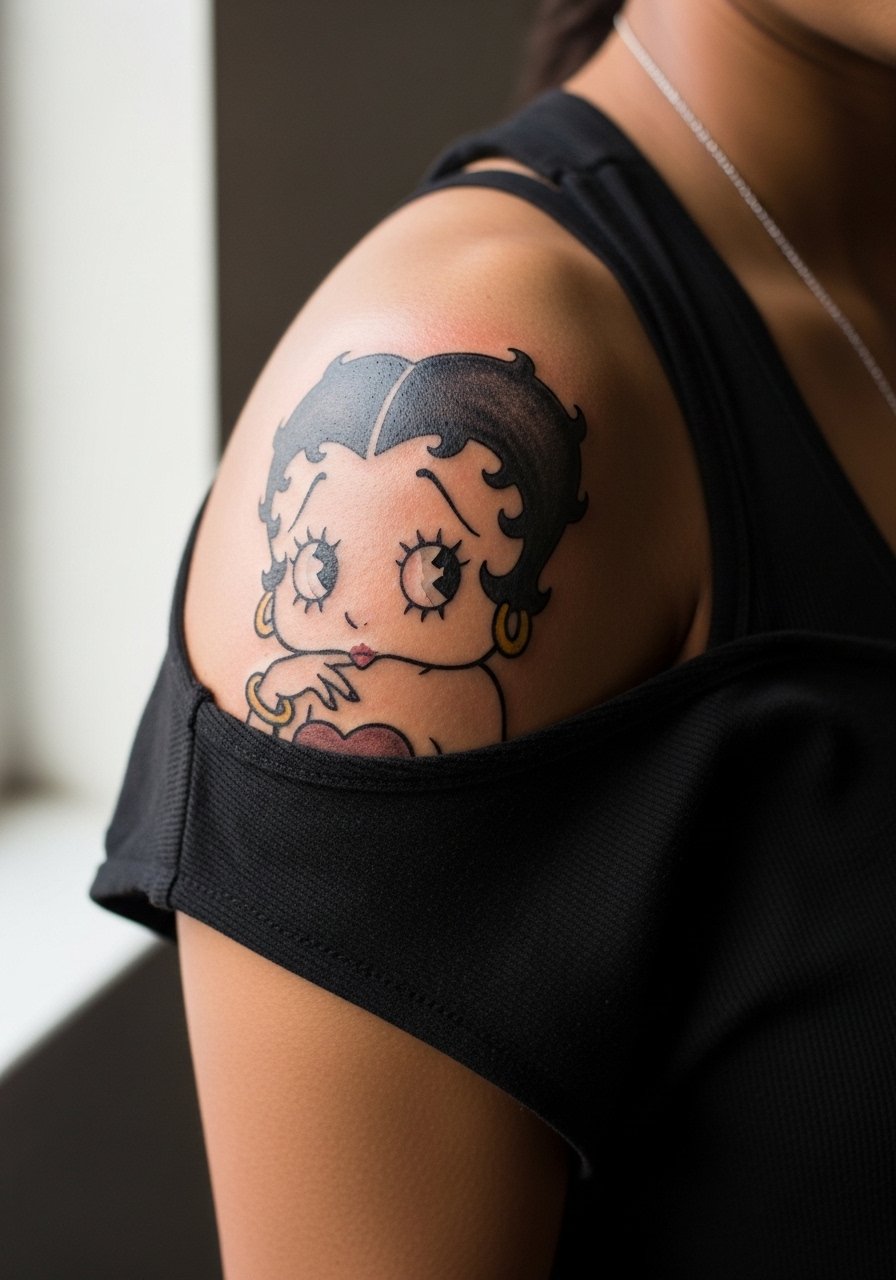
Shoulder caps wear nicely because they avoid constant friction. A sketch Betty with stipple clouds around her head makes a soft frame without requiring saturated fills. Sessions are brief to moderate and pain is low. Ask for bolder anchor lines at the top of the shoulder where clothing rubs occasionally. For show-off outfits, a loose tank top with a dropped armhole highlights the cap without exposing too much. Touch-ups are uncommon here unless you spend lots of time in the sun.
8. Behind-the-Ear Betty, Tiny Sketch Accent
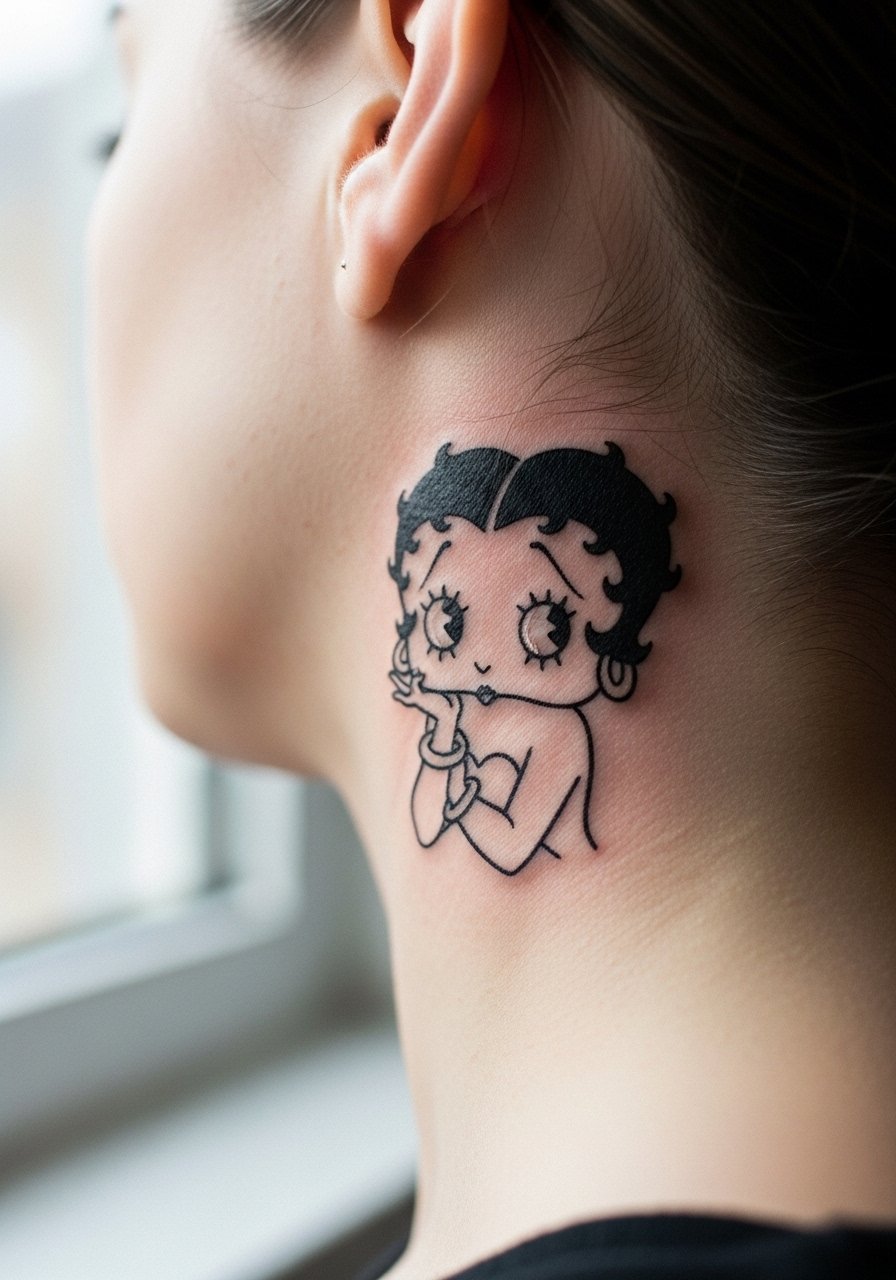
A behind-the-ear Betty is a tucked-away sketch that reads like a wink when hair is up. The area requires very small, confident strokes. Artists split on whether detail this tiny holds, so ask how they space lines. Sensitive during the session because of proximity to bone and cartilage, but sessions are short. For visibility, wear hair in a high bun or a wide scrunchie to lift hair and show the design. Keep in mind that this spot may require micro touch-ups if you frequently expose it to sun.
9. Finger-Bit Betty, Employment Considerations
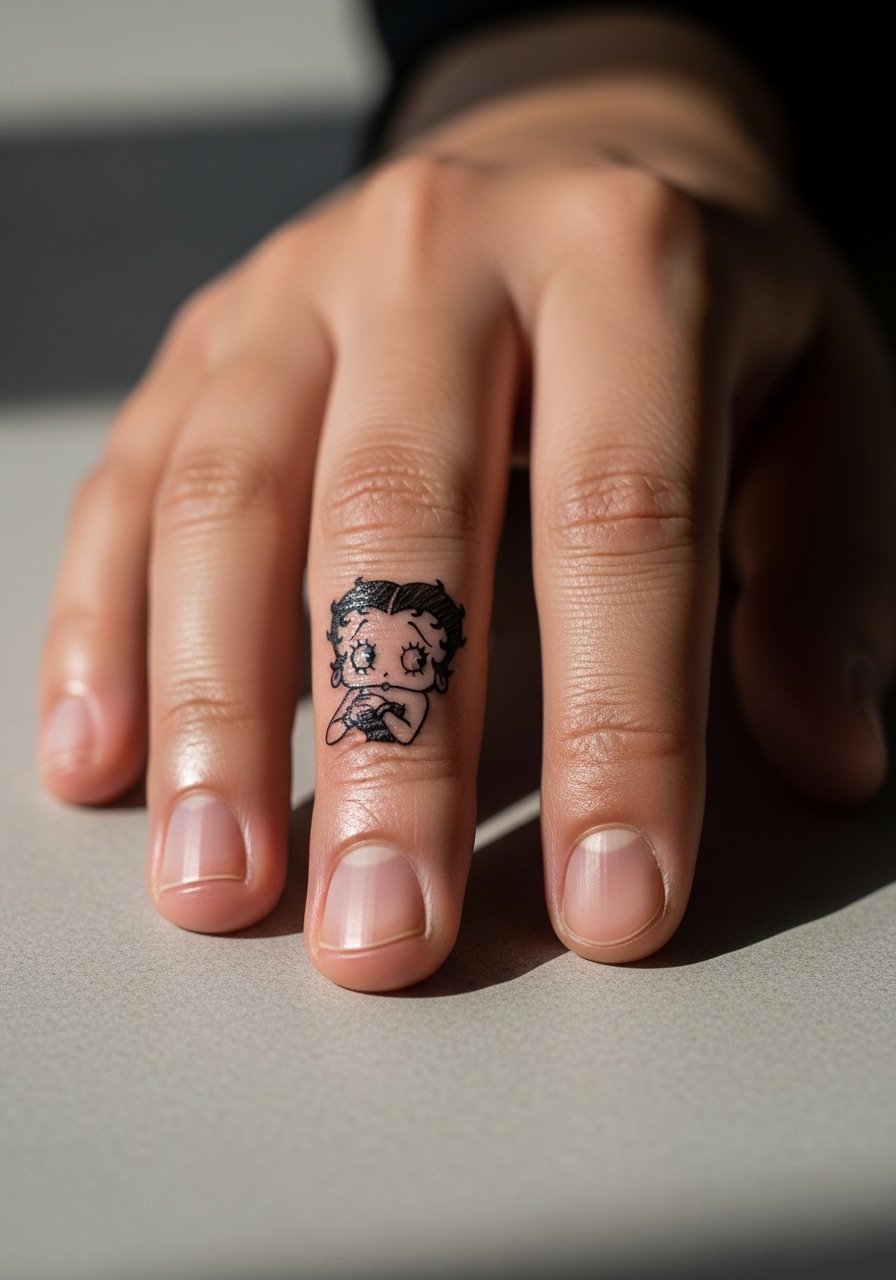
Finger tattoos are tricky. The skin there regenerates fast and the fine sketch marks can fade or fragment quickly. One common mistake is over-detailing a design that needs bold anchors to survive frequent washing and friction. Discuss career implications first, because some workplaces still view visible hand tattoos unfavorably. A simple silhouette or bold-lined sketch will last longer than micro-hatching. Sessions are short and painful. For showing it off selectively, pair with a thin stacked ring set that complements the tiny Betty without covering the art.
10. Calf Betty with Motion-Forward Pose
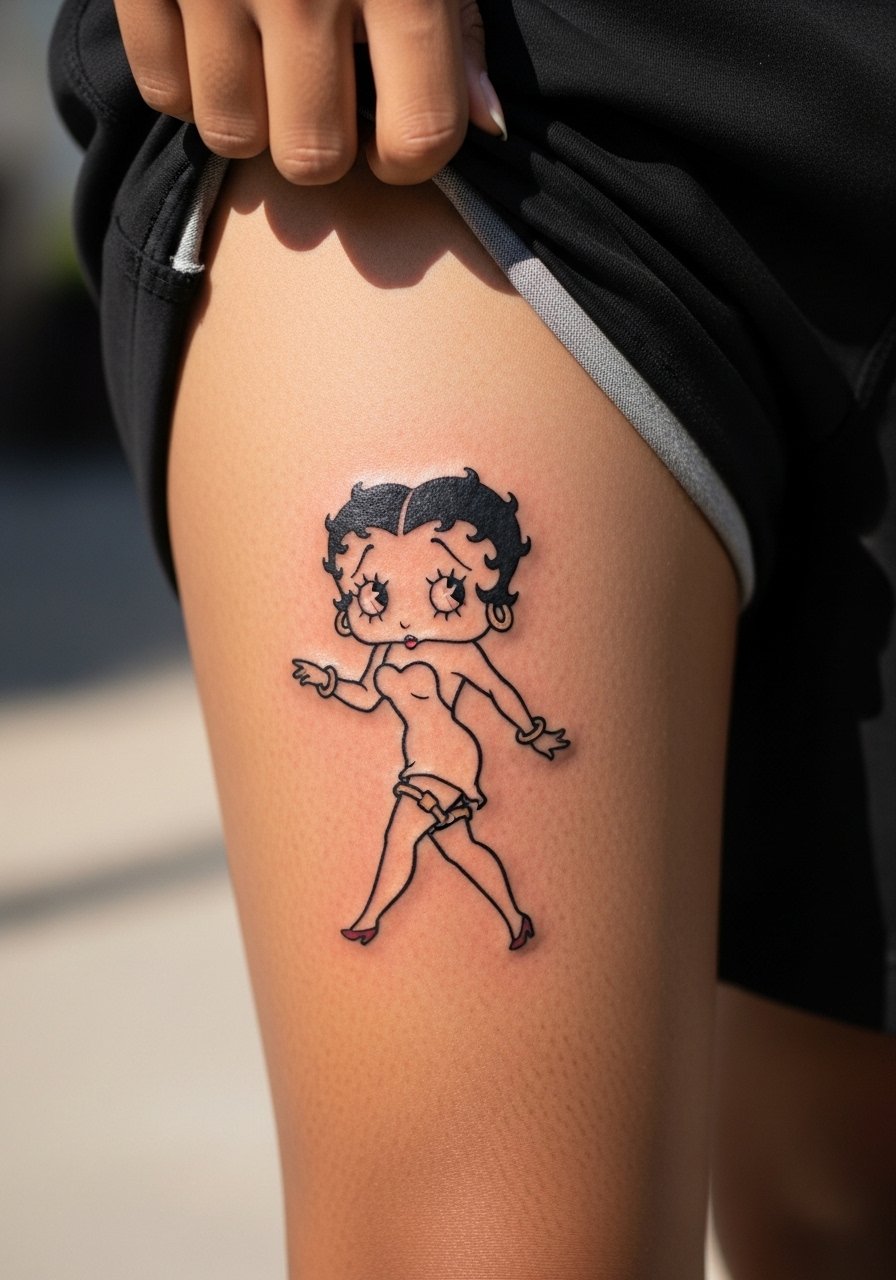
The calf gives enough vertical space for a Betty in motion, drawn with sweeping sketch strokes that suggest movement. Ask your artist to keep the main contours clean and use whip shading for motion lines to avoid dense fills that age poorly. Pain is low and sessions can be a single sitting. For outfit pairings, wear a pair of classic sneakers with shorts to show off the length of the piece. Calf pieces tend to retain linework well because of lower constant friction.
11. Sternum Betty in Soft Pencil Lines
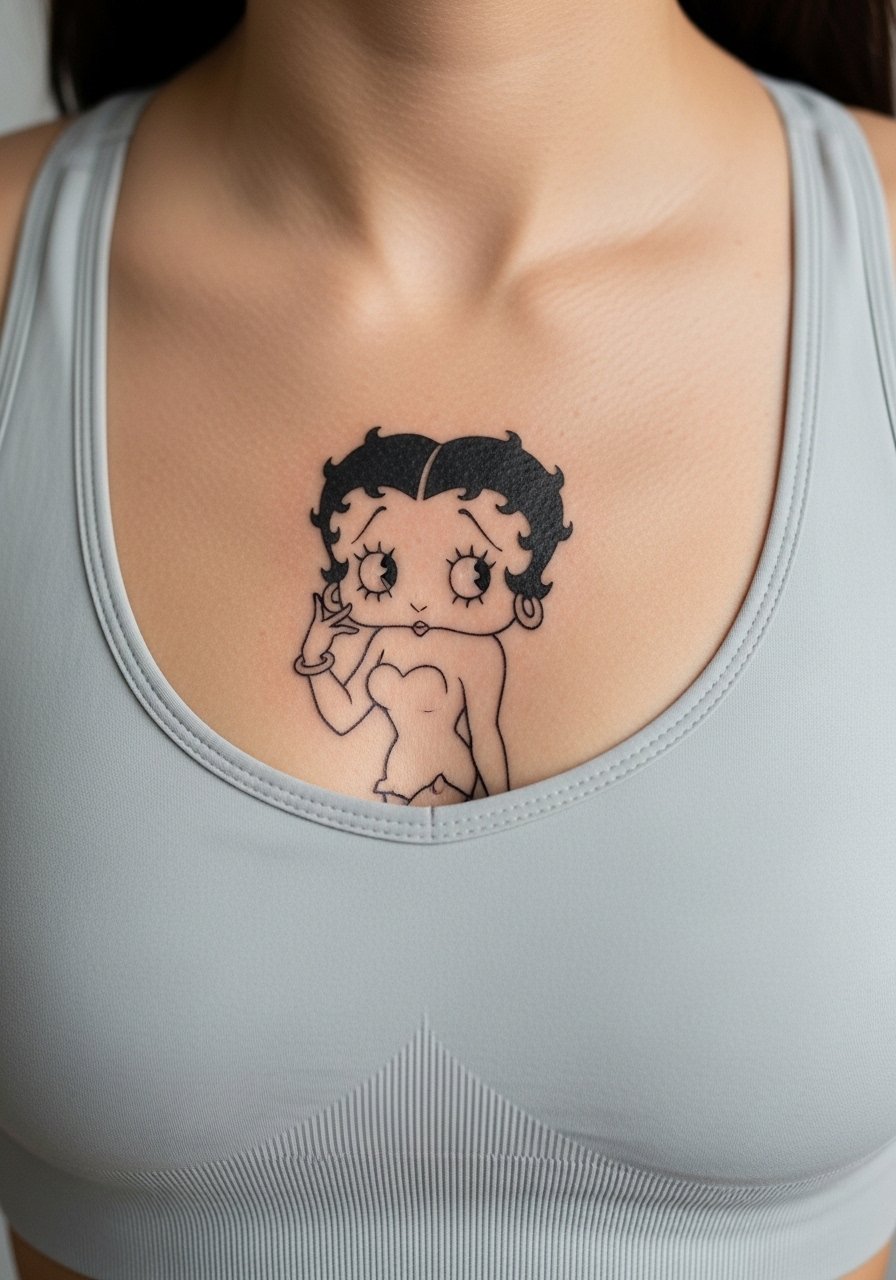
Sternum work reads very feminine when drawn with gentle pencil strokes, but it is a sensitive area during the session. One mistake is compressing too many tiny lines into the sternum center. Instead, choose cleaner anchor shapes and light stipple for shading. Sessions can be intense and may require breaks. For the appointment, a strapless or zip-up top helps without full exposure. Expect some softening at the edges as the skin stretches and contracts, and allow a possible touch-up at twelve to eighteen months for dense motion lines.
12. Upper Back Betty with Negative Space
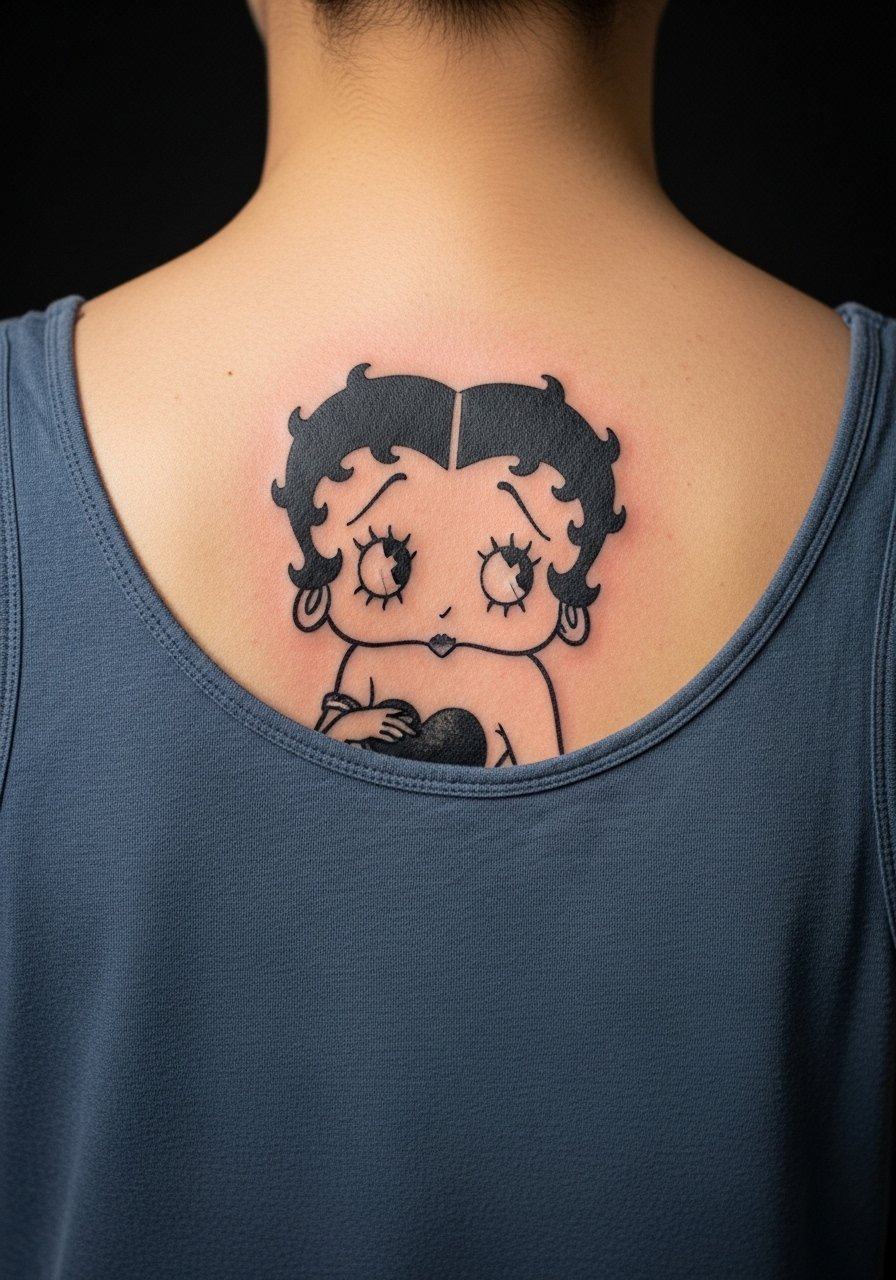
The upper back allows a larger sketch that uses negative space to read like a drawing on skin. Neglecting to design for curvature is a common mistake; the piece should follow the shoulder blades so it sits flat when the body moves. Sessions here are moderate and often split into two sittings for larger sketches. For showing it off, open-back tops or halter dresses work well and keep the design visible without exposing more than intended. Upper back pieces age very gracefully with less sun exposure than arms.
13. Inner Bicep Betty and the Fine-Line Debate
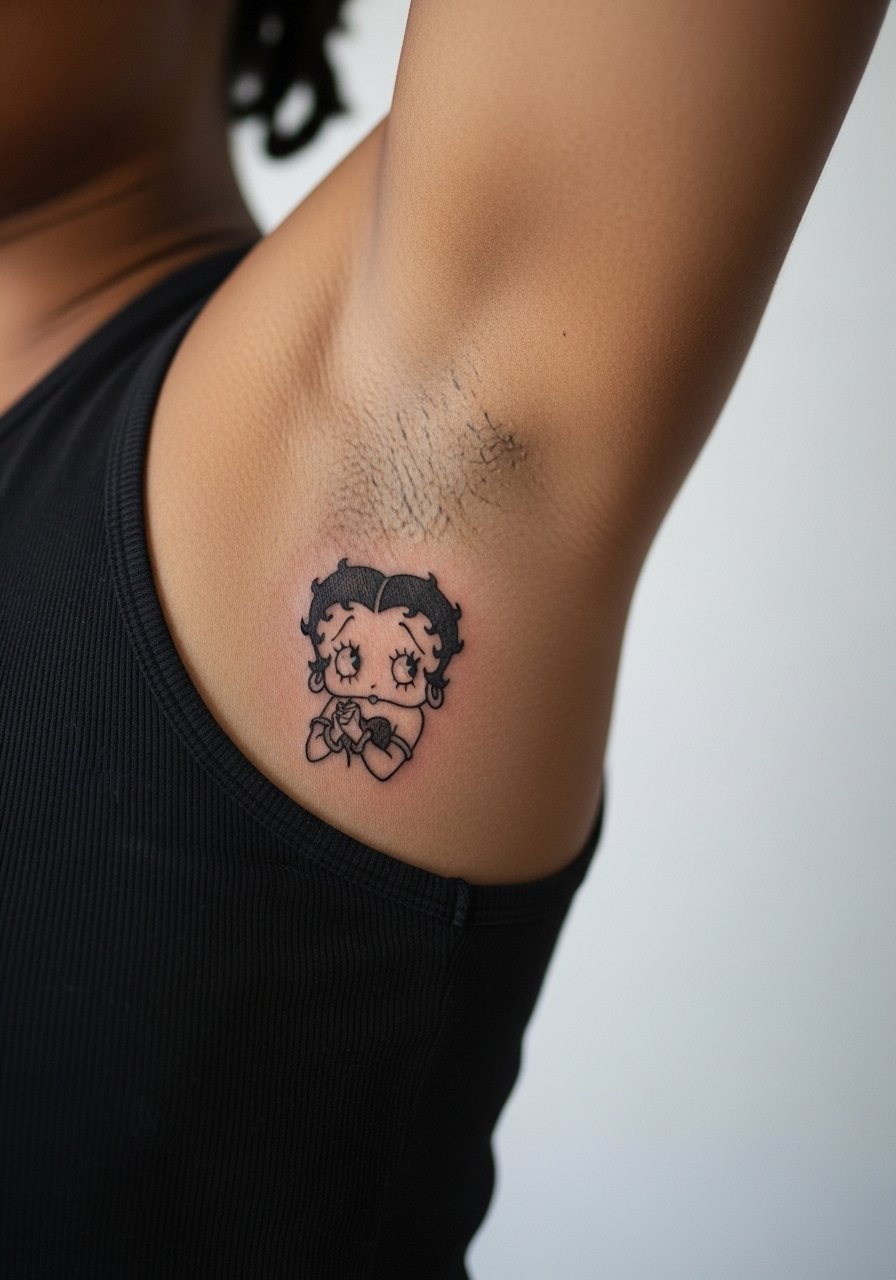
Inner bicep is a spot where artists disagree on fine-line longevity. One camp says the softer skin accepts fine lines and they heal delicately. The other camp warns of sweat and friction from arm folds that blur detail. I suggest mid-weight anchor lines with airy sketched fills to get the look but reduce long-term merging. Sessions are moderate and can be sensitive for some. For session wear, a loose tank top with a low armhole gives access without exposing the whole torso. Expect touch-ups at two to three years if you want the original fine-hatched texture preserved.
14. Hip Betty with Floral Crown Accent
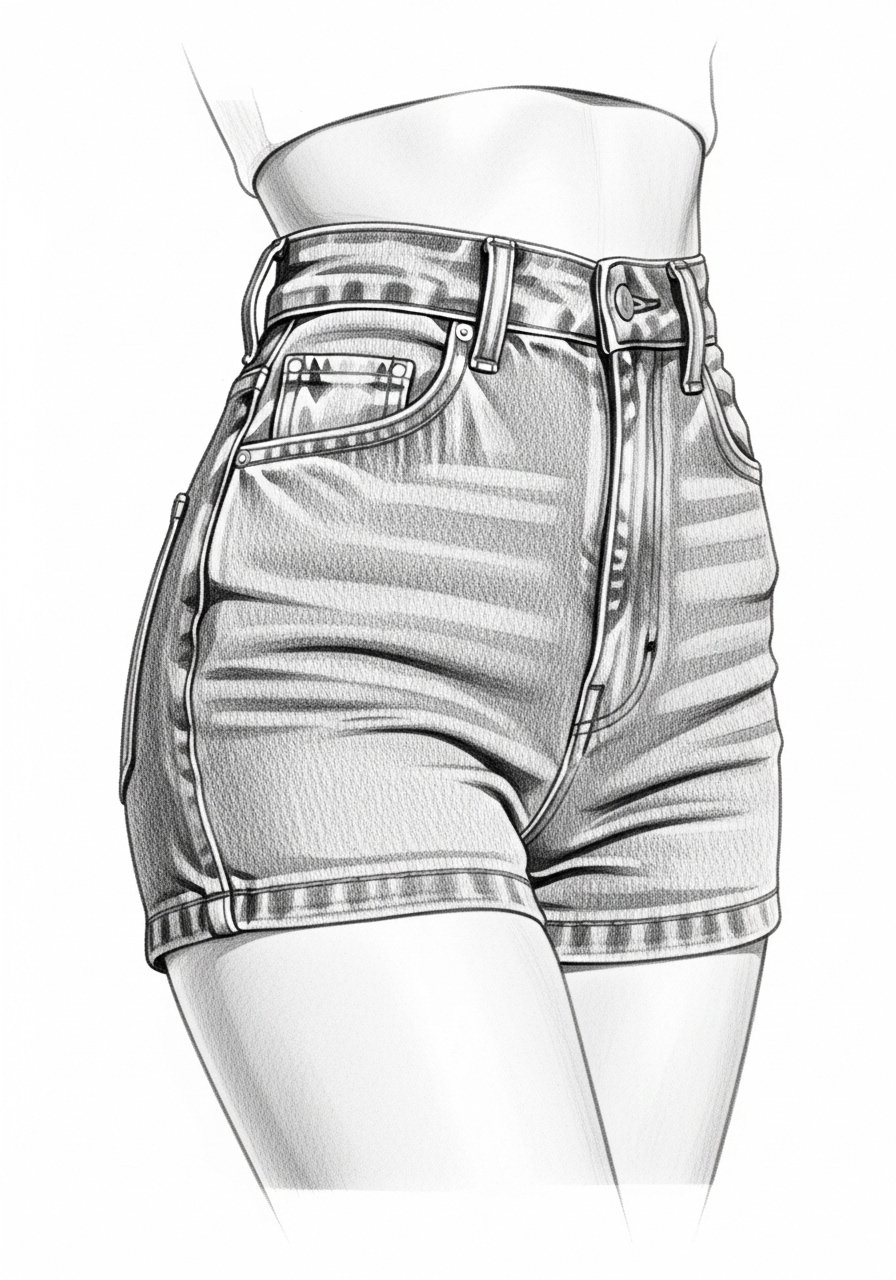
Hip placements let you mix sketch Betty lines with a soft floral crown for contrast. The error I see is packing too many small blooms close together. Keep floral details open and let the main Betty silhouette breathe. Sessions are moderate and you will want loose bottoms for the appointment. For outfits, a high-waisted skirt or open-back midi dress shows the hip line elegantly while keeping the piece private when you want it to be. Hip tattoos can last years before needing a refresh because they avoid constant abrasion.
15. Spine-Offset Betty for Vertical Flow
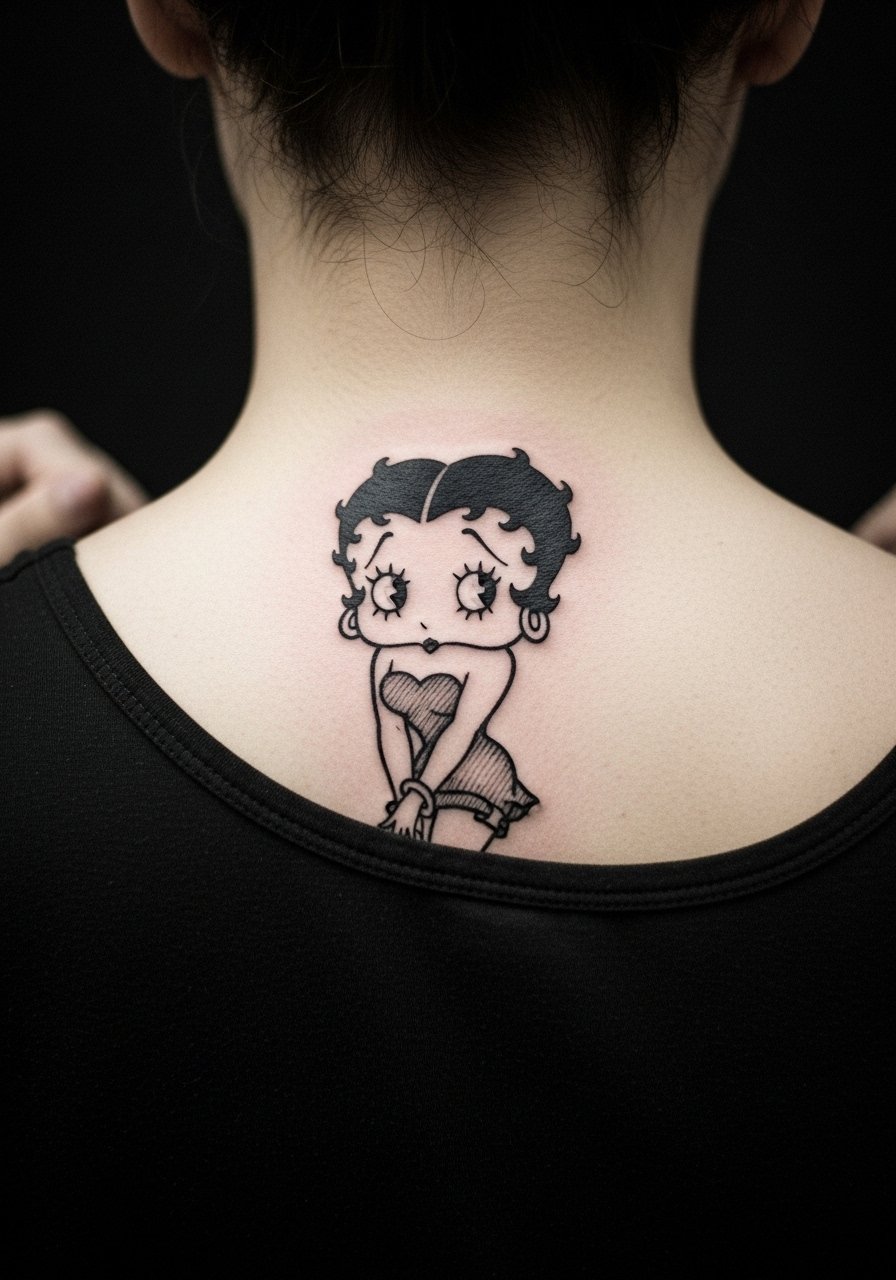
A vertical composition plays well alongside the spine without having to center the design directly on bone. Ask for a composition that follows the muscle lines so the sketch reads fluidly when you move. Pain levels are moderate above the shoulder blade and can be higher near bone. Wear a wide-neck shirt you can pull aside for access. Spine-adjacent pieces hold linework fine if you avoid over-detailed cross-hatching, which tends to soften into tone over time.
16. Micro-Portrait Betty on the Upper Arm with Tee Tip
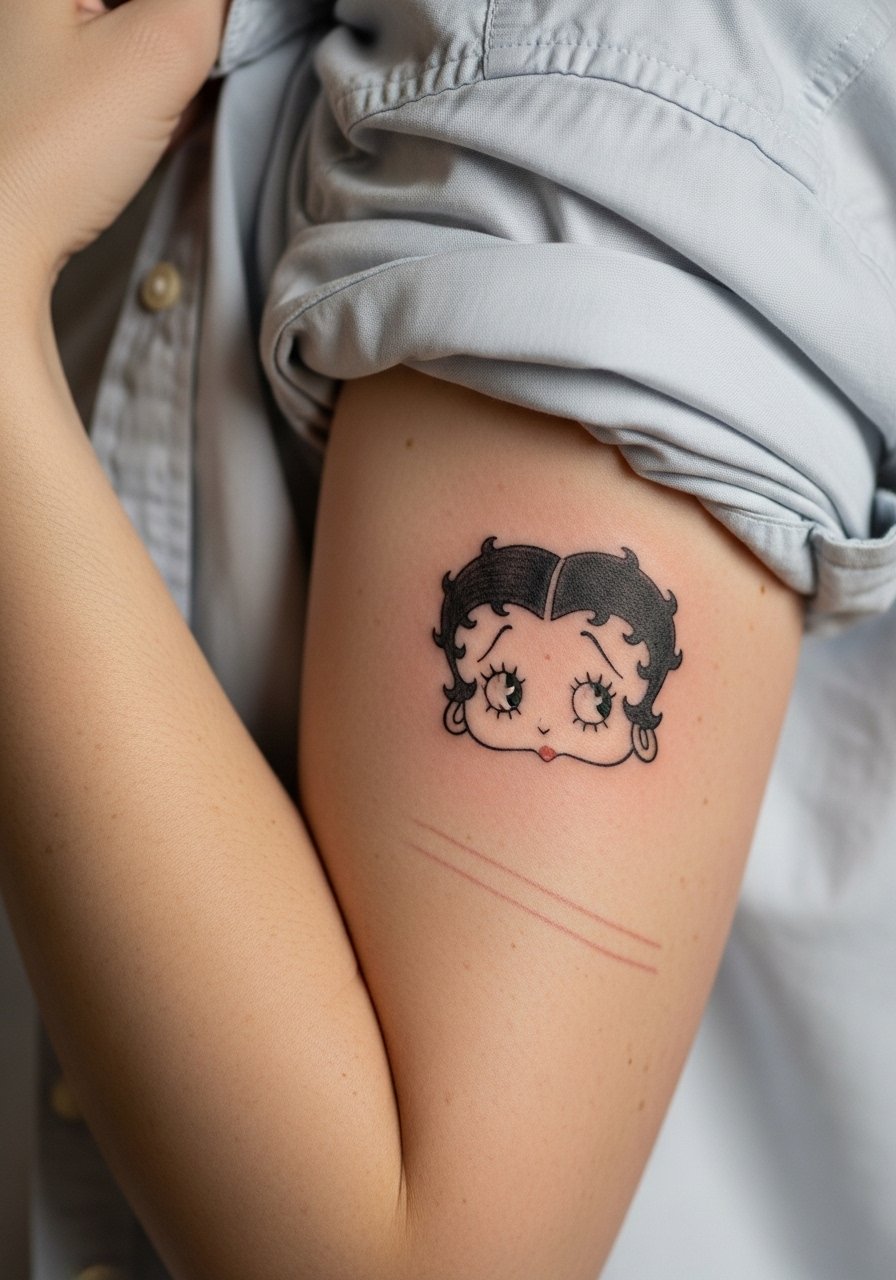
Micro-portraiture in sketch style needs clear anchor lines for facial features so the expression remains legible after healing. The common mistake is relying only on shading for definition. Sessions are short and pain is low on the outer arm. For the session, a loose button-down shirt you can pull aside gives the artist room without full exposure. Expect the tiny facial hatch marks to soften and consider a small touch-up at year two if you want crisp eyes and mouth.
17. Side-Neck Betty as a Peeking Sketch
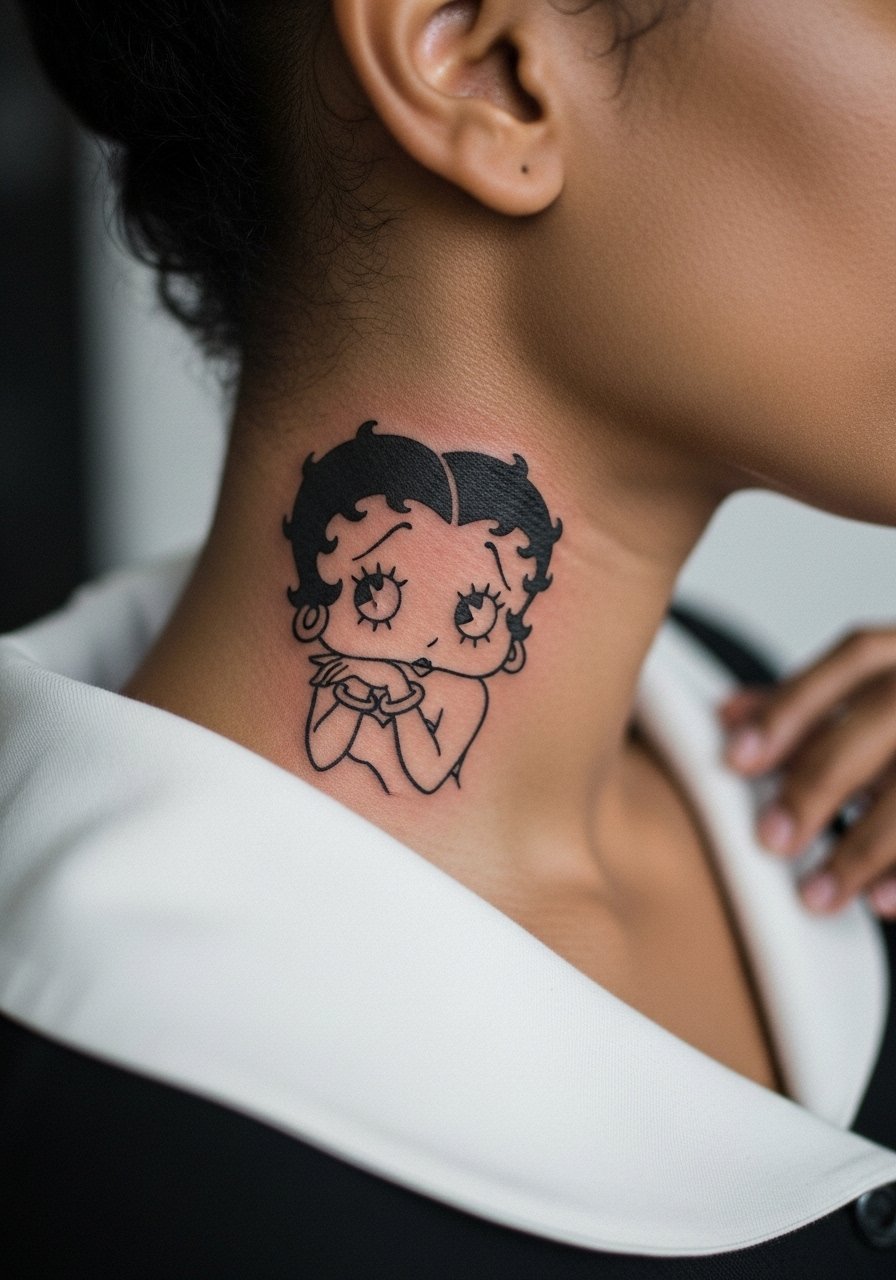
Side-neck placements are visible and bold despite small scale. The mistake is adding too many internal strokes that age quickly with sun and clothing abrasion. Artists often advise bolder outer lines and sparser internal sketching. Sessions are sensitive and the area heals visibly, so think about social and work contexts before booking. For subtle showing, wear a wide-neck tee that can be pulled slightly to reveal the piece as desired.
18. Chain-Linked Betty Across the Finger Web
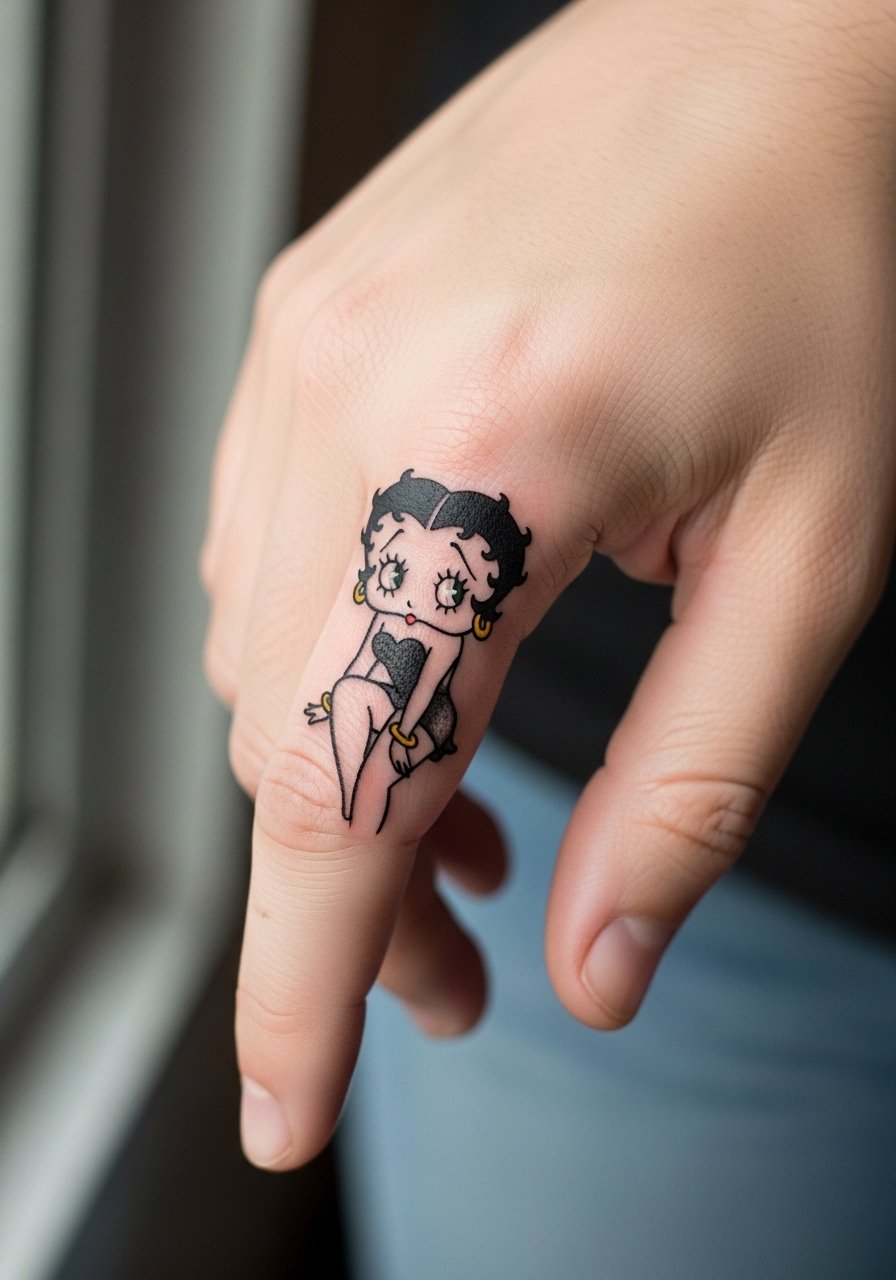
The webbing between fingers takes abuse and regenerates quickly, so a chain-linked sketch motif that uses negative space can last better than dense strokes. Avoid cramming detail in the webbing. The session is sharp but fast. For showing the design in jewelry-friendly contexts, consider a thin chain bracelet that echoes the linkage without covering the tattoo. Expect patchy fading and plan for touch-ups if you want long-term clarity.
19. Shoulder Blade Betty with Loose Scribble Fill
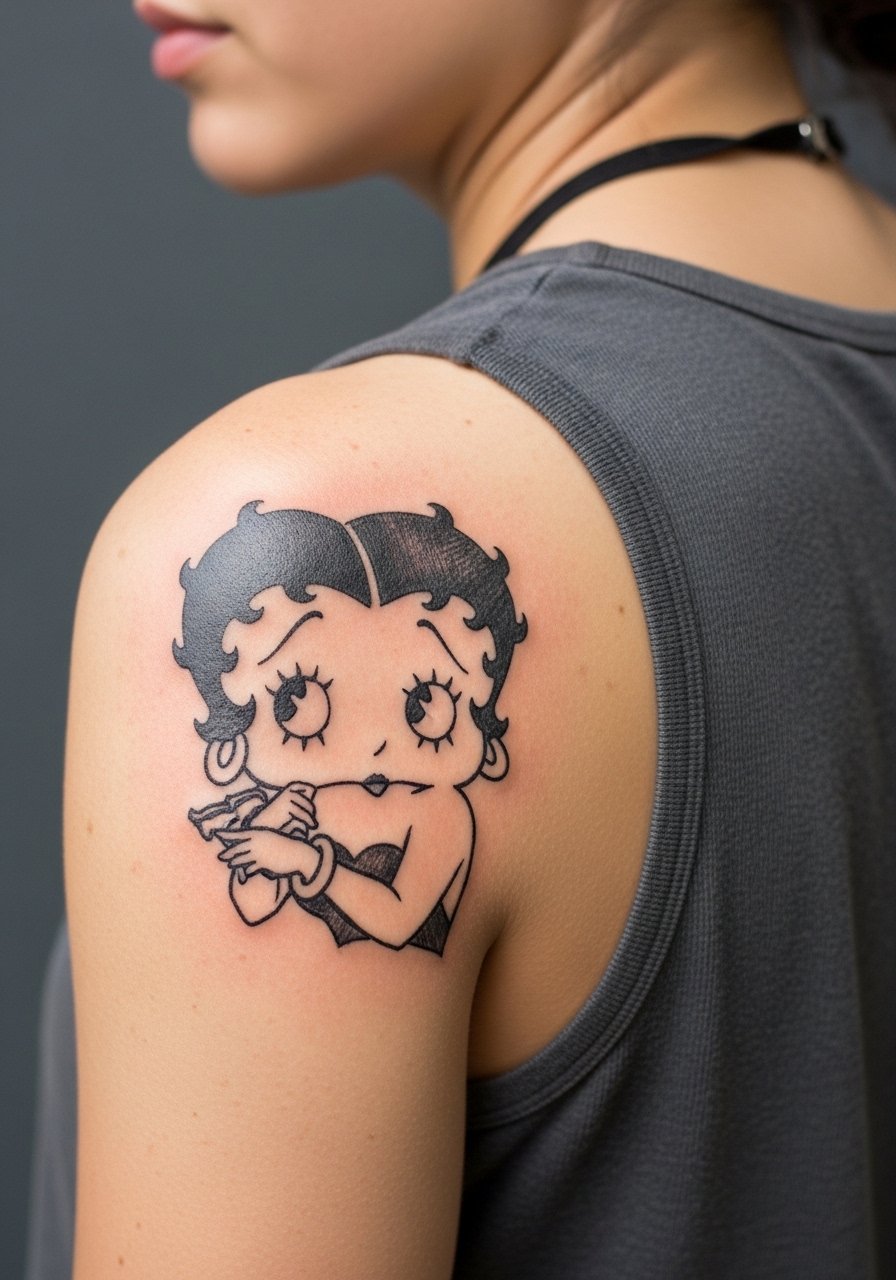
Shoulder blade sketches can use loose scribble fills to mimic pencil shading while keeping the main silhouette readable. The mistake is over-densifying scribbles, which become a gray blur later. Sessions are moderate and the area is easy to dress for both the appointment and afterwards. An open-back top or a halter dress shows the art with minimal fuss. Shoulder blade pieces typically age well due to limited sun exposure.
20. Ankle Band Betty with Motion Dots
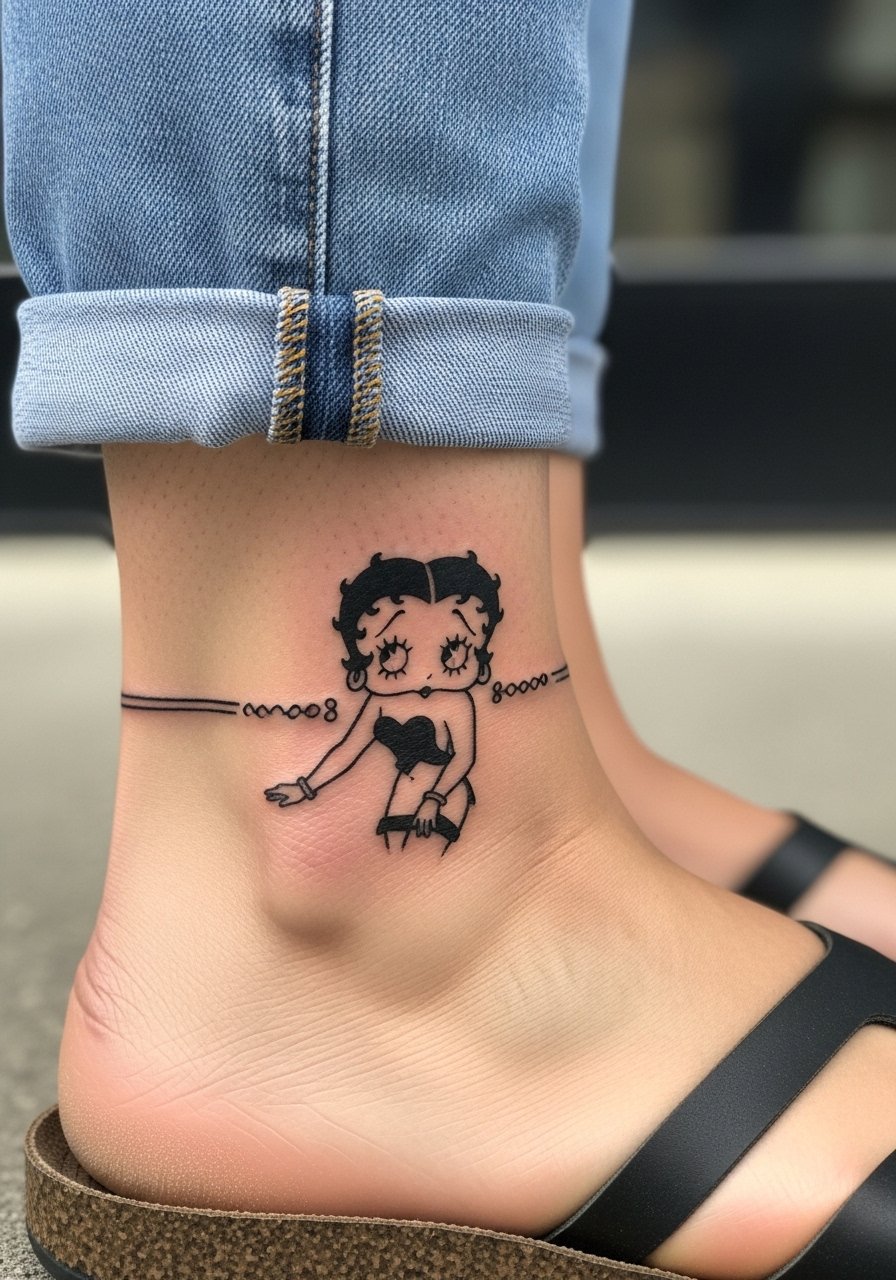
An ankle band lets you repeat sketch flourishes as part of a small band, which can help the Betty motif read consistently from any angle. Keep dots and motion marks spaced to avoid merging. Sessions are short but healing must be watched carefully because socks and shoes can irritate. For footwear that frames the ankle without rubbing, try a pair of strappy sandals. Band pieces can keep their shape if you control friction during the first month.
21. Calf Wrap Betty with Negative Space Stars
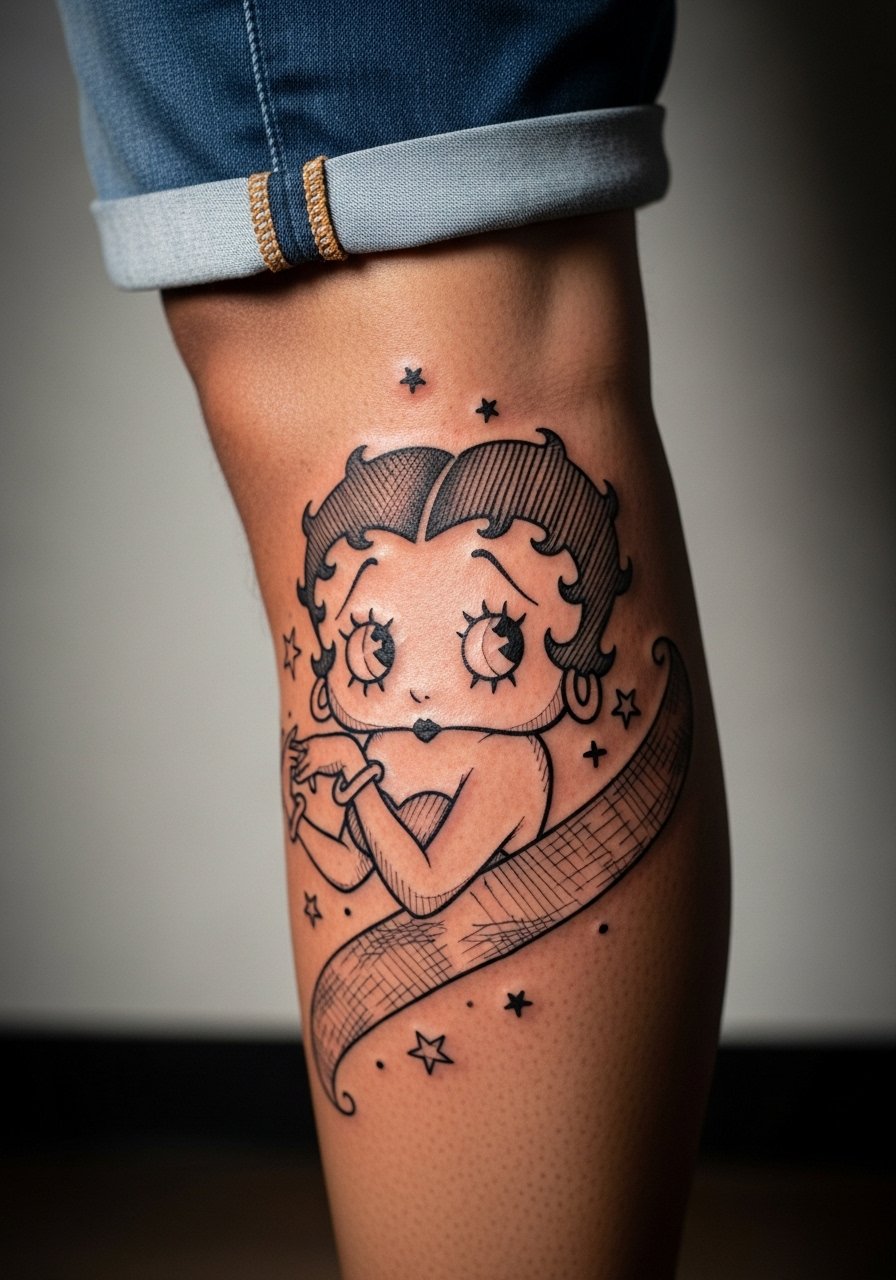
A wrap-around calf piece gives motion and space for small negative-space stars that punctuate Betty's sketch. The simplest error is over-detailing the wrap where it meets the back of the leg; plan composition so the main face sits on the outer calf. Sessions are moderate and healing is usually uneventful. Pair with casual shorts and classic white sneakers to showcase the wrap in summer. Calf wraps hold linework well if you avoid dense cross-hatching.
Frequently Asked Questions
Q: Do sketch-style Betty Boop tattoos fade faster than bold traditional outlines?
A: In my experience, sketch-style pieces with many tiny hatch marks generally soften faster than bold black outlines because the fine strokes sit closer to the skin surface. Placement matters more than style. Forearms and calves usually retain detail longer than fingers, wrists, or ribs. Plan for touch-ups at year two to three if you want to preserve the initial sketch texture.
Q: Are copyrighted characters like Betty Boop problematic to tattoo?
A: Opinions split. One camp worries about copying a trademarked character without adding creative twist, and another camp treats tattoos as personal expression and reproductions are common. If originality or resale of flash matters to you, ask for a custom spin that references Betty rather than recreating a direct image.
Q: How should I pick an artist for these sketch-style pieces without naming people?
A: Look for portfolios in local shop directories, convention lineups, and hashtag searches that show healed sketch work on similar placements. Read healed photo sets and ask artists specifics about spacing and touch-up policy during consultation. A short phone or message conversation about their approach to fine line and spacing reveals a lot.
Q: Which placements need special session clothing?
A: Sensitive placements like the sternum, ribcage, and hip need clothing you can lift or pull aside. A zip-up hoodie, a fitted sports bra, or high-waisted bottoms often make the session smoother. For collarbone or neck work, a wide-neck shirt is best. I recommend packing a loose top you do not mind shifting for access.
Q: Can I get a sketch-style Betty as a cover-up?
A: Cover-ups are possible but sketch work can be less forgiving because it relies on negative space. Heavier anchor lines and some solid fill may be necessary to mask old ink. Talk to artists about designing around the underlying tones and expect a plan that may include multiple sessions to fully blend in the old work.