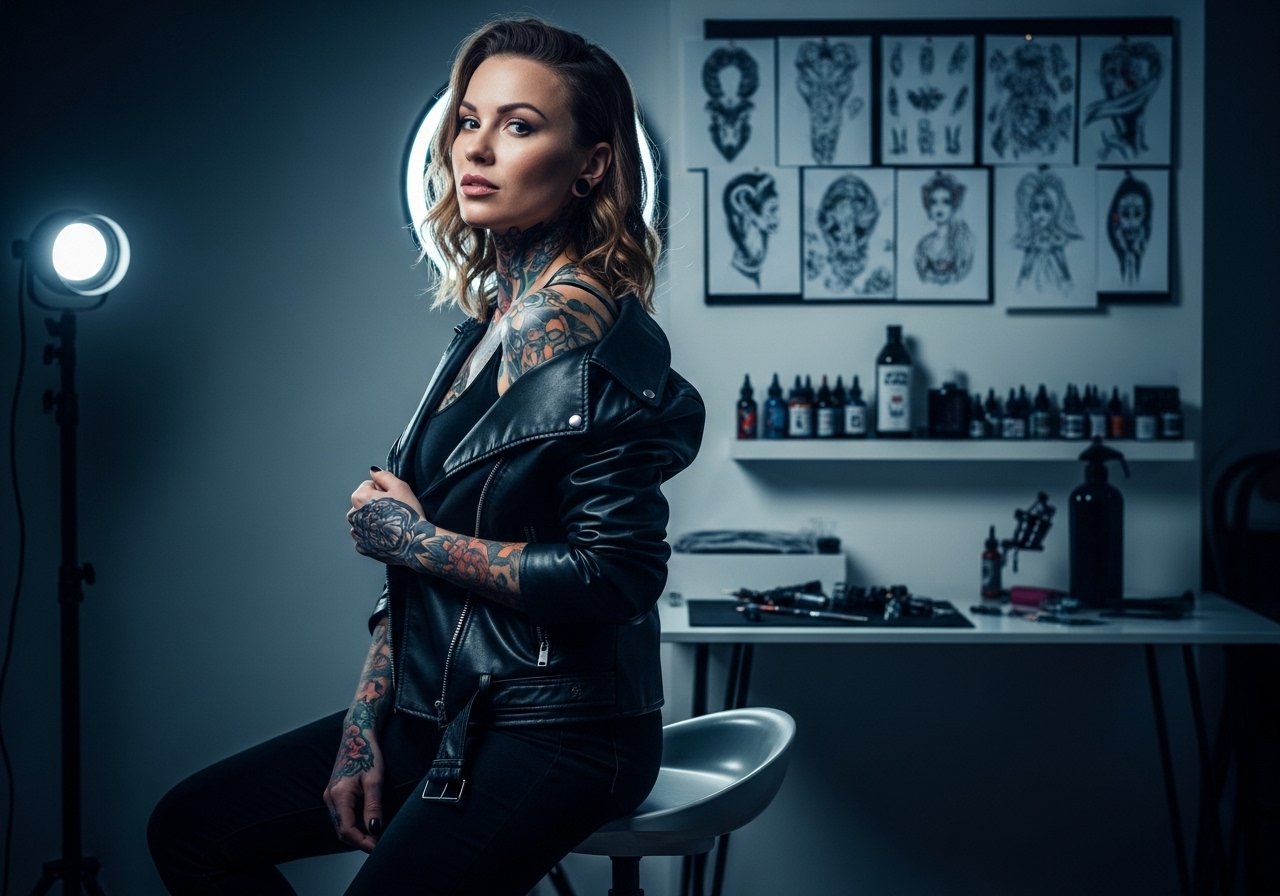
Fine line Solo Leveling tattoos look incredible fresh, but the trend and the reality often diverge, especially on small placements. They can ghost on wrists within a year, artists sometimes miss the shadow refs, and small pieces now cost noticeably more than they did a couple years ago. Below are 27 ideas that balance the Solo Leveling aesthetic with placement, aging, and what to ask for in consultation so your ink still reads well after the hype.
1. Fine Line Sung Jin-Woo Silhouette with Shadow Army Outline
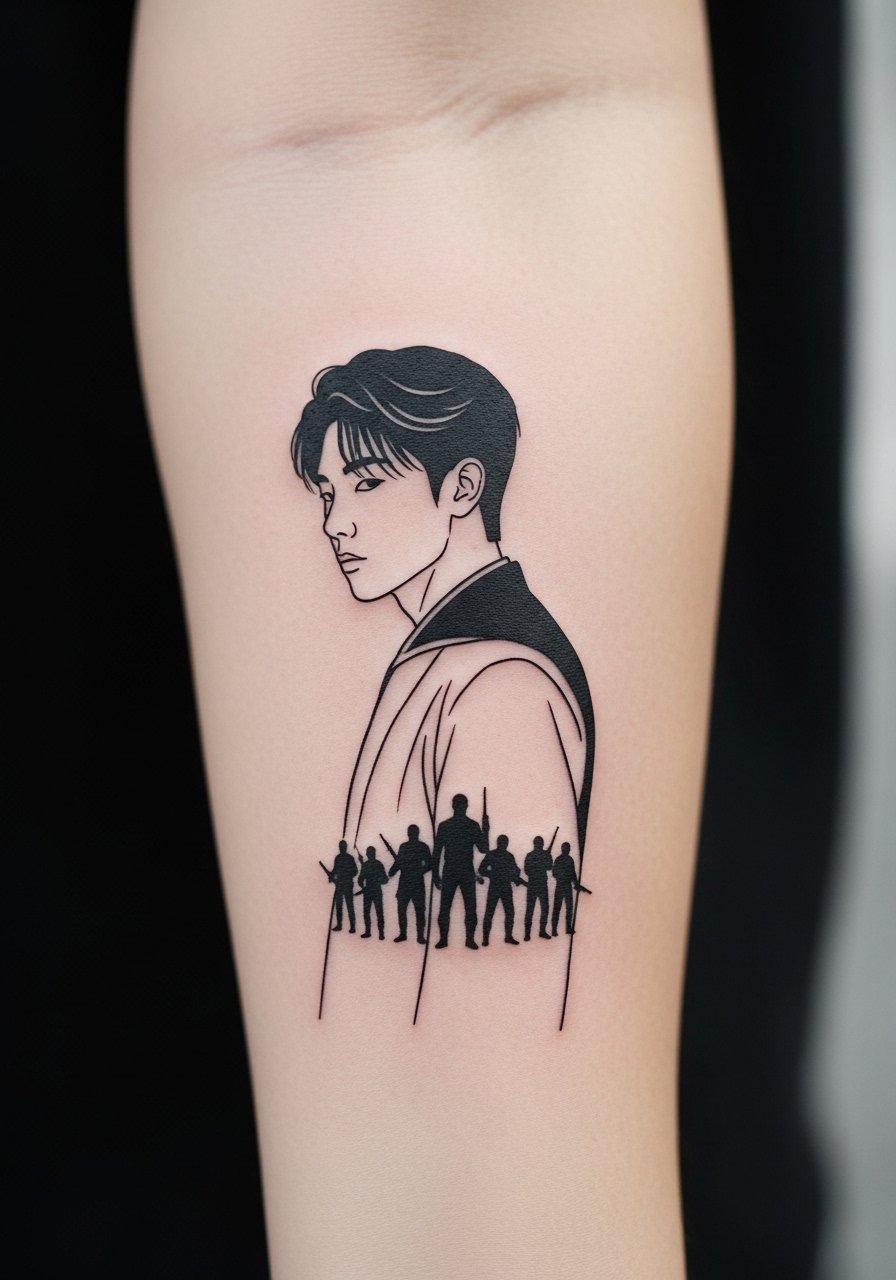
I pick this forearm silhouette when someone wants the story without full portrait work. Tell your artist to keep the silhouette at 2-3 inches, leave breathing room between the main figure and each soldier, and ask for slightly heavier outer linework so shapes hold as they age. Common mistakes are cramming too many tiny soldiers into a narrow band. At six months the stack looks crisp, at two years the thinnest soldiers will soften, and plan a small touch-up at 12 to 18 months for any ghosting. For showing it off, roll up a chambray sleeve and layer a rolled cuff chambray shirt for photos.
2. Fine Line Dagger and Hunter License Cup Symbols on the Wrist
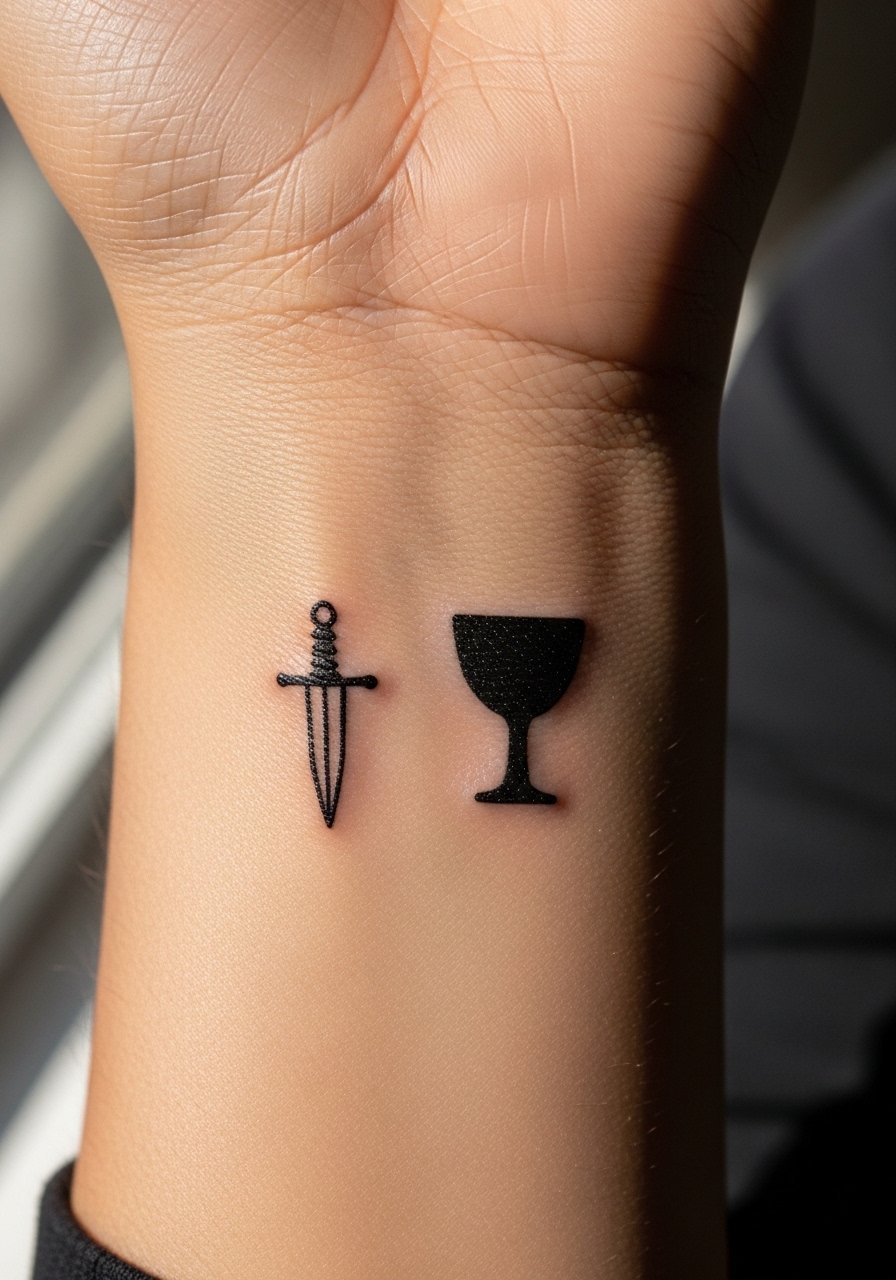
Wrist pieces are tiny and social, and they demand precision. Ask your artist for a slightly bolder keyline around the symbols so the dagger point and cup rim do not blur into one shape. The biggest aging problem is oil and sun on the wrist. Expect the crispest look at six months and the need for a touch-up by year one on active hands. If you want to wear jewelry, pair it with a thin leather cuff bracelet opposite the tattoo so the symbols stay visible and uncluttered.
3. Micro-Realism Jin-Woo Eye Behind the Ear, Healed Glow
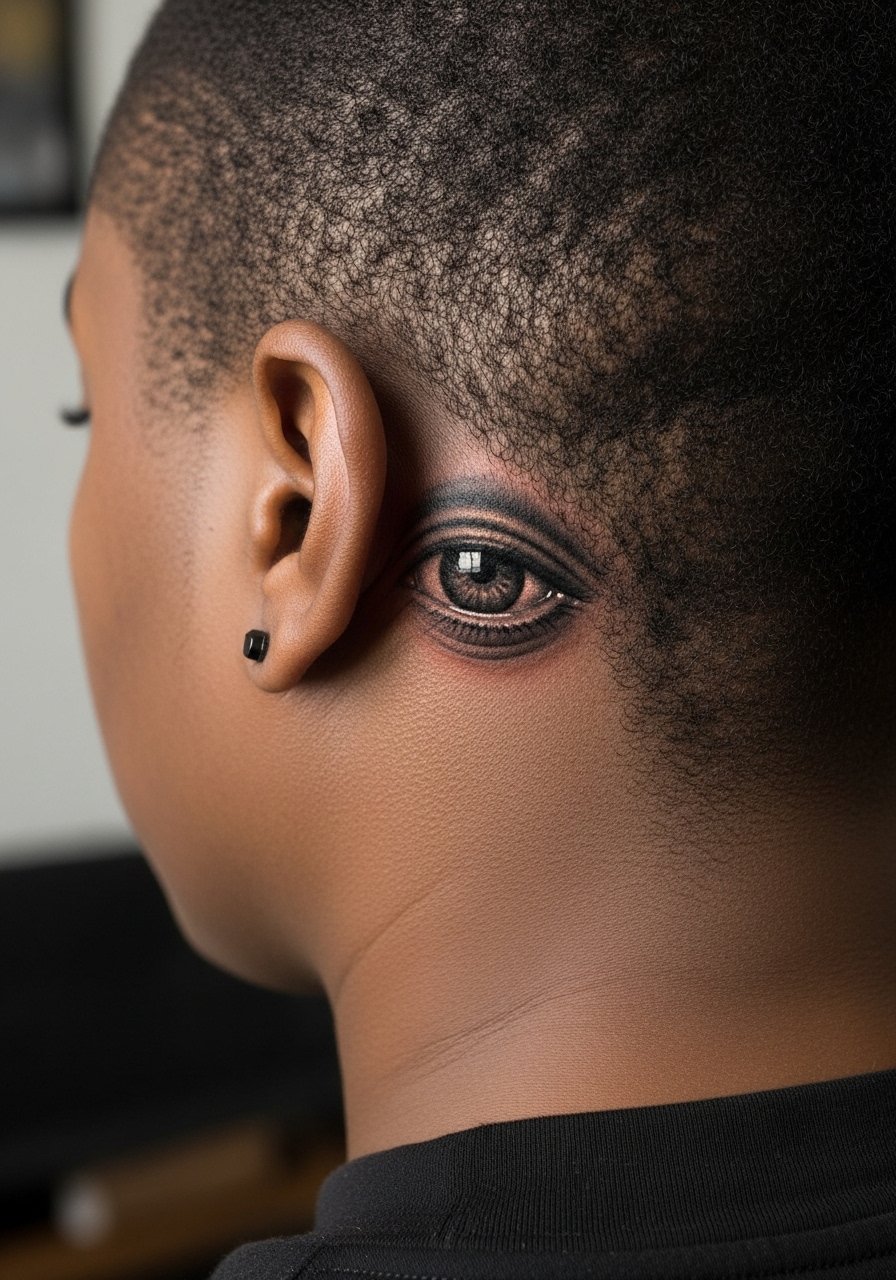
Behind-the-ear micro-realism reads intimate and sharp when done right. When consulting, bring multiple close-up references of the same eye angle and ask the artist to map out negative space so the eye reads on darker skin. The usual mistake is trying to cram photorealism into a 1.5 inch area. Pain is minimal but expect awkward positioning during the session. Healed at six months the detail softens; expect a follow-up at year one if you want the glow to persist. For nights out the sliver of collarbone works well with an off shoulder linen top that keeps hair tucked and the area visible.
4. Fine Line Shadow Soldier Silhouette Stack on the Spine
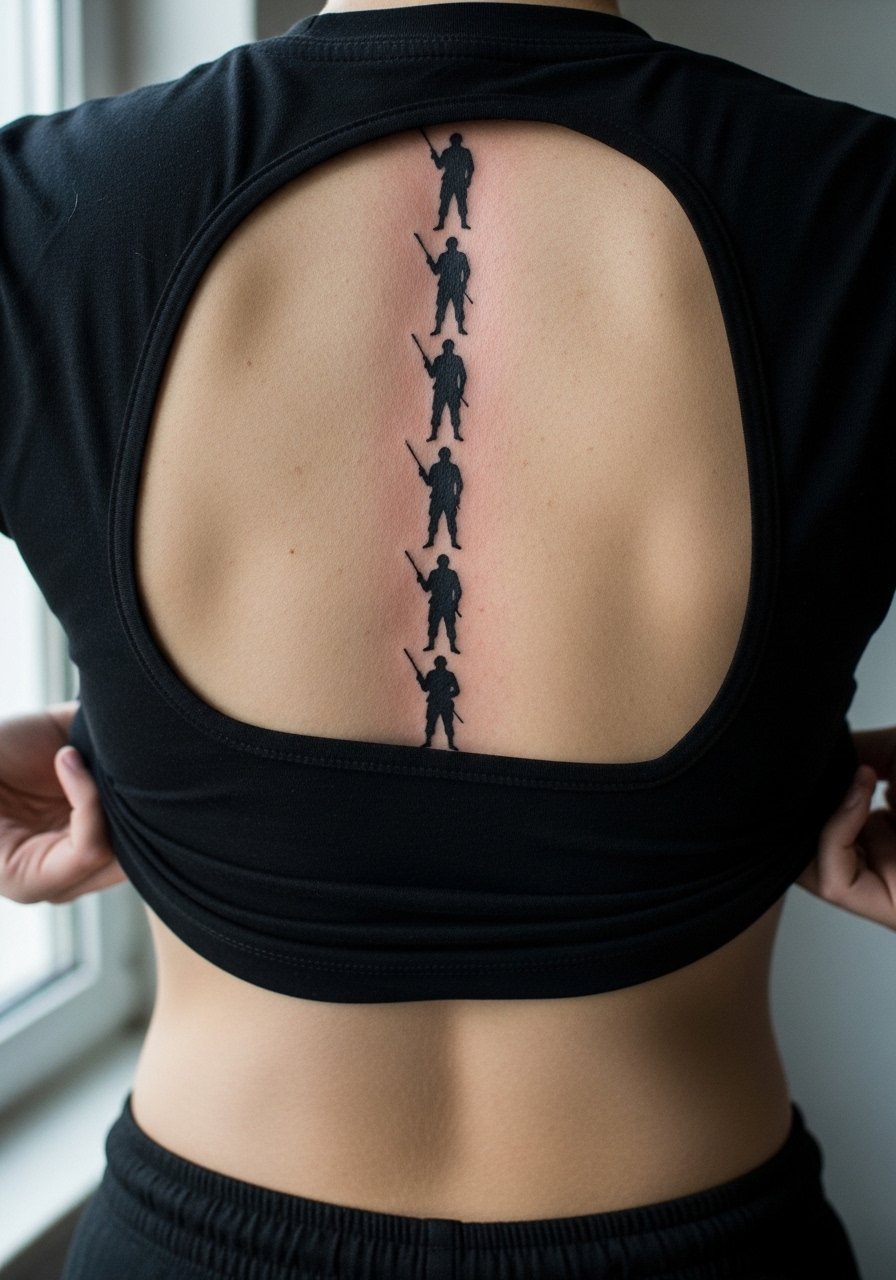
Fair warning, spine pieces are a long haul during the chair time and a higher pain zone. This vertical stack works when you want a narrative that can grow into a back piece later. Tell your artist to space each soldier with intentional gaps so dense areas do not merge. One camp says fine line on the spine blurs fast because skin movement and stretching cause lines to spread. The other camp counters that with correct needle depth and spacing it settles fine. Ask the artist which approach they use before booking. Expect the stack to look solid at six months and to need touch-ups at two to three years for tighter soldiers.
5. Minimalist "Solo Leveling" Script with Level-Up Arrow on the Inner Wrist
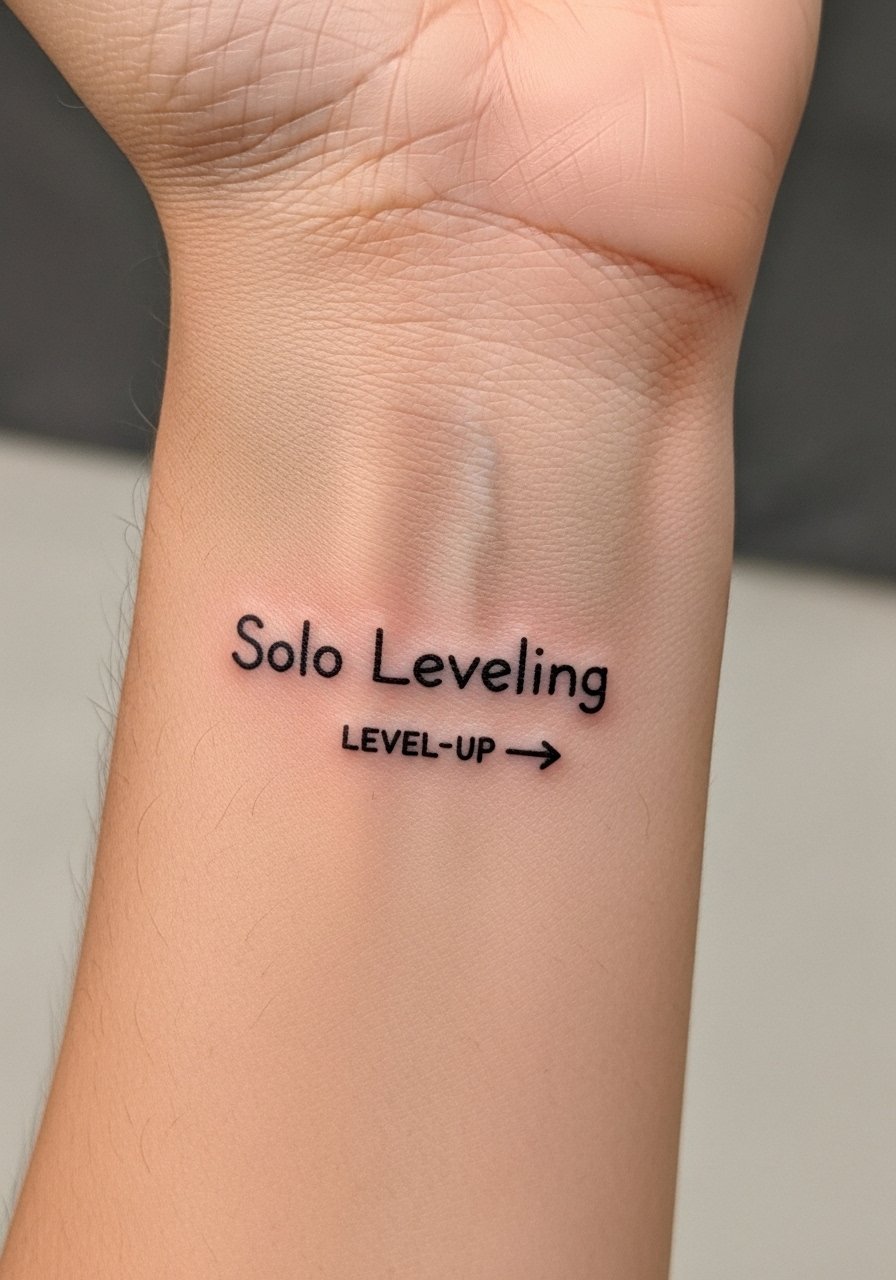
Text on wrists reads like a secret nod, and I recommend simple lettering at around two inches to avoid crowding. Bring the exact font sample and ask the artist to stencil it in two sizes on your wrist so you can pick the one that reads well in real scale. The usual misstep is using a font with hairline serifs that vanish after healing. For the session, wear a short-sleeve button-up so the artist has clear access. If you like low-key nails, a neutral nail polish set keeps the wrist tidy without competing with the script.
6. Fine Line Beru Ant King Portrait on the Calf
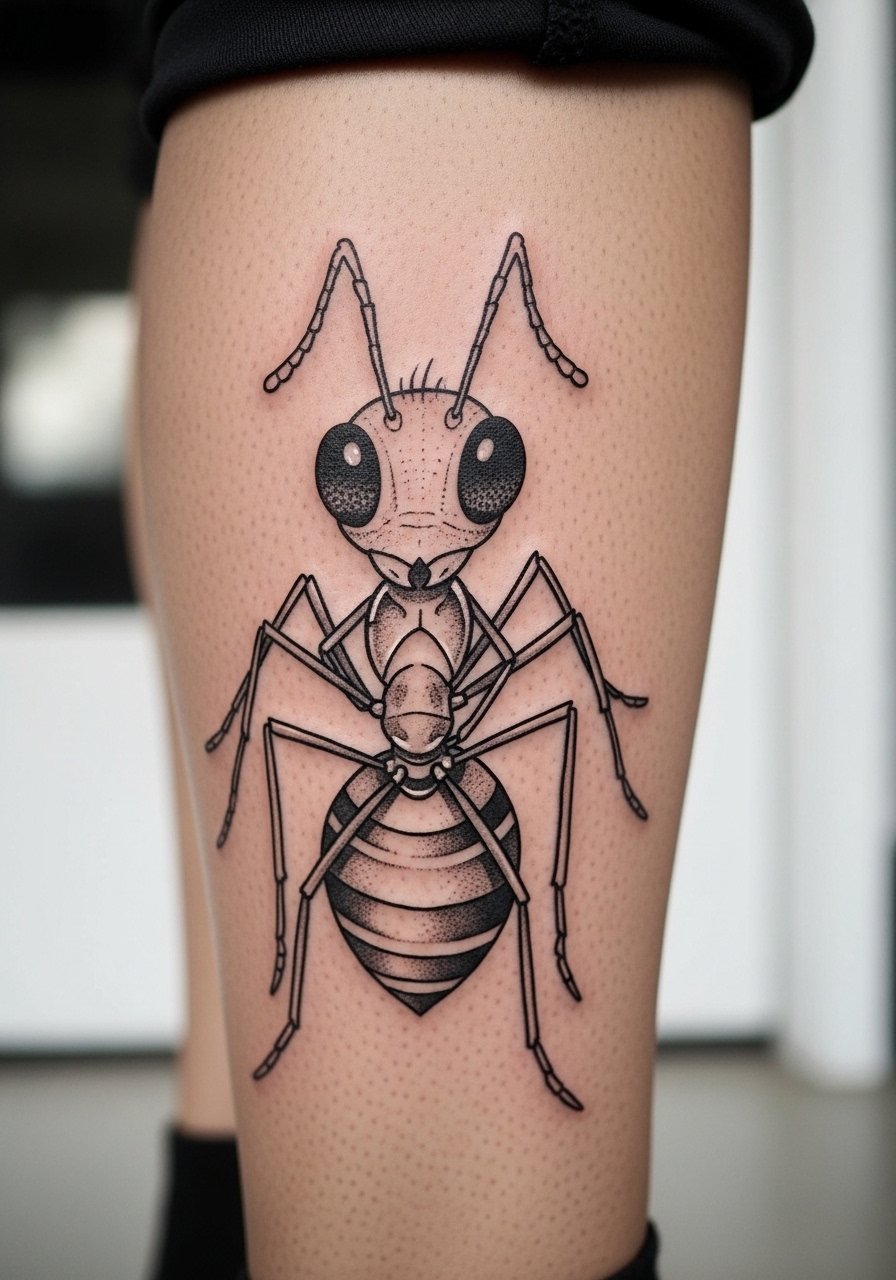
Calf portraits sit in a mid-pain zone and age predictably because the skin is less exposed to sun and friction than an ankle or wrist. Ask the artist to prioritize clear contours over ultra-fine internal detail. The common error is over-detailing the face at a small scale, which becomes muddled later. At six months the portrait will be readable, and by two years some stipple shading may soften. For summer looks, pair the calf piece with midi skirts with side slits so the portrait shows without shouting.
Studio Day Picks
The forearm, wrist, and calf pieces above need different prep than a ribcage or collarbone session, so these items smooth the day and the first week.
-
Tattoo Goo Lite. A lighter balm many people report absorbs quickly and avoids the greasy buildup that can trap ink in the first week on arm pieces.
-
Green Sheep Balm. Thinner consistency helps in cooler months and can reduce greasiness on calf or thigh tattoos while still keeping delicate linework hydrated.
-
InkGuard Spray. A no-touch spray that helps finger and ankle tattoos stay clean during high-friction days without leaving residue.
-
Dr. Tattoo Aftercare Serum. Lightweight serum favored for micro-realism and fine detail because it moisturizes without clogging pores.
-
Hustle Butter Deluxe. Preferred by many artists for thin initial layers on larger blackwork pieces so saturation holds while avoiding heavy occlusion.
7. Dotwork System Interface with Stats Panel on the Shoulder Blade

Shoulder blade pieces are great for geometric dotwork because the skin there is stable and hides sun exposure. Ask for stipple depth notes and ask the artist to vary dot size to create readable contrast across four inches. The mistake is compressing too much text or tiny numbers into the panel. At six months the dots look textured and at two years the dot contrast softens slightly, but dotwork typically ages well if spacing is respected. For the session, wear a sleeveless muscle tank so the artist can access the area without pulling fabric tight.
8. Fine Line Double Dungeon Portal Swirl on the Ankle
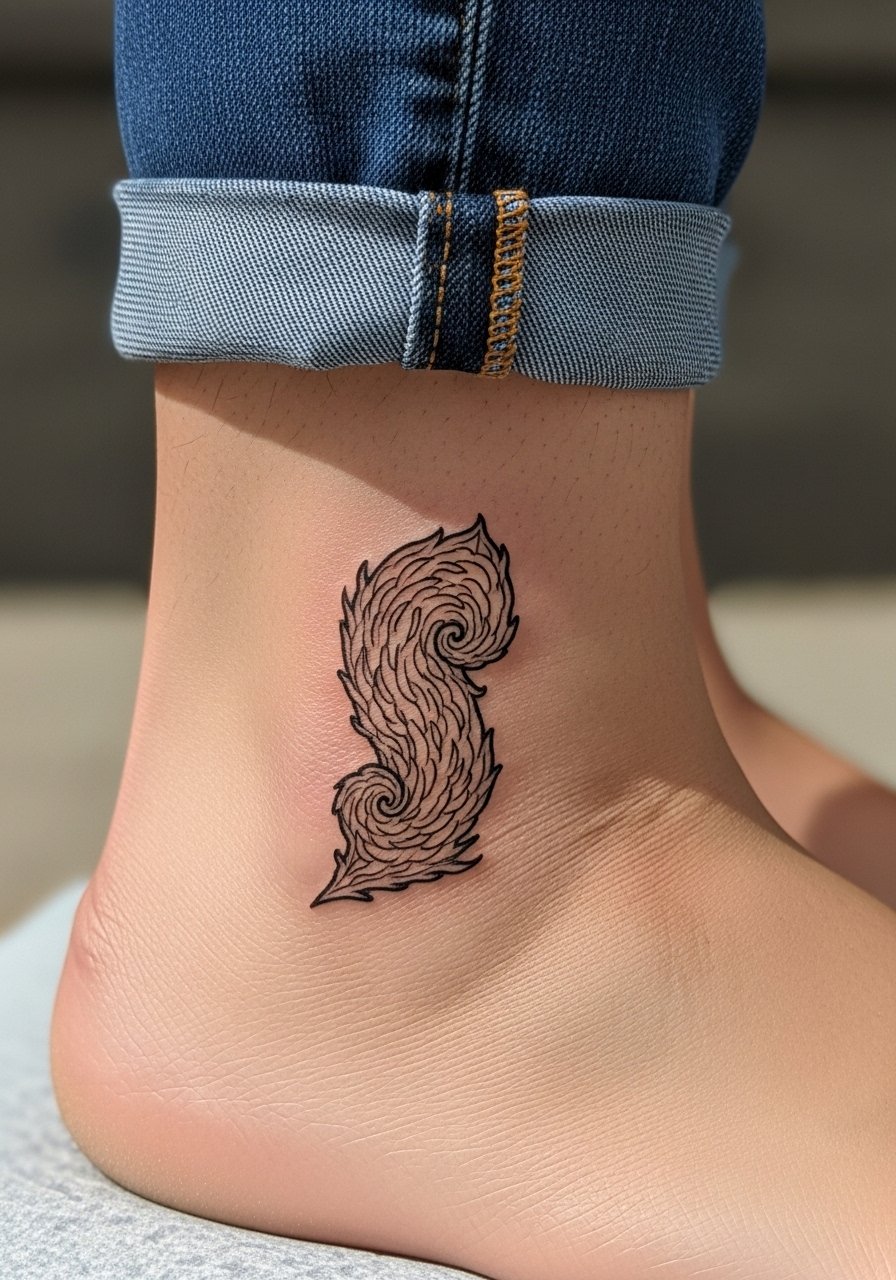
Ankle tattoos are visible but face a lot of friction from shoes. Keep the swirl at 2-3 inches and avoid filling tiny spirals that will be smudged by regular socks. The most common age issue is line break where the ankle skin moves a lot. Expect the best clarity at six months and a likely touch-up at 12 to 18 months if you wear boots or tight sneakers often. For summer showing, cuffed straight-leg jeans and espadrilles highlight the swirl beautifully.
9. Blackwork Jin-Woo Wings Emerging on the Upper Arm
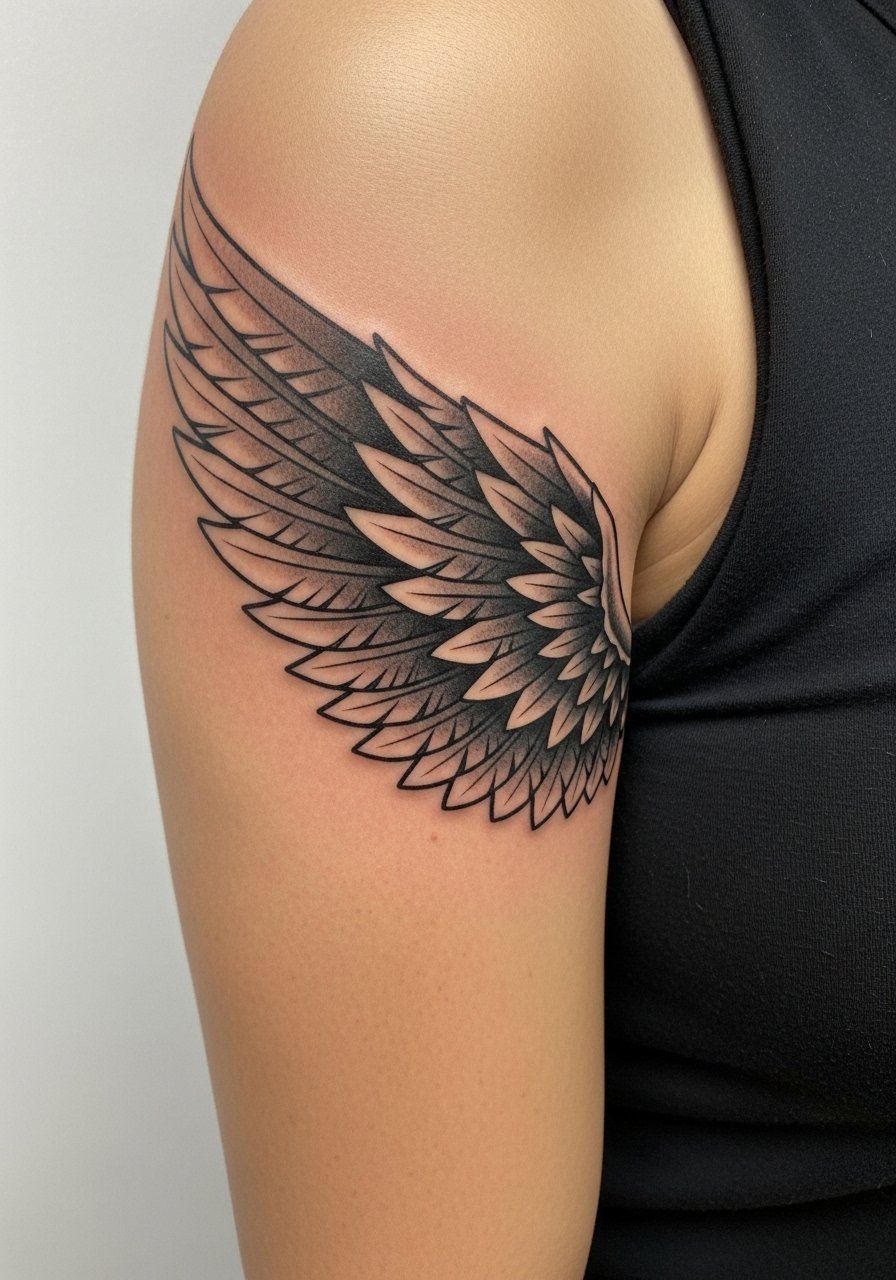
If you want drama and contrast, blackwork wings give that while still pairing with fine line pieces later. This style takes multiple sessions because saturation is the goal and heavy black ages into a consistent silhouette. Tell your artist you want crisp wing tips and space for eventual stacked fine-line soldiers. Mistakes include trying to cram too much feather detail into one session. Expect a fresher look after each session and long-term solidity, but be ready for touch-ups where high movement stretches the edges. Wear cropped joggers or a cropped jogger pant the day of leg work so the arm stays free.
10. Fine Line Igris Knight Helmet Profile on the Side Neck

Side neck tattoos read instantly but carry professional visibility, so think it through. Ask for the helmet at about 2.5 inches and request a clean silhouette with negative space to keep contrast on darker tones. A common mistake is making linework too thin for neck movement. Pain is moderate and session time short. For everyday wear, a v neck cotton tee lets you hide or show the piece with minimal effort.
11. Micro-Realism Mana Gauge Bar Filling on the Inner Bicep

Inner bicep work can hold micro detail because the skin there is softer and less sun-exposed. Tell the artist you want incremental tick marks and a subtle fill gradient rather than pure black blocks. The danger is overworking the tiny bars which can bleed. Expect the crispest look at six months and a possible mid-year touch-up if you use that arm heavily. For the session, wear a loose tank top so the artist has access without fabric tugging.
12. Fine Line Guild Emblem with Flames on the Chest Edge
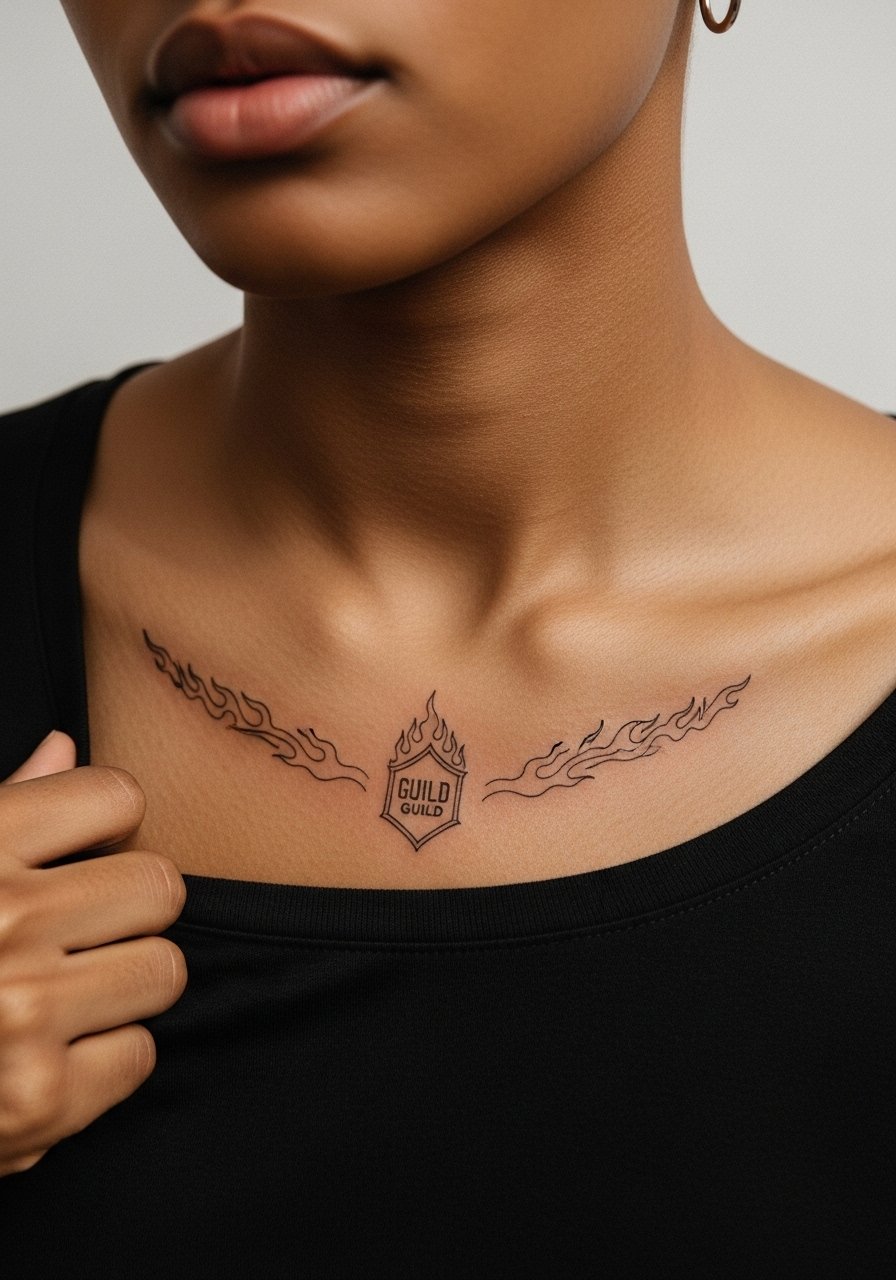
Chest-edge placements catch attention and age depending on sun exposure. Ask your artist to place the emblem a little higher or lower to avoid folding under bra straps. The common mistake is placing it where clothing will constantly rub it during healing. For showing off, off-shoulder pieces look great, but during the session wear a strapless bralette or a button-up you can pull aside. Expect solid looks at six months and plan a touch-up at 12 to 24 months if you spend a lot of time in the sun.
13. Minimalist Shadow Hand Reaching Up on the Collarbone
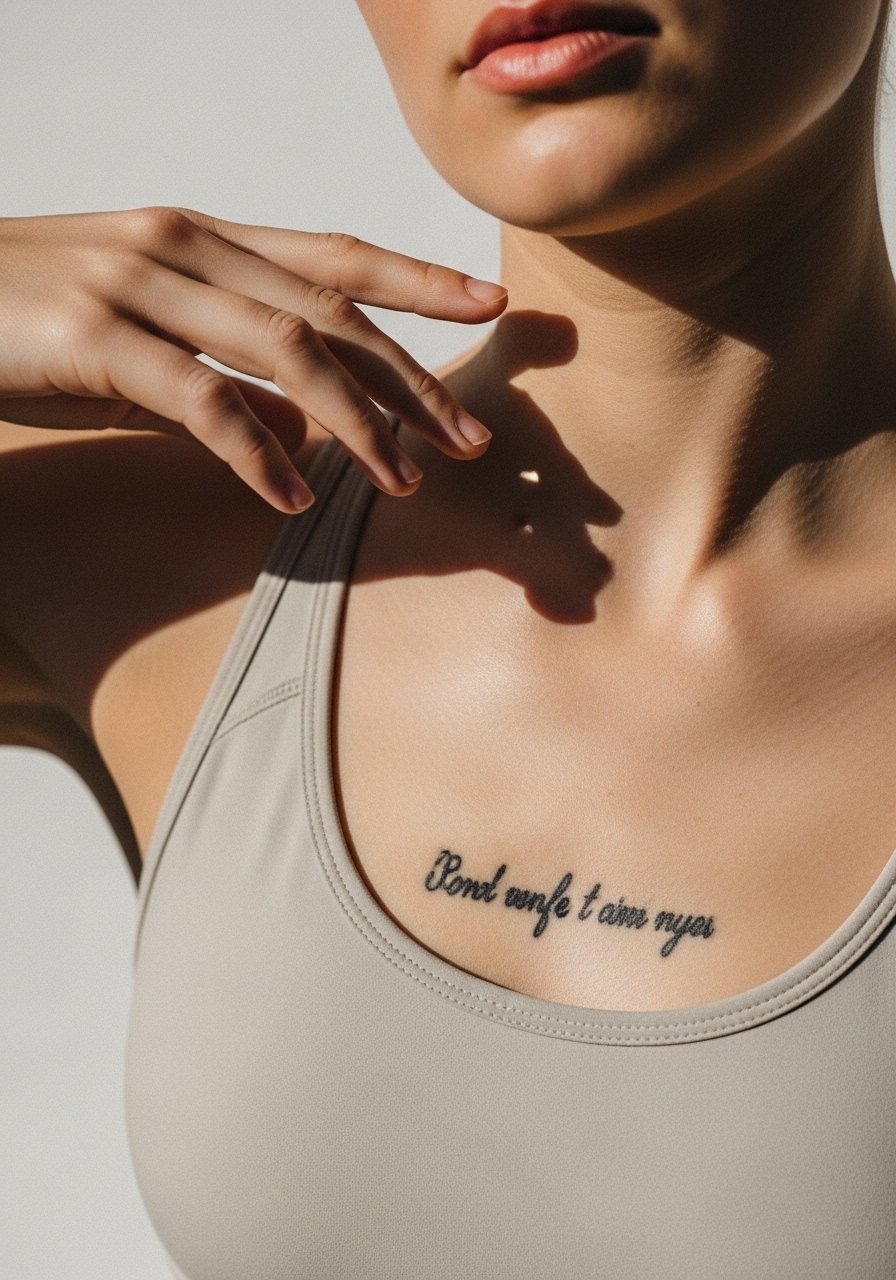
A collarbone shadow hand is dramatic without being loud. I recommend a slightly larger scale, about 3 inches, so the negative space reads on lighter and darker skin. Many people make it too small and lose the gesture after healing. The pain is low to moderate and the session is quick. For evening looks pair the piece with an off shoulder linen top to frame the hand without distracting jewelry.
14. Ribcage Shadow Hands Wrapping Around for 3D Illusion

Fair warning, the ribcage is among the highest pain areas and it demands longer sessions. The ribcage also stretches with weight changes, which can affect how the wrap looks. Artists split into two camps on small fine line ribs. One side says the movement and thin skin make single-needle work blur within two years. The other side says that deeper, consistent saturation with spacing prevents early blowout. Ask the artist which camp their technique falls into and request test stencils for scale. If you go ahead, expect a clearer look at six months and a likely touch-up at 12 to 18 months.
15. Spine Portals Linking to Shoulder Armies

This idea plays with narrative flow and is ideal if you plan a larger back piece later. When booking, bring sketches that show how the portal aligns with a future shoulder army. A common mistake is mismatching scale so the shoulder elements look disconnected. The spine zone hurts but heals into a dramatic runway piece. For showing it off, low-back dresses or backless crop tops work best. Expect the portals to keep form at six months and need alignment touch-ups as you expand the composition.
16. Fine Line Minimalist Finger Level-Up Arrow

Finger tattoos face a unique life of friction, washing, and sunlight. I recommend a very simple arrow with negative space and slightly thicker keylines so it survives frequent use. The frequent mistake is fine script and micro details that vanish within a year. Expect a touch-up as early as six to nine months. For the session, the artist may advise numbing and a shorter appointment window. Keep in mind some people add a subtle UV accent later if they want a night-visible pop.
17. Fine Line Double-Dungeon Portal Swirl on the Ankle (Alternative Composition)
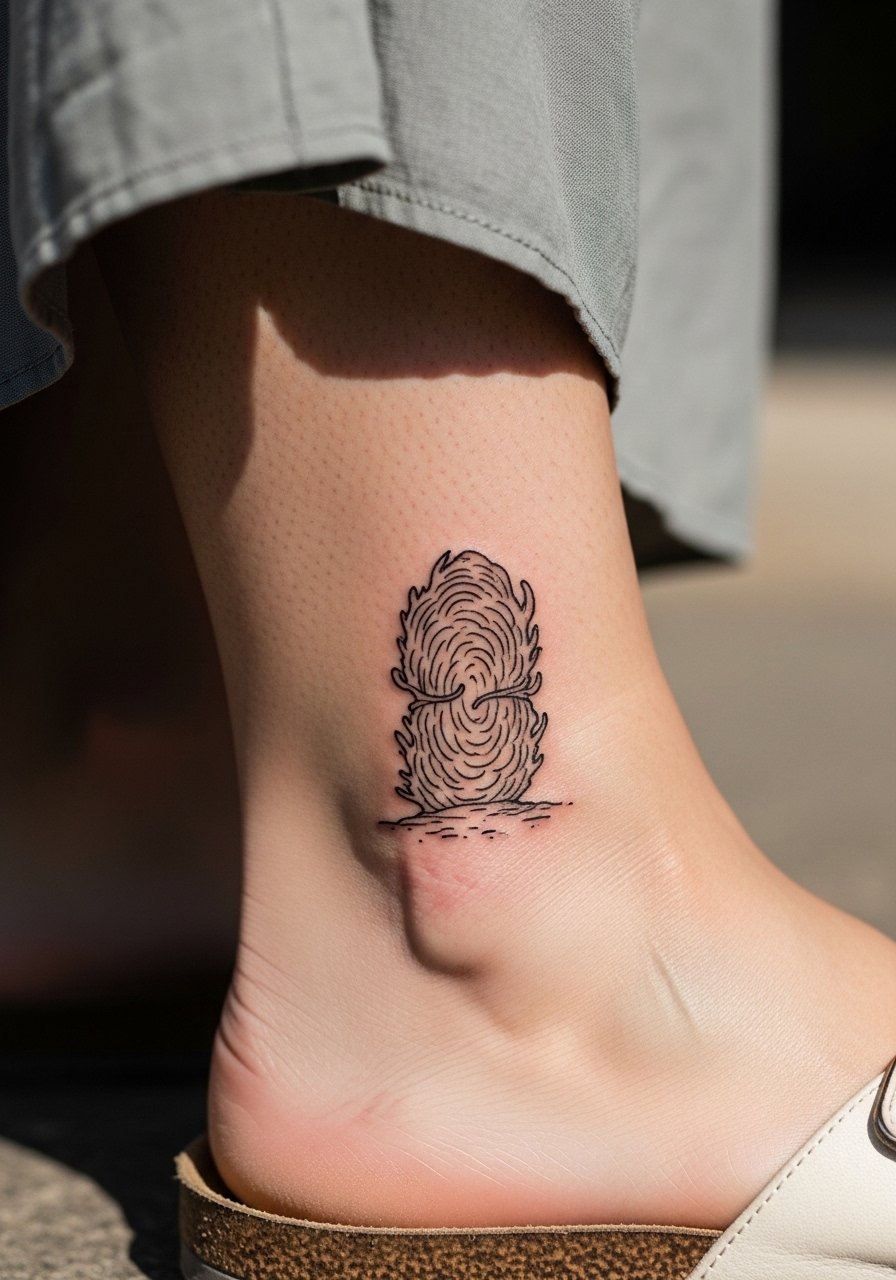
An alternate twist on the portal is to mirror two small swirls on opposite ankles or pair a swirl with a tiny soldier. Ask for the swirl to be 2.5 inches and for the artist to avoid super-dense inner curls that wear into a smudge. The ankle will look its best at six months and may need a top-up sooner if you wear shoes that rub. For summer outfits, cuffed jeans or espadrilles draw the eye to the ankle swirl.
18. Fine Line Small Guild Sigil on the Thigh Inner Edge
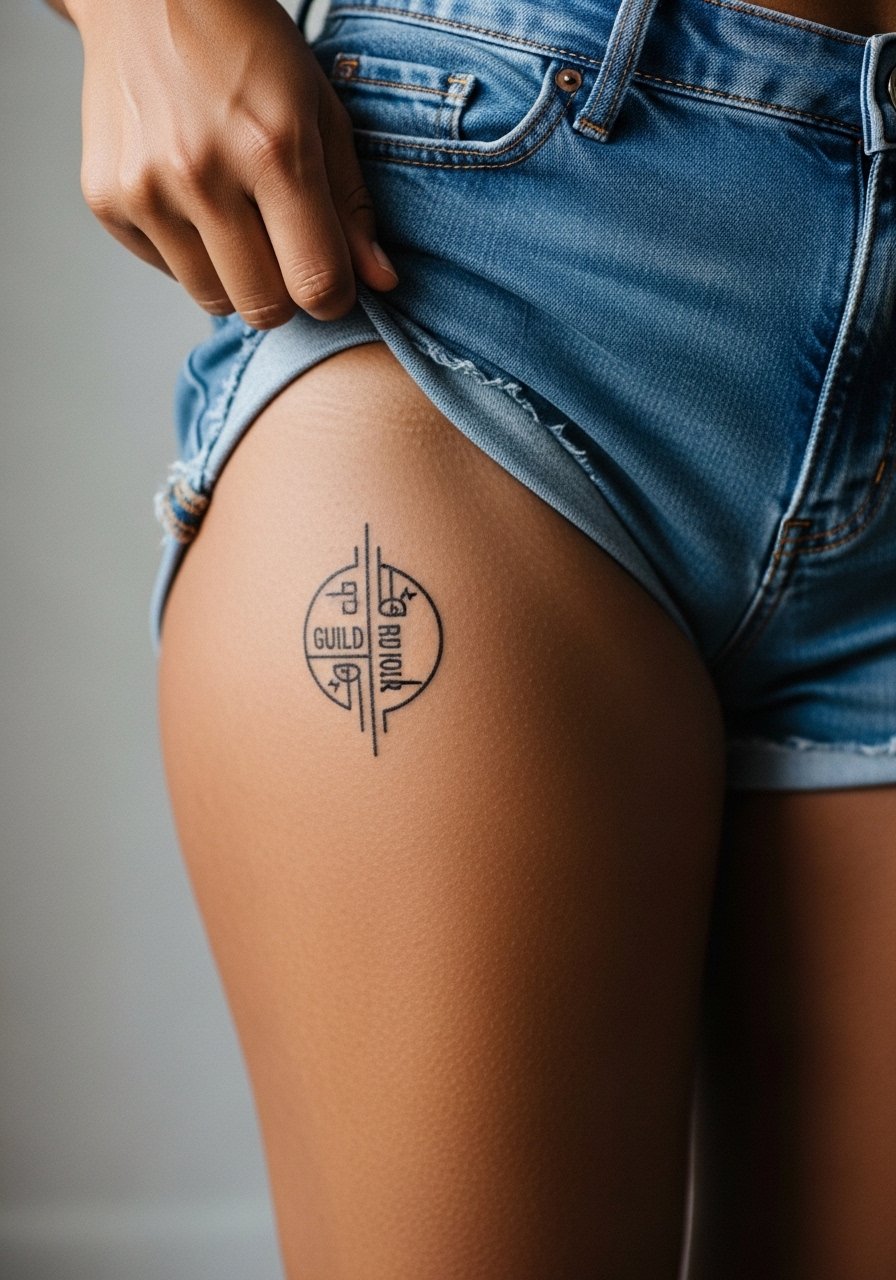
Inner thigh placements feel private and can be scaled up later. Ask for a clear emblem with minimal internal filigree so the sigil keeps shape as skin stretches. The main mistake is too much tiny detail at a small size. The pain will vary and sessions are usually short. Healed at six months the emblem reads clean and will stay stable if you avoid rapid weight shifts. For session comfort, wear loose shorts you can shift without tugging.
19. Micro-Realism Jin-Woo Eye on the Chest Clavicle Zone
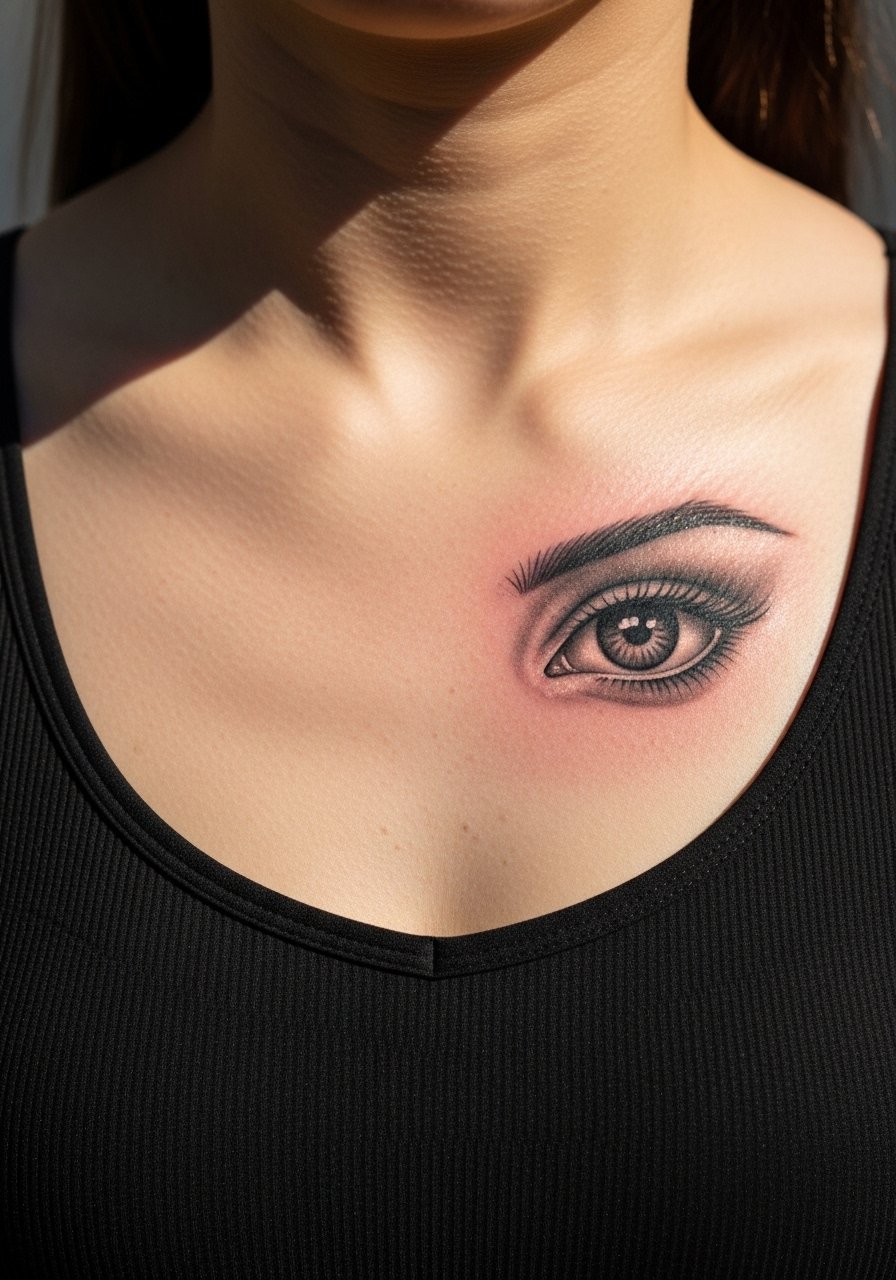
Micro-realism into the clavicle area creates a striking focal point. Ask the artist to map shading around the collarbone edge so the eye does not sit in a crease. A common misstep is placing the eye too close to strap lines, which causes rubbing and slower healing. Expect fine detail to soften slightly after six months, and budget a touch-up at one year if you want the highlight to persist. For outfits, dainty chokers or V-neck tees frame the piece without obscuring it, try a dainty choker necklace for photos.
20. Fine Line HUD Gauge with Dotwork Background on the Shoulder
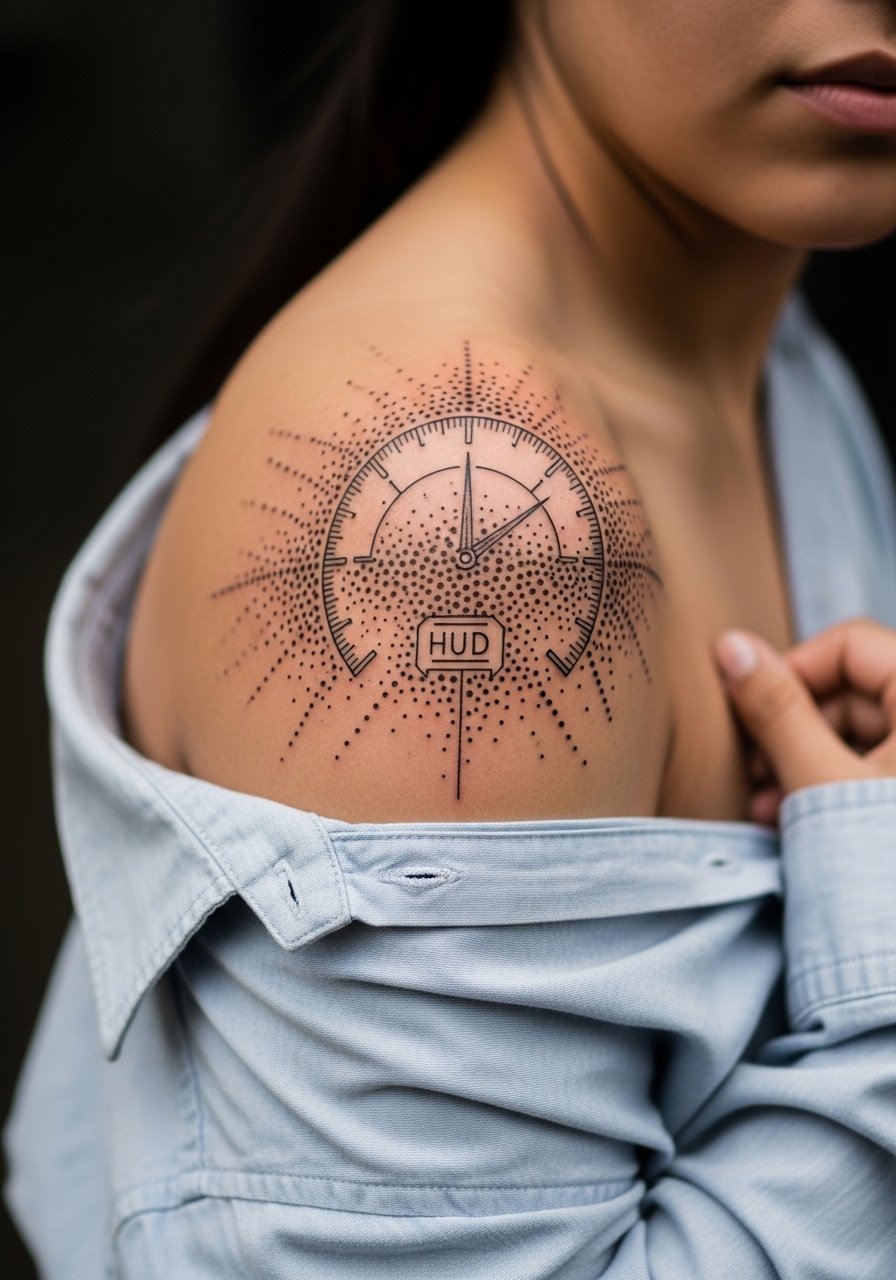
Shoulder caps handle mixed techniques well because they are less sun-exposed than forearms. When you ask for a HUD gauge, request a clear legend and larger ticks so the eyes have anchors. A mistake is relying on thin numeric text that disappears. At six months the gauge reads dimensional and at two years dots fade slightly but remain readable if the spacing is correct. For the session, wear a loose button-down shirt you can pull to the side to expose just the shoulder.
21. Fine Line Minimalist Portal on the Ankle with Ankle Chain Accent
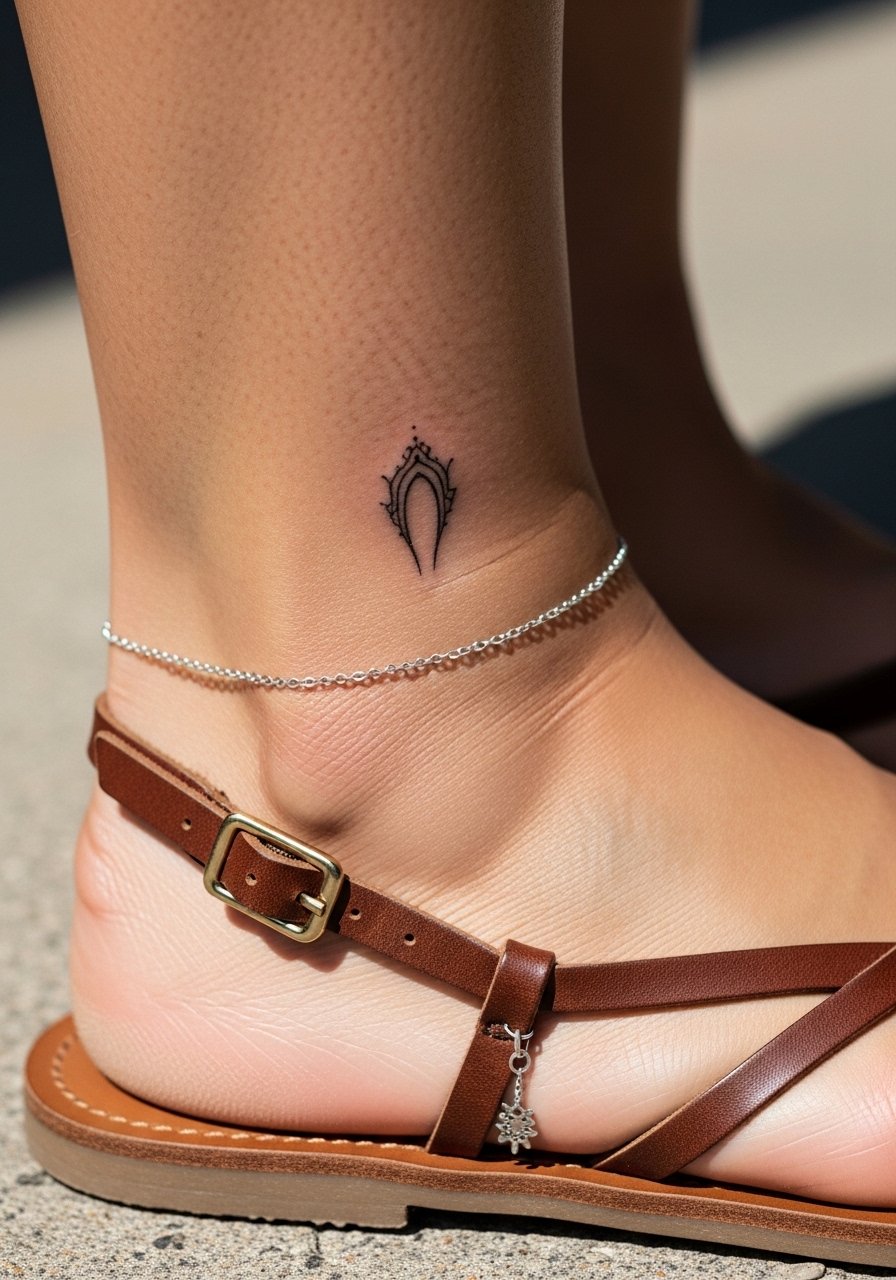
A compact portal looks great when paired with jewelry that draws attention to the zone. Tell your artist to keep the portal at 2 inches and avoid tight spirals that friction will blur. The common problem is trying to match symmetrical partners across both ankles without accounting for foot shape differences. Healed looks good at six months and usually needs a touch-up within one to two years if you are active. Show-off pairing works with a thin ankle chain for summer.
22. Fine Line Beru Ant King Portrait Reimagined with Negative Space
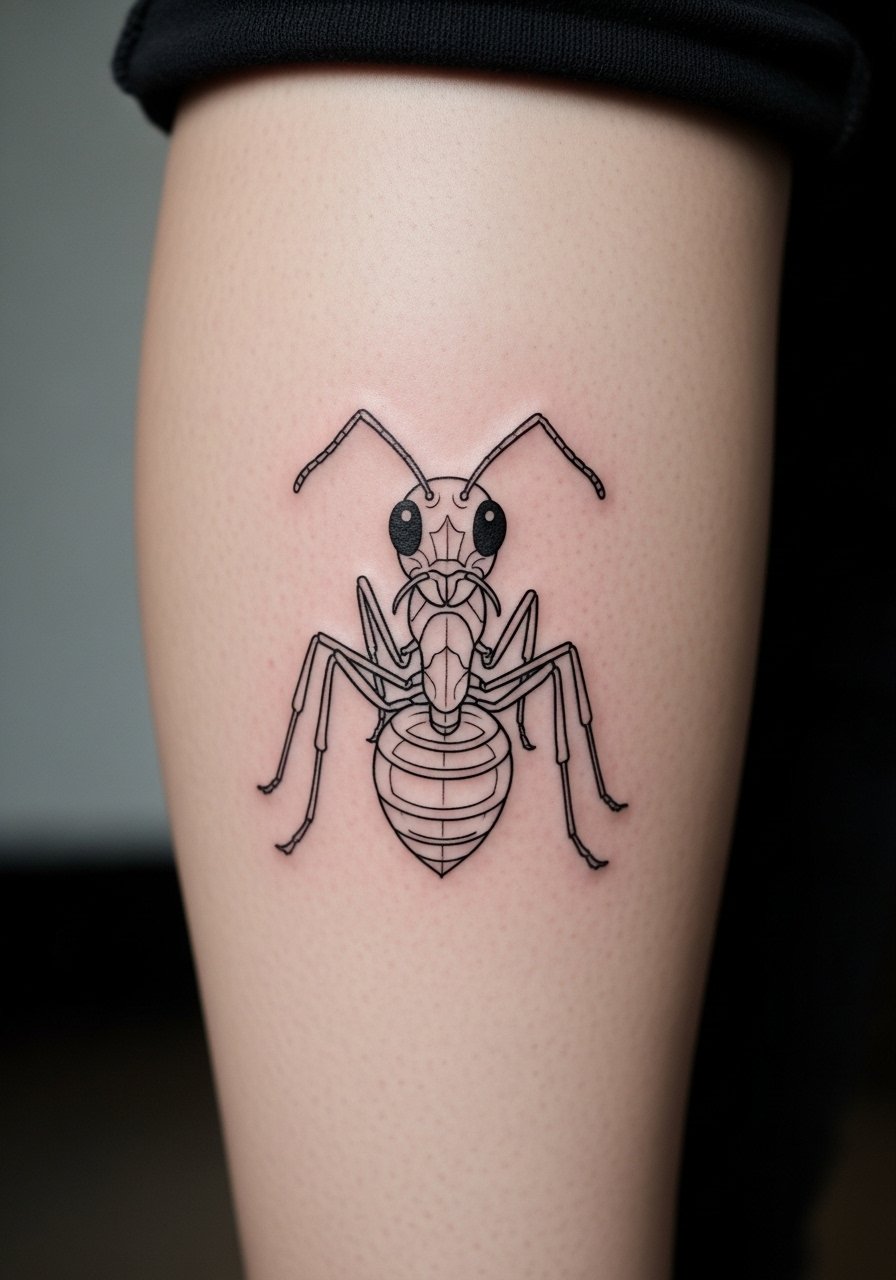
Negative space portraits help darker tones pop without heavy shading. Ask for skin-tone highlights and leave parts of the portrait implied rather than overworked. The error is full photorealism attempts at small scale. Expect strong visual read at six months and slower softening over years, but negative space maintains form. For showing it off, pair the calf with cropped joggers or a midi skirt with side slits that reveal the portrait artfully.
23. Dotwork System Interface as a Scalable Cover-Up Base on the Shoulder Blade
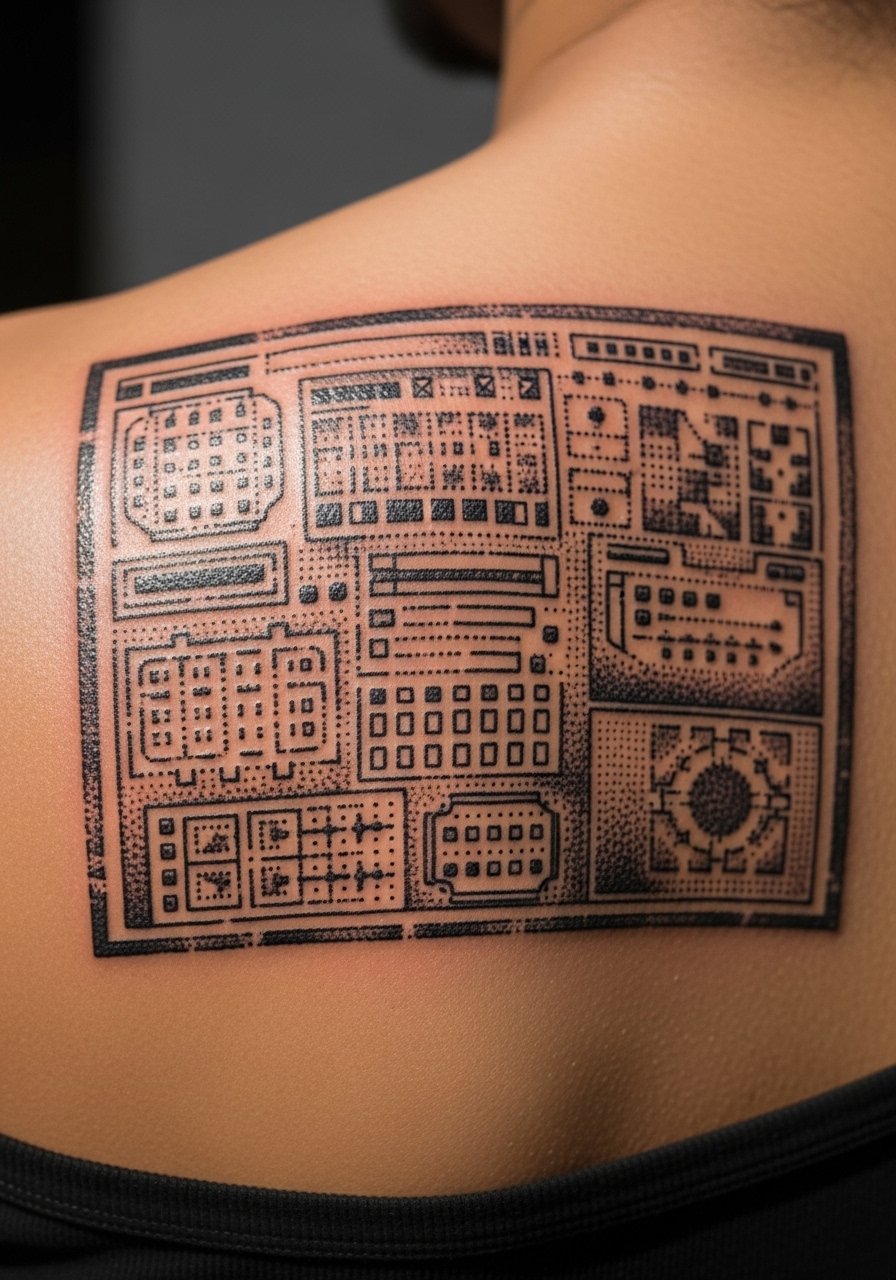
Dotwork interfaces make clean bases for future expansion or cover-ups. Tell your artist you want consistent dot density and a plan for how new elements will layer. The usual mistake is irregular spacing that complicates later additions. At six months the texture reads intentional and by two years the panel still supports new ink. For session wear choose a loose tank top so the artist can work without fabric interference.
24. Small Minimalist Shadow Hand on the Collarbone, Dark-Skin Optimized
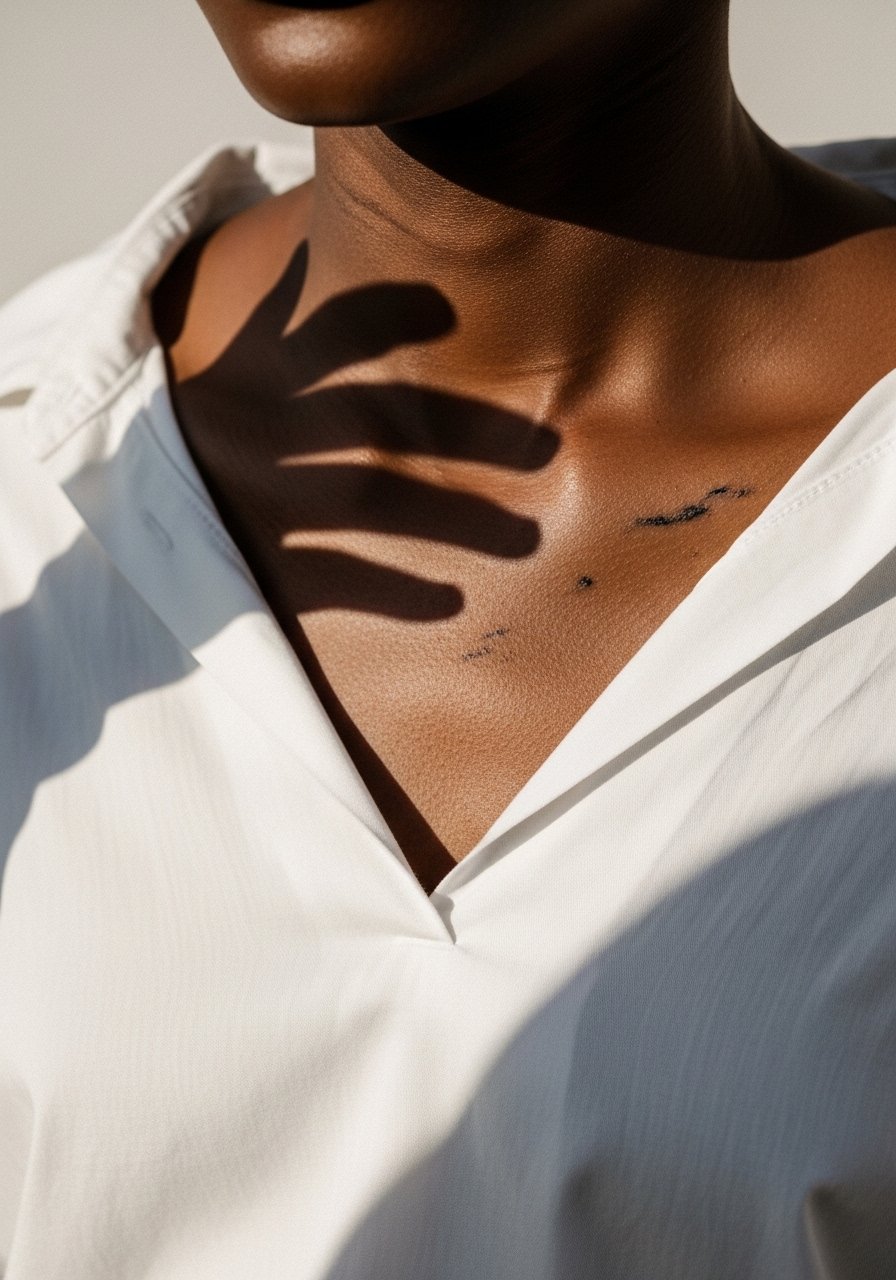
Dark skin can make ultra-thin single-needle work less visible in photos, so a negative space approach often reads cleaner. When you consult, ask the artist to show a healed example on similar skin tone. The common mistake is copy-pasting light-skin references without adjustment. Expect the hand to remain readable at six months and to need minor touch-ups later if you prefer high contrast. For outfit pairing, a wide-neck shirt frames the area without overwhelming subtle lines.
25. Fine Line Igris Helmet on the Side Neck, Subtle and Sharp
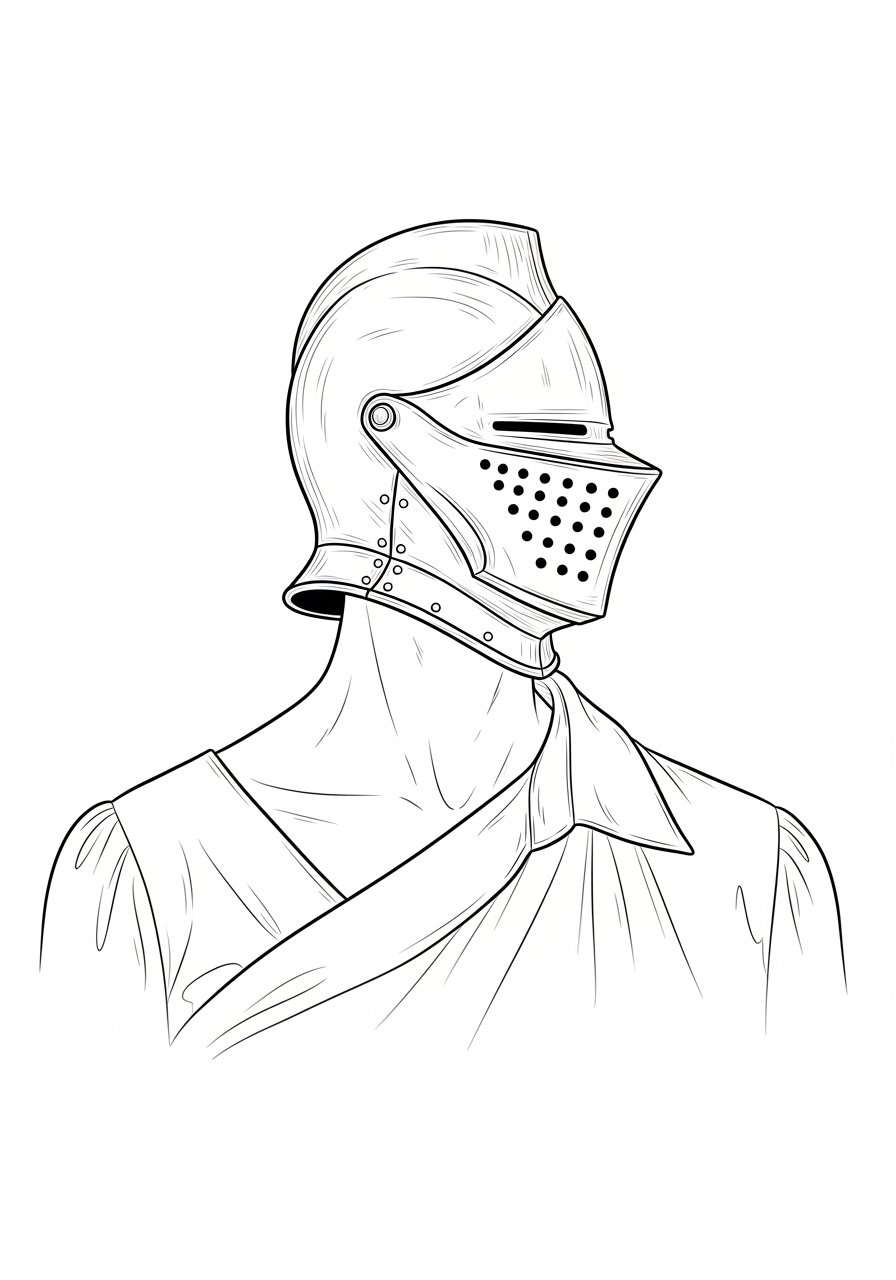
Neck placements are visible and demand clean execution. I suggest a 2.5 inch helmet with bold outer contours and less inner hatch work. The mistake is too many micro strokes that blur with neck motion. Pain is brief but sharp. For session wear pick a shirt you can open up, like an asymmetric collar blouse so the artist can access the side neck easily. Expect a crisp look at six months and a small touch-up at one to two years depending on exposure.
26. Micro-Realism Mana Gauge Bar on the Inner Bicep, Technical Readout
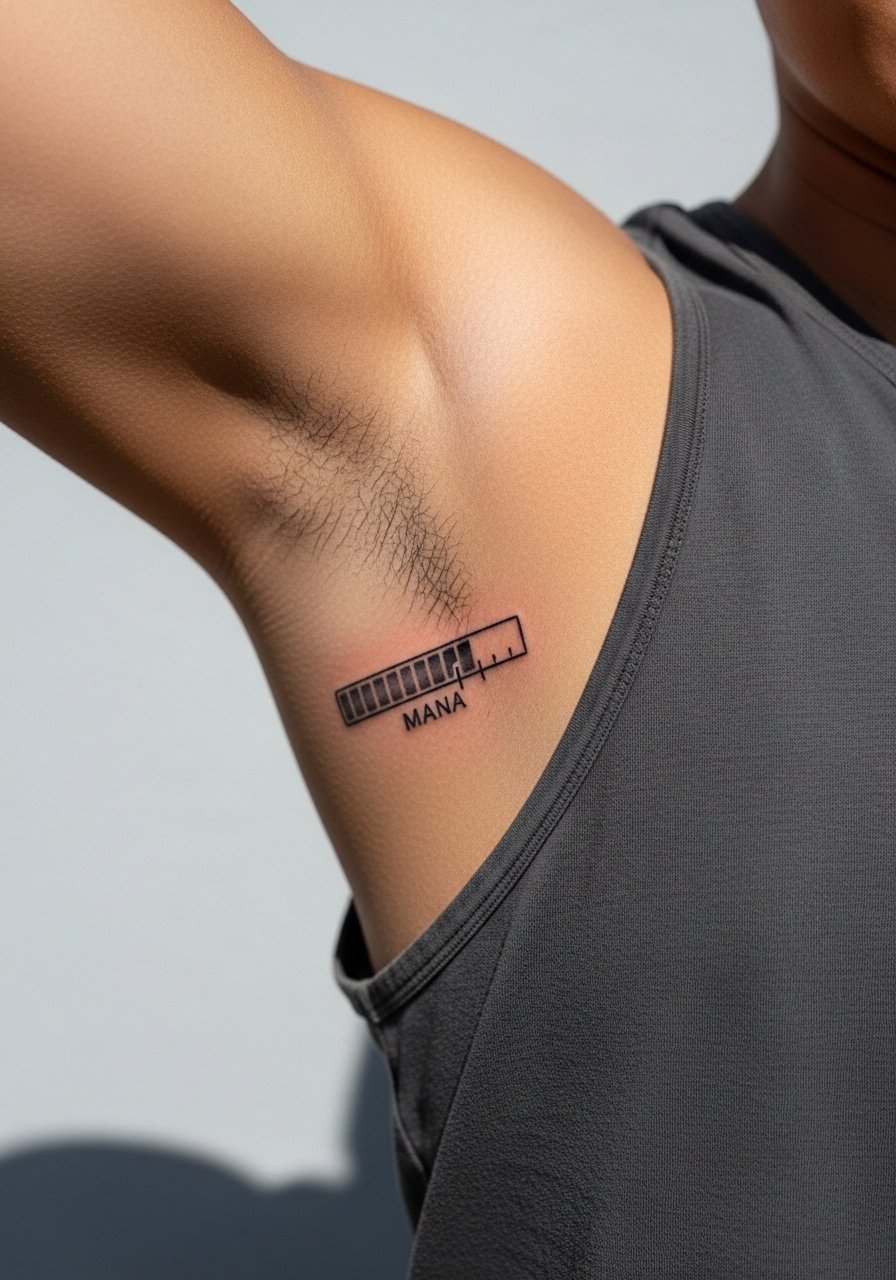
The inner bicep supports tiny technical tattoos because it sees less sun and friction. Ask for slightly larger ticks and a faint background wash so the bar reads from a short distance. The mistake is exact microscopic numerals that disappear. Healing is steady and a follow-up at 12 months is common if the lines soften. For session comfort bring a loose tank top you can lift without tugging.
27. Spine Portal Linking to a Back Shoulder Army, Narrative Flow

This expansive idea is for someone planning a long-term back piece. When you consult, map the visual flow so the portal's axis aligns with future shoulder armies. A frequent mistake is mismatched scale between the spine portal and the shoulder figures. The spine will hurt during sessions and will need patience across visits. Expect strong form after healing and schedule alignment touch-ups as you add more elements.
Frequently Asked Questions
Q: Do fine line Solo Leveling tattoos fade faster than bolder work, and what should I expect for touch-ups?
A: Fine line tends to soften sooner than bold blackwork because the single-needle channels hold less pigment over time. From what I have seen, wrists and fingers often need touch-ups at 12 months, inner arms and calves at 18 to 24 months, and larger blackwork areas much less frequently. Plan a realistic touch-up timeline with the artist during your consultation so you can budget both time and money.
Q: How do I find an artist who understands Solo Leveling shadows and HUD elements?
A: Search community tags and local convention guest spot lists, and look specifically for portfolios labeled fine line, micro-realism, or dotwork. Use the discovery pathways like city filters on short-form video platforms and the Tattoodo app to filter for "fine line" plus "anime." Bring a printed reference sheet with the exact angles and shadow placement you want and ask the artist to trace a test stencil on your skin before starting.
Q: What should people with darker skin tones request to make Jin-Woo portraits and small scripts pop in photos?
A: Ask for designs that incorporate negative space and slightly bolder anchor lines rather than relying solely on hairline details. Request healed examples on similar skin tones from the artist so you see real outcomes. Subtle shading and adjusted contrast often work better than trying to translate a light-skin reference exactly.
Q: How do placement and daily habits affect how long a fine line wrist or finger piece will last?
A: High-motion, high-wash zones like wrists and fingers face repeated abrasion and sunlight exposure. If you type, wash hands frequently, or wear tight bracelets, expect faster fading. Choosing an inner wrist, slightly larger scale, and thicker keylines helps, and a scheduled touch-up around the one-year mark is common.
Q: What should I wear to the studio for a collarbone or ribcage session?
A: For collarbone work pick an off-shoulder or wide-neck top you can pull aside without undressing. For ribcage sessions wear a cropped athletic top you can lift slightly so the artist only reveals the side needed. If you want a simple option, a strapless bralette or a loose button-down works well and keeps the session comfortable.
Q: Are there healing methods that artists are split on that I should know about?
A: Yes, two common debates are Saniderm versus dry healing and whether Aquaphor clogs fine line work. One camp praises protective film for scab-free healing, while another values dry methods for better ink settling. Many artists prefer a thin, breathable balm after the first day. Ask your artist which method they recommend for fine line work and follow their protocol for the first week.