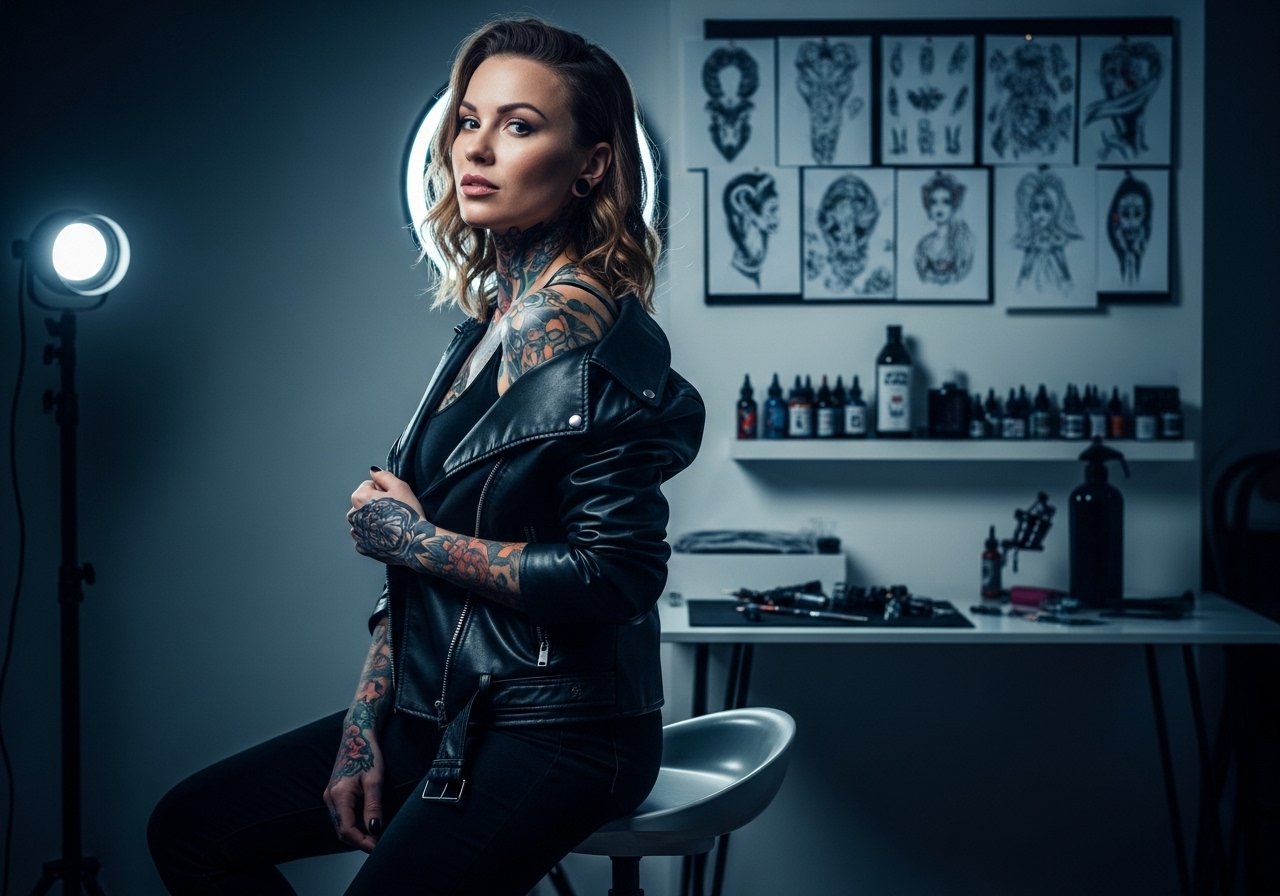
Fine line Day of the Dead motifs look delicate on a feed, but the pieces that still read crisp after a few years are the ones planned with spacing, placement, and realistic aging in mind. You can have a cute sugar skull that stays readable if you choose the right placement and tell your artist exactly how dense you want the dots and color. The ideas below start with small, resilient options and move toward bolder statement pieces.
1. Tiny Sugar Skull on Inner Wrist

A tiny sugar skull on the inner wrist reads cute and personal. Tell your artist you want slightly thicker linework than typical fine line so the eye sockets and teeth keep shape as the skin moves. Fair warning, the wrist sees friction from bracelets and watches, so expect a touch-up at year two in many cases. For the session, wear a loose button-down shirt you can roll up without tugging the stencil. A common mistake is asking for ultra-microscopic details in a 2-centimeter design, which blurs faster than people expect. Mention blowout risk to your artist and ask for shallow but consistent depth.
2. Marigold Cluster Behind the Ear
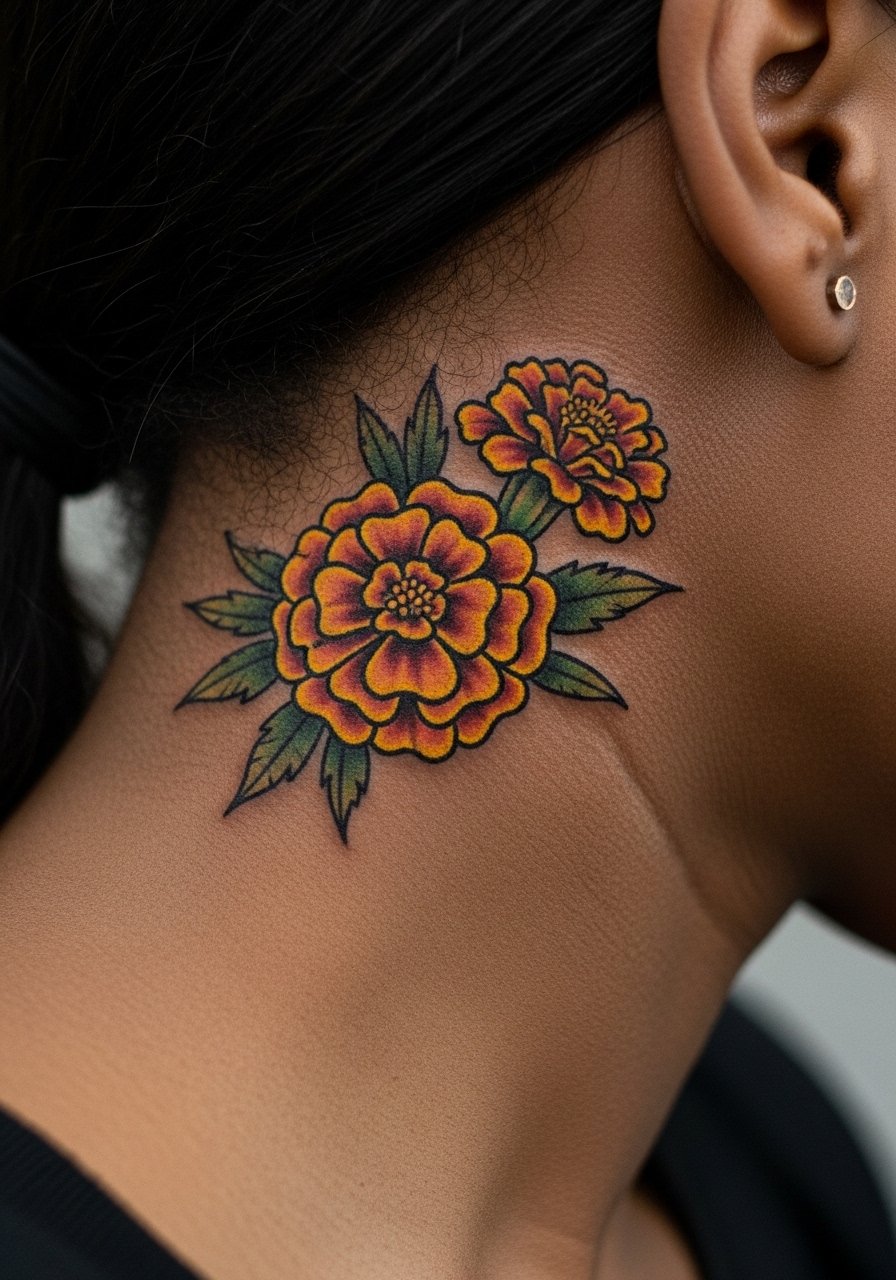
A small marigold cluster behind the ear offers floral symbolism tied to Day of the Dead while staying mostly hidden. Because of the placement, choose bold petal shapes over tiny veins so the flowers remain readable as the skin shifts. The session feels quick but the area can twitch from nearby jaw movement. This placement needs an artist comfortable with tight spacing on delicate skin. For respect of origin, note that marigolds are central to the holiday, and some people prefer stylized interpretations instead of literal religious iconography. During consultation ask for a preview of negative space to make sure the composition sits well under hair.
3. Mini Catrina Silhouette on the Ankle
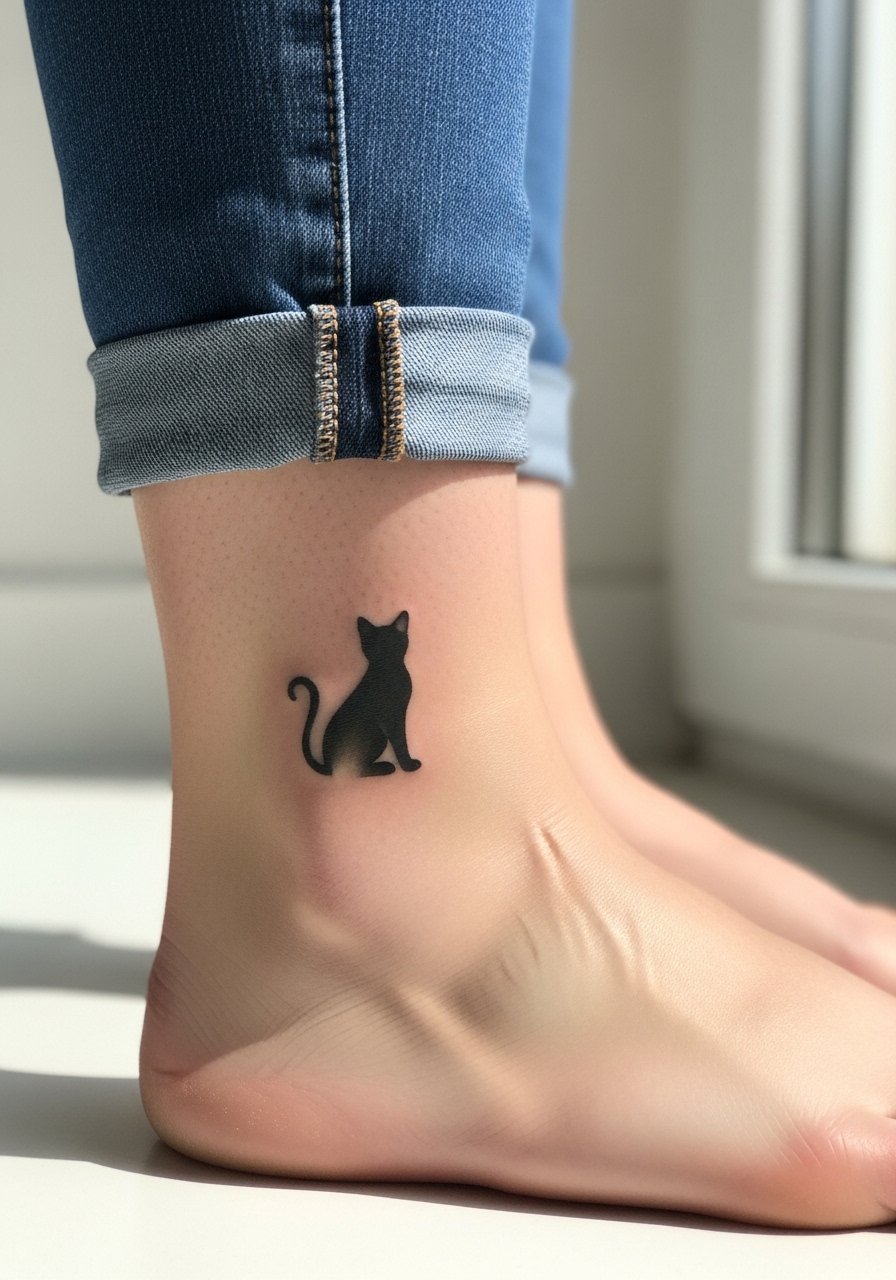
A petite Catrina silhouette on the ankle reads elegant and wearable with most shoe choices. Ankle skin moves with walking so ask for slightly bolder outlines and modest interior shading so the face stays defined. For the session, wear pants you can roll up or loose drawstring shorts that do not press on the fresh ink. Expect the first six months to show crisp edges, then a gentle softening by year two that you can manage with sunscreen and occasional touch-ups. Some artists debate whether tiny portraits at the ankle age well. One camp warns that small facial detail blurs quickly. The other camp says simplified silhouettes hold up better.
4. Watercolor Sugar Skull on Upper Arm
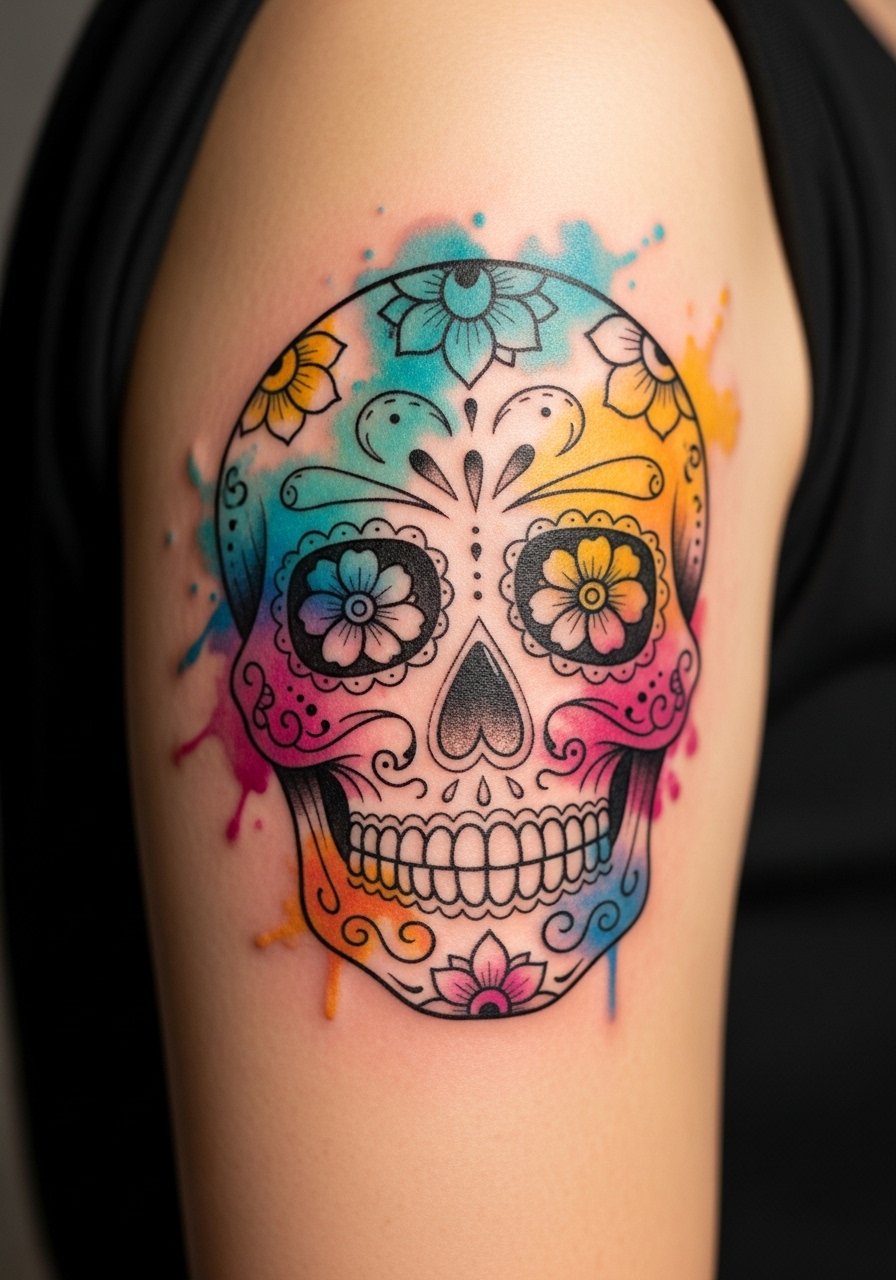
Watercolor sugar skulls bring vibrant color without heavy outlines. They look fresh for the first year, but diluted watercolor areas can fade unevenly on sun-exposed arms. Ask your artist to pair subtle outlines with color washes rather than pure soft color alone. If you plan frequent outdoor time, choose darker pigments in focal areas to help retention. During the session you may feel moderate discomfort near muscle. A common mistake is asking for full watercolor coverage without any anchor lines, which increases the chance of the piece losing definition. Consider wearing a sleeveless top to the appointment so the artist has clear access.
5. Marigold Wristband
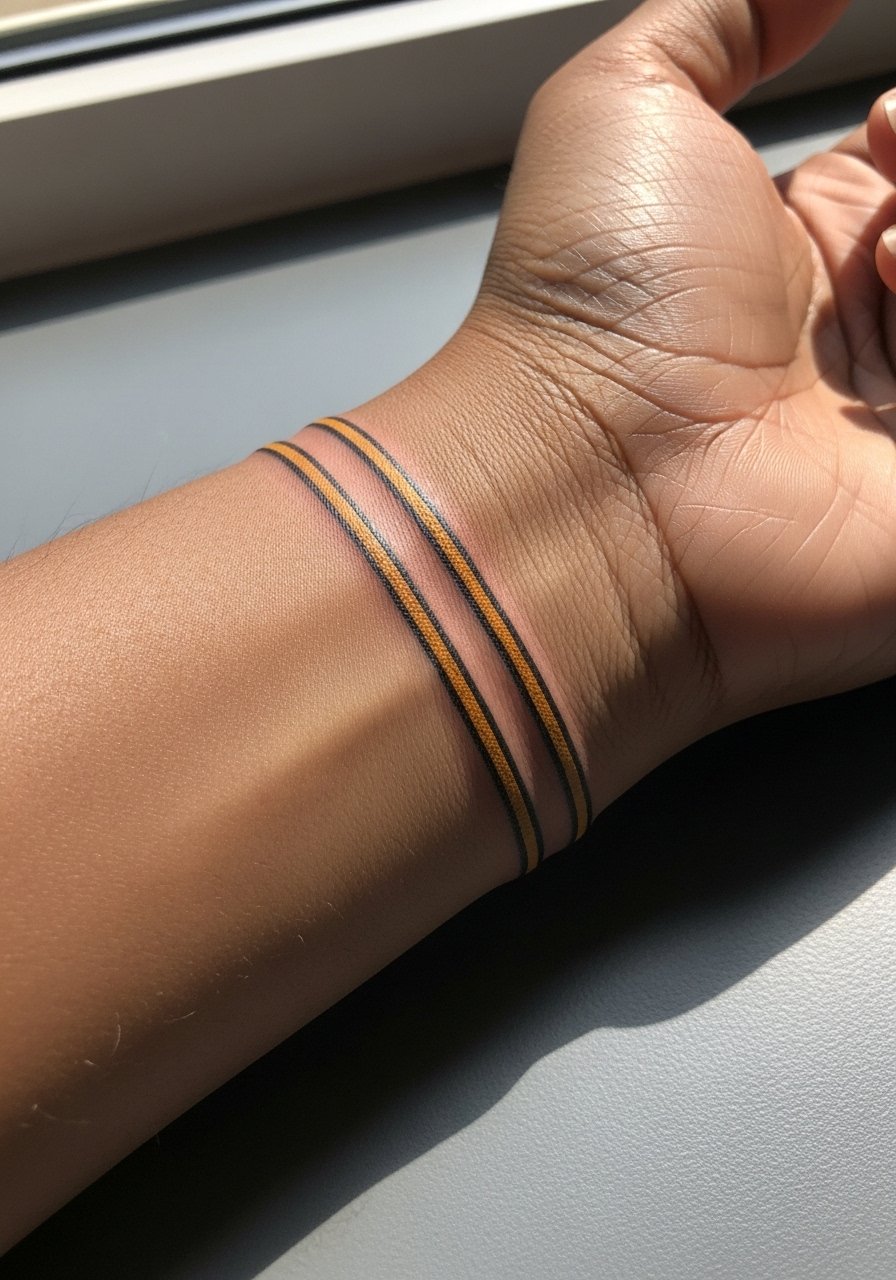
A marigold wristband wraps Day of the Dead floral symbolism into a bracelet-like band that pairs with jewelry. Ask for repeating flower motifs with small gaps to avoid merging lines as the wrist bends. Sessions are short but the constant washing of hands stresses these pieces while healing. For show-off styling, pair this with stacked dainty bracelets or a thin chain bracelet that sits slightly above the ink so metal does not rub directly on the fresh area. The common error is cramming too many blooms into a narrow band. Scale each flower so it has room to breathe.
6. Sugar Skull Finger Dot Work
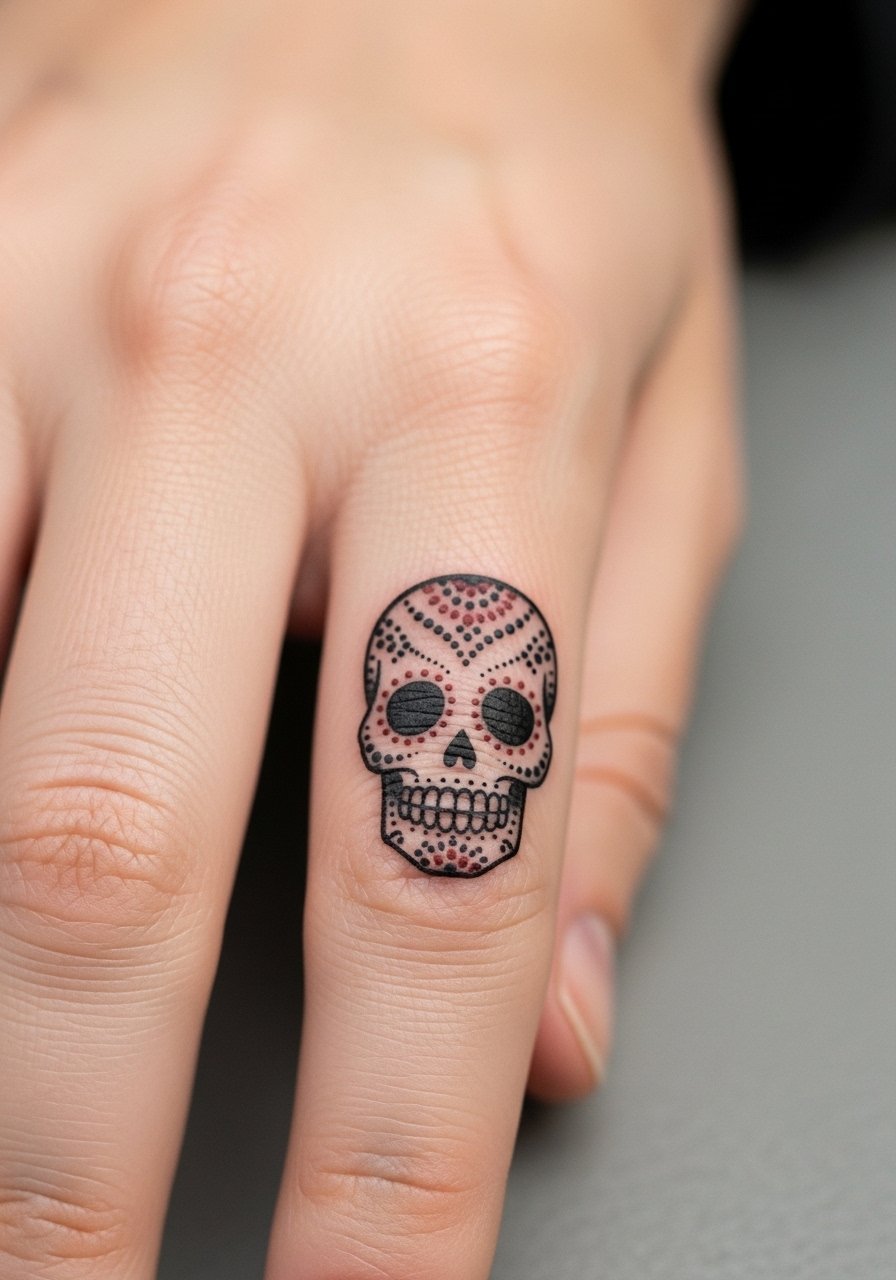
Finger tattoos are bold choices because the skin there sheds and rubs often. For a sugar skull rendered in dot work, ask the artist to place the densest dots where the skin is least prone to abrasion. Expect higher touch-up likelihood and more fade by year two, especially on the index and middle fingers. The session is quick but slightly more painful than the wrist. Keep the design minimal to improve longevity. A real mistake is including heavy color or dense black blocks on the finger, which rarely last clean. If you wear rings, bring the pair you usually use so the artist can plan placement around metal contact.
Studio Day Picks
These first six small and wrist-forward ideas benefit from a few session and healing items that keep linework clear and reduce friction during the first week.
-
Stencil transfer paper kit. Lets you preview the line placement on skin before the needle hits, which is helpful for wrist and ankle designs.
-
Topical numbing cream. Applied before the session it eases sensitivity for thin-skin zones like fingers and ribs without changing linework expectations.
-
Thin protective film roll. Shields low-coverage pieces like finger and wrist tattoos from early friction and water exposure.
-
Fragrance-free gentle body wash. Cleanses healing ink without stripping color from fine line or watercolor work.
-
Aquaphor healing ointment. A thin layer in the first few days keeps delicate linework from drying into flakes that pull ink.
7. Floral Catrina on Ribcage
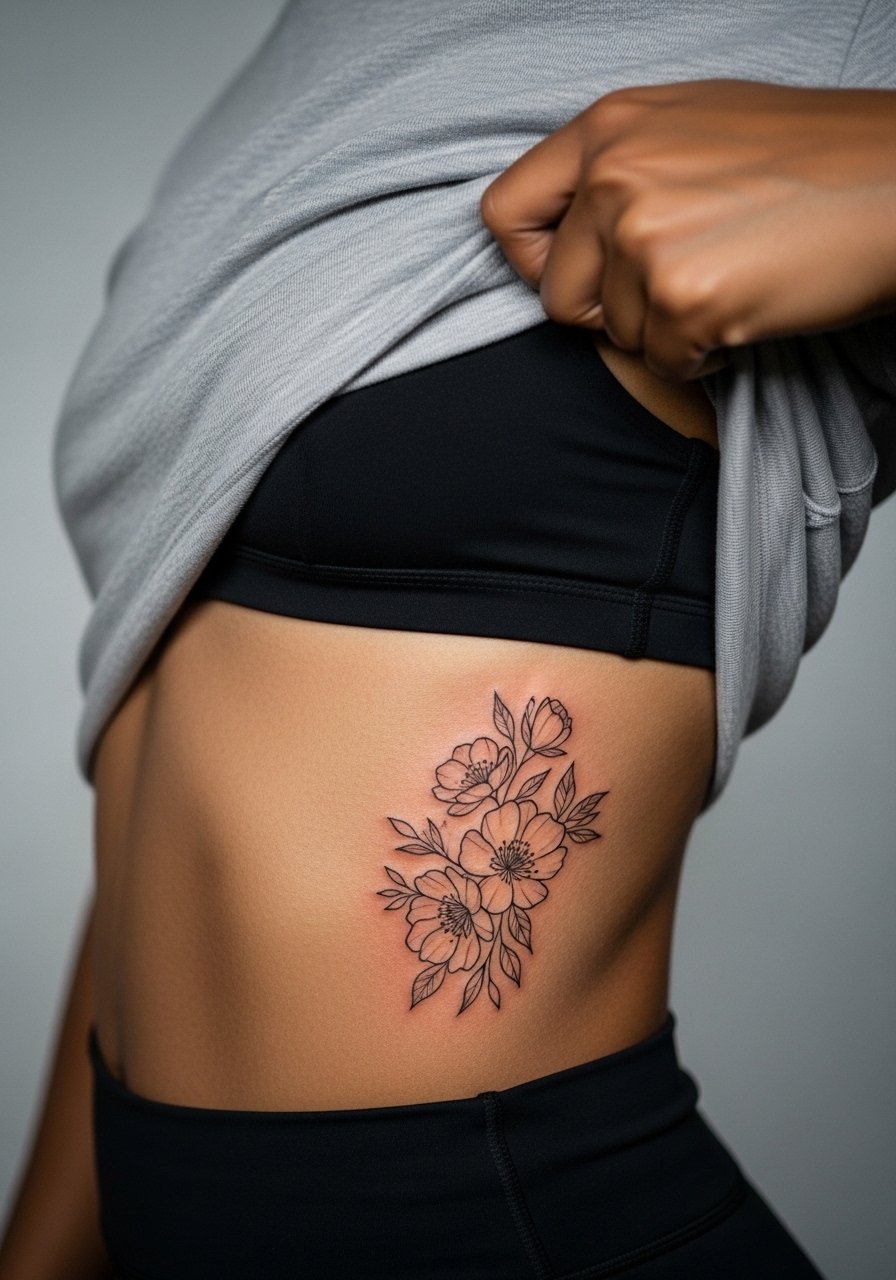
A ribcage Catrina is dramatic and intimate. Be honest about pain levels; ribs rank higher on most scales. Artists split into two camps on fine line here. One camp says the skin stretches and will blur delicate lines quickly. The other camp says careful spacing and modest line weight settle fine. Name both camps during consultation and ask how they adapt technique. For session wear pick a strapless or sports bra that exposes the area without being uncomfortable. Because the piece is culturally loaded, consider a stylized Catrina that nods to tradition rather than copying sacred images exactly.
8. Shoulder Blade Sugar Skull with Lace Motif
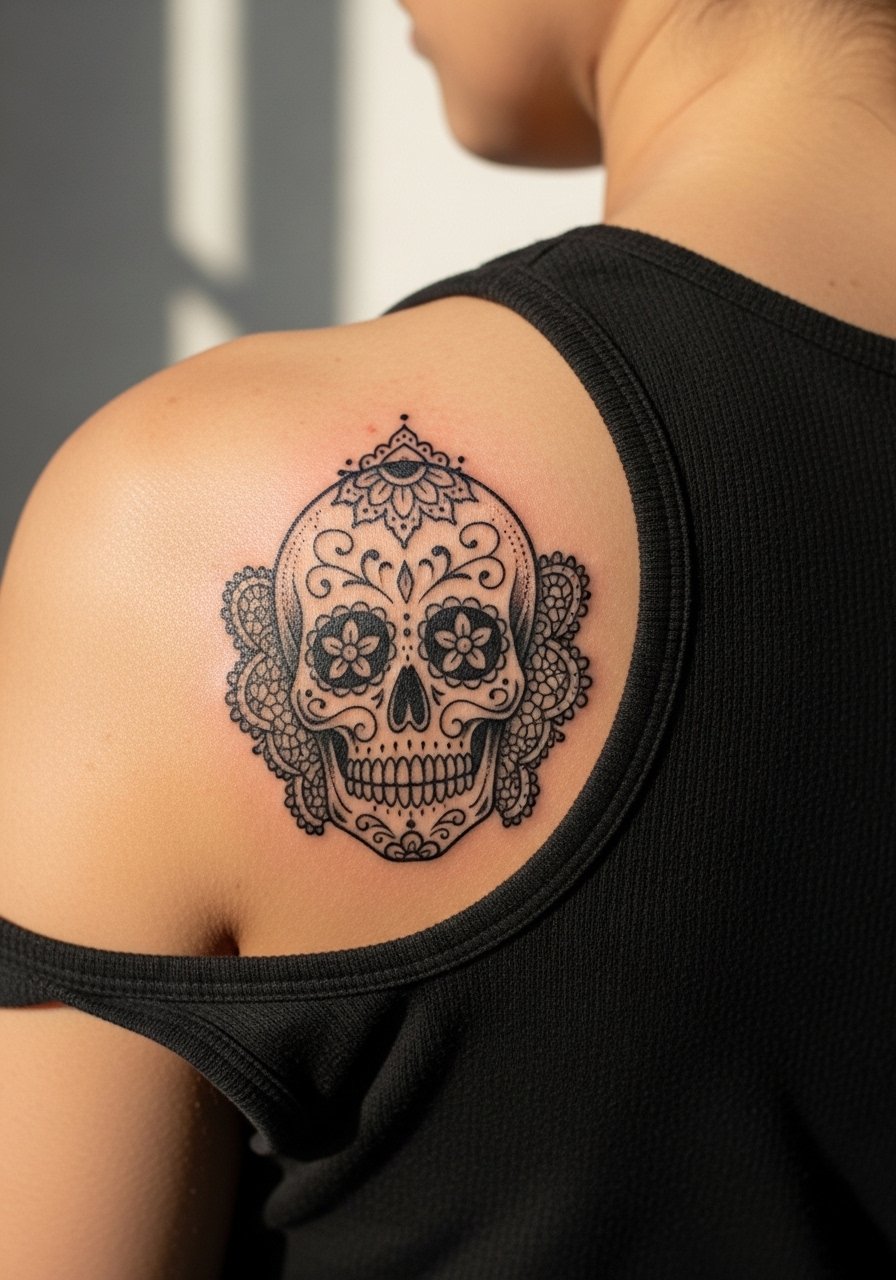
Placed on the shoulder blade, a lace-motif sugar skull travels well between cover and display depending on clothing. Ask your artist for negative space lace to avoid heavy saturation that ages poorly in that thin-skinned area. The session feels moderate and allows comfortable positioning. A common mistake is requesting dense black fill across lace details which can merge over time. For showing it off, pair the piece with open-back tops or a racerback tank so the motif reads cleanly without competing patterns. Mention how often you wear backpacks since straps can rub the fresh tattoo.
9. Tiny Calavera on the Collarbone
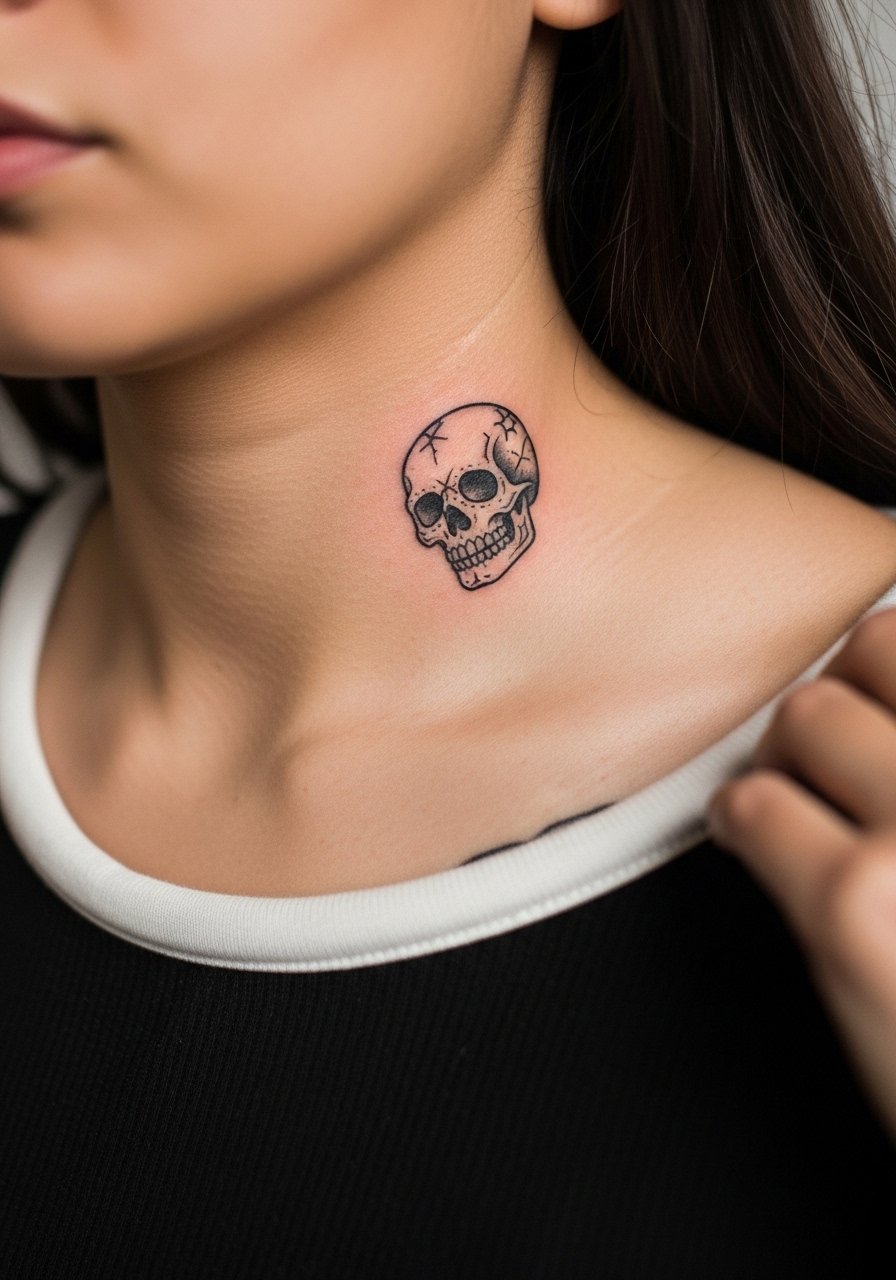
A tiny calavera at the collarbone makes for a subtle nod to Day of the Dead that pairs with necklaces. When you consult, show the exact necklace you wear most so the artist can avoid placing ink under chains. The collarbone is thin and close to bone, so the session feels sharper than on fatty areas. Expect crisp lines at six months and gentle softening by year three. For showing it off, a thin chain pendant necklace sits just above without crowding the tattoo. Keep the design simple to reduce blowout risk.
10. Full Back Catrina Panel
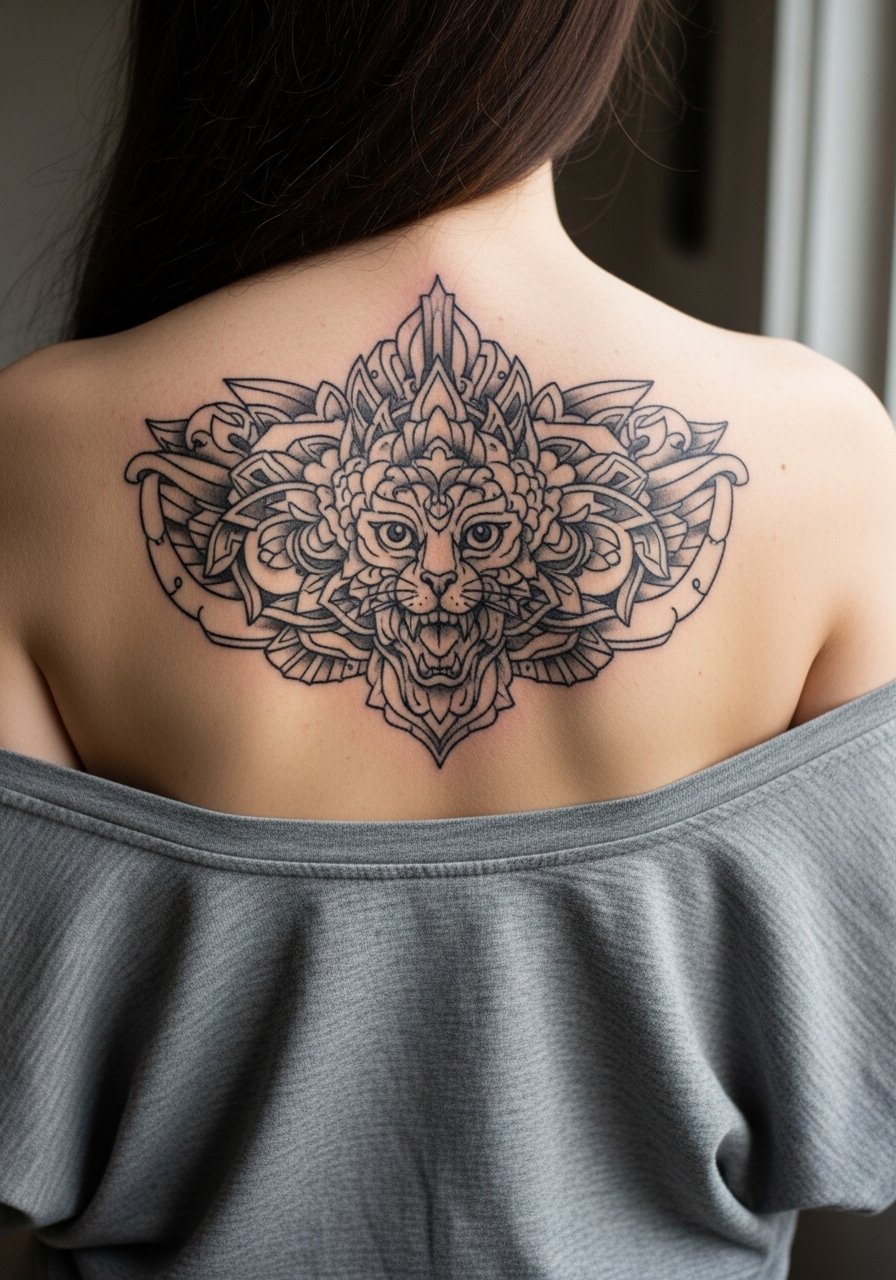
A full back Catrina panel lets you combine portraiture, flowers, and decorative elements at a size that holds detail. Larger scale means more session time and better long-term clarity, especially for facial features. Expect multiple sessions and a realistic touch-up timeline at year three to five. Because this is a culturally significant figure, consider how much literal iconography you want versus a personal interpretation. During consultation ask about reference work that avoids direct appropriation of sacred imagery. The session itself is long but generally tolerable because of the broad surface area.
11. Sugar Skull Thigh Portrait with Marigolds
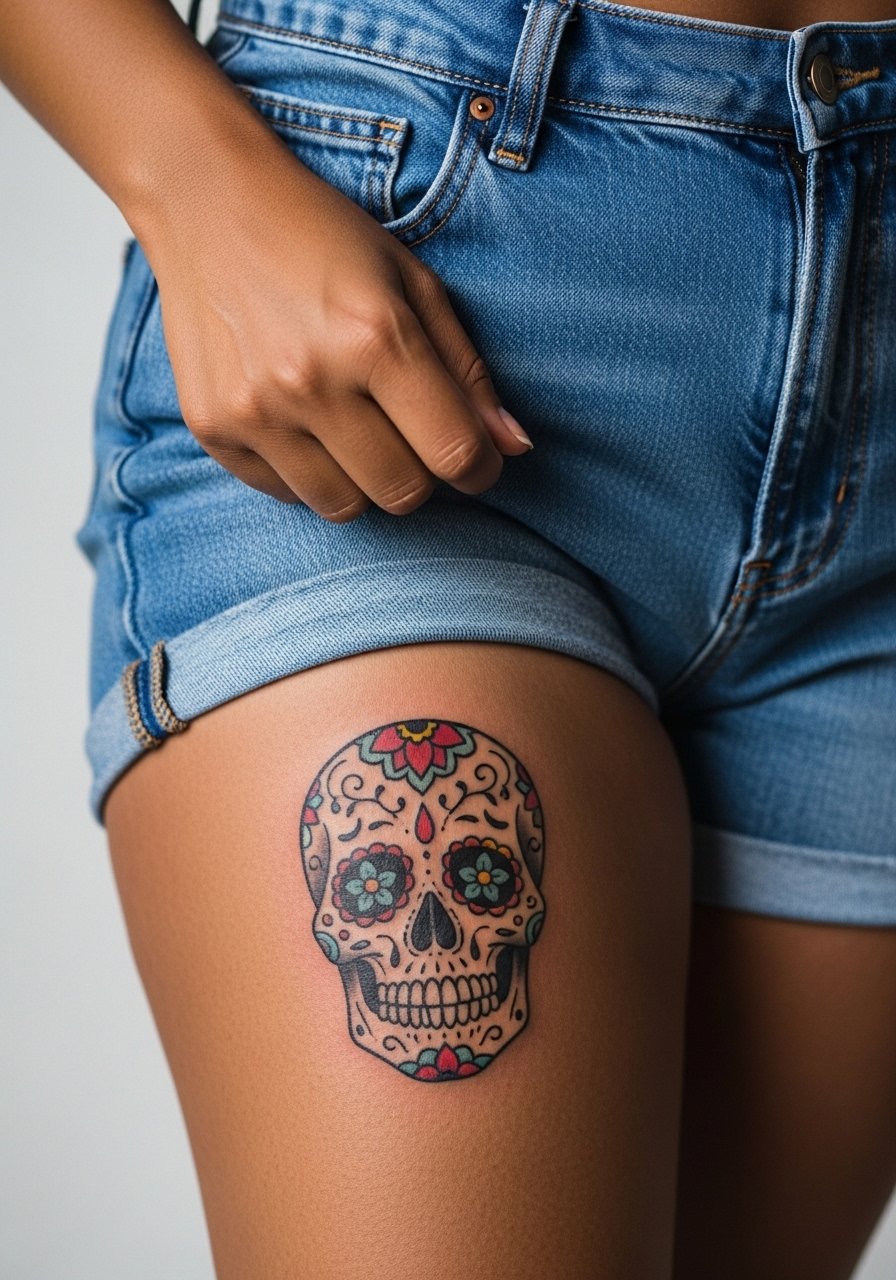
The upper thigh is forgiving for detail and sits out of daily sun for most people. A sugar skull portrait paired with marigolds can age well when the artist spaces facial shadows and avoids tiny hairline strokes. For the session, wear breathable shorts so the artist can access the area without tugging fabric. A common mistake is overloading the portrait with micro-detail in a small area, which loses definition after healing. Thigh flesh also swells differently, so expect richer saturation initially that softens over months. If you plan weight fluctuation, discuss how the design will move with the body.
12. Micro-Realism Sugar Skull on Inner Bicep
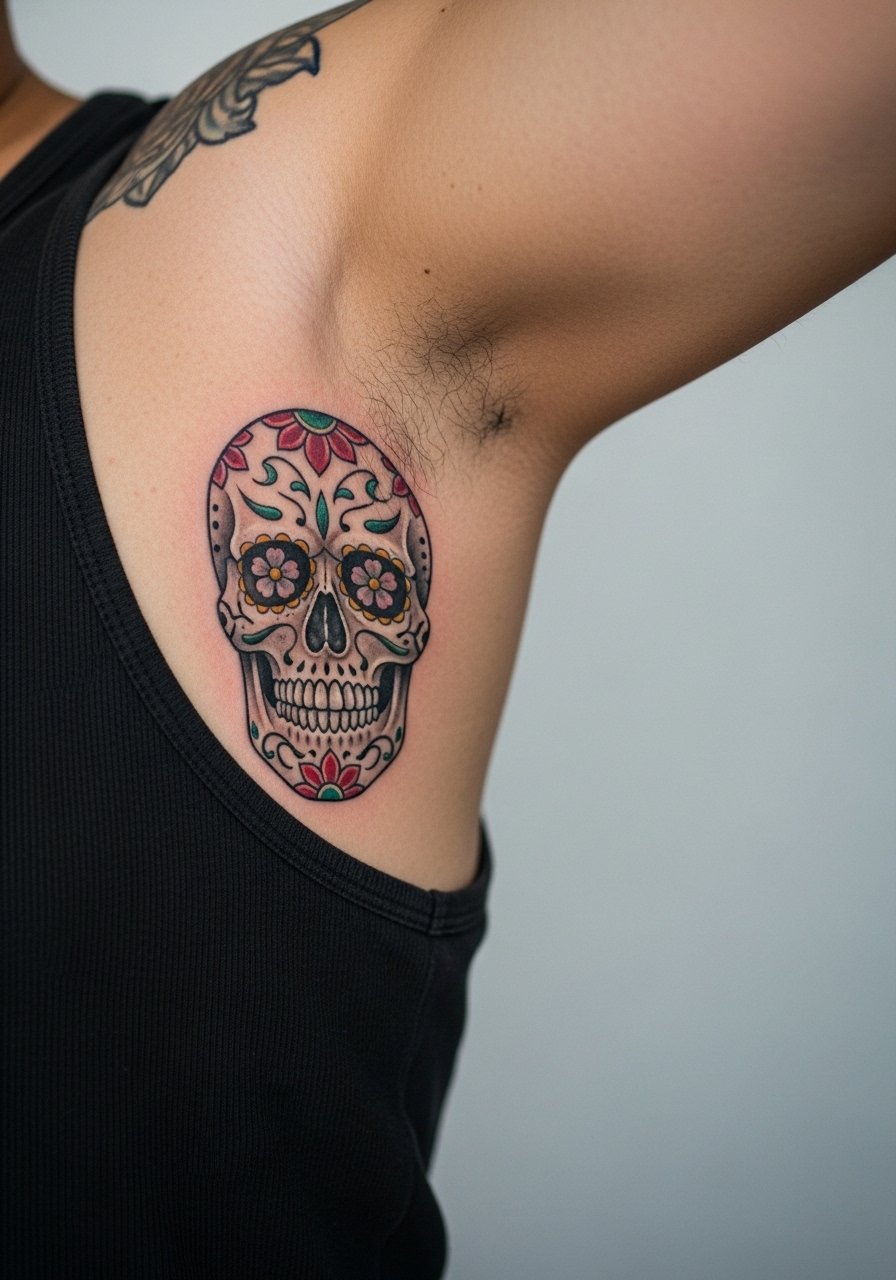
Inner bicep placements hide well and suit micro-realism sugar skulls with careful shading. Skin here is softer, so ask for cautious needle depth to avoid blowout. Sessions can be sensitive because the inner arm reacts more, and you may need breaks. The piece looks very crisp at six months if the artist spaces grey wash thoughtfully. A frequent mistake is expecting portrait-level detail without sizing up, which leads to muddy results. For the consult, bring reference photos that show the exact tonal contrast you want. This placement is ideal if you want a private, detailed Day of the Dead tribute.
13. Ankle Sugar Skull Anklet
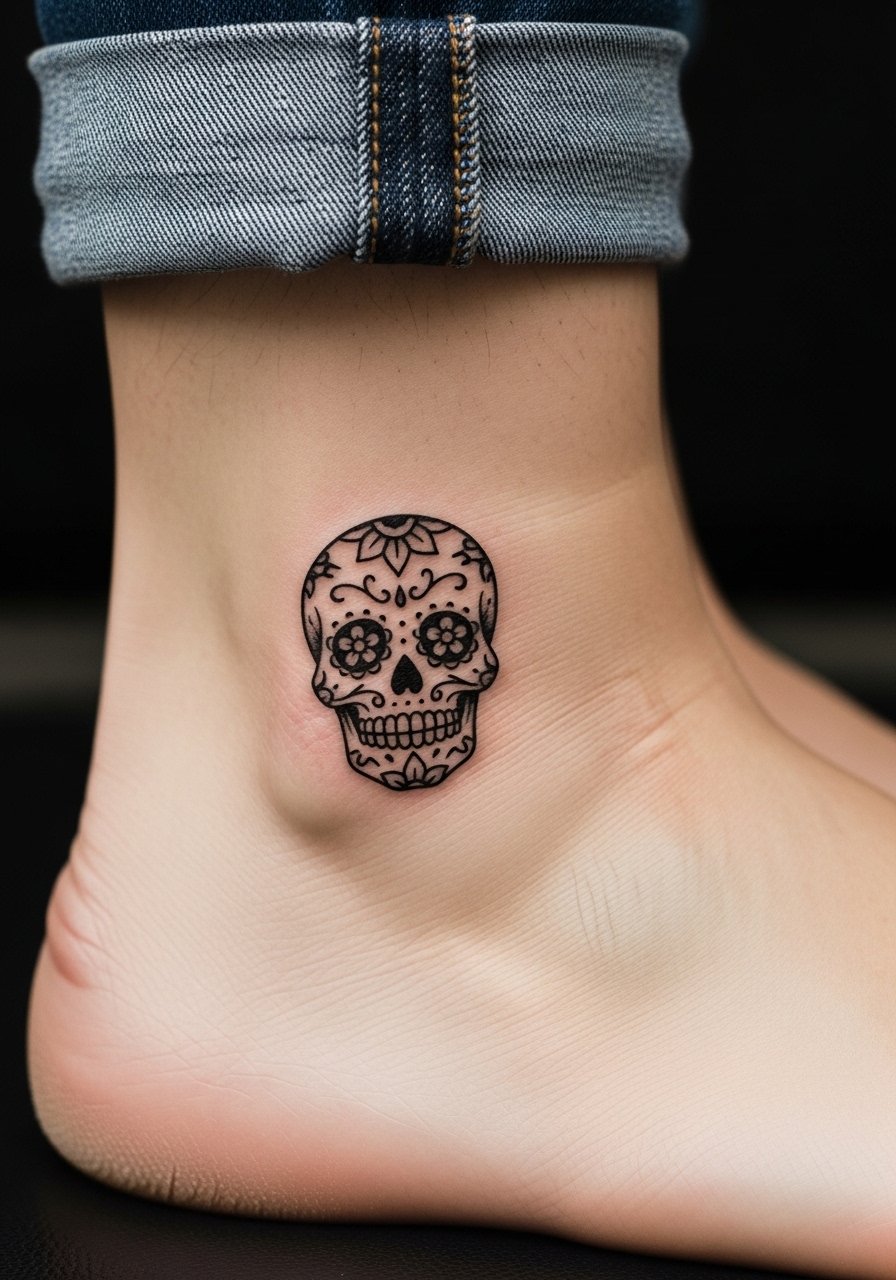
Ankle anklet pieces read like jewelry and pair well with sandals and cropped trousers. The skin near the ankle is thin and in contact with socks and shoes, so expect faster fade and potential touch-ups. Ask for simplified shapes and avoid heavy saturated fills that can distort under friction. For the session, wear pants you can roll up easily and a pair of slide sandals so the area avoids pressure after the appointment. A common error is placing an anklet too low where shoe contact will ruin edges during healing.
14. Ornamental Sugar Skull on Sternum
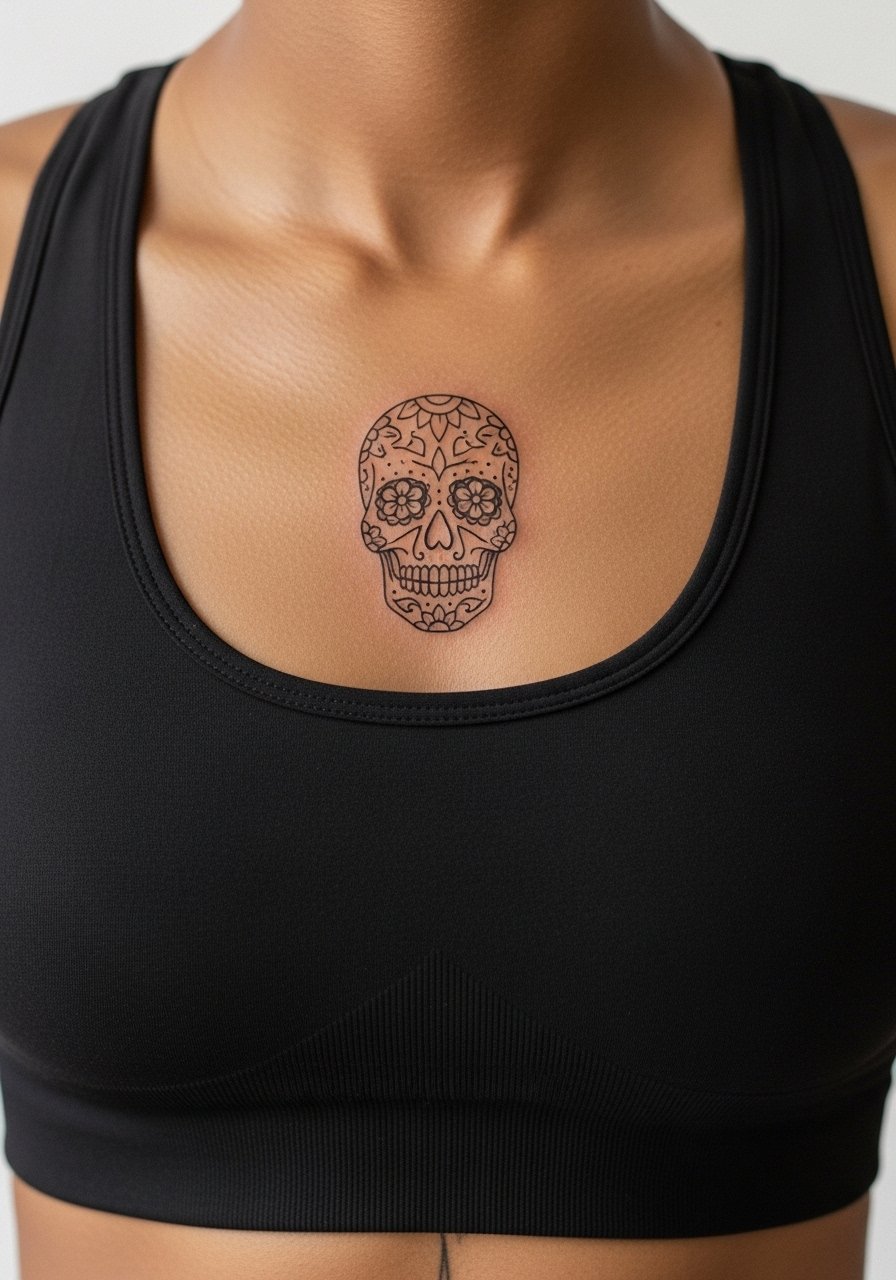
Sternum pieces read as bold and intimate. The area requires a specialized approach because the skin stretches with breathing and chest movement. Ask for slightly bolder anchors in the center and delicate filler around them so the central motif holds up. For the session, a sports bra is the right choice so the artist has clear access. Because this placement is more private, think about how often you will show it and whether you want literal religious imagery in such a personal spot. Expect moderate to high pain during shading near the bone.
15. Tiny Calavera Behind the Knee
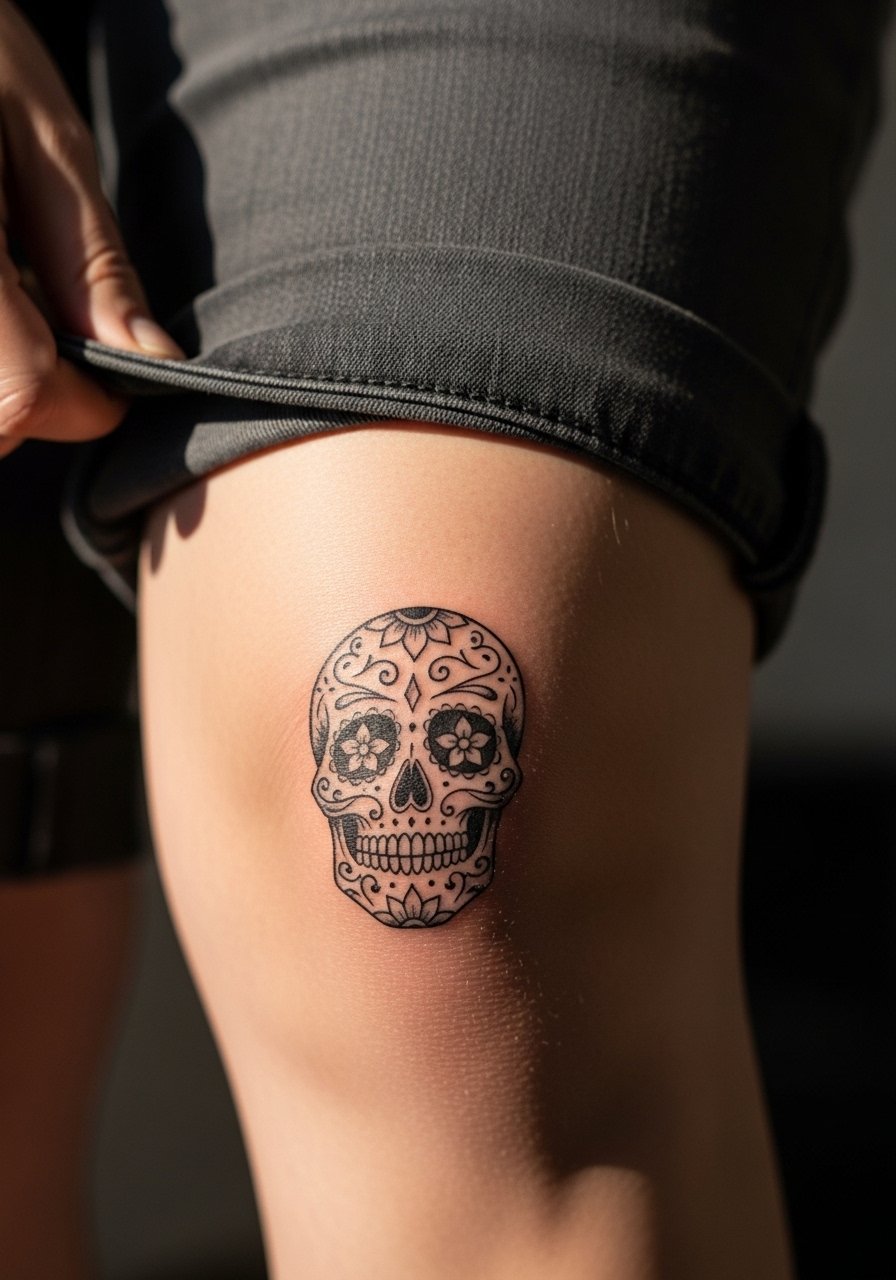
The back of the knee is an unusual spot that reads playful and hidden. Skin creases here so ask for a compact design with clear negative space to prevent merging lines. Sessions can be uncomfortable because of constant muscle movement. The piece often needs a touch-up around year two if you wear tight boots or leggings frequently. For the appointment, choose loose shorts to avoid irritating the area during travel home. The biggest mistake is choosing a detailed portrait here; scale down detail for longevity.
16. Sugar Skull Calf with Decorative Border
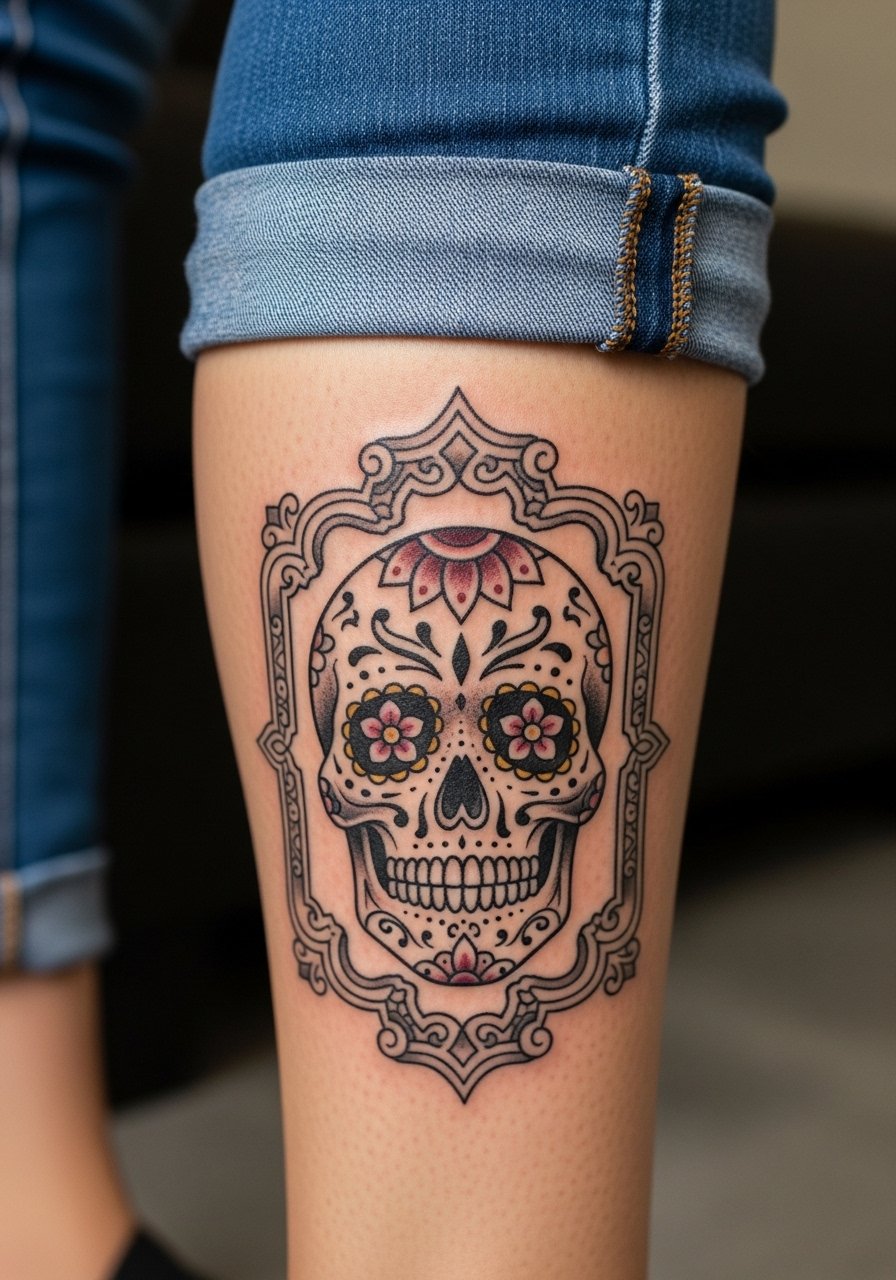
Calf placements give enough canvas for decorative borders that frame a sugar skull and hold detail longer than small placements. Ask for clean linework and mid-tone shading to maintain contrast as color settles. Sessions feel moderate and you can usually sit comfortably. Keep foot traffic in mind; boots and high socks can rub while healing, so plan wardrobe for the first week. A common mistake is using ultra-fine stippling across the entire design which reduces immediate readability. For casual show-off, cropped pants and a pair of mid-calf boots work well after healing.
17. Sugar Skull Sleeve Accent Near Elbow
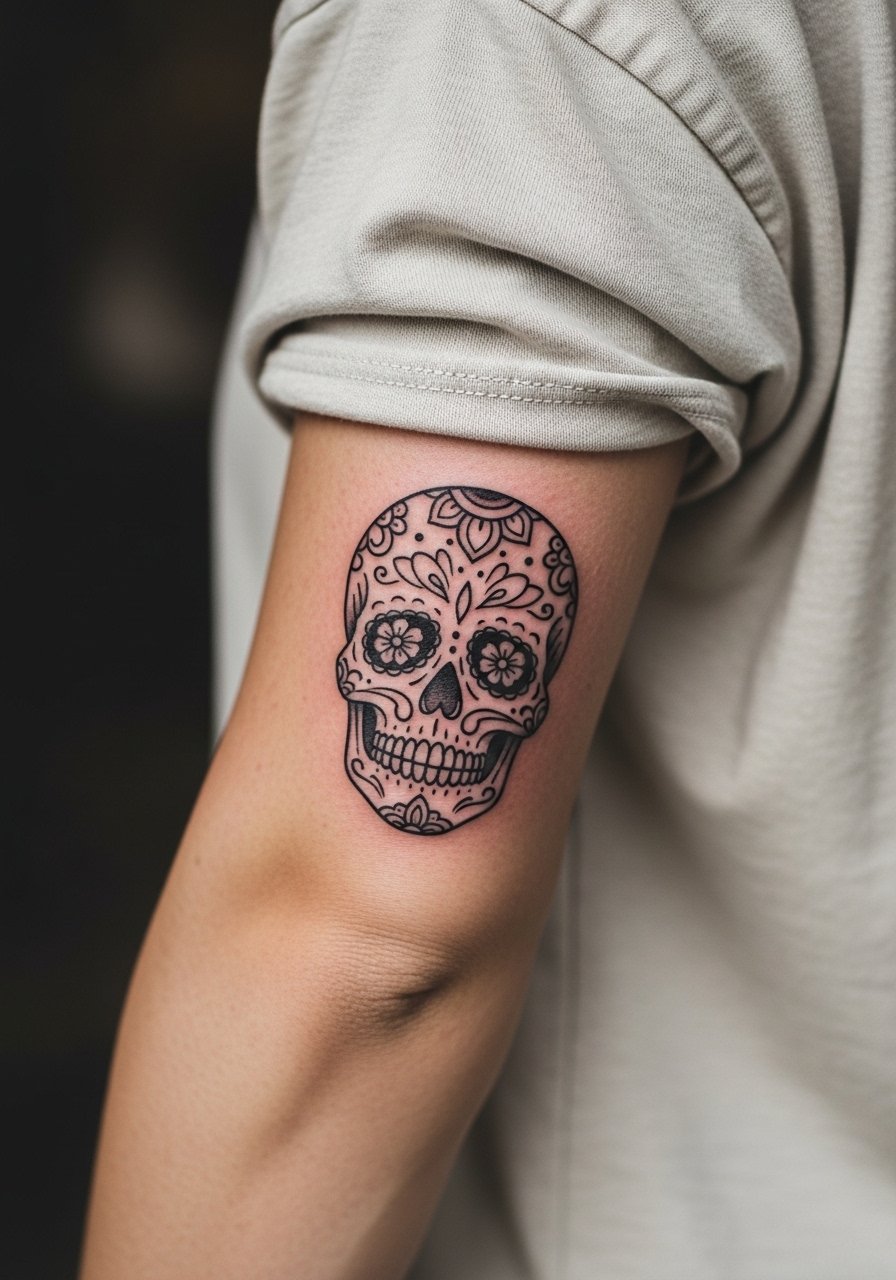
A sleeve accent by the elbow lets you blend Day of the Dead elements into broader arm work while using the elbow curve for flow. Tell your artist the elbow bend matters for composition so the skull reads even when your arm is relaxed and when bent. Expect moderate pain and multi-session work if you connect this to an existing sleeve. Elbow skin stretches and scabs differently, so plan for a touch-up once the rest of the sleeve is settled. Avoid packing the area with tiny dots that can disappear into motion lines. Sleeve accents work best when the skull has clear negative space around key features.
Frequently Asked Questions
Q: Will fine line Day of the Dead tattoos blur faster than bolder styles on wrists and fingers?
A: Fine line pieces on high-motion zones like wrists and fingers often lose crispness sooner. If you want the delicate look, ask for slightly stronger anchor lines and plan for a likely touch-up in two to three years. Placement and sun exposure play bigger roles than style alone.
Q: How should I approach cultural sensitivity when getting a Catrina or sugar skull?
A: Acknowledge origin respectfully by choosing stylized elements instead of copying ritual imagery exactly. Some people prefer personal variations or adding family-specific symbolism. Discuss intent with your artist and consider discovery paths like community forums and cultural guides to learn more before booking.
Q: What should I wear to a ribcage or sternum session for comfort and access?
A: Wear a fitted sports bra or a cropped top you can easily lift without removing your clothing entirely. This keeps you comfortable and gives the artist clean access without excessive shifting of the stencil.
Q: Which placements from this list need the most realistic touch-up planning?
A: Fingers, ankles, and wrists typically need touch-ups earlier because of friction and frequent washing. Calves, upper arms, and back pieces usually hold detail longer and often need touch-ups farther down the line.
Q: Can watercolor sugar skulls be made to age better, or should I avoid them?
A: Watercolor styles can age well if the artist anchors washes with subtle outlines or mid-tone areas. If you spend a lot of time outdoors, ask for stronger color anchors and plan for sunscreen use to preserve pigment.